Research Articles
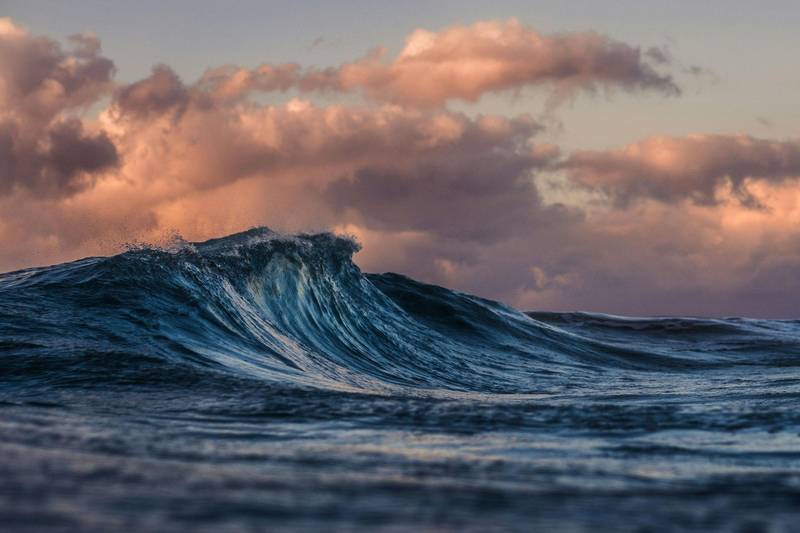
A Century by the Sea: The Environmental Science Journey of St. Andrews Biological Station
Explore the century-long environmental science journey of Canada's St. Andrews Biological Station, from its origins as a floating laboratory to modern ecotoxicology research.

The Silent Alarm in the Stream: How Ecotoxicology Decodes Nature's Distress Signals
Explore how ecotoxicology combines ecology and toxicology to understand chemical impacts on ecosystems and protect our planet's future.
The Unseen Compass: Navigating Ethics in the Science of Environmental Toxins
Exploring the ethical dimensions of ecotoxicology - from animal welfare to the precautionary principle in environmental science.
Wildlife Ecotoxicology: The Unseen Battle for Ecosystem Health
Exploring the invisible threats of chemical pollutants on wildlife and ecosystems, and the scientific tools helping to protect our planet's biodiversity.
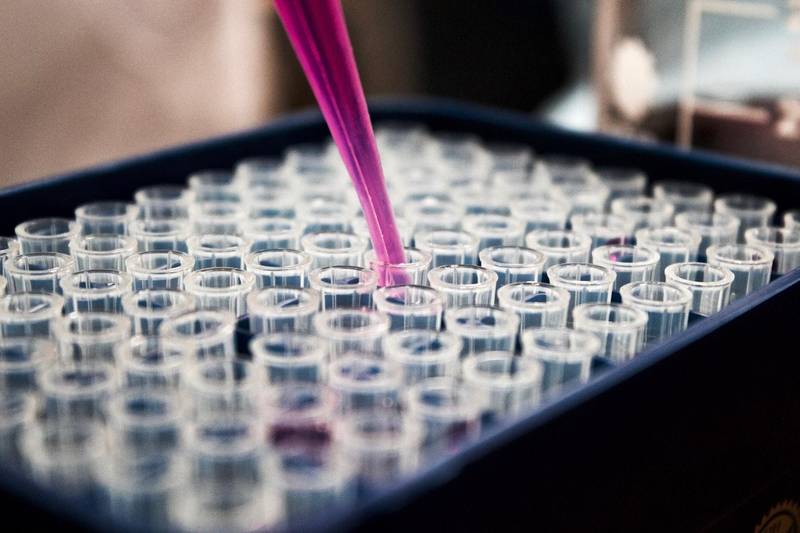
The Silent Language of Chemicals: How Scientists Decode Nature's Toxic Secrets
Explore how mechanistic ecotoxicology deciphers chemical effects on ecosystems through molecular interactions and biological pathways.
The Silent Ripple: How Everyday Chemicals are Reshaping Our Ecosystems
Exploring how low concentrations of everyday chemicals are causing profound ecological changes through subtle, non-lethal effects on ecosystems.
From Ocean to Plate: The Science of Detecting Hidden Toxins in Your Seafood
Discover how ecotoxicologists trace invisible threats from polluted waters to our dinner plates, focusing on Polycyclic Aromatic Hydrocarbons (PAHs) in seafood.
The Silent Spring's Echo: Unraveling Our Planet's Toxic Tapestry
Explore how invisible chemicals shape our world through global ecotoxicology - the science of pollutants, their effects on ecosystems, and management strategies.
The Silent Alarm in Our Streams: How Chemical Clues Reveal an Ecosystem's Health
Discover how ecotoxicology uses chemical analysis and modeling to assess ecosystem health and predict environmental impacts.
From Lab to Lake: Why Studying Individual Fish Isn't Enough to Protect Our Ecosystems
Exploring how scientists bridge the gap between individual-level toxicity tests and population-level ecological impacts in environmental protection.