Bioavailability and Environmental Fate of Contaminants: Mechanisms, Modeling, and Implications for Risk Assessment
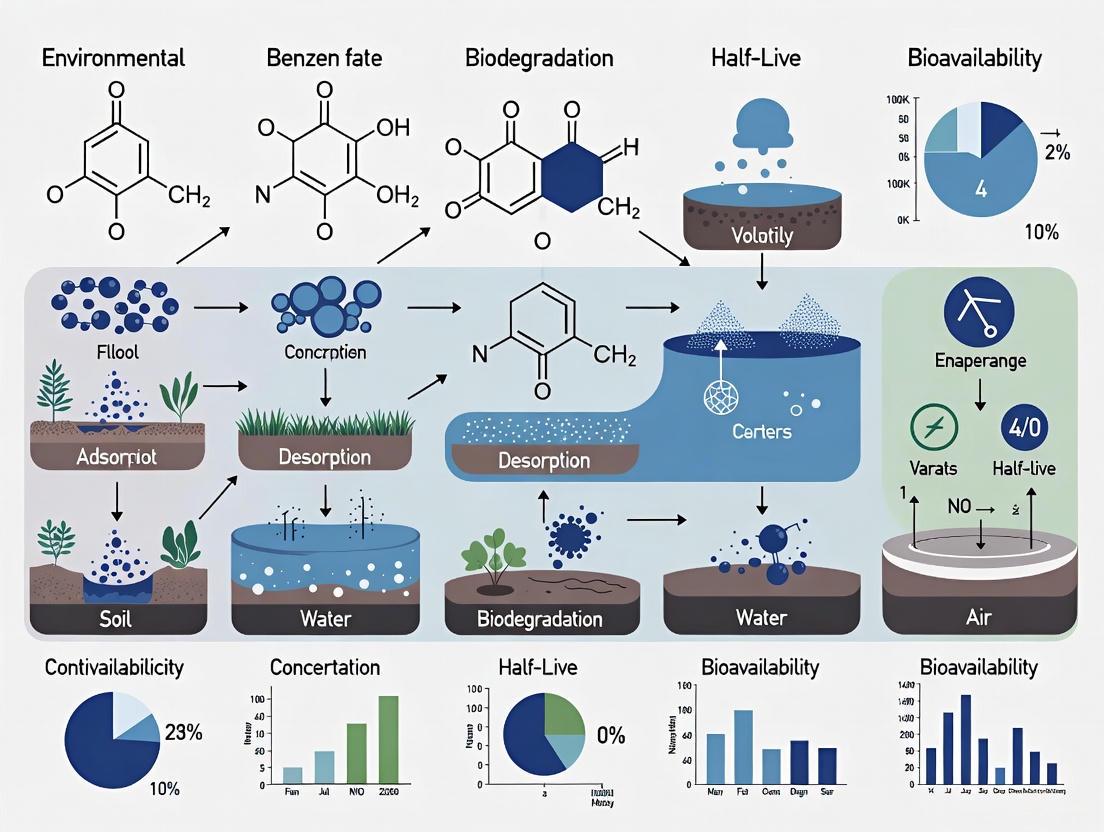
This article provides a comprehensive overview of the processes governing the environmental fate and bioavailability of contaminants, with a specific focus on implications for pharmaceutical research and development.
Bioavailability and Environmental Fate of Contaminants: Mechanisms, Modeling, and Implications for Risk Assessment
Abstract
This article provides a comprehensive overview of the processes governing the environmental fate and bioavailability of contaminants, with a specific focus on implications for pharmaceutical research and development. It explores the fundamental physical, chemical, and biological interactions that determine contaminant exposure, reviews advanced modeling and detection methodologies for predicting bioavailability, and addresses key challenges in incorporating these concepts into accurate risk assessment frameworks. Aimed at researchers, scientists, and drug development professionals, the content synthesizes recent scientific advances to bridge the gap between theoretical understanding and practical application in environmental and health risk management.
Understanding Bioavailability: Defining the Processes that Govern Contaminant Exposure
What is Bioavailability? Clarifying Definitions and Conceptual Frameworks
Bioavailability is a foundational concept critical to accurately assessing the risk and impact of chemicals, as the total concentration alone is a poor indicator of the fraction that is actually absorbed by an organism and can elicit a biological response [1]. In essence, it describes the extent to which a substance is taken up and becomes available at the site of physiological activity within a living organism [2]. First introduced as a concept in 1975, the principle of bioavailability now applies to various environments, including water, soil, sediment, and air [1].
The significance of bioavailability is clearest in a comparative context. For a long time, soil quality standards and risk assessment procedures in most countries were based on the total amount of pollutants. However, the actual risk and impact of pollutants may be equal to or lower than this total amount, as not all pollutants can be absorbed during biological processes [1]. The extent of bioavailability has profound implications, influencing everything from the efficacy and dosing of pharmaceutical drugs to the ecological risk assessment and remediation strategies for contaminated land [3] [1].
Discipline-Specific Definitions and Frameworks
The term "bioavailability" lacks a single, universal definition and is often interpreted through a discipline-specific lens, leading to a variety of nuanced meanings [2]. The core discrepancy lies in whether bioavailability is viewed as a static quantity (the fraction available for absorption) or a dynamic process (the rate of absorption).
Pharmacology and Toxicology
In pharmacology, bioavailability is a subcategory of absorption and is defined as the fraction (%) of an administered drug that reaches the systemic circulation in an unchanged form [3] [4]. This definition provides a quantitative framework:
- Absolute Bioavailability (
F): This compares the bioavailability of a drug after non-intravenous administration (e.g., oral, dermal) to its bioavailability after intravenous (IV) administration, which is, by definition, 100% [3] [5] [4]. It is calculated by correcting the ratio of the Areas Under the plasma drug concentration-time Curves (AUC) for the difference in administered dose [3]. - Relative Bioavailability: This measures the bioavailability of a specific formulation of a drug compared to another formulation, usually an established standard [3]. This is a key measure for assessing bioequivalence between two drug products, such as a brand-name drug and its generic version [3].
Toxicologists often extend this definition to encompass the fraction of a chemical that is accessible for absorption and can reach the site of toxicological action [2].
Nutritional Science
For dietary supplements, herbs, and nutrients, bioavailability generally designates simply the quantity or fraction of the ingested dose that is absorbed [3]. A key difference from pharmacology is the lack of well-defined standards, as the utilization and absorption of a nutrient are heavily influenced by the nutritional status and physiological state of the subject, leading to even greater inter-individual variation [3].
Environmental Science
In environmental science, the concept is applied to contaminants in soils and sediments. Here, bioavailability is the measure by which various substances in the environment may enter into living organisms [3]. It is a crucial, often limiting, factor in crop production and in the removal of toxic substances from the food chain [3]. To clarify the ongoing discussion, the related concept of bioaccessibility is often used to describe the fraction of a contaminant that is desorbable and potentially available for absorption, whereas bioavailability refers to the fraction that actually crosses an organism's cellular membrane [6] [1].
Table 1: Definitions of Bioavailability Across Disciplines
| Discipline | Primary Definition | Key Focus | Common Metrics |
|---|---|---|---|
| Pharmacology | Fraction of an administered dose that reaches the systemic circulation unchanged [3] [4]. | Drug efficacy and safety, dosing. | Absolute Bioavailability (F), Relative Bioavailability, AUC [3]. |
| Toxicology | Fraction of a chemical that is absorbed and can reach a target site to cause an adverse effect [2]. | Chemical risk assessment. | Bioavailability factor (BF), internal dose. |
| Nutritional Science | Quantity or fraction of an ingested nutrient that is absorbed [3]. | Nutritional status and physiological utilization. | Absorption fraction, AUC. |
| Environmental Science | Measure by which substances in the environment enter living organisms [3]; Measure of the potential for a chemical to enter an ecological or human receptor [2]. | Ecological risk assessment, remediation. | Bioaccessible fraction, freely dissolved concentration (C~free~), Biota-Sediment Accumulation Factor (BSAF). |
Given the diversity of definitions, the National Research Council (NRC) proposed a shift in focus from a single definition to the concept of "bioavailability processes" for contaminants in soils and sediments. These are defined as "the individual physical, chemical, and biological interactions that determine the exposure of plants and animals to chemicals associated with soils and sediments" [2]. This framework aims to make the incorporation of bioavailability into risk assessments more transparent and defensible.
Key Parameters and the Conceptual Framework
The environmental bioavailability of contaminants is primarily understood through two key parameters, which represent different endpoints in the exposure pathway [6].
Bioaccessibility and the Rapid Desorption Fraction
Bioaccessibility refers to the fraction of a contaminant that is weakly or reversibly sorbed to the solid matrix and can therefore undergo rapid desorption into the aqueous phase [6]. This fraction represents the pool of contaminant that is accessible to an organism over a relevant time scale. For example, as an organism moves through or ingests soil, or as bacteria attempt to degrade a contaminant, the chemical must first enter the water phase. The desorbable, or bioaccessible, fraction replenishes the freely dissolved chemical as it is removed by these processes [6]. This parameter is operationally defined, meaning its measured value depends heavily on the specific extraction method used (e.g., solvent, time, temperature) [6].
Chemical Activity and the Equilibrium Partitioning Theory
Chemical activity describes the potential of a contaminant to undergo spontaneous physicochemical processes like diffusion and partitioning [6]. At equilibrium, the chemical activity is equal in all phases (e.g., soil organic matter, pore water, biota). For hydrophobic organic contaminants (HOCs) at environmentally relevant levels, chemical activity is represented by the freely dissolved concentration (C~free~) in the pore water [6]. The Equilibrium Partitioning (EqP) theory uses this principle to predict bioavailability, stating that at equilibrium, the concentration in one compartment (e.g., biota) is proportional to C~free~ in another (e.g., water) via a partition coefficient [6]. Unlike bioaccessibility, C~free~ should be a singular value for a given sample and is typically measured using equilibrium passive samplers [6].
Table 2: Key Parameters in Environmental Bioavailability
| Parameter | Definition | Environmental Relevance | Common Measurement Techniques |
|---|---|---|---|
| Bioaccessibility | The contaminant fraction that is desorbable and potentially available for absorption [6] [1]. | Predicts bioavailability for processes like biodegradation and ingestion by invertebrates [6]. | Mild solvent extraction, hydroxypropyl-β-cyclodextrin (HPCD) extraction, Tenax desorption [6]. |
| Chemical Activity / C~free~ | The freely dissolved concentration, representing the contaminant's potential for spontaneous partitioning [6]. | Predicts baseline toxicity, bioaccumulation in passive diffusers, and acute aquatic toxicity [6]. | Equilibrium passive samplers (e.g., SPME, POM, PEDs) [6]. |
The following diagram illustrates the logical relationship between the total contaminant in the environment and its eventual biological impact, highlighting the key concepts of bioaccessibility and bioavailability.
Methodologies for Assessing Bioavailability
A wide array of methods has been developed to measure bioavailability and its related parameters. These techniques can be broadly categorized into chemical methods that simulate biological uptake and biological assays that measure it directly.
Chemical Assessment Methods
Chemical methods are designed to be rapid, cost-effective, and reproducible tools for predicting bioavailability. They primarily target either the bioaccessible fraction or the chemical activity (C~free~) [6].
Partial Extraction Techniques (Measuring Bioaccessibility): These methods use a mild extractant to remove the rapidly desorbing contaminant fraction.
- Mild Solvent Extraction: Uses a mild organic solvent to partially extract HOCs from the soil. The result is highly dependent on the solvent and soil type [6].
- HPCD Extraction: Hydroxypropyl-β-cyclodextrin acts as a contaminant sink, mimicking bacterial membranes. It is a fast and easy operation but has limited extraction capacity [6].
- Tenax Extraction: Uses Tenax resin as a continuous sink to trap desorbed contaminants. It can be a time-consuming sequential extraction to understand desorption kinetics or a simplified single 6-hour extraction [6].
Equilibrium Sampling Techniques (Measuring C~free~): These methods use a passive sampler that equilibrates with the soil or sediment pore water.
- Solid-Phase Microextraction (SPME): A polymer-coated fiber is exposed to the sample. The amount of contaminant absorbed on the fiber at equilibrium is directly related to C~free~ [6].
- Polyoxymethylene (POM) and Polyethylene Devices (PED): Thin sheets of polymer are incubated with the sample until equilibrium is reached, after which the contaminant concentration in the polymer is used to calculate C~free~ [6].
Biological and In Vivo Assessment
Biological methods provide a direct measure of bioavailability by using living organisms as the assessment tool.
- In Vivo Animal Studies: For human health risk assessment, these studies determine the absolute oral bioavailability of a contaminant by comparing the internal dose following ingestion of contaminated soil to the internal dose following intravenous administration of the pure contaminant [2].
- Bioaccumulation Studies with Invertebrates: Organisms such as earthworms or aquatic oligochaetes are exposed to contaminated soil or sediment. The concentration of the contaminant accumulated in their tissues after a defined period serves as a direct measure of its bioavailability [6].
- Biodegradation Studies: The extent and rate of microbial degradation of a contaminant in a natural sample can be used as an indicator of its bioavailability to the degrading microbial community [6].
The following workflow diagram outlines the general experimental protocol for assessing bioavailability using a passive sampling approach, a common method for determining C~free~.
The Researcher's Toolkit: Essential Reagents and Materials
The experimental assessment of bioavailability relies on a suite of specialized reagents and materials. The following table details key solutions and tools used across different methodological approaches.
Table 3: Key Research Reagent Solutions for Bioavailability Studies
| Tool/Reagent | Function | Primary Application Area |
|---|---|---|
| Tenax TA | A polymeric resin that acts as an infinite sink to trap hydrophobic organic contaminants desorbed from soil/sediment, allowing measurement of the rapidly desorbing fraction [6]. | Bioaccessibility Measurement |
| Hydroxypropyl-β-Cyclodextrin (HPCD) | A non-toxic, ring-shaped sugar molecule that forms inclusion complexes with HOCs, mimicking uptake by bacterial cell membranes and estimating the bioaccessible fraction [6]. | Bioaccessibility Measurement |
| Solid-Phase Microextraction (SPME) Fibers | Polymer-coated fibers (e.g., polydimethylsiloxane) that absorb contaminants from pore water until equilibrium is reached, used to measure the freely dissolved concentration (C~free~) [6]. | Chemical Activity (C~free~) Measurement |
| Polyoxymethylene (POM) Samplers | Thin sheets of a dense polymer that serve as an equilibrium passive sampler for measuring C~free~ of HOCs in sediments and soils [6]. | Chemical Activity (C~free~) Measurement |
| Simulated Biological Fluids | Chemically defined solutions that mimic the gastric or intestinal environment (e.g., pH, enzymes) to estimate the human bioaccessible fraction of contaminants via ingestion [2]. | In Vitro Bioaccessibility (Human Health) |
| 0.1 mol/L CaCl₂ Solution | A mild neutral salt solution used as an extractant to estimate the "exchangeable" or potentially plant-available fraction of heavy metals in soils [1]. | Phytotoxicity & Plant Uptake |
Regulatory Application and Future Directions
The understanding of bioavailability is increasingly being translated from a scientific concept into a practical tool for environmental regulation and risk assessment.
Many policymakers and regulators are now accepting that bioavailability should form a fundamental basis for risk assessment and for formulating soil remediation values and reference values [1]. For instance:
- United States: The US Environmental Protection Agency (USEPA) has incorporated bioavailability into its water quality benchmarks for metals like copper through the use of the Biotic Ligand Model (BLM) [1].
- Europe: Germany and Switzerland use leaching tests (e.g., with 0.1 mol/L NaNO₃) to determine guide and trigger values for heavy metals in soil, integrating mobility and bioavailability into their standards [1].
- China: The Fujian Province local standard is a pioneering example of using effective concentrations of heavy metals extracted with 0.1 mol/L CaCl₂ or DTPA as a classification standard for agricultural soil pollution [1].
Future directions in bioavailability research focus on standardizing measurement protocols, better integrating multi-disciplinary techniques, and developing more sophisticated in silico and modeling approaches. Computational models, such as physiologically-based pharmacokinetic (PBPK) models and tools like GastroPlus and SimCyp, are gaining traction for predicting absorption and bioavailability, thereby accelerating drug development and environmental risk assessment [7] [8]. The ongoing challenge and focus of research is to establish highly correlated, standardized methods for evaluating bioavailability that are universally accepted and can be reliably used to inform remediation strategies and protect human and ecosystem health [1].
For over three decades, assessing and remediating soils and sediments contaminated by industrial chemicals has been a national priority, with a central focus on the risks these contaminants pose to humans and ecological receptors [2]. Evaluation of exposure is a key component of chemical risk assessment, and understanding the factors that influence exposure enables decision-makers to develop solutions for environmental contamination [2]. The bioavailability of contaminants—the percentage of total contaminant levels to which organisms are actually exposed—has significant implications for the cleanup of contaminated media [2]. National attention on bioavailability stems from a growing recognition that soils and sediments bind chemicals to varying degrees, thereby altering their availability to other environmental media and to living organisms [2].
The physiological characteristics or "niche" of plant and animal species significantly influence chemical exposure, such that the same contaminated material may present vastly different exposure profiles across species [2]. This altered availability has been described using various terms including partitioning, reduced desorption rates, sequestration, and limited absorption through biological membranes [2]. In this review, we adopt the term "bioavailability processes," defined as the individual physical, chemical, and biological interactions that determine the exposure of plants and animals to chemicals associated with soils and sediments [2]. This process-based approach provides a more transparent framework for identifying relevant mechanisms, gaining mechanistic understanding, and evaluating tools for assessing bioavailability in environmental risk assessment.
Defining Bioavailability: Concepts and Terminology
Bioavailability has been defined in various discipline-specific ways, creating potential confusion in interdisciplinary research and regulation. As shown in Table 1, definitions range from environmental science perspectives focusing on accessibility for assimilation and potential toxicity, to pharmacological definitions emphasizing absorption into systemic circulation [2].
Table 1: Key Definitions of Bioavailability and Related Terms
| Term | Definition | Source |
|---|---|---|
| Bioavailability (Environmental) | "The extent to which a substance can be absorbed by a living organism and can cause an adverse physiological or toxicological response." | Battelle and Exponent, 2000 [2] |
| Bioavailability (Toxicological) | "The fraction of an administered dose that reaches the central (blood) compartment." | NEPI, 2000a [2] |
| Absolute Bioavailability | "The fraction or percentage of an external dose which reaches the systemic circulation." | Hrudy et al., 1996 [2] |
| Relative Bioavailability | "Refers to comparative bioavailabilities of different forms of a chemical or for different exposure media containing the chemical." | Ruby et al., 1999 [2] |
| Bioavailability Processes | "The individual physical, chemical, and biological interactions that determine the exposure of plants and animals to chemicals associated with soils and sediments." | National Research Council, 2003 [2] |
In pharmacological contexts, absolute bioavailability (F) represents the fraction of an administered dose that reaches systemic circulation, with intravenous administration providing 100% bioavailability by definition [5]. Relative bioavailability compares absorption between different forms of a chemical or different exposure media, often expressed as a relative absorption factor [2]. It is crucial to distinguish between absorption (the passage of a drug through intestinal tissue into the portal vein) and oral bioavailability, which requires the compound to survive gastrointestinal absorption and metabolism, blood metabolism, and hepatic clearance [5].
Physical and Chemical Processes Governing Bioavailability
Phase Distribution and Partitioning
The distribution of hydrophobic chemicals between aqueous, solid, and dissolved organic phases fundamentally controls their biological availability in aquatic environments [9]. The truly dissolved aqueous fraction represents the directly bioavailable form of xenobiotic chemicals, with phase distribution behavior predictable using physicochemical properties [9]. These distributions are influenced by:
- Sediment-water exchange processes that regulate contaminant mobility across this critical interface [10] [11]
- Interactions with particulate and dissolved organic matter that sequester hydrophobic organic compounds [10]
- Photochemical processes that can alter chemical structure and availability through light-mediated reactions [10] [11]
- Redox potential and pH fluctuations in dynamic sediment-water environments that modify metal mobility and organic compound availability [10]
Molecular Interactions and Binding
Physicochemical factors including water hardness, pH, and temperature significantly influence toxicity in freshwater systems by modifying chemical speciation and organismal susceptibility [10]. For metals, ligands in aquatic environments play crucial roles in determining metal bioavailability through complex formation [10]. The binding of hydrophobic organic contaminants to dissolved organic macromolecules, such as humic acid, can reduce uptake by biological membranes, as demonstrated for contaminants like benzo[a]pyrene and tetrachlorobiphenyl passing through fish gills [9].
Table 2: Key Physicochemical Factors Affecting Contaminant Bioavailability
| Factor | Effect on Bioavailability | Representative Contaminants Affected |
|---|---|---|
| pH | Alters chemical speciation, particularly for metals; affects membrane permeability | Metals, ionizable organic compounds |
| Redox Potential | Influences metal valence state and mobility; affects degradation of organic contaminants | Metals, PAHs, chlorinated compounds |
| Dissolved Organic Carbon | Binds hydrophobic compounds, reducing freely dissolved concentration | PAHs, PCBs, dioxins |
| Water Hardness | Competes with metals for binding sites; affects organism susceptibility | Metals (Cd, Cu, Zn) |
| Temperature | Affects metabolic rates, chemical degradation, and partitioning | Nearly all contaminants |
Biological Processes in Bioavailability
Membrane Transport and Physiological Uptake
For aquatic organisms, chemical uptake occurs primarily through the gills, where rate-limiting barriers control xenobiotic transfer from water to the organism [9]. The gill epithelium represents the initial biological interface for waterborne contaminants, with uptake potentially controlled by transfer to storage tissues via blood flow to adipose tissue [9]. For hydrophobic organic contaminants, research has demonstrated that dissolved organic macromolecules can reduce uptake by the gills of rainbow trout (Salmo gairdneri), highlighting the interplay between chemical binding and biological uptake [9].
Kinetic Limitations and Physiological Regulation
Toxicokinetic modeling approaches have been developed to investigate the toxicity of mixtures of organic chemicals, using one-compartment, first-order-kinetics models to predict time courses of toxicant action [9]. Organisms possess physiological and biochemical mechanisms that regulate the accumulation and toxicity of environmental chemicals, including biotransformation enzymes, membrane transporters, and storage mechanisms [10]. Understanding the choreography of contaminant kinetics—quantifying the uptake of chemicals by organisms—requires approaches that account for both environmental availability and biological processing [10].
The following diagram illustrates the key physical, chemical, and biological processes that collectively determine contaminant bioavailability in environmental systems:
Experimental Approaches and Methodologies
Bioavailability Assessment Protocols
Bioavailability studies follow structured protocols with key components including study objectives, experimental design, subject selection, and statistical analysis [12]. Experimental designs for bioavailability assessment include:
- Parallel study designs where different groups receive different formulations, though this approach is subject to inter-subject variations [12]
- Crossover designs including Latin square and balanced incomplete block designs that minimize inter-subject variation by having subjects serve as their own controls [12]
- Washout periods between study periods to eliminate carryover effects, though extended washout periods can increase subject dropout rates [12]
For environmental assessments, bioavailability measurements can utilize plasma level-time studies, urinary excretion methods, acute pharmacological responses, or therapeutic responses [12]. Key parameters assessed include AUC (area under the concentration-time curve), Cmax (maximum concentration), Tmax (time to reach maximum concentration), and elimination half-life (T½) [12].
Bioequivalence Testing Frameworks
In regulatory contexts for human pharmaceuticals, bioequivalence summary tables provide standardized formats for data representation consistent with FDA recommendations [13]. These tables, required for Abbreviated New Drug Applications (ANDAs), include sixteen key tables covering submission summaries, bioavailability studies, statistical analyses, bioanalytical method validation, and in vitro dissolution studies [13]. The Division of Bioequivalence (DBE) within the Office of Generic Drugs reviews these studies to determine therapeutic equivalence based on pharmaceutical equivalence and established bioequivalence [13].
The Researcher's Toolkit: Essential Reagents and Methodologies
Table 3: Key Research Reagent Solutions for Bioavailability Studies
| Reagent/Material | Function in Bioavailability Research | Application Context |
|---|---|---|
| Artificial Sediments | Standardized matrix for controlling organic matter and particle size effects on contaminant partitioning | Sediment toxicity testing [9] |
| Passive Sampling Devices | Measure freely dissolved contaminant fraction; predict bioavailable concentration | Field and laboratory studies [5] |
| Chemical Extractants | Simulate gastrointestinal fluids or environmental release; estimate bioaccessibility | In vitro bioavailability assays [5] |
| Dissolved Organic Matter | Study complexation effects on contaminant mobility and uptake | Aquatic toxicology [9] |
| Defined Media | Control physicochemical parameters (pH, hardness, ionic composition) | Laboratory exposure studies [10] |
| Radiolabeled Compounds | Track contaminant fate, metabolism, and distribution in biological systems | Toxicokinetic studies [9] |
| Biomimetic Membranes | Assess passive diffusion and membrane permeability | In vitro absorption studies [5] |
Methodological Framework for Environmental Bioavailability Assessment
The following workflow outlines a comprehensive approach for assessing contaminant bioavailability in environmental systems, integrating both chemical and biological assessment tools:
Implications for Environmental Risk Assessment and Remediation
Incorporating bioavailability considerations into contaminated land risk assessment has become increasingly important for realistic hazard evaluation and efficient remediation [5]. The development of analytical tools for measuring bioavailability and bioaccessibility represents an active research frontier, with chemical extraction methods frequently correlated with biological endpoints like biodegradation [5]. A significant challenge remains that bioavailability is organism-specific, making universal chemical extraction techniques difficult to establish [5].
Understanding bioavailability processes enables more accurate exposure assessments in ecological risk evaluations, potentially reducing unnecessary cleanup costs while maintaining protective outcomes [2]. Contemporary risk assessment practice often incorporates bioavailability as an adjustment factor accounting for a chemical's ability to be absorbed, but frequently fails to transparently identify and explain assumptions regarding individual bioavailability processes [2]. Improving this aspect requires greater mechanistic understanding of bioavailability processes and evaluation of various tools for providing information on these processes [2].
For regulatory applications, particularly in the pharmaceutical sector, bioequivalence testing ensures that generic drug products provide comparable systemic exposure to reference products, with specific requirements for summary tables documenting study designs, statistical analyses, and formulation characteristics [13]. These standardized approaches facilitate regulatory review while ensuring therapeutic equivalence through demonstrated bioavailability equivalence [13].
The concept of bioavailability processes provides a comprehensive framework for understanding the complex physical, chemical, and biological interactions that determine contaminant exposure in environmental systems and drug availability in pharmacological contexts. This process-based approach moves beyond simplistic definitions to recognize the dynamic, multi-faceted nature of bioavailability across different organisms, exposure routes, and environmental conditions. Advances in both environmental and pharmaceutical bioavailability research continue to refine our understanding of these critical processes, enabling more accurate risk assessments, more effective remediation strategies, and more reliable therapeutic interventions. The ongoing development of standardized testing methodologies, coupled with mechanistic research on binding, transport, and metabolic processes, will further enhance our ability to predict and manage contaminant exposure and drug efficacy across diverse applications.
Understanding the environmental fate of contaminants—their transport, transformation, and ultimate degradation—is fundamental to assessing ecological risks and developing effective remediation strategies. The behavior of a chemical in the environment is not random; it is governed by a set of intrinsic physicochemical properties that determine its interactions with biological systems and abiotic matrices [14]. Among these, solubility, volatility, and reactivity are critical primary properties that exert a controlling influence on a contaminant's bioavailability, persistence, and potential toxicological impacts [15] [14]. This guide provides an in-depth examination of these core properties, framing them within the context of environmental fate and bioavailability research for a scientific audience. Accurate determination of these properties enables researchers to predict contaminant partitioning, design robust experimental protocols, and inform regulatory decisions for chemical alternatives and drug development.
Fundamental Properties and Their Environmental Significance
Aqueous Solubility
Aqueous solubility is defined as the maximum concentration of a chemical that can dissolve in water at a given temperature and pressure. It is a direct measure of a substance's hydrophilicity or hydrophobicity and is perhaps the single most important property influencing a contaminant's environmental fate [16]. High solubility generally promotes mobility in groundwater and surface water, increasing the potential for widespread dispersion and aquatic exposure [15] [14]. Conversely, low solubility limits dissolved concentrations but can lead to the formation of separate-phase liquids (NAPLs) or solid precipitates, which act as long-term secondary sources of contamination [17].
The environmental impact of solubility is profound. Even when solubility is low, the dissolved fraction may be sufficient to degrade water quality and pose threats to ecosystems and human health [17]. In bioavailability and toxicity studies, exposing test organisms to concentrations exceeding a chemical's water solubility can confound test interpretation, as the test system may include undissolved chemical or micro-droplets, leading to inaccurate hazard assessments [16].
Volatility
Volatility describes the tendency of a substance to transfer from its liquid or solid phase into the vapor phase. It is quantitatively described by vapor pressure and Henry's Law constant (KH). Vapor pressure is the pressure exerted by a vapor in thermodynamic equilibrium with its condensed phases at a given temperature. Henry's Law constant is the ratio of a compound's vapor pressure to its water solubility (KH = Pv/S), defining its partitioning between the air and water phases [14].
Volatility dictates the potential for atmospheric transport of contaminants. Chemicals with high volatility, such as dichloromethane, are prone to evaporate from soil and water surfaces, leading to inhalation exposure risks and long-range transport through the atmosphere [18]. The Henry's Law constant specifically indicates whether a contaminant released to water will volatilize into the air (high KH) or remain dissolved (low KH) [15] [14]. This partitioning influences the selection of remediation techniques, such as soil vapor extraction or air sparging, for volatile organic compounds.
Chemical Reactivity
Chemical reactivity encompasses a contaminant's propensity to undergo abiotic chemical transformations through processes such as hydrolysis, oxidation, reduction, and photolysis [15]. These processes can break down contaminants into simpler, often less harmful, daughter products or, in some cases, transform them into more toxic compounds. Reactivity is influenced by molecular structure, presence of functional groups, and environmental conditions such as pH and the presence of catalysts [14].
In the environment, reactivity directly determines a contaminant's persistence. Highly reactive compounds may degrade rapidly, limiting their spatial and temporal impact. In contrast, persistent compounds, such as many chlorinated solvents and certain halogenated organics, resist degradation and can accumulate in environmental compartments, leading to long-term exposure risks [15] [18]. Understanding reactivity is therefore crucial for predicting the lifetime of contaminants and for designing advanced chemical or photochemical remediation treatments.
Integrated Property Influence on Environmental Fate
These three properties do not act in isolation; they interact to determine a contaminant's overall environmental behavior. The following diagram illustrates the interconnected influence of solubility, volatility, and reactivity on key environmental fate processes.
This interplay means that a holistic risk assessment must consider all properties simultaneously. For instance, a contaminant with low solubility but high volatility may still become widely distributed through atmospheric pathways. Similarly, high reactivity might reduce a contaminant's persistence, but only if it is bioavailable or in a chemical state that allows the reaction to proceed.
Quantitative Data and Property Ranges
The following tables summarize typical values and measurement methods for these critical properties across a range of common environmental contaminants, providing a reference for researchers.
Table 1: Property Ranges and Environmental Significance of Key Contaminant Classes
| Contaminant Class/Example | Solubility (mg/L) | Vapor Pressure (kPa) | Key Reactivity | Primary Environmental Fate Implications |
|---|---|---|---|---|
| Phthalates (e.g., DEHP) [19] | Very Low (< 0.01) | Low | Resists hydrolysis | Sorbs strongly to solids; persists in sludge/biosolids; potential for bioaccumulation. |
| Pharmaceuticals (e.g., Sertraline) [19] | Variable (Low-Moderate) | Very Low | Biodegradation primary pathway | Mobile in water if soluble; removal dependent on wastewater treatment. |
| Chlorinated Solvents (e.g., Dichloromethane) [18] | Moderate (~1,380) | High (58 kPa at 25°C) | Hydrolyzes slowly; can be oxidized | High potential for volatilization & groundwater plume formation. |
| Neonicotinoids [19] | Moderate to High | Low to Moderate | Photolysis & biodegradation | Mobile in soil & water; widespread surface water contamination. |
| Personal Care Products (e.g., Triclosan) [19] | Low | Low | Photodegradable | Found in biosolids; can persist in sediments. |
Table 2: Standard Methodologies for Property Determination
| Property | Key Standardized Methods | Applicability & Challenges |
|---|---|---|
| Aqueous Solubility | Shake-Flask (OECD 105) [16]: For solubility > 10⁻⁵ g/L. Agitation of excess chemical with water, separation, and analysis.Column Elution (OECD 105) [16]: For low-solubility solids. Water passed through a column packed with chemical-coated inert support.Slow-Stir Method [16]: For volatile, hydrophobic liquids. Minimizes emulsion formation; long equilibration times (weeks). | Shake-flask unsuitable for very low-solubility or volatile compounds due to emulsions and losses. Column elution not suitable for liquids. Slow-stir addresses this gap but is not yet an OECD guideline. |
| Volatility | Vapor Pressure (OECD 104) [14]: Effusion methods (e.g., Knudsen) for low VP, dynamic methods for higher VP.Henry's Law Constant: Determined experimentally or calculated from ratio of vapor pressure to solubility. | Measurement requires careful temperature control. For KH, experimental determination is preferred over calculated values for accuracy. |
| Reactivity | Hydrolysis (OECD 111) [14]: Determines rate of chemical breakdown in water at different pHs.Photolysis (OECD 316) [14]: Determines direct and indirect photodegradation in water/air. | Complex to simulate real environmental conditions (e.g., sensitizers in photolysis). Data often requires extrapolation to field conditions. |
Advanced Experimental Protocols
Accurate determination of these properties, particularly for "difficult-to-test" substances (e.g., those with very low solubility or high volatility), requires specialized methodologies. Below are detailed protocols for key advanced techniques.
The Slow-Stir Method for Determining Low Aqueous Solubility
The slow-stir method is designed to measure the water solubility of volatile, hydrophobic liquid compounds, filling a gap in existing standardized guidelines [16].
Principle: The method uses a sealed, headspace-minimized vessel where an excess of the test substance is slowly stirred with water. The minimal agitation prevents the formation of emulsions, a critical drawback of the shake-flask method for liquids. The system is allowed to reach equilibrium over time, which for extremely low-solubility substances (< 10 µg/L) may take several weeks. The dissolved concentration is measured by sampling the aqueous phase from a bottom port [16].
Detailed Procedure:
- Apparatus Setup: A glass vessel (1-20 L capacity) with a sampling spigot at the bottom is used. The vessel is filled with reagent-grade water (e.g., Milli-Q), leaving minimal headspace. The system is temperature-controlled (e.g., 20°C ± 0.5°C).
- Dosing: The test substance (liquid, density < 1 g/mL) is added to the water surface in excess, typically at a loading 3-4 orders of magnitude greater than the expected solubility.
- Equilibration: The vessel is sealed and stirred with a magnetic stirrer. The stirring speed is set to create a minimal vortex—just enough to create a slight dimple (< 0.5 cm) on the water surface—to avoid emulsification.
- Sampling and Analysis: Water samples are periodically withdrawn directly from the bottom sampling spigot using gas-tight syringes or other techniques to minimize volatile losses. The samples are extracted and analyzed using compound-specific analytical methods (e.g., GC-MS, LC-MS). Equilibrium is considered reached when consecutive measurements show a stable concentration.
- Quality Control: Use of replicate vessels and blank controls is essential. The method has demonstrated inter-laboratory reproducibility with relative standard deviations of 20% or less for compounds like n-hexylcyclohexane [16].
The workflow for this method, from setup to analysis, is outlined below.
Headspace Gas Chromatography for Volatility and Solubility
Volatile-tracer assisted headspace gas chromatography (HS-GC) is a sophisticated technique used to determine the solubility of low-volatility organic compounds and can also be applied to study volatility directly [17].
Principle: For solubility determination, a volatile tracer of known partitioning behavior is added to the organic solute. This mixture is then added incrementally to water in a closed headspace vial. After equilibrium, the headspace concentration of the volatile tracer is measured by GC. A plot of the GC signal versus the organic solute concentration will show a distinct change in slope at the point where the water becomes saturated with the organic solute, thereby identifying its solubility [17].
Detailed Procedure:
- Sample Preparation: A series of closed headspace vials are prepared with a fixed volume of water. Increasing amounts of the low-volatility organic solute, spiked with a known concentration of a volatile tracer (e.g., toluene), are added to the vials.
- Equilibration: The vials are equilibrated at a constant temperature in an automated headspace sampler.
- HS-GC Analysis: The headspace of each vial is automatically sampled and injected into a gas chromatograph. The peak area of the volatile tracer is measured.
- Data Analysis: The GC signal (tracer peak area) is plotted against the concentration of the low-volatility solute added. The intersection point of the two linear segments of the plot, representing the under-saturated and over-saturated states, corresponds to the aqueous solubility of the solute.
- Advantages: This method is advantageous for its in-situ sampling, which avoids errors associated with temperature changes during sample transfer in conventional methods. It is particularly useful for compounds with very low solubility [17].
The Scientist's Toolkit: Essential Reagents and Materials
Successful experimental determination of contaminant properties relies on a suite of specialized reagents and materials. The following table details key items for a modern environmental chemistry laboratory.
Table 3: Research Reagent Solutions and Essential Materials
| Item/Category | Specification/Example | Primary Function in Experimentation |
|---|---|---|
| High-Purity Water | Milli-Q (18.2 MΩ·cm), glass-distilled, double-distilled. | Serves as the aqueous matrix for solubility, hydrolysis, and toxicity testing; minimizes interference from impurities. |
| Inert Support Phases | Diatomaceous earth, glass beads, chromatographic silica. | Used as a solid support for coating low-solubility solid compounds in the column elution method for solubility. |
| Volatile Tracers | Toluene, methanol [17]. | Acts as a proxy for measuring partitioning and solubility of low-volatility compounds in headspace GC methods. |
| Chemical Stabilizers | Amylene (for Dichloromethane) [18], other antioxidants. | Added to stock solutions or test substances to prevent chemical degradation (e.g., by air or moisture) during storage or long-term tests. |
| Reference Compounds | n-Hexylcyclohexane [16], Dodecahydrotriphenylene [16]. | Used for method validation and inter-laboratory calibration of techniques like the slow-stir and column elution methods. |
| Sorption Media | Activated carbon, clay minerals (e.g., zeolites) [20]. | Used in absorption studies and decontamination protocols to immobilize and concentrate contaminants from liquid or gaseous phases. |
| Headspace Vials & Septa | Certified glass vials with PTFE/silicone septa. | Ensure a gas-tight seal for volatile compound analysis, preventing losses and ensuring accurate headspace concentration measurements. |
The critical contaminant properties of solubility, volatility, and reactivity form the foundational triad for predicting environmental fate and bioavailability. As demonstrated, these properties are interconnected, dictating whether a contaminant will remain localized or become dispersed, persist for decades or degrade rapidly, and ultimately whether it will pose a risk to living organisms. The accurate determination of these properties, especially for difficult-to-test substances, remains a central challenge in environmental chemistry. Continued refinement of advanced experimental protocols, such as the slow-stir and volatile-tracer assisted HS-GC methods, is essential for generating high-quality data. Integrating this physicochemical property data with an understanding of site-specific biogeochemical conditions and biological systems is the cornerstone of robust environmental risk assessment and the development of effective mitigation and remediation strategies, ultimately protecting ecosystem and human health.
The environmental fate, mobility, and ultimate biological impact of contaminants are not solely determined by their inherent chemical properties. Rather, these pathways are profoundly modified by the physical, chemical, and biological characteristics of the environmental matrices with which they interact—namely soils, sediments, and aquifers [2]. The concept of "bioavailability processes" provides a critical framework for understanding these interactions, defined as the individual physical, chemical, and biological events that determine the exposure of plants and animals to chemicals associated with soils and sediments [2]. Within the context of contaminant bioavailability research, appreciating the role of these environmental modifiers is paramount for developing accurate risk assessments, effective remediation strategies, and predictive models for contaminant transport and fate.
This technical guide synthesizes the current understanding of how soil, sediment, and aquifer characteristics act as fundamental modifiers of contaminant bioavailability. It outlines the key processes and properties that govern these interactions, supported by quantitative data and experimental approaches relevant to researchers and scientists working in environmental fate and transport.
Conceptual Framework: Bioavailability Processes
Bioavailability has been defined in various discipline-specific ways, but a consensus view recognizes it as a measure of the potential for a contaminant to enter ecological or human receptors, specific to the receptor, route of entry, time of exposure, and the containing matrix [2]. The National Research Council formalized a process-based approach, identifying a sequence of critical interactions illustrated in the following diagram:
Figure 1: Bioavailability Processes for Contaminants in Soils and Sediments (Adapted from NRC, 2003 [21]). Processes A through E represent the sequence of physical, chemical, and biological events that determine the exposure of an organism to a soil- or sediment-bound contaminant.
As shown in Figure 1, a contaminant must typically be released from the solid phase (Process A, B) and transported to an organism (Process C) before it can interact with a biological membrane (Process D) and be absorbed (Process E) [21]. The characteristics of the environmental matrix exert primary control over the initial release and transport processes.
Soil and Sediment Characteristics as Environmental Modifiers
Soils and sediments are complex ecosystems comprising mineral matter, organic material, and living organisms. Soils are typically well-aerated upland materials, while sediments are saturated materials often found in aquatic environments with potentially anoxic conditions [21]. This fundamental difference in aeration status leads to significant variations in their modifying effects.
Key Material Properties and Processes
The following table summarizes the primary soil and sediment properties that modify contaminant bioavailability, along with their mechanisms of influence and representative quantitative values.
Table 1: Key Properties of Soils and Sediments Modifying Contaminant Bioavailability
| Property/Process | Description & Mechanism | Impact on Bioavailability | Representative Values / Examples |
|---|---|---|---|
| Soil Organic Matter (SOM) | Non-uniform, amorphous organic polymers that strongly sorb hydrophobic organic compounds (HOCs) and ionizable chemicals via partitioning and specific interactions [22]. | Reduces bioavailability of HOCs and ionizable organic chemicals (IOCs); dominant sorbent in most soils [22]. | Sorption of polar chemicals is still dominated by interactions with SOM. KOC (organic carbon-water partition coefficient) is a key predictive parameter [22]. |
| Clay Minerals | Secondary layered aluminosilicates with high specific surface area and charge; sorb contaminants via ion exchange and surface complexation [21]. | Significantly influences sorption of ionic and polar contaminants, especially when SOM is low. Clay content and type (e.g., montmorillonite vs. kaolinite) are critical [21]. | Key component of the "composite of inherited and authogenic material" in soils/sediments [21]. |
| Metal Oxides (Fe, Mn, Al) | Authogenic (formed in place) amorphous or crystalline oxides/hydroxides; sorb contaminants, especially metals, via surface complexation and co-precipitation [23]. | Major sink for heavy metals (e.g., Pb, Zn, As). Their stability under changing pH and redox conditions controls metal bioavailability [23]. | Pb²⁺ adsorbed to Fe and Mn (hydr)oxides can be comparatively inert, but may be mobilized by changes in chemistry [23]. |
| pH | Master variable affecting surface charge of particles, speciation of IOCs, and solubility of metallic cations and anions [24]. | Lower pH increases bioavailability of cationic metals (e.g., Cd²⁺, Pb²⁺) but decreases bioavailability of oxyanions (e.g., CrO₄²⁻, AsO₄³⁻) [24]. | Critical for IOCs; prediction of pH-dependent sorption remains problematic [22]. |
| Redox Potential (Eh) | Measure of electron activity in soil/sediment solution, governing biogeochemical transformations [24]. | Anaerobic conditions in sediments can reduce Fe/Mn oxides, releasing associated metals. Can also drive microbial degradation of organic contaminants [21]. | Creates the contrasting physical environments between oxic soils and often anoxic aquatic sediments [21]. |
| Non-Extractable Residues (NER) | Contaminant fraction strongly sequestered within the soil/sediment matrix, inaccessible to mild extraction [22]. | Can significantly reduce bioavailability. "Xenobiotic NER" may be a hidden hazard, while "Biogenic NER" from microbial assimilation is considered a safe sink [22]. | Formed during the turnover of organic chemicals; a 'black box' in current risk assessment [22]. |
Experimental Protocols for Characterizing Modifiers
Accurate assessment of bioavailability requires standardized methodologies to characterize these environmental modifiers. The following protocols are essential.
Protocol 1: Determination of Sorption Isotherms
- Objective: To quantify the partitioning of a contaminant between the solid and aqueous phases at equilibrium.
- Procedure:
- A series of centrifuge tubes containing a fixed mass of soil/sediment is prepared with varying initial concentrations of the contaminant in a background electrolyte solution (e.g., 0.01 M CaCl₂).
- Tubes are sealed and agitated for a predetermined period (typically 24-48 hours) to reach equilibrium, at a constant temperature.
- The solid and liquid phases are separated by centrifugation and filtration (e.g., 0.45 μm membrane filter).
- The equilibrium concentration in the aqueous phase (Cₑ) is measured using appropriate analytical techniques (e.g., GC-MS, HPLC, ICP-MS).
- The amount sorbed to the solid (Qₑ) is calculated from the difference between the initial and equilibrium aqueous concentrations.
- Data Analysis: Data is fitted to models such as the Linear model (Qₑ = Kd × Cₑ), Freundlich model (Qₑ = Kf × Cₑ^ⁿ), or Langmuir model to derive sorption parameters [24]. The organic carbon-normalized distribution coefficient (KOC = Kd / fOC) is calculated where fOC is the fraction of organic carbon.
Protocol 2: Sequential Extraction for Metal Speciation
- Objective: To operationally define the geochemical fractions of a metal contaminant (e.g., exchangeable, bound to carbonates, Fe/Mn oxides, organic matter, residual).
- Procedure:
- A soil/sediment sample is subjected to a series of increasingly strong chemical extractions.
- Step 1 (Exchangeable): Extract with MgCl₂ solution (pH 7.0).
- Step 2 (Carbonate-bound): Extract the residue from Step 1 with sodium acetate (pH 5.0).
- Step 3 (Fe/Mn Oxide-bound): Extract the residue from Step 2 with hydroxylamine hydrochloride in acetic acid (pH 2.0).
- Step 4 (Organic Matter-bound): Extract the residue from Step 3 with hydrogen peroxide and ammonium acetate.
- Step 5 (Residual): Digest the final residue with strong acids (HNO₃, HF, HClO₄).
- Data Analysis: The metal concentration in each extract is measured. The bioavailability and potential mobility typically decrease from Step 1 to Step 5 [23]. This provides a more realistic estimate of bioavailable metal pools than total concentration.
Aquifer Characteristics and Contaminant Transport
In groundwater systems, aquifer properties control the advection, dispersion, and transformation of dissolved contaminant plumes, thereby influencing the concentration to which downstream receptors are exposed [24].
Key Aquifer Properties and Classification
Aquifers are classified based on the water table configuration and subsurface confinement, which directly affects contaminant transport pathways and vulnerability.
Figure 2: Classification and Key Characteristics of Aquifers [25]. Confined and unconfined aquifers differ fundamentally in their hydrology and vulnerability, influencing contaminant transport and fate.
The physical and hydraulic properties of the aquifer matrix are primary modifiers of contaminant transport, as quantified in the table below.
Table 2: Key Aquifer Properties Modifying Contaminant Transport and Bioavailability
| Property | Definition & Description | Impact on Contaminant Transport & Bioavailability |
|---|---|---|
| Porosity (n) | The volume of void spaces (pores) divided by the total volume of the formation [25]. | Primary Porosity: Determines the volume available for contaminant storage in groundwater. Secondary Porosity (fractures, joints) can create preferential flow paths, leading to rapid, unpredictable contaminant migration [24] [25]. |
| Hydraulic Conductivity (K) | The ease with which a fluid (water) can move through pore spaces or fractures of the aquifer [25]. | Governs the average linear velocity of groundwater (v = Ki/n), and thus the speed of contaminant plume migration (advection). Higher K values lead to faster plume advancement [24]. |
| Transmissivity (T) | The rate at which water is transmitted horizontally through a unit width of the full saturated thickness of the aquifer under a unit hydraulic gradient (T = K × b) [25]. | An integrated measure of an aquifer's ability to transmit water. Contaminants will reach receptors more quickly in aquifers with high transmissivity [26]. |
| Storativity (S) | The volume of water released from storage per unit surface area of aquifer per unit decline in hydraulic head [25]. | In unconfined aquifers, this is primarily the drainable porosity. Influences how quickly a contaminant plume may spread or dilute upon entering the aquifer. |
| Geochemical Conditions | The pH, redox potential, and presence of organic matter/minerals in the subsurface [24]. | Aquifer geochemistry controls contaminant reactions en route to a receptor, including sorption, precipitation, and biodegradation, thereby reducing the bioavailable concentration at the point of exposure [24]. |
Experimental and Modeling Approaches for Aquifers
Geophysical Characterization: Electrical Resistivity Tomography (ERT) is a key field method for characterizing aquifer architecture. It involves introducing a direct current into the ground between two current electrodes and measuring the resulting potential difference at two potential electrodes [26]. The apparent resistivity of the subsurface is calculated, which correlates with lithology (e.g., low resistivity in clay-rich layers, high resistivity in consolidated rock) and pore water conductivity. This allows for the non-invasive imaging of aquifer boundaries, thickness, and heterogeneity, which are critical for modeling contaminant transport pathways [26] [25].
Mathematical Modeling of Contaminant Transport: The advection-dispersion-reaction equation (ADRE) is the foundational model for predicting contaminant movement in groundwater [24]. For one-dimensional flow: [ \frac{\partial C}{\partial t} = -v \frac{\partial C}{\partial x} + D \frac{\partial^2 C}{\partial x^2} + \sum R ] Where ( C ) is contaminant concentration, ( t ) is time, ( v ) is average linear groundwater velocity, ( x ) is distance, ( D ) is the dispersion coefficient, and ( \sum R ) is a term representing all reactions (e.g., sorption, biodegradation). Sorption is often simplified using a linear isotherm (( Q = K_d C )), which is incorporated into a retardation factor (R) that slows the advance of the contaminant plume relative to the groundwater velocity [24]. The U.S. EPA develops and employs models like MT3D and BIOPLUME III to simulate these complex processes [27].
The Scientist's Toolkit: Essential Research Reagents and Materials
Table 3: Key Reagents and Materials for Bioavailability and Transport Studies
| Item | Function/Application |
|---|---|
| Passive Samplers (e.g., SPME, POMs) | Devices that passively accumulate contaminants from water or porewater, providing a direct measure of the chemically available (bioavailable) concentration [22]. |
| Background Electrolyte Solutions (e.g., CaCl₂, NaCl) | Used in sorption experiments to maintain a constant ionic strength, mimicking natural soil water conditions and ensuring reproducible results. |
| Chemical Extractants (e.g., Mild Solvents, Chelating Agents) | Used in sequential extraction protocols or as mild chemical proxies to estimate the bioavailable fraction of contaminants (e.g., EDTA for trace metals) [22]. |
| Isotope-Labeled Contaminants (e.g., ¹⁴C, ¹³C) | Allow for precise tracking of contaminant transformation, mineralization, and incorporation into non-extractable residues (NER) in fate studies, crucial for distinguishing biogenic from xenobiotic NER [22]. |
| Geophysical Equipment (e.g., Resistivity Meter, GPR) | For non-invasive subsurface characterization. Electrical Resistivity meters image aquifer lithology, while Ground Penetrating Radar (GPR) can delineate shallow stratigraphy and water table positions [26] [25]. |
| Reactive Transport Models (e.g., MT3D, MODFLOW) | Numerical software that couples groundwater flow with geochemical reactions to predict the spatial and temporal evolution of contaminant plumes, incorporating processes like sorption and biodegradation [24] [27]. |
The characteristics of soils, sediments, and aquifers are not passive background conditions but active and dynamic modifiers of contaminant fate and bioavailability. The properties of these environmental matrices—from the molecular-scale interactions governed by soil organic matter and pH to the aquifer-scale dynamics controlled by porosity and hydraulic conductivity—fundamentally alter the trajectory and biological impact of environmental contaminants. A rigorous, process-based understanding of these modifiers, supported by the experimental and modeling tools outlined in this guide, is essential for advancing predictive capabilities in contaminant bioavailability research. Integrating this knowledge into risk assessment and remediation decision-making ensures that interventions are based on the truly bioavailable contaminant fraction, leading to more scientifically defensible and cost-effective environmental management.
The continuous release of pharmaceuticals, personal care products (PCPs), and industrial chemicals into the environment represents a significant challenge for environmental scientists and regulators. These contaminants of emerging concern (CECs) are characterized by their continuous introduction into ecosystems, pseudo-persistence, and potential to cause biological effects at low concentrations. Global pharmaceutical consumption is rising with the growing and ageing human population and more intensive food production [28]. Similarly, the increasing availability and diversity of PCPs has resulted in higher loading of these compounds into wastewater systems [29]. These substances persist in the environment and demonstrate adverse effects on human, wild, and marine life, necessitating a comprehensive understanding of their environmental fate and bioavailability [29].
Understanding the environmental fate of these contaminants is crucial for assessing ecological risks. These compounds typically are designed to have biological effects at low doses, acting on physiological systems that can be evolutionarily conserved across taxa [28]. The core challenge in environmental bioavailability research lies in predicting how these substances move through environmental compartments, transform over time, and become available to organisms through various exposure pathways. This technical guide provides an in-depth examination of the major contaminant classes, their environmental behavior, and the advanced methodologies used to study their fate in the context of modern environmental chemistry.
Pharmaceutical Contaminants
Human and veterinary pharmaceuticals enter the environment through multiple pathways. When medications are consumed, parent compounds and metabolites are excreted into wastewater systems or directly into the environment [28]. Significant quantities can also be emitted from manufacturing sites, particularly in lower income countries [28]. Depending on their physico-chemical properties, compounds can be degraded, partition to water or solid phases including biosolids, or enter aquatic or terrestrial environments [28]. Veterinary drugs may be released directly through excreted treatments or indirectly via predation or scavenging of medicated animals [28].
A key characteristic of pharmaceutical contaminants is their "pseudo-persistence" – while individual molecules may degrade, the continuous release of these compounds into the environment creates constant exposures for organisms, even to relatively degradable compounds [28]. Current wastewater treatment plants are often ineffective at completely removing these substances, leading to their discharge into surface waters and subsequent distribution throughout aquatic ecosystems.
Key Pharmaceutical Compounds and Their Properties
Table 1: Key Pharmaceutical Compounds and Their Environmental Properties
| Compound | Therapeutic Class | Persistence | Key Environmental Concerns | Bioaccumulation Potential |
|---|---|---|---|---|
| Carbamazepine | Anticonvulsant | Persists in soil unchanged for at least 40 days; taken up into crop plants [28] | Bioaccumulation in food webs | High potential for plant uptake [28] |
| Fluoxetine | Antidepressant (SSRI) | Minimal degradation in sewage or soil over many months [28] | Behavioral, physiological alterations in aquatic organisms | Bioconcentration factor (BCF) >1000 in freshwater mussels [28] |
| Diclofenac | Non-steroidal anti-inflammatory | Moderate persistence | Toxicity to raptors; histological alterations in fish | Zero-order metabolism in raptors increases susceptibility [28] |
| Sulfamethazine | Antibiotic | Mobile in soil systems | Promotion of antibiotic resistance; disruption of microbial communities | Uptake documented in plants from manure-amended soil [30] |
Experimental Approaches for Fate Assessment
Water-Sediment Systems: The OECD 308 guideline provides a standardized method for investigating the biodegradation of pharmaceuticals in water/sediment systems [30]. This test system examines the rate and pathway of degradation of a test substance in a water-sediment system under aerobic conditions, allowing determination of the distribution between water and sediment phases and the formation of transformation products. The system is maintained in the dark at constant temperature, with periodic analysis of the water and sediment phases for the test substance and its transformation products.
Soil Sorption Studies: Sorption coefficients (Kd) are determined through batch equilibrium experiments where soil is mixed with a solution containing the pharmaceutical compound [30]. After reaching equilibrium, the concentration in the solution phase is measured, and the sorbed concentration is calculated by difference. Factors such as pH and cation exchange capacity significantly influence sorption, particularly for ionizable pharmaceuticals [30]. These studies are crucial for predicting the mobility of pharmaceuticals in soil systems and potential groundwater contamination.
Uptake Studies in Biota: Bioconcentration factors (BCF) are determined through controlled laboratory exposures where organisms such as fish are maintained in water containing the pharmaceutical [28]. The uptake of the substance into the organism's tissues is measured over time, along with depuration in clean water. For example, studies with fluoxetine have demonstrated pH-dependent bioaccumulation in Japanese medaka, highlighting the importance of environmental conditions on bioavailability [30].
Personal Care Products (PCPs)
Definition and Classification
Personal care products constitute a broad category of self-care products used for personal hygiene, cleaning, grooming, and beautification [29]. These include hair and skin care products, baby care products, UV blocking creams, facial cleansers, insect repellents, perfumes, fragrances, soap, detergents, shampoos, conditioners, and toothpaste [29]. PCPs represent a significant source of environmental contaminants due to their widespread use and continuous discharge into wastewater systems.
The emerging contaminants from PCPs are grouped into several key classes: alkylphenol polyethoxylates, antimicrobials, bisphenols, cyclosiloxanes, ethanolamines, fragrances, glycol ethers, insect repellents, parabens, phthalates, and UV filters [29]. These compounds enter the environment primarily through residential use, with emissions occurring via wastewater systems, surface runoff, and volatilization during application.
Major PCP Compounds and Environmental Behavior
Table 2: Major Personal Care Product Compounds and Their Environmental Properties
| Compound/Class | Primary Use | Environmental Fate | Ecological Concerns | Regulatory Status |
|---|---|---|---|---|
| Phthalates (DEHP, DBP, BBP) | Plasticizers in fragrance carriers, nail polishes | Contaminate indoor air; persistent in dust [29] | Endocrine disruption; reproductive effects | Banned or restricted in EU and US [29] |
| UV Filters (e.g., TiO2) | Sunscreen, product stabilization | Persistent; estimated daily dermal exposure 2.8-21.4 mg/person/day [29] | Effects on aquatic organisms; bioaccumulation | 35% of manufactured TiO2 used in PCPs [29] |
| Triclosan | Antimicrobial agent | Persistent despite usage limitations; detected in 45% of US soaps [29] | Antibiotic resistance; endocrine disruption | Limited by US-FDA but still prevalent [29] |
| Fragrances (e.g., polycyclic musks) | Perfumes, scented products | Persistent; bioaccumulative | Endocrine disruption; chronic toxicity | Often not fully disclosed on labels [29] |
| DEET (N,N-diethyltoluamide) | Insect repellent | Ubiquitous in aquatic environments; inhibits feeding in insects [31] | Effects on non-target aquatic organisms [31] | Widely used with limited environmental regulation |
Analytical Methodologies for PCP Detection
Sample Preparation and Extraction: Solid-phase extraction (SPE) is commonly employed for concentrating PCPs from water samples, while pressurized liquid extraction (PLE) and ultrasonic extraction are used for solid samples such as sediments and biosolids [29]. The complexity of PCP mixtures necessitates efficient clean-up procedures to remove interfering matrix components, often using gel permeation chromatography or silica-based adsorbents.
Instrumental Analysis: Liquid chromatography coupled with tandem mass spectrometry (LC-MS/MS) is the primary technique for determining most PCPs in environmental samples due to its high sensitivity and selectivity [29]. Gas chromatography-mass spectrometry (GC-MS) is preferred for volatile and semi-volatile compounds such as fragrances and cyclosiloxanes. The analysis of inorganic PCP components like titanium dioxide requires techniques such as inductively coupled plasma mass spectrometry (ICP-MS).
Bioanalytical Tools: Bioassays are increasingly used to assess the cumulative effects of complex PCP mixtures. Yeast estrogen screen (YES) and other receptor-based assays detect endocrine-disrupting activity, while the ToxCast program employs high-throughput screening to characterize bioactivity profiles of PCP ingredients [29].
Industrial Chemicals
Major Classes and Applications
Industrial chemicals encompass a wide range of substances used in manufacturing processes, consumer products, and specialized applications. While the search results provided limited specific information on industrial chemicals, they are known to include plasticizers (e.g., bisphenol A), flame retardants, surfactants, and per- and polyfluoroalkyl substances (PFAS). These substances enter the environment through industrial discharges, product use, and waste disposal.
Bisphenol A (BPA), widely used in plasticizers, paints, heat stabilizers, and many consumer products including food containers and medical equipment, serves as a representative example of industrial chemical contaminants [31]. Many in vitro assays and animal tests have verified the adverse impacts of BPA on metabolic, immune and neurological systems [31].
Modeling Fate and Transport
Advanced modeling approaches are essential for predicting the behavior of industrial chemicals in the environment. A comprehensive three-dimensional hydrodynamic-eutrophication-risk assessment model has been developed to understand the fate and transport of emerging contaminants in multi-compartments and their interactions with other general water quality state variables [31]. These models simulate contaminants in four environmental compartments: bulk water and suspended solids in the water column, and pore water and sediments in the sediment layer [31].
The modeling approach couples hydrodynamic processes with water quality parameters and contaminant fate, allowing assessment of both direct and indirect impacts on contaminant distribution. For instance, models have demonstrated that BPA and DEET are predominately distributed in the dissolved phase in the water column but in the sorbed phase in the sediment layer [31]. This compartmental distribution significantly influences their bioavailability and potential ecological risks.
Environmental Fate and Bioavailability Processes
Key Fate Processes
The environmental fate of contaminants is governed by numerous processes including partitioning, transformation, and transport. Key processes include:
- Sorption/Desorption: Controlled by the chemical properties of the contaminant and environmental characteristics such as organic carbon content and pH. Cationic compounds may become bound to negatively charged clay particles, affecting their bioavailability [28].
- Biodegradation: Microbial breakdown of contaminants, which can vary significantly depending on redox conditions, microbial community composition, and contaminant structure.
- Photodegradation: Light-mediated transformation particularly important for surface waters and atmospheric compartments.
- Hydrolysis: Chemical breakdown mediated by water, which is pH-dependent and significant for certain chemical classes.
- Volatilization: Transfer to the atmospheric compartment, important for compounds with high vapor pressures.
These processes collectively determine the persistence, mobility, and ultimate fate of contaminants in environmental systems.
Multi-Compartment Distribution
Contaminants distribute across multiple environmental compartments, each with distinct characteristics affecting bioavailability. The distribution can be divided into several compartments: bulk water and suspended solids in the water column, pore water and sediments in the benthic layer [31]. Understanding this multi-compartment distribution is essential for accurate risk assessment, as the phase in which a contaminant resides significantly influences its potential for organismal exposure and uptake.
Diagram 1: Multi-compartment distribution and exposure pathways for environmental contaminants
Bioavailability Mechanisms
Bioavailability refers to the fraction of a contaminant that is available for uptake by organisms. Key mechanisms include:
- Bioconcentration: Uptake of contaminants directly from water across respiratory surfaces (gills, skin) [28].
- Bioaccumulation: Net accumulation from all environmental sources including water, sediment, and diet.
- Biomagnification: Increasing concentration at higher trophic levels due to dietary transfer.
- Trophic Dilution: Decreasing concentration at higher trophic levels, observed for some pharmaceuticals [28].
For many pharmaceuticals, direct uptake via gills appears more significant than dietary exposure in fish, contrary to traditional lipophilic contaminants [28]. This highlights the need for contaminant-specific assessment of bioavailability mechanisms.
Advanced Assessment Methodologies
Integrated Modeling Approaches
Modern contaminant fate assessment employs sophisticated modeling frameworks that integrate multiple environmental processes. The hydrodynamic-eutrophication-emerging contaminants-risk assessment (HEECRA) model represents an advanced approach that couples 3D hydrodynamic processes with eutrophication dynamics and contaminant fate [31]. This integrated model can track the spatiotemporal dynamics of emerging contaminants at high resolution and supplement monitoring campaigns.
These models simulate over 100 water quality state variables, including total nitrogen, total phosphorous, chlorophyll-a, nitrite, dissolved oxygen, total organic carbon, and total suspended solids, alongside contaminant distributions [31]. The correlation analysis between general water quality parameters and emerging contaminants under prevailing environmental conditions provides insights into indirect effects on contaminant behavior.
Experimental Workflow for Contaminant Fate Assessment
A systematic approach to contaminant fate assessment incorporates field monitoring, laboratory studies, and model integration as outlined in the following workflow:
Diagram 2: Experimental workflow for comprehensive contaminant fate assessment
Table 3: Key Research Reagents and Methodologies for Contaminant Fate Studies
| Reagent/Methodology | Function | Application Examples |
|---|---|---|
| LC-MS/MS Systems | High-sensitivity quantification of pharmaceuticals and PCPs | Detection of antidepressants, antibiotics, UV filters in water matrices [29] |
| Passive Sampling Devices (e.g., POCIS, SPMD) | Time-integrated monitoring of waterborne contaminants | Measuring time-weighted average concentrations of hydrophilic and hydrophobic contaminants |
| Stable Isotope-Labeled Standards | Internal standards for quantitative analysis | Correction for matrix effects and extraction efficiency in complex environmental samples |
| EML (Ecological Metadata Language) | Standardized data documentation | Creating detailed metadata for environmental data packages to ensure FAIR principles [32] |
| OECD Test Guidelines (308, 316) | Standardized fate testing protocols | Water-sediment degradation studies; bioaccumulation assessment in aquatic systems [30] |
| Bioanalytical Assays (e.g., YES, CALUX) | Effect-based screening for biological activity | Detection of endocrine-disrupting activity in complex environmental mixtures |
| 3D Hydrodynamic Models | Simulation of water movement and contaminant transport | Predicting spatiotemporal distribution of contaminants in reservoirs [31] |
Research Gaps and Future Directions
Despite significant advances in understanding contaminant fate, important research gaps remain. There are large numbers of drugs with little or no environmental data, and due to their biological potency, even comparatively low concentrations of some pharmaceuticals could cause adverse effects [28]. Predicting the exposure of organisms to pharmaceuticals depends on a number of environmental and ecological factors that are not fully characterized, including exposure pathway and uptake route [28].
Future research priorities include:
- Development of high-throughput assessment methods for prioritizing contaminants of concern
- Improved understanding of metabolite formation and toxicity
- Better characterization of mixture effects and interactions with environmental stressors
- Advancement of modeling approaches that incorporate trophic transfer and indirect effects
- Enhanced monitoring strategies that employ advanced sensor technologies
The integration of data science approaches, including the implementation of FAIR data principles through repositories like the Environmental Data Initiative, will be crucial for synthesizing knowledge across studies and enabling predictive understanding of contaminant fate in a changing environment [32].
Pharmaceuticals, personal care products, and industrial chemicals represent diverse classes of environmental contaminants with complex fate and bioavailability characteristics. Their continuous introduction into ecosystems, potential for biological effects at low concentrations, and complex interactions with environmental compartments present significant challenges for researchers and regulators. Advanced assessment methodologies integrating chemical analysis, biological testing, and sophisticated modeling approaches are essential for predicting their environmental behavior and potential ecological impacts. As global use of these compounds continues to increase, research on their environmental fate and bioavailability will remain a critical component of environmental protection efforts.
Advanced Tools and Models for Predicting Contaminant Fate and Bioavailability
State-of-the-Art Modeling Approaches for Environmental Fate Prediction
The environmental fate of contaminants—encompassing their transport, transformation, and ultimate distribution in the environment—is a critical determinant of their bioavailability. Bioavailability processes are defined as the individual physical, chemical, and biological interactions that determine the exposure of plants and animals to chemicals associated with soils and sediments [2]. In risk assessment, the paradigm has shifted from relying solely on total contaminant concentrations to recognizing that organisms respond only to the bioavailable fraction, which is dependent on soil properties, time, and the behavior of the target organism [33] [34].
Environmental fate models are indispensable computational tools for predicting the concentration, distribution, and persistence of contaminants across environmental compartments such as water, soil, sediment, and air. These model outputs are essential for estimating the bioavailable fraction of contaminants, which is the fraction accessible for uptake by organisms and capable of eliciting a biological response [2]. By simulating complex environmental systems, these models provide a scientific basis for developing standardized methods to incorporate bioavailability into risk assessment and regulatory frameworks [33]. This guide reviews the state-of-the-art in environmental fate modeling, with a specific focus on its application within contaminant bioavailability research.
Core Model Typologies and Methodologies
Environmental fate models can be broadly classified based on their underlying structure, computational approach, and application scale. The following table summarizes the primary model typologies used in contemporary environmental fate prediction.
Table 1: Classification of Environmental Fate Model Typologies
| Model Type | Fundamental Approach | Spatiotemporal Resolution | Primary Applications | Key Strengths |
|---|---|---|---|---|
| Multimedia Compartmental Models (MCMs) | Describes fate processes as intermedia transfer between well-mixed environmental compartments (e.g., air, water, soil) [35]. | Spatially and/or temporally averaged [35]. | Regional or global-scale screening-level risk assessment; chemical ranking and prioritization [35] [36]. | Conceptual simplicity; low data requirements; high-throughput capabilities. |
| Spatial River/Watershed Models (SRWMs) | Solves mass conservation equations considering variability in hydrology, morphology, and sediment transport of river networks [35]. | Spatiotemporally resolved [35]. | Estimating site-specific chemical concentrations in water bodies from point and non-point sources [35] [37]. | High-resolution predictions; accounts for local environmental heterogeneity. |
| Material Flow Analysis Models (MFAMs) | Mass-balance based system approach tracking material inventories and flows through a product's entire life cycle [35]. | Defined geographical boundary and time span [35]. | Quantifying releases of contaminants (e.g., Engineered Nanomaterials - ENMs) from production to waste disposal as inputs to EFMs [35]. | Quantifies source terms; informs policy on chemical life cycles. |
| First-Order Kinetics-Based Models | Assumes the rate of change of a contaminant's concentration is proportional to its current concentration [38]. | Varies from single compartments to multimedia systems. | Predicting pesticide residue masses in environmental media, plant tissues, and animal bodies [38]. | Mathematical simplicity; adaptability for high-throughput simulations. |
Detailed Methodologies for Key Model Types
Multimedia Compartmental Models (MCMs) with Fugacity
MCMs often utilize the concept of fugacity (the tendency of a chemical to escape from a phase) as a criterion for equilibrium [39]. The fundamental equation is f = C/Z, where f is fugacity (Pa), C is concentration (mol/m³), and Z is the fugacity capacity (mol/m³·Pa), a property unique to each chemical-compartment combination [39]. The model workflow involves:
- Compartment Definition: Defining the homogeneous environmental compartments (e.g., air, water, soil, sediment) and their volumes.
- Chemical Property Input: Compiling critical physicochemical properties for the contaminant, including:
- Octanol-Water Partition Coefficient (
KOW) - Henry's Law Constant (
H) - Reaction half-lives (e.g., hydrolysis, photolysis, biodegradation)
- Octanol-Water Partition Coefficient (
- Level Calculation: Solving a steady-state mass balance equation to determine the fugacity and hence the concentration and mass of the chemical in each compartment.
- Model Validation: Comparing predicted concentrations with measured field data, where available, to assess model performance.
These models are foundational in tools like the EPA's Total Risk Integrated Methodology (TRIM.FaTE) [36].
Quantitative Structure-Property Relationship (QSPR) Models
QSPR models predict physicochemical properties and environmental fate endpoints from molecular structure, following the five OECD principles for regulatory acceptance [40]. The OPERA application is a prime example of a robust QSPR methodology [40].
- Defined Endpoint: The model must have a clearly specified endpoint (e.g., logP, water solubility, biodegradability half-life) derived from high-quality, curated databases like PHYSPROP [40].
- Unambiguous Algorithm: OPERA uses a weighted k-nearest neighbor (kNN) approach with a minimal set of molecular descriptors selected by a genetic algorithm [40].
- Defined Applicability Domain (AD): The model's scope is defined using local (five-nearest neighbor) and global (leverage) approaches to identify when a prediction is an extrapolation [40].
- Validation: Model performance is assessed via internal fivefold cross-validation (CV) and external validation on a held-out test set (typically 25% of the data) [40].
- Mechanistic Interpretation: The genetic algorithm selects descriptors that are pertinent and, where possible, mechanistically interpretable in relation to the endpoint [40].
Key Environmental Fate Processes and Their Mathematical Representation
The predictive accuracy of environmental fate models hinges on their incorporation of key physical, chemical, and biological processes. The following table details these core processes and their mathematical parameterizations.
Table 2: Key Environmental Fate Processes and Their Model Implementation
| Process Category | Specific Process | Mathematical Formulation | Key Influencing Factors |
|---|---|---|---|
| Transport Mechanisms | Advection & Dispersion | ∂C/∂t = -v(∂C/∂x) + D(∂²C/∂x²) where v is velocity, D is dispersion coefficient [39]. |
Fluid velocity, molecular diffusion, turbulent mixing. |
| Intermedia Transport | dCw/dt = k_aw (C_a - C_w/K_aw) for air-water exchange [39]. |
Partition coefficients (e.g., K_aw), wind speed, water turbulence. |
|
| Soil Sorption | K_d = C_sorbed / C_water (Soil-Water Partition Coefficient) [39] [34]. |
Soil organic matter content, clay mineralogy, pH, contaminant hydrophobicity. | |
| Transformation Reactions | Photolysis | dC/dt = -k_p C where k_p is the photolysis rate constant [39]. |
Light intensity/wavelength, chemical's absorption spectrum, water depth/turbidity. |
| Hydrolysis | First-order kinetics: dC/dt = -k_h C [39]. |
pH, temperature, presence of catalysts. | |
| Biodegradation | Often first-order: dC/dt = -k_bio C [39] [38]. |
Microbial community, nutrient availability, oxygen levels, temperature, chemical bioavailability. | |
| Biological Processes | Bioaccumulation | dC_o/dt = k_u C_w - k_e C_o where k_u and k_e are uptake/elimination rate constants [39]. |
Uptake efficiency, organism physiology, metabolic transformation rate. |
For engineered nanomaterials (ENMs), unique fate processes must be considered. Heteroaggregation (attachment to natural colloids) and dissolution are commonly included in modern models, while emerging processes like photoreaction and sulfidation are increasingly being incorporated [35].
The diagram below illustrates the logical relationships and integration of these processes within a comprehensive environmental fate modeling workflow.
Successful implementation of environmental fate modeling requires a suite of computational tools, databases, and regulatory models. The following table catalogs key resources.
Table 3: Essential Tools and Resources for Environmental Fate Modeling
| Tool/Resource Name | Type | Function and Application | Access |
|---|---|---|---|
| OPERA | QSPR Model | Open-source application for predicting physicochemical properties and environmental fate endpoints from chemical structure [40]. | Free, command-line |
| EPI Suite | Property Prediction | Estimates physical/chemical properties and environmental fate parameters (e.g., degradation half-lives) [37]. | EPA Tool |
| ChemSTEER | Exposure Assessment | Estimates environmental releases and worker exposures from industrial chemical processes [37]. | EPA Tool |
| TRIM.FaTE | Multimedia Model | EPA's dynamic, compartmental model for simulating fate, transport, and ecological exposure [36]. | EPA Model |
| PHYSPROP Database | Experimental Data | Curated database of experimental physicochemical properties used for developing and validating QSPR models [40]. | Public |
| Comptox Chemistry Dashboard | Data Repository | EPA's database providing access to chemical structures, properties, and toxicity data, including OPERA predictions [40]. | Public |
| PaDEL Software | Descriptor Calculator | Open-source software for calculating molecular descriptors for QSPR modeling [40]. | Free, open-source |
Application in Risk Assessment and Integration with Bioavailability
Environmental fate models are critically applied in chemical risk assessment to derive Predicted Environmental Concentrations (PECs), which are compared to Predicted No Effect Concentrations (PNECs) to characterize risk [35] [37]. A significant advancement in this field is the integration of bioavailability to refine these risk estimates. The diagram below outlines how fate modeling integrates with bioavailability within a risk assessment framework.
The incorporation of bioavailability processes allows for a more realistic and mechanistically sound exposure assessment. For instance, instead of assuming 100% bioavailability, models can be coupled with chemical methods (e.g., selective extraction) or biological assays to estimate the fraction that is truly bioavailable [33] [34]. This is particularly crucial for metals and persistent organic pollutants, where total concentration often poorly correlates with toxicity [34] [41]. Regulatory frameworks are increasingly moving towards this risk-based approach, acknowledging that bioavailability is a promising tool for more accurate and defensible risk assessment and remediation decisions [33] [34] [2].
Future Directions and Challenges
The field of environmental fate modeling continues to evolve rapidly. Key future directions and associated challenges include:
- Integration of Non-First-Order Kinetics: For more accurate risk assessment, there is a push to incorporate non-first-order processes (e.g., rate-limited sorption). A practical approach is to approximate these complex processes using first-order kinetics for screening-level assessments [38].
- Modeling of Transformed Contaminants: Most current models focus on parent compounds, but there is a growing need to predict the fate and effects of weathered and transformed products, especially for ENMs and pharmaceuticals [35] [41].
- Intelligent Remediation Systems: The future lies in "smart remediation," which combines real-time sensor networks, autonomous treatment units, and machine learning algorithms to dynamically optimize remediation based on model predictions and field data [41].
- Data Quality and Model Validation: A persistent challenge is the availability of high-quality experimental data for model parameterization and validation, particularly for emerging contaminants like ENMs and PFAS [35] [41] [40].
- Harmonization of Regulatory Frameworks: Disparities in international risk assessment methodologies for emerging contaminants present a significant hurdle, necessitating the development of harmonized frameworks that incorporate modern computational toxicology and bioavailability metrics [41].
Bioavailability represents a critical concept in understanding the environmental fate of contaminants and their potential risks to ecological receptors and human health. Defined as the fraction of a total contaminant that is accessible for absorption by a living organism, bioavailability serves as a crucial link between contaminant concentration and actual biological effects [2]. In the context of environmental contamination, bioavailability processes encompass the physical, chemical, and biological interactions that determine the exposure of plants and animals to chemicals associated with soils and sediments [2]. These processes explain why simply measuring total contaminant concentrations in environmental matrices often overestimates actual exposure and risk.
The study of bioavailability has evolved significantly from simple observational approaches to sophisticated quantitative frameworks that integrate laboratory assays, chemical measurements, and computational indices. This evolution reflects a growing recognition that contaminant behavior in environmental systems depends not only on its chemical properties but also on complex interactions with soil/sediment characteristics, environmental conditions, and biological attributes of receptor organisms [2] [42]. The quantification of bioavailability provides a more scientifically-grounded foundation for risk assessment and remediation decisions, enabling environmental managers to focus on the biologically relevant fraction of contaminants rather than total concentrations.
Within environmental contexts, bioavailability principles apply to diverse contaminants including metals, hydrophobic organic compounds, pharmaceuticals, and emerging contaminants like microplastics and their associated chemical co-contaminants [19] [43]. The persistence, mobility, and ultimate environmental impact of these substances are fundamentally governed by their bioavailability to microorganisms, plants, invertebrates, wildlife, and humans through various exposure pathways. Understanding and accurately quantifying bioavailability is therefore essential for predicting contaminant fate, assessing ecological and human health risks, and selecting appropriate remediation strategies for polluted sites.
Foundational Concepts and Definitions
The term "bioavailability" has been defined in various discipline-specific ways, creating a need for conceptual clarity in environmental applications. Environmental scientists often consider bioavailability as the accessibility of a solid-bound chemical for assimilation and potential toxicity, while toxicologists frequently view it as the fraction of chemical that reaches systemic circulation [2]. These perspective differences, while nuanced, have important implications for how bioavailability is quantified in research and applied in risk assessment.
Key Definitions and Distinctions
- Bioavailability: A measure of the fraction of chemical(s) of concern in environmental media that is accessible to an organism for absorption [2]. In aquatic contexts, this includes chemicals that can be extracted by gills from water or absorbed during sediment ingestion [2].
- Absolute Bioavailability: The fraction or percentage of an external exposing mass that reaches the systemic circulation (the internal dose) [2].
- Relative Bioavailability: Comparative bioavailabilities of different forms of a chemical or for different exposure media containing the chemical, often expressed as a fractional relative absorption factor [2].
- Bioavailability Processes: The individual physical, chemical, and biological interactions that determine the exposure of plants and animals to chemicals associated with soils and sediments [2].
These definitions highlight that bioavailability is not an intrinsic property of a contaminant alone, but rather a dynamic outcome of contaminant-matrix-organism interactions that are specific to the receptor, route of entry, exposure duration, and matrix containing the contaminant [2]. This complexity necessitates multiple approaches for quantification, depending on the specific assessment objectives.
Laboratory Assays for Bioavailability Assessment
Experimental approaches for measuring bioavailability span biological, chemical, and physicochemical methods, each with distinct applications, advantages, and limitations in environmental contexts.
Biological Assays
Biological assays directly measure bioavailability through organismal responses, providing ecologically relevant data that integrates all exposure pathways.
Earthworm Bioaccumulation Tests: Standardized tests using lumbricid earthworms (Eisenia fetida) measure uptake of contaminants from soil through both dermal and ingestion pathways [42]. These assays provide direct measures of bioaccumulation potential for soil invertebrates, which serve as key ecological receptors and bioindicators. The methodology involves:
- Organism exposure: Maintaining earthworms in test soils under controlled conditions for specified durations (typically 28 days)
- Tissue analysis: Measuring contaminant concentrations in organism tissues after exposure
- Kinetic modeling: Calculating bioaccumulation factors (BAFs) and elimination rates
- Quality controls: Using reference soils and analytical blanks to ensure data quality [42]
Microbial Biotransformation Assays: These assays evaluate contaminant bioavailability to microorganisms by measuring mineralization (conversion to CO₂) or transformation of parent compounds [44]. For example, studies with pseudomonad bacteria have quantified phenanthrene mineralization in contaminated soils, revealing strongly resistant fractions that persist despite microbial activity [44]. Key methodological aspects include:
- Radioisotope labeling: Using ¹⁴C-labeled contaminants to track mineralization
- Sterile controls: Accounting for abiotic losses through sterile parallel incubations
- Particle-free extracts: Assessing bioconversion factors in aqueous extracts without soil particles [44]
Plant Uptake Studies: These assays quantify phytovailability of soil contaminants, particularly relevant for agricultural systems and trophic transfer assessments. The Bioavailability Index (BI) method represents a sophisticated approach that involves:
- Soil treatment with various extractants (DTPA, HCl, NH₂OH·HCl+HCl) to remove extractable elements
- Soil restoration through washing and pH adjustment to original conditions
- Plant cultivation (e.g., wheat, rape) in untreated and treated soils
- Measurement of trace element concentrations in plant tissues after harvest
- Calculation of BI values based on reduction in plant accumulation relative to extractability [45]
This approach demonstrated that DTPA-extractable elements represent highly available fractions, with BI values for wheat ranging from 17.4 to 22.7 across eight trace elements, significantly higher than HCl-extractable fractions (BI values 1.9-2.4) [45].
Chemical and Physicochemical Assays
Chemical extraction methods simulate biological uptake by using solvents or adsorbents to estimate the bioaccessible contaminant fraction.
Tenax Desorption Assays: These methods employ Tenax as a polymeric "infinite sink" to measure contaminant desorption kinetics from soils or sediments [44]. The approach is based on the premise that rapidly desorbing fractions approximate what is bioavailable to organisms. The protocol involves:
- Solid-phase extraction: Adding Tenax resin to contaminated soil suspensions
- Sequential extraction: Replacing Tenax at multiple timepoints to capture desorption kinetics
- Model fitting: Applying mathematical models to distinguish rapidly, slowly, and very slowly desorbing fractions
- Correlation with bioresponse: Relocating desorption-resistant fractions with biotransformation-resistant fractions [44]
Sequential Extraction Procedures: These methods operationally define bioavailability by fractionating contaminants based on binding strength to soil/sediment components. The Tessier and BCR sequential extraction schemes differentiate between:
- Exchangeable ions: Most readily bioavailable
- Carbonate-bound: Bioavailable under lower pH conditions
- Fe/Mn oxide-bound: Potentially bioavailable under reducing conditions
- Organic matter-bound: Bioavailable through degradation processes
- Residual: Considered essentially non-bioavailable [45]
Diffusive Gradients in Thin-films (DGT): This technique measures labile metal concentrations in soils and sediments by simulating diffusive uptake by organisms [42]. DGT devices contain binding gels that create a sink for contaminants, establishing a diffusive flux that represents what is potentially available to biota. The method has been coupled with the DIFS (DGT Induced Fluxes in Soils) model to dynamically model trace metal mobilization [42].
Table 1: Comparison of Laboratory Bioavailability Assays
| Assay Type | Measured Endpoint | Key Applications | Advantages | Limitations |
|---|---|---|---|---|
| Earthworm Accumulation | Tissue contaminant concentrations | Soil risk assessment, bioaccumulation potential | Ecologically relevant, integrates all exposure routes | Species-specific, time-consuming |
| Microbial Mineralization | ¹⁴CO₂ production from labeled contaminants | Microbial bioavailability, biodegradation potential | Sensitive, specific to degradable fractions | Requires radioisotopes, specialized facilities |
| Plant Uptake Studies | Tissue metal/nutrient concentrations | Phytoremediation, food chain transfer | Direct measure of plant availability | Plant species-dependent, seasonal variations |
| Tenax Desorption | Desorption kinetics | Hydrophobic organic compound bioavailability | Mechanistic insight, reproducible | May not mimic biological uptake perfectly |
| Sequential Extraction | Operationally defined fractions | Metal speciation, long-term behavior | No living organisms required, standardized | Operationally defined, may not reflect biological uptake |
| DGT | Labile metal concentration | Metal bioavailability in waters/sediments | In-situ deployment, time-integrated measurement | Limited to dissolved species |
Computational Indices and Modeling Approaches
Computational approaches for bioavailability assessment provide predictive tools that complement laboratory measurements, enabling extrapolation across different environmental scenarios and reducing testing requirements.
Bioavailability Indices (BAt and BTPt)
Research has proposed specific indices to standardize the assessment of contaminant bioavailability and biotransformation potential in soil systems. These indices are derived from parallel desorption and biodegradation studies:
Bioavailability Index (BAₜ): The ratio of moles biotransformed to moles desorbed to an infinite sink over a specified time period t. This index reflects the biotransformation rate relative to maximal desorption rate [44]. Values of BA₃₀ (30-day measurements) ranging from 0.64 to 1.12 across different soil types demonstrate how soil properties influence this relationship [44].
Biotransformation Potential (BTPₜ): The ratio between moles biotransformed and moles of contaminant remaining sorbed after maximal desorption. BTPₜ indicates the maximum extent of biotransformation possible in a system, assuming desorption is prerequisite for biodegradation [44]. Reported BTP₃₀ values range from 0.3 to 13, with values below five suggesting poor potential for site remediation [44].
The combination of BAt and BTPt provides comprehensive insights into the relationship between physical availability (desorption) and biological processes (biotransformation kinetics, toxicity, other soil factors) during biodegradation, representing the remediation potential of chemicals in specific environmental contexts [44].
Equilibrium Partitioning Models
These models predict bioavailability based on contaminant partitioning between soil/sediment organic carbon and pore water, operating on the principle that the freely dissolved concentration in pore water drives bioavailability for many organisms. The approach is particularly useful for hydrophobic organic compounds and has been incorporated into sediment quality criteria development [42]. The basic equation represents: Cₛ = Kₚ × Cʷ Where Cₛ is soil concentration, Kₚ is partition coefficient, and Cʷ is pore water concentration.
Biotic Ligand Models (BLM)
BLMs mathematically simulate how water chemistry affects metal speciation and biological uptake at organismal binding sites (biotic ligands). These models incorporate competitive binding between toxic metals (e.g., Cu, Ag, Ni) and protective major ions (e.g., Ca²⁺, Mg²⁺, H⁺) to predict acute metal toxicity based on bioavailable fractions rather than total metal concentrations [42]. BLMs have been successfully developed for various aquatic organisms including Daphnia magna and fish [42].
Advanced Analytical Techniques
Modern analytical chemistry has dramatically enhanced our ability to detect and quantify contaminants and their metabolites in complex environmental and biological matrices, providing crucial data for bioavailability assessment.
Chromatographic and Spectrometric Methods
Liquid Chromatography-Mass Spectrometry (LC-MS/MS and LC-HRMS) provides sensitive, specific detection and quantification of contaminants and their transformation products in environmental samples [46] [47]. These techniques enable:
- Targeted quantification of specific contaminants at trace levels
- Non-target screening for identification of unknown transformation products
- Metabolite profiling to track biotransformation pathways [46]
Advanced applications include the use of untargeted metabolomics to discover novel biomarkers of exposure and effect, providing comprehensive views of biological responses to contaminant exposure [46].
Matrix-Assisted Laser Desorption/Ionization Mass Spectrometry Imaging (MALDI-MSI) has emerged as a powerful tool for spatial visualization of contaminant distribution within complex environmental matrices like biosolids and biological tissues, revealing heterogeneous distribution patterns that influence bioavailability [19].
Automated Bioanalytical Platforms
Automation technologies are increasingly applied to enhance the precision, throughput, and standardization of bioavailability assessments:
Table 2: Automated Platforms for Bioanalysis
| Platform | Application in Bioavailability | Key Advantages | Throughput |
|---|---|---|---|
| GyroLab | Immunoassays for biomarker quantification | High sensitivity, minimal sample volume | High |
| Meso Scale Discovery (MSD) | Multiplexed protein biomarker analysis | Broad dynamic range, multiplexing capability | High |
| Luminex | Multiplexed protein/nucleic acid analysis | High-plex capability (up to 500 analytes) | High |
| Biolayer Interferometry | Biomolecular interaction analysis | Label-free, real-time kinetics | Moderate |
| Next-Generation Sequencing | Microbial community responses | Comprehensive, untargeted | High |
| Spectral Flow Cytometry | Cellular biomarker analysis | High-parameter multiplexing | High |
These automated systems improve consistency, reliability, and reproducibility while providing higher throughput and standardization [48]. For regulated applications, they offer documentation and traceability for compliance with Good Laboratory Practice (GLP) standards [48].
Applications in Environmental Contaminant Research
Bioavailability quantification provides critical insights for multiple aspects of contaminant fate and risk assessment in environmental systems.
Risk Assessment and Regulation
Incorporating bioavailability adjustments into risk assessment represents a paradigm shift from total concentration-based approaches to more mechanistically-based evaluations. This transition allows for:
- More accurate exposure estimates that reflect actual biological accessibility
- Site-specific risk assessments that account for local soil/sediment characteristics
- Cost-effective remediation decisions that focus on bioavailable rather than total fractions [2]
Regulatory frameworks are increasingly recognizing the importance of bioavailability, with organizations like the USEPA developing guidance for incorporating bioavailability adjustments into ecological and human health risk assessments [2].
Contaminants of Emerging Concern (CECs)
Bioavailability principles are critically important for understanding the environmental fate and effects of CECs, including pharmaceuticals, personal care products, plasticizers, and flame retardants. Research has documented the prevalence of CECs in biosolids and biosolid-amended soils, with phthalates dominating compositionally (over 97% of total CECs by weight) followed by pharmaceuticals (1.87%), personal care products (0.57%), and hormones (0.09%) [19]. The environmental fate and transport dynamics of these CECs are influenced by both their physicochemical properties (water solubility, volatility, degradation, sorption capacity, bioaccumulation potential) and environmental conditions (temperature, pH, moisture content) [19].
Microplastics as Contaminant Vectors
Microplastics (MPs) interact with co-occurring contaminants through adsorption processes, significantly altering contaminant bioavailability and fate in aquatic environments [43]. The interaction between MPs and CECs is primarily driven by:
- Hydrophobic properties of MP polymers
- Formation of hydrogen and halogen bonds between MPs and contaminants
- Large surface area of MPs providing extensive sorption sites [43]
These interactions enable MPs to act as contaminant vectors, potentially enhancing bioaccumulation and trophic transfer of associated chemicals [43]. The vector effect depends on MP characteristics (polymer type, size, surface chemistry, weathering state) and environmental conditions (pH, ionic strength, dissolved organic matter) [43].
Methodological Workflows and Visualization
Standardized methodological approaches enhance reproducibility and comparability across bioavailability studies.
Integrated Bioavailability Assessment Workflow
The following diagram illustrates a comprehensive workflow for quantifying bioavailability of environmental contaminants, integrating laboratory assays and computational approaches:
Molecular Interactions in Bioavailability Processes
The following diagram illustrates key molecular and physiological processes governing contaminant bioavailability in soil environments:
Research Reagent Solutions
Table 3: Essential Research Reagents for Bioavailability Studies
| Reagent/ Material | Primary Function | Application Examples | Technical Considerations |
|---|---|---|---|
| Tenax TA | Polymeric adsorbent for desorption assays | Measuring desorption kinetics of hydrophobic organic compounds | Acts as "infinite sink"; requires sequential extraction at multiple timepoints [44] |
| DTPA (Diethylenetriaminepentaacetic acid) | Chelating extractant for trace metals | Assessing plant-available metals in soils; Bioavailability Index studies | Extractable fraction correlates well with plant uptake for many metals [45] |
| DGT Devices | Passive sampling of labile metal fractions | In-situ measurement of bioavailable metals in soils/sediments | Time-integrated measurement; models diffusive uptake by organisms [42] |
| Hydroxypropyl-β-cyclodextrin (HPCD) | Organic contaminant extraction | Estimating bioavailability of hydrophobic organic compounds | Mimics biological membrane permeation; mild extractant [42] |
| ¹⁴C-labeled compounds | Radiolabel tracking | Microbial mineralization studies; mass balance assessments | Enables sensitive detection of mineralization to ¹⁴CO₂ [44] |
| LC-MS/MS matrices | Analytical detection | Quantification of contaminants and metabolites in biological samples | High sensitivity and specificity; requires method validation [46] [47] |
| MALDI matrices | Laser desorption/ionization | Spatial imaging of contaminants in environmental samples | Reveals heterogeneous distribution in complex matrices [19] |
The quantification of bioavailability represents an essential advancement in understanding the environmental fate of contaminants and their actual impacts on biological receptors. The integration of laboratory assays, advanced analytical techniques, and computational indices provides a multifaceted approach that captures the complexity of contaminant-matrix-organism interactions. As research continues to evolve, several emerging trends are shaping the field: the incorporation of artificial intelligence and machine learning for predictive modeling [47], the development of high-throughput automated platforms for increased precision and efficiency [48], and the application of novel analytical methods like MALDI-MSI for spatial resolution of contaminant distribution [19].
The ongoing challenge for researchers and environmental professionals lies in selecting appropriate bioavailability assessment methods that align with specific research questions and regulatory requirements. No single approach universally captures all aspects of bioavailability across different contaminants, environmental matrices, and biological receptors. Rather, a weight-of-evidence framework that integrates multiple lines of evidence provides the most robust basis for understanding contaminant fate and making risk-informed environmental management decisions. As bioavailability concepts continue to be refined and incorporated into regulatory frameworks, they promise more scientifically-defensible and cost-effective approaches for addressing environmental contamination.
The environmental fate and bioavailability of contaminants—the extent and rate at which harmful substances are absorbed by living organisms—are critical determinants of their ecological and health impacts [49]. Accurate assessment is paramount for robust risk assessment and effective remediation strategies [49]. Traditional analytical methods, while sensitive, often fail to capture the bioavailable fraction of pollutants, as they measure total concentration rather than the fraction that is biologically relevant [50]. This gap has driven the development of novel detection techniques that provide deeper insights into contaminant distribution, interaction, and effect. This whitepaper explores three advanced methodologies—biosensors, mass spectrometry imaging, and remote sensing—detailing their principles, applications, and specific contributions to advancing bioavailability research within environmental science and toxicology.
Biosensors
Biosensors are analytical devices that integrate a biological recognition element (such as an enzyme, antibody, or whole cell) with a physicochemical transducer to produce a measurable signal proportional to the concentration of a target analyte [51]. Their principal advantage in bioavailability studies lies in their ability to directly report on the biologically active fraction of a contaminant, often in real-time and in situ [50].
Principles and Types in Environmental Monitoring
Biosensors are classified based on their biorecognition element or transduction method (electrochemical, optical, piezoelectric) [52]. For bioavailability assessment, whole-cell biosensors are particularly valuable.
- Specific Whole-Cell Biosensors: These utilize microorganisms engineered with genetic circuits that respond to specific contaminants, such as heavy metals (e.g., via cadR or arsR regulatory genes for cadmium and arsenic) or organic compounds (e.g., TOL plasmid genes for benzene/toluene) [50]. The binding of the contaminant triggers the expression of a reporter gene (e.g., for green fluorescent protein, GFP), producing a quantifiable signal directly linked to the bioavailable concentration inside the cell [50].
- Nonspecific Whole-Cell Biosensors: These employ stress-responsive genetic regulations (e.g., heat shock, SOS DNA damage response) to act as broad-spectrum toxicity sensors. They provide an integrated response to bioavailable contaminants that cause cellular damage, offering an early warning of general hazard [50].
Experimental Protocol: Whole-Cell Biosensor for Bioavailable Metals
Aim: To quantify the bioavailable fraction of cadmium in a soil sample using a cadR-GFP based bacterial biosensor.
Materials:
- Biosensor Strain: Recombinant E. coli harboring a plasmid with cadR (Cd-responsive regulator) upstream of a GFP gene.
- Soil Sample: Contaminated soil, sieved (<2 mm).
- Extraction Solution: 0.01 M CaCl₂ (mild extractant simulating soil pore water).
- Instrumentation: Fluorescence microplate reader, centrifuge, shaker.
- Controls: Standard solutions of Cd for calibration, negative control (no Cd).
Methodology:
- Sample Preparation: Shake 1 g of soil with 10 mL of 0.01 M CaCl₂ for 2 hours. Centrifuge at 4000 × g for 15 minutes and filter (0.45 µm) the supernatant to obtain the soil leachate [49].
- Biosensor Exposure: In a 96-well plate, add 150 µL of biosensor bacterial culture (mid-log phase) to 50 µL of the soil leachate. Include negative controls (buffer only) and positive controls (known Cd concentrations).
- Incubation: Incubate the plate at 28°C with shaking for 2-4 hours to allow for GFP induction.
- Signal Measurement: Measure fluorescence in each well (Excitation: 485 nm, Emission: 510 nm) using a plate reader. Simultaneously measure optical density (600 nm) to normalize for bacterial growth.
- Data Analysis: Generate a calibration curve from the positive controls (fluorescence/OD vs. Cd concentration). Use this curve to interpolate the bioavailable Cd concentration in the soil leachate samples.
Table 1: Performance of Selected Biosensors for Environmental Contaminants
| Analyte | Biosensor Type | Recognition Element | Limit of Detection | Response Range | Reference |
|---|---|---|---|---|---|
| Paraoxon | Electrochemical | Enzyme (AChE) | 2 ppb | Up to 40 ppb | [52] |
| Cadmium | Whole-Cell | cadR protein | ~nM range | Dependent on construct | [50] |
| Chlorpyrifos | Electrochemical | Aptamer | 94 pM | 0.29 nM – 0.29 mM | [52] |
| Toluene | Whole-Cell | XylR protein | ~µM range | Dependent on construct | [50] |
Diagram 1: Fundamental workflow of a biosensor, showing the key components from contaminant recognition to signal output.
Mass Spectrometry Imaging
Mass Spectrometry Imaging is a powerful label-free technique that enables the simultaneous mapping of the spatial distribution of hundreds to thousands of molecules—from metals and metabolites to pharmaceuticals—directly from tissue or environmental sample sections [53] [54]. It is revolutionizing bioavailability research by visualizing the internal distribution of a contaminant and its metabolites within biological tissues, such as plant or animal sections, providing direct evidence of uptake, transport, and sequestration.
Key Methodologies and Workflow
The core principle of MSI involves sequentially acquiring mass spectra from an (x,y) grid defined on a sample surface, then reconstructing ion images for specific mass-to-charge (m/z) values [54]. The two primary ionization source categories for MSI are:
- Soft Ionization Methods:
- Matrix-Assisted Laser Desorption/Ionization (MALDI): Requires applying a matrix to the sample to facilitate desorption/ionization. It is the most widely used MSI technique for a broad range of molecules, including lipids, metabolites, and proteins [53] [54]. It offers a spatial resolution of ~5-50 µm for ambient imaging and as low as ~1 µm for SIMS.
- Desorption Electrospray Ionization (DESI): An ambient technique requiring minimal sample preparation, as the ionization plume is directed at the sample under atmospheric pressure. Ideal for fragile samples and high-throughput analysis [53].
- Hard Ionization Methods:
- Secondary Ion Mass Spectrometry (SIMS): Uses a focused primary ion beam to sputter and ionize molecules from the top monolayer of a sample. It achieves the highest spatial resolution (< 1 µm) but is often limited to smaller molecules and fragments due to the high energy involved [53].
- Laser Ablation-Inductively Coupled Plasma-Mass Spectrometry (LA-ICP-MS): Excels at imaging elemental and metal distributions with high sensitivity and spatial resolution (down to ~10 µm) [53]. It is uniquely suited for tracking metal-based contaminants.
Experimental Protocol: MALDI-MSI for Plant Tissue
Aim: To visualize the spatial distribution of a pharmaceutical contaminant and its metabolites in the root and leaf tissues of a model plant exposed to treated wastewater.
Materials:
- Sample: Plant root/leaf cross-sections.
- Matrix: e.g., α-cyano-4-hydroxycinnamic acid (CHCA) for small molecules.
- Instrumentation: MALDI-MSI system (e.g., MALDI-TOF/TOF or MALDI-Orbitrap), cryostat, optical microscope, matrix sprayer.
- Software: For data acquisition and image reconstruction.
Methodology:
- Sample Preparation:
- Harvesting and Freezing: Flash-freeze the plant tissue in liquid nitrogen or over dry ice to preserve spatial integrity and halt metabolic activity [54].
- Sectioning: Cut thin sections (typically 10-20 µm) of the frozen tissue using a cryostat and thaw-mount onto a conductive ITO glass slide or a plain microscope slide compatible with the MS instrument [54].
- Matrix Application: Apply the matrix uniformly onto the tissue section using an automated sprayer (e.g., pneumatic sprayer or sublimation). The matrix cocrystallizes with analytes, enabling efficient desorption/ionization [54].
- Data Acquisition:
- Define the imaging area and set the spatial resolution (pixel size, e.g., 20 µm) in the instrument software.
- The instrument automatically moves the stage, firing the laser at each pixel and acquiring a full mass spectrum.
- Include an internal standard (e.g., stable isotope-labeled analog of the target pharmaceutical) applied to the tissue for semi-quantitation [54].
- Data Analysis:
- Use specialized software to process the data: perform baseline correction, normalization (e.g., to total ion count or internal standard), and peak picking.
- Reconstruct ion images by selecting the m/z values of the parent contaminant and its predicted metabolites. Overlay these images with an optical scan of the tissue to correlate distribution with anatomy.
Table 2: Comparison of Mass Spectrometry Imaging Techniques
| Technique | Spatial Resolution | Mass Analyzer Compatibility | Primary Applications in Bioavailability | Key Considerations |
|---|---|---|---|---|
| MALDI-MSI | 5 - 50 µm (ambient) | TOF, FT-ICR, Orbitrap | Mapping organic contaminants, metabolites, lipids in tissues. | Requires matrix application; broad molecular coverage. |
| DESI-MSI | 50 - 200 µm | TOF, Orbitrap | Ambient imaging of surfaces; minimal sample prep. | Lower spatial resolution; good for fragile samples. |
| SIMS | < 1 µm | TOF, Quadrupole | High-res mapping of elements, small molecules, fragments. | Limited to surface; often destructive to larger molecules. |
| LA-ICP-MS | 10 - 100 µm | Quadrupole, SF-ICP-MS | Quantitative imaging of metals and metalloids in tissues. | Destructive; requires standard for quantification. |
Diagram 2: Standard workflow for mass spectrometry imaging analysis, from sample preparation to data visualization.
Remote Sensing
Remote sensing involves the detection of environmental properties from a distance, typically using sensors mounted on satellites or aircraft. It contributes to bioavailability assessment on a landscape or ecosystem scale by identifying and monitoring pollution sources, tracking pollutant plumes, and mapping large-scale environmental parameters that influence contaminant distribution and availability (e.g., sediment load, organic matter, and land use) [55] [56].
Platforms, Sensors, and Detection of Pollutants
Remote sensing leverages the interaction of electromagnetic radiation with Earth's surface to detect pollutants.
- Satellite Platforms: Include Landsat, Sentinel-2, and MODIS, which provide multispectral and hyperspectral data for large-area monitoring over regular intervals [55] [56].
- Aircraft and Drones: Offer higher spatial resolution and flexibility for targeting specific regions of interest.
- Detection Mechanisms:
- Marine and Water Pollution: Sensors detect changes in water-leaving radiance to quantify parameters like:
- Total Suspended Matter (TSM): Influences turbidity, which affects light penetration and contaminant sorption [55] [56].
- Chlorophyll-a (Chl-a): A proxy for algal blooms, which can be triggered by nutrient pollution and influence contaminant cycling [55].
- Colored Dissolved Organic Matter (CDOM): Affects the complexation and bioavailability of many organic and metallic contaminants [56].
- Marine Debris and Oil Spills: Synthetic Aperture Radar (SAR) and optical sensors can detect large accumulations of floating marine debris and the smooth surface of oil slicks, allowing for tracking their movement [55].
- Marine and Water Pollution: Sensors detect changes in water-leaving radiance to quantify parameters like:
Experimental Protocol: Monitoring an Oil Spill
Aim: To detect, map, and monitor the spatial extent and temporal evolution of an oil spill in a marine environment.
Materials:
- Satellite Data: Source optical (e.g., Sentinel-2 MSI) and/or SAR (e.g., Sentinel-1) imagery for the area and time period of interest.
- Software: Geographic Information System (GIS) software (e.g., QGIS, ArcGIS) with remote sensing analysis capabilities.
- Reference Data: Any available in-situ reports or aerial photography for validation.
Methodology:
- Data Acquisition and Pre-processing:
- Download satellite images from relevant platforms (e.g., USGS EarthExplorer, Copernicus Open Access Hub) covering pre-spill, during-spill, and post-spill periods.
- Perform atmospheric and radiometric correction on the images to minimize interference and convert digital numbers to surface reflectance or backscatter values.
- Image Analysis and Classification:
- For Optical Imagery: Use spectral band ratios or indices. Oil slicks have a characteristic dampening effect on surface wave patterns, appearing as dark patches in SAR imagery due to reduced backscatter. In optical data, they alter surface reflectance.
- For SAR Imagery: Apply filters to reduce noise and then use thresholding or segmentation algorithms to isolate the dark, smooth areas characteristic of an oil slick from the brighter, rougher surrounding water.
- Machine Learning: Train supervised classification algorithms (e.g., Random Forest) using known oil and water pixels to classify the entire image.
- Mapping and Change Detection:
- Vectorize the classified oil spill areas to create polygon maps.
- Calculate the total area affected for each date.
- Overlay maps from sequential dates to visualize the spill's drift and dispersion over time, which is critical for understanding its potential bioavailability to coastal and marine ecosystems.
Table 3: Remote Sensing Applications for Key Environmental Pollutants
| Pollutant Category | Detection Method | Satellite/Sensor Examples | Parameters Measured | Link to Bioavailability |
|---|---|---|---|---|
| Marine Oil Spills | SAR, Optical Imagery | Sentinel-1 (SAR), Landsat-8 | Slick extent, thickness (estimated), movement. | Identifies source zones and pathways for exposure to aquatic life. |
| Harmful Algal Blooms | Multispectral Imaging | MODIS, Sentinel-3 OLCI | Chlorophyll-a concentration, water temperature. | Proliferation can alter food webs and toxin production. |
| Suspended Sediments | Multispectral Imaging | Landsat, Sentinel-2 | Total Suspended Matter (TSM), turbidity. | Sediments are carriers for hydrophobic contaminants (e.g., PAHs, metals). |
| Coastal Nutrient Pollution | Hyperspectral Imaging | PRISMA, airborne sensors | CDOM, specific algal pigments. | Indicates eutrophication, which alters ecosystem and contaminant cycling. |
The Scientist's Toolkit
Table 4: Essential Research Reagents and Materials for Novel Detection Techniques
| Item | Function/Application | Example Use Case |
|---|---|---|
| Cryostat | To produce thin, frozen sections of biological tissues for MSI analysis. | Preparing plant or animal tissue sections for MALDI-MSI to localize contaminants. |
| IONIC MALDI Matrix | A chemical matrix (e.g., CHCA, DHB) that co-crystallizes with analytes to enable soft desorption/ionization in MALDI. | Applied to tissue sections to facilitate the detection of small molecule pharmaceuticals. |
| Screen-Printed Electrodes (SPE) | Disposable electrochemical cells used as transducers in biosensors for in-situ measurements. | Base for an amperometric enzyme biosensor for pesticide detection in water. |
| Recombinant Biosensor Cell Line | Genetically engineered microorganisms (e.g., E. coli) with contaminant-responsive promoters linked to reporter genes. | Reporting bioavailable heavy metals in soil leachates via GFP fluorescence. |
| Stable Isotope-Labeled Standards | Internal standards with altered mass (e.g., ¹³C, ¹⁵N) for precise quantification in mass spectrometry. | Added to samples prior to MSI analysis for semi-quantitation of contaminant distribution. |
| Sentinel-2 Satellite Imagery | Freely available multispectral satellite data with a ~5-day revisit time and 10-60m resolution. | Monitoring turbidity and chlorophyll-a changes in a coastal estuary over time. |
Incorporating Bioavailability into Environmental Risk Assessments
The environmental fate of contaminants—their transport, transformation, and ultimate ecological impact—is not solely determined by their total concentration in a given medium. Rather, it is governed by their bioavailability, broadly defined as the fraction of a contaminant that can be taken up by organisms and subsequently cause biological effects [57]. The incorporation of bioavailability into Environmental Risk Assessments (ERA) represents a critical evolution in the field, moving beyond traditional approaches that relied on total contaminant concentrations, which often led to significant over- or underestimation of actual risk [58] [57]. This paradigm shift acknowledges that soil and sediment properties, environmental conditions, and contaminant aging processes can dramatically reduce the fraction of contaminants that are biologically accessible [59] [60].
The impetus for this shift is practical: risk assessments based on total concentrations frequently indicate potential hazard where none is observed in the field, or conversely, fail to predict adverse effects occurring at concentrations below established toxicity thresholds [57]. For instance, during bioremediation of hydrocarbon-contaminated soil, depletion rates typically follow a pattern of initial rapid reduction that slows over time, leaving a residual concentration. This residual often represents the non-bioavailable fraction, which is difficult for microbial populations to degrade and poses a diminished hazard [59]. Consequently, accurately determining the bioavailable fraction provides a more realistic estimation of achievable biodegradation endpoints and delivers a superior indicator of true environmental health hazard.
Core Concepts and Definitions
Bioavailability is a dynamic process that can be conceptualized in three sequential phases (See Figure 1):
- Environmental Availability: Describes the release of a contaminant from its solid matrix into the surrounding environmental medium (e.g., soil, water).
- Environmental Bioaccessibility: Refers to the transport of the released contaminant to the immediate vicinity of an organism.
- Toxicological Bioavailability: The final uptake of the contaminant across the cellular membrane of the organism, and its subsequent distribution to target tissues where it may elicit a toxicological effect [57].
A key related concept is speciation, which refers to the specific chemical form of a metal or metalloid (e.g., its oxidation state or molecular structure). Speciation is a primary factor controlling a metal's bioavailability and toxicity [61]. Furthermore, for organic contaminants, the bioavailable fraction is often equivalent to the desorbing fraction—the portion that can be readily released from soil or sediment particles and become accessible for microbial degradation or uptake by other organisms [59].
Diagram Title: Bioavailability Process Framework
Figure 1: Sequential phases of contaminant bioavailability, from environmental release to biological effect.
Methodologies for Measuring Bioavailability
A suite of methods has been developed to measure bioavailability, falling into three primary categories: biotic methods (measuring "true bioavailability"), abiotic methods (measuring "chemoavailability"), and modeling approaches.
Biotic Methods: Measuring "True Bioavailability"
Biotic methods utilize living organisms to directly assess the fraction of a contaminant that is taken up and/or causes a biological effect.
- Whole-Cell Bioreporters (WCBs): These are genetically engineered microorganisms designed to produce a detectable signal (e.g., fluorescence, bioluminescence) upon exposure to bioavailable contaminants. They are categorized into three classes:
- Class I ("Lights-on"): Produces a dose-dependent signal based on specific recognition of the bioavailable pollutant (e.g., using
zntAfor lead detection) [62]. - Class II ("Lights-on"): Responds to general molecular or cellular stress (e.g., DNA or protein damage) caused by contaminants, providing a measure of overall toxicity risk rather than compound-specific detection [62].
- Class III ("Lights-off"): Shows a reduced signal in the presence of toxic substances, indirectly reflecting bioavailability through disruption of normal cellular processes [62].
- Class I ("Lights-on"): Produces a dose-dependent signal based on specific recognition of the bioavailable pollutant (e.g., using
- Caged Bivalve Mollusks: Transplanted bivalves are deployed in the environment to monitor and accumulate bioavailable pollutants from water, serving as effective passive sampling devices that integrate exposure over time [63].
- Macrophytes and Worms: Standardized tests using plants (macrophytes) and oligochaete worms are established tools for determining the bioavailability of pollutants in soils and sediments, linking chemical presence to ecological effects [63].
Diagram Title: Whole-Cell Bioreporter Mechanism
Figure 2: Working mechanisms of the three classes of Whole-Cell Bioreporters (WCBs) for detecting bioavailable contaminants.
Abiotic Methods: Measurement of "Chemoavailability"
Abiotic methods use chemical proxies or extraction techniques to mimic the fraction of a contaminant that is readily accessible to organisms.
- Diffusive Gradients in Thin Films (DGT): This passive sampling technique measures the concentration of labile metal species in water, soil, or sediment. It provides a time-integrated concentration that correlates well with bioavailable fractions by mimicking the diffusion-based uptake of metals by organisms [63].
- Tenax Extraction: This method involves repeatedly extracting soil or sediment with a porous polymer (Tenax) to determine the rapidly desorbing fraction of hydrophobic organic contaminants. This fraction has been shown to correspond to the bioavailable fraction for microbial degradation [63].
- Permeation Liquid Membranes and Chelating Resins: These tools are used to evaluate the chemoavailability of heavy metals in aquatic systems by selectively binding and concentrating labile metal species, similar to biological uptake mechanisms [63].
Modeling Approaches
Computational models provide a powerful tool for predicting bioavailability without the need for extensive laboratory work.
- Biotic Ligand Models (BLM): These models are particularly important for metals. BLMs predict metal toxicity by accounting for water chemistry parameters (e.g., pH, hardness, dissolved organic carbon) that affect metal speciation and its subsequent binding to biological receptor sites (the "biotic ligand") on organism surfaces [64].
- Speciation Modeling: Software such as WHAM and Visual MINTEQ can calculate the distribution of a metal among its different chemical forms (species) in solution, which is a primary determinant of its bioavailability and toxicity [63].
Table 1: Comparison of Key Bioavailability Assessment Methods
| Method Category | Specific Technique | Measured Endpoint | Primary Applications | Key Advantages |
|---|---|---|---|---|
| Biotic | Whole-Cell Bioreporters | Biological response (signal) | Water, soil, sediment (for metals, organics, PFAS) | Functional, rapid, low-cost; measures "true" bioavailability [63] [62] |
| Biotic | Caged Bivalves | Tissue concentration | Water column monitoring | Time-integrated, in-situ measurement [63] |
| Abiotic | Diffusive Gradients in Thin Films (DGT) | Labile metal concentration | Water, soil, sediment | In-situ measurement, good correlation with biotic uptake [63] |
| Abiotic | Tenax Extraction | Desorbing fraction of organics | Soil, sediment | Simple, correlates with microbial bioavailability [63] |
| Modeling | Biotic Ligand Model (BLM) | Predicted metal toxicity | Aquatic systems | Accounts for water chemistry effects on metal bioavailability [64] |
Experimental Protocols for Key Methods
Protocol: Bioavailability Assessment using Tenax Extraction for PAHs
This protocol is adapted from studies on bioremediation of creosote-contaminated soil [59].
- Sample Preparation: Homogenize air-dried soil or sediment. Pass through a 2-mm sieve.
- Extraction Setup: Weigh 1-5 g of sample into a glass centrifuge tube. Add a predetermined amount of Tenax beads (e.g., 100-200 mg) and background solution (e.g., CaCl₂ in water) to maintain a solid-to-solution ratio.
- Sequential Extraction: Shake the mixture for a predetermined period (e.g., 6 hours for the first extraction). Centrifuge and collect the supernatant for analysis.
- Analysis: Analyze the supernatant for target contaminants (e.g., PAHs) using Gas Chromatography-Mass Spectrometry (GC-MS) or High-Performance Liquid Chromatography (HPLC).
- Calculation: The rapidly desorbing fraction (bioavailable) is calculated from the amount extracted in the first 6-24 hours. The non-desorbing fraction is considered non-bioavailable.
Protocol: Assessing Metal Bioavailability using Diffusive Gradients in Thin Films (DGT)
This standard method is widely used for metals in waters and sediments [63].
- DGT Assembly: Assemble the DGT device, which consists of a piston comprising a binding layer (Chelex resin for metals), a diffusive gel layer, and a filter membrane.
- Deployment: Deploy the assembled DGT units in the field (e.g., in water, inserted into sediment) or in laboratory mesocosms for a known period (typically 24-72 hours).
- Recovery and Elution: After retrieval, carefully disassemble the device. The binding gel is removed and eluted with a strong acid (e.g., 1 M HNO₃) to recover the accumulated metals.
- Analysis: The eluate is analyzed for trace metals using Inductively Coupled Plasma Mass Spectrometry (ICP-MS).
- Data Interpretation: The measured mass of metal is used to calculate the time-averaged labile metal concentration at the DGT interface, which represents the bioavailable fraction.
Table 2: Research Reagent Solutions for Bioavailability Experiments
| Reagent / Material | Function in Experiment | Application Context |
|---|---|---|
| Tenax TA Beads | A porous polymer resin that acts as an infinite sink to repeatedly absorb desorbed hydrophobic organic contaminants from soil/water mixtures. | Determination of the bioavailable (rapidly desorbing) fraction of PAHs and other hydrophobic organic compounds in soil and sediment [63]. |
| Chelex-100 Resin | A chelating resin that selectively binds labile metal ions. It is the key component of the binding layer in DGT devices for metals. | Passive sampling and measurement of bioavailable metal concentrations (e.g., Cu, Zn, Pb, Cd) in water, soil, and sediment [63]. |
| Whole-Cell Bioreporter (e.g., E. coli with GFP) | Genetically engineered microorganisms that produce a quantifiable signal (e.g., Green Fluorescent Protein - GFP) in response to bioavailable contaminants. | Rapid, functional screening of bioavailability and toxicity for specific metals (e.g., Pb, Cd) or organic compounds in water samples [63] [62]. |
| Cyclodextrines (e.g., HP-β-CD) | Act as a supersorbent in mild extraction techniques to estimate the bioavailable fraction of organic contaminants without causing significant soil dissolution. | Predicting the maximum achievable biodegradation of hydrocarbons like PAHs in bioremediation projects [59]. |
Regulatory Implementation and Validation
The integration of bioavailability into regulatory frameworks is gaining momentum globally. Regulatory jurisdictions are increasingly adopting bioavailability-based toxicity models for developing protective values for aquatic life, such as water quality criteria and guidelines for metals [64]. For these models to be used confidently in regulation, they must undergo a rigorous validation process to assess their appropriateness, relevance, and accuracy. This involves validating models across a broad range of geographically and ecologically relevant water types using experimental designs consistent with the models' original calibration data [64].
A recommended framework for implementation involves directly relating measured or modeled bioavailable concentrations to existing toxicity data for soil/sediment or aquatic organisms [57]. This pragmatic approach allows for the continued use of extensive historical toxicity databases while significantly improving the accuracy of risk assessments. The process involves using chemical activity and abiotic extractions (like Tenax or DGT) as proxies for bioavailability, which can then be used to normalize toxicity thresholds [57].
Diagram Title: Bioavailability in Risk Assessment Workflow
Figure 3: A regulatory-oriented framework for implementing bioavailability measurements and models into the environmental risk assessment process.
The incorporation of bioavailability into environmental risk assessment marks a critical advancement in accurately evaluating the ecological and human health risks posed by contaminants. By focusing on the fraction that is truly biologically active, this approach enables more scientifically defensible, cost-effective, and sustainable remediation and regulatory decisions. The field continues to evolve with the integration of advanced statistical techniques, such as Bayesian modeling and machine learning, to better handle the complexity of trace metal and organic contaminant dynamics [58]. Future challenges include expanding the application of these methods to emerging contaminants like PFAS, improving the robustness of biological tools like WCBs for field deployment, and fostering greater acceptance and standardization of bioavailability methods in regulatory frameworks worldwide [62]. As environmental challenges grow in complexity, the continued refinement and application of bioavailability concepts will be indispensable for protecting ecosystem and public health.
The increasing global detection of pharmaceuticals in soil and aquatic environments has established them as a critical class of emerging contaminants. Understanding and predicting the fate of these compounds in soil-water systems is essential for accurate environmental risk assessment and the protection of water resources. This technical guide examines the core principles, methodologies, and modeling approaches for simulating the behavior of pharmaceutical compounds, framed within the broader context of contaminant bioavailability research. Pharmaceuticals enter the environment primarily through the agricultural application of wastewater, sewage biosolids, and manure from veterinary use, creating a complex pathway into soil-water systems [65] [66]. Their fate is governed by an intricate interplay of physical, chemical, and biological processes, including sorption, degradation, and transport. Accurate modeling of these processes provides researchers, scientists, and drug development professionals with predictive tools to assess the potential environmental impact of pharmaceutical compounds, ultimately informing both regulatory decisions and the development of environmentally benign pharmaceuticals.
Key Processes Governing Pharmaceutical Fate
The distribution and persistence of pharmaceuticals in soil-water systems are controlled by several key processes. These mechanisms determine whether a compound will be retained in the soil, degraded into harmless byproducts, or transported to groundwater or surface water bodies.
Sorption
Sorption describes the process by which pharmaceutical molecules dissolved in the aqueous phase adhere to the solid soil matrix, effectively reducing their mobility and bioavailability. The intensity of sorption varies significantly among different pharmaceuticals and is highly dependent on soil properties. The linear sorption model, expressed as ( CS = kd CW ) (where ( CS ) is the sorbed concentration, ( CW ) is the aqueous concentration, and ( kd ) is the distribution coefficient), is commonly applied to interpret sorption at low, environmentally relevant concentrations [67]. This sorption coefficient can be normalized to the soil's organic carbon content (( f{OC} )) using the relationship ( kd = K{OC} \times f{OC} ), which helps in comparing sorption across different soil types [67]. Sorption affinity is strongly influenced by the pharmaceutical's ionic state. Zwitterionic compounds generally exhibit the highest sorption, while neutral pharmaceuticals show greater sensitivity to soil hydrophobicity. Anionic forms are often less susceptible to sorption, whereas cations may adsorb under specific conditions [65] [67].
Table 1: Sorption Coefficients (K) for Selected Pharmaceutical Classes
| Pharmaceutical Class | Example Compounds | Average Sorption Coefficient (K) in mL/g | Key Sorbing Soil Property |
|---|---|---|---|
| Zwitterionic | Norfloxacin | 84,725.5 | Organic carbon, clay minerals |
| Cationic | - | Variable | Clay cation exchange capacity |
| Neutral | Carbamazepine, Ibuprofen | Variable | Soil organic carbon content |
| Anionic | Sulfonamides | 0.0915 | pH-dependent |
Degradation
Degradation refers to the breakdown of pharmaceutical compounds into simpler molecules, primarily through microbial activity (biodegradation) or abiotic processes such as hydrolysis and photolysis. In soils, degradation often follows a first-order exponential decay model, with the rate commonly expressed as the half-life (( t_{1/2} )), which is the time required for the concentration to reduce by half [68]. Sterilization experiments have demonstrated that microbial activity is a primary driver of degradation for many pharmaceuticals, as sterilization significantly prolongs their half-lives [68]. The half-life of a pharmaceutical is influenced by soil properties, with generally lower average half-lives found in more fertile soils, such as chernozems, which possess good structure, high organic matter content, and high biological activity [66]. Among common pharmaceuticals, carbamazepine is noted for its high persistence, while compounds like atenolol degrade more rapidly [66].
Table 2: Degradation Half-Lives of Select Pharmaceuticals in Soil
| Pharmaceutical | Abbreviation | Reported Half-Life (Days) in Soil | Key Degradation Factor |
|---|---|---|---|
| Carbamazepine | CBZ | Up to 39.1 | Microbial activity |
| Triclosan | TCS | Variable | Microbial activity, soil type |
| Gemfibrozil | GFB | Variable | Soil organic carbon |
| Atenolol | - | Relatively short | Soil biological activity |
Transport
Transport processes govern the movement of dissolved pharmaceuticals through the soil profile and potentially into groundwater. The primary mechanisms are advection, where solutes are carried by the bulk motion of water, and hydrodynamic dispersion, which includes both molecular diffusion and mechanical mixing due to soil pore structure [67]. The overall fate of pharmaceuticals in groundwater systems is mathematically described by the Advective-Dispersive-Reactive Equation (ADRE), which integrates these transport processes with reactive terms (designated as ( R ) in the equation) that account for sorption, degradation, and other geochemical reactions [67]. The risk of groundwater contamination is highest for pharmaceuticals that exhibit poor sorption and are relatively persistent, such as carbamazepine, which can pose a significant leaching risk when present in recycled water used for irrigation [68].
Experimental Protocols for Parameterization
Reliable model parameterization requires standardized experimental methods to quantify the processes described in Section 2. The following protocols are central to fate studies.
Batch Sorption Experiments
The batch technique is the most common method for determining sorption coefficients. The general procedure is as follows [65]:
- Preparation: Collect and characterize soil samples for key properties such as organic carbon content, cation exchange capacity, pH, and texture.
- Experimental Setup: Prepare a series of centrifuge tubes containing a fixed mass of soil and a solution of the pharmaceutical at varying initial concentrations. The solid-to-liquid (S/L) ratio must be consistent and reported.
- Equilibration: Seal the tubes and agitate them in a temperature-controlled environment for a predetermined period (e.g., 24-48 hours) to reach sorption equilibrium. Bio-inhibition methods (e.g., sodium azide addition) may be used to isolate abiotic sorption.
- Separation and Analysis: Centrifuge the tubes to separate the soil from the aqueous phase. Analyze the supernatant to determine the equilibrium concentration of the pharmaceutical.
- Isotherm Construction: Calculate the amount sorbed to the soil and plot the sorbed concentration versus the equilibrium aqueous concentration. Fit the data with an appropriate isotherm model (e.g., Linear, Freundlich) to derive the sorption parameters [68].
Soil Degradation Studies
Degradation studies aim to determine the rate at which a pharmaceutical breaks down in soil [68]:
- Soil Incubation: Treat a soil sample with the pharmaceutical compound and incubate under controlled moisture and temperature conditions. A parallel set of sterilized (e.g., autoclaved or gamma-irradiated) soil samples can be used to distinguish between biotic and abiotic degradation.
- Sampling: At regular time intervals, sacrificially sample subsets of the soil.
- Extraction and Analysis: Extract the pharmaceutical (and any major transformation products) from the soil and quantify the concentration using analytical techniques such as LC-MS/MS.
- Kinetic Modeling: Plot the remaining concentration over time. Fit the data to a first-order decay model (( Ct = C0 e^{-kt} )) to determine the rate constant (( k )), from which the half-life can be calculated as ( t_{1/2} = \ln(2)/k ) [68].
Conceptual and Mathematical Modeling Frameworks
The processes and parameters quantified experimentally are integrated into mathematical models to predict pharmaceutical fate.
The Advective-Dispersive-Reactive Equation (ADRE)
The ADRE provides the foundational framework for modeling solute transport and transformation in porous media like soil and aquifers. For a saturated aquifer, it is expressed as [67]: [ \frac{\partial}{\partial t}(\phi CW(\boldsymbol{x}, t)) = -\underbrace{\nabla(\phi CW(\boldsymbol{x}, t)\boldsymbol{v}(\boldsymbol{x}, t))}{\text{advection}} + \underbrace{\nabla(\phi \boldsymbol{D}(\boldsymbol{x}, t)\nabla CW(\boldsymbol{x}, t))}{\text{hydrodynamic dispersion}} + \underbrace{R}{\text{reactive processes}} ] Where ( \phi ) is porosity, ( C_W ) is the dissolved concentration, ( \boldsymbol{v} ) is the seepage velocity vector, ( \boldsymbol{D} ) is the dispersion tensor, and ( R ) is a collective term for all reactive processes (e.g., sorption and degradation).
First-Order Kinetics Models
First-order kinetics-based models are widely used for their adaptability and efficiency in simulating the fate of organic contaminants in environments of varying scales [38]. These models assume that the rate of a process (e.g., degradation) is directly proportional to the concentration of the contaminant. They are particularly valuable for high-throughput simulations and screening-level risk assessments of numerous compounds, though they may be supplemented with or replaced by more complex models for higher-tier assessments [38].
The following diagram illustrates the logical workflow and integration of the key concepts and processes in pharmaceutical fate modeling, from source introduction to final environmental distribution.
The Scientist's Toolkit: Essential Research Reagents and Materials
Successful experimental investigation into the fate of pharmaceuticals requires specific reagents and materials. The following table details key items and their functions.
Table 3: Key Research Reagent Solutions and Materials
| Item | Function/Explanation |
|---|---|
| Soil Samples | Representative soils with varying properties (organic carbon, clay content, pH) are essential for understanding how soil type influences sorption and degradation [65]. |
| Analytical Standards | High-purity reference standards of the target pharmaceuticals and their major metabolites are critical for calibrating analytical instrumentation and quantifying concentrations in complex matrices. |
| Bio-inhibition Agents (e.g., Sodium Azide) | Used in batch sorption studies to suppress microbial activity, allowing researchers to isolate and study abiotic sorption processes [65]. |
| Isotopically Labelled Standards (e.g., ¹³C, ¹⁴C) | Internal standards used to account for matrix effects and analyte loss during sample preparation, significantly improving the accuracy and precision of quantitative analysis. |
| Solid-Phase Extraction (SPE) Cartridges | Used to concentrate and clean up samples prior to analysis, which is necessary to achieve the low detection limits required for environmental concentrations. |
| LC-MS/MS System | The core analytical tool for separation (Liquid Chromatography) and highly sensitive, selective detection (Tandem Mass Spectrometry) of pharmaceuticals in soil and water extracts. |
Modeling the fate of pharmaceuticals in soil-water systems is a complex but essential endeavor that integrates conceptual understanding, rigorous experimental parameterization, and robust mathematical frameworks. The accuracy of these models hinges on a thorough quantification of key processes—sorption, degradation, and transport—which are influenced by both the intrinsic properties of the pharmaceutical and the characteristics of the soil environment. The experimental protocols and modeling approaches detailed in this guide provide a foundation for researchers to assess the environmental behavior and potential risks posed by these emerging contaminants. As the field advances, future efforts should focus on the refinement of models to better account for complex scenarios such as the effects of complex mixtures (co-contaminants), long-term aging effects on bioavailability, and the fate of transformation products, thereby enhancing the predictive power of environmental fate models for pharmaceuticals.
Overcoming Critical Challenges in Bioavailability Assessment and Remediation
The environmental fate of chemical contaminants is rarely governed by a single substance acting in isolation. In real-world scenarios, pollutants exist as complex mixtures, where the combined presence of multiple chemicals can fundamentally alter the bioavailability, toxicity, and ultimate environmental impact of the individual components. The study of these interactions is therefore critical for accurate environmental risk assessment and the development of effective remediation strategies. The core challenge lies in moving beyond a single-contaminant model to understand synergistic and antagonistic effects, where the combined biological effect is greater or less than the sum of the individual effects, respectively. This paradigm shift is essential for modern contaminant bioavailability research, which seeks to predict the fraction of a contaminant that is actually available for uptake by organisms, and therefore capable of causing a biological effect, within a multi-stress environment [69].
Research into complex mixtures must account for a wide array of factors, from the chemical properties of the contaminants themselves to the biological characteristics of the exposed organisms and the physical properties of the environmental matrix (e.g., soil, sediment, or water). The mission of this field is to assess, monitor, and predict the responses of ecological systems to these complex environmental changes. A key question is why some species persist under harsh chemical stress where others fail, a phenomenon investigated by subjecting organisms to combinations of natural and anthropogenic stressors over multiple generations and observing responses from the gene level up to the population and community level [69]. This multi-scale, multi-stressor approach is fundamental to advancing our understanding of the environmental fate of contaminants.
Analytical and Bioanalytical Tools for Mixture Characterization
Chemical Analysis Techniques
A critical first step in understanding complex mixtures is the accurate characterization of their chemical composition. Advanced analytical techniques are required to separate, identify, and quantify individual components within an environmental sample.
Chromatography-Mass Spectrometry is a cornerstone of this analysis. Techniques such as Gas Chromatography-Mass Spectrometry (GC-MS) and Liquid Chromatography-Mass Spectrometry (LC-MS) are widely used. These instruments separate complex mixtures in the chromatographic column, with the mass spectrometer then providing data on the intensity of specific ion masses at different retention times. The resulting data can be treated as a matrix for further analysis, a process supported by software packages like the enviGCMS in R, which aids in visualization via Total Ion Chromatograms (TICs), heatmaps, and noise reduction [70]. For emerging contaminants like short-chain chlorinated paraffins (SCCPs), specific quantitative functions have been developed to handle the data from high-resolution instruments like Q-TOF mass spectrometers [70].
When dealing with multiple samples, a common challenge in environmental analysis is retention time shift due to column aging or other factors. Computational workflows, often wrapped around existing packages like xcms, are used to align peaks across samples, perform data imputation, and filter data based on relative standard deviation and intensity. This process generates a peaks list—a data table containing the mass-to-charge ratio (m/z), retention time, and intensity for each feature detected across all samples—which is essential for subsequent statistical and modeling efforts [70].
Bioanalytical Tools and Effect-Directed Analysis
While chemical analysis identifies "what is there," bioanalytical tools are necessary to determine "what it does." In vitro bioassays are cell-based tests that respond to specific triggers in cellular toxicity pathways. These assays are crucial because they can evaluate the combined toxic effect of all chemicals in a sample, including unknown transformation products and compounds not targeted by standard chemical analysis [71].
The power of these tools is maximized when they are used in a high-throughput screening format, which employs robotic pipetting and incubation devices to rapidly test large numbers of samples. This allows for the fingerprinting of a high diversity of samples and enables monitoring with high spatial and temporal resolution. By combining chemical analysis with bioassay results and mixture toxicity modeling, researchers can identify the fraction of the observed effect caused by known chemicals versus unknown components. This approach, sometimes described as identifying the "tip and submerged part of the iceberg," is vital for prioritizing chemicals for regulation and for developing effect-based trigger values that can be used in environmental monitoring [71].
Table 1: Key Analytical and Bioanalytical Tools for Complex Mixture Assessment
| Tool Category | Specific Technology/Assay | Primary Function | Key Advantage |
|---|---|---|---|
| Chemical Analysis | GC-MS / LC-MS [70] | Separation, identification, and quantification of individual contaminants in a mixture. | High sensitivity and specificity for a wide range of compounds. |
| Chemical Analysis | Non-Target Analysis (via xcms/enviGCMS) [70] |
Discovery of unknown compounds in a sample by aligning peaks across multiple samples. | Can identify previously unmonitored contaminants. |
| Bioanalytical Tool | In vitro bioassays [71] | Measurement of the integrated biological effect (e.g., cytotoxicity, receptor activation) of a whole sample. | Accounts for mixture effects and unknown compounds. |
| Bioanalytical Tool | High-throughput bioassay screening [71] | Rapid toxicological profiling of many environmental samples. | Enables monitoring with high spatial and temporal resolution. |
Assessing Bioavailability and Toxicity of Mixtures
Defining Bioavailability in Complex Systems
Bioavailability is a dynamic concept that describes the rate and extent to which a contaminant is absorbed by an organism and becomes available at the site of physiological activity. In a mixture context, this process is complicated by inter-contaminant interactions that can alter solubility, sorption, and uptake pathways. The bioavailability of chemicals, particularly in soil, is highly dependent on their interaction with soil particles and the resulting concentrations in the soil pore water [69]. Different organisms experience exposure differently; some, like earthworms, ingest soil directly, while others are primarily exposed via pore water or dietary intake [69].
The presence of multiple contaminants can influence these pathways through a range of physicochemical and biological processes. For instance, a surfactant-like contaminant might increase the solubility of a hydrophobic compound, thereby increasing its bioavailability. Conversely, the formation of complexes between metals and organic ligands can reduce the bioavailability of the metal ion. Understanding these interactions is paramount, as the freely available fraction of a contaminant, not its total concentration, is the primary driver of toxicity and environmental risk [72].
Experimental Approaches for Toxicity Assessment
Determining the toxicity of complex mixtures requires a suite of biological indicators that span different levels of ecological organization. Empirical data from long-term mesocosm experiments—which bridge the gap between controlled lab studies and complex field conditions—are invaluable. A typical experimental setup may involve contaminating soils with complex mixtures, such as petroleum hydrocarbons and heavy metals, and then amending them with substances like compost or biochar to alter bioavailability [72].
The biological response is then monitored using a battery of tests, which can include:
- Microbial level tests: Bacteria count, soil respiration, and microbial community fingerprinting.
- Toxicological assays: Seed germination inhibition, earthworm lethality, and bioluminescent bacteria inhibition (e.g., Microtox) [72].
This multi-faceted approach provides convergent lines of evidence about the mixture's overall impact and the effectiveness of any interventions. The data generated form the basis for sophisticated modeling, such as machine learning, to predict temporal changes in bioavailability and toxicity [72].
Methodologies and Experimental Protocols
A Framework for "Proving" Bioremediation in the Field
Evaluating the success of remediation strategies, particularly in situ bioremediation, requires a rigorous, multi-part strategy to demonstrate that microorganisms are actively degrading the contaminants. According to the National Research Council, a robust evaluation should include three convergent lines of evidence [73]:
- Documented Loss of Contaminants: Standard sampling of groundwater and soil must demonstrate a statistically significant decrease in contaminant concentrations over time and space. This is the most basic requirement, but it alone is not sufficient, as decreases can occur via other processes like volatilization or dilution.
- Laboratory Assays of Microbial Potential: Microorganisms collected from the field site must be shown in controlled laboratory experiments to have the inherent metabolic capability to degrade the target contaminants under relevant conditions (e.g., temperature, pH). This confirms the presence of the necessary biological "tools."
- Evidence of In Situ Activity: This is the most critical and challenging component. It requires demonstrating that the biodegradation potential is actually being realized in the field environment. This can be achieved through various methods, such as:
- Metabolite Detection: Identifying intermediate compounds that are unique products of microbial degradation.
- Tracer Tests: Using conservative tracers (e.g., bromide) to distinguish contaminant loss due to physical transport from loss due to degradation.
- Stable Isotope Probing: Tracking the incorporation of stable isotopes from labeled contaminants into microbial biomass or specific degradation products.
- Increase in Degrader Populations: Correlating contaminant loss with an increase in the number of specific contaminant-degrading bacteria above background levels [73].
Machine Learning for Predicting Bioavailability and Toxicity
With the complexity of data generated from mixture studies, classical linear regression analysis often fails to capture the non-linear and combined effects driving toxicity changes. Machine learning (ML) models have emerged as powerful tools for prediction and insight.
As demonstrated in a 2019 study, models like Artificial Neural Networks (ANN) and Random Forests (RF) can be trained on empirical data from long-term mesocosm experiments to predict temporal changes in the bioavailability of complex chemical mixtures in contaminated soils [72]. The input parameters for these models typically include:
- Soil type
- Amendment type (e.g., biochar, compost)
- Initial concentration of individual contaminants
- Incubation time
The output is a prediction of bioavailability and subsequent toxicity for ecological receptors. A key advantage of ML models is their ability to perform relative importance analysis of the input variables, thereby identifying the primary drivers (e.g., a specific metal, the presence of biochar, or time) of the observed changes in bioavailability. This improves our understanding of the rate-limiting processes and can directly inform risk assessment and the selection of appropriate remediation methods [72].
The following diagram illustrates the integrated experimental and computational workflow for assessing complex mixture bioavailability and toxicity.
The Scientist's Toolkit: Key Research Reagents and Materials
The experimental investigation of complex contaminant mixtures relies on a suite of specialized reagents, materials, and software tools. The following table details key components of this toolkit and their functions in related research.
Table 2: Essential Research Reagents and Materials for Complex Mixture Studies
| Category | Reagent / Material / Tool | Function in Research |
|---|---|---|
| Chemical Amendments | Biochar & Compost [72] | Used in mesocosm experiments to alter the physicochemical properties of soil, thereby modifying contaminant bioavailability and studying remediation potential. |
| Analytical Standards | Labeled Isotopic Compounds | Act as internal standards in mass spectrometry for accurate quantification; used in stable isotope probing to track biodegradation pathways in the field [73]. |
| Bioassay Components | Bioluminescent Bacteria (e.g., Vibrio fischeri) | Used in rapid toxicity screening assays (e.g., Microtox) to measure the inhibition of light emission as an endpoint for general metabolic toxicity [72]. |
| Bioassay Components | Earthworms (e.g., Eisenia fetida) | Standard model organisms for soil toxicity testing, providing data on sublethal (reproduction) and lethal effects in a relevant soil-dwelling species [69] [72]. |
| Bioassay Components | Seeds (e.g., lettuce, oat) | Used in phytotoxicity tests (seed germination and root elongation inhibition) to assess the impact of contaminants on plants and soil ecosystem health [72]. |
| Software & Models | enviGCMS R Package [70] |
Provides functions for the preprocessing, visualization, and quantitative analysis of data from GC-MS and LC-MS in environmental science contexts. |
| Software & Models | Machine Learning Models (ANN, RF) [72] | Used to build predictive models of bioavailability and toxicity from complex experimental datasets, identifying key driving factors from multiple inputs. |
Addressing the challenges posed by complex contaminant mixtures requires a paradigm shift from single-subponent toxicology to an integrated, multi-disciplinary approach. The environmental fate and bioavailability of chemicals within these mixtures are governed by a web of interactions that can only be unraveled through the combined use of advanced chemical analysis, sophisticated bioanalytical tools, and long-term, ecologically relevant experiments. The framework of proving remediation effectiveness through convergent evidence, coupled with the predictive power of machine learning models, provides a robust pathway forward. By embracing these advanced methodologies, researchers and environmental professionals can move closer to accurately predicting real-world risks and designing targeted, effective strategies for managing and remediating complex chemical mixtures in the environment.
The accurate prediction of a contaminant's environmental fate and its biological impacts hinges on robust modeling of its bioavailability. However, the path to developing and implementing these models is fraught with challenges, primarily centered on parameter estimation and model validation. These hurdles are universal, affecting fields from pharmaceutical development to environmental risk assessment. In pharmacology, model misspecification can inflate Type I errors, jeopardizing the assessment of drug equivalence [74]. In ecotoxicology, the regulatory acceptance of models for predicting metal toxicity is contingent on rigorous, yet flexible, validation processes that acknowledge inherent uncertainties [75] [76]. This guide delves into the technical core of these limitations, providing a structured analysis of the problems and the methodologies employed to overcome them.
Core Limitations in Parameter Estimation
Parameter estimation is a foundational step in building predictive models. Several intrinsic and practical problems can compromise the reliability of the estimated parameters.
Structural and Practical Identifiability
A model must be structurally identifiable to provide unique parameter estimates from the available data.
- The Identifiability Problem: In a structurally unidentifiable model, different combinations of parameter values can produce an identical model output, making it impossible to determine a unique "true" value for certain parameters. A classic example is the one-compartment pharmacokinetic model with first-order absorption, where only the fraction
F/V(bioavailability/volume of distribution) can be identified, not the individual parametersFandV[77]. This is a property of the model structure itself. - Impact of Data Quality: Even a structurally identifiable model can be practically unidentifiable if the experimental data are insufficient in quality or quantity. In such cases, the data does not contain enough information to precisely estimate the parameters, leading to high uncertainty [77].
- Consequences for Prediction: Using an unidentifiable model for prediction can be misleading. While the model might fit the calibration data reasonably well, its predictions for untested scenarios are unreliable because they are based on non-unique parameter values [77].
Model Misspecification
The accuracy of a model is entirely dependent on the correctness of its underlying structural assumptions.
- Interpretability and Error Inflation: Applying a model whose structure does not reflect the true biological or chemical processes will yield biased and inaccurate parameter estimates. In pharmacokinetic bioequivalence studies, for instance, using a misspecified model has been shown to inflate Type I error rates, increasing the chance of falsely declaring two drug formulations as equivalent [74].
- Cross-Species and Contextual Limitations: A model perfectly specified for one context may be misspecified in another. For example, animal models often poorly predict human oral drug bioavailability due to differences in enzyme expression and physiology, leading to a low correlation (R²=0.34 for 184 drugs) between animal estimates and actual human results [78].
Table 1: Key Challenges in Parameter Estimation and Their Implications
| Challenge | Definition | Primary Consequence | Common Examples |
|---|---|---|---|
| Structural Unidentifiability | The model structure permits multiple parameter sets to fit the data equally well. | Non-unique, biologically meaningless parameter estimates. | One-compartment PK model with oral dosing [77]. |
| Practical Unidentifiability | The available data lacks the information needed to precisely estimate structurally identifiable parameters. | High uncertainty in parameter estimates and model predictions. | Sparse sampling in PK studies; noisy experimental data [77]. |
| Model Misspecification | The chosen model structure is an incorrect representation of the underlying system. | Biased parameter estimates and inflated error rates in subsequent tests. | Incorrect PK model used in bioequivalence testing [74]. |
Critical Hurdles in Model Validation
Validation is the process of establishing a model's credibility for a specific purpose. Moving beyond autovalidation to independent and cross-context validation remains a significant challenge.
The Validation Spectrum: From Autovalidation to Independent Validation
The strength of validation varies greatly, with independent validation being the gold standard.
- Autovalidation: This is the lowest bar, where a model is tested using the same dataset used for its parameterization and calibration. It primarily demonstrates internal consistency but offers no guarantee of predictive power for new data [76].
- Cross-Species and Cross-Endpoint Validation: This more rigorous process involves applying a model, parameterized with one species or toxicological endpoint, to predict outcomes for a different species or endpoint. Its success supports the model's broader applicability [76].
- Independent Validation: The most robust form of validation uses entirely independent datasets not involved in the model's development. This is considered essential for regulatory acceptance of models, such as bioavailability-based toxicity models for metals [75] [76].
The Imperative of Independent and Contextual Validation
Relying solely on autovalidation is a critical hurdle in environmental modeling.
- Regulatory Requirements: For bioavailability-based toxicity models for metals, regulatory jurisdictions increasingly require demonstration of validity through independent assessment of a model's appropriateness, relevance, and accuracy [76].
- Contextual Specificity: A model validated for one environmental context may fail in another. Validation across a broad range of geographically and ecologically relevant water types is recommended to ensure generalizability [75] [76]. Furthermore, the validation process must be flexible, as a model can never be fully validated to a level of zero uncertainty but can be "sufficiently validated" for a specific purpose [76].
Bridging Bioaccessibility and Bioavailability
A specific validation challenge in environmental fate studies is relating in vitro measurements to in vivo outcomes.
- In Vitro to In Vivo Extrapolation (IVIVE): For contaminants like lead, in vitro bioaccessibility tests (measuring the fraction dissolved in simulated bodily fluids) are used as a surrogate for the more complex and ethically challenging measurement of in vivo bioavailability (the fraction absorbed into the systemic circulation) [79].
- The Calibration Imperative: For an in vitro test to be predictive, it must be calibrated using in vivo data from an adapted animal model. Without this critical step, the in vitro results remain qualitative and lack quantitative predictive power for human exposure assessment [79].
Diagram 1: The model validation pathway, illustrating the progression from minimal (autovalidation) to the most rigorous and critical hurdle (independent validation).
Experimental Protocols for Addressing Limitations
To overcome the hurdles in parameter estimation and validation, researchers employ a suite of experimental methodologies.
Protocol 1: In Vitro to In Vivo Validation for Particulate Contaminants
This protocol, used for assessing lead bioavailability, exemplifies the direct calibration of an in vitro assay with an in vivo reference.
- In Vivo Bioavailability Study: Administer the test material (e.g., Pb-contaminated soil) and a reference material (e.g., soluble lead acetate) to a juvenile animal model. Multiple dose levels are used.
- Internal Dose Metric (IDM) Measurement: Collect sequential blood samples over an extended period (e.g., 24-48 hours) to measure the toxicokinetic profile. Tissue samples (e.g., liver, bone) may also be collected at termination.
- Relative Bioavailability (RBA) Calculation: Calculate the RBA of the test material relative to the reference material using the Area Under the Curve (AUC) of blood lead levels:
RBA = (AUC_TM / Dose_TM) / (AUC_Reference / Dose_Reference)[79]. - In Vitro Bioaccessibility Assay: Subject the same test material to an in vitro digestion assay (e.g., the Relative Bioaccessibility Leaching Procedure - RBLP) that simulates human gastrointestinal conditions.
- Model Calibration: Establish a linear regression model between the in vitro bioaccessibility results and the in vivo RBA values. This calibration curve is then used to predict the RBA of new unknown samples based solely on their in vitro bioaccessibility [79].
Protocol 2: Validation Framework for Bioavailability-Based Toxicity Models
For complex computational models, a structured validation framework is required.
- Assess Appropriateness and Relevance: Critically review the model's structure and its inclusion of key Toxicity-Modifying Factors (TMFs) like water chemistry (pH, dissolved organic carbon) to ensure it is fit for the intended regulatory purpose [76].
- Evaluate Accuracy with Independent Data: Test the model's predictive accuracy against laboratory or field observation data that were not used in the model's parameterization or calibration [76].
- Perform Cross-Species Extrapolation: Validate the model's ability to predict toxicity for taxonomically dissimilar species, which is crucial for normalizing full ecotoxicity databases [76].
- Performance Evaluation: Use statistical metrics to compare model predictions against observations. The framework should be flexible, allowing users to define their own level of acceptable performance based on the specific application [76].
Table 2: The Scientist's Toolkit: Key Reagents and Materials for Bioavailability and Validation Studies
| Research Reagent / Material | Function in Experimentation |
|---|---|
| Simulated Body Fluids (Gastric/Intestinal) | To mimic human gastrointestinal conditions for in vitro bioaccessibility testing of contaminants like lead [79]. |
| PhysioMimix Gut/Liver-on-a-chip | A microphysiological system to recreate human intestinal permeability and first-pass metabolism for more accurate prediction of human drug bioavailability [78]. |
| SHIME (Simulator of Human Intestinal Microbial Ecosystem) | An in vitro system to model the human gut microbiome and its role in the bioaccessibility of compounds like magnesium supplements [80]. |
| Standard Reference Materials (e.g., Pb Acetate) | A highly soluble reference compound used in in vivo studies to calculate the relative bioavailability (RBA) of a test material [79]. |
| Chemically Defined Waters | Synthetic waters with varying hardness, pH, and DOC used to validate bioavailability-based toxicity models for metals across different environmental conditions [76]. |
Diagram 2: Experimental workflow for validating an in vitro bioaccessibility assay against an in vivo bioavailability study, a critical process for reliable prediction.
The environmental fate of contaminants is critically dependent on their bioavailability, defined as the propensity of a contaminant to be taken up by biota. This whitepaper provides an in-depth technical analysis of three prominent remediation strategies—phytoremediation, nanoremediation, and chemical amendments—evaluating their mechanisms, efficacy, and specific impacts on contaminant bioavailability. Phytoremediation utilizes plants to extract, stabilize, or degrade pollutants, with efficiency often limited by metal bioavailability and plant stress tolerance. Nanoremediation employs engineered nanomaterials (e.g., nZVI) to immobilize or transform contaminants, enhancing stability and reducing mobility. Chemical amendments, including biochar and compost, modify soil properties to alter contaminant solubility and uptake. The selection of a specific strategy must consider the nature of the contamination, site-specific conditions, and the desired impact on bioavailability, whether immobilization for reduced ecological risk or mobilization for facilitated removal. Emerging integrated approaches, which combine these technologies, show significant promise for optimizing remediation efficacy and managing the environmental fate of contaminants.
The concept of contaminant bioavailability is foundational to understanding environmental fate and designing effective remediation strategies. Bioavailability refers to the fraction of a contaminant that can be taken up by plants, microorganisms, or other biological receptors, and is influenced by a complex interplay of physical, chemical, and biological factors [81]. These factors include soil properties (e.g., texture, pH, organic matter content), contaminant properties (e.g., chemical form, solubility), and biological activity [81]. The "soil-plant barrier" concept further elucidates how soil properties and plant physiology can mitigate or facilitate the transfer of contaminants through the food chain [81].
Remediation strategies directly manipulate these interactions to alter the environmental fate of contaminants. They can be designed to:
- Reduce Bioavailability: Through immobilization (stabilization), thereby minimizing leaching into groundwater and uptake by organisms.
- Increase Bioavailability: Through mobilization, to facilitate the removal of contaminants via extraction or degradation.
This whitepaper examines how phytoremediation, nanoremediation, and chemical amendments target these pathways, providing researchers and scientists with a technical guide to their applications and limitations within a bioavailability-focused framework.
Phytoremediation: Mechanisms and Bioavailability Enhancement
Phytoremediation is an eco-friendly, plant-based technology that uses natural physiological processes to manage environmental contaminants. Its success is inherently linked to the bioavailability of the target pollutants [82].
Core Phytoremediation Mechanisms
- Phytoextraction: The uptake and translocation of contaminants from soil and groundwater into harvestable plant biomass (roots and shoots). This is primarily used for metals and metalloids [83] [84].
- Phytostabilization: The use of plants to immobilize contaminants in the soil through sorption, precipitation, or complexation, reducing their mobility and bioavailability to other organisms [85] [84].
- Phytodegradation: The breakdown of organic contaminants within plant tissues through metabolic processes [83].
- Rhizodegradation: The enhancement of microbial degradation of organic pollutants in the root zone (rhizosphere) through the release of root exudates [83] [82].
Experimental Protocol: Enhanced Phytoextraction with Amendments
Objective: To evaluate the efficacy of chemical amendments (e.g., chelators) in enhancing the phytoextraction of a specific heavy metal (e.g., Cadmium) from contaminated soil by a hyperaccumulator plant species (e.g., Sedum alfredii).
Materials:
- Soil: Characterized contaminated soil (particle size, pH, CEC, total and bioavailable Cd concentration).
- Plants: Seeds or seedlings of a known hyperaccumulator species.
- Amendments: Chelating agent solution (e.g., EDTA, citric acid).
- Controls: Groups with no plants and/or no amendments.
- Equipment: Pots, growth chamber, ICP-MS/OES for metal analysis.
Methodology:
- Soil Preparation & Pot Setup: Air-dry, sieve, and homogenize the contaminated soil. Fill replicate pots with a predetermined weight of soil.
- Plant Cultivation: Sow seeds or transplant seedlings into the pots. Establish plants under controlled greenhouse conditions (light, temperature, humidity) with a standardized watering regime using deionized water.
- Amendment Application: Once plants are established (e.g., after 4-6 weeks), apply the chelating agent solution to the soil surface of the treatment groups. The application rate (e.g., mmol/kg soil) should be optimized based on preliminary studies.
- Plant Harvest & Sampling: Harvest plants after a predetermined period (e.g., 2-3 weeks post-amendment). Carefully separate shoots and roots.
- Biomass Analysis: Wash plant tissues, record fresh and dry weights (after oven-drying at 70°C).
- Metal Concentration Analysis: Digest dried and ground plant tissue (shoots and roots separately) with concentrated HNO₃ and H₂O₂ using a microwave digester. Analyze the digestate for Cd concentration using Inductively Coupled Plasma Mass Spectrometry (ICP-MS).
- Data Calculation & Interpretation:
- Bioconcentration Factor (BCF):
[Metal]plant / [Metal]soil - Translocation Factor (TF):
[Metal]shoot / [Metal]root - Total Metal Removal:
Metal concentration in shoot (mg/kg) × Shoot dry biomass (kg)
- Bioconcentration Factor (BCF):
The effect of a chelating amendment on metal uptake and translocation can be visualized as a workflow, illustrating the key experimental steps and decision points.
Nanoremediation: Engineered Materials for Contaminant Immobilization
Nanoremediation involves the application of engineered nanomaterials (ENMs) for in-situ remediation, primarily through immobilization or catalytic degradation of contaminants.
Key Nanomaterials and Mechanisms
- Nano Zero-Valent Iron (nZVI): Highly reactive particles with a core of Fe(0) and a shell of iron oxyhydroxides. They immobilize metal(loid)s through adsorption onto the oxide shell and reduction for elements like Cr(VI) to Cr(III) [86]. nZVI can also degrade organic compounds via reductive dechlorination.
- Metal/Oxide Nanoparticles (e.g., ZnO, TiO₂): Can act as catalysts to accelerate the degradation of organic pollutants and also influence plant metal uptake and stress tolerance [87].
- Carbon-Based Nanomaterials (e.g., CNTs, Graphene): Possess high surface area for adsorption of various organic and inorganic contaminants [87].
The high reactivity of nZVI and its transformation in soil drives the immobilization of contaminants, a process summarized in the following diagram.
Limitations and Toxicity Considerations
A significant challenge for nanoremediation is the potential cytotoxicity and ecotoxicity of ENMs. nZVI can generate reactive oxygen species (ROS), causing oxidative stress and disrupting the cell membranes of soil microorganisms and plants [86]. Toxicity is concentration-dependent and can be mitigated by using coatings (e.g., carboxymethyl cellulose) or creating composites (e.g., with biochar) [86].
Chemical and Biological Amendments: Modifying the Soil Environment
Amendments are substances added to soil to improve phytoremediation efficiency or directly alter contaminant bioavailability by modifying soil physicochemical properties.
Types of Amendments and Their Functions
- Biochar: A carbon-rich porous material produced by pyrolysis of biomass. It can reduce metal bioavailability by increasing adsorption and pH, while improving soil structure and nutrient retention [85] [88].
- Compost: Provides organic matter that supports microbial diversity and nutrient cycling, which can enhance phytoremediation and bind contaminants [85] [88].
- Chelating Agents (e.g., EDTA, Citric Acid): Increase the solubility and bioavailability of heavy metals for phytoextraction by forming stable, water-soluble metal complexes [85].
- Microbial Inoculants (PGPB, AMF): Plant Growth-Promoting Rhizobacteria (PGPB) and Arbuscular Mycorrhizal Fungi (AMF) can enhance plant growth, metal tolerance, and metal solubility in the rhizosphere [85] [88].
Table 1: Comparison of Remediation Strategies and Their Impact on Contaminant Bioavailability
| Strategy | Primary Mechanism(s) | Target Contaminants | Effect on Bioavailability | Key Limitations |
|---|---|---|---|---|
| Phytoremediation | Phytoextraction, Phytostabilization, Rhizodegradation | Heavy Metals, Organic Pollutants, Radionuclides [83] [82] | Increases or decreases, depending on mechanism | Slow, limited root depth, potential food chain transfer [83] [84] |
| Nanoremediation (nZVI) | Adsorption, Reduction, Precipitation | Metals/Metalloids (As, Cr), Halogenated Organics [86] | Decreases (immobilization) | Potential toxicity, high cost, unknown long-term stability [86] |
| Chemical Amendments | Chelation, Adsorption, pH Modification | Heavy Metals, Organic Pollutants | Increases (chelators) or Decreases (biochar, lime) | Chelators may cause leaching; effects can be temporary [85] |
Quantitative Data and Research Toolkit
Comparative Efficacy of Soil Amendments
The integration of soil amendments has been shown to significantly enhance the efficiency of phytoremediation. The table below synthesizes data from recent studies on the performance of different amendment types.
Table 2: Efficacy of Selected Amendments in Enhancing Phytoremediation of Heavy Metals
| Amendment Type | Specific Example | Plant Species | Target Metal | Reported Effect | Source |
|---|---|---|---|---|---|
| Biochar | Bamboo Biochar | Maize | Cd, Pb, Zn | Increased plant growth, decreased metal bioavailability | [88] |
| Microbial Agent | Plant Growth-Promoting Bacteria | Ryegrass | Diesel, Heavy Metals | Enhanced degradation and plant growth promotion | [88] |
| Chelating Agent | EDTA | Indian Mustard | Cd, Pb, U | Increased metal solubility and uptake into shoots | [85] |
| Organic Amendment | Biosolids + Biochar | Switchgrass | Pb, Zn, Cu | Improved substrate function and bioenergy crop production | [88] |
The Scientist's Toolkit: Essential Research Reagents and Materials
Table 3: Key Reagents and Materials for Remediation Research
| Item | Function/Application | Technical Notes |
|---|---|---|
| nZVI (nanoscale Zero-Valent Iron) | Core agent for immobilization and reduction of metals and organics. | Often requires stabilized forms (e.g., CMC-coated) to prevent aggregation and control reactivity [86]. |
| Biochar | Soil amendment for contaminant immobilization, soil health improvement. | Properties are feedstock- and pyrolysis-dependent; characterized by surface area, pH, and cation exchange capacity [85]. |
| Chelating Agents (e.g., EDTA, EDDS) | To enhance metal phytoextraction by increasing metal solubility in soil. | EDTA is synthetic and persistent; EDDS is a more biodegradable alternative [85]. |
| Plant Growth-Promoting Rhizobacteria (PGPR) | Microbial inoculant to enhance plant growth, stress tolerance, and metal uptake. | Strains are selected for specific functions (e.g., siderophore production, phosphate solubilization) [85] [88]. |
| Hyperaccumulator Plants (e.g., Sedum alfredii, Vetiveria zizanioides) | Primary biological agents for phytoextraction or phytostabilization. | Selected based on target contaminant, climate, and accumulation capacity [82] [84]. |
| ICP-MS (Inductively Coupled Plasma Mass Spectrometry) | Analytical instrument for precise quantification of trace metal concentrations in plant and soil digests. | Essential for calculating bioconcentration factors and total metal removal. |
The environmental fate of contaminants is fundamentally governed by their bioavailability, a parameter that can be strategically manipulated by remediation technologies. No single strategy is universally superior; the optimal choice depends on site-specific goals—whether to remove contaminants or to stabilize them in situ.
The future of remediation lies in integrated strategies that combine the strengths of multiple approaches. Examples include:
- Amendment-Assisted Phytoremediation: Using biochar or microbes to enhance plant growth and metal uptake while reducing toxicity [85] [88].
- Nanomaterial-Enhanced Biological Remediation: Using nZVI or other ENMs to precondition contaminated sites, reducing toxicity and creating a more favorable environment for subsequent biological treatment [87].
Critical research gaps remain, particularly in the long-term stability of immobilized contaminants, the fate and transport of engineered nanomaterials in the environment, and the development of cost-effective methods for managing post-remediation biomass from phytoextraction [89] [86]. Addressing these challenges will require continued interdisciplinary collaboration among environmental chemists, material scientists, and microbiologists to develop robust, field-validated solutions for controlling the environmental fate of contaminants.
The Impact of Wastewater Treatment on Contaminant Transformation and Removal
The environmental fate of chemical contaminants is a central concern in modern environmental science, with wastewater treatment plants (WWTPs) acting as critical control points for mitigating ecosystem exposure. The efficiency of contaminant removal directly influences their bioavailability in receiving waters, subsequently affecting ecological and human health risks. This technical guide examines the transformation and removal mechanisms of diverse contaminants in wastewater treatment systems, providing a scientific framework for researchers investigating environmental bioavailability. It details the performance of established and emerging technologies, supported by quantitative data and standardized experimental methodologies relevant to the study of contaminant fate.
Limitations of Conventional Treatment Systems
Conventional activated sludge (CAS) processes, while effective for bulk organic matter and nutrient removal, exhibit significant limitations in eliminating many Contaminants of Emerging Concern (CECs) and other persistent substances [90].
A primary issue is high sludge production. The activated sludge process generates substantial amounts of sewage sludge, the treatment of which can account for 25–65% of a plant's total operational costs [90]. Furthermore, these systems are energy-intensive, with aeration alone consuming over 80% of their total electricity usage [90].
Most critically, CAS systems are largely ineffective against certain pollutant classes. They demonstrate a poor ability to remove microorganic pollutants, pharmaceuticals, personal care products, and microplastics [90] [91]. Per- and polyfluoroalkyl substances (PFAS), known as "forever chemicals," are particularly problematic as they pass through physical, chemical, and biological treatment stages virtually unchanged [90]. This inefficiency transforms WWTPs into significant sources of secondary microplastic contamination, highlighting a critical pathway for environmental release [91].
Advanced Treatment Technologies and Removal Efficiencies
Innovative technologies have been developed to address the shortcomings of conventional systems. The following sections and corresponding table summarize the performance of these advanced solutions.
Table 1: Advanced Wastewater Treatment Technologies and Contaminant Removal Efficiencies
| Technology | Target Contaminants | Key Removal Mechanism | Reported Removal Efficiency | Limitations & Considerations |
|---|---|---|---|---|
| Membrane Bioreactor (MBR) | Microplastics, Organic Matter, Nutrients | Combined biological degradation & membrane filtration (0.1 μm pore size) | Up to 90% for microplastics; produces effluent with 0.02 MP L⁻¹ [91] | Membrane fouling, energy requirements for filtration |
| Reverse Osmosis (RO) | High-salinity wastewater, monovalent ions | Pressure-driven separation through dense membrane | Up to 99.5% for bacteria and monovalent ions [90] | High operational pressure (6.8–7.2 MPa), energy-intensive, produces concentrated brine |
| Nanofiltration (NF) | Selective ion removal, divalent ions | Pressure-driven separation, pore size between UF and RO | 90–98% for divalent ions (e.g., MgSO₄) [90] | Lower operating pressure than RO, but less effective for monovalent ions |
| Advanced Oxidation Processes (AOPs) | Pharmaceuticals, Persistent Organic Compounds | Chemical oxidation by hydroxyl radicals (•OH) | 64–74% average removal for multiple micropollutants (UV/H₂O₂) [90] | Can require high energy/chemical input; may produce transformation products |
| Integrated Solutions (e.g., LIFE PRISTINE) | CECs (pharmaceuticals, pesticides, ARGs) | Combined Adsorption, Nanofiltration, & UV-LED AOP | Targets >80% removal for a broad spectrum of CECs [92] | System complexity, requires advanced process control (e.g., AI-based sensors) |
Breakthrough Membrane Technologies
Membrane technologies provide a physical barrier for contaminant separation. Membrane Bioreactors (MBRs) synergize biological treatment with microfiltration or ultrafiltration, achieving up to 90% removal of microplastics from greywater, reducing concentrations to 0.02 MP L⁻¹ in effluent [91]. Their compact footprint and ability to produce high-quality effluent make them suitable for urban applications [91].
Reverse Osmosis (RO) is highly effective for desalination and removal of dissolved contaminants, achieving up to 99.5% rejection of monovalent ions, but requires high operating pressures (6.8–7.2 MPa) [90]. Nanofiltration (NF) offers a middle ground, providing 90-98% rejection of divalent ions like magnesium sulfate at lower pressures than RO [90]. Hybrid MBRs, which integrate attached growth systems, further enhance performance, achieving nutrient removal efficiencies as high as 73.5% [90].
Advanced Oxidation and Disinfection
Advanced Oxidation Processes (AOPs) utilize highly reactive hydroxyl radicals to degrade recalcitrant compounds that resist conventional biological treatment. Common configurations include UV/H₂O₂ and the more economical UV/Chlorine systems, which achieve average micropollutant removal rates of 64-74% [90]. Electrochemical oxidation presents an alternative that eliminates chemical transport needs and is suitable for solar-powered, decentralized applications [90]. A key strategy involves integrating AOPs with biological systems, where the oxidation step breaks complex pollutants into simpler, biodegradable intermediates [90].
Nature-Based and Modular Solutions
Constructed wetlands leverage natural processes for liquid purification and are viable for rural and peri-urban areas [90]. Phycoremediation utilizes algae strains like Chlorella and Spirulina for nutrient biosorption, achieving remarkable removal rates (e.g., 100% phosphorus, 92% COD, 90% ammonia) while generating valuable biomass [90].
For decentralized and remote applications, modular bio-based systems like SUSBIO ECOTREAT combine anaerobic and aerobic processes in a prefabricated unit, offering 90% energy efficiency and automated operation [90]. Containerized treatment plants provide pre-assembled, rapidly deployable solutions scalable from 50 to 20,000 people [90].
Experimental Methods for Contaminant Analysis
Standardized experimental protocols are essential for generating comparable data on contaminant fate and removal efficiency in wastewater treatment research.
Workflow for Microplastic Analysis
The following diagram outlines a standard methodology for sampling, processing, and identifying microplastics in wastewater and sludge, based on established methods [91].
Microplastic Analysis Workflow
Sample Collection and Preparation:
- Water and Sludge Sampling: Collect large-volume influent, permeate, and sludge samples (e.g., 1000L water, 1L sludge) using stainless steel equipment [91].
- Sieve Filtration: Sequentially pass samples through a series of stainless steel test sieves (e.g., 5 mm, 1 mm, 300 μm, and 100 μm) to fractionate particles. Particles retained on the 5 mm sieve are typically discarded [91].
- Organic Digestion: Transfer sieved samples to beakers and undergo wet peroxide oxidation (WPO) to remove organic matter. This involves adding 20 mL of 0.05 M Fe(II) solution and 20 mL of 30% H₂O₂, allowing the mixture to settle, and then heating at 60°C for ~5 minutes [91].
- Drying: Dry the digested samples in an oven at 60°C overnight until almost dry [91].
Identification and Quantification:
- Microscopy: Use stereomicroscopy for initial visual identification of suspected microplastics based on physical characteristics [91].
- Spectroscopy: Confirm polymer composition using Fourier-Transform Infrared (FTIR) or Raman spectroscopy, which provides a molecular fingerprint for definitive identification [91].
- Data Analysis: Report concentrations in particles per volume (e.g., MP L⁻¹) and characterize the dominant size distribution (e.g., 101–300 μm) and polymer types (e.g., polypropylene, polyester) found in different sample streams [91].
Integrated Technology Performance Assessment
The LIFE PRISTINE project demonstrates a methodology for evaluating advanced, integrated solutions for CEC removal [92].
CEC Removal Assessment Workflow
Initial Characterization and Targeting:
- Conduct an exhaustive characterization campaign, analyzing over 150 CECs in the target water matrix (wastewater or drinking water) to understand the full contaminant profile [92].
- Develop a focused shortlist of 15+ CECs representing diverse chemical families (e.g., pharmaceuticals, pesticides, antibiotic resistance genes) for targeted monitoring throughout the project [92].
Technology Deployment and Monitoring:
- Integrated Solution: Combine multiple technologies, such as encapsulated adsorbents, hollow-fiber nanofiltration membranes, and UV-LED Advanced Oxidation Processes, into a single treatment train [92].
- Process Optimization: Utilize an artificial intelligence-based decision support system that uses soft-sensor data to predict influent CEC concentrations and optimize system parameters for maximum removal while minimizing energy and reagent consumption [92].
- Pilot-Scale Demonstration: Test the integrated solution in real-world demonstration scenarios, such as a full-scale WWTP and a drinking water treatment plant, to validate performance under varied conditions [92].
- Performance Evaluation: The key performance indicator is the removal of at least 80% of target emerging contaminants, ensuring final concentrations remain below legislative limits [92].
The Scientist's Toolkit: Key Research Reagents and Materials
The following table details essential reagents, materials, and equipment used in advanced wastewater treatment research, particularly for studies on contaminant removal and transformation.
Table 2: Key Research Reagents and Materials for Wastewater Contaminant Studies
| Item | Specification / Example | Primary Function in Research |
|---|---|---|
| Hollow Fiber Membranes | Nominal pore size: 0.1 μm (Microfiltration) [91] | Physical separation of microplastics and suspended solids in MBR systems. |
| Chemical Oxidants | 30% Hydrogen Peroxide (H₂O₂), Fe(II) catalyst [91] | Digest organic matter in samples for microplastic analysis (Wet Peroxide Oxidation). |
| Adsorbents | Encapsulated specialized adsorbents [92] | Sequester specific CECs from water streams for removal and concentration studies. |
| Analytical Standards | >150 CECs (Pharmaceuticals, Pesticides, etc.) [92] | Calibrate instrumentation and quantify contaminant removal efficiencies. |
| Sieve Series | Stainless steel, mesh sizes: 5mm, 1mm, 300μm, 100μm [91] | Fractionate samples by particle size for specialized analysis (e.g., microplastics). |
| Aeration System | Fine bubble diffusers, controlled air flow [90] | Maintain aerobic conditions for biological treatment and study microbial activity. |
| Seed Sludge | Excess sludge from Conventional Activated Sludge process [91] | Inoculate pilot-scale bioreactors (e.g., MBRs) to establish a microbial community. |
The transformation and removal of contaminants in wastewater treatment are pivotal determinants of their subsequent environmental fate and bioavailability. While conventional systems struggle with persistent CECs and microplastics, advanced technologies like MBRs, AOPs, and integrated solutions demonstrate significantly higher efficacy. The experimental frameworks and technical data presented provide researchers with the tools to critically evaluate contaminant pathways. Closing the knowledge gap between a contaminant's removal in treatment and its ultimate bioavailability in the environment remains a critical frontier for ensuring ecosystem protection and informing rational drug design that incorporates environmental considerations.
Optimizing Bioavailability-Based Cleanup Goals for Site-Specific Conditions
The assessment and remediation of contaminated sites represent a significant global challenge. Traditional risk assessment paradigms have often relied on the total concentration of a contaminant in soil or sediment. However, it is now widely recognized that this approach can be overly conservative, as not all of a contaminant present is accessible to biological receptors. The concept of bioavailability has emerged as a critical factor for understanding the actual exposure and risk, offering a pathway to more scientifically defensible and cost-effective cleanup strategies [2].
Bioavailability processes are defined as the individual physical, chemical, and biological interactions that determine the exposure of plants and animals to chemicals associated with soils and sediments [2]. In the context of a broader thesis on the environmental fate of contaminants, bioavailability research provides a crucial link between the mere presence of a pollutant and its real-world impact. The growing awareness that soils and sediments bind chemicals to varying degrees, altering their availability to environmental media and living organisms, has positioned bioavailability at the forefront of modern environmental risk assessment and remediation science [2]. By focusing on the bioavailable fraction—the portion of a contaminant that can be absorbed by an organism—remediation goals can be optimized to reflect site-specific conditions, leading to more efficient and sustainable cleanup outcomes.
Bioavailability Processes and Conceptual Framework
Defining Bioavailability in Environmental Contexts
The term "bioavailability" is defined in discipline-specific ways, but a consensus definition for environmental science is "a measure of the fraction of the chemical(s) of concern in environmental media that is accessible to an organism for absorption" [2]. It is essential to distinguish this from absolute bioavailability, which refers to the fraction of an administered dose that reaches the systemic circulation, and relative bioavailability, which compares the extent of absorption from an environmental medium (e.g., soil) to that from a dosing medium used in toxicity studies (e.g., water) [2]. These definitions underscore that bioavailability is not an intrinsic property of a chemical but a dynamic process specific to the receptor, route of entry, exposure time, and the matrix containing the contaminant [2].
Key Bioavailability Processes
Bioavailability processes encompass a sequence of interactions that a contaminant must undergo before eliciting a biological effect. The National Research Council formalized these into a framework comprising the following key processes [2]:
- Release from the Environmental Medium: The contaminant must first be released from the soil or sediment solid phase into the surrounding pore water or other fluid. This process is governed by desorption kinetics and the chemical's partitioning behavior.
- Transport to the Organism: The released contaminant must then move through the environmental medium to the vicinity of the organism. This transport can occur via diffusion or advection.
- Crossing the Biological Membrane: The contaminant must traverse the organism's external membrane (e.g., skin, gill epithelium, gut lining) to enter the systemic circulation. This step depends on the physicochemical properties of the contaminant and the physiology of the organism.
- Incorporation into a Living System: Once inside the organism, the contaminant may be distributed to target tissues, metabolized, or stored, potentially leading to a toxicological response.
These processes are influenced by a multitude of factors, including contaminant properties (e.g., hydrophobicity, solubility), soil/sediment characteristics (e.g., organic matter content, clay mineralogy, pH), and biological aspects of the receptor (e.g., feeding behavior, digestive chemistry, physiology) [2]. A mechanistic understanding of these interactions is fundamental to optimizing cleanup goals.
Quantitative Assessment of Bioavailability
Accurately measuring bioavailability is paramount for its application in risk assessment and remediation. The following table summarizes the primary quantitative approaches used for bioavailability assessment.
Table 1: Methods for Assessing Bioavailability of Contaminants in Soils and Sediments
| Method Category | Specific Method | Measured Endpoint | Key Advantages | Key Limitations |
|---|---|---|---|---|
| Chemical-Based Assays | Solid-Phase Extraction (Non-exhaustive) | Chemically available fraction | Rapid, high-throughput, low cost | May not mimic biological systems |
| Pore Water Concentration | Freely dissolved concentration | Directly measures mobile fraction | Does not account for ingestion exposure | |
| Biological Assays (In Vivo) | Earthworm Uptake Studies | Tissue concentration in standardized organisms | Direct measure of bioavailability for a receptor | Ethical concerns, time-consuming, inter-species variability |
| Rodent Feeding Studies (e.g., Relative Bioavailability) | Absorbed fraction compared to a reference dose | Directly informs human health risk assessment | Expensive, ethically contentious, complex protocols | |
| Biological Assays (In Vitro) | Physiologically Based Extraction Test (PBET) | Bioaccessible fraction in simulated gut fluids | Predicts bioaccessibility for ingestion pathway, rapid | Does not measure absorption across intestinal lining |
| Unified BARGE Method (UBM) | Bioaccessible fraction in gastrointestinal tract | Standardized European method for ingestion | Limited to ingestion pathway |
Detailed Experimental Protocol: In Vitro Bioaccessibility Assay
The Physiologically Based Extraction Test (PBET) is a widely used in vitro method to estimate the bioaccessible fraction of metals (e.g., lead, arsenic) via the ingestion pathway. Bioaccessibility refers to the fraction that is solubilized in the gastrointestinal environment and is available for absorption [93].
Principle: The test simulates the chemical conditions of the human gastrointestinal tract (stomach and small intestine) to estimate the fraction of a contaminant that would be dissolved and thus potentially available for absorption.
Materials and Reagents:
- Test Sample: Contaminated soil, sieved to <250 µm.
- Gastric Solution: 1.25 g pepsin, 0.50 g citrate, 0.50 g malate, 0.50 mL acetic acid, and 0.42 mL lactic acid per liter of ultrapure water; pH adjusted to 2.5 ± 0.05 with concentrated HCl.
- Intestinal Solution: Gastric solution supplemented with 0.175 g bile salts and 0.050 g pancreatin per liter; pH adjusted to 7.0 ± 0.05 with saturated NaHCO₃ solution.
- Water Bath or Shaking Incubator: Maintained at 37°C to simulate body temperature.
- Syringe Filters: 0.45 µm pore size, for sample filtration.
- Analytical Instrumentation: Inductively Coupled Plasma Mass Spectrometry (ICP-MS) or Atomic Absorption Spectrophotometry (AAS) for quantitative metal analysis.
Procedure:
- Gastric Phase: Weigh 0.5 g of soil into a 50 mL centrifuge tube. Add 50 mL of pre-warmed (37°C) gastric solution. Place the tube in the shaking incubator at 37°C and 30 rpm for 1 hour.
- Sampling (Gastric): After 1 hour, withdraw a 5-10 mL aliquot of the suspension. Immediately filter it through a 0.45 µm syringe filter. Acidify the filtrate with concentrated nitric acid to pH <2 and store at 4°C until analysis.
- Intestinal Phase: To the remaining gastric mixture, add 50 mL of pre-warmed intestinal solution. Adjust the pH to 7.0 with saturated NaHCO₃ solution. Return the tube to the incubator for 4 hours.
- Sampling (Intestinal): After 4 hours, withdraw a second 5-10 mL aliquot. Filter and acidify as in step 2.
- Analysis: Determine the concentration of the target contaminant in the gastric and intestinal extracts using ICP-MS/AAS. Calculate the bioaccessible fraction (BAF) using the formula: BAF (%) = (Mass of contaminant in extract / Total mass of contaminant in soil sample) × 100
This protocol provides a reproducible and cost-effective means to generate site-specific data for adjusting human health risk assessments.
Optimizing Cleanup Goals Through Bioavailability
Incorporating Bioavailability into Risk-Based Cleanup Levels
The integration of bioavailability into risk assessment allows for the development of site-specific cleanup goals that are more realistic than those based on total concentration. The fundamental human health risk assessment equation for ingestion of soil can be modified to incorporate bioavailability:
Risk = (C_soil × IR × EF × ED × BAF) / (BW × AT × RfD)
Where:
C_soil= Soil contaminant concentration (mg/kg)IR= Soil ingestion rate (mg/day)EF= Exposure frequency (days/year)ED= Exposure duration (years)BAF= Bioavailability Adjustment Factor (unitless, 0-1)BW= Body weight (kg)AT= Averaging time (days)RfD= Reference dose (mg/kg-day)
The Bioavailability Adjustment Factor (BAF) is the critical parameter. It is the ratio of the bioavailability of the contaminant in the site soil to the bioavailability in the toxicity study used to derive the RfD. For example, if the relative bioavailability of lead in a specific soil is determined to be 0.6 (60%) via a PBET or animal study, the BAF of 0.6 can be applied. This effectively increases the cleanup level for that site by a factor of 1/0.6 (approximately 1.67), as a higher total concentration in soil would be required to produce the same internal dose of concern.
Nature-Based Remediation and Bioavailability
Implementing bioavailability is not only about adjusting risk numbers but also about selecting appropriate remediation technologies. Nature-based remediation approaches, such as bioremediation and phytoremediation, often work by reducing bioavailability rather than removing contaminants, a process known as risk management via bioavailability reduction [93].
- Bioremediation: Utilizes microorganisms (fungi and bacteria) to degrade organic contaminants. For instance, white-rot fungi like Phanerochaete chrysosporium produce extracellular enzymes (e.g., lignin peroxidases) that break down complex pollutants like PAHs and dioxins [94]. Bacteria such as Pseudomonas species can degrade oil components, transforming them into less harmful substances like CO₂ and water [94].
- Phytoremediation: Plants can immobilize contaminants in the rhizosphere or sequester them in plant tissues, thereby reducing their bioavailability to other receptors.
These technologies are considered eco-friendly and low-cost, and their acceptance is bolstered by a framework that recognizes reduced bioavailability as a valid remediation endpoint [93]. The following diagram illustrates the decision-making workflow for implementing a bioavailability-based approach, from site characterization to the selection of remediation strategies.
Diagram 1: Bioavailability-Based Remediation Workflow
The Scientist's Toolkit: Essential Research Reagents and Materials
Successfully researching and applying bioavailability concepts requires a suite of specialized reagents and materials. The following table details key items essential for experimental work in this field.
Table 2: Key Research Reagent Solutions for Bioavailability Studies
| Reagent/Material | Function in Bioavailability Research | Example Application |
|---|---|---|
| Simulated Gastric Fluid | Contains organic acids and enzymes (e.g., pepsin) to mimic the chemical environment of the human stomach for in vitro bioaccessibility testing. | Physiologically Based Extraction Test (PBET) for metals and organic contaminants. |
| Simulated Intestinal Fluid | Contains bile salts and pancreatin to simulate the conditions of the small intestine, where absorption primarily occurs. | Second phase of the PBET and Unified BARGE Method (UBM). |
| Passive Sampling Devices | Polymeric materials (e.g., SPME fibers, PEEK, LDPE) that passively accumulate the freely dissolved fraction of contaminants in pore water. | Measuring chemical activity and freely dissolved concentration, a key driver for bioavailability. |
| Defined Microbial Consortia | Specific strains of bacteria (e.g., Pseudomonas, Alcanivorax) or fungi (e.g., Phanerochaete chrysosporium) with known degradative capabilities. | Bioaugmentation to enhance the breakdown of specific pollutants like hydrocarbons or chlorinated solvents [94]. |
| Isotopically Labeled Contaminants | Compounds where atoms are replaced with stable (e.g., ¹³C, ¹⁵N) or radioactive (e.g., ¹⁴C) isotopes. | Tracing the fate, transport, and transformation of contaminants in complex environmental matrices with high precision. |
| Biosurfactants | Surface-active compounds produced by microorganisms that increase the apparent solubility and desorption of hydrophobic contaminants. | Enhancing microbial access to pollutants during bioremediation of oil spills or PAH-contaminated sites [94]. |
The optimization of cleanup goals based on site-specific bioavailability represents a paradigm shift in environmental remediation. Moving beyond total contaminant concentrations to understand and measure the bioavailable fraction leads to more accurate risk assessments, more cost-effective remediation projects, and greater regulatory efficiency. The successful implementation of this approach rests on a robust mechanistic understanding of bioavailability processes, the application of validated chemical and biological assessment tools, and the strategic selection of remediation technologies—including nature-based solutions—that target the reduction of bioavailability. As research continues to refine predictive models and standardize methods, the integration of bioavailability into regulatory frameworks will undoubtedly expand, paving the way for smarter, more sustainable, and more protective environmental management practices.
Validating and Comparing Bioavailability Tools and Regulatory Frameworks
Assessing the impact of chemical pollutants on aquatic ecosystems requires robust and sensitive tools. Bioassays, which use living organisms to detect the biological activity of contaminants, are indispensable in environmental toxicology. Among these, assays based on algae, aquatic invertebrates, and vertebrate cell lines represent key tiers of biological complexity. Understanding their comparative sensitivity is crucial for designing accurate risk assessments, particularly within research on the environmental fate of contaminants and their bioavailability. This guide provides a technical comparison of these bioassay types, summarizing quantitative sensitivity data, detailing standardized protocols, and framing their application within a modern bioavailability-focused context.
Quantitative Sensitivity Comparison of Bioassays
The sensitivity of a bioassay, often expressed as an EC50 (half-maximal effective concentration) or LC50 (lethal concentration for 50% of a population), determines its ability to detect pollutants at low concentrations. The following tables consolidate experimental data from comparative studies, highlighting the relative sensitivity of different test organisms to various classes of contaminants.
Table 1: Comparative Sensitivity of Bioassays to Pharmaceutical Compounds (EC50 values in µg/L)
| Pollutant | Algal Assays | Invertebrate Assays | Fish Cell Lines | Data Source |
|---|---|---|---|---|
| Fluoxetine | 43 - 400 (S. marinoi, P. subcapitata) | 215 - 15,600 (D. magna, H. attenuata) | 1,200 - 5,000 (various) | [95] |
| Sertraline | 67 - 211 (S. marinoi, P. subcapitata) | 180 - 4,400 (D. magna, H. attenuata) | Not Reported | [95] |
| Clomipramine | 4.70 (S. marinoi) | 6.70 - >100,000 (D. magna, H. attenuata) | Not Reported | [95] |
Table 2: Sensitivity of Unicellular vs. Vertebrate Cell Assays to Diverse Chemicals in Wastewater Data from a study screening 279 wastewater samples with three unicellular species and five vertebrate cell lines [96]:
| Bioassay Type | Example Organisms/Cell Lines | Key Findings | Sensitivity to Wastewater Samples |
|---|---|---|---|
| Algal Assays | Raphidocelis subcapitata | Most sensitive unicellular species; detected toxicity in >80% of 21 diverse chemicals. | >92% of samples |
| Yeast Assays | Saccharomyces cerevisiae | Least responsive unicellular species. | Not Reported |
| Bacterial Assays | Escherichia coli | Moderate sensitivity. | Not Reported |
| Vertebrate Cell Lines | DR-EcoScreen and others | Viability assays showed variable response. | 21% - 53% of samples |
Table 3: Sensitivity of Bacterial Bioassays to Different Antibiotic Groups (EC50 values in µg/L) Adapted from a study comparing the Nouws Antibiotic Test (NAT), Microtox (V. fischeri), cyanobacteria, and green algae [97]:
| Antibiotic | NAT Bacterial Assay | Microtox (V. fischeri) | Cyanobacteria | Green Algae |
|---|---|---|---|---|
| Sulphamethoxazole | Lowest EC50 | No effect observed | Moderate EC50 | Highest EC50 |
| Oxytetracycline | Lowest EC50 | No effect observed | Moderate EC50 | Highest EC50 |
| Tylosin | Lowest EC50 | No effect observed | Moderate EC50 | Highest EC50 |
| Flumequine | Lowest EC50 | No effect observed | Moderate EC50 | Highest EC50 |
Key Experimental Protocols in Bioassay Testing
Standardized methodologies are critical for generating reproducible and comparable toxicity data. Below are detailed protocols for key bioassays highlighted in the sensitivity comparisons.
Algal Growth Inhibition Test (e.g., ISO 8692)
The algal growth inhibition test is a standard for evaluating chemical effects on primary producers [98].
- Test Organisms: Freshwater species such as Raphidocelis subcapitata (formerly Selenastrum capricornutum) or Scenedesmus quadricauda; marine species like Skeletonema marinoi.
- Experimental Design: Algae are exposed to a range of contaminant concentrations in a nutrient-enriched medium under controlled light and temperature for 72 hours.
- Endpoint Measurement: The inhibition of algal growth is quantified by measuring cell density or chlorophyll fluorescence at 24-hour intervals. The EC50 is calculated based on the growth rate relative to a control.
- Bioavailability Consideration: This assay is performed in a protein- and lipid-free medium, which minimizes binding and makes it particularly sensitive to lipophilic compounds by maximizing their bioavailability [96].
Invertebrate Immobilization Test (e.g., ISO 6341)
This test uses small crustaceans to assess acute toxicity at the consumer trophic level [98].
- Test Organisms: Daphnia magna (freshwater) or Artemia salina (marine).
- Experimental Design: Neonates (<24 hours old) are exposed to the test chemical in a static or semi-static system for 24 to 48 hours.
- Endpoint Measurement: The primary endpoint is immobilization, defined as the inability to swim after gentle agitation. The EC50 is the concentration that immobilizes 50% of the test population.
- Bioavailability Consideration: Factors like water hardness can influence toxicity. For instance, a study found that unintentional lower water hardness in a Toxkit Daphnia test led to diverging results for potassium dichromate compared to the standard ISO test [98].
Cell-Based Bioassays (e.g., Reporter Gene Assays)
These in vitro assays measure specific molecular responses to contaminants, such as receptor activation [99] [100].
- Test System: Genetically engineered cell lines, such as human MDA-MB-231 breast cancer cells stably transfected with a luciferase reporter gene driven by specific response elements (e.g., Glucocorticoid-Response Elements - GREs) [100].
- Experimental Design: Cells are seeded in multi-well plates (e.g., 96- or 384-well format) and exposed to the test chemical for a set period (e.g., 24 hours).
- Endpoint Measurement: Luciferase activity is measured, which is directly proportional to the activation of the target receptor or pathway. The EC50 is derived from the dose-response curve.
- Bioavailability Consideration: The freely dissolved concentration (Cfree) in the assay medium, not the nominal concentration, is the metabolically active fraction. Techniques like solid-phase microextraction (SPME) are integrated to measure Cfree, especially important for chemicals that sorb to medium proteins or well plates [101].
Visualizing Bioassay Workflows and Key Concepts
High-Throughput Cell Bioassay Workflow with Exposure Assessment
The following diagram illustrates the integrated workflow for a high-throughput cell-based bioassay that includes the quantification of freely dissolved concentrations, a critical factor for bioavailability.
Bioavailability's Role in Bioassay Sensitivity
This diagram outlines the logical relationship between experimental medium composition, chemical bioavailability, and the resulting sensitivity of different bioassays.
The Scientist's Toolkit: Key Research Reagent Solutions
Successful implementation of bioassays relies on specific reagents and materials. The table below details essential solutions for setting up the cell-based reporter gene assay, a cornerstone of modern in vitro toxicology.
Table 4: Essential Reagents for Cell-Based Reporter Gene Bioassays
| Reagent/Material | Function and Importance | Example from Literature |
|---|---|---|
| Reporter Plasmid | Engineered DNA construct containing response elements (e.g., GREs) that control a reporter gene (e.g., luciferase). Drives the specific biological response. | pGRE-Luc2P plasmid with three tandem GREs [100] |
| Stable Cell Line | A cell line genetically modified to stably express the reporter construct. Ensures consistent, reproducible response across experiments. | Stably transfected MDA-MB-231 cells [100] |
| Specialized Assay Medium | A medium optimized for the assay, often with charcoal-stripped serum to remove interfering hormones, ensuring a low background signal. | PPARγ assay medium (Opti-MEM + charcoal-stripped FBS) [101] |
| Detection Kit | A commercial kit providing the substrates and reagents needed to quantify the reporter signal (e.g., luminescence or fluorescence). | LiveBLAzer FRET-B/G Loading Kit [101] |
| Solid-Phase Microextraction (SPME) Fiber | A tool for experimental exposure assessment. It directly measures the freely dissolved concentration (Cfree) of a chemical in the assay medium, critical for bioavailability. | C18/polyacrylonitrile SPME fibers [101] |
The comparative analysis of bioassay sensitivity reveals a clear hierarchy: algal assays consistently demonstrate superior sensitivity for a wide range of pollutants, including pharmaceuticals and antibiotics, often detecting effects at concentrations one to two orders of magnitude lower than invertebrate or cell-based assays [96] [95] [97]. A key explanatory factor is bioavailability, driven by the minimal medium used in algal tests, which maximizes the freely dissolved fraction of contaminants [96].
However, no single bioassay can fully capture the ecological risk of pollutants. Invertebrate assays provide vital data on toxicity at higher trophic levels, while cell-based bioassays offer high-throughput, mechanistic insights into specific molecular pathways. The future of contaminant bioavailability research lies in integrated testing strategies. Combining highly sensitive algal tests with specific mammalian cell line assays has been shown to capture over 96% of toxicities in complex environmental samples [96]. Furthermore, advancements in exposure assessment, such as measuring Cfree in high-throughput systems [101], and the development of more physiologically relevant 3D cell cultures [99], will continue to refine our understanding of contaminant fate and effects, ensuring that environmental risk assessment is both sensitive and scientifically robust.
Establishing Bioavailability-Based Sediment and Soil Quality Guidelines
The environmental fate of contaminants is not solely determined by their total concentration but by their bioavailability—the fraction that is accessible to living organisms for absorption and capable of inducing a biological response [2]. Integrating bioavailability into soil and sediment quality guidelines represents a paradigm shift from traditional chemical-based standards towards a more mechanistically sound and biologically relevant framework. This approach acknowledges that binding processes and physiological characteristics significantly alter chemical exposure to organisms [2]. Establishing guidelines based on bioavailability enables more accurate risk assessments, more cost-effective management of contaminated sites, and more protective standards for ecological and human health.
Theoretical Foundations of Bioavailability
Conceptual Framework and Definitions
Bioavailability processes encompass the sequential physical, chemical, and biological interactions that determine the exposure of plants and animals to chemicals associated with soils and sediments [2]. These processes include (1) desorption from the soil or sediment matrix, (2) dissolution in an aqueous phase, (3) transport to the organism, and (4) absorption across cellular membranes [102] [2]. The concept is discipline-specific, with environmental scientists focusing on environmental accessibility and toxicologists emphasizing absorption fractions [2].
Absolute bioavailability refers to the fraction of an administered dose that reaches systemic circulation, while relative bioavailability compares the extent of absorption between different exposure media or chemical forms [2]. For ecological risk assessment, bioavailability is often evaluated through bioaccumulation and toxicity measurements [102].
The Equilibrium Partitioning (EqP) Approach
The Equilibrium Partitioning (EqP) theory provides a mechanistic basis for developing sediment quality guidelines. It uses the dissolved concentrations of contaminants in sediment interstitial waters as a surrogate for bioavailable contaminant concentrations [103] [104]. The underlying principle states that chemicals distribute between sediment particles and pore water, with benthic organisms primarily exposed to the dissolved fraction [103].
The EqP-based mechanistic sediment quality guidelines are termed Equilibrium Partitioning Sediment Benchmarks (ESBs). When sediment concentrations are at or below ESB values, adverse effects to benthic organisms are not expected; concentrations above ESB values may cause adverse effects [103] [104]. The ESB approach has been applied to 34 polycyclic aromatic hydrocarbons, 32 other organic contaminants, and seven metals (cadmium, chromium, copper, nickel, lead, silver, zinc) [103] [104].
Critical Bioavailability Processes and Modifying Factors
Key Processes Influencing Bioavailability
- Association/Dissociation: The binding strength between contaminants and soil/sediment components determines their release potential. Contaminants tightly bound to organic matter or clay minerals are less bioavailable [102].
- Transport to Organisms: This includes diffusion through pore water, direct contact with soil/sediment particles, or ingestion of contaminated particles [102].
- Absorption: The ability of contaminants to cross biological membranes varies by organism physiology, chemical properties, and exposure route [102].
Soil and Sediment Properties as Modifying Factors
Soil and sediment characteristics profoundly influence contaminant bioavailability:
- Organic Carbon Content: For hydrophobic organic compounds, bioavailability decreases with increasing organic carbon content due to stronger sorption [103].
- Effective Cation Exchange Capacity (eCEC): For metals like lead, toxicity and bioaccumulation increase with decreasing eCEC [105].
- pH: Affects metal speciation and solubility, with lower pH generally increasing metal bioavailability [105].
- Aging and Contamination History: Soils contaminated under field conditions or subjected to leaching/aging after spiking show lower metal bioavailability compared to freshly spiked soils [105].
Quantitative Data for Bioavailability-Based Guidelines
Equilibrium Partitioning Sediment Benchmarks (ESBs) for Selected Contaminants
Table 1: Example ESB values for various contaminant classes derived using the Equilibrium Partitioning approach [103] [104].
| Contaminant Class | Number of Substances | Representative Substances | Basis for ESB Derivation |
|---|---|---|---|
| Polycyclic Aromatic Hydrocarbons | 34 | Anthracene, Benzo[a]pyrene, Naphthalene | Final Chronic Values, Water Quality Criteria |
| Other Organic Contaminants | 32 | PCBs, DDT, Dieldrin, Endrin | Final Chronic Values, Water Quality Criteria |
| Metals | 7 | Cadmium, Chromium, Copper, Nickel, Lead, Silver, Zinc | Biotic Ligand Model, Water Quality Criteria |
Soil Lead Bioavailability Normalization Factors
Table 2: Soil property-dependent normalization factors for deriving ecological soil quality standards for lead [105].
| Soil Property | Normalization Approach | Impact on Quality Standard | Regulatory Application |
|---|---|---|---|
| Effective Cation Exchange Capacity (eCEC) | Toxicity and bioaccumulation models normalize for eCEC variation | Standards vary by ~4x across eCEC range | Enables soil-specific standard derivation |
| Aging/Spiking Protocol | Application of a correction factor of 4.0 to freshly spiked soil thresholds | Accounts for higher bioavailability in lab-spiked vs. field-contaminated soils | Improves relevance of laboratory toxicity data |
| Background Concentrations | Consideration of natural Pb levels (median ~20 mg/kg) | Prevents standards from falling within natural background range | Avoids over-protective standards |
Methodologies for Developing Bioavailability-Based Guidelines
Experimental Protocols for Bioavailability Assessment
Protocol for Deriving Equilibrium Partitioning Sediment Benchmarks (ESBs)
- Determine Water Quality Criteria: Obtain Final Chronic Values or other appropriate water quality criteria for the contaminant of concern [103].
- Establish Partition Coefficients: Measure or compile literature values for sediment-water partitioning coefficients (Kd), particularly for organic carbon-normalized partitioning (Koc) for organic compounds [103].
- Calculate ESB Values: Derive ESB values using the EqP model, which relates sediment concentration to pore water concentration based on partitioning theory [103].
- Validate with Toxicity Tests: Compare ESB predictions with measured toxicity to benthic organisms to verify protective levels [103].
- Apply with Consideration of Limitations: Use ESBs as a screening tool while recognizing assumptions regarding equilibrium conditions and bioavailability [103].
Protocol for Soil Bioavailability Normalization (Lead Example)
- Toxicity Data Compilation: Collate toxicity thresholds (EC10, NOEC values) from studies with plants, invertebrates, and microorganisms [105].
- Spiking Protocol Correction: Apply a correction factor (e.g., 4.0 for Pb) to toxicity data from freshly spiked soils to approximate field conditions [105].
- Soil Parameter Normalization: Normalize toxicity thresholds and bioaccumulation factors for soil properties using published models (e.g., eCEC-dependent models for Pb) [105].
- Secondary Poisoning Assessment: Compile field data on Pb bioaccumulation in earthworms and model transfer to predators [105].
- Quality Standard Derivation: Calculate predicted no-effect concentrations (PNECs) using normalized data through statistical extrapolation methods [105].
The Scientist's Toolkit: Essential Research Reagents and Materials
Table 3: Key research reagents and materials for bioavailability studies in soils and sediments.
| Reagent/Material | Function in Bioavailability Research | Application Examples |
|---|---|---|
| Passive Sampling Devices | Measure freely dissolved contaminant concentrations in pore water | Polymer-based samplers (e.g., PDMS, POM) for EqP applications |
| Artificial Soil Formulations | Standardized medium for toxicity testing | OECD artificial soil for invertebrate bioassays |
| Chemical Extractants | Operationally defined measurement of bioavailable fractions | Mild extractants (e.g., CaCl₂) for estimating metal bioavailability |
| Bioassay Organisms | Direct measurement of biological uptake and effects | Earthworms, amphipods, mussels for sediment/soil testing |
| Reference Materials | Quality control for analytical methods | Certified reference soils/sediments with known contaminant bioavailability |
| Biotic Ligand Model (BLM) | Computational tool predicting metal bioavailability | Modeling metal toxicity based on water chemistry parameters |
Workflow and Conceptual Diagrams
Bioavailability-Informed Risk Assessment Workflow
Equilibrium Partitioning Conceptual Framework
The integration of bioavailability processes into soil and sediment quality guidelines represents a significant advancement in environmental risk assessment. Mechanistic approaches like Equilibrium Partitioning Sediment Benchmarks and soil-specific normalization for metals like lead provide a more scientifically defensible basis for managing contaminated environments. These approaches acknowledge that total contaminant concentrations are poor predictors of biological effects and that site-specific characteristics must be considered. As scientific understanding of bioavailability processes deepens and assessment tools become more sophisticated, bioavailability-based guidelines will increasingly support more effective and efficient management of contaminated soils and sediments, ultimately providing greater protection of ecological and human health.
Standardization and Accuracy in Bioavailability Measurement Methods
Bioavailability, defined as the extent and rate at which a substance is absorbed and becomes available at the site of physiological activity, serves as a critical determinant in both environmental risk assessment and pharmaceutical development [49] [33]. Within environmental science, bioavailability represents the fraction of a contaminant that is freely available for uptake by organisms, thereby posing potential ecological risks [33] [106]. The concept moves beyond traditional measures of total contaminant concentration to focus on the biologically relevant fraction that actually interacts with living systems [106]. This distinction is paramount for accurate risk assessment, as organisms respond only to the bioavailable fraction, which is dependent on complex interactions between contaminant properties, environmental matrix characteristics, and biological behavior of target species [33].
The pursuit of standardized methods for bioavailability measurement represents a fundamental scientific challenge straddling both innovative research and regulatory compliance. As noted by the ISO/TC190-Soil Quality working group, a harmonized international framework is necessary to promote the development and introduction of workable standard methods for soil and site assessment [33]. Similarly, in pharmaceutical sciences, bioavailability (%F) is a key factor determining the fate of new drugs in clinical trials, with poor bioavailability often causing otherwise efficacious compounds to fail [107]. This technical guide examines current methodologies, standardization frameworks, and emerging approaches for accurately measuring bioavailability within the context of environmental contaminant research, providing researchers with practical tools for implementing robust assessment protocols.
Conceptual Framework: Defining Bioavailability in Environmental Contexts
Core Definitions and Scientific Principles
Bioavailability in environmental contexts encompasses two complementary aspects: accessibility (the ability of a contaminant to interact with a biological membrane) and chemical activity (the potential for a contaminant to exert biological effects) [106]. The bioavailable fractions of contaminants are not static but are dependent on dynamic soil properties and processes that vary with time, as well as the behavior and characteristics of the target organism [33].
The scientific approach recognizes that biological effects relate not to the total concentration of a contaminant in soil and soil-like materials, but only to the fraction that is biologically available [33]. This understanding has profound implications for environmental risk assessment and remediation strategies, as it moves beyond overly conservative total concentration measurements toward more realistic, biologically relevant evaluations.
Regulatory Recognition and Standardization Efforts
Recognizing the importance of bioavailability concepts, regulatory and standardization bodies have worked to develop harmonized frameworks. The working group 'Bioavailability' of ISO/TC190-Soil Quality has developed a guidance document for development and selection of methods to assess bioavailability for different target species with regard to several classes of contaminants [33]. This effort represents a crucial step toward international standardization, bridging the gap between scientific innovation and regulatory application.
The regulatory acceptance of bioavailability-based assessments continues to evolve, with scientific literature providing sufficient evidence to recognize bioavailability as a promising tool in risk assessment [33]. The integration of these approaches allows for more scientifically defensible and potentially more cost-effective management of contaminated sites, as resources can be focused on the fractions of contaminants that actually pose risks to ecological receptors or human health.
Standardized Methodological Approaches for Bioavailability Assessment
Chemical Extraction Methods
Chemical methods determine a defined available fraction of a well-defined class of contaminants through extraction procedures that simulate biological uptake [33]. These methods offer practical advantages for standardization due to their reproducibility, cost-effectiveness, and potential for high-throughput implementation.
Table 1: Standardized Chemical Extraction Methods for Bioavailability Assessment
| Method Type | Target Contaminants | Extraction Solution | Standardization Status | Key Applications |
|---|---|---|---|---|
| Dilute Salt Solutions | Heavy metals | CaCl₂, NaNO₃ | ISO standardized | Simulates pore water concentration; correlates with plant uptake [106] |
| Organic Solvent Extraction | Hydrophobic organic compounds | n-butanol, cyclodextrin | Laboratory validation | Estimates potentially bioaccessible fraction [49] |
| Physiologically Based Extraction Test (PBET) | Arsenic, lead, other inorganics | Glycine, pepsin, citrate | Regulatory guidance | Mimals human gastrointestinal conditions; estimates bioaccessibility [49] |
| Diffusive Gradients in Thin-films (DGT) | Metals, radionuclides | Chelex resin, selective binding gels | ISO standardized | Measures time-weighted average of labile concentrations [49] |
The Diffusive Gradients in Thin-films (DGT) technique has emerged as particularly valuable for measuring labile metal species, with recent developments extending its application to radionuclides such as Pu, Am, and U in freshwater and seawater environments [49]. This method provides time-weighted average measurements that effectively represent the bioavailable fraction over time, overcoming limitations of snapshot sampling approaches.
Biological Assay Methods
Biological methods directly expose organisms to soil or soil eluates to monitor effects, providing integrated measures of bioavailability that incorporate physiological processing [33]. These approaches include:
- Earthworm bioaccumulation tests: Standardized protocols for measuring contaminant uptake in oligochaetes representing soil invertebrate exposure [106]
- Microbial toxicity assays: Utilizing bacteria, fungi, or algae to assess bioavailability through toxicological responses
- Plant uptake studies: Measuring contaminant accumulation in roots and shoots of standard test species
- In vitro bioassays: Applying cell cultures to screen and predict toxicological effects of bioavailable fractions [108]
The selection of appropriate biological methods depends on the research objectives, with considerations including ecological relevance, methodological standardization, reproducibility, and practical constraints. A tiered approach often begins with simpler, standardized assays followed by more complex ecological assessments when needed.
Advanced Technical Protocols for Specific Contaminant Classes
Protocol for Metal Bioavailability Assessment Using DGT
Principle: The DGT technique accumulates labile metal species on a binding gel after diffusion through a membrane and hydrogel, providing in situ measurement of bioavailable fractions [49].
Materials and Equipment:
- DGT assembly units (piston, cap, binding gel, diffusive gel, filter membrane)
- Chelex-100 binding gel or metal-specific resins
- Dialysis membrane (0.45 μm pore size)
- ICP-MS or ICP-AES for analytical quantification
- Ultra-pure water system (18.2 MΩ·cm)
- pH and ionic strength calibration standards
Procedure:
- Deploy DGT units in sediment/water systems for predetermined exposure periods (typically 24-72 hours)
- Retrieve units and carefully separate binding gels using ceramic tools to avoid contamination
- Elute metals from binding gels using 1 M nitric acid for 24 hours
- Analyze eluates using ICP-MS with appropriate quality controls
- Calculate labile concentrations using DGT equation: C = MΔg / (DAt) Where C = concentration, M = mass accumulated, Δg = diffusive layer thickness, D = diffusion coefficient, A = exposure area, t = deployment time
Standardization Notes: Maintain consistent temperature during deployment, as diffusion coefficients are temperature-dependent. Account for ionic strength effects on metal lability, particularly in estuarine environments with varying salinity.
Protocol for Organic Contaminant Bioaccessibility Using Cyclodextrin Extraction
Principle: Hydroxypropyl-β-cyclodextrin (HPCD) extraction simulates microbial membrane permeation by forming inclusion complexes with bioaccessible hydrophobic organic compounds [49].
Materials and Equipment:
- Hydroxypropyl-β-cyclodextrin (HPCD) solution (50 mM)
- Background electrolyte (0.01 M CaCl₂)
- Rotary shaker or end-over-end mixer
- Centrifuge with temperature control
- Solid-phase extraction (SPE) apparatus
- GC-MS or LC-MS/MS analytical instrumentation
Procedure:
- Weigh 2 g of contaminated soil into 50 mL centrifuge tubes
- Add 20 mL of 50 mM HPCD solution in 0.01 M CaCl₂
- Shake for 20 hours at 20°C in the dark
- Centrifuge at 3000 × g for 30 minutes
- Filter supernatant through 0.45 μm membrane filter
- Extract analytes using C18 SPE cartridges
- Elute with appropriate solvent (e.g., methanol for non-polar compounds)
- Concentrate extracts under gentle nitrogen stream
- Analyze using GC-MS or LC-MS/MS with internal standards
Quality Assurance: Include method blanks, matrix spikes, and reference materials in each batch. Demonstrate extraction efficiency using reference soils with known bioaccessibility. Maintain constant temperature during shaking, as extraction efficiency is temperature-dependent.
Method Selection Framework and Experimental Design
The selection of appropriate bioavailability methods requires systematic consideration of multiple factors, including regulatory context, contaminant properties, and assessment objectives. The following decision framework supports appropriate method selection:
Diagram 1: Bioavailability Method Selection Framework (81 characters)
Experimental Design Considerations for Bioavailability Studies
Robust experimental design is essential for generating reliable bioavailability data. Key considerations include:
Statistical Design:
- Implement randomized complete block designs to account for spatial heterogeneity
- Include sufficient replication based on power analysis (typically n≥4)
- Utilize reference materials and positive controls in each experimental batch
- Incorporate blank samples to account for background contamination
Quality Assurance/Quality Control (QA/QC):
- Demonstrate method precision through replicate analyses (target RSD <15%)
- Establish accuracy using certified reference materials or matrix spikes
- Determine method detection limits following established protocols
- Document complete chain of custody for environmental samples
Data Interpretation:
- Normalize results to appropriate reference standards
- Apply statistical tests for significant differences (p<0.05)
- Consider uncertainty analysis in risk-based applications
- Report results with appropriate significant figures based on method precision
Essential Research Reagents and Materials
Table 2: Key Research Reagents for Bioavailability Assessment
| Reagent/Material | Technical Function | Application Context | Quality Specifications |
|---|---|---|---|
| Hydroxypropyl-β-cyclodextrin (HPCD) | Forms inclusion complexes with hydrophobic organic compounds, mimicking biological membrane permeation | Organic contaminant bioaccessibility assessment | Purity ≥97%; low fluorescence background; mass spectrometry compatible |
| Chelex-100 Resin | Chelating resin selectively binding divalent and trivalent metal cations | DGT devices for metal bioavailability; selective extractions | 100-200 mesh; Na⁺ form; pre-cleaned to remove trace metal contaminants |
| Simulated Biological Fluids | Physiologically-based extraction solutions mimicking gastrointestinal or other biological environments | PBET assays for human health risk assessment | Prepared fresh; pH-adjusted to physiological range; enzymatic activity verified |
| Selective Binding Gels | Customized gels with specific affinity for target contaminants (e.g., Metsorb for arsenic) | DGT devices for specific contaminant monitoring | Consistent thickness (±5%); validated binding capacity; minimal blank values |
| Reference Soil Materials | Certified soils with known bioavailability characteristics for quality control | Method validation and interlaboratory comparison | CRM certification; homogeneous composition; stable contaminant distribution |
| C18 Solid Phase Extraction Cartridges | Concentrate and clean organic analytes from extraction solutions | Organic contaminant analysis following chemical extractions | Lot-to-lot consistency verified; pre-conditioned with appropriate solvents |
Emerging Techniques and Future Directions
Advanced In Vitro and Ex Vivo Models
Significant advances in bioavailability assessment include the development of sophisticated in vitro and ex vivo models that better mimic biological barrier systems while addressing ethical concerns through implementation of the 3R principles (Replace, Reduce, Refine) [108]. These approaches include:
- Parallel Artificial Membrane Permeability Assays (PAMPA): Cost-effective, high-throughput systems for predicting passive transcellular permeability of APIs and environmental contaminants [108]
- Three-dimensional (3D) cell cultures and co-cultures: Advanced cellular models showing protein expression patterns and intercellular junctions that better mimic human conditions compared to traditional 2D cultures [108]
- Tissue-based ex vivo systems: Utilizing actual biological tissues in controlled external environments, allowing higher interplay and cross-talk among cellular components [108]
Integrated Methodological Approaches
The emerging paradigm in bioavailability assessment emphasizes integrated approaches that combine multiple lines of evidence:
- IVIVE (In Vitro-In Vivo Extrapolation): Framework for translating in vitro bioavailability data to predict in vivo outcomes [49] [108]
- Computational modeling: QSAR (Quantitative Structure-Activity Relationship) approaches and machine learning algorithms to predict bioavailability based on molecular descriptors and chemical properties [107]
- Hyphenated analytical techniques: Coupling separation methods with advanced detection systems, such as matrix-assisted laser desorption/ionization mass spectrometry imaging (MALDI-MSI), which has emerged as a valuable tool for qualitative analysis and identifying contaminants of emerging concern in complex matrices like biosolids [19]
The standardization of bioavailability measurement methods represents an ongoing scientific endeavor with significant implications for environmental risk assessment and management. While substantial progress has been made through organizations like ISO/TC190-Soil Quality in developing harmonized frameworks [33], continued method refinement, validation, and interlaboratory comparison are needed to strengthen the scientific foundation and regulatory acceptance of bioavailability-based approaches.
The integration of advanced technical protocols, robust experimental design, quality-controlled reagents, and emerging methodologies positions the scientific community to increasingly replace total concentration measurements with more biologically relevant bioavailability assessments. This transition promises more accurate risk characterization, more cost-effective remediation strategies, and ultimately better protection of ecological and human health from contaminant exposure.
As the field advances, the convergence of traditional chemical methods, sophisticated biological assays, and predictive computational approaches will further enhance our ability to accurately measure bioavailability across diverse environmental contexts and contaminant classes, supporting science-based decision-making in environmental management and regulation.
The environmental fate of contaminants and their bioavailability—the extent and rate at which harmful substances are absorbed by living organisms—is a critical determinant of ecological and human health risk [49]. Effective regulatory frameworks must accurately assess this bioavailability to develop meaningful protection strategies. Historically, risk assessment methodologies have varied significantly across international jurisdictions, leading to inconsistent regulatory outcomes and potential gaps in environmental protection. This fragmentation presents considerable challenges for global chemical management and the assessment of contaminants of emerging concern (CECs) in complex matrices like biosolids and soils [19].
The drive toward harmonized risk-based approaches represents a paradigm shift from rigid, prescriptive regulations to adaptive, evidence-based frameworks. Harmonization seeks to align processes, standards, and regulatory frameworks to ensure consistency and reduce variability in application, without compromising regional autonomy or scientific integrity [109]. For researchers and drug development professionals, understanding this convergence is essential for navigating international markets, designing globally compliant studies, and contributing to the development of Next Generation Risk Assessment (NGRA) paradigms. This guide explores the key international frameworks, methodologies, and emerging tools that underpin this harmonization effort, with a specific focus on their application to bioavailability and environmental fate studies.
Key International Risk Assessment Frameworks
Foundational Principles and Regulatory Drivers
International efforts to harmonize risk assessment are built upon shared core principles. Analyses of frameworks from bodies like the International Maritime Organization (IMO) and the European Union (EU) reveal a common emphasis on effectiveness, transparency, consistency, and comprehensiveness [110]. These principles ensure that assessments accurately measure risk, are well-documented and accessible, achieve uniform performance through common methodologies, and consider the full range of economic, environmental, social, and cultural values [110].
A critical concept in modern regulation is the Harmonized Risk-Based Approach (HRBA), which provides a systematic framework for identifying, evaluating, and mitigating risks in a structured and consistent manner. The HRBA emphasizes standardization across regulatory requirements while allowing risk assessments to be tailored to specific operational and compliance needs [109]. This is particularly relevant to the life sciences and pharmaceutical industries, where it helps ensure compliance with international standards such as ICH Q9 (Quality Risk Management) and facilitates decision-making by focusing on critical risks that could impact patient safety, product quality, or operational efficiency [109].
Comparative Analysis of Major Frameworks
The following table summarizes the focus, scope, and key contributions of several major international frameworks and guidelines that influence bioavailability and environmental risk assessment.
Table 1: Key International Frameworks for Environmental Risk Assessment
| Framework/Guideline | Primary Focus & Scope | Key Principles & Contributions to Harmonization |
|---|---|---|
| IMO Risk Assessment Guidelines [110] | Vector-specific; focuses on minimizing risk of Harmful Aquatic Organisms and Pathogens (HAOPs) transferred in ballast water. | Provides a vector-specific model for risk assessment; emphasizes precautionary principles and science-based decision-making, especially for aquatic environments. |
| EU Regulation on IAS [110] | Generic; covers all habitats (marine, freshwater, terrestrial) and all taxa for Invasive Alien Species (IAS). | A comprehensive, cross-habitat framework; aims to harmonize common risk assessment methods across diverse ecosystems and taxa. |
| ICH Q9 (Quality Risk Management) [109] | Pharmaceutical and biotechnology industries; product quality and patient safety. | Provides a standardized risk management process for life sciences; foundational for Harmonized Risk-Based Approaches in regulatory compliance. |
| New Approach Methodologies (NAMs) [111] | Modernizing chemical risk assessment; filling data gaps for thousands of chemicals. | Promotes use of in-vitro, in silico, and OMICS approaches to reduce animal testing; supports Integrated Approaches for Testing and Assessment (IATA). |
A comparative analysis of the IMO and EU frameworks reveals that while the IMO Guidelines are vector-specific, the EU Regulation is more generic, encompassing all possible habitats and a complete array of vectors for all taxa [110]. Despite this difference in scope, both frameworks contribute to a common procedure for evaluating bioinvasion risk and impact assessment methods, supporting international, regional, and national policy on invasive species [110]. This alignment is crucial for creating a cohesive global strategy for environmental risk management.
Core Risk Assessment Methodologies in Practice
A harmonized strategy does not mandate a single methodology, but rather encourages the selection of context-appropriate tools from a recognized toolkit. The choice of methodology is a strategic decision that should be based on an organization's specific operational and compliance needs, rather than merely compliance checking [112].
The following table outlines the core risk assessment methodologies, their applications, and their relevance to bioavailability and environmental fate studies.
Table 2: Core Risk Assessment Methodologies and Their Applications
| Methodology | Description | Best for Bioavailability & Environmental Fate Research | Common Tools & Techniques |
|---|---|---|---|
| Qualitative Assessment [112] | Uses descriptive scales (e.g., High/Medium/Low) and expert judgment. | - Early screening and prioritization of contaminants.- Assessing intangible risks (e.g., reputational, regulatory).- Communicating with non-technical stakeholders. | Risk matrices, heat maps, Delphi method, scenario-based workshops. |
| Quantitative Assessment [112] | Translates risks into numerical probabilities and financial impacts using statistical models and data. | - Deriving precise, defensible results for decision-making.- Cost-benefit analysis of remediation strategies.- Modeling bioaccumulation and toxicokinetics. | Monte Carlo simulation, Expected Monetary Value (EMV), Value at Risk (VaR), benchmark dose (BMD) modeling [111]. |
| Semi-Quantitative Assessment [112] | Hybrid approach assigning numerical scores to qualitative categories. | - Risk ranking and prioritization when data is limited.- Operational risk assessment across multiple sites or departments. | Weighted scoring models, Risk Priority Numbers (RPN), Failure Modes and Effects Analysis (FMEA). |
| Asset-Based Assessment [113] | Begins by identifying and valuing critical assets, then identifies threats to them. | - Protecting critical research infrastructure and intellectual property.- Focusing resources on high-value environmental assets. | Asset classification and valuation, threat modeling. |
| Vulnerability-Based Assessment [113] | Starts by identifying potential weaknesses or threat scenarios. | - Identifying hidden vulnerabilities in ecosystem resilience.- Proactive identification of emerging contaminant threats. | "Deep-dive" analysis, red team exercises, penetration testing. |
For assessing the environmental fate of contaminants, a combination of these methods is often employed. For instance, a qualitative approach may be used for initial prioritization of CECs in biosolids [19], which is then followed by quantitative assessments, such as benchmark dose modeling, to derive specific points of departure for the most critical contaminants [111].
The Supervisory Review and Evaluation Process (SREP)
The banking sector's Supervisory Review and Evaluation Process (SREP) offers a robust example of a standardized, yet adaptable, methodology. The SREP is a continuous process that assesses a bank's viability through four key elements, which can be analogized to environmental risk assessment [114]:
- Business Model Assessment Assessing the source and pathway of contaminants.
- Internal Governance & Risk Management Evaluating the quality controls and management of environmental data.
- Risks to Capital Quantifying risks to ecological and human health capital.
- Risks to Liquidity & Funding Assessing the potential for rapid mobilization and impact of contaminants.
The SREP methodology employs constrained judgement, which uses automated anchoring scores for consistency but allows for supervisory insight to adjust scores within a defined range, ensuring assessments reflect the actual risk profile [114]. This principle is directly applicable to the assessment of contaminant bioavailability, where standardized laboratory data (the anchor) must be interpreted in the context of specific environmental conditions (supervisory judgement).
New Approach Methodologies (NAMs) and Bioavailability
A cornerstone of modern harmonization efforts is the adoption of New Approach Methodologies (NAMs). NAMs are defined as emerging technologies, methodologies, or approaches that have the potential to improve risk assessment by filling critical information gaps while reducing or avoiding reliance on animal studies [111]. For bioavailability research, NAMs provide powerful tools to understand the mechanistic basis of contaminant uptake and effects.
Key NAMs in Environmental Toxicology
The following workflow diagram illustrates how different NAMs are integrated into a cohesive risk assessment strategy for environmental contaminants, highlighting the pathway from exposure to regulatory decision.
Figure 1: Integration of New Approach Methodologies (NAMs) in a modern risk assessment workflow for environmental contaminants.
In Vitro and In Chemico Methods: These include advanced systems like 3D cell lines, organoids, spheroids, and microphysiological systems (MPS) that can mimic target organs and biological barriers. They are used to study the bioactivity and potential toxicity of contaminants, providing data on key events in an Adverse Outcome Pathway (AOP) [111]. For example, bioassays are employed to characterize the bioactivity of complex contaminant mixtures in recycled water and contaminated soils, addressing the limitations of chemical analysis alone [49].
In Silico Methods (Computational Toxicology): This category encompasses a wide range of computational tools:
- Physics-Based Models: Such as molecular docking and molecular dynamics simulations, which predict the interaction between contaminants and biological molecules (e.g., enzymes, receptors) to identify potential molecular initiating events [111].
- Data-Driven Models: Including Quantitative Structure-Activity Relationships (QSAR) to predict hazard based on chemical structure, and Physiologically Based Kinetic (PBK) models to simulate the absorption, distribution, metabolism, and excretion (ADME) of contaminants in organisms, which is central to understanding bioavailability [111].
- OMICS and Bioinformatics: Techniques like transcriptomics and metabolomics can reveal common biochemical response pathways to contaminant exposure. When combined with benchmark dose (BMD) modeling, they can calculate points of departure (PoD) such as IC50 values, providing a quantitative basis for risk assessment [111].
The Scientist's Toolkit: Essential Reagents and Materials
The experimental application of these methodologies relies on a suite of specialized reagents and materials. The following table details key components used in advanced bioavailability and toxicology studies.
Table 3: Research Reagent Solutions for Bioavailability and Toxicology Studies
| Research Reagent / Material | Function and Application in Bioavailability Research |
|---|---|
| 3D Cell Culture Systems (e.g., organoids, spheroids) | Provides a more physiologically relevant model than 2D cultures for studying contaminant uptake, metabolism, and cellular toxicity [111]. |
| Biosolids & Contaminated Soil Samples | Complex environmental matrices used to study the occurrence, fate, and bioaccessible fraction of contaminants of emerging concern (CECs) under realistic conditions [49] [19]. |
| Diffusive Gradients in Thin-Films (DGT) | A passive sampling technique used to measure the time-weighted average labile concentration of metals and radionuclides in water and soil, providing a better indicator of bioavailability than total concentration [49]. |
| Selective Resin Gels (e.g., for Pu, Am, U) | Used in conjunction with DGT devices to selectively bind and measure specific labile metal species in environmental samples [49]. |
| In Vitro Bioaccessibility Extraction Tests (e.g., SBET, UBM) | Simulates human gastrointestinal or lung fluids to estimate the fraction of a contaminant (e.g., Pb, As) that is solubilized and available for absorption [49]. |
| Molecular Probes & Assay Kits | Used in high-throughput in vitro bioassays to detect specific modes of toxic action, such as estrogenicity, oxidative stress, and cytotoxicity in water and soil extracts [49] [111]. |
| Database & Software Platforms (e.g., ToxCast, OECD QSAR Toolbox) | Computational resources that aggregate chemical, toxicological, and fate data to support read-across, grouping, and initial hazard prioritization [111]. |
Implementation and Regulatory Acceptance
The Path to Regulatory Adoption
For NAMs and harmonized methodologies to be effectively implemented, they must gain regulatory acceptance. International agencies like the U.S. Environmental Protection Agency (USEPA), the European Food Safety Authority (EFSA), and the European Chemicals Agency (ECHA) are actively developing frameworks to implement NAMs for regulatory applications [111]. A key framework is the Integrated Approach for Testing and Assessment (IATA), which, as defined by the OECD, combines multiple sources of information to conclude on the toxicity of chemicals [111]. IATAs integrate and weigh all relevant existing evidence, including data from NAMs, to support regulatory decision-making.
The process of strengthening regulatory and public confidence involves several critical steps:
- Standardization and FAIRification of Data: Ensuring data generated by NAMs is Findable, Accessible, Interoperable, and Reusable (FAIR). The development of reporting frameworks like the OECD OMICS Reporting Framework (OORF) is crucial for ensuring the reproducibility and quality of complex data [111].
- Validation and Demonstration of Reliability: NAMs must be rigorously tested to demonstrate their reliability and relevance for specific regulatory purposes. This includes assessing their consistency and reproducibility across different laboratories [110].
- Automation and AI/ML Integration: The use of Artificial Intelligence and Machine Learning is becoming increasingly important for automating NAMs, handling large datasets, and improving predictive accuracy, which in turn builds confidence in their application [111].
Quantitative Application: From Data to Decision
The ultimate goal of a harmonized risk assessment is to produce quantitative, actionable outputs. A critical concept is the Point of Departure (PoD), which is the dose at which a biological response is first observed. NAMs contribute to PoD derivation through various metrics [111]:
- No-Observed-Adverse-Effect Level (NOAEL)
- Lowest-Observed-Adverse-Effect Level (LOAEL)
- Benchmark Dose (BMD)
For instance, EFSA utilized a PBK model to calculate a Tolerable Weekly Intake (TWI) for per- and polyfluoroalkyl substances (PFAS), using immunotoxicity as the endpoint [111]. This demonstrates how in silico NAMs can be directly integrated into the derivation of human health safety values. Furthermore, bioavailability models for metals, such as the Biotic Ligand Model (BLM), are increasingly integrated into regulatory frameworks to inform the derivation of water quality criteria based on the bioavailable, rather than total, metal concentration [49].
The harmonization of international risk assessment methodologies represents a dynamic and evolving frontier in environmental science and regulation. Driven by the need for greater consistency, efficiency, and mechanistic understanding, the movement toward Harmonized Risk-Based Approaches and New Approach Methodologies is fundamentally changing how the bioavailability and environmental fate of contaminants are evaluated. For researchers and drug development professionals, staying abreast of these changes is not merely about compliance; it is about actively participating in the development and validation of next-generation tools.
The future of environmental risk assessment lies in the intelligent integration of diverse data streams—from high-throughput in vitro bioassays and sophisticated in silico models to advanced chemical analysis of complex environmental matrices. By embracing these harmonized principles and methodologies, the scientific community can better address the challenges posed by thousands of existing and emerging contaminants, ultimately leading to more robust protection of both human health and the environment.
Integrating Bioavailability into Decision-Support Systems for Remediation
The environmental fate of contaminants is not solely determined by their total concentration but by their bioavailability processes—the individual physical, chemical, and biological interactions that determine the exposure of plants and animals to chemicals associated with soils and sediments [2]. Traditional risk assessment for contaminated land, based on total contaminant concentrations, is generally restrictive and over-conservative, often failing to accurately estimate the actual risk for groundwater pollution or ecological harm [115]. Integrating bioavailability into decision-support systems (DSS) represents a paradigm shift, enabling a more realistic and scientifically-grounded risk characterization that can significantly reduce remediation costs while ensuring sustainable land management [116] [115]. The core principle is that only a fraction of the total contaminant mass is accessible for uptake by organisms, and this fraction, rather than the total concentration, should drive remediation decisions [117] [2].
Core Concepts: Defining Bioavailability for Contaminated Environments
Key Definitions and Processes
In environmental science, "bioavailability" lacks a single universal definition. The National Research Council advocates for focusing on "bioavailability processes" to encompass the dynamic interactions that control exposure [2]. Two critical, measurable endpoints are fundamental to operationalizing this concept:
- Chemical Activity (
C_free): The potential of a contaminant to partition into organisms at equilibrium, driven by its freely dissolved concentration in porewater. This parameter is governed by the Equilibrium Partitioning Theory (EqP) and is particularly relevant for predicting baseline toxicity and bioaccumulation in passive-diffusion organisms [117]. - Bioaccessibility: The contaminant fraction that is weakly or reversibly sorbed and can undergo rapid desorption to the aqueous phase, becoming available for absorption within a relevant time scale. This is often termed the rapidly desorbing fraction and is more closely linked to processes like biodegradation [117].
These parameters are distinct; chemical activity is a singular value in a given system, while bioaccessibility is an operationally defined quantity that depends on the specific scenario and measurement conditions [117].
Implications for Remediation Endpoints
The linkage between bioavailability and observed toxicity is critical for defining remediation endpoints. A study on soils contaminated with complex mixtures of tar, heavy metals, and metalloids demonstrated that strong negative correlations exist between bioavailable hydrocarbon fractions and ecotoxicological assays [116]. This means that as bioavailable concentrations decrease through natural processes or remediation, toxicity also decreases, even if the total contaminant concentration remains high. This finding supports the adoption of bioavailability-based risk assessment, moving away from the restrictive and costly practice of remediating to total concentration targets [116].
Analytical Methods for Measuring Bioavailability
Accurately predicting bioavailability requires chemical methods that mimic biological uptake. These methods fall into two broad categories: those measuring bioaccessibility through partial extraction and those measuring chemical activity through equilibrium sampling [117].
Table 1: Common Analytical Methods for Measuring Bioavailability of Hydrophobic Organic Contaminants (HOCs)
| Method | Working Principle | Measured Endpoint | Key Strengths | Key Limitations |
|---|---|---|---|---|
| Mild Solvent Extraction [117] | Partial extraction of HOCs using a mild solvent. | Bioaccessibility (rapid desorption fraction) | Easy operation. | Results are highly dependent on solvent choice, soil matrix, and target organism. Not for in-situ measurement. |
| HPCD Extraction [117] | Extraction using hydroxypropyl-β-cyclodextrin, which forms inclusion complexes with HOCs. | Bioaccessibility (rapid desorption fraction) | Fast and easy operation. | Performance can be species-dependent; has limited extraction capacity. Not for in-situ measurement. |
| Sequential Tenax Extraction [117] | Consecutive desorption cycles using Tenax as a trap for HOCs; a regression model estimates various desorption fractions. | Bioaccessibility (F_rapid) |
Provides a deep understanding of desorption kinetics; Tenax is reusable and economical. | Time-consuming and laborious. Not for in-situ measurement. |
| 6-hour Tenax Extraction [117] | Single-step desorption with Tenax over 6 hours to approximate the rapidly desorbing fraction. | Bioaccessibility (F_6h) |
Faster and easier than sequential extraction. | F_6h may not perfectly equal F_rapid. Not for in-situ measurement. |
| Equilibrium Passive Samplers (e.g., PED, SPME, POM) [117] | Measure the freely dissolved concentration of HOCs at equilibrium between the soil/sediment and a polymer phase. | Chemical Activity (C_free) |
Provides a direct measure of the driving force for diffusion and partitioning. | Requires equilibrium, which can take time to establish. |
Detailed Protocol: Sequential Tenax Extraction for Bioaccessibility
This protocol is used to determine the rapidly desorbing fraction (F_rapid) of HOCs, a robust indicator of bioaccessibility [117].
- Sample Preparation: A known mass of contaminated soil or sediment is accurately weighed. The sample may be pre-hydrated if it is not already at field moisture capacity.
- Desorption Setup: The sample is placed in a flask with a background solution (e.g., CaCl₂ solution with a biocide like NaN₃ to prevent biodegradation) and an excess of Tenax beads (typically 5-10x the weight of the organic carbon in the sample). The Tenax acts as an infinite sink for desorbed contaminants.
- Sequential Extraction: The flask is shaken or tumbled. At pre-determined time intervals (e.g., 2, 6, 24, 48, 72 hours), the shaking is stopped, and the Tenax beads are allowed to settle.
- An aliquot of the Tenax beads is removed.
- The same volume of fresh, clean Tenax beads is added back to the flask to maintain the sink condition.
- Contaminant Extraction and Analysis: The collected Tenax beads are extracted with a suitable solvent (e.g., hexane/acetone). The extract is then analyzed for target HOCs using gas chromatography–mass spectrometry (GC-MS) or high-performance liquid chromatography (HPLC).
- Data Modeling: The cumulative amount of contaminant desorbed over time is plotted. The data is fitted to a biphasic or triphasic desorption model (e.g., a two-compartment model) to calculate the rapidly desorbing fraction (
F_rapid).
The Researcher's Toolkit: Key Reagents for Bioavailability Assessment
Table 2: Essential Research Reagents for Bioavailability Experiments
| Reagent / Material | Function in Bioavailability Assessment |
|---|---|
| Tenax TA [117] | A porous polymer resin used as an "infinite sink" in desorption experiments to measure the bioaccessible (rapidly desorbing) fraction of HOCs. |
| Hydroxypropyl-β-Cyclodextrin (HPCD) [117] | A non-toxic, commercially available cyclodextrin used in a simple extraction to mimic the uptake of HOCs by microorganisms and estimate bioaccessibility. |
| Passive Sampling Polymers (PDMS, POM, PE) [117] | Polymers like polydimethylsiloxane (PDMS), polyoxymethylene (POM), and polyethylene (PE) are used in passive samplers to measure the freely dissolved concentration (C_free) of HOCs at equilibrium. |
| Calcium Chloride (CaCl₂) with Biocide [117] | Used to create a background aqueous solution for desorption experiments. The CaCl₂ minimizes ionic strength changes, and the biocide (e.g., sodium azide) inhibits microbial activity during the test. |
Framework for Integration into Decision-Support Systems
A DSS for contaminated land management integrates data from bioavailability assessments with other site information to guide remediation decisions. The overarching goal is to move from a "total concentration" model to a "risk-based" and "bioavailability-informed" management approach [115] [118].
Bioavailability-Informed Remediation Workflow
Core Components of a Bioavailability-Focused DSS
A mature DSS, such as the Spatial Analysis and Decision Assistance (SADA) software, incorporates several key components to facilitate this process [118]:
- Data Management and Visualization: Tools for managing, visualizing, and exploring site data, including chemical concentrations, soil properties, and geographical information.
- Spatial Modeling and Interpolation: Geostatistical algorithms (e.g., kriging) to interpolate sparse measurement data and create predictive maps of contamination and bioavailability across the site.
- Risk Assessment Tools: Models that calculate human health and ecological risks based on bioavailable contaminant fractions rather than total concentrations.
- Remedial Design and Optimization: Functions that combine spatial estimation and risk tools to delineate areas of concern (AOCs) and design selective, cost-effective remedial actions targeted specifically at risk-driving contaminants and areas.
The LIBERATION project exemplifies this approach, aiming to develop a DSS that integrates chemical tools for measuring bioavailability and biological tools for assessing ecotoxicity to enable more realistic risk characterization and cost-effective remediation [115].
Case Study: Application in Soil Remediation
A six-month laboratory study provides a clear example of how integrating bioavailability data guides remediation decisions [116]. The study investigated the effect of compost and biochar amendments on soils contaminated with a complex mixture of total petroleum hydrocarbons (TPH), heavy metals, and metalloids.
Findings and Decision-Making Implications:
- Compost Amendment significantly enhanced the biodegradation of both aliphatic and aromatic hydrocarbons, leading to a decrease in total TPH concentration and, crucially, a reduction in the bioavailable fraction and a corresponding decrease in toxicity [116].
- Biochar Amendment contributed to locking hydrocarbons in the soil matrix, reducing bioavailability without substantial degradation of the total mass.
- Metals and Metalloids were largely unaffected by the amendments, and their distribution and behavior suggested a lower risk in this specific context.
Decision-Support Insight: The integrated approach provided "multiple lines of evidence" for risk characterization. For these soils, compost was identified as the optimal remediation strategy because it reduced both concentration and bioavailability/toxicity. In a different regulatory context, biochar could be selected as a valid risk-management option to reduce risk without mass removal. The study concluded that this approach changes the over-conservative nature of current risk assessments, reducing the costs associated with remediation [116].
The integration of bioavailability into decision-support systems is a critical advancement in the sustainable management of contaminated land. By shifting the focus from total contaminant concentrations to the fraction that is biologically relevant, researchers and site managers can develop more scientifically defensible, cost-effective, and targeted remediation strategies. The availability of well-established chemical methods to measure bioaccessibility and chemical activity, combined with powerful spatial analysis and modeling tools, provides a robust framework for implementing this paradigm. As captured in the LIBERATION project and tools like SADA, this integrated approach is key to addressing the technically and financially challenging task of remediating the world's most complex contaminated sites [115] [118].
Conclusion
The integration of bioavailability concepts is fundamentally transforming the assessment and management of environmental contaminants. Moving beyond total concentration measurements to a process-based understanding provides a more accurate and defensible foundation for risk assessment, leading to more effective and sustainable remediation strategies. For drug development professionals, this paradigm is crucial for anticipating the environmental impact of pharmaceutical compounds and designing greener alternatives. Future progress hinges on the development of intelligent, self-optimizing remediation systems, the application of synthetic biology for targeted degradation, and the creation of harmonized international frameworks that seamlessly incorporate advanced bioavailability concepts into regulatory practice. Embracing these advancements will be key to mitigating ecological and public health risks in an increasingly contaminated world.
References
- 1. A 50-year systemic review of bioavailability application in Soil environmental criteria and risk assessment - ScienceDirect [https://www.sciencedirect.com/science/article/abs/pii/S0269749123012745]
- 2. 1. Introduction | Bioavailability of Contaminants in Soils and Sediments: Processes, Tools, and Applications | The National Academies Press [https://nap.nationalacademies.org/read/10523/chapter/3]
- 3. - Wikipedia Bioavailability [https://en.wikipedia.org/wiki/Bioavailability]
- 4. – Pharmacokinetics Bioavailability [https://sepia2.unil.ch/pharmacology/parameters/bioavailability/]
- 5. sciencedirect.com/topics/chemistry/ bioavailability [https://www.sciencedirect.com/topics/chemistry/bioavailability]
- 6. Methods to Assess Bioavailability of Hydrophobic Organic Contaminants: Principles, Operations, and Limitations - PMC [https://www.ncbi.nlm.nih.gov/pmc/articles/PMC3868337/]
- 7. Simulation Models for Prediction of Bioavailability of Medicinal Drugs-the Interface Between Experiment and Computation - PubMed [https://pubmed.ncbi.nlm.nih.gov/35292867/]
- 8. Modeling bioavailability to organs protected by biological barriers - PMC [https://pmc.ncbi.nlm.nih.gov/articles/PMC4230447/]
- 9. : Bioavailability , Physical , and Chemical Biological Interactions [https://www.semanticscholar.org/paper/Bioavailability%3A-Physical%2C-Chemical%2C-and-Biological-Hamelink-Bergman/7142ad47a1f29d7ba7e9d9135dd7654b041f42ec]
- 10. : Bioavailability , Physical , and Chemical - 1st Biological Interactions [https://www.routledge.com/Bioavailability-Physical-Chemical-and-Biological-Interactions/Hamelink-Landrum-Bergman-Benson/p/book/9781566700863]
- 11. : Bioavailability , Physical , and Chemical ... Biological Interactions [https://books.google.ru/books?id=aBiVuAq3oCsC&pgis=1.&redir_esc=y]
- 12. Bioavailability studies | PPT [https://www.slideshare.net/swapnasree190/bioavailability-studies-40133029]
- 13. Understanding Bio- summary for ANDA Submissions Tables [https://www.pharmafocusasia.com/biopharma/understanding-bio-summary-tables]
- 14. Physicochemical Properties and Environmental Fate - A Framework to Guide Selection of Chemical Alternatives - NCBI Bookshelf [https://www.ncbi.nlm.nih.gov/books/NBK253956/]
- 15. The Fate of Contaminants in the Environment [https://www.numberanalytics.com/blog/fate-of-contaminants-in-the-environment]
- 16. Inter-laboratory comparison of water solubility methods applied to difficult-to-test substances | BMC Chemistry | Full Text [https://bmcchem.biomedcentral.com/articles/10.1186/s13065-021-00778-7]
- 17. Determination of the solubility of low volatility liquid organic compounds in water using volatile-tracer assisted headspace gas chromatography - ScienceDirect [https://www.sciencedirect.com/science/article/abs/pii/S0021967316000923]
- 18. Dichloromethane - Re-evaluation of Some Organic Chemicals, Hydrazine and Hydrogen Peroxide - NCBI Bookshelf [https://www.ncbi.nlm.nih.gov/books/NBK499382/]
- 19. Frontiers | A review of properties, occurrence, fate , and transportation... [https://www.frontiersin.org/journals/environmental-chemistry/articles/10.3389/fenvc.2025.1547596/full]
- 20. Decontamination methods | Toxicology Class Notes | Fiveable | Fiveable [https://fiveable.me/toxicology/unit-12/decontamination-methods/study-guide/MFSJXeSd7PhBtPdH]
- 21. 3. Processes | Bioavailability of Contaminants in Soils and Sediments: Processes, Tools, and Applications | The National Academies Press [https://nap.nationalacademies.org/read/10523/chapter/5]
- 22. of Organic Chemicals in Bioavailability and Soil Sediment [https://www.springerprofessional.de/en/bioavailability-of-organic-chemicals-in-soil-and-sediment/18488160]
- 23. in Contaminant , bioavailability , and aquatic... soils sediments [https://pubmed.ncbi.nlm.nih.gov/10097045/]
- 24. Contaminant transport in surface and groundwater | Hydrology Class Notes | Fiveable [https://fiveable.me/hydrology/unit-11/contaminant-transport-surface-groundwater/study-guide/6dv38uUqfm4jLzFM]
- 25. , Classification and Aquifer | IntechOpen Characterization [https://www.intechopen.com/chapters/58862]
- 26. of the Characterization and rock hosting an soil with possible... aquifer [https://link.springer.com/article/10.1007/s12665-022-10412-x]
- 27. Ground Water Modeling Research | US EPA [https://www.epa.gov/land-research/ground-water-modeling-research]
- 28. Medicating the environment : assessing risks of pharmaceuticals to... [https://pmc.ncbi.nlm.nih.gov/articles/PMC4213582/]
- 29. Distribution of Environmental and Their... Personal Care Products [https://pmc.ncbi.nlm.nih.gov/articles/PMC8170769/]
- 30. of Human Environmental | SpringerLink Fate Pharmaceuticals [https://link.springer.com/chapter/10.1007/978-1-4614-3473-3_4]
- 31. A comprehensive modelling approach to understanding the fate, transport and potential risks of emerging contaminants in a tropical reservoir - ScienceDirect [https://www.sciencedirect.com/science/article/abs/pii/S0043135421004966]
- 32. The Environmental Data Initiative: Connecting the past to the future through data reuse - PMC [https://pmc.ncbi.nlm.nih.gov/articles/PMC9817195/]
- 33. Measuring bioavailability: from a scientific approach to standard methods - PubMed [https://pubmed.ncbi.nlm.nih.gov/17766821/]
- 34. Bioavailability of heavy metals in soils: definitions and practical implementation--a critical review - PubMed [https://pubmed.ncbi.nlm.nih.gov/25841357/]
- 35. A Review on the Environmental Fate Models for Predicting the Distribution of Engineered Nanomaterials in Surface Waters - PMC [https://www.ncbi.nlm.nih.gov/pmc/articles/PMC7349326/]
- 36. Multimedia Fate and Transport Modeling - Overview | US EPA [https://www.epa.gov/fera/multimedia-fate-and-transport-modeling-overview]
- 37. Using Predictive Methods to Assess Exposure and Fate ... | US EPA [https://www.epa.gov/tsca-screening-tools/using-predictive-methods-assess-exposure-and-fate-under-tsca]
- 38. Modeling Environmental Fate, Transport, and Transformation of Pesticides: First-Order Kinetic Models for Regional and Global Applications | Reviews of Environmental Contamination and Toxicology [https://link.springer.com/article/10.1007/s44169-023-00040-2]
- 39. : Key Processes Environmental Fate [https://www.numberanalytics.com/blog/key-processes-environmental-fate]
- 40. OPERA models for predicting physicochemical properties and... [https://jcheminf.biomedcentral.com/articles/10.1186/s13321-018-0263-1]
- 41. Toxicity Characterization, Detection and Remediation of Contaminants in Soils and Groundwater - PMC [https://pmc.ncbi.nlm.nih.gov/articles/PMC12390555/]
- 42. (PDF) Frische Mebes Filser 2003 Bioavailability [https://www.academia.edu/58729591/Frische_Mebes_Filser_2003_Bioavailability]
- 43. Fate of microplastics and emerging contaminants: Mechanisms of interactions, bioaccumulation and combined toxicity to aquatic organisms - ScienceDirect [https://www.sciencedirect.com/science/article/abs/pii/S0025326X25002978]
- 44. for Indices and biotransformation potential of... bioavailability [https://pubmed.ncbi.nlm.nih.gov/15230309/]
- 45. for quantitative evaluation of plant availability of... Bioavailability index [https://link.springer.com/article/10.1007/BF02415523]
- 46. Recent Analytical Approaches for the Study of Bioavailability and Metabolism of Bioactive Phenolic Compounds - PubMed [https://pubmed.ncbi.nlm.nih.gov/35164041/]
- 47. AAPS PharmSci 360: Enhancing Bioanalysis with AI and Other Technologies | Pharmaceutical Technology [https://www.pharmtech.com/view/aaps-pharmsci-360-enhancing-bioanalysis-with-ai-and-other-technologies]
- 48. Precision-Driven Biomarker Validation: A Biotech Perspective (Part I) | Charles River [https://www.criver.com/eureka/precision-driven-biomarker-validation-biotech-perspective-part-i]
- 49. of Bioavailability Papers - Academia.edu Contaminants Research [https://www.academia.edu/Documents/in/Bioavailability_of_Contaminants]
- 50. A review of biosensor for environmental monitoring: principle, application, and corresponding achievement of sustainable development goals - PMC [https://pmc.ncbi.nlm.nih.gov/articles/PMC10308875/]
- 51. , Artificial Intelligence Biosensors , False Results and... Biosensors [https://pmc.ncbi.nlm.nih.gov/articles/PMC12025796/]
- 52. Recent Progress in Biosensors for Environmental Monitoring: A Review - PMC [https://pmc.ncbi.nlm.nih.gov/articles/PMC5750672/]
- 53. Applications of mass spectrometry imaging in the environmental sciences - ScienceDirect [https://www.sciencedirect.com/science/article/abs/pii/S2468584420300477]
- 54. Mass Spectrometry Imaging: A Review of Emerging Advancements and Future Insights - PMC [https://pmc.ncbi.nlm.nih.gov/articles/PMC5959842/]
- 55. A Global Review of Progress in Remote Sensing and Monitoring of Marine Pollution [https://www.mdpi.com/2073-4441/15/19/3491]
- 56. The role of remote sensing in the evolution of water pollution detection and monitoring: A comprehensive review - ScienceDirect [https://www.sciencedirect.com/science/article/abs/pii/S1474706524001700]
- 57. Implementation of Bioavailability in Prospective and Retrospective Risk Assessment of Chemicals in Soils and Sediments | SpringerLink [https://link.springer.com/chapter/10.1007/698_2020_516]
- 58. Environmental Risk Assessment of Trace Metal Pollution: A Statistical Perspective | Environmental Geochemistry and Health [https://link.springer.com/article/10.1007/s10653-025-02405-z]
- 59. assessment and Bioavailability of polycyclic... environmental fate [https://pubmed.ncbi.nlm.nih.gov/16325226/]
- 60. (PDF) Contaminant , Dynamics and Fate : Biochemical... Bioavailability [https://www.academia.edu/93144613/Contaminant_Fate_Dynamics_and_Bioavailability_Biochemical_and_Molecular_Mechanism_at_the_Soil_Root_interface]
- 61. U.S. Environmental Protection Agency - Bioavailability and speciation data [https://catalog.data.gov/dataset/bioavailability-and-speciation-data]
- 62. Frontiers | Innovative solutions for PFAS detection under global... [https://www.frontiersin.org/journals/microbiology/articles/10.3389/fmicb.2025.1682831/abstract]
- 63. Handbook: Environmental and Bioavailability Methods Assessments [https://www.routledge.com/Environmental-Bioavailability-Handbook-Methods-and-Assessments/Zhang-Wells/p/book/9781032404721]
- 64. Validation of Bioavailability‐Based Toxicity Models for Metals | Environmental Toxicology and Chemistry | Oxford Academic [https://academic.oup.com/etc/article/39/1/101/7735710]
- 65. Sorption of pharmaceutically active compounds to soils: a review | Environmental Sciences Europe | Full Text [https://enveurope.springeropen.com/articles/10.1186/s12302-024-00984-9]
- 66. Pharmaceuticals in the Soil and Plant Environment : a Review | Water ... [https://link.springer.com/article/10.1007/s11270-020-04954-8]
- 67. Groundwater contamination by pharmaceuticals - Wikipedia [https://en.wikipedia.org/wiki/Groundwater_contamination_by_pharmaceuticals]
- 68. and Sorption of pharmaceuticals and personal care... degradation [https://pubmed.ncbi.nlm.nih.gov/23292228/]
- 69. Prof. dr. M.H.S. (Michiel) Kraak - Universiteit van Amsterdam [https://www.uva.nl/profiel/k/r/m.h.s.kraak/m.h.s.kraak.html]
- 70. of GC-MS and LC-MS in Environmental Data analysis Science [https://cran.r-project.org/web/packages/enviGCMS/vignettes/GCMSDA.html]
- 71. Bioanalytical tools for monitoring and assessment of complex ... [https://www.ufz.de/index.php?en=38499]
- 72. Prediction of bioavailability and toxicity of complex chemical... [https://pubmed.ncbi.nlm.nih.gov/30347356/]
- 73. 4 Evaluating In Situ Bioremediation | In Situ Bioremediation: When... [https://nap.nationalacademies.org/read/2131/chapter/6]
- 74. Impact of model misspecification on model-based tests in PK studies with parallel design: real case and simulation studies | Journal of Pharmacokinetics and Pharmacodynamics [https://link.springer.com/article/10.1007/s10928-022-09821-z]
- 75. Validation of Bioavailability-Based Toxicity Models for Metals - PubMed [https://pubmed.ncbi.nlm.nih.gov/31880834/]
- 76. Validation of Bioavailability-Based Toxicity Models for Metals - PMC [https://pmc.ncbi.nlm.nih.gov/articles/PMC8218924/]
- 77. Parameter Identifiability of Fundamental Pharmacodynamic Models - PMC [https://pmc.ncbi.nlm.nih.gov/articles/PMC5136565/]
- 78. Predict Human Oral Drug Bioavailability | In-Vitro Assay [https://cn-bio.com/applications/adme/drug-bioavailability/]
- 79. Experimental determination of the oral bioavailability and... [https://bmcchem.biomedcentral.com/articles/10.1186/1752-153X-6-138]
- 80. Predicting and Testing Bioavailability of Magnesium Supplements [https://pubmed.ncbi.nlm.nih.gov/31330811/]
- 81. Interactions of Soil Chemical Contaminants, Soil Health, and Human Health - Exploring Linkages Between Soil Health and Human Health - NCBI Bookshelf [https://www.ncbi.nlm.nih.gov/books/NBK609355/]
- 82. strategies for mitigating Phytoremediation toxicants... environmental [https://pmc.ncbi.nlm.nih.gov/articles/PMC11490803/]
- 83. Bioremediation and Phytoremediation Strategies | Environmental ... [https://fiveable.me/environmental-chemistry-ii/unit-13/bioremediation-phytoremediation-strategies/study-guide/826nq6RT2SnQcyVL]
- 84. Phytoremediation: A sustainable and promising bio-based approach to heavy metal pollution management - ScienceDirect [https://www.sciencedirect.com/science/article/abs/pii/S0048969725020984]
- 85. Advancing Phytoremediation: A Review of Soil Amendments for Heavy Metal Contamination Management [https://www.mdpi.com/2071-1050/17/13/5688]
- 86. Perspectives of soil nanoremediation : the case of nano zerovalent... [https://www.nature.com/articles/s44296-024-00013-z?error=cookies_not_supported&code=7277f2f2-f092-4c64-9cb3-0b3b4fdd2362]
- 87. A comprehensive review on recent advances in nanomaterial facilitated... [https://link.springer.com/article/10.1007/s12298-025-01677-0]
- 88. Exploring the significance of different amendments to improve phytoremediation efficiency: focus on soil ecosystem services | Environmental Science and Pollution Research [https://link.springer.com/article/10.1007/s11356-024-35660-1]
- 89. Sustainable management of post- phytoremediation biomass [https://link.springer.com/article/10.1007/s40974-025-00364-w]
- 90. Advanced Wastewater Systems: Innovations for Treatment 2025 [https://susbio.in/advanced-wastewater-treatment-systems-2025/]
- 91. Frontiers | Microplastic contamination and removal efficiency in... [https://www.frontiersin.org/journals/microbiology/articles/10.3389/fmicb.2025.1519230/full]
- 92. LIFE PRISTINE protecting the environment through contaminant ... [https://environment.ec.europa.eu/news/life-pristine-protecting-environment-through-contaminant-removal-2025-02-11_en]
- 93. Nature- based approaches to reducing the environmental risk of... [https://pubmed.ncbi.nlm.nih.gov/35768030/]
- 94. Frontiers | Utilization of fungal and bacterial bioremediation techniques... [https://www.frontiersin.org/journals/materials/articles/10.3389/fmats.2024.1416445/full]
- 95. (PDF) Comparison of the sensitivity of seven marine... - Academia.edu [https://www.academia.edu/22784054/Comparison_of_the_sensitivity_of_seven_marine_and_freshwater_bioassays_as_regards_antidepressant_toxicity_assessment]
- 96. Evaluation of Toxicity End Points in Unicellular... Comparative [https://pubmed.ncbi.nlm.nih.gov/40829778/]
- 97. the Comparing of sensitivity , cyanobacterial and bacterial... algal [https://research.wur.nl/en/publications/comparing-the-sensitivity-of-algal-cyanobacterial-and-bacterial-b]
- 98. of the ISO Daphnia and Sensitivity ... | SpringerLink comparison algal [https://link.springer.com/chapter/10.1007/978-1-4615-4289-6_26]
- 99. Development and application of cell-based bioassay in aquatic toxicity assessment - ScienceDirect [https://www.sciencedirect.com/science/article/abs/pii/S0166445X25001924]
- 100. Cell-Based Bioassay to Screen Environmental Chemicals and Human Serum for Total Glucocorticogenic Activity - PMC [https://pmc.ncbi.nlm.nih.gov/articles/PMC7793542/]
- 101. Experimental exposure assessment for in vitro cell-based bioassays in 96- and 384-well plates - PMC [https://pmc.ncbi.nlm.nih.gov/articles/PMC10411540/]
- 102. 2 Current Use of Bioavailability in the Management of Contaminated... [https://nap.nationalacademies.org/read/10523/chapter/4]
- 103. Mechanistic sediment based on contaminant... quality guidelines [https://experts.umn.edu/en/publications/mechanistic-sediment-quality-guidelines-based-on-contaminant-bioa/]
- 104. Mechanistic sediment based on contaminant... quality guidelines [https://pubmed.ncbi.nlm.nih.gov/23060276/]
- 105. and Ecotoxicity of Lead in Bioavailability : Implications for Setting... Soil [https://pmc.ncbi.nlm.nih.gov/articles/PMC8361721/]
- 106. (PDF) Measuring : From a Scientific Approach to... Bioavailability [https://www.academia.edu/16685243/Measuring_Bioavailability_From_a_Scientific_Approach_to_Standard_Methods]
- 107. Critical Evaluation of Human Oral Bioavailability for Pharmaceutical Drugs by Using Various Cheminformatics Approaches - PMC [https://pmc.ncbi.nlm.nih.gov/articles/PMC3955412/]
- 108. Recent Options and Techniques to Assess Improved Bioavailability: In Vitro and Ex Vivo Methods - PMC [https://pmc.ncbi.nlm.nih.gov/articles/PMC10144798/]
- 109. -Based Harmonized - Zamann Pharma Support GmbH Risk Approach [https://zamann-pharma.com/glossary/harmonized-risk-based-approach/]
- 110. A comparison of impact and risk assessment methods based on the IMO Guidelines and EU invasive alien species risk assessment frameworks - PMC [https://pmc.ncbi.nlm.nih.gov/articles/PMC6563794/]
- 111. Frontiers | Advancing human health risk : the role of new... assessment [https://www.frontiersin.org/journals/toxicology/articles/10.3389/ftox.2025.1632941/full]
- 112. Risk Assessment Methodology: Comparison & Selection Framework Guide - Management Systems International (MSI) [https://msi-international.com/risk-assessment-methodology-comparison-selection-framework-guide/]
- 113. What Are the Methodologies of a Risk Assessment? - Trava Security [https://travasecurity.com/learn-with-trava/blog/what-are-the-methodologies-of-a-risk-assessment/]
- 114. Supervisory methodology 2025 [https://www.bankingsupervision.europa.eu/activities/srep/2025/html/ssm.srep202511_supervisorymethodology2025.en.html]
- 115. LIBERATION - Development of a decision for... support system [https://forschung.boku.ac.at/en/projects/4349]
- 116. Linking bioavailability and toxicity changes of complex chemicals... [https://pubmed.ncbi.nlm.nih.gov/30290356/]
- 117. to Assess Methods of Hydrophobic Organic... Bioavailability [https://pmc.ncbi.nlm.nih.gov/articles/PMC3868337/]
- 118. An environmental decision support system for spatial assessment and selective remediation - ScienceDirect [https://www.sciencedirect.com/science/article/abs/pii/S1364815210003440]