Research Articles

Uncovering the Hidden World of Urban Sediments: The CABRRES Project
Discover how the French CABRRES research program uses interdisciplinary approaches to study urban stormwater sediments in dry detention basins and their environmental impacts.
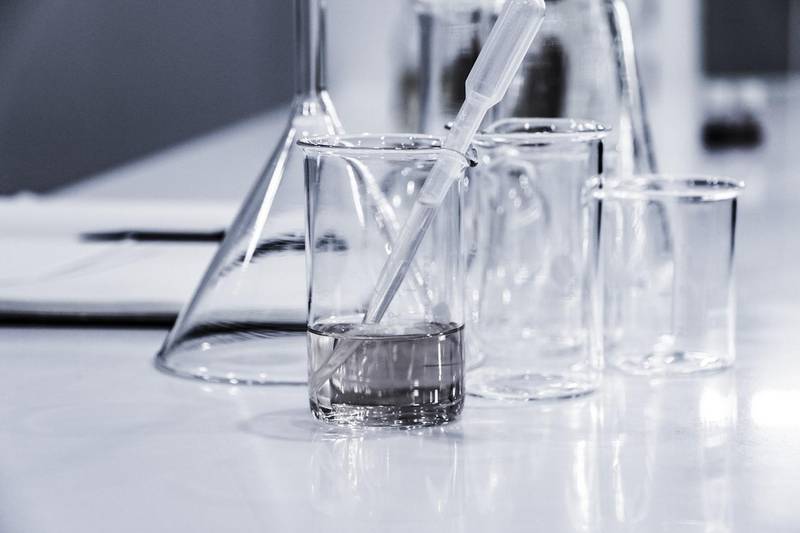
The Truth Doesn't Care About Your Opinion: Why Calling Science 'Political' Is a Mistake
Exploring why science is a self-correcting process that transcends politics, with a case study on Milgram's obedience experiments
The Invisible Assault: How Heavy Metals Mess With Our Blood
Explore how chronic exposure to cadmium and mercury affects blood health through scientific research on Wistar rats, revealing synergistic toxic effects.
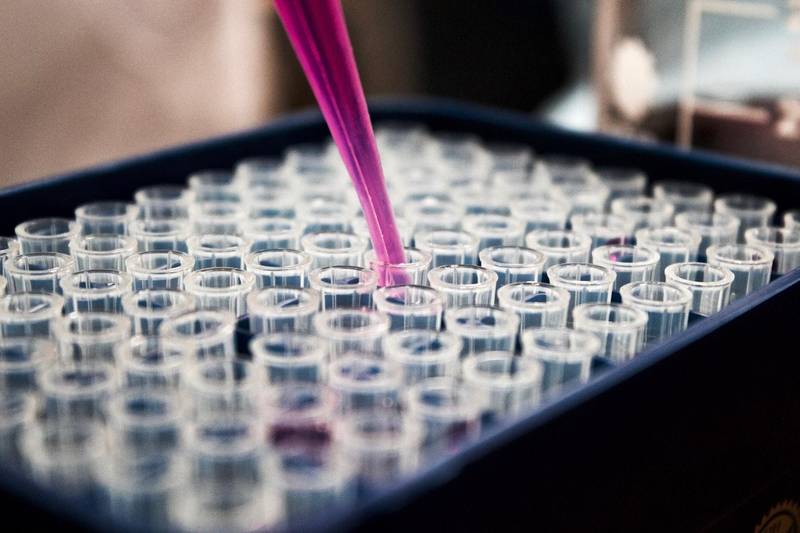
The Silent Language of Chemicals: How Scientists Decode Nature's Toxic Secrets
Explore how mechanistic ecotoxicology deciphers chemical effects on ecosystems through molecular interactions and biological pathways.

The Invisible Intruders: Tracing the Sources and Toxicity of Environmental Pollutants
Explore the hidden world of environmental pollutants, their health impacts, and the scientific breakthroughs helping us understand and combat these invisible threats.

Chemical Detectives: How Computer Models Track Invisible Environmental Threats
Discover how QSAR and QSPR models help predict environmental hazards of emerging pollutants through computational chemistry.
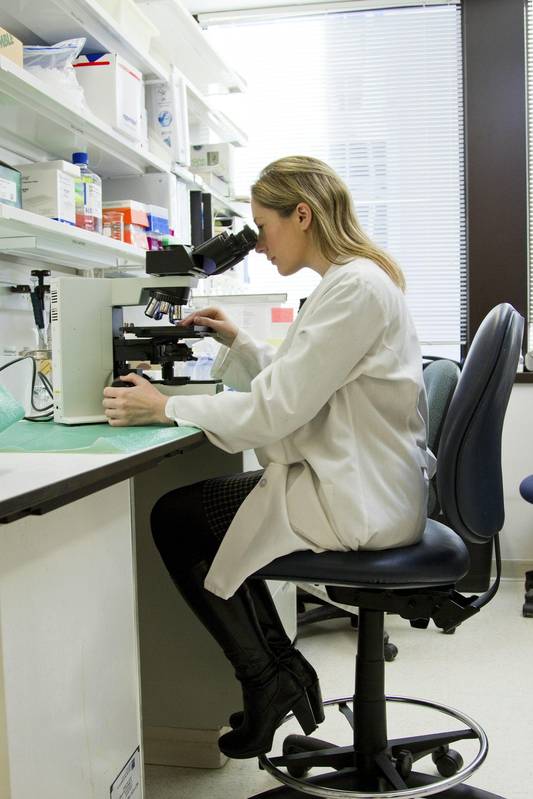
Beyond the Water Bottle: How the Chemical "Body Burden" is Redefining Toxicity
Explore how the Tissue Residue Approach is revolutionizing toxicology by focusing on internal chemical body burden rather than external exposure.
Environmental Detectives: How Chemical Clues Reveal Nature's Hidden Crises
Explore how analytical chemistry and ecotoxicology work together to detect chemical pollutants and protect our environment from invisible threats.

The Silent Invaders: How Heavy Metals Secretly Reshape Our World and Health
Explore the environmental chemistry and ecotoxicology of hazardous heavy metals, their persistence, toxicity, and bioaccumulation in ecosystems and human health.
From Water Flea to Heart Science: How a Tiny Crustacean Is Revolutionizing Medical Research
Discover how Daphnia, the transparent water flea, is transforming cardiovascular research and bridging ecological science with human cardiology.