Research Articles

The Invisible Engineers: How Biological Soil Crusts Shape Our World's Nitrogen Cycle
Exploring how biological soil crusts contribute to global nitrogen cycling and their vulnerability to climate change.
Beyond Mice and Men: Building Digital Twins for Earth's Strangest Creatures
Discover how Physiologically Based Toxicokinetic (PBTK) modeling revolutionizes drug development for novel species through digital twins.

The Silent Siege: How Invisible Chemicals Are Reshaping Our World
Exploring the field of ecotoxicology and its revelations about how chemicals impact ecosystems, with a focus on the feminization of fish due to estrogen pollution.

Microbes Under the Light: How a Simple Beam Reveals Pollution's Poisonous Punch
Exploring how spectrophotometry reveals the toxic effects of pollutants on microbial populations through visible light absorption measurements.
The Invisible Tapestry: How Global Ecotoxicology Reveals Earth's Chemical Secrets
Exploring how toxic substances spread and accumulate across planetary boundaries through global ecotoxicology research.
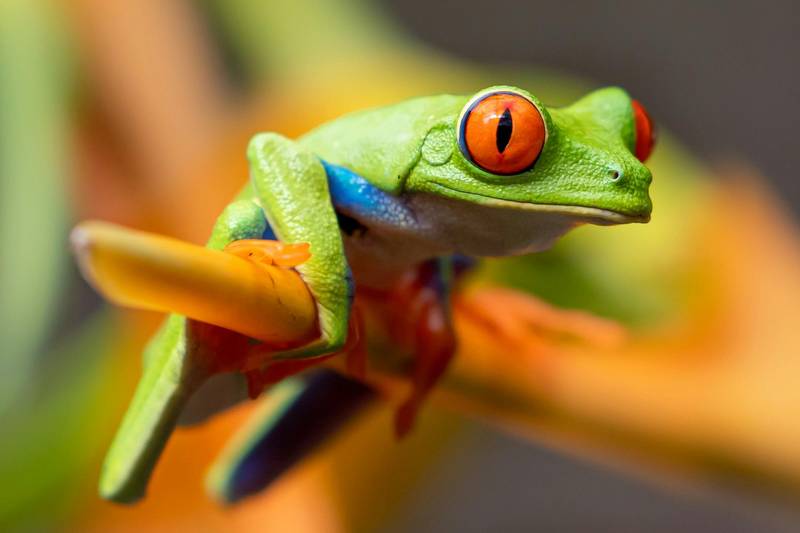
Silent Witnesses: How Amphibians Reveal Environmental Hazards Through Their DNA
Exploring how amphibians serve as nature's biosensors, revealing environmental genotoxicity through their DNA damage responses to pollutants like microplastics and nanoparticles.
Unlocking Hydrogen's Potential: How Metal-Tweaked Carbon Is Revolutionizing Energy Storage
Exploring how metal-modified carbon materials revolutionize hydrogen storage for clean energy applications

The Invisible Killers in Our Groundwater: How Science and Policy Are Tackling Chlorinated Ethenes
Exploring the science and policy behind chlorinated ethenes contamination in groundwater and innovative bioremediation solutions.

The Invisible Dance of Metals: How Laura Sigg Revealed Water's Hidden Chemistry
Exploring Laura Sigg's groundbreaking research on trace metal speciation and bioavailability in aquatic ecosystems.
Roots and Reefs: How a Historic Collaboration in Australia Is Rewriting Coastal Conservation
Historic collaboration between wetland and marine scientists in Australia is creating innovative solutions for coastal conservation by integrating Indigenous knowledge with Western science.