Revolutionizing Drug Development with Digital Twins
Imagine: A koala with a stubborn infection, a poisoned eagle fighting for life, or a newly discovered deep-sea fish holding secrets for human medicine. How do we design safe, effective drugs for creatures vastly different from lab rats or humans? The answer lies in a powerful digital tool: Physiologically Based Toxicokinetic (PBTK) Modeling. This isn't science fiction; it's a cutting-edge workflow scientists are using to build virtual avatars for novel species, revolutionizing drug development and conservation.
What is PBTK Modeling?
PBTK models are sophisticated computer simulations that map an animal's body as a complex city with districts (organs), transport networks (blood flow), and waste management systems (metabolism).
Why Novel Species?
For most of Earth's biodiversity, pharmacological data doesn't exist. Relying on data from mice for a bat or turtle is like using a map of Paris to navigate Tokyo.
The Novel Species PBTK Workflow
Building a PBTK model for an unknown species is detective work combined with engineering. Here's the core workflow:
Step-by-Step Process
The Biological Blueprint
Start with existing knowledge about the animal's anatomy, physiology, and genetics through literature reviews and collaboration with zoologists.
Filling the Gaps (In Vitro)
Collect small tissue samples for experiments measuring tissue affinity, metabolic machinery, and protein binding characteristics.
Scaling Up
Translate lab dish results (in vitro) to the whole animal (in vivo) using complex mathematical scaling factors based on species physiology.
Model Construction
Input physiological parameters, chemical properties, in vitro data, and scaling factors into specialized software to build the digital framework.
Validation - The Crucial Test
Compare model predictions against limited real-world data to ensure the virtual animal behaves like the real one.
Refinement & Use
Refine the model based on validation results, then use it to predict outcomes for different scenarios, minimizing animal testing.
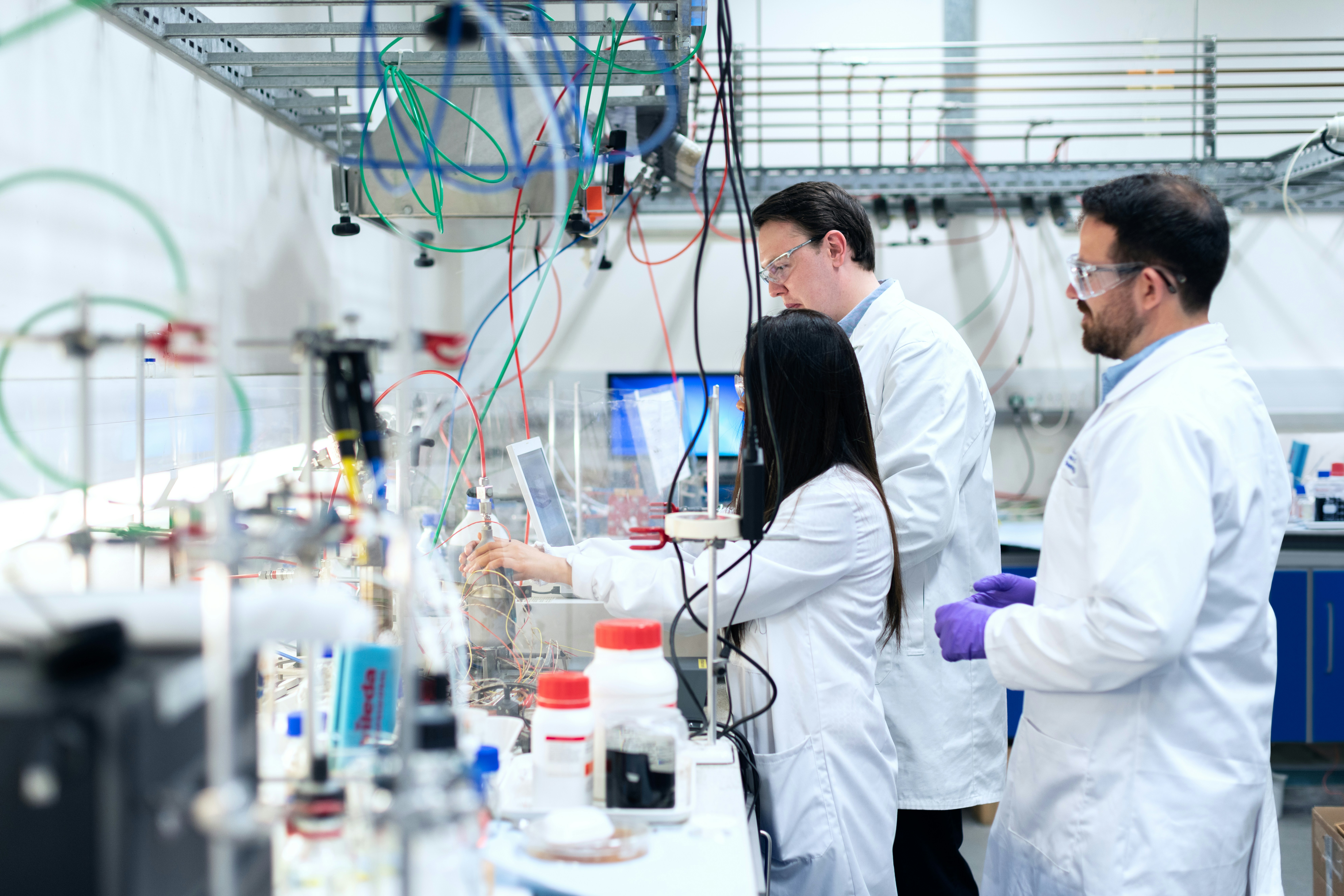
Scientists working with tissue samples for PBTK modeling
Case Study: The Curious Case of the Platypus Painkiller
Platypuses, with their duck bills and venomous spurs, are evolutionary marvels. But when injured, how do you safely dose them? Standard mammal doses could be toxic. Scientists aimed to build the first PBTK model for platypus to predict safe doses of meloxicam, a common anti-inflammatory.
Key Findings
- Unique partitioning with higher affinity for red blood cells
- Surprisingly slow metabolism compared to humans/rats
- Standard doses would lead to potentially toxic accumulation
Scientific Importance
This study provided the first quantitative insight into drug handling in platypuses. The model predicted that standard veterinary doses would likely be unsafe, potentially causing toxicity due to slow clearance and accumulation.
Data Tables
| Tissue | Partition Coefficient (Kp) | Interpretation |
|---|---|---|
| Liver | 1.85 | Moderate accumulation in liver tissue |
| Muscle | 0.98 | Similar concentration in muscle & plasma |
| Fat | 0.35 | Lower concentration in fat than plasma |
| RBCs | 2.40 | Significant accumulation in red blood cells |
| Plasma (Free Fraction) | 0.05 | Only 5% of drug in plasma is unbound and active |
| Species | Metabolic Rate (pmol/min/mg protein) | Interpretation |
|---|---|---|
| Human | 85.2 | Relatively fast metabolism |
| Rat | 92.7 | Relatively fast metabolism |
| Platypus | 12.1 | Significantly slower metabolism (~7x slower) |
The platypus - an evolutionary marvel with unique pharmacological challenges
The Scientist's Toolkit
Creating these digital twins requires specialized tools and reagents:
| Research Reagent / Solution / Tool | Function in PBTK Workflow |
|---|---|
| Mass Spectrometer (LC-MS/MS) | The Gold Standard Detector: Precisely measures incredibly low concentrations of drugs and metabolites in complex biological samples. |
| Tissue Microsomes | Metabolic Powerhouse Simulator: Prepared from liver (or other organs) by cell fractionation. Contain the crucial drug-metabolizing enzymes. |
| Radiolabeled Compounds | Tracing the Journey: Allow researchers to precisely track where the drug and its breakdown products go in in vitro partitioning studies. |
| Physiological Saline Buffers | Maintaining Biological Conditions: Solutions mimicking the pH and salt composition of blood or intracellular fluid. |
| Specialized PBPK Software | The Digital Workshop: Sophisticated software platforms designed to build, simulate, and refine PBPK/PBTK models. |
| High-Quality Species Physiological Data | The Foundation: Accurate measurements of body weight, organ weights, blood flow rates, cardiac output, tissue composition. |

Mass Spectrometry
Essential for detecting and quantifying drugs and metabolites at extremely low concentrations.
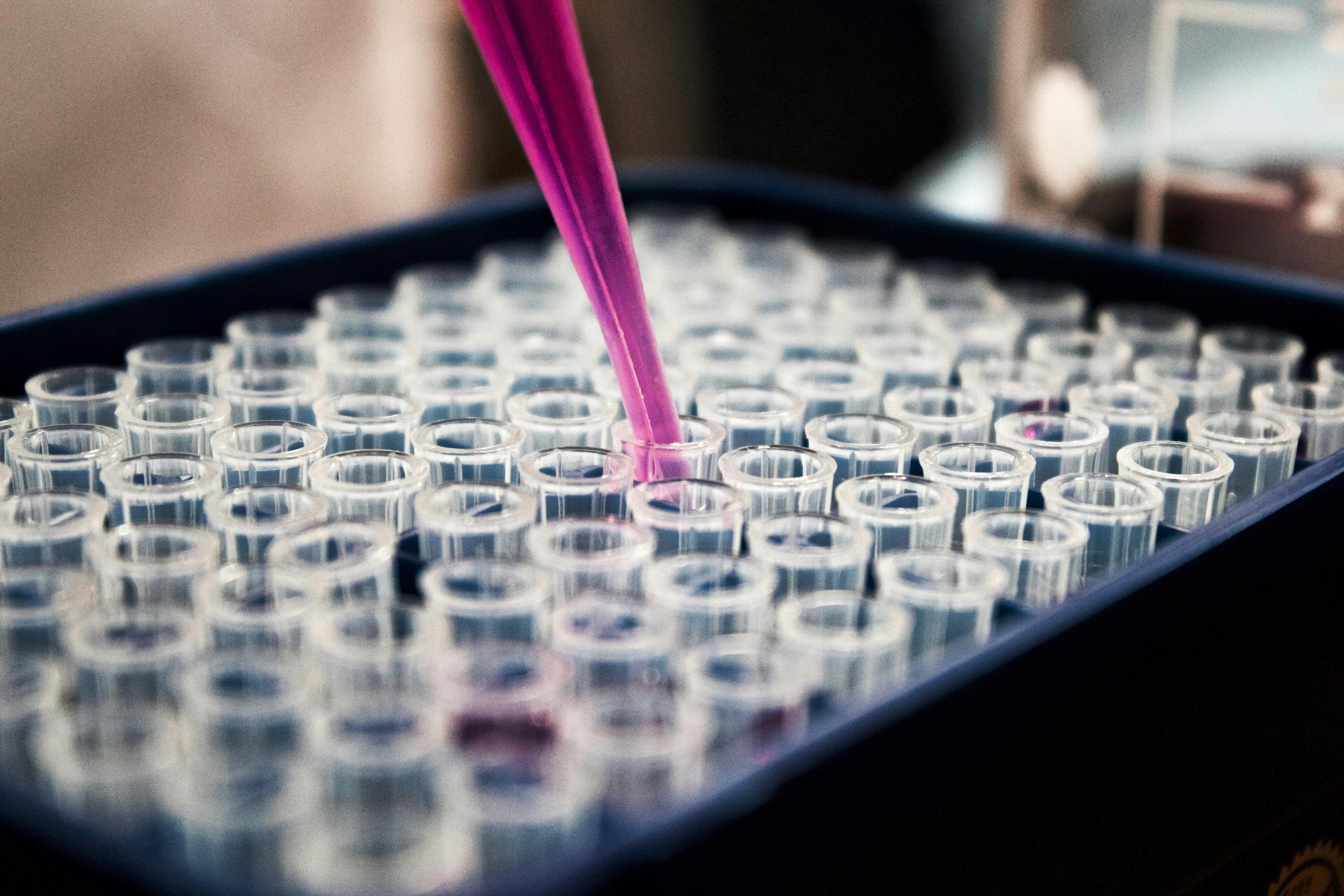
Tissue Microsomes
Key for studying species-specific metabolic pathways and enzyme activities.
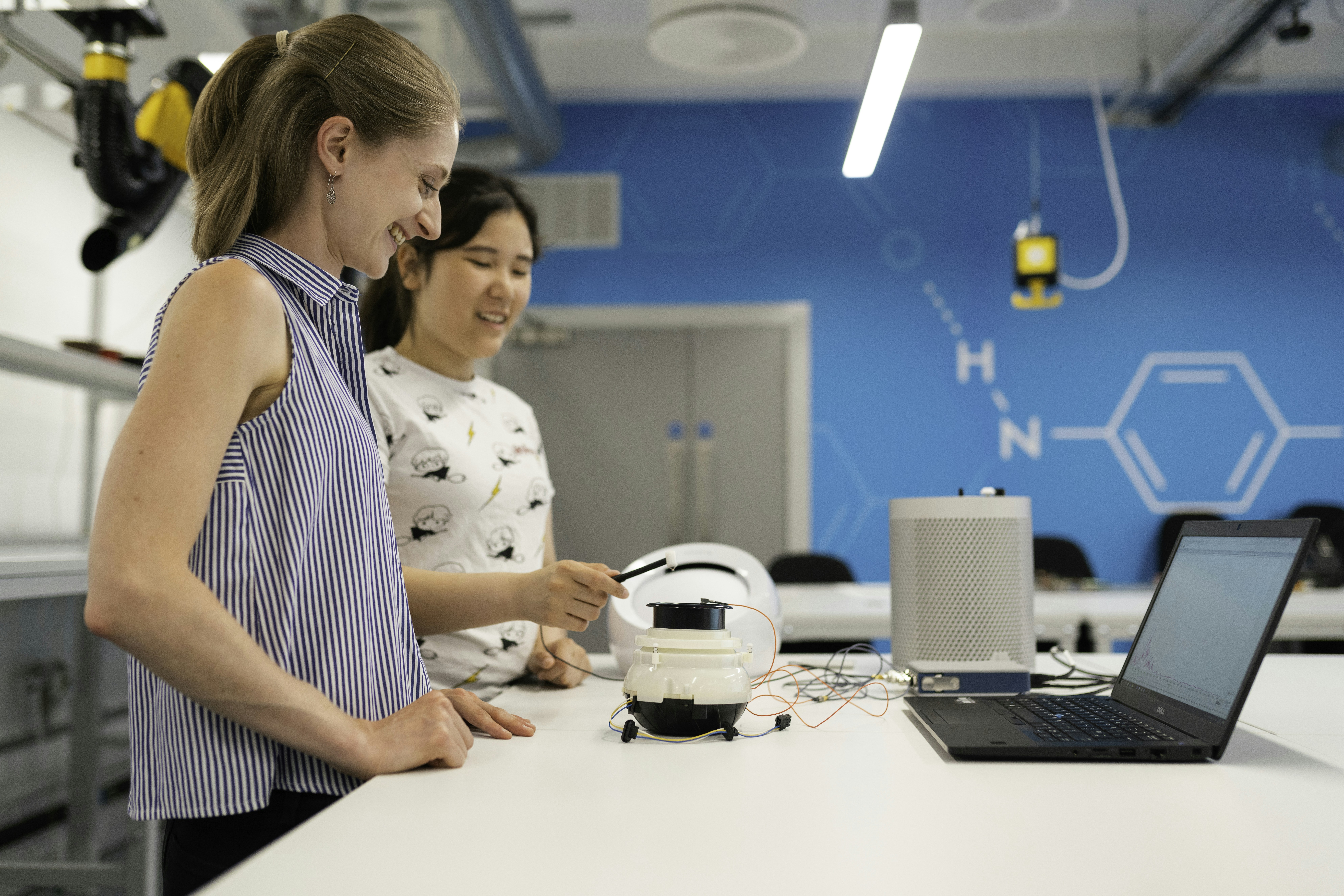
PBPK Software
Specialized platforms that integrate all data to create and simulate digital twins.
The Future is Species-Specific
The workflow to build PBTK models for novel species is more than a technical achievement; it's a paradigm shift. It moves us away from risky extrapolation and towards precision pharmacology for all species. This has profound implications:
Conservation Medicine
Safely treat endangered species without trial-and-error dosing.
Veterinary Science
Optimize drug therapies for pets, livestock, and wildlife.
Chemical Safety
Assess environmental risks of pesticides or pollutants for diverse wildlife.
Human Health
Studying unique animal metabolisms can reveal novel drug targets relevant to humans.
By creating digital twins of Earth's most fascinating creatures, scientists are not just unlocking the secrets of their biology; they are forging tools to protect them and, in doing so, deepen our understanding of life itself. The era of one-size-fits-all dosing is ending, replaced by the precision of the virtual animal.