Strategic Blueprint: Mastering the Planning Phase for Effective Ecological Risk Assessment in Pharmaceutical Development
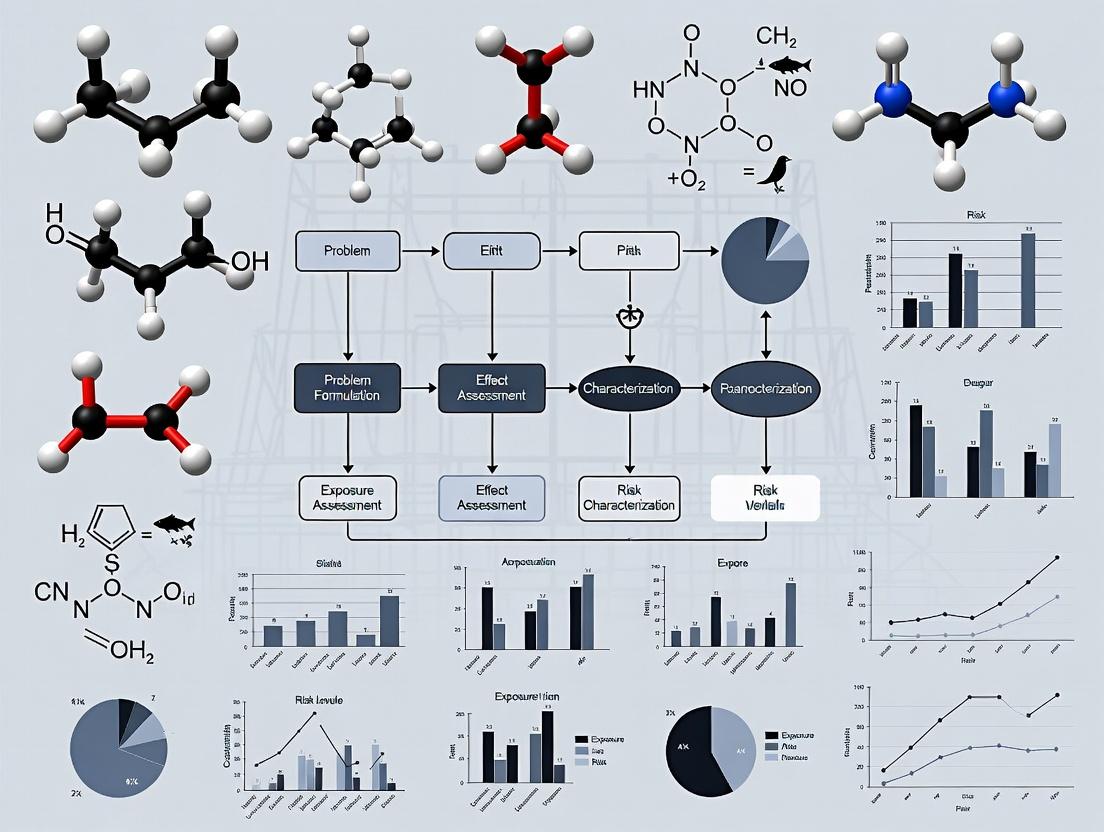
This article provides a comprehensive guide to the foundational planning phase of ecological risk assessment (ERA), tailored for researchers, scientists, and drug development professionals.
Strategic Blueprint: Mastering the Planning Phase for Effective Ecological Risk Assessment in Pharmaceutical Development
Abstract
This article provides a comprehensive guide to the foundational planning phase of ecological risk assessment (ERA), tailored for researchers, scientists, and drug development professionals. It explores the critical, iterative process of planning and problem formulation where risk assessors and managers define goals, scope, and methodology [citation:1][citation:6]. The scope spans from establishing core principles and stakeholder collaboration, through practical methodological application for defining assessment endpoints and conceptual models. It addresses contemporary challenges in pharmaceutical ERA, including navigating new regulatory demands where an inadequate assessment can now be grounds for marketing authorization refusal [citation:3][citation:8]. Finally, the article covers strategies for validating the planning framework and contrasts different regulatory approaches, synthesizing key takeaways to build robust, defensible, and scientifically sound ERAs that align with both environmental protection and drug development objectives.
Laying the Groundwork: Core Principles and Collaborative Frameworks in ERA Planning
Ecological Risk Assessment (ERA) is a formal, scientific process for evaluating the likelihood that adverse ecological effects may occur or are occurring as a result of exposure to one or more environmental stressors [1]. This process is pivotal for informing environmental decision-making, from pesticide registration and chemical regulation to the remediation of contaminated sites [2]. The ERA framework is structured into three primary phases: Planning, Problem Formulation, and Analysis & Risk Characterization [1].
The Planning Phase is the critical initial stage that establishes the assessment's foundation. It is defined as a collaborative dialogue between risk assessors and risk managers to define the goals, scope, and boundaries of the assessment before technical work begins [2] [3]. Its primary purpose is to ensure the subsequent scientific assessment is aligned with the needs of environmental decision-makers [4]. This phase determines whether a risk assessment is the appropriate tool, identifies key participants, and secures agreement on fundamental questions of scope, complexity, and resources [3] [4]. Contrary to a linear progression, planning exhibits a dynamic, iterative interaction with Problem Formulation, where initial agreements are refined and clarified as the scientific understanding of the problem deepens [3] [4].
This guide details the core objectives of the Planning Phase, deconstructs its iterative relationship with Problem Formulation, and provides technical methodologies for its execution within contemporary research contexts that integrate Ecosystem Services (ES).
Core Objectives of the Planning Phase
The Planning Phase is governed by four interconnected strategic objectives designed to bridge risk management needs with scientific assessment capabilities.
Table 1: Core Objectives and Outputs of the ERA Planning Phase
| Objective | Key Questions Addressed | Primary Outputs & Agreements |
|---|---|---|
| 1. Define Risk Management Goals & Decisions | What decision needs to be made? What environmental values must be protected? What are the policy and legal drivers? [2] [4] | Clear statement of management goals; Definition of the regulatory action or decision context [4]. |
| 2. Establish Assessment Scope & Complexity | What are the spatial and temporal boundaries? What level of uncertainty is acceptable? What resources (time, budget, expertise) are available? [2] [4] | Agreement on geographic scale, time frame, and tiered approach (e.g., screening-level vs. detailed). Decision on the complexity of analysis warranted [4]. |
| 3. Identify and Engage Key Participants | Who are the risk managers, risk assessors, and necessary scientific experts? Who are the stakeholders with an interest in the outcome? [2] [3] | Defined team roles and responsibilities; Plan for stakeholder involvement and communication [2]. |
| 4. Develop a Planning Summary | What are the specific agreements that will guide the assessment? How will the assessment proceed? [4] | Documented consensus on goals, scope, complexity, and roles. A roadmap into Problem Formulation [4]. |
Objective 1: Defining Management Goals and Decisions. This objective translates broad environmental protection mandates into specific goals for the assessment. Risk managers articulate the decision context, which could range from national rulemaking for a chemical to a site-specific remediation decision [2]. Goals are often derived from statutes (e.g., the Clean Water Act's goal to "restore and maintain the chemical, physical, and biological integrity of the Nation's waters") or public values [4]. The planning dialogue clarifies how the ERA will inform the specific decision, ensuring the science is policy-relevant [2].
Objective 2: Establishing Scope and Complexity. Not all ERAs are equal in scale or detail. Planning determines whether the assessment is local or national, prospective (predicting future effects) or retrospective (diagnosing past effects), and simple or complex [1] [4]. A key outcome is often the choice of a tiered approach, starting with conservative screening-level assessments to identify risks of greatest concern, followed by more refined analyses only where needed. This conserves resources by focusing effort on the most significant risks [2] [4].
Objective 3: Identifying Participants. Effective ERA requires a cross-functional team [2] [3].
- Risk Managers: Individuals with the authority to make or inform the environmental decision (e.g., regulatory agency staff).
- Risk Assessors: Scientists (ecotoxicologists, ecologists, statisticians, modelers) who design and execute the technical assessment.
- Stakeholders: Parties with an interest in the outcome (e.g., industry, community groups, tribal governments, other agencies) [2].
Objective 4: Documenting the Plan. The culmination of planning is a documented summary of agreements. This document aligns expectations, serves as a reference throughout the assessment, and provides the definitive starting point for the Problem Formulation team [4].
The Iterative Interaction Between Planning and Problem Formulation
The relationship between Planning and Problem Formulation is not a discrete handoff but a dynamic, iterative cycle [3] [4]. Problem Formulation is the process of translating the planning agreements into a detailed, scientifically rigorous technical plan [2]. Iteration occurs as scientific investigation during Problem Formulation reveals new information that necessitates refinement of the initial planning assumptions.
This iterative process follows a continuous improvement cycle analogous to models used in software development and design [5] [6]. Each cycle involves planning a direction, implementing a step (e.g., data gathering or model drafting), checking the results against goals, and acting to adjust the approach [5]. This "plan-do-check-act" loop reduces project risk by identifying and correcting course early, preventing wasted effort on misaligned objectives [5] [7].
Table 2: The Iterative Cycle Between Planning and Problem Formulation
| Stage in Cycle | Planning Input/Activity | Problem Formulation Activity | Iterative Feedback Loop |
|---|---|---|---|
| Initialization | Establish broad management goals, scope, and team [4]. | Begin integrating available information on stressors, receptors, and effects [3]. | — |
| Hypothesis & Model Development | Provide feedback on the practicality and policy relevance of proposed assessment endpoints and conceptual models. | Develop draft assessment endpoints and conceptual models based on data review [2] [4]. | Risk managers may refine goals based on scientific feasibility. Assessors may request a scope adjustment to address a key pathway. |
| Analysis Planning | Review and agree upon the proposed methods, data requirements, and decision criteria for the analysis phase [4]. | Develop a detailed Analysis Plan specifying measures, models, and data evaluation methods [2] [3]. | Discussions may reveal resource constraints, leading to a simplification of the analysis plan or a decision to pursue a tiered assessment strategy. |
| Formalization | Approve the final Problem Formulation products as the basis for the Analysis Phase. | Finalize the Conceptual Model and Analysis Plan [3]. | The approved documents represent the evolved, consensus-based synthesis of management needs and scientific insight. |
The following diagram illustrates this continuous, feedback-driven relationship.
Diagram 1: Iterative Cycle Linking Planning and Problem Formulation (Max Width: 760px). This workflow shows the non-linear, feedback-driven process where evaluation of Problem Formulation outputs often leads to refinement of initial planning agreements.
Integrating Ecosystem Services into Planning and Problem Formulation
Modern ERA increasingly integrates Ecosystem Services (ES)—the benefits humans derive from nature—as assessment endpoints [8]. This shifts focus from protecting individual species to safeguarding ecological functions that provide services like water purification, flood control, and food provision [2] [8]. This integration profoundly impacts both the Planning and Problem Formulation phases.
Planning Phase Adjustments: When ES are prioritized, management goals are framed in terms of maintaining service supply (e.g., "protect the water filtration capacity of the wetland"). Stakeholder engagement becomes crucial to identify which services are most valued by the public [8]. Defining scope requires considering the spatial scales over which services are provided and used.
Problem Formulation Translation: Assessment endpoints become ES-based (e.g., "maintenance of denitrification rate in sediment for waste remediation service") [8]. Conceptual models must explicitly link stressors to ecological structures/functions and on to the final ES [8]. The analysis plan requires methods to quantify ES supply and identify thresholds for risk and benefit [8].
Table 3: Methodological Comparison: Traditional vs. ES-Integrated ERA Planning
| Aspect | Traditional ERA Approach | ES-Integrated ERA Approach |
|---|---|---|
| Primary Management Goal | Protect ecological entities (species, communities) from adverse effects [2]. | Protect the sustained supply of valued ecosystem services to society [8]. |
| Key Assessment Endpoints | Survival, growth, reproduction of indicator species [2] [4]. | Metrics of ES supply (e.g., ton of carbon sequestered, volume of water purified, yield of fisheries) [8]. |
| Conceptual Model Focus | Stressor → Exposure → Ecological effect on receptor [3]. | Stressor → Effect on ecological structure/function → Change in ES supply → Impact on human well-being [8]. |
| Data & Modeling Needs | Toxicity data, exposure models, population models [4]. | ES quantification models (e.g., InVEST), socio-ecological data, benefit valuation methods [8] [9]. |
| Stakeholder Engagement | Important for context and acceptance [2]. | Critical for identifying and prioritizing which ES to assess [8]. |
Experimental Protocols and Technical Methodologies
Protocol for Developing a Conceptual Model
The conceptual model is a visual hypothesis of how stressors affect assessment endpoints [3]. Its development is a core Problem Formulation activity informed by planning.
- Identify Components: List all potential sources (e.g., pesticide application), stressors (e.g., chemical X), exposure pathways (e.g., spray drift to water, runoff), receptors (e.g., aquatic invertebrates, fish), and assessment endpoints (e.g., survival of mayfly larvae) [3] [4].
- Diagram Relationships: Create a flowchart linking components with arrows indicating influence. Use boxes for entities and arrows for pathways or effects [4].
- Formulate Risk Hypotheses: For each arrow, write a testable hypothesis (e.g., "Runoff from fields will transport Stressor X to the stream, leading to aqueous concentrations that reduce mayfly survival") [3].
- Prioritize and Simplify: Focus the model on major pathways. The final model should guide data collection and analysis planning [4].
Case Study: Quantitative ES-ERA Methodology
A 2025 study demonstrated a novel method to quantify risks and benefits to ES supply, illustrating advanced Problem Formulation [8].
- Objective: Assess the risk of degradation and potential benefit of enhancement to the waste remediation (denitrification) ES from offshore wind farms (OWF) and mussel aquaculture [8].
- Methodology:
- Define ES Metric: The ES was "waste remediation," measured as sediment denitrification rate (μmol N m⁻² h⁻¹) [8].
- Establish Thresholds: A risk threshold (lower bound) and a benefit threshold (upper bound) for denitrification rates were defined based on baseline conditions or management goals [8].
- Quantify Stressor-Response: Statistical models (e.g., multiple linear regression) linked stressor presence (OWF structures altering sediment) to changes in drivers of denitrification (e.g., Total Organic Matter) [8].
- Model Exposure & Effect: Using spatial data and the stressor-response relationship, the distribution of post-stressor denitrification rates was predicted across the site [8].
- Calculate Risk/Benefit Metrics: The probability and magnitude of the denitrification rate falling below the risk threshold (risk) or exceeding the benefit threshold (benefit) were calculated using cumulative distribution functions [8].
- Outcome: The study provided quantitative, probabilistic comparisons of different management scenarios (OWF alone, aquaculture alone, multi-use), directly informing sustainable planning decisions [8].
Protocol for Predictive Landscape ERA Using InVEST and PLUS Models
For regional ERAs driven by land-use change, an integrated modeling approach is used [9].
- Scenario Planning (Planning Phase): Define future development scenarios (e.g., Business-As-Usual, Ecological Protection) [9].
- Land Use Prediction (Problem Formulation -> Analysis): Use the Patch-generating Land Use Simulation (PLUS) model to simulate future land use/cover (LULC) maps under each scenario [9].
- Ecosystem Service Quantification (Analysis): Use the Integrated Valuation of Ecosystem Services and Trade-offs (InVEST) model suite to calculate the supply of multiple ES (e.g., carbon storage, water yield, habitat quality) for both current and future LULC maps [9].
- Risk Calculation: Calculate Ecosystem Service Degradation (ESD) by comparing future ES supply to current levels. ESD is used as a metric of ecological risk caused by LUCC [9].
- Trade-off Analysis: Use statistical methods (e.g., geographically weighted regression) to analyze spatial synergies and trade-offs among the risks to different ES [9].
The Scientist's Toolkit: Key Research Reagent Solutions
Table 4: Essential Research Reagents, Models, and Tools for ERA
| Item/Tool Name | Primary Function in ERA | Application Context |
|---|---|---|
| Standardized Toxicity Test Organisms (e.g., Daphnia magna, fathead minnow, algal species) [4] [8] | Provide consistent, regulatory-accepted data on stressor-effects relationships for chemical risk assessment. | Laboratory testing to generate LC50, NOAEC, etc., for use in screening-level risk quotients [4]. |
| EPA EcoBox | An online compendium providing links to guidance, databases, models, and reference materials for conducting ERA [2]. | Used throughout planning and problem formulation to access authoritative protocols, fate models, and ecological data. |
| InVEST (Integrated Valuation of Ecosystem Services and Trade-offs) Model Suite | A set of spatially explicit models for mapping and valuing the supply of multiple ecosystem services (e.g., carbon, water, habitat) [9]. | Quantifying ES supply for baseline conditions and under future scenarios in landscape-scale ERAs [9]. |
| PLUS (Patch-generating Land Use Simulation) Model | A land-use change model that simulates the evolution of landscape patches under different policy scenarios [9]. | Predicting future land-use patterns as the foundational driver for regional ecological risk projections [9]. |
| Cumulative Distribution Function (CDF) Analysis | A statistical method used to characterize the full probability distribution of an exposure or effect metric [8]. | Quantifying the probability of exceeding a risk or benefit threshold in probabilistic ES-ERA [8]. |
| Conceptual Model Diagramming Software (e.g., graphical tools or simple flowchart software) | To create clear visual representations of hypothesized stressor-exposure-effect pathways [3] [4]. | A critical tool during Problem Formulation to synthesize information and communicate risk hypotheses to the team and stakeholders. |
The Planning Phase is the strategic cornerstone of a successful Ecological Risk Assessment. It is defined by its four core objectives—defining decisions, setting scope, engaging teams, and documenting agreements—which collectively ensure scientific assessment is relevant and actionable for environmental protection. Crucially, planning is not a static starting point but engages in an iterative dialogue with Problem Formulation. This cyclical process of hypothesis, evaluation, and refinement allows the assessment to adapt to new scientific insights, ultimately producing a more robust and targeted analysis plan.
The evolution of ERA to incorporate Ecosystem Services frameworks exemplifies this iterative advancement. It expands the focus of planning discussions to include societal benefits and requires more integrated methodologies during problem formulation. By employing structured protocols, modern quantitative tools, and a collaborative, iterative mindset, researchers and risk managers can define planning phases that effectively guide the scientific evaluation of ecological risks in a complex and changing world.
Ecological Risk Assessment (ERA) is a formal, scientific process for evaluating the likelihood that the environment may be adversely affected by exposure to one or more stressors, such as chemicals, land-use changes, or invasive species [1]. This process is fundamentally initiated to inform environmental decision-making, supporting actions ranging from pesticide regulation and hazardous waste site remediation to watershed management [2].
The planning phase is the critical foundation upon which a successful ERA is built. It is during this initial stage that the scope, goals, and trajectory of the entire assessment are established through structured dialogue [1]. The core thesis of this whitepaper is that the efficacy, legitimacy, and ultimate utility of an ERA are directly determined by the clarity of roles and the depth of integration among three key groups during this planning phase: risk managers, risk assessors, and stakeholders. This phase ensures the assessment is both scientifically rigorous and decision-relevant, setting clear agreements on management goals, assessment scope, complexity, and the specific roles of each team member [1] [4].
Table 1: Core Objectives and Agreements of the ERA Planning Phase [1] [2] [4].
| Planning Component | Key Questions Addressed | Primary Participants |
|---|---|---|
| Management Goals & Decisions | What environmental values need protection? What decision must be informed? | Risk Managers, Stakeholders |
| Scope & Boundaries | What are the spatial and temporal limits? What stressors and ecological entities are of concern? | Risk Managers, Risk Assessors |
| Assessment Complexity & Iteration | What level of analysis is needed? Should a tiered (screening to refined) approach be used? | Risk Managers, Risk Assessors |
| Role Definition & Resources | Who is responsible for each task? What are the timelines, funding, and expertise required? | All Team Members |
| Stakeholder Engagement Plan | Who are the interested parties? How and when will they be consulted? | Risk Managers, Lead Assessor |
Defining Core Roles and Responsibilities
The ERA process hinges on a clear distinction and collaboration between two primary technical roles: Risk Managers and Risk Assessors. This separation is maintained to ensure scientific integrity while aligning the assessment with societal values and legal mandates [10].
The Risk Manager: The Decision-Authority
Risk Managers are individuals or entities with the responsibility and legal authority to act on an identified risk. They are typically staff within regulatory agencies (e.g., EPA, state environmental offices) but can also include corporate environmental leads or resource trustees [2]. Their role is not to conduct the science but to frame the need for it and use its outcomes.
Table 2: Comparative Roles: Risk Manager vs. Risk Assessor [1] [2] [4].
| Aspect | Risk Manager | Risk Assessor |
|---|---|---|
| Primary Objective | Make informed, legally defensible decisions to protect ecological values. | Provide a scientific estimate of the likelihood and magnitude of adverse ecological effects. |
| Key Planning Actions | Define risk management goals and options; set scope, funding, and timeline; articulate policy and legal constraints; determine acceptable uncertainty [2] [4]. | Translate management goals into assessable endpoints; advise on feasible scope and complexity; design the technical approach; identify data needs [4]. |
| Core Responsibilities | - Consult with assessors and stakeholders.- Weigh assessment results with social, economic, and legal factors.- Select and implement risk management actions (e.g., remediation, regulations).- Communicate decisions [1] [2]. | - Gather and analyze data on exposure and ecological effects.- Develop conceptual models and risk hypotheses.- Characterize and quantify risks.- Document uncertainties.- Communicate scientific findings clearly [1] [11] [12]. |
| Ultimate Deliverable | A risk management decision or regulation. | A risk assessment report characterizing ecological risk. |
The Risk Assessor: The Scientific Analyst
The Risk Assessor is the scientific expert responsible for executing the technical evaluation. This is a multidisciplinary role demanding expertise in ecology, toxicology, statistics, and chemistry [11] [2]. A Senior Ecological Risk Assessor, as evidenced in industry postings, typically holds an advanced degree (M.S. or Ph.D.) and has over a decade of experience. Their duties extend beyond analysis to include leading projects, mentoring junior staff, advocating for technical findings with regulators, and designing monitoring programs [12].
The assessor’s work during planning is to translate the risk manager’s broad goals into actionable, scientific terms. This involves helping to define which ecological entities (e.g., an endangered species, a fish community, a wetland ecosystem) and their specific attributes (e.g., reproductive success, population abundance) will be the focus of the assessment—these are known as assessment endpoints [4].
Diagram 1: ERA Framework and Key Participant Roles in Planning
The Imperative of Stakeholder Integration
Stakeholders are individuals or groups with an interest in or affected by the environmental issue and the resulting management decision [2]. A stakeholder approach to risk management is not merely a procedural step; it is a strategic orientation that recognizes stakeholders as essential contributors to risk identification, analysis, and response [13].
Identifying and Classifying Stakeholders
Stakeholders in an ERA are diverse. The planning team must "think outside the box" to identify not only primary entities but also secondary groups who may be overlooked until they oppose a decision [14]. Key categories include:
- Government & Regulatory Bodies: Federal, state, tribal, and municipal agencies [2].
- Affected Communities & Landowners: Local residents, indigenous groups, and property owners.
- Economic Interests: Industry representatives, agricultural users, small-business owners, and commercial fishers [2].
- Civil Society: Environmental NGOs, recreational groups, and academic institutions.
- Technical Experts: Scientists from complementary fields not on the core assessment team.
Risks of Poor Stakeholder Integration
Excluding or inadequately engaging stakeholders creates significant project risks [14]:
- Relationship Risks: Loss of trust, active opposition, and resistance to change.
- Reputational Risks: Negative media coverage and erosion of public confidence.
- Financial & Operational Risks: Project delays, scope creep, costly legal conflicts, and retrofitting.
- Substantive Risks: Overlooking critical exposure pathways, ecological values, or local knowledge, leading to a flawed assessment and poor management outcomes [14].
A Framework for Strategic Integration
Effective integration follows a logical sequence from identification to active involvement in risk response planning [13] [14].
Diagram 2: Stakeholder Integration & Risk Management Cycle
Step 1: Identify Stakeholders and Co-Discover Risks. The process begins with broad brainstorming to list all potential stakeholders [14]. Initial consultations with these groups are then used to uncover risks (e.g., unique exposure pathways, valued ecological resources) that the technical team may have missed.
Step 2: Analyze and Prioritize. Stakeholders and risks are analyzed concurrently using both qualitative and quantitative tools [14]:
- Stakeholder Mapping: Classifying stakeholders based on their level of interest, influence, and potential impact from the risk [14].
- Risk Analysis: Evaluating the probability of a risk occurring and the magnitude of its potential ecological, economic, or social impact.
- Stakeholder-Risk Profiling: Merging these analyses to document which stakeholders are most affected by or can most influence specific risks, guiding targeted engagement [14].
Step 3: Involve Stakeholders in Risk Planning and Response. High-priority stakeholders should be involved in developing risk management strategies. This can include participating in workshops to review conceptual models, providing feedback on remediation options, or co-designing monitoring programs [13] [14]. This involvement improves the quality and legitimacy of decisions.
Step 4: Execute Tailored Risk Communication. Communication is not one-way dissemination but a dynamic, two-way exchange [13]. It must be tailored to the stakeholder's culture, worldview, and level of engagement. For example, individuals with a hierarchical worldview may trust information from authority figures like government scientists, while those with an egalitarian worldview may respond better to messages emphasizing community equity and environmental justice [15]. Communication serves multiple purposes: education, behavior change, disaster warning, and fostering partnership in decision-making [13].
Table 3: Stakeholder Types and Engagement Considerations [2] [14] [15].
| Stakeholder Category | Primary Interests/Concerns | Potential Engagement Risks if Excluded | Recommended Engagement Approach |
|---|---|---|---|
| Regulatory Agencies | Legal compliance, policy adherence, precedent setting. | Legal challenges, permit denials, enforcement actions. | Formal consultation, technical working groups, iterative review. |
| Local Community | Health, property values, quality of life, aesthetic values. | Public opposition, protests, loss of social license to operate. | Public meetings, community advisory boards, transparent reporting. |
| Industry/Applicant | Operational feasibility, cost, regulatory certainty, liability. | Project delays, increased costs, legal disputes over findings. | Technical dialogue, confidential data review, collaborative problem-solving. |
| Environmental NGOs | Species protection, habitat conservation, precautionary principle. | Campaigns against the project, litigation, media criticism. | Early involvement in scoping, access to independent science, formal comment periods. |
| Academic Scientists | Methodological rigor, data validity, contribution to science. | Public criticism of assessment quality, alternative analyses. | Peer review, collaborative research on key uncertainties, workshops. |
Methodological Protocols and the Scientist's Toolkit
The planning phase concludes with the transition to Problem Formulation, where agreements are solidified into a technical blueprint. This involves developing a conceptual model (a diagram of hypothesized stressor-exposure-effect pathways) and a detailed analysis plan [4] [10].
Experimental & Analytical Protocols
The analysis phase tests the risk hypotheses through two parallel lines of inquiry: exposure assessment and ecological effects assessment [1] [10].
Exposure Assessment Protocol: Objective: To characterize the contact between a stressor and ecological receptors. Methodology:
- Source Characterization: Quantify the release rate, form, and location of the stressor (e.g., pesticide application rate and method) [4].
- Fate and Transport Modeling: Use models (e.g., fugacity, runoff models) to predict the distribution and concentration of the stressor in environmental media (water, soil, sediment, air) [10].
- Exposure Pathway Analysis: Identify complete pathways (source → medium → receptor). For chemicals, this includes assessing bioavailability, bioaccumulation (uptake > elimination), and biomagnification (increasing concentration up the food web) [2].
- Exposure Estimation: Quantify the dose or concentration at the receptor interface. This may involve direct measurement (environmental monitoring) or model estimation, considering temporal overlap with sensitive life stages (e.g., fish spawning) [2].
Ecological Effects Assessment (Stressor-Response) Protocol: Objective: To evaluate the relationship between the magnitude of a stressor and the type and severity of ecological effects. Methodology:
- Toxicity Data Compilation: Gather relevant single-species toxicity data from standardized laboratory tests (e.g., LC50, NOEC for survival, growth, reproduction) [4].
- Dose-Response Modeling: Fit statistical models to toxicity data to estimate effect thresholds across a gradient of exposure.
- Species Sensitivity Distribution (SSD): For chemical assessments, compile toxicity endpoints for multiple species to derive a protective concentration (e.g., HC5 – hazardous concentration for 5% of species).
- Higher-Order Effects Evaluation: Review field studies, mesocosm experiments, or population models to understand effects at the population, community, or ecosystem level (e.g., impacts on predator-prey dynamics, nutrient cycling) [2] [10].
The Scientist's Toolkit: Essential Research Reagent Solutions
A robust ERA relies on a suite of standard tools, models, and data sources.
Table 4: Research Reagent Solutions for Ecological Risk Assessment.
| Tool/Reagent Category | Specific Examples | Function & Application in ERA |
|---|---|---|
| Standard Toxicity Test Organisms | Fathead minnow (Pimephales promelas), Daphnia (Daphnia magna), Earthworm (Eisenia fetida), Duckweed (Lemna spp.). | Provide standardized, reproducible toxicity endpoints for chemicals used in screening-level risk assessments and SSDs [4]. |
| Environmental Fate & Exposure Models | PRZM (Pesticide Root Zone Model), EXAMS (Exposure Analysis Modeling System), BASINS (Better Assessment Science Integrating point & Non-point Sources). | Simulate the movement and concentration of stressors in the environment to estimate exposure for ecological receptors [4]. |
| Bioaccumulation Assessment Tools | Field-collected biota (fish, bivalves), Lipid-normalization protocols, BCF/BAF (Bioconcentration/Bioaccumulation Factor) models. | Measure or predict the accumulation of chemicals in organisms, critical for assessing risk to upper-trophic-level wildlife [2]. |
| Ecological Effects Databases | ECOTOX (EPA database), EnviroTox (created by industry collaboration), peer-reviewed literature. | Curated repositories of toxicity data used to populate stressor-response profiles and develop SSDs. |
| Statistical & Risk Calculation Software | R packages (e.g., ssdtools, fitdistrplus), Burrlioz (for SSD modeling), Crystal Ball/@Risk (for probabilistic analysis). |
Perform statistical analyses on exposure and effects data, conduct probabilistic risk assessments, and quantify uncertainty [16]. |
| Sediment & Water Sampling Equipment | Ekman/Ponar grabs (sediment), Van Dorn/Niskin bottles (water), Pore water peepers, Passive sampling devices (SPMDs, POCIS). | Collect representative environmental media samples for chemical analysis to characterize exposure conditions. |
| Conceptual Model & Workflow Software | Diagramming tools (e.g., Lucidchart, yEd), Graphviz (DOT language), GIS software (e.g., ArcGIS). | Visualize stressor pathways and ecosystem relationships; map spatial exposure and receptor distributions [4]. |
The planning phase of an Ecological Risk Assessment is a critical exercise in structured collaboration. Its success is not accidental but results from deliberately defining and integrating the distinct contributions of risk managers, risk assessors, and stakeholders.
The risk manager provides the decision-making mandate and societal context. The risk assessor translates this mandate into a scientifically defensible investigation. The stakeholders infuse the process with essential values, local knowledge, and public legitimacy.
Methodological choices made during planning—from defining risk factors to selecting scoring and aggregation rules for data—can significantly influence the assessment's outcome and subsequent management priorities [16]. Therefore, documenting these choices and the rationale behind them is a fundamental component of a transparent and credible ERA process.
Ultimately, a well-executed planning phase ensures the ERA is relevant (answers the risk manager's questions), reliable (uses sound science), and responsive (addresses the concerns of those affected). This triad of relevance, reliability, and responsiveness is the cornerstone of ecological risk assessments that effectively guide environmental protection and sustainable decision-making.
Foundational Role of Agreements in Ecological Risk Assessment Planning
In ecological risk assessment (ERA), the planning phase establishes the necessary foundation for all subsequent scientific and regulatory activities. This initial phase determines the assessment's scope, boundaries, and the ecological entities that will be its focus, ensuring the final product effectively supports environmental decision-making [2]. Documentation of agreements during planning is not merely administrative; it is a critical scientific and management tool that aligns multidisciplinary teams, defines the problem space, and ensures that the assessment's purpose is explicitly tied to actionable environmental decisions, such as chemical regulation or site remediation [2].
The planning process is inherently collaborative, involving risk assessors, risk managers, scientific experts, and stakeholders [2]. Formal agreements crystallize the outcomes of these discussions, translating abstract goals into concrete parameters. Key outputs of planning include the definition of high-level management goals (e.g., "restore native fish populations"), the identification of explicit management options to be evaluated, and specifications regarding the assessment's scope and complexity, often employing an iterative or tiered approach to efficiently allocate resources [2]. This documented plan directly feeds into the problem formulation phase, where assessment endpoints and conceptual models are developed [2].
Taxonomy and Application of Research Agreements
Research in ecological risk assessment, particularly in contexts like pharmaceutical development, involves multiple parties and sensitive materials. Various formal agreements govern these interactions, each serving a distinct purpose in facilitating research while protecting intellectual property, data, and materials.
Table 1: Common Agreement Types in Ecological and Pharmaceutical Research
| Agreement Type | Primary Purpose | Key Elements / Governing Scope | Typical Use Case in ERA/Drug Development |
|---|---|---|---|
| Confidential Disclosure Agreement (CDA)/ Non-Disclosure Agreement (NDA) [17] [18] [19] | To protect proprietary information exchanged for evaluation or collaboration. | Defines confidential information, obligations of receiving party, exclusions, term. | Sharing unpublished ecotoxicology data or proprietary compound structures prior to a formal collaboration. |
| Material Transfer Agreement (MTA) [17] [18] [20] | To govern the transfer of proprietary physical materials for research. | Describes materials, restricts use to research, addresses ownership of modifications, publication rights. | Transferring transgenic animal models, specific cell lines, or environmental contaminant samples for toxicity testing. |
| Data Use Agreement (DUA) [17] [21] [20] | To outline terms for sharing and using confidential or restricted datasets. | Specifies data set, permitted uses, security requirements, publication review, data destruction. | Providing access to sensitive ecological monitoring data or patient-derived data for an environmental health study. |
| Sponsored Research Agreement (SRA) [17] [20] | To define terms for externally funded research projects. | Includes statement of work, budget, payment terms, intellectual property rights, reporting. | A company funding university research on the environmental degradation pathway of a new active pharmaceutical ingredient. |
| Research Collaboration/Collaborative Research Agreement (RCA/CRA) [18] [20] | To memorialize terms of a joint research project between institutions. | Defines roles/responsibilities of each party, management structure, IP ownership (background/foreground). | A multi-institutional consortium studying the cumulative ecological risks of multiple stressors in a watershed. |
| Memorandum of Understanding (MOU) [17] [20] | To express mutual intent for future collaboration without creating binding legal obligations. | Outlines shared goals and preliminary plans; explicitly non-binding. | Documenting an initial agreement between a research institute and a regulatory agency to explore a joint assessment. |
The selection of the appropriate agreement is a critical first step. The following workflow diagram outlines the decision process based on the primary objective of the interaction.
Integrating Agreements with the ERA Scientific Workflow
Agreements are not standalone documents; they are integrated with the scientific methodology of the ecological risk assessment. The planning and problem formulation phases are where the purpose defined in agreements translates into technical assessment design [2].
From Management Goals to Assessment Endpoints
The high-level management goals documented during planning are refined in problem formulation into precise assessment endpoints. These endpoints combine a valued ecological entity (e.g., a species, community, or ecosystem) with a specific attribute of that entity to be protected (e.g., reproduction, population abundance) [2]. The choice of endpoints is guided by ecological relevance, susceptibility to stressors, and relevance to the management goals [2]. Agreements, particularly SRAs or CRAs, often specify these goals, thereby directly influencing the scientific focus.
Designing the Analysis Plan: Exposure and Effects
The analysis phase of ERA involves two core technical components: exposure assessment and ecological effects assessment [2]. Agreements directly enable this work by governing the sharing of critical resources.
Exposure Assessment Protocols: This evaluates the co-occurrence of stressors and ecological receptors. For chemical stressors, this requires data or models concerning the chemical's source, distribution, fate, and bioavailability [2]. MTAs are essential for obtaining proprietary chemical standards or contaminated field samples. DUAs govern the use of environmental monitoring data detailing chemical concentrations in water, soil, or biota.
- Key Protocol (Chemical Bioavailability): A standard protocol involves collecting environmental media (e.g., water, sediment) and using chemical extraction techniques (e.g., solid-phase extraction for water, sequential extraction for sediments) followed by chemical analysis (e.g., GC-MS, LC-MS) to quantify the bioavailable fraction of the stressor. The use of proprietary chemical standards for calibration would be covered under an MTA.
Stressor-Response Assessment Protocols: This evaluates the relationship between the magnitude of exposure and the magnitude or likelihood of an adverse effect [2]. It relies on data from laboratory toxicity tests, mesocosm studies, or field observations.
- Key Protocol (Standardized Aquatic Toxicity Test): A typical protocol involves exposing a test organism (e.g., Daphnia magna, fathead minnow) to a series of concentrations of the chemical stressor in a controlled laboratory environment over a specified duration (e.g., 48 or 96 hours). Endpoints measured include mortality, growth inhibition, or reproduction. The transfer of a proprietary test organism or cell line for such testing would require an MTA [18]. Data from previous, unpublished toxicity studies shared by a collaborator would be covered under a CDA and DUA.
The following diagram illustrates how different agreement types interface with the core phases of the ecological risk assessment framework, from planning through to risk characterization.
The Scientist's Toolkit: Key Reagents and Materials
Conducting robust exposure and effects assessments requires specific, often proprietary, research materials. The transfer and use of these materials are exclusively managed through MTAs and related agreements [18] [20].
Table 2: Essential Research Materials and Reagents in Ecological Risk Assessment
| Material Category | Specific Examples | Function in ERA | Governance Agreement |
|---|---|---|---|
| Proprietary Chemical Standards | Novel pharmaceutical compound, metabolite, isotopic tracer. | Serves as analytical reference standard for quantifying exposure concentrations in environmental media. | MTA [18] [20] |
| Environmental Test Samples | Contaminated soil, sediment, or water from a field site. | Used in bioavailability studies, toxicity identification evaluations (TIEs), or to validate laboratory tests against field conditions. | MTA [20] |
| Biological Test Organisms | Transgenic or knock-out animal models (e.g., zebrafish, C. elegans), specialized plant cultivars. | Used to study specific molecular toxicity pathways, mode of action, or genetic susceptibility to stressors. | MTA [18] |
| Research Tools & Assays | Proprietary cell lines (e.g., fish gill cells), antibodies for biomarker detection, patented enzymatic assay kits. | Used for high-throughput screening, mechanistic studies, or measuring sub-lethal biological effects (biomarkers). | MTA [18] |
| Human-Derived Materials | Human tissue samples, primary cells, genomic data. | Critical for environmental health assessments linking ecological exposures to potential human health outcomes in pharmaceutical risk assessment. | MTA (with specific attestations) [18] |
Practical Implementation: The Five Safes Framework and Negotiation
Successfully implementing data-sharing agreements, a cornerstone of exposure assessment, can be structured using the Five Safes framework [21]. This risk-proportionate model ensures data security and appropriate use.
- Safe Projects: The DUA must explicitly limit data use to the approved ERA project scope [21].
- Safe People: Researchers accessing data must be qualified and often require institutional affiliation and training [21].
- Safe Settings: The DUA should mandate secure data environments (e.g., encrypted storage, secure servers, limited physical access) [21].
- Safe Data: Data should be de-identified or treated with disclosure limitation methods (e.g., aggregation) before sharing to protect confidentiality [21].
- Safe Outputs: All research outputs (publications, reports) must be reviewed to prevent disclosure of sensitive information [21].
Negotiating these terms, particularly for SRAs and CRAs, requires attention to core scientific and operational priorities [22] [20]. Key negotiation points include preserving the right to publish research results (potentially after a brief sponsor review for confidentiality), clarifying background and foreground intellectual property ownership, ensuring access to original data for validation and collaboration, and defining clear data retention and destruction policies post-project [22] [20]. Establishing these terms in writing is essential, even for informal collaborations, to prevent future disputes regarding authorship, credit, and data use [22].
From Theory to Action: Executing Problem Formulation for Targeted Risk Assessment
Ecological Risk Assessment (ERA) is an iterative, scientific process used to evaluate the likelihood of adverse ecological effects resulting from exposure to one or more stressors [2]. Within this framework, the planning and problem formulation phase serves as the critical foundation, determining the assessment's scope, objectives, and ultimate utility for environmental decision-making [2].
Systematic information gathering during this initial phase ensures the assessment is focused, efficient, and scientifically defensible. It involves the deliberate collection and analysis of data on four interconnected core elements: stressors (physical, chemical, or biological entities that can cause adverse effects), their sources, the exposure pathways that link them to ecological entities, and the receptors (ecological entities that may be adversely affected) [23] [2]. The quality of this initial information dictates the relevance of the conceptual models, the appropriateness of the assessment endpoints, and the effectiveness of the entire risk assessment [24] [25].
This guide provides a technical framework for researchers and scientists to execute this systematic planning, with an emphasis on methodological rigor, data structuring, and the development of actionable conceptual models to support the broader thesis of the planning phase.
The Framework: Ecological Risk Assessment Phases
The U.S. Environmental Protection Agency's guidelines establish a three-phase framework for ERA [2]. The systematic information gathering detailed in this guide is the essential engine of the first phase, informing all subsequent work.
Table 1: Phases of the Ecological Risk Assessment Framework
| Phase | Primary Objective | Key Activities & Outputs |
|---|---|---|
| Planning & Problem Formulation | To define the scope, goals, and methodology for the assessment. | Systematic information gathering on stressors, sources, exposure, and receptors; stakeholder engagement; development of assessment endpoints and conceptual models; creation of an analysis plan [24] [2]. |
| Analysis | To evaluate exposure and ecological effects. | Characterization of exposure (sources, distribution, contact); development of stressor-response profiles; evaluation of effects at relevant biological levels [23] [2]. |
| Risk Characterization | To integrate exposure and effects information to estimate risk. | Description of risk, its severity, and spatial/temporal extent; discussion of uncertainties; interpretation of ecological adversity for decision-makers [2]. |
A tiered approach is a hallmark of effective ERA, moving from conservative, screening-level assessments (SLRA) to more realistic, detailed-level assessments (DLRA) as needed [25]. The systematic information gathered during planning directly informs the choice of tier and the specific tools employed.
Table 2: Characteristics of Screening-Level vs. Detailed-Level Risk Assessments
| Characteristic | Screening-Level Assessment (SLRA) | Detailed-Level Assessment (DLRA) |
|---|---|---|
| Purpose | Identify stressors and pathways of potential concern; screen out negligible risks. | Refine risk estimates for issues flagged in SLRA; reduce uncertainty and conservatism [25]. |
| Information Use | Generic, conservative data (e.g., default exposure parameters, standardized toxicity values). | Site-specific data, detailed modeling, multiple lines of evidence (e.g., field surveys, bioassays, population models) [25]. |
| Exposure & Effects Estimates | Simple point estimates (e.g., maximum concentration, lowest observed effect level). | Probabilistic distributions (e.g., Monte Carlo simulation), spatially explicit modeling [25]. |
| Output | Hazard Quotient (HQ) or similar screening metric. HQ > 1 triggers further evaluation. | Quantitative risk estimate with defined confidence intervals; detailed understanding of cause-effect relationships [25]. |
Diagram 1: Iterative Ecological Risk Assessment Process with Tiering [2] [25].
Core Components of Systematic Information Gathering
Stressors: Characterization and Identification
A stressor is any physical, chemical, or biological entity that can induce an adverse response in an ecological system [23]. Stressors are not inherently harmful; risk is a function of their interaction with a receptor via exposure.
Key Stressor Characteristics to Document [23]:
- Type: Chemical (e.g., pesticide, metal), Physical (e.g., sedimentation, temperature change), Biological (e.g., invasive species, pathogen).
- Intensity: Concentration (chemical), magnitude (physical), or prevalence (biological).
- Duration & Frequency: Acute (short-term, single event) vs. chronic (long-term, continuous or repeated exposure).
- Timing: Relevance to seasonal cycles or critical life stages of receptors (e.g., application of pesticide during avian breeding season).
- Scale: Spatial extent and heterogeneity of the stressor's presence.
A source is the origin or activity from which a stressor is released into the environment [23] [2]. Accurate source characterization is vital for modeling exposure pathways.
- Point Sources: Discrete, localized origins (e.g., industrial effluent pipe, landfill leachate).
- Non-Point Sources: Diffuse origins (e.g., agricultural runoff, atmospheric deposition).
- Historical vs. Ongoing: Distinguishing between legacy contamination and active releases.
Exposure Pathways: The Linkage
Exposure is defined as the co-occurrence or contact between a stressor and a receptor [23]. An exposure pathway is the complete course a stressor takes from the source to the receptor. A pathway must have all of the following:
- A source and mechanism of release.
- A transport or fate medium (e.g., air, water, groundwater, soil).
- An exposure point/location where the receptor contacts the medium.
- An exposure route at the point of contact (e.g., inhalation, ingestion, dermal absorption, direct habitat alteration) [2].
For chemicals, key concepts include bioavailability (the fraction accessible for uptake), bioaccumulation (uptake faster than elimination), and biomagnification (increasing concentration up the food web) [2].
Receptors: Ecological Entities and Assessment Endpoints
Receptors are the ecological entities potentially exposed to and adversely affected by a stressor. Selecting and defining receptors is a critical scientific and policy decision during problem formulation [2].
An assessment endpoint is an explicit expression of the ecological value to be protected, comprised of both a valued receptor and an important attribute of that receptor [2]. For example, "Reproductive success of the piping plover (a receptor) at the watershed scale (an attribute)" is an assessment endpoint. Selecting endpoints involves balancing ecological relevance (the entity's role in ecosystem function), susceptibility to known stressors, and relevance to management goals [2].
Diagram 2: Generalized Conceptual Model of Risk Components [23] [2].
Methodologies and Protocols for Information Gathering
The Iterative Tiered Approach
Systematic gathering follows a tiered strategy. The SLRA uses readily available, generic data to calculate conservative hazard quotients (HQs) [25].
- Protocol (SLRA - Hazard Quotient):
HQ = Estimated Exposure Concentration (EEC) / Toxicity Reference Value (TRV). An HQ > 1 indicates potential risk requiring further investigation via DLRA [25]. - Data Sources: Maximum reported environmental concentration; lowest published toxicity benchmark (e.g., LC50, NOAEL) from databases like ECOTOX [25].
If the SLRA indicates potential risk (HQ > 1), a DLRA is initiated to reduce uncertainty [25].
- Protocol (DLRA - Refined Exposure): Replace generic EEC with site-specific measurements. Use statistical distributions (e.g., 95% upper confidence limit of the mean) rather than single maximum values.
- Protocol (DLRA - Probabilistic Risk): Employ Monte Carlo simulation. Define probability distributions for all input variables (e.g., chemical concentration, food intake rate, toxicity threshold). Run thousands of iterations to produce a distribution of risk values (e.g., probability of exceeding a threshold) [25].
Integrating Multiple Lines of Evidence
A robust DLRA employs multiple, independent lines of evidence to strengthen causal inference [25].
- Laboratory Toxicity Tests: Controlled experiments to establish stressor-response relationships for key receptors (e.g., 48-hr Daphnia immobilization test, 96-hr fish lethality test) [2] [25].
- Field Surveys and Bioassessments: In situ measurement of ecological condition (e.g., benthic macroinvertebrate community index, fish tissue contaminant analysis). Provides direct evidence of exposure and effects at the site [25].
- Sediment Quality Triad: An integrative methodology combining chemical analysis (contaminant levels), laboratory sediment toxicity tests, and infaunal community assessment to diagnose sediment contamination [25].
- Population and Ecosystem Modeling: Using demographic models (e.g., matrix models) to project the long-term impact of stressor-induced mortality or reproductive effects on population viability.
Exposure Assessment Techniques
- Environmental Sampling: Design statistically sound sampling plans to characterize the spatial and temporal distribution of stressors in media (water, soil, sediment, biota) [2].
- Bioaccumulation Studies: Measure contaminant concentrations in resident or caged organisms at different trophic levels to assess exposure via the food web [2].
- Habitat Use Analysis: For wildlife receptors, analyze home range, territory, and foraging patterns via telemetry or observational studies to quantify co-occurrence with contaminated areas [2].
The Scientist's Toolkit: Research Reagent Solutions
Table 3: Essential Materials and Reagents for ERA Investigations
| Item/Category | Primary Function | Application Example in ERA |
|---|---|---|
| Standard Reference Materials (SRMs) | To calibrate analytical instruments and validate methods for accuracy and precision. | Quantifying trace metals (e.g., NIST SRM 1648a for urban particulate matter) or organic pollutants in environmental samples [26]. |
| Certified Clean Sampling Gear | To prevent sample contamination during collection and handling. | Teflon-lined water samplers, pre-cleaned glass jars for sediment, certified contaminant-free soil corers for organic compound analysis. |
| Laboratory Test Organisms | To provide standardized, sensitive biological units for toxicity testing. | Cultures of cladocerans (Ceriodaphnia dubia), fathead minnows (Pimephales promelas), or algae (Pseudokirchneriella subcapitata) for acute/chronic bioassays [2]. |
| Passive Sampling Devices (e.g., SPMDs, POCIS) | To measure time-weighted average concentrations of bioavailable contaminants in water. | Monitoring hydrophobic organic compounds (via Semi-Permeable Membrane Devices) or polar pesticides (via Polar Organic Chemical Integrative Samplers) over extended periods. |
| Ecological Soil Screening Levels (Eco-SSLs) | To provide risk-based, chemical-specific screening values for soil contaminants. | Initial comparison of site soil concentrations against Eco-SSLs for arsenic, lead, DDT, etc., to identify potential risks to soil-dwelling plants and animals [26]. |
| Stable Isotope Tracers (e.g., ¹⁵N, ¹³C) | To elucidate food web structure, trophic position, and contaminant biomagnification pathways. | Determining the trophic level of a predator species to interpret tissue contaminant concentrations within an ecosystem context. |
| Environmental DNA (eDNA) Extraction & Sequencing Kits | To detect species presence, assess biodiversity, and identify biological stressors from environmental samples. | Screening for the presence of invasive species or pathogens, or conducting community-level assessments without direct observation or capture. |
Ecological Risk Assessment (ERA) is a formal, iterative process for evaluating the likelihood of adverse environmental effects resulting from exposure to one or more stressors, such as chemicals, disease, or invasive species [1]. This process is initiated during the critical Planning Phase, where risk assessors, managers, and stakeholders collaborate to define the assessment's purpose, scope, and objectives [2] [1]. A core output of this planning, further refined in the Problem Formulation phase, is the selection of assessment endpoints [2].
Assessment endpoints are explicit expressions of the actual environmental values to be protected. They consist of both an ecological entity (e.g., a species, community, or ecosystem) and a specific attribute of that entity (e.g., survival, reproduction, community structure) [2]. The choice of these endpoints directly determines the scientific and regulatory trajectory of the entire risk assessment. Therefore, selecting appropriate endpoints requires balancing three principal criteria: ecological relevance, susceptibility to stressors, and relevance to management goals [2]. This guide provides a technical framework for researchers and assessors to navigate this critical, foundational step within the broader ERA planning context.
Core Criteria for Endpoint Selection
The selection of assessment endpoints is a decision informed by scientific judgment and policy needs. The U.S. EPA outlines three principal criteria to guide this choice, ensuring endpoints are both biologically meaningful and decision-relevant [2].
Table 1: Core Criteria for Selecting Assessment Endpoints
| Criterion | Definition | Key Considerations for Evaluators |
|---|---|---|
| Ecological Relevance | The importance of an ecological entity and its attributes to the structure, function, and sustainability of the ecosystem. | Role in energy flow/nutrient cycling; keystone species status; influence on biodiversity; linkage to other valued entities [2]. |
| Susceptibility | The inherent sensitivity of an entity to the identified stressor(s) and its likelihood of exposure. | Toxicological sensitivity; life-stage vulnerability; coincidence of stressor with critical habitat/temporal cycles; potential for bioaccumulation [27] [2]. |
| Relevance to Management Goals | The degree to which the endpoint reflects the societal and regulatory values the assessment aims to protect. | Legal mandates (e.g., Endangered Species Act); economic/recreational value; provision of ecosystem services (flood control, water purification); public or cultural significance [28] [2]. |
The integration of ecosystem services—the benefits humans derive from nature—as assessment endpoints is a contemporary advancement that strengthens the link between ecological risk and management decisions. Assessing risks to services like nutrient cycling, carbon sequestration, or soil formation can highlight valuable endpoints not always considered in conventional assessments focused solely on species survival [28].
Quantitative Frameworks for Risk Estimation
Once assessment endpoints are selected, the analysis phase estimates risk by comparing exposure to effects. For chemical stressors, a widely applied screening-level method is the deterministic risk quotient (RQ) approach [27].
The Risk Quotient (RQ) Methodology
The core formula is: RQ = Exposure Estimate (EEC) / Toxicity Endpoint Value. An RQ > 1 indicates potential risk, triggering further evaluation [27]. The choice of toxicity endpoint is tailored to the assessment endpoint and the organism group.
Table 2: Standard Toxicity Endpoints for Risk Quotient Calculations by Organism Group [27]
| Organism Group | Assessment Type | Typical Toxicity Endpoint |
|---|---|---|
| Terrestrial Animals (Birds/Mammals) | Acute | LD₅₀ (Median Lethal Dose) |
| Chronic | NOAEC (No-Observed-Adverse-Effect Concentration) from reproduction studies | |
| Aquatic Animals (Fish/Invertebrates) | Acute | LC₅₀ or EC₅₀ (Median Lethal/Effect Concentration) |
| Chronic | NOAEC from life-cycle or early life-stage tests | |
| Terrestrial Plants | Acute (Non-listed) | EC₂₅ (Effect Concentration for 25% impact) from seedling emergence/vigor |
| Acute (Endangered) | NOAEC or EC₀₅ | |
| Aquatic Plants (Algae/Vascular) | Acute (Non-listed) | EC₅₀ (growth inhibition) |
| Acute (Endangered) | NOAEC |
Experimental Protocols for Endpoint Derivation
The toxicity values in Table 2 are derived from standardized testing protocols.
- Avian Acute Oral Toxicity Test (OECD 223): This protocol determines the LD₅₀ for birds. A minimum of 10 healthy birds per dose level are administered a single oral dose of the test substance via gavage. Birds are observed for mortality and signs of toxicity for 14 days. The LD₅₀ is calculated using probit or logistic regression analysis [27].
- Aquatic Invertebrate (Daphnia sp.) Acute Immobilization Test (OECD 202): This protocol determines the EC₅₀ for water fleas. Neonates (<24 hours old) are exposed to a range of test substance concentrations for 48 hours. Immobility (lack of movement after gentle agitation) is recorded. The EC₅₀ is calculated based on immobility at 48 hours [27].
- Fish Early Life-Stage Toxicity Test (OECD 210): This chronic test informs the NOAEC for fish. Fertilized eggs are placed in test solutions shortly after fertilization and exposed through embryonic, larval, and early juvenile development (typically 28-60 days post-hatch). Primary endpoints include survival, hatching success, growth, and morphological development. The NOAEC is the highest tested concentration showing no statistically significant adverse effects compared to controls [27].
Advanced Methodologies: Addressing Ecosystem Complexity
Traditional RQ methods can struggle to capture indirect effects, feedback loops, and cumulative risks in complex ecosystems [29]. Qualitative Network Models (QNMs) offer a complementary, systems-level approach.
Protocol for Qualitative Modeling in ERA
A case study on mine site rehabilitation illustrates the methodology [29]:
- Expert Elicitation Workshop: Ecologists, hydrologists, and site managers convene to define the system boundaries and key components (e.g., native trees, invasive weeds, fire regime, herbivores).
- Signed Digraph Development: Participants construct a conceptual model where components (nodes) are linked by directed edges (arrows) representing interactions (e.g., "-" for negative, "+" for positive). For example, "weeds --competition--> native seedlings."
- Community Matrix Formulation: The digraph is translated into a qualitative (sign) matrix, encoding the direct interactions between all components.
- Perturbation Analysis (Loop Analysis): Using algorithms, the model predicts the direction of change (increase, decrease, ambiguous) in all network components in response to a sustained "press" perturbation (e.g., increased weed invasion). This reveals direct and indirect cascading effects.
- Bayesian Network Integration: Predictions can be augmented with probabilistic data to quantify uncertainty, forming a Bayesian Network that estimates the likelihood of ultimate impacts on high-level assessment endpoints (e.g., "ecosystem resilience").
Visualizing the Risk Assessment Workflow
The following diagram integrates the planning phase, endpoint selection, and analysis pathways into a coherent ERA workflow.
ERA Workflow Integrating Endpoint Selection
Visualizing a Qualitative Ecosystem Model
The diagram below illustrates the structure of a qualitative network model used to assess cumulative risks from weeds and fire in a terrestrial ecosystem, as applied in a mine rehabilitation study [29].
Qualitative Model of Weed & Fire Stressors in an Ecosystem
The Scientist's Toolkit: Key Research Reagent Solutions
Selecting and implementing assessment endpoints requires specific methodological tools and reagents. The following toolkit details essential materials for key experimental protocols.
Table 3: Research Reagent Solutions for Key ERA Protocols
| Tool/Reagent | Primary Function in ERA | Example Protocol & Application |
|---|---|---|
| Reference Toxicants (e.g., Potassium dichromate, Sodium chloride) | Validates test organism health and response sensitivity. Used in positive control treatments to ensure experimental integrity. | Acute Daphnia test: A KCl reference confirms neonate sensitivity if immobilization EC₅₀ falls within expected range [27]. |
| Standardized Test Media (e.g., Reconstituted hard/soft water, soil formulations) | Provides a consistent, uncontaminated exposure matrix, isolating the stressor's effect from environmental variability. | Fish early life-stage test: Exposure is conducted in standardized, aerated reconstituted water of defined hardness and pH [27]. |
| Formulated Test Substances (with carriers like acetone or solvents if needed) | Ensures accurate and homogenous delivery of the stressor (especially poorly soluble chemicals) to the test system. | Avian oral toxicity test: The test substance is precisely formulated into a capsule or mixed with a vehicle for gavage dosing [27]. |
| Live Culture Organisms (e.g., Ceriodaphnia dubia, Pimephales promelas, Lolium multiflorum) | Provides sensitive, standardized biological receptors for toxicity testing. Requires culturing under strict conditions (light, temperature, diet). | Chronic invertebrate test: C. dubia neonates from lab cultures are used to assess reproduction NOAECs [27]. |
| Environmental DNA (eDNA) Sampling Kits | Enables sensitive, non-invasive detection of species presence (including rare/endangered) for entity identification and exposure pathway analysis. | Problem Formulation: Used in preliminary field surveys to confirm the presence of a protected aquatic species in a watershed [2]. |
| Expert Elicitation Framework (Structured workshops, Delphi method) | Systematically captures and quantifies expert judgment to parameterize models (like QNMs) when empirical data is scarce [29]. | Qualitative Modelling: Used to establish the direction and strength of interactions between ecosystem components for network analysis [29]. |
In the structured planning phase of ecological risk assessment (ERA), problem formulation serves as the critical bridge between management goals and scientific analysis [2]. A key product of this phase is the conceptual model, a graphical and narrative representation that identifies predicted relationships between ecological entities and the stressors to which they may be exposed [30]. This guide details the technical construction of these models, focusing on diagramming risk hypotheses and exposure pathways to establish a clear, defensible foundation for the assessment.
The primary function of a conceptual model is to organize existing knowledge, identify data gaps, and delineate the scope of the risk assessment. For researchers and drug development professionals, particularly when assessing the potential ecological impact of chemical stressors like pharmaceuticals or agrochemicals, a robust conceptual model ensures that the subsequent analysis phase investigates the most plausible and significant exposure scenarios [2]. It transforms a broad management goal—such as protecting aquatic ecosystems—into testable risk hypotheses about specific cause-effect pathways [30].
Core Principles and Definitions
A conceptual model is built from interconnected components that describe the source, movement, and potential impact of a stressor. The U.S. Environmental Protection Agency (EPA) and the Agency for Toxic Substances and Disease Registry (ATSDR) provide complementary frameworks for defining these components [30] [31].
- Stressor Source: The origin of the chemical, physical, or biological agent that can cause adverse effects (e.g., pesticide application, pharmaceutical manufacturing effluent).
- Stressor: The specific agent or change in the environment (e.g., a specific pharmaceutical compound, increased turbidity).
- Exposure Pathway: The course a stressor takes from the source to a receptor, including the environmental media involved (e.g., runoff to surface water, leaching to groundwater, uptake by crops) [2].
- Receptor (Ecological Entity): The ecological component that may be exposed to and adversely affected by the stressor. This can be a species, a functional group, a community, or an ecosystem [2].
- Assessment Endpoint: An explicit expression of the ecological value to be protected, defined by both a valued receptor and its key attribute (e.g., survival of fathead minnow, reproductive success of honeybee colonies) [2].
- Effect Endpoint (Measurement Endpoint): A measurable response to a stressor that is related to the valued attribute of the assessment endpoint (e.g., LC50, reduced egg production).
Effective model development adheres to several principles: it must be site-specific, considering local ecology and geography; realistic, based on plausible scenarios; and comprehensive, evaluating all significant past, present, and future pathways [31].
Methodology for Diagramming Exposure Pathways
The diagramming process translates the conceptual understanding of the system into a visual map. A standard approach, as outlined by the ATSDR, involves tracing the pathway through five sequential elements [31] [32].
1. Identify Contaminant Source & Stressor: Begin with the primary source. For a pesticide, this is the application to crops [30]. The specific chemical compound(s) of concern, including major degradates, are identified as the stressors.
2. Map Environmental Fate and Transport: This step defines the mechanisms by which the stressor moves through the environment from the source. Key media include air (through volatilization and drift), soil, surface water (through runoff), groundwater, and biota (through uptake) [30] [32]. The model must depict which media are relevant based on the stressor's properties.
3. Locate Exposure Points: This is the physical location where a receptor comes into contact with the contaminated medium (e.g., a contaminated pond, treated foliage, soil within a foraging area).
4. Define Exposure Routes: Specify the biological mechanism of contact at the exposure point. For ecological receptors, primary routes are ingestion (of food, water, soil), inhalation, and dermal contact [30].
5. Characterize the Receptors: Finally, identify the specific ecological entities (e.g., aquatic invertebrates, terrestrial pollinators, piscivorous birds) that are present at the exposure point and susceptible via the defined routes [30].
This logical flow from source to receptor forms the backbone of the diagram and directly informs the development of testable risk hypotheses, such as "Oral ingestion of contaminated aquatic invertebrates will lead to adverse reproductive effects in insectivorous birds."
Quantitative Criteria for Pathway Inclusion
Not all theoretical pathways are equally significant. The following tables summarize quantitative criteria from EPA guidance used to determine if specific exposure pathways should be included in a chemical-specific conceptual model [30].
Table 1: Criteria for Including Sediment Exposure Pathways for Aquatic Organisms
| Exposure Type | Persistence Requirement (Half-life in sediment) | AND Partitioning Requirement (One of the following) | Trigger for Evaluation |
|---|---|---|---|
| Acute Exposure | ≤ 10 days (aerobic soil or aquatic metabolism) | Kd ≥ 50 L/kg OR log Kow ≥ 3 OR Koc ≥ 1,000 L/kg OC | Conditions met |
| Acute & Chronic Exposure | ≥ 10 days (aerobic soil or aquatic metabolism) | Kd ≥ 50 L/kg OR log Kow ≥ 3 OR Koc ≥ 1,000 L/kg OC | EECsediment > 0.1 of acute LC50/EC50 |
Table 2: Criteria for Including Groundwater Exposure Pathways
| Criterion Number | Description |
|---|---|
| 1 | Detections in groundwater from prospective studies or reliable monitoring data. |
| 2 | Movement to sampled depth in terrestrial field dissipation studies. |
| 3 | Environmental fate properties indicating high mobility (Kd < 5) and persistence (hydrolysis half-life > 30 days OR soil metabolism half-life > 2 weeks). |
| 4 | Use in areas vulnerable to groundwater contamination (e.g., karst topography). |
Table 3: Criteria for Evaluating Bioaccumulation for Piscivorous Wildlife
| Criterion | Requirement |
|---|---|
| Chemical Nature | Non-ionic, organic compound |
| Hydrophobicity | Log Kow between 4 and 8 |
| Potential to Reach Habitat | Likely to reach aquatic habitats via runoff, drift, etc. |
Detailed Experimental Protocols for Pathway Analysis
Protocol 1: Assessing Sediment Exposure Pathway Significance. This protocol determines whether sediment is a meaningful exposure route for aquatic organisms [30].
- Data Compilation: Obtain aerobic soil and aquatic metabolism study data to determine the half-life (DT50) of the parent compound and major degradates in sediment.
- Persistence Screening: If any relevant half-life is ≥10 days, proceed to Step 3. If all are ≤10 days, the sediment pathway may only be relevant for acute exposure.
- Partitioning Analysis: Calculate or obtain the soil-water distribution coefficient (Kd), the octanol-water partition coefficient (Kow), and the organic carbon normalized coefficient (Koc).
- Application of Criteria: Apply the logic from Table 1. If the compound is persistent (half-life ≥10 days) and has high partitioning potential (meets one criterion from Table 1), model sediment as a primary exposure medium with a solid line. If not, it may be depicted with a dotted line or excluded.
Protocol 2: Evaluating Groundwater as a Potential Exposure Route. This qualitative assessment determines if groundwater transport should be represented in the conceptual model [30].
- Literature & Data Review: Compile all available groundwater monitoring data, terrestrial field dissipation studies, and hydrolytic stability data.
- Checklist Application: Evaluate the compound against the four criteria in Table 2.
- Pathway Characterization: If any one of the four criteria is met, include a "Groundwater Transport" pathway in the conceptual model. The EPA notes that quantitative risk assessment for this pathway to aquatic receptors is not yet routine, so its inclusion signals the need for a qualitative discussion of potential relevance.
Protocol 3: Screening for Bioaccumulation Risk to Piscivorous Wildlife. This protocol uses the KABAM (Kow-based Aquatic BioAccumulation Model) to assess secondary poisoning risk [30].
- Compound Characterization: Confirm the compound is non-ionic and organic. Obtain a reliable log Kow value.
- Initial Screening: If the log Kow is between 4 and 8, proceed. Values outside this range typically indicate low bioaccumulation potential for this model.
- Exposure Potential: Determine if label uses or environmental fate properties suggest the compound will reach aquatic habitats (e.g., through spray drift, runoff).
- Model Implementation: If all three criteria in Table 3 are met, run the KABAM model (version 1.0 or later) to estimate bioaccumulation factors and potential risks to mammals and birds that consume aquatic prey. Include the "consumption of aquatic prey" pathway in the terrestrial conceptual model.
Diagrammatic Representation with Graphviz
The following DOT scripts generate standardized diagrams for generic exposure pathways, adhering to visual accessibility rules including maximum width (760px) and sufficient color contrast between text and node backgrounds [33] [34].
Generic Aquatic Exposure Conceptual Model
Generic Terrestrial Exposure Conceptual Model
The Scientist's Toolkit: Key Research Reagent Solutions
Table 4: Essential Models and Tools for Exposure Pathway Analysis
| Tool/Reagent | Primary Function | Application in Conceptual Modeling |
|---|---|---|
| KABAM (Kow-based Aquatic BioAccumulation Model) | Estimates bioaccumulation of hydrophobic organic pesticides in aquatic food webs and risks to piscivorous wildlife [30]. | Determines if the "consumption of aquatic prey by birds and mammals" pathway must be included in the model (see Protocol 3). |
| Screening Tool for Inhalation Risk (STIR) | Assesses potential acute inhalation risk from airborne pesticide droplets and vapor [30]. | Used to evaluate the significance of the "inhalation" pathway for terrestrial vertebrates, informing whether it is a solid or dashed line in the diagram. |
| EPA EcoBox | A compendium of tools linking to guidance, databases, models, and reference materials for ecological risk assessment [2]. | Provides foundational guidance and resources during the problem formulation and conceptual model development phase. |
| Environmental Fate Database | Curated data on chemical properties (e.g., Koc, half-life, vapor pressure). | Provides the critical quantitative data required to apply the inclusion criteria for pathways like sediment, groundwater, and atmospheric transport (see Tables 1-3). |
| Site Conceptual Model Diagram | A schematic template outlining the five elements of an exposure pathway [31] [32]. | Serves as a direct visual guide and checklist for constructing a comprehensive, site-specific exposure pathway diagram. |
Integration and Risk Characterization
The completed conceptual model directly informs the analysis plan for the risk assessment. It specifies which exposure pathways and ecological relationships will be evaluated quantitatively or qualitatively [2]. The exposure assessment describes the intensity and duration of contact between the stressor and the receptor along the modeled pathways. Concurrently, the stressor-response profile evaluates the relationship between the magnitude of exposure and the likelihood of effects for the identified assessment endpoints [2].
During risk characterization, evidence from the exposure and effects analyses are integrated for each pathway in the conceptual model. The assessor estimates risk, describes uncertainty, and interprets the adversity of potential effects. The model ensures this synthesis is systematic, transparent, and focused on the risk hypotheses generated during planning [2]. This structured approach, initiated with a well-constructed conceptual model, provides risk managers with clear scientific input for decision-making.
The development of a rigorous analysis plan is a critical deliverable of the Problem Formulation phase and serves as the essential blueprint for the entire Analysis phase of an ecological risk assessment (ERA). This plan operationalizes the conceptual model into a concrete strategy for evaluating risk hypotheses, ensuring the assessment is focused, efficient, and capable of supporting environmental decision-making [2] [4]. Within the broader thesis on the planning phase of ERA research, the analysis plan represents the pivotal translation of conceptual agreements—made among risk managers, assessors, and stakeholders—into a technical protocol for data evaluation and synthesis [1] [4].
This guide details the core components of an analysis plan, structured around delineating assessment design, data needs, and evaluation measures. It further explores advanced methodologies, including New Approach Methodologies (NAMs) and predictive modeling, which are increasingly integral to next-generation ecological risk assessment for chemical stressors, aligning with the needs of researchers and drug development professionals [35] [36].
Core Components of the Analysis Plan
The analysis plan formally documents the decisions made during problem formulation and specifies the technical approach for the subsequent analysis. Its primary components are summarized in the table below.
Table 1: Core Components of an Ecological Risk Assessment Analysis Plan
| Component | Description | Key Inputs from Problem Formulation |
|---|---|---|
| Assessment Design & Scope | Defines the spatial and temporal boundaries, complexity (tiered approach), and the logical flow of the assessment. | Management goals, agreed scope, conceptual model, and risk hypotheses [2] [4]. |
| Data Needs & Sources | Specifies the required data types (e.g., stressor characteristics, exposure monitoring, ecotoxicological effects) and identifies acceptable sources (e.g., registrant studies, published literature, models). | Conceptual model pathways, identified receptors, and assessment endpoints [2] [4]. |
| Measures for Evaluation | Identifies the specific metrics and benchmarks for evaluating exposure and effects (e.g., Estimated Environmental Concentration (EEC), LC50/EC50, No Observed Adverse Effect Concentration (NOAEC)). | Assessment endpoints and the characteristics of the chosen ecological entities [4]. |
| Analytical Methods & Models | Outlines the quantitative and qualitative methods for data analysis, including statistical tests and simulation models (e.g., exposure models, population models). | Nature of available data, risk hypotheses, and required predictive capability [36]. |
| Uncertainty & Data Gap Characterization | Explicitly documents major sources of uncertainty (e.g., variability, model error) and prioritizes critical data gaps that affect confidence in the assessment. | Evaluation of available information during problem formulation [2] [4]. |
Foundation: Assessment Endpoints and Conceptual Models
The analysis plan is built upon the assessment endpoints and conceptual model developed during problem formulation. Assessment endpoints explicitly define the ecological entity (e.g., a species, community, or habitat) and its specific attribute (e.g., survival, reproductive success, biodiversity) that are to be protected [2] [4]. The conceptual model is a visual hypothesis that diagrams the predicted relationships between stressors, exposure pathways, receptors, and ecological effects [2]. The analysis plan directly tests the linkages within this model.
Defining the Assessment Design
The plan must detail whether the assessment is prospective (predicting future effects) or retrospective (evaluating the cause of observed effects) [1]. A tiered design is common, starting with simple, conservative screening-level assessments and proceeding to more complex, realistic evaluations only if potential risk is indicated [2] [4]. This conserves resources by focusing effort on risks of genuine concern.
For chemical stressors, data needs are categorized into exposure assessment and ecological effects assessment [2].
- Exposure Assessment Data: Includes the chemical’s source, release rate, environmental fate and transport (degradation, bioaccumulation potential), and the extent of co-location with receptors in space and time [2] [4].
- Ecological Effects Assessment Data: Includes stressor-response relationships derived from toxicity tests. Data typically come from standardized laboratory tests on surrogate species but may also include field studies or mesocosm data [4]. The plan must specify the required test types (acute/chronic) and the taxonomic groups of concern.
Selecting Measures for Evaluation
The plan selects measurable evaluation endpoints that act as proxies for the assessment endpoints. For screening-level pesticide assessments, these are often standard toxicity values (e.g., LC50 for acute risk) compared to modeled or measured exposure estimates (EEC) [4]. For more complex assessments focused on population- or ecosystem-level endpoints, evaluation measures may include model-predicted changes in population growth rate or ecosystem service metrics [36].
Advanced Methodologies and Protocols for Next-Generation ERA
Next-generation ERA emphasizes the use of mechanistic data and models to improve predictive capability and reduce reliance on whole-animal testing [35] [36]. The following protocols are relevant for researchers and drug development professionals.
Protocol for Developing an Adverse Outcome Pathway (AOP)-Informed Analysis Plan
An Adverse Outcome Pathway (AOP) is a conceptual framework that links a molecular initiating event (e.g., receptor binding) through key biological events to an adverse outcome relevant to risk assessment [36]. This protocol integrates AOPs into the analysis plan.
1. AOP Selection & Weight-of-Evidence Evaluation:
- Identify one or more putative AOPs relevant to the stressor and assessment endpoint.
- Evaluate the weight of evidence for the AOP using the OECD-defined criteria (biological plausibility, essentiality, empirical concordance).
2. Define Relevant Key Events (KEs) and Key Event Relationships (KERs):
- For the selected AOP, specify the measurable KEs (e.g., specific gene expression change, histopathology) that will serve as evaluation endpoints.
- Document the expected quantitative or qualitative relationships between KERs.
3. Identify and Source Appropriate New Approach Methodologies (NAMs):
- Map required KE measurements to available in vitro, in chemico, or in silico NAMs. For endocrine disruption, this may include transactivation assays or transcriptomic signatures [35].
- Establish criteria for accepting NAM data (e.g., protocol standardization, reliability, relevance).
4. Develop an Integrated Testing Strategy (ITS):
- Design a workflow that strategically combines NAM data, limited in vivo anchor data, and computational models to predict the apical adverse outcome.
- Define decision points for progressing to higher-tier testing.
5. Uncertainty Analysis:
- Characterize uncertainties specific to the AOP application (e.g., cross-species extrapolation of KERs, fidelity of NAMs in representing in vivo processes).
Protocol for Population Modeling to Assess Recovery
This protocol uses agent-based models (ABMs) or matrix population models to project long-term population-level risks and recovery times, which are critical for endangered species assessments [36].
1. Model Conceptualization and Parameterization:
- Select an appropriate model structure (e.g., individual-based vs. stage-structured) based on the species' life history and data availability.
- Collate life-history parameters (survival, fecundity, maturation rates) from literature or field studies.
- Derive a stressor-response function linking exposure concentration to effects on vital rates (e.g., reduced juvenile survival) from toxicity data.
2. Model Implementation and Scenario Definition:
- Implement the model using a platform like R, NetLogo, or dedicated software.
- Define exposure scenarios (e.g., single pulse, repeated, chronic) based on the use pattern or environmental release profile.
3. Simulation and Output Analysis:
- Run stochastic simulations to project population trajectories under control and exposure scenarios.
- Calculate risk metrics such as quasi-extinction probability (probability of falling below a threshold population size) and mean time to recovery after exposure ceases.
- Perform sensitivity analysis to identify which parameters (e.g., adult survival, chemical effect strength) most influence the risk outcome.
4. Model Validation and Reporting:
- Where possible, compare model projections with independent field observations or mesocosm study results.
- Document the model fully using protocols like the ODD (Overview, Design concepts, Details) protocol to ensure transparency and reproducibility [36].
Table 2: Comparison of Advanced Methodological Protocols for ERA
| Protocol Feature | AOP-Informed Analysis | Population-Level Recovery Modeling |
|---|---|---|
| Primary Goal | Link mechanistic data to adverse outcomes; enable use of NAMs. | Predict long-term population viability and recovery potential. |
| Core Input Data | In vitro assay data, -omics data, in silico predictions, limited in vivo anchor data. | Species life-history traits, chemical effects on vital rates, exposure regime data. |
| Key Outputs | Prediction of apical toxicity; mechanistic understanding of hazard. | Extinction risk probabilities; recovery timeframes; identification of sensitive life stages. |
| Major Uncertainties | Extrapolation across biological levels of organization; applicability of NAMs. | Natural variability in demographic rates; density-dependent feedbacks; landscape complexity. |
| Regulatory Utility | Early hazard screening and prioritization; mode-of-action assessment. | Endangered species assessments; defining acceptable exposure levels for population protection. |
Visualization of Analysis Plan Workflows
The following diagrams, created using DOT language, illustrate the logical flow from problem formulation to analysis and the structure of an integrated testing strategy.
Diagram 1: ERA Analysis Plan Logical Workflow
Diagram 2: Integrated Testing Strategy Using NAMs and Modeling
Research Reagent Solutions and Essential Materials
The shift towards next-generation ERA relies on specific tools and reagents. The following toolkit is essential for implementing the advanced protocols described.
Table 3: Research Reagent Solutions for Next-Generation ERA Protocols
| Item/Category | Function in ERA Research | Example Applications |
|---|---|---|
| Recombinant Receptor Assay Kits (e.g., ERα, AR, TRβ) | Detect molecular initiating events (MIEs) for endocrine activity via receptor binding/activation. | AOP-based screening for endocrine disruptors; hazard prioritization [35]. |
| Tiered In Vitro Toxicity Test Batteries (e.g., fish hepatocyte lines, zebrafish embryo assays) | Provide mechanistic toxicity data across multiple key events, reducing vertebrate use. | Integrated Testing Strategies (ITS); filling AOP key event data [35] [36]. |
| 'Omics Reagents & Platforms (Transcriptomics, Metabolomics) | Generate mechanistic profiles of chemical effects to identify modes of action and biomarkers. | Developing predictive signatures for toxicity; supporting read-across assessments. |
| Physiologically Based Pharmacokinetic (PBPK) Model Software (e.g., GNU MCSim, PK-Sim) | Simulate chemical absorption, distribution, metabolism, and excretion (ADME) across species. | Translating external dose to internal target site concentration; cross-species extrapolation [35]. |
Agent-Based or Matrix Population Modeling Software (e.g., NetLogo, R popbio package) |
Project chemical impacts on population dynamics and recovery. | Endangered species risk assessment; evaluating long-term ecological impacts [36]. |
| High-Quality Life-History Parameter Databases | Provide essential ecological data for parameterizing population and ecosystem models. | Modeling population-level risk for data-poor species [36]. |
Navigating Complexities: Solutions for Common Pitfalls in Pharmaceutical ERA Planning
The process of adapting legacy pharmaceuticals and generic drugs to evolving regulations shares a fundamental conceptual foundation with the planning phase of ecological risk assessment. In ecological risk assessment, planning initiates the process by establishing dialogue between risk managers, assessors, and stakeholders to define goals, scope, and the roles of team members [1]. Similarly, navigating new regulatory requirements for established drug products requires a proactive, structured planning phase where regulatory affairs professionals, scientists, and quality assurance teams collaborate to define the problem, identify the specific regulatory stressors, and develop an analysis plan.
This guide applies this systematic, planning-focused approach to the technical and strategic challenges posed by the contemporary regulatory landscape. For legacy products—drugs approved under previous standards—new requirements often demand retrospective risk assessment to evaluate the likelihood that existing data meets modern standards [1]. For generic drugs, the challenge is typically prospective, ensuring new abbreviated applications anticipate not only current bioequivalence standards but also emerging global demands for manufacturing quality, supply chain security, and environmental sustainability [37] [38]. The following sections detail the regulatory trends creating these challenges, the core technical requirements for compliance, and the experimental methodologies essential for successful adaptation.
The Evolving Regulatory Landscape: Key Stressors and Drivers
The regulatory environment for pharmaceuticals is experiencing rapid, simultaneous changes across multiple jurisdictions, creating a complex matrix of requirements for manufacturers to navigate.
Table 1: Key Regulatory Changes Impacting Legacy and Generic Drugs (2025 Outlook)
| Region | Primary Regulatory Stressors | Impact on Legacy/Generic Drugs |
|---|---|---|
| United States | - New FDA leadership under Commissioner Marty Makary prioritizing accelerated generic/biologic approval [37] [39]. - Proposed elimination of "switching studies" for biosimilars to cut development time [39]. - Aggressive enforcement on DTC advertising and increased CRL transparency [38]. - Potential 100% tariff on branded pharmaceutical imports, reshaping supply chains [38]. | - Faster pathways for complex generics (biosimilars). - Reduced development cost for follow-on biologics. - Heightened promotional compliance risk. - Pressure to re-evaluate API and finished product sourcing. |
| European Union | - Major revision of general pharmaceutical legislation (projected 2026 adoption) [37]. - Implementation of Health Technology Assessment (HTA) Joint Clinical Assessments [37]. - Stricter environmental risk assessment requirements within marketing authorization [37]. - Enforcement of NIS2 cybersecurity directive and EU Data Act [38]. | - Future-proofing applications for enhanced environmental & sustainability data. - Need to generate relative effectiveness data for HTA. - Cybersecurity compliance for connected delivery devices or digital platforms. |
| Asia-Pacific | - Japan's new rules to reduce "drug lag," allowing approval absent local clinical studies under conditions [37]. - China's proposed eased outsourcing rules for foreign manufacturers and stricter MDAL penalties [37]. - India's mandate for all sterile equipment and small pharma companies to comply with Schedule M GMP by end of 2025 [37]. | - Opportunities for streamlined submissions in Japan. - Complex risk/benefit for utilizing Chinese CDMOs. - Urgent need for GMP upgrades for Indian supply partners. |
A significant quantitative stressor is the focus on biosimilars. Biologics represent only 5% of U.S. prescriptions but account for 51% of drug spending [39]. While biosimilars save the healthcare system billions (e.g., $20 billion in 2024), their market share remains below 20% [39]. New FDA draft guidance aims to halve the 5-8 year development timeline for biosimilars by simplifying study requirements, directly impacting planning for generic biologic developers [39].
Core Technical Requirements and Problem Formulation
The planning phase must translate regulatory trends into specific, actionable technical problems. For both legacy products and new generic applications, this involves a rigorous "problem formulation" stage [1].
For Legacy Products
The core question is: Does existing product data fulfill new regulatory endpoints? This requires a gap analysis against modern standards.
- Chemistry, Manufacturing, and Controls (CMC): New GMP expectations, especially per India's Schedule M expansion and U.S. focus on domestic manufacturing, may require re-validation of processes [37] [40].
- Environmental Risk Assessment (ERA): The EU's pharmaceutical reforms emphasize ERA, potentially requiring legacy products to generate new environmental fate and toxicity data [37].
- Labeling and Safety: Increased transparency and adverse event reporting (e.g., FDA's FAERS dashboard) demand re-evaluation of pharmacovigilance plans and label consistency [38].
For Generic Drugs and Biosimilars
The problem formulation centers on demonstrating equivalence under evolving paradigms.
- Pharmaceutical Equivalence: Must match the reference product in active ingredient, strength, dosage form, and route of administration [41] [42].
- Bioequivalence (BE): Must demonstrate that the rate and extent of absorption are not significantly different from the reference. This is paramount for ANDA approval [41].
- Manufacturing Consistency: Must provide evidence that every manufacturing step produces the same result consistently, now under heightened scrutiny of global supply chains [41] [38].
Diagram 1: Problem Formulation for Regulatory Adaptation
Experimental Protocols for Critical Compliance Assessments
Protocol for In Vitro Bioequivalence Studies (Immediate-Release Oral Dosage Forms)
This protocol is foundational for generic drug approval [41].
1. Objective: To compare the dissolution profile of the test generic product (T) with the reference listed drug (R).
2. Materials:
- USP-approved dissolution apparatus (paddle or basket).
- Qualified dissolution media (typically pH 1.2, 4.5, and 6.8 buffers).
- HPLC system with validated analytical method for API quantification.
3. Procedure:
- Sample Preparation: Place one unit of T and R into separate vessels of the dissolution apparatus containing 900 mL of medium, maintained at 37°C ± 0.5°C.
- Sampling: Withdraw aliquots (e.g., 10 mL) at specified time points (e.g., 10, 15, 20, 30, 45, 60 minutes). Replace with fresh medium.
- Analysis: Filter samples, inject into HPLC, and calculate the percentage of API dissolved.
- Replication: Perform the test on 12 units each of T and R.
4. Data Analysis: Calculate the similarity factor (f2). An f2 value ≥ 50 (or as per regional guideline) demonstrates similar dissolution profiles and suggests bioequivalence.
Protocol for Drug Stability Testing for Legacy Products
Required to support changes in manufacturing or packaging for legacy drugs [41] [40].
1. Objective: To assess the stability of a drug product under specified storage conditions to establish a re-evaluated shelf life.
2. Materials:
- Stability chambers controlling temperature (±2°C) and relative humidity (±5% RH).
- Validated stability-indicating analytical method (e.g., HPLC for assay, related substances).
- Packaging materials (proposed and legacy).
3. Procedure:
- Study Design: Place three primary batches of the drug product in the proposed packaging into stability chambers under long-term (e.g., 25°C/60% RH) and accelerated (e.g., 40°C/75% RH) conditions [41].
- Sampling Schedule: Pull samples at time points (e.g., 0, 3, 6, 9, 12, 18, 24, 36 months).
- Testing: Analyze samples for critical quality attributes: appearance, assay, degradation products, dissolution, and moisture content.
4. Data Analysis: Use statistical models (e.g., analysis of variance, regression) to extrapolate degradation rates and propose a shelf life that ensures quality attributes remain within acceptance criteria.
Protocol for Environmental Risk Assessment Screening (Phase I)
Aligns with growing regulatory emphasis on pharmaceutical environmental impact [37].
1. Objective: To perform a pre-market screening-level ERA to determine if a detailed assessment is needed.
2. Materials:
- Data on predicted environmental concentration (PEC) of the API.
- Standard ecotoxicity data (e.g., algae, daphnia, fish 96-hr LC50/EC50).
- Environmental fate data (log Kow, hydrolysis, biodegradation).
3. Procedure:
- PEC Calculation: Estimate initial PEC in surface water using the equation: PEC = (A * Fpen) / (W * D * 365), where A=annual consumption, Fpen=market penetration, W=wastewater volume per capita, D=dilution factor.
- Toxicity Assessment: Obtain or conduct base-set ecotoxicity tests.
- Risk Characterization: Calculate the risk quotient (RQ) = PEC / Predicted No-Effect Concentration (PNEC). PNEC is derived from the lowest ecotoxicity endpoint using an assessment factor.
4. Decision Point: If RQ < 1 at the screening level, risk is considered low. If RQ ≥ 1, proceed to a comprehensive, higher-tier ERA.
Table 2: Summary of Core Experimental Protocols and Regulatory Triggers
| Protocol | Primary Regulatory Trigger | Key Endpoint(s) | Typical Timeline |
|---|---|---|---|
| In Vitro Bioequivalence | ANDA submission for generic drugs [41] [42]. | Similarity factor (f2) ≥ 50. | 4-8 weeks. |
| Accelerated Stability | Post-approval change (e.g., manufacturing site, packaging) [41]. | Statistical confirmation of shelf life; absence of significant degradation. | 6 months (for accelerated data). |
| ERA Screening (Phase I) | EU marketing authorization application (new or for major variations) [37]. | Risk Quotient (RQ) < 1. | 3-6 months (if base data exists). |
Diagram 2: Bioequivalence Study & ANDA Submission Workflow
The Scientist's Toolkit: Essential Research Reagent Solutions
Successfully executing compliance-driven research requires specialized materials and tools. This table details key solutions for the featured protocols.
Table 3: Research Reagent Solutions for Key Compliance Assessments
| Item / Solution | Function in Regulatory Compliance | Typical Application / Note |
|---|---|---|
| USP Dissolution Apparatus | Provides standardized, compendial method to demonstrate drug release profile, a critical component of pharmaceutical equivalence and bioequivalence [41]. | Bioequivalence studies for solid oral dosage forms. Must be qualified per 21 CFR 211. |
| Validated Stability-Indicating HPLC Method | Quantifies active ingredient and specific degradation products to establish stability profile and shelf life under ICH Q1 and Q2 guidelines [41]. | Forced degradation studies and ongoing stability testing for legacy product variations. |
| Stability Chambers (ICH Conditions) | Provides controlled temperature and humidity environments to generate accelerated and long-term stability data required for shelf-life justification [41]. | Required for any post-approval change impacting product quality (e.g., new API source, new packaging). |
| LC-MS/MS System | The gold standard for bioanalytical quantification of drugs in biological matrices (plasma) with high sensitivity and specificity for pharmacokinetic BE studies [41]. | Clinical bioequivalence studies for ANDA submission. Method validation per FDA Bioanalytical Method Validation guidance is mandatory. |
| Standard Ecotoxin Test Kits (e.g., Daphnia magna, Algae) | Provides standardized organisms and protocols for generating base-set ecotoxicity data required for Environmental Risk Assessment (ERA) dossiers [37]. | Phase I ERA screening for new APIs or major manufacturing changes with environmental discharge implications. |
| Reference Listed Drug (RLD) Sourced via Authorized Channels | Serves as the direct comparator for all BE and equivalence testing. Must be sourced from the market specified in the application (e.g., US for FDA ANDA) [41] [42]. | Critical for generic development. Batch documentation and chain of custody are audited. |
Strategic Risk Characterization and Mitigation
The final phase, analogous to risk characterization in ecological assessment, involves synthesizing data to inform a regulatory strategy [1].
- Risk Estimation: Compare the generated data (e.g., f2 value, RQ, stability trends) against regulatory acceptance criteria. Use statistical confidence intervals to quantify uncertainty [1].
- Risk Description: Clearly articulate conclusions. For example: "The new impurity profile resulting from the proposed API source change is not expected to increase patient risk, as levels remain 50-fold below the ICH Q3A-derived qualification threshold."
- Mitigation Planning: Develop plans for unresolved risks. This may include:
- Additional Studies: Committing to post-market safety or environmental monitoring studies.
- Labeling Updates: Proposing strengthened warnings or handling instructions.
- Supply Chain Diversification: Qualifying a second API manufacturer to mitigate tariff or geopolitical risk identified in the planning phase [38].
The integration of a structured planning framework, robust experimental protocols, and the right technical tools enables researchers and developers to transform evolving regulatory pressures from a disruptive stressor into a manageable, strategic development pathway. This proactive, science-based approach is essential for maintaining the market viability of legacy products and ensuring the successful, timely approval of generic and biosimilar medicines in a dynamic global environment.
The planning phase of ecological risk assessment (ERA) research stands at a critical juncture. The field is characterized by an ever-growing volume of scientific literature, increasingly complex environmental challenges—from climate change to chemical pollution—and persistent pressure to make timely, protective decisions with finite resources [43] [44]. Simultaneously, traditional paradigms that rely heavily on new, resource-intensive vertebrate testing for each assessment are being questioned on ethical, logistical, and scientific grounds [45] [46]. This context creates a powerful imperative: researchers and assessors must optimize their use of existing data and literature to avoid unnecessary study repetition, accelerate the assessment process, and direct new research toward the most critical knowledge gaps.
A foundational challenge in ERA is the frequent mismatch between the data generated by standard tests and the ultimate ecological values requiring protection. Standardized laboratory toxicity tests on model species provide reproducible, high-quality data but may have uncertain relevance to real-world ecosystems and higher levels of biological organization, such as communities or landscapes [44]. This disconnect necessitates careful planning to ensure that new studies are justified and designed to effectively bridge these scales. Furthermore, with tens of thousands of chemicals in commerce lacking robust toxicological evaluation, systematic strategies for leveraging existing information are not merely an efficiency gain but a necessity for comprehensive environmental protection [45].
This guide outlines a strategic framework for the planning phase of ERA research, providing methodologies to maximize the use of existing literature and data, thereby minimizing redundant testing and focusing new research where it is most needed.
Foundational Framework: The Tiered Assessment Approach
The cornerstone of efficient ERA planning is a tiered assessment framework. This iterative, "stop-or-go" approach begins with conservative, literature-based screening and progresses to more complex and resource-intensive studies only when initial analyses indicate potential risk [44]. This structure is inherently designed to avoid unnecessary testing.
Table 1: Tiered Ecological Risk Assessment Framework [44]
| Tier Level | Basic Description | Primary Data Sources & Actions | Goal |
|---|---|---|---|
| Tier I | Screening-Level Assessment | Existing toxicity data (e.g., LC50, EC50), conservative exposure models. Use of hazard quotients (HQ). | To "screen out" scenarios with a reasonable certainty of no risk. Avoids new testing for low-risk situations. |
| Tier II | Refined Probabilistic Assessment | Literature data on species sensitivity distributions, probabilistic exposure models. Refinement of HQ or use of risk curves. | To quantify risk with greater precision using existing variability data. May identify specific needs for targeted testing. |
| Tier III | Detailed Mechanistic Assessment | Advanced literature synthesis (e.g., AOPs), site-specific monitoring data, custom modeling (e.g., population models). | To explore uncertainty and mechanisms for high-priority risks. Guides the design of any necessary higher-tier studies. |
| Tier IV | Definitive, Site-Specific Study | Field studies, mesocosm experiments, population-level monitoring. Generates new empirical data. | To resolve remaining uncertainties for significant risks where lower-tier assessments are inconclusive. |
The strategic power of this framework lies in its sequencing. A well-conducted Tier I assessment, which relies entirely on existing data, can definitively conclude "no appreciable risk" for many stressors, precluding the need for any new animal or field testing [44]. Progression to a higher tier is triggered only when lower-tier analysis indicates potential risk that cannot be dismissed with sufficient certainty. This ensures that the investment in new, complex studies is reserved for cases that truly warrant it.
Core Strategy I: Systematic Literature Synthesis and Evidence Integration
The first core strategy involves moving beyond simple literature reviews to structured, systematic synthesis aimed at answering specific assessment questions.
The Conceptual Framework for Targeted Synthesis
A passive review is insufficient for planning. Effective synthesis requires a proactive framework, as demonstrated in a project assessing climate change impacts on wildfire smoke toxicity [43]. The process begins by deconstructing the broad assessment problem into a set of targeted, answerable questions linked to each component of the system (e.g., "How will climate-induced changes in fuel composition alter the emission profile of phenolic compounds?"). This framework directs literature searches with precision, identifying what is known, where key uncertainties lie, and where existing data can be directly integrated into exposure or effects models [43].
Table 2: Advantages of Proactive Literature Synthesis in ERA Planning [43] [45]
| Aspect | Traditional Approach | Strategic Synthesis Approach | Outcome for Research Planning |
|---|---|---|---|
| Objective | General background understanding. | Answering specific, pre-defined assessment questions. | Clearly identifies knowledge gaps justifying new studies. |
| Scope | Often limited to core toxicology literature. | Interdisciplinary, spanning chemistry, ecology, climatology, epidemiology. | Discovers relevant data from adjacent fields, preventing duplication. |
| Data Utilization | Qualitative summary of findings. | Quantitative extraction and integration of data for modeling. | Maximizes the utility of existing data, reducing the need to generate new data points. |
| Uncertainty Characterization | Implicit or descriptive. | Explicit mapping of data confidence and consistency. | Allows for targeted research planning to reduce the most critical uncertainties. |
Integrating Human Epidemiological Data
For stressors with human exposure pathways, epidemiological data represent a critical but underutilized existing resource. Leveraging this data can reduce reliance on interspecies extrapolation from animal models [45]. The key advantage is that epidemiology examines the species of interest (humans) under real-world exposure conditions, incorporating population variability and complex mixtures [45]. For planning, the assessor must evaluate the fitness of available epidemiological studies for quantitative risk assessment, considering factors like exposure characterization quality, control of confounding, and the relevance of the observed health endpoint to an ecologically relevant assessment endpoint.
Protocol for Evaluating and Integrating Epidemiological Literature:
- Systematic Search & Screening: Conduct a systematic search (e.g., via PubMed, Web of Science) using predefined Population-Exposure-Comparator-Outcome (PECO) criteria.
- Study Quality Evaluation: Apply a standardized tool (e.g., OHAT, NASEM) to evaluate risk of bias, focusing on exposure assessment methods, confounding control, and outcome measurement.
- Data Extraction for Dose-Response: For high-quality studies, extract quantitative data on the exposure-response relationship (e.g., benchmark doses, odds ratios per exposure unit). Prioritize studies with individual-level exposure metrics.
- Cross-Species Relevance Assessment: Determine if the human health endpoint has a plausible analogous endpoint in ecological receptors (e.g., impaired reproduction, developmental toxicity). Consult Adverse Outcome Pathway (AOP) frameworks to inform this alignment.
- Uncertainty and Application Factor Development: Quantitatively or qualitatively characterize uncertainties (exposure misclassification, confounding residual) and derive appropriate adjustment factors if the data are to be used directly for ecological benchmarks [45].
Core Strategy II: Multi-Source Data Fusion and Modeling
When single data sources are insufficient, a powerful strategy is the integration of multiple, disparate data streams to create a more robust evidence base without new primary data collection.
The Source-Receptor-Response (SRR) Hybrid Model
A contemporary example is the SRR model used for recreational ecological risk assessment [47]. This model integrates statistical data, remote sensing (RS) imagery, social surveys, and interviews into a unified spatial assessment. The remote sensing provides broad-scale, objective data on land cover and human infrastructure; surveys and interviews provide explanatory data on human behavior and pressure; statistical data offer demographic and visitation context [47]. The fusion of these sources in a GIS platform overcomes the limitations of any single source, creating a high-resolution risk map that directly informs management planning.
Protocol for Implementing a Multi-Source Data Fusion Project:
- Define the Conceptual Model: Articulate the risk hypothesis using a diagram (e.g., a Source-Receptor-Response chain) linking stressors to ecological values.
- Inventory and Acquire Existing Data Sources: Identify all relevant existing spatial and non-spatial data (e.g., government statistics, published RS datasets, archived survey data, museum records).
- Data Harmonization: Spatially and temporally align all datasets to a common scale, projection, and time period. Convert qualitative data (e.g., interview themes) into quantitative or categorical spatial layers.
- Weighted Integration: Use analytical methods (e.g., Analytic Hierarchy Process, principal component analysis) to assign weights to different risk sources based on their relative contribution, as derived from literature or expert elicitation. In the Qianjiangyuan case, recreational infrastructure and visitor density received a combined weight of 67.52% [47].
- Model Validation: Validate the integrated risk model using an independent data set, such as field-measured indicators of ecological integrity (e.g., soil compaction, invasive species cover) not used in model construction.
Predictive Modeling with Existing Data
Using existing land-use/land-cover (LULC) data to forecast future risk is a prime example of maximizing data utility. Researchers use models like the Patch-generating Land Use Simulation (PLUS) model to project LULC changes under different scenarios (e.g., business-as-usual vs. ecological protection) [48] [9]. These projections are then fed into ecosystem service models (e.g., InVEST) to quantify potential future changes in services like water purification or habitat quality [9]. This entire workflow is based on historical and current data, generating critical foresight for planners without immediate new data collection, thereby identifying future high-risk zones for preemptive protection or monitoring.
Diagram 1: Predictive Risk Modeling Workflow (Max Width: 760px). A flowchart illustrating the integration of existing data sources through predictive models to generate future risk scenarios, supporting proactive planning without initial new data collection.
Core Strategy III: Adopting New Approach Methodologies (NAMs) and In Vitro Data
A direct path to reducing vertebrate testing is the strategic use of New Approach Methodologies (NAMs), such as high-throughput in vitro assays (HTAs), to fill data gaps using existing chemical bioactivity data.
Integrating HTA Data into ERA
Programs like the US EPA's ToxCast have generated bioactivity profiles for thousands of chemicals across hundreds of automated assays [46]. The key for planners is to use this existing data for intelligent screening and prioritization. The process involves calculating an Exposure-Activity Ratio (EAR) by dividing an environmental exposure concentration by the in vitro concentration causing bioactivity. This EAR can be compared to traditional Risk Quotients (RQs) from animal studies [46]. While HTAs may not replace higher-tier assessments, they excel in Tier I screening, especially for chemicals/effects with strong assay coverage (e.g., Cytochrome P450 enzyme inhibition for certain herbicides and fungicides) [46].
Protocol for Incorporating HTA Data in Screening Assessments:
- Assay Selection & Relevance Mapping: Identify ToxCast or other HTA assays relevant to the assessment endpoint. Map assay targets to key events in relevant Adverse Outcome Pathways (AOPs).
- Calculate Point of Departure (POD): For a given chemical, determine the in vitro POD (e.g., ACC or AC50 values) from the most sensitive, relevant assay(s).
- Calculate Exposure-Activity Ratio (EAR): EAR = Estimated Environmental Concentration (EEC) / In Vitro POD.
- Define a Screening Threshold: Establish a conservative EAR threshold (e.g., EAR < 0.1) below which risk is considered negligible. This threshold can be calibrated by comparing EARs and RQs for chemicals with robust traditional data [46].
- Interpret with Mode-of-Action Awareness: Apply caution for modes of action poorly captured by current HTA batteries (e.g., neurotoxicity, certain photosynthetic inhibitors), as HTA data may underestimate risk for these stressors [46].
Diagram 2: Decision Workflow for Leveraging Existing Data (Max Width: 760px). A flowchart for assessment planners to systematically utilize existing in vivo and in vitro data, minimizing the initiation of new animal testing.
Table 3: Research Reagent Solutions for Optimized ERA Planning
| Tool / Resource Name | Type | Primary Function in Planning | Key Consideration |
|---|---|---|---|
| US EPA ToxCast Database | In vitro bioactivity database | Provides existing high-throughput screening data for ~10,000 chemicals to calculate EARs for preliminary screening [46]. | Assay coverage for specific modes of action is incomplete; performance varies by chemical class [46]. |
| AOP-Wiki (OECD) | Knowledge framework | Stores curated Adverse Outcome Pathway information to link mechanistic data (e.g., from HTAs) to organismal/ecological outcomes. | Essential for interpreting the ecological relevance of molecular and in vitro data during planning. |
| Integrated Risk Information System (IRIS) | Toxicity value database | Provides peer-reviewed toxicity benchmarks (e.g., reference doses) from EPA, synthesizing existing literature for many chemicals. | A key resource for planning assessments where EPA values are applicable, preventing re-evaluation of foundational data. |
| InVEST Model Suite | Ecosystem service modeling software | Uses existing LULC and environmental data to quantify and map ecosystem services, enabling predictive risk assessment [9]. | Requires spatially explicit input data; outputs are estimates that should be validated where possible. |
| PLUS Model | Land use change simulation model | Projects future LULC patterns under different scenarios based on historical data and driver maps, feeding into risk models [48] [9]. | Calibration and validation with local data improve projection accuracy for the specific study area. |
| QGIS / ArcGIS | Geographic Information System | The essential platform for fusing multi-source spatial data (RS, surveys, statistics) to create integrated risk models [47] [48]. | Proficiency in spatial analysis and data layer management is required for effective implementation. |
Optimizing data use in ERA is not a passive activity but an active, disciplined planning process. It requires a shift from a default mindset of "what test should we run?" to a strategic sequence of questions:
- What is the specific assessment question?
- What relevant data already exist in the interdisciplinary literature?
- Can epidemiological or in vitro data inform this assessment?
- Can multiple existing data streams be fused to create a robust answer?
- Can modeling of existing data project future risk to guide proactive management?
By embedding the strategies of systematic literature synthesis, multi-source data fusion, and the judicious use of NAMs into the foundational tiered assessment framework, researchers and assessors can dramatically reduce unnecessary study repetition. This approach directs finite resources—funding, time, and animal use—toward resolving the most pressing and uncertain risks, advancing the field toward more predictive, protective, and efficient ecological risk assessment.
This technical guide delineates a strategic framework for planning ecological risk assessments (ERAs) that are tailored to the unique toxicological profiles of chemical compounds. Within the broader thesis that the planning phase is the critical determinant of an assessment's scientific validity and regulatory utility, we advocate for a shift from generic checklists to compound-specific, mechanism-informed approaches [1]. Tailored assessments integrate New Approach Methodologies (NAMs)—including in vitro assays, omics technologies, and in silico models—with traditional ecotoxicological data to construct a more predictive and mechanistic understanding of risk [49]. This whitepaper provides researchers and drug development professionals with a structured methodology for designing such assessments, complete with experimental protocols, data integration strategies, and visual tools to enhance decision-making during the crucial planning stage [1].
Ecological Risk Assessment (ERA) is a formal process for evaluating the likelihood of adverse environmental impacts from exposure to stressors such as chemicals [1]. Traditional ERA frameworks have historically relied on standardized toxicity tests using a limited set of ecologically representative species. While providing a valuable baseline, this approach often lacks mechanistic resolution and can struggle to accurately predict effects for compounds with unique or specific modes of action (MoA) [49].
The planning phase, as defined by the U.S. EPA, sets the foundation for the entire assessment. It is during this stage that risk managers and assessors define the scope, endpoints, and methodology [1]. For compounds with specific toxicological profiles—such as endocrine disruptors, neurotoxicants, or compounds with species-specific metabolic activation—a generic assessment plan is insufficient. A tailored assessment planned at this juncture proactively identifies the compound's known or suspected MoA and designs a testing and analysis strategy to characterize risks directly through that lens. This approach not only improves scientific accuracy but also aligns with the global regulatory and ethical push toward reducing animal testing by strategically employing targeted, mechanistic NAMs [49].
A Framework for Tailored Assessment Planning
The proposed framework integrates the classical ERA structure with a front-loaded, profile-specific planning workflow. The core planning process must be iterative and hypothesis-driven.
Core Planning Workflow for Tailored Assessments
Phase 1: Problem Formulation with a Toxicological Lens
Problem formulation translates planning discussions into a concrete analytical plan [1]. For tailored assessments, this phase is deeply informed by the compound's toxicological profile.
- Define Assessment Endpoints: Move beyond standard mortality and growth metrics. For an endocrine disruptor, endpoints may include vitellogenin induction in fish, intersex conditions, or population recruitment models.
- Identify the Mode of Action (MoA): Utilize existing data from Toxicological Profiles (Tox Profiles), analog chemicals, and in silico predictions (e.g., QSAR, molecular docking) to formulate a testable MoA hypothesis [50] [51]. This hypothesis guides all subsequent steps.
- Conceptual Model Development: Create a diagram that maps out the expected exposure pathways, potential ecological receptors, and the anticipated key events linking the molecular initiating event (e.g., receptor binding) to adverse ecological outcomes [1].
Phase 2: Analysis – Designing a Profile-Specific Testing Strategy
The analysis phase consists of parallel exposure and effects assessments [1]. A tailored plan strategically combines methods.
Table 1: Selection of Testing Modalities Based on Toxicological Profile
| Toxicological Profile | Suspected MoA | Key Tailored In Vitro/NAM Assays | Complementary Standard Ecotox Tests | Primary Analysis Endpoints |
|---|---|---|---|---|
| Endocrine Disruption | Estrogen/Androgen/Thyroid receptor agonism/antagonism | YES, ERα CALUX; AR reporter gene; Thyroid peroxidase inhibition | Fish partial/short-term reproduction test; Amphibian metamorphosis assay | Vitellogenin mRNA; Gonadosomatic index; Developmental staging |
| Neurotoxicity | Acetylcholinesterase inhibition; GABA receptor modulation | Acetylcholinesterase inhibition kinetic assay; Microelectrode array (MEA) neural network firing | Acute Daphnia magna immobilization; Honeybee contact toxicity test | ChE activity; Locomotor behavior; Population growth rate |
| Metabolic Activator (e.g., requiring CYP450 activation) | Pro-toxin conversion to active metabolite | Ames test +/- S9 fraction; Human/liver microsome stability assay; Zebrafish embryo metabolism study | Chronic tests on species with relevant metabolic pathways (e.g., certain fish vs. invertebrates) | Metabolite identification; Comparative LC50 across taxa; DNA adduct formation |
| Oxidative Stress Inducer | Reactive oxygen species generation; Glutathione depletion | H2DCFDA cellular ROS assay; Glutathione quantification assay | Seed germination/root elongation; Algal growth inhibition | ROS levels; Antioxidant enzyme activity (CAT, SOD); Lipid peroxidation (MDA) |
Phase 3: Risk Characterization with Integrated Evidence
Risk characterization estimates risk by comparing exposure and effects data [1]. Tailored assessments employ a weight-of-evidence (WoE) approach that integrates data of different types and qualities.
- Risk Estimation: Use benchmark doses (BMD) from tailored in vitro assays or omics data as Points of Departure (PODs) where appropriate, in conjunction with traditional NOAEL/LOAEL values [51]. Species sensitivity distributions (SSDs) can be weighted based on evidence of MoA conservation.
- Risk Description: Explicitly describe how the MoA hypothesis was confirmed or refined by the data. Discuss uncertainties related to extrapolation from in vitro to in vivo, across species, and from molecular effects to population relevance. The conclusion should clearly state whether the hypothesized risk is confirmed, negated, or requires further testing [1] [49].
Experimental Protocols for Mechanistic Insight
The following core protocols are essential for generating mechanistic data within a tailored assessment plan.
High-Content Screening (HCS) for Cytotoxicity and Pathway Perturbation
Objective: To quantify multiple sub-lethal cellular endpoints (e.g., mitochondrial membrane potential, nuclear size, ROS production) in relevant cell lines (e.g., fish gill, hepatocyte) to derive a phenotypic profile and a cytotoxicity POD. Protocol Summary:
- Seed cells in 96-well imaging plates and allow to adhere.
- Expose to a logarithmic concentration series of the test compound for 24-48 hours.
- Stain with multiplex fluorescent dyes (e.g., Hoechst 33342 for nuclei, TMRM for mitochondria, H2DCFDA for ROS).
- Image using an automated high-content microscope.
- Analyze images with dedicated software to extract >10 morphological and intensity features per cell.
- Use multivariate analysis to identify the most sensitive endpoint and calculate a benchmark concentration (BMC) for pathway perturbation.
Transcriptomic Profiling (RNA-seq) for Unbiased MoA Discovery
Objective: To identify gene expression pathways altered by low, environmentally relevant concentrations of the compound, supporting MoA identification and revealing novel effects. Protocol Summary:
- Expose model organisms (e.g., Daphnia magna, fathead minnow embryos) or in vitro systems to sub-lethal concentrations (e.g., NOAEL/10, NOAEL).
- After exposure (e.g., 48h), homogenize samples and extract total RNA.
- Assess RNA integrity (RIN > 8.0). Prepare cDNA libraries.
- Sequence libraries on an NGS platform (e.g., Illumina) to a minimum depth of 20 million reads per sample.
- Map reads to a reference genome/transcriptome and perform differential expression analysis.
- Conduct pathway enrichment analysis (e.g., GO, KEGG) to identify significantly perturbed biological processes.
In Silico Molecular Docking for Receptor Interaction Prediction
Objective: To predict the potential for a compound to interact with and modulate specific biological targets (e.g., nuclear receptors, enzymes) implicated in its toxicological profile. Protocol Summary:
- Obtain the 3D crystal structure of the target protein (e.g., human estrogen receptor alpha ligand-binding domain) from the Protein Data Bank (PDB).
- Prepare the protein structure (remove water, add hydrogens, assign charges) using molecular modeling software (e.g., AutoDock Tools, Schrodinger Maestro).
- Generate the 3D structure of the test compound and known agonists/antagonists. Optimize geometry and assign charges.
- Define a docking grid box encompassing the known active site of the protein.
- Perform semi-flexible or flexible docking simulations (e.g., using AutoDock Vina) to generate multiple binding poses and calculate predicted binding affinity (ΔG in kcal/mol).
- Analyze the best poses for key molecular interactions (hydrogen bonds, hydrophobic contacts) and compare to known active ligands.
Mechanistic Data Integration Pathway
Data Integration and the Scientist's Toolkit
Effective tailored assessment planning requires specific reagents, tools, and a strategy for data synthesis.
Table 2: The Scientist's Toolkit for Tailored Assessment Research
| Tool Category | Specific Item/Reagent | Function in Tailored Assessment |
|---|---|---|
| In Vitro Bioassay Systems | Recombinant receptor reporter gene cell lines (e.g., ER CALUX, AR-EcoScreen) | Detects specific receptor-mediated activity, confirming a suspected endocrine MoA [49]. |
| Fish liver cell line (e.g., RTgill-W1, RTL-W1) | Provides a metabolically competent piscine model for cytotoxicity and metabolism studies. | |
| Molecular Assay Kits | Commercial ELISA for biomarkers (e.g., vitellogenin, cholinesterase) | Enables quantitative measurement of key effect biomarkers in tissue or plasma samples. |
| RNA extraction & library prep kits for non-model organisms | Facilitates transcriptomic studies on ecologically relevant species. | |
| Bioinformatics Software | Pathway analysis suites (e.g., Ingenuity Pathway Analysis, MetaboAnalyst) | Interprets omics data by identifying significantly perturbed biological pathways. |
| Toxicity databases (e.g., EPA CompTox Dashboard, PubChem) | Provides access to existing toxicological data on analogs for hypothesis generation [50]. | |
| Reference Materials | Certified analytical standard of the test compound | Ensures accuracy in exposure concentrations for all tests. |
| Control/reference toxicants with known MoA (e.g., 17α-ethinylestradiol, chlorpyrifos) | Serves as positive controls for assay validation and as case study comparators [49]. |
Data Integration Strategy: The core challenge is synthesizing heterogeneous data streams. A structured WoE framework is essential:
- Assemble: Gather all data (in silico, in vitro, in vivo).
- Weight: Assign qualitative or semi-quantitative weights to each line of evidence based on reliability (e.g., test guideline compliance) and relevance to the MoA and assessment endpoints.
- Integrate: Look for consistency across data types. Does the transcriptomic data support the pathway suggested by the HCS? Do the in vitro receptor assay results align with the in vivo reproductive effects?
- Conclude: Determine if the integrated body of evidence supports or refutes the initial risk hypothesis with sufficient confidence for decision-making [49] [51].
Tailored ecological risk assessment planning represents an evolution from a one-size-fits-all paradigm to a hypothesis-driven, mechanism-based scientific investigation. By leveraging specific toxicological profiles during the planning phase, researchers can design more efficient, predictive, and ethically aligned testing strategies that integrate NAMs with purpose [1] [49].
The future of this field lies in the continued development and regulatory acceptance of adverse outcome pathways (AOPs) as organizing principles for assessment design. Furthermore, the application of machine learning to integrated historical and novel mechanistic datasets holds promise for predicting toxicological profiles and sensitive taxa for new compounds, thereby further refining the planning process. For researchers, the mandate is clear: invest in deep planning informed by toxicological insight to yield assessments that are not only protective of the environment but also scientifically robust and resource-efficient.
The planning phase of ecological risk assessment (ERA) research for pharmaceuticals and industrial chemicals stands at a critical juncture. Traditional paradigms, which predominantly evaluate single chemical entities through standardized, endpoint-focused tests, are increasingly recognized as insufficient for predicting real-world ecological outcomes [52]. Organisms in the environment are subjected to complex mixtures of substances throughout their lifecycles—from manufacturing emissions and product use to post-consumer waste [53]. Simultaneously, the active ingredients themselves undergo transformation, creating dynamic exposure scenarios to parent compounds and their degradates [54].
This whitepaper posits that a robust research plan must integrate two foundational expansions in scope: lifecycle exposure assessment and mixture toxicity evaluation. Lifecycle thinking mandates consideration of all stages from raw material extraction to disposal, identifying potential emission pathways and transformation products that contribute to ecological pressure [55]. Mixture science moves beyond the single-chemical dose-response model to address the combined effects of multiple stressors, which can manifest as additive, synergistic, or antagonistic interactions, often at concentrations below individual effect thresholds [52] [56]. Framing research within this integrated context is not merely an academic exercise but a practical necessity for regulatory compliance, sustainable product development, and the protection of ecosystem integrity under the One Health framework [53].
Foundational Concepts and Current Regulatory Landscape
Life Cycle Assessment (LCA) in Environmental Risk
Life Cycle Assessment (LCA) is a standardized methodology (ISO 14040) for evaluating the environmental impacts associated with all stages of a product's life, from raw material extraction ("cradle") to disposal or recycling ("grave") [55]. In the context of ERA research planning, LCA provides the systems-thinking scaffold to identify and prioritize emission sources and exposure pathways that should be the focus of toxicological investigation. For pharmaceuticals, key lifecycle stages include API synthesis, formulation, patient excretion, wastewater treatment, and environmental degradation [53]. A major output is the quantification of potential environmental loads, such as Predicted Environmental Concentrations (PECs), which serve as critical inputs for designing ecologically relevant exposure scenarios in toxicity testing [54].
The Challenge and Modeling of Chemical Mixtures
The joint toxicity of chemical mixtures presents a significant challenge because the number of possible combinations grows exponentially with each additional component [52]. Empirical testing of all combinations is impossible, necessitating predictive modeling. Two principal reference models are used:
- Concentration Addition (CA): Applicable to chemicals with a similar mode of action (MoA). The effect of the mixture is predicted by summing the scaled concentrations of individual components [52] [56].
- Independent Action (IA): Applicable to chemicals with dissimilar MoAs. The joint effect is calculated based on the probability of independent events [52].
Deviations from these predictions (synergism or antagonism) indicate interactions. Research has shown that for mixtures with many components, interaction effects often play a minor role compared to the additive background effect [52]. Advanced, process-based models that incorporate toxicokinetics and toxicodynamics offer a mechanistic understanding that surpasses the limitations of statistical, single-time-point models [52].
Regulatory Frameworks and Identified Gaps
Regulatory requirements for ERA are evolving but remain fragmented. For veterinary medicinal products (VMPs) in the EU, a tiered assessment is mandated [53]. For human pharmaceuticals, comprehensive ERA data is often lacking, particularly for drugs approved before 2006 [53]. A significant gap is the regulatory focus on parent compounds, while transformants and degradates—which can be equally or more toxic and persistent—are not consistently assessed [54]. Furthermore, standard guideline tests are typically single-species, single-chemical evaluations, failing to capture mixture and lifecycle realities [56] [53]. The recent push for New Approach Methodologies (NAMs) and the OECD's development of Harmonised Templates for reporting non-guideline research data (OHTR) aim to bridge this gap by standardizing the reporting of complex, non-standard studies [57] [53].
Table 1: Comparison of Tiered ERA Approaches for Different Product Types
| Tier & Purpose | Veterinary Medicinal Products (EU VICH Guidelines) [53] | Pesticides (US EPA Framework) [54] | Human Pharmaceuticals (Gaps Highlighted) [53] |
|---|---|---|---|
| Phase/Tier I (Screening) | Estimation of exposure (PEC). Excludes products for individual animals or with low PEC. | Problem formulation & exposure characterization. Identifies degradates of concern (≥10% of applied or toxicologically significant). | Often limited. PEC trigger (e.g., 0.01 µg/L) may exempt many compounds from further testing. |
| Phase/Tier II (Refined Assessment) | Tier A: Standard lab toxicity tests to derive PNEC. Tier B: Refined fate & effect studies. Tier C: Field studies or mitigation. | Requires lab & field studies on environmental fate (hydrolysis, photolysis, metabolism, mobility) and toxicity. | Required if triggered, but chronic ecotoxicity data is missing for ~70% of legacy APIs. Mixture assessments are rare. |
| Key Lifecycle/Mixture Considerations | Focus on exposure from use (excretion). Tiers may account for degradation. | Explicitly requires identification and risk assessment of major degradates. Field studies capture combined dissipation processes. | Lifecycle emissions (manufacturing, disposal) often excluded. Degradates and mixture effects are not routinely assessed. |
Strategic Research Planning: Core Methodologies and Experimental Design
Integrating Lifecycle Analysis into Ecotoxicity Testing
The research plan must begin by defining the system boundaries using LCA to map the environmental release inventory. This involves identifying the compartments (aquatic, terrestrial, sediment) receiving the chemical load and the forms of the chemical present (parent, metabolites, formulation adjuvants) [54] [55]. For instance, a pesticide's terrestrial field dissipation study provides a lumped half-life parameter from all combined processes (runoff, leaching, photolysis, microbial degradation), directly informing the relevant exposure durations and metabolite profiles for follow-up toxicology studies [54].
Experimental design should prioritize testing on environmentally relevant transformants. The EPA mandates identification of degradates formed at ≥10% of the applied parent or those of known toxicological concern, even at lower levels [54]. Testing strategies should employ weight-of-evidence approaches, combining in silico predictions (e.g., QSAR for degradate toxicity) with targeted in vitro or in vivo assays on synthesized degradates [56].
Advanced Methodologies for Mixture Toxicity Assessment
Model-Based Experimental Design
To efficiently assess mixtures, a shift from exhaustive combinatorial testing to hypothesis-driven, model-based design is essential. As demonstrated with flour beetles (Tribolium castaneum) exposed to PAH mixtures, a process-based hazard model with a No-Effect Concentration (NEC) threshold can guide the selection of a minimal set of informative concentration combinations [52]. This approach reduces experimental effort by orders of magnitude while allowing extrapolation to other mixtures, time points, or organisms sharing the same MoA [52].
High-Throughput and Mechanistic Bioassays
Luminescent bacteria assays (e.g., Aliivibrio fischeri) are a cornerstone for efficient mixture screening. The inhibition of luminescence, linked to cellular metabolic activity, provides a sensitive, rapid, and cost-effective integrative endpoint for acute toxicity [56]. The mechanism involves disruption of the luciferase enzyme pathway or the general metabolic production of FMNH₂ and aldehydes [56].
Table 2: Key Models and Methods for Mixture Toxicity Assessment
| Model/Method | Primary Use | Key Principle | Data Requirements | Advantages & Limitations |
|---|---|---|---|---|
| Concentration Addition (CA) [52] [56] | Prediction for mixtures with similar MoA. | Assumes chemicals are dilutions of each other; effects are additive on concentration scale. | Full dose-response curves for each component. | Robust, widely used. Fails to predict synergism/antagonism or dissimilar MoA mixtures. |
| Independent Action (IA) [52] | Prediction for mixtures with dissimilar MoA. | Assumes chemicals act independently; effects are multiplicative on probability scale. | Full dose-response curves for each component. | Mechanistically sound for dissimilar actions. Can underestimate effects if shared pathways exist. |
| Process-Based/TKTD Models [52] | Mechanistic understanding & time-course prediction. | Models internal concentration (TK) and damage accrual/repair (TD) with thresholds (e.g., NEC). | Time-series survival/effect data for model calibration. | Allows extrapolation across time, mixture ratios, and species. Requires more complex parameterization. |
| Quantitative Structure-Activity Relationship (QSAR) [56] | In silico prediction for untested chemicals. | Relates molecular descriptors/ properties to toxicological activity. | Database of chemical structures and associated toxicity data. | Powerful for screening and prioritizing. Accuracy depends on model domain and training data. |
| Luminescent Bacteria Bioassay [56] | High-throughput empirical screening. | Measures inhibition of bioluminescence as an integrative metabolic endpoint. | Cultured luminescent bacteria (e.g., A. fischeri), luminometer. | Fast, cheap, sensitive. Prokaryotic system may not extrapolate directly to eukaryotic organisms. |
Experimental Protocol: Luminescent Bacteria Acute Toxicity Assay for Mixtures [56]
- Organism & Culture: Maintain Aliivibrio fischeri (e.g., NRRL B-11177) in sterile saline growth medium per standard protocols. Use bacteria in the logarithmic growth phase.
- Sample Preparation: Prepare serial dilutions of the individual chemicals and the mixture(s) of interest in 2% NaCl solution (to maintain osmotic balance). Include a negative control (2% NaCl only) and a positive control (e.g., a reference toxicant like phenol).
- Exposure & Measurement: Combine a fixed volume of bacterial suspension with an equal volume of test solution in a cuvette or microplate well. After an exact exposure period (typically 5, 15, or 30 minutes), measure the light output using a luminometer.
- Data Analysis: Calculate percent inhibition of luminescence relative to the control for each concentration. Fit dose-response curves (e.g., logistic) to determine IC₅₀ values for single compounds and the mixture.
- Mixture Effect Evaluation: Compare the observed mixture IC₅₀ to predictions from CA and IA models. Statistical deviation (e.g., using Model Deviation Ratio) indicates interaction (synergism if MDR < 1, antagonism if MDR > 1).
The Scientist's Toolkit: Essential Research Reagent Solutions
Table 3: Key Reagents and Materials for Integrated Lifecycle-Mixture Research
| Item | Function in Research | Application Context |
|---|---|---|
| Luminescent Bacterial Strains (e.g., Aliivibrio fischeri, Vibrio qinghaiensis sp.-Q67) | Sensitive, metabolically integrated bioreporters for acute toxicity screening of single compounds and complex mixtures [56]. | High-throughput initial screening of parent compounds, degradates, and mixture combinations. |
| Standardized Soil & Water/Sediment Systems | Provides a reproducible, environmentally relevant medium for fate and effect studies, containing natural microbial communities [54]. | Aerobic/anaerobic metabolism studies to identify degradates and measure persistence (half-life). |
| Reference Toxicant Mixtures (e.g., defined PAH or metal mixtures) | Positive controls for validating experimental setups and mixture toxicity models (CA, IA) [52]. | Benchmarking the performance of new assay systems or model organisms. |
| QSAR Software & Databases | Enables in silico prediction of physicochemical properties, environmental fate, and ecotoxicity for parent compounds and anticipated degradates [56]. | Prioritizing which of many potential degradates to synthesize and test empirically; filling data gaps. |
Statistical & Modeling Software (e.g., R with drc, lcx, morse packages; GNU MCSim) |
Performs regression analysis for dose-response modeling, applies CA/IA predictions, and calibrates/fits process-based TKTD models [58] [52]. | Essential for data analysis, model-based experimental design, and extrapolation of results. |
| Sorbent Materials (e.g., XAD resins, solid-phase extraction cartridges) | Concentrates chemicals from large volumes of environmental media (water, leachate) for chemical analysis and toxicity identification evaluation (TIE) [54]. | Linking specific lifecycle emission sources (e.g., wastewater) to observed toxicological activity. |
Diagram 1: Integrated Research Workflow for Lifecycle & Mixture Assessment (Width: 760px)
Diagram 2: Tiered Environmental Risk Assessment (ERA) Decision Workflow (Width: 760px)
Data Gaps, Standardization, and Future Directions
Despite methodological advances, critical data gaps persist. For pharmaceuticals, a stark lack of chronic ecotoxicity data exists for the majority of APIs on the market [53]. There is also a paucity of high-quality data on the ecotoxicity of pharmaceutical and pesticide degradates, and standardized testing frameworks for complex mixtures remain underdeveloped [54] [53].
Addressing these gaps requires concerted action in two areas: data generation and standardized reporting. The OECD Harmonised Templates for Research data (OHTR) initiative is pivotal for the latter, providing a structure to report non-guideline studies on degradates and mixtures in a consistent, regulatory-ready format [57]. For data generation, the research community must adopt and validate New Approach Methodologies (NAMs), such as high-throughput transcriptomics and in vitro pathway assays, to efficiently screen for MoA and potential interactions within a lifecycle context [53].
Future research planning must explicitly incorporate probabilistic and spatial elements to account for variability in environmental conditions and co-occurrence of pollutants. The integration of Geographic Information Systems (GIS) with LCA and exposure modeling is a promising direction for moving from generic to region-specific risk assessments [55]. Ultimately, the goal is to develop predictive frameworks that use early-stage chemical properties and lifecycle parameters to forecast ecological risk, enabling safer and more sustainable chemical design from the outset.
Table 4: Major Data Gaps and Proposed Research Actions
| Data Gap Category | Specific Challenge | Proposed Research Action for Planning Phase |
|---|---|---|
| Transformant Toxicity | Degradates and metabolites are rarely tested, though they can be major and persistent residues [54]. | Priority 1: Integrate analytical chemistry (to identify major degradates) with in silico QSAR and targeted in vitro testing as part of the standard assessment plan for any new chemical. |
| Chronic & Subtle Effects | Standard tests may miss long-term population-relevant effects like endocrine disruption or multi-generational impacts [53]. | Priority 2: Allocate resources for at least one chronic full-lifecycle test on a sensitive species, informed by MoA from early screening assays. |
| Real-World Mixture Exposure | Organisms are exposed to dynamic "cocktails" of chemicals from multiple lifecycle sources [52] [56]. | Priority 3: Design studies that test the chemical of interest against a realistic background mixture (e.g., based on monitoring data from relevant compartments). |
| Species Sensitivity & Extrapolation | Limited tested species may not protect all ecosystem components [53]. | Priority 4: Use Species Sensitivity Distribution (SSD) models with data from standard and NAMs to estimate ecosystem-level PNECs. |
| Standardized Reporting | Non-guideline mixture and degradate studies are often reported inconsistently, hindering regulatory uptake [57]. | Mandatory: Adopt the OECD OHTR format [57] for reporting all study data to ensure quality, transparency, and utility for meta-analysis. |
Diagram 3: Mechanism of the Luminescent Bacteria Toxicity Assay (Width: 760px)
The path forward for ecological risk assessment research demands a paradigm shift from isolated, retrospective testing to integrated, predictive science. This requires anchoring the planning phase in two core principles:
- Lifecycle Context is Non-Negotiable: Research questions and test designs must be informed by a comprehensive understanding of how, where, and in what chemical forms an organism is exposed from source to sink.
- Mixtures are the Rule, Not the Exception: Assessment strategies must employ efficient, model-driven designs to evaluate combined effects, moving beyond the presumption of single-chemical behavior.
Researchers, product developers, and regulators must collaborate to build and utilize the next-generation toolkit outlined here—one that couples advanced bioanalytical assays, mechanistic toxicological models, and standardized data reporting frameworks. By adopting this integrated approach at the earliest planning stages, we can generate risk assessments that truly protect ecological systems in all their complexity, ensuring that the development of vital chemicals and pharmaceuticals aligns with the fundamental goals of sustainability and One Health.
Ensuring Rigor and Relevance: Validation Practices and Regulatory Framework Comparisons
Within the rigorous domain of ecological risk assessment (ERA) research, particularly in contexts intersecting with pharmaceutical development (e.g., assessing the environmental fate and effects of active pharmaceutical ingredients), the planning phase establishes the foundational integrity of the entire scientific inquiry. Quality Assurance (QA) in this context is a dual-faceted discipline. It necessitates strict adherence to scientific rigor through formalized peer review processes and ensures the research's practical relevance and viability through strategic alignment with management decisions. This guide details the methodologies, protocols, and frameworks that integrate these two pillars, ensuring that planning for ERA research is both scientifically defensible and strategically positioned within broader organizational or regulatory objectives [59].
The thesis context of this paper posits that a robust planning phase, underpinned by explicit QA measures, is the critical determinant of an ERA's validity, efficiency, and utility in supporting sound risk management. For researchers and drug development professionals, this translates to studies that withstand scholarly scrutiny, fulfill regulatory requirements, and directly inform go/no-go decisions and mitigation strategies.
The Cornerstone of Scientific Rigor: Peer Review in Planning
Peer review is the formal mechanism for subjecting research plans and proposals to independent expert evaluation before resource commitment [60]. In ERA planning, this process validates the scientific rationale, methodological soundness, and ethical considerations.
Principles and Process of Peer Review
Effective peer review in planning is anonymous and conducted by experts in relevant fields (e.g., ecotoxicology, environmental chemistry, hydrology) to prevent bias [60]. Journals like Environmental Research employ a single-anonymized review process where the identity of the authors is known to the reviewers, but not vice versa [61]. For planning documents, the review assesses:
- Scope and Problem Formulation: Clarity in defining the ecosystem components at risk (receptors), contaminants of concern, and potential exposure pathways [59].
- Methodological Appropriateness: Justification for selected models, experimental designs (e.g., single-species vs. mesocosm tests), and exposure scenarios.
- Data Quality Objectives (DQOs): Sufficiency of proposed data quality, quantity, and usability to support intended decision-making [59].
- Alignment with Guidelines: Conformance with established frameworks like the EPA's Ecological Risk Assessment Guidelines [59].
Strategic Integration of Mixed Methods Design
Contemporary ERA problems are complex, often requiring an integrated understanding of both quantitative magnitude and qualitative context. Peer review must therefore evaluate the planned integration of mixed methods. The U.S. National Institutes of Health endorse mixed methods to address multifaceted research questions in health and environmental sciences [62].
Table 1: Mixed Methods Designs for Integrated ERA Planning
| Design | Purpose | Integration Point in ERA Planning | Example Application in ERA |
|---|---|---|---|
| Exploratory Sequential (QUAL → QUAN) | To explore a phenomenon and develop hypotheses for quantitative testing [62] [63]. | Qualitative findings (e.g., field observations, stakeholder interviews) inform the design of a subsequent quantitative monitoring or dose-response study. | Using initial qualitative field surveys to identify key indicator species before designing a quantitative population study [64]. |
| Explanatory Sequential (QUAN → QUAL) | To explain or elaborate on initial quantitative results [62] [63]. | Quantitative results (e.g., a statistically significant biomarker change) guide targeted qualitative investigation into mechanistic causes. | Following a quantitative survey identifying high contaminant levels in a watershed, conducting qualitative interviews with local experts to identify potential historical source points. |
| Convergent (Parallel) | To provide a comprehensive analysis by merging different data sets on the same problem [62] [63]. | Quantitative (e.g., chemical concentration data) and qualitative data (e.g., ecological observation notes) are collected concurrently and merged during analysis for triangulation. | Simultaneously collecting water chemistry data and macroinvertebrate community composition data to assess stream health from complementary angles [64]. |
Detailed Protocol: Explanatory Sequential Design for ERA
- Phase 1 (Quantitative): Conduct a controlled laboratory bioassay to determine the LC₅₀ of a contaminant to a standard test species (e.g., Daphnia magna).
- Integration & Planning for Phase 2: Analyze results to identify extreme cases (e.g., replicates showing wildly different mortality) or unexpected results (e.g., hormetic effects at low doses). These anomalies become the focus for the qualitative phase [64].
- Phase 2 (Qualitative): Perform a targeted microscopic or behavioral analysis (a qualitative, observational method) on specimens from the outlier test groups to investigate potential causes—such as visible physical abnormalities, unique behavioral responses, or interference from unseen confounding factors.
- Analysis & Reporting: Use a joint display table to link the quantitative dose-response data with qualitative observational notes, providing a nuanced explanation for the anomalous results [62] [64].
Diagram 1: Explanatory Sequential Mixed Methods Workflow for ERA (Max width: 760px).
Alignment with Strategic and Management Decisions
A scientifically sound plan is of limited value if it does not address the core concerns of decision-makers. Alignment ensures the ERA delivers actionable intelligence.
Governance Frameworks and Risk Appetite
Proactive governance frameworks, such as the NIST Cybersecurity Framework (CSF) 2.0 adapted for environmental risk, provide structure. They clarify decision rights, embed risk management into business strategy, and mandate continuous monitoring [65]. The first step is formalizing a governance framework that defines roles (e.g., Remedial Project Manager, Biological Technical Assistance Group [BTAG]) and processes [59]. Crucially, research planning must be guided by a clearly articulated risk appetite statement derived from business objectives (e.g., "zero harm to endangered species," "comply with all discharge permit limits") [65].
Integrating Contemporary Risk Management Trends
ERA planning must evolve with broader risk management practices to maintain relevance.
Table 2: Integration of 2025 Risk Trends into ERA Planning
| Trend | Implication for ERA Planning | QA Action for Alignment |
|---|---|---|
| AI & Predictive Analytics [65] [66] | Move from retrospective to prospective risk assessment. | Plan for the collection of high-resolution, temporal data suitable for training AI models on exposure or effects prediction. |
| Climate Risk & ESG Integration [66] | ERA must consider climate change stressors (e.g., temperature, pH changes) and contribute to ESG reporting. | Scope assessments to include climate-vulnerable receptors and plan metrics that feed into corporate ESG disclosures. |
| Real-Time Monitoring & IoT [66] | Shift from periodic sampling to continuous data streams for dynamic risk assessment. | Incorporate plans for sensor deployment, telemetry, and automated data QA/QC protocols. |
| Regulatory Agility (e.g., NIS2, DORA) [65] [67] | Regulatory landscapes are shifting rapidly, requiring adaptable compliance. | Design studies that are robust across multiple potential regulatory thresholds and use automated compliance mapping tools during planning [67]. |
Protocol: Stakeholder-Driven Problem Formulation
The EPA emphasizes problem formulation as the critical first step where management and science align [59]. A detailed protocol for this is:
- Convene a Planning Team: Include the Risk Assessor, Remedial Project Manager (RPM), On-Scene Coordinator (OSC), Natural Resource Trustees, and technical experts (e.g., BTAG) [59].
- Define Management Goals: Elicit and document specific management goals (e.g., "restore wetland for fish spawning," "prevent contaminant uptake into agricultural crops").
- Develop a Conceptual Model: Collaboratively create a diagrammatic model linking sources, stressors, exposure pathways, and ecological receptors. This model translates management goals into a testable scientific framework [59].
- Define Assessment Endpoints: Select specific, measurable entities (e.g., survival of fathead minnow, reproductive success of osprey) that reflect the management goals and are ecologically relevant.
- Plan the Analysis Plan: Outline the specific measures, data needs, and methods that will gauge the assessment endpoints.
Diagram 2: Stakeholder-Driven Problem Formulation & Alignment Process (Max width: 760px).
The Scientist's Toolkit: Essential Reagents for QA in Planning
Table 3: Research Reagent Solutions for QA in ERA Planning
| Item / Solution | Primary Function in QA Planning | Reference/Source |
|---|---|---|
| EPA Guidelines for ERA | Provide the authoritative framework for planning, scoping, and problem formulation, ensuring national consistency and transparency [59]. | U.S. Environmental Protection Agency [59] |
| Biological Technical Assistance Group (BTAG) | A cross-disciplinary team of scientists that provides expert consultation during planning to ensure technical soundness and identify data needs [59]. | EPA Eco Update Bulletin [59] |
| Joint Display Templates | Visual tools (tables, matrices) for planning and later presenting integrated mixed methods findings, ensuring qualitative and quantitative components are purposefully linked [62] [64]. | Mixed Methods Research Literature [62] [64] |
| Data Usability Guidance | Criteria for determining the minimum quality and quantity of environmental data needed to support risk-based decisions, critical for planning sampling campaigns [59]. | EPA Guidance Document [59] |
| Governance Framework (e.g., NIST CSF 2.0) | A structured template for defining roles, responsibilities, and continuous monitoring processes, aligning scientific activity with organizational governance [65]. | Gartner, NIST [65] |
| Automated Compliance Mapping Software | AI-powered tools to map planned study parameters against multiple, evolving regulatory frameworks during the design phase, ensuring compliance relevance [67]. | Modern GRC Platforms [67] |
The planning phase of ecological risk assessment (ERA) research for pharmaceuticals is fundamentally shaped by divergent regulatory philosophies. The European Union (EU) and the United States (US) mandate the evaluation of a drug's potential environmental impact, but their legal frameworks, evidentiary standards, and strategic implications for drug development differ profoundly [68] [69]. In the EU, ERA is an integral, legally embedded component of the marketing authorization application (MAA) for medicinal products [70] [68]. A revised guideline, effective September 2024, provides a structured, tiered testing strategy [68]. The proposed EU Pharmaceutical Strategy further seeks to strengthen this by allowing authorities to refuse authorization if environmental risks cannot be mitigated [69]. Conversely, the US Food and Drug Administration (FDA) operates under a different statutory framework where the primary focus remains on human safety and efficacy, with environmental assessments conducted under the National Environmental Policy Act (NEPA). This results in a more limited review scope compared to the EU's comprehensive, product lifecycle-oriented approach [69]. For researchers and drug development professionals, these differences necessitate distinct early-planning strategies for data generation, testing protocols, and regulatory engagement to ensure successful global market access.
Core Regulatory Philosophies and Legal Frameworks
The regulatory philosophies of the EMA and FDA stem from distinct legal foundations and priorities, leading to different demands on ERA during drug development.
Table 1: Comparison of Core Regulatory Philosophies for ERA
| Aspect | European Union (EMA) | United States (FDA) |
|---|---|---|
| Legal Basis | Directive 2001/83/EC (Article 8(3)); EMA Guideline on ERA (Rev.1, effective Sep 2024) [68]. | National Environmental Policy Act (NEPA); 21 CFR Part 25. |
| Primary Regulatory Goal | Proactive prevention of environmental harm; part of a comprehensive "green" regulatory agenda [71] [69]. | Compliance with NEPA; assessment of direct environmental impact from manufacturing and use. |
| Scope of Assessment | Covers the entire product lifecycle (use, disposal, and increasingly, manufacturing) [69]. Often requires detailed fate and effects data. | Primarily focused on the environmental impact of manufacturing and, to a lesser extent, patient use. |
| Role in Approval Decision | Integral part of the MAA. Under proposed legislation, inadequate ERA or unmitigated risk can be grounds for refusal [69]. | Generally a separate review process; unlikely to be the sole factor for refusal if human benefits are clear. |
| Strategic Implications for Sponsors | Requires extensive, often experimental, ecotoxicological data planning early in development [68]. | Often involves a more targeted assessment; planning focuses on manufacturing discharge and potential exposure. |
The EU's philosophy is precautionary and comprehensive, increasingly viewing ERA as a pillar of sustainable healthcare within the broader European Green Deal [70] [71]. The EMA's mandatory guideline establishes a tiered testing strategy that begins with exposure-based triggers and proceeds to detailed fate and effects studies [68]. The proposed legislative reforms aim to make the ERA outcome a potential veto criterion for marketing authorization, significantly elevating its strategic importance [69].
In contrast, the US FDA's approach is more pragmatic and risk-based, integrated within its drug approval process but with a narrower traditional scope. The FDA's review is centralized and direct, while the EMA's process is networked, involving experts from member states, which can incorporate broader environmental perspectives but also increase complexity [72] [73].
Experimental Protocols & Methodological Requirements
The EU's ERA guideline mandates a structured, phased experimental protocol, crucial for planning research [68].
Phase I – Initial Assessment (All Substances):
- Objective: To screen out substances posing negligible risk.
- Methodology: Calculate the Predicted Environmental Concentration in surface water (PECsw) based on estimated usage, metabolism, and removal in sewage treatment.
- Decision Point: If PECsw is below the trigger of 0.01 µg/L, the assessment may conclude. Exceptions exist for certain hazardous classes (e.g., endocrine disruptors, antibacterials) [68].
Phase II – Detailed Tiered Assessment (Triggered Substances):
- Tier A: Fate and Effects Characterization
- Environmental Fate Studies: Determine degradation rates in water/sediment systems, soil, and potential for groundwater leaching. Assess adsorption coefficient (Koc).
- Ecotoxicology Studies: Conduct standardized OECD tests on a battery of organisms. Minimum requirements typically include:
- Aquatic: Algae (growth inhibition), Daphnia (acute immobilization), fish (acute toxicity).
- Terrestrial: Earthworm acute toxicity, plant growth test.
- Sewage Treatment Plant: Inhibition of microbial activity.
- PBT/vPvB Assessment: A definitive evaluation of Persistence, Bioaccumulation, and Toxicity using REACH criteria [68].
- Tier B: Exposure Refinement & Risk Characterization
- Objective: Refine the PEC using more realistic scenario modeling (e.g., specific river basins, localized use).
- Methodology: Compare the refined PEC to the Predicted No-Effect Concentration (PNEC) derived from Tier A ecotoxicity data. A Risk Characterization Ratio (PEC/PNEC) < 1 indicates acceptable risk.
The US FDA typically requires an Environmental Assessment (EA) that includes similar data but is often triggered by specific concerns (e.g., manufacturing discharge of bioactive substances, expected significant environmental exposure). The FDA may accept some EU-generated data, but the planning focus is on defining the scope of assessment required to meet NEPA obligations, which may be less prescriptive than the EU's tiered protocol.
Visualization of Regulatory Pathways and ERA Integration
Diagram 1: EU EMA Tiered Environmental Risk Assessment (ERA) Workflow
Diagram 2: Comparative ERA Integration in EU vs US Drug Approval
The Scientist's Toolkit: Key Reagents & Materials for ERA Studies
Planning and conducting studies for regulatory ERA requires specific, standardized tools and materials.
Table 2: Essential Research Reagent Solutions for ERA Studies
| Item | Function in ERA | Key Application / Standard |
|---|---|---|
| Standardized Test Organisms | Serve as biosensors for toxicity endpoints. | Algae (Pseudokirchneriella subcapitata), Cladocera (Daphnia magna), Fish (Danio rerio, Oncorhynchus mykiss) [68]. |
| Reference Toxicants | Validate test organism health and response sensitivity. | Potassium dichromate (for Daphnia), Copper sulfate (for algae). |
| OECD Validated Test Protocols | Provide internationally recognized methodological frameworks. | OECD Test Guidelines 201, 202, 203, 305, etc., for ecotoxicity; OECD 308 for fate in water/sediment systems [68]. |
| Analytical Reference Standards | Quantify the active pharmaceutical ingredient (API) in environmental matrices for fate studies. | Used in HPLC-MS/MS or LC-MS systems to determine degradation kinetics, adsorption, and bioaccumulation potential. |
| Artificial Environmental Matrices | Simulate standardized soil, sediment, or water for fate testing. | Defined sandy loam soil, OECD artificial freshwater, for reproducible sorption and degradation studies. |
| Good Laboratory Practice (GLP) Systems | Ensure the quality, integrity, and reliability of non-clinical study data for regulatory submission. | Mandatory for all laboratory studies generating data for the ERA dossier [68]. |
Strategic Implications for Drug Development Planning
The divergent philosophies create distinct strategic imperatives during the planning phase of ecological risk assessment research.
For the EU Market: Sponsors must integrate ERA planning at the pre-clinical stage. Key actions include: 1) Early API property screening (log Kow, ready biodegradability) to gauge Phase II triggers [68]; 2) Budgeting for comprehensive Tier A testing; 3) Engaging with regulators via EMA Scientific Advice on complex ERA strategies [72] [73]; and 4) Designing post-authorization environmental monitoring plans for products with identified risks [70].
For the US Market: Planning is more trigger-based. The focus is on assessing whether the drug's characteristics (e.g., a novel antibacterial) or manufacturing scale will necessitate a full EA. Leveraging EU-generated data is a key strategy to minimize duplication, though alignment with FDA-specific NEPA requirements is necessary.
Global Development Strategy: A twin-track approach is often required. The most efficient path is to design the development program to meet the more stringent EU ERA requirements, ensuring the data package will be sufficient for the FDA. Proactive planning for the EU's expanded requirements, such as assessing antimicrobial resistance (AMR) potential and endocrine activity, is increasingly critical [69].
The ecological risk assessment (ERA) is a formal, phased process for evaluating the likelihood of adverse environmental effects resulting from exposure to stressors such as chemicals. This process is foundational to regulatory decision-making for pesticides, industrial chemicals, and contaminated sites [1]. A well-structured ERA begins with a critical Planning phase, where risk assessors and managers collaborate to define the scope, goals, and methodology of the assessment. Key outcomes of this planning include identifying the ecological entities of concern and selecting appropriate assessment endpoints (e.g., survival, reproduction, community structure) and measurement endpoints (the specific tests and data used to evaluate the assessment endpoints) [1].
This whitepaper argues that the Planning phase is the most strategic point for incorporating advanced predictive computational methodologies. Proactively planning for the use of tools like Quantitative Structure-Activity Relationship (QSAR) models transforms the ERA from a primarily descriptive, data-limited exercise into a predictive and efficient framework. QSAR models are mathematical constructs that relate a chemical's molecular structure (encoded via descriptors) to a quantifiable biological activity or property [74]. Their integration allows researchers to prioritize testing, fill critical data gaps for untested chemicals or species, and generate hypotheses about potential hazards early in the assessment process. This forward-looking approach aligns with the global scientific and regulatory push to reduce animal testing, manage the vast number of chemicals in commerce, and address emerging contaminants with limited empirical data [75] [76].
Foundational Concepts: Predictive Modelling for Ecological Endpoints
2.1 Quantitative Structure-Activity Relationship (QSAR) Modelling QSAR modelling operates on the principle that a chemical's biological activity is a function of its physicochemical and structural properties. The general form of a QSAR model is: Activity = f(physicochemical properties and/or structural properties) + error [74]. The "activity" can be any quantifiable ecological endpoint, such as acute toxicity (e.g., LC50 for fish), chronic no-effect concentration, or a specific biochemical interaction like Sodium/Iodide Symporter (NIS) inhibition [77].
The robustness of a QSAR model depends on a rigorous workflow: 1) Data Curation: Compiling a high-quality dataset of chemical structures and associated endpoint values. 2) Descriptor Calculation: Generating numerical representations of molecular structures (e.g., lipophilicity, electronic, spatial descriptors). 3) Model Building & Validation: Using statistical or machine learning methods (e.g., Multiple Linear Regression, Random Forest) to construct the model, followed by internal (cross-validation) and external (blind validation) testing to ensure predictive power [76]. Models intended for regulatory use should adhere to the OECD principles for QSAR validation, which mandate a defined endpoint, an unambiguous algorithm, a defined domain of applicability, appropriate measures of goodness-of-fit and predictive performance, and a mechanistic interpretation where possible [74].
2.2 Complementary Predictive Approaches Beyond chemical-based QSARs, other predictive models are essential for comprehensive ERA planning:
- Interspecies Correlation Estimation (ICE) Models: These are log-linear regression models that predict a chemical's toxicity for an untested species based on known toxicity data from a surrogate species. They are invaluable for extending limited toxicity datasets across the tree of life to construct robust Species Sensitivity Distributions (SSDs) [75].
- Species Sensitivity Distribution (SSD) Models: SSDs are statistical models that estimate the cumulative fraction of species affected as a function of exposure concentration. A key output is the Hazardous Concentration for 5% of species (HC5), often used to derive environmental quality criteria or risk limits [75] [78]. Predictive models like QSAR and ICE are used to generate the toxicity data needed to build SSDs for data-poor substances.
Table: Overview of Recent QSAR Models for Ecological Endpoints
| Endpoint Modelled | Chemical Scope | Key Data Source | Model Performance Highlights | Primary Application | Source |
|---|---|---|---|---|---|
| Human NIS inhibition (in vitro) | 80,086 REACH substances | U.S. EPA ToxCast HTS assays | Two models developed: high sensitivity & high overall accuracy; externally validated with blinded dataset. | Screening and identification of potential thyroid-disrupting chemicals. | [77] |
| Acute aquatic toxicity (HC5) | 36 Phenylurea herbicides | Experimental toxicity data & SSD derivation | Random Forest model outperformed MLR (R²=0.90 vs. 0.86); identified key structural drivers of toxicity. | Predicting risk limits and identifying high-risk herbicides for prioritization. | [78] |
| Acute aquatic toxicity | 6PPD and 6PPD-quinone | ICE & QSAR-predicted data for SSD | Used to fill acute toxicity data gaps for 6PPD-Q, enabling derivation of Water Quality Criteria (WQC). | Data gap filling for risk assessment of emerging contaminants. | [75] |
Strategic Integration into the ERA Planning Phase
The U.S. EPA's ERA framework consists of three phases: Planning, Problem Formulation (which concludes the planning effort with an analysis plan), Analysis, and Risk Characterization [1]. Predictive models should be integrated during the initial Planning and Problem Formulation stages to guide the entire assessment.
3.1 Problem Formulation and Hypothesis Generation During Problem Formulation, the assessment endpoints and conceptual model are defined [1]. Predictive models can inform this stage by:
- Identifying Potentially Sensitive Taxa or Pathways: A QSAR model highlighting high activity for a specific molecular target (e.g., NIS inhibition [77]) can lead to the inclusion of relevant species or sub-organismal endpoints in the conceptual model.
- Prioritizing Chemicals for Assessment: For large chemical sets, QSAR screening can rank-order substances based on predicted hazard, focusing resources on those of highest potential concern [77].
- Planning for Data Gaps: If initial data are scant for a chemical of concern, the planning document can explicitly propose using ICE or QSAR to generate predicted toxicity values for missing taxa, with a protocol for how these data will be used and their uncertainties acknowledged.
3.2 Analysis Plan Development: Exposure & Effects Characterization The Analysis Plan specifies the measures, models, and data to be used [1]. Planning for predictive modelling here involves:
- Exposure Characterization: While not the focus of this paper, planning may include models for predicting environmental fate and concentration (PEC).
- Effects Characterization: The plan should detail if and how predictive toxicity data will be incorporated. This includes specifying the Applicability Domain (AD) of any QSAR model used to ensure predictions are made only for chemicals structurally similar to the model's training set [74]. The plan may also outline the construction of an SSD using a blend of empirical and model-predicted data [75].
3.3 Risk Characterization Planning Risk Characterization integrates exposure and effects data to estimate risk, often using Risk Quotients (RQs = Exposure Concentration / Toxicity Value) [27]. The planning phase must establish the rules for using predicted toxicity values in RQ calculations. Will they be treated identically to empirical data? How will uncertainty from the prediction be propagated into the final risk estimate? Proactively addressing these questions ensures consistency and transparency.
Diagram: Strategic Integration of Predictive Models into the ERA Planning Workflow. The decision to use QSAR/ICE models is made in the Planning phase to address identified data gaps, directly guiding the generation of necessary data for the Analysis and Risk Characterization phases [1] [75].
Detailed Experimental & Methodological Protocols
4.1 Protocol for Developing and Validating a QSAR Model for an Ecological Endpoint This protocol follows OECD principles and standard cheminformatics practice [74] [76].
- Endpoint Selection & Data Curation: Define a precise ecological endpoint (e.g., 48-h Daphnia magna LC50 in mg/L). Collect a consistent dataset from reliable sources (e.g., EPA ECOTOX). Apply strict quality checks: remove duplicates, standardize chemical structures (tautomers, salts), and verify experimental units.
- Descriptor Calculation & Pre-processing: Calculate a wide range of molecular descriptors (constitutional, topological, electronic, etc.) using software like Dragon or PaDEL-Descriptor. Pre-process the data: handle missing values, standardize (scale) descriptor values, and remove low-variance or highly correlated descriptors.
- Dataset Division: Split the curated dataset into a training set (~70-80%) for model development and an external validation set (~20-30%) held back for final, blind testing. Division should ensure both sets span similar chemical space.
- Feature Selection & Model Building: On the training set only, use feature selection methods (e.g., genetic algorithm, stepwise regression) to identify the most relevant, non-redundant descriptors. Build the model using an appropriate algorithm (e.g., Multiple Linear Regression for linear relationships, Random Forest for non-linear).
- Internal Validation: Perform rigorous internal validation on the training set using k-fold cross-validation (e.g., 5-fold). Calculate statistical metrics (Q², RMSE) to assess robustness and avoid overfitting.
- External Validation & Domain of Applicability: Apply the final model to the blinded external validation set. Calculate performance metrics (R²pred, RMSEext). Finally, define the model's Applicability Domain using descriptor ranges or leverage approaches to flag predictions for chemicals that are extrapolations.
4.2 Protocol for Applying ICE Models to Extend Toxicity Data This protocol is used to fill species-level data gaps for SSD construction [75].
- Surrogate Pair Selection: For a target species with no data, identify a surrogate species with available toxicity data for the chemical (or class). The surrogate should be taxonomically and physiologically related (e.g., predict fathead minnow toxicity from rainbow trout data).
- ICE Model Application: Use an established ICE model (e.g., from the US EPA's ICE software) or develop a new log-log regression model from a database of paired toxicity values. Input the known toxicity value for the surrogate species.
- Prediction & Uncertainty Estimation: Calculate the predicted toxicity value for the target species. Record the associated prediction interval or standard error from the ICE model to quantify uncertainty.
4.3 Protocol for Deriving an HC5 using Predicted and Empirical Data This integrates QSAR and ICE outputs into a risk assessment value [75] [78].
- Data Compilation: Assemble all available acute toxicity data (e.g., LC50/EC50) for the chemical across multiple species. Supplement this empirical dataset with QSAR-predicted values for relevant species and ICE-predicted values for missing taxa.
- SSD Model Fitting: Fit a statistical distribution (e.g., log-normal, log-logistic) to the combined dataset of empirical and predicted values. Use maximum likelihood estimation or regression techniques.
- HC5 Derivation & Uncertainty Analysis: Calculate the HC5 (the concentration protecting 95% of species) from the fitted SSD curve. Employ bootstrapping techniques to derive a confidence interval around the HC5, which should incorporate uncertainty from both empirical data and model predictions.
Table: Standard Toxicity Endpoints for Deterministic Ecological Risk Assessment [27]
| Assessment Type | Taxonomic Group | Standard Toxicity Endpoint | Use in Risk Quotient (RQ) |
|---|---|---|---|
| Acute | Birds & Mammals | Lowest LD₅₀ (median lethal dose) | Acute RQ = EEC / LD₅₀ |
| Chronic | Birds & Mammals | Lowest NOAEC (No Observed Adverse Effect Concentration) from reproduction study | Chronic RQ = EEC / NOAEC |
| Acute | Aquatic Fauna (Fish & Invertebrates) | Lowest EC₅₀/LC₅₀ from acute test | Acute RQ = Peak EEC / LC₅₀ |
| Chronic | Aquatic Fauna | Lowest NOAEC from early life-stage/life-cycle test | Chronic RQ = Chronic EEC / NOAEC |
| Acute | Aquatic Plants & Algae | EC₅₀ for growth inhibition | RQ = EEC / EC₅₀ |
Case Studies in Predictive Assessment
5.1 Screening-Level Identification of NIS Inhibitors Among REACH Chemicals The U.S. EPA developed QSAR models to predict chemicals that inhibit the human Sodium/Iodide Symporter (NIS), a molecular-initiating event linked to thyroid disruption. The models were trained on 579 substances from ToxCast high-throughput screening (HTS) assays. After external validation with a blinded set of 740 chemicals, the final models were used to screen 80,086 REACH substances. This work, planned and executed as a prioritization tool, demonstrates how QSAR can generate testable hypotheses on potential hazard for thousands of data-poor chemicals, directly informing future targeted testing strategies [77].
5.2 Deriving Water Quality Criteria for the Emerging Contaminant 6PPD-Q For the tire-wear derivative 6PPD-quinone, a contaminant highly toxic to salmon, there was insufficient toxicity data to derive a protective Water Quality Criteria (WQC). Researchers planned and executed a methodology combining ICE models and QSAR predictions to fill acute toxicity data gaps for multiple aquatic species. These predicted values were combined with available empirical data to construct a robust Species Sensitivity Distribution (SSD) and derive an HC5. This HC5 was then used to calculate short- and long-term WQC (0.20 μg/L and 0.15 μg/L, respectively). This case is a paradigm for using predictive models in a planned, integrated way to perform a quantitative risk assessment for an emerging contaminant where empirical data is scarce [75].
5.3 Ranking and Risk Assessment for Phenylurea Herbicides A study on phenylurea herbicides (PUHs) developed QSAR models to directly predict the environmental risk limit (HC5) for 36 compounds. Using molecular descriptors and machine learning (Random Forest), the model achieved high predictive performance (R²=0.90). The predicted HC5 values were then used in conjunction with monitored environmental concentrations to calculate risk quotients (RQs) and identify a prioritized list of high-risk PUHs requiring management attention. This shows the direct application of a QSAR model to a key risk assessment parameter (HC5), streamlining the process from chemical structure to risk classification [78].
Diagram: Integrated ICE-QSAR-SSD Workflow for Data-Poor Chemicals. This workflow illustrates how predictive models are sequentially applied to generate the multispecies toxicity data required to build a statistically robust Species Sensitivity Distribution, leading to the derivation of a protective hazard concentration (HC5) [75] [78].
Future Testing Endpoints and Evolving Modelling Paradigms
The frontier of ecological risk assessment is moving towards more mechanistic and predictive understanding. Planning for future testing must consider these evolving endpoints and tools:
- 'Omics-Based Endpoints: Transcriptomics, proteomics, and metabolomics can reveal subtle, pathway-specific biological responses at low, environmentally relevant concentrations. Planning should consider how these data can be used to identify Molecular Initiating Events (MIEs) for Adverse Outcome Pathways (AOPs), which can in turn inform the development of more mechanistically grounded QSAR models [79].
- New Approach Methodologies (NAMs): This broad category includes in vitro assays and computational models. The planning phase should evaluate the potential to use NAM data (e.g., from ToxCast) as a basis for predictive models or as a line of evidence to reduce uncertainty.
- Artificial Intelligence and Machine Learning (AI/ML): Advanced AI/ML methods show great promise for handling complex, high-dimensional data (e.g., 'omics data, complex mixture effects). The key challenge for planning is the need for standardized data to train these models. Future protocols must plan for data generation that is FAIR (Findable, Accessible, Interoperable, Reusable) to fuel next-generation predictive tools [79].
- Mixtures and Transformation Products: Chemicals are rarely present in isolation. Planning for assessment of mixtures and environmental transformation products (like 6PPD-Q) requires predictive strategies that go beyond single-substance QSARs. This may involve planning for testing or modelling interactive effects.
Table: Key Research Reagent Solutions for Predictive Ecological Risk Assessment
| Tool/Resource Name | Type | Primary Function in Predictive ERA | Key Features / Relevance |
|---|---|---|---|
| Danish (Q)SAR Database | Database & Model Repository | Provides free access to published QSAR models (like the NIS inhibition model) for screening and prediction [77]. | Enables researchers to apply pre-validated models to their chemical sets without rebuilding them. |
| U.S. EPA ECOTOX Knowledgebase | Toxicity Database | The primary source for curated empirical toxicity data for aquatic and terrestrial species, essential for QSAR training and validation [75]. | Provides the high-quality experimental data foundation for developing and testing predictive models. |
| EPA ICE Models | Software (Standalone or within CADRE) | Predicts toxicity for untested species based on data for a surrogate species, critical for expanding datasets for SSDs [75]. | A key tool for filling species-level data gaps in a principled, taxonomically informed way. |
| ORCA / Dragon Software | Descriptor Calculation | Computes thousands of molecular descriptors from chemical structure, which are the independent variables for QSAR models [78]. | Provides the numerical representation of chemical structure needed to build quantitative predictive models. |
| PaDEL-Descriptor | Descriptor Calculation | An open-source software for calculating molecular descriptors and fingerprints [76]. | A freely accessible alternative for generating descriptor sets, promoting wider adoption of QSAR modelling. |
| Random Forest / scikit-learn | Machine Learning Library | Provides state-of-the-art algorithms (e.g., Random Forest, SVM) for building non-linear, high-performance QSAR models [78] [76]. | Enables the development of robust predictive models that can capture complex structure-activity relationships. |
The planning phase of ecological risk assessment is not merely an administrative prelude but a critical strategic stage. By deliberately incorporating predictive modelling strategies—such as QSAR for chemical prioritization and hazard prediction, ICE models for extrapolating across species, and integrated workflows for deriving risk-based criteria—risk assessors can construct a more efficient, proactive, and scientifically robust assessment framework. This forward-looking approach directly addresses the challenges posed by data-poor emerging contaminants and large chemical inventories, while aligning with the 3Rs (Reduction, Replacement, Refinement of animal testing). As computational power and biological understanding advance, planning for the use of these tools will become indispensable for producing timely, defensible, and protective ecological risk assessments.
The Role of Transparency and "Weight of Scientific Evidence" in a Defensible Assessment Plan
The planning phase of an ecological risk assessment (ERA) is the critical foundation upon which scientifically defensible and regulatory-relevant research is built [2]. This phase determines the scope, boundaries, and ultimate utility of the assessment in supporting environmental decision-making [24]. Within this context, two interdependent principles emerge as non-negotiable pillars for a robust assessment plan: systematic transparency and the rigorous application of a weight of scientific evidence (WOE) approach. Transparency ensures that all assumptions, data selections, methodological choices, and expert judgments are documented and accessible, thereby allowing for independent scrutiny and reproducibility [80]. Concurrently, a structured WOE methodology provides a framework to objectively assemble, weigh, and integrate diverse and sometimes conflicting lines of evidence to answer the central risk question [80]. This whitepaper posits that the intentional integration of these two principles during the planning phase is not merely beneficial but essential for constructing an assessment plan that is scientifically credible, resilient to challenge, and capable of informing sound risk management decisions for drugs and other chemical stressors.
The Framework of Transparency in Assessment Planning
Transparency in the planning phase is an active process of clear communication and documentation that involves multiple stakeholders. It is the mechanism that converts subjective judgment into an auditable, defensible scientific process.
Stakeholder Engagement and Documentation
Effective planning requires collaboration among risk assessors, risk managers, and interested parties [24] [2]. A transparent plan explicitly documents the input and agreements from these groups, ensuring the assessment addresses the correct problem and that its outcomes will be decision-relevant [2].
- Risk Managers/Decision Makers: Define the management goals, policy constraints, scope, and acceptable level of uncertainty. They answer what decision the assessment must inform [2].
- Risk Assessors/Scientific Experts: Provide technical expertise on feasible assessment endpoints, available methods, data limitations, and analysis approaches. They translate management goals into scientific questions [2].
- Interested Parties/Stakeholders: Contribute local knowledge, values, and concerns, which can help in identifying valued ecological entities and exposure scenarios [24].
The products of this collaboration—such as the assessment’s purpose, scope, and identified data needs—must be formally documented. This record serves as a reference point throughout the assessment, ensuring consistency and justifying key choices during problem formulation and analysis [2].
Transparency in Problem Formulation and Analysis Planning
The planning phase culminates in a detailed problem formulation and analysis plan. Transparency here involves explicitly stating:
- Assessment Endpoints: The specific ecological entities (e.g., species, communities, ecosystems) and the attributes of concern (e.g., survival, reproduction, ecosystem function) to be protected [2] [44]. The rationale for their selection based on ecological relevance, susceptibility to stressors, and relevance to management goals must be clear [2].
- Conceptual Model: A visual and descriptive representation of hypothesized relationships between stressors, exposure pathways, and the assessment endpoints [2].
- Measures and Methods: A pre-defined plan specifying the measurement endpoints (e.g., LC50, biomarker response, population growth rate) and the analytical methods that will be used to estimate exposure and effects [2]. The plan should acknowledge known uncertainties and outline a tiered or iterative approach if appropriate [2] [44].
The following diagram illustrates the key interactions and documentation outputs during the transparent planning phase of an ecological risk assessment.
Planning Phase Stakeholder Interactions and Outputs
The Weight of Scientific Evidence (WOE) Methodology
The WOE approach is a structured process for integrating evidence to determine the relative support for answers to a scientific question. When embedded in the planning phase, it dictates how evidence will be gathered and evaluated throughout the assessment [80].
The Three-Step WOE Process
A defensible WOE assessment follows three core steps [80]:
- Assembling the Evidence: Evidence from diverse sources (e.g., peer-reviewed literature, grey literature, guideline studies, field data) is collected and organized into coherent lines of evidence (LOE) of similar type (e.g., in vivo toxicity, in vitro bioassay, epidemiological field survey, model outputs).
- Weighing the Evidence: Each LOE and individual study within it is evaluated against three primary criteria [80]:
- Reliability: The extent to which the information is correct and technically sound. This includes evaluating study design, methodology, and reporting clarity [80].
- Relevance: The contribution the evidence would make to the assessment endpoint if it were fully reliable. This considers biological and ecological pertinence (e.g., species, endpoint, exposure scenario) [80].
- Consistency: The extent to which different pieces or lines of evidence are compatible and tell a coherent story [80].
- Integrating the Evidence: The weighed LOEs are synthesized to reach an overall conclusion. This can be qualitative (expert judgment based on transparent criteria) or quantitative (using Bayesian networks or scoring systems). The integration must explain how the evidence supports the conclusions and how uncertainties were handled [80].
Planning for WOE: Criteria and Data Evaluation
A transparent assessment plan must pre-establish how evidence will be weighed. For ecological toxicity data, evaluation guidelines provide a protocol for screening and reviewing studies [81]. The plan should specify acceptance criteria, such as those used by the U.S. EPA for open literature data, which require information on test substance, species, biological effect, concentration/dose, exposure duration, and a comparison to an acceptable control [81].
The table below summarizes key quantitative considerations when weighing evidence across different levels of biological organization, highlighting the trade-offs that must be managed during planning [44].
Table 1: Trade-offs in Evidence Across Levels of Biological Organization in ERA [44]
| Level of Biological Organization | Ease of Establishing Cause-Effect | Linkage to Assessment Endpoint (Protection Goal) | Sensitivity to Ecological Context & Feedback | Ability to Capture Recovery |
|---|---|---|---|---|
| Sub-organismal (e.g., biomarkers) | High | Low (Distant) | Low | Low |
| Individual (e.g., mortality, growth) | High | Moderate | Low | Low |
| Population (e.g., abundance, growth rate) | Moderate | High | Moderate | High |
| Community/Ecosystem (e.g., structure, function) | Low | Very High | Very High | High |
The following diagram maps the structured workflow for applying a Weight of Evidence assessment, from initial evidence gathering to final risk characterization.
Weight of Evidence Assessment Workflow
Integrating Transparency and WOE into a Defensible Plan
The true strength of an assessment plan lies in the explicit integration of transparency and WOE. This integration mandates that the WOE process itself be conducted transparently.
Documenting the WOE Process
The assessment plan must outline how the following will be documented [80]:
- Choice of Methods: Justification for the selected qualitative or quantitative WOE integration method.
- All Procedural Steps: Detailed recording so the process can be repeated.
- Use of Expert Judgment: Clear identification of where and how expert judgment was applied.
- Evidence Inventory: A referenced list or summary of all considered evidence, including any that was excluded and the rationale for exclusion.
- Intermediate Results and Conclusions: Sufficient detail so readers can understand how conclusions were derived from the evidence [80].
Managing and Communicating Uncertainty
Uncertainty is inherent in risk assessment. A transparent WOE plan requires upfront consideration of uncertainty sources (e.g., measurement variability, model uncertainty, extrapolation uncertainty) and a strategy for their analysis and reporting [80]. The plan should specify how uncertainty will be characterized (qualitatively or quantitatively) and how it influences the confidence in the final risk estimates. This proactive approach prevents the presentation of results as overly precise and informs risk managers about the confidence they can place in the assessment [80].
Practical Implementation: Protocols and Toolkit
Experimental and Evaluation Protocols
A defensible plan references or establishes specific protocols for generating and evaluating key evidence. For example:
- Protocol for Evaluating Open Literature Toxicity Studies: A planning document should mandate a review process as outlined by regulatory bodies. This includes screening studies for minimum criteria (e.g., single chemical tested, whole organism effect, reported concentration/dose and duration, acceptable control group) and then classifying them based on reliability and relevance for use in quantitative risk estimation or as supporting qualitative evidence [81].
- Protocol for Tiered Testing Strategies: The plan may adopt a tiered assessment framework [44]. Tier I involves conservative, screening-level analyses (e.g., hazard quotients) to identify risks requiring further investigation. Tier II employs more refined probabilistic models, and Tier III may involve complex, site-specific modeling or field studies (e.g., mesocosms) to reduce uncertainty [44]. The plan should define trigger values for moving between tiers.
The Scientist's Toolkit: Essential Reagents and Materials
The following table details key "research reagent solutions" or conceptual tools essential for implementing a transparent, WOE-driven assessment plan.
Table 2: Research Reagent Solutions for a Defensible Assessment Plan
| Item / Tool | Function in Assessment Planning and WOE Analysis |
|---|---|
| Structured WoE Framework [80] | Provides the step-by-step protocol (Assemble, Weigh, Integrate) for objectively handling diverse evidence, ensuring methodological rigor. |
| Evidence Reliability & Relevance Criteria [80] [81] | Pre-defined checklists (e.g., for study design, reporting quality, ecological relevance) used to consistently weigh individual studies and lines of evidence. |
| Conceptual Model Diagram [2] | A visual tool created during problem formulation to hypothesize stressor sources, exposure pathways, and ecological effects; foundational for identifying needed LOEs. |
| Tiered Assessment Framework [44] | A planning tool that structures the assessment from simple, conservative screens to complex refinements, optimizing resource use and defining uncertainty reduction pathways. |
| Uncertainty Analysis Plan [80] | A pre-assessment strategy for identifying, characterizing, and documenting key sources of uncertainty (e.g., parameter variability, model structure) throughout the WOE process. |
| Structured Decision-Making / Risk Matrix Templates [82] | Tools to help risk managers transparently evaluate and prioritize risks based on the likelihood and severity of ecological effects, informed by the WOE assessment outputs. |
A defensible ecological risk assessment plan is not a simple administrative document but a strategic blueprint that embeds transparency and structured Weight of Evidence evaluation at its core. By proactively defining stakeholder roles, documenting agreements, pre-establishing criteria for evidence evaluation, and outlining clear protocols for integrating diverse lines of evidence, researchers and drug development professionals create assessments that are not only scientifically robust but also transparent, reproducible, and decision-relevant. This rigorous approach in the planning phase is the most effective strategy for navigating the inherent complexities and uncertainties of ecological risk, ultimately leading to more credible and actionable outcomes for environmental protection.
Conclusion
The planning phase is the critical strategic foundation that determines the efficacy, efficiency, and regulatory acceptability of an ecological risk assessment. A robust plan, born from active collaboration between risk assessors and managers, precisely defines the problem through assessment endpoints and conceptual models, ensuring scientific efforts directly inform environmental protection decisions [citation:1][citation:6]. For the pharmaceutical sector, this phase must now proactively incorporate strengthened regulatory mandates, such as lifecycle accountability and the potential for authorization refusal based on environmental risk [citation:3][citation:8]. Future directions necessitate planning frameworks that are adaptive, embracing emerging scientific paradigms like mixture risk assessment and non-standard endpoints, while leveraging predictive tools to increase efficiency. Ultimately, a meticulously executed planning phase aligns drug development with the principles of sustainable pharmacology and the One Health approach, safeguarding ecosystem integrity without stifling therapeutic innovation.
References
- 1. Ecological Risk Assessment | US EPA [https://www.epa.gov/risk/ecological-risk-assessment]
- 2. Conducting an Ecological Risk Assessment | US EPA [https://www.epa.gov/risk/conducting-ecological-risk-assessment]
- 3. Phases of ERA - Planning and Problem Formulation | US EPA [https://www.epa.gov/ecobox/phases-era-planning-and-problem-formulation]
- 4. Technical Overview of Ecological Risk Assessment: Problem Formulation | US EPA [https://www.epa.gov/pesticide-science-and-assessing-pesticide-risks/technical-overview-ecological-risk-assessment]
- 5. Understanding the Iterative Process (with Examples) [2025] [https://asana.com/resources/iterative-process]
- 6. What is Iterative Development? — updated 2025 | IxDF [https://www.interaction-design.org/literature/topics/iterative-development?srsltid=AfmBOoovwRP0l_kLBYaAggQv0IJV19IzAO8YUKEen8n5h2zAiDSjE3G0]
- 7. What Is Iterative Design? Guide (2025) [https://www.parallelhq.com/blog/what-iterative-design]
- 8. Quantitative approach for assessing risks and benefits to ... [https://www.sciencedirect.com/science/article/abs/pii/S0048969725011416]
- 9. Ecological risk assessment and response prediction ... [https://www.nature.com/articles/s41598-025-86355-7]
- 10. Ecological Risk Assessment - ScienceDirect [https://www.sciencedirect.com/science/article/abs/pii/B978012415813900012X]
- 11. What Does An Ecological Risk Assessor Do? [https://jobs.community.kaplan.com/career/ecological-risk-assessor]
- 12. Job - Senior Ecological Risk Assessor [https://www.talismanap.com/job/senior-ecological-risk-assessor]
- 13. A Stakeholder Approach to Risk Management - PMC [https://pmc.ncbi.nlm.nih.gov/articles/PMC7122203/]
- 14. Stakeholder Risk Management: Essential Steps to Secure ... [https://simplystakeholders.com/stakeholder-risk-management/]
- 15. Environmental Risk Perception, Risk Culture, and Pro- ... [https://www.mdpi.com/1660-4601/17/5/1750]
- 16. Ecological risk assessments to guide decision-making [https://www.sciencedirect.com/science/article/abs/pii/S146290111630185X]
- 17. Research-Related Agreements - Office for Sponsored Programs [https://osp.finance.harvard.edu/research-agreements]
- 18. Types of Agreements [https://www.niehs.nih.gov/research/resources/techtransfer/partnering/agreements]
- 19. Confidential Disclosure Agreements (CDAs)/NDAs [https://www.osp.pitt.edu/osp-teams/clinical-corporate-contract-services/negotiations/confidential-disclosure-agreements-cdasndas]
- 20. Types of Agreements - Office of Research and Innovation [https://research.utdallas.edu/grants-contracts/contracts/types-of-agreements]
- 21. 3 Model Data Use Agreements: A Practical Guide [https://admindatahandbook.mit.edu/book/v1.0-rc3/dua.html]
- 22. Collaborative Research: Written Agreements [https://ori.hhs.gov/education/products/rcradmin/topics/colscience/tutorial_5.shtml]
- 23. EPA EcoBox Tools by Stressors - Stressors in ERA | US EPA [https://www.epa.gov/ecobox/epa-ecobox-tools-stressors-stressors-era]
- 24. Guidelines for Ecological Risk Assessment [https://www.epa.gov/risk/guidelines-ecological-risk-assessment]
- 25. Level of Detail in Ecological Risk Assessments [https://www.sciencedirect.com/science/article/abs/pii/S0025326X00000369]
- 26. EPA Ecological Risk Assessment Guidance [https://rais.ornl.gov/guidance/epa_eco.html]
- 27. Technical Overview of Ecological Risk Assessment [https://www.epa.gov/pesticide-science-and-assessing-pesticide-risks/technical-overview-ecological-risk-assessment-risk]
- 28. Ecosystem Services Ecological Risk Assessment ... [https://www.epa.gov/risk/ecosystem-services-ecological-risk-assessment-endpoints-guidelines]
- 29. Resolving ecosystem complexity in ecological risk ... [https://www.sciencedirect.com/science/article/abs/pii/S0301479722010611]
- 30. Guidance for the Development of Conceptual Models ... [https://www.epa.gov/pesticide-science-and-assessing-pesticide-risks/guidance-development-conceptual-models-problem]
- 31. Tips for Conducting the Exposure Pathway Evaluation [https://www.atsdr.cdc.gov/pha-guidance/conducting_scientific_evaluations/exposure_pathways/tips_for_conducting_the_exposure_pathway_evaluation.html]
- 32. Example of a Site Conceptual Model Diagram - ATSDR - CDC [https://www.atsdr.cdc.gov/pha-guidance/conducting_scientific_evaluations/exposure_pathways/site_conceptual_model_diagram.html]
- 33. Text has enhanced contrast | ACT Rule | WAI [https://www.w3.org/WAI/standards-guidelines/act/rules/09o5cg/]
- 34. Text has enhanced contrast - Rules - Siteimprove [https://alfa.siteimprove.com/rules/sia-r66]
- 35. Next Generation Ecological Risk Assessment - HESI [https://hesiglobal.org/ecorisk/]
- 36. Next-generation ecological risk assessment: Predicting ... [https://www.sciencedirect.com/science/article/abs/pii/S0160412016300824]
- 37. Life Sciences Regulatory Outlook 2025: Areas to Watch in ... [https://www.ropesgray.com/en/insights/viewpoints/102jzc4/life-sciences-regulatory-outlook-2025-areas-to-watch-in-the-u-s-eu-uk-and-as]
- 38. Market context: Regulatory volatility meets deal resilience [https://www.whitecase.com/insight-alert/market-context-regulatory-volatility-meets-deal-resilience]
- 39. FDA to speed up generic drug approvals as Trump targets ... [https://www.cnbc.com/2025/10/29/fda-to-speed-up-generic-drug-approvals-as-trump-targets-drug-costs.html]
- 40. What Life Sciences Companies Need to Know in 2025 [https://www.afslaw.com/perspectives/alerts/what-life-sciences-companies-need-know-2025]
- 41. What Is the Approval Process for Generic Drugs? [https://www.fda.gov/drugs/generic-drugs/what-approval-process-generic-drugs]
- 42. Generic Drugs, Overview & Basics [https://www.fda.gov/drugs/generic-drugs/overview-basics]
- 43. Leveraging the Scientific Literature for Projecting the Impacts ... [https://assessments.epa.gov/risk/document/&deid%3D364534]
- 44. The pros and cons of ecological risk assessment based on ... [https://pmc.ncbi.nlm.nih.gov/articles/PMC5141515/]
- 45. Leveraging Epidemiology to Improve Risk Assessment - PMC [https://pmc.ncbi.nlm.nih.gov/articles/PMC6655421/]
- 46. Evaluating high-throughput assays for pesticide ecological ... [https://www.sciencedirect.com/science/article/pii/S0273230025001229]
- 47. Integrating multisource data for recreational ecological risk ... [https://www.sciencedirect.com/science/article/pii/S1470160X25010210]
- 48. Ecological Risk Assessment and Prediction Based on ... [https://www.mdpi.com/2072-4292/15/5/1304]
- 49. Unlocking the future of environmental safety: a framework ... [https://www.sciencedirect.com/science/article/pii/S3050620425000235]
- 50. Toxicological Profiles - ATSDR - CDC [https://www.atsdr.cdc.gov/toxicological-profiles/about/index.html]
- 51. Overview of Risk Assessment - NCBI - NIH [https://www.ncbi.nlm.nih.gov/books/NBK10201/]
- 52. Model-based experimental design for assessing effects of ... [https://www.sciencedirect.com/science/article/abs/pii/S0269749109003844]
- 53. Assessing Environmental Risks during the Drug Development ... [https://pmc.ncbi.nlm.nih.gov/articles/PMC11019539/]
- 54. Technical Overview of Ecological Risk Assessment [https://www.epa.gov/pesticide-science-and-assessing-pesticide-risks/technical-overview-ecological-risk-assessment-1]
- 55. Revisiting the Basics of Life Cycle Assessment and ... [https://www.mdpi.com/2071-1050/17/16/7444]
- 56. Mathematical Modeling Approaches for Assessing the Joint ... [https://www.frontiersin.org/journals/microbiology/articles/10.3389/fmicb.2020.01651/full]
- 57. OECD Harmonised Templates (OHTs) for reporting non ... [https://assessments.epa.gov/risk/document/&deid%3D367132]
- 58. Empirical Modeling of the Toxicity of Mixtures - NCBI - NIH [https://www.ncbi.nlm.nih.gov/books/NBK218066/]
- 59. Superfund Risk Assessment: Ecological Risk Topics [https://www.epa.gov/risk/superfund-risk-assessment-ecological-risk-topics]
- 60. Environmental Sciences: Peer Review - Library Guides [https://guides.lib.uw.edu/c.php?g=344183&p=2319645]
- 61. Guide for authors - Environmental Research [https://www.sciencedirect.com/journal/environmental-research/publish/guide-for-authors]
- 62. Achieving Integration in Mixed Methods Designs—Principles ... [https://pmc.ncbi.nlm.nih.gov/articles/PMC4097839/]
- 63. Mixed-Methods Research: Combining Qualitative and ... [https://www.nngroup.com/articles/mixed-methods-research/]
- 64. How to Integrate Quantitative & Qualitative Data? [https://atlasti.com/guides/the-guide-to-mixed-methods-research/how-to-integrate-quantitative-qualitative-data]
- 65. Gartner: How to Align Risk Management and Governance ... [https://cybermagazine.com/articles/gartner-how-to-align-risk-management-and-governance-in-2025]
- 66. Top 20 Risk Management Trends in 2025 [https://riskmgtstrategies.com/top-20-risk-management-trends-in-2025/]
- 67. Top 7 risk management challenges in 2025 and how to ... [https://www.6clicks.com/resources/blog/top-7-risk-management-challenges-in-2025-and-how-to-overcome-them]
- 68. EU Requirements for Environmental Risk Assessment (ERA) [https://www.dlrcgroup.com/eu-requirements-for-environmental-risk-assessment-era/]
- 69. Continuous improvement towards environmental protection for ... [https://pmc.ncbi.nlm.nih.gov/articles/PMC12297009/]
- 70. Environmental risk assessment | EFSA - European Union [https://www.efsa.europa.eu/en/topics/topic/environmental-risk-assessment]
- 71. EU 2025 Sustainability Regulation Outlook [https://www.deloitte.com/us/en/insights/environmental-social-governance/eu-2025-sustainability-regulation-outlook.html]
- 72. In-Depth Look at the Differences Between EMA and FDA [https://www.mabion.eu/science-hub/articles/similar-but-not-the-same-an-in-depth-look-at-the-differences-between-ema-and-fda/]
- 73. FDA vs EMA: Key Regulatory Differences for ... [https://lsacademy.com/en/fda-vs-ema-key-regulatory-differences-for-pharmaceuticals/]
- 74. Quantitative structure–activity relationship [https://en.wikipedia.org/wiki/Quantitative_structure%E2%80%93activity_relationship]
- 75. Developing water quality criteria and assessing ecological ... [https://www.sciencedirect.com/science/article/abs/pii/S026974912501677X]
- 76. A Beginner's Guide to QSAR Modeling in Cheminformatics ... [https://neovarsity.org/blogs/cheminformatics-qsar-beginner-guides]
- 77. QSAR modeling for in vitro human NIS inhibition with blinded ... [https://assessments.epa.gov/risk/document/&deid%3D366995]
- 78. QSAR Model Development for the Environmental Risk ... [https://pubmed.ncbi.nlm.nih.gov/40490404/]
- 79. Advances and challenges in the ecological risk ... [https://www.sciencedirect.com/science/article/pii/S0048969725023794]
- 80. Guidance on the use of the weight of evidence approach ... [https://pmc.ncbi.nlm.nih.gov/articles/PMC7009893/]
- 81. Evaluation Guidelines for Ecological Toxicity Data in the ... [https://www.epa.gov/pesticide-science-and-assessing-pesticide-risks/evaluation-guidelines-ecological-toxicity-data-open]
- 82. Risk Assessment Matrix: Overview and Guide [https://auditboard.com/blog/what-is-a-risk-assessment-matrix]