Navigating Ecological Risk at Superfund Sites: A Technical Guide for Environmental and Biomedical Professionals
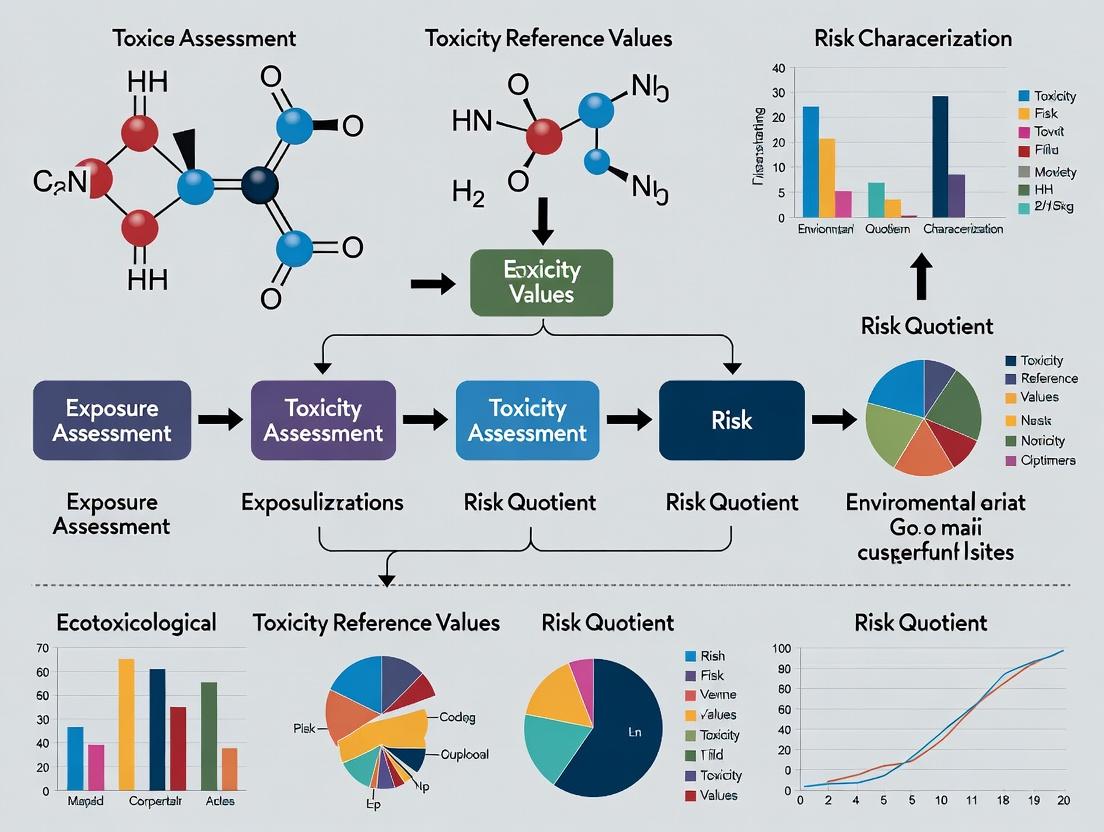
This article provides a comprehensive guide to the ecological risk assessment (ERA) process for Superfund sites, tailored for researchers, scientists, and environmental professionals.
Navigating Ecological Risk at Superfund Sites: A Technical Guide for Environmental and Biomedical Professionals
Abstract
This article provides a comprehensive guide to the ecological risk assessment (ERA) process for Superfund sites, tailored for researchers, scientists, and environmental professionals. It covers the foundational principles and regulatory framework established by the EPA, detailing the key stages from planning and problem formulation to analysis. The guide explores methodological applications, including screening benchmarks and exposure modeling, addresses common challenges in data interpretation and model selection, and discusses validation through case studies and comparative analysis with human health assessments. The synthesis aims to equip professionals with the knowledge to conduct rigorous, site-specific ERAs that inform effective remediation and risk management decisions.
Understanding the Superfund ERA Framework: Principles, Process, and Key Players
The Purpose and Legal Basis of Ecological Risk Assessment in Superfund
The primary purpose of Ecological Risk Assessment (ERA) within the Superfund program is to determine the nature, magnitude, and probability of adverse effects that hazardous substances pose to plants, animals, and entire ecosystems at contaminated sites [1]. This scientific evaluation directly informs risk management decisions, ensuring that cleanup strategies are protective of ecological resources and that limited remediation funds are allocated effectively [2]. The process is designed to be site-specific, addressing the unique combination of contaminants, receptors, and exposure pathways present at each location [1].
The legal basis for these assessments is established by the Comprehensive Environmental Response, Compensation, and Liability Act of 1980 (CERCLA), commonly known as Superfund, and its significant 1986 amendment, the Superfund Amendments and Reauthorization Act (SARA) [3]. CERCLA provides the federal government with the authority to respond to releases of hazardous substances and mandates the cleanup of contaminated sites [3]. While the statute explicitly requires the protection of human health, the mandate to protect the environment is implicit in its overall structure and goals. SARA strengthened this by emphasizing the need for permanent cleanup solutions and greater consideration of environmental impacts [3]. This legal framework is operationally guided by the National Oil and Hazardous Substances Pollution Contingency Plan (NCP), which establishes the procedural blueprint for site assessment and remediation, including the role of ERAs [1].
Furthermore, the ERA process integrates with other key environmental statutes. The Endangered Species Act (ESA) requires federal agencies, including the EPA, to ensure their actions do not jeopardize listed species or adversely modify critical habitat [4]. The Clean Water Act (CWA) provides authority for protecting aquatic life through its water quality standards [5]. Although not a primary driver for Superfund cleanups, the Toxic Substances Control Act (TSCA) influences the program by regulating the manufacture and use of chemicals, and its enforcement can generate data relevant to site assessments [6].
A critical modern evolution in the legal and policy context is the integration of environmental justice (EJ) principles. Beginning with Executive Order 12898 in 1994 and reinforced by subsequent orders, federal agencies are directed to address disproportionately high and adverse environmental effects on minority and low-income populations [3]. Recent research underscores this imperative, finding that Asian, Black, and disadvantaged populations are disproportionately overrepresented in communities hosting Superfund sites, highlighting the need for equitable cleanup prioritization [3].
Quantitative Data on Contaminants and Site Prioritization
Table 1: Common Superfund Contaminants and Ecological Screening Benchmarks
| Contaminant | Chemical Abstracts Service (CAS) Number | Typical Media | Ecological Soil Screening Level (Eco-SSL) for Plants (mg/kg) | Primary Ecological Concern |
|---|---|---|---|---|
| Arsenic | 7440-38-2 | Soil, Sediment, Groundwater | 20 | Plant toxicity, bioaccumulation in food webs [5] |
| Lead | 7439-92-1 | Soil, Dust | 50 | Avian and mammalian toxicity, soil invertebrate effects [5] |
| Polychlorinated Biphenyls (PCBs) | 1336-36-3 | Sediment, Soil, Biota | 1 (for Aroclor 1254) | Reproductive failure in birds and mammals, long-term persistence [6] |
| Polycyclic Aromatic Hydrocarbons (PAHs) | Varies (e.g., 50-32-8 for Benzo[a]pyrene) | Sediment, Soot | Varies by compound | Carcinogenicity in aquatic organisms, sediment toxicity [7] |
| Cadmium | 7440-43-9 | Soil, Water | 8 | Acute and chronic toxicity to soil and aquatic invertebrates [5] |
| Dioxins (TCDD) | 1746-01-6 | Sediment, Biota | 0.00005 | Extreme toxicity to wildlife, reproductive and developmental effects [7] |
Table 2: Key Legislative and Policy Milestones Informing Superfund ERA
| Legislation/Policy | Year | Key Provision Relevant to Ecological Risk Assessment | Impact on ERA Process |
|---|---|---|---|
| Comprehensive Environmental Response, Compensation, and Liability Act (CERCLA) | 1980 | Established the Superfund program and liability framework for cleanup. | Created the legal mandate for site assessment and remediation, implicitly including ecological protection [3]. |
| Superfund Amendments and Reauthorization Act (SARA) | 1986 | Emphasized permanent remedies and increased public participation. | Encouraged more detailed and rigorous risk assessments, including ecological evaluations [3]. |
| EPA's Guidelines for Ecological Risk Assessment | 1998 (Updated 2025) | Provided an agency-wide framework for ERA. | Standardized the ERA paradigm (Planning, Problem Formulation, Analysis, Risk Characterization) across EPA programs [2]. |
| Executive Order 12898 (Federal Actions to Address Environmental Justice) | 1994 | Required federal agencies to address disproportionate environmental impacts on minority and low-income populations. | Initiated the integration of demographic and socioeconomic factors into site prioritization and community engagement [3]. |
| Infrastructure Investment and Jobs Act | 2021 | Reinstated the Superfund chemical excise tax and provided $3.5 billion in additional funding. | Enabled increased cleanup pace and scope, highlighting the need for equitable prioritization frameworks [3]. |
Detailed Experimental Protocols for Key ERA Phases
Protocol 1: Planning and Scoping
- Objective: To establish the goals, breadth, and focus of the ecological risk assessment in collaboration with risk managers and stakeholders [2].
- Methodology:
- Initial Data Review: Compile existing site data, including historical operations, previous investigations, and preliminary contaminant lists from the Superfund Enterprise Management System (SEMS) [7].
- Formation of the Biological Technical Assistance Group (BTAG): Convene a multidisciplinary team of ecologists, toxicologists, and hydrologists to provide expert scientific input [5].
- Stakeholder Engagement: Conduct meetings with Natural Resource Trustees (federal/state agencies managing resources) and community representatives to identify valued ecological assets and concerns [5].
- Development of Assessment Endpoints: Define explicit environmental values to protect (e.g., "reproduction of resident bird populations," "integrity of aquatic benthic communities") [2].
- Creation of a Conceptual Site Model (CSM) Outline: Draft a preliminary diagram identifying potential contaminant sources, release mechanisms, exposure pathways (e.g., soil ingestion, prey consumption), and ecological receptors [5].
Protocol 2: Problem Formulation and Conceptual Model Development
- Objective: To produce a precise conceptual model and analysis plan that will guide the technical investigation [5].
- Methodology:
- Site Characterization: Perform a field reconnaissance to validate the CSM, document habitats, and identify potential receptor species present on-site.
- Refinement of Contaminants of Concern (COCs): Use screening-level calculations comparing maximum detected contaminant concentrations to ecological screening benchmarks (e.g., Ecological Soil Screening Levels - Eco-SSLs) to eliminate contaminants posing negligible risk [5].
- Complete CSM Development: Finalize a detailed diagram (see Section 4) showing the definitive relationships between sources, release mechanisms, exposure pathways, and receptor species or communities.
- Study Design and Measure Selection: Specify the field studies (e.g., vegetation surveys, fish tissue sampling), laboratory toxicity tests, and bioassessment metrics (e.g., Index of Biotic Integrity) needed to quantify exposure and effects [5].
Protocol 3: Toxicity Testing and Bioassay Analysis
- Objective: To generate dose-response data for site-specific contaminants or media.
- Methodology:
- Test Material Collection: Collect site media (soil, sediment, surface water) following QA/QC protocols outlined in Guidance for Data Usability in Risk Assessment [5].
- Test Organism Selection: Choose standard laboratory species (e.g., earthworm Eisenia fetida, cladoceran Ceriodaphnia dubia, fathead minnow Pimephales promelas) relevant to identified exposure pathways.
- Exposure Regime: Conduct static, static-renewal, or flow-through tests under controlled conditions for durations of 24h, 48h, 7d, or chronic life-cycle, depending on the endpoint.
- Endpoint Measurement: Quantify mortality, growth inhibition, reproduction impairment (e.g., number of young), or genotoxic effects.
- Data Analysis: Calculate LC50/EC50 values and No Observed Adverse Effect Concentrations (NOAECs) using statistical software. Compare results to reference-toxicant control charts to ensure organism sensitivity [1].
Protocol 4: Analysis Phase: Exposure and Effects Characterization
- Objective: To integrate field and laboratory data to estimate the magnitude of exposure and the severity of ecological effects.
- Methodology:
- Screening-Level ERA (SLERA): For initial tiers, calculate Hazard Quotients (HQ) = (Estimated Exposure Concentration) / (Toxicity Reference Value). An HQ > 1 indicates potential risk requiring further evaluation [5].
- Baseline ERA (BERA): For higher-tier assessment, develop probabilistic exposure models using statistical distributions of contaminant concentrations and receptor behavioral data. Use Monte Carlo simulation to estimate the likelihood of exceeding toxicity thresholds [1].
- Weight-of-Evidence Analysis: Synthesize multiple lines of evidence (chemical, toxicological, ecological community) into a cohesive narrative. Use criteria such as strength, consistency, and biological plausibility to evaluate causality between contamination and observed effects [2].
Visualizing the ERA Process and Prioritization Logic
Superfund Ecological Risk Assessment Process Workflow
Logic for Integrating ERA & Equity in Site Prioritization
The Scientist's Toolkit: Key Research Reagent Solutions
Table 3: Essential Materials and Reagents for Superfund Ecological Risk Assessments
| Item Category | Specific Example/Product | Function in ERA | Key Guidance/Source |
|---|---|---|---|
| Toxicity Test Organisms | Ceriodaphnia dubia (Water Flea), Eisenia fetida (Earthworm), Pimephales promelas (Fathead Minnow) | Standardized laboratory organisms used in bioassays to determine the toxicity of site media (water, sediment, soil). | EPA Whole Effluent Toxicity methods; Ecological Soil Screening Level (Eco-SSL) derivation documents [5]. |
| Analytical Reference Standards | EPA Method 8270/8270 SIM Semivolatile Mix, PCB Congener Mix, Certified Reference Materials (CRMs) for soil/water. | Used to calibrate instrumentation (GC-MS, ICP-MS) for accurate quantification of Contaminants of Concern (COCs). Essential for defensible data under Guidance for Data Usability [5]. | |
| Ecological Benchmark Databases | Regional Screening Levels (RSL) Tables, ECOTOX Knowledgebase, PPRTV (Provisional Peer-Reviewed Toxicity Values) databases. | Provide critical toxicity reference values (e.g., TRVs, PNECs) for calculating Hazard Quotients and assessing risk during screening and baseline assessments [1] [8]. | |
| Field Sampling Equipment | Ponar or Van Veen sediment grabs, Hester-Dendy artificial substrates, peristaltic pumps for groundwater, GPS survey-grade units. | Used to collect representative environmental media and biological samples for chemical analysis and community assessment. | EPA Field Sampling Guidance documents; Superfund Ecological Risk Assessment Guidance [9]. |
| Statistical & Modeling Software | Monte Carlo simulation add-ins (e.g., @RISK, Crystal Ball), biotic index calculators, geospatial analysis (GIS) software. | Enables probabilistic risk assessment, analysis of ecological community data, and visualization of exposure pathways and demographic data for environmental justice analysis [2] [3]. |
Core Differences Between Human Health and Ecological Risk Assessments
Within the regulatory framework governing Superfund site cleanups, risk assessment serves as the critical scientific foundation for environmental decision-making. The process is bifurcated into two distinct but parallel streams: Human Health Risk Assessment (HHRA) and Ecological Risk Assessment (ERA). Both share a common paradigm of planning, hazard identification, exposure assessment, and risk characterization [10] [1]. However, they diverge fundamentally in their protection goals, endpoints, complexity, and methodologies [8]. For researchers and scientists developing guidance for Superfund sites, understanding these divergences is essential for designing studies that generate defensible data for risk management decisions. This document provides detailed application notes and protocols to elucidate these core differences, framed within the specific context of hazardous waste site remediation [1].
Core Divergences: Comparative Framework
The following table summarizes the principal differences between Human Health and Ecological Risk Assessments as implemented in a Superfund context.
Table 1: Core Differences Between Human Health and Ecological Risk Assessments
| Aspect | Human Health Risk Assessment (HHRA) | Ecological Risk Assessment (ERA) |
|---|---|---|
| Primary Protection Goal | Protect individual humans and defined populations (e.g., residents, workers) from illness, injury, or carcinogenesis [10] [11]. | Protect the structure, function, and sustainability of ecosystems, including populations, communities, and habitats [2]. |
| Assessment Endpoint | Clearly defined human health effects (e.g., cancer incidence, liver toxicity, neurodevelopmental effects) [12]. | Measurement Endpoints (e.g., fish mortality, invertebrate diversity, plant biomass) are used to infer Assessment Endpoints (e.g., population sustainability, community integrity) [2] [5]. |
| Receptor of Concern | Human beings, often with a focus on sensitive subpopulations (children, elderly, asthmatics) [10] [12]. | Ecological receptors, which can include representative species, keystone species, threatened/endangered species, and the ecosystem itself [5]. |
| Exposure Pathways | Direct and relatively simple: Ingestion, inhalation, dermal contact from media like water, soil, air, and food [12]. | Complex and indirect: Includes direct contact (soil, water) plus bioaccumulation and biomagnification through food webs (e.g., soil → worm → bird) [5]. |
| Toxicity Data Sources | Heavily reliant on controlled mammalian studies (rodents), in vitro assays, and epidemiological data. Extrapolation from animals to humans is a key uncertainty [12] [13]. | Uses data from multiple taxa (fish, birds, invertebrates, plants). Single-species laboratory toxicity tests are common, but field studies and micro/mesocosms are critical for community-level effects [2] [5]. |
| Dose-Response | Focuses on the individual. Establishes Reference Doses (RfDs) for non-cancer effects and Slope Factors for cancer, often with safety/uncertainty factors [12] [11]. | Focuses on populations. Often uses EC/LCx values (e.g., EC20, LC50) to estimate effects on a percentage of a population. May consider effects on reproduction, growth, and survival [2]. |
| Spatial Scale | Typically defined by human activity patterns (e.g., residential lot, neighborhood, occupational boundaries) [12]. | Must consider the ecosystem's spatial scale, which can range from a contaminated sediment patch to a watershed or migratory bird route [2] [5]. |
| Temporal Scale | Focuses on human lifespans and exposure durations (acute, subchronic, chronic) [12]. | Must consider ecological timescales, including life cycles of organisms, seasonal migrations, succession, and long-term recovery [5]. |
| Key Guidance for Superfund | Risk Assessment Guidance for Superfund (RAGS) [1]. | Ecological Risk Assessment Guidance for Superfund [1] [5]. |
| Management Integration | Results (e.g., Hazard Index, Cancer Risk) are compared to bright-line health-based benchmarks to inform cleanup levels [1] [11]. | Results are weighed against ecological significance and management goals for the site (e.g., habitat restoration, species protection), which are often less prescriptive [2] [5]. |
Application Notes & Detailed Protocols
Protocol 1: Human Health Risk Assessment at a Superfund Site
This protocol follows the four-step process defined by the EPA and mandated in the Risk Assessment Guidance for Superfund (RAGS) [10] [1].
1. Planning and Problem Formulation
- Objective: Define the scope, stakeholders, and conceptual site model (CSM) for human exposure.
- Methodology:
- Form a Team: Integrate risk assessors, risk managers, and community stakeholders [10].
- Identify Receptors: Define current and future potentially exposed populations. Apply specific consideration to highly susceptible subpopulations (e.g., children, pregnant women) and highly exposed groups [10] [12].
- Develop a Human CSM: Diagram all complete exposure pathways (Source → Release → Transport → Exposure Media → Point of Contact → Receptor) [11].
- Select Chemicals of Potential Concern (COPCs): Screen site data against human health benchmarks (e.g., EPA Regional Screening Levels) [8].
2. Hazard Identification
- Objective: Determine whether a COPC has the intrinsic ability to cause adverse human health effects [12].
- Methodology:
- Review Toxicological Databases: Consult EPA's Integrated Risk Information System (IRIS) and Provisional Peer-Reviewed Toxicity Values (PPRTVs) for Superfund sites [1].
- Assess Weight of Evidence: Categorize carcinogenic potential (e.g., "Likely to be Carcinogenic to Humans") and identify critical non-cancer health endpoints (e.g., developmental neurotoxicity) [12].
- Evaluate Mode of Action: Understand the sequence of key biological events leading to toxicity to inform dose-response extrapolation [12].
3. Dose-Response Assessment
- Objective: Quantify the relationship between the magnitude of exposure (dose) and the probability/severity of the adverse effect [12] [11].
- Methodology:
- For non-cancer effects: Identify the No-Observed-Adverse-Effect Level (NOAEL) or Benchmark Dose (BMD). Apply uncertainty factors to derive a Reference Dose (RfD) or Reference Concentration (RfC) [11].
- For carcinogenic effects: Apply a low-dose extrapolation model (e.g., linear multistage) to derive a Slope Factor (SF) or Inhalation Unit Risk (IUR), which represents risk per unit dose [12].
4. Exposure Assessment
- Objective: Estimate the magnitude, frequency, duration, and route of exposure for each receptor and pathway [11].
- Methodology:
- Define Exposure Scenarios: Model realistic activity patterns (e.g., resident, construction worker) using standardized Exposure Factors (e.g., soil ingestion rates, inhalation volumes) [12].
- Calculate Exposure Point Concentration: Use statistical methods on environmental monitoring data (e.g., 95% upper confidence limit of the mean) to estimate a representative contaminant concentration at the point of contact [11].
- Calculate Chronic Daily Intake (CDI): For each pathway, compute CDI = (Conc. × Contact Rate × Exposure Duration) / (Body Weight × Averaging Time).
5. Risk Characterization
- Objective: Integrate toxicity and exposure assessments to produce a quantitative and qualitative estimate of risk [10].
- Methodology:
- Risk Estimation:
- Non-Cancer Hazard: Calculate a Hazard Quotient (HQ) = CDI / RfD. Sum HQs across chemicals with the same toxic endpoint to produce a Hazard Index (HI). HI > 1 indicates potential for adverse effects.
- Cancer Risk: Calculate Incremental Lifetime Cancer Risk = CDI × SF. Risks are typically summed across pathways and chemicals.
- Risk Description: Articulate risk estimates clearly, highlighting key assumptions, major uncertainties (e.g., use of animal data, exposure extrapolation), and the weight of evidence [10].
- Risk Estimation:
Protocol 2: Ecological Risk Assessment at a Superfund Site
This protocol follows the iterative, triad-based approach outlined in the Ecological Risk Assessment Guidance for Superfund [2] [5].
1. Planning and Problem Formulation
- Objective: Define the ecological entity to be protected and develop an ecological conceptual model [2] [5].
- Methodology:
- Convene a Biological Technical Assistance Group (BTAG): Assemble a multidisciplinary team (ecologists, hydrologists, toxicologists) to guide the assessment [5].
- Conduct a Site Visit & Literature Review: Characterize habitats, identify potential receptors (including threatened/endangered species), and evaluate ecosystem services [5].
- Select Assessment Endpoints: Choose valued ecosystem characteristics to protect (e.g., survival of benthic invertebrate communities, reproductive success of piscivorous birds).
- Develop an Ecological CSM: Diagram stressor sources, exposure pathways (including food web linkages), and potential ecological effects [5].
2. Study Design & Analysis Phase (Combines Hazard ID, Exposure, & Effects)
- Objective: Collect and analyze data to evaluate exposure and ecological response.
- Methodology - The "Triad" Approach:
- Chemistry Data: Measure contaminant concentrations in all relevant environmental media (soil, sediment, surface water, pore water, and tissue for bioaccumulation assessment) [5].
- Toxicity Testing:
- Laboratory Bioassays: Expose standardized test organisms (e.g., Hyalella azteca, Ceriodaphnia dubia) to site media (e.g., sediment elutriates) to measure acute and chronic effects [5].
- Bioaccumulation Assays: Measure contaminant uptake in tissues of organisms exposed to site media (e.g., Lumbriculus variegatus for sediment).
- Field Ecological Surveys:
- Community Structure: Sample and analyze biotic communities (e.g., fish, macroinvertebrate, benthic) for metrics of diversity, abundance, and composition.
- In Situ Biomarkers: Collect indigenous organisms for analysis of biochemical or physiological indicators of stress (e.g., liver detoxification enzymes, DNA damage).
3. Risk Characterization
- Objective: Integrate triad data to evaluate the likelihood and significance of adverse ecological effects [2].
- Methodology:
- Weight-of-Evidence Analysis: Synthesize lines of evidence from chemistry, toxicity, and field ecology. Consistency among all three provides the strongest evidence of risk.
- Spatial & Temporal Analysis: Map ecological impacts relative to contamination gradients. Determine if impacts are acute or represent a chronic, sustained condition.
- Risk Description: Describe the nature and severity of effects on assessment endpoints. Evaluate the ecological significance of the observed impacts, considering factors like recovery potential and the role of affected species in the ecosystem [2].
The Scientist's Toolkit: Essential Research Reagent Solutions
Table 2: Key Reagents and Materials for Risk Assessment Research
| Item | Function in HHRA | Function in ERA |
|---|---|---|
| Standardized Toxicity Test Organisms (e.g., Sprague-Dawley rats, Daphnia magna, Fathead minnow) | Used in controlled laboratory studies to establish dose-response relationships and derive toxicity values (RfDs, SFs) for human health [12]. | Used as surrogate species in laboratory bioassays to estimate effects of site media on aquatic and terrestrial life. Chronic life-cycle tests are critical [5]. |
| Physiologically Based Pharmacokinetic (PBPK) Models | In silico tools that simulate the absorption, distribution, metabolism, and excretion (ADME) of chemicals in the human body, refining interspecies and intraspecies extrapolation [12]. | Less commonly applied but emerging as Physiologically Based Toxicokinetic (PBTK) models for wildlife (e.g., birds, fish) to predict tissue concentrations from environmental exposure. |
| Passive Sampling Devices (e.g., SPMDs, POCIS) | Used to measure bioavailable concentrations of contaminants in water or air, providing a more relevant exposure metric for human health assessment than total bulk concentration. | Critical for measuring the freely dissolved concentration of contaminants in sediment porewater or surface water, which is the fraction most bioavailable to aquatic organisms. |
| Stable Isotope Analysis (¹³C, ¹⁵N) | Used in human exposure studies for source apportionment of pollutants (e.g., lead). | A core tool for food web analysis. Used to trace trophic positions and biomagnification of contaminants through ecological communities [5]. |
| Molecular Biomarker Kits (e.g., for CYP450 induction, DNA adducts, vitellogenin) | Used in human biomonitoring and in vitro studies to indicate exposure or early biological effect, supporting mode-of-action analyses [13]. | Used in field surveys as in situ biomarkers of exposure and sub-lethal stress in fish and wildlife, providing a link between contamination and biological response. |
| Geographic Information System (GIS) Software | Used to map contaminant plumes, population demographics, and exposure pathways to identify vulnerable communities [12]. | Essential for analyzing the spatial extent of contamination, overlaying habitat maps with species distributions, and modeling ecological exposure across a landscape [5]. |
| All Ages Lead Model (AALM) | A specific pharmacokinetic model released by the EPA in 2024 to predict lead concentrations in tissues of children and adults from exposure, supporting Superfund risk assessments [8]. | Not directly applicable. Ecological assessments for lead would use avian and mammalian toxicity reference values and models of dietary exposure. |
Risk Assessment Workflow Visualizations
Title: Human Health Risk Assessment Linear Workflow
Title: Ecological Risk Conceptual Model with Food Web
The ecological risk assessment (ERA) framework employed by the U.S. Environmental Protection Agency (EPA) for Superfund sites represents a dynamic, non-linear, and iterative scientific process [1]. Originally grounded in the 1983 National Research Council (NRC) paradigm of hazard identification, dose-response assessment, exposure assessment, and risk characterization [14], the approach has evolved to address the unique complexities of contaminated ecosystems. Unlike a rigid sequential model, the Superfund ERA is characterized by feedback loops where data from later stages inform and refine earlier assumptions, requiring continuous collaboration between risk assessors, risk managers, and stakeholders [2]. This iterative design is essential for managing the inherent uncertainties associated with heterogeneous environmental contamination, multiple potential receptors, and diverse exposure pathways. The guidance provided for Superfund sites emphasizes a "fit-for-purpose" philosophy, where the scope and depth of analysis are tailored to the specific site conditions and management decisions required [5]. This article details the application notes and experimental protocols central to implementing this adaptive paradigm in field research.
Application Notes: Implementing the Iterative Paradigm
Core Principles and Interactive Dynamics The effectiveness of the ERA process at Superfund sites hinges on the sustained interaction between risk assessors, risk managers, and other interested parties during the initial planning and final risk characterization phases [2]. This collaboration ensures the assessment addresses relevant ecological endpoints and that its outcomes are actionable for remediation decisions. The process is explicitly non-linear; for instance, findings during the analysis of exposure may reveal a previously unconsidered receptor, necessitating a return to the problem formulation phase to refine the conceptual site model [1] [5]. This iterative refinement is a strength, allowing the assessment to adapt to new scientific information and site-specific data.
Integration of Human Health and Ecological Assessments While distinct, human health and ecological risk assessments under Superfund operate within the same overarching paradigm and often proceed in parallel. Key scientific assessments feed into the hazard identification and dose-response steps of the framework. The table below summarizes the focus of primary EPA health science assessments within the NRC paradigm [15].
Table 1: Focus of EPA Human Health Science Assessments within the Risk Assessment Paradigm [15]
| Assessment Type | Hazard Identification | Dose-Response Assessment | Primary Use in Superfund Context |
|---|---|---|---|
| Integrated Science Assessment (ISA) | Yes | No | Informs hazard identification for air pollutants. |
| Integrated Risk Information System (IRIS) | Yes | Yes | Provides authoritative toxicity values (e.g., RfD, CSF). |
| Provisional Peer-Reviewed Toxicity Values (PPRTV) | Yes | Yes | Supplies toxicity values for chemicals not yet on IRIS. |
| ORD Human Health Toxicity Assessment | Yes | Yes | Develops toxicity values for specific site-related chemicals. |
| Exposure and Toxicity Assessment | No | Yes | Focuses on dose-response for specific exposure scenarios. |
Quantitative Tools and Screening Benchmarks A critical application within the ERA is the use of screening benchmarks to refine contaminants of concern (COCs). Ecological Soil Screening Levels (Eco-SSLs) are risk-based values derived for a suite of frequent contaminants, including metals like lead, arsenic, and cadmium, and organics like PAHs and DDT [16]. They provide a conservative first-tier tool to identify substances requiring further evaluation. The table below lists example Eco-SSLs and related toxicity metrics crucial for quantitative risk estimation.
Table 2: Key Quantitative Metrics for Ecological Risk Assessment at Superfund Sites
| Metric | Description | Example Chemicals/Values | Application in Risk Calculation |
|---|---|---|---|
| Eco-SSL (Plants) | Soil concentration protective of terrestrial plants [16]. | Aluminum: 1,200 mg/kg; Zinc: 110 mg/kg. | Screening-level comparison to soil data. |
| Eco-SSL (Soil Invertebrates) | Soil concentration protective of soil-dwelling invertebrates [16]. | Copper: 70 mg/kg; Nickel: 35 mg/kg. | Screening-level comparison to soil data. |
| Avian/ Mammalian Toxicity Reference Value (TRV) | Daily oral dose (mg/kg-day) unlikely to cause adverse effects [5]. | Chemical-specific values from literature. | Compared to estimated daily intake from exposure model. |
| Water Quality Criteria (WQC) | Recommended ambient water concentration [5]. | National recommended criteria for 158 pollutants. | Comparison to surface water or pore water data. |
| Hazard Quotient (HQ) | Ratio of estimated exposure to toxicity benchmark (e.g., TRV). | HQ = Estimated Exposure Dose / TRV. | HQ > 1 indicates potential risk requiring further study. |
Detailed Experimental Protocols
Protocol 1: Problem Formulation and Conceptual Site Model Development Objective: To define the assessment's scope, identify potential ecological receptors, exposure pathways, and effects, and develop a testable conceptual model [5]. Procedure:
- Planning and Scoping: Engage the Biological Technical Assistance Group (BTAG), risk managers, and trustees to define assessment goals and boundaries [5]. Compile existing data on site history, hydrology, geology, and ecology.
- Receptor Selection: Identify Assessment and Measurement Endpoints. Select ecologically relevant, sensitive, and exposure-prone species (e.g., soil invertebrates, herbivorous mammals, insectivorous birds) as assessment endpoints [2].
- Stressor Characterization: Compile and review all contaminant data from historical site investigations to develop an initial list of COCs.
- Conceptual Model Development: a. Diagram all plausible exposure pathways (e.g., soil ingestion → small mammal; pore water uptake → plant; contaminated prey consumption → bird) [5]. b. For each pathway, identify a source, an exposure medium, a receptor, and an effect. c. Formulate analysis plans outlining the data needed to evaluate each pathway. Deliverable: A written Problem Formulation report including a conceptual site model diagram and a plan for the analysis phase.
Protocol 2: Field Sampling Design for Exposure Analysis Objective: To collect media samples (soil, sediment, water, biota) that accurately characterize the nature and extent of contamination for key exposure pathways. Procedure:
- Design Basis: Base sampling locations and density on the conceptual model, ensuring coverage of suspected source zones, exposure points, and background reference areas [5].
- Media Collection: a. Soil: Collect composite soil samples (0-5 cm depth for surface exposure) from defined grids. Preserve samples for chemical analysis and potentially for toxicity bioassays. b. Biota: Collect representative receptor species non-lethally where possible (e.g., invertebrates, plants). For lethal collection (e.g., small mammals), follow approved IACUC protocols. Target tissues relevant to exposure (e.g., whole body for invertebrates, liver for metals in mammals). c. Surface Water/Sediment: Sample from water bodies in contact with contaminated soils or groundwater discharge zones.
- Quality Assurance/Quality Control (QA/QC): Implement a rigorous QA/QC plan including field duplicates, trip blanks, and certified reference materials to ensure data usability for risk assessment [5]. Deliverable: A spatially-referenced dataset of chemical concentrations in all relevant environmental media and receptor tissues.
Protocol 3: Toxicity Testing and Dose-Response Assessment Objective: To evaluate the potency of site media or specific contaminants to identified receptors. Procedure:
- Tier 1: Standardized Laboratory Bioassays: a. Soil Toxicity: Conduct 7-day survival or 14-day reproduction tests with standard soil invertebrates (e.g., Eisenia fetida) using site soils diluted with control soil [16]. b. Sediment Toxicity: Conduct 10-day survival tests with amphipods (e.g., Hyalella azteca) in site sediments. c. Data Analysis: Calculate LC50 (lethal concentration for 50%) or EC50 (effective concentration for 50% effect) values and compare to control and reference sites.
- Tier 2: Application of Toxicity Reference Values (TRVs): a. Research peer-reviewed literature and EPA databases (e.g., IRIS, PPRTVs) to identify appropriate TRVs for the COCs and receptor taxa [15]. b. For chemicals lacking TRVs, develop a study-specific point of departure (POD) from relevant toxicity studies, applying uncertainty factors as per EPA guidance [14]. Deliverable: A toxicity profile for the site, including bioassay results and a compiled list of verified TRVs or PODs for use in risk estimation.
Visualizing the Process: Workflows and Pathways
Diagram 1: The Non-Linear, Iterative ERA Process (width=760px)
Diagram 2: Example Conceptual Site Model for a Superfund Site (width=760px)
The Researcher's Toolkit
Table 3: Essential Guidance Documents and Resources for Superfund ERA Research
| Resource Name | Source/Reference | Function in Research |
|---|---|---|
| Ecological Risk Assessment Guidance for Superfund | EPA Interim Final Guidance [9] | The primary procedural manual for designing and conducting ERAs at Superfund sites. |
| Guidelines for Ecological Risk Assessment | EPA 630/R-95/002F [2] | Foundational agency-wide guidelines explaining principles and process interaction. |
| Ecological Soil Screening Levels (Eco-SSL) | EPA OSWER Directives [16] | Provides screening-level soil concentrations for protecting plants, invertebrates, and wildlife. |
| Wildlife Exposure Factors Handbook | EPA/600/R-93/187 [16] | Compiles data on dietary intake, body weight, and home range for wildlife exposure modeling. |
| Provisional Peer-Reviewed Toxicity Values (PPRTV) | EPA Superfund Program [1] | Supplies peer-reviewed toxicity values for chemicals lacking IRIS assessments. |
| Role of the Biological Technical Assistance Group (BTAG) | EPA EcoUpdate Bulletin [5] | Outlines the function of the multidisciplinary team providing technical input. |
| Data Usability in Risk Assessment Guidance | EPA Parts A & B [5] | Establishes criteria for evaluating the quality and sufficiency of environmental chemical data. |
| Cumulative Risk Assessment Program Guidance | EPA [5] | Directs consideration of multiple stressors, pathways, and populations in scoping. |
The development of the Ecological Risk Assessment Guidance for Superfund: Process for Designing and Conducting Ecological Risk Assessments (1997) represents a pivotal evolution in the standardized evaluation of contaminated sites [17]. This document superseded the 1989 Risk Assessment Guidance for Superfund (RAGS), Volume II, Environmental Evaluation Manual, establishing the first agency-wide guidelines for ecological risk assessments within the Superfund program [5] [9]. Framed within a broader thesis on ecological risk assessment guidance, this progression signifies a shift from a chemical-centric, media-based evaluation to a formal, iterative process centered on problem formulation and the source-pathway-receptor paradigm [18]. The 1997 guidance codified a tiered approach, moving from conservative, screening-level analyses to detailed, site-specific assessments, thereby providing a flexible yet scientifically defensible framework for researchers and remedial project managers to determine the necessity and extent of cleanup actions at hazardous waste sites [5] [19].
Historical Context and Foundational Frameworks
The ecological risk assessment framework was built upon the foundational risk assessment paradigm formalized by the National Research Council (NRC) in 1983, which outlined four key steps: hazard identification, dose-response assessment, exposure assessment, and risk characterization [20] [18]. Prior to the 1997 guidance, ecological evaluations under Superfund were guided by the 1989 RAGS Volume II. This earlier manual was more limited in scope, focusing primarily on methodologies for evaluating environmental contamination in specific media [9].
The 1997 guidance was developed to address the need for a consistent, national process that could be applied to the diverse array of ecosystems and contaminants found at Superfund sites. It integrated principles from the 1992 Framework for Ecological Risk Assessment and emphasized early planning and scoping, a phase critical for defining assessment objectives, spatial and temporal boundaries, and the selection of assessment and measurement endpoints [5]. This shift recognized that a technically sound assessment must begin with a clear understanding of the ecological entities valued for protection and the specific stressors of concern [21].
Comparative Analysis: RAGS (1989) vs. 1997 Superfund Guidance
The transition from RAGS to the 1997 guidance marked a significant maturation in ecological risk assessment philosophy and practice. The following table summarizes the key conceptual and procedural advancements.
Table 1: Key Differences Between RAGS (1989) and the 1997 Ecological Risk Assessment Guidance
| Aspect | RAGS (1989) Volume II | 1997 Superfund Guidance |
|---|---|---|
| Primary Focus | Chemical contamination in environmental media (e.g., soil, water). | Ecological receptors and endpoints; a process for designing assessments. |
| Assessment Structure | Media-specific evaluation methodologies. | Formal, iterative process with defined phases: Planning, Problem Formulation, Analysis, Risk Characterization. |
| Core Innovation | Provided technical methods for environmental evaluation. | Introduced and mandated the Problem Formulation phase as the critical first step. |
| Conceptual Model | Implicit or less emphasized. | Explicit development of a conceptual site model (CSM) depicting source-stressor-receptor pathways is central [5]. |
| Approach to Uncertainty | Often addressed through default conservative assumptions. | Advocates for a tiered approach to reduce uncertainty iteratively, moving from screening to detailed analysis [19]. |
| Management Linkage | Implicit connection to cleanup decisions. | Explicitly frames the assessment as a tool for risk management decisions, promoting transparency [21]. |
| Guideline Status | Initial guidance for environmental evaluation under Superfund. | Superseded RAGS Vol. II; became EPA’s first agency-wide ecological risk assessment guideline for Superfund [5] [9]. |
The Tiered Assessment Protocol: From Screening to Detailed Analysis
The 1997 guidance institutionalized a tiered assessment strategy to improve efficiency and scientific rigor. This protocol ensures that resources are allocated appropriately, with simpler, conservative methods used first to identify areas requiring more sophisticated analysis [19].
Tier I: Screening-Level Risk Assessment (SLRA) Protocol
Objective: To quickly identify contaminants and pathways that pose negligible risk and eliminate them from further consideration, thereby focusing resources on potential problems [19].
Methodology:
- Data Compilation: Gather existing site data on contaminant concentrations in soil, sediment, surface water, and groundwater.
- Selection of Screening Benchmarks: Compare maximum or high-percentile (e.g., 95% UCL) site concentrations to generic ecological screening criteria (e.g., Ecological Soil Screening Levels [Eco-SSLs], National Recommended Water Quality Criteria) [5].
- Hazard Quotient (HQ) Calculation: For each contaminant-receptor combination, calculate HQ = (Exposure Concentration) / (Toxicity Benchmark).
- Risk Identification: An HQ ≤ 1 suggests negligible risk. An HQ > 1 indicates potential risk, triggering a refinement of the assessment either through better exposure data or progression to a more detailed tier [19].
- Uncertainty: SLRAs intentionally use conservative assumptions (e.g., maximum exposure, sensitive receptors) to minimize false negatives (failing to identify a real risk) [19].
Tier II/III: Detailed-Level Risk Assessment (DLRA) Protocol
Objective: To obtain a more realistic and site-specific estimate of risk for contaminants and pathways flagged during screening, reducing uncertainty to support definitive risk management decisions [19].
Methodology:
- Refine the Conceptual Site Model: Based on SLRA results, enhance the CSM with site-specific data on fate/transport, food web structure, and receptor behavior.
- Site-Specific Exposure Assessment:
- Measure or model bioavailable contaminant fractions.
- Conduct field surveys to quantify receptor populations, home ranges, and habitat use.
- Develop quantitative exposure models using site-specific parameters (e.g., soil ingestion rates for wildlife, bioaccumulation factors).
- Site-Specific Effects Assessment:
- Use dose-response data from toxicological databases like the Integrated Risk Information System (IRIS) or generate site-specific data [20].
- Apply Benchmark Dose (BMD) modeling as a preferred alternative to NOAEL/LOAEL approaches for deriving toxicity reference values [20].
- Conduct toxicity tests (e.g., sediment bioassays, plant seedling tests) using site media.
- Advanced Risk Characterization:
- Move beyond deterministic HQ point estimates.
- Employ probabilistic risk assessment (e.g., Monte Carlo simulation) to characterize the distribution and likelihood of exposure and effects, explicitly accounting for variability and uncertainty [19] [22].
- Integrate multiple lines of evidence (chemical, toxicological, ecological field survey data) to strengthen conclusions [19].
Tiered Ecological Risk Assessment Workflow [5] [19]
Core Methodologies and the Scientist's Toolkit
The Problem Formulation and Conceptual Model Protocol
Objective: To create a clear, site-specific roadmap for the assessment by defining the ecological values at risk, the stressors involved, and the plausible pathways linking them [5].
Detailed Protocol:
- Stakeholder Engagement: Convene the Biological Technical Assistance Group (BTAG), Remedial Project Managers, and Natural Resource Trustees to identify valued ecosystem components [5].
- Data Review: Synthesize existing information on site history, hydrology, geology, ecology, and contaminant distribution.
- Endpoint Selection: Choose specific, measurable assessment endpoints (e.g., survival and reproduction of the meadow vole population) and supporting measurement endpoints (e.g., liver metal concentrations in trapped voles).
- CSM Diagramming: Develop a visual and narrative model that:
- Identifies contaminant sources (e.g., waste pile).
- Describes stressors (e.g., lead, arsenic).
- Illustrates exposure pathways (e.g., soil ingestion → small mammal; soil erosion → surface water → aquatic insect → bird).
- Identifies ecological receptors (e.g., decomposers, herbivores, predators).
Key Research Reagent Solutions & Essential Materials
Table 2: Essential Toolkit for Conducting Detailed Ecological Risk Assessments
| Tool/Category | Function & Purpose | Example/Source |
|---|---|---|
| Toxicity Reference Databases | Provide peer-reviewed, quantitative toxicity values (e.g., RfD, slope factors) for hazard identification and dose-response assessment. | Integrated Risk Information System (IRIS) [20]; Provisional Peer-Reviewed Toxicity Values (PPRTVs) [1]. |
| Ecological Screening Benchmarks | Generic contaminant concentrations used in SLRAs to identify potential risks. | Ecological Soil Screening Levels (Eco-SSLs) [5]; National Recommended Water Quality Criteria [5]. |
| Statistical Modeling Software | Facilitates advanced dose-response modeling and probabilistic risk analysis. | Benchmark Dose Software (BMDS) [20]; Monte Carlo simulation packages (e.g., @Risk, Crystal Ball). |
| Field Survey Equipment | Enables collection of site-specific data on receptor presence, abundance, and exposure. | Wildlife trapping gear, vegetation quadrats, soil corers, GPS units, water quality sondes. |
| Laboratory Toxicity Test Kits | Generate site-specific effects data using standard test organisms. | Standardized test kits for earthworms (Eisenia fetida), aquatic invertebrates (Ceriodaphnia dubia), or plant species (lettuce, radish). |
| Fate & Transport Models | Predict the movement and transformation of contaminants in the environment to refine exposure estimates. | Vadose zone modeling software (e.g., HYDRUS), groundwater flow models (e.g., MODFLOW). |
| Literature Database | Provides access to the scientific studies underpinning toxicity values and ecological principles. | Health and Environmental Research Online (HERO) database [20]. |
Visualization of the Assessment Logic and Pathways
Conceptual Site Model: Source-Stressor-Receptor Pathways [5] [18]
Ecological Risk Assessments (ERAs) within the U.S. Superfund program are structured scientific processes designed to evaluate the likelihood of adverse ecological effects from exposure to chemical or physical stressors at contaminated sites [23]. These assessments provide the critical scientific foundation for selecting cleanup remedies that protect the environment [1]. The complexity of ecosystems—encompassing diverse receptors from individual species to entire communities—demands a sophisticated, multi-disciplinary approach [24].
This multi-disciplinary approach is operationalized through specialized support entities. The Ecological Risk Assessment Support Center (ERASC) provides authoritative, science-based technical support to address complex questions [1]. The Biological Technical Assistance Groups (BTAGs) offer on-the-ground scientific expertise to guide site-specific assessment strategies [5]. Concurrently, Natural Resource Trustees represent the public's interest in natural resources, assessing injuries and determining the necessary restoration to compensate for damages [23]. The integrated function of these three entities ensures that Superfund cleanups are not only technically sound but also legally comprehensive and focused on restoring ecological value.
Entity Profiles: Mandates and Operational Protocols
Ecological Risk Assessment Support Center (ERASC)
The ERASC functions as an internal scientific consultative body within the EPA's Office of Research and Development (ORD). Its primary mandate is to provide technical information and address emerging or complex scientific questions relevant to ecological risk assessment at hazardous waste sites for EPA's Office of Land and Emergency Management (OLEM) and regional staff [1] [25].
- Operational Protocol: Requests for assistance are channeled through the Ecological Risk Assessment Forum (ERAF) and Superfund Technology Liaisons [25]. Upon receiving a request, ERASC leverages a network of subject matter experts across ORD's national labs and centers. It synthesizes expert judgment to develop responses that reflect the current "state of the science," which are then distributed as technical support documents [1] [26]. This protocol ensures that site-specific problems benefit from the EPA's highest level of institutional scientific knowledge.
Biological Technical Assistance Groups (BTAGs)
BTAGs are site-specific teams of biologists and ecologists assembled to provide scientific advice to Remedial Project Managers (RPMs) and On-Scene Coordinators (OSCs). Their role is outlined in EPA guidance, which directs RPMs to establish a BTAG for sites where ecological resources are potentially at risk [5].
- Operational Protocol: A BTAG is typically formed early in the Remedial Investigation/Feasibility Study (RI/FS) phase. The initial "briefing" meeting is critical, where the RPM presents the site's history, setting, and known contamination, and the BTAG provides preliminary guidance on assessment scope and potential ecological receptors [5]. The group remains active throughout the ERA process, advising on key tasks such as developing the conceptual site model, selecting assessment and measurement endpoints, designing field studies, and interpreting ecological data [5].
Natural Resource Trustees
Natural Resource Trustees are federal, state, or tribal entities designated to act on behalf of the public to protect and restore natural resources injured by releases of hazardous substances. They operate under separate legal authorities—primarily the Comprehensive Environmental Response, Compensation, and Liability Act (CERCLA) and the Oil Pollution Act (OPA)—to conduct Natural Resource Damage Assessments (NRDAs) [23] [27].
- Operational Protocol: Trustees have the authority to independently assess resource injuries and seek compensation from responsible parties. Coordination with the EPA's Superfund process is strongly encouraged to avoid duplication of effort [23]. Trustees may use data from the EPA's ERA but also conduct their own studies to quantify the extent of injury and the cost of restoration or replacement of the lost resources and their services [24]. Their work runs parallel to the remedial process, focusing on compensatory restoration rather than risk-based cleanup [23].
Table 1: Key Quantitative Data on the Superfund Program and Supporting Entities [1] [27]
| Metric | Data | Context / Source |
|---|---|---|
| Superfund Sites on National Priorities List (NPL) | 1,343 (as of July 2025) | Sites listed are eligible for long-term remedial action [27]. |
| NPL Sites Cleaned Up by Responsible Parties | ~70% (historical average) | Reflects the "polluter pays" principle [27]. |
| Taxpayer-Funded Cleanups | ~30% (historical average) | For cases where a responsible party cannot be found or is unable to pay [27]. |
| ERASC Request Pathway | Via Ecological Risk Assessment Forum (ERAF) | Official channel for EPA staff to request technical support [1] [25]. |
| BTAG Formation Trigger | Sites with potential ecological risk | Guidance directs RPMs to form a BTAG for such sites [5]. |
| Trustee Legal Authority | CERCLA Section 107; OPA | Authorizes federal, state, and tribal entities to act as trustees [23] [27]. |
Integrated Methodologies & Experimental Protocols
The work of BTAGs, ERASC, and Trustees is embedded within the standardized ERA process. The following protocols detail the methodologies for key phases where their involvement is most critical.
Protocol for Problem Formulation and Conceptual Model Development
Objective: To define the scope, assessment endpoints, and a predictive model (conceptual model) for the ERA [24].
Materials: Site history reports, previous investigation data (chemistry, geology), topographic maps, aerial photographs, regional species inventories, ecological land classification data.
Procedure:
- BTAG Scoping Meeting: The RPM convenes the BTAG. The RPM presents all available site background data. The BTAG reviews the data to identify likely ecological receptors (e.g., resident mammals, aquatic invertebrates, riparian vegetation), potential exposure pathways (e.g., soil ingestion, food web uptake), and relevant contaminants of potential ecological concern (COPECs) [5].
- Stakeholder Input: The BTAG and RPM incorporate input from Natural Resource Trustees to understand specific resource concerns (e.g., critical habitat for threatened species) and ensure the assessment endpoints align with potential injury claims [23] [24].
- Conceptual Model Diagramming: The BTAG leads the development of a visual conceptual model. This model must link contaminant sources and release mechanisms to environmental transport and fate, leading to exposure points for the identified receptors [5].
- Assessment Endpoint Selection: The BTAG recommends specific, measurable assessment endpoints (e.g., survival and reproduction of the meadow vole population, integrity of the benthic macroinvertebrate community). These endpoints are reviewed by the RPM and communicated to Trustees.
- Complex Issue Identification: If novel contaminants, unique ecosystems, or uncertain exposure pathways are identified, the RPM may escalate specific questions through the ERAF to ERASC for state-of-science guidance [25].
Data Analysis & Interpretation: The final product is a Problem Formulation/Conceptual Model report, which includes the diagram and a detailed plan for the analysis phase. This plan will dictate subsequent sampling design and data quality objectives.
Protocol for Site Investigation and Exposure Characterization
Objective: To collect field data characterizing the nature and extent of contamination and the presence and health of ecological receptors.
Materials: Standardized field sampling equipment (soil corers, water samplers, Surber samplers for benthic organisms), GPS units, appropriate sample containers and preservatives, taxonomic keys, ecological field assessment protocols (e.g., USGS BRD protocols, ASTM standards).
Procedure:
- Sampling Design Finalization: The BTAG reviews and refines the Sampling and Analysis Plan (SAP) to ensure statistical robustness and relevance to the conceptual model and assessment endpoints [5].
- Field Sampling Execution: Teams collect media samples (soil, sediment, surface water, groundwater) and biological samples (vegetation, invertebrate communities, possibly fish or small mammals) from representative exposure areas and appropriate reference areas.
- Trustee Parallel Investigations: Trustee agencies may conduct independent, complementary field studies focused explicitly on quantifying injury to specific resources (e.g., fish mortality, wetland acreage loss) for the NRDA [23].
- Laboratory Analysis: Media samples are analyzed for COPECs. Biological samples may be analyzed for tissue contaminant concentrations (bioaccumulation) and examined for pathological conditions or community structure metrics (e.g., species diversity, abundance).
- Expert Consultation: For interpreting ambiguous toxicological data or novel ecological effects, the BTAG or RPM may request a ERASC technical paper on the specific stressor-response relationship [1].
Data Analysis & Interpretation: Data is analyzed to develop exposure profiles (estimated dose or concentration for each receptor) and stressor-response profiles (relationship between contaminant level and observed effect). Statistical comparisons between site and reference areas are performed.
Protocol for Risk Characterization and Management Integration
Objective: To integrate exposure and effects information to estimate risk, describe uncertainty, and present findings to support risk management decisions [24].
Materials: Integrated exposure and effects datasets, statistical software, risk estimation models (e.g., quotient method, probabilistic models), GIS for spatial representation of risk.
Procedure:
- Risk Estimation: The assessor, advised by the BTAG, integrates the exposure and stressor-response profiles. This often involves calculating a risk quotient (exposure concentration divided by a toxicity benchmark) or using more advanced probabilistic models [24].
- Uncertainty Analysis: The BTAG helps identify and qualify key uncertainties (e.g., extrapolation from lab species to field species, bioavailability assumptions).
- Risk Description: A narrative is prepared that explains the risk estimates, their ecological meaning, the weight of evidence, and the associated uncertainties. This section must be clear and transparent for risk managers and the public [2].
- Trustee Coordination Meeting: The EPA risk manager shares the final ERA results with Trustees. Trustees compare these risk findings with their NRDA injury determinations to ensure a common understanding of the nature and extent of ecological impacts [23].
- Risk Management Decision: The risk manager (RPM) uses the risk characterization, along with other factors (e.g., cost, feasibility, community acceptance), to select a cleanup remedy. The BTAG may advise on the ecological implications of different cleanup alternatives.
Data Analysis & Interpretation: The final risk characterization identifies whether risks are negligible or require action and informs the development of cleanup levels protective of ecological receptors.
Visual Synthesis of Workflows and Relationships
Diagram 1: Workflow of Ecological Assessment & Entity Integration (760px max width)
Diagram 2: Organizational Structure & Functional Relationships (760px max width)
The Scientist's Toolkit: Essential Reagents & Materials for Ecological Risk Assessment
Table 2: Key Research Reagent Solutions and Field Materials for ERA Protocols [5] [24]
| Item / Solution | Primary Function in ERA Protocols | Application Context |
|---|---|---|
| Standard Reference Toxics | Serve as positive controls in laboratory toxicity tests (e.g., sodium chloride for cladocerans, copper sulfate for algae). | Used during assay validation and quality assurance to confirm sensitivity of test organisms. |
| EPA-Approved Toxicity Benchmarks (e.g., Eco-SSLs) | Provide screening-level concentrations of contaminants in soil believed to be protective of ecological receptors [5]. | Used in initial Problem Formulation and Screening (Steps 1-2) to identify Chemicals of Potential Ecological Concern (COPECs). |
| Tissue Preservation & Fixation Solutions | Preserve biological samples (e.g., invertebrates, fish) for later taxonomic identification, histopathology, or chemical analysis. | Used during Site Investigation (Step 6) to maintain integrity of field-collected biotic samples. |
| Chemical Analytical Standards & Spikes | Ensure accuracy and precision of contaminant concentration measurements in environmental media via calibration and recovery checks. | Essential for all laboratory analysis of soil, water, sediment, and tissue samples. |
| Taxonomic Keys & Field Guides | Enable accurate in-field or laboratory identification of plant and animal species, crucial for characterizing receptors and communities. | Used by BTAG biologists to assess species presence and community structure during site visits and sample analysis [5]. |
| Data Quality Objective (DQO) Templates | Structured frameworks for defining the level of uncertainty acceptable for supporting a specific decision [24]. | Used during Study Design (Step 4) to plan the type, quantity, and quality of data needed for the Risk Characterization. |
Executing the Assessment: From Problem Formulation to Risk Characterization
The planning and scoping phase is the critical foundation for ecological risk assessments at Superfund sites. This phase establishes the purpose, breadth, and depth of the assessment by defining the problems and determining the resources needed to evaluate them [1] [2]. Its primary objective is to ensure the assessment is technically defensible and management-relevant, providing a clear rationale for subsequent data collection and analysis activities that will inform remediation decisions [17].
This process involves a collaborative interaction between risk assessors, risk managers, and interested parties (e.g., the community, potentially responsible parties) to determine the assessment's scope [2]. Key outputs include a clearly articulated assessment goal, a description of spatial and temporal boundaries, the identification of contaminants of potential concern (COPCs) and ecological receptors, and the selection of assessment endpoints [1] [17]. This phase is governed by the Ecological Risk Assessment Guidance for Superfund and aligns with the broader Guidelines for Ecological Risk Assessment [1] [2] [17].
Core Components and Experimental Protocols
Protocol for Defining Assessment Boundaries and Problem Formulation
Objective: To develop a consensus-based, written plan that explicitly states the assessment's purpose, spatial/temporal boundaries, and the specific ecological values to be protected [2] [17].
Materials: Historical site records, regional maps (topographic, hydrologic, land use), preliminary chemical screening data, regulatory frameworks, stakeholder communication plans.
Methodology:
- Initial Scoping Meeting: Convene risk assessors, risk managers, and stakeholders to discuss the site's history, known contamination, and preliminary concerns [2].
- Define Management Goals: Collaboratively articulate the desired future condition for the site's ecological resources (e.g., "protect the reproductive success of avian species in the adjacent wetland") [2] [17].
- Delineate Spatial Boundaries: Using maps and preliminary data, define the areas to be assessed. This includes the source area, all potential exposure pathways, and the receptor habitats. Boundaries should be based on hydrology, geology, and ecology rather than property lines [28] [17].
- Establish Temporal Boundaries: Determine the relevant timeframes for the assessment, including past releases, current conditions, and future scenarios (e.g., pre- vs. post-remediation, seasonal variations) [17].
- Develop a Preliminary Conceptual Site Model (CSM): Create a diagrammatic and narrative model outlining hypothesized relationships between contamination sources, release mechanisms, transport pathways, exposure routes, and ecological receptors. This is a living document to be refined with new data [29] [28].
- Document in a Work Plan: Compile all decisions into a formal work plan that will guide the remedial investigation [30].
Protocol for Developing a Quantitative Conceptual Site Model (CSM)
Objective: To create a dynamic, scientifically-grounded model that predicts the fate, transport, and potential bioaccumulation of contaminants, informing exposure assessment [29] [28].
Materials: Site-specific geological and hydrogeological data, contaminant physicochemical properties database (e.g., PubChem), environmental monitoring data, fate and transport modeling software [28].
Methodology:
- Characterize Contaminant Properties: For each COPC, compile key properties dictating environmental behavior. See Table 1 for critical parameters [28].
- Characterize Site Conditions: Collect and analyze data on:
- Analyze Fate and Transport Processes: Evaluate dominant processes (e.g., advection, diffusion, biodegradation, volatilization, adsorption) for each COPC in each medium (soil, groundwater, surface water, air) [28].
- Integrate into Exposure Pathways: Link the fate and transport analysis to the CSM to identify complete exposure routes (e.g., soil -> earthworm -> robin; groundwater -> surface water -> sediment -> benthic invertebrate -> fish) [28].
- Validate and Refine: The CSM must be iteratively tested and updated as new site characterization data becomes available during the Remedial Investigation (RI) [29] [30].
Protocol for Selecting Assessment and Measurement Endpoints
Objective: To translate broad management goals into specific, measurable ecological entities and responses that are both relevant to protection goals and feasible to evaluate [2] [17].
Materials: List of potential ecological receptors, literature on species sensitivity and ecological relevance, list of available measurement techniques (e.g., standardized toxicity tests, biomarker assays).
Methodology:
- Identify Assessment Endpoints: Select explicit ecological values to be protected. These are idealizations (e.g., "survival, growth, and reproduction of the local small mammal population") that must be ecologically relevant, susceptible to the COPCs, and socially valued [2] [17].
- Identify Candidate Receptors: Select the ecological entities (species, communities, ecosystems) that represent the assessment endpoints. Consider keystone species, endangered species, and commercially/recreationally important species [17].
- Select Measurement Endpoints: Choose the quantitative measures used to evaluate the assessment endpoint. These can include:
- Field measurements: Population density, biotic indices, tissue residue concentrations.
- Laboratory toxicity tests: Standardized assays (e.g., Ceriodaphnia dubia reproduction, earthworm survival) using site media [17].
- Biomarkers: Molecular or cellular responses (e.g., vitellogenin induction, ethoxyresorufin-O-deethylase (EROD) activity) that indicate exposure or effect [31].
- Apply the Adverse Outcome Pathway (AOP) Framework: For a mechanistic understanding, organize measurement endpoints within an AOP framework. This links a Molecular Initiating Event (MIE, e.g., binding to the aryl hydrocarbon receptor) through a series of measurable Key Events (KEs, e.g., cytochrome P450 induction, histopathology) to an Adverse Outcome (AO, e.g., population decline) [31] [32]. This aids in extrapolating from in vitro or molecular data to higher-level effects.
Protocol for Designing a Data Quality Objective (DQO) Process
Objective: To establish a systematic, statistical planning process that ensures the type, quantity, and quality of environmental data collected are sufficient for informed decision-making while minimizing resource expenditure [29].
Materials: CSM, list of assessment and measurement endpoints, statistical software, relevant regulatory action levels or ecological screening values.
Methodology (The Seven-Step DQO Process):
- State the Problem: Review the CSM and assessment goals.
- Identify the Decision: Define the principal study question (e.g., "Does contaminant X in soil pose an unacceptable risk to soil-dwelling invertebrates?").
- Identify Inputs to the Decision: Identify the data needed (e.g., concentrations of X in soil, toxicity reference values for X).
- Define the Study Boundaries: Specify spatial/temporal limits for data collection.
- Develop a Decision Rule: Create an "if-then" statement linking data to an action (e.g., "If the mean concentration exceeds Y, then the site poses an unacceptable risk").
- Specify Tolerable Limits on Decision Errors: Set acceptable probabilities for false-positive (α) and false-negative (β) errors (e.g., α=0.05, β=0.20). This is critical for defining statistical power.
- Optimize the Design: Determine the most resource-effective sampling and analysis plan (number of samples, location, analytical method) that meets the limits on decision errors. Utilize tools like the Triad approach, which integrates systematic planning, dynamic work strategies, and real-time measurement systems to increase efficiency [29].
Table 1: Key Chemical Properties for Fate and Transport Analysis in CSM Development [28]
| Property | Definition | Role in Ecological Risk Assessment | Typical Data Source |
|---|---|---|---|
| Water Solubility | Max. concentration that dissolves in water. | High solubility enhances mobility in groundwater and surface water. | ATSDR Tox Profiles, PubChem |
| Octanol-Water Partition Coefficient (Kow) | Ratio of concentration in octanol (simulating lipids) to water at equilibrium. | High Kow indicates potential for bioaccumulation in fatty tissues. | ATSDR Tox Profiles, PubChem |
| Organic Carbon Partition Coefficient (Koc) | Ratio of concentration sorbed to organic carbon vs. dissolved in water. | High Koc indicates strong binding to soil/sediment, reducing mobility but increasing exposure to soil-dwelling organisms. | ATSDR Tox Profiles |
| Vapor Pressure | Tendency to evaporate from pure liquid/solid. | High vapor pressure increases volatilization from soil/water to air, creating inhalation or atmospheric deposition pathways. | PubChem |
| Biodegradation Half-life | Time for 50% of compound to degrade biologically. | Persistent compounds (long half-life) pose long-term risk and potential for widespread transport. | ATSDR Tox Profiles, scientific literature |
Table 2: Common Ecological Assessment Endpoints and Corresponding Measurement Endpoints [2] [17]
| Assessment Endpoint (Ecological Value) | Candidate Receptors | Possible Measurement Endpoints |
|---|---|---|
| Reproductive success of avian populations | Insectivorous birds (e.g., robin, starling), raptors (e.g., kestrel) | Nest success, fledgling survival, eggshell thickness, egg contaminant residues |
| Sustainability of benthic invertebrate community | Aquatic insects, mollusks, crustaceans | Taxa richness, abundance, sediment toxicity tests (Hyalella azteca, Chironomus dilutus) |
| Health and survival of mammalian wildlife | Small mammals (e.g., vole, deer mouse), foraging mammals (e.g., raccoon) | Liver/bone contaminant residues, population density surveys, histopathology |
| Primary productivity of wetland vegetation | Emergent macrophytes (e.g., cattail), submerged aquatic vegetation | Plant biomass, shoot length, seed germination, tissue metal concentrations |
Visualization of the Planning Process
Title: Superfund Ecological Risk Assessment Planning and Scoping Workflow
Title: Key Components and Linkages in a Conceptual Site Model (CSM)
The Scientist's Toolkit: Key Reagent Solutions and Materials
Table 3: Essential Research Tools for the Planning and Scoping Phase
| Tool/Category | Specific Example or Resource | Primary Function in Planning/Scoping |
|---|---|---|
| Chemical Property Databases | ATSDR Toxicological Profiles [28]; U.S. NLM PubChem [28]; EPA CompTox Chemicals Dashboard | Provides critical data on contaminant solubility, Kow, Koc, half-life, and toxicity needed for fate and transport analysis and COPC screening. |
| Site Characterization Technologies | Incremental Sampling Methodology (ISM) [29]; High-Resolution Site Characterization (HRSC) tools [29]; Tool Selection Worksheet [29] | Guides the selection of sampling and analytical methods to efficiently collect high-quality, representative data on contaminant distribution. |
| Ecological Screening Benchmarks | EPA Region 4 Ecological Screening Levels; NOAA Screening Quick Reference Tables (SQuiRTs) | Provides preliminary, conservative concentration values for contaminants in soil, water, and sediment to identify chemicals requiring further evaluation. |
| Adverse Outcome Pathway (AOP) Resources | AOP Knowledge Base (AOP-KB) [31]; OECD AOP Portal [31] | Informs the selection of mechanistically relevant measurement endpoints (e.g., biomarkers, in vitro assays) by providing structured biological pathway information. |
| Systematic Planning Frameworks | Triad Approach [29]; Data Quality Objective (DQO) Process [29] | Provides a structured, statistical methodology for planning cost-effective data collection activities that meet the decision needs of the risk assessment. |
| Technical Support Centers | EPA's Ecological Risk Assessment Support Center (ERASC) [1]; Superfund Technical Support Project (TSP) [29] | Offers direct access to scientific and engineering expertise to address complex questions on ecology, hydrogeology, and toxicology during problem formulation. |
Problem Formulation represents the critical planning phase of an Ecological Risk Assessment (ERA) for Superfund sites, establishing the scientific foundation for the entire investigation [5]. This phase involves the collaborative development of a Conceptual Site Model (CSM) and the systematic selection of assessment endpoints [5] [33]. The primary objective is to define the nature of the ecological problem by integrating information about the contaminated site, the stressors present, and the ecosystem potentially at risk [2]. A well-executed problem formulation ensures the assessment is focused, efficient, and yields results directly relevant to risk management decisions [5].
This process is inherently iterative and involves close interaction between risk assessors, risk managers (such as Remedial Project Managers), and other stakeholders like Natural Resource Trustees [5] [2]. For Superfund sites, the guidance provided by the U.S. Environmental Protection Agency (EPA) and standards such as ASTM E1848-96 direct this phase to ensure national consistency and scientific defensibility [5] [33].
Protocol for Developing the Conceptual Site Model (CSM)
Objective and Definition
The objective is to create a graphical or written representation of the physical, chemical, and biological processes that influence the transport, fate, and potential impact of contamination from its source(s) to ecological receptors [34] [35]. The CSM is a dynamic hypothesis that evolves as new site data is collected [34].
Step-by-Step Development Protocol
Step 1: Assemble the Technical Team and Historical Data
- Action: Convene a team including risk assessors, hydrologists, geologists, ecologists, and the Biological Technical Assistance Group (BTAG) [5]. Compile all existing data, including site history, previous investigation reports, maps, geology, hydrology, and ecology.
- Purpose: To establish a common understanding and identify initial data gaps [5].
Step 2: Identify Sources and Contaminants of Concern (COCs)
- Action: Review analytical data to identify contaminant sources (e.g., waste pits, leaking tanks) and characterize the nature and extent of contamination. Develop a preliminary list of COCs based on detected concentrations and their inherent toxicity [5].
- Purpose: To define the primary stressors for the assessment.
Step 3: Characterize Environmental Setting and Fate & Transport Pathways
- Action: Analyze how contaminants move (transport) and change (fate) through the environment. Key processes include advection, dispersion, diffusion, volatilization, biodegradation, and adsorption [5] [34]. Use site-specific data on:
- Geology and Soil Characteristics
- Hydrogeology (groundwater flow direction, gradient)
- Surface Water pathways
- Climate (precipitation, temperature)
- Purpose: To predict potential migration routes and the environmental media (soil, groundwater, surface water, sediment, air) that may become contaminated [35].
Step 4: Identify Potentially Exposed Ecological Receptors and Exposure Pathways
- Action: Based on the site's habitat, compile a list of resident and migratory species. Prioritize receptors that are ecologically important, legally protected, or likely to be exposed. For each receptor, identify complete exposure pathways, which are the courses a contaminant takes from a source to the receptor (e.g., soil → earthworm → American robin) [5] [35].
- Purpose: To focus the assessment on the species and exposure routes of greatest concern.
Step 5: Diagram and Document the CSM
- Action: Synthesize information from Steps 1-4 into a clear diagram. The diagram should visually connect sources, release mechanisms, transport media, exposure pathways, and receptors. Accompany the diagram with narrative text describing key assumptions and uncertainties [34] [35].
- Purpose: To communicate the current understanding of the site to all stakeholders and guide subsequent data collection efforts.
Step 6: Iterative Refinement
- Action: Treat the CSM as a living document. Update it as new data is obtained during the Remedial Investigation (RI) to refine transport predictions, receptor lists, or exposure pathways [34].
- Purpose: To ensure the ERA remains accurate and targeted throughout the site lifecycle.
Table 1: Core Components of a Conceptual Site Model for Ecological Risk Assessment
| CSM Component | Description | Data Sources & Examples |
|---|---|---|
| Sources & COCs | Origin and identity of chemical stressors. | Historical records, soil/water sample data (e.g., chlorinated solvents, metals, PCBs). |
| Release Mechanisms | How contaminants are released from the source. | Leaching, dissolution, erosion, volatilization. |
| Fate & Transport | Physical/chemical processes governing contaminant movement and transformation. | Soil permeability tests, groundwater monitoring data, biodegradation studies. |
| Exposure Media | Environmental compartments where contaminants are found. | Soil, groundwater, surface water, sediment, pore water, food items. |
| Ecological Receptors | Species or ecological entities potentially exposed. | Field surveys, habitat maps (e.g., deer mouse, red-tailed hawk, benthic macroinvertebrates). |
| Exposure Pathways | Linkages describing how a receptor contacts a contaminant. | Direct ingestion of soil, ingestion of contaminated prey, inhalation, contact with water. |
Protocol for Selecting Assessment and Measurement Endpoints
Definitions and Framework
- Assessment Endpoint: An explicit expression of the ecological value that is to be protected [33]. It comprises an ecological entity (e.g., a species, community, or ecosystem function) and its valued attribute (e.g., reproduction, survival, biodiversity) [33]. Example: "Reproduction of the lined shore crab population in the estuary."
- Measurement Endpoint: A measurable ecological characteristic related to the chosen assessment endpoint [33]. It is the quantitative or qualitative variable that is actually measured or estimated in the field or laboratory. Example: "Egg production rate (clutch size) in female lined shore crabs."
Step-by-Step Selection Protocol
Step 1: Identify Candidate Ecological Receptors and Values
- Action: Using the CSM's receptor list, identify entities with ecological, recreational, commercial, or legal significance. Consult with stakeholders and the BTAG to understand valued resources [5].
- Purpose: To generate a broad list of potential assessment endpoints [33].
Step 2: Screen and Prioritize Candidate Assessment Endpoints
- Action: Evaluate each candidate against specific criteria:
- Relevance to the CSM: Is the entity likely to be exposed to site contaminants?
- Ecological Relevance: Does it play a key role in the ecosystem (e.g., keystone species, critical function)?
- Susceptibility: Is the entity or its valued attribute known to be sensitive to the COCs?
- Importance to Management Goals: Is it a concern for decision-makers or the public?
- Purpose: To narrow the list to a tractable number (typically 3-6) of primary assessment endpoints for the ERA [33].
Step 3: Define the Valued Attribute and Select Measurement Endpoints
- Action: For each chosen assessment endpoint, specify the attribute of concern (e.g., survival, growth, reproduction, community structure). Then, select one or more practical, measurable, and scientifically defensible measurement endpoints [33].
- For ecosystem service endpoints (e.g., nutrient cycling, carbon sequestration), measurement endpoints may involve process rates or indicator species [36].
- Purpose: To bridge the conceptual goal (protection) with empirical data collection [33].
Step 4: Document Rationale and Address Uncertainty
- Action: Clearly record the rationale for selecting or rejecting each endpoint. Acknowledge uncertainties (e.g., lack of toxicity data for a species) and describe how the assessment will address them (e.g., using a surrogate species) [33].
- Purpose: To ensure the process is transparent, reproducible, and defensible.
Table 2: Hierarchy and Examples of Ecological Assessment and Measurement Endpoints
| Level of Ecological Organization | Example Assessment Endpoint | Corresponding Measurement Endpoint(s) |
|---|---|---|
| Ecosystem/Function | Maintenance of nutrient cycling in riparian soils [36]. | Decomposition rate of standardized leaf litter; microbial biomass carbon. |
| Community | Integrity of the benthic macroinvertebrate community. | Taxa richness; abundance of Ephemeroptera, Plecoptera, and Trichoptera (EPT) indicator groups. |
| Population | Reproductive success of the meadow vole population. | Juvenile survival rate to 30 days; number of litters per female per season. |
| Organism | Survival and growth of juvenile rainbow trout. | Acute mortality (LC50); chronic growth rate (weight/length). |
The Scientist's Toolkit: Essential Research Reagents and Materials
The following table details key materials required for implementing the problem formulation phase and subsequent field validation.
Table 3: Essential Research Reagents and Materials for Site Problem Formulation
| Item Category | Specific Item/Reagent | Function in Problem Formulation & ERA |
|---|---|---|
| Field Survey & Sampling | Global Positioning System (GPS) Unit; Soil Corers; Water Level Meters; Surber or Hess Stream Samplers; D-Nets. | Precisely locate sample points and receptors; collect standardized environmental and biological media for chemical and ecological analysis [5]. |
| Ecological Assessment | Field Guides for Local Flora/Fauna; Binoculars; Audio Recorders (for avian surveys); Secchi Disk. | Accurately identify ecological receptors during site walks; characterize habitat quality and ecological setting [5]. |
| Toxicity Testing & Bioassessment | Standardized Test Organisms (e.g., Ceriodaphnia dubia, Hyalella azteca); Reference Toxicants (e.g., KCl, NaCl); Laboratory Growth Media. | Conduct toxicity identification evaluations (TIEs) or definitive tests to establish cause-effect relationships between site media and measurement endpoints [33]. |
| Chemical Analysis | Certified Reference Standards for COCs; Internal Standards; Surrogate Recovery Standards; High-Purity Solvents. | Ensure accuracy, precision, and data usability in chemical analysis of environmental samples, which is critical for validating the CSM [5]. |
| Data Management & Visualization | Geographic Information System (GIS) Software; Statistical Analysis Software; Database Management Tools. | Manage spatial and analytical data, create and update dynamic GIS-based CSMs, and perform statistical evaluations of exposure and effects data [34]. |
| Reference Materials | EPA's Ecological Soil Screening Levels (Eco-SSLs); National Recommended Water Quality Criteria; Site-specific background soil chemistry data [5]. | Provide screening benchmarks for preliminary risk quantification and aid in distinguishing site-related contamination from natural background conditions. |
The Critical Role of Screening Level Assessments and Refining Contaminants of Concern
This application note details the standardized protocols for conducting Screening Level Ecological Risk Assessments (SLERAs) and the subsequent process for refining Contaminants of Concern (COCs) within the U.S. Superfund program. Framed within the broader thesis of ecological risk assessment guidance for Superfund sites, this document provides researchers and risk assessors with actionable methodologies for efficient site evaluation [9] [5]. A screening assessment is the critical first step designed to identify contaminants and exposure pathways that warrant further, more resource-intensive investigation [5]. The process utilizes conservative assumptions and generic benchmarks, such as the Regional Screening Levels (RSLs) and Ecological Soil Screening Levels (Eco-SSLs), to quickly differentiate between contaminants posing negligible risk and those requiring refined analysis [5] [37]. The subsequent refinement of COCs is essential for focusing efforts and resources on the substances that truly drive ecological risk, thereby preventing "analysis paralysis" and accelerating the path to protective cleanup decisions [38]. This document integrates the latest regulatory updates, including the 2025 directive on lead in residential soils which establishes a regional screening level of 200 ppm and a removal management level of 600 ppm [38] [39] [40]. The protocols herein are designed to produce technically defensible assessments that align with the U.S. Environmental Protection Agency's (EPA) guidance for designing and conducting ecological risk assessments [9].
Within the framework of the Superfund remedial investigation process, the ecological risk assessment is structured as a tiered, iterative process. The Screening Level Ecological Risk Assessment (SLERA) constitutes the foundational Tier 1 evaluation. Its primary objective is to perform a rapid, conservative evaluation to screen out contaminants and exposure pathways that present negligible ecological risk under site-specific conditions [5]. By doing so, it streamlines the scope of more complex and costly baseline risk assessments.
The scientific and regulatory rationale for this approach is multifaceted. First, Superfund sites often contain complex contaminant mixtures from historical industrial activities. A SLERA provides a systematic, data-driven method to prioritize among hundreds of potential chemicals [7]. Second, it ensures resource efficiency by preventing unnecessary detailed study of low-risk substances. Third, it fulfills regulatory requirements under the Comprehensive Environmental Response, Compensation, and Liability Act (CERCLA) and the National Oil and Hazardous Substances Pollution Contingency Plan (NCP), which guide the Superfund cleanup process [41]. The process emphasizes early collaboration with state and local partners and technical groups such as the Biological Technical Assistance Group (BTAG) to incorporate local ecological knowledge [38] [5].
A critical output of the planning and scoping phase preceding the SLERA is the conceptual site model (CSM). The CSM is a narrative and graphical representation that identifies potential contaminant sources, release mechanisms, migration pathways, exposure routes, and ecological receptors [5]. It is the hypothesis of risk that the SLERA directly tests.
Protocol: Conducting a Screening Level Ecological Risk Assessment
Planning, Scoping, and Data Collection
Objective: To define assessment boundaries, develop a preliminary CSM, and collect data of known quality for the screening evaluation.
Methodology:
- Form the Technical Team: Assemble a team including a Remedial Project Manager, risk assessors, ecologists, and a BTAG representative to provide expertise on local ecology [5].
- Define Assessment Boundaries: Characterize the site's physical, biological, and land use setting. Identify relevant ecological receptors (e.g., terrestrial plants, soil invertebrates, birds, mammals) and potential exposure pathways (e.g., soil ingestion, dietary uptake, direct contact) [5].
- Develop a Preliminary Conceptual Site Model: Draft a CSM diagramming source → release → transport → exposure → receptor linkages. This model guides all subsequent data collection and analysis.
- Compile and Review Existing Data: Gather all existing site investigation data, including:
- Contaminant concentrations in relevant media (soil, sediment, surface water, groundwater, biota).
- Historical site use information.
- Data Usability Assessment: Evaluate the quality, quantity, and relevance of existing data against guidance for data usability in risk assessment [5]. Data must be of sufficient quality to support decision-making.
- Background chemical concentrations in soil to distinguish site-related contamination from natural or regional ambient levels [5].
- Perform Supplemental Screening-Level Sampling (if needed): If existing data are insufficient, implement a limited sampling program targeting maximum exposure areas to generate data for screening.
Screening Analysis and Risk Calculation
Objective: To compare site chemical concentrations to conservative, health-based or ecology-based benchmark values.
Methodology:
- Select Appropriate Screening Benchmarks: Choose benchmarks corresponding to the media and receptors of concern.
- For human health and ecological screening of soil, use Regional Screening Levels (RSLs). These are risk-based concentrations derived from standardized exposure equations and toxicity values [37].
- For ecological screening of soil, use Ecological Soil Screening Levels (Eco-SSLs), which are concentrations protective of soil-dwelling and plant life [5].
- For surface water, consult the National Recommended Water Quality Criteria for aquatic life protection [5].
- Apply the most recent contaminant-specific guidance. For example, for lead in residential soil, apply the October 2025 directive levels [38] [39].
Calculate Screening Risk Quotients (RQs): For each chemical and exposure pathway, calculate the risk quotient.
- Formula: RQ = (Site Concentration) / (Screening Benchmark).
- An RQ ≤ 1.0 indicates potential risk is below the level of concern for that screening benchmark. An RQ > 1.0 indicates a potential risk that requires further evaluation.
Screen Contaminants: Contaminants with RQs ≤ 1.0 for all relevant pathways and receptors are screened out as COCs for ecological risk. Contaminants with RQs > 1.0 are retained for the refinement process.
Table 1: Key Screening and Management Levels for Select Contaminants (Illustrative)
| Contaminant | Media | Screening Level (Benchmark) | Removal Management Level (RML) | Primary Basis | Source |
|---|---|---|---|---|---|
| Lead | Residential Soil | 200 ppm (RSL) | 600 ppm | Child blood lead level target of 5 µg/dL | [38] [39] [40] |
| Arsenic | Residential Soil | Varies by region (RSL) | Not uniformly established | Cancer risk (1E-06) / Hazard quotient (1.0) | [37] |
| Benzene | Residential Air | Varies by region (RSL) | Not uniformly established | Cancer risk (1E-06) | [37] |
| (Eco-SSL Example) | Soil | Plant EC20 value (e.g., 10 mg/kg) | N/A | Protection of terrestrial plants | [5] |
Protocol: Refining the List of Contaminants of Concern
Objective: To refine the preliminary list of COCs by replacing conservative screening assumptions with site-specific data to distinguish actual risks from potential overestimates.
Methodology: This is an iterative process focusing on key parameters that most influence the risk calculation.
Refine Exposure Point Concentrations:
- Spatial Analysis: Evaluate whether maximum detected concentrations used in screening are representative of receptor habitats. Use spatial averaging over exposure areas relevant to receptor home ranges.
- Background Adjustment: Subtract appropriately characterized background concentrations from site measurements to estimate site-related contaminant levels [5].
- Chemical Speciation and Bioavailability: Refine total concentration estimates based on site-specific conditions that affect bioavailability. For example, apply a Relative Bioavailability Factor (RBA) for arsenic in soil if site-specific data indicate lower bioavailability than the default assumption [37].
Refine Exposure Parameters:
- Receptor Presence and Behavior: Use site-specific ecological observations (e.g., wildlife surveys, habitat mapping) to confirm the presence and density of screened receptors. Adjust exposure durations and diets based on observed behavior.
- Exposure Pathway Completeness: Re-evaluate the CSM. Eliminate pathways that are not complete (e.g., a groundwater contaminant with no discharge to surface water used by aquatic receptors).
Conduct Toxicity Reference Value (TRV) Evaluation:
- Review the applicability of the generic toxicity value (e.g., RfD, slope factor) used in screening. Determine if more appropriate, chemical-specific or species-specific toxicity data are available.
- For ecological assessments, consider the relevance of the test species used to derive the Eco-SSL to the site's receptors.
Re-calculate Risk with Refined Parameters:
- Recalculate hazard quotients or cancer risks using the site-specific parameters developed in steps 1-3.
- A contaminant is confirmed as a COC for the Baseline Risk Assessment if, after refinement, the risk estimate remains above acceptable levels (e.g., hazard quotient > 0.1-1.0, cancer risk > 1E-06) [37].
Table 2: Example Outcomes of COC Refinement for a Hypothetical Site
| Contaminant | Screening RQ | Refinement Action | Refined RQ | COC Status Post-Refinement |
|---|---|---|---|---|
| Cadmium | 2.5 | Spatial averaging over foraging area; used site-specific bioavailability data. | 0.8 | Screened Out |
| PCB Aroclor 1260 | 15.0 | Confirmed high concentrations in sediment; exposure pathway to fish-eating birds is complete. | 12.5 | Retained as COC |
| Chromium (III) | 6.0 | Speciation analysis confirmed chromium is largely in less toxic Cr(III) form. | 0.5 | Screened Out |
| Lead | 4.0 | Concentrations exceed 600 ppm RML in high-access areas. | 4.0+ | Retained as COC; triggers consideration of removal action [38] |
Advanced Methodologies and Contextual Considerations
Integration with the Superfund Remedial Investigation/Feasibility Study (RI/FS)
The SLERA and COC refinement process are integral components of the Remedial Investigation phase. The refined list of COCs directly informs the development of Preliminary Remediation Goals and the screening of viable cleanup technologies during the Feasibility Study [5]. The 2025 lead guidance exemplifies how refined screening levels (200 ppm RSL) and removal management levels (600 ppm RML) are designed to accelerate decision-making within this framework [38] [39].
Addressing Cumulative Risk and Environmental Justice
A modern ecological risk assessment must consider cumulative risk from multiple contaminants, pathways, and stressors [5]. Furthermore, the risk assessment process exists within a socio-economic context. Recent peer-reviewed research analyzing 1,688 Superfund sites found that a higher proportion of nearby Asian population was negatively associated with the probability of site cleanup, a disparity not previously identified in studies that did not analyze Asian demographics separately [42]. This underscores the critical need for risk assessors and project managers to ensure assessments are equitable and that cleanup decisions are transparent and just, considering the demographics of affected communities.
Data Management and Source Verification
Reliable assessment requires high-quality data. Researchers should utilize authoritative sources such as:
- The Superfund Enterprise Management System (SEMS) for site and contaminant data [7].
- EPA's Regional Screening Level tables and calculator for current health-based values [37].
- Peer-reviewed literature and EPA's Integrated Risk Information System (IRIS) for toxicity values [37].
- The Contaminants at CERCLIS Sites report for historical data patterns [7].
The Researcher's Toolkit: Essential Materials and Reagents
Table 3: Key Research Reagent Solutions and Essential Materials for SLERA
| Item Name / Category | Function in Screening & Refinement | Technical Specifications / Notes |
|---|---|---|
| Standard Reference Materials (SRMs) | Quality assurance/control for analytical chemistry of soil, water, and tissue samples. Ensures data usability. | Certified for target contaminants (e.g., metals, PAHs, PCBs). Obtain from NIST or equivalent bodies. |
| Toxicity Reference Value Databases | Provides the critical toxicity benchmarks (RfD, slope factor, Eco-SSL) for risk quotient calculation. | Primary sources: EPA IRIS, EPA RSL Tables, EPA Eco-SSL documents, ATSDR Toxicological Profiles [5] [37]. |
| Geographic Information System (GIS) Software | Spatial analysis of contaminant distribution, receptor habitats, and exposure units. Critical for refining exposure concentrations. | Required capability: Spatial interpolation (kriging), overlay analysis, and area-weighted averaging. |
| Bioavailability Extraction Solutions | Simulates gastrointestinal or environmental conditions to measure bioaccessible contaminant fraction, refining exposure estimates. | Commonly used: Physiologically Based Extraction Test (PBET) for metals; solvent extractions for organic compounds. |
| Statistical Analysis Software | Analyzes site data, characterizes background thresholds, and performs probabilistic exposure modeling during refinement. | Should perform tests like Shapiro-Wilk, t-tests, ANOVA, and regression. Capability for Monte Carlo simulation is advantageous. |
| Conceptual Site Model Diagramming Tool | Develops and communicates the graphical hypothesis of risk, linking sources to receptors. | Can range from specialized software to standard presentation tools. Clarity in depicting pathways is paramount. |
Within the comprehensive guidance for ecological risk assessments at Superfund sites, screening-level tools are critical for efficient and scientifically defensible decision-making [5]. The Ecological Soil Screening Level (Eco-SSL) and the Ecological Benchmark Tool represent two pivotal resources in this paradigm. Eco-SSLs are conservative, media-specific values derived through a collaborative, multi-stakeholder process led by the U.S. EPA to identify soil contaminant concentrations below which ecological risks are expected to be negligible [43] [44]. Concurrently, the Ecological Benchmark Tool, maintained by Oak Ridge National Laboratory (ORNL), provides a comprehensive, searchable database of ecological screening benchmarks for multiple environmental media (e.g., soil, sediment, surface water, biota) compiled from numerous national and international sources [45] [46] [47]. Their primary function is to support Tier 1 Screening Ecological Risk Assessments (SERAs), which aim to identify Chemicals of Potential Ecological Concern (COPECs) and determine if further, more refined assessment is warranted [5] [47]. It is emphasized that these are screening tools, not cleanup levels; using them to mandate remediation is not technically defensible [43].
Comparative Analysis of Tool Characteristics and Data
The Eco-SSL and Ecological Benchmark Tool serve complementary but distinct roles. The following tables summarize their key attributes and data availability.
Table 1: Availability of Eco-SSL Values for Key Contaminants and Receptor Groups (as of 2018 Update) [44]
| Contaminant | Plant | Soil Invertebrates | Mammals | Birds |
|---|---|---|---|---|
| Antimony | No | Yes | Yes | No |
| Arsenic | Yes | No | Yes | Yes |
| Cadmium | Yes | Yes | Yes | Yes |
| Chromium (III) | No | No | Yes | Yes |
| Copper | Yes | Yes | Yes | Yes |
| DDT & Metabolites | No | No | Yes | Yes |
| Lead | Yes | Yes | Yes | Yes |
| Nickel | Yes | Yes | Yes | Yes |
| Selenium | Yes | Yes | Yes | Yes |
| Zinc | Yes | Yes | Yes | Yes |
| Low/High MW PAHs | No | Yes | Yes | No |
Table 2: Technical Comparison of the Eco-SSL and Ecological Benchmark Tools
| Feature | Ecological Soil Screening Level (Eco-SSL) | Ecological Benchmark Tool (ORNL) |
|---|---|---|
| Primary Developer | U.S. EPA Superfund Program [43] [44] | Oak Ridge National Laboratory [45] [46] |
| Spatial Scope | United States (Superfund Sites) | International (Multiple agency sources) [45] [47] |
| Media Covered | Soil [43] | Soil, Sediment, Surface Water, Air, Biota [45] [47] |
| Chemical Scope | 17 inorganics, 4 organics (list finalized) [44] | Extensive, user-selected list of chemicals and radionuclides [45] [47] |
| Receptor Focus | Plants, Soil Invertebrates, Birds, Mammals [43] [44] | Aquatic org., Soil invert., Mammals, Plants, Birds [47] |
| Key Output | Single, conservative screening value per contaminant-receptor group [43] [48] | Multiple benchmark values from selected sources for comparison [47] |
| Primary Use Case | Initial screening of soil data at Superfund sites [5] [44] | Broad screening across multiple media; source comparison [47] |
Application Notes and Experimental Protocols
Protocol for Deriving and Applying Eco-SSLs
The derivation of an Eco-SSL is a rigorous, multi-step process designed to produce a health-protective value. The following protocol is synthesized from EPA guidance [43] [44].
- Problem Formulation & Literature Identification: The process begins within the broader ecological risk assessment framework, defining the assessment endpoints [5]. A comprehensive search of open literature is conducted for the target contaminant. For plants and soil invertebrates, studies are identified and screened for applicability [43].
- Data Evaluation & Selection: Each study is critically evaluated against minimum acceptance criteria (e.g., test duration, endpoint measurement, reporting quality). Studies are categorized as "Acceptable" (meet all criteria) or "Not Acceptable" [43].
- Toxicity Value Derivation (for Wildlife): For birds and mammals, the process involves modeling dietary exposure. The core model solves for the soil concentration where exposure equals a Toxicity Reference Value (TRV) [48]. The model is:
Soil Concentration = TRV / [ (Ps * AFs) + Σ (Pi * Bi * AFi) ]wherePs/Piare proportions of soil and food itemiin diet,AFs/AFiare absorption fractions, andBiis contaminant concentration in food itemi(often derived from a bioaccumulation factor) [48]. - Sensitivity Analysis & Value Finalization: A sensitivity analysis, as demonstrated in research, identifies parameters with the greatest influence on the model output. The Toxicity Reference Value (TRV) is consistently the most influential parameter, followed by soil ingestion rate [48]. Conservative, high-end values for exposure parameters (e.g., 90th percentile soil ingestion rate) are used to ensure the final Eco-SSL is protective [48].
- Application in Screening: In a Tier 1 SERA, the maximum site soil concentration for a contaminant is compared to its Eco-SSL. A Hazard Quotient (HQ = Site Concentration / Eco-SSL) is calculated. An HQ < 1 suggests negligible risk and the chemical may be screened out; an HQ > 1 indicates potential risk, warranting further investigation [47].
Protocol for Utilizing the Ecological Benchmark Tool
The ORNL tool provides a flexible interface for benchmarking chemicals across media [47].
- Tool Access and Scoping: Access the tool via the RAIS website. The user must first define the screening needs based on the site conceptual model, including relevant media (e.g., freshwater sediment, marine surface water) and receptors of concern [47].
- Benchmark Source Selection: Users select one or more benchmark sources from a list including U.S. EPA, Environment and Climate Change Canada, Canadian Council of Ministers of the Environment (CCME), and various state guidelines [47].
- Media and Chemical Selection: Users specify the environmental media (e.g., Soil, Surface Water (fresh water)) and then select individual chemicals or radionuclides from a comprehensive list [47].
- Result Retrieval and Interpretation: Clicking "Retrieve" generates results tabulated by media. The tool often returns multiple benchmark values (e.g., threshold and probable effect levels) from different sources. The user must apply professional judgment to select the most appropriate benchmark for the site context, considering factors like land use and sensitive species [47].
- Data Export and Integration: Results can be exported in spreadsheet (.xls) format for integration into risk assessment reports. The exported data includes full citations for the benchmark sources, ensuring transparency and defensibility [47].
Visualizing Workflows and Relationships
Tiered Ecological Risk Assessment Framework with Tool Integration
Eco-SSL Derivation and Application Workflow
This toolkit outlines critical data sources and procedural documents necessary for implementing the protocols described.
- ECOTOX Database (U.S. EPA): A comprehensive database of peer-reviewed ecotoxicity data for chemicals, used to support literature identification and evaluation in the Eco-SSL process [43].
- Eco-SSL Standard Operating Procedures (SOPs): Detailed technical documents covering the derivation process for plants, soil invertebrates, birds, and mammals. These are essential for understanding data acceptance criteria and model algorithms [43].
- Wildlife Toxicity Reference Values (TRVs): The foundational dose-response data derived from "Acceptable" studies. The selection and uncertainty factoring of the TRV is the most influential step in the Eco-SSL wildlife model [48].
- High-End Exposure Parameters: Conservative estimates for variables like soil ingestion rate (90th percentile) and food ingestion rate. These are curated from literature and standardized to ensure protective screening values [48].
- Multi-Source Benchmark Library (ORNL Tool): The curated collection of screening values from over 40 authoritative international, national, and state sources, enabling comparative analysis and selection of appropriate benchmarks [49] [47].
- Guidance for Developing Ecological Soil Screening Levels (U.S. EPA): The master guidance document that details the philosophy, process, and application of the Eco-SSLs within the Superfund framework [43].
- RAIS Ecological Benchmark User's Guide: The technical manual for the ORNL tool, explaining benchmark sources, search logic, and interpretation of results [47].
- Conceptual Site Model (CSM) Diagrams: Site-specific visual representations of contaminant sources, pathways, and ecological receptors. The CSM directly informs which media and receptors to evaluate with these tools [5] [47].
Application Notes: Integrating Exposure Pathways, Ecological Receptors, and Toxicity in Superfund Site Assessment
Ecological Risk Assessments (ERAs) for Superfund sites are a critical scientific and regulatory process designed to evaluate the likelihood of adverse effects on plants, animals, and ecosystems from exposure to site-related contaminants [5]. These assessments provide the technical foundation for deciding whether and how to clean up contaminated sites. The core analytical challenge lies in accurately linking three key elements: the sources of contamination, the pathways through which organisms are exposed, and the toxicological responses in ecological receptors [5].
This process is formally structured within the U.S. Environmental Protection Agency's (EPA) risk assessment paradigm, which emphasizes iterative planning, problem formulation, and analysis [5]. For researchers and scientists, the task involves moving from site characterization to a quantifiable risk estimate. This requires integrating field data on contaminant concentrations, models of chemical fate and transport, knowledge of local ecology, and species-specific toxicity data [1]. The Problem Formulation stage is paramount, as it establishes the conceptual model that guides the entire assessment by hypothesizing the key relationships between contaminants and the ecosystem [5].
Recent analyses underscore the scale of the issue and the importance of equitable assessment. A 2025 study found that approximately 80% of the U.S. population lives within 10 km of at least one Superfund site, with nearly 60% of that exposed population residing in areas where no cleanup efforts are documented [3]. Furthermore, significant environmental justice disparities persist; communities with higher proportions of low-income, Black, and Hispanic residents are disproportionately overrepresented near the most hazardous types of sites [50] [3]. These demographic and spatial realities demand that ERAs are not only scientifically rigorous but also cognizant of the broader human communities intertwined with the ecological landscape.
Quantitative data from recent studies highlight specific exposure and equity metrics relevant for contextualizing site assessments:
Table 1: Key Quantitative Findings on Superfund Site Exposure and Equity
| Metric | Finding | Data Source/Scale | Implication for ERA |
|---|---|---|---|
| Population Proximity | ~80% of U.S. population lives within 10 km of a Superfund site [3]. | National Analysis | Highlights widespread potential for indirect human exposure and shared ecological resource impacts. |
| Cleanup Disparity | ~60% of the proximate population lives near sites with "No Cleanup" status [3]. | National Analysis | Indicates a large backlog, necessitating robust screening to prioritize sites. |
| Low-Income Association | A 10% increase in low-income residents is linked to a 47% increase in Superfund site density [51]. | Long Island, NY Census Tract Analysis | Socioeconomic vulnerability is a strong spatial predictor of contamination burden. |
| Hispanic Population Association | A 10% increase in Hispanic residents is linked to a 20% increase in Superfund site density [51]. | Long Island, NY Census Tract Analysis | Racial/ethnic demographics correlate with site location, an environmental justice concern. |
| Disproportionate Burden | Asian, Black, and disadvantaged populations are overrepresented in Superfund "host" block groups [3]. | National Block Group Analysis | Confirms national pattern of disproportionate burden on communities of color. |
Ultimately, the goal of the ERA is to derive Protective Concentration Levels (PCLs) or similar benchmarks that inform remediation goals [52]. This is achieved through a tiered process, starting with conservative screening and progressing to sophisticated, site-specific modeling when risks are not easily dismissed [5] [52]. The following protocols detail the methodologies for executing the core phases of this analysis, from initial planning to final risk characterization.
Experimental Protocols for Ecological Risk Assessment
Protocol 1: Problem Formulation and Conceptual Model Development
Objective: To define the scope of the ecological risk assessment, identify potential receptors and exposure pathways, and develop a conceptual model that graphically represents the hypothesized relationships between contamination sources and ecological effects [5].
Materials:
- Site history and operational records.
- Existing environmental data (e.g., preliminary soil, water, or sediment chemistry).
- Local ecological data (e.g., species inventories, habitat maps, wetland delineations).
- Topographic and hydrological maps.
- Stakeholder list (e.g., RPM, BTAG members, Natural Resource Trustees) [5].
Procedure:
- Planning and Scoping: Convene a team including the Remedial Project Manager (RPM), risk assessors, and the Biological Technical Assistance Group (BTAG) [5]. Review the site's history, known contaminants, and preliminary data. Define the assessment and management goals.
- Receptor Identification: Based on site visits and ecological data, select a suite of assessment endpoints. These are explicit expressions of the valued ecological entities to be protected (e.g., "reproduction in the local great blue heron population") [5]. From these, identify specific ecological receptors (e.g., the great blue heron itself) that are representative of the endpoint and are likely to be exposed.
- Exposure Pathway Analysis: For each contaminant of potential concern (COPC) and receptor pair, delineate complete exposure pathways. A complete pathway requires a source, an environmental fate and transport mechanism, a point of contact (e.g., contaminated prey), and a route of exposure (e.g., dietary ingestion) [5] [53].
- Conceptual Model Diagramming: Synthesize the information from steps 1-3 into a graphical conceptual model. This model should depict sources, release mechanisms, environmental media, exposure pathways, receptors, and potential ecological effects. The diagram below provides a generalized template for this model.
- Analysis Plan Development: Based on the conceptual model, develop a plan for the data needed to evaluate the risk hypotheses. This includes defining what media to sample, what species to evaluate, and what toxicity metrics to apply.
Diagram: Generalized Ecological Risk Assessment Conceptual Model
Notes: The BTAG provides critical scientific input on receptor selection and ecological relevance [5]. The conceptual model is a living document and should be updated as new data is collected.
Protocol 2: Tiered Screening-Level Ecological Risk Assessment (SLERA)
Objective: To efficiently screen contaminants and exposure pathways to identify those requiring further, more refined evaluation. This protocol follows the tiered approach endorsed by the EPA and state agencies like the TCEQ [5] [52].
Materials:
- Site-specific contaminant concentration data for all environmental media.
- Published ecological screening benchmarks (e.g., EPA Ecological Soil Screening Levels (Eco-SSLs), NOAA Effects Range-Low (ER-L) values, regional benchmark tables) [5] [52].
- Toxicity Reference Values (TRVs) for wildlife (e.g., oral reference doses).
- Standardized bioaccumulation factors (BAFs) or biota-sediment accumulation factors (BSAFs).
- Spreadsheet or database software (e.g., TCEQ's PCL Database can be used for calculations) [52].
Procedure:
- Compile Concentration Data: Calculate the 95% Upper Confidence Limit (UCL) of the mean concentration for each COPC in each relevant medium (e.g., surface soil, sediment). This statistically conservative estimate accounts for sampling variability.
- Select Screening Benchmarks: Identify appropriate media-specific screening benchmarks for each COPC. Benchmarks vary by protection goal (e.g., plant toxicity vs. mammalian wildlife toxicity). Use the most conservative relevant benchmark.
- Calculate Hazard Quotients (HQs): For each COPC and medium, calculate the HQ.
Hazard Quotient (HQ) = (Measured Concentration) / (Screening Benchmark)For receptors exposed via multiple pathways (e.g., soil ingestion + prey ingestion), sum the HQs for that receptor to generate a Hazard Index (HI). - Screen and Refine COPCs: Apply decision criteria. Typically:
- HQ (or HI) < 0.2: Risk is considered negligible. The COPC/pathway may be eliminated from further consideration.
- 0.2 ≤ HQ (or HI) ≤ 10: Uncertain risk. Proceed to Tier 2 evaluation or consider site-specific factors.
- HQ (or HI) > 10: Potential risk is indicated. The COPC/pathway proceeds to a higher-tier, site-specific assessment [52].
- Tier 2 Refinement (if needed): Refine the assessment using site-specific parameters. This may involve:
- Developing site-specific BAFs using measured biota concentrations.
- Refining exposure parameters (e.g., using receptor home range data to better estimate the area of contamination they encounter).
- Using the TCEQ PCL Database or similar tools to calculate receptor- and pathway-specific PCLs for comparison to site concentrations [52].
Notes: This screening protocol is designed to be conservative to avoid falsely dismissing risks. Exceeding a screening benchmark does not confirm adverse impacts but triggers a more detailed study. The Preliminary Remediation Goals (PRGs) generated in later tiers are used to inform cleanup decisions [54].
Protocol 3: Site-Specific Toxicity Evaluation for Sediment and Surface Water
Objective: To determine the potential for in-situ toxicity to benthic or aquatic organisms when screening-level assessments are inconclusive or indicate potential risk.
Materials:
- Composite sediment or surface water samples from representative locations.
- Laboratory equipment for sediment toxicity testing: 1-L glass beakers, aerators, light- and temperature-controlled incubators.
- Test organisms: Hyalella azteca (freshwater amphipod), Chironomus dilutus (midge), or Ceriodaphnia dubia (water flea), purchased from a certified culture laboratory.
- Reference sediment/water from an uncontaminated site.
- Overlying water (reconstituted or site water, as per test guidelines).
- Dissolved oxygen, pH, ammonia, and conductivity meters.
Procedure:
- Sample Collection and Preparation: Collect sediment using a petite ponar or similar grab sampler. Composite multiple grabs from a defined area. Store at 4°C in the dark. Sieve sediment through a 2-mm sieve to remove debris. Collect surface water in cleaned, certified containers.
- Test Setup: For a 10-day sediment toxicity test with H. azteca: a. Place approximately 200 mL of test sediment into a 1-L beaker. b. Gently add 800 mL of overlying water, avoiding sediment disturbance. c. Randomly assign beakers to treatment groups (site sediment, reference sediment, control sediment). d. Gently aerate each beaker. e. After a 24-hour equilibration period, randomly add 10 young (7-14 day old) amphipods to each beaker.
- Test Maintenance and Monitoring: Maintain test chambers at 23°C with a 16:8 light:dark cycle. Monitor and record dissolved oxygen, pH, temperature, and ammonia daily. Feed organisms a controlled diet (e.g., yeast-cerophyll-trout chow suspension) daily after water quality checks.
- Test Termination and Endpoint Measurement: Terminate the test after 10 days. Sieve the contents of each beaker to recover surviving organisms. Count the number of survivors in each replicate. Preserve survivors for potential length measurement as a sublethal endpoint.
- Data Analysis: Calculate mean survival in each treatment. Use statistical software to compare survival in site sediments to survival in reference sediments using an analysis of variance (ANOVA) followed by a appropriate post-hoc test (e.g., Dunnett's test). A statistically significant reduction (typically p < 0.05) in survival indicates toxicity.
Notes: This test evaluates the aggregate toxicity of the sediment mixture, integrating the effects of all contaminants, including those that may be unknown or not assessed chemically. It is a powerful line of evidence for risk characterization. Tests must follow standardized EPA or ASTM methods to ensure quality and defensibility.
The Scientist's Toolkit: Key Research Reagents and Materials
Table 2: Essential Materials for Ecological Risk Assessment Research
| Item | Function in ERA | Application Notes |
|---|---|---|
| Ecological Screening Benchmark Databases | Provide pre-calculated, conservative concentration thresholds for contaminants in soil, water, and sediment to screen for potential risk [5] [52]. | Sources include EPA's Eco-SSLs, NOAA's SQuiRTs cards, and state-specific tables (e.g., TCEQ Ecological Benchmark Tables) [52]. Critical for Tier 1 SLERA. |
| Toxicity Reference Value (TRV) Library | Provide dose-response data for wildlife receptors, typically as No-Observed-Adverse-Effect Levels (NOAELs) or benchmark doses, for oral, dermal, or inhalation exposure. | Used in higher-tier assessments to calculate site-specific PCLs for birds and mammals. Values are species- and contaminant-specific. |
| Bioaccumulation Factors (BAFs/BSAFs) | Quantitative factors that estimate contaminant transfer from an environmental medium (water, sediment) into tissue of an organism. | Essential for modeling trophic transfer exposure pathways. Default values are available, but site-specific measurements are preferable for refinement. |
| Geographic Information System (GIS) Software | Enables spatial analysis of contamination data, receptor habitats, and exposure pathways. Used to map hot spots and calculate exposure areas. | Critical for visualizing the conceptual model spatially and for performing exposure area calculations (e.g., home range analysis). |
| Standard Test Organisms (e.g., Hyalella azteca, Eisenia fetida) | Live organisms used in standardized laboratory toxicity tests to evaluate the biological potency of site media (sediment, soil, water). | Provide direct evidence of toxicity that integrates the effects of chemical mixtures and bioavailability. Must be from certified cultures. |
| Provisional Peer-Reviewed Toxicity Values (PPRTVs) | EPA-derived toxicity values for chemicals where integrated risk information system (IRIS) assessments are not available, providing oral RfDs, inhalation RfCs, and cancer slope factors [1]. | Important for assessing risks to human and ecological receptors from less-studied contaminants often found at Superfund sites. |
| TCEQ PCL Database / Similar Calculator | A computational tool that automates the calculation of ecological and human health PCLs based on chemical, receptor, and exposure parameter inputs [52]. | Increases efficiency and consistency in performing quantitative risk calculations, especially for food web modeling. |
Integrated Risk Analysis and Environmental Justice Considerations
The final phase of the ERA synthesizes data from exposure and toxicity analyses to characterize risk. This involves summarizing the lines of evidence—chemical concentrations, toxicity test results, and field surveys of community structure—and stating their concordance [5]. The risk description should clearly articulate the likelihood, magnitude, and spatial extent of predicted ecological effects.
Crucially, this scientific analysis exists within a broader social context. Risk managers must integrate the ERA's findings with other considerations, including technical feasibility, cost, and environmental justice (EJ) [54]. The quantitative disparities demonstrated in Table 1 are not merely background information; they are integral to equitable risk management. The EPA's risk communication process, including engagement with the BTAG and Natural Resource Trustees, is designed to inform this integration [5] [54].
Emerging research provides frameworks to operationalize EJ in prioritization. The 2025 study by Topaz et al. proposes an Action Priority Matrix (APM) that uses two metrics: the disparity percentage (quantifying overrepresentation of vulnerable populations near sites) and the Superfund exposure score (population proportion affected) [3]. This matrix categorizes sites into tiers for cleanup priority, aiming to direct resources where both chemical risk and social vulnerability are high. Such a framework represents the next step in evolving Superfund guidance beyond a purely hazard-based ranking system like the Hazard Ranking System (HRS) [3] [55].
Diagram: Superfund Site Assessment and Priority Setting Workflow
For the researcher, this underscores that a modern, comprehensive ERA must document not only the ecological risk but also the demographic profile of the associated human community. This information empowers risk managers to fulfill the directive of Executive Order 12898 and subsequent policies to identify and address disproportionately high and adverse environmental effects on minority and low-income populations [3], ensuring that the protection of nature goes hand-in-hand with the pursuit of environmental justice.
Within the framework of ecological risk assessment (ERA) for Superfund sites, risk characterization serves as the definitive, integrative phase. It synthesizes the analyses of exposure pathways and ecological effects to estimate the likelihood and severity of adverse outcomes for environmental receptors [9] [1]. This phase directly informs risk managers who are legally responsible for determining cleanup necessity and selecting protective remedies [9]. The process is guided by the Ecological Risk Assessment Guidance for Superfund (ERAGS), which provides a structured approach to designing and conducting technically defensible assessments [9] [56]. Effective risk characterization translates complex toxicological and environmental data into a clear description of risk, distinguishing between risks posed by individual contaminants and the cumulative risk from multiple stressors, thereby forming the scientific foundation for all subsequent cleanup decisions at contaminated sites [1] [5].
Quantitative Frameworks for Integrating Exposure and Toxicity
The integration of exposure and effects data employs standardized quantitative models to calculate risk estimates. The following table summarizes key models and metrics central to risk characterization at Superfund sites.
Table 1: Quantitative Models and Metrics for Ecological Risk Characterization
| Model/Metric | Primary Application | Key Output | Data Inputs Required |
|---|---|---|---|
| Hazard Quotient (HQ) | Screening-level risk assessment for single chemicals [5]. | Ratio of estimated exposure (PEC) to toxicity reference value (TRV). | Point Estimate of Exposure Concentration (PEC), Toxicity Reference Value (e.g., Eco-SSL) [56]. |
| Probabilistic Risk Assessment | Refined analysis to characterize risk distributions and uncertainty [5]. | Probability distribution of exposure and effects, risk curves. | Distributions of exposure concentrations and species sensitivity. |
| IEUBK Model (Lead) | Site-specific risk from lead exposure in children [57]. | Probability of a child's blood lead level exceeding a health benchmark. | Soil/dust lead concentration, bioavailability, exposure parameters [57]. |
| Adult Lead Methodology (ALM) | Risk to adults from lead exposure at sites [57]. | Estimated blood lead concentration in adults. | Site-specific exposure and bioavailability data [57]. |
| Ecological Soil Screening Levels (Eco-SSLs) | Benchmarks to identify contaminants of potential concern in soil [56] [5]. | Soil concentration protective of ecological receptors. | Toxicity data for plants, soil invertebrates, birds, and mammals. |
Application Notes & Experimental Protocols
Protocol for Conducting a Tiered Ecological Risk Assessment
This protocol outlines the standardized, iterative process for risk characterization at Superfund sites, from initial screening to a detailed baseline assessment [9] [5].
1. Planning and Problem Formulation:
- Objective: Define the assessment boundaries, assessment endpoints (valued ecological entities), and conceptual site model (CSM).
- Procedure:
- Site Scoping: Compile existing data on site history, geology, hydrology, and ecology. Conduct a preliminary site visit [5].
- CSM Development: Diagrammatically represent the sources of contamination, release mechanisms, exposure pathways (e.g., soil ingestion, trophic transfer), and potential ecological receptors [5]. The Biological Technical Assistance Group (BTAG) provides critical scientific input at this stage [5].
- Selection of Chemicals of Potential Concern (COPCs): Identify contaminants detected at the site for initial evaluation.
2. Screening-Level Assessment (Tier 1):
- Objective: Rapidly identify COPCs and exposure pathways that require further investigation.
- Procedure:
- Exposure Estimation: Compare maximum or upper-bound contaminant concentrations in environmental media to generic screening benchmarks (e.g., Eco-SSLs, National Recommended Water Quality Criteria) [56] [5].
- Risk Calculation: Compute Hazard Quotients (HQ = Exposure Concentration / Screening Benchmark).
- Decision Point: An HQ ≤ 1 indicates risk is unlikely. An HQ > 1 identifies a COPC for refined analysis in Tier 2 [5].
3. Baseline Ecological Risk Assessment (Tier 2):
- Objective: Develop a quantitative, site-specific estimate of risk.
- Procedure:
- Refined Exposure Analysis: Collect site-specific data on exposure factors (e.g., receptor home ranges, dietary composition, bioavailability). Use the CSM to model exposure point concentrations [5].
- Toxicity Assessment: Obtain or derive dose-response relationships and Toxicity Reference Values (TRVs) relevant to the assessment endpoints. Consult EPA’s Provisional Peer-Reviewed Toxicity Values (PPRTVs) for chemicals lacking standard values [1].
- Risk Integration: Calculate risk using probabilistic methods or more refined HQ analyses with site-specific TRVs. Characterize uncertainty and variability in the estimates.
4. Risk Characterization and Reporting:
- Objective: Integrate lines of evidence to describe risk clearly for risk managers.
- Procedure:
- Synthesis: Summarize the nature and magnitude of risk, identifying the most significant COPCs, pathways, and receptors.
- Uncertainty Analysis: Qualitatively or quantitatively describe uncertainties in exposure and toxicity estimates.
- Report Preparation: Document conclusions regarding current and future risks, ensuring the assessment is technically defensible and transparent [9].
Protocol for Site-Specific Lead Bioavailability and Risk Modeling
This protocol details the application of the Integrated Exposure Uptake Biokinetic (IEUBK) model, a critical tool for characterizing human health risk from lead at Superfund sites [57].
1. Soil Sample Collection and Preparation:
- Objective: Obtain representative soil samples for lead concentration and bioavailability analysis.
- Procedure:
- Collection: Follow a statistically based sampling plan. For residential scenarios, collect samples from areas representative of child exposure (play areas, garden soil) [57].
- Sieving: Sieve soil samples through a 250 μm (60-mesh) sieve to isolate the fraction most relevant for incidental ingestion [57].
- Analysis: Determine total lead concentration via approved methods (e.g., ICP-MS). For bioavailability adjustment, analyze the sieved fraction using EPA Method 1340 (In Vitro Bioaccessibility Assay) to determine the relative bioavailability (RBA) of lead [57].
2. IEUBK Model Parameterization:
- Objective: Input site-specific data to run the IEUBK model.
- Procedure:
- Soil/Dust Lead: Input the arithmetic mean lead concentration from the sieved soil samples into the model's soil concentration term (PbS) [57].
- Bioavailability: Enter the site-specific RBA value derived from Method 1340 into the model's absorption fraction variable [57].
- Exposure Parameters: Use default central tendency exposure (CTE) estimates for soil ingestion rates, indoor dust lead, etc., unless site-specific data justify alternative values [57].
- Geometric Standard Deviation (GSD): Use the default interindividual GSD (GSDi=1.6) to account for variability in exposure and biology among children [57].
3. Model Execution and Risk Estimation:
- Objective: Calculate the risk of a child exceeding a blood lead level of concern.
- Procedure:
- Run the IEUBK model in simulation mode (≥1000 iterations).
- The primary output is the probability (%) that a child exposed to the modeled conditions will have a blood lead concentration exceeding 5 μg/dL (or other target level).
- A probability ≥ 5% is generally considered to indicate unacceptable risk and warrant further action [57].
4. Intermittent Exposure Assessment:
- Objective: Assess risk from non-continuous exposure (e.g., parks, daycares).
- Procedure:
- Use the Time-Weighted Average Risk Calculation Tool to compute an average exposure concentration based on time spent at different locations [57].
- Input this time-weighted average concentration into the IEUBK model as the PbS, or use the guidance provided in Assessing Intermittent or Variable Exposures at Lead Sites [57].
The Scientist's Toolkit: Essential Research Reagents & Materials
Table 2: Key Research Reagents and Materials for Superfund Risk Characterization
| Item | Function in Risk Characterization | Application Note |
|---|---|---|
| EPA Method 1340 Reagents | Standardized gastric fluid extraction to measure in vitro bioaccessibility of lead in soil [57]. | Critical for deriving site-specific Relative Bioavailability (RBA) to parameterize the IEUBK model accurately. |
| Certified Reference Materials (CRMs) | Quality assurance/control for analytical chemistry of soil, water, and tissue samples. | Required to validate detection limits and accuracy of contaminant concentration data used in exposure models. |
| Field-Portable XRF Analyzer | Real-time, non-destructive screening of metal concentrations in soil [57]. | Used for rapid field screening to inform sampling design; data may be used in risk models following proper validation [57]. |
| Standardized Soil Sieves (250 μm) | Preparation of soil to the particle size fraction relevant for incidental ingestion exposure [57]. | Ensures exposure concentration data (PbS) is based on the most relevant particle size for human health risk assessment. |
| Toxicity Reference Value (TRV) Database | Compiled values (e.g., Eco-SSLs, PPRTVs) for effects assessment [56] [1]. | The foundation for calculating Hazard Quotients; PPRTVs are essential for chemicals lacking standard values [1]. |
| IEUBK and ALM Software | Kinetic models that integrate exposure parameters and bioavailability to predict blood lead levels [57]. | Primary tools for quantifying human health risk from lead exposure at Superfund sites. |
Overcoming Common Challenges in Data, Modeling, and Stakeholder Alignment
Addressing Data Gaps and Ensuring Data Usability for Risk Assessment
Ecological risk assessment (ERA) at Superfund sites is a formal process for evaluating the likelihood of adverse environmental impacts from exposure to contaminants and other environmental stressors [58]. The integrity of this process is fundamentally dependent on the quality, completeness, and usability of environmental data. Data gaps—whether from incomplete spatial characterization, insufficient temporal coverage, or unanalyzed contaminant mixtures—directly translate into uncertainty in risk estimates, potentially compromising the protectiveness and cost-effectiveness of cleanup decisions [59]. Conversely, high-quality, usable data form the cornerstone of defensible risk assessments, enabling risk managers to negotiate remediation options, develop monitoring plans, and communicate effectively with stakeholders [58]. Within the broader thesis on advancing ecological risk assessment guidance for Superfund sites, this document provides detailed application notes and protocols aimed at systematically identifying data gaps and implementing strategies to ensure all collected data are fit for their intended purpose in the risk assessment paradigm.
Foundational Framework: The Ecological Risk Assessment Process
The U.S. Environmental Protection Agency’s (EPA) ecological risk assessment process provides the overarching structure within which data needs are defined and evaluated. This process consists of three primary phases: Planning, Problem Formulation; Analysis; and Risk Characterization [58]. Each phase has distinct data requirements and quality objectives.
Table: Phases of the Ecological Risk Assessment Process and Associated Data Activities [58] [5]
| Assessment Phase | Primary Objectives | Key Data Activities & Usability Considerations |
|---|---|---|
| Planning & Problem Formulation | Define scope, stressors, ecological endpoints, and conceptual model. | Compile historical and preliminary site data. Identify known data gaps for the Analysis Plan. Establish Data Quality Objectives (DQOs). |
| Analysis | Evaluate exposure of receptors to stressors and the stressor-response relationship. | Execute field sampling and laboratory analysis. Perform statistical and geospatial analysis. Apply data usability assessments to validate inputs for exposure and effects models. |
| Risk Characterization | Estimate and describe risk, integrating exposure and effects. Communicate uncertainties. | Synthesize analyzed data to calculate risk estimates. Explicitly characterize uncertainty stemming from data limitations (gaps, variability). |
The process is iterative; findings in later phases often reveal the need to refine the problem formulation or collect additional data [1]. A critical component of Planning is the formation of a Biological Technical Assistance Group (BTAG), a team of scientists who provide expertise on the site's ecology and the assessment design, ensuring data collection efforts are targeted and relevant [5].
Diagram 1: Ecological Risk Assessment Workflow with Data Gap Feedback Loop. This diagram illustrates the iterative, phase-based EPA process, highlighting the critical role of the BTAG and the feedback mechanism where risk characterization identifies new data gaps, informing refined problem formulation [58] [5].
Application Note: Identifying and Quantifying Systemic Data Gaps
Beyond site-specific data limitations, systemic gaps exist that affect the equity and efficiency of the Superfund program. Recent spatial analysis of over 13,000 Superfund sites reveals significant nationwide disparities in cleanup progress and community demographics [60].
Table: Demographic Disparities and Cleanup Status at U.S. Superfund Sites (Analysis of 2015-2019 Data) [60]
| Metric | Finding | Implication for Risk Assessment & Data Gaps |
|---|---|---|
| Population Proximity | ~80% of the U.S. population lives within 10 km of a Superfund site. | Highlights vast scale of potential exposure, necessitating broad consideration of exposure pathways and human-ecological interfaces. |
| Cleanup Disparity | ~60% of the proximal population (148M people) live near sites with "No Cleanup" status (non-NPL sites). | Sites not on the National Priorities List (NPL) may have less comprehensive risk assessments and monitoring data, creating significant knowledge gaps for community and ecological risk. |
| Demographic Disparity | Black, Asian, and disadvantaged populations are disproportionately overrepresented in census blocks hosting Superfund sites. | Standard risk assessments may fail to capture unique exposure scenarios, socioeconomic co-stressors, or cultural practices of overburdened communities, a key data gap addressed by Cumulative Risk Assessment. |
| Priority States | Seven states were identified for urgent cleanup via an Action Priority Matrix integrating environmental justice metrics. | Provides a data-driven model for prioritizing resources to sites where closing data and cleanup gaps would most benefit vulnerable populations. |
These findings underscore a critical data gap: the traditional Hazard Ranking System (HRS) score for NPL listing does not account for community vulnerability [60]. Closing this gap requires integrating socioeconomic and demographic data with environmental contamination data to inform a more equitable prioritization of detailed risk assessments and cleanup actions.
Protocol for Ensuring Data Usability in Risk Assessments
Data usability ensures that information collected during remedial investigations is of sufficient quality and relevance to support risk management decisions. The EPA’s Guidance for Data Usability in Risk Assessment establishes a nationally consistent basis for these determinations [5].
Tiered Data Usability Assessment Protocol
This protocol should be applied to all chemical data before use in quantitative risk calculations.
Review of Foundational Documentation:
- Objective: Verify that the data generation process is documented and appropriate for its intended use.
- Procedure: Obtain and review the Quality Assurance Project Plan (QAPP), Sampling and Analysis Plan (SAP), and associated field records. Confirm that the sampling design (location, frequency, depth) aligns with the conceptual site model and exposure pathways defined in Problem Formulation [5].
Evaluation of Analytical Quality:
- Objective: Assess the precision, accuracy, and sensitivity of the analytical data.
- Procedure: Review laboratory quality control (QC) data, including method blanks, laboratory control samples (LCS), matrix spikes (MS), and duplicate analyses. Compare QC results to acceptance criteria in the SAP or analytical method (e.g., EPA SW-846). Data failing primary QC criteria requires evaluation of potential bias and may be excluded or qualified [5].
Assessment of Data Representativeness:
- Objective: Determine whether data accurately characterize contaminant concentrations in the environmental medium for the specified exposure area and timeframe.
- Procedure: Evaluate if the sample density and placement are sufficient to define spatial and temporal trends. For soil, compare site data to background concentrations using guidance in Guidelines for Characterizing Background Chemicals in Soil at Superfund Sites [5]. Statistical tests (e.g., 95% UCL) should be used to differentiate site-related contamination from natural background.
Application of Data Qualifiers and Decision:
- Objective: Transparently communicate data limitations in the risk assessment report.
- Procedure: Assign standardized qualifiers (e.g.,
Jfor estimated value,Ufor analyte not detected) to individual data points. Based on the collective assessment, make a final determination:- Usable: Data meets all criteria for intended use.
- Usable with Qualification: Data has minor deficiencies (e.g., slightly out-of-range QC) but can be used with a clear description of limitations.
- Not Usable: Data suffers from critical flaws (e.g., improper sampling, gross QC failure) and must be excluded.
Specialized Protocol: Integrating Bioavailability Data for Lead
For contaminants like lead, where relative bioavailability (RBA) significantly influences risk, a specialized protocol is essential. The following integrates EPA’s recent lead guidance [57] [61].
- Sample Collection: Collect representative soil samples from exposure areas (e.g., residential yards, play areas). For ingestion exposure assessment, samples should be sieved to <250 µm following recommendations in Recommendations for Sieving Soil and Dust Samples at Lead Sites [57].
- Bioavailability Analysis: Analyze soil samples using EPA Method 1340 (in vitro bioaccessibility assay) to determine the fraction of lead soluble in simulated human gastric fluid [57].
- Model Integration: Input the site-specific RBA value (expressed as a fraction) into the Integrated Exposure Uptake Biokinetic (IEUBK) model for children or the All-Ages Lead Model (AALM). This refines the exposure dose estimate, moving from default assumptions to site-specific data [57].
- Cleanup Level Derivation: Use the model output, in conjunction with the updated screening level of 200 ppm and removal management level of 600 ppm [61], to calculate site-specific preliminary remediation goals.
The Scientist's Toolkit: Key Reagents, Models, and Methods
Table: Essential Research Tools for Superfund Risk Assessment
| Tool / Reagent / Method | Function in Risk Assessment | Key Application Note |
|---|---|---|
| EPA Method 1340 | An in vitro laboratory assay that estimates the bioaccessible fraction of lead (and other metals) in soil. | Provides a cost-effective, site-specific measure of Relative Bioavailability (RBA) for refining exposure estimates in lead risk models, moving beyond conservative default assumptions [57]. |
| Integrated Exposure Uptake Biokinetic (IEUBK) Model | A pharmacokinetic model that predicts blood lead concentrations in children aged 0-7 from exposure to multiple media (soil, dust, water, air). | The primary tool for setting health-protective cleanup levels for lead in residential soils. Requires inputs for soil lead concentration, bioavailability, and exposure parameters [57]. |
| All-Ages Lead Model (AALM) | A physiologically based pharmacokinetic (PBPK) model that estimates tissue lead concentrations for individuals of any age following acute or chronic exposure. | Used to assess risks to adults and for non-continuous exposure scenarios (e.g., trespassers, recreational users) [8] [57]. |
| Field-Portable X-Ray Fluorescence (FP-XRF) | A rapid, non-destructive analytical tool for in-situ measurement of metal concentrations in soil. | Excellent for real-time mapping of contamination plumes and informing dynamic sampling strategies (Triad Approach). Requires careful calibration and verification with laboratory analysis [57]. |
| Ecological Soil Screening Levels (Eco-SSLs) | Benchmarks for soil contaminants derived to protect terrestrial plants, soil invertebrates, and wildlife that consume them. | Used in Screening Level ERA to identify Contaminants of Potential Ecological Concern (COPECs) that warrant further, site-specific evaluation [5]. |
| Provisional Peer-Reviewed Toxicity Values (PPRTVs) | Toxicity values (e.g., reference doses, cancer slope factors) developed by EPA for chemicals not yet in the agency's official Integrated Risk Information System (IRIS). | Provides the critical effects assessment data needed to calculate risk for many contaminants found at Superfund sites, filling a key toxicity data gap [1]. |
Framework for Advanced Decision-Support: Integrating Data and Equity
To systematically address data gaps and synthesize diverse data types—from chemical concentrations to community vulnerability—risk assessors and managers employ Environmental Decision-Support Tools (EDSTs). These tools fall into two broad phases: Aggregation (collecting and analyzing data) and Evaluation (comparing alternatives) [62].
Diagram 2: Multi-Criteria Decision Analysis Framework for Superfund Remediation. This diagram shows how integrated data feeds a structured MCDA process that evaluates remedial alternatives against multiple, weighted criteria, including explicit environmental justice considerations [62].
Table: Categorization of Key Decision-Support Tools [59] [62]
| Tool Name | Primary Phase | Function & Role in Addressing Data Gaps |
|---|---|---|
| Triad Approach | Aggregation | Manages decision uncertainty through systematic project planning, dynamic sampling strategies (e.g., FP-XRF), and real-time data analysis, reducing the need for multiple sampling rounds [59] [62]. |
| Cumulative Risk Assessment (CRA) | Aggregation | Evaluates combined effects from multiple chemical, physical, and social stressors. Formally addresses the data gap concerning impacts on vulnerable, overburdened communities [8] [62]. |
| Geographic Information Systems (GIS) | Aggregation/Evaluation | Visualizes and analyzes spatial data (contamination, habitat, demographics). Identifies spatial data gaps and exposure pathways by overlaying disparate datasets [62]. |
| Remediation System Evaluation (RSE) | Evaluation | An optimization review by independent experts to improve the effectiveness, cost-efficiency, and protectiveness of operating cleanup systems. Identifies gaps in performance monitoring data [59]. |
| Multi-Criteria Decision Analysis (MCDA) | Evaluation | Provides a structured framework to compare remedies using weighted criteria (e.g., risk reduction, cost, community acceptance). Incorporates diverse data types and stakeholder values into the decision [62]. |
| Environmental Justice Screening (EJSCREEN) | Aggregation | Uses demographic and environmental indicator data to identify communities potentially facing greater burdens. Highlights where socioeconomic data should be integrated into site-specific risk management [62]. |
Addressing data gaps and ensuring data usability is not a passive step but an active, iterative process embedded within the ecological risk assessment framework. It begins with systematic planning and problem formulation, employs rigorous protocols for data generation and evaluation, and leverages advanced decision-support tools to synthesize complex information. Crucially, modern practice must expand beyond traditional contaminant data to include information on community vulnerability and cumulative stressors. By implementing the protocols and frameworks outlined in this application note, risk assessors and managers can produce more defensible, transparent, and equitable risk assessments. This, in turn, enables the Superfund program to optimize cleanup resources, accelerate site completion, and fulfill its mandate to protect both human health and the environment in all communities [58] [59] [60].
Ecological and human health risk assessments at Superfund sites are foundational to the selection and implementation of appropriate remediation strategies. The process, as outlined in the Risk Assessment Guidance for Superfund (RAGS), is inherently designed to be site-specific, varying in detail based on a site's complexity and particular circumstances [63]. The recently updated Ecological Risk Assessment Guidance for Superfund (Interim Final, December 2024) reaffirms this principle, providing a modern framework for designing technically defensible evaluations [9].
A primary pitfall in this process is the over-reliance on default assumptions—standardized toxicity values, generic exposure parameters, and simplified fate-and-transport models. While these defaults provide a necessary starting point and ensure consistency, they can obscure critical site-specific variables, leading to either an overestimation of risk (potentially triggering unnecessary and costly remediation) or, more perilously, an underestimation that leaves human and ecological receptors unprotected. This document provides application notes and detailed protocols for integrating site-specific factors into key stages of the risk assessment paradigm, thereby moving beyond default assumptions to achieve more accurate, defensible, and protective outcomes.
Foundational Protocols for Data Collection and Analysis
The integrity of a site-specific risk assessment is built upon the rigorous collection, handling, and analysis of environmental data. Two areas where default practices are particularly prone to error are the treatment of data near analytical detection limits and the characterization of background chemical concentrations.
Protocol for Handling Chemical Concentration Data Near Detection Limits
Background: Analytical chemistry results reporting "non-detect" for a contaminant are often erroneously treated as a concentration of zero in risk calculations. This assumption can be dangerously optimistic for carcinogens like vinyl chloride or tetrachloroethene, which pose significant risks at levels below common detection limits (DLs) [64]. The following protocol, adapted from EPA Region III guidance, establishes a defensible, tiered decision path for handling non-detect data [64].
Materials:
- Complete chemical analytical reports with defined Method Detection Limits (MDL) and Sample Quantitation Limits (SQL) for all analytes.
- Site conceptual model outlining potential contaminant sources, plumes, and migration pathways.
- Physical-chemical property data (e.g., solubility, Koc, vapor pressure) for contaminants of concern (COCs).
Procedure:
- Reporting Standardization: In all data tables, report non-detects as the SQL (or MDL if SQL is unavailable) followed by the qualifier "U". Report detected but not quantifiable concentrations as an estimated value with the qualifier "J" [64]. Example:
Trichloroethene: 0.1 (U) μg/L. - Initial Screening: Determine if the COC is present at a concentration exceeding a risk-based threshold (e.g., 10⁻⁶ cancer risk) in any site-related sample. If no, the non-detect may be treated as zero for that medium. If yes, proceed to Step 3.
- Spatial Analysis: Evaluate if the non-detect sample is located down-gradient (hydrologically or geographically) from a confirmed source or area of detectable concentration. If no, treat as zero. If yes, proceed.
- Chemical Plausibility Assessment: Evaluate the physical-chemical properties and site conditions to judge if the COC could plausibly be present in the sample matrix. Are similar site-related compounds present? If no, treat as zero. If yes, proceed.
- Quantitative Impact & Method Selection: Assess the impact of the non-detect value on the risk estimate. Use the following table to select the appropriate statistical treatment [64].
- Reporting Standardization: In all data tables, report non-detects as the SQL (or MDL if SQL is unavailable) followed by the qualifier "U". Report detected but not quantifiable concentrations as an estimated value with the qualifier "J" [64]. Example:
Table 1: Methods for Handling Non-Detect Data in Risk Calculations
| Method | Description | Use Case / Justification | Impact on Risk Estimate |
|---|---|---|---|
| Substitution: DL/2 | Assign non-detects a value of one-half the detection limit. | Default, scientifically reasonable approach for COCs that plausibly exist below the DL. Provides a central-tendency estimate. | Moderately conservative. |
| Substitution: DL | Assign non-detects a value equal to the detection limit. | Not recommended for routine use as it consistently overestimates exposure. May be justified in specific, highly conservative screening scenarios. | Highly conservative. |
| Statistical Estimation | Use robust statistical methods (e.g., Kaplan-Meier, regression on order statistics) to model the distribution of censored data. | Recommended for key COCs where non-detects significantly impact risk and the dataset has >50% detects. Requires statistical expertise. | Most accurate, provided data support the model. |
Decision Path for Handling Non-Detect Data [64]
Protocol for Differentiating Site Contamination from Background
Background: Not all chemicals present at a site are the result of the release being investigated. Naturally occurring elements (e.g., arsenic, metals) or atmospherically deposited compounds (e.g., PAHs) constitute "background." Using default regional background values can incorrectly attribute risk to site activities. EPA guidance emphasizes the need for a site-specific background characterization [5].
- Procedure:
- Define the Assessment Area: Clearly delineate the geographic bounds of the site investigation.
- Identify Candidate Background Chemicals: Review historical site use, regional geology, and contaminant fingerprints to list chemicals potentially present from non-site sources.
- Design Background Sampling: Collect samples from background reference areas that are:
- Geologically and ecologically similar to the site.
- Up-wind and up-gradient from known site releases.
- Not influenced by the site or similar anthropogenic activities.
- Statistical Comparison: Perform statistical hypothesis testing (e.g., 95% UCL of site vs. 95% UCL of background) to determine if site concentrations are significantly elevated above background. Only chemicals showing a statistically significant elevation should be fully carried forward as COCs in the site-specific risk assessment.
Advanced Protocols for Exposure and Toxicity Assessment
The exposure assessment translates environmental concentrations into a dose received by a receptor. The toxicity assessment evaluates the potency of that dose. Both are rich with default assumptions that require site-specific refinement.
Protocol for Measuring Site-Specific Bioavailability of Metals
Background: Default toxicity values for metals (e.g., lead, arsenic) often assume 100% bioavailability—the fraction of ingested contaminant that enters systemic circulation. In reality, soil chemistry (pH, organic matter, iron oxides) can bind metals, drastically reducing bioavailability. Using the default can overestimate risk by orders of magnitude.
Materials:
- Composite soil samples from key exposure areas (e.g., residential yards).
- In vitro bioaccessibility assays: Physiologically Based Extraction Test (PBET) or Solubility Bioavailability Research Consortium (SBRC) assay reagents simulating human gastric and intestinal fluids.
- Animal models (e.g., juvenile swine) for in vivo validation.
- Analytical instrument (ICP-MS) for precise metal quantification.
Procedure (In Vitro-In Vivo Correlation):
- Sample Preparation: Sieve soil to <250 μm. Create homogenized aliquots.
- In Vitro Bioaccessibility: Subject soil aliquots to the SBRC gastric phase extraction. Filter and analyze the extractant via ICP-MS. Calculate Relative Bioaccessibility (RBA) = (Metal concentration in extractant) / (Total metal concentration in soil).
- In Vivo Validation (if required for high-stakes decisions): Administer known doses of site soil and soluble metal reference to juvenile swine over a 10-day dosing period. Monitor blood or urine metal levels. Calculate Absolute Bioavailability from the dose-response curve for the reference material, then calculate the Relative Bioavailability (RBA) of the soil-borne metal.
- Application in Risk Model: Input the site-specific RBA value (e.g., 25%) into the Integrated Exposure Uptake Biokinetic (IEUBK) model for lead or the appropriate algorithm for other metals, replacing the default value of 100% (or 60% for lead) [65]. This generates a site-specific target cleanup level.
Table 2: Key Parameters for Site-Specific Bioavailability Adjustment
| Parameter | Default Assumption | Site-Specific Measurement Method | Impact on Risk/Cleanup Level |
|---|---|---|---|
| Lead Relative Bioavailability (RBA) in Soil | 60% (IEUBK default for soil) | In vitro: SBRC assay. In vivo: Juvenile swine dosing study [65]. | An RBA of 30% can approximately double the soil cleanup level compared to the default. |
| Arsenic Relative Bioavailability (RBA) | 100% (Assumed for toxicity value) | In vitro: PBET assay. Validated against primate models. | Critical for deriving site-specific soil screening levels, especially in areas with high natural background. |
| Metal Bioavailability in Site Media | Default values from EPA's Provisional Peer-Reviewed Toxicity Values (PPRTV) database [1]. | Site-specific testing as described above. | Directly reduces the estimated intake dose in the exposure equation, lowering calculated risk. |
Protocol for Designing a Site-Specific Ecological Food Web Exposure Model
Background: Ecological risk assessments often use generic dietary composition for receptors (e.g., "small mammal diet is 100% soil invertebrates"). A site-specific food web model accounts for actual prey availability and contaminant transfer.
- Procedure:
- Problem Formulation & Receptor Selection: In collaboration with a Biological Technical Assistance Group (BTAG), define the Assessment and Measurement Endpoints. Select key ecological receptors (e.g., meadow vole, short-tailed shrew, American robin) [5].
- Field Diet Study: Conduct stomach content or fecal analysis for selected receptor species trapped from the site and a reference area. Quantify the percentage of different food items (e.g., earthworms, beetles, seeds, vegetation).
- Media-Specific Contaminant Uptake: Analyze COC concentrations not just in soil, but in the specific food items identified (earthworm tissue, ground beetles, berries).
- Model Integration: Construct a weighted average exposure dose:
Dose = (C_soil * IngestionRate_soil) + (C_worm * IngestionRate_worm * BiomagnificationFactor) + .... This replaces the default model ofDose = C_soil * IngestionRate_total.
Integrated Application: The Scientist's Toolkit
Implementing site-specific protocols requires a combination of advanced analytical tools, validated experimental methods, and collaborative frameworks. The following toolkit synthesizes essential resources derived from current Superfund research and guidance [1] [66] [5].
Table 3: Research Reagent Solutions for Site-Specific Risk Assessment
| Tool/Reagent Category | Specific Example & Source | Function in Site-Specific Assessment | Relevant Case Study / Application |
|---|---|---|---|
| Bioavailability Assays | SBRC Gastric Fluid Assay (Solubility Bioavailability Research Consortium). | Measures in vitro bioaccessibility of lead/arsenic in soil as a correlate to in vivo bioavailability. | Used to justify site-specific bioavailability adjustments for metals, directly influencing cleanup goals [65]. |
| Advanced Fate & Transport Tools | Activated Carbon Amendments (e.g., Biochar). | Strongly binds organic contaminants (e.g., dioxins, PAHs) in sediment/soil, reducing bioavailability for ecological and human receptors. | Deployed as an in situ remediation technology to reduce toxicity and exposure, offering cost savings [66]. |
| High-Resolution Exposure Monitoring | Mobile Air Quality Monitors (e.g., from Texas A&M SRP Center). | Rapid, real-time characterization of airborne contaminant mixtures (e.g., during disasters). Identifies exposure "hot spots." [66] | Deployed post-industrial fire in Richmond, IN, to provide community-specific air quality data [66]. |
| Community-Engaged Sampling Kits | Mailer Water Test Kits (e.g., from MIT SRP Center). | Enables collection of community water samples for lab analysis of contaminants like NDMA, engaging affected populations in data generation [66]. | Builds bidirectional trust and generates hyper-local exposure data for populations distant from labs. |
| Molecular & Cellular Assays | High-Throughput Screening (HTS) with human liver & thyroid co-cultures. | Models metabolic interactions and identifies toxicity pathways for chemical mixtures, predicting susceptible populations. | Used to study how dioxin-like compounds disrupt thyroid function via the AhR pathway [66]. |
| Data Integration & Decision Support | Digital Exposure Report-Back Interface (DERBI). | A smartphone-friendly platform to ethically return personalized environmental exposure results to study participants. | Used by UC Berkeley SRP to report tap water contaminant levels back to participants in agricultural communities [66]. |
| Expert Technical Support | Ecological Risk Assessment Support Center (ERASC). | Provides "state of the science" technical support to address complex ecological risk questions at hazardous sites [1]. | Channels expert judgment from EPA Office of Research and Development scientists to site teams. |
Synthesis and Risk Characterization Protocol
The final, critical phase is Risk Characterization, which synthesizes site-specific data from exposure and toxicity assessments into an overall judgment of risk. This must transparently communicate how site-specific factors altered the outcome from a default-based assessment.
- Procedure for Site-Specific Risk Characterization:
- Calculate Risk with Defaults and Site-Specific Inputs: Run parallel risk calculations: one using all default assumptions (exposure factors, bioavailability, toxicity values) and one using the site-specific parameters developed through the protocols above.
- Quantify the Difference: Express the difference in calculated risk (e.g., Hazard Quotient or Cancer Risk) or derived cleanup level (e.g., mg/kg of lead in soil) between the two models. Example: "The use of a site-specific lead RBA of 35%, compared to the default of 60%, resulted in a calculated soil lead cleanup level of 800 mg/kg, compared to 400 mg/kg under default assumptions."
- Characterize Uncertainty and Confidence: Document the source and quality of site-specific data (e.g., "Bioavailability based on SBRC assay of 10 composite samples; validated by one in vivo swine study."). Clearly state which parameters contributed most to reducing uncertainty.
- Generate a Site-Specific Conceptual Model Diagram: Integrate all pathways and key site-specific modifiers into a final visual summary for decision-makers.
Integrated Risk Assessment Workflow with Site-Specific Modifiers
Strategies for Defining and Handling Background Chemical Concentrations
Within the framework of ecological risk assessment (ERA) for Superfund sites, accurately defining and handling background chemical concentrations is a critical, foundational step. The process is governed by the Comprehensive Environmental Response, Compensation, and Liability Act (CERCLA) and the National Oil and Hazardous Substances Pollution Contingency Plan (NCP) [67]. The primary goal is to distinguish chemical concentrations attributable to site-related releases from those originating from natural geologic processes or regional, non-site-specific anthropogenic activities [68]. This distinction directly informs the selection of Chemicals of Potential Concern (COPCs), the calculation of risk, and the establishment of technically achievable remedial goals [69] [68]. Failure to properly account for background can lead to either unnecessary remediation of naturally occurring substances or inadequate protection against site-related contaminants, misallocating resources and potentially compromising long-term remedy effectiveness [70].
Application Notes: Definitions and Regulatory Framework
Foundational Definitions
A clear, consistent definition of background is essential for scientifically defensible risk assessments. The following definitions are widely applied in Superfund and related guidance [71] [68] [70].
Table 1: Definitions of Background Concentration Types
| Term | Definition | Key Consideration for ERA |
|---|---|---|
| Natural Background | Concentrations of substances present in the environment that have not been influenced by human activity [70]. | For metals/metalloids, this reflects the local geogenic baseline. Often requires geochemical evaluation to confirm [71]. |
| Anthropogenic Ambient Background | Concentrations of substances present from human activities not related to the site release (e.g., atmospheric deposition, historic agricultural pesticide use, regional industrial emissions) [71] [70]. | Represents the "elevated baseline" in developed regions. Must be accounted for to set achievable cleanup levels [69]. |
| Default Background | A conservative, generic background threshold value (BTV) established by a regulatory agency for a broad area (e.g., state, geologic province) [69] [71]. | Used primarily in screening-level assessments to efficiently identify contaminants warranting further site-specific evaluation [69]. |
| Site-Specific Background | Background concentrations derived from a reference area physically, chemically, and biologically similar to the site but not impacted by its releases [71]. | Used in detailed quantitative risk assessments for refining COPCs and setting remedial goals. Considered more accurate than default values [69]. |
The Role of Background in the ERA Process
Background data is utilized at two key decision points in the Superfund ERA process [68]:
- Risk Characterization & COPC Selection: Site concentrations are compared to default or site-specific background values. Chemicals with site concentrations at or below relevant background levels are typically excluded as COPCs, as remediation cannot reasonably achieve concentrations lower than background [69] [68].
- Establishment of Remedial Goals: When background concentrations exceed risk-based cleanup levels, background values are often adopted as the remedial goal. This is based on principles of technical practicability, cost-effectiveness, and the prevention of recontamination from surrounding areas [69] [68] [70].
Regulatory Guidance Context
The U.S. Environmental Protection Agency (EPA) provides the cornerstone guidance for comparing background and chemical concentrations in soil at CERCLA sites [72]. The broader ERA process for Superfund is detailed in a suite of guidance documents covering problem formulation, field studies, and risk management [5]. Furthermore, the Biological Technical Assistance Group (BTAG) plays a key role in providing scientific input during scoping and assessment [5].
Experimental Protocols
Protocol 1: Establishing a Default Background Threshold Value (BTV)
Objective: To derive a conservative, statistical upper limit (the BTV) from a dataset representing background conditions across a broad geographic area (e.g., a state or distinct ecoregion) [71].
Materials: Historical and/or newly collected soil chemistry data from numerous locations confirmed to be unaffected by point source releases. Data must meet quality assurance/quality control (QA/QC) criteria for use in decision-making [5].
Procedure:
- Define the Domain: Clearly delineate the geographic and geologic bounds for which the default BTV is applicable (e.g., "Coastal Plain soils of State X") [71].
- Compile & Quality-Assure Dataset: Aggregate data from regulatory databases, published literature, or dedicated background studies. Screen data for reliability and ensure analytical methods are consistent [71].
- Perform Statistical Analysis:
- Test the dataset for statistical distribution (e.g., normal, lognormal).
- Based on the distribution and regulatory preference, calculate an upper-limit statistic. Common methods include the 95% Upper Confidence Limit (95 UCL) of the mean, the 95th percentile, or a 95-95 Upper Tolerance Limit (UTL) [69].
- The chosen statistic becomes the default BTV for that chemical in the defined domain.
Application: The default BTV is used in preliminary site screenings. If the maximum or a high percentile (e.g., 95th) of site concentrations is below the BTV, the chemical may be considered representative of background and screened out from further assessment [69].
Protocol 2: Conducting a Site-Specific Background Study
Objective: To collect and analyze data from a reference area highly analogous to the study site to establish a defensible, site-specific background condition [71] [70].
Materials: Standard soil sampling equipment (stainless steel trowels, corers), GPS, sample jars, chain-of-custody forms, and access to an accredited environmental laboratory.
Procedure:
- Develop a Conceptual Site Model (CSM): Identify potential background sources, exposure pathways, and ecological receptors. The CSM guides the selection of an appropriate reference area [5] [70].
- Select Background Reference Area(s): Identify one or more areas that are:
- Geologically and Ecologically Similar to the site in soil type, topography, and habitat.
- Unaffected by the Site's Releases (e.g., up-gradient, distant from known plumes).
- Subject to Similar Regional Anthropogenic Influences (e.g., same atmospheric deposition profile) [71] [70].
- Guidance suggests minimum distances from potential contaminant sources (e.g., >50m from rural roads, >100m from structures) [71].
- Design Sampling Plan:
- Use a probabilistic (random or stratified random) sampling design to ensure representativeness.
- Collect a sufficient number of samples (n) to achieve statistical power, typically comparable to or greater than the number of site samples.
- Match sampling depth, methods, and laboratory analytical techniques to those used at the investigation site [71].
- Sample Collection & Analysis: Collect soil samples using approved, contamination-avoidance techniques. Analyze for the full suite of COPCs using EPA or equivalent methods.
- Data Analysis & BTV Derivation: Statistically compare the site and background datasets. A site-specific BTV can be calculated from the background dataset (similar to Step 3 in Protocol 1). Additionally, hypothesis tests (e.g., Wilcoxon rank-sum test) can determine if the central tendency of site data is statistically greater than background [69] [71].
Application: The site-specific background dataset or BTV is used for refined COPC selection and to establish remedial action levels when background exceeds risk-based values [69] [68].
Table 2: Comparison of Default and Site-Specific Background Approaches
| Aspect | Default Background | Site-Specific Background |
|---|---|---|
| Spatial Scale | Broad (State, Region) | Local (Site-specific) |
| Development Cost | Low (uses existing data) | High (requires new field study) |
| Accuracy for a Given Site | Lower (More conservative) | Higher (More representative) |
| Primary ERA Use Phase | Screening-Level Assessment | Detailed Quantitative Risk Assessment |
| Statistical Certainty | Designed to limit false negatives across many sites | Designed to be accurate for a single site |
Data Analysis and Statistical Methods
Comparing Site Data to a Background Threshold Value (BTV)
The choice of which site statistic to compare to a BTV is crucial and should be consistent with the statistic used to create the BTV [69].
- Maximum Concentration: A conservative approach. If the maximum site concentration is below the BTV, it provides high certainty the site is not impacted above background. It is the required comparison for a Upper Simultaneous Limit (USL) BTV [69].
- 95th Percentile Concentration: An upper limit value below which 95% of the data falls. Appropriate for comparison to BTVs based on percentiles or tolerance limits. Not recommended for comparison to a USL BTV [69].
- Point-by-Point Comparison: Provides a transparent view of the proportion of site samples exceeding the BTV, aiding risk management decisions [69].
Statistical Comparison of Site and Background Datasets
For site-specific assessments, formal statistical hypothesis testing is often employed [69].
- Null Hypothesis (H₀): The site population concentration is less than or equal to the background population concentration.
- Alternative Hypothesis (H₁): The site population concentration is greater than the background population concentration.
- Common Tests: The Wilcoxon Rank-Sum test (for non-normal data) or the t-test (for normal data) are used to compare the central tendency of the two datasets. A significant test result (p-value < α, typically 0.05) suggests site concentrations are elevated above background.
Table 3: Key Statistical Methods for Establishing and Using Background
| Statistic/Method | Description | Application in Background Assessment |
|---|---|---|
| 95th Percentile | The value below which 95% of the observations fall. | Used to derive a simple BTV from a large, representative dataset [69]. |
| Upper Tolerance Limit (UTL) | A statistical interval containing a specified proportion (p) of the population with a given confidence level (γ). A 95-95 UTL contains 95% of the population with 95% confidence. | A robust method for calculating a BTV that accounts for data variability and sample size [69]. |
| Upper Prediction Limit (UPL) | An estimate of the value of the next single observation from a population. | Useful for determining if a new site measurement is likely to belong to the background population [69]. |
| Hypothesis Testing (e.g., Wilcoxon Test) | A formal statistical test to determine if two datasets are from different populations. | Used to compare the central tendency of site data to site-specific background data [69] [71]. |
Handling Outliers in Background Datasets
Outliers should not be automatically discarded. A rigorous evaluation is required to distinguish between:
- True Outliers: Result from sampling or analytical errors. Can be justifiably removed after documentation [70].
- False Outliers: Legitimate extreme values that represent the true natural variability of the background population. Must be retained to avoid underestimating the background range [70].
Visualizations
Workflow for Background in Ecological Risk Assessment
Diagram 1: Background in ERA Workflow
Site-Specific Background Study Protocol
Diagram 2: Site-Specific Background Study
The Scientist's Toolkit: Research Reagent Solutions
Table 4: Essential Materials for Soil Background Studies
| Item/Category | Function in Background Studies | Key Consideration |
|---|---|---|
| Reference Standard Materials (CRMs) | Certified reference materials with known concentrations of analytes. Used to calibrate analytical instruments and verify laboratory accuracy and precision. | Essential for ensuring data comparability across different studies and laboratories [71]. |
| Sample Preservation Reagents | Acids, coolants, etc., used to stabilize soil samples between collection and analysis to prevent degradation or transformation of target analytes (e.g., volatilization of organics, redox changes for metals). | Preservation protocol must follow approved methods and be consistent for both site and background samples [71]. |
| Geochemical Tracers | Elements or compounds (e.g., aluminum, titanium, rare earth elements) used to normalize metal concentration data. Helps distinguish between natural lithogenic sources and anthropogenic contamination. | A core component of geochemical evaluations used to support background determinations for metals [71] [70]. |
| Internal Standards & Surrogates (for GC/MS, LC/MS) | Isotopically labeled analogs of target analytes added to samples prior to extraction/analysis. Correct for analyte-specific losses during sample preparation and matrix effects during instrumental analysis. | Critical for achieving high-quality, defensible data for organic COPCs like PAHs, PCBs, and dioxins [71]. |
| Field Blanks, Trip Blanks, & Equipment Rinsates | Control samples containing no target analytes, used to detect and quantify cross-contamination from sampling equipment, ambient air, or transport. | Fundamental for QA/QC to demonstrate the integrity of the background dataset and rule out false positives [71]. |
Optimizing the Use of the Biological Technical Assistance Group (BTAG) Throughout the Process
The Biological Technical Assistance Group (BTAG) is a specialized scientific body established within the U.S. Environmental Protection Agency (EPA) Region 3 to provide technical consistency and expertise in ecological risk assessments (ERAs) at Superfund sites [73] [74]. Operating within the framework established by the Ecological Risk Assessment Guidance for Superfund (1997), the BTAG’s primary function is to develop and apply regional screening benchmarks [73]. These values are critical for the initial evaluation of environmental sampling data, ensuring a standardized and scientifically defensible approach to identifying contaminants of potential ecological concern across sites [73].
The integration of BTAG guidance throughout the ERA process is essential for efficient and reliable risk characterization. This document provides detailed application notes and protocols for researchers and scientists to optimize BTAG utilization from the initial planning stages through to risk management, ensuring assessments are both protective of ecological receptors and consistent with national and regional policy objectives [74] [5].
Quantitative Foundation: BTAG Screening Benchmarks
BTAG screening benchmarks are conservatively derived values used for the initial screening of chemical concentrations in environmental media (e.g., soil, water, sediment). Their purpose is to efficiently identify which contaminants require further, more refined evaluation in the risk assessment process [73].
Table 1: Categories and Applications of Key BTAG Screening Benchmarks
| Benchmark Category | Primary Media | Ecological Receptor Focus | Purpose in Screening |
|---|---|---|---|
| Ecological Soil Screening Levels (Eco-SSLs) | Soil | Terrestrial plants, soil invertebrates, birds, mammals | Identify soil concentrations that may pose a risk to terrestrial organisms [5] [16]. |
| Aquatic Life Benchmarks | Surface Water / Sediment | Fish, aquatic invertebrates, algae, amphibians | Screen for concentrations potentially toxic to aquatic communities [73]. |
| Wildlife Toxicity Reference Values (TRVs) | Multiple (via food chain) | Birds and mammals | Estimate risk from ingestion of contaminated water, prey, or soil [16]. |
| Bioaccumulation Potential Indicators | All | Upper-trophic-level receptors (e.g., predators) | Flag compounds with high potential to accumulate in tissue, informing food web modeling [73]. |
The use of these benchmarks is a iterative process. Contaminants with measured concentrations below the relevant benchmark are typically eliminated from further consideration for that specific exposure pathway. Concentrations above a benchmark are not definitive proof of risk but indicate the need for further investigation in the baseline risk assessment [73] [5].
Phase-Specific Protocols for BTAG Integration
Protocol 1: Planning and Scoping with BTAG Consultation
- Objective: To define the assessment’s focus, conceptual site model (CSM), and data needs with BTAG input, ensuring alignment with regional practices [5].
- Materials: Historical site reports, preliminary chemical data, topographic maps, ecological community data, BTAG FAQ guidance [74] [5].
- Procedure:
- BTAG Briefing: Prior to formal planning, prepare an initial site description covering history, known contaminants, and preliminary ecological observations for discussion with the BTAG [5].
- Identify Assessment and Measurement Endpoints: Collaboratively select valued ecological receptors (Assessment Endpoints, e.g., "reproduction in a resident bird species") and the specific, measurable effects (Measurement Endpoints, e.g., eggshell thickness) that will be evaluated.
- Develop a Preliminary Conceptual Site Model (CSM): Draft a CSM diagram outlining contaminant sources, migration pathways, exposure routes (ingestion, inhalation, dermal contact), and the identified ecological receptors. This model guides all subsequent work [5].
- Define Data Quality Objectives (DQOs): With BTAG guidance, establish the required type, quantity, and quality of data needed to make risk management decisions. This includes selecting appropriate BTAG screening benchmarks for anticipated contaminants [74].
Diagram Title: ERA Workflow with Integrated BTAG Protocols
Protocol 2: Problem Formulation and Screening-Level Assessment
- Objective: To screen initial field data against BTAG benchmarks, refine the list of contaminants of concern (COCs), and finalize the CSM for the baseline assessment [5].
- Materials: Chemical analytical reports, validated against Guidance for Data Usability in Risk Assessment (Part A) [5], BTAG screening value tables [73], statistical analysis software.
- Procedure:
- Data Compilation and Validation: Compile site chemical data, ensuring it meets quality standards for use in risk assessment [5].
- Initial Screening Calculation: For each chemical and media pair, compare the maximum or upper confidence limit of the mean concentration to the appropriate BTAG screening benchmark [73].
- Refine Contaminants of Concern (COCs): Chemicals exceeding screening benchmarks are retained as COCs for the baseline ERA. Justifications for retaining or removing chemicals must be documented.
- Finalize the CSM and Analysis Plan: Update the CSM to reflect only the relevant COCs and exposure pathways. Develop a detailed plan for the baseline risk assessment, specifying the toxicological and exposure models to be used [5].
Table 2: Decision Logic for Refining Contaminants of Concern Using BTAG Benchmarks
| Condition | Comparison Result | Action | Next Step |
|---|---|---|---|
| A | Site concentration < BTAG Benchmark | Remove chemical from further consideration for that pathway. | Document justification; no further assessment needed for this pathway. |
| B | Site concentration ≥ BTAG Benchmark | Retain as a Contaminant of Concern (COC). | Proceed to baseline ERA using more refined exposure and toxicity estimates [73] [5]. |
| C | No BTAG Benchmark available | Apply alternate values (e.g., other EPA benchmarks, literature). Consult BTAG FAQs for guidance [73] [74]. | Document rationale for chosen value; proceed to comparison as in A or B. |
Protocol 3: Baseline Risk Assessment and BTAG Engagement
- Objective: To conduct a detailed quantitative risk characterization for refined COCs, utilizing BTAG for technical review of exposure and toxicity parameters.
- Materials: Refined exposure models, species-specific toxicity data (e.g., Wildlife Exposure Factors Handbook) [16], bioaccumulation models, probabilistic analysis tools if used.
- Procedure:
- Refined Exposure Estimation: Calculate site-specific exposure doses or concentrations for key receptors using measured or modeled data. Parameters (e.g., ingestion rates, habitat use) should be justified and, where possible, aligned with BTAG-recommended sources [16].
- Toxicity Evaluation: Select appropriate toxicity reference values (TRVs). BTAG can provide guidance on choosing between benchmark doses, no-observed-adverse-effect levels (NOAELs), or other values, and on addressing data gaps [73] [74].
- Risk Characterization: Compute hazard quotients (HQ = Exposure Estimate / Toxicity Value) or probabilistic risk estimates. Risks are characterized by the magnitude, spatial extent, and ecological significance of HQ values exceeding 1.
- BTAG Technical Review: Present the baseline assessment methodology and results to the BTAG for review. This ensures consistency with regional interpretation and addresses complex issues like cumulative risk or bioavailability adjustments [74] [5].
Protocol 4: Risk Management and Communication
- Objective: To translate risk findings into actionable cleanup decisions, with BTAG input on ecological relevance and restoration goals.
- Materials: Risk characterization results, preliminary remediation goals (PRGs), feasibility study options.
- Procedure:
- Develop Preliminary Remediation Goals (PRGs): Back-calculate acceptable environmental media concentrations based on protective toxicity benchmarks and standardized exposure scenarios. BTAG screening benchmarks often serve as starting points or reference points for PRG development [73].
- Evaluate Ecological Relevance: Work with the BTAG to interpret which risks are ecologically significant, considering factors like the status of affected populations and the potential for recovery.
- Support Feasibility Study (FS): Provide clear ecological risk input to the FS, helping to evaluate which remediation alternatives will be protective of ecological receptors.
Diagram Title: Conceptual Site Model for Ecological Risk Assessment
The Scientist's Toolkit: Key Research Reagent Solutions
Table 3: Essential Materials and Resources for ERA Implementation
| Item / Reagent | Function / Purpose | Application Notes |
|---|---|---|
| EPA Regional BTAG Screening Tables [73] | Provides the primary screening benchmarks for soil, water, and sediment. | Always verify you have the most recent version. Understand the specific ecological receptor (plant, invertebrate, mammal) each value protects. |
| Ecological Soil Screening Level (Eco-SSL) Documents [16] | Provides detailed toxicity profiles and derivation methods for key soil contaminants. | Essential for justifying toxicity values and understanding data gaps during baseline assessment for metals, pesticides, and organics. |
| Wildlife Exposure Factors Handbook [5] [16] | Compiles data on body weight, ingestion rates, home range, and diet for common avian and mammalian wildlife species. | Critical for performing refined exposure estimates in the baseline risk assessment. Use site-specific data when available. |
| Data Usability Guidance (EPA 1992) [5] | Establishes criteria for evaluating the quality and suitability of environmental chemical data for risk assessment. | Must be applied before data is used in screening or baseline assessment to ensure reliability of conclusions. |
| BTAG Frequently Asked Questions (FAQs) [74] | Clarifies common technical and policy questions regarding benchmark application, data gaps, and alternative methods. | A key resource for troubleshooting specific site challenges and ensuring consistency with Region 3 default approaches. |
Practical Implementation and Advanced Considerations
Successful optimization of BTAG use requires more than procedural adherence. Key practical considerations include:
- Early and Iterative Engagement: Consult the BTAG during planning and problem formulation, not just at the end for review. This prevents misdirection of resources [5].
- Documentation and Transparency: Meticulously document all decisions, including the rationale for selecting specific benchmarks, discarding contaminants, or choosing particular exposure models. This is crucial for defendability [74].
- Addressing Data Gaps: When benchmarks or site data are lacking, the BTAG FAQs provide guidance on using alternate values or models [73] [74]. Propose and justify a scientifically sound approach for BTAG concurrence.
- Cumulative Risk and Multiple Stressors: While traditional screening focuses on single chemicals, the BTAG can advise on approaches for evaluating additive effects of multiple contaminants with similar modes of action, as encouraged in broader guidance [5].
Integrating the BTAG as a collaborative partner throughout the ecological risk assessment process, as outlined in these protocols, ensures that Superfund site evaluations are scientifically rigorous, regionally consistent, and ultimately effective in supporting protective remediation decisions for ecological resources.
Navigating Complex Exposure Pathways Beyond Direct Soil Contact
In ecological risk assessment (ERA) for contaminated sites, such as Superfund sites, the traditional focus on direct soil contact represents only a fraction of potential exposure scenarios. Complex exposure pathways encompass the multitude of processes by which contaminants migrate from original sources through various environmental media to reach ecological and human receptors via indirect routes [75]. These pathways are critical for accurate risk estimation because they often account for the most significant and sustained contaminant exposures, particularly for bioaccumulative substances.
A complete exposure pathway requires five interconnected elements: a contaminant source, an environmental medium that transports the contaminant, a point of exposure, a route of exposure (e.g., ingestion, inhalation, dermal absorption), and an exposed receptor [75]. When any element is missing, the pathway is considered incomplete, and exposure may not occur. The core challenge in modern ERA is to systematically identify, characterize, and quantify these pathways, moving beyond the simplicity of direct contact to model real-world scenarios where contaminants move through air, water, sediment, and food webs [76]. This approach forms the basis for defensible risk management decisions at complex contaminated sites.
Foundational Framework and Key Components of Exposure Pathways
The U.S. Environmental Protection Agency's (EPA) guidelines establish a systematic framework for evaluating exposure pathways [75]. This framework is built on a clear sequence: a stressor is released from a source, distributes into environmental media, and results in contact with a receptor via a specific route. The conceptual site model (CSM) is the central tool for visualizing these relationships [77]. It is a written description and visual representation that diagrams predicted relationships between ecological entities and the stressors to which they may be exposed, forming the foundation for problem formulation and analysis [75].
The analysis phase focuses on characterizing complete pathways. The key components, as defined by the EPA, are [75]:
- Source: The origin of the contaminant release.
- Media: The environmental compartment (air, water, soil, sediment, biota) through which the contaminant is transported.
- Exposure Point/Location: The physical place where contact between the receptor and the contaminated medium occurs.
- Exposure Route: The mechanism of entry into the organism (ingestion, inhalation, dermal absorption).
- Receptor: The ecological entity (e.g., fish, bird, mammal, plant) or human population that is exposed.
Understanding cross-media transfer is pivotal for complex pathways. Contaminants do not remain in a single medium; they partition and transform. For example, a semi-volatile compound released to air may partition to airborne particles, deposit onto soil or surface water, be taken up by plants, and eventually be ingested by herbivores [76]. This interconnectivity means that assessing exposure requires viewing the environment as a series of interacting compartments and tracking the stressor's movement and transformation across them [76].
Table 1: Key Components of a Complete Exposure Pathway and Assessment Questions [75] [77]
| Component | Definition | Key Assessment Questions |
|---|---|---|
| Source | Origin of contaminant release. | How do stressors enter the environment? What is the release mechanism, duration, and rate? |
| Media & Transport | Environmental compartment (air, water, soil, biota) that moves the contaminant. | How does the stressor distribute spatially and temporally? What are the key transport and transformation processes? |
| Exposure Point | Physical location where contact occurs. | Where does exposure occur? What are the specific contact points (e.g., nest site, feeding ground)? |
| Exposure Route | Mechanism of entry into the receptor (ingestion, inhalation, dermal). | How does the stressor enter the organism’s body? What is the primary route of uptake? |
| Receptor | Ecological entity (plant, animal, population) or human that is exposed. | What is exposed? What are the receptor’s sensitive life stages and behaviors? |
Methodologies for Assessing Complex Pathways
Site-Specific Pathway Evaluation Protocol
A robust evaluation moves from generic checklist to site-specific analysis. The following protocol, synthesized from EPA and ATSDR guidance, provides a stepwise approach [75] [77].
Phase 1: Planning and Problem Formulation
- Develop a Site Timeline: Compile historical data on site operations, releases, and remedial actions. This chronology is essential for distinguishing past, current, and future exposure scenarios [77].
- Construct a Conceptual Site Model (CSM): Create a visual diagram that identifies all potential sources, migration routes, exposure points, and receptors. The CSM should be iterative, updated as new data is acquired [77].
- Identify Potentially Complete Exposure Pathways: Using the CSM, screen all logical combinations of sources, media, and receptors to generate a list of pathways for further evaluation [75].
Phase 2: Analysis and Characterization
- Characterize Source Terms: Quantify the nature, concentration, and release dynamics of contaminants from primary and secondary sources.
- Model Fate and Transport: Apply analytical or numerical models to simulate contaminant movement through identified media (e.g., groundwater flow, atmospheric dispersion, food web bioaccumulation). Integrate Geographic Information Systems (GIS) to analyze spatial relationships between plumes and receptor habitats [78].
- Define Exposure Scenarios: Develop realistic descriptions of how receptors interact with the contaminated environment. This includes analyzing feeding habits, home ranges, and seasonal behaviors of ecological receptors [77].
- Quantify Exposure: Estimate exposure point concentrations and calculate intake or dose for receptors using standard equations (e.g., average daily dose). Key factors include exposure frequency, duration, and receptor-specific ingestion/ inhalation rates.
Phase 3: Documentation and Synthesis
- Complete an Exposure Pathway Table: Summarize the evaluation for all pathways in a standardized table. This critical document should state the conclusion for each pathway (Completed, Potential, or Eliminated) for past, present, and future time frames [77].
- Compile the Exposure Profile: Integrate findings into a comprehensive profile that characterizes the intensity, spatial/temporal extent, and uncertainty of exposure. This profile directly feeds into the risk characterization phase [75].
Table 2: Example Exposure Pathway Table for a Site with Contaminated Drums [77]
| Pathway Name | Source | Media/Transport | Exposure Point | Exposure Route | Receptor | Time Frame | Conclusion |
|---|---|---|---|---|---|---|---|
| Off-site Air | Leaking Drums | Atmospheric Dispersion | Ambient Air | Inhalation | Resident Birds, Humans | Past | Completed |
| Current | Potential | ||||||
| Terrestrial Food Web | Leaking Drums | Soil → Earthworm → Biota | Contaminated Prey | Ingestion | Insectivorous Birds (e.g., Robin) | Past | Completed |
| Future | Eliminated (if remediation complete) | ||||||
| Aquatic Food Web | Leaking Drums | Surface Water Runoff → Sediment → Benthic Invertebrates | Contaminated Sediment & Prey | Ingestion | Piscivorous Birds (e.g., Kingfisher) | Current | Completed |
Protocol for Food Web Bioaccumulation Assessment
A critical complex pathway involves trophic transfer. This protocol details steps to assess bioaccumulation and biomagnification.
Objective: To quantify the transfer of contaminants from abiotic media (water, sediment) through a food web to upper-trophic-level receptors.
Materials & Reagents:
- Field Collection Kits: For surface water, sediment, and biotic samples (e.g., algae, invertebrates, fish tissue).
- Chemical Analysis: Access to GC-MS, ICP-MS, or other appropriate analytical instrumentation for target contaminants.
- Stable Isotope Analysis Equipment: For delineating food web structure and trophic positions.
- Bioaccumulation Models: Such as the EPA’s Arnot-Gobas model or similar mechanistic models.
Procedure:
- Food Web Characterization:
- Sample dominant species across multiple trophic levels within the ecosystem.
- Use gut content analysis or stable isotope ratios (δ¹⁵N, δ¹³C) to establish trophic relationships and positions.
- Field Sampling:
- Collect paired samples: abiotic media (water, sediment) and biotic tissues from organisms identified in Step 1.
- Follow chain-of-custody procedures. Store biotic samples at -20°C to prevent degradation.
- Chemical Analysis:
- Homogenize tissue samples. Perform selective extraction for target contaminants (e.g., lipophilic organics, metals).
- Analyze extracts to determine contaminant concentration on a wet-weight or lipid-normalized basis.
- Data Analysis & Modeling:
- Calculate Bioconcentration Factors (BCF) and Bioaccumulation Factors (BAF).
- Plot contaminant concentration against trophic level (from δ¹⁵N) to visualize biomagnification (slope > 0).
- Input site-specific data into a mechanistic bioaccumulation model to predict concentrations in receptors that are difficult to sample (e.g., top predators) and to evaluate uncertainty.
The Scientist's Toolkit: Essential Research Reagents and Materials
Table 3: Key Research Reagent Solutions for Exposure Pathway Analysis
| Item/Category | Function in Exposure Pathway Research |
|---|---|
| Passive Sampling Devices (e.g., SPMDs, POCIS, DGTs) | Integrative monitoring of time-weighted average concentrations of hydrophobic organic or hydrophilic ionic contaminants in water, porewater, or air. Provides a more biologically relevant measure of bioavailability than grab sampling. |
| Stable Isotope Tracers (¹⁵N, ¹³C, metal isotopes) | Used to elucidate food web structure and trophic linkages essential for modeling dietary exposure pathways. Also used to trace the environmental fate and transformation of specific contaminant sources. |
| Composite Standard Reference Materials (SRMs) | Certified tissues (e.g., fish liver, mussel tissue) with known contaminant concentrations for quality assurance/quality control (QA/QC) during analytical chemistry, ensuring data accuracy for exposure quantification. |
| Enzymatic Digestion Assays (e.g., SBRC, IVBA) | Simulates the gastrointestinal conditions of specific receptors (e.g., waterfowl, mammals) to estimate the bioaccessible fraction of contaminants in ingested soil or sediment, refining ingestion exposure estimates. |
| Molecular Diagnostic Tools (e.g., qPCR, Metagenomics) | Identifies and quantifies functional genes in microbial communities involved in contaminant degradation (e.g., reductive dechlorination of PCBs), informing natural attenuation pathways and long-term exposure potential. |
Case Study: Hexavalent Chromium – A Multi-Pathway Contaminant
Hexavalent chromium (Cr(VI)) exemplifies a contaminant with significant complex pathway implications beyond soil contact, relevant to many industrial Superfund sites [79].
Toxicity and Mechanism: Cr(VI) is a genotoxic carcinogen. Its toxicity arises from intracellular reduction to Cr(III), generating reactive oxygen species and forming stable DNA adducts, leading to mutagenic damage [79]. This mechanism is relevant across exposure routes.
Key Complex Pathways for Cr(VI):
- Atmospheric Dispersion & Inhalation: During "hot work" like welding on stainless steel, Cr(VI) can form and become airborne [79]. The pathway involves emission (source), atmospheric transport (medium), and inhalation by nearby receptors (birds, mammals, humans). The OSHA PEL is 5 μg/m³, highlighting potency via this route [79].
- Aquatic Food Web Transfer: Industrial discharge of Cr(VI) to surface water (source) can lead to uptake by aquatic plants and invertebrates. A notable case occurred in Bangladesh, where tannery waste containing chromium was used in poultry feed, leading to Cr(VI) contamination in chickens and subsequent human exposure through meat consumption [79]. This demonstrates a cross-media transfer: water → waste → feed → livestock → human ingestion.
- Groundwater to Drinking Water: In Greece, natural and anthropogenic Cr(VI) has contaminated groundwater used for drinking and irrigation [79]. The pathway is geological/industrial source → groundwater aquifer → well water → ingestion. This pathway is particularly insidious due to the difficulty of remediating groundwater and the primary nature of water as an exposure medium.
Remediation Implications: The primary remediation strategy for Cr(VI) in water involves reducing it to the less mobile and toxic Cr(III) [79]. Understanding the dominant exposure pathway (e.g., groundwater ingestion vs. food web transfer) is critical for prioritizing remedial actions and monitoring their effectiveness.
Advanced Visualization of Pathway Analysis
Diagram 1: Framework for Analyzing Complex Exposure Pathways at Contaminated Sites. This diagram visualizes the interconnected network of sources, environmental media, cross-media transfers, exposure points, and receptors that must be evaluated to move beyond simple direct-contact models [75] [76] [77].
Diagram 2: Systematic Workflow for Complex Exposure Pathway Assessment. This protocol flowchart outlines the iterative, three-phase process from initial scoping through field and laboratory analysis to final synthesis, emphasizing the role of the Conceptual Site Model as a living document [75] [77].
Navigating complex exposure pathways is a requisite for advancing ecological risk assessments at Superfund sites. The process demands a shift from investigating isolated media to implementing a system-based approach that captures the dynamic interactions between contaminants and ecosystems [78]. The rigorous application of the methodologies outlined here—centered on a robust CSM, systematic pathway evaluation, and specialized tools for assessing trophic transfer—ensures that risk assessments are comprehensive, realistic, and scientifically defensible.
The final exposure profile, which synthesizes the intensity, extent, and likelihood of exposure via all complete pathways, is the critical output that feeds into risk characterization [75]. By accurately quantifying exposures from inhalation, ingestion of contaminated water and food, and other indirect routes, risk managers can prioritize remediation efforts that truly interrupt the most significant pathways of concern, leading to more efficient, effective, and protective outcomes for both ecological and human health.
Ensuring Scientific Rigor: Validation, Comparative Approaches, and Evolving Science
This document synthesizes applied methodologies and critical findings from documented Superfund site assessments to establish robust protocols for ecological risk assessment (ERA). Within the broader thesis that ERA guidance must evolve to incorporate dynamic environmental stressors and equity considerations, these case studies demonstrate the operationalization of the EPA’s three-phase ERA paradigm (Planning, Problem Formulation, Risk Characterization) and reveal systemic gaps [1] [5]. Key lessons include the significant impact of extreme weather events on contaminant mobilization, the persistent overrepresentation of vulnerable populations near hazardous sites, and the critical influence of technical and funding constraints on cleanup efficacy [80] [3] [81]. The following application notes and detailed protocols are designed to equip researchers and remediation professionals with standardized, yet adaptable, frameworks for site characterization, risk analysis, and remedial intervention.
Documented Case Studies: Quantitative Data and Observed Outcomes
Analysis of documented Superfund sites reveals patterns in contaminant behavior, remediation challenges, and community impact. The following tables summarize quantitative findings from key studies.
Table 1: Documented Contaminant Mobilization Following Extreme Weather Events Case study data from New York Superfund sites post-Superstorm Sandy (2012) and longitudinal monitoring [80].
| Site Name (NY) | Primary Contaminants | Pre-Event Concentration (Range) | Post-Event Concentration (Peak Observed) | Media Affected | Documented Hydrological Change |
|---|---|---|---|---|---|
| Dzus Fasteners Co. (West Islip) | Cadmium (Cd), Chromium (Cr) | Cd: ~64.4 µg/L (Aug 2012) | Cd: 120 µg/L (Nov 2013) | Groundwater, Sediment | Storm surge raised water table 1-2 meters [80]. |
| Sediment Cd: <90 mg/kg (pre-Sandy) | Sediment Cd: 1,600 mg/kg max (Apr 2013) | ||||
| American Thermostat Co. (South Cairo) | Trichloroethylene (TCE), Tetrachloroethylene (PCE) | Variable, site-wide | Strong positive correlation (r >0.7) found between precipitation averages and VOC levels in specific wells [80]. | Groundwater | Linked to rainfall and snowpack metrics [80]. |
Table 2: Superfund Program Financial and Operational Metrics (1999-2024) Data compiled from U.S. EPA and U.S. Government Accountability Office (GAO) reports [81].
| Metric | Trend / Figure | Implication for Site Assessment & Cleanup |
|---|---|---|
| Superfund Program Appropriations | Declined from ~$2.6B (FY1999) to ~$537M (FY2024) [81]. | Limits EPA-led cleanup actions and comprehensive long-term monitoring. |
| Superfund Tax Revenue (Reinstated) | $1.44B collected in FY2023 for FY2024 use [81]. | Provides a supplemental funding source for orphan sites. |
| Active NPL Sites (as of Mar 2025) | 1,340 active sites [81]. | High volume of sites requires efficient, prioritized assessment protocols. |
| Factor Affecting Timeliness | Technical complexity, new contaminant discovery, limited funding/staff [81]. | Prolongs risk exposure, necessitates adaptive management plans. |
Table 3: Demographic Disparity Analysis for Superfund Site Proximity Findings from a national spatial analysis of 13,453 Superfund sites [3].
| Population Metric | Finding | Scale |
|---|---|---|
| Total U.S. Population within 10 km of a Site | ~80% (254 million people) [3]. | National |
| Population in "No Cleanup" Status Buffer Zones | ~60% of above (148 million) [3]. | National |
| Disproportionate Representation | Black, Hispanic, and Asian populations have higher median percentages in host vs. non-host block groups [3]. | National & EPA Regional |
| Proposed Prioritization Metric | "Disparity Percentage" and "Superfund Exposure Score" developed to quantify inequity [3]. | State/Regional |
Methodological Frameworks: Application of Ecological Risk Assessment Guidance
The Ecological Risk Assessment Guidance for Superfund provides the foundational structure for site evaluations [5] [9]. The following diagrams and notes detail its application.
The Superfund Ecological Risk Assessment Paradigm
Figure 1: The Iterative Ecological Risk Assessment Paradigm
The process is iterative and non-linear. Feedback loops (dashed arrows) are critical, as data from the Analysis or Risk Characterization phases often necessitate a return to Problem Formulation to refine assessment endpoints or conceptual models [1] [5].
Problem Formulation: Developing a Conceptual Site Model (CSM)
The core of the planning phase is developing a CSM that identifies sources, stressors, exposure pathways, and ecological receptors [5].
Figure 2: Conceptual Site Model for a Superfund Site with Climate & Human Pathways
This CSM integrates climate-induced pathways (e.g., flooding mobilizing soil contaminants into groundwater), a critical lesson from documented cases [80]. It also links ecological receptors to potential human exposure, aligning with the emphasis on cumulative risk assessment [5].
Detailed Experimental Protocols for Site Assessment
Protocol: Investigating Contaminant Mobilization from Extreme Weather Events
Adapted from the methodology used to assess impacts from Superstorm Sandy [80].
Objective: To quantitatively evaluate the relationship between extreme precipitation/hydrological events and the mobilization of contaminants in groundwater and sediment.
1. Site & Well Selection Criteria:
- Select monitoring wells (MWs) or observation wells (OWs) with long-term, consistent sampling records (>4 repeated measures) [80].
- Prioritize wells with consistent sampling protocols (same depth, same analytical method) over time to ensure comparability [80].
- Pair sites where possible: one impacted by a defined extreme event, one with continuous multi-year data for correlation analysis.
2. Field Sampling & Data Collection Workflow:
Figure 3: Workflow for Contaminant Mobility Field Study
3. Analytical Methods:
- Metals in Water & Sediment: EPA Method 6010/6020 (ICP-AES/MS) for total and dissolved metals [80].
- Volatile Organic Compounds (VOCs): EPA Method 8260 (GC-MS) for water and soil gas.
- Quality Assurance/Quality Control (QA/QC): Include field blanks, trip blanks, duplicate samples, and matrix spikes as per Guidance for Data Usability in Risk Assessment [5].
4. Statistical Analysis Protocol:
- For Defined Single Events (e.g., hurricane): Use non-parametric tests (Wilcoxon signed-rank) to compare pre-event and post-event contaminant concentrations across multiple wells.
- For Long-Term Correlation with Precipitation: Calculate Pearson correlation coefficients between contaminant levels and precipitation metrics (1-day, 7-day average, snowpack water equivalent) for each well [80].
- Spatial Analysis: Map contaminant plumes pre- and post-event using geospatial software (e.g., ArcGIS) to visualize displacement.
The Scientist's Toolkit: Research Reagent Solutions & Essential Materials
Table 4: Essential Materials for Superfund Site Assessment Research
| Category | Item / Reagent Solution | Specification / Function | Reference Application |
|---|---|---|---|
| Sample Collection | Low-Flow Bladder Pump | Minimizes turbidity and volatilization during groundwater sampling for VOCs and metals. | Standard EPA groundwater sampling guidance [80]. |
| Passive Diffusion Bag Samplers | For long-term, integrative sampling of VOCs in groundwater. | Monitoring temporal trends [80]. | |
| HDPE Sampling Bottles (pre-preserved) | For metals (acid-preserved) and VOC (with zero headspace) samples. | EPA Methods 6000/9000 series [80]. | |
| Analytical Standards | Certified Reference Materials (CRMs) for Soil/Water | NIST-traceable standards for target analytes (e.g., Cd, Cr, TCE, PCE) for instrument calibration. | Essential for QA/QC and defensible data [5]. |
| Internal Standard Mixtures (e.g., Deuterated VOCs) | Used in GC-MS analysis to correct for matrix effects and instrument variability. | EPA Method 8260 [80]. | |
| Field Test Kits | Multi-Parameter Water Quality Sonde | Measures pH, specific conductance, dissolved oxygen, redox potential (ORP) in situ. ORP is critical for predicting metals mobility [80]. | Site characterization and monitoring well profiling. |
| Data & Analysis Tools | EPA ProUCL Software | Statistical package for analyzing environmental data with non-detects; sets background thresholds [5]. | Calculating background levels, confidence limits. |
| RStudio with 'ggplot2', 'sp' packages | Open-source platform for statistical correlation analysis and spatial data visualization [80] [3]. | Conducting correlation analysis (e.g., rainfall vs. VOCs) [80]. | |
| Ecological Assessment | Species-specific Toxicity Values | EPA's Ecological Soil Screening Levels (Eco-SSLs) and Final Chronic Values (FCVs) for aquatic life [5]. | Screening-level risk assessment for identified receptors. |
| Biological Technical Assistance Group (BTAG) | An internal EPA team providing expert consultation on ecological resources and study design [5]. | Problem formulation and study design phase. |
Integrated Application: Incorporating Equity into Assessment Prioritization
A key lesson from recent research is the need to integrate socio-ecological factors into risk assessment scoping. The Action Priority Matrix (APM) proposed by [3] combines environmental risk with demographic disparity to prioritize cleanup.
Protocol for Integrating Equity Metrics into Assessment Scoping:
- Data Compilation: For a site or region, compile (a) Hazard Ranking System (HRS) score or contaminant risk data [82], and (b) demographic data (percentage of low-income, minority populations) from U.S. Census data within a defined buffer (e.g., 5-10 km) [3].
- Calculate Metrics:
- Matrix Plotting & Decision: Plot sites on a 2x2 matrix with Environmental Risk (e.g., HRS score, contaminant toxicity/mobility) on one axis and Social Vulnerability (e.g., Disparity Percentage) on the other. Sites in the high-risk, high-vulnerability quadrant become top-tier priorities for accelerated assessment and resource allocation [3].
This integrative approach directly addresses the thesis context by expanding ecological risk assessment guidance to include the human community as a critical component of the vulnerable ecosystem, ensuring research and remediation resources are allocated not just based on technical factors, but also on the principle of equitable protection.
This document provides detailed Application Notes and Protocols for the integrated assessment of ecological and human health risks at contaminated sites. The content is framed within a broader thesis on advancing ecological risk assessment guidance for Superfund sites, emphasizing the need for parallel and synergistic evaluation frameworks [1]. For researchers and scientists, the integration of these two risk paradigms is critical for comprehensive site characterization, effective remediation planning, and the protection of both public health and ecosystem integrity [5]. The protocols herein are designed to be consistent with the U.S. Environmental Protection Agency's (EPA) Risk Assessment Guidance for Superfund (RAGS) for human health and the Ecological Risk Assessment (ERA) guidance, facilitating a unified approach to complex site evaluations [1] [63].
Comparative Analysis of Assessment Parameters
A foundational step in integration is understanding the distinct and overlapping parameters of human health and ecological risk assessments. The following table summarizes the key comparative elements.
Table 1: Comparison of Human Health and Ecological Risk Assessment Parameters for Superfund Sites
| Assessment Component | Human Health Risk Assessment (HHRA) | Ecological Risk Assessment (ERA) | Points of Convergence for Integration |
|---|---|---|---|
| Primary Goal | Protect individuals and populations from adverse health effects (e.g., cancer, organ toxicity) [1]. | Protect the structure and function of ecosystems and valued species [1] [5]. | Ultimate goal of reducing hazardous site impacts; shared exposure media (soil, water, air). |
| Key Receptors | Humans (often considering sensitive subpopulations like children) [63]. | Ecological receptors (e.g., birds, mammals, fish, plants, invertebrates, microbial communities) [5]. | Humans as part of the ecosystem; wildlife as exposure pathways for humans (e.g., consumption of contaminated fish). |
| Toxicity Assessment | Relies on toxicity values (e.g., RfD, RfC, cancer slope factors) derived from mammalian studies, often human data [1] [83]. | Uses Toxicity Reference Values (TRVs) from tests on a variety of wildlife and plant species [52]. | New Approach Methodologies (NAMs) like cell-based assays and computational models can inform both fields [83]. Use of Provisional Peer-Reviewed Toxicity Values (PPRTVs) [1]. |
| Exposure Pathways | Ingestion, inhalation, dermal contact (direct and via drinking water) [63]. | Direct contact, ingestion of contaminated media or prey, inhalation, root uptake [5]. | Overlap in pathways like soil ingestion. Site Conceptual Models must integrate both human and ecological exposure routes. |
| Risk Characterization Output | Hazard Quotient (HQ), Hazard Index (HI), and Excess Cancer Risk [63]. | Risk Quotient (RQ) comparing exposure to toxicity benchmark [52]. | Both use quotient-based methods. Integrated risk management decisions consider combined outputs [2]. |
| Regulatory & Guidance Framework | Risk Assessment Guidance for Superfund (RAGS) Parts A-F [63]. | Ecological Risk Assessment Guidance for Superfund (1997), Guidelines for Ecological Risk Assessment (1998) [5] [2]. | Both are mandated under CERCLA. The Biological Technical Assistance Group (BTAG) provides a forum for integrating ecological expertise [5]. |
Recent demographic research underscores the importance of an integrated perspective. A 2025 national study analyzed 1,332 active Superfund sites from the year 2000, identifying distinct contaminant profile classes and their associated community demographics [84]. The findings highlight environmental justice dimensions critical for comprehensive risk management.
Table 2: Analysis of Superfund Site Contaminant Profiles and Associated Community Demographics [84]
| Latent Class (Profile) | Defining Contaminants & Industries | Median Hazard Ranking Score (HRS) | Key Sociodemographic Characteristics of Nearby Communities (vs. U.S. Median) |
|---|---|---|---|
| Class 1: High Diversity, Lumber | High probability of metals, VOCs, phenols; Lumber industry sites. | 44.9 | Higher proportion of non-White individuals, higher social vulnerability. |
| Class 2: Batteries & Metals | Metals, lead-acid battery processing. | 41.0 | Higher proportion of non-White individuals, lower socioeconomic status. |
| Class 4: Radionuclides | Radionuclides, federal facility sites. | 50.0 | Not significantly different from U.S. average. |
| Class 7: Halogenated Solvents | Halogenated VOCs (e.g., TCE, PCE), metal plating. | 35.7 | Lower proportion of non-White individuals, higher socioeconomic status. |
Note: HRS is a scoring system used by EPA to assess a site's potential threat to human health and the environment. A higher score indicates greater potential risk [84].
Experimental Protocols for Integrated Risk Assessment
The following protocol outlines a phased approach for designing and conducting an integrated baseline risk assessment at a Superfund site, synthesizing guidance from RAGS and ERA documents [1] [5] [63].
Protocol Title: Integrated Baseline Risk Assessment for Superfund Sites: Problem Formulation through Risk Characterization
Objective: To concurrently evaluate human health and ecological risks by developing a unified site conceptual model, coordinating data collection, and synthesizing findings to inform remediation decisions.
Phase I: Integrated Planning and Problem Formulation
Assemble Integrated Project Team:
Develop Preliminary Integrated Site Conceptual Model:
- Sources & Stressors: Identify all potential contaminant sources (e.g., landfills, lagoons) and the chemical/physical stressors present [5].
- Exposure Pathways: Diagram all complete and potential exposure pathways for both human and ecological receptors. Use a single diagram to visualize overlaps (see Diagram 1).
- Receptors: For HHRA, define current and future human populations, considering sensitive groups. For ERA, select assessment endpoints (e.g., local bat population, wetland functional integrity) based on valued site resources and potential exposure [5].
- Output: A single Integrated Conceptual Site Model graphic.
Phase II: Concurrent Data Collection and Analysis Plan
Exposure Setting Characterization: Collect unified data on site geology, hydrology, climate, and land use that informs both human and ecological exposure scenarios [63].
Media Sampling Design:
Chemical Selection ("Chemicals of Potential Concern"):
- Analyze samples for a broad spectrum of contaminants.
- Screen results against both human health (e.g., EPA Regional Screening Levels) and ecological (e.g., Ecological Soil Screening Levels - Eco-SSLs) benchmark values [5] [52].
- Refine the list to a unified set of Chemicals of Concern (COCs) that exceed either human or ecological screening criteria for further evaluation.
Phase III: Separate but Parallel Risk Analysis
Exposure Assessment:
- HHRA: Calculate exposure point concentrations and estimate dose rates via ingestion, inhalation, and dermal routes for relevant human scenarios (e.g., residential, industrial) [63].
- ERA: Estimate exposure for selected receptor species using species-specific contact rates, home ranges, and food ingestion rates. Use site-specific data or tools like the Ecological PCL Database [52].
Toxicity Assessment:
- HHRA: Obtain toxicity values (e.g., RfD, cancer slope factors) from IRIS or the PPRTV database [1].
- ERA: Obtain relevant Toxicity Reference Values (TRVs) from sources like the Eco-SSL documents or peer-reviewed literature [5] [52].
- NAM Integration: Where data gaps exist for COCs, consider incorporating New Approach Methodology (NAM) data (e.g., high-throughput in vitro assays, QSAR models) to inform mode-of-action and cross-species extrapolation, following emerging frameworks [83].
Phase IV: Integrated Risk Characterization and Management
Calculate and Present Risks:
- Present human health risks (Hazard Indices, cancer risks) and ecological risks (Risk Quotients) separately but in parallel format.
- Clearly describe uncertainties and key assumptions in both assessments.
Synthesize Findings for Decision-Making:
- Prepare an integrated summary table and discussion that identifies:
- Drivers of risk for humans and ecology (are they the same COCs/media?).
- Geographic and temporal overlap of significant risks.
- Potential risk trade-offs (e.g., a cleanup action that protects groundwater for humans may disturb critical wildlife habitat).
- This synthesis, developed through interaction between risk assessors and risk managers, forms the direct input for the Feasibility Study and remedy selection [2].
- Prepare an integrated summary table and discussion that identifies:
Diagram 1: Integrated Risk Assessment Workflow for Superfund Sites (80 characters)
Table 3: Essential Toolkit for Integrated Superfund Risk Assessment Research
| Tool/Resource Name | Type | Primary Function in Integrated Assessment | Source/Access |
|---|---|---|---|
| Integrated Risk Information System (IRIS) | Toxicity Value Database | Provides authoritative human health toxicity values (e.g., RfD, cancer slope factors) for chemical-specific risk calculations. | U.S. EPA |
| Provisional Peer-Reviewed Toxicity Values (PPRTVs) | Toxicity Value Database | Supplies toxicity values for chemicals not yet on IRIS, critical for Superfund site assessments where unusual COCs may be present [1]. | U.S. EPA Superfund Health Risk Technical Support Center (STSC) |
| Ecological Soil Screening Levels (Eco-SSLs) | Ecological Benchmark | Provides screening concentration values for soil contaminants to protect terrestrial plants, soil invertebrates, and wildlife that consume them, used in the Tier 1 screening phase [5]. | U.S. EPA |
| Regional Screening Levels (RSLs) | Human Health Benchmark | Provides risk-based comparison values (air, water, soil) for human health screening and preliminary remediation goal development [8]. | U.S. EPA |
| TCEQ Ecological PCL Database | Ecological Tool & Database | Aids in calculating site-specific Protective Concentration Levels (PCLs) for ecological receptors by providing default parameters and models for wildlife exposure [52]. | Texas Commission on Environmental Quality (TCEQ) |
| All-Ages Lead Model (AALM) v3.0 | Pharmacokinetic Model | Estimates lead concentrations in tissues (blood, bone) of children and adults from exposure, bridging exposure assessment to a biomarker of internal dose for a key Superfund contaminant [8]. | U.S. EPA (Released April 2024) |
| New Approach Methodologies (NAMs) | In vitro, in chemico, & in silico Assays | Addresses data gaps for toxicity assessment; includes high-throughput screening, transcriptomics, and computational models. Recommended for use in systematic reviews via defined PECO statements [83]. | Various (EPA, NIEHS, NTP) |
| Biological Technical Assistance Group (BTAG) | Expert Advisory Group | Provides essential ecological expertise to project managers, ensuring high-quality problem formulation and interpretation of ecological data [5]. | U.S. EPA Regional Offices |
Tiered Assessment and Exposure Pathway Visualization
A tiered approach is a cornerstone of efficient risk assessment, allowing for the use of conservative screening tools before committing resources to complex site-specific studies [52].
Diagram 2: Tiered Ecological Risk Assessment Process with Decision Gates (86 characters)
Diagram 3: Integrated Exposure Pathways at a Contaminated Site (69 characters)
Within the framework of Superfund site remediation, ecological and human health risk assessments are critical for informing cleanup decisions [1]. A persistent challenge in this process is the evaluation of emerging contaminants, which often lack definitive, peer-reviewed toxicity criteria from authoritative sources like the Integrated Risk Information System (IRIS) [85]. The Provisional Peer-Reviewed Toxicity Values (PPRTV) Program is a pivotal scientific resource designed to bridge this data gap. Developed by the EPA's Office of Research and Development for the Superfund program, PPRTVs provide provisional toxicity values based on the best available science when IRIS values are unavailable [86]. This article details the application of the PPRTV program within the ecological risk assessment paradigm, providing researchers with specific protocols for leveraging these values to assess and manage risks posed by emerging contaminants at hazardous waste sites.
The PPRTV Program is managed by the Superfund Health Risk Technical Support Center (STSC) within EPA's Center for Public Health and Environmental Assessment (CPHEA) [86] [1]. Its primary function is to derive toxicity values—such as provisional oral reference doses (p-RfDs), provisional inhalation reference concentrations (p-RfCs), and cancer slope factors (p-OSFs)—specifically for chemicals of concern at Superfund sites [86]. These assessments undergo rigorous internal and external peer review before publication [86].
In the official hierarchy of human health toxicity values for Superfund risk assessments, PPRTVs occupy the second tier [85]. IRIS values hold primacy as the first tier, representing Agency-wide consensus. When an IRIS assessment is not available for a chemical, a PPRTV assessment is the next preferred source. This hierarchy ensures that risk assessments utilize the most authoritative and scientifically robust values available [85].
Table 1: Key Toxicity Values Derived in PPRTV Assessments [86]
| Value Type | Abbreviation | Route | Definition |
|---|---|---|---|
| Provisional Reference Dose | p-RfD | Oral | An estimate of a daily oral exposure likely to be without appreciable risk of deleterious effects over a lifetime. |
| Provisional Reference Concentration | p-RfC | Inhalation | An estimate of a continuous inhalation exposure likely to be without appreciable risk of deleterious effects over a lifetime. |
| Provisional Oral Slope Factor | p-OSF | Oral | An upper-bound estimate of increased cancer risk from a lifetime of oral exposure. |
| Provisional Inhalation Unit Risk | p-IUR | Inhalation | An estimate of increased cancer risk from a lifetime of inhalation exposure. |
| Screening Values | (e.g., Screening p-RfD) | Oral/Inhalation | Derived when data uncertainties are higher; presented with caveats for user awareness. |
Application Notes: Integrating PPRTVs into Ecological Risk Assessment Workflows
Integrating PPRTVs effectively requires aligning their use with established ecological risk assessment (ERA) phases: Planning and Scoping, Problem Formulation, and Risk Characterization [2] [5].
Application Note 1: Problem Formulation and Conceptual Model Development During Problem Formulation, the assessment endpoints, conceptual model, and analysis plan are developed [5]. When emerging contaminants are identified, researchers should immediately consult the PPRTV library to determine if provisional values exist. The presence of a PPRTV helps confirm the chemical as a contaminant of potential ecological concern and provides a critical input for estimating hazard quotients in screening-level assessments. The PPRTV assessment document itself contains a detailed risk characterization that can inform hypotheses about potential effects and exposure pathways for ecological receptors [86].
Application Note 2: Screening-Level Assessments and Data Gap Refinement PPRTVs are essential for conducting quantitative screening-level ecological risk assessments. A hazard quotient (HQ = estimated exposure / toxicity value) can be calculated using a PPRTV as the toxicity benchmark. An HQ > 1 indicates potential risk and may warrant further, more refined assessment [5]. Furthermore, the PPRTV program's use of screening values and the expert-driven read-across approach for data-poor chemicals offers a scientifically defensible method to proceed with quantitative assessment even when ideal data are lacking, thereby identifying specific data gaps for targeted field or laboratory study [86].
Application Note 3: Weight-of-Evidence in Risk Characterization In the final Risk Characterization phase, the risks are estimated and described [2]. The use of a PPRTV must be explicitly documented, including its provisional nature and position in the toxicity value hierarchy [85]. The uncertainty associated with a screening PPRTV should be clearly communicated to risk managers. This transparency is a cornerstone of the EPA's guidelines for risk characterization and ensures that cleanup decisions are made with a full understanding of the underlying science [86] [2].
Detailed Experimental Protocols for PPRTV Utilization
Protocol 1: Executing an Expert-Driven Read-Across for a Data-Poor Emerging Contaminant This protocol is applied when a target chemical lacks adequate toxicity data but a PPRTV screening value is needed [86].
- Problem Definition: Clearly define the data gap for the target chemical (e.g., no chronic mammalian toxicity data for oral exposure).
- Analogue Identification: Systematically identify potential surrogate chemicals based on three criteria:
- Structural Similarity: Using computational tools, evaluate similar functional groups, molecular weight, and reactivity.
- Metabolic/Toxicokinetic Similarity: Review literature for shared metabolic pathways and bioavailability.
- Toxicity Similarity: Identify chemicals that cause similar toxicological effects or modes of action [86].
- Weight-of-Evidence (WoE) Analysis: Qualitatively and quantitatively compare the analogues. Select the best surrogate based on the strength of evidence across all three similarity criteria.
- Point of Departure (POD) Application: Adopt the critical POD (e.g., NOAEL, BMDL) from the principal study on the selected surrogate chemical.
- Derivation of Screening Value: Apply standard EPA uncertainty factors (UFs) and modifying factors (MFs) to the surrogate's POD to derive a screening p-RfD or p-RfC for the target chemical. Document all assumptions and justifications [86].
Protocol 2: Quantitative Risk Assessment Integration for Human Health Endpoints This protocol outlines integrating a PPRTV into a quantitative risk calculation following established steps for risk assessment [87].
- Exposure Assessment (Protocol Step 4 [87]): Develop a site-specific exposure scenario (e.g., resident gardener). Calculate the average daily dose (ADD) for oral exposure or the chronic concentration for inhalation.
- Hazard & Dose-Response (Protocol Step 5 [87]): Retrieve the relevant PPRTV (e.g., p-RfD or p-OSF) from the official library. Note the critical effect, POD, and applied UFs from the PPRTV derivation support document.
- Risk Quantification (Protocol Step 7 [87]):
- For non-cancer risk, calculate the Hazard Index (HI): HI = ADD / p-RfD.
- For cancer risk, calculate the incremental lifetime cancer risk: Risk = ADD x p-OSF.
- Uncertainty Analysis (Protocol Step 9 [87]): Characterize uncertainty. If using a screening PPRTV, apply additional uncertainty factors or discuss the increased uncertainty in the risk characterization narrative [86].
Table 2: Core Calculations for Quantitative Risk Assessment Using PPRTVs
| Risk Metric | Formula | Key Input from PPRTV | Interpretation |
|---|---|---|---|
| Hazard Quotient (HQ) | HQ = EED / p-RfD (or p-RfC) | p-RfD or p-RfC | HQ ≤ 1: Risk is considered negligible. HQ > 1: Potential for adverse effects. |
| Hazard Index (HI) | HI = Σ HQᵢ (sum across chemicals/pathways) | Multiple p-RfDs/p-RfCs | HI ≤ 1: Aggregate risk is considered negligible. |
| Incremental Cancer Risk | Risk = EED × p-OSF (or EEC × p-IUR) | p-OSF or p-IUR | Risk range (e.g., 10⁻⁶ to 10⁻⁴) is compared to regulatory benchmarks for decision-making. |
EED: Estimated Exposure Dose; EEC: Estimated Exposure Concentration.
PPRTV Screening Value Derivation via Read-Across (79 characters)
Quantitative Risk Assessment with PPRTVs (52 characters)
The Scientist's Toolkit: Essential Research Reagent Solutions
- Oak Ridge National Laboratory PPRTV Electronic Library: The primary searchable database for all published PPRTV assessments and derivation support documents [85].
- EPA IRIS Database: The first-tier source for toxicity values. Used to confirm a PPRTV is needed before application [85].
- EPA's Ecological Soil Screening Level (Eco-SSL) Guidance and Values: Provides soil concentration benchmarks for ecological receptors. Used in parallel with human health PPRTVs for a complete site picture [5] [16].
- EPA Risk Assessment Guidance for Superfund (RAGS) & Ecological Risk Assessment Guidance: Foundational documents dictating the procedural framework into which PPRTVs are applied [1] [2] [5].
- Computational Toxicology Tools (e.g., QSAR, Read-Across Frameworks): Software and methodologies for identifying structural analogues and predicting toxicity during the read-across process for screening PPRTVs [86].
- Statistical Analysis Software (e.g., R, @RISK for Monte Carlo Simulation): Essential for performing probabilistic exposure assessments, sensitivity analyses, and propagating uncertainty in quantitative risk calculations that incorporate PPRTVs [87] [88].
The Growing Importance of Cumulative Risk Assessment
Within the framework of ecological risk assessment (ERA) guidance for Superfund sites, Cumulative Risk Assessment (CRA) represents a critical evolution from single-chemical, single-pathway evaluations. The U.S. Environmental Protection Agency (EPA) defines CRA as an analysis that "explicitly considers the combined fate and effects of multiple contaminants from multiple sources through multiple exposure pathways" to address more realistic environmental conditions [89]. For Superfund sites, which are often contaminated with complex mixtures of hazardous substances, this approach is not merely an enhancement but a necessity for accurate risk characterization [1].
The foundational guidance for conducting ecological risk assessments at Superfund sites directs practitioners to evaluate the unique contaminants and potential effects at each location [9]. CRA integrates with this guidance by providing the methodological structure to assess the combined and potentially synergistic effects of these contaminant mixtures on ecological receptors, such as key species within proximate habitats [89]. The EPA's Risk Assessment Forum has recently updated its authoritative Guidelines for Cumulative Risk Assessment Planning and Problem Formulation (2025), which establishes a uniform yet flexible approach for the crucial initial phases of a CRA [90]. This modern framework is essential for designing scientifically defensible assessments that inform the selection of appropriate cleanup strategies to manage risks to acceptable levels at contaminated sites [1].
Quantitative Data for Cumulative Risk Assessment
Effective CRA relies on standardized parameters to quantify exposure and characterize vulnerable populations. The following tables consolidate key quantitative data and sociodemographic factors essential for planning and problem formulation at complex sites.
Table 1: Key Exposure Assessment Parameters for Ecological and Human Receptors
| Parameter Category | Specific Factors | Data Source/Handbook | Relevance to CRA |
|---|---|---|---|
| General Exposure Factors | Exposure duration & frequency; inhalation rates by activity; dermal surface area; age- and gender-specific ingestion rates (soil, water, food). | EPA Exposure Factors Handbook [89] | Provides default values to assess multi-pathway, multi-chemical exposures for general and susceptible populations. |
| Child-Specific Factors | Unique activity patterns, intake rates, and physiological parameters for various age groups. | Child-Specific Exposure Factors Handbook [89] | Critical for assessing heightened vulnerability of subpopulations to cumulative exposures. |
| Ecological Exposure Factors | Habitat use, dietary composition, home range, and life history stages of key receptor species. | Superfund Ecological Risk Assessment Guidance [1] [9] | Informs the assessment of combined exposure pressures on populations and ecosystems. |
| Environmental Fate & Transport | Partitioning coefficients (Kow, Koc), degradation half-lives, bioaccumulation factors. | EPA 3MRA Model & Related Databases [89] | Models the simultaneous movement and concentration of multiple chemicals across media (soil, water, air). |
Table 2: Sociodemographic and Vulnerability Parameters for Problem Formulation
| Parameter | Description | Use in CRA Planning |
|---|---|---|
| Activity Patterns | How time is spent (e.g., indoors, outdoors, occupational). | Identifies microenvironments with high exposure potential and overlaps with contaminant plumes [89]. |
| Microenvironment Data | Specific locations where time is spent (e.g., residence, school, workplace). | Refines exposure estimates by linking contaminant concentrations to specific locations [89]. |
| Socioeconomic Status | Income, education level, economic stability. | Identifies populations that may experience disproportionate exposure due to housing location or limited mitigation options [89]. |
| Age Structure | Distribution of children, elderly, and other age groups. | Highlights life stages with differential susceptibility (e.g., developmental toxicity, pre-existing conditions) [89]. |
| Community Resources | Access to healthcare, nutritional quality, information access. | Informs the assessment of factors that may amplify or mitigate the public health impact of cumulative chemical exposures [89]. |
Application Notes and Experimental Protocols
This section outlines a standardized three-phase protocol for implementing a CRA within the Superfund ecological risk assessment process [90] [9].
Protocol 1: Planning, Scoping, and Problem Formulation
- Objective: To define the purpose, scope, and methodological roadmap for the CRA.
- Procedure:
- Engage Stakeholders: Collaborate with communities, risk managers, and scientists to identify concerns and relevant geographical and temporal assessment boundaries [90].
- Develop Assessment Goals: Articulate clear questions the CRA must answer to inform risk management decisions (e.g., "What is the combined risk to aquatic invertebrates from metals and pesticides in site runoff?").
- Identify Stressors and Receptors: Compile a comprehensive list of chemical, physical, and biological stressors from all relevant sources. Define the ecological receptors of concern (e.g., threatened species, keystone organisms) [90] [9].
- Develop Conceptual Model: Create a diagram (see Section 4) illustrating the hypothesized relationships between sources, stressors, exposure pathways, and receptor responses. This model guides all subsequent analysis [90].
- Select Metrics and Endpoints: Choose measurable assessment endpoints (e.g., reproductive success in birds, benthic invertebrate diversity) and the corresponding measurement endpoints (e.g., eggshell thickness, sediment toxicity test results) [9].
Protocol 2: Cumulative Exposure and Hazard Analysis
- Objective: To quantitatively analyze the co-exposure of receptors to multiple stressors and their combined toxicological effects.
- Procedure:
- Exposure Scenario Development: Use the conceptual model to define realistic exposure scenarios for key receptors, incorporating data from Table 1.
- Multi-Pathway Exposure Estimation:
- Dose-Response and Hazard Integration:
- Gather toxicity values (e.g., reference doses, EC50 values) for individual chemicals from sources like EPA's Provisional Peer-Reviewed Toxicity Values (PPRTVs) [1].
- For mixtures, apply appropriate additivity models (e.g., dose addition for similar mode-of-action chemicals, response addition for dissimilar chemicals). Where data is lacking, utilize a weight-of-evidence approach to characterize potential interactions [89].
Protocol 3: Risk Characterization and Uncertainty Analysis
- Objective: To synthesize exposure and hazard analyses into an integrated risk estimate and clearly communicate findings and limitations.
- Procedure:
- Calculate Cumulative Risk Index: Integrate results using hazard indices or risk summation methods. For ecological risks, this may involve comparing combined exposure levels to thresholds for community-level effects [89] [9].
- Conduct Uncertainty Analysis: Systematically evaluate uncertainty sources (e.g., parameter variability, model incompleteness) using techniques like sensitivity analysis to identify the most influential assumptions [91].
- Prepare Risk Characterization Report: Document the assessment process, quantitative results, key uncertainties, and conclusions in a transparent manner. Explicitly state how the cumulative risk compares to risks from individual stressors.
- Iterative Review: Present findings to stakeholders and technical reviewers, such as EPA's Ecological Risk Assessment Support Center (ERASC), to validate conclusions and identify needs for further analysis [1].
Visualizing the CRA Process and Stressor Interactions
CRA Workflow for Superfund Sites
Pathways of Cumulative Stress on a Biological Receptor
Table 3: Key Research Reagent Solutions and Resources for CRA at Superfund Sites
| Tool/Resource Name | Type | Function in CRA | Source/Access |
|---|---|---|---|
| EPA Guidelines for CRA Planning (2025) | Guidance Document | Provides the authoritative framework for planning and problem formulation, the critical first phase of a CRA [90]. | U.S. EPA Risk Assessment Forum [90] |
| Ecological Risk Assessment Guidance for Superfund | Guidance Document | The process standard for designing and conducting ERAs at Superfund sites, within which CRA is applied [9]. | U.S. EPA Superfund Program [1] [9] |
| Exposure Factors Handbook & Child-Specific Handbook | Data Compendium | Provides standardized exposure parameter values for multiple pathways and populations, essential for quantifying co-exposures [89]. | EPA National Center for Environmental Assessment [89] |
| Provisional Peer-Reviewed Toxicity Values (PPRTVs) | Toxicity Database | Supplies toxicity values for chemicals lacking formal IRIS assessments, crucial for hazard assessment of site-specific mixtures [1]. | EPA Superfund Health Risk Technical Support Center [1] |
| 3MRA Modeling System | Software Tool | A screening-level model for evaluating multi-media, multi-pathway, multi-receptor risks from chemical releases at waste sites [89]. | EPA Center for Exposure Assessment Modeling [89] |
| Ecological Risk Assessment Support Center (ERASC) | Technical Support | Provides expert scientific judgment and state-of-the-science responses to complex ecological risk questions at hazardous waste sites [1]. | EPA Office of Research and Development [1] |
Within the framework of ecological risk assessment (ERA) for Superfund sites, validation is not a final step but a fundamental principle integrated throughout the investigative process. The primary goal is to transform site-specific data into defensible, science-based conclusions that inform cleanup decisions [5]. This requires a rigorous, iterative cycle of hypothesis testing, where conceptual models of contamination and impact are constantly challenged and refined by empirical evidence gathered from the field and the laboratory [30] [2]. For researchers and scientific professionals, this process bridges the gap between theoretical risk predictions and observable ecological reality. Validation ensures that models predicting contaminant fate, transport, and bioaccumulation, as well as conclusions about potential adverse effects on receptors (plants and animals), are grounded in measurable physical and biological phenomena [5] [1]. This application note details the protocols and analytical frameworks essential for this validation, emphasizing the seamless integration of field studies with controlled laboratory measurements to support robust decision-making under the Superfund program.
Foundational Framework: The Ecological Risk Assessment Paradigm
The U.S. Environmental Protection Agency's (EPA) established ERA paradigm provides the structured workflow within which validation activities occur [5] [2]. This process is inherently iterative, with later phases informing and refining earlier ones based on collected data [30].
Table 1: Core Phases of the Ecological Risk Assessment Process for Superfund Validation
| Phase | Primary Objective | Key Validation Activities | Output for Model Validation |
|---|---|---|---|
| Planning & Scoping | Define assessment goals, boundaries, and protected ecological entities [5]. | Engage the Biological Technical Assistance Group (BTAG); identify data needs and quality objectives [5]. | A testable conceptual site model (CSM) and analysis plan. |
| Problem Formulation | Develop a conceptual model linking stressors to ecological effects [5]. | Identify potential receptors, exposure pathways, and endpoints of concern [5]. | Specific hypotheses about exposure and effect to be field-tested. |
| Analysis | Characterize exposure and ecological effects [1]. | Field Study: Measure contaminant levels in media and tissues. Toxicity Evaluation: Assess effects via lab bioassays or field surveys [92]. | Quantitative exposure and dose-response data for model calibration. |
| Risk Characterization | Integrate exposure and effects data to estimate and describe risk [2]. | Compare measured exposures to ecological screening levels (e.g., Eco-SSLs); evaluate uncertainty [16]. | Validated conclusions on the likelihood, magnitude, and spatial extent of adverse effects. |
| Risk Management | Select a course of action [1]. | Use validated risk assessment to evaluate remedy effectiveness and long-term monitoring plans. | A cleanup decision supported by empirically validated risk estimates. |
Core Protocol 1: Design and Execution of Validating Field Studies
Field studies provide the real-world exposure data against which models are calibrated. The quality of validation is directly dependent on the representativeness and integrity of these samples [5].
Systematic Site Characterization and Sampling
The Remedial Investigation (RI) phase is the primary data collection engine [30]. A statistically based sampling design (e.g., systematic grid, stratified random) must account for spatial heterogeneity in contamination. Key media include soil/sediment, surface water, groundwater, and biotic tissue (e.g., prey fish, earthworms, plants) from identified receptor species [5]. Sampling locations should align with the Conceptual Site Model's (CSM) predicted zones of contamination and potential exposure points.
Advanced Passive Sampling for Bioavailable Contaminants
Traditional bulk media sampling may overestimate bioavailability. Passive sampling devices (PSDs), such as low-density polyethylene (LDPE) strips, measure the freely dissolved concentration (Cfree) of hydrophobic organic contaminants (e.g., PAHs, PCBs), which is the fraction available for organism uptake [92].
Table 2: Common Contaminant Classes and Analytical Methods for Field Validation (SFAM01.1) [93]
| Contaminant Class | Example Analytes | Primary Analytical Method | Key Metric for Validation |
|---|---|---|---|
| Volatile Organic Compounds (VOCs) | Benzene, TCE, Vinyl Chloride | Gas Chromatography/Mass Spectrometry (GC/MS) | Concentration in groundwater/soil gas. |
| Semivolatile Organic Compounds (SVOCs) | PAHs, PCBs, Phenols | Gas Chromatography/Mass Spectrometry (GC/MS) | Concentration in soil, sediment, tissue; Cfree via PSDs. |
| Pesticides | DDT, Dieldrin, Chlordane | Gas Chromatography (GC) or GC/MS | Concentration in soil and biotic tissue. |
| Metals | Arsenic, Lead, Mercury, Selenium | Inductively Coupled Plasma Mass Spectrometry (ICP-MS) / Atomic Absorption | Total concentration in media; speciation (e.g., Cr(VI)) is critical. |
| Inorganics | Cyanide, Nitrate, Sulfate | Ion Chromatography (IC), Colorimetry | Concentration in water and soil leachate. |
Protocol: Deployment and Processing of LDPE Passive Samplers [92]
- Sampler Preparation: Clean LDPE strips (e.g., 2.5 cm x 70 µm x 100 cm) via sequential solvent rinses (hexanes) to remove impurities. Heat-seal ends.
- Deployment: Suspend multiple strips ("jellyfish" array) at target depth in the water column or bury in sediment for a defined period (e.g., 28 days). Use performance reference compounds (PRCs) on a subset to calibrate for site-specific exchange kinetics.
- Retrieval & Transport: Retrieve samplers, rinse off biofouling, place in clean metal canisters, and store at -20°C.
- Laboratory Extraction: Dialyze strips in solvent (e.g., n-hexane). Concentrate extracts under gentle nitrogen stream.
- Analysis: Quantify target analytes (e.g., 62 PAHs) via GC/MS. For PRC-corrected samplers, calculate site-specific Cfree.
Core Protocol 2: Laboratory Bioassays for Mechanistic Validation and Hazard Assessment
Field contamination data must be linked to biological effect. Laboratory bioassays using standardized or novel models provide controlled, mechanistic validation of hypothesized cause-effect relationships.
The Zebrafish Embryo as a High-Throughput Validation Model
The zebrafish model is a powerful tool for screening the toxicity of environmental mixtures and pure compounds. Its external development, optical clarity, and genetic tractability allow for quantification of a wide range of sub-lethal morphological and behavioral endpoints [92].
Protocol: Zebrafish Developmental Toxicity Assay for Complex Mixtures [92]
- Sample Preparation: Evaporate field-collected extract (e.g., from PSDs) to dryness and reconstitute in dimethyl sulfoxide (DMSO) to create a concentrated stock.
- Embryo Handling: Collect wild-type (e.g., Tropical 5D) zebrafish embryos. At 4 hours post-fertilization (hpf), enzymatically remove the chorion.
- Exposure: Dispense one embryo per well into a 96-well plate containing embryo media. Using a digital dispenser (e.g., HP D300e), add sample stock to create a logarithmic dilution series (e.g., 5-6 concentrations). Maintain solvent concentration at ≤1% v/v DMSO. Include negative (vehicle) and positive controls.
- Endpoint Assessment: Score embryos for adverse effects at critical developmental time points (e.g., 24 and 120 hpf). Use automated or semi-automated imaging and analysis for endpoints like:
- Pericardial Edema (heart toxicity)
- Yolk Sac Edema (metabolic disruption)
- Axial Malformation (notochord/developmental toxicity)
- Reduced Otolith Formation (sensory system toxicity)
- Motility Deficits (neurotoxicity)
- Data Analysis: Fit dose-response models to calculate benchmark concentrations (e.g., EC10, EC50).
Table 3: Selected Zebrafish Endpoints for Validating Ecological Effects of Superfund Contaminants [92]
| Endpoint Category | Specific Phenotype | Biological System Affected | Potential Link to Ecological Relevance |
|---|---|---|---|
| Cardiovascular | Pericardial Edema | Heart development & function | Impaired fish survival, growth, and swimming performance. |
| Developmental | Axial Malformation | Notochord & skeletal development | Reduced fitness, predator avoidance, and foraging ability. |
| Neurological | Reduced Motility | Motor neuron function & behavior | Impaired feeding, migration, and reproductive behaviors. |
| Sensory | Otolith Defects | Auditory & vestibular system | Impaired balance, schooling, and navigation. |
| Metabolic | Yolk Sac Edema | Nutrient utilization & metabolism | Reduced larval growth and energy reserves. |
Validation Against Ecological Soil Screening Levels (Eco-SSLs)
For terrestrial risk assessments, Eco-SSLs provide toxicological benchmark values for contaminants in soil. Measured site soil concentrations are compared to these thresholds to validate whether a stressor poses a potential risk to soil-dwelling receptors (plants, invertebrates, birds, mammals) [16]. Eco-SSLs are derived from curated toxicity databases and provide a critical line of evidence for validating risk conclusions.
The Scientist's Toolkit: Essential Reagents and Materials for Validation Studies
- Low-Density Polyethylene (LDPE) Strips: The core substrate for passive sampling devices (PSDs). They sequester hydrophobic organic contaminants from water/sediment, allowing measurement of the bioavailable fraction (Cfree) [92].
- Performance Reference Compounds (PRCs): Pre-loaded, non-native compounds (e.g., deuterated PAHs) on a subset of PSDs. Their loss during deployment quantifies the site-specific exchange kinetics, enabling calculation of in-situ Cfree and more accurate validation of fate models [92].
- Tropical 5D Wild-type Zebrafish: A standardized, genetically stable model organism for high-throughput developmental toxicity testing. Its consistent response is critical for comparing effects across different field samples and pure chemicals [92].
- Analytical Standards & Certified Reference Materials: Pure chemical standards (native and isotopically labeled) for instrument calibration, quality control, and quantifying recovery in complex environmental matrices. Essential for data defensibility under EPA's Data Usability Guidance [93] [16].
- Superfund Analytical Methods (SFAM) Kits: EPA-defined protocols and associated materials for analyzing target lists of volatiles, semivolatiles, pesticides, and metals. Ensures data consistency and regulatory acceptance [93].
- Embryo Media & Dimethyl Sulfoxide (DMSO): Standardized culture medium for maintaining zebrafish embryos. High-purity DMSO serves as the vehicle solvent for administering water-insoluble field extracts and chemical stocks in bioassays [92].
The final validation step synthesizes all lines of evidence. This involves a weight-of-evidence approach where field measurements, laboratory toxicity data, and model predictions are compared for consistency [2] [1].
Table 4: Quantitative Data Integration for Validating Risk Conclusions
| Validation Question | Field Measurement Data | Laboratory/Toxicity Data | Model Prediction | Validation Criterion |
|---|---|---|---|---|
| Is exposure sufficient to cause effects? | Soil [PAH] = 45 mg/kgTissue [Pb] in prey = 12 µg/g | Plant Eco-SSL (PAHs) = 23 mg/kg [16]Avian NOAEL (Pb) = 10 µg/g-day | Predicted Dose = 8 µg/g-day | Exceedance: Field metric > Toxicity benchmark. |
| Are bioavailable contaminants correctly estimated? | Cfree (Pyrene) via PSD = 0.8 µg/L | Zebrafish EC50 (Pyrene) = 15 µg/L | Predicted Porewater [Pyrene] = 5.2 µg/L | Calibration: Adjust model bioavailability factor to match Cfree. |
| Does the mixture cause observed field effects? | Extract from site sediment. | Zebrafish malformation EC10 = 0.5% extract concentration. | Additive/Interactive Mixture Model. | Confirmation: Observed effect in lab aligns with predicted mixture toxicity. |
Key Actions for Final Validation:
- Compare and Reconcile: Systematically compare measured exposure concentrations (e.g., soil, Cfree, tissue) with relevant toxicity thresholds (Eco-SSLs, bioassay results) [16] [92].
- Quantify Uncertainty: Document sources of uncertainty in both measurements (sampling error, analytical limits) and models (parameter uncertainty). Use tools like the Ecological Risk Assessment Support Center (ERASC) for emerging issues [1].
- Iterate the CSM: Use discrepancies between predicted and observed data to refine the conceptual site model. This may trigger additional, targeted field sampling [30].
- Clear Risk Characterization: Communicate validated findings transparently, distinguishing between observed impacts and projected future risks, to directly inform the Risk Management decision [2] [1].
Validating models and conclusions in Superfund ecological risk assessment is an active, evidence-driven process. It demands a strategic combination of rigorous field sampling—using both traditional and advanced tools like passive samplers—with mechanistically informative laboratory bioassays in models like zebrafish. The resulting quantitative data on exposure and biological effect provide the essential evidence to calibrate models, test hypotheses from the problem formulation, and reduce uncertainty in the final risk characterization. By adhering to structured EPA guidance [5] [2] and employing the integrated protocols detailed herein, researchers and risk assessors can produce defensible, scientifically robust conclusions that ensure Superfund remedies are protective of ecological health.
Conclusion
A robust ecological risk assessment is fundamental to the scientifically defensible and cost-effective cleanup of Superfund sites. This guide has traversed the entire ERA lifecycle, from understanding its regulatory foundations and executing its methodological steps to troubleshooting common issues and validating outcomes. The iterative, site-specific nature of the process, underscored by proper problem formulation and the integration of tools like Eco-SSLs, is paramount. For biomedical and clinical researchers, the sophisticated frameworks for toxicity evaluation (PPRTVs) and cumulative risk assessment developed for environmental hazards offer valuable parallels for assessing complex, multi-factorial health risks. Future directions will involve greater integration of ecological and human health assessments, advancing methods for assessing chemical mixtures and cumulative stresses, and incorporating climate resilience into long-term remediation strategies, ensuring protections for both ecosystem and public health.
References
- 1. Superfund Risk Assessment | US EPA [https://www.epa.gov/risk/superfund-risk-assessment]
- 2. Guidelines for Ecological Risk Assessment [https://www.epa.gov/risk/guidelines-ecological-risk-assessment]
- 3. Equitable cleanup of Superfund sites leaving no U.S. ... [https://www.nature.com/articles/s41467-025-63607-8]
- 4. The Endangered Species Act and Mother Earth In Jeopardy [https://beyondpesticides.org/dailynewsblog/2025/12/the-endangered-species-act-and-mother-earth-in-jeopardy/]
- 5. Superfund Risk Assessment: Ecological Risk Topics [https://www.epa.gov/risk/superfund-risk-assessment-ecological-risk-topics]
- 6. EPA, NGOs Continue Aggressive TSCA Enforcement with ... [https://www.hunton.com/the-nickel-report/epa-ngos-continue-aggressive-tsca-enforcement-with-a-focus-on-chemical-reporting-violations]
- 7. Superfund Data and Reports [https://www.epa.gov/superfund/superfund-data-and-reports]
- 8. Risk Assessment | US EPA [https://www.epa.gov/risk]
- 9. Ecological Risk Assessment Guidance for Superfund ... [https://www.epa.gov/risk/ecological-risk-assessment-guidance-superfund-process-designing-and-conducting-ecological-risk]
- 10. Human Health Risk Assessment [https://www.epa.gov/risk/human-health-risk-assessment]
- 11. 1. Introduction [https://projects.itrcweb.org/risk-3/Content/1.%20Introduction.htm]
- 12. Conducting a Human Health Risk Assessment [https://www.epa.gov/risk/conducting-human-health-risk-assessment]
- 13. Identification of Health Risk Factors and Their Parameters [https://www.ncbi.nlm.nih.gov/books/NBK553923/]
- 14. The NRC Risk Assessment Paradigm [https://www.epa.gov/fera/nrc-risk-assessment-paradigm]
- 15. Role of Human Health Science Assessments in EPA's Risk ... [https://www.epa.gov/hhsa/role-human-health-science-assessments-epas-risk-assessment-paradigm]
- 16. EPA Ecological Risk Assessment Guidance [https://rais.ornl.gov/guidance/epa_eco.html]
- 17. Ecological Risk Assessment Guidance for Superfund [https://www.epa.gov/risk/ecological-risk-assessment-guidance-superfund-process-designing-and-conducting-ecological-0]
- 18. Chapter: 2 Review of Risk-Based Methodologies [https://www.nationalacademies.org/read/6330/chapter/4]
- 19. Level of Detail in Ecological Risk Assessments [https://www.sciencedirect.com/science/article/abs/pii/S0025326X00000369]
- 20. Basic Information about the Integrated Risk ... [https://www.epa.gov/iris/basic-information-about-integrated-risk-information-system]
- 21. The Design of Risk Assessments - Science and Decisions [https://www.ncbi.nlm.nih.gov/books/NBK214633/]
- 22. About Risk Assessment | US EPA [https://www.epa.gov/risk/about-risk-assessment]
- 23. Natural Resource Damages: Assessments [https://www.epa.gov/superfund/natural-resource-damages-assessments]
- 24. Natural Resource Damages: ERAs and NRDAs [https://www.epa.gov/superfund/natural-resource-damages-eras-and-nrdas]
- 25. Ecological Risk Assessment Support Center (ERASC) [https://www.epa.gov/land-research/ecological-risk-assessment-support-center-erasc]
- 26. Superfund Risk Assessment [https://19january2017snapshot.epa.gov/risk/superfund-risk-assessment_.html]
- 27. Superfund [https://en.wikipedia.org/wiki/Superfund]
- 28. Element 2: Environmental Fate and Transport - ATSDR - CDC [https://www.atsdr.cdc.gov/pha-guidance/conducting_scientific_evaluations/exposure_pathways/environmental_fate_and_transport.html]
- 29. Technologies for Cleaning Up Contaminated Sites [https://www.epa.gov/remedytech/characterization-and-monitoring-technologies-cleaning-contaminated-sites]
- 30. Superfund Remedial Investigation/Feasibility Study (Site ... [https://www.epa.gov/superfund/superfund-remedial-investigationfeasibility-study-site-characterization]
- 31. Adverse Outcome Pathways | US EPA [https://www.epa.gov/chemical-research/adverse-outcome-pathways]
- 32. Developing tools for defining and establishing pathways of ... [https://pmc.ncbi.nlm.nih.gov/articles/PMC4396705/]
- 33. E1848 Standard Guide for Selecting and Using Ecological ... [https://www.astm.org/e1848-96r14.html]
- 34. Conceptual Site Models [https://www.cdmsmith.com/en/client-solutions/insights/conceptual-site-models]
- 35. Conceptual Site Model (CSM) [https://quest-1.itrcweb.org/assessment-phase/site-characterization/csm/]
- 36. Ecosystem Services Ecological Risk Assessment ... [https://www.epa.gov/risk/ecosystem-services-ecological-risk-assessment-endpoints-guidelines]
- 37. Regional Screening Levels (RSLs) - Generic Tables [https://www.epa.gov/risk/regional-screening-levels-rsls-generic-tables]
- 38. EPA Updates Lead Guidance to Accelerate Cleanup of ... [https://www.epa.gov/newsreleases/epa-updates-lead-guidance-accelerate-cleanup-superfund-hazardous-waste-sites-across]
- 39. Residential Soil Lead Directive for CERCLA Sites and ... [https://www.epa.gov/superfund/residential-soil-lead-directive-cercla-sites-and-rcra-hazardous-waste-cleanup-facilities]
- 40. EPA Updates Guidance for Lead Cleanup [https://hazmatmag.com/2025/10/27/epa-updates-guidance-for-lead-cleanup/]
- 41. National Priorities List [https://www.federalregister.gov/documents/2025/07/03/2025-12499/national-priorities-list]
- 42. Race and Superfund site remediation - PMC - PubMed Central [https://pmc.ncbi.nlm.nih.gov/articles/PMC11520737/]
- 43. | US EPA Ecological Soil Screening Level [https://www.epa.gov/chemical-research/ecological-soil-screening-level]
- 44. Ecological Soil Screening Level (Eco-SSL) Guidance and ... [https://www.epa.gov/risk/ecological-soil-screening-level-eco-ssl-guidance-and-documents]
- 45. Ecological Benchmark Tool for Chemicals [https://rais.ornl.gov/tools/eco_search.php]
- 46. Ecological Benchmark for Chemicals (Dataset) [https://www.osti.gov/biblio/2481080]
- 47. RAIS Ecological Benchmark User's Guide [https://rais.ornl.gov/tools/eco_guide.html]
- 48. Sensitivity of ecological - soil for metals to exposure... screening levels [https://pmc.ncbi.nlm.nih.gov/articles/PMC4282090/]
- 49. 污染场地修复决策支持系统的几个关键问题探讨 [https://www.hjkx.ac.cn/hjkx/ch/html/20140454.htm]
- 50. Superfund Divide: Who's Living Next Door to Toxicity? [https://publichealthpost.org/environment/superfund-divide-whos-living-next-door-to-toxicity/]
- 51. Demographic inequities and cumulative environmental ... [https://www.sciencedirect.com/science/article/abs/pii/S1353829224002375]
- 52. Ecological Risk Assessments [https://www.tceq.texas.gov/remediation/eco]
- 53. Guidelines for Exposure Assessment [https://www.epa.gov/risk/guidelines-exposure-assessment]
- 54. Superfund Risk Assessment: Additional Topics [https://www.epa.gov/risk/superfund-risk-assessment-additional-topics]
- 55. Superfund Site Assessment Process [https://www.epa.gov/superfund/superfund-site-assessment-process]
- 56. Environmental Effects at Superfund Sites [https://www.epa.gov/superfund/environmental-effects-superfund-sites]
- 57. Lead at Superfund Sites: Guidance [https://www.epa.gov/superfund/lead-superfund-sites-guidance]
- 58. Ecological Risk Assessment | US EPA [https://www.epa.gov/risk/ecological-risk-assessment]
- 59. Cleanup Optimization at Superfund Sites [https://www.epa.gov/superfund/cleanup-optimization-superfund-sites]
- 60. Equitable cleanup of Superfund sites leaving no U.S. ... [https://pmc.ncbi.nlm.nih.gov/articles/PMC12480635/]
- 61. Updated Lead Cleanup Guidance Aims to Accelerate ... [https://eponline.com/articles/2025/10/22/updated-lead-cleanup-guidance-aims-to-accelerate-superfund-and-hazardous-waste-site-remediation.aspx]
- 62. Decision-Support Tools For Contaminated Sites [https://www.jdsupra.com/legalnews/decision-support-tools-for-contaminated-9663453/]
- 63. Risk Assessment Guidance for Superfund (RAGS): Part A [https://www.epa.gov/risk/risk-assessment-guidance-superfund-rags-part]
- 64. Regional Guidance on Handling Chemical Concentration ... [https://www.epa.gov/risk/regional-guidance-handling-chemical-concentration-data-near-detection-limit-risk-assessments]
- 65. Lead at Superfund Sites: Risk Assessment | Superfund | US EPA [https://19january2017snapshot.epa.gov/superfund/lead-superfund-sites-risk-assessment_.html]
- 66. Superfund Research Program | SRP Science Digest June, 2023 [https://www.niehs.nih.gov/research/supported/centers/srp/science_digest/2023/6/features]
- 67. Superfund Regulations | US EPA [https://www.epa.gov/superfund/superfund-regulations]
- 68. INTRODUCTION - Soil Background and Risk Assessment [https://sbr-1.itrcweb.org/introduction/]
- 69. 4 Using Soil Background in Risk Assessment - ITRC [https://sbr-1.itrcweb.org/using-soil-background-in-risk-assessment/]
- 70. Important considerations in the derivation of background at ... [https://pmc.ncbi.nlm.nih.gov/articles/PMC6850622/]
- 71. 3 Establishing Soil Background [https://sbr-1.itrcweb.org/establishing-soil-background/]
- 72. Guidance for Comparing Background and Chemical ... [https://www.epa.gov/risk/guidance-comparing-background-and-chemical-concentrations-soil-cercla-sites]
- 73. Biological Technical Assistance Group (BTAG) Screening ... [https://www.epa.gov/risk/biological-technical-assistance-group-btag-screening-values]
- 74. BTAG Frequently Asked Questions [https://www.epa.gov/risk/btag-frequently-asked-questions]
- 75. EPA EcoBox - Exposure Pathways In ERA [https://www.epa.gov/ecobox/epa-ecobox-tools-exposure-pathways-exposure-pathways-era]
- 76. Environmental and Exposure Pathways - NCBI - NIH [https://www.ncbi.nlm.nih.gov/books/NBK225345/]
- 77. Tips for Conducting the Exposure Pathway Evaluation [https://www.atsdr.cdc.gov/pha-guidance/conducting_scientific_evaluations/exposure_pathways/tips_for_conducting_the_exposure_pathway_evaluation.html]
- 78. Exposure Pathway Analysis → Term [https://climate.sustainability-directory.com/term/exposure-pathway-analysis/]
- 79. Hexavalent chromium [https://en.wikipedia.org/wiki/Hexavalent_chromium]
- 80. Impact of rainfall, snowpack and storms on contaminant ... [https://www.oaepublish.com/articles/jeea.2025.50]
- 81. Superfund: Many Factors Can Affect Cleanup of Sites ... [https://www.gao.gov/products/gao-25-108408]
- 82. Superfund Site Assessment Home | US EPA [https://www.epa.gov/superfund/superfund-site-assessment-home]
- 83. New report calls for expanding the risk assessment toolbox [https://www.niehs.nih.gov/news/factor/2023/9/science-highlights/guidelines-for-nams-risk-assessment]
- 84. Who is living near different types of US Superfund sites [https://pmc.ncbi.nlm.nih.gov/articles/PMC11793257/]
- 85. {TITLE} [https://hhpprtv.ornl.gov/]
- 86. Basic Information About Provisional - Peer ... Reviewed Toxicity Values [https://www.epa.gov/pprtv/basic-information-about-provisional-peer-reviewed-toxicity-values-pprtvs]
- 87. The methodology of quantitative risk assessment studies [https://pmc.ncbi.nlm.nih.gov/articles/PMC10821313/]
- 88. Quantitative risk analysis: Definition, techniques and benefits [https://lumivero.com/resources/blog/quantitative-risk-analysis-101/]
- 89. Cumulative Risk Assessment Toolbox: Methods and ... [https://pmc.ncbi.nlm.nih.gov/articles/PMC3665252/]
- 90. Guidelines for Cumulative Risk Assessment Planning and ... [https://www.epa.gov/risk/guidelines-cumulative-risk-assessment-planning-and-problem-formulation]
- 91. What techniques are used for quantitative risk assessment? [https://sbnsoftware.com/blog/what-techniques-are-used-for-quantitative-risk-assessment/]
- 92. The Superfund Research Program Analytics Portal [https://www.nature.com/articles/s41597-023-02021-5]
- 93. Superfund Analytical Methods (SFAM) [https://www.epa.gov/clp/superfund-analytical-methods-sfam]