Ecological Risk Assessment (ERA): A Foundational Guide for Sustainable Drug Development
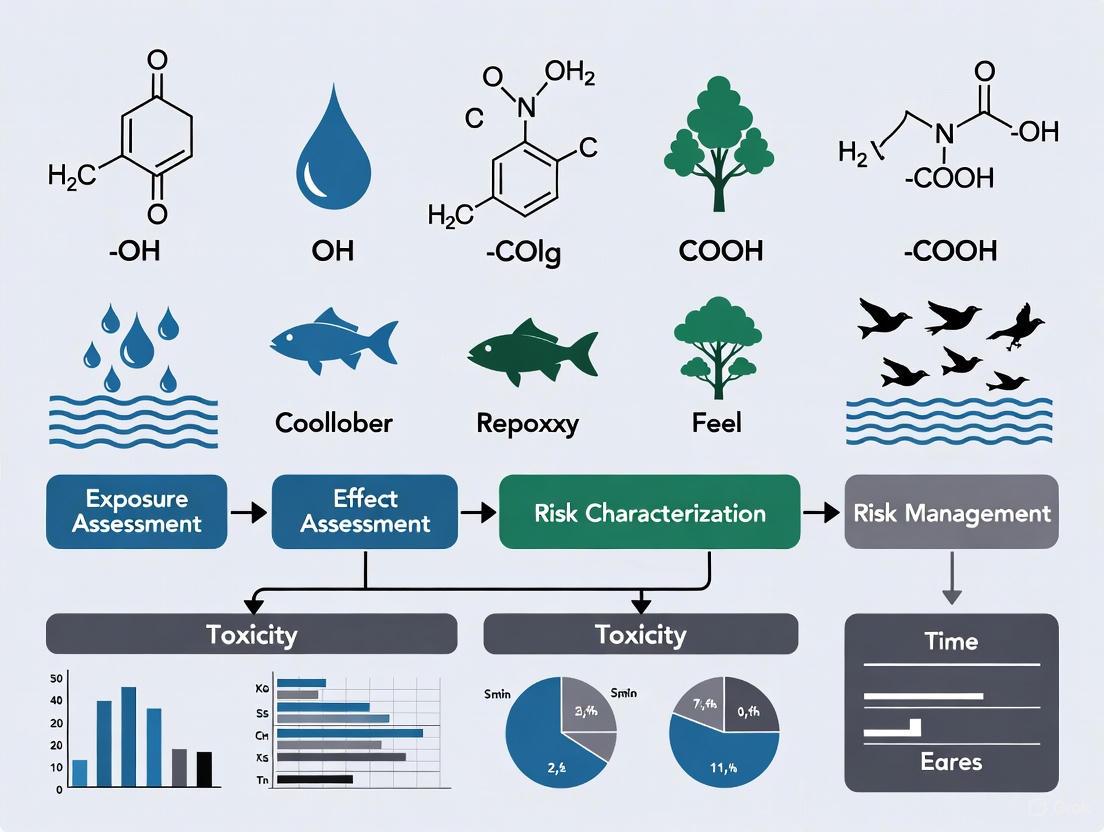
This article provides a comprehensive overview of Ecological Risk Assessment (ERA), a critical systematic process for evaluating the environmental impact of human activities, with a focused lens on pharmaceutical development.
Ecological Risk Assessment (ERA): A Foundational Guide for Sustainable Drug Development
Abstract
This article provides a comprehensive overview of Ecological Risk Assessment (ERA), a critical systematic process for evaluating the environmental impact of human activities, with a focused lens on pharmaceutical development. Tailored for researchers, scientists, and drug development professionals, it explores the foundational principles of ERA, including the One Health framework and regulatory drivers. The scope extends to detailed methodological approaches, from tiered testing strategies to advanced modeling, and addresses current challenges such as data gaps and the integration of non-animal testing methodologies. Finally, it examines emerging trends, including Next-Generation ERA and the use of New Approach Methodologies (NAMs), offering insights for embedding robust environmental stewardship into the drug development lifecycle.
What is Ecological Risk Assessment? Core Principles and Regulatory Drivers
Ecological Risk Assessment (ERA) is a systematic, quantitative framework designed to evaluate the likelihood of adverse environmental impacts resulting from human activities, thereby serving as a critical tool for informed environmental decision-making [1]. It offers a structured process that incorporates specific concepts and methodologies to assess environmental health, aiming to balance ecological protection with economic and social considerations [1]. The strength of ERA lies in its scientific rigor and transparency; it systematically separates the scientific process of risk analysis from the policy-oriented process of risk management [1] [2]. This separation ensures that ecological risks are evaluated objectively before being weighed against the costs and benefits of mitigation actions, providing a defensible foundation for environmental policy and regulation [1].
The core objective of ERA is to produce defensible estimates of the magnitude and probability of adverse effects on ecological entities, or "assessment endpoints," which are explicit expressions of the environmental values to be protected, such as ecosystem function and biodiversity [2]. The process is fundamentally designed to address the question: "What are the consequences of human activities on the environment, and what is the probability that they will occur?" [1]. By providing a structured yet flexible approach, ERA has become an indispensable practice for regulating chemicals, planning industrial developments, and managing ecosystem health, allowing decision-makers to prioritize actions and allocate limited resources effectively to minimize environmental harm [1] [2].
Core Concepts and Terminology in ERA
A clear understanding of key terms is essential for comprehending the ERA framework and its application.
- Environmental Value: This represents significant aspects of an ecosystem, encompassing its ecological, social, and economic importance. It goes beyond monetary worth to include cultural and ecological relevance, such as the value of a clean water supply or high species diversity [1].
- Indicators: These are measurable parameters that reveal patterns or trends in environmental health. Examples include population counts of endangered species or changes in land use. Indicators provide a practical means to assess and monitor ecological conditions [1].
- Pressures: These are human-induced factors that stress ecosystems, leading to cumulative impacts over time. Land use changes, industrial development, and pollution are common examples of pressures [1].
- Risk: In the context of ERA, risk is defined as the likelihood of environmental degradation occurring. It is often measured using indicators and established thresholds, which help identify the potential impact and severity of human actions [1].
- Risk Class: This system categorizes risk levels (e.g., from very low to very high) to help assess the severity of potential ecological damage and guide management efforts by prioritizing areas needing intervention [1].
- Assessment Endpoints: These are formal statements of the actual environmental values that are to be protected, largely determined by societal perception. Examples include the protection of vertebrate species or critical ecosystem services [2].
- Measurement Endpoints: These are the measurable responses (e.g., LC50 from a toxicity test) to a stressor that are used to infer effects on the assessment endpoints. There is often a mismatch between what is easily measured in the lab and the ultimate ecological value to be protected, which is a central challenge in ERA [2].
The Systematic ERA Process
The ERA process is typically broken down into two main phases: Preparation and Assessment, followed by the reporting of results and development of risk management strategies [1]. This process is often tiered, starting with simple, conservative screening assessments and progressing to more complex, refined analyses if initial tiers indicate potential risk [2].
Phase One: Preparation
This initial phase establishes the foundation for the entire assessment.
- Step 1: Establish the Context: This involves defining the scope, goals, and boundaries of the assessment, including a clear statement of the environmental issues to be addressed [1].
- Step 2: Identify and Characterize Key Environmental Pressures: Here, the human-induced factors or activities that may stress the environment are recognized and described [1].
- Step 3: Specify Environmental Values and Indicators: The relevant environmental values for the assessment are chosen, and corresponding indicators are selected to measure environmental health and evaluate risks [1].
Phase Two: Assessment
The assessment phase involves the analytical work of evaluating risks.
- Step 4: Characterize Environmental Trends and Establish Risk Classes: Current and historical trends for the chosen indicators are evaluated. The degree of risk for each indicator is then categorized (e.g., low, moderate, high) [1].
- Step 5: Evaluate Changes to Indicators and Risks: This step involves analyzing how environmental indicators and their associated risks may change under different future scenarios, based on projected human activities and pressures [1].
- Step 6: Report Results and Develop Risk Reduction Strategies: The findings of the ERA are presented in a clear and actionable manner. Subsequently, strategies to mitigate or manage the identified risks are proposed [1].
The following workflow diagram visualizes this systematic process, showing the integration of its key components.
Key Methodologies and Experimental Protocols in ERA
A variety of monitoring techniques and experimental approaches are employed within the ERA framework to gather data on exposure and effects. These methods range from chemical analyses to complex ecosystem-level studies.
Environmental Monitoring Methods
The table below summarizes the primary monitoring techniques used to assess environmental risks.
Table 1: Environmental Monitoring Methods in ERA
| Method | Acronym | Primary Function | Key Details |
|---|---|---|---|
| Chemical Monitoring | CM | Measures levels of known contaminants in the environment. | Provides direct quantification of pollutant concentrations in water, soil, or air [1]. |
| Bioaccumulation Monitoring | BAM | Examines contaminant levels in organisms and assesses accumulation risks. | Tracks processes like bioconcentration (uptake from water) and biomagnification (increase up the food chain) [1]. |
| Biological Effect Monitoring | BEM | Identifies early biological changes (biomarkers) indicating exposure to contaminants. | Uses suborganismal responses (e.g., enzyme inhibition) as early warning signals of stress [1]. |
| Health Monitoring | HM | Detects irreversible damage or diseases in organisms caused by pollutants. | Focuses on pathological endpoints, such as tissue damage or tumors, indicating significant harm [1]. |
| Ecosystem Monitoring | EM | Evaluates ecosystem health by examining biodiversity, species composition, and population densities. | Provides an integrated measure of ecological impact at the community or ecosystem level [1]. |
Methodologies Across Levels of Biological Organization
ERA can be conducted at different levels of biological organization, each with distinct advantages and disadvantages. The choice of level involves a trade-off between ecological relevance, practicality, and cost.
Table 2: ERA Across Levels of Biological Organization
| Level of Organization | Pros | Cons | Example Experimental Protocols |
|---|---|---|---|
| Suborganismal (Biomarkers) | High-throughput, cost-effective for screening; establishes clear cause-effect relationships [2]. | Large distance between measurement and ecological protection goals; may not predict higher-level effects [2]. | Fish Bioaccumulation Markers: Measure concentrations of persistent hydrophobic chemicals (e.g., PCBs) in tissues like liver or fat. Enzyme Assays: Quantify inhibition of acetylcholinesterase (AChE) in fish brain tissue to indicate pesticide exposure [1]. |
| Individual | Standardized, reproducible tests; uses model species (e.g., Daphnia magna); low variability [2]. | Limited ecological relevance; ignores species interactions and recovery processes [2]. | Acute Toxicity Tests (e.g., OECD 202): Expose Daphnia magna to a chemical for 48 hours to determine the LC50 (Lethal Concentration for 50% of the population). Chronic Life-Cycle Tests (e.g., OECD 211): Expose Daphnia over 21 days to assess effects on reproduction and survival [2]. |
| Population | More ecologically relevant; can inform on recovery potential and genetic diversity [2]. | More complex and costly than individual-level tests; requires modeling for extrapolation [2]. | Population Modeling: Use matrix models or individual-based models (IBMs) to project long-term impacts on population growth rate based on individual-level effects data. |
| Community & Ecosystem | High ecological relevance; captures indirect effects and ecosystem services; accounts for species interactions [2]. | High cost and complexity; low reproducibility; difficult to establish causality for specific chemicals [2]. | Mesocosm Studies: Enclosed, semi-natural systems (e.g., pond communities) are exposed to a stressor. Multiple endpoints (species abundance, chlorophyll levels, decomposition rates) are monitored over time to derive a NOEC (No Observed Effect Concentration) for the community [2]. |
The relationships between these methodologies and the biological levels they inform are depicted in the following diagram.
Advanced and Integrated Methodologies
Recent advancements in ERA focus on integrating ecosystem services and employing sophisticated modeling.
- Integration of Ecosystem Services (ES): A novel approach integrates the assessment of ecosystem service supply directly into the ERA framework. This ERA-ES method quantitatively assesses both risks and benefits to ES supply resulting from human activities. In this context, 'risk' is defined as the probability that an activity will degrade ecosystem functions, causing ES supply to fall below a critical threshold, while 'benefit' is the potential for human actions to enhance ecosystem processes [3]. For example, a case study assessing an offshore wind farm used sediment denitrification rates as a key indicator for the waste remediation ecosystem service. The methodology involved measuring changes in sediment characteristics like total organic matter (TOM) and fine sediment fraction (FSF), and using a multiple linear regression model to quantify the impact on denitrification [3].
- Mathematical Modeling for Extrapolation: To bridge data gaps between different levels of biological organization, various mathematical models are used. These include:
- Mechanistic Effect Models: These models simulate ecological processes to predict effects at higher organizational levels (e.g., populations, communities) based on data from lower levels (e.g., individuals) [2].
- Extrapolation Models: Models like Species Sensitivity Distributions (SSDs) are used to estimate safe chemical concentrations for entire ecological communities based on toxicity data from a limited set of laboratory species [2].
The Researcher's Toolkit: Essential Reagents and Materials
The following table details key reagents, biological models, and tools frequently used in ERA experiments, particularly in regulatory toxicology.
Table 3: Key Research Reagent Solutions in ERA
| Item | Function in ERA | Specific Application Example |
|---|---|---|
| Standardized Test Species | Model organisms used to generate reproducible toxicity data under controlled laboratory conditions. | Daphnia magna (water flea): Used in acute (48-h) and chronic (21-day) toxicity tests for freshwater invertebrates [2]. |
| Biomarker Assay Kits | Kits to measure specific biochemical responses (biomarkers) that indicate exposure or early biological effects. | Acetylcholinesterase (AChE) Assay Kit: Used to measure AChE inhibition in fish brain tissue as a specific biomarker of organophosphate and carbamate pesticide exposure [1]. |
| Chemical Reference Standards | High-purity analytical standards of contaminants for calibrating equipment and quantifying environmental concentrations. | PCB Congener Mixtures: Used in chemical monitoring (CM) and bioaccumulation monitoring (BAM) to identify and quantify polychlorinated biphenyls in environmental and tissue samples [1]. |
| Sediment & Water Samplers | Field equipment for collecting environmental samples that are representative of the ecosystem being assessed. | Grab Samplers and Corers: Used to collect water and sediment samples from marine or freshwater systems for subsequent chemical and ecological analysis in monitoring programs [3]. |
Ecological Risk Assessment is a dynamic and critical discipline that provides a structured, scientific basis for understanding and managing the environmental impacts of human activities. Its systematic process—from problem formulation and exposure characterization to risk estimation and management—ensures that decisions are transparent, defensible, and protective of ecological values. The field continues to evolve, with current research focusing on integrating ecosystem services and developing more sophisticated modeling approaches to bridge the gap between simplified laboratory tests and complex real-world ecosystems [3] [2]. For researchers and risk assessors, a comprehensive understanding of the various methodologies across biological levels, along with their associated tools and protocols, is fundamental to conducting robust ERAs that effectively safeguard environmental health.
The One Health concept represents an integrated, unifying approach that aims to sustainably balance and optimize the health of people, animals, and ecosystems [4]. This approach recognizes that the health of humans, domestic and wild animals, plants, and the wider environment are closely linked and interdependent [4]. In the context of pharmaceutical development, embracing One Health necessitates a fundamental shift from a singular focus on human therapeutic outcomes to a comprehensive ecological perspective that considers a drug's entire lifecycle—from design and manufacturing to consumption and environmental fate.
The imperative for this integrated approach stems from growing recognition of pharmaceutical impacts across species and ecosystems. Antimicrobial resistance (AMR), one of the most pressing global health threats, exemplifies the interconnected nature of health challenges. The National Antimicrobial Resistance Monitoring System (NARMS) in the United States demonstrates the value of a collaborative surveillance system that tracks antimicrobial resistance in humans, animals, and retail meat, with the Environmental Protection Agency (EPA) leading environmental components including monitoring surface water for AMR [5]. This holistic understanding reveals how antimicrobial resistance spreads across sectors, including into soil and water, providing data for more effective strategies to curb this growing threat [5].
The COVID-19 pandemic further underscored the necessity of integrated health approaches, with the response involving collaborations among public health, animal health, and environmental health officials from over 20 federal agencies, state and local partners, and universities [5]. The coordinated investigation of SARS-CoV-2 spread between people and animals, development of guidance, and shared research demonstrated how combining surveillance and genomic data from human and animal samples improves understanding of pathogen transmission across species [5]. This multidisciplinary approach provides a template for addressing complex health challenges throughout the pharmaceutical development pipeline.
One Health in Pharmaceutical Research and Development
Expanding Discovery Paradigms
Integrating One Health into pharmaceutical R&D requires expanding traditional discovery paradigms to include cross-species and environmental considerations. The One Health approach can accelerate biomedical research discoveries, enhance public health efficacy, expand the scientific knowledge base, and improve medical education and clinical care [5]. When properly implemented, it helps protect and save millions of lives in present and future generations [5].
Academic institutions are increasingly responding to this need through innovative educational programs. Purdue University, for instance, has announced new degrees including a Biomolecular Design major across chemistry, computer science, and biology that emphasizes discovery and manipulation of new biochemical molecules [6]. This program prepares students to design molecules for targeted drug delivery, personalized medicine, and climate-resistant plants, recognizing the interconnected nature of health challenges [6]. Such initiatives aim to create a talent pipeline capable of addressing complex health problems through integrated approaches.
The One Health High-Level Expert Panel (OHHLEP) and Quadripartite collaboration (FAO, UNEP, WHO, WOAH) work to increase the adoption of the One Health approach in national, regional, and international health policies through intersectoral political and strategic leadership [4]. This includes operationalizing responses, scaling up country support, strengthening capacities, and monitoring risks for early detection and response to emerging pathogens [4]. These frameworks provide essential guidance for pharmaceutical companies seeking to align their R&D practices with One Health principles.
Environmental Risk Assessment in Drug Development
Ecological Risk Assessment (ERA) provides a formal framework for evaluating potential environmental impacts of pharmaceuticals, consistent with the environmental protection aspects of One Health. The EPA defines ERA as "the process for evaluating how likely it is that the environment might be impacted as a result of exposure to one or more environmental stressors" [7]. This structured approach includes three primary phases, each with specific components relevant to pharmaceutical assessment, as shown in the workflow below:
Figure 1: The three-phase Ecological Risk Assessment workflow for pharmaceuticals, adapted from EPA guidelines [7].
The planning phase establishes the overall approach through dialogue between risk managers, risk assessors, and stakeholders to identify risk management goals, natural resources of concern, and assessment scope [7]. For pharmaceuticals, this typically involves identifying potential environmental compartments (aquatic, terrestrial, soil) that may be exposed to active pharmaceutical ingredients (APIs) and their metabolites through manufacturing discharges, patient use, or improper medication disposal.
During problem formulation, assessors determine which plants and animals are at potential risk, specify assessment endpoints (e.g., survival of fish populations, soil microbial diversity), and define measures and models for risk evaluation [7]. For pharmaceuticals, this includes characterizing the drug's mode of action, potential for bioaccumulation, and persistence in different environmental media.
The analysis phase consists of two components: exposure assessment (determining which organisms are exposed and to what degree) and effects assessment (reviewing research on exposure-level and adverse effects relationships) [7]. This phase leverages both traditional toxicological studies and emerging New Approach Methodologies (NAMs) that can provide human-relevant toxicity data while reducing animal testing [8].
Risk characterization integrates exposure and effects assessments to estimate the likelihood of adverse ecological effects and describe uncertainties in the assessment [7]. This phase produces the critical risk quotient that informs regulatory decisions and potential risk management strategies.
Strategic Implementation Frameworks
Interagency Collaboration Models
Effective implementation of One Health in pharmaceutical development requires robust collaborative frameworks that bridge traditional sectoral boundaries. The U.S. National One Health Framework to Address Zoonotic Diseases (2025–2029) represents a comprehensive model, involving the CDC, USDA, DOI, and 21 other federal agencies congressionally mandated to develop a strategic framework for addressing zoonotic diseases and interconnected health threats [5]. This initiative enhances preparedness through structured platforms for cross-agency communication, training, and information sharing to prevent, detect, and respond to outbreaks [5].
The Quadripartite collaboration between FAO, UNEP, WHO, and WOAH provides an international model for One Health implementation, currently developing a comprehensive One Health Joint Plan of Action [4]. This plan aims to mainstream and operationalize One Health at global, regional, and national levels; support countries in establishing national targets; mobilize investment; and enable collaboration across regions, countries, and sectors [4]. For pharmaceutical companies, engagement with these initiatives provides access to surveillance data, emerging threat intelligence, and regulatory harmonization opportunities.
The One Health Harmful Algal Bloom System (OHHABS) demonstrates successful cross-agency collaboration, involving CDC, EPA, NOAA, and state partners in an integrated surveillance system for reporting human and animal illnesses associated with harmful algal blooms [5]. This model creates better national estimates of public health burdens by combining human and animal health reports while leveraging NOAA's environmental condition data to predict and prevent HABs [5]. Similar approaches could be applied to pharmaceutical environmental monitoring.
Academic-Industry Partnerships
Strategic partnerships between academic institutions and industry represent a powerful mechanism for advancing One Health integration in pharmaceutical development. Purdue University's series of initiatives exemplifies this approach, including new degrees in advanced chemistry and pharmaceutical engineering, faculty recruitment in interdisciplinary fields, and a Learning and Training Center in Eli Lilly and Company's new Medicine Foundry [6]. These investments aim to unite research and innovation across human, animal, and plant health [6].
The William D. and Sherry L. Young Institute for the Advanced Manufacturing of Pharmaceuticals at Purdue demonstrates how industry-academia partnerships can drive One Health objectives, uniting faculty in overhauling pharmaceutical manufacturing with a goal of reducing costs and expanding access to innovative drugs [6]. Similarly, the Low Institute for Therapeutics works toward accelerating lifesaving therapeutics from the lab into the world by funding necessary early-stage trials [6]. These models highlight the role of strategic philanthropy in advancing One Health integration.
Purdue's One Health Innovation District in downtown Indianapolis, developed in partnership with Elanco Animal Health Inc., envisions a globally recognized research hub that embodies One Health principles [6]. Such districts create physical ecosystems where researchers, startups, and established companies can collaborate across traditional health domains, accelerating the translation of One Health concepts into practical pharmaceutical applications.
Methodologies and Experimental Protocols
Advanced Assessment Techniques
Next-generation ecological risk assessment incorporates innovative methodologies that align with One Health principles by providing more human-relevant data while reducing animal testing. The Health and Environmental Sciences Institute (HESI) is developing, refining, and communicating scientific tools needed to support ecological risk assessment globally, with a focus on alternative, non-animal testing methods [8]. Their approach includes several cutting-edge methodologies:
The Ecotoxicology Endocrine Toolbox project, a collaboration between HESI and NC3Rs, focuses on assessing available in vitro and in silico methods (New Approach Methodologies - NAMs) to evaluate chemicals that may act via endocrine pathways in fish and amphibians [8]. This includes systematic evaluation of NAMs, analysis of historical control data from in vivo endocrine disrupting chemical tests, and Maximum Tolerated Dose (MTD) studies [8].
The Avian Bioaccumulation and Biotransformation working group has funded a multi-year project at the University of Saskatchewan to develop a bird in vitro biotransformation assay [8]. This research aims to provide reliable alternatives to traditional animal testing while generating data relevant to wildlife exposure scenarios. Similarly, the Fish Bioaccumulation and Biotransformation group is scoping needs and advancements in fish toxicokinetics and PBPK (Physiologically Based Pharmacokinetic) models to organize and present these models more transparently for end users [8].
The EnviroTox Database and Tools group is developing strategies to update and augment the EnviroTox database while refining applicable tools for ecological risk assessment [8]. This includes work on mode of action classifications, acute-to-chronic ratios for extrapolation, and understanding water quality criteria values globally [8]. These resources provide critical data infrastructure for One Health-informed pharmaceutical assessment.
Integrated Surveillance Systems
Implementing comprehensive surveillance systems that track pharmaceuticals across human, animal, and environmental compartments is essential for One Health integration. The following table summarizes key surveillance approaches and their applications:
Table 1: Integrated Surveillance Systems for One Health Pharmaceutical Assessment
| System Name | Key Components | One Health Application | Representative Findings |
|---|---|---|---|
| National Antimicrobial Resistance Monitoring System (NARMS) [5] | Tracks AMR in humans, animals, retail meat; EPA monitors surface water for AMR | Reveals how antimicrobial resistance spreads across sectors including environment | Provides data for more effective strategies to curb AMR threat |
| One Health Harmful Algal Bloom System (OHHABS) [5] | Integrated surveillance for human/animal illnesses from harmful algal blooms; combines human/animal health reports with environmental data | Creates better national estimate of public health burden by combining human and animal health data | Allows NOAA environmental data to help predict and prevent HABs |
| Wildlife Health Monitoring [9] | Tools for wildlife health monitoring in protected area planning and management | Supports strengthening environmental and wildlife health into One Health approaches | Provides practical guidance for national authorities, civil society and IPLCs |
| Environmental Surveillance of APIs | Monitoring surface water, soil, and biota for pharmaceutical residues | Identifies exposure pathways and potential ecological impacts | Informs risk assessment and targeted interventions |
These surveillance systems generate critical data on the fate and effects of pharmaceuticals across ecosystems, enabling more comprehensive risk assessment and targeted interventions. The IUCN session on One Health tools highlights practical approaches for strengthening environmental and wildlife health integration into One Health frameworks, including risk analysis and wildlife health monitoring [9].
The Scientist's Toolkit: Research Reagent Solutions
Implementing One Health approaches in pharmaceutical development requires specialized research tools and reagents that facilitate cross-species and environmental assessments. The following table details essential materials and their functions in One Health-relevant research:
Table 2: Essential Research Reagents for One Health Pharmaceutical Assessment
| Research Reagent | Function | One Health Application |
|---|---|---|
| In vitro biotransformation assays [8] | Measures metabolic conversion of pharmaceuticals using cellular systems rather than live animals | Provides reliable alternatives to traditional animal testing for bioaccumulation assessment in birds and fish |
| PBPK (Physiologically Based Pharmacokinetic) models [8] | Mathematical models simulating absorption, distribution, metabolism, and excretion of chemicals across species | Enables cross-species extrapolation of pharmaceutical effects and supports fish bioaccumulation assessment |
| Endocrine activity NAMs (New Approach Methodologies) [8] | In vitro and in silico methods for detecting endocrine disrupting potential | Evaluates chemicals that may act via endocrine pathways in fish and amphibians without extensive animal testing |
| EnviroTox Database [8] | Curated database of ecotoxicological information for chemical hazard assessment | Supports ecological risk assessment with high-quality data and tools for threshold of toxicological concern approaches |
| Integrated Approaches for Testing and Assessment (IATA) [8] | Structured frameworks for collecting, generating, and evaluating various types of bioaccumulation data | Enhances prediction of chemicals' ecological effects through weight-of-evidence approaches |
| AirNow and PurpleAir sensors [5] | Air quality monitoring networks measuring particulate matter and pollutants | Identifies public health risks from wildfire smoke and other environmental stressors affecting multiple species |
These tools enable researchers to assess pharmaceutical impacts across the One Health spectrum, supporting the development of safer products with reduced ecological impacts. The movement toward "a coordinated network of experts interested in ecotoxicology" and a shift "from a 1:1 replacement of existing methods towards an integrative assessment strategy" reflects the evolving nature of these scientific tools [8].
Data Integration and Analysis Frameworks
Quantitative Data Synthesis
Effective One Health integration requires robust frameworks for synthesizing quantitative data from multiple domains. The following table illustrates the types of quantitative metrics that should be integrated throughout the pharmaceutical development lifecycle:
Table 3: Quantitative Data Integration for One Health Pharmaceutical Assessment
| Data Category | Human Health Metrics | Animal Health Metrics | Environmental Metrics |
|---|---|---|---|
| Toxicity Parameters | IC50, TD50, therapeutic index | LC50, EC50, species sensitivity distributions | PNEC, QSAR predictions, biodegradation rates |
| Exposure Parameters | Plasma concentrations, clearance rates, metabolite profiles | Tissue residues, wildlife exposure models | PEC, measured environmental concentrations, bioaccumulation factors |
| Efficacy Parameters | Clinical endpoints, biomarker responses, quality of life measures | Zootechnical parameters, disease incidence reduction | Ecosystem function preservation, biodiversity maintenance |
| Resistance Development | AMR incidence in clinical isolates, treatment failure rates | AMR in animal pathogens, zoonotic transmission | AMR in environmental bacteria, resistance gene transfer |
The One Health approach emphasizes collecting and integrating these diverse data streams to inform decision-making throughout pharmaceutical development. This integrated data approach enables identification of potential trade-offs and synergies across domains, supporting development of pharmaceuticals that optimize health outcomes across human, animal, and environmental dimensions.
Cross-Sectoral Impact Assessment
The fundamental relationships between pharmaceutical development activities and One Health outcomes can be visualized through the following impact pathway:
Figure 2: Pharmaceutical impact pathways across One Health domains throughout development lifecycle.
This conceptual framework illustrates how decisions at each stage of pharmaceutical development create ripple effects across human, animal, and environmental health domains. The One Health approach emphasizes systematic consideration of these interconnected impacts rather than optimizing for single-domain outcomes.
The EPA's One Health Coordination Team (OHCT), established in Fall 2022, exemplifies how regulatory agencies are institutionalizing this integrated assessment approach [10]. The National Academy of Sciences, Engineering and Medicine has made recommendations to EPA for further expanding the One Health concept across the Office of Research and Development, particularly for addressing complex environmental challenges like wildfire, hazardous algal blooms, and antimicrobial resistance [10]. These institutional developments create important reference points for pharmaceutical companies developing their own One Health assessment capabilities.
Integrating the One Health concept into pharmaceutical development represents both an ethical imperative and strategic opportunity for the industry. This approach recognizes that the health of humans, animals, and ecosystems are inextricably linked, and that pharmaceuticals—while delivering tremendous benefits—can create unintended consequences across this interconnected system [4]. The frameworks, methodologies, and tools outlined in this technical guide provide a roadmap for systematically incorporating One Health principles throughout the pharmaceutical development lifecycle.
The economic case for this integration is compelling. As noted by the One Health Initiative team, "proactive, multisectoral approaches are cheaper in the long run than reactionary, fragmented responses" [5]. The immense economic costs of COVID-19 were mitigated using One Health measures, and similar approaches can prevent or lessen future pandemics while addressing other cross-sectoral health threats [5]. For pharmaceutical companies, early integration of One Health principles can reduce downstream costs associated with environmental remediation, product restrictions, and reputational damage.
Looking forward, emerging capabilities in advanced chemistry, artificial intelligence, and automated discovery platforms create unprecedented opportunities to embed One Health considerations into fundamental research and development processes [6]. The movement toward "clean chemistry principles" that prepare graduates "to design efficient, scalable solutions that reduce waste and energy" exemplifies this evolution [6]. By embracing these innovations within a One Health framework, the pharmaceutical industry can deliver transformative health solutions while honoring its responsibility to planetary health.
Environmental Risk Assessment (ERA) is a systematic process required by regulatory agencies to evaluate the potential impact of human medicinal products (HMPs) on ecosystems. The European Medicines Agency (EMA) and the U.S. Food and Drug Administration (FDA) both recognize that active pharmaceutical ingredients can persist in the environment and potentially affect aquatic and terrestrial organisms. While both agencies aim to protect public health and the environment, their regulatory approaches, legal frameworks, and procedural requirements differ significantly. The ERA process is designed to identify, characterize, and quantify potential environmental risks arising from the manufacture, use, and disposal of pharmaceuticals, thereby enabling the implementation of appropriate risk mitigation measures where necessary [11].
The legislative requirement for ERAs in the EU has been established for over 15 years under Article 8(3) of Directive 2001/83/EC, which mandates evaluation of potential environmental risks posed by medicinal product use [11]. The EMA's revised guideline on ERA comes into effect on 01 September 2024, representing a significant update to the original 2006 guidance. In contrast, the FDA's approach to environmental assessment for pharmaceuticals is governed under different regulatory statutes and exhibits distinct procedural characteristics [12].
Comparative Analysis of EMA and FDA ERA Frameworks
The following table summarizes the key differences and similarities between the EMA and FDA requirements for Environmental Risk Assessment:
Table 1: Comparative Analysis of EMA and FDA ERA Requirements
| Aspect | EMA ERA Framework | FDA ERA Framework |
|---|---|---|
| Legal Basis | Directive 2001/83/EC, Article 8(3) [11] | Varied statutory authorities depending on product type |
| Scope of Products | All new Marketing Authorisation Applications (MAAs) for human medicinal products, including generics [11] | Drugs, biologics, medical devices, foods, cosmetics [12] |
| Assessment Trigger | Mandatory for all new MAAs regardless of PEC [11] | Typically triggered by specific criteria or concerns |
| Assessment Structure | Tiered approach: Phase I → Phase II (Tiers A & B) [11] | Case-specific assessment approach |
| Key Criteria | PECsw ≥ 0.01 μg/L triggers Phase II; PBT assessment [11] | Focus on environmental impact statements |
| Hazard Assessment | Mandatory PBT/vPvB assessment for all active substances [11] | Integrated within overall risk evaluation |
| Geographical Application | Across EU member states with possible national adaptations [12] | Centralized for the United States [12] |
EMA ERA Requirements: Detailed Framework
The Tiered Assessment Approach
The EMA's ERA process follows a tiered, step-wise approach that begins with a preliminary assessment and progresses to more detailed testing only when potential risks are identified. This structured methodology ensures that resources are focused on products with the greatest potential environmental impact [11].
Phase I Assessment serves as an initial screening step. It involves calculating the Predicted Environmental Concentration in surface water (PECsw) based on the product's use characteristics and properties. The key criteria for proceeding to Phase II is a PECsw ≥ 0.01 μg/L, though this may be refined using a market penetration factor (FPEN) that represents the fraction of the population receiving the active substance daily. Specific assessment strategies are mandatory for particular substance groups, including antibacterials, antiparasitics, and endocrine active substances (EAS). For non-natural peptides/proteins that are readily biodegradable, Phase II assessment is not required [11].
Phase II Assessment involves comprehensive experimental studies to characterize the environmental fate and effects of the substance. This phase is divided into two tiers:
Tier A requires studies on physico-chemical properties, environmental fate, and ecotoxicological effects. The outcomes determine whether additional risk assessments for soil, groundwater, and secondary poisoning are necessary [11].
Tier B focuses on refining PEC calculations when risks are identified in Tier A, through more sophisticated modeling or additional data collection [11].
Hazard Assessment: PBT/vPvB Evaluation
A distinctive feature of the EMA ERA framework is the mandatory assessment of Persistence, Bioaccumulation, and Toxicity (PBT) or very Persistent and very Bioaccumulative (vPvB) properties for all active substances, largely independent of their PEC values. This hazard assessment identifies substances with intrinsic properties that could pose long-term environmental risks, even at low concentrations [11].
The PBT assessment follows a tiered testing strategy beginning with a screening assessment of the octanol/water partition coefficient (log Kow) in Phase I. If the log Kow > 4.5, a definitive PBT assessment is required in Phase II, following criteria defined under the REACH regulation (Regulation (EC) No 1907/2006). Notably, even substances that don't trigger the definitive assessment may still require PBT evaluation if Phase II results demonstrate that bioaccumulation and toxicity criteria are met [11].
Revised EMA Guidelines: Key Updates for 2024
The revised EMA guideline effective September 2024 introduces several important updates from the original 2006 guidance:
- Broader Application: Generics are no longer eligible for waivers from ERA requirements [11].
- Enhanced Testing Requirements: Most fate and effect testing has been moved to Phase II Tier A, with Tier B focusing on exposure refinement [11].
- New Assessment Sections: Inclusion of secondary poisoning assessment to estimate accumulation in food chains [11].
- Technical Refinements: Updated triggers for additional studies and more detailed technical specifications for conducted studies [11].
- Data Requirements: Emphasis on Good Laboratory Practice (GLP) compliance and use of OECD or comparable international validated test guidelines [11].
- Data Sharing: Encouragement of data sharing between applicants to avoid unnecessary repetition of animal studies, consistent with 3Rs principles (Replacement, Reduction, Refinement) [11].
The following diagram illustrates the complete EMA ERA assessment process, including both risk and hazard assessment pathways:
FDA ERA Requirements: Detailed Framework
Regulatory Basis and Assessment Approach
The FDA's approach to environmental assessment for pharmaceuticals operates under different statutory authorities than the EMA framework. While the specific requirements for ERA are less explicitly detailed in the available search results, the FDA's overall regulatory philosophy and risk management procedures provide context for understanding its approach to environmental assessment [12].
Unlike the EMA's standardized tiered testing strategy, the FDA employs a more case-specific assessment approach that may be triggered by particular product characteristics or environmental concerns. The FDA's regulatory scope is notably broader than EMA's, encompassing drugs, biologics, medical devices, foods, and cosmetics, which necessitates a flexible framework that can accommodate diverse product types [12].
Risk Evaluation and Mitigation Strategies (REMS)
While not exclusively environmental in focus, the FDA's Risk Evaluation and Mitigation Strategies (REMS) program represents the agency's structured approach to managing known or potentially serious risks of medications. The FDA can require a REMS "at any point during a product life cycle" to ensure that a drug's benefits outweigh its risks. REMS programs are not designed to mitigate all adverse events but focus on "preventing, monitoring, and managing a specific serious risk" through targeted interventions [12].
REMS programs may include various components such as "medication guides, communication plans, and elements to ensure safe use (ETESU)". These elements are tailored to the specific risks identified and may include special certification requirements for dispensers or evidence of safe-use conditions. This risk-based, targeted approach reflects the FDA's overall philosophy toward risk management, which likely extends to environmental assessments [12].
Experimental Protocols and Testing Methodologies
Phase I Tier Testing Protocols
The initial Phase I assessment follows a standardized decision-tree approach with specific experimental and calculation protocols:
PECsw Calculation Protocol:
- Data Requirements: Maximum daily dose, market penetration factor (FPEN), wastewater treatment plant removal rate, dilution factor
- Calculation Method: PECsw = (A * FPEN * (1 - R)) / (W * D) Where A = amount used per day, FPEN = market penetration factor (default 0.01), R = removal rate in wastewater treatment, W = wastewater volume per capita per day, D = dilution factor
- Decision Threshold: PECsw ≥ 0.01 μg/L triggers Phase II assessment [11]
PBT Screening Protocol:
- Test System: OECD Test Guideline 107 or 117 for partition coefficient determination
- Key Parameter: Logarithmic octanol-water partition coefficient (log Kow)
- Decision Threshold: log Kow > 4.5 triggers definitive PBT assessment [11]
Phase II Tier A Testing Requirements
Phase II Tier A involves comprehensive environmental testing across multiple domains:
Table 2: Phase II Tier A Experimental Requirements
| Assessment Area | Required Tests | Standard Guidelines | Key Endpoints |
|---|---|---|---|
| Environmental Fate | Ready biodegradability; Hydrolysis; Adsorption/desorption | OECD 301; OECD 111; OECD 106 | Degradation half-lives; Koc |
| Aquatic Ecotoxicity | Algae growth inhibition; Daphnia reproduction; Fish toxicity | OECD 201; OECD 202; OECD 203 | EC50; NOEC |
| Sediment Toxicity | Sediment-dwelling organism toxicity | OECD 218/219 | EC50 |
| STP Effects | Microbial community inhibition | OECD 209 | EC50 |
| Soil Toxicity | Plant emergence; Earthworm reproduction | OECD 208; OECD 222 | EC50; NOEC |
Phase II Tier B Refinement Protocols
When Tier A testing identifies potential risks (PEC/PNEC > 1), Tier B provides refinement options:
Exposure Refinement Methods:
- Regional Assessment: Site-specific PEC calculations considering local demographics, hydrological conditions, and wastewater treatment infrastructure
- Monitoring Data: Use of actual environmental monitoring data from similar compounds or regions
- Advanced Modeling: Implementation of sophisticated fate models accounting for seasonal variations, metabolic transformation, and spatial distribution
Effects Refinement Methods:
- Species Sensitivity Distribution (SSD): Multi-species assessment to derive more realistic PNEC values
- Mesocosm Studies: Higher-tier ecosystem-level studies for substances with potential community-level effects
- Mode-of-Action Testing: Investigation of specific toxicological mechanisms to support extrapolation
The Scientist's Toolkit: Essential Research Reagents and Materials
Table 3: Essential Research Reagents and Materials for ERA Studies
| Reagent/Material | Function in ERA | Application Context |
|---|---|---|
| Reference Standards | Quality control for analytical measurements; Method validation | All chemical analysis phases |
| OECD Test Media | Standardized growth and exposure media for ecotoxicity tests | Algae, daphnia, and fish toxicity assays |
| Synthetic Sewage Sludge | Simulation of sewage treatment plant conditions | STP inhibition studies |
| Passive Sampling Devices | Measurement of bioavailable contaminant fractions | Field validation studies |
| Cryopreserved Organisms | Consistent biological test materials | Ecotoxicity testing |
| Metabolite Standards | Identification and quantification of transformation products | Environmental fate studies |
| Quality Control Materials | Verification of test system performance | All GLP-compliant testing |
| Molecular Probes | Assessment of specific toxicological mechanisms | Mode-of-action investigations |
The EMA and FDA regulatory frameworks for Environmental Risk Assessment represent complementary approaches to addressing the potential environmental impacts of pharmaceuticals. The EMA employs a highly structured, tiered testing strategy with clearly defined triggers and decision points, mandatory for all new marketing authorization applications. In contrast, the FDA utilizes a more flexible, case-specific approach that integrates environmental considerations into broader risk management frameworks like REMS.
The recently revised EMA guideline (effective September 2024) significantly enhances the robustness of ERA requirements in the EU, particularly through expanded testing requirements, mandatory PBT assessment for all active substances, and removal of waivers for generic products. Both regulatory frameworks emphasize the importance of scientifically sound, well-documented environmental assessments that align with international testing standards and incorporate appropriate risk mitigation measures.
For researchers and drug development professionals, understanding these regulatory frameworks is essential for successful product development and approval. The divergent approaches between EMA and FDA necessitate careful planning and execution of environmental assessment strategies throughout the product lifecycle, from early development through post-marketing surveillance.
Ecological Risk Assessment (ERA) is a formal process used to evaluate the likelihood that the environment may be adversely impacted by exposure to one or more environmental stressors, which can include chemicals, biological agents, or physical changes [7]. This scientific framework connects the potential effects of human activities on ecological systems and provides a structured approach for environmental decision-making. The process is inherently iterative, designed to incorporate increasing levels of detail to reduce uncertainty in risk estimates [2].
Within the regulatory context, ERA supports critical actions including the regulation of hazardous waste sites, industrial chemicals, pesticides, and watershed management [7]. The assessment process can be either prospective (predicting the likelihood of future effects) or retrospective (evaluating the likelihood that observed effects are caused by past or ongoing exposure) [7]. A fundamental challenge in ERA lies in bridging the gap between what can be practically measured in controlled settings and the ultimate ecological values that society seeks to protect [2]. This guide examines the core concepts—stressors, assessment endpoints, and measurement endpoints—that form the foundation for addressing this challenge.
Core Conceptual Framework
The Interrelationship of Core Concepts
The three core concepts of Stressors, Assessment Endpoints, and Measurement endpoints form a logical chain that connects human activities to ecological effects and, ultimately, to what society values. This relationship is foundational to the entire ERA process.
- Stressors represent the initial cause for concern—the physical, chemical, or biological entities that can trigger adverse effects. Establishing exposure is critical; if there is no exposure, there can be no risk [13].
- Assessment Endpoints are the explicit expressions of the environmental values to be protected. They operationalize broad protection goals into specific ecological entities and their attributes [14].
- Measurement Endpoints are the measurable responses used to infer the status of the assessment endpoints. They are the practical, quantifiable metrics collected in the field or laboratory [2].
This framework ensures that the scientific data collected (measurement endpoints) is directly relevant to the ecological values being protected (assessment endpoints) and the potential causes of harm (stressors).
The Role of Core Concepts in the ERA Process
The core concepts are integrated throughout the three primary phases of an ERA, which are Planning, Problem Formulation, Analysis, and Risk Characterization [7]. Each phase utilizes these concepts differently to progressively refine the understanding of risk.
Table: Role of Core Concepts in the ERA Phases
| ERA Phase | Role of Stressors | Role of Assessment Endpoints | Role of Measurement Endpoints |
|---|---|---|---|
| Planning & Problem Formulation | Identified as potential concerns; key characteristics (intensity, duration, frequency) are defined [13]. | Selected based on ecological relevance, societal values, and potential susceptibility to stressors [7]. | Not yet selected; conceptual models link stressors to potential effects on assessment endpoints. |
| Analysis | Exposure is characterized by examining sources, distribution, and extent of contact with ecological receptors [14]. | Guide the effects characterization; the stressor-response profile links data to the assessment endpoint [14]. | Selected and measured; provide quantitative data on exposure and ecological effects for the risk characterization [2]. |
| Risk Characterization | The link between stressor exposure and effects is quantified and interpreted [13]. | The significance of effects on the assessment endpoints is interpreted, considering uncertainties [7]. | The measured data are integrated and compared to evaluate the likelihood and magnitude of adverse effects. |
Defining and Classifying Stressors
Stressor Definition and Key Characteristics
In Ecological Risk Assessment, a stressor is any physical, chemical, or biological entity that can induce an adverse response in an ecological system [7]. Stressors originate from human activities and can induce a range of effects from the molecular to the ecosystem level. The potential for risk materializes only when a stressor co-occurs with or contacts an ecological receptor [13].
When identifying stressors, risk assessors characterize them by several key attributes [13]:
- Type: The fundamental nature of the stressor (chemical, biological, or physical).
- Intensity: The concentration (for chemicals) or magnitude of the stressor.
- Duration: The length of time the stressor is present (short-term or long-term).
- Frequency: How often the exposure occurs (single event, episodic, or continuous).
- Timing: The timing of exposure relative to seasonal cycles or critical life stages of organisms.
- Scale: The spatial extent and heterogeneity of the stressor's distribution.
Classification of Stressors with Examples
Stressors are broadly categorized into three types, each with distinct properties and mechanisms of impact.
Table: Classification and Examples of Ecological Stressors
| Stressor Type | Definition | Specific Examples |
|---|---|---|
| Chemical | Substances that cause adverse effects through toxicological mechanisms. | Pesticides, industrial chemicals, metals, nutrients (e.g., nitrogen, phosphorus) [7] [2]. |
| Physical | Agents or activities that directly alter, degrade, or eliminate the physical habitat. | Habitat loss or fragmentation (e.g., logging, land development), construction of dams, changes in sediment load, changes in water temperature [15]. |
| Biological | Living organisms that cause harm by altering species composition or ecosystem function. | Introduction of invasive species (e.g., non-native oysters), pathogens, genetically modified organisms [7]. |
A single human activity can often release multiple stressors. For instance, building a logging road (a physical stressor) can lead to secondary stressors such as increased suspended sediments in waterways and changes in stream temperature, which may become the primary concern for aquatic life [15]. Furthermore, organisms in the environment are typically exposed to multiple stressors simultaneously, both chemical and non-chemical, and their combined effects can be complex and confounding [16].
Defining Assessment Endpoints and Measurement Endpoints
Assessment Endpoints
Assessment Endpoints are "explicit expressions of the actual environmental values that are to be protected" [2]. They operationalize broad management goals into specific, definable ecological entities. An ideal assessment endpoint clearly defines both the ecological entity (e.g., a species, a community, a habitat) and its key attribute (e.g., reproduction, survival, biodiversity) that is potentially at risk [14].
- Role in ERA: They are the ultimate focus of the risk assessment, providing the benchmark against which the significance of effects is judged [7].
- Selection Criteria: They should be ecologically relevant, socially significant, and susceptible to the identified stressors [7]. For example, the public often values the protection of vertebrate species and critical ecosystem services [2].
Examples of Assessment Endpoints [7] [14]:
- The continued existence of a sustainable fishery population.
- Fish species diversity in lakes.
- The sustainable habitat function of a forest.
- The survival and reproduction of an endangered bird species.
Measurement Endpoints
Measurement Endpoints are "measurable responses to a stressor that are related to the valued characteristic chosen as the assessment endpoints" [2]. They are the quantitative or qualitative measures collected during the Analysis phase of an ERA.
- Role in ERA: They provide the empirical data used to estimate effects and exposure, forming the evidence base for the risk characterization [14] [2].
- Relationship to Assessment Endpoints: A measurement endpoint is a surrogate for an assessment endpoint. While they are seldom identical, a strong, well-understood correlative or causal relationship must link them.
Examples of Measurement Endpoints [2]:
- A 96-hour LC₅₀ (lethal concentration for 50% of a population) for Daphnia magna in a laboratory test.
- A No Observed Adverse Effect Concentration (NOAEC) from a life-cycle study.
- A reduction in brood size or population growth rate in a model organism.
- In situ measures of population biomass or a biodiversity index.
Comparative Analysis: Assessment vs. Measurement Endpoints
The distinction between assessment and measurement endpoints is a critical source of uncertainty in ERA, as it represents an extrapolation from what is measured to what is protected.
Table: Distinguishing Assessment Endpoints from Measurement Endpoints
| Characteristic | Assessment Endpoint | Measurement Endpoint |
|---|---|---|
| Definition | The environmental value to be protected. | The measurable response used to infer status of the assessment endpoint. |
| Nature | Conceptual; defines what is important. | Operational; defines what is measurable. |
| Level of Specificity | Broad, defined by management and societal goals. | Specific, defined by scientific and logistical practicality. |
| Example | "Sustainable salmon population in River X." | "20% reduction in egg-to-fry survival rate of salmon." |
| Role in ERA | The protection goal that frames the assessment. | The source of data that informs the assessment. |
A key challenge is that the most readily available measurement endpoints (e.g., survival of a standard test species in a lab) are often far removed, in terms of biological organization and ecological complexity, from the desired assessment endpoints (e.g., ecosystem function and biodiversity) [2]. This "mismatch" necessitates the use of extrapolation models and assessment factors to bridge the gap, introducing uncertainty into the risk estimate.
Methodologies and Experimental Protocols
The ERA Workflow: From Planning to Risk Characterization
The U.S. EPA's structured approach to ERA integrates the core concepts into a sequential, phased process. This workflow ensures a systematic evaluation from initial planning through to risk estimation.
Phase 1: Problem Formulation
Problem Formulation establishes the foundation for the entire assessment. It is a collaborative phase involving risk managers, risk assessors, and stakeholders [7].
Protocol Steps:
- Identify Management Goals and Options: Define the regulatory or management context and the decisions the ERA will inform [7].
- Identify Stressors of Concern: Specify the type, intensity, duration, and other key characteristics of the stressors [13].
- Select Assessment Endpoints: Choose the ecological entities and their attributes that are valued and potentially at risk [7] [14].
- Develop a Conceptual Model: Create a written description and visual representation (e.g., a flow diagram) of predicted relationships between ecological entities and the stressors. This model hypothesizes how exposure might occur and what effects might result [13].
- Create an Analysis Plan: Specify the measurement endpoints, models, and data required to proceed to the Analysis phase [7].
Phase 2: Analysis
The Analysis phase is a technical evaluation of data to characterize exposure and ecological effects. It consists of two parallel and complementary lines of evidence [14].
Protocol A: Exposure Characterization The goal is to produce an Exposure Profile, a summary of the magnitude and spatial and temporal patterns of exposure [14].
- Evaluate Sources and Releases: Identify the origins and release mechanisms of the stressor.
- Assess Environmental Distribution: Evaluate the fate and transport of the stressor to understand its distribution in the environment (e.g., using tools from the EPA EcoBox Stressors Tool Set) [14].
- Determine Co-occurrence and Contact: Estimate the intensity, spatial extent, and temporal pattern of contact between the stressor and ecological receptors. "Co-occurrence" is particularly relevant for physical stressors where direct contact may not be necessary for an effect to occur [15] [13].
- Address Uncertainty: Describe the impact of variability and uncertainty on the exposure estimates.
Protocol B: Ecological Effects Characterization The goal is to produce a Stressor-Response Profile, which summarizes the data on the effects of a stressor and its relationship to the assessment endpoint [14].
- Describe Effects: Compile and review available research on the adverse effects elicited by the stressor.
- Evaluate Stressor-Response Relationships: Analyze how the magnitude of ecological effects changes with varying stressor levels.
- Assess Evidence for Causality: Weigh the evidence linking the stressor to the observed or predicted effects.
- Link to Assessment Endpoints: Establish a quantitative or qualitative relationship between the measured effects and the selected assessment endpoints.
Phase 3: Risk Characterization
Risk Characterization integrates the exposure and stressor-response profiles to produce a complete picture of risk [7].
Protocol Steps:
- Risk Estimation: Compare the exposure levels for the ecological receptors of concern with the data on expected effects for those same receptors [7]. This can be a qualitative comparison or a quantitative estimation of the probability and severity of effects.
- Risk Description: Interpret the risk results by describing [7]:
- Whether harmful effects are expected on the plants and animals of concern.
- The nature and scale of those effects, including primary (direct) and secondary (indirect) consequences [13].
- How uncertainties, data gaps, and natural variation might affect the assessment.
- A conclusion regarding the likelihood of adverse ecological effects.
The Scientist's Toolkit: Reagents and Models for ERA
This section details key resources, from conceptual frameworks to computational models, used in modern ecological risk assessment.
Table: Key Tools and Resources for Conducting ERA
| Tool Category | Specific Tool/Reagent | Function and Application in ERA |
|---|---|---|
| Conceptual Frameworks | U.S. EPA Guidelines for Ecological Risk Assessment (1998) [14] [13] | Provides the standard framework and terminology for conducting ERAs in the United States. |
| Exposure Assessment Tools | EPA EcoBox (Stressor Tool Set, Exposure Pathways Tool Set) [14] [15] | Compiles resources, models, and data for characterizing the fate, transport, and exposure of stressors. |
| Effects Assessment Models | Dynamic Energy Budget (DEB) models [16] | Mechanistic models that simulate an organism's energy allocation, allowing for the integration of toxicant and multiple environmental stressors on life-history parameters. |
| Extrapolation Models | Species Sensitivity Distributions (SSDs) [2] | Statistical models that estimate the concentration of a stressor that is protective of a specified fraction of species in a community. |
| Individual-Based Models (IBMs) coupled with DEB theory [16] | Allows for the extrapolation of individual-level effects to population-level consequences, accounting for individual variability and environmental conditions. | |
| Probabilistic Risk Tools | Prevalence Plots [16] | A graphical output from probabilistic assessments that shows an effect size (e.g., % population reduction) as a function of its cumulative prevalence (e.g., proportion of water bodies affected). Enhances communication of complex, multi-stressor risks. |
Advanced Concepts and Future Directions
Integrating Multiple Stressors and Environmental Scenarios
A significant limitation of traditional ERA is its frequent focus on single stressors in isolation. In reality, ecosystems are subject to multiple stressors, including mixtures of chemicals and abiotic factors like temperature and food availability [16]. Newer approaches use environmental scenarios—qualitative and quantitative descriptions of the relevant environment—to integrate exposure conditions with ecological context, making ERA more geographically relevant and realistic [16]. Probabilistic frameworks are being developed to visualize the outcomes of these complex assessments using prevalence plots, which communicate the proportion of habitats expected to experience a given level of ecological effect [16].
Addressing the Level of Biological Organization Challenge
Ecological risk can be assessed at different levels of biological organization, each with distinct advantages and disadvantages [2].
Table: Comparison of ERA Across Levels of Biological Organization
| Level of Organization | Pros | Cons |
|---|---|---|
| Sub-organismal (Biomarkers) | High-throughput screening possible; reveals mechanisms of action [2]. | Large extrapolation distance to assessment endpoints; ecological significance often uncertain [2]. |
| Individual | Controlled, reproducible laboratory tests; standardized protocols [2]. | May not account for ecological interactions (e.g., competition, predation) and recovery processes [2]. |
| Population | More ecologically relevant; can capture density-dependent processes and recovery [2]. | More complex and resource-intensive to study; fewer standardized tests [2]. |
| Community & Ecosystem | High ecological relevance; can directly measure biodiversity and ecosystem function [2]. | High cost and complexity; highly variable; difficult to establish causality [2]. |
There is no single "ideal" level at which to conduct ERA. Next-generation ERA aims to compensate for the weaknesses at any single level by working simultaneously from the bottom up (using mechanistic models like DEB-IBMs to extrapolate from individuals to populations) and from the top down (using monitoring data and ecosystem models to identify risks that may be missed by lower-level tests) [16] [2]. This integrated approach, supported by continued advancements in ecological modeling, promises to make future ecological risk assessments more defensible, protective, and relevant.
The Problem Formulation Phase serves as the critical foundation of the Ecological Risk Assessment (ERA) process, establishing the strategic direction, scope, and methodology for the entire assessment. This initial phase transforms a broadly defined environmental concern into a structured, actionable scientific investigation. It is during problem formulation that risk assessors and risk managers collaboratively articulate the purpose of the assessment, define the core problem, and develop a rigorous plan for analyzing and characterizing potential ecological risks [17]. This collaborative scoping ensures that the resulting assessment is not only scientifically defensible but also directly relevant to the environmental management decisions at hand. By integrating available information on stressors, potential effects, and ecosystem characteristics, problem formulation provides the essential framework that guides all subsequent analytical phases, ultimately determining the assessment's effectiveness and utility [7] [17].
The Planning Dialogue: Integrating Risk Management and Scientific Assessment
The planning stage initiates the ERA by fostering a structured dialogue between risk managers and risk assessors. This collaboration is essential for aligning scientific inquiry with regulatory and management needs. Risk managers, who bear the responsibility for implementing protective actions, contribute the decision-making context and identify the specific information required for their decisions. Concurrently, risk assessors provide insight into the scientific feasibility, methodological approaches, and data requirements for addressing the identified concerns [17].
Key Objectives of the Planning Dialogue
During this iterative process, the team establishes several critical elements [17]:
- Risk Management Goals and Options: Clearly define the environmental protection objectives and potential risk mitigation actions.
- Identification of Resources of Concern: Determine which natural resources (e.g., specific wildlife, aquatic systems, habitats) are potentially at risk and warrant protection.
- Assessment Scope and Complexity: Reach agreement on the spatial and temporal boundaries of the assessment, as well as the level of analytical rigor required.
- Team Roles and Resources: Clarify team member responsibilities and identify the resources available to complete the assessment.
This foundational dialogue ensures the subsequent problem formulation is tightly focused and efficiently designed to support informed environmental decision-making.
Core Components of Problem Formulation
Following planning, problem formulation involves a series of technical steps to define the assessment's scientific parameters. This process generates and evaluates preliminary hypotheses about why ecological effects have occurred, or may occur, due to human activities [17]. The core components developed during this phase are described below.
Information Integration and Evaluation
A comprehensive evaluation of available information is conducted, focusing on four key factors [17]:
- Stressors: The physical, chemical, or biological agents capable of causing adverse effects. Key considerations include the stressor's type, mode of action, toxicity, frequency, duration, distribution, and intensity.
- Sources: The origins of the stressors, including their status (e.g., active or inactive), spatial scale, and background environmental levels.
- Ecosystem and Receptor Characteristics: The ecosystems potentially at risk, including the identification of habitats, species present, and their life-history characteristics (e.g., mobility, sensitive life stages).
- Exposure Dynamics: The potential pathways and opportunities for receptors to encounter stressors, including the media involved (water, soil, air) and the timing of exposure relative to critical biological events.
Development of Assessment Endpoints
An assessment endpoint is an explicit expression of the environmental value to be protected, operationally defined by an ecological entity and its attributes [17]. These endpoints bridge general environmental values (e.g., "protect aquatic life") with specific, measurable ecological characteristics. They define what is to be protected and why it is considered valuable.
Examples of Assessment Endpoints include [7] [17]:
- The continued survival and reproduction of a threatened fish population.
- The maintenance of species diversity in lake communities.
- The sustainable provision of forest habitat for native wildlife.
Conceptual Model Development
A conceptual model is a written description and visual representation of the predicted relationships between ecological entities and the stressors to which they may be exposed [17]. It consists of two parts:
- Risk Hypotheses: Clear, testable statements describing the predicted relationships among a stressor, exposure, and the assessment endpoint.
- Conceptual Model Diagram: A visual illustration of these relationships, which clarifies exposure pathways and potential effects.
The following diagram illustrates the logical flow and key components of the Problem Formulation Phase.
Analysis Plan
The final product of problem formulation is a detailed analysis plan. This document summarizes the decisions made during problem formulation and specifies how the risk hypotheses will be evaluated during the analysis phase. It explicitly outlines the assessment design, data needs, analytical methods, and measures that will be used to characterize risk. The plan also identifies data gaps and uncertainties, ensuring the analytical phase is targeted and efficient [17].
Methodologies and Protocols for Problem Formulation
The problem formulation phase relies on systematic protocols to ensure scientific rigor and transparency. The following table summarizes key methodological considerations for characterizing stressors and receptors, which are central to developing the conceptual model and analysis plan.
Table 1: Methodological Protocols for Stressor and Receptor Characterization in Problem Formulation
| Component | Characterization Protocol | Key Methodologies & Metrics |
|---|---|---|
| Stressor Characterization | Evaluate the intrinsic properties and potential impact of the stressor. | - Toxicity Assessment: Review data on acute, chronic, and sublethal effects.- Persistence & Bioaccumulation: Determine environmental half-life and potential for bioconcentration/biomagnification [17].- Mode of Action: Identify the physiological or ecological mechanism of effect. |
| Exposure Assessment | Characterize the co-occurrence of the stressor and ecological receptors. | - Pathway Analysis: Identify routes of exposure (dermal, ingestion, inhalation) and media (water, soil, sediment) [17].- Spatiotemporal Modeling: Evaluate the distribution, frequency, and duration of the stressor in relation to receptor presence and life history. |
| Ecological Receptor Identification | Identify and prioritize the species, communities, or ecosystems to be protected. | - Habitat Mapping: Delineate habitats present in the assessment area.- Species Inventory: Document resident species, with emphasis on keystone species, sensitive species, and those with high trophic levels (e.g., predators susceptible to biomagnification) [17]. |
| Assessment Endpoint Selection | Define the specific ecological values to be protected. | - Ecological Relevance: The entity should be central to the ecosystem's structure/function.- Susceptibility: The entity should be sensitive to the stressor.- Societal/Significance: The entity should have recognized ecological, economic, or cultural value [7] [17]. |
Conducting a robust problem formulation phase requires leveraging a suite of conceptual and data resources. The following table outlines key tools and information sources essential for researchers and risk assessors.
Table 2: Essential Research and Assessment Tools for the Problem Formulation Phase
| Tool/Resource Category | Specific Examples & Functions |
|---|---|
| Guidance Documents & Frameworks | - U.S. EPA Guidelines for Ecological Risk Assessment (1998): Provides the definitive regulatory framework and methodology for ERA in the United States [17].- Organization for Economic Co-operation and Development (OECD) Test Guidelines: Standardized methods for chemical safety assessment, including ecological toxicity. |
| Ecological & Toxicological Data | - ECOTOXicology Knowledgebase (EPA): A curated database of single-chemical toxicity data for aquatic and terrestrial life.- Regional Biological Assessment Reports: Provide data on local species composition, sensitive habitats, and background conditions. |
| Monitoring & Field Assessment | - Geographic Information Systems (GIS): Used for mapping stressors, sources, and habitats to evaluate spatial overlap and exposure pathways.- Field Sampling Design Tools: Protocols for Ecological Sampling (e.g., macroinvertebrate surveys, vegetation transects) and Chemical Monitoring to characterize stressor presence and intensity [1] [18]. |
| Stakeholder Engagement Protocols | - Structured Interview & Workshop Facilitation Guides: Methods for gathering information from resource managers, local experts, and the public to inform assessment endpoints and conceptual models [17]. |
The Problem Formulation Phase is an indispensable, structured process that determines the efficacy and relevance of an entire Ecological Risk Assessment. By forging a collaborative bridge between risk managers and risk assessors, it ensures that the scientific investigation is strategically aligned with environmental protection goals. The rigorous development of assessment endpoints, conceptual models, and a detailed analysis plan during this phase creates a scientifically defensible roadmap. This roadmap guides the subsequent analysis and risk characterization, ultimately providing the evidence base needed for transparent, accountable, and effective ecological risk management decisions [7] [17] [1]. A well-executed problem formulation is, therefore, the cornerstone of a successful ERA, transforming complex environmental concerns into actionable scientific questions.
Conducting an ERA: Tiered Strategies, Testing, and Real-World Applications
Ecological Risk Assessment (ERA) is a formal process used to estimate the likelihood that exposure to one or more environmental stressors may cause adverse ecological effects [7]. The tiered approach to ERA operates on the principle of "simple if possible, complex when necessary," providing a structured framework that begins with conservative, resource-efficient screening methods and progresses to more environmentally realistic but resource-intensive refinements only when required [19] [20]. This iterative methodology balances scientific rigor with practical decision-making, allowing risk assessors to efficiently allocate resources by focusing detailed analyses on areas where potential risks are identified at lower tiers [21].
Regulatory agencies worldwide employ tiered ERA frameworks to support various actions, including pesticide registration, hazardous waste site remediation, watershed management, and setting environmental limits for chemicals [22] [7]. The fundamental strength of this approach lies in its ability to screen out negligible risks early in the assessment process while providing a clear pathway for refining risk characterizations when preliminary assessments indicate potential concerns [20]. By systematically reducing uncertainty through successive tiers, the framework ultimately provides risk managers with information necessary to make environmentally protective and scientifically defensible decisions [23].
Foundational Framework of Tiered ERA
The Tiered Progression Logic
The tiered ERA framework follows a logical progression from simple, conservative assessments to increasingly complex and realistic evaluations. At its core, this progression systematically addresses and reduces two key types of uncertainty: variability (natural heterogeneity in exposure conditions and ecological responses) and uncertainty (limited knowledge about true values or relationships) [24]. Lower-tier assessments typically employ standardized tests, conservative assumptions, and safety factors to ensure protection, while higher tiers incorporate more realistic environmental conditions, complex modeling, and site-specific data [21].
This logical structure creates an efficient assessment pipeline where many cases can be resolved with minimal resource investment, while simultaneously ensuring that potentially significant risks receive appropriate scientific scrutiny. The framework is inherently iterative, allowing risk assessors to revisit conceptual models or assumptions as new information becomes available through higher-tier evaluations [21]. As assessments advance through tiers, the spatial and temporal scales often expand, the complexity of ecological entities considered increases, and the assessment moves from deterministic to probabilistic risk characterization [19].
Integration with the EPA Ecological Risk Assessment Process
The tiered approach integrates seamlessly with the established three-phase EPA ecological risk assessment paradigm, which includes Planning, Problem Formulation, and Risk Characterization [22] [7]. During Planning, risk managers and assessors collaboratively define the assessment's scope, complexity, and goals, determining the appropriate tiering strategy based on the specific management decision context [23]. This collaboration ensures that the level of assessment sophistication matches the complexity of the ecological problem and the stakes of the management decision.
Problem Formulation represents a critical bridge between planning and analysis, where assessment endpoints are selected, conceptual models are developed, and an analysis plan is created [22] [23]. This phase establishes the scientific foundation that guides the selection and implementation of appropriate tiers. The analysis phase then implements the specific methodological approaches relevant to each tier, progressing from simple hazard quotients to complex probabilistic assessments as needed [20]. Finally, risk characterization synthesizes the evidence, communicating not just the estimated risk but also the degree of confidence in that estimate and the remaining uncertainties [22].
Table 1: Key Characteristics of Different Tiers in Ecological Risk Assessment
| Tier Level | Primary Methods | Uncertainty Handling | Resource Requirements | Typical Applications |
|---|---|---|---|---|
| Lower Tiers (Screening) | Hazard Quotients, Deterministic Indices (PERI, PN, Igeo) | Conservative assumptions, Safety factors | Low | Initial risk screening, Priority setting |
| Middle Tiers (Refinement) | Probabilistic Risk Assessment, Species Sensitivity Distributions, Joint Probability Curves | Quantitative uncertainty analysis, Variability characterization | Moderate | Refined risk quantification, Site-specific assessments |
| Higher Tiers (Validation) | Mesocosm Studies, Field Surveys, Ecological Scenarios, Source Apportionment | Direct observation of ecological effects, Spatial analysis | High | Regulatory decision support, Complex site management |
Core Components of the Tiered Assessment Process
Lower-Tier Methods: Screening and Deterministic Approaches
Lower-tier ecological risk assessments typically employ deterministic methods that provide initial, conservative estimates of potential risk. The most common approach is the Hazard Quotient (HQ), calculated as the ratio between a measured or predicted environmental concentration and a toxicity benchmark value (e.g., Predicted No Effect Concentration - PNEC) [20]. When HQs exceed unity (HQ > 1), further investigation is typically warranted. For chemical mixtures or multiple stressors, variations such as the Potential Ecological Risk Index (PERI), Nemerow Integrated Pollution Index (PN), or geoaccumulation index (Igeo) may be employed to provide integrated risk estimates [19].
These deterministic approaches offer several advantages for initial screening: they require relatively minimal data, utilize standardized calculation methods, and provide straightforward, interpretable results. However, they also possess significant limitations, particularly their inability to account for the spatial variability of exposure levels and ecological responses, and their reliance on conservative "worst-case" assumptions that may overestimate actual risk [20]. Consequently, these methods are ideally suited for prioritization and initial screening but lack the sophistication for definitive risk characterization in complex scenarios.
Middle-Tier Methods: Probabilistic Refinements
When lower-tier assessments indicate potential risk, probabilistic risk assessment (PRA) methods provide a powerful middle-tier refinement by explicitly characterizing the variability and uncertainty in exposure and effects relationships [24]. Unlike deterministic approaches that yield single-point estimates, PRA generates a distribution of possible risk outcomes, typically using techniques such as Species Sensitivity Distributions (SSD) and Joint Probability Curves (JPC) [19] [20].
The SSD approach models the variation in sensitivity across multiple species, enabling calculation of concentrations protective of specified percentiles of species (e.g., HC5, the concentration hazardous to 5% of species) [20]. When combined with exposure distributions using JPCs, assessors can estimate the probability and magnitude of exceeding effect thresholds, providing a more nuanced and informative risk characterization than deterministic methods [19]. This probabilistic framework allows risk managers to consider both the likelihood and potential severity of adverse effects when making decisions, facilitating more optimized resource allocation and tailored risk management strategies [24].
Higher-Tier Methods: Ecological Realism and Validation
Higher-tier assessments incorporate greater ecological realism through direct ecological surveys, site-specific bioassays, mesocosm studies, and sophisticated spatial analysis techniques [19] [21]. These approaches validate risk hypotheses generated at lower tiers and establish causal relationships between stressors and ecological effects under realistic environmental conditions [19]. For example, soil microbial community analysis using phospholipid fatty acid (PLFA) profiling can directly measure changes in soil biodiversity and function in response to heavy metal contamination [19].
Advanced higher-tier frameworks also incorporate ecological scenarios that combine biotic and abiotic parameters to create realistic worst-case representations of contamination effects and recovery potential [20]. These scenarios consider factors such as prospective land use, soil properties, and the specific ecological entities requiring protection, enabling more tailored and accurate risk characterizations. Additionally, methodologies such as source apportionment and spatial regression help identify critical contaminants and delineate refined risk zones, further enhancing the site-specific relevance of the assessment [19].
Diagram 1: Tiered ERA workflow logic flow
Quantitative Data and Methodologies in Tiered ERA
Comparative Analysis of Tiered Assessment Outcomes
The progressive refinement achieved through tiered assessment is demonstrated in case studies of contaminated sites. A novel four-tier framework applied to soil heavy metal contamination in a Chinese mining area showed how risk characterization evolves across tiers [19]. At Tier 1, a desk survey identified eight heavy metals of concern within a 10-km radius of mining activities. Tier 2 risk screening using deterministic indices (PERI and PN) revealed higher ecological risk in areas within 1 km of the mining center, with PERI values exceeding 320 and PN values above 3, compared to lower values in distal areas [19].
Advancing to Tier 3, probabilistic risk characterization provided quantitative risk estimates, determining that 8.3-20.8% of locations showed a 50% probability of exceeding effect thresholds for various heavy metals [19]. Finally, Tier 4 ecological validation through soil PLFA analysis and multivariate statistics confirmed causal relationships between heavy metals and adverse effects on soil microbial communities, particularly linking cadmium and lead to reduced microbial biomass and diversity [19]. This progressive elaboration from screening to mechanistic understanding exemplifies the power of the tiered approach.
Table 2: Tiered Assessment Outcomes for Heavy Metal Contaminated Sites
| Assessment Tier | Key Methods | Primary Findings | Risk Management Implications |
|---|---|---|---|
| Tier 1: Hazard Identification | Desk survey, Historical data analysis | 8 HMs identified within 10-km radius of mining | Initial zone of concern established |
| Tier 2: Risk Screening | Deterministic indices (PERI, PN), Soil sampling & chemical analysis | PERI > 320, PN > 3 within 1 km of mining center | High-risk zones prioritized for further assessment |
| Tier 3: Probabilistic Refinement | Joint Probability Curves (JPCs), Probabilistic Risk Assessment (PRA) | 8.3-20.8% of locations had 50% probability of exceeding effect thresholds | Quantitative risk estimates support targeted remediation |
| Tier 4: Ecological Validation | PLFA analysis, Multivariate statistics, Ecological surveys | Cd and Pb directly linked to reduced microbial biomass and diversity | Causal relationships confirmed for regulatory action |
Experimental Protocols and Analytical Methods
Soil Sampling and Heavy Metal Analysis
Comprehensive soil sampling forms the foundation of higher-tier assessments for contaminated sites. The protocol involves systematic grid sampling across the area of interest, with sample density determined by the assessment tier and spatial heterogeneity [19]. Samples are typically collected from the surface (0-20 cm depth) using stainless steel tools to prevent contamination, preserved in sterile containers, and transported under controlled conditions [19]. Laboratory analysis employs inductively coupled plasma mass spectrometry (ICP-MS) or atomic absorption spectroscopy (AAS) to quantify heavy metal concentrations, with quality control measures including blanks, duplicates, and certified reference materials to ensure analytical precision and accuracy [19].
Soil Microbial Community Analysis
Higher-tier ecological validation frequently includes assessment of soil microbial communities using phospholipid fatty acid (PLFA) analysis. The protocol begins with lipid extraction from soil samples using a chloroform-methanol-citrate buffer mixture (1:2:0.8 v/v/v) [19]. Phospholipids are separated from neutral and glycolipids using solid-phase extraction silica columns, then subjected to mild alkaline methanolysis to produce fatty acid methyl esters (FAMEs) [19]. These FAMEs are analyzed by gas chromatography with flame ionization detection or mass spectrometry, with specific fatty acid signatures serving as biomarkers for different microbial groups (e.g., bacteria, fungi, actinomycetes) [19]. The resulting PLFA profiles provide quantitative measures of microbial biomass, diversity, and community structure, enabling detection of contaminant-induced shifts in soil microbial ecology.
Probabilistic Risk Assessment Methodology
The implementation of probabilistic risk assessment follows a standardized methodology. For effects characterization, Species Sensitivity Distributions (SSDs) are constructed by fitting statistical distributions (typically log-logistic or log-normal) to ecotoxicity data for multiple species [20] [24]. The Hazard Concentration for 5% of species (HC5) is derived from the SSD as a protective benchmark. For exposure characterization, cumulative probability distributions of measured environmental concentrations are developed using empirical data [20]. Joint Probability Curves (JPCs) are then generated by comparing the exposure and effects distributions, enabling calculation of the probability of exceeding critical effect thresholds [20]. Monte Carlo simulation techniques may be employed to propagate uncertainty through the assessment and generate confidence intervals around risk estimates [24].
Implementation and Regulatory Context
The Researcher's Toolkit: Essential Reagents and Materials
Successful implementation of tiered ERA requires specific research reagents and analytical tools appropriate for each assessment tier. This toolkit encompasses field sampling equipment, laboratory analytical materials, ecotoxicological testing resources, and computational tools for data analysis and modeling [19] [20].
Table 3: Essential Research Reagents and Materials for Tiered ERA
| Category | Specific Items | Application in ERA | Tier Relevance |
|---|---|---|---|
| Field Sampling Equipment | Stainless steel soil corers, Sterile sample containers, GPS units, Portable water quality meters | Collection of environmental media (soil, water) with spatial定位 | All Tiers |
| Analytical Chemistry Standards | Certified reference materials, High-purity solvents, ICP-MS calibration standards, Quality control materials | Quantitative chemical analysis of contaminants in environmental samples | All Tiers |
| Ecotoxicological Testing Materials | Standard test organisms (Daphnia magna, Eisenia fetida, etc.), Culture media, Endpoint-specific reagents (e.g., for chlorophyll analysis) | Laboratory toxicity testing for effects assessment | Lower to Middle Tiers |
| Molecular Ecological Analysis | Lipid extraction solvents (chloroform, methanol), Derivatization reagents, PLFA standards, DNA/RNA extraction kits | Analysis of microbial community structure and function | Higher Tiers |
| Computational Resources | Statistical software (R, SAS), Exposure models (PWC, PRZM), GIS platforms, Probabilistic analysis tools | Data analysis, modeling, and spatial risk characterization | Middle to Higher Tiers |
Regulatory Acceptance and Implementation Challenges
The regulatory acceptance of higher-tier data presents both opportunities and challenges. A key recommendation from regulatory workshops emphasizes the need for "more effective, timely, open communication among registrants, risk assessors, and risk managers earlier in the registration process" to identify specific protection goals and agree on appropriate higher-tier study designs [21]. This communication is essential because higher-tier studies often employ non-standard protocols that require validation and regulatory acceptance before they can inform decision-making.
Significant implementation challenges include the resource intensity of higher-tier studies, the technical complexity of interpreting probabilistic risk estimates, and the need for greater transparency in risk management decisions [21]. Additionally, there is often limited guidance on how higher-tier data will be incorporated into risk assessments and ultimately influence risk management options [21]. To address these challenges, experts recommend minimizing study complexity while retaining scientific validity, conducting retrospective analyses of successful higher-tier study applications, and clearly defining "operational" protection goals that specify what to protect, at what level, where, and over what timeframe [21].
Diagram 2: ERA stakeholder communication framework
The tiered approach to ecological risk assessment represents a sophisticated yet practical framework for balancing scientific rigor with resource efficiency. By progressing from simple screening-level quotients to complex refinements only when necessary, this methodology provides a structured decision-making process that appropriately allocates assessment resources while ensuring environmentally protective outcomes. The integration of deterministic, probabilistic, and field validation approaches creates a comprehensive system for characterizing ecological risks across varying levels of complexity and uncertainty.
As ecological risk assessment continues to evolve, emerging methodologies such as New Approach Methodologies (NAMs) in Next-Generation Risk Assessment (NGRA) are being incorporated into tiered frameworks, offering enhanced capacity for evaluating complex exposure scenarios and cumulative effects [25]. The ongoing development of integrated assessment strategies that combine source apportionment, spatial analysis, ecological modeling, and direct ecological validation promises to further strengthen the scientific foundation of ecological risk management [19]. For researchers and practitioners, understanding the conceptual basis and practical implementation of the tiered approach remains essential for conducting credible, defensible ecological risk assessments that effectively support environmental decision-making.
Environmental Risk Assessment (ERA) for human medicinal products (HMP) is a structured, tiered process designed to evaluate the potential risks that pharmaceuticals may pose to ecosystems. The European Medicines Agency (EMA) mandates this assessment to safeguard aquatic and terrestrial environments, including surface water, soil, and microbial processes in sewage treatment plants [11]. The ERA process is initiated during the Marketing Authorisation Application (MAA) for all new medicinal products in the EU, and its outcome can inform risk mitigation measures and product information regarding disposal [11]. The overarching framework proceeds through two primary phases: an initial Phase I, which screens for potential exposure, and a more detailed Phase II, which comprehensively characterizes risk if initial thresholds are exceeded [26] [11]. This guide provides a detailed, technical walkthrough of this critical process for researchers and drug development professionals.
Phase I: The Initial Screening Assessment
Phase I is a mandatory screening step whose primary objective is to estimate potential environmental exposure and determine whether a more detailed Phase II assessment is required [26]. It is a desk-based assessment that relies on the intended use of the product and the properties of its active substance(s).
Core Component: Calculating the Predicted Environmental Concentration in Surface Water (PEC~sw~)
The central activity of Phase I is the calculation of the Predicted Environmental Concentration in surface water (PEC~sw~). This is an initial estimate of the concentration of the active pharmaceutical ingredient that might be found in surface waters, derived from the total amount of the substance used and released into the environment [26].
The outcome of Phase I hinges entirely on the PEC~sw~ value. The fundamental trigger for progressing to a Phase II assessment is a PEC~sw~ ≥ 0.01 µg/L [26] [11]. If the calculated PEC~sw~ is below this threshold, the risk assessment can typically be concluded, provided the substance does not belong to a group requiring a specific assessment strategy. The rationale for not proceeding must be documented in the ERA report [11].
Substance-Specific Considerations and Exemptions
Certain classes of substances warrant particular attention, even at low PEC~sw~ values. A Phase II assessment is typically triggered for endocrine-active substances (EAS), antibacterials, and antiparasitics due to their potential for significant ecological impact at low concentrations [26] [11]. Conversely, exemptions may be justified for some substances. For instance, the revised 2024 EMA guideline clarifies that non-natural peptides and proteins that are readily biodegradable may not require a Phase II assessment [11].
Table 1: Key Criteria and Outcomes of the ERA Phase I Assessment
| Assessment Component | Description | Key Trigger/Output |
|---|---|---|
| PEC~sw~ Calculation | Prediction of pharmaceutical concentration in surface water based on usage & properties [26]. | Initial exposure estimate. |
| Phase II Trigger | Comparison of PEC~sw~ to regulatory threshold [26] [11]. | PEC~sw~ ≥ 0.01 µg/L |
| Specific Assessment Substances | Identification of compounds needing evaluation regardless of PEC [26] [11]. | Endocrine-active substances, Antibacterials. |
| Potential Exemptions | Justification for terminating ERA after Phase I [26] [11]. | Readily biodegradable non-natural peptides/proteins. |
Alongside the risk assessment, a hazard assessment begins in Phase I with a PBT/vPvB screening (Persistence, Bioaccumulation, Toxicity/very Persistent very Bioaccumulative). This involves determining the logarithmic octanol-water partition coefficient (log K~ow~). A log K~ow~ > 4.5 triggers a definitive PBT/vPvB assessment in Phase II [26] [11].
The Transition: Triggering a Phase II Assessment
The transition from Phase I to Phase II is a critical decision point in the ERA. It is not an indication of failure but a regulatory requirement for a more definitive characterization of environmental risk when the initial screening suggests a potential for concern.
The primary trigger is a PEC~sw~ value at or above the 0.01 µg/L action limit [26] [11]. Furthermore, a Phase II assessment is warranted for specific hazardous substances like endocrine disruptors or antibiotics, even if a refined PEC~sw~ calculation falls below the trigger value [26]. The hazard assessment initiated in Phase I also feeds into this transition; if the log K~ow~ screening suggests a potential for bioaccumulation (log K~ow~ > 4.5), a definitive PBT/vPvB assessment will be required within Phase II [11].
Diagram 1: Decision process for transitioning from ERA Phase I to Phase II. EAS: Endocrine-Active Substance.
Phase II: The Detailed Risk Assessment
Phase II constitutes a comprehensive, science-driven investigation into the environmental fate and effects of the pharmaceutical. It is subdivided into two tiers: Tier A, which involves a standard set of experimental studies, and Tier B, which allows for refinement of the risk characterization using more sophisticated data [26].
Tier A: Initial Environmental Fate and Effects Characterization
Tier A involves generating definitive data on the physico-chemical properties, environmental fate, and ecotoxicological effects of the active substance [26] [11]. The data from these studies are used to calculate a Predicted No-Effect Concentration (PNEC) for various environmental compartments. The PNEC is the concentration below which no adverse effects are expected to occur in the ecosystem. A Risk Quotient (RQ) is then derived by comparing the PEC~sw~ to the PNEC (RQ = PEC~sw~ / PNEC). An RQ ≥ 1 indicates a potential risk and triggers a Tier B assessment [26].
Table 2: Core Experimental Studies Required in Phase II, Tier A of an ERA
| Study Category | Key OECD Test Guidelines | Trophic Levels / Compartments Assessed | Purpose and Application |
|---|---|---|---|
| Aquatic Ecotoxicity | • OECD 201: Freshwater Alga and Cyanobacteria Growth Inhibition Test [26]• OECD 211: Daphnia magna Reproduction Test [26]• OECD 210: Fish Early Life Stage (FELS) Test [26] | Primary producer (algae), primary consumer (daphnia), and vertebrate (fish) [26]. | Determine the most sensitive endpoint for calculating the PNEC for the water compartment. |
| Environmental Fate | • OECD 301: Ready Biodegradability [26]• OECD 305: Bioaccumulation in Fish [26] | Water, sediment, and biota. | Assess persistence (P) and bioaccumulation potential (B) of the substance. |
| Sediment Toxicity | Chronic toxicity tests with benthic organisms (e.g., worms, midges) [26]. | Sediment-dwelling organisms. | Calculate a separate PNEC for the sediment compartment if the substance partitions into it. |
| Sewage Treatment Plant | Tests assessing nitrification inhibition [11]. | Microbial communities in STPs. | Ensure the substance does not harm the crucial microbial processes in wastewater treatment. |
Tier B: Refined Risk Assessment and Advanced Testing
If Tier A indicates a potential risk (RQ ≥ 1), the assessor moves to Tier B. The goal of Tier B is to refine the exposure estimate and/or the effects assessment to derive a more accurate, and typically higher, PNEC value [26]. This involves moving from conservative, simplified models to more realistic and complex scenarios.
Refining the PEC can be achieved by using more sophisticated fate and transport models that account for local environmental conditions, specific sewage treatment plant removal rates (using models like SimpleTreat), and more precise data on the market penetration of the drug [26]. Refining the PNEC might involve conducting long-term, multi-generational studies or tests with additional, locally relevant species to move from an assessment factor approach to a more robust Species Sensitivity Distribution (SSD) model [26]. A new section on secondary poisoning has been introduced in the revised guideline, which estimates the potential for a substance to accumulate in the food chain and impact top predators [11].
Essential Research Tools and Reagents for ERA
The experimental phase of an ERA relies on a suite of standardized testing protocols and model organisms. The data generated must be compliant with Good Laboratory Practice (GLP) where applicable and should follow the most recent OECD test guidelines or comparable internationally validated methods [11].
Table 3: The Scientist's Toolkit: Key Reagents and Models for ERA Studies
| Tool / Reagent | Function in ERA | Application Example |
|---|---|---|
| Zebrafish (Danio rerio) | A vertebrate model for acute and chronic toxicity testing [26]. | Fish Early Life Stage (FELS) test (OECD 210) to assess impacts on development and growth [26]. |
| Daphnia magna | A freshwater invertebrate used as a model for primary consumers [26]. | Daphnia reproduction test (OECD 211) to evaluate chronic toxicity and reproductive effects [26]. |
| Freshwater Algae | Primary producers (e.g., Pseudokirchneriella subcapitata) for assessing impacts on the base of the aquatic food web [26]. | Algal growth inhibition test (OECD 201) to determine effects on population growth [26]. |
| OECD 301 Test Suite | A set of standardized ready biodegradability tests [26]. | To determine if a substance is readily biodegradable, influencing its Persistence (P) classification [26]. |
| SimpleTreat Model | A mathematical model used to predict the fate of a substance in a sewage treatment plant [26]. | In Tier B, to refine the PEC by estimating removal rates in wastewater treatment processes [26]. |
The ERA process is a robust, tiered framework that ensures a proportionate and scientifically defensible assessment of the environmental risks of pharmaceuticals. The journey from Phase I to Phase II is governed by clear, data-driven triggers. Phase I acts as an efficient exposure-based filter, while Phase II, with its two-tiered structure, ensures that resources are focused on substances of genuine concern, with the depth of investigation scaled to the level of potential risk. For the drug development professional, a thorough understanding of this workflow, its decision points, and its technical requirements is essential for both regulatory compliance and the advancement of sustainable pharmaceutical development.
Ecological Risk Assessment (ERA) is a structured process for evaluating the likelihood of adverse ecological effects resulting from exposure to one or more stressors, including toxic chemicals. The core experimental pillars of a modern ERA are ecotoxicology, which determines the harmful effects of chemicals on living organisms; environmental fate studies, which investigate how chemicals behave and break down in the environment; and bioaccumulation screening, which assesses the potential for chemicals to build up in organisms and food webs. These disciplines generate the critical data needed to characterize hazard and exposure, forming the scientific basis for environmental management decisions aimed at protecting ecosystems [27].
The practice of ERA is currently undergoing a significant transformation, driven by scientific advancement and a regulatory push towards the Three Rs (Replacement, Reduction, and Refinement of animal testing). This has accelerated the development and adoption of New Approach Methodologies (NAMs), defined as "any technology, methodology, approach or combination thereof that can be used to replace, reduce, or refine animal toxicity testing" [28]. These methods, which include in silico (computational), in chemico (abiotic), and in vitro (cell-based) assays, are increasingly being integrated into regulatory frameworks worldwide to allow for more rapid and mechanistically informed chemical assessments [28] [29].
Ecotoxicology Testing
Ecotoxicology testing aims to determine the concentration thresholds at which chemicals cause adverse effects on organisms, from the molecular to the population level. Traditional tests use whole organisms, but the field is rapidly evolving to include high-throughput NAMs that provide deeper mechanistic insights.
Standardized Aquatic Toxicity Tests
Standard guidelines, such as those from the Organisation for Economic Co-operation and Development (OECD), provide validated methods for toxicity testing. Key test organisms and their corresponding OECD guidelines form the backbone of regulatory ecotoxicology.
Table 1: Standardized Aquatic Ecotoxicology Test Organisms and Guidelines
| Test Organism | Common Name | OECD Test Guideline | Test Focus and Endpoint |
|---|---|---|---|
| Daphnia magna | Water flea | TG 202 | Acute immobilization |
| Ceriodaphnia dubia | Water flea | TG 202 | Chronic reproduction |
| Pimephales promelas | Fathead minnow | TG 203 | Acute mortality |
| Pimephales promelas | Fathead minnow | TG 210 | Early-life stage toxicity |
| Raphidocelis subcapitata | Green algae | TG 201 | Growth inhibition |
| Chironomus dilutus | Midge | TG 218 | Sediment toxicity, growth & emergence |
| Hyalella azteca | Amphipod | TG 218 | Sediment toxicity, survival & growth |
| Osmia sp. | Mason bee | TG 254 | Acute contact toxicity |
New Approach Methodologies (NAMs) in Ecotoxicology
NAMs are revolutionizing ecotoxicology by providing data on the specific mechanisms of toxicity, often without using protected vertebrate species.
- Fish Embryo Acute Toxicity (FET) Test (OECD TG 236): This test uses the embryos of zebrafish or other species, which are not considered protected until they can feed independently. The FET test determines the concentration of a chemical that causes lethal effects to 50% of the embryos (LC50) after 96 hours of exposure. A major update in 2025 now allows for the optional collection and cryopreservation of tissue samples for "omics" analyses (e.g., transcriptomics), enabling a deeper investigation into the molecular mechanisms of action [30].
- Invertebrate Testing: The use of non-protected taxonomic groups, such as amphipods (Hyalella azteca, Gammarus pulex), is a key NAM. These organisms can be used in full life-cycle tests to assess chronic toxicity and bioaccumulation, effectively replacing some fish tests [28] [31].
- In Vitro Cell-Based Assays: Methods using fish cell lines, such as zebrafish liver cells, are being developed to assess endpoints like biotransformation potential. These assays are conducted on glass plates over periods such as 72 hours, with concentrations measured in both the test medium and inside the cells. The results are used in mass balance and kinetic approaches, coupled with in vitro to in vivo extrapolation (IVIVE) models, to predict outcomes like bioconcentration factors (BCFs) without the use of live fish [31].
Environmental Fate and Transport Studies
Environmental fate studies describe how a chemical changes and moves in the environment after its release. Key processes include degradation (breakdown by biotic or abiotic means), transport (movement within and between media like water, soil, and air), and partitioning (distribution among environmental phases) [32].
Key Fate and Transport Properties
A chemical's physical and chemical properties are primary determinants of its environmental behavior. These properties are used in quantitative models to predict environmental distribution and concentration.
Table 2: Key Chemical Properties for Fate and Transport Assessment
| Property | Definition | Interpretation in Fate Assessment |
|---|---|---|
| Water Solubility | The maximum concentration that dissolves in pure water. | Highly soluble compounds move with water; insoluble compounds may separate. |
| Vapor Pressure | A measure of a chemical's volatility in its pure state. | High vapor pressure indicates a tendency to evaporate from soil/water into air. |
| Henry's Law Constant (H) | Tendency to pass from aqueous solution to vapor phase. | A high H value corresponds to a greater tendency to volatilize into air. |
| Organic Carbon Partition Coefficient (Koc) | Sorption affinity for organic carbon in soil/sediment. | A high Koc indicates strong bonding to soil, reducing mobility in groundwater. |
| Octanol-Water Partition Coefficient (Kow) | Distribution at equilibrium between octanol and water. | A high Kow indicates high lipophilicity and potential to bioaccumulate. |
| Degradation Half-Lives | Time required for 50% of the chemical to degrade in a specific medium (e.g., soil, water). | Estimates the persistence of a chemical in the environment. |
Standardized Fate Test Guidelines
The OECD regularly updates its test guidelines to reflect scientific advances. Recent 2025 revisions to several key fate guidelines enhance their reliability and consistency [30].
- OECD TG 111: Hydrolysis as a Function of pH: Determines the susceptibility of a chemical to breakdown by water at different pH levels. Updates include clarified guidance on the use of radioactive labeling to track the test substance accurately.
- OECD TG 307: Aerobic and Anaerobic Transformation in Soil and OECD TG 308: Aerobic and Anaerobic Transformation in Aquatic Sediment Systems: These tests evaluate the biodegradation of a chemical in soil and sediment environments under oxygen-rich (aerobic) and oxygen-depleted (anaerobic) conditions. Revisions provide additional criteria for selecting the appropriate radiolabel position in the test molecule.
- OECD TG 316: Phototransformation of Chemicals in Water – Direct Photolysis: Assesses the breakdown of a chemical in water due to exposure to light. The 2025 update provides clarifications on radioactive labeling protocols.
- Draft TG on Nanomaterial Solubility and Dissolution Rate: A new guideline under development provides methodologies to determine the solubility and dissolution rate of nanomaterials in water at environmentally relevant pH values. Part A is a batch test for apparent solubility at 24 hours, while Part B is a time-resolved test over 72 hours to determine the dissolution rate [33].
Bioaccumulation Screening
Bioaccumulation describes the net accumulation of a substance in an organism from all sources, including water, diet, and sediment. A chemical that bioaccumulates can pose a risk to the organism itself and to its predators, through the process of biomagnification, where concentrations increase at higher levels of the food web.
Key Bioaccumulation Metrics and Tests
The screening and assessment of bioaccumulation potential rely on several key metrics derived from standardized tests.
- Bioconcentration Factor (BCF): Measured in an aqueous exposure test (e.g., OECD TG 305), the BCF is the ratio of the concentration of a chemical in an organism to its concentration in the surrounding water at equilibrium. It describes uptake from water alone.
- Biomagnification Factor (BMF): Measured in a dietary exposure test, the BMF is the ratio of the concentration in the predator to the concentration in its food. A BMF greater than 1.0 indicates that the chemical is biomagnifying [34].
- Trophic Magnification Factor (TMF): This field-derived metric assesses biomagnification across an entire food web. A TMF greater than 1 indicates the substance is biomagnifying in that ecosystem, as has been demonstrated for some Per- and polyfluoroalkyl substances (PFAS) [31].
New Approach Methodologies for Bioaccumulation
NAMs are providing innovative tools to assess bioaccumulation potential more efficiently and with reduced reliance on vertebrate testing.
- In Vitro Biotransformation Assays (OECD TG 319B): These assays use liver subcellular fractions (like S9) from rainbow trout to measure the intrinsic clearance rate of a chemical. The depletion of the parent compound over time is measured and used in IVIVE models to predict a whole-fish BCF. Case studies have shown excellent agreement between in vitro-predicted BCFs and measured in vivo BCFs [31].
- Aquatic Invertebrate BCF Tests (OECD TG 321): Using amphipods like Hyalella azteca for BCF testing is a recognized NAM. For chemicals that are moderately biotransformed, BCFs in H. azteca are often higher than in fish, likely due to the amphipods' lower metabolic capacity, potentially providing a more conservative assessment for certain regulatory purposes [31].
- Avian and Mammalian Bioaccumulation NAMs: Research is extending NAMs to air-breathing organisms. Studies using mallard duck liver S9 fractions have shown consistent intrinsic clearance rates for test chemicals, laying the groundwork for bioaccumulation assessment in birds. Similarly, "intelligent sampling" during standard rodent toxicity studies can be used to collect toxicokinetic data without increasing animal use [31].
Table 3: Comparison of Bioaccumulation Assessment Methods
| Method | Test System | Key Endpoint | Advantages | Limitations |
|---|---|---|---|---|
| In Vivo Fish BCF | Live fish (e.g., OECD TG 305) | BCF from water exposure | Regulatory gold standard; integrated whole-organism response. | High cost, time-consuming, animal use. |
| In Vivo Dietary BMF | Live fish (e.g., OECD TG 305) | BMF from food exposure | Direct measure of biomagnification potential. | High cost, time-consuming, animal use. |
| In Vitro Metabolism | Fish liver S9 fractions or cells (TG 319B) | Intrinsic clearance rate | High throughput, mechanistic insight, reduces animal use. | IVIVE model required; may not capture all metabolic pathways. |
| Invertebrate BCF | Hyalella azteca (TG 321) | BCF in an amphipod | Reduces/replaces vertebrate use; longer test duration possible. | Metabolic capacity differs from fish; relevance to vertebrates. |
The Scientist's Toolkit: Essential Research Reagents and Materials
The execution of the core methodologies described relies on a suite of specialized reagents, biological materials, and analytical tools.
Table 4: Essential Research Reagents and Materials for ERA Core Methodologies
| Reagent / Material | Function and Application |
|---|---|
| Standard Test Organisms | Organisms like Daphnia magna, Hyalella azteca, and fathead minnows are cultured in the laboratory under standardized conditions to provide consistent, reproducible subjects for toxicity and bioaccumulation testing. |
| Defined Culture Media | Specific water and nutrient formulations (e.g., ASTM reconstituted water, algal growth media) are required to maintain healthy cultures and ensure test reproducibility by controlling water chemistry. |
| Fish Cell Lines | Immortalized cells, such as the zebrafish liver (ZFL) cell line, are used in in vitro assays to study mechanisms of toxicity and biotransformation, reducing the need for whole animals. |
| Liver S9 Fractions | Subcellular fractions (containing cytochrome P450 enzymes) from trout or other species are used in in vitro biotransformation assays to quantify a chemical's metabolic clearance rate. |
| Radio-labeled Chemicals | Test substances tagged with radioactive isotopes (e.g., ¹⁴C) are used in fate and bioaccumulation studies to accurately track the chemical's mass balance, distribution, and formation of degradation products. |
| Passive Dosing Systems | Techniques like polymer-based passive dosing are used to maintain constant, stable concentrations of hydrophobic test chemicals in aqueous toxicity tests, leading to more reliable results. |
| Buffers for pH Control | Standardized buffer solutions are critical for fate tests like hydrolysis (OECD TG 111) and nanomaterial dissolution, ensuring the test is conducted at environmentally relevant and consistent pH levels. |
| Analytical Standards | High-purity reference standards of the test chemical and its potential transformation products are essential for calibrating analytical equipment (e.g., LC-MS, GC-MS) and quantifying concentrations in all test matrices. |
The core testing methodologies of ecotoxicology, environmental fate, and bioaccumulation are the foundation of a robust, science-based Ecological Risk Assessment. The field is characterized by a dual approach: the continued use and refinement of standardized whole-organism tests, and the strategic integration of sophisticated New Approach Methodologies (NAMs). These NAMs—including in vitro biotransformation assays, fish embryo tests, and invertebrate bioaccumulation studies—provide mechanistic insights, increase throughput, and align with the global push to reduce animal testing.
Looking forward, the ERA paradigm is shifting towards Integrated Approaches to Testing and Assessment (IATA), where data from in silico models, in vitro assays, and in vivo tests (when necessary) are combined in a weight-of-evidence framework to support regulatory decision-making [31] [29]. This integrated, mechanistically informed approach promises to enhance the efficiency, predictive power, and transparency of ecological risk assessments, ultimately leading to better protection of ecosystems from the adverse effects of chemical exposures.
Ecological Risk Assessment (ERA) is a formal process used to estimate the likelihood and significance of adverse ecological effects resulting from exposure to one or more environmental stressors, such as chemical substances [7]. This scientific framework is essential for regulatory decision-making, supporting the management of hazardous waste sites, industrial chemicals, pesticides, and watershed protection [7]. The process consists of three primary phases: Problem Formulation, where the scope, stressors, and assessment endpoints are defined; Analysis, which encompasses exposure and effects characterization; and Risk Characterization, which integrates the exposure and effects analyses to estimate risk levels [7] [35]. Within this framework, the comparison between Predicted Environmental Concentration (PEC) and Predicted No-Effect Concentration (PNEC) serves as a fundamental, screening-level approach for quantifying the potential risk of chemical substances to ecosystems [36] [37].
The PEC/PNEC ratio, also known as the Risk Quotient (RQ), provides a deterministic measure of risk [35] [38]. A quotient of less than 1 suggests an acceptable risk, whereas a value greater than 1 indicates a potential risk, necessitating further investigation or management actions [39] [37]. This guide details the methodologies for deriving PEC and PNEC values, presents the latest advances in the field, and situates these concepts within the broader context of ERA research.
Understanding Predicted Environmental Concentration (PEC)
Definition and Significance
The Predicted Environmental Concentration (PEC) is the calculated concentration of a chemical in a specific environmental compartment (e.g., water, soil, sediment) based on exposure models and known release data [36] [40]. It represents a critical component in the exposure assessment phase of an ERA. For new substances, concentrations are always estimated through modeling, while for existing substances, both modeled data and measured environmental concentrations (MECs) may be available and compared [41]. The PEC is intended to be a realistic, though sometimes conservative, estimate of the concentration to which organisms in the environment will be exposed.
Methodologies for PEC Derivation
The calculation of PEC is a multi-step process that begins with the evaluation of primary data and an analysis of all potential emission sources throughout a substance's life-cycle, from production and use to disposal [41].
- Emission Assessment: The first step involves estimating the substance's release rate based on its use patterns. This includes identifying all potential emission sources and the receiving environmental compartments [41].
- Fate and Transport Modeling: The substance's fate in the environment is then modeled, considering distribution processes (e.g., partitioning between water, air, and soil) and biotic and abiotic degradation (e.g., hydrolysis, photolysis, biodegradation) [36] [41]. Multimedia mathematical models, which simulate the transport and transformation of chemicals across different environmental media, are extensively used at the screening level [41].
- Spatial Scales: The assessment typically yields estimates for both PEClocal (focusing on a specific point of release) and PECregional (providing a broader average concentration) [41].
It is important to note that while measured data (MEC) may seem more reliable, they can have considerable uncertainty due to temporal and spatial variations. Therefore, model calculations (PEC) and measured data (MEC) are considered complementary in the complex process of exposure assessment [41].
Understanding Predicted No-Effect Concentration (PNEC)
Definition and Ecological Relevance
The Predicted No-Effect Concentration (PNEC) is the concentration of a chemical below which unacceptable adverse effects on most exposed organisms in an ecosystem are not expected to occur [39] [38]. PNEC values are deliberately conservative and are derived to protect the most sensitive species within an ecosystem, incorporating safety margins to account for uncertainties [39]. In the context of a broader thesis on ERA, the PNEC represents a key threshold for effects characterization, aiming to establish a protective benchmark for ecological communities.
Methodologies for PNEC Derivation
The derivation of a PNEC involves extrapolating from laboratory ecotoxicity data to predict safe concentrations in complex ecosystems. The choice of method depends on the quantity and quality of available ecotoxicity data [37] [38].
The Assessment Factor (AF) Method
This deterministic approach is often used when data are limited. It involves applying an Assessment Factor (AF) to the most sensitive toxicity endpoint from a limited set of species [37] [38]. The AF accounts for uncertainties in extrapolating from laboratory to field conditions, intra- and inter-species variations, and differences in short-term to long-term exposure [37]. The formula is: PNEC = (Lowest Toxicity Endpoint) / Assessment Factor
The magnitude of the AF is determined by the type, quantity, and diversity of the available ecotoxicity data, as summarized in Table 1 below.
Table 1: Standard Assessment Factors (AF) for PNEC Derivation in Fresh Water [37] [38]
| Available Data | Assessment Factor | Rationale |
|---|---|---|
| At least one short-term L(E)C50 from each of three trophic levels (e.g., algae, Daphnia, fish) | 1000 | High uncertainty: extrapolation from acute to chronic effects and from laboratory to ecosystem. |
| One long-term NOEC (from fish or Daphnia) | 100 | Covers extrapolation from single species to multiple species. |
| Two long-term NOECs from species representing two different trophic levels | 50 | Reduced uncertainty with two species. |
| Long-term NOECs from at least three species (normally fish, Daphnia, and algae) representing three trophic levels | 10 | Standard data set; extrapolation from laboratory to field. |
| Species Sensitivity Distribution (SSD) with HC5 | 1-5 | Statistical method accounting for sensitivity of many species. |
The Species Sensitivity Distribution (SSD) Method
When high-quality toxicity data for a sufficient number of species are available, the Species Sensitivity Distribution (SSD) method is scientifically preferred and provides a more robust PNEC estimate [42] [38]. This probabilistic method involves fitting a statistical distribution (e.g., log-normal) to the toxicity data (preferably chronic NOECs or EC10s) of multiple species.
- Hazardous Concentration (HC5): From the SSD curve, the concentration that is hazardous to 5% of species (the HC5) is calculated.
- PNEC Derivation: The PNEC is then derived by dividing the HC5 by a small assessment factor (typically 1 to 5) to account for remaining uncertainties in the dataset [37] [38]. PNEC = HC5 / AF (1-5)
A recent advancement in this field involves the use of split SSD curves, built separately for different taxonomic groups (e.g., algae, invertebrates, fish). This approach acknowledges that distinct groups may show different sensitivities due to varying modes of action of a compound, and it can lead to more accurate and protective PNEC values [42].
Diagram 1: Workflow for Deriving PNEC using the Species Sensitivity Distribution (SSD) Method, incorporating the novel split-SSD approach for different taxonomic groups [42] [38].
The Risk Characterization Phase: Integrating PEC and PNEC
Risk characterization is the final phase of the ERA, where the analyses from exposure and effects characterization are integrated [7] [35]. The core of this phase for chemical assessment is the calculation of the Risk Quotient (RQ).
RQ = PEC / PNEC
The interpretation of the RQ is straightforward [39] [37] [35]:
- RQ < 1: The estimated exposure concentration is below the predicted no-effect concentration. The risk is considered low or acceptable.
- RQ > 1: The estimated exposure concentration exceeds the predicted no-effect concentration. The risk is considered unacceptable, prompting the need for refined risk assessment or risk management measures.
This deterministic approach is a simple, screening-level tool that effectively identifies high- or low-risk situations. For a risk characterization to be useful to risk managers, it must be transparent, clear, consistent, and reasonable [35].
Advanced Considerations and Novel Research
Bioavailability Correction for Metals
A critical advancement in ERA, particularly for metals, is the incorporation of bioavailability [42]. The total concentration of a metal in water is a poor predictor of its toxicity, as the latter is determined by the fraction that is biologically available for uptake. Water characteristics such as pH, hardness, and dissolved organic carbon (DOC) significantly influence metal speciation and bioavailability.
- Bioavailability Factor (BioF): A framework has been proposed to calculate a Bioavailability Factor (BioF), which is a ratio of the "reference" HC5 to the HC5 adjusted for local bioavailability conditions [42].
- Regulatory Tools: "User-friendly" tools like the Bio-met and the Bio-Ligand Model (BLM) are now used in some countries (e.g., the UK) to correct PNEC values or to build SSDs that reflect site-specific water quality, leading to more environmentally relevant risk assessments [42].
Realistic Concentrations and Regulatory Acceptance
The importance of testing at "environmentally realistic concentrations" (ERC) is well-understood. However, for the purpose of building robust dose-response models and SSDs, it is also essential to test at higher, effect-producing concentrations to capture the full spectrum of toxicity and reduce uncertainty in the assessment [41]. In a regulatory context, models that determine PEC and PNEC values based on procedures used for standard chemicals are preferred. For nanomaterials, adaptations of accepted models (e.g., SimpleBox4Nano) are being developed to incorporate nano-specific processes [41].
Table 2: Summary of Key Formulae in PEC/PNEC Risk Assessment
| Component | Formula | Application Context |
|---|---|---|
| Risk Quotient (RQ) | RQ = PEC / PNEC | Screening-level risk estimation for all chemicals [37] [35]. |
| PNEC (AF Method) | PNEC = (Lowest EC50 or NOEC) / AF | Used when ecotoxicity data is limited [37] [38]. |
| PNEC (SSD Method) | PNEC = HC5 / AF (1-5) | Used with robust, multi-species chronic toxicity data [42] [38]. |
| Acute RQ (Aquatic) | Acute RQ = Peak EEC / LC50 (most sensitive organism) | EPA screening-level assessment for aquatic animals [35]. |
The Scientist's Toolkit: Essential Reagents and Models
Table 3: Key Research Reagent Solutions and Tools for ERA
| Tool/Reagent | Function in PEC/PNEC Research |
|---|---|
| Standard Test Organisms | Representative species from different trophic levels (e.g., algae Pseudokirchneriella subcapitata, crustacean Daphnia magna, fish Danio rerio) used to generate core ecotoxicity data for PNEC derivation [37]. |
| USEPA ECOTOX Knowledgebase | A comprehensive, publicly available database providing curated ecotoxicity data for use in constructing SSDs and deriving PNEC values [42]. |
| Activated Sludge Respiration Inhibition Test | A standardized test to determine the PNEC for sewage treatment plant (STP) microorganisms, crucial for assessing chemical impacts on wastewater treatment processes [37]. |
| Multimedia Fate Models (e.g., SimpleBox) | Used to calculate the PECregional and PEClocal for a substance by simulating its distribution and degradation across environmental compartments (water, soil, air, sediment) [41]. |
| Bioavailability Modeling Tools (e.g., BLM, Bio-met) | Software tools used to adjust toxicity endpoints and PNEC values for metals based on site-specific water chemistry parameters (pH, DOC, hardness) [42]. |
The deterministic comparison of PEC and PNEC remains a cornerstone of ecological risk assessment, providing a scientifically defensible and regulatory-accepted framework for evaluating the potential impacts of chemicals on ecosystems. This guide has detailed the core methodologies for deriving these values, from the basic assessment factor approach to the more advanced species sensitivity distributions.
Current research is refining these concepts by incorporating greater ecological realism. The move towards split SSD curves for specific taxonomic groups and the correction for metal bioavailability represent significant steps forward in enhancing the accuracy of PNECs [42]. Furthermore, the development of sophisticated exposure models continues to improve the reliability of PEC estimates, even for complex emerging substances like nanomaterials [41].
For researchers and drug development professionals, a thorough understanding of these principles and methodologies is not merely a regulatory requirement but a critical component of responsible environmental stewardship. As the field evolves, the integration of novel statistical approaches, mechanistic toxicological models, and site-specific bioavailability adjustments will further strengthen the scientific foundation of ecological risk assessment.
Ecological Risk Assessment (ERA) represents a formal, structured process for evaluating the likelihood that exposure to one or more environmental stressors, such as veterinary medicinal products (VMPs), may cause adverse ecological effects [7]. For veterinary medicines, including antiparasitic drugs, this assessment is a mandatory component of the marketing authorisation process in regulatory frameworks including the European Union, United States, and other regions following VICH (International Cooperation on Harmonisation of Technical Requirements for Registration of Veterinary Medicinal Products) guidelines [43] [44]. The ERA process is fundamentally tiered, beginning with a screening-level assessment and progressing to more complex evaluations only when potential risks are identified [43]. This approach ensures that environmental considerations are integrated into drug development and regulatory decision-making while balancing the clear health benefits these products provide for animals and humans [45].
The core principle of ERA involves comparing predicted environmental concentrations (PEC) with predicted no-effect concentrations (PNEC) to calculate a risk quotient (RQ) [43]. When PEC values exceed PNEC values (resulting in an RQ > 1), a potential risk is indicated, necessitating further assessment or risk mitigation measures [43]. For antiparasitic drugs specifically, which include classes such as macrocyclic lactones (e.g., ivermectin) and benzimidazoles, environmental concerns have emerged regarding their potential effects on non-target species, particularly soil organisms, insects, and aquatic ecosystems [46] [47]. These concerns are amplified by the fact that many antiparasitics are broad-spectrum compounds designed to be biologically active at low doses and may possess persistent properties in environmental matrices [46].
Regulatory Framework for ERA
The Tiered Assessment Approach
The regulatory framework for ERA of VMPs follows a sequential, tiered methodology designed to efficiently identify products requiring detailed environmental scrutiny. This phased approach begins with a preliminary assessment and progresses to more complex evaluations only when potential risks are identified [43] [44].
Table: Phases of Ecological Risk Assessment for Veterinary Medicinal Products
| Phase | Purpose | Key Criteria | Outcome |
|---|---|---|---|
| Phase I | Initial screening to determine potential for environmental exposure | Predicted Environmental Concentration in soil (PECsoil); calculation based on dosage, animal species, metabolism, and manure management | If PECsoil < 100 µg/kg, assessment typically ends; if higher, proceeds to Phase II [43] |
| Phase II - Tier A | Initial ecotoxicological assessment | Risk Quotient (RQ) calculation comparing PEC to Predicted No-Effect Concentration (PNEC) for relevant environmental compartments | If RQ < 1 for all compartments, assessment concludes; if RQ > 1, proceeds to Tier B [43] |
| Phase II - Tier B | Refined risk assessment | Uses more realistic exposure scenarios; may include additional fate and effects studies | Refined RQ calculation; identifies need for specific risk mitigation measures [43] |
| Phase II - Tier C | Field studies | Site-specific monitoring under realistic use conditions | Definitive risk characterization under actual use conditions [43] |
This tiered strategy ensures that resource-intensive ecotoxicological testing is reserved for compounds demonstrating a genuine potential for environmental impact, while products with negligible exposure pathways can proceed to market with minimal delay [44]. The assessment considers the parent compound and its metabolites, with particular attention to substances with persistent, bioaccumulative, and toxic (PBT) characteristics [44].
Environmental Risk Assessment Process
The following diagram illustrates the logical decision-making process within the tiered ERA framework:
Case Studies of Antiparasitic Drugs in the Environment
Macrocyclic Lactones in Agricultural Environments
Macrocyclic lactones, particularly ivermectin, represent one of the most extensively studied classes of antiparasitic drugs regarding environmental fate and effects. These compounds are widely used in food-producing animals, particularly livestock, and are excreted largely unchanged in faeces [46]. Research has demonstrated that ivermectin and similar compounds can have insecticidal effects on dung beetles and other coprophagous insects that play crucial roles in nutrient cycling and ecosystem functioning [46]. A striking example of the large-scale consequences emerged from studies showing the impact of macrocyclic lactones on the ecology of biologically important insect species [46]. These non-target effects extend beyond terrestrial ecosystems to aquatic organisms when runoff from treated manure reaches water bodies [46].
The environmental persistence of these compounds varies but can be sufficient to cause prolonged effects on susceptible organisms. Studies have reported lethal effects of abamectin (another macrocyclic lactone) on aquatic organisms including Daphnia similis, Chironomus xanthus, and Danio rerio [47]. This case illustrates the critical importance of considering the entire ecosystem when assessing veterinary pharmaceuticals, as compounds designed for internal parasites in livestock can inadvertently disrupt fundamental ecological processes through their action on non-target species.
Anthelmintics in Chinese Dust and Soil
A comprehensive 2023 study examined the occurrence and distribution of 19 anthelmintic drugs in paired dust and soil samples across China, providing valuable real-world data on environmental contamination [47]. This research revealed that benzimidazole compounds were the predominant contaminants found in indoor dust, outdoor dust, and soil samples, with total concentrations in soil ranging from 0.230 to 8.03 × 10² ng/g [47].
Table: Concentration Ranges of Anthelmintic Classes in Environmental Samples from China
| Anthelmintic Class | Example Compounds | Environmental Compartment | Concentration Range | Notes |
|---|---|---|---|---|
| Benzimidazoles | Albendazole, Fenbendazole | Indoor Dust | Detected in >80% of samples | Primary contaminant class [47] |
| Benzimidazoles | Albendazole, Fenbendazole | Outdoor Dust | Widely detected | Significant correlation with indoor dust [47] |
| Benzimidazoles | Albendazole, Fenbendazole | Soil | 0.230 to 8.03 × 10² ng/g | Highest concentrations in North China [47] |
| Macrocyclic Lactones | Ivermectin, Abamectin | Various | Not specified in study | Documented ecological effects [46] [47] |
The study identified significant differences (p = 0.006) in anthelmintic concentrations between northern and southern regions of China, with North China showing the highest total concentrations among the seven geographical areas studied [47]. Interestingly, there was no apparent difference in anthelmintic levels between rural and urban areas, suggesting widespread contamination patterns [47]. Ecological risk assessment conducted as part of this research indicated that while most individual compounds posed low risk, the cumulative effects of multiple anthelmintics warranted attention [47].
Methodologies for ERA Implementation
Experimental Protocols for Environmental Monitoring
Sample Collection and Preparation
The detection of antiparasitic drugs in environmental matrices requires sophisticated sampling and analytical protocols. A comprehensive approach to monitoring anthelmintics in dust and soil involves the following methodological steps [47]:
Sample Collection: A total of 159 paired indoor dust, outdoor dust, and soil samples were collected across multiple regions of China using standardized protocols. Sampling sites were strategically located to represent diverse geographical and climatic conditions [47].
Extraction and Cleanup: Optimized sample pretreatment methods were developed specifically for anthelmintics in dust and soil matrices. This typically involves solvent extraction followed by solid-phase extraction (SPE) cleanup to remove interfering compounds while retaining the analytes of interest [47].
Instrumental Analysis: Analysis was performed using liquid chromatography-tandem mass spectrometry (LC-MS/MS), which provides the sensitivity and selectivity required to detect these compounds at trace levels in complex environmental samples [47].
Ecotoxicological Testing Strategies
Ecotoxicological assessment forms the core of the ERA effects characterization. Standardized tests include:
- Acute and chronic toxicity tests with representative species from different trophic levels (e.g., algae, daphnia, fish, earthworms)
- Soil degradation studies to determine persistence under laboratory and field conditions
- Aquatic sediment testing for compounds that partition to this compartment
- Bioaccumulation assessments for lipophilic compounds
The tiered testing strategy ensures that additional tests are only conducted when necessary based on the outcomes of initial assessments [43].
Research Reagent Solutions for ERA Studies
Table: Key Research Reagents and Materials for Antiparasitic Drug Analysis
| Reagent/Material | Specification | Application in ERA | Function |
|---|---|---|---|
| LC-MS/MS System | High sensitivity triple quadrupole | Quantification of drug residues | Separation and detection of target analytes at trace levels [47] |
| Solid-Phase Extraction (SPE) Cartridges | C18 or mixed-mode sorbents | Sample cleanup and concentration | Isolation of target compounds from complex environmental matrices [47] |
| Analytical Standards | 19 anthelmintic drug standards | Method calibration and quantification | Reference for compound identification and quantification [47] |
| Certified Reference Materials | Characterized environmental samples | Quality assurance | Verification of analytical method accuracy and precision [47] |
Advanced Concepts and Future Directions
Integrating One Health Approaches
The concept of One Health - recognizing the interconnectedness of human, animal, and environmental health - provides a crucial framework for understanding the broader implications of antiparasitic drug use [46]. This approach acknowledges that veterinary pharmaceuticals exist within a complex system where interventions in one domain can create ripple effects throughout the entire system [46]. A compelling example comes from the selective toxicity of the anti-inflammatory agent diclofenac to vulture populations in the Indian subcontinent, which led to a catastrophic population decline followed by a public health crisis due to the loss of these natural waste disposers [46]. This case underscores the importance of anticipating cascading ecological effects when assessing veterinary pharmaceuticals.
The 2024 survey of the "One Health drugs against parasitic vector borne diseases" COST Action revealed that while motivation for greener research practices was high (87% of respondents), implementation remained limited, with only small research groups (60% with 1-4 researchers) and mostly early-career scientists (63% under 35 years old) working on these issues [46]. The primary barriers identified were cost constraints and unfamiliarity with green chemistry principles and ecotoxicological testing methods [46].
Emerging Challenges and Research Needs
Several critical knowledge gaps and methodological challenges remain in the ERA of antiparasitic drugs:
Metabolite Assessment: The environmental fate and effects of drug metabolites require greater attention, as these transformation products may retain biological activity or exhibit novel toxicological properties [44].
Long-Term Persistence: For substances with long environmental half-lives but low acute toxicity, traditional risk assessment approaches may underestimate cumulative ecosystem impacts [44].
Mixture Effects: The simultaneous presence of multiple pharmaceutical compounds in the environment creates potential for additive or synergistic effects that are not captured in single-substance assessments [47].
Antimicrobial Resistance: The role of veterinary antiparasitic drugs in promoting cross-resistance or co-resistance to antimicrobials remains an area of active investigation [46].
Future research directions include the development of standardized protocols for early ecotoxicological testing of new drug candidates, the incorporation of green chemistry principles into drug design, and the establishment of ecopharmacovigilance systems to monitor environmental impacts after product authorization [46]. These approaches will be essential for developing safer and more sustainable antiparasitic drugs that maintain their therapeutic benefits while minimizing ecological consequences.
Overcoming ERA Challenges: Data Gaps, Uncertainties, and Modern Solutions
Legacy chemicals, defined as substances that may have been banned or restricted but persist in the environment, represent a significant and underappreciated challenge in modern ecological risk assessment (ERA). The scarcity of chronic ecotoxicity data for these persistent compounds creates critical uncertainties in evaluating their long-term impact on ecosystems and accurately determining Predicted No-Effect Concentrations (PNECs). This data gap is particularly problematic because legacy chemicals often continue to cycle through environmental compartments and food webs long after their use has ceased, creating complex exposure scenarios that are difficult to assess with standard ERA frameworks [48] [49].
The fundamental challenge lies in the historical context of chemical regulation and testing. Many legacy chemicals were approved during periods with less stringent testing requirements, particularly for chronic and low-dose effects. Furthermore, the shift in testing paradigms toward newer compounds often means that resources for comprehensive ecotoxicity testing are prioritized for current-use chemicals, leaving significant knowledge gaps for persistent legacy substances. This problem is exacerbated by the fact that legacy chemicals frequently appear in complex mixtures with current-use pesticides and other emerging contaminants, creating novel risk profiles that cannot be adequately characterized without robust chronic toxicity data [48]. As regulatory frameworks evolve to consider mixture toxicity and cumulative risk assessment, the absence of reliable chronic data for legacy chemicals becomes an increasingly significant limitation in protecting ecosystem health.
Quantifying the Data Gap: Evidence and Case Studies
The Pampas Region Case Study
A compelling case study from Argentina's Pampas region quantitatively demonstrates the risk underestimation that occurs when legacy chemicals are excluded from ERAs. When the assessment considered only current-use pesticides (CUPs), 29% of sampled sites demonstrated high or very high ecological risk. However, when legacy pesticides (particularly organochlorines) were incorporated into the risk calculation, this percentage increased significantly to 41% of sites [48] [49]. This risk assessment employed the Risk Quotient (RQ) approach, calculated by dividing Measured Environmental Concentrations (MECs) by Predicted No-Effect Concentrations (PNECs), with RQ > 1 indicating potential risk.
Table 1: Risk Quotient Comparison for Current-Use vs. Legacy Pesticides in the Pampas Region
| Assessment Scope | Percentage of Sites with High/Very High Risk (RQ > 1) | Major Contributing Chemicals |
|---|---|---|
| Current-Use Pesticides Only | 29% | Glyphosate, atrazine, acetochlor |
| Inclusion of Legacy Pesticides | 41% | Organochlorines, CUPs listed previously |
This case study highlights two critical issues: first, that legacy chemicals continue to contribute significantly to ecological risk long after their use has ceased; and second, that risk assessments focusing exclusively on current-use chemicals may substantially underestimate actual ecosystem risk. The authors specifically noted that certain active ingredients approved for use in Argentina but banned in the European Union (including acetochlor, carbendazim, and fenitrothion) showed high contributions to cumulative risk quotients [49]. This finding underscores the global dimension of the legacy chemical problem and the need for internationally harmonized approaches to chronic toxicity testing.
Broader Evidence of Data Scarcity
The data scarcity for legacy chemicals extends beyond pesticides to include industrial chemicals, pharmaceuticals, and their transformation products. A comprehensive 2024 analysis of over 3,300 environmentally relevant chemicals revealed significant gaps in mode-of-action (MoA) data and chronic effect concentrations across chemical classes [50]. This research, which compiled data from the U.S. EPA's ECOTOX Knowledgebase and other sources, found that while pharmaceuticals and drugs represented the largest category of compounds in their dataset (1,162 compounds plus 139 transformation products), many lacked adequate chronic toxicity characterization, particularly for endocrine disruption and other long-term effects.
The problem is further compounded by regulatory differences between regions. As noted in the Pampas study, "regulations on pesticides' use differ among countries and regions, and Argentina presents clear differences when comparing its legislation with EU countries" [48]. For instance, while Sweden banned the organochlorine insecticide endosulfan in 1997, Argentina permitted its sale until 2013. These regulatory disparities create a patchwork of chemical use and persistence patterns that further complicate global efforts to assess and manage the ecological risks posed by legacy chemicals.
Consequences for Ecological Risk Assessment
Limitations of Current ERA Frameworks
Traditional ERA frameworks struggle to adequately address the challenges posed by legacy chemicals with incomplete chronic toxicity data. The tiered approach to ERA typically begins with conservative screening-level assessments that use acute toxicity data and application factors to estimate chronic thresholds [2]. While pragmatically necessary, this approach introduces significant uncertainty when applied to legacy chemicals that may have complex modes of action not captured by standard acute endpoints.
A fundamental issue identified in ERA methodology is the "mismatch between measurement and assessment endpoints" [2]. While assessment endpoints typically focus on protecting ecosystem structure and function (e.g., biodiversity, population sustainability), measurement endpoints for legacy chemicals are often limited to standard acute mortality assays in a few test species. This disparity is particularly problematic for legacy chemicals that may cause subtle, chronic effects such as reduced reproductive success, endocrine disruption, or immunotoxicity that manifest only after prolonged exposure at environmentally relevant concentrations.
The limitations of current frameworks become especially apparent when assessing mixture effects. Legacy chemicals rarely occur in isolation in the environment, yet cumulative risk assessment approaches often lack the necessary chronic toxicity data to properly evaluate potential additive, synergistic, or antagonistic interactions. As noted in the Pampas study, "aquatic organisms are often exposed to pesticide mixtures with fluctuating compositions and concentrations" [48], creating exposure scenarios that cannot be accurately characterized without comprehensive chronic toxicity data for all mixture components.
Implications for Ecosystem Services Protection
The data gap in chronic ecotoxicity for legacy chemicals has direct implications for protecting ecosystem services—the benefits that humans derive from functioning ecosystems. Modern ERA is increasingly incorporating ecosystem services concepts to enhance risk management outcomes by shifting focus from population/community levels to ecosystem-level protection [3]. However, this evolution requires more sophisticated toxicity data that captures long-term, indirect effects that may compromise ecosystem service delivery.
For example, a novel ERA approach integrating ecosystem services assessment found that incorporating services like waste remediation (e.g., through sediment denitrification) provides a more comprehensive evaluation of risks and benefits from human activities [3]. Such advanced assessment methodologies, however, depend on having robust chronic toxicity data to establish meaningful thresholds for ecosystem service protection. Without such data for legacy chemicals, these approaches may fail to accurately characterize risks to critical ecosystem functions.
Methodological Approaches to Address Data Gaps
Integrated Testing Strategies
To address the chronic data gap for legacy chemicals, researchers are developing integrated testing strategies that combine targeted experimental testing with computational approaches. The workflow below outlines a comprehensive strategy for prioritizing and testing legacy chemicals:
Diagram 1: Integrated Testing Strategy for Legacy Chemicals illustrates a systematic approach to addressing data gaps through prioritization and targeted testing.
This integrated strategy begins with chemical prioritization based on use patterns, environmental monitoring data, and persistence characteristics [48] [50]. High-priority chemicals then undergo mode of action classification using existing data and computational tools, followed by a tiered testing approach that progresses from in silico predictions to focused in vitro and chronic in vivo testing. This methodology efficiently allocates testing resources to the legacy chemicals of greatest concern while maximizing the information gained from each testing tier.
Experimental Protocols for Chronic Ecotoxicity Testing
Standardized chronic toxicity tests are essential for generating reliable data for legacy chemicals. The following protocols represent key methodologies for assessing long-term effects:
Chronic Daphnid Reproduction Test (OECD 211)
- Objective: Evaluate effects on reproduction and survival of the water flea Daphnia magna over 21 days.
- Experimental Design: Neonatal daphnids (<24 hours old) are exposed to at least five concentrations of the test chemical in a static renewal or flow-through system. Each test concentration and control should include at least 10 replicates with one daphnid per vessel.
- Endpoints Measured:
- Time to first brood
- Number of live offspring per adult
- Adult survival
- Morphological abnormalities
- Data Analysis: Determine the No Observed Effect Concentration (NOEC) and Lowest Observed Effect Concentration (LOEC) using statistical analysis (e.g., Dunnett's test). Alternatively, ECx values can be calculated using regression models.
- Quality Criteria: Adult survival in controls must be ≥80% and each reproducing control female must have an average of ≥15 young per female.
Fish Early-Life Stage Toxicity Test (OECD 210)
- Objective: Assess effects on embryonic and larval development and survival during the early life stages of fish.
- Experimental Design: Fertilized eggs are exposed to the test chemical shortly after fertilization until all control fish have been free-feeding for at least two weeks. Tests typically run for 30-60 days depending on species.
- Endpoints Measured:
- Embryo survival and hatchability
- Larval survival and growth
- Morphological abnormalities
- Behavior alterations
- Data Analysis: Calculate NOEC, LOEC, or ECx values for sublethal endpoints. The test is particularly sensitive for detecting endocrine-disrupting effects.
- Quality Criteria: Control survival must be ≥70% from fertilization to hatch and ≥80% from hatch to test termination.
These standardized tests provide critical data on sensitive life stages and sublethal effects that are essential for accurate risk assessment of legacy chemicals with potential chronic toxicity.
Table 2: Essential Research Reagents and Organisms for Chronic Ecotoxicity Testing
| Reagent/Organism | Function in Ecotoxicity Testing | Application Examples |
|---|---|---|
| Daphnia magna (Water flea) | Model crustacean for freshwater toxicity testing | Chronic reproduction tests (OECD 211), endocrine disruption screening |
| Danio rerio (Zebrafish) | Vertebrate model for early-life stage testing | Fish embryo toxicity tests, developmental and reproductive studies |
| Pseudokirchneriella subcapitata (Green alga) | Primary producer for algal growth inhibition tests | Population-level effect assessment (OECD 201) |
| Reconstituted Freshwater | Standardized medium for toxicity testing | Controls water chemistry variables across laboratories |
| Dimethyl Sulfoxide (DMSO) | Solvent for poorly soluble chemicals | Vehicle control for test chemical delivery |
Computational and In Vitro Approaches
To complement traditional toxicity testing and address the data gap more efficiently, researchers are increasingly employing computational and in vitro approaches:
Quantitative Structure-Activity Relationships (QSAR) QSAR models estimate toxicity based on chemical structure and known toxicological data. For legacy chemicals, these models can provide preliminary hazard assessments and help prioritize chemicals for experimental testing. Advanced QSAR approaches now incorporate machine learning algorithms to improve prediction accuracy for complex endpoints [50].
In Vitro Bioassays Cell-based assays and receptor-binding studies provide mechanistically based toxicity information with higher throughput than traditional whole-organism tests. For legacy chemicals, these assays are particularly valuable for identifying potential modes of action, such as endocrine disruption or neurotoxicity [51]. The Tox21 program has developed standardized in vitro assays for high-throughput screening of chemical effects on key toxicity pathways [51].
Adverse Outcome Pathways (AOPs) The AOP framework organizes knowledge about chemical-biological interactions from molecular initiating events to adverse outcomes at organism and population levels. For legacy chemicals with limited toxicity data, AOPs facilitate read-across from data-rich chemicals sharing similar modes of action [50]. This approach is particularly valuable for estimating chronic toxicity based on short-term mechanistic studies.
Next-Generation Risk Assessment
Addressing the scarcity of chronic ecotoxicity data for legacy chemicals requires next-generation risk assessment approaches that integrate experimental and computational methods. The vision for TT21C (Toxicity Testing in the 21st Century) emphasizes human cell and organoid-based in vitro approaches complemented by computational dose-response and extrapolation modeling [51]. While originally developed for human health assessment, these approaches have direct relevance to ecotoxicology, particularly for legacy chemicals where traditional testing resources are limited.
Key to this evolution is the development of more sophisticated extrapolation models, including physiologically based toxicokinetic (PBTK) models that can translate in vitro effect concentrations to in vivo exposure scenarios [51]. For legacy chemicals with environmental monitoring data but limited toxicity information, these models provide a framework for interpreting biomonitoring results in a risk context.
Recommendations for Researchers and Regulators
Based on the current state of science, several recommendations emerge for addressing the chronic data gap for legacy chemicals:
Prioritize Testing Based on Exposure and Persistence: Focus chronic testing resources on legacy chemicals with demonstrated environmental persistence, bioaccumulation potential, and significant exposure based on monitoring data [48] [50].
Develop Integrated Testing Strategies: Combine QSAR predictions, in vitro bioassays, and limited in vivo testing in tiered approaches that maximize information while minimizing animal use and resources [51].
Implement the Adverse Outcome Pathway Framework: Use AOPs to facilitate read-across from data-rich to data-poor chemicals and to design testing strategies that target critical key events in toxicity pathways [50].
Incorporate Legacy Chemicals into Mixture Risk Assessment: Ensure that cumulative risk assessment approaches consider the contribution of legacy chemicals to overall mixture toxicity, even when complete chronic data are unavailable [48] [49].
Harmonize Regulatory Requirements: Work toward international harmonization of data requirements to facilitate data sharing and reduce redundant testing, while recognizing that regional differences in chemical use and persistence may require location-specific assessments [48].
In conclusion, the scarcity of chronic ecotoxicity data for legacy chemicals represents a significant challenge in ecological risk assessment, potentially leading to underestimation of ecological risks. Addressing this data gap requires integrated approaches that combine monitoring data, computational toxicology, mechanistically based in vitro assays, and targeted chronic testing. By implementing these strategies, researchers and regulators can gradually fill critical data gaps and develop more accurate assessments of the ecological risks posed by persistent legacy chemicals in the environment.
Ecological Risk Assessment (ERA) research fundamentally aims to understand and predict the impacts of anthropogenic stressors on the environment. However, a critical disconnect persists between controlled laboratory measurement endpoints and the complex ecosystem-level protection goals they are intended to inform. This mismatch problem represents one of the most significant challenges in modern ecotoxicology and environmental management. While laboratory studies provide essential, controlled data on chemical effects, they often fail to capture the emergent properties of natural systems, including species interactions, ecological processes, and landscape-scale dynamics.
The core of this problem lies in the scale gap between measurable laboratory endpoints (e.g., individual organism mortality, cellular responses) and management goals focused on ecosystem structure and function (e.g., biodiversity maintenance, nutrient cycling). Furthermore, a complexity gap exists between simplified test systems and real-world environments with multiple stressors, spatial heterogeneity, and temporal variation. This whitepaper examines the current state of this problem, analyzes quantitative evidence of its implications, presents methodological frameworks for bridging these gaps, and provides practical tools for researchers addressing these challenges in regulatory and scientific contexts.
Quantitative Evidence of the Supply-Demand Mismatch in Ecosystem Services
Recent research quantifying ecosystem service supply and demand provides compelling evidence of the mismatch between measured environmental conditions and societal needs. A 2025 study on ecological risk identification in Xinjiang demonstrated severe disparities between ecosystem service provision and human demand across multiple services [52].
Table 1: Ecosystem Service Supply-Demand Dynamics in Xinjiang (2000-2020)
| Ecosystem Service | Supply (2000) | Demand (2000) | Supply (2020) | Demand (2020) | Deficit Trend |
|---|---|---|---|---|---|
| Water Yield (WY) | 6.02 × 10¹⁰ m³ | 8.6 × 10¹⁰ m³ | 6.17 × 10¹⁰ m³ | 9.17 × 10¹⁰ m³ | Expanding |
| Soil Retention (SR) | 3.64 × 10⁹ t | 1.15 × 10⁹ t | 3.38 × 10⁹ t | 1.05 × 10⁹ t | Expanding |
| Carbon Sequestration (CS) | 0.44 × 10⁸ t | 0.56 × 10⁸ t | 0.71 × 10⁸ t | 4.38 × 10⁸ t | Shrinking |
| Food Production (FP) | 9.32 × 10⁷ t | 0.69 × 10⁷ t | 19.8 × 10⁷ t | 0.97 × 10⁷ t | Shrinking |
This research identified distinct spatial patterns, with higher supply areas located along river valleys while demand was concentrated in central cities of oases [52]. The study utilized the Self-Organizing Feature Map (SOFM) method to classify regions into four risk bundles, with the WY-SR high-risk bundle (B2) being dominant, illustrating how mismatches manifest differently across landscapes and require region-specific management approaches [52].
Similarly, research on potentially toxic elements (PTEs) in the Junín Lake basin in Peru revealed extreme contamination levels, with arsenic (As), lead (Pb), cadmium (Cd), and zinc (Zn) concentrations exceeding ecological thresholds by over 100-fold in agricultural zones [53]. Ecological risk assessments found that over 99% of the study area exhibited very high to ultra-high contamination levels based on multiple indices (mCD, PLI, RI) [53]. This case demonstrates how traditional chemical measurements alone fail to capture ecosystem-level risks without integrating spatial distribution, land use contexts, and biological responses.
Methodological Frameworks for Bridging Laboratory and Ecosystem Endpoints
Integrated Modelling and Spatial Analysis Approaches
The Xinjiang study exemplifies a modern approach to bridging measurement scales by integrating multiple methodologies [52]:
Experimental Protocol: Ecosystem Service Supply-Demand Risk Assessment
Quantification of Ecosystem Service Supply: Utilize the Integrated Valuation of Ecosystem Services and Tradeoffs (InVEST) model to quantify key services (water yield, soil retention, carbon sequestration, food production) based on land use/cover data, soil properties, topographic information, and climate data.
Assessment of Ecosystem Service Demand: Apply statistical methods and spatial analysis to quantify societal demand for each service based on population density, economic activities, and environmental policies.
Calculation of Supply-Demand Ratios: Compute spatial explicit supply-demand ratios (ESDR) using the formula: ESDR = (Supply - Demand) / (Supply + Demand) Values range from -1 (total deficit) to +1 (total surplus).
Trend Analysis: Calculate supply trend index (STI) and demand trend index (DTI) using linear regression analysis on time series data to identify dynamic changes in mismatch patterns.
Risk Classification: Apply the Self-Organizing Feature Map (SOFM) neural network method to identify ecosystem service supply-demand risk (ESSDR) bundles based on ESDR, STI, and DTI values.
This methodology enables researchers to move beyond simple contamination measurements to quantify functional impacts on ecosystem services that directly link to protection goals [52].
Advanced Contamination Assessment with Machine Learning Integration
The Junín Lake basin study demonstrates another sophisticated approach [53]:
Experimental Protocol: Ecological and Carcinogenic Risk Assessment of PTEs
Field Sampling Collection: Gather 211 surface soil samples across the study area using systematic grid-based sampling design.
Laboratory Analysis: Measure concentrations of 14 heavy metals, metalloids, and trace elements using inductively coupled plasma mass spectrometry (ICP-MS).
Geospatial Data Integration: Incorporate remote sensing data, land cover classifications, topographic information, and proximity-based environmental covariates.
Machine Learning Modeling: Apply Random Forest algorithms to predict contamination patterns across the landscape using spectral, edaphic, topographic, and proximity-based variables.
Risk Quantification: Calculate multiple ecological risk indices:
- Contamination degree (mCD)
- Pollution load index (PLI)
- Risk index (RI)
- Carcinogenic risk values for human populations
Hotspot Identification: Use spatial statistics and prediction maps to identify contamination hotspots and vulnerable land cover types for targeted management.
This integrated approach enables extrapolation from point measurements to landscape-scale risk assessment, directly addressing the spatial component of the mismatch problem [53].
Visualization Frameworks for ERA Concepts and Methodologies
Conceptual Framework for the Mismatch Problem
Diagram 1: Conceptual framework illustrating the mismatch between laboratory endpoints and ecosystem protection goals, highlighting three critical gaps: scale, complexity, and temporal dynamics.
Integrated Methodological Workflow
Diagram 2: Integrated methodological workflow for bridging laboratory data and ecosystem protection goals through modeling and spatial analysis.
The Scientist's Toolkit: Essential Research Reagent Solutions
Table 2: Key Research Reagents and Tools for Advanced Ecological Risk Assessment
| Tool/Reagent | Function in ERA Research | Application Context |
|---|---|---|
| InVEST Model Suite | Quantifies ecosystem service supply based on land use and biophysical data | Mapping and valuing ecosystem services from water purification to carbon sequestration [52] |
| Random Forest Algorithm | Machine learning method for predicting contamination patterns and ecological risks | Modeling spatial distribution of pollutants and identifying vulnerability hotspots [53] |
| Self-Organizing Feature Map (SOFM) | Neural network for pattern recognition and risk classification | Identifying ecosystem service risk bundles based on supply-demand mismatches [52] |
| ICP-MS (Inductively Coupled Plasma Mass Spectrometry) | High-sensitivity analytical technique for trace metal analysis | Quantifying potentially toxic elements in environmental samples at low concentrations [53] |
| GIS Spatial Analysis Tools | Geospatial processing and analysis of environmental data | Mapping ecosystem service flows, contamination patterns, and spatial risk gradients [52] |
| Ecological Risk Indices (mCD, PLI, RI) | Quantitative measures of contamination severity and ecological impact | Standardizing risk assessment across study areas and enabling cross-system comparisons [53] |
The mismatch between laboratory measurement endpoints and ecosystem-level protection goals remains a significant challenge in ecological risk assessment. However, emerging methodologies that integrate modeling, spatial analysis, and machine learning offer promising pathways for bridging these scales. The cases from Xinjiang and Junín Lake demonstrate how combining traditional laboratory measurements with landscape-scale analysis can provide decision-relevant science for environmental management.
Future ERA research must continue to develop and validate approaches that explicitly address the scale, complexity, and temporal gaps between controlled experiments and ecosystem protection goals. This will require interdisciplinary collaboration, long-term monitoring data, and sophisticated modeling tools that can extrapolate across biological levels of organization while quantifying uncertainty. By embracing these integrated approaches, researchers can provide more scientifically robust and management-relevant risk assessments that effectively protect ecosystem structure and function in an increasingly human-modified world.
Ecological Risk Assessment (ERA) is the formal process used to evaluate the safety of manufactured chemicals, including pesticides and industrial compounds, to the environment [2]. A central challenge in ERA lies in selecting the appropriate level of biological organization on which to base the assessment. This hierarchy spans from suborganismal (e.g., biomarkers) and individual levels to populations, communities, ecosystems, and landscapes [2] [54]. Each level offers distinct advantages and limitations, and the choice among them often involves significant trade-offs between practical feasibility and ecological relevance. The fundamental issue is the frequent mismatch between what is easily measured (the measurement endpoint) and the ultimate goal of protection, which is often a complex ecological entity like ecosystem function or biodiversity [2]. This whitepaper provides an in-depth technical guide to the pros and cons of different biological levels, equipping researchers and drug development professionals with the knowledge to design robust ERA frameworks. The central thesis is that no single level is universally ideal; instead, a combined approach that integrates data from multiple levels—supported by mathematical modeling—offers the most promising path for next-generation risk assessment [2] [55].
Theoretical Foundations: Concepts and Trade-offs Across Biological Levels
Key Definitions and the ERA Framework
Within ERA, two endpoint concepts are crucial [2]:
- Assessment Endpoint: An explicit expression of the actual environmental value to be protected (e.g., ecosystem function, biodiversity of a water body). This is defined by societal and management goals.
- Measurement Endpoint: A measurable response to a stressor that is used to infer effects on the assessment endpoint (e.g., LC50 from a toxicity test, a biomarker response).
ERA is often conducted as a tiered process [2]. Lower tiers use conservative, simplified analyses (e.g., deterministic hazard quotients) to screen out chemicals with minimal risk. Higher tiers incorporate more complex, refined analyses (e.g., probabilistic models or field studies) for chemicals that raise concerns at lower tiers.
The Core Trade-off: Relevance vs. Practicality
The level of biological organization is systematically correlated with key properties of an ERA [2] [54]. The table below summarizes the dominant trends identified in the literature.
Table 1: Trends in the Pros and Cons of Ecological Risk Assessment Across Levels of Biological Organization
| Factor | Trend Across Increasing Biological Level (e.g., from Suborganismal to Ecosystem) | Key Implications for ERA |
|---|---|---|
| Cause-Effect Assessment | Negative Correlation [2] | Simplifying systems in lower-level studies (e.g., lab tests) makes it easier to establish causality between a chemical and an observed effect. |
| High-Throughput Screening | Negative Correlation [2] | Suborganismal and individual levels are more amenable to rapid testing of many chemicals, supporting early-tier assessment. |
| Uncertainty in ERA | Negative Correlation [2] | Lower levels have a larger "inferential distance" between the measurement and the assessment endpoint, increasing extrapolation uncertainty. |
| Sensitivity to Ecological Feedback | Positive Correlation [2] | Higher-level studies (e.g., mesocosms) naturally incorporate ecological interactions and context dependencies, providing more realistic scenarios. |
| Capturing Recovery | Positive Correlation [2] | Population and community-level studies can directly observe and quantify recovery processes after a stressor is removed. |
| Use of Vertebrate Animals | No Obvious Trend [2] | The use of vertebrate animals is a consideration at multiple levels and is not solely tied to the level of organization. |
| Cost & Variability | Insufficient Data for Trend [2] | A comprehensive comparison of costs (per study or per species) and variability across levels is lacking in the current literature. |
This framework reveals a central tension: ease of use and mechanistic clarity often come at the cost of ecological realism and direct relevance to protection goals.
In-Depth Analysis of Each Biological Level
Suborganismal Level (Biomarkers)
Definition and Examples: Biomarkers are defined as "any biological response to an environmental chemical at the individual level or below demonstrating a departure from normal status" [56]. They include molecular, biochemical, and cellular responses, such as changes in enzyme activity (e.g., acetylcholinesterase inhibition), oxidative stress markers, genomic responses, and metabolic profiles [56] [57].
Table 2: Detailed Pros and Cons of the Suborganismal Level in ERA
| Advantages | Disadvantages |
|---|---|
| Early Warning Signal: Provides rapid, pre-pathological indicators of stress before effects are visible at higher levels [57]. | Uncertain Ecological Relevance: A measured change may not reliably predict adverse outcomes at the population or community level due to organismal compensation and ecological resilience [2] [57]. |
| High-Throughput Capacity: Amenable to automation and 'omics' technologies, allowing for efficient screening of many chemicals [2] [57]. | High Context Dependency: Responses can be influenced by numerous factors (e.g., nutrition, life stage, other stressors), complicating interpretation [56]. |
| Mechanistic Insight: Reveals the specific mode of action (MoA) of a toxicant, supporting the development of Adverse Outcome Pathways (AOPs) [57]. | Conservative and Potentially Overprotective: May trigger risk concerns for effects that would not manifest as meaningful ecological damage, potentially leading to unnecessary regulation [57]. |
| Reduced Animal Use: In vitro and high-throughput methods can reduce the need for whole-organism tests [2]. | Challenges in Validation and Communication: Robustly linking a biomarker to a specific adverse outcome and communicating this risk to stakeholders remains difficult [56] [57]. |
Experimental Protocols:
- Oxidative Stress Biomarkers in Bivalves: To assess the impact of a heatwave on clam fitness, researchers can expose native and invasive clam species to controlled temperature regimes [57]. Gills or digestive glands are then homogenized. The supernatant is analyzed for:
- Lipid Peroxidation (LPO): Quantified via thiobarbituric acid reactive substances (TBARS) assay, measuring malondialdehyde (MDA) formation.
- Antioxidant Enzymes: Activities of superoxide dismutase (SOD), catalase (CAT), and glutathione peroxidase (GPx) are measured spectrophotometrically.
- Energy Metabolism: Levels of electron transport system (ETS) activity are measured to assess metabolic capacity.
- Neuromuscular and Detoxification Biomarkers in Crustaceans: To elucidate the MoA of an insecticide like sulfoxaflor, green crabs (Carcinus maenas) are exposed to sublethal concentrations [57]. After exposure, tissues are processed to measure:
- Acetylcholinesterase (AChE) Activity: In neural tissue to assess neurotoxicity.
- Glutathione S-Transferase (GST) Activity: In the hepatopancreas to evaluate Phase II detoxification capacity.
- Behavioral Endpoints: Such as locomotor activity, are simultaneously recorded to link biochemical response to whole-organism effect.
Individual Level
Definition and Examples: This level focuses on the whole organism. Standardized toxicity tests measure endpoints like mortality (LC50/EC50), growth (e.g., NOEC/LOEC), reproduction, and development [2] [56].
Table 3: Detailed Pros and Cons of the Individual Level in ERA
| Advantages | Disadvantages |
|---|---|
| Standardized and Reproducible: Highly controlled protocols (e.g., OECD, EPA) ensure data quality and comparability across studies and chemicals [2]. | Limited Ecological Realism: Laboratory conditions (constant temperature, ad libitum food, absence of predators/pathogens) do not reflect the natural environment [2]. |
| Regulatory Acceptance: The cornerstone of current regulatory frameworks worldwide; endpoints are well-understood by risk assessors [2] [56]. | Inferential Gap to Populations: Effects on survival and reproduction in individuals are not directly proportional to population-level impacts like abundance or extinction risk due to density-dependence and life-history trade-offs [2] [55]. |
| Directly Measures Fitness Components: Endpoints like survival and reproductive output are direct components of an individual's fitness [2]. | Focus on a Limited Number of Surrogate Species: Tests are conducted on a small suite of standard species (e.g., Daphnia magna, fathead minnow), which may not represent the sensitivity of the vast diversity of species in ecosystems [2]. |
| Provides Critical Data for Extrapolation: Results from individual-level tests are the primary input for models that extrapolate to higher levels of organization [55]. | May Miss Subtle, Long-Term Effects: Short-term tests can fail to capture chronic, multigenerational, or indirect effects that manifest over longer time scales. |
Population, Community, and Ecosystem Levels
Definition and Examples:
- Population: A group of individuals of the same species. Assessment endpoints include abundance, growth rate, age structure, and persistence [2] [55].
- Community: An assemblage of interacting species in a location. Assessment endpoints include species richness, diversity, and community composition [2].
- Ecosystem: A biological community together with its physical environment. Assessment endpoints include nutrient cycling, primary productivity, decomposition, and ecosystem stability [2] [55].
Table 4: Detailed Pros and Cons of Higher Levels of Biological Organization in ERA
| Advantages | Disadvantages |
|---|---|
| High Ecological Relevance: Directly measures the entities (populations, functions) that are often the target of protection, reducing extrapolation uncertainty [2]. | Resource Intensive: Studies are costly, time-consuming, and require significant expertise, limiting their use to higher-tier assessments [2]. |
| Captures Ecological Interactions: Incorporates critical processes like competition, predation, and indirect effects that can amplify or mitigate a toxicant's impact [2]. | Complex Causality: It can be difficult to attribute an observed effect unambiguously to a specific chemical stressor due to numerous confounding environmental variables [2]. |
| Directly Assesses Recovery: Allows for the observation of demographic and ecological processes that drive system recovery after a stressor is removed [2]. | Low Throughput: Not suitable for rapid screening of large numbers of chemicals; typically used for a refined assessment of a few priority substances [2]. |
| Aligns with Ecosystem Services: Enables direct linkage to the benefits humans derive from nature, such as fisheries production (population) or water purification (ecosystem) [55]. | Ethical and Logistical Challenges: Field studies or large mesocosms involving vertebrates and complex ecosystems raise ethical considerations and can be logistically challenging to replicate [2]. |
Experimental Protocols:
- Mesocosm Studies for Community/Ecosystem Effects: Mesocosms are enclosed, semi-natural experimental systems (e.g., pond, stream, or soil enclosures) used to study pesticide effects [2]. A typical protocol involves:
- Establishment: Setting up multiple replicated mesocosms with sediment, water, and a colonizing community of algae, invertebrates, and sometimes fish and plants.
- Application: Applying a gradient of the test chemical concentration, including controls, to simulate a contamination event.
- Monitoring: Sampling the systems repeatedly over weeks or months for a wide range of endpoints: phytoplankton and periphyton biomass, zooplankton and macroinvertebrate abundance and diversity, insect emergence, water chemistry (e.g., nutrient levels, dissolved oxygen), and decomposition rates.
- Analysis: Using multivariate statistics to analyze changes in community structure and ecosystem function, and modeling recovery dynamics for different taxonomic groups.
Integrating Levels: Modeling and the Path Forward
Mathematical Modeling as a Unifying Tool
To overcome the limitations of any single level, mechanistic effects models are increasingly used to extrapolate effects across levels of biological organization [2] [55]. These models incorporate ecological mechanisms to project laboratory results into realistic field scenarios.
Diagram 1: Modeling integration across biological levels.
Key modeling approaches include:
- Mechanistic Effects Models: These include Individual-Based Models (IBMs), which simulate individuals with unique traits and track emergent population-level consequences (e.g., the inSTREAM model for fish) [55]. Ecosystem models (e.g., AQUATOX) simulate energy flow and nutrient cycling among multiple trophic levels [55].
- Dynamic Energy Budget (DEB) Theory: DEB models provide a common physiological currency across species, describing how organisms acquire and use energy for maintenance, growth, and reproduction. Toxicant effects can be modeled as disruptions to these core energy processes, improving the extrapolation of toxicity data across species and life stages [55].
- Adverse Outcome Pathways (AOPs): AOPs are conceptual frameworks that link a Molecular Initiating Event (MIE) to an adverse outcome at the individual or population level through a series of key events. When quantitative, AOPs (qAOPs) can be integrated with the models above to predict outcomes based on early mechanistic data [55].
The Scientist's Toolkit: Key Research Reagent Solutions
Table 5: Essential Reagents and Materials for Cross-Level ERA Research
| Reagent/Material | Function and Application in ERA |
|---|---|
| Biomarker Assay Kits | Commercial kits (e.g., for lipid peroxidation TBARS, antioxidant enzymes SOD/CAT, AChE activity) enable standardized, quantitative measurement of suborganismal stress responses in tissues [57]. |
| Standard Test Organisms | Cultured surrogate species (e.g., Daphnia magna, Chlorella vulgaris, Danio rerio) are essential for generating consistent, reproducible individual-level toxicity data according to regulatory guidelines [2] [57]. |
| Mesocosm Systems | Outdoor or indoor pond, stream, or soil enclosures allow for the controlled study of chemical effects on complex communities and ecosystem processes under semi-natural conditions [2]. |
| 'Omics Reagents | Platforms for transcriptomics, proteomics, and metabolomics provide tools for unbiased discovery of molecular biomarkers and elucidation of modes of action (MoA) [57]. |
| Stable Isotope Tracers | Compounds enriched with ¹³C or ¹⁵N are used to trace biogeochemical pathways and food web structures, linking species interactions to ecosystem function [58]. |
The choice of biological level in ERA is not a search for a single ideal, but a strategic decision based on the assessment's phase and goal. Suborganismal and individual levels provide the necessary speed, mechanistic understanding, and standardization for lower-tier screening. In contrast, population, community, and ecosystem levels offer the ecological realism and direct relevance required for definitive higher-tier risk characterization and the protection of ecosystem services [2] [55].
The future of ERA lies in integrative approaches that simultaneously leverage data from all levels. This involves:
- Developing and Validating Quantitative Models: Strengthening the link between AOPs and mechanistic effects models to create predictive frameworks that seamlessly connect molecular initiation to ecosystem service impacts [55].
- Embracing a Top-Down Complement: While the bottom-up approach (from suborganismal up) is well-established, a top-down approach (from ecosystem down) can help identify which lower-level measurements are most predictive of high-level outcomes [2].
- Incorporating Ecosystem Services Explicitly: Using ecological production functions to quantitatively link changes in service-providing units (e.g., a fish population) to the delivery of final ecosystem goods and services (e.g., recreational fishing) [55].
By adopting a multi-level, model-integrated strategy, researchers and risk assessors can significantly improve the accuracy, efficiency, and real-world relevance of ecological risk assessments for chemicals.
Leveraging Predictive Tools and Non-Animal New Approach Methodologies (NAMs)
The biomedical and ecological research landscape is undergoing a transformative shift toward human-centric and ecologically relevant interdisciplinary approaches aimed at enhancing translational relevance, amplifying research impact, and addressing pressing public health challenges and unmet medical needs [59]. This paradigm shift prioritizes the development and implementation of human-centric non-animal methods (NAMs) to increase research translatability and complement or replace the use of animals in life sciences and environmental risk assessment [59]. Effective cross-sector dialogue among interest-holders has been identified as key to aligning goals, harmonizing strategies, and cross-fertilizing ideas, ensuring evidence-driven policies that deliver tangible benefits for public health and society [59].
New Approach Methodologies refer to any technology, methodology, approach, or combination thereof that can be used to provide information on chemical hazard and risk assessment that avoids the use of intact animals [60]. For regulatory purposes under statutes such as the Toxic Substances Control Act (TSCA), the U.S. Environmental Protection Agency (EPA) recognizes NAMs as encompassing any "alternative test methods and strategies to reduce, refine, or replace vertebrate animals" [60]. The rapid development of these non-animal approaches has been driven by multiple factors, including ethical considerations, regulatory action such as animal test bans for certain types of ingredients, and the need to assure the safety of chemicals using efficient, cost-effective, and robust methods [61].
The fundamental concept of replacing, reducing, or refining (the 3Rs) animal use in research and testing was first described more than 65 years ago and has become a tenet for the scientific community to address animal welfare meaningfully [62]. Replacement refers to substituting traditional animal models with non-animal systems such as computer models or biochemical or cell-based systems, or replacing one animal species with a less developed one. Reduction involves decreasing the number of animals required for testing to a minimum while still achieving testing objectives. Refining eliminates pain or distress in animals or enhances animal well-being [62].
Categorization and Types of New Approach Methodologies
Classification of NAMs by Approach
The scientific toolbox used for toxicological assessment continually expands, and the National Institute of Environmental Health Sciences (NIEHS) categorizes NAMs into three general approaches, each with distinct methodologies and applications in ecological and biomedical research [62].
Table 1: Categorization of New Approach Methodologies (NAMs)
| Category | Description | Specific Technologies | Applications in Research |
|---|---|---|---|
| In chemico | Experiments performed on biological molecules outside of cells | Protein-binding assays, Reactivity testing | Studies of molecular interactions with proteins and DNA; assessment of chemical reactivity |
| In silico | Experiments performed using computing platforms | QSAR models, PBK models, Machine learning, Molecular docking, Bayesian networks | Prediction of chemical properties, toxicity, and environmental fate; cross-species susceptibility assessment |
| In vitro | Experiments performed on cells outside the body | Cell cultures, Organoids, Microphysiological systems (organ-on-a-chip), High-throughput screening | High-throughput toxicity screening; mechanistic studies; assessment of cellular responses |
Advanced In Vitro Systems
Advanced in vitro systems have evolved significantly beyond simple two-dimensional cell cultures. Microphysiological systems or organs-on-chips are complex, cell-based devices that mimic key physiological aspects of tissues or organs by incorporating microenvironments that align with those in the human body [62]. These systems may incorporate flow and shear stress, appropriate pH and oxygen levels, biochemical and electrical stimuli, and other factors that replicate various features of animal-based models. Organoids or "mini-organs" are three-dimensional tissue-like structures, derived from stem cells, that closely replicate the complexity and function of human organs [62]. These tiny, artificially grown tissues contain various specialized cell types similar to those found in full-sized organs, providing more physiologically relevant models for toxicity testing and disease research.
Core Toolbox and Methodological Workflows for NAMs
Integrated Workflow for Systemic Safety Assessment
A scientifically robust workflow for conducting systemic safety assessments using NAMs integrates multiple methodologies in a tiered approach. The workflow is divided into three distinct modules: one for estimating internal exposure based on a given use-case scenario, one for estimating points of departure (PODs) based on in vitro bioactivity data, and a third module that combines outputs from these to estimate bioactivity exposure ratios (BERs) [61]. This approach is designed to assess systemic toxicity in adults and maintains a focus on being exposure-led, hypothesis-driven, and iterative in its application [61].
The POD estimation module typically consists of multiple in vitro bioactivity platforms, including high-throughput transcriptomics, cell stress panels, and in vitro pharmacological profiling [61]. These platforms are selected to cover cellular stress and targeted biological effects while providing a non-targeted approach to capture biological effects potentially not detected using other tools. Measurements for cell stress and transcriptomics platforms are generally performed 24 hours after exposure to the test chemical, with data analyzed using concentration-response models to obtain POD estimates in terms of nominal concentration [61].
Bayesian Modeling for Uncertainty Quantification
A critical advancement in NAM implementation is the use of Bayesian modeling to quantify uncertainty in exposure estimates, particularly depending on how physiologically based kinetic (PBK) models are parameterized [61]. This statistical approach provides a framework for transparently characterizing uncertainty and variability in safety decisions, moving beyond deterministic application of default assessment factors. The Bayesian model quantifies uncertainty in Cmax estimates based on the parameterization approach used for the PBK models, offering a more nuanced and scientifically defensible foundation for risk decisions [61].
In practice, this Bayesian approach facilitates probabilistic risk assessment by generating probability distributions for key parameters rather than single point estimates. This allows risk assessors to explicitly consider and communicate the confidence in safety determinations, supporting more informed decision-making. The implementation of such models represents a significant evolution beyond traditional toxicological testing paradigms, embracing the complexity and uncertainty inherent in extrapolating from non-animal test systems to human and ecological health outcomes.
Key Research Reagents and Computational Tools
Essential Research Reagent Solutions
The implementation of NAMs requires a sophisticated toolkit of research reagents and computational resources. These tools enable researchers to generate and interpret data without relying on traditional animal models.
Table 2: Essential Research Reagent Solutions for NAM Implementation
| Tool/Resource | Type | Function | Application Examples |
|---|---|---|---|
| EnviroTox Database | Database | Curated in vivo ecotoxicity data with mode of action classifications | Derivation of ecological thresholds of toxicological concern (ecoTTC); chemical prioritization [63] |
| SeqAPASS | Computational Tool | Evaluates protein sequence and structural similarity across species | Understanding pathway conservation; predicting chemical susceptibility across species [64] |
| EcoToxChips | Molecular Assay | Quantitative PCR arrays for specific ecological species | High-throughput screening of chemical effects on ecologically relevant species [64] |
| CompTox Chemicals Dashboard | Database & Tools | Access to in vivo toxicity and in vitro bioassay data for thousands of substances | Chemical prioritization; read-across; data gap filling [65] |
| HepG2/HepaRG Cells | Cell Lines | Human liver-derived cell models for hepatotoxicity assessment | High-throughput transcriptomics; metabolic perturbation screening [61] |
| Bovine Corneal Opacity Assay | Alternative Test Method | Replacement for Draize rabbit eye test | Eye irritation potential classification [65] |
| Fish Embryo Test (FET) | Alternative Test Method | Fish embryo toxicity testing | Acute fish toxicity assessment; reduction of vertebrate animal use [63] |
Computational tools form the backbone of modern predictive toxicology approaches. Quantitative Structure-Activity Relationship (QSAR) models represent one of the most established computational approaches, relating chemical structure to biological activity or properties [60] [66]. These models enable prediction of toxicity endpoints based on chemical descriptors, reducing the need for empirical testing. The OECD QSAR Toolbox is a widely utilized software application that facilitates the grouping of chemicals into categories and read-across of properties from data-rich to data-poor chemicals [66].
More sophisticated computational approaches include expert rule-based systems such as Derek Nexus, which encodes knowledge from human experts and literature to identify structural features associated with specific toxicological effects [66]. These systems provide transparent reasoning for their predictions, making them particularly valuable for regulatory applications. Additionally, machine learning approaches are increasingly being applied to large toxicological datasets to develop predictive models that can identify complex patterns beyond human recognition.
Predictive Ecotoxicology and Ecological Risk Assessment Applications
Next-Generation Ecological Risk Assessment (NGRA)
The field of ecological risk assessment is evolving toward a next-generation paradigm that leverages advances in molecular biology, computational modeling, and evolutionary toxicology. This approach aims to predict risk from molecular initiation to ecosystem service delivery, addressing the challenge that for the majority of the over 350,000 chemicals and chemical mixtures registered for commercial use globally, ecotoxicology information is decidedly limited [67] [64]. The emerging framework recognizes that most environmental stressors have their initial impacts within organisms on molecular and cellular systems, yet the ecological systems of concern involve groups of organisms within populations and groups of populations within communities and ecosystems [67].
A significant innovation in this area is the development of the ecological threshold of toxicological concern (ecoTTC), which is analogous to traditional human health-based TTCs but derived and applied to ecological species [63]. An ecoTTC is computed from the probability distribution of predicted no effect concentrations (PNECs) derived from either chronic or extrapolated acute toxicity data, providing a screening-level tool for risk assessment when chemical-specific toxicity data are limited [63]. This approach enables rapid prioritization of chemicals for more detailed evaluation based on their potential ecological risk.
Evolutionary Conservation and Taxonomic Domains of Applicability
The concept of evolutionary conservation of pharmaceutical targets across species represents a cornerstone of modern ecotoxicology, particularly for pharmaceuticals and personal care products (PPCPs) [64]. Building from early recognition of opportunities to consider human safety information during environmental assessments of pharmaceuticals, researchers have developed approaches such as the fish plasma model, which anticipates evolutionary conservation of biological targets for PPCPs between humans and fish to support prioritization and screening activities [64].
The adverse outcome pathway (AOP) framework has emerged as a powerful organizing principle for understanding and predicting chemical toxicity across species. Within this framework, structural and functional conservation of biological pathways are considered in understanding the taxonomic domain of applicability (tDOA) [64]. Bioinformatics tools such as SeqAPASS and EcoDrug now enable researchers to evaluate protein sequence and structural similarity across hundreds to thousands of species to understand pathway conservation and predict chemical susceptibility [64]. These tools contain information for numerous eukaryotes and allow users to identify human drug targets for pharmaceuticals and associated ortholog predictions, facilitating cross-species extrapolation.
Regulatory Adoption and Implementation Frameworks
U.S. EPA Strategic Initiatives and Policies
The United States Environmental Protection Agency has developed comprehensive strategic plans to promote the development and implementation of alternative test methods. Under the Toxic Substances Control Act (TSCA), EPA is directed to reduce and replace, to the extent practicable and scientifically justified, the use of vertebrate animals in the testing of chemical substances or mixtures, and to promote the development and timely incorporation of alternative test methods or strategies that do not require new vertebrate animal testing [60]. The agency's Strategic Plan has three core components: (1) identifying, developing and integrating NAMs for TSCA decisions; (2) building confidence that the NAMs are scientifically reliable and relevant for TSCA decisions; and (3) implementing the reliable and relevant NAMs for TSCA decisions [60].
Significant progress has been made in specific regulatory applications, including the development of defined approaches for skin sensitization as a replacement for laboratory animal testing [65]. Since the release of EPA's draft interim policy, the Organisation for Economic Co-operation and Development (OECD) has adopted defined approaches for skin sensitization (Guideline No. 497), describing three defined approaches for identifying skin sensitization hazard, two of which may be used for potency categorization under the United Nations Global Harmonized System of Classification and Labeling of Chemicals [65]. This represents a major milestone in international harmonization of non-animal testing approaches.
Performance Assessment and Validation Metrics
A critical question in toxicological risk assessment is whether non-animal NAMs can be used to make safety decisions that are protective of human health without being overly conservative. Research has addressed this challenge by developing novel protectiveness and utility metrics for evaluating NAM performance against historical safety decisions [61]. In proof-of-concept studies, researchers have demonstrated that using a core NAM toolbox and workflow, up to 69% (9/13) of low-risk scenarios could be identified as such using the toolbox, whilst being protective against all (5/5) the high-risk ones [61]. These results provide crucial evidence that robust safety decisions can be made without using animal data.
The evaluation approach is based on benchmarking bioactivity exposure ratios (BERs) generated using the toolbox and workflow against historical safety decisions [61]. This represents a pragmatic framework for establishing scientific confidence in NAM-based approaches, as it grounds validation in actual historical safety determinations rather than theoretical constructs. The development of such performance assessment frameworks is essential for regulatory acceptance and implementation of NAMs across different chemical sectors and regulatory domains.
Experimental Protocols and Methodological Details
Transcriptomics-Based Point of Departure Derivation
High-throughput transcriptomics has emerged as a powerful non-targeted approach for detecting biological perturbations in response to chemical exposure. The experimental protocol for generating transcriptomics-based points of departure involves several key steps [61]:
Cell Culture and Exposure: Multiple cell models (typically HepG2, HepaRG, and MCF-7) are cultured under standardized conditions and exposed to a range of chemical concentrations for 24 hours. This multi-cell model approach provides broader coverage of potential biological responses than single cell systems.
RNA Extraction and Sequencing: Following exposure, total RNA is extracted using standardized kits with quality control measures including RNA integrity number (RIN) assessment. RNA sequencing is performed using high-throughput platforms such as Illumina, with appropriate controls and replicates.
Bioinformatic Analysis: Sequencing data undergoes quality control, alignment to reference genomes, and differential expression analysis using established pipelines. Concentration-response modeling is applied to individual genes or gene sets to determine the benchmark concentration (BMC) at which significant transcriptional changes occur.
Point of Departure Determination: The transcriptomics-based point of departure is derived as the lowest BMC across all significantly perturbed genes or pathways, providing a conservative estimate of the concentration at which meaningful biological perturbation occurs.
This protocol generates a comprehensive profile of biological activity across multiple cellular contexts, capturing effects that might be missed in more targeted approaches. The use of multiple cell models increases confidence that relevant biological pathways have been interrogated, addressing one of the key challenges in in vitro toxicology - the limited biological coverage of any single test system.
Integrated Testing Strategies for Specific Endpoints
For specific regulatory endpoints, integrated testing strategies have been developed that combine multiple NAMs in defined approaches. The OECD Guideline No. 497 for skin sensitization provides a prototypical example of such an approach, describing three defined approaches that integrate information from in chemico and in vitro tests targeting key events in the adverse outcome pathway for skin sensitization [65]. These defined approaches include:
Direct Peptide Reactivity Assay (DPRA): An in chemico method that measures the reactivity of test chemicals with model peptides containing either cysteine or lysine, simulating the molecular initiating event of skin sensitization - covalent binding to skin proteins.
KeratinoSens Assay: An in vitro method using a reporter gene cell line to detect activation of the Nrf2-mediated oxidative stress response pathway, a key cellular response in skin sensitization.
h-CLAT Assay: An in vitro method measuring changes in surface expression of specific markers (CD86 and CD54) on human monocytic cells, addressing the dendritic cell activation key event.
The defined approaches specify how results from these individual tests are integrated using predetermined statistical or rule-based models to classify chemicals as skin sensitizers and categorize their potency. This integrated approach provides greater accuracy and reliability than any single test method, demonstrating the principle that strategically combined NAMs can replace animal tests for specific regulatory endpoints.
The adoption of New Approach Methodologies represents a paradigm shift in toxicological testing and risk assessment, driven by scientific advances, ethical considerations, and regulatory imperatives. The core toolbox of NAMs - encompassing in chemico, in silico, and in vitro approaches - has matured to the point where it can support robust safety decisions for human health and ecological risk assessment without reliance on animal data [61]. The continued evolution of these approaches will be essential for addressing the challenge of assessing the thousands of chemicals in commerce with limited toxicity information [64].
Future developments in this field will likely focus on enhancing the biological coverage of in vitro test systems through continued development of complex three-dimensional models such as organoids and microphysiological systems [62]. Additionally, the integration of bioinformatics and evolutionary toxicology approaches will refine our ability to extrapolate across species, particularly for ecological risk assessment [64]. As the scientific confidence in NAMs continues to grow, their implementation in regulatory decision-making is expected to accelerate, supported by frameworks such as the EPA's Strategic Plan to promote the development and implementation of alternative test methods [60]. This transition toward human-relevant and ecologically informative testing strategies promises to enhance the protection of both human health and the environment while embracing ethical and efficient scientific approaches.
Integrating Green Chemistry Principles for Proactive Risk Reduction in Drug Design
The integration of green chemistry principles into drug design represents a fundamental shift from traditional chemical development paradigms toward a proactive, strategic framework for risk reduction. This approach moves beyond mere regulatory compliance, positioning sustainability and hazard minimization as core drivers of innovation and efficiency in pharmaceutical research and development. The concept of green chemistry, formally established by Paul Anastas and John Warner through their 12 foundational principles, provides a systematic roadmap for designing chemical products and processes that reduce or eliminate the use and generation of hazardous substances [68] [69]. Within the context of ecological risk assessment (ERA), these principles offer a predictive framework for preventing environmental impact at the molecular design stage, rather than managing consequences after they occur.
The pharmaceutical industry faces increasing pressure to mitigate its substantial environmental footprint, characterized by extensive waste generation, high energy consumption, and reliance on hazardous chemicals. Global production of active pharmaceutical ingredients (APIs), estimated at 65-100 million kilograms annually, generates approximately 10 billion kilograms of waste, incurring disposal costs of around $20 billion [70]. This stark reality underscores the critical need for embedding green chemistry principles throughout the drug development lifecycle. By adopting these principles, researchers can significantly reduce environmental impacts while simultaneously achieving economic benefits through optimized processes, reduced material requirements, and decreased waste management costs [70] [71].
Foundational Principles of Green Chemistry
The 12 principles of green chemistry establish a comprehensive framework for designing safer chemical processes and products. These principles emphasize prevention over treatment, inherently safer materials, and energy efficiency throughout the chemical lifecycle [68] [69]. For drug design professionals, these principles provide a systematic approach to identifying and mitigating potential risks at the earliest stages of development.
Table 1: The 12 Principles of Green Chemistry and Their Applications in Drug Design
| Principle | Core Concept | Drug Design Application |
|---|---|---|
| Prevention | Prevent waste rather than treat or clean up after formation | Design synthetic routes that minimize by-product formation |
| Atom Economy | Maximize incorporation of all materials into final product | Optimize reaction pathways to maximize product yield from starting materials |
| Less Hazardous Chemical Syntheses | Design methods using/generating substances with minimal toxicity | Select reagents and intermediates with improved safety profiles |
| Designing Safer Chemicals | Create effective products that minimize toxicity | Design drug molecules with reduced environmental persistence and bioaccumulation |
| Safer Solvents and Auxiliaries | Use benign solvents and auxiliary agents | Replace hazardous solvents (e.g., chlorinated) with greener alternatives (e.g., water, ethanol) |
| Design for Energy Efficiency | Conduct processes at ambient temperature/pressure | Develop synthetic routes that avoid extreme temperature/pressure requirements |
| Use Renewable Feedstocks | Utilize raw materials from renewable sources | Source starting materials from biomass rather than petrochemical sources |
| Reduce Derivatives | Avoid unnecessary blocking/protecting groups | Streamline synthesis to minimize protection/deprotection steps |
| Catalysis | Prefer catalytic over stoichiometric reagents | Implement enzymatic, homogeneous, or heterogeneous catalysts |
| Design for Degradation | Design products to break down into benign substances | Engineer drugs with environmental breakdown pathways |
| Real-time Analysis | Monitor processes to prevent hazardous substance formation | Implement Process Analytical Technology (PAT) for in-line monitoring |
| Inherently Safer Chemistry | Choose substances that minimize accident potential | Select chemicals with higher flash points, lower reactivity hazards |
Several principles deserve particular emphasis for their direct relevance to proactive risk reduction in pharmaceutical development. The principle of atom economy, developed by Barry Trost, asks researchers to consider "what atoms of the reactants are incorporated into the final desired product(s) and what atoms are wasted?" [68]. This represents a fundamental shift from traditional metrics focused solely on yield, encouraging designs where waste atoms are minimized from the outset. The principle of inherently safer chemistry further reinforces this proactive approach by emphasizing the selection of substances and processes that minimize the potential for chemical accidents, exposure, and environmental release [70].
The diagram below illustrates the interconnected relationship between key green chemistry principles and their collective role in reducing ecological risk throughout the drug development lifecycle:
Green Chemistry to Risk Reduction: This diagram illustrates how fundamental green chemistry principles collectively contribute to reducing ecological risk in pharmaceutical development.
Quantitative Green Metrics for Environmental Impact Assessment
Effective integration of green chemistry principles requires robust quantitative metrics to evaluate environmental impact and guide decision-making. Standardized metrics enable researchers to objectively compare synthetic routes, optimize processes, and demonstrate improvements toward sustainability goals.
Table 2: Key Green Chemistry Metrics for Pharmaceutical Process Evaluation
| Metric | Calculation | Application in Drug Design | Target Range |
|---|---|---|---|
| Process Mass Intensity (PMI) | Total mass in process (kg) / Mass of API (kg) | Measures overall resource efficiency; lower values indicate less waste | <100 for optimized processes [68] |
| Atom Economy | (MW of product / Σ MW of reactants) × 100% | Theoretical efficiency of synthesis; identifies wasteful routes | Ideally 100%; >70% for complex APIs |
| E-Factor | Total waste (kg) / Product (kg) | Quantifies waste generation; guides process improvements | 5-50 for pharmaceutical processes [68] |
| Carbon Mass Efficiency | (Carbon in product / Carbon in reactants) × 100% | Tracks carbon utilization; identifies carbon-intensive steps | Maximize toward 100% |
| Solvent Intensity | Mass of solvents (kg) / Mass of API (kg) | Identifies solvent-related environmental impact | <50 for optimized processes |
The Process Mass Intensity (PMI) has emerged as a preferred metric in the pharmaceutical industry as it accounts for all materials used in the process, including water, organic solvents, raw materials, reagents, and process aids [68]. The ACS Green Chemistry Institute Pharmaceutical Roundtable has championed PMI as a comprehensive indicator of process efficiency, with traditional pharmaceutical processes often exhibiting PMI values ranging from 150 to 1,000, indicating substantial room for improvement through green chemistry implementation [71].
The E-factor, originally described by Roger Sheldon, provides a direct measurement of waste generation, with the pharmaceutical industry historically having some of the highest E-factors in the chemical sector (often exceeding 100 kg waste per kg product) [68]. When companies systematically apply green chemistry principles to API process design, dramatic reductions in waste—sometimes as much as ten-fold—are frequently achieved [68].
Experimental Methodologies for Green Chemistry Implementation
Green Solvent Selection and Implementation Protocol
The selection of environmentally benign solvents represents one of the most immediately applicable green chemistry principles in pharmaceutical research. The following protocol provides a systematic methodology for solvent evaluation and substitution:
Characterize Current Solvent Usage: Document all solvents used in existing processes, including volumes, recovery rates, and functionality (reaction medium, extraction, purification).
Apply Solvent Selection Guides: Utilize established guides (e.g., ACS GCI Pharmaceutical Roundtable Solvent Selection Guide) to categorize solvents based on:
- Environmental, health, and safety (EHS) profiles
- Lifecycle assessment considerations
- Regulatory status
Evaluate Technical Performance: Assess candidate alternative solvents for:
- Solubility parameters for APIs and reagents
- Reaction kinetics and selectivity
- Boiling point/ranges for separations
- Compatibility with existing equipment
Implement Solvent Recovery Systems: Design distillation, membrane separation, or extraction systems for solvent recycling, targeting >80% recovery rates for process economics and environmental benefit [71].
Validate with Real-time Analysis: Implement Process Analytical Technology (PAT) to monitor solvent quality and process consistency during recycling operations.
Case studies demonstrate that applying a "refuse, reduce, reuse, recycle" strategy to solvent management can reduce PMI by 30-60% while maintaining or improving product quality and process robustness [71].
Catalytic Process Development Methodology
The implementation of catalytic processes represents a cornerstone of green chemistry, replacing stoichiometric reagents with selective catalysts that minimize waste. The following experimental protocol enables systematic development of catalytic approaches:
Reaction Mapping and Stoichiometric Analysis: Identify steps in synthetic routes that employ stoichiometric reagents with low atom economy.
Catalyst Screening Platform Development: Establish high-throughput screening systems to evaluate:
- Heterogeneous catalysts (zeolites, supported metals)
- Homogeneous catalysts (organometallic complexes)
- Biocatalysts (enzymes, whole-cell systems)
Reaction Engineering Optimization: For promising catalysts, optimize:
- Catalyst loading and stability
- Temperature and pressure parameters
- Solvent systems for catalyst performance
- Product separation and catalyst recycling
Process Intensification: Implement continuous flow systems to enhance mass/heat transfer, particularly for exothermic reactions or gaseous reagents.
Lifecycle Assessment: Evaluate environmental impact of catalyst synthesis, use, and disposal/recycling.
The pharmaceutical industry has successfully applied biocatalytic processes to achieve dramatic waste reductions. For example, a biocatalytic process for manufacturing Simvastatin received recognition for its efficient, environmentally preferable synthesis [68].
Table 3: Research Reagent Solutions for Green Chemistry Implementation
| Reagent Category | Specific Examples | Function in Drug Synthesis | Green Advantages |
|---|---|---|---|
| Biocatalysts | Lipases, ketoreductases, transaminases | Selective oxidation/reduction, chiral resolution | High selectivity, aqueous conditions, biodegradable |
| Heterogeneous Catalysts | Zeolites, supported metal nanoparticles | Acid/base catalysis, hydrogenation | Recyclable, minimal metal leaching, simplified separation |
| Renewable Feedstocks | Bio-based succinic acid, plant-derived sugars | Starting materials for API synthesis | Reduced fossil fuel dependence, biodegradable |
| Green Solvents | 2-Methyltetrahydrofuran, cyclopentyl methyl ether, water | Reaction media, extraction | Reduced toxicity, improved biodegradability, safer profiles |
| Alternative Reagents | Dimethyl carbonate (methylating agent), polymer-supported reagents | Functional group transformations | Reduced toxicity, easier separation, minimized waste |
Advanced Green Technologies in Pharmaceutical Development
Continuous Flow Chemistry for Process Intensification
Continuous manufacturing represents a transformative approach to pharmaceutical production, replacing traditional batch processes with streamlined, integrated systems. The implementation methodology includes:
Reaction Hazard Assessment: Evaluate thermal risks, reagent accumulation, and mixing sensitivity to identify candidates for flow implementation.
Microreactor Design and Fabrication: Select or design reactors with:
- High surface-to-volume ratios for efficient heat transfer
- Adjustable residence time volumes
- Materials compatible with reaction conditions
Process Integration and Control: Develop systems with:
- In-line PAT for real-time quality monitoring
- Automated control of flow rates, temperature, and pressure
- Integration of reaction, workup, and purification steps
Scale-up Strategy Implementation: Utilize numbering-up approaches rather than traditional scale-up to maintain process performance at production scales.
Continuous manufacturing enables significant improvements in energy efficiency (30-70% reduction), solvent consumption (20-50% reduction), and space-time yield (2-10 fold increase) compared to batch processes [72] [73].
Bio-based Feedstock Integration for Circular Economy
The incorporation of renewable, bio-based feedstocks represents a strategic approach to reducing the environmental footprint of pharmaceutical manufacturing. Implementation protocols include:
Feedstock Analysis and Selection: Evaluate potential bio-based starting materials for:
- Availability and sustainability of sourcing
- Chemical functionality and purity
- Compatibility with existing synthetic routes
Conversion Pathway Development: Design synthetic routes that leverage the inherent chirality and functionality of bio-based molecules.
Lifecycle Assessment Integration: Quantify environmental impacts across the entire value chain, from agricultural production to API synthesis.
The development of pharmaceutical processes utilizing sugar-based feedstocks or fermentation-derived chiral pools demonstrates the technical and economic viability of this approach, with reductions in PMI of 25-40% compared to petrochemical routes [70].
The following diagram illustrates the integrated workflow for implementing green chemistry principles from molecular design through commercial manufacturing:
Green Chemistry Implementation Workflow: This workflow demonstrates the integration of ecological risk assessment throughout the pharmaceutical development process.
The integration of green chemistry principles into drug design represents a fundamental transformation in pharmaceutical development—from a paradigm of hazard management to one of inherent safety and sustainability. By embedding these principles at the earliest stages of research, pharmaceutical scientists can significantly reduce ecological risks while simultaneously achieving economic benefits through optimized processes, reduced material requirements, and decreased waste management costs. The methodologies and metrics outlined in this technical guide provide a practical framework for researchers to implement these principles systematically, transforming environmental responsibility from a regulatory requirement into a source of innovation and competitive advantage. As the industry continues to evolve, the strategic integration of green chemistry will be essential for developing sustainable, economically viable pharmaceuticals that meet the needs of patients while minimizing environmental impact.
Next-Generation ERA: Validating Strategies with Advanced Models and Future Trends
In the domain of Ecological Risk Assessment (ERA), a central challenge is predicting the effects of chemical exposures, pathogens, or other stressors on entire ecosystems or human populations based on data collected from limited experimental systems. Mathematical modeling provides the essential framework for this extrapolation, translating quantified relationships observed in one setting—such as in vitro assays or animal studies—to another, such as a human population or a complex ecosystem [74]. This process is fundamental to supporting proactive environmental management and public health protection, allowing researchers to forecast adverse outcomes before they manifest in the real world.
The need for extrapolation arises from the impossibility of directly testing every potential stressor on every target species or system. Computational models enable investigators to systematically analyze system perturbations, develop hypotheses, and assess the suitability of specific molecules or management actions [75]. In essence, mathematical modeling serves as a bridge across biological scales, from the molecular and cellular to the organismal, population, and ultimately, the ecosystem level.
Mathematical Foundations for Biological Extrapolation
Core Model Types and Their Applications
Different mathematical approaches are required to capture the dynamics of biological systems across varying levels of organization. The choice of model depends on the system's complexity, the nature of the available data, and the specific questions being addressed.
Table 1: Mathematical Model Types in Biological Research
| Model Type | Key Characteristics | Typical ERA Applications |
|---|---|---|
| Ordinary Differential Equations (ODEs) | Describe changes over a single independent variable (e.g., time); model rates of change in concentrations or populations [76]. | Pharmacokinetics, population growth models, metabolic pathway dynamics. |
| Partial Differential Equations (PDEs) | Describe changes over multiple independent variables (e.g., time and space) [77]. | Modeling pollutant dispersion in air or water (advection-diffusion models). |
| Stochastic Models | Incorporate randomness and uncertainty into system predictions [77]. | Assessing ecological risks where outcomes have inherent variability (e.g., species survival probabilities). |
| Individual-Based Models (IBMs) | Simulate the actions and interactions of autonomous individuals within a system [78]. | Forecasting the emergent properties of populations or communities from individual behaviors. |
| Network Models | Represent systems as graphs of nodes (e.g., species, metabolites) and edges (interactions) [79]. | Analyzing food web stability, gene regulatory networks, and social-ecological systems. |
The Principles of the Extrapolation Process
Extrapolation in risk assessment is a formalized process grounded in the scientific principle that cause-effect relationships observed in one system can be informative for another. The fundamental basis for this, particularly from animal studies to humans, is the overwhelming genetic and physiological similarity among mammals [74]. The process typically involves several key steps:
- Hazard Identification: Determining whether a cause-effect relationship exists between a stressor and an adverse effect in an experimental system [74].
- Dose-Response Assessment: Quantifying the relationship between the magnitude of exposure and the probability or severity of the effect.
- Exposure Assessment: Estimating the intensity, frequency, and duration of exposure for the target population or ecosystem.
- Risk Characterization: Integrating the above steps to produce a qualitative or quantitative estimate of the likelihood of adverse effects [74].
This process often requires cross-species extrapolation (e.g., from dogs to humans), dose extrapolation (from high experimental doses to low environmental exposures), and route-to-route extrapolation (e.g., from dietary intake to dermal exposure) [74]. The reliability of these extrapolations depends on the validity of the models and the quality of the underlying data.
Methodologies and Experimental Protocols
Developing and Calibrating an ODE-Based Model
Ordinary Differential Equations are a cornerstone for modeling dynamic biological processes. The following protocol outlines a general methodology for developing an ODE model to extrapolate toxic effects.
Table 2: Key Research Reagents and Computational Tools
| Item/Solution | Function in Modeling Process |
|---|---|
| '-Omics' Data (Transcriptomics, Proteomics) | Provides high-parallelism molecular-level data on system responses to perturbations, used for model building and validation [75]. |
| SBML (Systems Biology Markup Language) | A standard, machine-readable format for representing computational models of biological processes, enabling model sharing and reproducibility [79]. |
| Parameter Estimation Algorithms | Computational methods (e.g., gradient descent, evolutionary algorithms) used to find model parameter values that best fit experimental data [76]. |
| Sensitivity Analysis Tools | Techniques to assess how variation in a model's output can be apportioned to different input sources, identifying critical parameters [76]. |
Protocol: ODE Model Development for Toxicity Extrapolation
Problem Formulation and System Definition:
- Objective: Define the specific extrapolation question (e.g., "Predict human hepatotoxicity of chemical X based on rat in vitro liver cell data").
- System Boundaries: Identify key system components (variables) such as chemical concentration, metabolic enzymes, and cell viability markers.
- Assumptions: Simplify the system by making reasonable assumptions (e.g., "The liver is a well-mixed compartment," or "Protein binding is instantaneous").
Model Construction and Equation Writing:
- Governing Equations: Construct a system of coupled ODEs to represent the rates of change of each variable. For instance, a simple model for cellular uptake and metabolism might be:
d[C_ext]/dt = -k_in * [C_ext] + k_out * [C_int](Change in external concentration)d[C_int]/dt = k_in * [C_ext] - k_out * [C_int] - k_met * [C_int](Change in internal concentration)d[M]/dt = k_met * [C_int](Production of metabolite)
- Parameters: Identify model parameters (e.g.,
k_in,k_out,k_met) that need to be estimated from data.
- Governing Equations: Construct a system of coupled ODEs to represent the rates of change of each variable. For instance, a simple model for cellular uptake and metabolism might be:
Parameter Estimation and Model Calibration:
- Data Collection: Use high-quality, quantitative data from controlled in vitro or in vivo experiments. '-Omics' technologies are particularly valuable here for generating comprehensive datasets [75].
- Optimization: Use numerical optimization techniques (e.g., in MATLAB or Python with SciPy) to find the parameter values that minimize the difference between model predictions and experimental data [76].
Model Validation:
- Comparison: Test the calibrated model against a separate set of experimental data not used in the calibration step.
- Iteration: If predictions are poor, refine the model structure (equations) or assumptions and repeat the calibration process.
Extrapolation and Simulation:
- Scenario Analysis: Run simulations under the target scenario (e.g., human exposure levels) to predict outcomes. For example, use a physiologically based pharmacokinetic (PBPK) model, built with ODEs and parameterized for humans, to simulate internal target organ doses from environmental exposure levels.
- Uncertainty Quantification: Use stochastic differential equations (SDEs) or sensitivity analysis to quantify the uncertainty in the predictions, which is critical for honest risk characterization [77].
The workflow below illustrates the iterative cycle of developing a biological model for extrapolation.
Incorporating Uncertainty via Stochastic Methods
Biological systems are inherently variable. To account for this in extrapolation, deterministic models can be extended into stochastic frameworks.
Protocol: Integrating Stochasticity for Ecological Risk
- Identify Uncertainty Sources: Classify uncertainties as either natural variability (true biological heterogeneity) or parameter uncertainty (imperfect knowledge of model parameters).
- Model Reformulation: Convert key deterministic parameters into probability distributions. For example, instead of a fixed lethal concentration (LC50), use a distribution that reflects interspecies variability.
- Numerical Simulation: Use methods like Monte Carlo simulation to run the model thousands of times, each time drawing parameter values from their defined distributions.
- Analyze Output: The result is a distribution of predicted outcomes, which allows risk assessors to make probabilistic statements (e.g., "There is a 95% probability that the affected fish population will not decline more than 10%") [77].
Extrapolation Across Biological Scales
The true power of mathematical modeling is its ability to integrate knowledge across different levels of biological organization. This is crucial for ERA, where a molecular initiating event, such as a drug binding to a cellular receptor, can cascade into population-level impacts.
From Molecular to Ecosystem Levels
The following diagram conceptualizes the flow of information and extrapolation across these scales, highlighting the modeling approaches that bridge them.
Case Study: Integrating Data for Ecosystem Management
A practical application of cross-scale extrapolation is found in modern ecosystem-based management. The conference theme "From Data to Decision: Empowering Ecosystem Management through Modelling" explicitly highlights the pivotal role of integrating diverse datasets into actionable management strategies [78].
Workflow:
- Data Collection: Gather data from various sources, including species distribution maps (biodiversity), water quality measurements (environmental chemistry), and remote sensing data (land-use change) [78].
- Model Integration: Use ensemble modeling and data assimilation techniques to fuse these disparate data streams into a unified socio-ecological system model [78]. This model might couple a PDE-based pollutant transport model with an IBM of a keystone species.
- Scenario Forecasting: The integrated model is used to forecast ecosystem states (e.g., fisheries biomass, water clarity) under various future scenarios, such as different climate change trajectories or proposed management interventions (e.g., fishing quotas, pollution controls) [78].
- Decision Support: Model outputs, which extrapolate from current limited observations to future system-wide states, are used to evaluate potential management actions and guide sustainable ecosystem decisions [78]. This process directly addresses the core challenge of ERA by providing a quantitative, systems-level framework for predicting risk and mitigating harm.
The field of ecological risk assessment (ERA) is undergoing a significant paradigm shift. Traditional methods, which have long relied on in vivo testing in whole living organisms, are increasingly being integrated with or supplemented by Integrated Approaches to Testing and Assessment (IATA). This evolution is driven by the need for more efficient, ethical, and human-relevant risk evaluation of chemicals and environmental stressors [80]. IATA represents a modern framework that combines multiple sources of information—including in vitro (test tube or cell culture) assays, in silico (computational) models, and existing data—to conclude on the toxicity of chemicals, often reducing the reliance on traditional animal testing [81]. This whitepaper provides a comparative analysis of these two paradigms, examining their principles, applications, and methodologies within the context of ERA research for scientists and drug development professionals.
Defining the Paradigms: Core Concepts and Regulatory Context
Traditional In Vivo Testing
In vivo, Latin for "within the living," refers to experimental studies conducted on whole living organisms, such as animals, plants, or humans [82] [83]. In ERA and drug development, this typically involves administering a substance to an animal model to observe its systemic effects, including efficacy, toxicity, and pharmacokinetics (how the body processes the substance) [84].
- Regulatory Foundation: Historically, in vivo data has been the cornerstone of regulatory submissions to agencies like the EPA and FDA for hazard and risk assessment [7] [80].
- Ecological Relevance: In vivo testing in species like the zebrafish (Danio rerio) allows for the assessment of complex ecological endpoints, such as effects on reproduction, development, and behavior within a complete biological system [82].
Integrated Approaches to Testing and Assessment (IATA)
IATA is a structured, hypothesis-based approach that integrates and weighs all relevant existing evidence—from chemical properties, in chemico and in vitro assays, in silico models, and even limited in vivo data—to guide the targeted generation of new data for regulatory decision-making [80] [81]. According to the OECD, IATA is designed for "hazard identification, hazard characterization, and chemical safety assessment" [81].
- Foundation in New Approach Methodologies (NAMs): IATA heavily utilizes NAMs, which include emerging technologies and methods like high-throughput screening, omics, and computational models that improve risk assessment while avoiding or reducing animal studies [80].
- Regulatory Adoption: Regulatory bodies worldwide, including the U.S. EPA, EFSA, and ECHA, are actively developing frameworks to implement IATA and NAMs. This shift is supported by initiatives like the EPA's ExpoCast program and the European Union's REACH regulation, which encourages alternative methods [82] [80] [85].
Comparative Analysis: Advantages and Limitations
The following table summarizes the key characteristics of each approach, highlighting the drivers behind the adoption of IATA in modern research.
Table 1: Key Characteristics of Traditional In Vivo Testing vs. IATA
| Aspect | Traditional In Vivo Testing | Integrated Testing and Assessment (IATA) |
|---|---|---|
| Definition | Testing within a whole, living organism [82] | A framework combining multiple information sources for toxicity assessment [81] |
| System Complexity | High; captures full biological system complexity and interactions [82] [84] | Variable; can integrate data from simple systems (cellular) to complex ones (whole organism) [80] |
| Physiological Relevance | High for the tested species; requires extrapolation to humans [84] [86] | Can incorporate human-cell-based models, potentially increasing human relevance [86] [80] |
| Ethical Considerations | Raises significant ethical concerns regarding animal use [82] [84] | Aligns with the 3Rs principle (Replace, Reduce, Refine animal testing) [82] [80] |
| Time & Cost | Time-consuming and expensive [84] [86] | Faster and more cost-effective, especially for high-throughput screening [86] [80] |
| Data Output | Holistic, but can show high inter-individual variability [82] | Mechanistic data on specific pathways; enables rapid screening of many chemicals [80] |
| Regulatory Acceptance | Long-standing, well-established gold standard [7] | Growing acceptance; frameworks and guidance are under active development [80] |
Key Advantages and Limitations
- In Vivo Advantages: The primary strength of in vivo testing is its ability to reveal systemic effects—such as how a compound is absorbed, distributed, metabolized, and excreted in a complex organism. It can identify unexpected target organ toxicity or effects that arise from the interplay between different biological systems (e.g., nervous, endocrine, immune) that cannot be modeled in isolation [82] [84].
- In Vivo Limitations: Beyond ethical and cost concerns, a major scientific limitation is the translational gap; biological differences between test species and humans can make it difficult to accurately predict human health or specific ecological outcomes [86].
- IATA Advantages: IATA offers a mechanistic understanding of toxicity, often using human-cell-based models like organ-on-a-chip or 3D tissue models [86] [83]. Its efficiency supports the screening of vast chemical inventories, a task that is impractical with traditional methods [80].
- IATA Limitations: Challenges include the lack of validated standardized protocols for some NAMs and the difficulty in capturing complex, multi-organ chronic effects. Gaining full regulatory and public confidence also requires extensive validation and demonstrated reliability [86] [80].
Methodologies and Experimental Protocols
Protocol for a Traditional In Vivo Ecotoxicity Test
A standard in vivo test in ERA might follow the U.S. EPA's ecological risk assessment framework, which includes Problem Formulation, Analysis (exposure and effects), and Risk Characterization [7].
- Test Organism: Zebrafish (Danio rerio) embryo–larval stages. This model is favored for studying embryonic development and toxicology due to its transparency and genetic tractability [82].
- Experimental Workflow:
- Problem Formulation: Define assessment goals (e.g., determine the effect of Chemical X on fish embryonic development) and select measurement endpoints (e.g., mortality, hatching rate, morphological deformities) [7].
- Exposure Assessment: A minimum of 20 zebrafish embryos per test concentration are placed in multi-well plates. A range of concentrations of Chemical X is prepared in a standardized reconstituted water. A negative control (water only) and a solvent control (if needed) are included.
- Effects Assessment: Embryos are exposed under controlled conditions (e.g., 28°C, 12h:12h light-dark cycle) for 96 hours. The test medium is renewed daily. Endpoints are recorded at 24, 48, 72, and 96 hours post-fertilization (hpf):
- Lethality: Number of dead embryos/larvae.
- Sublethal Effects: Hatching rate, presence of malformations (e.g., pericardial edema, spinal curvature), and spontaneous movement.
- Data Analysis: Data is used to calculate the Lethal Concentration 50 (LC50) and the No Observed Adverse Effect Level (NOAEL) or the Benchmark Dose (BMD). The BMD model is a more advanced statistical method that uses all the collected data to derive a point of departure [80].
- Key Reagents & Materials:
- Wild-type or transgenic zebrafish adults for embryo production.
- Chemical X of known purity.
- Standardized reconstituted water (e.g., following ISO 7346-3).
- Sterile multi-well plates and incubator for maintaining temperature and light cycle.
- Dissecting microscope for endpoint observation.
Protocol for an IATA Incorporating In Vitro and In Silico NAMs
An IATA for the same endpoint (developmental toxicity) would use a weight-of-evidence approach.
- Objective: To assess the potential of Chemical X to cause developmental toxicity by integrating data from multiple sources without new animal testing.
- Experimental Workflow & Integrated Analysis:
- Existing Data Review: The assessment begins with a compilation of all existing, relevant data for Chemical X and structurally similar compounds (grouping), including physical-chemical properties and any prior toxicity data [80] [81].
- In Chemico/In Vitro Assays: To fill data gaps, targeted assays are conducted.
- Molecular Initiating Event (MIE): A protein-binding assay (in chemico) or a high-throughput screen (e.g., ToxCast) is used to determine if Chemical X interacts with a key receptor known to be involved in a developmental Adverse Outcome Pathway (AOP) [80].
- Cellular Response: A human pluripotent stem cell-based assay is used to monitor the disruption of key signaling pathways (e.g., Wnt, Hedgehog) critical for embryonic patterning. The Benchmark Concentration (BMC) for pathway disruption is calculated [80].
- In Silico Modeling:
- Toxicokinetics: A Physiologically Based Pharmacokinetic (PBPK) model is used to translate the in vitro bioactive concentration to a corresponding human external dose [80].
- Read-Across: If data for a close structural analogue of Chemical X is available, a read-across assessment is performed, predicting the toxicity of Chemical X based on the known properties of the analogue [80].
- Risk Characterization: All lines of evidence from the previous steps are weighed and integrated. If the in vitro and in silico data consistently indicate a potential hazard and the PBPK-derived dose is within possible human exposure ranges, a concern for developmental toxicity is identified. If data are insufficient or conflicting, the IATA framework may guide a targeted, minimal in vivo study to resolve the uncertainty [81].
The following diagram illustrates the logical flow and integration of data sources within a typical IATA framework.
The Scientist's Toolkit: Essential Research Reagents and Materials
Table 2: Key Research Reagents and Solutions in Modern Toxicity Testing
| Item / Solution | Function in Experiment |
|---|---|
| Reconstructed Human Tissues (e.g., epidermis, cornea) | Used in dermal and ocular irritation testing to replace animal models like the Draize test [86]. |
| Primary Cell Cultures & Cell Lines | Provide a renewable source of human or animal cells for mechanistic studies and high-throughput screening [82]. |
| Organ-on-a-Chip (OoC) Devices | Microfluidic devices containing living human cells that emulate organ-level physiology and functions for more predictive ADME and toxicity studies [86] [83]. |
| Microphysiological Systems (MPS) | Interconnected constructs, potentially linking multiple OoCs, to model interactions between organ systems [83]. |
| OMICS Reagents (e.g., for transcriptomics, proteomics) | Kits and arrays used to analyze global changes in gene expression or protein profiles, revealing mechanisms of toxicity and biomarker identification [80]. |
| PBPK Modeling Software (e.g., httk R package) | Computational tools to simulate the absorption, distribution, metabolism, and excretion of chemicals in humans and animals, bridging in vitro data to in vivo exposure [80]. |
| QSAR/Tox Prediction Software | Software that uses Quantitative Structure-Activity Relationship models to predict toxicity based on a chemical's structural features [80]. |
Integration in Ecological Risk Assessment and Future Outlook
The future of ERA lies not in choosing between in vivo and IATA, but in their intelligent integration. IATA provides a strategic framework for using the right tool for the right question. For example, high-throughput NAMs can be used to prioritize thousands of chemicals for further testing, while targeted, limited in vivo studies can then be used to confirm effects on complex endpoints for the highest-priority chemicals [80] [85].
This integrated vision is already being realized. The U.S. EPA's ExpoCast program uses high-throughput exposure models and ToxCast in vitro bioactivity data to prioritize chemicals for more comprehensive risk assessment [85]. Similarly, the OECD's guidance on IATA and the work of EURL ECVAM are pivotal in validating and promoting these integrated strategies for regulatory use across sectors [82] [81].
As technologies like AI and machine learning continue to evolve, they will further enhance the power of IATA by improving the interpretation of complex datasets, refining PBPK and QSAR models, and automating the weight-of-evidence analysis [80]. This progression promises a more efficient, ethical, and human-relevant future for ecological and human health risk assessment.
Ecological Risk Assessment (ERA) is undergoing a transformative shift from traditional animal-intensive testing toward more predictive, human-relevant, and efficient New Approach Methodologies (NAMs). The Health and Environmental Sciences Institute (HESI) has established the Next Generation Ecological Risk Assessment Committee to lead this scientific evolution, with a dedicated focus on developing an Ecotoxicological Endocrine Toolbox [8]. This initiative represents a collaborative, cross-sector effort involving experts from academia, government, and industry to advance the scientific tools needed for modern safety assessment [8] [87].
The transition is driven by dual imperatives: the ethical need to adhere to the 3Rs principles (Replacement, Reduction, and Refinement of animal testing) and the scientific opportunity to leverage advances in molecular biology and computational toxicology [87]. Endocrine pathways, particularly estrogen, androgen, thyroid, and steroidogenesis (EATS) modalities, are a primary regulatory concern due to their critical role in regulating growth, development, reproduction, and metabolism in vertebrates [87]. The HESI endocrine toolbox aims to provide a fit-for-purpose, mechanistically-based framework for identifying chemicals that potentially disrupt these pathways in fish and amphibians, thereby enabling more targeted risk assessments while reducing reliance on traditional in vivo tests [8] [87].
The HESI Next Generation ERA Initiative
Organizational Structure and Strategic Mission
The HESI Next Generation ERA Committee operates through a structured consortium of specialized working groups, each targeting specific methodological challenges in modern ecotoxicology. The committee's core mission is to "develop, refine, and communicate the scientific tools and approaches needed to support ecological risk assessment around the globe, with a focus on alternative, non-animal testing methods" [8]. This mission is executed through a coordinated network of experts working on intersecting research fronts, from bioaccumulation science to endocrine disruption screening.
Table: HESI Next Generation ERA Working Groups Focused on Endocrine and Bioaccumulation Assessment
| Working Group | Primary Focus | Key Research Activities |
|---|---|---|
| Ecotoxicology Endocrine Toolbox | Assess in vitro/in silico NAMs for endocrine pathways in fish and amphibians [8] | NAM evaluation & case study development; analysis of in vivo EDC test historical control data [8] |
| Alternatives to Chronic Fish Testing | Develop integrative assessment strategies to replace animal testing [8] | Coordinating Innovate EcoTox workshop (2025); developing illustrative case studies [8] |
| Avian Bioaccumulation and Biotransformation | Bird in vitro biotransformation assay development [8] | Multi-year project with University of Saskatchewan; method validation across chemical classes [8] |
| Fish Bioaccumulation and Biotransformation | Advance fish toxicokinetics and PBPK modeling [8] | Mapping available bioaccumulation methods/models; organizing PBPK models for end-user accessibility [8] |
| EnviroTox Database and Tools | Update and augment ecotoxicological database [8] | Developing ecological Threshold of Toxicological Concern (ecoTTC); understanding global water quality criteria [8] |
Key Collaborative Events and Outputs
HESI fosters scientific exchange through major international conferences and specialized workshops that accelerate methodology development and regulatory acceptance. The 2025 Innovate EcoSafety Summit (October 7-9, 2025, Reykjavík) represents a landmark event co-sponsored by the U.S. Environmental Protection Agency with dedicated tracks on "replacing acute in vivo fish testing" and "endocrine testing for fish and amphibians using NAMs" [88] [89]. This inaugural international workshop convenes experts from academia, government, industry, and non-profits to advance ecological risk assessment through NAMs application [88]. Additionally, HESI members regularly present research at the SETAC North America and Europe annual meetings, creating crucial interfaces between research development and regulatory implementation [8].
The scientific output from these collaborations is documented in peer-reviewed publications that advance the field's conceptual and methodological foundations. Recent publications include critical reviews on "New Approach Methodologies for the Endocrine Activity Toolbox" in Environmental Toxicology and Chemistry and studies on "Control Performance of Amphibian Metamorphosis Assays" in Regulatory Toxicology and Pharmacology [8]. These publications provide the evidentiary basis for transitioning from traditional to NAM-based testing paradigms.
The Ecotoxicological Endocrine Toolbox: Framework and Components
Conceptual Foundation and Regulatory Context
The Ecotoxicological Endocrine Toolbox is structured around a mechanistic framework that aligns test methods with specific endocrine pathways and adverse outcome pathways (AOPs). The toolbox is designed to address specific regulatory requirements for endocrine disruptor assessment across multiple jurisdictions, including the European Union's Plant Protection Products Regulation and the U.S. EPA's Endocrine Disruptor Screening Program [87]. These programs increasingly recognize the value of NAMs within a weight-of-evidence approach for identifying endocrine activity and potential disruption [87].
The toolbox specifically addresses the scientific and regulatory challenges of testing for endocrine-disrupting chemicals (EDCs), defined as chemicals that alter the function of an endocrine system and cause subsequent adverse effects in an intact organism, its progeny, or (sub)populations [87]. A critical distinction is maintained between endocrine activity (interaction with the endocrine system that may or may not lead to adverse effects) and endocrine disruption (activity that leads to adverse effects) [87]. This distinction allows for tiered testing strategies that prioritize chemicals of greatest concern for more resource-intensive definitive testing.
Toolbox Component Methodologies
The endocrine toolbox integrates multiple methodological approaches that span in silico, in vitro, and targeted in vivo systems, each providing complementary lines of evidence for endocrine activity assessment.
Table: NAMs Comprising the Ecotoxicological Endocrine Toolbox for Fish and Amphibians
| Method Category | Specific Assays/Platforms | Application in Endocrine Assessment | Regulatory Status |
|---|---|---|---|
| In Silico Approaches | QSAR models; Molecular docking; AOP networks [87] | Prioritization of chemicals with potential endocrine activity; Prediction of receptor binding affinity | Used for screening and priority setting; Acceptance growing for specific endpoints |
| In Vitro Assays | Cell-based reporter gene assays; Receptor binding assays; Steroidogenesis assays [87] | Detection of receptor-mediated activity (ER, AR, TR); Assessment of hormone synthesis inhibition | OECD Test Guidelines available (e.g., TG 455, 456, 458); Used in EDSP Tier 1 screening [87] |
| Eleutheroembryo Assays | Fish eleutheroembryo tests (XETA, EASZY, RADAR) [87] | Detection of endocrine-mediated effects during early development stages | Mentioned as Level 3 assays in EU guidance; Used for detecting estrogenic/androgenic activity [87] |
| Amphibian Metamorphosis Assays | Xenopus laevis metamorphosis assays [8] | Identification of thyroid-active compounds through morphological and molecular endpoints | OECD Test Guideline available; Historical control data analysis underway to reduce variability [8] |
The following workflow diagram illustrates how these component methodologies integrate into a cohesive testing strategy for endocrine activity assessment:
Experimental Protocols and Methodological Implementation
Integrated Approaches for Testing and Assessment (IATA)
The HESI committee has developed an IATA for Bioaccumulation that provides a structured decision framework for collecting, generating, evaluating, and weighting various types of bioaccumulation data [8]. This framework, recently published as an OECD case study, guides users through a tiered approach that begins with in silico predictions and progresses through in vitro and limited in vivo testing only as needed [8]. The IATA represents a significant advancement in testing efficiency by directing resources toward the most informative tests based on early screening results.
The bioaccumulation IATA operationalizes through a defined workflow: (1) initial assessment using log Kow thresholds and QSAR predictions; (2) in vitro determination of biotransformation rates using cryopreserved hepatocytes; (3) derivation of bioaccumulation metrics using physiologically-based pharmacokinetic (PBPK) modeling; and (4) targeted in vivo testing only for chemicals with uncertain classifications from lower-tier assessments [90]. This approach has demonstrated potential to reduce animal testing by up to 70% for bioaccumulation assessment while maintaining or improving predictive accuracy [90].
In Vitro Biotransformation Assay Protocol
A cornerstone methodology advanced by HESI is the in vitro biotransformation assay using cryopreserved rainbow trout hepatocytes (Oncorhynchus mykiss) [90]. The standardized protocol involves:
- Hepatocyte Isolation: Hepatocytes are isolated from rainbow trout liver via two-step collagenase perfusion, with viability typically exceeding 85% as determined by trypan blue exclusion [90].
- Cryopreservation: Cells are suspended in cryoprotectant medium (containing 10% DMSO), cooled at a controlled rate of -1°C/min to -80°C, then transferred to liquid nitrogen for long-term storage [90].
- Assay Procedure: Cryopreserved hepatocytes are thawed rapidly at 37°C, washed to remove cryoprotectant, and incubated with test chemicals at 1-10 μM concentrations in exposure medium. Incubations are performed under optimal conditions (4°C for cell attachment, then 12°C with gentle shaking) [90].
- Sample Analysis: Aliquots are collected at multiple timepoints (0, 0.5, 1, 2, 4, 8 hours), reaction terminated with acetonitrile, and samples analyzed via LC-MS/MS to determine parent compound depletion and metabolite formation [90].
- Data Analysis: Intrinsic clearance (CLint) is calculated from the substrate depletion curve, typically using the half-life method or physiological scaling to in vivo hepatic clearance [90].
This protocol was validated in an international ring trial demonstrating its reliability for measuring intrinsic clearance of hydrophobic organic chemicals, establishing a robust non-animal method for bioaccumulation assessment [90].
Avian Bioaccumulation Testing Framework
For avian species, HESI has funded a multi-year project at the University of Saskatchewan to develop an in vitro biotransformation assay for birds [8]. The experimental methodology includes:
- Literature Meta-Analysis: Comprehensive review of >550 peer-reviewed studies resulting in a database of >25,000 data entries on >700 organic compounds for nearly 500 bird species [8] [90].
- In Vitro System Development: Optimization of hepatocyte isolation and culture conditions from relevant avian species, with advisory team input on chemical selection for method evaluation [8].
- Toxicokinetic Modeling: Development of PBPK models that incorporate in vitro biotransformation rates to predict chemical accumulation in avian tissues [8].
This research has been presented at major international conferences including the Canadian Ecotoxicity Workshop and SETAC North America and Europe annual meetings, establishing a scientific foundation for reducing avian toxicity testing [8].
Implementation of next-generation ERA approaches requires specialized databases, software tools, and experimental resources that collectively enable NAM-based assessment.
Table: Essential Research Resources for Ecotoxicological Endocrine Assessment
| Resource Category | Specific Tools/Databases | Primary Function | Access Information |
|---|---|---|---|
| Ecotoxicological Databases | EnviroTox Database (https://envirotoxdatabase.org) [8] | Curated database of ecotoxicological data for model development and validation | Publicly accessible; Managed by HESI consortium |
| Computational Toxicology | OECD QSAR Toolbox (https://qsartoolbox.org/) [91] | Chemical category formation, read-across, and QSAR prediction | Free software; >30,000 downloads globally [91] |
| Pathway Modeling | Adverse Outcome Pathway (AOP) Wiki | Structured knowledge representation of toxicity pathways | Publicly accessible collaborative platform |
| In Vitro Systems | Cryopreserved trout hepatocytes [90] | In vitro biotransformation assessment for bioaccumulation potential | Commercially available from specialized suppliers |
| Chemical Libraries | EPA ToxCast chemical library | Diverse chemical structures for assay validation and testing | Available for research use through collaboration |
The OECD QSAR Toolbox deserves particular emphasis as a cornerstone resource, offering functionalities for retrieving experimental data, simulating metabolism, and profiling properties of chemicals [91]. The Toolbox incorporates approximately 63 databases with over 155,000 chemicals and above 3.3 million experimental data points, making it an indispensable resource for chemical hazard assessment without new animal testing [91].
Signaling Pathways and Mechanistic Frameworks
The Ecotoxicological Endocrine Toolbox is structured around well-defined endocrine signaling pathways that represent molecular initiating events for potential adverse outcomes. The following diagram illustrates the primary pathways targeted by the toolbox methodologies:
The adverse outcome pathway (AOP) framework provides the conceptual foundation linking molecular initiating events to adverse outcomes at individual and population levels [87]. For example, the AOP for aromatase inhibition begins with the molecular initiating event of CYP19 (aromatase) inhibition, leading to reduced estrogen production, subsequent vitellogenin suppression in fish, impaired oocyte development, reduced fecundity, and potential population decline [87]. The endocrine toolbox contains assays targeting each key event in this AOP, enabling a comprehensive assessment of potential endocrine disruption.
The HESI-led development of an Ecotoxicological Endocrine Toolbox represents a paradigm shift in ecological risk assessment, moving from traditional whole-animal testing toward mechanistically-based, targeted testing strategies. This approach aligns with both evolving regulatory frameworks and the scientific community's commitment to the 3Rs principles. The toolbox's strength lies in its integrated, weight-of-evidence approach that combines in silico, in vitro, and targeted in vivo methods to provide robust endocrine activity assessment while significantly reducing animal use [87].
Future development priorities include expanding the coverage of endocrine pathways, improving quantitative extrapolation from in vitro systems to in vivo outcomes, and increasing regulatory acceptance of NAMs for decision-making [87]. The upcoming 2025 Innovate EcoSafety Summit will further advance these goals by convening experts to address remaining scientific and implementation challenges [88] [89]. As these methodologies continue to mature and validate, they promise to transform ecological risk assessment into a more predictive, efficient, and human-relevant scientific discipline that better protects both environmental health and animal welfare.
Ecological Risk Assessment (ERA) is evolving to incorporate more sophisticated understandings of species-specific interactions with environmental contaminants. For avian species, which serve as critical bioindicators in ecosystems, this involves a strategic shift from traditional, organism-level endpoints towards mechanistic and population-relevant studies [92]. Three interconnected domains are central to this evolution: bioaccumulation, avian biotransformation, and bird behavior studies. Bioaccumulation assessment is moving beyond classic lipid-normalized approaches to account for the unique partitioning behaviors of modern contaminants like per- and polyfluoroalkyl substances (PFAS) [93]. Concurrently, assessing avian biotransformation is being revolutionized by the development of in vitro assays and physiologically based kinetic (PBK) models that reduce reliance on whole-animal testing while improving cross-species extrapolation [8] [94]. Furthermore, integrating bird behavior and life history traits into models allows for a more realistic estimation of exposure and population-level consequences [95]. This whitepaper details the experimental frameworks, key data, and emerging tools that define these focal areas, providing a technical guide for researchers engaged in advancing avian ERA.
Bioaccumulation Assessment in Terrestrial Food Webs
Moving Beyond Lipid Normalization
Traditional bioaccumulation assessment for legacy persistent organic pollutants (POPs) relies on lipid-normalized concentrations and octanol-water partition coefficients (KOW). This framework is insufficient for many ionizable and polar substances, such as PFAS, which exhibit high affinities for proteins and phospholipids rather than neutral storage lipids [93]. Accurately evaluating the trophic magnification of these chemicals requires a chemical activity-based approach, which normalizes concentrations to their relevant biochemical compartments to provide a thermodynamically sound basis for comparison [93].
The sorptive capacity of an organism for PFAS is a function of its composition of different tissues. The following equation defines the total sorptive capacity (Z_T) of an organism for a PFAS chemical:
ZT = (φNL × DNLW) + (φPL × DPLW) + (φALB × DALBW) + (φSP × DSPW) + φW
Where:
φ_NL,φ_PL,φ_ALB,φ_SP, andφ_Ware the mass fractions of neutral lipid, polar lipid, albumin, structural protein, and water, respectively, in the organism.D_NLW,D_PLW,D_ALBW, andD_SPWare the chemical-specific distribution coefficients between the respective tissue phase and water [93].
Table 1: Key Distribution Compartments for Select Perfluoroalkyl Acids (PFAAs) in Avian Tissues [93]
| PFAS Compound | Primary Compartment | Secondary Compartment |
|---|---|---|
| PFNA (C9) | Albumin | Polar Lipids |
| PFOA (C8) | Albumin | Polar Lipids |
| PFDA (C10) | Albumin | Polar Lipids |
| PFUdA (C11) | Albumin | Polar Lipids |
| PFOS (C8) | Albumin | Polar Lipids |
| PFDoA (C12) | Polar Lipids | Albumin |
| PFTrDA (C13) | Polar Lipids | Albumin |
| PFTeDA (C14) | Polar Lipids | Albumin |
Experimental Protocol for Trophic Magnification Assessment
Objective: To determine the trophic magnification factor (TMF) of perfluoroalkyl substances in a terrestrial avian food web.
Field Sampling:
- Sample Collection: Collect samples of hawk eggs, songbird tissues (e.g., liver, blood), and invertebrates from a defined geographical area (e.g., an urbanized region). Include ambient media samples such as air and soil for baseline assessment [93].
- Sample Analysis: Analyze all samples for concentrations of a target list of PFAS (e.g., 18 perfluoroalkyl acids) using liquid chromatography with tandem mass spectrometry (LC-MS/MS).
- Biochemical Composition: Analyze tissue subsamples for their mass fractions of polar lipid, neutral lipid, total protein, albumin, and water [93].
Data Analysis and TMF Calculation:
- Tissue Normalization: Normalize the measured concentration of each PFAS in each biota sample using the equation for ZT above to obtain a tissue-normalized concentration (CN).
- Trophic Position Assignment: Assign trophic positions (TP) to each organism using stable isotope analysis (e.g., δ15N).
- Regression Analysis: Derive the TMF by performing a linear regression of the natural log of the tissue-normalized concentrations (ln C_N) against the trophic position (TP) of the organisms in the food web [93]:
ln C_N = m × TP + bThe TMF is then calculated asTMF = e^m, where a TMF > 1 indicates biomagnification.
Avian Biotransformation and Kinetic Modeling
Addressing the Data Gap with In Vitro and In Silico Methods
A critical review of bioaccumulation and biotransformation of organic chemicals in birds identified a substantial shortage of in vivo biotransformation kinetics data, with most reported rate constants being derived in vitro [96]. This gap constrains the development of predictive avian biotransformation models. In response, initiatives like the Health and Environmental Sciences Institute (HESI) are funding multi-year projects to develop standardized in vitro biotransformation assays for birds [8].
Experimental Protocol for Developing an Avian PBK Model with Feather Incorporation
Objective: To develop a physiologically based kinetic (PBK) model for simulating the fate and biotransfer of pesticides in avian feathers, linking feather concentrations to daily intake rates [94].
Model Design: The model structure consists of eight compartments: blood, liver, kidney, lung, fat, muscle, egg (female), and feather. The blood compartment is assumed to be a well-mixed reactor, serving as the central hub connecting all other compartments [94].
Parameterization:
- Physiological Parameters: Obtain species-specific physiological parameters, including tissue volumes, blood flow rates, and feather mass. These can be sourced from the literature or databases such as the Add-my-Pet collection [94] [95].
- Chemical-Specific Parameters: Obtain the key chemical-specific parameters for the pesticide of interest:
- Lipophilicity: Octanol-water partition coefficient (KOW).
- Air-Water Partitioning: Air-water partition coefficient (KAW).
- Biotransformation Kinetics: In vitro or in vivo metabolic rate constants (K_M).
- Feather Dynamics: Incorporate feather growth dynamics, including growth rate and the feather-water partition coefficient, to account for the sequestering of chemicals during feather formation [94].
Model Simulation:
- Matrix Setup: Construct the system of mass-balance differential equations for all compartments.
- Steady-State Solution: Solve the PBK matrix using steady-state solutions to generate biotransfer factors (BTFs), defined as the ratio of the steady-state pesticide concentration in a tissue to the pesticide's daily intake rate.
- Sensitivity Analysis: Identify the most influential input parameters (e.g., hepatic metabolic rate constants, feather-water partition coefficient) through local or global sensitivity analysis.
Figure 1: Workflow for Avian PBK Model with Feather Compartment. The model links oral intake to tissue concentrations, with a specific pathway for chemical sequestration in feathers, to calculate Biotransfer Factors (BTFs).
Integrating Bird Behavior and Life History Traits
Trait-Based Approaches for Refining Exposure Assessment
A primary challenge in ERA is extrapolating from a few data-rich standard test species (e.g., northern bobwhite, mallard) to the vast diversity of wild birds. Trait-based approaches address this by grouping species based on shared life history and eco-physiological characteristics, which can influence exposure and susceptibility [95]. Databases such as the Add-my-Pet (AmP) collection, which houses parameterized Dynamic Energy Budget (DEB) models for over 1,000 bird species, provide a rich resource for such analyses [95].
Table 2: Key Life History Traits for ERA from the AmP Database [95]
| Trait Category | Specific Trait | Relevance to Ecological Risk Assessment |
|---|---|---|
| Energetics | Energy Allocation to Reproduction | Determines potential impact on population growth rate. |
| Maximum Assimilation Rate | Influences energy intake and potential chemical exposure via diet. | |
| Life History | Age at Maturity | Species that mature later are often more vulnerable to population-level impacts. |
| Clutch Size / Eggs per Female | Directly links to reproductive toxicity endpoints. | |
| Physiology | Specific Dynamic Action (SDA) | Reflects metabolic rate, which can influence biotransformation capacity. |
| Body Growth Rate | Can be a sensitive endpoint for sublethal toxic effects. |
Experimental Protocol for Trait-Based Comparative Analysis
Objective: To compare eco-physiological and life history traits across North American bird species to inform the selection of representative species for ERA [95].
Data Sourcing and Grouping:
- Data Collection: Access trait data from the curated AmP database. Relevant traits include those related to reproduction, growth, and energetics.
- Species Grouping: Define and compile lists of species for comparison:
- Terrestrial Holarctic (TH) Birds: A broad background group (e.g., 446 species).
- Risk Assessment Species (RAS): Species of conservation concern or those likely exposed in agroecosystems (e.g., 72 species).
- Standard Laboratory Species: e.g., Northern bobwhite, Mallard, Zebra finch.
Statistical Comparison:
- Trait Comparison: Compare key traits (e.g., energy allocation to reproduction, age at maturity) across the defined species groups. This can be visualized using boxplots.
- Multidimensional Scaling (MDS): Use MDS to visualize the eco-physiological similarities and differences among species based on a suite of DEB parameters and derived traits.
- Analysis of Variance (ANOVA): Test for significant differences in traits between taxonomic groups (e.g., Galliformes, Passeriformes) and feeding guilds (e.g., insectivores, granivores) to determine which classification better predicts trait variation.
The Scientist's Toolkit: Essential Research Reagents and Materials
Table 3: Key Research Reagent Solutions for Avian ERA Studies
| Reagent / Material | Function and Application | Example Use Case |
|---|---|---|
| Avian Hepatic Microsomes | In vitro assessment of Phase I and II biotransformation reactions. | Used in HESI-funded project to develop a standardized avian biotransformation assay [8]. |
| PFAS Analytical Standards | Quantification of target PFAS compounds in environmental and biological samples via LC-MS/MS. | Essential for measuring PFAS concentrations in hawk eggs, songbirds, and invertebrates in trophic magnification studies [93]. |
| Stable Isotope-Labeled Tracers | Used in internal standards for analytical chemistry and for tracing trophic positions in food webs. | Critical for accurate quantification of PFAS in complex matrices and for determining δ15N for trophic position assignment [93]. |
| Species-Specific Albumin | Used to measure chemical-albumin binding affinity and determine albumin-water distribution coefficients (D_ALBW). | Key for parameterizing the sorptive capacity of organisms for proteinophilic PFAS [93]. |
| DEB Toolbox | Software suite for parameterizing and analyzing Dynamic Energy Budget models. | Used to analyze and compare the eco-physiological traits of hundreds of bird species in the AmP database [95]. |
The emerging focus areas of bioaccumulation, avian biotransformation, and bird behavior studies represent a paradigm shift towards a more mechanistic and predictive avian ERA. The adoption of chemical activity-based bioaccumulation assessment, in vitro-informed PBK models, and trait-based life history analysis collectively address critical data gaps while enhancing the biological realism of risk assessments. These approaches allow researchers to move from simple, conservative estimates to quantifiable, population-relevant predictions. The integration of these methodologies, supported by the ongoing development of curated databases and standardized in vitro assays, provides a robust scientific framework for protecting diverse avian species in a rapidly changing environment.
Ecological Risk Assessment (ERA) is a structured, scientific process for evaluating the likelihood of adverse environmental impacts resulting from exposure to one or more environmental stressors, such as chemicals, land-use change, disease, and invasive species [7]. The traditional approach to ERA has primarily operated within siloed frameworks, with human health and ecological risk assessments often conducted independently using separate data, models, and assumptions [97]. However, the increasing complexity of environmental challenges, from landscape-scale pollution to global climate change, has exposed the limitations of these conventional methods. These challenges include difficulties in assessing the cumulative impacts of multiple stressors and addressing the significant uncertainties inherent in predicting ecological outcomes [98].
This evolving recognition is driving a fundamental shift toward a more robust and predictive paradigm. This new paradigm is characterized by two interconnected pillars: integrative assessment and probabilistic risk modeling. Integration seeks to combine human health and ecological evaluations into a cohesive framework, promoting efficiency and more coherent decision-making [97]. Probabilistic approaches, conversely, incorporate variability and uncertainty directly into the risk assessment, moving beyond single-point estimates to provide a more complete characterization of risks, including their likelihood and range [24]. This whitepaper explores this transition, detailing the frameworks, methodologies, and tools that are future-proofing the field of ERA for researchers, scientists, and drug development professionals.
The Integrative Framework: Bridging Human and Ecological Health
The conceptual foundation for integrative risk assessment was significantly advanced by the World Health Organization's International Program on Chemical Safety (WHO/IPCS), in collaboration with the U.S. Environmental Protection Agency (EPA) and the Organization for Economic Cooperation and Development (OECD) [97]. This integrated framework was developed to achieve two primary objectives: first, to improve the quality and efficiency of assessments through the exchange of information between human health and ecological risk assessors, and second, to provide more complete and coherent inputs to the decision-making process.
Benefits of an Integrated Approach
- Enhanced Quality and Efficiency: Human and non-human organisms are exposed to chemicals from the same sources, which are released into the same environmental media and transported through the same processes. An integrated approach allows for the sharing of data on source terms, environmental fate, and exposure scenarios, making the assessment process more efficient and consistent [97].
- Informed Decision-Making: Risk managers must make single decisions that account for all potential risks. A unified assessment provides a coherent set of results, ensuring that common scenarios, assumptions, and data underpin all risk estimates. This allows decision-makers to compare risks directly without needing to reconcile conflicting extrapolations [97].
- Holistic Resource Protection: Integration acknowledges that protecting the natural environment also safeguards the ecosystem services upon which human health and well-being depend. This leads to more sustainable environmental management strategies [1].
Table 1: Key Concepts in Modern Ecological Risk Assessment
| Concept | Description | Role in ERA |
|---|---|---|
| Environmental Value [1] | The ecological, social, or economic significance of an ecosystem aspect. | Defines what is to be protected, guiding the assessment endpoints. |
| Indicators [1] | Measurable parameters showing patterns in environmental health (e.g., species counts). | Used to monitor ecological conditions and gauge risk levels. |
| Pressures [1] | Human-induced factors that influence ecosystems (e.g., pollution, land use change). | Identify the stressors and activities that drive risk. |
| Risk Characterization [7] | The process of estimating and describing risk, integrating exposure and effects assessments. | The final phase where risk conclusions are drawn and uncertainties are described. |
Probabilistic Risk Models: Quantifying Uncertainty
Probabilistic Risk Assessment (PRA) represents a cornerstone of the modern ERA framework. PRA employs a group of techniques that incorporate variability (true differences in characteristics) and uncertainty (lack of knowledge) into the risk assessment process [24]. Instead of generating a single, deterministic risk estimate, PRA provides a distribution of possible risks, quantifying the range and likelihood of hazards, exposures, and ecological effects.
Core Principles and Applications
The U.S. EPA advocates for PRA because it provides a more complete characterization of risks, which is crucial for protecting sensitive or vulnerable populations and life stages [24]. The information from a PRA allows decision-makers to weigh the risks of different alternatives and prioritize research that can most effectively reduce uncertainty in risk estimates. A key tool in PRA is Monte Carlo simulation, which uses repeated random sampling to compute probabilistic distributions of outcomes [99].
A Nonlinear Model for Multiple Probabilistic Risks
Traditional linear models (e.g., weighted sum algorithms) often fail to capture the complex, joint impact of multiple stressors on ecosystems. Advanced nonlinear models have been developed to address this gap. One such model, applied in a case study in China's Changdao National Nature Reserve, defines ecological risk (R) as a function of risk probability (P) and potential ecological damage (D), expressed as R = P · D [98].
For integrating risks from multiple sources, the model uses a joint probability algorithm:
P = 1 - ∏(1 - p_i) and D = 1 - ∏(1 - d_i), where p_i and d_i are the probability and damage index of an individual risk source [98]. This formulation effectively accounts for the combined impact of numerous probabilistic risk sources, such as oil spills, ship groundings, and typhoons, providing a more realistic assessment of cumulative risk at a regional scale.
Table 2: Comparison of Risk Assessment Model Types
| Feature | Traditional Deterministic Model | Probabilistic Model |
|---|---|---|
| Output | Single-point risk estimate | Distribution of possible risk estimates (range and likelihood) |
| Uncertainty Handling | Often qualitative description or hidden | Explicitly quantified and analyzed |
| Data Requirements | Often less data-intensive | Requires more extensive data on variability |
| Decision Support | "Worst-case" or "central tendency" scenario | Allows for evaluating probability of exceeding a threshold |
| Application Example | PEC/PNEC ratio for a single chemical [1] | Monte Carlo simulation for depleted uranium ecological risk [99] |
Advanced Methodologies and Experimental Protocols
The shift toward next-generation ERA is supported by the development of sophisticated methodologies that refine how risks are modeled and measured.
Sociotechnical Probabilistic Risk Assessment (ST-PRA)
Originally from high-reliability industries like nuclear power, ST-PRA is now applied to complex systems, including healthcare and, by extension, environmental management. Its central tool is the risk tree (or fault tree), which maps the interrelationships between human errors, behavioral norms, system failures, and equipment faults that together may lead to an undesirable top-level event (e.g., a chemical spill) [100]. The protocol for building an ST-PRA model involves several key steps [100]:
- Organize Modeling Teams: Assemble a multi-disciplinary team with knowledge of the system.
- Build Process Maps: Define the scope by mapping all processes leading to the top-level event.
- Build Control System Maps: Identify both active and passive controls designed to prevent failures.
- Identify Failure Modes: Use a modified Failure Modes and Effects Analysis (FMEA) to list potential individual failures.
- Build Initial Risk Trees: Use specialized software to create trees that logically link failure combinations to the top-level event.
- Collect Quantitative Data: Gather data to establish rates and probabilities for the events in the risk trees.
Monitoring and Bioaccumulation Assessment
Advanced monitoring techniques are vital for generating the high-quality data required for probabilistic and integrative assessments. These methods provide a comprehensive view of contaminant presence and effect [1].
- Chemical Monitoring (CM): Measures levels of known contaminants in the environment.
- Bioaccumulation Monitoring (BAM): Examines contaminant levels in organisms, assessing the risk of accumulation in tissues.
- Biological Effect Monitoring (BEM): Identifies early biological changes (biomarkers) that indicate exposure to contaminants.
- Ecosystem Monitoring (EM): Evaluates overall ecosystem health by examining biodiversity and population densities.
In ERA, fish bioaccumulation markers are particularly crucial. They help assess exposure to hydrophobic chemicals that accumulate in aquatic organisms via bioconcentration (uptake from water) and biomagnification (ingestion through the food web) [1]. Understanding these processes is key to predicting long-term ecological damage, especially for higher trophic levels.
The Scientist's Toolkit: Research Reagent Solutions
The implementation of advanced ERA methodologies relies on a suite of specialized tools and models.
Table 3: Essential Research Tools for Next-Generation ERA
| Tool / Solution | Function in ERA | Application Example |
|---|---|---|
| Monte Carlo Simulation [99] [24] | Propagates uncertainty and variability in model inputs to generate a probabilistic distribution of risk. | Assessing likelihood of adverse reproduction effects in terrestrial animals from depleted uranium [99]. |
| Sociotechnical PRA (ST-PRA) Software [100] | Facilitates the construction and quantification of risk trees (fault trees) that model complex failure combinations. | Modeling systemic medication delivery failures to identify high-yield interventions in a healthcare system [100]. |
| Integrated Approaches for Testing and Assessment (IATA) [8] | Guides the collection, generation, and evaluation of various data types (e.g., in vitro, in silico) within a weight-of-evidence framework. | OECD case study on bioaccumulation to improve prediction of chemicals' ecological effects without chronic animal testing [8]. |
| Physiologically Based Pharmacokinetic (PBPK) Models [8] | Predicts the absorption, distribution, metabolism, and excretion (ADME) of chemicals within an organism. | Mapping available bioaccumulation methods to make PBPK models more accessible for predicting fish toxicokinetics [8]. |
| New Approach Methodologies (NAMs) [8] | Encompasses non-animal testing methods (in vitro, in silico) to evaluate chemical toxicity and bioaccumulation. | Using in vitro assays to screen chemicals for potential endocrine-disrupting pathways in fish and amphibians [8]. |
The future of Ecological Risk Assessment lies in its ability to become more predictive, integrated, and transparent. The move away from deterministic, siloed approaches and toward probabilistic, integrative frameworks represents a necessary evolution to meet the challenges of modern environmental management. By leveraging tools like Monte Carlo simulation, ST-PRA, and advanced monitoring, risk assessors can provide decision-makers with a more realistic and comprehensive understanding of ecological risks, complete with a quantitative characterization of uncertainty. Furthermore, initiatives like the WHO/IPCS integrated framework and the development of New Approach Methodologies promise greater efficiency and a reduction in animal testing [8] [97]. For researchers and scientists, embracing these advanced methodologies is paramount to future-proofing ERA, ensuring it remains a robust, scientific tool for protecting ecosystems in an increasingly complex world.
Conclusion
Ecological Risk Assessment is an indispensable, evolving discipline that is critical for aligning drug development with global sustainability goals. The key takeaways underscore that a successful ERA requires a foundational understanding of regulatory frameworks, a methodological application of a tiered and scientific process, proactive troubleshooting of inherent data gaps and extrapolation challenges, and finally, the validation and adoption of next-generation strategies. For biomedical and clinical research, the implications are profound. Future success hinges on the early integration of ERA and green chemistry principles into the R&D pipeline, the widespread adoption of NAMs to reduce animal testing and improve predictive power, and a commitment to the One Health approach. This ensures that the pursuit of human health therapeutics does not come at the expense of ecological integrity, ultimately contributing to a healthier and more sustainable planet.
References
- 1. Environmental risk assessment (ERA) [https://www.probiologists.com/article/environmental-risk-assessment-era]
- 2. The pros and cons of ecological risk assessment based on ... [https://pmc.ncbi.nlm.nih.gov/articles/PMC5141515/]
- 3. Quantitative approach for assessing risks and benefits to ... [https://www.sciencedirect.com/science/article/abs/pii/S0048969725011416]
- 4. One health [https://www.who.int/health-topics/one-health]
- 5. Why and How to Apply the One Health Concept/Approach ... [https://onehealthinitiative.com/why-and-how-to-apply-the-one-health-concept-approach-within-u-s-and-internationally-october-24-2025/]
- 6. Purdue invests in One Health, from making medicines to ... [https://www.purdue.edu/newsroom/2025/Q2/purdue-invests-in-one-health-from-making-medicines-to-advancing-chemistry-along-americas-hard-tech-corridor]
- 7. Ecological Risk Assessment | US EPA [https://www.epa.gov/risk/ecological-risk-assessment]
- 8. Next Generation Ecological Risk Assessment - HESI [https://hesiglobal.org/ecorisk/]
- 9. One Health: Tools to Integrate Human, Environmental, and ... [https://iucncongress2025.org/programme/one-health-tools-integrate-human-environmental-and-wildlife-wellbeing]
- 10. Applying a One Health Approach for Environmental Research [https://assessments.epa.gov/risk/document/&deid%3D367263]
- 11. EU Requirements for Environmental Risk Assessment (ERA) [https://www.dlrcgroup.com/eu-requirements-for-environmental-risk-assessment-era/]
- 12. EMA & FDA: What Are the Similarities & Differences in Risk ... [https://www.biomapas.com/ema-and-fda-risk-management/]
- 13. EPA EcoBox Tools by Stressors - Stressors in ERA | US EPA [https://www.epa.gov/ecobox/epa-ecobox-tools-stressors-stressors-era]
- 14. Phases of ERA - Analysis [https://www.epa.gov/ecobox/phases-era-analysis]
- 15. EPA EcoBox Tools by Stressors - Physical [https://www.epa.gov/ecobox/epa-ecobox-tools-stressors-physical]
- 16. Integrated presentation of ecological risk from multiple ... [https://www.nature.com/articles/srep36004]
- 17. Phases of ERA - Planning and Problem Formulation [https://www.epa.gov/ecobox/phases-era-planning-and-problem-formulation]
- 18. Ecological Risk Assessments (ERAs) [https://www.enviroscienceinc.com/services/emergency-response/ecological-risk-assessment/]
- 19. A novel tiered ecological risk framework linking metal ... [https://www.sciencedirect.com/science/article/abs/pii/S0304389425014797]
- 20. Tiered ecological risk assessment combined with ... [https://www.sciencedirect.com/science/article/abs/pii/S0959652622005170]
- 21. Overcoming Challenges of Incorporating Higher Tier Data ... [https://pmc.ncbi.nlm.nih.gov/articles/PMC6852661/]
- 22. Conducting an Ecological Risk Assessment [https://www.epa.gov/risk/conducting-ecological-risk-assessment]
- 23. Technical Overview of Ecological Risk Assessment [https://www.epa.gov/pesticide-science-and-assessing-pesticide-risks/technical-overview-ecological-risk-assessment]
- 24. Probabilistic Risk Assessment White Paper and Supporting ... [https://www.epa.gov/scientific-leadership/probabilistic-risk-assessment-white-paper-and-supporting-documents]
- 25. A tiered next-generation risk assessment framework ... [https://pmc.ncbi.nlm.nih.gov/articles/PMC12198285/]
- 26. Environmental Risk Assessment of Pharmaceuticals [https://www.zeclinics.com/blog/environmental-risk-assessment-of-pharmaceuticals]
- 27. An examination of ecological risk assessment and ... [https://www.sciencedirect.com/science/article/abs/pii/S016041200600081X]
- 28. Progress on new approach methods (NAMs) in ecotoxicology [https://academic.oup.com/etc/article-abstract/44/9/2389/8111641]
- 29. First webinar on new approach methodologies (NAMs) in ... [https://www.ema.europa.eu/en/events/first-webinar-new-approach-methodologies-nams-ecotoxicology-state-science-bioaccumulation]
- 30. OECD Issues Major Updates to Environmental Fate & Fish ... [https://bluefrogscientific.com/chemical-regulatory-news-and-views/oecd-issues-major-updates-environmental-fate-fish-toxicity-test]
- 31. Advances in Bioaccumulation Science and Assessment [https://www.setac.org/resource/advances-in-bioaccumulation-science-and-assessment.html]
- 32. Element 2: Environmental Fate and Transport [https://www.atsdr.cdc.gov/pha-guidance/conducting_scientific_evaluations/exposure_pathways/environmental_fate_and_transport.html]
- 33. Draft Test Guideline on Determination of the Solubility and ... [https://www.oecd.org/en/events/public-consultations/2025/09/draft-test-guideline-on-determination-of-the-solubility-and-dissolution-rate-of-nanomaterials-for-environmental-fate-assessment.html]
- 34. Assessing bioaccumulation with biomagnification factors ... [https://pubmed.ncbi.nlm.nih.gov/39805071/]
- 35. Technical Overview of Ecological Risk Assessment [https://www.epa.gov/pesticide-science-and-assessing-pesticide-risks/technical-overview-ecological-risk-assessment-risk]
- 36. Predicted Environmental Concentration - an overview [https://www.sciencedirect.com/topics/pharmacology-toxicology-and-pharmaceutical-science/predicted-environmental-concentration]
- 37. How to Calculate Predicted No-Effect Concentration (PNEC) [http://www.chemsafetypro.com/Topics/CRA/How_to_Calculate_Predicted_No-Effect_Concentration_(PNEC).html]
- 38. Predicted no-effect concentration [https://en.wikipedia.org/wiki/Predicted_no-effect_concentration]
- 39. PNEC Explained - Controlling Pharmaceutical Pollution in ... [https://southernscientificireland.com/2025/01/09/pnec-determination/]
- 40. Predicted environmental concentration [https://taylorandfrancis.com/knowledge/Engineering_and_technology/Biomedical_engineering/Predicted_environmental_concentration/]
- 41. Predicted Environmental Concentration - an overview [https://www.sciencedirect.com/topics/engineering/predicted-environmental-concentration]
- 42. Proposal of novel Predicted No Effect Concentrations ... [https://www.nature.com/articles/s41598-025-92692-4]
- 43. Environmental risk assessment of veterinary medicines [https://www.ema.europa.eu/en/veterinary-regulatory-overview/marketing-authorisation-veterinary-medicines/environmental-risk-assessment-veterinary-medicines]
- 44. Environmental risk assessment of veterinary medicinal ... [https://www.sciencedirect.com/science/article/abs/pii/S0378427402000474]
- 45. Q&A: Parasite treatment for pets; veterinary medicines and ... [https://www.noah.co.uk/topics/environment-and-sustainability/parasite-treatment-veterinary-medicines-environment/]
- 46. Environmental impacts of drugs against parasitic vector-borne ... [https://pmc.ncbi.nlm.nih.gov/articles/PMC11555358/]
- 47. Occurrence, ecology risk assessment and exposure ... [https://www.sciencedirect.com/science/article/abs/pii/S0045653523012389]
- 48. Ecological Risk Assessment (ERA) of pesticides from ... [https://www.sciencedirect.com/science/article/pii/S0048969719331572]
- 49. Ecological Risk Assessment (ERA) of pesticides from ... [https://pubmed.ncbi.nlm.nih.gov/31325848/]
- 50. Curated mode-of-action data and effect concentrations for ... [https://www.nature.com/articles/s41597-023-02904-7]
- 51. Bridging the Data Gap From in vitro Toxicity Testing to ... [https://pmc.ncbi.nlm.nih.gov/articles/PMC6141783/]
- 52. A study on ecological risk identification based ... [https://www.nature.com/articles/s41598-025-13026-y]
- 53. Ecological and carcinogenic risk assessment of potentially ... [https://www.sciencedirect.com/science/article/pii/S0048969725019679]
- 54. The pros and cons of ecological risk assessment ... - PubMed [https://pubmed.ncbi.nlm.nih.gov/27340745/]
- 55. A framework for predicting impacts on ecosystem services ... [https://pmc.ncbi.nlm.nih.gov/articles/PMC6147012/]
- 56. Biomarkers in toxicology versus ecological risk assessment [https://www.sciencedirect.com/science/article/abs/pii/S0300483X02004729]
- 57. Effects on Biomarkers in Stress Ecology Studies. Well, So ... [https://pmc.ncbi.nlm.nih.gov/articles/PMC9775543/]
- 58. Biomarkers and their applications in ecosystem research [https://www.plant-ecology.com/EN/10.17521/cjpe.2019.0139]
- 59. Leveraging innovative research tools to meet public health ... [https://www.sciencedirect.com/science/article/pii/S3050620425000181]
- 60. Alternative Test Methods and Strategies to Reduce ... [https://www.epa.gov/assessing-and-managing-chemicals-under-tsca/alternative-test-methods-and-strategies-reduce]
- 61. Are Non-animal Systemic Safety Assessments Protective ... [https://pmc.ncbi.nlm.nih.gov/articles/PMC9412174/]
- 62. Alternatives to Animal Testing [https://www.niehs.nih.gov/health/topics/science/sya-iccvam]
- 63. Animal Alternatives in Environmental Risk Assessment [https://hesiglobal.org/animal-alternatives-in-environmental-risk-assessment/]
- 64. Towards Precision Ecotoxicology: Leveraging Evolutionary ... [https://pmc.ncbi.nlm.nih.gov/articles/PMC11017229/]
- 65. Strategic Vision for Adopting New Approach Methodologies [https://www.epa.gov/pesticide-science-and-assessing-pesticide-risks/strategic-vision-adopting-new-approach-2]
- 66. Predictive Toxicology [https://gradientcorp.com/topics/predictive-toxicology/]
- 67. Next-generation ecological risk assessment: Predicting ... [https://www.sciencedirect.com/science/article/abs/pii/S0160412016300824]
- 68. 12 Principles of Green Chemistry [https://www.acs.org/green-chemistry-sustainability/principles/12-principles-of-green-chemistry.html]
- 69. Principles of green chemistry: building a sustainable future [https://link.springer.com/article/10.1007/s44371-025-00152-9]
- 70. Embracing Sustainable Processes in the Pharmaceutical ... [https://scifiniti.com/3079-1421/1/2025.0013]
- 71. Implementing Green Chemistry into API Manufacturing [https://themedicinemaker.com/issues/2025/articles/aug/implementing-green-chemistry-into-api-manufacturing/]
- 72. The Future of CMC in Drug Development: Trends to Watch ... [https://synergbiopharma.com/cmc-trends-drug-development/]
- 73. Next-Generation Drug Manufacturing in 2025 [https://www.pharmafocuseurope.com/manufacturing/next-generation-drug-manufacturing-in-2025]
- 74. Biologic Markers in Extrapolation - NCBI - NIH [https://www.ncbi.nlm.nih.gov/books/NBK232060/]
- 75. Mathematical Modeling of Complex Biological Systems [https://pmc.ncbi.nlm.nih.gov/articles/PMC3860444/]
- 76. 8.1 Mathematical Modeling of Biological Systems [https://fiveable.me/biomedical-engineering-i/unit-8/mathematical-modeling-biological-systems/study-guide/aYtVC7Nb3S9u2xsZ]
- 77. Mathematical Model For Environmental Pollution Prevention [https://theaspd.com/index.php/ijes/article/view/9839]
- 78. The International Society for Ecological Modelling Global ... [https://www.elsevier.com/events/conferences/all/international-society-for-ecological-modelling-global-conference]
- 79. Modelling biological systems [https://en.wikipedia.org/wiki/Modelling_biological_systems]
- 80. Advancing human health risk assessment: the role of new ... [https://pmc.ncbi.nlm.nih.gov/articles/PMC12537679/]
- 81. Integrated Approaches to Testing and Assessment (IATA) [https://www.oecd.org/en/topics/sub-issues/assessment-of-chemicals/integrated-approaches-to-testing-and-assessment.html]
- 82. In vitro or In vivo. What is the difference? [https://www.ainia.com/en/ainia-news/in-vitro-or-in-vivo-what-is-the-difference/]
- 83. Understanding In Vivo vs In Vitro Methods [https://www.technologynetworks.com/drug-discovery/articles/in-vivo-vs-in-vitro-definition-pros-and-cons-350415]
- 84. In Vivo vs. In Vitro Models: Key Differences and ... [https://liveonbiolabs.com/in-vivo-vs-in-vitro-models/]
- 85. The Landscape of Exposure NAMs and their Evaluation ... [https://apcra.net/case-study/the-landscape-of-exposure-nams-and-their-evaluation-with-traditional-exposure-data/]
- 86. Innovations in Drug Development: The Increased Utility of ... [https://labtesting.wuxiapptec.com/2024/03/07/innovations-in-drug-development-the-increased-utility-of-in-vitro-testing/]
- 87. New Approach Methodologies for the Endocrine Activity Toolbox [https://academic.oup.com/etc/article/42/4/757/7729513]
- 88. HESI Global Insights - September 2025 [https://hesiglobal.org/hesi-insights-september-2025/]
- 89. Homepage - innovateeco2025.org [https://innovateeco2025.org/]
- 90. Development of Methods for a Tiered Approach to Assess ... [https://hesiglobal.org/development-of-methods-for-a-tiered-approach-to-assess-bioaccumulation-of-chemicals/]
- 91. QSAR Toolbox [https://qsartoolbox.org/]
- 92. Key challenges and developments in wildlife ecological risk ... [https://pmc.ncbi.nlm.nih.gov/articles/PMC10656671/]
- 93. Developing Methods for Assessing Trophic Magnification ... [https://pmc.ncbi.nlm.nih.gov/articles/PMC10469464/]
- 94. Improved physiologically based kinetic (PBK) matrix for ... [https://www.sciencedirect.com/science/article/abs/pii/S2468111323000099]
- 95. Comparing Energetics and Physiological Trait Patterns of ... [https://www.mdpi.com/2673-4133/5/3/22]
- 96. A Critical Review of Bioaccumulation and ... [https://link.springer.com/article/10.1007/s44169-021-00007-1]
- 97. An integrated framework for health and ecological risk ... [https://www.sciencedirect.com/science/article/abs/pii/S0041008X05003297]
- 98. A nonlinear model for assessing multiple probabilistic risks [https://www.sciencedirect.com/science/article/abs/pii/S0301479706003719]
- 99. Using a Probabilistic Approach in an Ecological Risk ... [https://pubmed.ncbi.nlm.nih.gov/15910910/]
- 100. Using Probabilistic Risk Assessment to Model Medication ... [https://www.ncbi.nlm.nih.gov/books/NBK20525/]