Beyond the Notebook: How Modern ELNs Unlock Critical Insights in Ecotoxicology and Drug Safety
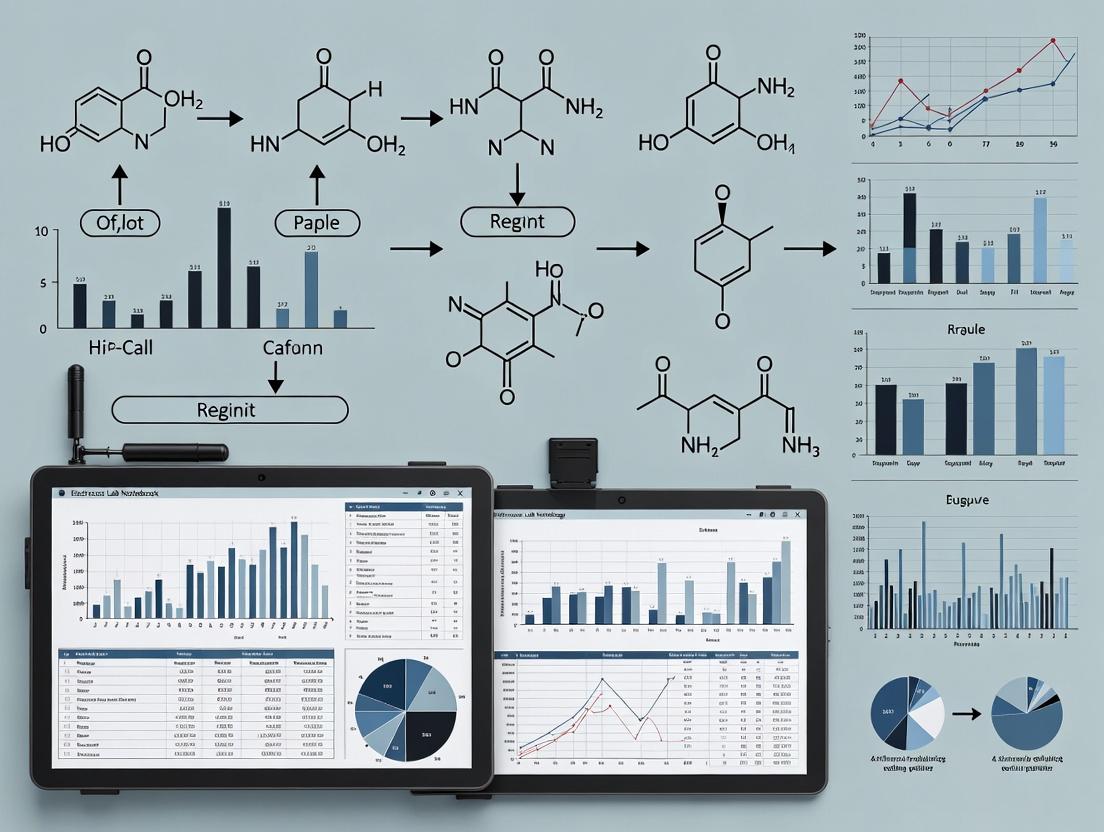
This article provides a comprehensive guide for researchers and drug development professionals on leveraging Electronic Lab Notebooks (ELNs) to address the complex data challenges of modern ecotoxicology.
Beyond the Notebook: How Modern ELNs Unlock Critical Insights in Ecotoxicology and Drug Safety
Abstract
This article provides a comprehensive guide for researchers and drug development professionals on leveraging Electronic Lab Notebooks (ELNs) to address the complex data challenges of modern ecotoxicology. It begins by exploring the unique data needs of a field grappling with emerging contaminants and multi-stressor effects. It then details methodological approaches for implementing ELNs to manage diverse data streams, from traditional bioassays to New Approach Methodologies (NAMs) and AI-driven predictions. The guide offers practical strategies for troubleshooting common adoption barriers and optimizing workflows for regulatory compliance. Finally, it provides a comparative framework for evaluating ELN solutions, empowering teams to select a platform that not only captures data but also transforms it into actionable insights for safer, more sustainable chemical and drug development.
Why Ecotoxicology Demands a Digital Revolution: The Data Challenges of Modern Environmental Risk Assessment
The field of ecotoxicology is undergoing a profound transformation, shifting its focus from well-characterized legacy pollutants to a complex array of emerging chemical threats. Per- and polyfluoroalkyl substances (PFAS), nanoplastics (NPs), and active pharmaceutical ingredients (APIs) represent this new frontier, each posing unique analytical and ecological challenges due to their persistence, bioavailability, and novel mechanisms of toxicity [1] [2] [3]. These contaminants are ubiquitous, detected from remote oceans to urban tap water, and demand sophisticated tools for their identification, quantification, and risk assessment [4] [5] [6].
Concurrently, the data generated from studying these pollutants are growing exponentially in volume and complexity. Modern analytical techniques like non-targeted mass spectrometry and high-resolution microscopy produce intricate, multi-dimensional datasets [4] [7]. This paradigm underscores the critical role of Electronic Laboratory Notebooks (ELNs) as the central nervous system of contemporary ecotoxicology research. A purpose-built ELN is no longer a simple digital logbook; it is an essential platform for ensuring data integrity, enabling cross-contaminant analysis, streamlining compliance with evolving regulations, and ultimately accelerating the translation of scientific insight into actionable environmental protection measures [8].
Application Notes: Analytical Strategies for Emerging Contaminants
PFAS: Targeting the "Forever Chemicals"
PFAS comprise thousands of synthetic compounds characterized by extreme environmental persistence and bioaccumulative potential. Recent regulatory actions, such as the U.S. EPA's first-ever national drinking water standard and the designation of PFOA and PFOS as hazardous substances, have created an urgent need for robust, standardized analytical methods [1] [9].
Table 1: Key Regulatory Benchmarks and Environmental Concentrations for Select PFAS
| PFAS Compound | EPA Drinking Water Standard (Final, 2024) | EPA Aquatic Life Criteria (Freshwater, 2024) | Typical Environmental Concentration Range | Primary Analytical Challenge |
|---|---|---|---|---|
| PFOA (Perfluorooctanoic acid) | 4.0 parts per trillion (ppt) | 0.78 µg/L (Chronic) | ppt to ppb in impacted groundwater [9] | Co-elution with other carboxylic acids, background contamination |
| PFOS (Perfluorooctanesulfonic acid) | 4.0 ppt | 0.056 µg/L (Chronic) | ppt to ppb in surface water near fire-training sites [1] | Isomer-specific analysis, adsorption to equipment |
| GenX (HFPO-DA) | 10 ppt (Proposed) | Under development | Variable, high near point sources | Lack of commercial analytical standards, method optimization |
| PFBS (Perfluorobutanesulfonic acid) | Not regulated individually | 8.2 µg/L (Chronic) | Increasingly detected in water systems [9] | Short-chain volatility, extraction efficiency |
Protocol 2.1.1: Targeted Analysis of PFAS in Water by LC-MS/MS Using EPA Method 1633 This protocol summarizes the procedure for quantifying 40 specific PFAS compounds in aqueous matrices, aligning with the U.S. EPA's recently finalized method [9].
- Sample Collection & Preservation: Collect water samples in polypropylene bottles, pre-rinsed with methanol and sample. Adjust pH to <2 with hydrochloric acid and store at 4°C. Avoid contact with Teflon-containing materials.
- Solid-Phase Extraction (SPE): Pass a 250 mL sample through a weak anion exchange (WAX) or comparable SPE cartridge. Elute analytes using a sequence of methanol and ammonium hydroxide in methanol.
- Instrumental Analysis: Concentrate the eluent under gentle nitrogen flow and reconstitute in methanol. Analyze via liquid chromatography (LC) coupled to tandem mass spectrometry (MS/MS). A C18 column with a methanol/water gradient containing ammonium acetate is standard. Use isotope-labeled internal standards for each analyte to correct for matrix effects.
- Quality Control: Include laboratory blanks, matrix spikes, and duplicate samples. Continually monitor for background contamination from instrument tubing, HPLC solvents, and laboratory air [7].
Protocol 2.1.2: Non-Targeted Screening for PFAS by HPLC-QTOF-MS For discovering novel or unexpected PFAS, non-targeted analysis (NTA) is essential [7].
- Sample Preparation: Use a generic, broad-spectrum extraction (e.g., using activated carbon or mixed-mode SPE) to capture a wide chemical space without bias.
- High-Resolution Analysis: Inject the extract into a high-performance liquid chromatography quadrupole time-of-flight mass spectrometry (HPLC-QTOF-MS) system. Data is collected in both positive and negative electrospray ionization modes with data-independent acquisition (DIA).
- Data Processing: Process raw data using software to filter for features containing the fluorine mass defect (e.g.,
m/zdifferences of ~0.02 Da for CF2 groups). Apply suspect screening against expanding PFAS molecular libraries and use diagnostic fragments (e.g., CF3+, C2F5+) to propose structures for unknown compounds. - Semi-Quantification: Use a structurally similar, commercially available PFAS as a surrogate standard to estimate concentrations of tentatively identified compounds.
Nanoplastics: The Invisible Plastic Threat
Nanoplastics, defined as particles <1 µm, present a formidable analytical hurdle due to their size, heterogeneity, and tendency to form heteroaggregates with natural organic matter [4] [5]. Their quantification in environmental and biological matrices is a primary research focus.
Table 2: Analytical Techniques for Nanoplastic Characterization and Their Performance Parameters
| Technique | Principle | Key Metrics | Best For | Limitations |
|---|---|---|---|---|
| Pyrolysis-GC/MS (Pyr-GC/MS) | Thermal decomposition into polymer-specific volatile fragments. | Polymer mass quantification; LOD: ~0.1 µg (sample dependent) [4] [5]. | Bulk quantification of polymer mass in digested samples (tissue, sediment). | Destructive; no particle size/number information; requires extensive sample cleanup. |
| Atomic Force Microscopy-Infrared (AFM-IR) | Combines AFM topography with nanoscale IR spectroscopy. | Chemical ID at ~50 nm spatial resolution [4]. | Single-particle chemical identification and morphology. | Extremely low throughput; complex sample prep; semi-quantitative at best. |
| Surface-Enhanced Raman Scattering (SERS) | Raman signal amplification via adsorption to metal nanostructures. | Single-particle detection; polymer ID [4] [10]. | Detecting very small NPs (<100 nm) in simple matrices. | Signal depends on adsorption to substrate; quantitative calibration is difficult. |
| Fluorescence Microscopy with Staining | Staining with lipophilic dyes (e.g., Nile Red). | Particle count and size distribution. | High-throughput counting and sizing of extracted NPs. | Dye selectivity (may not stain all polymers); photo-bleaching; not for chemical ID. |
Protocol 2.2.1: Extraction and Mass-Based Quantification of Nanoplastics from Biological Tissue via Pyr-GC/MS This destructive method provides quantitative data on total plastic polymer mass [4].
- Tissue Digestion: Homogenize ~1 g of tissue (e.g., fish liver, bivalve). Digest in a conical tube with 10 mL of Fenton's reagent (a mix of hydrogen peroxide and an iron catalyst) at 50-60°C for 48-72 hours to remove organic matter. Centrifuge and filter the digestate through a 1 µm aluminum oxide filter to isolate the nanoplastic fraction.
- Polymer Extraction: Transfer the filter to a pyrolysis cup. For complex matrices, a solvent extraction step (e.g., with tetrahydrofuran for PS/PE) may be added prior to filtration.
- Pyrolysis-GC/MS Analysis: Load the cup into a pyrolysis autosampler. Pyrolyze at 600-800°C in an inert atmosphere. The resulting fragments are separated by gas chromatography and detected by mass spectrometry. Quantify using polymer-specific characteristic markers (e.g., styrene trimers for polystyrene, alkyl benzenes for polyethylene).
- Critical Quality Control: Process method blanks in parallel using ultrapure water. Perform all pre-analytical steps in a laminar flow hood while wearing cotton lab coats to minimize airborne contamination from synthetic fibers [5].
Protocol 2.2.2: Single-Particle Identification of Nanoplastics in Water by AFM-IR This protocol allows for the direct chemical identification of individual nanoplastic particles [4].
- Sample Concentration & Deposition: Filter a large volume of water (1-10 L) through a 0.02 µm anodisc aluminum membrane filter. Gently wash the filter with ultrapure water to remove salts. Use a micro-manipulator under a stereomicroscope to transfer suspicious particles from the filter onto a gold-coated glass slide for IR enhancement.
- AFM-IR Imaging: Mount the slide on the AFM-IR stage. Use the AFM in tapping mode to map the topography of a selected area. Subsequently, tune the pulsed IR laser to specific wavelengths (e.g., ~2915 cm⁻¹ for C-H stretch in polyolefins) and measure the thermal expansion of the particle at each point to generate a chemical map.
- Spectral Library Matching: Collect full IR spectra (e.g., from 1800-800 cm⁻¹) from points of interest on the particle. Compare these spectra to a validated library of polymer reference spectra for identification.
Pharmaceuticals: Biologically Active Pollutants
Pharmaceuticals enter ecosystems primarily through wastewater effluent and agricultural runoff, posing risks of endocrine disruption, antibiotic resistance, and behavioral changes in aquatic life [2] [3] [6].
Table 3: Frequently Detected Pharmaceuticals in Aquatic Systems and Their Ecotoxicological Endpoints
| Pharmaceutical Class | Example Compounds | Typical Conc. in Wastewater Effluent (ng/L) | Key Ecotoxicological Effect | Primary Exposure Pathway |
|---|---|---|---|---|
| Antibiotics | Erythromycin, Ciprofloxacin | 100 - 5,000 [2] | Promotion of antimicrobial resistance genes; algal toxicity [3]. | Human excretion; aquaculture; livestock. |
| Non-Steroidal Anti-Inflammatories (NSAIDs) | Ibuprofen, Diclofenac | 500 - 10,000+ [2] | Oxidative stress, renal damage in fish; cytotoxic effects [3]. | Human excretion; improper disposal. |
| Psychiatric Drugs | Carbamazepine, Fluoxetine | 50 - 500 | Altered predator avoidance, feeding, and migratory behavior in fish [6]. | Human excretion. |
| Synthetic Hormones | 17α-ethinylestradiol (EE2) | <1 - 10 | Endocrine disruption; feminization of male fish at sub-ng/L levels [2]. | Human excretion from oral contraceptives. |
Protocol 2.3.1: Multi-Residue Analysis of Pharmaceuticals in Surface Water by SPE-LC-MS/MS This targeted protocol is used for routine monitoring of known pharmaceutical contaminants [2].
- Sample Filtration & pH Adjustment: Filter water samples through 0.7 µm glass fiber filters to remove particulates. Adjust the pH of the filtrate to ~7 to ensure optimal extraction efficiency for a broad range of ionizable compounds.
- Automated Solid-Phase Extraction: Using an automated system, load 100-500 mL of sample onto a mixed-mode reversed-phase/cation exchange SPE cartridge. Wash with ultrapure water and a mild buffer. Elute with a mixture of methanol and acetone.
- LC-MS/MS Analysis: Evaporate the eluent to dryness and reconstitute in a water/methanol mixture. Perform analysis using LC-MS/MS with electrospray ionization in both positive and negative switching modes. Use a C18 column with a water/methanol gradient containing formic acid.
- Identification & Quantification: Identify compounds by matching the retention time and the ratio of two characteristic precursor-product ion transitions against calibration standards. Use deuterated or ¹³C-labeled analogues as internal standards for precise quantification.
Protocol 2.3.2: Assessing Sub-Lethal Behavioral Endpoints in Fish Behavioral change is a sensitive endpoint for pharmaceutical exposure [6].
- Experimental Setup: Expose groups of model fish (e.g., fathead minnow, zebrafish) in flow-through or semi-static systems to environmentally relevant concentrations of a target pharmaceutical (e.g., an antidepressant) for 21-30 days. Include a solvent control and a negative control.
- Behavioral Assays: Use automated video-tracking systems to quantify behavior in standardized tests:
- Locomotor Activity: Total distance moved and mobility time in a novel tank.
- Anxiety-like Behavior: Time spent in the top vs. bottom zone of a tank (scototaxis).
- Predator Response: Reaction time and flight distance to a simulated predator stimulus.
- Data Analysis: Extract behavioral metrics from tracking software. Perform statistical analyses (e.g., ANOVA) to compare exposed groups to controls. Correlate behavioral changes with tissue concentrations of the pharmaceutical if possible.
Integration with Electronic Laboratory Notebooks (ELNs)
The complexity and data-intensive nature of modern ecotoxicology necessitate a centralized digital platform. An ELN tailored for environmental research must move beyond basic documentation to actively manage workflows, complex data, and regulatory compliance [8].
Diagram 1: Centralized ELN workflow for multi-contaminant ecotoxicology.
ELN-Enabled Protocols and Data Management
Standardized Protocol Execution: ELNs store and deploy the detailed protocols (like those in Section 2), ensuring consistency across researchers and time. They can prompt for specific QC steps, reagent lot numbers, and instrument calibration records [8]. Direct Instrument Integration: Advanced ELNs connect directly to analytical instruments (e.g., MS, chromatographs, plate readers) via APIs, automatically importing raw data files, results, and associated metadata. This eliminates manual transcription errors and ensures data provenance [8]. Complex Data Handling: A fit-for-purpose ELN can manage diverse data types: chromatograms and mass spectra from PFAS/pharmaceutical analysis, microscopic images and IR spectra from nanoplastics, and behavioral video files from fish assays. It links all data back to the original sample and protocol.
Features of an Ideal ELN for Modern Ecotoxicology
Table 4: Essential ELN Features for Managing Emerging Contaminant Research
| Feature Category | Specific Requirement | Benefit for Ecotoxicology |
|---|---|---|
| Regulatory Compliance | Audit trails, electronic signatures (21 CFR Part 11 ready), version control for protocols. | Essential for submitting data to agencies like the EPA for regulatory decisions on PFAS or pharmaceuticals [9]. |
| Data Integration & Search | Native support for spectral files (.raw, .mzML), image files, and video; advanced metadata search. | Enables correlation between chemical concentration data (e.g., PFOS level) and biological effect data (e.g., fish behavior video). |
| Project & Inventory Management | Chemical/reagent inventory linking to experiments; project-based organization of multi-contaminant studies. | Tracks usage of expensive certified reference standards (critical for PFAS) and manages complex, multidisciplinary projects. |
| Collaboration & Sharing | Secure, role-based access; easy export of datasets for publication or sharing with regulators. | Facilitates collaboration between analytical chemists, field biologists, and toxicologists. |
| Automation & AI | Automated calculation of detection limits, basic statistical analysis, and trend spotting in large datasets. | Increases efficiency in screening large numbers of samples for contaminants of emerging concern. |
The Scientist's Toolkit: Key Reagents and Digital Tools
A. Essential Research Reagent Solutions
- Certified PFAS Reference Standards and Mass-Labelled Internal Standards: Purity is critical for accurate quantification and NTA. Recent shortages highlight the need for strategic inventory management within an ELN [7].
- Polymer Standards for Nanoplastic Quantification: Defined size and polymer type (e.g., 100 nm polystyrene, polyethylene) are necessary for calibrating Py-GC/MS and validating microscopic techniques [5].
- Isotope-Labelled Pharmaceutical Surrogates: Deuterated analogs of common APIs (e.g., d₄-ibuprofen, ¹³C-carbamazepine) are used as internal standards to correct for matrix effects in MS analysis [2].
- Ultra-Pure Solvents and PFAS-Free Labware: Methanol, acetone, and water must be verified PFAS-free. Use polypropylene instead of PTFE for tubes and filters to prevent contamination [7] [9].
- Specialized SPE Cartridges: WAX cartridges for anionic PFAS, mixed-mode cartridges for broad-spectrum pharmaceutical extraction, and optimized phases for isolating nanoplastics from complex matrices [4] [2] [9].
B. Essential Digital Tool: The Integrated ELN Platform
The ELN itself is the most critical tool. Based on vendor comparisons, the ideal platform for an expanding ecotoxicology lab should offer [8]:
- Flexible Data Modeling to accommodate the unique data structures of chemical analysis, ecotoxicity tests, and field sampling.
- Robust Integration Capabilities with common instruments (MS, HPLC, plate readers) and data analysis software (e.g., Skyline, ImageJ).
- Configurable Workflows that can be tailored for specific protocols, from PFAS extraction in water to nanoplastics digestion in tissue.
- Scalable Cloud Architecture to handle growing datasets from long-term monitoring projects and high-resolution mass spectrometry.
Modern ecotoxicology grapples with data of unprecedented complexity, arising from the intertwined effects of multiple stressors, chronic low-dose exposures, and the transfer of contaminants across food webs. Effectively capturing, structuring, and analyzing this multidimensional data is critical for accurate risk assessment. This article presents application notes and detailed protocols for investigating these core complexities, framed within the essential context of Electronic Lab Notebooks (ELNs). ELNs provide the structured digital environment necessary to manage the intricate metadata, longitudinal data sets, and complex experimental designs that define contemporary ecotoxicological research.
Application Notes & Protocols
Multi-Stressor Interactions in Aquatic Food Webs
Understanding how combined environmental pressures—such as warming, nutrients, and pesticides—alter ecosystem structure is a paramount challenge.
The following table summarizes key findings from a mesocosm experiment simulating multi-stressor impacts on freshwater food webs[reference:0][reference:1].
Table 1: Effects of Multiple Stressors on Freshwater Food Web Parameters
| Stressor Combination | Key Effect on Trophic Interactions | Interaction Type | Impact on Top Predators |
|---|---|---|---|
| Nutrient + Herbicide + Warming | Rewiring of interaction strength; shift to herbivory | Antagonistic (predominant) | Pronounced but less intense impact |
| Combined Stressors (vs. Single) | Shift in consumer resource use | Non-additive | More detrimental than individual stressors |
| Heatwaves + Nutrient/Herbicide | Exacerbated impacts on aquatic ecosystems | Synergistic | Increased vulnerability |
Detailed Protocol: Multi-Trophic Mesocosm Experiment
Objective: To ascertain the individual and combined effects of climate warming and chemical pollution on trophic interactions.
Materials: Outdoor mesocosms (≥1000 L), temperature control systems, stock solutions of nutrients (e.g., NaNO₃, K₂HPO₄) and herbicide (e.g., atrazine), representative species across trophic levels (fish/shrimp, gastropods, zooplankton, macrophytes, phytoplankton).
Procedure:
- Experimental Design: Establish a fully factorial design. Include treatments for: control, nutrient loading only, herbicide only, nutrient + herbicide, each under ambient temperature, constant warming (+3°C), and intermittent heatwave scenarios[reference:2].
- Mesocosm Setup: Fill mesocosms with water and sediment from a reference site. Introduce assembled biological communities, ensuring replication (e.g., n=6 per treatment).
- Stressor Application: Apply stressors at environmentally relevant concentrations. Maintain temperature regimes for the duration (e.g., 10 months). Apply chemical stressors via continuous dosing or periodic pulses.
- Sampling: Conduct periodic sampling of water chemistry, organism abundance, biomass, and behavioral observations. Use stable isotope analysis (δ¹³C, δ¹⁵N) to trace food web structure and trophic position shifts.
- Data Analysis: Analyze data using multivariate statistics (e.g., PERMANOVA) to test for stressor effects on community composition. Use network analysis to quantify changes in food web topology and interaction strength.
Visualization: Multi-Stressor Experimental Workflow
Chronic Effects and Stressor Adaptation
Chronic exposure to low concentrations of multiple stressors can lead to adaptation and altered vulnerability, challenging traditional toxicity models.
Research on Gammarus pulex reveals how adaptation influences stressor interactions[reference:3][reference:4].
Table 2: Chronic Stressor Effects and Adaptation Metrics in Gammarus pulex
| Metric | Adapted Population (Agricultural) | Reference Population | Implication |
|---|---|---|---|
| Clothianidin EC₅₀ | 148 μg/L | 67 μg/L | ~2.2x higher tolerance in adapted groups |
| Synergism (MDR) with pesticide mix + temperature | 4.0 | 2.7 | Stronger synergism in adapted populations |
| General-Stress Capacity | Reduced | Higher | Adaptation trades off general stress resilience |
Detailed Protocol: Chronic Multi-Stressor Exposure & Model Testing
Objective: To quantify chronic toxicity and adaptation effects under combined pesticide and temperature stress.
Materials: Gammarus pulex from adapted (agricultural) and reference streams, climate chambers, clothianidin and prochloraz stock solutions, Artificial Daphnia Medium (ADaM), 5 L exposure beakers.
Procedure:
- Organism Acclimation: Acclimatize individuals from each population to three temperatures (e.g., 16, 19, 22°C) in ADaM for 10 days[reference:5].
- Exposure Design: Implement a full factorial design: nine clothianidin concentrations (0–1000 μg/L) × three prochloraz levels (0, 1, 10 μg/L) × three temperatures[reference:6].
- Chronic Exposure: Expose groups of 12 individuals per treatment in 5 L beakers with 3 L medium under a 16:8 light-dark cycle with aeration for 48-96 hours[reference:7].
- Endpoint Assessment: Record immobility (no movement within 20s after probing) at intervals. Collect water samples for chemical verification via GC-MS/MS[reference:8].
- Data Modeling: Calculate EC₅₀ values using dose-response models. Predict combined effects using Concentration Addition (CA), Effect Addition (EA), and the Stress Addition Model (SAM). Calculate Model Deviation Ratios (MDR) to quantify synergism (MDR>1) or antagonism (MDR<0.5)[reference:9].
Visualization: Stressor Interaction & Model Prediction Pathway
Trophic Transfer and Biomagnification
Contaminants like microplastics (MPs) accumulate and magnify across food webs, requiring ecosystem-level modeling for risk assessment.
Modeling studies using Ecopath with Ecosim (EwE) reveal patterns of MP transfer[reference:10].
Table 3: Trophic Transfer Dynamics of Microplastics (MPs) in a Coastal Food Web
| Trophic Level / Functional Group | Trophic Level (TL) | MP Accumulation Trend | Biomagnification Factor (BMF) Insight |
|---|---|---|---|
| Top Consumers (e.g., Congers, Seabass) | ~3.9 | Concentration increases first with environmental MP inflow | BMF >1, indicating trophic magnification |
| Intermediate Consumers | 2.5 – 3.7 | Trend correlates with environmental MP changes | Variable, often showing bioaccumulation |
| Primary Consumers | ~2.0 | Concentration decreases first if environmental MP decreases | Suggests dilution potential at lower TL |
Detailed Protocol: Modeling Trophic Transfer Using Ecopath with Ecosim (EwE)
Objective: To simulate the long-term trophic transfer and biomagnification of contaminants (e.g., microplastics) in a marine food web.
Materials: Ecopath with Ecosim (EwE) software, ecological data for the study system (biomass, production/biomass (P/B), consumption/biomass (Q/B) ratios, diet matrices), contaminant concentration data in water and key species.
Procedure:
- Model Parameterization: Construct a baseline Ecopath model for the ecosystem (e.g., Haizhou Bay). Input data for each functional group: biomass (t/km²), P/B and Q/B (1/year), and diet composition[reference:11].
- Ecotracer Module Setup: Activate the Ecotracer module. Define the contaminant (e.g., MPs) by setting initial concentrations in water and sediment compartments, and uptake/egestion rates for each functional group based on literature or lab studies.
- Scenario Simulation: Run long-term simulations (e.g., 20 years) under different scenarios of contaminant environmental inflow[reference:12].
- Output Analysis: Analyze model outputs for contaminant concentration in each functional group over time. Calculate the Trophic Magnification Factor (TMF) by regressing log(concentration) against trophic level. A slope >0 indicates biomagnification.
- Validation & Sensitivity: Compare model predictions with field monitoring data. Perform sensitivity analysis on key parameters (e.g., uptake rates) to identify drivers of uncertainty.
Visualization: Ecosystem Modeling Workflow for Trophic Transfer
The Scientist's Toolkit
Essential reagents, materials, and software for executing the protocols described.
Table 4: Key Research Reagent Solutions and Essential Materials
| Item / Solution | Function / Purpose | Example / Specification |
|---|---|---|
| Artificial Daphnia Medium (ADaM) | Standardized culture and exposure medium for aquatic invertebrates; ensures ion balance and reproducibility. | Prepared according to OECD guidelines. |
| Neonicotinoid Stock Solution (e.g., Clothianidin) | To create precise exposure concentrations for chronic toxicity and adaptation studies. | High-purity standard (e.g., DANTOP, 40 mg/L stock in deionized water)[reference:13]. |
| Stable Isotope Tracers (¹³C, ¹⁵N) | To trace energy flow and trophic position in food web studies, revealing stressor-induced shifts. | Enriched algal pastes or chemical compounds. |
| Ecopath with Ecosim (EwE) Software | Ecosystem modeling platform to simulate contaminant fate, trophic transfer, and biomagnification over time. | Version 6.6 or later, with Ecotracer module. |
| Electronic Lab Notebook (ELN) Platform | To digitally document protocols, link raw data, track sample metadata, and record analytical workflows for complex experiments. | Platforms like Labguru, LabWare, or SciNote. |
| GC-MS/MS System | To verify and quantify actual pesticide concentrations in exposure media, ensuring exposure accuracy. | System with appropriate sensitivity for ng/L to µg/L ranges. |
Integration with Electronic Lab Notebooks (ELNs)
The protocols outlined generate multifaceted data: time-series physicochemical measurements, dose-response curves, genomic datasets, and complex model inputs/outputs. An ELN is indispensable for managing this complexity. It provides a centralized, searchable repository to:
- Document Complex Protocols: Link procedural steps to relevant SOPs, reagent lot numbers, and equipment calibration records.
- Manage Multi-Dimensional Metadata: Systematically tag data with experimental factors (stressor types, concentrations, time points, trophic levels).
- Ensure Traceability & Reproducibility: Maintain an immutable audit trail from raw data (e.g., GC-MS/MS files, isotope ratios) through processing scripts to final results and figures.
- Facilitate Collaboration: Securely share project notebooks with collaborators, integrating diverse data streams from field sampling, lab toxicity tests, and computational modeling.
By adopting ELNs as the foundational data management framework, ecotoxicologists can rigorously address the key data complexities of multi-stressor interactions, chronic effects, and trophic transfer, thereby enhancing the reliability and predictive power of environmental risk assessments.
Environmental Risk Assessment (ERA) is a foundational scientific process for evaluating potential harm to the environment from substances like pesticides, genetically modified organisms (GMOs), and industrial chemicals [11]. Within the European Union, bodies like the European Food Safety Authority (EFSA) are legally mandated to conduct ERAs to inform protective policy and regulatory decisions [11]. The core challenge in modern ERA is managing the vast, complex datasets generated across the assessment lifecycle—from ecotoxicology studies on non-target organisms to long-term environmental fate modeling.
This challenge intersects directly with the global push for FAIR data principles—making data Findable, Accessible, Interoperable, and Reusable [12]. FAIR principles provide a framework to enhance data stewardship, ensuring scientific data can be fully leveraged for re-analysis, meta-studies, and integration into predictive models [13]. Electronic Lab Notebooks (ELNs) emerge as the critical technological linchpin in this landscape. As digital platforms that replace paper notebooks, ELNs are engineered to capture, structure, and manage research data in a way that inherently supports regulatory compliance and FAIR objectives [14]. This document details application notes and protocols for integrating FAIR-aligned data management via ELNs into ecotoxicology research, thereby strengthening the scientific and regulatory validity of ERA.
Foundational Concepts: ERA, FAIR, and ELNs
The Environmental Risk Assessment (ERA) Framework
ERA is a structured, multi-phase scientific process. EFSA applies it across several domains, each with specific legislative drivers [11]:
- Pesticides: Assesses impacts on non-target organisms (e.g., birds, aquatic life, bees, soil organisms) and the contamination of water, soil, and air [11].
- Genetically Modified Organisms (GMOs): Evaluates potential adverse effects on human/animal health and the environment, including impacts on biodiversity, persistence, and invasiveness [11].
- Feed Additives: Follows a stepwise approach to assess environmental impact via release through animal excreta [11].
A generalized ERA workflow involves problem formulation, exposure and hazard assessment, risk characterization, and monitoring. The reliability of the final risk characterization is entirely dependent on the integrity, transparency, and usability of the underlying data.
The FAIR Guiding Principles for Scientific Data
The FAIR principles provide a benchmark for modern scientific data management, extending beyond "open data" to emphasize machine-actionability [12].
- Findable: Data and metadata must be richly described with persistent identifiers and be discoverable through searchable resources.
- Accessible: Data are retrievable using standard, open protocols.
- Interoperable: Data and metadata use formal, accessible, and broadly applicable languages and vocabularies for knowledge representation.
- Reusable: Data are described with multiple, accurate attributes, clear usage licenses, and provenance.
EFSA has explicitly recognized the value of FAIR, interpreting these principles for mechanistic effect models used in pesticide ERA. This includes applying FAIR to the model's underlying data, the computer code, and the model assessment documentation itself [13].
Electronic Lab Notebooks as a FAIR Enabler
ELNs are cloud-based or on-premise software systems designed as the primary digital record for research [14] [15]. For ERA-driven research, their functionality directly addresses critical data management gaps:
- Structured Data Capture: Replaces unstructured paper notes with templates, ensuring consistent and complete metadata collection.
- Provenance & Audit Trail: Automatically timestamps entries and logs all changes, creating an immutable record essential for regulatory compliance and intellectual property protection [14].
- Instrument Integration: Directly captures raw data from lab instruments, minimizing transcription error and preserving data origin [14].
- Collaboration & Sharing: Enables secure, role-based access and sharing among team members, facilitating peer review and internal QA/QC [15].
Table 1: Benefits of ELNs for ERA and FAIR Data Compliance
| Benefit | Impact on ERA Data Quality | Contribution to FAIR Principles |
|---|---|---|
| Enhanced Reproducibility | Detailed, version-controlled protocols and linked raw data allow exact replication of ecotoxicity tests [14]. | Reusable: Complete experimental context enables repurposing of data. |
| Improved Data Integrity | Automated audit trails and electronic signatures meet FDA 21 CFR Part 11 and equivalent requirements for data validity [15]. | Accessible, Reusable: Ensures data is trustworthy and reliably available. |
| Efficient Data Retrieval | Powerful search functions across full text and metadata locate specific experiments or results in seconds [14]. | Findable: Makes data easily discoverable for internal and external users. |
| Standardized Metadata | Customizable templates enforce consistent data and metadata entry formats across projects and users [15]. | Interoperable: Consistent structure allows data integration and comparison. |
Application Notes: Implementing FAIR-ALIGNED Workflows in Ecotoxicology
Integrating FAIR into the ERA Data Lifecycle
The path from experimental design to a finalized ERA dossier must be managed as a continuous data lifecycle. ELNs provide the platform to operationalize FAIR at each stage.
FAIR Data Assessment Protocol for Historical Ecotoxicology Datasets
Many institutions possess valuable legacy data in paper notebooks or disparate digital files. This protocol outlines steps to retrospectively improve their FAIRness using an ELN.
Objective: Systematically evaluate, digitize, and enrich legacy ecotoxicology datasets to enhance compliance with FAIR principles. Materials: Original data sources (paper notebooks, spreadsheets), ELN software with templating and import functions, controlled vocabulary lists (e.g., ECOTOX, EnviroTox), metadata schema template.
Procedure:
- Inventory and Prioritize: Catalog all legacy datasets. Prioritize based on current regulatory relevance, research value, and data completeness.
- Metadata Gap Analysis: For each prioritized dataset, audit against a minimum metadata schema (e.g., project ID, test substance identifiers, test organism details, exposure regime, endpoint measurements, principal investigator, date).
- Structured Digitization: a. Create a dedicated "Legacy Data Import" project in the ELN. b. For each experiment, create a new entry using a custom "Legacy Data" template that mirrors the metadata schema. c. Transcribe or upload data. Use ELN fields for structured metadata and attached PDFs for original notebook scans to preserve provenance. d. Apply persistent identifiers (e.g., internal DOI or accession number) generated by the ELN to each entry.
- Semantic Annotation: Tag entries with terms from controlled vocabularies. Link related entries (e.g., all tests for the same chemical).
- Access Control Definition: Set user permissions within the ELN to manage data accessibility, aligning with licensing or confidentiality constraints.
- Reusability Statement: In the ELN entry's conclusion field, document known data limitations, digitization choices, and recommended use cases.
Quantitative Data Visualization for ERA Decision Points
Effective visualization is key to interpreting ERA data. The choice of graph depends on the analytical question [16] [17].
Table 2: Data Visualization Selection for ERA Data Analysis
| ERA Analysis Goal | Recommended Visualization | Example Use Case | ELN Integration |
|---|---|---|---|
| Compare toxicity across substances | Grouped Bar Chart [16] | Compare LC50 values for 3 chemicals across 4 aquatic species. | Embed interactive chart from analysis software (e.g., R, Python) directly into ELN results section. |
| Show distribution of endpoint measurements | Box Plot [18] | Display the range, median, and outliers of larval growth inhibition in a chronic plant study. | Use ELN's built-in graphing tools or attach a static image generated by statistical software. |
| Illustrate dose-response relationship | Scatter Plot with Trend Line [18] | Plot mortality percentage against log-transformed concentration of a pesticide. | Link the ELN entry to the raw data file and the script used to generate the plot for full reproducibility. |
| Track environmental fate over time | Line Graph [18] | Visualize the degradation of a chemical in soil over a 60-day period. | Store time-series data in a structured table within the ELN, enabling direct plotting. |
| Assess risk quotient (exposure/toxicity) | Bullet Chart [16] | Benchmark calculated exposure concentrations against a probabilistic hazard threshold. | Summarize the final risk characterization with a clear visualization in the ELN's conclusion. |
Detailed Experimental Protocols
Protocol: Chronic Aquatic Toxicity Test with Data Management for FAIR Compliance
This protocol for a standard Daphnia magna reproduction test integrates FAIR-aligned data management practices at each step.
1.0 Experimental Design & ELN Setup 1.1. Define Objective: Assess the chronic effect of Chemical X on Daphnia magna reproduction over 21 days. 1.2. ELN Entry Creation: Initiate a new experiment in the ELN using the "Aquatic Ecotoxicology" template. 1.3. Metadata Registration: Populate template fields: Unique Experiment ID, Test Substance (with CAS No.), Test Organism (species, source, brood), Reference Toxicant, Start Date, Principal Investigator. 1.4. Protocol Attachment: Attach the standardized OECD 211 or equivalent test guideline PDF. Use the ELN's protocol module to create an editable, step-by-step version for real-time annotation.
2.0 Test Execution & Real-Time Data Capture 2.1. Daily Observations: a. Log mortality, immobilization, and reproductive output (neonates) for each replicate directly into a pre-formatted digital table within the ELN entry. b. Upload daily photos of test chambers via the ELN mobile app to document visual observations. c. Record water quality parameters (temperature, pH, dissolved oxygen) from probe readings; automate data transfer to the ELN if instruments are connected. 2.2. Data Integrity: All entries are automatically timestamped and user-attributed. Corrections are made via addenda, preserving the original record.
3.0 Data Processing & Analysis 3.1. Endpoint Calculation: At test termination, calculate endpoints (e.g., NOEC, LOEC, ECx) using statistical software. 3.2. Results Documentation: Create a "Results" section in the ELN. Embed key summary tables and graphs (e.g., dose-response curve). Attach the raw analysis script (e.g., R Markdown file). 3.3. Controlled Vocabulary Tagging: Tag the entry with relevant terms (e.g., "Daphnia magna", "chronic toxicity", "reproduction").
4.0 Finalization & Sharing 4.1. Internal Review: Share the ELN entry with the QA officer and project lead for electronic review and signing. 4.2. Export for Reporting: Use the ELN's export function to compile a PDF report for the ERA dossier, including all metadata, data, and signatures. 4.3. Archive & Publish: Finalize the entry, which locks it in the ELN's secure, backed-up database. If applicable, export FAIR-compliant metadata to an institutional repository.
Protocol: FAIR-Centric Data Annotation for Mechanistic Effect Model Input
This protocol ensures data used to parameterize and calibrate mechanistic effect models in ERA is adequately annotated for reuse [13].
Objective: Prepare and document ecotoxicological datasets so they are fit for purpose as input for population or ecosystem models. Materials: ELN containing curated experimental results, metadata annotation form, model input requirement specifications.
Procedure:
- Model Scoping: In the ELN, create a new entry linked to the source data experiment(s). Document the target model's name, version, purpose, and a citation.
- Data-Model Alignment Check: Map each required model input parameter to a corresponding data point in the source experiment. Flag any gaps or assumptions made (e.g., using a surrogate species' data).
- Provenance Annotation: For each dataset used, document its origin: a direct link to the ELN experiment ID, the original measurement method, and any processing steps applied (e.g., averaging, unit conversion).
- Uncertainty Quantification: Annotate key data points with measures of uncertainty (e.g., standard deviation, confidence intervals) as recorded in the original ELN experiment.
- Structured Export: Use the ELN's API or export tools to output the annotated dataset in a model-ready, standard format (e.g., JSON, XML) alongside a machine-readable metadata file.
Table 3: Research Reagent Solutions for ERA Data Management
| Tool / Resource Category | Specific Examples | Function in FAIR-aligned ERA |
|---|---|---|
| ELN Software | Benchling, LabArchives, RSpace, eLabJournal [15] | Primary platform for structuring experimental data, enforcing metadata standards, and creating audit trails for regulatory compliance. |
| Controlled Vocabularies & Ontologies | ECOTOX Vocabulary, EnviroTox, OBOE (Extensible Observation Ontology) | Provide standardized terms for annotating data (substances, organisms, endpoints), ensuring interoperability. |
| Data Repositories | EFSA's Data Warehouse, Dryad, Zenodo | Offer persistent identifiers (DOIs) and public or controlled access for published datasets, fulfilling Findable and Accessible principles. |
| Data Modeling & Integration Tools | ISA (Investigation/Study/Assay) framework, RightField annotation tool | Help create standardized metadata templates to structure data collection in ELNs from the point of experimental design. |
| Data Visualization Libraries | ggplot2 (R), Plotly (Python), integrated ELN charting tools [18] | Transform analyzed quantitative data into clear visualizations for risk characterization and reporting [17]. |
The regulatory imperative for robust Environmental Risk Assessment is inexorably linked to the quality and stewardship of the underlying scientific data. The FAIR principles provide a powerful framework for enhancing the transparency, utility, and longevity of this data. Electronic Lab Notebooks are not merely a convenience for digitizing notes; they are essential infrastructure for implementing FAIR data practices within ecotoxicology research workflows. By adopting the detailed application notes and protocols outlined herein, researchers and regulated industry professionals can generate data that not only meets stringent regulatory standards but also accelerates environmental safety science through improved data sharing and reuse. The integration of ELNs into the ERA process represents a critical step toward more efficient, reproducible, and evidence-based environmental protection.
Ecotoxicology is undergoing a fundamental paradigm shift, moving from observational, endpoint-focused studies towards a mechanistic understanding of cause-consequence relationships at biological and ecological levels [19]. This shift, central to New Approach Methodologies (NAMs), generates vast, multifaceted datasets—from traditional acute toxicity assays to high-content omics, imaging, and computational modeling. The EU-ToxRisk project (2016-2021), a major European consortium involving over 40 partners, exemplifies this transition, aiming to replace animal testing with hypothesis-driven, mechanistic toxicology [20]. A core challenge identified was managing a complex data landscape spanning multiple institutions and disciplines [19].
In this context, traditional data management methods—relying on paper notebooks, scattered spreadsheets, and disconnected files—become significant liabilities. They create data silos, hinder reproducibility, and obstruct the cross-study analysis necessary for knowledge integration. Electronic Lab Notebooks (ELNs) emerge as the critical technological bridge, transforming isolated observations into structured, searchable, and interoperable knowledge. An ELN is a digital platform designed to document experiments, observations, and results electronically, replacing physical notebooks and serving as a primary record for research [14]. By implementing a FAIR (Findable, Accessible, Interoperable, Reusable) data infrastructure built around ELNs, as demonstrated by EU-ToxRisk and its follow-up projects (RISK-HUNT3R, ASPIS), ecotoxicology can achieve the integrated knowledge base required for predictive risk assessment [20].
Core ELN Architectures: From Basic Documentation to Integrated Knowledge Engines
Not all ELNs are created equal. Their functionality and suitability for ecotoxicology depend on their architectural complexity and integration capabilities. The choice profoundly impacts a lab’s ability to manage technical debt—the hidden long-term cost of short-term digital solutions that accumulate as outdated systems and patchwork integrations [21].
Table 1: Comparison of ELN System Types and Their Relevance to Ecotoxicology
| System Type | Key Characteristics | Typical Examples | Pros for Ecotoxicology | Cons for Ecotoxicology |
|---|---|---|---|---|
| Basic Systems | Tools not originally designed as ELNs (e.g., word processors, note-taking apps). Allow text entry and file attachment but lack structured data capture or audit trails [22]. | Microsoft Word, Evernote, Dropbox [22] | Low cost, high user familiarity, easy initial adoption. | High manual effort to organize; no native audit trail, version control, or metadata standards; promotes data silos and technical debt [22]. |
| Specialized ELNs | Purpose-built for research documentation. Support protocol templates, inventory management, audit trails, electronic signatures, and some instrument integration [14] [22]. | SciNote, Labfolder, eLabFTW, RSpace [22] | Structured data capture, compliance-ready (FDA 21 CFR Part 11), improves reproducibility, reduces error [14]. | May require customization for specific ecotox assays; initial learning curve; core focus is documentation, not sample lifecycle management. |
| High-End/Integrated Systems | ELN modules within comprehensive lab informatics platforms, fully integrated with LIMS (Lab Information Management System) and laboratory equipment [22]. | SciCord, STARLIMS, LabVantage, Benchling [23] | End-to-end workflow support: from sample login and tracking through experimental execution to data analysis. Enables true data mining and cross-study insight [23] [22]. | Higher cost and implementation complexity; may be over-engineered for small academic labs. |
A LIMS is fundamentally sample-centric, managing the lifecycle, location, and associated data of physical samples (e.g., water, sediment, tissue) [24]. An ELN is experiment-centric, capturing the intellectual process—hypotheses, protocols, observations, and analyses [24]. In modern ecotoxicology, these functions are complementary. The most effective infrastructure, as seen in platforms like SciCord, adopts a hybrid approach, merging the ELN's flexible documentation with the LIMS's structured sample and workflow management [23]. This integration is vital for managing complex, multi-parameter ecotoxicology studies where sample lineage and experimental context are inseparable.
Application Notes: Implementing ELNs for Integrated Ecotoxicology Studies
Building a FAIR Data Ecosystem: The EU-ToxRisk Model
The EU-ToxRisk project established a knowledge infrastructure that serves as a benchmark for large-scale, collaborative ecotoxicology. Its success was underpinned by an ELN-centric architecture with several key building blocks [19] [20]:
- Standardized Data & Metadata Formats: An extensible format ensured consistent data capture across partners, making information interoperable.
- Centralized Methods Database: A repository for detailed, reviewed data generation and processing protocols, linked directly to experimental entries in the ELN, ensuring reproducibility.
- Granular Data Access & APIs: Data was archived sustainably and made accessible via Application Programming Interfaces (APIs), allowing individual data points from the ELN to be queried and fed into analysis tools.
- Executable 'Web Notebooks': Data exploration and analysis modules were embedded within the system, allowing documented code and workflows to run directly on the structured data, linking hypothesis, experiment, and result inextricably [20].
Protocol: Standardizing an Aquatic Toxicity Test from Data Capture to Knowledge Curation
This protocol outlines the steps to digitize and elevate a standard chronic aquatic toxicity test (e.g., OECD TG 210 Fish Early-Life Stage) using an ELN.
Objective: To fully document a chronic toxicity test in a structured, machine-actionable format that links raw observations to analyzed results and supports eventual data pooling and meta-analysis.
Materials:
- Specialized or Integrated ELN system (e.g., SciNote, Labguru, Benchling) [14] [22].
- Configured test organism and chemical inventory within the ELN's database.
- Instruments (water quality probes, spectrophotometers) with capability for digital data export (e.g., .csv).
Procedure:
Part A: Pre-Experiment Setup in ELN
- Create Project & Experiment Template:
- Create a new project titled with the test chemical and species.
- Duplicate and adapt an institutional ELN template for "Aquatic Chronic Toxicity Test." This template should have pre-defined sections: Hypothesis, Test Substance & Properties, Experimental Design, Daily Observations, Analytical Chemistry Data, Statistical Analysis, Conclusions [14].
- Link Resources:
- Use the ELN's inventory module to link the specific batch of test chemical from the digital inventory, recording its CAS number, purity, and supplier.
- Link the standard operating procedure (SOP) document (e.g., "LabSOPOECD210v3.1") to the experiment.
- Assign collaborators (e.g., principal investigator, technician) with appropriate viewing/editing permissions [25].
Part B: Execution & Structured Data Capture
- Record Experimental Design:
- In the Design section, define all test concentrations, replicate numbers, and control groups using the ELN's table tool. This creates structured data, not free text.
- Log Daily Observations:
- Each day, access the experiment and go to the "Daily Observations" section. Use a pre-formatted table to record:
- Mortality (number, linked to specific tank ID).
- Behavioral abnormalities (via controlled vocabulary dropdown: e.g., "lethargy," "loss of equilibrium").
- Instrumental water quality data (pH, temperature, dissolved oxygen): upload raw .csv files directly from the probes and attach them to the daily log. Manually transcribing this data is prohibited.
- Each day, access the experiment and go to the "Daily Observations" section. Use a pre-formatted table to record:
- Document Endpoint Analysis:
- At test termination, upload all raw measurement files (e.g., larval length images, biomass weights).
- Perform statistical analysis in your preferred software (e.g., R, Python). Upload both the analysis script and its output (graphs, LC/EC50 values) to the ELN. The script is as crucial as the result for reproducibility.
Part C: Knowledge Curation & Sharing
- Annotate with Metadata:
- Before finalizing, complete the experiment's metadata profile: species (with NCBI Taxonomy ID), chemical (with PubChem CID), endpoints measured, and relevant keywords (e.g., "endocrine disruption," "growth inhibition") [26].
- Finalize and Sign:
- Review all entries. Use the ELN's electronic signature feature to witness and lock the experiment, creating an immutable, timestamped record for compliance [14].
- Export for Public Repositories:
- Use the ELN's export function to compile experiment data, metadata, and protocols into a standardized format (e.g., ISA-Tab). This package can be submitted to public ecotoxicology databases, fulfilling FAIR data principles [19].
The Scientist's Toolkit: Essential Digital Reagents for ELN-Enabled Ecotoxicology
Table 2: Key Research Reagent Solutions for an ELN-Centric Lab
| Tool Category | Specific Solution/Standard | Function in Bridging Data to Knowledge | Integration with ELN |
|---|---|---|---|
| Metadata Standards | ISA (Investigation-Study-Assay) framework | Provides a universal format to structure experiment metadata, ensuring data from different labs is interoperable [19]. | High-quality ELNs allow export of experiment descriptions and data in ISA-Tab format. |
| Controlled Vocabularies & Ontologies | ECOTOX ontology, ENVO (Environmental Ontology), ChEBI (Chemical Entities) | Standardizes terminology for stressors, organisms, effects, and environmental media. Enables intelligent search and data linkage across studies [26]. | Advanced ELNs allow tagging of experiments and data with ontology terms, moving beyond free-text keywords. |
| Data Analysis & 'Web Notebooks' | Jupyter Notebook, RMarkdown | Creates executable documents that combine analysis code, narrative, and results. Embeds the analytical logic directly into the research record [20]. | ELNs like those in EU-ToxRisk can embed or link to these notebooks, connecting raw data to processed results. |
| Application Programming Interface (API) | RESTful APIs | Allows software tools to communicate. An ELN with an API can automatically push data to repositories or pull chemical structures from databases [19] [22]. | A core feature of modern, integrated ELN systems, enabling automation and connection to the broader digital ecosystem. |
The transition from isolated datasets to integrated knowledge in ecotoxicology is not merely a software problem but a cultural and procedural evolution. ELNs are the foundational tool that makes this evolution possible. They replace error-prone, static records with dynamic, structured, and interconnected digital objects. As demonstrated by large consortia like EU-ToxRisk, when ELNs are deployed as part of a broader FAIR data infrastructure—complete with standardized metadata, protocol repositories, and analysis platforms—they empower researchers to build cumulative knowledge [19] [20].
The ultimate goal is a research environment where data from a toxicity test on a freshwater invertebrate can be seamlessly aligned with transcriptomic data from a fish cell line and human biomonitoring data, all to map out a chemical's mechanistic pathway of toxicity. By bridging the gaps between individual experiments, ELNs stop being just digital notebooks and become the central nervous system of modern, predictive ecotoxicology, driving the field towards more efficient, reproducible, and insightful environmental safety assessments.
Building Your Digital Ecosystem: Implementing ELNs for Ecotoxicology Workflows and NAMs Integration
The field of ecotoxicology is defined by complex experiments that track pollutants through environmental matrices and living organisms, generating multifaceted data. The central thesis of this document posits that modern Electronic Laboratory Notebooks (ELNs) are indispensable for ecotoxicology research, as they provide the structured digital framework necessary to overcome chronic challenges in data integrity, reproducibility, and collaborative synthesis. The transition from paper notebooks to ELNs is a critical step in modernizing research infrastructure [21] [27]. This shift is accelerated by stringent regulatory mandates, such as the NIH 2025 Data Management and Sharing Policy, which requires robust plans for data stewardship, and FDA 21 CFR Part 11, which enforces strict electronic record-keeping standards [28] [29].
Core to this thesis are three ELN functionalities that directly address the unique demands of ecotoxicology: Protocol Management for standardizing intricate toxicity assays, Sample Lineage for tracing contaminant pathways and transformations, and Multimedia Data Capture for integrating diverse observational evidence. The effective implementation of these features transforms the ELN from a passive recording tool into an active platform that ensures data is Findable, Accessible, Interoperable, and Reusable (FAIR), thereby enhancing scientific credibility and accelerating discovery [29] [30].
Core Feature 1: Protocol Management in Ecotoxicology
2.1. Application Notes In ecotoxicology, experimental reproducibility across laboratories and over time is paramount. Protocol management within an ELN digitizes and centralizes Standard Operating Procedures (SOPs) for tests like the Daphnia magna acute immobilization or algal growth inhibition assays [31] [27]. Researchers utilize templates to initiate experiments, ensuring every trial adheres to approved methods with consistent recording of parameters like pH, temperature, chemical stock concentrations, and exposure durations. This structured approach eliminates transcription errors from paper, enforces compliance with OECD or EPA guidelines, and allows for the safe templating of hazardous procedures. Version control maintains an audit trail of any SOP improvements, which is essential for laboratory accreditation and defending research methodologies in publications [21] [29].
2.2. Experimental Protocol: Chronic Heavy Metal Toxicity Assay Table: Key Parameters for Chronic Heavy Metal Toxicity Assay Protocol Template
| Parameter Section | Specific Fields & Variables | Ecotoxicological Purpose |
|---|---|---|
| Test Organism | Species/strain, life stage, source, acclimation period. | Ensures organism sensitivity and health status are documented for data validity. |
| Exposure Setup | Toxicant (e.g., CdCl₂, K₂Cr₂O₇), stock solution prep, serial dilution factors, solvent control. | Standardizes contaminant preparation and defines the concentration range [32]. |
| Environmental Conditions | Temperature, light:dark cycle, pH, dissolved oxygen, test medium hardness. | Controls abiotic factors that influence metal bioavailability and toxicity [32]. |
| Experimental Design | Replicate number, test vessel volume, number of organisms per replicate, randomization scheme. | Ensures statistical power and reduces bias. |
| Endpoint Measurements | Mortality, growth (length/weight), reproduction (neonate count), behavioral observations. | Captures sub-lethal and population-relevant effects of chronic exposure. |
| Data Analysis | QC criteria (e.g., control survival), statistical model for LC/EC/NOEC calculation. | Directly links raw data to interpretable results. |
Detailed Methodology:
- Protocol Initiation: From the ELN, select the "Chronic Toxicity Test" template. The template auto-populates with standard fields, prompting the user to define the specific heavy metal (e.g., Cadmium) and test species (e.g., Ceriodaphnia dubia).
- Solution Preparation: Log the preparation of the toxicant stock solution directly in the ELN. Attach the Certificate of Analysis for the chemical salt and record precise weights, solvent details, and calibration data for the pH/DO meter.
- Exposure Regime: Document the daily renewal of test solutions. Use the ELN's task assignment feature to schedule and assign renewal activities to team members, with check-off confirmation.
- Endpoint Data Capture: Enter daily mortality counts and, at test termination, upload a spreadsheet of individual organism growth measurements. The ELN stamps all entries with time/date/user.
- Protocol Deviation Log: Any deviation from the SOP (e.g., temporary temperature fluctuation) must be logged in a dedicated section with a reason, ensuring transparency for later data review.
Diagram: ELN-Driven Protocol Management Workflow for Assay Standardization
Core Feature 2: Sample Lineage Tracking
3.1. Application Notes Ecotoxicology investigates the fate of substances. Sample lineage—or chain of custody—is the digital thread that records every manipulation of a physical sample, from field collection to final analytical result [27]. An ELN with integrated sample management capabilities logs each action: collection of water from a contaminated site, filtration, acidification for metal preservation, sub-aliquoting for different analyses, and instrumental analysis [31]. This creates an immutable audit trail that answers critical questions: What is the parent source of this extract? Which instrument generated this chromatogram? Who handled the sample before this analysis? This traceability is non-negotiable for environmental forensics, long-term monitoring studies, and generating defensible data for regulatory submission [21] [30].
3.2. Experimental Protocol: Soil Sample Analysis for Metal Bioavailability Table: Sample Lineage Tracking for a Sequential Metal Extraction Procedure
| Lineage Step | Action Recorded in ELN | Metadata Captured | Critical Linkage |
|---|---|---|---|
| Field Collection | Sample registration creates unique ID (e.g., SITE-05-2023-001). | GPS coordinates, collector, date/time, depth, composite profile. | Parent: None. Derivatives: All subsequent aliquots. |
| Lab Homogenization | Log creation of bulk homogenate (Bulk_A). | Method, equipment used, technician. | Parent: SITE-05-2023-001. |
| Sub-sampling | Creation of analytical aliquots (A1, A2, A3). | Weight, vial ID, purpose (e.g., A1 for total digest). | Parent: Bulk_A. |
| Extraction Step 1 | Process aliquot A2 for "water-soluble" metals. | Extractant (H₂O), time, temperature, centrifuge settings. | Parent: A2. Derivative: Extract_E1. |
| Analysis | Submit Extract_E1 for ICP-MS analysis. | Instrument ID, method file, analyst. | Parent: Extract_E1. Result: Links to ICP-MS data file. |
Detailed Methodology:
- Sample Registration: Upon receiving a soil core, create a sample entry in the ELN's inventory module. Scan a pre-printed barcode label to assign a unique ID. Attach the field sampling report.
- Process Recording: For the sequential extraction, create a "derived sample" record for each step (e.g., "Bioavailable Fraction – Step 1 Extract"). In the ELN, link this new sample record directly to its parent aliquot (A2).
- Transfer of Custody: If the extract is sent to a separate analytical lab, use the ELN to generate a transfer log, recording the recipient, date, and sample condition. Upon analysis, the analyst logs receipt in the same chain.
- Data Integration: The final ICP-MS result file is attached to the "Extract_E1" sample record in the ELN. The complete lineage—from original field sample to chromatogram—is now visually traceable within a single interface.
Diagram: Sample Lineage Tracking for Sequential Metal Extraction in Soil
Core Feature 3: Multimedia Data Capture and Integration
4.1. Application Notes Ecotoxicological effects are often visual or behavioral. Multimedia capture allows researchers to embed rich, contextual evidence directly into the experimental record [27]. This includes photomicrographs of gill pathologies in fish, videos of aberrant swimming behavior in invertebrates under toxic stress, microscope images of stained tissue sections showing histopathology, and spatial maps of contaminant dispersion from drone or satellite imagery [33]. An advanced ELN stores these files natively, linking them to the specific sample and experimental conditions. This creates a holistic record where quantitative data (e.g., LC50) is supported by qualitative visual proof, greatly strengthening conclusions and providing powerful data for publications and reports [31].
4.2. Experimental Protocol: Histopathological Analysis in Fish Liver Table: Multimedia Data Integration for Histopathology Endpoints
| Media Type | Capture Context | ELN Integration Method | Scientific Value |
|---|---|---|---|
| Gross Anatomy Photo | Digital photo of dissected fish liver showing nodules or discoloration. | File uploaded and attached to the specific fish specimen's record. | Documents macroscopic lesions for severity scoring. |
| Microscopy Image | High-resolution image (e.g., 40x) of H&E-stained liver section. | File uploaded. Annotation tools mark specific pathologies (vacuolization, necrosis). | Provides cellular-level evidence of toxic injury. Can be used for semi-quantitative analysis. |
| Schematic Diagram | Annotated diagram summarizing observed lesion types and distribution. | Created with ELN drawing tools or uploaded from illustration software. | Synthesizes findings for clear communication in reports. |
| Spectral Data File | Raw file from FT-IR microscope analyzing chemical composition of a lesion. | File attached. Linked to both the sample and the microscopy image coordinates. | Correlates morphological change with biochemical alteration (e.g., lipid accumulation). |
Detailed Methodology:
- Scheduled Capture: Within the chronic toxicity experiment in the ELN, create a task for "Termination & Tissue Sampling." Attach the SOP for liver dissection and fixation.
- Direct Capture and Linkage: After sectioning and staining, capture microscopy images. For platforms with direct instrument integration, images can auto-upload to the ELN and associate with the sample ID via a barcode scanned at the microscope [21]. Alternatively, manually upload files, dragging them onto the relevant fish specimen's digital record.
- Annotation and Analysis: Use the ELN's image viewer to mark regions of interest (e.g., "Area of focal necrosis"). Record observations in a structured table next to the image: lesion type, severity score (0-5), and percentage of tissue affected.
- Synthesis: Compile the key images and scores into a summary report widget within the ELN project. This multimedia summary becomes the basis for the "Results" section of the final study report.
Diagram: Multimedia Data Integration for Ecotoxicological Analysis
Platform Evaluation and Selection for Ecotoxicology
Selecting an ELN requires matching platform capabilities to the specific, data-intensive workflows of ecotoxicology.
Table: Evaluation of ELN Platform Types for Ecotoxicology Research
| Platform Type | Key Characteristics | Pros for Ecotoxicology | Cons for Ecotoxicology |
|---|---|---|---|
| Integrated ELN-LIMS | Combines notebook functions with robust sample & inventory management [34] [31]. | Excellent. Native, seamless sample lineage tracking. Unified data context for complex fate studies. Strong compliance features [34]. | Can be complex to configure. May have higher cost and longer implementation time. |
| Cloud-Native ELNs | Web-based, with AI-driven features (automated summaries, data insight) [33] [30]. | Very Good. Facilitates collaboration across field/lab teams. Rapid deployment. AI can help analyze large toxicity datasets. | Requires stable internet. Data sovereignty concerns for some regulated work. |
| Discipline-Specific ELNs | Tailored for biology or chemistry, with specialized tools [31]. | Moderate. Good for specific assay protocols (e.g., molecular toxicology). | Poor. Often lack sample lineage depth for environmental matrices and limited multi-media schema. Can create silos. |
| Legacy/On-Premise ELNs | Installed on local servers, often older architecture [33]. | Limited. Perceived control over sensitive data. | Poor. Difficult to integrate with new instruments. Poor collaboration. High maintenance cost. Not AI-ready. |
Key Selection Criteria:
- Sample Lineage Integrity: The platform must provide a core, relational database for samples, not just a file attachment system. Evaluate how easily parent-derivative relationships are created and visualized [34].
- Flexible Protocol Designer: Look for the ability to create custom templates with variables, calculations (e.g., dilution series), and conditional logic to model complex ecotoxicology assays [27].
- Rich Media Handling: Ensure the platform supports high-resolution image viewing, video playback, and annotation tools natively, without relying solely on external file links [31].
- Interoperability: The ELN should have an API or pre-built connectors to common analytical instruments (GC-MS, ICP-MS) and data analysis software (e.g., R, Python) used in the lab [21] [30].
The Ecotoxicologist's ELN Toolkit
Table: Essential Research Reagent Solutions and Digital Tools
| Category | Item / Tool | Function in Ecotoxicology Research | Integration with ELN |
|---|---|---|---|
| Reference Materials | Certified Reference Materials (CRMs) for metals/organics in soil, water, tissue. | Provides quality control and calibration standards for accurate contaminant quantification. | Log CRM batch number, expiry, and preparation in the ELN protocol. Link calibration results to the specific CRM used. |
| Biological Reagents | Enzyme kits (e.g., EROD for CYP1A activity), fluorescent probes for oxidative stress. | Measures sub-lethal biochemical biomarkers of exposure and effect in organisms. | Document kit lot numbers and standard curve results in the assay template. Attach plate reader output files. |
| Field Equipment | GPS-enabled water samplers, drones with multispectral cameras, portable sensors (pH, DO). | Enables precise spatial sample collection and in situ environmental parameter measurement. | ELN can ingest GPS waypoints and sensor logs via file upload or API, auto-linking field data to samples. |
| Digital Tools | Molecular Drawing Software (for pollutant structures), Statistical Packages (R, PRISM), Geographic Information Systems (GIS). | Designs experiments, analyzes dose-response data, maps contamination plumes. | ELN entries should link to analysis scripts (e.g., R Markdown) and final GIS maps, ensuring reproducibility of the entire data pipeline. |
The integration of Protocol Management, Sample Lineage, and Multimedia Data Capture within a modern ELN forms the foundational data fabric for 21st-century ecotoxicology. This digital framework directly supports the core thesis that structured, traceable, and rich data capture is essential for advancing the field. It ensures compliance with evolving policies like the NIH 2025 DMS policy by making data inherently shareable and auditable [29]. It breaks down silos between field observation, wet-lab chemistry, and biological effect assessment. As ELNs evolve to incorporate artificial intelligence for data analysis and predictive modeling, this well-structured data repository will become the essential fuel for machine learning, enabling new insights into mixture toxicity, ecological risk assessment, and the ultimate goal of predicting and preventing environmental harm [33] [30].
Ecotoxicology, the study of chemical impacts on organisms in the environment, generates vast amounts of complex data from standardized assays [35]. The core challenge for modern research and regulatory science is no longer data generation but effective data structuring, curation, and reuse. With over one million test records for more than 12,000 chemicals documented in resources like the U.S. EPA's ECOTOX Knowledgebase, the need for standardized data management is acute [36] [37]. This article, framed within a broader thesis on Electronic Lab Notebooks (ELNs) for ecotoxicology, details how structured templates and protocols transform raw data into impactful, reusable knowledge. By embedding standardization at the point of data entry, researchers can enhance reproducibility, facilitate regulatory submission, and accelerate the development of predictive models for ecological risk assessment.
The Foundation: Standardization of Ecotoxicity Data and Endpoints
The cornerstone of structured data management is the consistent use of standardized test guidelines and endpoint definitions. Internationally recognized protocols from the Organisation for Economic Co-operation and Development (OECD), the U.S. Environmental Protection Agency (EPA), and the International Organization for Standardization (ISO) provide the methodological foundation. These guidelines ensure that data on key apical endpoints—such as survival, growth, and reproduction—are comparable across studies and laboratories [35].
The most common quantitative measures include:
- EC50/LC50: The concentration causing a 50% effect (e.g., immobilization) or lethality in a population after a specified exposure period (e.g., 48 hours).
- NOEC/LOEC: The No or Lowest Observed Effect Concentration, derived from statistical comparison to control groups.
- Chronic Values: Endpoints measured over longer periods or entire life cycles, often related to reproduction or growth inhibition.
Frameworks for chemical alternatives assessment, such as the Design for the Environment (DfE) program, utilize standardized thresholds to categorize toxicity (e.g., High, Moderate, Low) based on these endpoints, enabling comparative hazard assessments [38]. However, a significant challenge is the high variability often found among multiple test results for the same chemical-organism combination. Tools like Standartox address this by applying automated, reproducible workflows to filter and aggregate data—for example, by calculating the geometric mean of all valid EC50 values for a given pair—to produce a single, robust toxicity value for use in risk assessment [39].
Application Notes & Detailed Experimental Protocols
Multispecies Freshwater Assay Workflow
A robust ecotoxicological assessment requires evaluating effects across trophic levels. A standardized multispecies battery includes:
- Primary Producer: Lemna minor (Duckweed), assessing growth inhibition.
- Primary Consumer: Daphnia magna (Water flea), assessing acute immobilization.
- Microbial Decomposer: Aliivibrio fischeri (Bacteria), assessing bioluminescence inhibition.
- Marine Primary Producer: Ulva australis (Green algae), as a marine complement.
Protocol: Acute Immobilization Test with Daphnia magna (Based on OECD 202)
- Organism Culturing: Maintain daphnids in reconstituted hard water at 20°C ± 1°C under a 16:8 hour light:dark cycle. Feed daily with a suspension of green algae (Raphidocelis subcapitata).
- Exposure Setup: Use neonates (<24 hours old). Prepare a geometric series of at least five test concentrations of the chemical, plus a negative control and solvent control if needed. Use four replicates per concentration, with five daphnids in each vessel containing 50 mL of test solution.
- Exposure and Measurement: Expose daphnids for 48 hours without feeding. Record the number of immobile (non-swimming) daphnids at 24 and 48 hours.
- Data Analysis: Calculate the percentage of immobile organisms in each treatment. Use statistical software (e.g., probit analysis) to determine the 48-hour EC50 value with a 95% confidence interval.
Protocol: Growth Inhibition Test with Lemna minor (Based on OECD 221)
- Plant Culturing: Maintain axenic cultures in Steinberg medium under controlled conditions (e.g., 25°C, continuous light).
- Exposure Setup: Select healthy colonies. Place one colony (consisting of two fronds) into each test vessel containing 50 mL of test medium. Use at least seven test concentrations and controls, with three replicates each.
- Exposure and Measurement: Expose for 7 days. Count the total number of fronds in each vessel at the start and end of the test.
- Data Analysis: Calculate the average specific growth rate for each treatment. Determine the EC50 based on growth rate inhibition and the NOEC/LOEC via statistical comparison to controls.
Table 1: Example Sensitivity Ranking from a Multispecies Battery for Industrial Wastewater Assessment [40]
| Test Organism | Taxonomic Group | Primary Endpoint | Mean Toxicity Unit (TU) | Relative Sensitivity Rank |
|---|---|---|---|---|
| Lemna minor | Vascular plant | Growth inhibition | 2.87 | 1 (Most Sensitive) |
| Daphnia magna | Crustacean | Immobilization | 2.24 | 2 |
| Aliivibrio fischeri | Bacteria | Luminescence inhibition | 1.78 | 3 |
| Ulva australis | Macroalgae | Growth inhibition | 1.42 | 4 (Least Sensitive) |
Diagram 1: A multispecies ecotoxicity testing workflow for comprehensive risk assessment.
The Scientist's Toolkit: Essential Reagents and Materials
Table 2: Key Research Reagent Solutions for Standardized Aquatic Ecotoxicity Assays
| Item | Function / Role in Assay | Example Organism/Use |
|---|---|---|
| Reconstituted Standardized Freshwater | Provides consistent ionic composition and hardness for culturing and testing, ensuring reproducibility. | Daphnia magna, fish assays |
| Steinberg Medium | A defined, nutrient-rich medium specifically formulated for the culturing and testing of duckweed (Lemna sp.). | Lemna minor, Lemna gibba |
| Algal Culturing Medium (e.g., OECD, MBL) | Supplies essential nutrients for maintaining and growing test algae in suspension cultures. | Raphidocelis subcapitata, Desmodesmus subspicatus |
| Reference Toxicant (e.g., KCl, CuSO₄, 3,5-DCP) | A chemical with known and consistent toxicity used to verify the health and sensitivity of test organism populations. | All organisms (for quality control) |
| Bioluminescent Bacteria Reagent | Freeze-dried strains of Aliivibrio fischeri used in ready-to-use toxicity screening kits. | Acute toxicity screening |
| Standardized Artificial Soil/Sediment | A consistent substrate for testing the effects of chemicals on soil-dwelling organisms. | Earthworms (Eisenia fetida), springtails, nematodes |
Data Presentation: From Raw Endpoints to Structured Hazard Categories
Structuring data involves translating raw endpoint values (e.g., an EC50 of 2.1 mg/L) into standardized hazard categories that facilitate comparison and decision-making. Different assessment frameworks employ slightly different classification schemes, but they all rely on the same foundational data [38].
Table 3: Comparative Aquatic Toxicity Classification from Select Assessment Frameworks [38]
| Framework | Toxicity Level | Acute Endpoint (EC/LC50) Threshold | Chronic Endpoint (NOEC/LOEC) Threshold |
|---|---|---|---|
| Design for Environment (DfE) | Very High | < 1 mg/L | < 0.1 mg/L |
| High | 1 - 10 mg/L | 0.1 - 1 mg/L | |
| Moderate | 10 - 100 mg/L | 1 - 10 mg/L | |
| Low | > 100 mg/L | > 10 mg/L | |
| Toxics Use Reduction Institute (TURI) P2OASys | High Hazard (Score 10) | < 0.1 mg/L | < 0.00002 mg/L |
| Low Hazard (Score 2) | > 1000 mg/L | > 0.2 mg/L |
This standardized categorization allows for the visualization of complex, multi-endpoint data. Tools like the Toxicological Priority Index (ToxPi) create intuitive graphical profiles by integrating slices representing toxicity to different species groups (e.g., fish, invertebrates, plants), environmental fate, and bioaccumulation potential, providing an at-a-glance summary of a chemical's relative hazard profile [35].
Integration with Electronic Lab Notebooks (ELNs): Enforcing Structure at the Source
Electronic Lab Notebooks are the operational engine for implementing structured data templates in modern ecotoxicology. They move beyond passive digital notepads to become active systems that enforce standardization and enhance data integrity.
Key ELN Capabilities for Ecotoxicology [41]:
- Customizable Templates: Pre-formatted forms for specific OECD or EPA guidelines (e.g., OECD 211, OECD 222) ensure all required parameters—test concentration, water chemistry, control performance, individual endpoint data—are captured consistently.
- Regulatory Compliance & Audit Trails: ELNs provide immutable, time-stamped records with electronic signatures, which are essential for studies conducted under Good Laboratory Practice (GLP) standards and for supporting regulatory submissions [41].
- Direct Data Integration: Advanced ELNs can connect to laboratory instruments to automatically import analytical chemistry data (e.g., measured exposure concentrations) or plate reader results, eliminating manual transcription errors.
- Interoperability with Databases: ELN entries can be configured to tag data with controlled vocabularies (e.g., from the ECOTOX Knowledgebase), facilitating seamless export and upload to public repositories or internal data warehouses for meta-analysis [37].
Diagram 2: The role of an Electronic Lab Notebook (ELN) in structuring data flow from experiment to repository.
Future Perspectives: Structuring Data for New Approach Methodologies (NAMs)
The field is evolving towards greater use of New Approach Methodologies (NAMs), including high-throughput in vitro assays and in silico models [37]. Structuring data from these sources presents new challenges and opportunities.
- Adverse Outcome Pathways (AOPs): AOPs provide a conceptual framework linking a molecular initiating event to an adverse ecological outcome. ELN templates can be designed to capture key event data that populate AOP-based frameworks, supporting the use of mechanistic data in risk assessment [35].
- FAIR Data Principles: The future of ecotoxicology data lies in making it Findable, Accessible, Interoperable, and Reusable (FAIR). Structured ELN entries that use standardized ontologies are the first critical step in creating a FAIR data pipeline, enabling data aggregation in resources like ECOTOX and Standartox, and powering the next generation of predictive toxicology models [37] [39].
The transition from paper-based notes to structured digital data management is fundamental for advancing ecotoxicology. By adopting detailed protocols and ELN-driven templates aligned with international test guidelines, researchers can ensure their data is robust, comparable, and ready for high-impact applications—from regulatory hazard classification to the development of computational predictive models. The resulting structured datasets are the indispensable foundation for protecting ecological health in the 21st century.
Modern ecotoxicology research is undergoing a fundamental transformation, driven by the generation of complex, high-dimensional data streams from 'omics' analyses, high-content imaging, and continuous environmental sensors. This shift presents a critical challenge: traditional Electronic Lab Notebooks (ELNs), designed for documenting linear, hypothesis-driven experiments, are structurally inadequate for integrating and contextualizing these disparate, real-time data flows [42]. Within the broader thesis on ELNs for ecotoxicology, this application note argues that effective data integration is not merely a technical add-on but a core requirement for advancing the field. It enables a systems-level understanding of toxicant impact, moving from observing isolated endpoints to modeling perturbed biological networks across scales—from molecular pathways to ecosystem interactions. Success hinges on evolving from document-centric ELNs to a unified, data-centric platform capable of automated ingestion, structured contextualization, and AI-ready data representation, thereby transforming fragmented data into a searchable, actionable knowledge asset for predictive environmental risk assessment [42].
The Integration Imperative: Limitations of Current ELN Architectures
Conventional ELNs and Laboratory Information Management Systems (LIMS) were architected for a slower, less data-intensive research paradigm. They function as digital document repositories, excelling at tracking sample IDs, enforcing procedural workflows, and meeting compliance requirements for manual data entry [42]. However, they become bottlenecks in contemporary ecotoxicology workflows characterized by multi-modal data.
Core Limitations in Modern Workflows:
- Data Silos and Manual Handling: Raw data from sequencers, mass spectrometers, high-content screens, and sensor networks typically reside on instrument PCs or in cloud storage. Scientists must manually extract summaries, often into spreadsheets, before pasting a fraction of that data into an ELN entry. This process severs the critical link between raw data and its experimental context, making full traceability and reproducibility difficult [42].
- Inability to Handle Scale and Streams: The volume and velocity of data from techniques like whole-genome sequencing, longitudinal metabolomics, or live-cell imaging overwhelm systems designed for "experiments with attachments." These tools are not built to be the primary home for continuous, structured event streams [42].
- Lack of Native Interoperability: While some modern ELNs offer API integrations, many still operate as point solutions. They lack a native, unified data schema that dynamically connects experimental protocols, the derived multi-omics data, the associated image files, and the concurrent sensor telemetry from exposure systems within a single, queryable framework [34].
This architectural mismatch creates a significant gap between data generation and data utilization. The industry is responding with a shift toward AI-native Lab Operating Systems (LabOS), which serve as a unified data layer. These systems model all laboratory entities and their relationships within a connected knowledge graph, enabling true data integration, lineage tracking, and intelligent querying from the outset [42].
Experimental Protocols for Integrated Ecotoxicology Data Generation
The following protocols are designed to generate key data streams in an ecotoxicology study, with explicit steps for ensuring data are structured for downstream integration into an advanced ELN or LabOS platform.
Protocol: Multi-Omics Profiling for Toxicant Mode-of-Action Analysis
This protocol details a coordinated genomic, transcriptomic, and metabolomic analysis on a model fish species (e.g., zebrafish) exposed to a target environmental contaminant.
1. Experimental Design & Sample Collection:
- Groups: Establish Control, Low-Dose, and High-Dose exposure groups (n=30 fish/group). Perform water-borne exposure for 96 hours.
- Sampling: At 96h, euthanize fish and dissect liver tissue. Aliquot each liver sample for concurrent DNA, RNA, and metabolite extraction.
- Critical Metadata: Record in ELN: Toxicant ID/CAS, exposure concentration (verified via analytical chemistry), duration, water parameters (pH, temperature, hardness), animal age/weight, and exact dissection time. Assign a unique sample ID that will propagate to all derived data files.
2. Genomics (DNA Extraction & Sequencing for Variant Discovery):
- Extract genomic DNA using a silica-column based kit.
- Prepare whole-genome sequencing libraries (e.g., 350bp insert) and sequence on an Illumina platform to a minimum coverage of 30x.
- Data Output & Labeling: Raw FASTQ files and processed VCF files. File names must include the unique sample ID and data type (e.g.,
SampleA_Ctrl_Liver_WGS.fastq.gz).
3. Transcriptomics (RNA Extraction & RNA-Seq):
- Extract total RNA, assess integrity (RIN > 8.0), and prepare stranded mRNA-seq libraries.
- Sequence on an Illumina platform to a depth of ~40 million paired-end reads per sample.
- Data Output & Labeling: Raw FASTQ files and normalized gene expression matrices (e.g., TPM values). Files must be tagged with sample ID and
RNAseq.
4. Metabolomics (Metabolite Extraction & LC-MS):
- Perform methanol-based metabolite extraction from tissue aliquots.
- Analyze using reversed-phase liquid chromatography coupled to high-resolution mass spectrometry (LC-HRMS) in both positive and negative ionization modes.
- Data Output & Labeling: Raw
.rawor.dfiles, peak tables with metabolite abundances, and compound identification lists. Tag with sample ID andLCMS_Metabolomics.
5. Data Packaging for Integration:
- Create a structured project directory with subfolders:
/0_Metadata/,/1_Genomics/,/2_Transcriptomics/,/3_Metabolomics/. - Populate a master sample manifest (CSV format) in
/0_Metadata/linking the unique sample ID to all experimental conditions, file paths for each omics dataset, and ELN experiment ID. This manifest is the key for automated platform ingestion.
Protocol: High-Content Imaging (HCI) for In Vitro Neurotoxicity Screening
This protocol uses a high-throughput imaging assay to assess neurite outgrowth impairment in human neuronal cell models.
1. Cell Culture & Exposure:
- Plate differentiated human neuronal cells (e.g., SH-SY5Y or iPSC-derived neurons) in 96-well imaging plates.
- After 24h, treat cells with a dilution series of the toxicant (8 concentrations, n=6 wells/concentration). Include a negative control (vehicle) and a positive control (e.g., a known neuritotoxin).
2. Immunofluorescence Staining:
- At assay endpoint (e.g., 48h post-exposure), fix cells, permeabilize, and stain for neuronal markers: Anti-β-III-tubulin (neurites, Alexa Fluor 488) and Anti-MAP2 (cell bodies, Alexa Fluor 568). Counterstain nuclei with DAPI.
3. Automated Image Acquisition:
- Acquire images using a high-content microscope (e.g., PerkinElmer Opera or ImageXpress) with a 20x objective. Acquire 9 fields per well to ensure adequate cell sampling.
- Metadata Capture: Instrument software must log plate barcode, well ID, treatment conditions (linked from ELN), imaging settings (objective, exposure times, wavelengths), and save them as part of the image metadata (e.g., in OME-TIFF format).
4. Image Analysis & Feature Extraction:
- Use integrated analysis software (e.g., Harmony, CellProfiler) to run a customized pipeline: Identify nuclei (DAPI channel), segment cell bodies (MAP2 channel), and trace neurites (β-III-tubulin channel).
- Extract quantitative morphological features: Neurite total length per cell, branch points, number of processes, and cell body area.
- Data Output: A well-level data table (CSV) containing the mean values of each morphological feature per well, linked to the treatment condition. All raw images and analysis pipelines must be archived with unique, persistent identifiers.
Protocol: Continuous Sensor Monitoring of Exposure Systems
This protocol establishes real-time environmental monitoring for a mesocosm-scale ecotoxicology study.
1. Sensor Deployment & Calibration:
- Deploy multi-parameter sondes (e.g., YSI EXO2) into control and treatment exposure tanks. Calibrate sensors for pH, dissolved oxygen (DO), conductivity, temperature, and specific target parameters (e.g., ammonium, nitrate) prior to deployment per manufacturer guidelines.
- Configure data logging intervals (e.g., every 15 minutes) and set up secure wireless (Wi-Fi/cellular) or wired data telemetry to a designated cloud storage bucket or local server.
2. Data Stream Configuration & Validation:
- Configure an automated process (e.g., Python script, IoT platform rule) to validate incoming data streams. Flag and log readings outside pre-set plausible ranges (e.g., DO > 150% saturation).
- Implement a deduplication and timestamp synchronization routine to handle potential connection drops.
3. Contextualization with Experimental Events:
- Critical Integration Step: Program the data ingestion system to tag the sensor data stream with a unique experiment ID. Any manual event logged in the ELN (e.g., "Tank A: Toxicant spike added", "Water change performed", "Fish feeding") must be timestamped and used to annotate the corresponding period in the sensor time-series data.
- This creates a unified timeline where biological responses from omics or HCI can be directly correlated with precise exposure dynamics.
Data Integration Strategy and Workflow Architecture
Effective integration requires moving beyond file storage to a model where data is ingested, structured, and linked upon generation. The following workflow and architecture diagram illustrate this process.
Data Integration Workflow for Modern Ecotoxicology
The core of this architecture is the Unified Data & Knowledge Layer. Upon automated ingestion, raw files are processed: experimental metadata from the ELN populates a structured sample registry, multi-omics data is normalized and annotated using public databases, image features are extracted into quantitative tables, and sensor data is cleaned and time-aligned. A knowledge graph is then constructed, linking a "Toxicant" node to "Experiment" nodes, which connect to "Biological Sample" nodes, which subsequently link to all resulting "Omics Dataset," "Image Feature Set," and "Sensor Time-Series" nodes [42]. This graph model makes complex queries possible (e.g., "Find all transcriptomic pathways altered in liver tissue when dissolved oxygen dropped below 5 mg/L during exposure to compound X").
Integration Strategies for Multi-Modal Data
Based on bioinformatics best practices, three primary computational strategies can be employed to derive insights from the integrated data [43]:
Table 1: Multi-Omics Data Integration Strategies
| Integration Strategy | Timing of Fusion | Advantages | Best for Ecotoxicology Applications |
|---|---|---|---|
| Early Integration | Raw or processed features merged before analysis. | Maximizes information capture; can reveal novel, cross-modal interactions. | Exploratory studies for holistic biomarker discovery across molecular layers. |
| Intermediate Integration | Datasets transformed (e.g., into graphs/latent spaces) then fused. | Reduces dimensionality; incorporates biological network knowledge. | Mapping toxicant effects onto known pathway or protein-protein interaction networks. |
| Late Integration | Separate models built per data type, results combined. | Robust to noise and missing data; modular and computationally efficient. | Building robust classifiers for toxicity prediction using distinct data streams. |
The Scientist's Toolkit: Essential Platforms and Reagents
Successful implementation of integrated workflows depends on both digital platforms and wet-lab reagents. The following toolkit is curated for ecotoxicology research.
Table 2: Research Reagent & Platform Solutions for Integrated Ecotoxicology
| Item / Solution | Category | Function in Integrated Workflow | Key Consideration for Ecotoxicology | |
|---|---|---|---|---|
| L7 | ESP or AI-native LabOS | Software Platform | Serves as the unified data layer, automating ingestion from instruments and ELNs, structuring data, and creating a searchable knowledge graph for analysis [42] [34]. | Must handle diverse ecotoxicology-specific data (e.g., EPA toxicity testing guidelines, environmental parameters). |
| Benchling ELN | Software Platform | Provides biologist-friendly tools for experimental design, sample tracking, and molecular biology data capture, facilitating structured data entry [34] [31]. | Strong in early research; ensure it can integrate with broader lab data systems to avoid silos. | |
| Zebrafish (Danio rerio) Wild-type Strains | Model Organism | A vertebrate model for toxicology offering genetic tractability, transparency for imaging, and ethical scalability for omics profiling. | Maintain strict control over breeding and housing conditions; document all strain metadata in ELN. | |
| TRIzol Reagent | Wet-Lab Reagent | Simultaneously isolates high-quality RNA, DNA, and proteins from a single tissue sample, ideal for coordinated multi-omics sampling from limited specimens. | Essential for minimizing biological variation when splitting samples for different omics assays. | |
| Cell Painting Assay Kits | Wet-Lab Assay | A high-content imaging assay using multiplexed fluorescent dyes to reveal nuanced morphological changes in cells, providing rich phenotypic data for neurotoxicants. | Generates highly multidimensional data requiring robust image analysis pipelines and data management. | |
| Multi-Pameter Water Quality Sondes (e.g., YSI EXO2) | Hardware/Sensor | Provides continuous, high-frequency data on exposure system stability (pH, DO, T, etc.), crucial for contextualizing biological response data. | Data must be time-stamped and seamlessly integrated with experimental logs to correlate events. | |
| Graph Convolutional Network (GCN) Models | AI/ML Tool | A deep learning method that operates directly on biological network graphs, ideal for interpreting integrated omics data in the context of known pathways [43]. | Requires constructing an ecotoxicology-relevant knowledge graph (e.g., linking genes to adverse outcome pathways). |
Implementation Guide: Evaluating and Deploying an Integrated ELN Platform
Selecting the right platform is critical. The following checklist, based on vendor analyses [34] [31], guides the evaluation process.
Table 3: ELN Platform Evaluation Checklist for Integrated Ecotoxicology
| Evaluation Dimension | Critical Questions | High-Priority Feature |
|---|---|---|
| Data Integration & Connectivity | Does it automate ingestion from sequencers, HCI systems, and sensor APIs? Does it offer a unified schema, not just file attachments? | Native API connectors and a flexible, configurable data model to represent diverse ecotoxicology entities. |
| Interoperability & Architecture | Is it a standalone point solution or part of a unified platform (LabOS) with LIMS, inventory, and analytics? Can it export data without lock-in? | Open, API-first architecture that supports integration with specialized ecotoxicology models and tools. |
| Usability & Adoption | Is the interface intuitive for biologists and chemists? Are customizable templates available for standard ecotoxicology assays (e.g., OECD TG)? | Role-based views and protocol templates that mirror existing lab workflows to minimize training overhead. |
| Compliance & Security | Does it support 21 CFR Part 11, GLP, and audit trails? Where is data hosted, and what access controls are available? | Immutable audit trails, electronic signatures, and environment-specific data hosting options. |
| Scalability & Analytics | Can it handle petabyte-scale omics and image data? Does it provide built-in tools for visualization or connect to external AI/ML environments? | Direct integration with Jupyter or RStudio for computational analysis on the managed data layer [42] [44]. |
| Vendor Viability | What is the vendor's roadmap for AI/ML features? Do they have proven deployments in environmental toxicology or related fields? | Commitment to an AI-native roadmap and a demonstrated understanding of life science research complexity [42]. |
Deployment Roadmap:
- Pilot Phase: Deploy the chosen platform with a single, well-defined project applying Protocols 3.1 and 3.3. Focus on connecting one 'omics' stream and sensor data.
- Integration & Training: Work with the vendor to establish automated data pipelines from core instruments. Train all team members on structured data entry and querying.
- Expansion: Gradually onboard more projects and data types (e.g., HCI). Use the integrated data from the pilot to build a first predictive model or comprehensive adverse outcome pathway.
- Institutionalization: Formalize data management policies around the platform, making it the single source of truth for all research data, thereby fulfilling the core thesis of enabling reproducible, systems-level ecotoxicology.
The paradigm of toxicology is undergoing a fundamental shift, moving from descriptive, animal-centric testing toward predictive, mechanism-based frameworks known as New Approach Methodologies (NAMs). NAMs encompass a broad suite of in vitro (e.g., 2D/3D cell cultures, organ-on-a-chip), in silico (e.g., QSAR, PBPK modeling, machine learning), and in chemico methods designed to provide more human-relevant safety assessments while reducing reliance on animal testing [45] [46]. This transition is driven by scientific advances, ethical pressures, regulatory support, and the pursuit of greater efficiency in drug and chemical development [47] [46].
The effective implementation of these complex, data-rich, and interconnected methodologies is critically dependent on robust digital infrastructure. Within this context, the Electronic Lab Notebook (ELN) emerges not merely as a digital replacement for paper, but as the central integrative platform for ecotoxicology data research. An ELN facilitates the seamless aggregation, structuring, and analysis of multimodal data—from high-content imaging and omics readouts to computational predictions—enabling the "connection" central to modern toxicology [48]. By supporting reproducible workflows, enforcing standardized protocols, and ensuring data integrity for regulatory compliance, a well-designed ELN is foundational to operationalizing the promise of NAMs, transforming isolated data points into credible, actionable evidence for safety assessment [49] [31].
Technical Framework and Protocols for Reliable NAMs Implementation
For NAMs to yield consistent and regulatory-grade data, a rigorous technical framework is essential. The following stepwise protocol, adapted from established quality principles, provides a scaffold for developing and refining NAM-based assays within an ecotoxicology research setting [50].
Protocol: Technical Framework for Quality-Assured NAMs Development
Objective: To establish a standardized, stepwise process for developing and optimizing NAM protocols, ensuring reliability, reproducibility, and readiness for regulatory application.
Principle: This framework integrates conceptual design with empirical testing and statistical analysis, creating a feedback loop for continuous protocol improvement [50].
Materials:
- Test substances and appropriate vehicle controls.
- Relevant in vitro system (e.g., primary cells, cell line, 3D organoid).
- Assay kits and reagents (see Section 4: The Scientist's Toolkit).
- Laboratory equipment (pipettes, incubators, plate readers, high-content imagers).
- Statistical analysis software (e.g., R, GraphPad Prism).
- Electronic Lab Notebook (ELN) for protocol documentation, data capture, and version control.
Procedure:
Conceptual Analysis & Assay Design
- Define the Specific Toxicity Endpoint: Clearly articulate the adverse outcome (e.g., mitochondrial dysfunction, hepatocyte necrosis, neural crest cell disruption) and its place within a known or hypothesized Adverse Outcome Pathway (AOP).
- Map the Experimental Process: Deconstruct the entire assay into discrete steps (e.g., cell seeding, compound dosing, incubation, staining, measurement).
- Identify Potential Sources of Variability: For each step, brainstorm and document potential technical variability (e.g., cell passage number, reagent batch, incubation time deviations, instrument calibration). Utilize the ELN to document this analysis as a living template.
Within-Laboratory Performance Evaluation
- Establish Preliminary Protocol: Document the initial standard operating procedure (SOP) within the ELN, using templates to ensure consistency.
- Design a Characterization Experiment: Run the assay using a set of reference compounds (positive/negative controls) across multiple independent runs (e.g., n=3-6 over different days).
- Incorporate In-Process Controls: Include controls for critical steps (e.g., cell viability controls for seeding consistency, staining controls for background signal). Configure the ELN to prompt for the recording of these control values during data entry.
- Collect Comprehensive Metadata: Record all relevant parameters (cell density, passage, reagent lot numbers, analyst, instrument settings) directly into structured fields in the ELN.
Statistical Data Analysis & Acceptance Criteria
- Calculate Performance Metrics: Analyze characterization data to determine:
- Signal-to-Noise Ratio (S/N) and Z'-factor for robustness.
- Intra- and Inter-run precision (coefficient of variation, CV%).
- Dynamic range and limit of detection.
- Define Assay Acceptance Criteria: Based on the metrics, set formal criteria for an experiment to be considered valid (e.g., Z' > 0.5, positive control response within ±20% of historical mean).
- Integrate Analysis with ELN: Use the ELN's data analytics or linked statistical tools to perform this analysis. Store results and acceptance criteria in the experiment record for automatic future validation.
- Calculate Performance Metrics: Analyze characterization data to determine:
Protocol Refinement & Transferability Assessment
- Refine the Protocol: Use insights from Steps 1-3 to optimize problematic steps (e.g., adjust cell density, change incubation time, introduce an additional wash step).
- Document Revisions: Use the ELN's version control to update the SOP, clearly annotating the reason for each change in the audit trail.
- Assess Transferability (if required): If the protocol is to be used in another lab, design a formal transfer study. Share the exact protocol and analysis templates via the ELN. Compare performance metrics between laboratories to confirm reproducibility.
Data Recording and Management:
- All raw data, processed results, metadata, and analysis outputs must be captured and linked within the ELN experiment record [48].
- Version control must be applied to both the protocol document and any analysis scripts.
- The audit trail function of the ELN will provide a complete, time-stamped record of all actions, ensuring data integrity for regulatory compliance [48] [31].
Table 1: Performance Metrics for NAMs Assay Validation [50]
| Metric | Calculation/Description | Target Value | Purpose |
|---|---|---|---|
| Z'-Factor | 1 - [ (3σpositive + 3σnegative) / |μpositive - μnegative| ] | > 0.5 | Measures assay robustness and separation between positive and negative controls. |
| Signal-to-Noise (S/N) | (μsample - μnegative) / σ_negative | > 10 | Indicates the strength of the measurable signal above background noise. |
| Signal-to-Background (S/B) | μsample / μnegative | > 5 | Similar to S/N, assessing the fold-change over background. |
| Coefficient of Variation (CV%) | (σ / μ) x 100 | < 20% (cell-based) | Measures precision (repeatability) of replicate measurements. |
| Dynamic Range | μpositive (max) / μnegative | As large as possible | The span over which the assay provides a reliable response. |
Core Methodologies in an Integrated NAMs Workflow
The power of NAMs is realized through the strategic integration of complementary methodologies. The following workflow and protocols illustrate how in vitro, in silico, and computational tools are connected.
In Silico Triage and Prioritization Protocol
Objective: To computationally screen and prioritize compounds for experimental testing based on structural alerts and predicted toxicity.
Procedure:
- Compound Library Preparation: Input SMILES strings or chemical structures of test compounds into the ELN's chemical registry or linked informatics platform.
- Descriptor Calculation & Model Application: Use integrated or external tools to calculate molecular descriptors. Apply validated QSAR models (e.g., for mutagenicity, hepatotoxicity, endocrine activity) or machine learning classifiers [51].
- Prediction Aggregation & Ranking: Compile predictions (e.g., probability scores) for each endpoint. Rank compounds by concern (e.g., high predicted potency, multi-endpoint alerts).
- Documentation: The ELN automatically records the software versions, model parameters, and all predictions, linking them to the parent chemical records for traceability.
High-Content In Vitro Screening Protocol
Objective: To assess multiple sub-lethal cytotoxicity endpoints in a human-relevant cell model using high-content imaging (HCI).
Materials: HepG2 liver cells; test compounds; 384-well imaging plates; fluorescent probes for nuclear stain (Hoechst 33342), mitochondrial membrane potential (TMRM), and oxidative stress (CellROX Green); high-content imaging system; ELN with HCI data analysis module [45].
Procedure:
- Cell Seeding & Treatment: Seed HepG2 cells in 384-well plates. After 24h, treat with a concentration range of triaged compounds and controls (positive/vehicle) for 24-48h. Document plate maps in the ELN.
- Staining & Imaging: Stain cells with multiplexed fluorescent probes. Automatically image each well using a 20x objective, capturing multiple fields.
- Image Analysis: Use the ELN-linked analysis pipeline to segment cells and quantify features: nuclear count (viability), TMRM intensity (mitochondrial health), and CellROX intensity (oxidative stress).
- Data Processing: Calculate dose-response curves for each endpoint (e.g., % of control). Store all raw images, segmentation masks, and feature data in the ELN-managed repository, linked to the experiment.
Table 2: Example High-Content Screening Data Output
| Compound | Concentration (μM) | Nuclear Count (% Ctrl) | Mean TMRM Intensity (% Ctrl) | Mean CellROX Intensity (% Ctrl) | Prediction (In Silico) |
|---|---|---|---|---|---|
| Control (DMSO) | 0.1% | 100.0 ± 5.2 | 100.0 ± 8.1 | 100.0 ± 12.3 | N/A |
| Reference Toxin | 10 | 22.5 ± 4.1 | 18.3 ± 3.5 | 450.2 ± 67.8 | Hepatotoxin |
| Test Compound A | 30 | 85.4 ± 7.3 | 35.1 ± 6.9* | 210.5 ± 45.6* | Mitochondrial disruptor |
| Test Compound B | 30 | 92.1 ± 6.8 | 90.5 ± 9.2 | 105.3 ± 22.4 | Inactive |
Data are mean ± SD (n=4 replicates). * indicates significant difference from control (p<0.01).
PBPK Modeling for In Vitro to In Vivo Extrapolation (IVIVE) Protocol
Objective: To translate bioactive in vitro concentrations to human-relevant oral doses using a physiologically based pharmacokinetic (PBPK) model [45] [51].
Procedure:
- Input Parameter Definition: In the ELN, document and organize the required inputs:
- Compound-Specific: LogP, pKa, in vitro metabolic clearance (e.g., from hepatocyte assays), plasma protein binding.
- In Vitro Bioactivity: The point-of-departure (e.g., AC~10~ or lowest observed effect level) from the HCI assay.
- System-Specific: Use a population-based (e.g., Simcyp, GastroPlus) or open-source PBPK model structure for human physiology.
- Model Execution & Optimization: Run the model to estimate the external daily dose that would produce a steady-state blood or tissue concentration equivalent to the bioactive in vitro concentration. Optimize parameters based on in vitro ADME data.
- Uncertainty Analysis & Reporting: Perform sensitivity and uncertainty analyses (e.g., Monte Carlo). The ELN archives all model scripts, input files, output data, and summary reports, ensuring full reproducibility of the simulation.
The Scientist's Toolkit: Essential Reagents and Digital Tools
The successful execution of integrated NAMs requires both high-quality physical reagents and sophisticated digital tools. This toolkit highlights key components.
Table 3: Research Reagent Solutions for NAMs Workflows
| Item | Function in NAMs Workflow | Example/Notes |
|---|---|---|
| 3D Organoid/Spheroid Kits | Provide physiologically relevant tissue architecture for enhanced mechanistic studies [45] [47]. | Liver, kidney, brain organoid culture kits. Critical for assessing chronic or organ-specific toxicity. |
| Organ-on-a-Chip Systems | Microfluidic devices that model organ-level function, tissue-tissue interfaces, and fluid flow [46]. | Liver-chip, blood-brain-barrier-chip. Used for ADME and complex toxicity studies. |
| Multiplexed Fluorescent Probe Sets | Enable high-content analysis of multiple simultaneous cellular health parameters [45]. | Kits for live-cell imaging of viability, apoptosis, mitochondrial function, ROS, and calcium flux. |
| IPS-Derived Cell Lines | Human induced pluripotent stem cell-derived cardiomyocytes, neurons, hepatocytes, etc., for species-relevant and patient-specific models [47]. | Cardiotoxicity screening (MEA analysis), neurotoxicity assessment. |
| Direct Peptide Reactivity Assay (DPRA) Kit | In chemico assay for predicting skin sensitization potential by measuring covalent binding to peptides [46]. | Validated OECD TG 442C; part of an integrated testing strategy for skin sensitization. |
Table 4: Essential ELN Features for Enabling Integrated NAMs
| ELN Feature | Function in NAMs Workflow | Critical Requirement |
|---|---|---|
| Structured & Customizable Templates | Ensures consistent capture of complex protocol steps and metadata for in vitro and in silico assays [48]. | Must be adaptable for specific NAM protocols (e.g., HCI, qPCR, PBPK modeling inputs). |
| Instrument & Data System Integration | Automatically captures raw and processed data from plate readers, imagers, flow cytometers, and chromatography systems [48] [52]. | Direct parsing of data files prevents transcription errors and saves time. |
| Chemical & Biological Registry | Maintains a searchable database of all compounds, cell lines, and reagents with associated properties and safety data [48]. | Links substances to all related experiments and results. |
| Advanced Search & Data Linking | Allows researchers to find all experiments where a specific compound was used, or all data related to a particular AOP Key Event [31]. | Cross-links disparate data types (structural, assay, omics, model output). |
| Version Control & Audit Trail | Tracks every change to protocols, data entries, and analysis steps with user, timestamp, and reason [48] [31]. | Foundational for GLP compliance (21 CFR Part 11) and data integrity [48]. |
| Integrated Analytics & Visualization | Provides built-in tools or interfaces to generate dose-response curves, heatmaps, and statistical summaries directly from notebook data [48]. | Reduces context-switching between software platforms. |
| Project Management & Collaboration | Enables task assignment, protocol review, and real-time sharing of data and conclusions across teams and sites [49] [31]. | Supports the multidisciplinary nature of IATA development. |
ELN Integration: The Digital Core for IATA
An Integrated Approach to Testing and Assessment (IATA) logically combines multiple information sources for hazard identification and risk characterization. The ELN is the operational engine for IATA, as illustrated below.
Critical ELN Integrations for an Ecotoxicology Lab:
- Laboratory Instruments: Direct connection to spectrometers, sequencers, and high-content imagers for automated, error-free data capture [48] [52].
- LIMS & Inventory Systems: Links experimental data to sample metadata and tracks reagent usage and lot numbers, crucial for troubleshooting [48].
- External Databases & Tools: APIs to query chemical databases (e.g., PubChem, ChEMBL), submit to analysis tools, or retrieve relevant AOP information from the AOP-Wiki [48].
- Computational Environments: Integration with Jupyter notebooks, RStudio, or specialized PBPK platforms allows seamless transfer of data from experiments to models and back [51].
Case Studies: Validation and Regulatory Application
The validation and acceptance of NAMs within regulatory frameworks are progressing through pragmatic case studies.
Table 5: Case Studies in NAMs Application for Safety Assessment [47]
| Safety Endpoint | Traditional Animal Model Limitation | Integrated NAMs Solution | Regulatory Progress & Outcome |
|---|---|---|---|
| Drug-Induced Liver Injury (DILI) | Poor prediction of human-specific idiopathic DILI; species differences in metabolism. | In vitro: Primary human hepatocyte spheroids + multiplexed toxicity biomarkers. In silico: Structural alerts for reactive metabolite formation. IVIVE: PBPK modeling. | Case-by-case use to de-risk candidates. Biomarkers like miR-122 gaining acceptance as translational biomarkers. |
| Cardiotoxicity (hERG & beyond) | hERG patch-clamp in cells and QT prolongation in dogs/pigs misses complex arrhythmogenic mechanisms. | In vitro: Human iPSC-derived cardiomyocytes with Multi-Electrode Array (MEA) to assess field potential. In silico: Computational models of human cardiac ion channels. | MEA data is increasingly included in regulatory submissions to complement hERG data. |
| Biologic Immunogenicity | Animal models often poorly predict anti-drug antibody (ADA) response in humans due to immunogenicity differences. | In vitro: T-cell activation assays using human peripheral blood mononuclear cells (PBMCs). In silico: Tools to predict T-cell and B-cell epitopes from protein sequences. | Used for risk ranking and to support the Minimum Anticipated Biological Effect Level (MABEL) approach for first-in-human dosing [47]. |
| Developmental Neurotoxicity | Extensive, costly animal studies; difficult to assess complex cognitive outcomes. | In vitro: Human neural progenitor cell models + high-content imaging of neurite outgrowth. AOP Framework: Alignment of key events (e.g., neural crest cell migration disruption). | Active area of research and consortium work (e.g., EPA/OCSPP). Case studies building confidence for screening and prioritization. |
These case studies demonstrate a common pathway: using in silico and high-throughput in vitro tools for prioritization, followed by targeted, mechanistic in vitro studies in complex human systems, all interpreted within a framework like AOPs. The consistent thread is the need for well-documented, high-quality data—a requirement fulfilled by the ELN—to build the "weight of evidence" necessary for regulatory acceptance [53].
The integration of Electronic Laboratory Notebooks (ELNs) into pharmaceutical environmental risk assessment (ERA) represents a critical evolution in data management, directly supporting global public health objectives. The World Health Organization (WHO) Model List of Essential Medicines serves as a global benchmark for prioritizing safe, effective, and quality-assured medicines [54]. Concurrently, stringent new data policies, such as the NIH 2025 Data Management and Sharing (DMS) Policy, mandate robust, transparent, and reproducible data practices for publicly funded research [29]. For ecotoxicology researchers contributing to the environmental safety dossier of a drug candidate, this creates a convergent imperative: to generate definitive hazard data and to manage that data in a structured, auditable, and shareable format from the moment of creation. Proper management ensures data integrity throughout the drug development pipeline, ultimately providing the evidence base needed for a medicine's inclusion on essential lists by demonstrating both therapeutic efficacy and a minimized environmental footprint [54].
Quantitative Landscape: Policies, Parameters, and System Requirements
Table 1: Key Data Management Policy and Clinical Framework Drivers
| Policy/Framework | Issuing Body | Core Objective | Key Requirement for ERA Data | Relevance to Essential Medicines |
|---|---|---|---|---|
| 2025 NIH DMS Policy [29] | National Institutes of Health (USA) | Promote transparency, reproducibility, and sharing of research data. | Submission and adherence to a Data Management & Sharing Plan (DMSP); FAIR (Findable, Accessible, Interoperable, Reusable) data principles. | Ensures foundational non-clinical safety data supporting drug applications is robustly managed and preserved. |
| WHO Model List of Essential Medicines (24th List) [54] | World Health Organization | Identify medicines satisfying priority healthcare needs based on efficacy, safety, and cost-effectiveness. | Comprehensive evidence dossier including environmental risk assessment for certain classes (e.g., antibiotics). | Directly sets the target for drug development; inclusion requires a complete safety profile. |
| ELN CML Management Recommendations [55] | European LeukemiaNet | Guide personalized, evidence-based treatment in chronic myeloid leukemia. | Relies on high-quality, longitudinal molecular response data (e.g., BCR::ABL1 PCR). | Demonstrates how high-integrity lab data directly informs life-long treatment decisions for essential therapies. |
Table 2: Standardized Experimental Parameters for an Ecotoxicology Assay (Example: Fish Embryo Acute Toxicity Test)
| Parameter Category | Specific Variable | Recommended Standard | ELN Data Field Type | Critical Metadata for Sharing |
|---|---|---|---|---|
| Test Substance | Identifier, Purity, Batch, Solvent | Certified Reference Material when available. | Text, File Attachment (COA) | Chemical structure (SMILES), supplier, storage conditions. |
| Test Organism | Species, Life Stage, Source, Husbandry | OECD Test Guideline 236 (Fish Embryo Acute Toxicity). | Controlled Vocabulary, Text | Species strain, age (hpf), breeding protocol. |
| Exposure Design | Concentrations, Replicates, Control Types, Volume | Minimum 5 concentrations, geometric series, solvent & negative controls. | Numeric, Table | Concentration units, dilution factor, randomization scheme. |
| Environmental Conditions | Temperature, pH, Dissolved Oxygen, Light Cycle | As per species-specific guidelines. | Numeric (with units), Time Series | Monitoring equipment ID, calibration dates, logging frequency. |
| Endpoint Measurement | Mortality, Sublethal Phenotypes (e.g., malformation), Timepoint | Definitive endpoints at 96 hours post-fertilization. | Boolean, Categorical, Image | Scoring criteria definition, image analysis software/algorithm. |
| Quality Control | Test Acceptance Criteria (Control response, solubility limit) | ≥90% control survival, solvent effect non-significant. | Boolean, Calculated Field | Reference to QC protocol version. |
Table 3: Functional Requirements for an ELN in ERA Compliance
| ELN Feature | Function | Direct Benefit for NIH 2025 & ERA Compliance [29] |
|---|---|---|
| Structured Templates | Pre-defined forms for specific assay types (e.g., OECD TG). | Ensures consistent, protocol-driven data capture; enforces metadata collection. |
| Version Control & Audit Trail | Automatically logs all entries, changes, and deletions with user ID and timestamp. | Creates an immutable record for reproducibility; fulfills audit requirement for data integrity. |
| Metadata Automation | Auto-populates fields (date, user, instrument ID) and enforces ontologies. | Guarantees metadata richness essential for FAIR data sharing and long-term understanding. |
| Electronic Signature & Workflow | Defines review and approval chains for data and reports. | Formalizes the data validation process, creating a clear chain of custody. |
| Integration with Repositories | Allows direct export of datasets to institutional or public repositories (e.g., Zenodo). | Streamlines the final step of the DMS Plan, making shared data citable and accessible [29]. |
| Role-Based Access Control | Configurable permissions for viewing, editing, and sharing data. | Protects sensitive pre-publication data while enabling secure collaboration. |
Detailed Experimental Protocol: Environmental Risk Assessment Embryotoxicity Assay
Protocol Title: Definitive Fish Embryo Acute Toxicity (FET) Test for Pharmaceutical ERA According to OECD TG 236.
1. Objective: To determine the concentration of a pharmaceutical test substance that causes 50% lethality (LC₅₀) in zebrafish (Danio rerio) embryos over a 96-hour exposure, as a core component of an environmental risk assessment.
2. Pre-Experimental Data Management:
- ELN Initiation: Create a new experiment in the ELN using the "OECD 236 FET" template.
- Test Substance Registration: Log chemical information (IUPAC name, CAS No., molecular formula, SMILES string) and link to the internal compound management database. Attach the Certificate of Analysis.
- Protocol & SOP Linking: Attach the approved, version-controlled PDF of the internal SOP based on OECD TG 236.
3. Materials Preparation:
- Stock Solution: Prepare a saturated stock solution in a suitable solvent (e.g., DMSO ≤ 0.1% v/v final). Record exact weight, solvent volume, and preparation time in the ELN. The ELN calculates the nominal concentration.
- Test Solutions: Perform a serial dilution using reconstituted standard water (ISO 7346-3) to create at least five test concentrations and appropriate controls (solvent, negative). Document the dilution scheme in a structured ELN table.
4. Embryo Exposure:
- Biological Material: Use wild-type zebrafish embryos (< 3 hours post-fertilization, hpf). Record embryo source (e.g., in-house breeding tank ID), spawn time, and selection criteria (normally developed).
- Randomization & Dispensing: Randomly assign 20 embryos per concentration into 24-well plates, one embryo per well containing 2 mL of test solution. Document the randomization seed/logic in the ELN.
- Environmental Control: Place plates in a temperature-controlled incubator at 26 ± 1°C with a 12:12 light:dark cycle. Log the incubator ID and link to continuous temperature monitoring data.
5. Endpoint Assessment & Data Recording:
- Monitoring: At 24, 48, 72, and 96 hpf, inspect each embryo using a stereomicroscope.
- Data Entry: For each embryo, record live/dead status and predefined sublethal malformations (e.g., coagulation, lack of somite formation, non-detachment of tail, lack of heartbeat) directly into the ELN's plate-grid interface. Attach annotated images for any abnormal phenotypes.
- Blinding: The ELN interface can present wells in a randomized order to prevent observer bias.
6. Data Analysis & Reporting:
- QC Check: The ELN automatically checks if negative and solvent controls meet acceptance criteria (e.g., ≥90% survival). Flag experiments that fail.
- Dose-Response Modeling: Integrated statistical tools or links to external software (e.g., R script) calculate the LC₅₀ value with confidence intervals using a suitable model (e.g., probit).
- Report Generation: Use the ELN's report module to auto-populate a draft summary with all raw data, metadata, calculated results, and a chain-of-custody audit trail for regulatory submission.
Data Management and Decision Pathways
Diagram 1: Data workflow from lab generation to essential medicines evaluation.
Diagram 2: CML clinical decision pathway based on lab data [55].
The Scientist's Toolkit: Essential Reagents and Solutions
Table 4: Key Research Reagent Solutions for Ecotoxicology ERA
| Item/Category | Specific Example | Function in ERA | Critical Data Management Note |
|---|---|---|---|
| Standard Test Organisms | Zebrafish (Danio rerio) wild-type AB strain. | Model vertebrate for aquatic toxicity; well-characterized developmental stages. | Record strain, source, generation, and husbandry conditions (water quality, diet) as mandatory metadata. |
| Reconstituted Standard Water | ISO 7346-3 or OECD reconstituted freshwater. | Provides a consistent, defined medium for exposure, eliminating natural water variability. | Log preparation date, recipe, and verification of parameters (hardness, pH, conductivity). |
| Reference Toxicants | Sodium chloride (NaCl) or 3,4-dichloroaniline. | Positive control for validating test organism health and assay performance. | Establish and track historical control charts for reference LC₅₀ values as part of QC. |
| Solvents for Stock Solutions | High-purity dimethyl sulfoxide (DMSO). | Dissolves poorly soluble pharmaceuticals for accurate dosing; must be non-toxic at working concentration. | Document supplier, purity, batch, and final concentration in test system (typically ≤0.1% v/v). |
| Fixatives & Stains | Paraformaldehyde, Alcian Blue, Methylene Blue. | Used for detailed morphological analysis of sublethal endpoints (e.g., cartilage staining). | Link imaging files to the specific embryo ID and exposure condition in the ELN. |
| ELN & Data Management Suite | Commercial or institutional ELN platform (e.g., LabArchives, Benchling). | Centralized platform for protocol execution, real-time data entry, version control, and audit trails [29]. | Must support structured templates, electronic signatures, and export to permanent repositories to comply with DMS policies [29]. |
From Adoption to Excellence: Overcoming ELN Implementation Hurdles in Ecotoxicology Research
The digital transformation of laboratories through Electronic Lab Notebooks (ELNs) is a critical component of modern scientific research, including the field of ecotoxicology. Ecotoxicology research, which investigates the effects of toxic chemicals on populations, communities, and ecosystems [56], generates complex, multi-dimensional data from diverse sources such as bioassays, chemical analysis, field sampling, and genomic studies. This data is foundational for environmental risk assessment and regulatory decisions.
Implementing an ELN within this context promises enhanced data management, support for FAIR (Findable, Accessible, Interoperable, Reusable) principles, and improved collaboration [57] [58]. The global ELN market, projected to grow from USD 498.84 million in 2025 to USD 804.8 million by 2034, reflects this accelerating adoption [59]. However, the transition from paper or disparate digital records to an integrated ELN system is fraught with specific, recurrent challenges. For ecotoxicology labs, these pitfalls—data silos, user resistance, and integration challenges with legacy instruments—can significantly hinder research efficiency, data integrity, and the ability to synthesize findings across studies. This document details these pitfalls and provides actionable application notes and protocols to overcome them, ensuring that ELN implementation truly enhances the scientific workflow.
Pitfall 1: Data Silos and Fragmented Systems
Data silos occur when information is isolated within specific systems, departments, or formats, inaccessible to other parts of the organization. In laboratories, silos typically form between the ELN, Laboratory Information Management Systems (LIMS), instrument software, inventory databases, and analysis tools [60]. This fragmentation forces researchers into manual data transcription, leading to errors, inconsistent reporting, and lost opportunities for insight [61] [60].
Table 1: Quantitative Impact of Data Silos and Benefits of Integration
| Metric | Fragmented Systems (Silos) | Integrated ELN-LIMS Platform | Data Source |
|---|---|---|---|
| Operational Efficiency | Manual data transfer creates bottlenecks; 53% of large pharma organizations report silos impact efficiency [61]. | 25-40% faster sample processing times; 30% higher experimental throughput [61]. | Industry survey & case studies [61]. |
| Data Error Risk | High risk from manual entry and reconciliation between systems. | Significant reduction via automated data flow and elimination of handoffs. | Analytical report [61]. |
| IT Integration Overhead | Grows quadratically (n(n-1)/2 connections); high maintenance burden [60]. |
Grows linearly (hub-and-spoke model); more sustainable and scalable [60]. | Analysis of integration architectures [60]. |
| Cost of Quality Control | Elevated due to manual checks and deviation management. | Up to 50% reduction in overall quality-control costs [61]. | Industry analysis [61]. |
Application Note: Architectural Analysis of System Integration
The core of the data silo problem is architectural. Many labs evolve a "point-to-point" or "spaghetti" integration model, where each software tool connects directly to several others [60]. As visualized in Figure 1, this model becomes exponentially more complex and brittle as systems are added. The solution is a unified hub-and-spoke architecture, where a central platform (the hub) mediates all data exchange. This model reduces connections, contains complexity, and establishes a single source of truth for lab data [60].
Figure 1: Lab Data Integration Architectures - Spaghetti vs. Hub-and-Spoke
Protocol: Conducting a Laboratory Data System Audit and Planning Integration
Objective: To map all existing data sources, identify silos, and develop a prioritized plan for integration into a unified ELN-centric ecosystem. Materials: Access to all lab software systems, interviews with lab personnel, diagramming tools. Procedure:
- Inventory Data Sources: List every system generating or storing data (e.g., HPLC software, plate readers, freezer inventories, spreadsheets, paper notebooks) [60].
- Map Data Flow: For 2-3 critical experimental workflows (e.g., from sample collection in an ecotoxicology assay to statistical analysis), document every manual and automated data transfer step. Identify bottlenecks and re-entry points.
- Assess Integration Feasibility: Categorize each system:
- Modern API-capable: Can connect directly via RESTful APIs.
- Legacy with Data Export: Can generate structured files (CSV, XML).
- Closed/Proprietary: Requires custom middleware or manual entry.
- Develop a Phased Integration Roadmap: Prioritize connections based on data criticality and volume. Start with high-impact, feasible integrations (e.g., connecting a microplate reader that outputs CSV files to the ELN) to demonstrate quick wins.
- Implement the Hub-and-Spoke Model: Select an ELN or unified platform that acts as the central hub. Vendor selection should heavily weigh robust API support and pre-built connectors [34] [62].
Pitfall 2: User Resistance and Adoption Barriers
Overcoming user resistance is often the most significant human-factor challenge. Scientists may perceive ELNs as rigid, time-consuming, or less flexible than paper notebooks, which are portable and require no training [63]. Resistance is frequently highest among senior researchers with deeply ingrained habits [63].
Table 2: Common Barriers to ELN Adoption and Mitigation Strategies
| Barrier Category | Specific Concerns | Recommended Mitigation Strategies |
|---|---|---|
| Usability & Habit | Loss of flexibility, drawing capability, portability of paper. Perceived complexity and extra effort [63]. | Provide stylus/tablet inputs, voice notes, OCR features [57] [63]. Run pilot tests with parallel paper use initially [58]. |
| Cost & Resources | High upfront license, hardware, and implementation costs. Ongoing IT maintenance and training expenses [59] [63]. | Explore academic licenses, bundled software, and open-source options (e.g., SciNote, eLabFTW) [58] [63]. Model total cost of ownership vs. long-term efficiency gains [61]. |
| Change Management | Lack of collective buy-in, especially from senior staff. Fear of disrupting ongoing research [63]. | Secure leadership support. Target early adoption among junior researchers/students [63]. Form a cross-functional selection committee [58]. |
| Data Security & Longevity | Concerns about cloud security, IP protection, and vendor lock-in. Worry that software will become obsolete [64] [63]. | Choose vendors with clear data export capabilities in open formats [58]. For sensitive data, consider on-premises deployment [58]. Verify compliance with 21 CFR Part 11 if needed [57]. |
Application Note: A Phased Framework for Organizational Change
Successful adoption requires treating ELN implementation as an organizational change initiative, not just a software rollout. A structured, phased approach manages resistance by involving users early and demonstrating value incrementally.
Figure 2: Phased Framework for ELN Adoption and Change Management
Protocol: Structured Usability Testing and Pilot Program
Objective: To evaluate ELN candidates in real-world research scenarios, gather user feedback, and build internal advocacy before full-scale rollout. Materials: Trial licenses for 2-3 ELN candidates, test protocols, feedback questionnaire [58]. Procedure:
- Form a Test Team: Recruit volunteers from different roles (PI, post-doc, lab manager, technician). Prioritize including tech-curious junior researchers and skeptical senior members to get balanced feedback [63].
- Define Test Workflows: Select 2-3 representative ecotoxicology workflows (e.g., chronic toxicity test setup, chemical sample logging, data analysis for a publication).
- Execute Parallel Testing: For a period of 3-6 months, have testers use the ELN in parallel with their current method (paper or other) for these workflows [58]. This prevents data loss and allows direct comparison.
- Collect Structured Feedback: Use weekly check-ins and a final questionnaire (based on predefined selection criteria) to assess:
- Efficiency: Time to complete tasks vs. old method.
- Usability: Intuitiveness of interface, ease of data entry (especially for sketches/charts common in ecology).
- Fit-for-Purpose: Ability to capture all necessary experimental context.
- Make a Data-Driven Decision: Score each ELN against the selection criteria. The chosen platform should not only meet functional needs but also show the highest user acceptance scores from the pilot.
Pitfall 3: Integration Challenges with Legacy Instruments
A major technical hurdle is integrating legacy instruments—devices that lack modern API connectivity, use proprietary binary data formats, or run on outdated operating systems. Approximately 32% of potential ELN adopters cite high integration costs as a primary barrier, much of which stems from these legacy systems [59].
Application Note: Strategies for Legacy System Connectivity
There is no one-size-fits-all solution, but a tiered strategy can bridge the gap between old instruments and a modern ELN.
Table 3: Integration Strategies for Legacy Laboratory Instruments
| Strategy Tier | Description | Best For | Pros & Cons |
|---|---|---|---|
| Tier 1: Direct Integration | Using the instrument's native API (REST, SOAP) or a vendor-provided SDK for real-time, bidirectional data flow. | Modern instruments with open communication protocols. | Pros: Automated, real-time, high fidelity. Cons: Rarely available for legacy gear. |
| Tier 2: File Parsing Middleware | Deploying a lightweight software agent that monitors a designated folder for new output files (e.g., .CSV, .txt), parses them, and pushes structured data to the ELN's API. | Instruments that generate structured file outputs but lack network connectivity. | Pros: Relatively low-cost, automates manual upload. Cons: Requires parsing logic for each file type; not real-time. |
| Tier 3: Manual-Enhanced Upload | Providing optimized, template-driven upload forms within the ELN for manual data entry, potentially supplemented by barcode scanning of sample IDs to reduce keystrokes. | Instruments with non-standard or purely graphical (PDF/image) outputs. | Pros: Captures data where automation is impossible. Cons: Labor-intensive, error-prone. |
| Tier 4: Replacement/Retrofit | Justifying the replacement of the instrument or adding a hardware retrofit kit that provides modern connectivity. | Mission-critical instruments where data quality/volume justifies capital expenditure. | Pros: Permanent solution with full capabilities. Cons: High upfront cost and procurement time. |
Protocol: Implementing a File Parsing Middleware Solution
Objective: To automate the ingestion of data from a legacy instrument that saves structured results to a network drive. Materials: Legacy instrument, a dedicated server or PC (can be virtual), scripting knowledge (Python, PowerShell), ELN with an API. Procedure:
- Instrument Output Analysis: Document the exact format, layout, and column headers of the instrument's output file (e.g.,
GCMS_Result_20251202.csv). - Design the Data Flow: The middleware will: (1) Watch a specific "hot folder." (2) Detect a new file. (3) Parse and validate its contents. (4) Map data fields to the ELN's experiment/sample data model. (5) Send data via the ELN's API. (6) Log the action and archive the file.
- Develop the Parser Script: Write a script (e.g., in Python using the
watchdoglibrary) to perform the steps above. Include robust error handling for malformed files. - Test with Historical Data: Run the script against a folder of archived instrument files to verify parsing accuracy and ELN posting.
- Deploy and Monitor: Install the script as a service on a machine with continuous access to the instrument's output folder and the network. Monitor logs for the first week to ensure reliability.
The Scientist's Toolkit: Essential Solutions for ELN Integration
Table 4: Research Reagent Solutions for Overcoming ELN Pitfalls
| Tool / Solution Category | Example Products / Technologies | Primary Function in ELN Context | |
|---|---|---|---|
| Unified Data Platforms | L7 | ESP, Genemod, Benchling (with integrations) [34] [62]. | Acts as the central "hub" combining ELN, LIMS, and inventory to prevent silos from forming. |
| Integration Middleware & iPaaS | MuleSoft, Zapier, custom Python/R scripts with scheduling. | Connects legacy systems and cloud apps by translating and routing data between APIs and file outputs. | |
| Open-Source ELNs | SciNote, eLabFTW, Chemotion [58]. | Provides a lower-cost, customizable starting point, reducing financial barriers to adoption. | |
| Standardized Data Formats | AnIML, ISA-Tab, RO-Crate, vendor-neutral ELN export formats [58]. | Ensures data portability, mitigates vendor lock-in risk, and enables long-term data reuse. | |
| Cloud Storage & Compute | AWS, Google Cloud, Microsoft Azure. | Provides scalable, secure infrastructure for cloud-hosted ELNs and associated data, enabling remote collaboration. | |
| Electronic Signatures & Audit Trails | Built-in features of compliant ELNs (e.g., IDBS E-WorkBook, LabWare) [34]. | Ensures regulatory compliance (e.g., 21 CFR Part 11, GLP) for intellectual property protection and data integrity. |
The field of ecotoxicology, dedicated to understanding the impact of toxicants on ecosystems, is increasingly reliant on multi-institutional and global studies. These collaborations are essential for assembling datasets with sufficient geographic, species, and stressor diversity to address complex environmental health questions [65]. Such studies, however, generate sensitive data—including precise chemical analyses, genomic information, and geospatial data on vulnerable populations—that necessitate robust security frameworks.
Within this context, the Electronic Lab Notebook (ELN) transitions from a mere digital record-keeping tool to the central nervous system of collaborative science. An ELN standardizes data capture at the source, ensuring that information shared across borders is consistent, reproducible, and rich with contextual metadata [66]. This foundational role makes the secure configuration and governance of the ELN a critical prerequisite for safe and effective data sharing. This document provides application notes and detailed protocols to optimize ELN-facilitated collaboration, balancing the scientific need for open data exchange with stringent requirements for security, privacy, and regulatory compliance [67] [68].
Foundational Challenges & Quantitative Analysis
Successful collaboration requires a clear understanding of inherent challenges. Data from surveys of research leaders and analyses of regulatory landscapes highlight the primary obstacles.
Table 1: Key Challenges in Multi-Institutional Data Sharing
| Challenge Category | Key Statistic/Finding | Primary Impact on Collaboration |
|---|---|---|
| Data Governance & Management | 42% of data leaders lack proper processes; 41% lack the right tools [67]. | Leads to data silos, inconsistent formats, and inability to enforce uniform access controls, crippling shared analysis. |
| Compliance & Regulatory Burden | >70% of countries have data privacy laws; additional sector-specific rules (e.g., GDPR, HIPAA) create complex layers [67]. | Creates legal risk, slows down data use agreements, and can halt sharing if requirements are misunderstood or mismatched. |
| Technical Security Gaps | Traditional role-based access control (RBAC) is inefficient for dynamic teams, requiring complex policy matrices [67]. | Creates administrative overhead and increases risk of over-provisioning access. Attribute-Based Access Control (ABAC) requires 93x fewer policies than RBAC for equivalent security [67]. |
| Cultural & Organizational Barriers | Fear of data leakage and loss of competitive advantage are top barriers [69]. "Data hoarding" persists due to mistrust and legacy processes [67]. | Inhibits the initiation of partnerships and leads to non-participation, reducing the overall power and generalizability of studies [65]. |
Application Note: A Governance Framework for Collaborative ELN Deployment
This framework outlines the organizational and technical structures necessary to support secure, multi-institution research.
3.1 Organizational Structure & Roles A clear governance model is paramount. The following structure, adapted for an ELN-centric environment, defines accountability [65] [70].
Table 2: Governance Roles for a Multi-Institution ELN Project
| Role | Composition | Key Responsibilities in ELN Context |
|---|---|---|
| Steering Committee | Principal Investigators from each institution. | Sets the scientific vision, approves the core ELN data entry protocol, and resolves high-level disputes. |
| Data Governance Board | Data stewards,合规 officer, IT security leads from each partner. | Defines the data classification schema, authorizes access control policies, and manages data use agreements. |
| Technical Coordinating Center | Dedicated data managers, biostatisticians, ELN administrators. | Manages the centralized ELN instance; designs data validation rules; performs quality control; generates pooled datasets for analysis [65]. |
| Advisory Committee | External experts in ecotoxicology, data ethics, and law. | Audits protocols for ethical compliance; reviews security and access logs; provides independent oversight [65]. |
3.2 Core Operating Principles
- Principle 1: Set the Agenda Together. Co-design the ELN template, metadata fields, and Standard Operating Procedures (SOPs) before study initiation to ensure shared ownership and relevance to all partners [70].
- Principle 2: Manage Power Dynamics. Actively address resource imbalances. For example, partners with less funding could contribute unique field samples, while well-resourced partners could host the ELN infrastructure, with governance shared equally [70].
- Principle 3: Specify Roles & Responsibilities. Formally document who can view, edit, export, or approve data within the ELN. This aligns with defining "rights, roles, and responsibilities" for transparency [70] [71].
- Principle 4: Promote Mutual Learning. Use the ELN's comment and annotation features for peer review of data entries. Establish regular virtual meetings to troubleshoot ELN use, turning the tool into a vehicle for capacity building [70] [66].
Detailed Protocol: Implementing a Secure ELN Workflow for Ecotoxicology Data
This protocol provides a step-by-step methodology for establishing a secure collaborative data pipeline.
Protocol Title: Secure Ingestion, Annotation, and Sharing of Ecotoxicological Assay Data via a Cloud ELN.
Objective: To standardize the collection, secure storage, and privacy-preserving sharing of dose-response data from multi-site ecotoxicology studies.
Materials:
- Cloud-based ELN Platform (e.g., compliant with 21 CFR Part 11 for audit trails).
- Data Clean Room or Secure Computation Environment (e.g., platform with Trusted Execution Environment (TEE) support) [68] [69].
- Tokenization or Pseudonymization Service for field sample identifiers.
- Digital Certificates for user authentication.
Procedure:
Part A: Pre-Study Configuration (Coordinating Center Lead)
- ELN Workspace Setup: Create a dedicated, access-controlled project in the cloud ELN.
- Template Development: Co-develop a standardized experiment template with all partners. Mandatory fields must include:
Chemical CAS RN,Test Organism (Species & Life Stage),Exposure Concentration Units,Raw Response Data (link or upload),Calculated EC50/LC50,95% Confidence Intervals,Positive/Negative Control Results. - Policy Configuration: Implement Attribute-Based Access Control (ABAC). Define policies where access depends on user attributes (institution, role), data attributes (classification level), and environmental attributes (request originating from a trusted network) [67].
- Data Agreement Logging: Upload the executed Data Transfer and Use Agreement (DTUA) into the ELN's document management module, linking it to the project.
Part B: Local Data Entry & Anonymization (Site Investigator)
- Raw Data Generation: Conduct ecotoxicology assays per the approved study protocol.
- Identifier Management: Replace any field or sample identifiers that could link data to a specific geographic coordinate (if ethically sensitive) with a pseudonymized code using a local tokenization tool. Maintain the master key locally and secured.
- ELN Data Entry: Log into the ELN via secure (certificate-based) authentication. Navigate to the study project and create a new entry using the pre-defined template. Upload the pseudonymized raw data file and complete all required metadata fields.
- Local QA/QC: The site PI reviews and digitally signs the entry within the ELN, locking the record. An immutable audit log is generated [66].
Part C: Central Monitoring & Secure Analysis (Coordinating Center)
- Quality Control Checks: Run automated scripts to flag entries with missing mandatory fields, outlier values, or failed control criteria.
- Data Pooling: For analysis, export individual site data (still pseudonymized) into a Data Clean Room environment. Critical: Raw data never leaves the custodianship of the coordinating center's secure enclave [68].
- Privacy-Preserving Analysis: Perform meta-analysis or pooled dose-response modeling within the clean room's TEE. Apply differential privacy techniques if generating summary statistics from small sample sizes to prevent re-identification [68] [69].
- Output Review: The Advisory committee reviews the clean room's aggregated results (e.g., a pooled hazard model) to ensure no sensitive, site-specific information is disclosed before release.
Part D: Publication & Data Sharing
- Manuscript Preparation: Use the aggregated, privacy-checked results for publication.
- Supporting Data Deposition: Publish the pseudonymized, site-level dataset to a public repository (e.g., EPA's ECOTOX) under an embargo period if required, or provide access via a managed data clean room for independent verification [68].
Visualization of the Secure Collaborative Workflow
The following diagram illustrates the end-to-end data flow and security controls described in the protocol.
Secure ELN Workflow for Multi-Site Ecotoxicology Studies
The Scientist's Toolkit: Essential Solutions for Secure Collaboration
Table 3: Research Reagent Solutions for Secure Data Collaboration
| Tool Category | Specific Solution/Technique | Function in Collaborative Research | Considerations for Ecotoxicology |
|---|---|---|---|
| Access Governance | Attribute-Based Access Control (ABAC) [67] | Grants data permissions dynamically based on user role, data sensitivity, and project phase. | Allows fine-grained control, e.g., a chemist can edit chemical data but only view genomic results. |
| Privacy-Enhancing Technologies (PETs) | Data Clean Rooms with Trusted Execution Environments (TEEs) [68] [69] | Enables joint analysis on pooled datasets without exposing raw, site-specific data. | Critical for merging sensitive geospatial data with chemical exposure records from multiple countries. |
| Privacy-Enhancing Technologies (PETs) | Differential Privacy [69] | Adds mathematical "noise" to query results to prevent re-identification of individuals in datasets. | Useful when sharing summary statistics from studies involving endangered species at specific locations. |
| Data Integrity & Reproducibility | Electronic Lab Notebook (ELN) with Audit Trail [66] | Creates an immutable, timestamped record of all data entries, edits, and user actions. | Foundational for proving data provenance and reproducibility in regulatory submissions or disputed findings. |
| Data Anonymization | Pseudonymization / Tokenization Services | Replaces direct identifiers (e.g., precise coordinates) with reversible codes, maintaining data utility for linkage. | Allows data to be shared for meta-analysis while protecting the location of vulnerable ecosystems or field sites. |
Within ecotoxicology research, which underpins critical safety assessments for chemicals, pharmaceuticals, and environmental protection, the integrity of electronic data is paramount. The transition from paper lab notebooks to Electronic Lab Notebooks (ELNs) introduces efficiency gains but also significant regulatory responsibilities. The U.S. Food and Drug Administration’s (FDA) 21 CFR Part 11 regulation establishes the criteria under which electronic records and electronic signatures are considered trustworthy, reliable, and equivalent to their paper-based counterparts [72]. For ecotoxicology studies that may be submitted to support regulatory filings—such as environmental risk assessments for agrochemicals or safety data for new chemical entities—adherence to Part 11 is not optional; it is a fundamental requirement for data acceptance.
This framework is reinforced by recent FDA guidance, which emphasizes a risk-based approach to implementing electronic systems and controls, ensuring that the level of validation and security is commensurate with the potential impact on participant safety and study results [73] [74]. The core principles of data integrity, often encapsulated by the ALCOA+ (Attributable, Legible, Contemporaneous, Original, Accurate, Complete, Consistent, Enduring, and Available) framework, are operationalized through Part 11’s specific technical and procedural mandates [75]. For researchers, this means that an ELN is not merely a digital notepad but a validated system where every entry, modification, and approval is securely captured and preserved.
Electronic Signatures: Legally Binding Authentication
An electronic signature under 21 CFR Part 11 is defined as a computer data compilation of any symbol executed, adopted, or authorized by an individual to be the legally binding equivalent of their handwritten signature [72]. In an ecotoxicology ELN, signatures are applied to document protocol approvals, data review, final report sign-off, and any corrections to existing entries.
Table 1: Requirements and Manifestations for 21 CFR Part 11-Compliant Electronic Signatures
| Requirement (CFR Reference) | Technical Implementation | Ecotoxicology Research Example |
|---|---|---|
| Unique Identification (§11.100(a)) | System must ensure signatures are unique to one individual and cannot be reused or reassigned. | Each researcher must have a unique, role-based login; shared accounts are prohibited. |
| Identity Verification (§11.100(b)) | System must verify identity before executing a signature sequence. | Password plus a second factor (e.g., token, biometric) authenticates the user. |
| Signature Manifestation (§11.50(a)) | Signed record must display: printed name, date/time of signing, and meaning (e.g., "reviewed," "approved"). | A finalized fish acute toxicity test report in the ELN clearly shows the pathologist who approved it and when. |
| Signature/Record Binding (§11.70) | Signature must be logically and securely linked to its record to prevent falsification. | Any attempt to alter the data in the signed report invalidates or flags the associated signature. |
| Certification of Non-Repudiation (Guidance) [74] | The organization must certify to the FDA that electronic signatures are intended as legally binding. | The institution's Quality Assurance unit submits a letter of non-repudiation as part of a regulatory submission dossier. |
The FDA accepts several signature methods for submissions, including digital signatures based on cryptographic methods, flattened digital signatures within PDFs, and drawn eSignatures in specific portals [76]. For internal ecotoxicology records within a closed-system ELN, the signature must employ at least two distinct identification components, such as an ID/password combined with a biometric scan [72]. A critical practice is documenting the "meaning" of the signature, ensuring it is clear whether the signer is acting as the study director, a reviewing scientist, or a principal investigator [72] [74].
Secure Audit Trails: The Chronicle of Data Integrity
The audit trail is the cornerstone of data traceability and integrity. Per 21 CFR §11.10(e), systems must generate secure, computer-generated, time-stamped audit trails that independently record operator actions related to the creation, modification, or deletion of electronic records [72] [77]. For ecotoxicology, this means every change to a test concentration, observation log, or statistical result is immutably logged.
Table 2: Core Components and System Features of a Part 11-Compliant Audit Trail
| Audit Trail Component | Regulatory Requirement | Essential System Feature |
|---|---|---|
| What: Action & Change | Record the type of action (create, edit, delete) and the old/new values without obscuring the original [72] [75]. | Version History: Automatic preservation of all record versions with comparison capability. |
| Who: User Identity | Link every action to a unique, authorized user ID [77] [75]. | Access Controls: Role-based permissions and strict prohibition of shared credentials. |
| When: Timestamp | Record date and time of action from a synchronized system clock [77] [75]. | Synchronized Clock: Use of network time protocol (NTP) to ensure consistent, auditable timing. |
| Why: Reason for Change | While implicitly required by Part 11 for record integrity, EU Annex 11 explicitly mandates documenting the reason [75]. | Change Justification: Mandatory field for comments when editing or voiding data. |
| Immutability & Security | Audit trail must be secure and cannot be altered, disabled, or deleted by users [77] [75]. | Tamper-Evident Logs: Append-only database structure with cryptographic hashing. |
| Retention & Availability | Must be retained as long as the electronic record and be readily available for FDA review [72] [77]. | Automated Archiving: Secure, searchable long-term storage with controlled access for inspectors. |
A key difference between FDA and EU expectations is that EU GMP Annex 11 explicitly requires the audit trail to capture the reason for change and mandates its regular review by the company [75]. Adopting this "why" and review practice is considered a global best standard. Modern systems leverage cloud security (granular access controls, encryption) and AI-driven monitoring to automate audit trail generation and review, flagging anomalies like unauthorized access attempts or atypical data modifications for further investigation [78].
Diagram 1: ALCOA+ Data Integrity Logic Flow in a Compliant ELN. This diagram visualizes how the fundamental ALCOA+ principles are enforced through specific technical controls within an Electronic Lab Notebook system, ensuring each data point meets regulatory standards for integrity [75] [79].
Application Notes & Experimental Protocols
4.1. Application Note: Implementing a Part 11-Compliant ELN for Chronic Ecotoxicity Studies Chronic ecotoxicity studies (e.g., OECD Test No. 210, Fish Early-Life Stage) generate vast amounts of longitudinal data on growth, survival, and reproduction. Implementing a compliant ELN requires a risk-based validation of the system prior to GxP use [80] [79]. Key steps include:
- Process Mapping & Risk Assessment: Identify all critical data points (e.g., daily mortality, weekly length/weight, water quality parameters) and processes (e.g., test substance concentration verification). Assess risks to data integrity for each.
- System Configuration: Configure the ELN to enforce data entry into controlled fields with defined units and ranges. Set up user roles (e.g., Technician, Study Director, QA) with appropriate privileges (create, edit, review, sign).
- Protocol & SOP Integration: Standard Operating Procedures (SOPs) must govern system use, electronic signature controls, audit trail review, and record retention. Training on these SOPs is mandatory [80].
- Performance Qualification (PQ): Execute test scripts using realistic data to verify that the configured ELN, under actual working conditions, accurately records data, enforces workflows, generates immutable audit trails, and allows for proper signature manifestation.
4.2. Detailed Experimental Protocol: A Part 11-Compliant Daphnia magna Acute Immobilization Test (OECD 202) This protocol outlines the procedure while highlighting integrated Part 11 controls.
Title: Electronic Execution and Recording of an Acute Immobilization Test with Daphnia magna. Objective: To determine the 48-h EC50 of a test substance while generating 21 CFR Part 11-compliant electronic records. Test System: Daphnia magna, neonatal (<24 h old). Materials: See "The Scientist's Toolkit" below. ELN System: A validated ELN with audit trail, electronic signature, and role-based access controls.
Procedure:
- Protocol Authorization: The Study Director electronically signs the approved test protocol in the ELN. The signature manifestation includes name, timestamp, and meaning: "Approved for Execution."
- Solution Preparation & Logging:
- A technician logs into the ELN with unique credentials.
- The technician creates a new electronic worksheet for the test. The system auto-stamps the creation time and user.
- Weight of the test substance and volumes of dilution water are entered into designated fields. The ELN calculates and logs nominal concentrations.
- Upon saving, an audit trail entry is generated:
[Timestamp][UserID]: Created preparation log.
- Test Initiation & Data Capture:
- The technician records the random assignment of daphnids to test vessels (e.g., vessel ID, concentration).
- At time-zero, immobilization checks are performed. The number of immobilized organisms per vessel is entered.
- Any observation (e.g., unusual behavior) is entered into a comment field. Editing any field requires a reason (e.g., "corrected typo in vessel ID").
- Monitoring & Data Integrity:
- At 24h and 48h, immobilization data are entered directly into the ELN from the testing area.
- The system uses operational checks to prevent back-dating entries.
- If a datum must be voided (e.g., organism discovered to be dead at start), the technician selects "Void," provides a mandatory reason, and the original entry remains visible in the audit trail.
- Data Review and Sign-Off:
- The Study Director reviews all electronic raw data and the associated audit trail for anomalies.
- Using the calculation feature, the Director calculates the 48-h EC50 within the ELN.
- Upon verification, the Director applies an electronic signature to the complete dataset and final report, with the meaning: "Data Reviewed and Approved."
Diagram 2: Part 11-Compliant Data Flow for an Ecotoxicology Test. This workflow illustrates the integration of personnel actions with automated system controls (audit trails, sequencing checks, e-signatures) to ensure compliant data generation from protocol approval to final report [72] [79].
The Scientist's Toolkit: Essential Research Reagent Solutions
Table 3: Key Research Materials and Digital Solutions for Compliant Ecotoxicology Research
| Item / Solution | Function in Ecotoxicology Research | Compliance & Integrity Consideration |
|---|---|---|
| Validated Electronic Lab Notebook (ELN) | Primary system for recording protocols, observations, raw data, and results. | Must have 21 CFR Part 11-compliant features: validated, with audit trails, e-signatures, and access controls [77] [80]. |
| Laboratory Information Management System (LIMS) | Manages sample tracking, instrument data integration, and chain of custody. | Must be interfaced/validated with the ELN. Data transfers must be verified to maintain integrity [79]. |
| Digital Signature Solution | Provides legally binding electronic signatures for approvals and reviews. | Must implement two-component authentication and create a non-repudiable link to the record [76] [72]. |
| Reference Toxicants (e.g., K₂Cr₂O₇) | Used to validate the health and sensitivity of biological test organisms (e.g., Daphnia, algae). | Testing results must be recorded in the ELN. Consistent performance is part of system suitability evidence. |
| Certified Test Media & Reagents | Standardized water, nutrients, and buffers for culturing and testing. | Certificate of Analysis must be stored as an electronic record within the quality system, linked to the study. |
| Audit Trail Review Software / AI Tools | Automates the review of vast audit trail logs for anomalies or patterns indicative of data integrity issues. | Supports periodic audit trail review as required by EU Annex 11 and good practice [78] [75]. |
| Secure, Redundant Cloud Storage | Provides long-term, accessible archival of all electronic records and associated metadata. | Ensures records are enduring and available throughout the required retention period for FDA inspection [78]. |
For ecotoxicology research with regulatory implications, adherence to 21 CFR Part 11 through robust electronic signatures and secure audit trails is a scientific and ethical imperative. It transforms data integrity from an abstract principle into a tangible, verifiable practice embedded within the research workflow. By implementing validated systems, enforcing strict access controls, and fostering a culture of transparency and accountability through immutable audit logs, research organizations not only achieve compliance but also significantly enhance the reliability and defensibility of their scientific data. In an era of digital science, these practices ensure that ecotoxicological assessments submitted for regulatory decisions are built upon a foundation of uncompromised data integrity.
Electronic Lab Notebooks (ELNs) have become the cornerstone of digital data management in modern ecotoxicology research [81]. They are essential for documenting complex environmental exposure experiments, chronic toxicity studies, and multi-omics analyses, ensuring traceability from field sample to published finding. However, the digital ecosystem is dynamic. Platforms evolve, vendor strategies shift, and research consortia change, making data migration and long-term accessibility a critical challenge [82]. The 2025 NIH Data Management and Sharing Policy further underscores this, requiring robust plans for data preservation and sharing from publicly funded work [29].
This document provides application notes and detailed protocols for ecotoxicology research teams to future-proof their data. We address the core pillars of sustainable data management: strategic migration to avoid lock-in, and compliant archiving for the multi-decade lifespan typical of environmental safety data. Framed within a broader thesis on ELNs for ecotoxicology, this guide equips scientists with the methodologies to protect their most valuable asset—their data—against technological obsolescence and institutional change.
Quantitative Landscape of ELN Platforms and Migration
Selecting and transitioning between platforms is a major strategic decision. The following tables synthesize current data on implementation, functionality, and cost to inform planning.
Table 1: ELN/LIMS Platform Implementation & Migration Profiles Data synthesized from provider analyses and user reports [23] [83].
| Platform | Typical Deployment Time | Key Strength | Primary Migration Consideration | Suitability for Ecotoxicology |
|---|---|---|---|---|
| SciCord | ~30 days [23] | Integrated ELN/LIMS, GxP compliance | Cloud-based; ensure API access for data extraction. | High for regulated environmental testing. |
| Benchling | Weeks to months | Molecular biology tools, collaboration | Reported scalability and migration challenges at enterprise scale [23]. | Medium for molecular ecotoxicology. |
| LabWare | 6-18 months [23] | High configurability, enterprise-scale | Lengthy, complex migrations; potential for high lock-in due to customization. | High for large, established environmental labs. |
| Open-Source (e.g., Chemotion) | Variable (1-6 months) | Digital sovereignty, customizable [58] | Requires in-house IT; export formats are typically open. | High for academic consortia with IT support. |
| Unified Platforms (e.g., L7|ESP) | 3-9 months [83] | Composable architecture, workflow orchestration | Focus on migrating context and workflows, not just raw data [83]. | High for labs integrating ecology, chemistry, and omics data. |
Table 2: Cost & Risk Analysis of Data Management Strategies ROI and risk factors based on industry analysis [83] [84].
| Strategy | Approximate Upfront Cost | Long-Term Total Cost of Ownership | Vendor Lock-in Risk | Key Mitigation for Ecotoxicology |
|---|---|---|---|---|
| Best-of-Breed Point Solutions | High (multiple licenses) | Very High (perpetual integration) | Very High | Insist on open data exports for all chronic study data. |
| Single-Vendor Unified Suite | Very High | Medium-High | High | Contractually mandate data portability and format support. |
| Open-Source ELN with Support | Low-Medium | Medium (staffing) | Low [58] | Choose platforms with active communities (e.g., Chemotion). |
| Composable Platform | High | Medium (40% reduction in overhead reported) [83] | Low-Medium | Ensure platform can model complex environmental sample hierarchies. |
| Traditional Archiving (PDF/Backup) | Low | Low (but high recovery cost) | N/A | Combine with standardized metadata (MIAME Tox, EDAE). |
Core Protocol I: Pre-Migration Audit and Vendor Lock-in Risk Assessment
Before any migration, a systematic audit is essential to understand data assets and vulnerabilities.
3.1. Objective To inventory all digital research data, assess its dependency on a specific ELN or vendor's proprietary ecosystem, and quantify the technical and legal risks associated with migration.
3.2. Materials & Reagents
- ELN Data Export Modules: Use the vendor's full-data export function.
- Metadata Extraction Tools: e.g., custom Python scripts, ELN-specific APIs.
- Storage Medium: Secure, high-capacity network drive or cloud storage for audit copies.
- Risk Assessment Matrix Template: A 5x5 grid (Likelihood x Impact).
3.3. Stepwise Procedure
- Initiate Full Data Export: From the incumbent ELN, execute a complete export of all projects, experiments, and inventory records. Record the formats provided (e.g.,
.csv,.json, proprietary.eln) [58] [84]. - Inventory Data Assets and Dependencies:
- Categorize data types (e.g., raw LC-MS spectra, ecotoxicity dose-response curves, specimen images, field site GPS coordinates).
- Map data linkages (e.g., which sample ID links to which experiment and analytical result).
- Document any functionalities critical to your workflow that are unique to the vendor (e.g., a specific toxicity curve-fitting tool).
- Analyze Export Completeness: For a random sample of 5% of exported records, verify the fidelity of data and metadata. Check for loss of audit trails, user comments, or data relationships [85].
- Conduct Legal & Contractual Review: Scrutinize the ELN service agreement for data ownership clauses, portability obligations, and costs associated with data retrieval after contract termination.
- Perform Risk Scoring: Use the matrix to score the likelihood and impact of being unable to migrate or fully access data. High-risk items include data stored in proprietary binaries without open schemas or workflows dependent on vendor-specific code.
3.4. Analysis and Interpretation
- High Risk: Requires immediate mitigation, such as developing a custom data extractor or re-capturing critical metadata in an open format.
- Medium Risk: Should be addressed in the migration contract with the new vendor, specifying conversion requirements.
- Low Risk: Can be managed through standard migration procedures. Generate a formal audit report to guide the Request for Proposal (RFP) process for new systems, mandating solutions for high-risk items.
Core Protocol II: Implementing a FAIR-Compliant Long-Term Archive
Archiving must ensure data remains Findable, Accessible, Interoperable, and Reusable (FAIR) for decades, exceeding the lifespan of any single ELN [82] [29].
4.1. Objective To package and deposit ecotoxicology research data from an active ELN into a preservation-grade archive that guarantees integrity, authenticity, and usability for future regulatory review or meta-analysis.
4.2. Materials & Reagents
- Archiving Platform: GxP-validated digital preservation system (e.g., Arkivum) or institutional repository [85].
- Format Normalization Tools: Software to convert files to preservation formats (e.g., to PDF/A for reports, TIFF for images).
- Metadata Schema: Standardized template (e.g., based on ISA-Tab, EDAE).
- Checksum Generator: Tool like
md5sumorsha256sum.
4.3. Stepwise Procedure
- Define the Archival Information Package (AIP): For a completed research project, define the AIP contents: all raw data, processed results, final reports, protocols, and essential metadata. Include the data dictionary.
- Normalize File Formats: Convert files to preservation-friendly formats [85].
- Documents: Convert to PDF/A.
- Structured Data: Convert to
.csvor.jsonalongside original proprietary formats. - Images: Convert to uncompressed TIFF.
- Generate Preservation Metadata: For each file, record: unique persistent identifier (e.g., DOI), original source, creation date, author, software dependency, checksum, and relevant ecotoxicology parameters (test organism, exposure duration, endpoint).
- Create and Verify Fixity: Generate a cryptographic checksum (e.g., SHA-256) for every file in the AIP. Store checksums separately from the data. This enables future "fixity checks" to detect data corruption [85].
- Package and Ingest: Bundle the data, metadata, and checksum manifest into a secure package (e.g., BagIt format). Ingest into the archiving platform, triggering its internal integrity and virus checks.
- Apply Retention Policies: Assign a retention period (e.g., "25 years post-study completion" for regulatory data) to the AIP within the archiving system [85].
4.4. Analysis and Interpretation
- Successful archiving is confirmed by system validation of the checksums and generation of a tamper-evident audit trail for the ingest event.
- The archive is not a backup; it is a curated, metadata-rich, format-normalized endpoint for data that has passed its active research phase.
- Schedule regular reviews (e.g., every 5 years) to verify readability and consider format migration if technologies begin to obsolesce.
Visualizing Strategies and Workflows
Diagram 1: Data Preservation Ecosystem for Modern Ecotoxicology. This workflow illustrates the integration of active research systems with an orchestration layer for management and migration, culminating in a FAIR-compliant archive.
Diagram 2: Decision Workflow for Data Migration & Archiving Strategy. A strategic pathway based on data audit results to select the appropriate migration or preservation approach.
The Ecotoxicologist's Toolkit for Data Preservation
Table 3: Research Reagent Solutions for Data Stewardship Essential tools and standards for implementing the described protocols.
| Item / Solution | Function in Data Preservation | Application Note for Ecotoxicology |
|---|---|---|
| ELNdataBridge [86] | API-based server to map and synchronize data between disparate ELNs. | Enables interoperability between, e.g., a chemistry-focused ELN (for analyte data) and a materials science ELN (for nanotoxicity studies). |
| RO-Crate / .eln Format [86] | A community-driven, open specification (based on RO-Crate) for packaging research data with metadata. | Use as a standard export/import format to reduce lock-in. Ideal for sharing complete study packages with collaborators or repositories. |
| GxP-Validated Digital Preservation System (e.g., Arkivum) [85] | Provides fixity checks, immutable audit trails, format normalization, and certified infrastructure for regulated data. | Non-negotiable for archiving primary data supporting regulatory submissions to EPA or EFSA. Ensures data integrity over multi-decade retention periods. |
| FAIR Principles Implementation Guide [82] [29] | A framework (Findable, Accessible, Interoperable, Reusable) for designing data management plans. | Directly supports compliance with the NIH 2025 DMS Policy [29] and enhances the reusability of ecotoxicity data for systematic reviews. |
| Composable Platform Architecture [83] | A unified informatics platform with flexible data modeling that separates workflow logic from underlying applications. | Allows ecotoxicology labs to model complex environmental data relationships without being constrained by a single vendor's application limits. |
| Open-Source ELN (e.g., Chemotion) [58] [86] | Provides digital sovereignty, avoiding commercial lock-in. Can be customized for specific disciplinary needs. | Academic and research consortia can adapt it for specific ecotoxicology data templates and integrate with public data repositories. |
The field of ecotoxicology is undergoing a profound digital transformation. The convergence of artificial intelligence (AI) for predictive insights and Electronic Lab Notebooks (ELNs) for structured data capture is creating a new paradigm for environmental safety assessment [87]. This integration is critical for addressing the unique challenges of ecotoxicology, which involve understanding the effects of chemicals, nanomaterials, and pollutants on complex ecosystems [88]. The traditional model of siloed data from animal tests and in vitro assays is being replaced by a data-driven, predictive approach that prioritizes efficiency, ethical responsibility, and regulatory compliance [89] [90].
The market for AI in predictive toxicology is experiencing exponential growth, projected to reach $3.9 billion by 2032 with a compound annual growth rate (CAGR) of 29.7% [89]. This growth is fueled by the demand for faster, cost-effective chemical safety evaluations and a strong regulatory push toward non-animal testing methodologies (New Approach Methodologies, or NAMs) [89] [91]. Concurrently, the global ELN market is expanding as labs seek to comply with mandates like the NIH's 2025 Data Management and Sharing Policy, which requires robust plans for data preservation and sharing [15] [29]. An ELN is no longer merely a digital replacement for paper; it is the central hub of a FAIR (Findable, Accessible, Interoperable, Reusable) data ecosystem, essential for training reliable AI models and generating auditable reports [88] [29].
This application note details protocols and frameworks for integrating AI-powered predictive toxicology with next-generation ELNs. It is framed within the thesis that a unified digital platform is foundational for advancing ecotoxicology research, enabling the seamless flow from computational prediction and experimental data capture to analysis, reporting, and regulatory submission.
Market and Technology Landscape
The adoption of AI and ELNs is driven by measurable market forces and clear technological advancements. The tables below summarize the key quantitative data and platform features defining this landscape.
Table 1: AI in Predictive Toxicology Market Overview (2025-2032)
| Metric | Value | Notes & Source |
|---|---|---|
| Market Value (2025) | $635.8 Million | Estimated starting point [89]. |
| Projected Market Value (2032) | $3,925.5 Million | Target valuation [89]. |
| Compound Annual Growth Rate (CAGR) | 29.7% | Forecast for 2025-2032 period [89]. |
| Dominant Technology Segment (2025) | Classical Machine Learning (56.1% share) | Includes QSAR, random forests, support vector machines [89] [90]. |
| Leading Geographic Region (2025) | North America (>40% share) | Followed by Asia-Pacific, the fastest-growing region [89]. |
| Primary Growth Driver | Demand for faster, cost-effective, ethical drug/chemical development | Reducing reliance on animal testing and late-stage failures [89] [91]. |
Table 2: Core Functional Comparison of ELN Platforms for Integrated Research
| Platform Feature | Traditional/Siloed ELNs | Modern/Integrated Platforms (e.g., L7 | ESP, SciSure) | Impact on AI & Ecotoxicology Workflows |
|---|---|---|---|---|
| Data Architecture | Point solution, isolated database [34] [21]. | Unified platform integrating ELN, LIMS, inventory [34] [21]. | Enables context-rich, structured data essential for training AI models [88]. | |
| Workflow Automation | Limited, manual data transfers [8]. | Dynamic linking, protocol-driven execution [34] [21]. | Streamlines high-throughput screening data flow into analysis pipelines. | |
| Compliance & Reporting | Manual assembly, audit trails may be basic [8]. | Automated audit trails, e-signatures, structured reporting [29] [21]. | Ensures data integrity for regulatory submissions based on AI predictions and experimental validation. | |
| Collaboration & Accessibility | May be restricted by license or data silos [8]. | Real-time collaboration, cloud-based, role-based access [29] [21]. | Facilitates multi-disciplinary team science needed for complex ecotoxicology studies. | |
| Instrument & AI Integration | Limited native integrations [8] [15]. | APIs, SDKs, and marketplaces for connecting instruments and AI tools [21]. | Creates a closed-loop system from AI prediction → experimental testing → data feedback for model refinement. |
Foundational Protocols for an AI-Enabled Ecotoxicology Workflow
Effective integration requires standardized protocols. The following methodologies detail the core experimental and data management processes.
Protocol: Implementing an Instance Map for Study Design and Data Provenance
Purpose: To visually plan and document the complete lifecycle of an ecotoxicology study, ensuring all materials, transformations, data flows, and metadata are defined at the design stage for maximum FAIRness and reproducibility [88].
Principle: The "instance map" concept treats each state of a material (e.g., a nanomaterial in stock dispersion, in exposure medium, in organism tissue) as a unique "instance" with linked metadata [88]. This is critical for ecotoxicology where material properties change with environmental context [88].
Materials:
- Instance mapping tool (e.g., conceptual drawings, specialized software) [88].
- Pre-defined metadata schemas for materials, organisms, and experimental conditions.
Methodology:
- Define Study Objectives & Endpoints: Clearly state the ecological question and the measured endpoints (e.g., Daphnia magna 48-hr mortality, gene expression changes).
- Map Material Flow & Transformations:
- Identify the starting material (Instance I1: e.g., "ZnO nanoparticle powder, Batch #X").
- Document each procedural step that alters the material:
- I2: "ZnO NPs in 1mM NaHCO₃ stock dispersion, sonicated 30 min."
- I3: "ZnO NPs in OECD TG 202 Daphnia test medium, 24-hr equilibration."
- I4: "ZnO NPs associated with D. magna gastrointestinal tract after 24-hr exposure."
- Attach Metadata to Each Instance: For every instance (I1-I4), document:
- Material Properties: Size (TEM), surface charge (zeta potential), dissolution rate [88].
- Medium/Environmental Properties: pH, ionic strength, organic matter content [88].
- Protocol & Parameters: Dispersion energy, exposure concentration, temperature.
- Data Outputs: Links to raw instrument files (e.g., chromatograms, sequencing data).
- Integrate with ELN: Use the instance map as the master template for the ELN study. Create ELN entries or modules that correspond to each instance, enforcing the pre-defined metadata entry.
- Execute & Record: Perform the experiment, capturing all data and observations in the corresponding ELN sections. The ELN automatically timestamps entries and creates an immutable audit trail.
Visual Workflow:
Diagram 1: Instance map for material flow in ecotoxicology.
Protocol: Curating Data for and Validating AI Toxicity Prediction Models
Purpose: To systematically prepare high-quality ecotoxicology data for training or validating AI/ML models and to apply these models for prospective chemical safety screening.
Principle: AI model performance is directly dependent on data quality, relevance, and quantity [87] [90]. This protocol bridges experimental data generation in the ELN and computational analysis.
Materials:
- Internal experimental data curated from ELN (via Protocol 3.1).
- Public toxicology databases (e.g., EPA CompTox, CEBS, Nanomaterial databases) [90].
- AI/ML platform (e.g., proprietary like ADMET Predictor, or open-source like scikit-learn) [89] [90].
Methodology: Part A: Data Curation from ELN for Model Training
- Data Extraction: Query the ELN database for completed, well-annotated studies. Use the instance map structure to extract consistent endpoints (e.g., LC50, gene expression profiles) and their associated material/protocol metadata.
- Standardization: Convert all endpoints to consistent units. Categorize qualitative observations using controlled vocabularies. Align chemical/nanomaterial identifiers (e.g., SMILES, InChIKey, core composition).
- Feature Engineering: Calculate or append molecular/nanoparticle descriptors (e.g., log P, molecular weight, hydrodynamic diameter, surface area) using cheminformatics tools (e.g., RDKit) or QSAR modeling suites [90].
- Dataset Assembly: Create a structured table (e.g., CSV) where each row is a tested compound/material, columns are features (descriptors, experimental conditions), and the target column is the toxicity endpoint.
Part B: Prospective Prediction & Experimental Validation
- Model Selection/Application: Apply a pre-trained model for the endpoint of interest (e.g., aquatic toxicity) to a library of novel compounds. Models can range from classical QSAR to graph neural networks [90].
- Prioritization: Rank compounds based on predicted toxicity (e.g., prioritize those with predicted LC50 > 100 mg/L for low hazard).
- ELN-Integrated Validation:
- Create a new study in the ELN for the top predicted safe and top predicted toxic candidates.
- Link the AI prediction report and the rationale for candidate selection directly in the ELN.
- Execute standardized toxicity assays (e.g., OECD TG 201, 236) following Protocol 3.1, documenting all results.
- Feedback Loop: Input the new experimental results back into the training dataset in the ELN. Periodically retrain the AI model with this expanded, high-quality dataset to improve its predictive accuracy.
Visual Workflow:
Diagram 2: AI model development and validation feedback loop.
The Scientist's Toolkit: Essential Platforms and Reagents
Success in this integrated environment depends on selecting the right digital and physical tools. Below is a categorized list of essential solutions.
Table 3: Research Reagent & Solution Toolkit for AI-Enhanced Ecotoxicology
| Category | Item | Function & Relevance | Example/Note | |
|---|---|---|---|---|
| Digital Platform (ELN) | Unified ELN-LIMS Platform | Central hub for data capture, sample tracking, and workflow orchestration. Provides structured, AI-ready data [34] [21]. | L7 | ESP, SciSure SMP [34] [21]. |
| Digital Platform (AI/ML) | Predictive Toxicology Software | Applies machine learning models to predict ADMET and ecotoxicity endpoints from chemical structure [89] [90]. | Simulations Plus ADMET Predictor, Schrödinger suites [89]. | |
| Data Resource | Toxicology Databases | Provides large-scale, curated datasets for model training and benchmarking [90]. | EPA CompTox Dashboard, NIKC for nanomaterials [90] [88]. | |
| Computational Tool | Cheminformatics Library | Calculates molecular descriptors and handles chemical data for feature engineering [90]. | RDKit, OpenBabel. | |
| Experimental Model | Standard Test Organisms | Provides reproducible, regulatory-relevant biological response data for model validation [88]. | Daphnia magna, Danio rerio (Zebrafish), algal species. | |
| Reference Material | Certified Nanomaterials/ Chemicals | Ensures experimental consistency and inter-laboratory reproducibility for benchmark studies [88]. | OECD reference nanomaterials, ACS-grade reagents. |
Reporting and Compliance Automation
The final value of integration is realized in efficient, accurate reporting that meets stringent regulatory standards.
Automated Report Generation Protocol:
- Template Design in ELN: Create report templates within the ELN that mirror regulatory submission formats (e.g., for REACH, FDA NAMs). Define dynamic fields that auto-populate from tagged data (e.g.,
{study_ID},{test_compound_name},{LC50_value}). - Data Query & Aggregation: Use the ELN's query tools to gather all data associated with a study ID. The system collates entries from the instance map-linked experiments, including protocols, raw data files, analysis results, and audit trail entries.
- Narrative Assembly: The system compiles the queried data into the template. Descriptive text from protocol modules, observed results, and statistical conclusions are inserted automatically.
- Integrate AI Insights: The report automatically includes a section summarizing the AI prediction that initiated the study, juxtaposed with the experimental validation results, providing a complete "prediction-to-confirmation" narrative.
- Review, Sign, and Export: The draft report is routed via electronic signature workflows within the ELN [29] [21]. Finalized reports are exported as searchable PDFs or submitted directly to electronic regulatory portals, with a complete digital audit trail.
This automated process, built upon the structured data captured through Protocols 3.1 and 3.2, transforms reporting from a weeks-long manual effort into a reproducible, one-click operation, ensuring compliance with policies like the NIH DMS Policy and preparing research for the era of AI-driven regulatory science [91] [29].
Choosing the Right Tool: A Comparative Framework for ELN Selection in Ecotoxicology and Drug Safety
The digital transformation of ecotoxicology research is accelerating, driven by the need for robust data management to track complex exposure studies, multi-generational effects, and high-throughput screening. Electronic Lab Notebooks (ELNs) are central to this shift, evolving from simple digital notepads into sophisticated platforms[reference:0]. The critical decision for research organizations in 2025 is no longer just which ELN to adopt, but whether to invest in a standalone ELN or a unified digital platform. This analysis compares three prominent solutions—Benchling (a leading standalone ELN), Dotmatics (a modular suite), and L7|ESP (a unified platform)—within the context of ecotoxicology data research, providing application notes and experimental protocols to guide implementation.
The industry is witnessing a definitive movement away from isolated, point-solution ELNs toward composable platforms that integrate documentation, sample management, and process execution[reference:1]. This evolution is essential for ecotoxicology, where data integrity, sample traceability, and cross-functional collaboration are paramount for regulatory compliance and scientific insight.
- Standalone ELNs (e.g., Benchling): These systems excel at digitizing the experimental record and often offer strong domain-specific tools (e.g., for molecular biology). However, they typically operate in isolation, creating data silos that require manual integration with other lab systems like LIMS or inventory, leading to inefficiencies and potential errors[reference:2].
- Modular Suites (e.g., Dotmatics): These platforms offer a portfolio of specialized tools (ELN, LIMS, data visualization) acquired or built separately. While providing breadth, this can result in a piecemeal architecture with integration challenges, making seamless data flow and extraction difficult[reference:3].
- Unified Platforms (e.g., L7|ESP): These solutions are built on a single data model from the ground up. They treat the ELN as one capability within a broader system that natively includes LIMS, inventory, scheduling, and workflow orchestration. This architecture eliminates silos by design, contextualizing data at the source and providing a foundation for AI-ready data[reference:4][reference:5].
Comparative Analysis of Platforms
The following tables summarize key quantitative and qualitative differentiators between the platforms, critical for decision-making in ecotoxicology research.
Table 1: Feature & Architectural Comparison
| Feature | L7 | ESP (Unified Platform) | Benchling (Standalone ELN) | Dotmatics (Modular Suite) |
|---|---|---|---|---|
| Core Architecture | Single, composable platform with unified data model. ELN, LIMS, MES, Scheduling are native apps.[reference:6] | Point-solution ELN with added modules for Registry, Inventory, etc.[reference:7] | Portfolio of acquired products (ELN, LIMS, Vortex, etc.) bundled together.[reference:8] | |
| Data Integration | Seamless, automatic integration between notebook entries, sample tracking, and analytical procedures.[reference:9] | Manual or API-driven integration; can create data lock-in and migration challenges.[reference:10] | Integration between modules can be complex, with reported challenges in data extraction and workflow efficiency.[reference:11] | |
| Deployment & Customization | Configurable workflows layer over existing systems; supports both cloud and on-premise.[reference:12][reference:13] | Requires professional services for significant customization; steep learning curve.[reference:14][reference:15] | High complexity in configuration and implementation, often requiring specialist consultants.[reference:16] | |
| AI & Analytics Readiness | Data is structured and contextualized at the point of capture, creating an AI-ready foundation.[reference:17][reference:18] | Data centralization supports analysis, but architecture may limit advanced, cross-functional AI. | Offers powerful analytics tools (e.g., Vortex), but fragmented data sources can hinder unified AI training.[reference:19] | |
| Target Audience | Enterprise life sciences organizations seeking end-to-end digital transformation. | Biotech/pharma companies, strong in early-stage R&D and molecular biology.[reference:20] | Small-to-medium organizations, though may lack enterprise-scale capabilities.[reference:21] |
| Aspect | L7 | ESP | Benchling | Dotmatics |
|---|---|---|---|---|
| Pricing Model | Custom enterprise quoting. | Tiered custom pricing: Academic (Free), Professional (~$1k/user/yr), Enterprise ($1M+ possible)[reference:22]. | Custom enterprise quoting only; no public standard pricing.[reference:23] | |
| Example Costs | Not publicly disclosed. | Startup package from ~$15k/yr; Professional from ~$20k/yr for 5 users.[reference:24] | LabArchives (owned product) example: $575/user/yr corporate.[reference:25] | |
| Hidden & TCO Factors | Reduced IT overhead via unified platform.[reference:26] | Implementation costs ($10k-$20k), efficiency loss during adoption, potential need for a dedicated expert.[reference:27] | High implementation/service fees, extended deployment timelines, annual maintenance fees (~20% of license).[reference:28] | |
| Pricing Trend | Not specified. | Reports of substantial price increases after initial years, with per-user costs rising sharply.[reference:29] | Reports of surprise price hikes during renewals and complex add-on pricing.[reference:30][reference:31] |
Application Notes for Ecotoxicology Research
Application Note 1: Leveraging a Unified Platform for Integrated Ecotoxicology Studies
Context: A lab conducting a multi-endpoint fish embryo toxicity test (FET) must manage chemical inventories, document exposure protocols, track sample lineages, execute analytical runs, and compile data for OECD guideline reporting. Challenge: Using disparate systems (paper notebooks, Excel, standalone LIMS) leads to transcription errors, lost sample context, and delayed reporting. Solution with L7|ESP: The unified platform orchestrates the entire workflow. A notebook entry for the FET protocol automatically generates sample IDs in the LIMS module. Inventory levels of test chemicals are decremented in real time. Analytical results from connected instruments (e.g., plate readers for biomarker assays) flow directly back into the experiment record, linked to the specific sample. All data is contextualized from the start, enabling immediate generation of summary reports and readying the dataset for predictive modeling of toxicity pathways.
Application Note 2: Utilizing a Standalone ELN for Protocol Standardization and Collaboration
Context: A distributed academic consortium is studying the chronic effects of microplastics across different model organisms (daphnia, algae, zebrafish). Challenge: Ensuring all partners follow identical, validated test protocols and can share annotated observations in real time. Solution with Benchling: The ELN's template functionality is used to create and lock down standardized protocol forms for each test organism. Consortium members document daily observations, upload microscopic images, and record mortality data directly into the shared notebook. The molecular biology suite can be used to design and track primers for qPCR assays of stress-response genes. The platform facilitates real-time collaboration and maintains a clean audit trail for each experiment, though integrating the resulting data with central specimen databases or chemical inventory may require manual export/import steps.
Detailed Experimental Protocols
Protocol 1: End-to-End Ecotoxicology Workflow on a Unified Platform (L7|ESP)
Objective: To execute a compliant 21-day Daphnia magna reproduction study, from test substance receipt to statistical reporting. Materials: Test substance, D. magna cultures, reconstituted water, exposure beakers, feeding solutions, L7|ESP platform with ELN, LIMS, and Inventory modules. Procedure:
- Substance Registration: In the Inventory module, log the received test substance, assigning a unique ID, recording batch number, purity, and storage location.
- Protocol Initiation: In the ELN, select the "OECD 211 Daphnia magna Reproduction Test" template. The template pre-populates required fields (e.g., test concentrations, replication, endpoint measures).
- Sample Generation: The ELN workflow automatically creates a batch of sample IDs in the LIMS for each test beaker (e.g.,
DAPH-211-001toDAPH-211-060), linking them to the protocol ID and substance ID. - Daily Workflow: Technicians access a daily task list in the Scheduling app. Upon scanning a sample ID barcode, the system presents the specific tasks for that beaker (e.g., "Check mortality," "Record neonates," "Feed"). Data is entered directly on a tablet at the bench.
- Data Integration: Water quality parameters (pH, O2) measured by connected probes are automatically pushed into the corresponding sample records.
- Analysis & Reporting: At study termination, all data is aggregated within the platform. Integrated tools allow for direct calculation of EC50 values and generation of GLP-compliant study reports.
Protocol 2: High-Throughput Transcriptomics Data Capture in a Standalone ELN (Benchling)
Objective: To document sample preparation for a RNA-seq study investigating zebrafish liver response to chemical exposure. Materials: Zebrafish liver samples, RNA extraction kits, QC instruments (Bioanalyzer), Benchling ELN with Molecular Biology suite. Procedure:
- Experiment Setup: Create a new "RNA-seq Sample Prep" project in Benchling. Use the "Create Sample" function to generate unique IDs for each liver homogenate (e.g.,
ZLIV-CTRL-01,ZLIV-EXPO-01). - Protocol Documentation: Follow a linked, step-by-step RNA extraction protocol within the ELN. At each step (homogenization, phase separation, washing), annotate any deviations and upload photos of gel slices or tube setups.
- Data Attachment: Record RNA concentration (ng/µL) and RIN (RNA Integrity Number) from the Bioanalyzer. Attach the generated .xml data file and a screenshot of the electrophoregram directly to the corresponding sample record in the ELN.
- Sequence Design Annotation: For downstream validation, use the Primer Design tool to design qPCR primers for target genes and link these entities to the sample records.
- Collaboration & Handoff: Share the project folder with bioinformatics collaborators. They can access the sample metadata, QC data, and planned analysis design directly from the ELN to inform their sequencing pipeline setup.
Platform Architecture & Workflow Diagrams
Diagram 1: Standalone ELN vs. Unified Platform Architecture
Diagram 2: Ecotoxicology Data Workflow in a Unified Platform
The Scientist's Toolkit: Essential Research Reagents & Materials
The following reagents and materials are fundamental for ecotoxicology studies, and their digital management is a key use case for ELNs and unified platforms.
| Item | Function in Ecotoxicology | Digital Management Consideration |
|---|---|---|
| Reference Toxicants (e.g., K₂Cr₂O₇, CuSO₄) | Positive control substances used to validate test organism health and assay sensitivity. | Track batch number, expiration, and stock concentration. Platform should link usage to specific validation tests. |
| Reconstituted Water / Test Media | Standardized aqueous medium for exposing aquatic organisms. | Manage recipes, preparation dates, and quality control parameters (pH, hardness). |
| Model Organisms (e.g., D. magna, C. elegans, zebrafish embryos) | Standardized test species for assessing toxicity. | Track culture lineage, age, feeding regimen, and health status. Link cohorts to specific experiments. |
| Enzymatic Assay Kits (e.g., for AChE, GST, CAT) | Used to measure biochemical biomarkers of exposure and effect. | Manage kit lot numbers, storage conditions, and link standard curve data directly to sample results. |
| RNA/DNA Extraction Kits & Primers | For molecular endpoint analysis (gene expression via qPCR). | Track kit batches and link primer sequences/properties to specific gene targets and samples. |
| Solid Phase Microextraction (SPME) Fibers | For measuring bioavailable concentrations of hydrophobic contaminants. | Monitor fiber conditioning history, reuse cycles, and calibrate against chemical standards. |
The choice between a standalone ELN and a unified platform in 2025 is strategic, defining an organization's data agility and long-term analytical potential. For ecotoxicology research, where data provenance, sample integrity, and regulatory compliance are non-negotiable, the integrated, context-aware architecture of unified platforms like L7|ESP offers a compelling path forward. While standalone ELNs like Benchling excel at digitizing specific protocols and fostering collaboration, and modular suites like Dotmatics provide depth in specialized tools, the unified platform model is uniquely positioned to break down the data silos that historically plague environmental toxicology, ultimately accelerating the journey from exposure data to actionable insight.
The digitization of laboratory research through Electronic Lab Notebooks (ELNs) is a pivotal advancement, particularly for data-intensive fields like ecotoxicology. As part of a broader thesis on optimizing data integrity and workflow efficiency in environmental risk assessment, this document establishes a critical framework for evaluating ELN platforms. Ecotoxicology research, which spans from molecular assays to ecosystem-level studies, generates complex, multi‑modal data that must be captured, structured, and analyzed reproducibly. Selecting an ELN that aligns with the specific demands of this domain is therefore not merely an IT decision, but a strategic one that impacts scientific quality, regulatory compliance, and long‑term cost‑effectiveness. This article presents detailed application notes and experimental protocols centered on four indispensable evaluation criteria: Domain‑Specificity, Scalability, API & Instrument Integration, and Total Cost. The guidance is intended for researchers, scientists, and drug‑development professionals who require a systematic, evidence‑based approach to ELN selection and implementation.
Application Notes and Protocols
Domain-Specificity
Application Note: Domain‑specificity refers to an ELN’s ability to support the unique data‑capture needs, terminology, and workflows of ecotoxicology. This includes pre‑configured templates for standard assays (e.g., zebrafish embryo toxicity, Daphnia magna acute toxicity, algal growth inhibition), built‑in fields for environmental parameters (pH, dissolved oxygen, temperature), and support for regulatory data‑reporting standards (e.g., OECD test guidelines, CRED criteria)[reference:0]. A domain‑specific ELN reduces customization effort, minimizes entry errors, and ensures that data are structured for downstream analysis and modeling.
Protocol 1: Evaluating Domain-Specificity for an Ecotoxicology Assay
- Define the assay data model. List all required data fields for a standard ecotoxicity test (e.g., test substance details, concentration levels, organism species/life stage, endpoint measurements, water‑quality parameters, statistical results).
- Inventory ELN template libraries. Examine whether the ELN offers pre‑built templates for ecotoxicology or related life‑science fields. If not, assess the ease of creating custom templates with the required field types (text, numeric, dropdown, date, calculated formulas)[reference:1].
- Test template adaptability. Attempt to modify an existing template or create a new one that captures the assay data model. Record the time required and the need for vendor support or programming skills.
- Evaluate metadata and ontology support. Check if the ELN allows tagging of entries with controlled vocabularies (e.g., ECOTOX ontology, ChEBI IDs) to enhance data findability and interoperability.
- Score the platform on a scale of 1–5 for (a) out‑of‑box template relevance, (b) customization flexibility, and (c) support for domain‑specific metadata.
Scalability
Application Note: Scalability encompasses the ELN’s capacity to handle growing data volumes, increasing user concurrency, and expanding project complexity without performance degradation. Ecotoxicology studies often involve high‑throughput screening, time‑series imaging, or multi‑omics data, which can generate terabytes of information. A scalable ELN should offer cloud‑native architecture, efficient data indexing and search, and flexible storage options[reference:2].
Protocol 2: Assessing Scalability for Large‑Scale Ecotoxicity Data
- Data‑upload performance test. Upload a large dataset (e.g., a 10‑GB folder containing raw instrument files, images, and spreadsheets) to the ELN. Measure upload time and monitor for interruptions.
- Search and retrieval test. After upload, perform complex searches (e.g., “find all entries where endpoint = mortality and concentration > 10 mg/L”). Record query response times.
- Concurrent‑access simulation. Have multiple team members simultaneously edit, comment, and view the same experiment entry. Observe any latency or locking issues.
- Storage‑expansion check. Inquire with the vendor about data‑storage limits, archival policies, and costs for additional storage.
- Document results for upload speed (MB/s), search latency (seconds), and concurrent‑access stability.
API & Instrument Integration
Application Note: Seamless integration with laboratory instruments and other informatics systems (LIMS, SDMS, data‑analysis tools) is critical for automating data capture, reducing transcription errors, and creating connected workflows. A modern ELN should provide a well‑documented REST API, pre‑built connectors for common instruments (plate readers, HPLC, MS), and support for standard data formats[reference:3].
Protocol 3: Testing API Integration for Instrument Data Capture
- Identify a target instrument. Choose a commonly used instrument in ecotoxicology (e.g., a microplate reader for algal fluorescence or a water‑quality multi‑parameter probe).
- Review API documentation. Obtain the ELN’s API documentation and verify that it supports secure authentication (e.g., OAuth2), CRUD operations on experiments, and file uploads.
- Develop a simple integration script. Write a script (in Python or similar) that uses the ELN’s API to:
- Create a new experiment entry.
- Upload a data file (e.g., a CSV export from the instrument).
- Attach the file to the entry and populate relevant metadata fields.
- Execute the script and validate. Run the script and confirm that the data appear correctly in the ELN interface, with proper timestamps and audit trails.
- Assess the effort required for integration (hours of development, need for vendor support) and rate the API’s completeness and ease of use.
Total Cost
Application Note: Total Cost of Ownership (TCO) includes not only subscription or license fees but also implementation, customization, training, support, and hidden costs (data migration, integration, downtime). A clear understanding of TCO is essential for budgeting and calculating return on investment (ROI). Pricing models vary widely, from per‑user monthly subscriptions to enterprise‑wide annual licenses[reference:4].
Protocol 4: Calculating Total Cost of Ownership
- List all cost components.
- Software licenses: Subscription fees (per user/month or per project/year) or perpetual license costs.
- Implementation: Initial setup, configuration, and data‑migration services.
- Customization: Costs for developing domain‑specific templates or integrations.
- Training: Onboarding sessions for researchers and administrators.
- Support: Annual support/maintenance fees (if not included).
- Infrastructure: Hosting costs (if on‑premises) or cloud‑storage fees.
- Hidden costs: Potential downtime, productivity loss during transition, costs of additional modules.
- Gather vendor quotes. Request detailed pricing for each component from short‑listed ELN vendors.
- Estimate internal costs. Calculate the time (and thus salary cost) that your team will spend on deployment, training, and ongoing administration.
- Project ROI. Based on case‑study data (e.g., “ADC Therapeutics reported an estimated gain of one additional day of productivity per week for their scientists”[reference:5]), estimate the time savings and error reduction your lab could achieve. Convert these into monetary value.
- Compare TCO across platforms over a 3‑ to 5‑year horizon.
Quantitative Data Comparison Table
The following table summarizes key quantitative data for a selection of prominent ELN platforms, based on publicly available information (2024‑2025). Pricing is approximate and may vary based on organization size and negotiation.
| ELN Platform | Domain‑Specificity (Notes) | Scalability (Notes) | API & Instrument Integration (Notes) | Total Cost (Pricing Model) |
|---|---|---|---|---|
| Benchling | Strong in molecular biology & sequence design; customizable templates for assay data. | Cloud‑native, designed for large‑scale biotech R&D; handles high‑throughput data. | REST API for integration; pre‑built connectors for common instruments. | Enterprise plans start at ~$5,000–7,000 per user annually[reference:6]. |
| LabArchives | Generic but highly customizable templates; widely used in academia. | Cloud‑based; supports over 600 organizations; good for collaborative projects. | API available for integration; mobile‑access features. | Subscription plans start around $100/user/month[reference:7]. |
| Labfolder | Focus on biology & biotech; structured data entry. | Budget‑friendly cloud solution; suitable for small to mid‑size teams. | Emphasis on collaboration; API capabilities may be limited. | Plans from $18 per feature/month after trial[reference:8]. |
| Labguru | All‑in‑one ELN/LIMS with life‑science workflows; inventory tracking. | Scalable cloud platform; includes AI workflow tools. | REST API for instrument integration; pre‑built connectors. | Contact‑based pricing (enterprise)[reference:9]. |
| RSpace | Research‑data framework tailored for academic workflows. | Cloud‑based; supports file management and integration. | API for integration with university systems. | Plans from $120/user/year after free options[reference:10]. |
| Scispot | Biotech‑specific ELN with AI automation & regulatory workflows. | Cloud‑native; emphasizes self‑driving lab features. | Strong instrument integration and API connectivity. | Subscription model (contact for quotes)[reference:11]. |
| eLabFTW | Open‑source, highly customizable for any domain. | Can be deployed on‑premises or cloud; scalability depends on infrastructure. | API via plugins; community‑developed integrations. | Free (open‑source); costs for hosting/support optional. |
Experimental Protocols
Protocol 1: Evaluating Domain-Specificity for an Ecotoxicology Assay (Detailed Methodology)
- Materials: Access to ELN trial instance, list of ecotoxicity assay data fields, stopwatch.
- Steps:
- Log in to the ELN and navigate to the template library.
- Search for “ecotoxicology,” “toxicity,” “zebrafish,” “Daphnia,” or “algae.” Record any pre‑existing templates.
- If no suitable template exists, create a new template. Add fields for: Test Substance (name, CAS, purity), Concentration Levels (units, replicates), Organism Info (species, age, source), Endpoints (mortality, growth, reproduction), Water‑Quality Parameters (pH, DO, temperature), and Statistical Results (LC50, NOEC).
- Use the ELN’s form‑builder to set field types (dropdown for species, numeric for concentrations, date for experiment date).
- Save the template and create a test experiment entry. Populate it with dummy data.
- Measure the time from template creation to completed entry.
- Deliverable: A report scoring the ELN on template relevance (0‑5), customization ease (0‑5), and time‑to‑entry (minutes).
Protocol 2: Assessing Scalability for Large‑Scale Ecotoxicity Data (Detailed Methodology)
- Materials: Large test dataset (10‑100 GB of mixed files), network‑speed monitor, multiple user accounts.
- Steps:
- Use the ELN’s web interface or API to upload the test dataset. Record start and end times; calculate upload speed.
- After upload, perform five complex searches (e.g., “find all entries with ‘mortality’ > 50% and date in 2024”). Record the time each search takes.
- Coordinate with 5‑10 colleagues to simultaneously access the same experiment entry. Each user should attempt to edit a different section, add a comment, and attach a small file.
- Monitor system responsiveness and note any errors or conflicts.
- Contact vendor support to inquire about maximum storage limits and costs for exceeding baseline.
- Deliverable: A table of performance metrics (upload speed, search latency, concurrent‑access success rate) and vendor‑provided scalability limits.
Protocol 3: Testing API Integration for Instrument Data Capture (Detailed Methodology)
- Materials: ELN API credentials, a microplate reader (or simulated output file), Python environment with
requestslibrary. - Steps:
- Obtain the ELN’s API documentation and authenticate using an API key or OAuth2.
- Write a Python script that:
- Creates a new experiment entry with a title “API Test – Plate Reader Data.”
- Reads a CSV file generated by the plate reader (columns: well, fluorescence, time).
- Uploads the CSV as an attachment to the entry.
- Updates the experiment’s metadata with instrument name, date, and operator.
- Run the script and verify in the ELN UI that the entry appears with the correct data and metadata.
- Examine the audit trail to ensure the API actions are properly logged.
- Deliverable: The integration script, a screenshot of the successfully created entry, and notes on any API limitations encountered.
Protocol 4: Calculating Total Cost of Ownership (Detailed Methodology)
- Materials: Vendor price quotes, internal salary data, ROI case studies.
- Steps:
- Create a spreadsheet with columns for each cost component (license, implementation, customization, training, support, infrastructure, hidden).
- Enter vendor‑provided figures for the first year.
- Estimate internal costs: e.g., 40 hours of IT time for setup @ $75/hour = $3,000; 20 hours of researcher training @ $50/hour = $1,000.
- Project costs for years 2‑5, factoring in expected user growth and price increases.
- Estimate benefits: If the ELN saves each researcher 5 hours per week, and you have 10 researchers with an average loaded cost of $60/hour, annual savings = 5 × 10 × 52 × $60 = $156,000.
- Compute net present value (NPV) or payback period.
- Deliverable: A 5‑year TCO spreadsheet and a brief ROI analysis.
Diagrams (Graphviz DOT)
The Scientist’s Toolkit: Essential Research Reagent Solutions for Ecotoxicology
| Item | Function in Ecotoxicology Research |
|---|---|
| Test Organisms (Daphnia magna, Danio rerio embryos, Raphidocelis subcapitata) | Standard model species for acute/chronic toxicity assays; provide reproducible biological endpoints (mortality, growth, reproduction). |
| Exposure Chambers & Multi‑well Plates | Controlled environments for exposing organisms to test substances; allow high‑throughput screening. |
| Water‑Quality Monitoring Kits (pH, dissolved oxygen, conductivity, ammonia test strips) | Ensure consistent exposure conditions; critical for data validity and regulatory compliance. |
| Reference Toxicants (e.g., KCl, CuSO₄, 3,4‑dichloroaniline) | Positive controls to validate organism sensitivity and assay performance. |
| Chemical Stock Solutions & Serial Dilution Supplies | Prepare precise concentration series for dose‑response experiments. |
| ELISA Kits & PCR Reagents | Measure biochemical biomarkers (e.g., vitellogenin, stress proteins) or gene expression changes. |
| Microplate Reader | Quantify fluorescent, luminescent, or absorbance endpoints in high‑throughput algal or cell‑based assays. |
| Data‑Management Software (ELN) | Digitally capture, structure, and archive all experimental data, protocols, and results; enables collaboration and audit trails. |
| Statistical Software (R, Python, GraphPad Prism) | Analyze dose‑response data, calculate LC50/EC50, perform statistical tests, and generate publication‑ready graphs. |
| Sample‑Tracking Labels & Barcodes | Link physical samples to digital records in the ELN/LIMS, preventing misidentification. |
Note: This toolkit represents core materials and instruments; specific assays may require additional specialized reagents or equipment.
Ecotoxicology, the study of toxic effects on ecological entities, demands research frameworks capable of capturing complexity across spatial and temporal scales. Traditional data management methods, reliant on paper notebooks and disparate digital files, introduce risks of data loss, inconsistent documentation, and compromised reproducibility [29]. These challenges are magnified in long-term studies, such as those conducted across the 26-site Long-Term Ecological Research (LTER) network, which involves over 2000 researchers tracking ecological processes over decades [92]. The National Institutes of Health (NIH) 2025 Data Management and Sharing (DMS) Policy further underscores the necessity for robust, shareable, and well-documented data practices [29].
Electronic Lab Notebooks (ELNs) have evolved from simple digital replicas of paper notes into sophisticated, integrated platforms that serve as central hubs for the entire research lifecycle [93]. For ecotoxicology, a field integrating chemical analysis, organismal biology, population dynamics, and ecosystem modeling, a fit-for-purpose ELN is not a mere convenience but a foundational tool for scientific integrity and policy compliance. This deep dive assesses platform strengths tailored to the unique demands of complex, long-term environmental studies, providing actionable protocols for implementation.
Core Platform Requirements for Ecotoxicological Research
Selecting an ELN for ecotoxicology requires evaluating platforms against the field's specific operational and analytical needs. The following table summarizes the critical functional requirements and their importance for long-term studies.
Table 1: Core ELN Requirements for Ecotoxicology Studies
| Requirement Category | Specific Features & Capabilities | Importance for Long-Term Ecotoxicology |
|---|---|---|
| Data Complexity & Integration | Support for heterogeneous data (spectra, chromatograms, sensor feeds, geospatial data, images, video); API access for instruments; Integration with modeling software (e.g., R, Python). | Essential for synthesizing data from chemical fate experiments, biotic surveys, and environmental monitoring into a unified, analyzable record [93] [94]. |
| Temporal Fidelity & Provenance | Immutable, time-stamped entries; Automated audit trails; Full version history for datasets and protocols; Chain-of-custody tracking for environmental samples. | Ensures data integrity and reproducibility over multi-year projects, which is critical for trend analysis and regulatory acceptance [29] [57]. |
| Metadata & FAIR Compliance | Customizable metadata templates (aligned with standards like EML, ISO 19115); Automated capture of experimental conditions (pH, temp, DO); Semantic tagging; FAIR (Findable, Accessible, Interoperable, Reusable) data support. | Enables discovery, reuse, and synthesis of datasets across projects and sites, a cornerstone of initiatives like LTER and eLTER [92] [94] [57]. |
| Collaboration & Access Control | Fine-grained user permissions (view/edit/admin); Project-based workspaces; Seamless sharing with external collaborators; Commenting and annotation tools. | Facilitates teamwork across disciplines (chemistry, ecology, hydrology) and institutions, which is common in large environmental assessments [29]. |
| Spatial Context Management | Integration with GIS (Geographic Information Systems); Ability to link observations to specific coordinates, plots (e.g., LTER sites), or sampling stations; Map-based data visualization. | Vital for contextualizing exposure scenarios, tracking pollutant gradients, and understanding landscape-scale ecological impacts [92] [94]. |
Application Note: Implementing an ELN within a Long-Term Socio-Ecological Research (LTSER) Framework
Case Context: The eLTER Eisenwurzen Platform
A seminal study from the Austrian LTSER platform Eisenwurzen demonstrates the integration of 117 socio-ecological datasets spanning 1970–2023 [94]. This research, covering 6,000 km² and 91 municipalities, typifies the complex data integration challenge: merging quantitative environmental data (land use, resource flows) with qualitative socio-economic data (management practices, policies) [94]. An ELN serves as the orchestration layer for such initiatives.
Workflow Integration for Longitudinal Data
The following diagram illustrates the integrated workflow for managing long-term socio-ecological data within an ELN framework, from initial design to legacy data preservation.
Diagram 1: LTER-ELN Integrated Research Workflow. This workflow shows the central role of the ELN in governing protocols, integrating diverse data, and enabling FAIR-compliant sharing for synthesis [92] [94].
Protocol: Ingesting and Harmonizing Legacy Datasets
Objective: To incorporate historical, disparate datasets (like the Eisenwurzen 50-year series) into a contemporary ELN with consistent metadata.
- Dataset Inventory & Profiling: Catalog all legacy files (spreadsheets, text files, database dumps). Record original format, temporal coverage, spatial granularity, and responsible PI.
- Metadata Schema Mapping: Create a crosswalk table mapping legacy file headers/descriptions to a controlled ELN metadata schema (e.g., based on eLTER Standard Observations [94]).
- Data Curation Scripting: Develop and document R/Python scripts within the ELN to perform:
- Format standardization (date/time, units).
- Gap identification and flagging.
- Harmonization of categorical variables (e.g., land use codes).
- Provenance Logging: For each legacy dataset, create an ELN entry that includes the original files, curation scripts, mapping crosswalk, and a "readme" describing all transformations, ensuring an audit trail [29].
- Qualitative Data Integration: For interview transcripts or policy documents, use the ELN to store files and link them via metadata tags to related quantitative datasets (e.g., linking interview themes on farming practices to water quality time series) [94].
Experimental Protocols for ELN-Enabled Ecotoxicology
Protocol: Multi-Generational Aquatic Toxicological Study
Objective: To assess the chronic, transgenerational effects of an emerging contaminant on Daphnia magna.
The Scientist's Toolkit
- Test Substance & Solvents: High-purity chemical standard; Appropriate solvent (e.g., dimethyl sulfoxide) with vehicle controls. Function: Creates accurate exposure media.
- Culturing System: Flow-through or semi-static test chambers; Algal feed (Raphidocelis subcapitata). Function: Maintains stable exposure conditions and viable organisms.
- Water Quality Probes: Multiparameter sondes for pH, dissolved oxygen, temperature, conductivity. Function: Monitors and logs critical exposure parameters.
- Digital Imaging System: Microscope with camera. Function: Captures morphological endpoints (size, deformity) for quantitative image analysis.
- ELN with API Connectivity: Configured ELN platform. Function: Core system for protocol execution, data aggregation from probes/images, and analysis [93] [57].
ELN-Enabled Methodology:
- Protocol Templatization: Create a master protocol template in the ELN with fields for test substance lot number, solvent details, Daphnia clone ID, and water chemistry targets.
- Automated Data Capture:
- Configure water quality sondes to push time-series data directly to the ELN via API at set intervals.
- Upload daily survival/reproduction counts from a linked tablet.
- Attach microscope images of neonates, linking them to the specific parent exposure group.
- Real-Time Compliance Monitoring: Set ELN alerts to flag if logged water parameters (e.g., temperature) deviate from protocol-specified ranges, triggering immediate corrective action.
- Lifecycle Linking: Use the ELN's sample tracking module to assign a unique ID to each parent Daphnia cohort. Link all subsequent data—F1 generation performance, omics samples—to this parent ID, building a detailed lineage map.
Protocol: Mesocosm Study of Pollutant Fate and Effects
Objective: To evaluate the fate and ecological impact of a pesticide in a replicated outdoor pond system.
ELN-Enabled Methodology:
- Spatial Logging: For each mesocosm (e.g., 12 ponds), create an asset record in the ELN. Link all sampling events, measurements, and observations to this record. Geotag each mesocosm location.
- Complex Sampling Regimen: Use the ELN's scheduling function to assign tasks (water sampling, plankton tows, sediment coring) to team members. Upon login, researchers see their daily task list with linked protocol templates.
- Sample Chain-of-Custody: Upon collection, scan a pre-printed barcode label for each sample vial. The ELN logs collector, time, date, and source mesocosm. Subsequent transfers (to cooler, to lab, to analyzer) are logged by scanning the barcode, creating an immutable custody trail.
- Integrating Heterogeneous Analyses: Create a master experiment entry that links to:
- Sub-entries for chemical analysis (GC-MS chromatograms, concentration calculations).
- Sub-entries for biological response (chlorophyll-a fluorescence data, macroinvertebrate count sheets).
- Sub-entries for environmental data (continuous sensor data for light, temperature).
Data Management, Visualization, and Pathway Analysis
Implementing the FAIR Principles and Green RDM
Adherence to the FAIR principles is mandated by the NIH 2025 policy and is critical for data reuse in synthesis science [29] [57]. ELNs facilitate this through structured metadata capture and export functions to public repositories. Concurrently, the concept of Green Research Data Management (Green RDM) is emerging, advocating for environmentally sustainable practices [95]. ELNs support Green RDM by:
- Reducing the need for physical storage and shipping of paper notebooks.
- Enabling intelligent data management, such as automating the movement of infrequently accessed raw data to lower-energy storage tiers [95].
- Providing transparency into the data lifecycle, helping labs make informed decisions about data preservation versus recomputation [95].
Table 2: FAIR Principle Implementation via ELN Features
| FAIR Principle | ELN-Enabled Implementation Strategy | Outcome for Ecotoxicology |
|---|---|---|
| Findable | Assigns unique, persistent identifiers (e.g., DOI) to published datasets; Rich, searchable metadata is captured at the point of entry. | Enables discovery of relevant exposure-response datasets across projects for meta-analysis. |
| Accessible | Configures user permissions for sharing; Exports data in standard, open formats (e.g., .csv, .netCDF) for repository deposit. | Allows controlled access to sensitive pre-publication data while ensuring public access to finalized datasets. |
| Interoperable | Uses controlled vocabularies (e.g., ENVO for environmental terms); Emplands standard metadata schemas (e.g., DataCite). | Ensures data from different labs or LTER sites can be technically and semantically integrated [92] [94]. |
| Reusable | Documents detailed protocols, processing scripts, and analytical workflows alongside the data; Clearly licenses data for reuse. | Provides the context necessary for another researcher to replicate the study or apply the data to a new model. |
Visualizing Stressor-Response Pathways
ELNs aid in formalizing hypothesized pathways of toxic action, which can be tested with collected data. The following diagram models a generalized stressor-response pathway for an ecosystem, which can be templatized within an ELN.
Diagram 2: Generalized Ecotoxicological Stressor-Response Pathway. This causal pathway links initial exposure to ecosystem-level effects. The dashed connections show where specific ELN-integrated data streams inform each biological organization level [94].
Platform Selection and Implementation Strategy
Comparative Analysis of ELN Platforms
When selecting an ELN, labs must weigh features against their specific workflow needs. The following table provides a high-level comparison.
Table 3: ELN Platform Comparison for Ecotoxicology Applications
| Platform Consideration | Specialized ELN (e.g., for Chemistry) | Generic/Flexible ELN | Institutionally Hosted ELN |
|---|---|---|---|
| Typical Strengths | Built-in chemical drawing, spectral analysis, reagent database integration. | Highly customizable fields, workflows, and templates; Strong API for external tool integration. | Pre-negotiated licensing; Integrated with institutional authentication and storage; Local IT support [57]. |
| Fit for Ecotoxicology | Excellent for analytical chemistry and fate studies. May be less ideal for integrating ecological survey data. | High fit. Can be tailored to manage heterogeneous data from field sampling, ecophysiology, and chemistry. | Good fit if it offers sufficient flexibility. Advantageous for collaboration across departments [93]. |
| Implementation Consideration | May require additional tools for non-chemistry data, creating silos. | Requires upfront investment in template and workflow design to match lab's specific needs [57]. | Customization may be limited by institutional policy; may have slower update cycles. |
Implementation Protocol: Phased Rollout for a Research Lab
- Needs Assessment & Vendor Evaluation (Weeks 1-4): Form a committee. Inventory all current data types and workflows. Draft a requirements checklist based on Table 1. Evaluate 3-4 vendors via demos, requesting use-case specific scenarios [57].
- Pilot Phase & Template Development (Weeks 5-12): Select a small, active project for pilot testing. Develop 3-5 core protocol templates (e.g., "Water Quality Sampling," "Acute Toxicity Test") with the pilot team. Train pilot users and establish feedback channels [57].
- Full Deployment & Integration (Months 4-6): Roll out to entire lab group. Conduct comprehensive training. Establish SOPs for data entry, review, and archiving. Integrate the ELN with key instruments and data repositories [29].
- Policy Alignment & Long-Term Planning (Ongoing): Formalize the ELN use in the lab's Data Management Plan (DMP) for NIH or other grant compliance [29]. Schedule annual reviews of templates and workflows. Designate an "ELN champion" for ongoing support.
The scale and complexity of modern ecotoxicology, particularly within long-term socio-ecological frameworks, render traditional data management methods inadequate. A purposefully selected and implemented ELN transitions from being a passive record-keeping tool to an active platform that enforces standardization, ensures integrity across decades-long studies, and unlocks the potential of data synthesis. By embedding the principles of FAIR data and sustainable RDM into the research lifecycle, ELNs empower scientists to tackle pressing environmental challenges with unprecedented rigor, collaboration, and impact. The integration of structured protocols, automated data capture, and explicit pathway modeling within the ELN environment provides the robust foundation necessary for predictive ecotoxicology in the Anthropocene.
Electronic Laboratory Notebooks (ELNs) have transitioned from optional digital tools to essential infrastructure for modern ecotoxicology research. Within the framework of a broader thesis on digitizing ecotoxicology data, this article evaluates the built-in compliance and reporting tools of ELNs that are critical for submissions to major regulatory bodies like the European Medicines Agency (EMA) and the U.S. Environmental Protection Agency (EPA). For researchers in drug development and environmental science, these integrated features are not merely conveniences but fundamental requirements for ensuring data integrity, traceability, and successful regulatory acceptance[reference:0].
Benchmarking Built-in Compliance Features in Modern ELNs
The core value of an ELN in a regulated environment lies in its inherent design to meet specific regulatory standards. These are not add-ons but foundational architecture.
Core Regulatory Requirements and ELN Capabilities
The following table summarizes how standard ELN features directly address key regulatory mandates:
Table 1: Mapping ELN Built-in Features to Regulatory Requirements
| Regulatory Requirement (Source) | Key Mandates | Built-in ELN Tool / Feature | Function & Benefit |
|---|---|---|---|
| FDA 21 CFR Part 11[reference:1] | Trustworthy electronic records & signatures; audit trails; user authentication. | - Immutable, timestamped audit trail- Electronic signatures with unique user ID, date/time, intent- Role-based access control (RBAC) & multi-factor authentication (MFA) | Creates a legally defensible record of all data actions, ensuring data is unaltered and actions are attributable to individuals. |
| Good Laboratory Practice (GLP) [reference:2] | Data traceability from origin to report; adherence to SOPs; secure long-term archiving. | - Protocol templates & workflow engines- Data lineage tracking (linking raw data, calculations, results)- Integrated, validated archival systems | Enforces standardized study conduct, provides complete data provenance, and secures records for the mandated retention period. |
| EPA Electronic Reporting Tool (ERT) [reference:3] | Standardized electronic report creation for emissions test plans and results. | - Customizable data export templates (e.g., to XML schema)- Direct calculation of results from entered data- Batch export and package generation | Streamlines the population of EPA-required formats, reduces manual transcription errors, and facilitates submission via CDX/CEDRI. |
| EMA eSubmission Gateway [reference:4] | Secure electronic submission of eCTD-format applications for centralized procedures. | - eCTD-compliant PDF generation with hyperlinking- Metadata tagging for regulatory documents- Workflow for compilation, review, and e-signature | Prepares submission-ready dossiers that meet EMA technical specifications, enabling direct upload via the Gateway. |
Quantitative Market and Adoption Context
The drive for digital compliance is reflected in market growth. The global ELN market was valued at approximately USD 0.72 billion in 2025 and is projected to reach USD 1.03 billion by 2030, growing at a CAGR of 7.3%[reference:5]. This growth is significantly fueled by regulated sectors; pharmaceutical and biotechnology companies accounted for about 46.78% of the market share in 2024[reference:6]. The EPA's mandate for electronic submission is also clear, with its Pesticide Submission Portal processing approximately 9,435 application packages in the first ten months of 2024 alone[reference:7].
Application Notes & Experimental Protocols
Application Note 1: Protocol for Preparing an Ecotoxicology Study Report for EPA Submission
Objective: To systematically capture, analyze, and format aquatic toxicity test data within an ELN for final submission as an electronic report compatible with the EPA's Electronic Reporting Tool (ERT).
Materials:
- ELN with 21 CFR Part 11 compliance (e.g., IDBS E-WorkBook, RSpace).
- EPA test guideline (e.g., OPPTS 850.1000).
- Test organisms (e.g., Daphnia magna, fathead minnows).
- Test substance and dilution series.
- Environmental monitoring equipment (pH, DO, temperature probes).
- Data export template configured for EPA ERT XML schema.
Protocol Steps:
Study Design & Protocol Registration:
- Create a new experiment entry in the ELN using a pre-validated "Aquatic Acute Toxicity Test" template.
- Document the test substance, test organism details, study director, and dates.
- Attach the approved study protocol (SOP) and EPA test guideline as reference documents. The ELN's audit trail automatically records this action.
Data Acquisition & Real-time Recording:
- Record raw observational data (e.g., mortality, immobilization) directly into the ELN's structured forms at each check interval (24h, 48h, 96h).
- Upload instrument-generated data files (e.g., water quality readings) as attachments, linking them to specific test chambers and time points.
- Annotate any deviations from the protocol using the ELN's deviation logging feature.
Data Analysis & Calculation:
- Use the ELN's integrated calculation engine or link to an external statistical package (e.g., R script) to compute endpoints like LC50/EC50 using prescribed methods (e.g., Probit analysis).
- The calculated results and associated graphs are stored within the experiment record, maintaining a clear link to the raw data.
Report Generation & Compilation:
- Utilize the ELN's reporting module to auto-populate a draft study report from the captured data, text, and figures.
- Sequentially review and electronically sign the report within the ELN (e.g., by Study Director, Quality Assurance).
Export for Regulatory Submission:
- Execute the "Export for EPA ERT" function. The ELN maps data to the required XML schema, generating a structured .xml file and a PDF report.
- The final submission package, consisting of the XML data file and supporting PDF, is downloaded as a coherent bundle for upload to the EPA's Central Data Exchange (CDX) via the CEDRI system[reference:8].
Application Note 2: Protocol for Compiling a Non-Clinical Study Report for EMA Submission
Objective: To leverage ELN workflows for the assembly, review, and export of a non-clinical pharmacokinetics study report into an eCTD-compliant format for EMA submission.
Materials:
- GLP-compliant ELN (e.g., Benchling, LabArchives ELN).
- Study protocol aligned with EMA guidelines.
- Raw and processed bioanalytical data (e.g., LC-MS/MS results).
- eCTD publishing software or validated export tool.
Protocol Steps:
Protocol-Driven Workflow Initiation:
- Launch a pre-configured "PK Study" workflow in the ELN. The workflow automatically creates linked entries for each phase: protocol, raw data, analysis, and report.
- The protocol section is locked after electronic approval, establishing the definitive study plan.
Structured Data Capture:
- Enter animal dosing records, sample collection times, and bioanalytical sample IDs into structured tables.
- Link chromatogram files and result sheets from the LIMS directly to the corresponding animal and time point in the ELN.
Audit Trail Review & Data Verification:
- Prior to analysis, the Quality Assurance unit uses the ELN's filtered audit trail view to verify the integrity of all critical data entries, ensuring no unauthorized modifications.
- Any queries are resolved using the ELN's comment and annotation system, with all communications logged.
Integrated Analysis & Reporting:
- Perform pharmacokinetic calculations (e.g., non-compartmental analysis) using an integrated tool or attached script. Results (AUC, Cmax, t1/2) are written back to the ELN.
- Compile the final report by dragging approved text snippets, tables, and figures from the experiment entries into the report section.
eCTD Formatting and Gateway Submission:
- Use the ELN's "Publish to eCTD" function to generate a PDF version of the report with appropriate bookmarks, hyperlinks, and PDF/A compliance.
- The ELN exports the PDF along with necessary XML backbone files (e.g., region-specific XML for the EU M1). This package is then uploaded directly to the EMA eSubmission Gateway for transmission to the agency[reference:9].
Visualization of Workflows and System Architecture
Diagram 1: ELN-Driven Regulatory Submission Workflow
Title: End-to-End ELN Workflow for EPA/EMA Submission
Diagram 2: Architecture of ELN Compliance Features
Title: Core Compliance Architecture in a Regulatory ELN
The Scientist's Toolkit: Essential Reagents & Materials for Ecotoxicology Research
Beyond software, robust ecotoxicology research relies on standardized physical and biological materials. The following table details key reagent solutions essential for generating reliable, submission-ready data.
Table 2: Key Research Reagent Solutions for Ecotoxicology Studies
| Category | Item / Solution | Function & Rationale | Example / Specification |
|---|---|---|---|
| Reference Toxicants | Bisphenol A (BPA) | Positive control for endocrine disruption assays; validates test system sensitivity. | >98% purity, CAS 80-05-7. |
| Chlorpyrifos | Reference insecticide for acute aquatic toxicity tests (e.g., with Daphnia). | Analytical standard, CAS 2921-88-2. | |
| Biological Models | RTgill-W1 Cell Line | In vitro model for fish gill cytotoxicity; reduces animal use (3Rs principle). | ATCC CRL-2523. |
| Zebrafish (Danio rerio) Embryos | Vertebrate model for developmental toxicity and teratogenicity screening. | Wild-type AB strain, <6 hours post-fertilization (hpf). | |
| Viability & Toxicity Assay Kits | MTT Assay Kit | Measures metabolic activity for in vitro cytotoxicity endpoints. | Colorimetric, 96-well format. |
| Comet Assay Kit | Quantifies DNA damage (genotoxicity) in single cells. | Alkaline version for detecting strand breaks. | |
| Water Quality Standards | Reconstituted Freshwater | Standardized dilution water for acute/chronic tests; ensures reproducibility. | Prepared per EPA or OECD guidelines (e.g., hardness, pH). |
| Data Analysis Software | GraphPad Prism | Statistical analysis and graph generation for study reports. | Validated installation for GLP environments. |
| R with 'ecotoxicology' packages | Open-source platform for advanced statistical analysis (e.g., dose-response modeling). | Scripts must be version-controlled and documented in ELN. |
The integration of built-in compliance and reporting tools within modern ELNs represents a critical benchmark for ecotoxicology research destined for regulatory review. These systems transform the submission process from a burdensome final step into a seamless extension of the research workflow. By ensuring inherent data integrity, enforcing standardized protocols, and providing direct pathways to agency portals like the EPA's CDX and the EMA's Gateway, ELNs empower researchers to meet stringent regulatory demands with confidence and efficiency. As regulatory expectations for electronic data continue to evolve, the role of the ELN as the central, compliant nerve center for research data will only become more indispensable.
In the field of ecotoxicology, research complexity is escalating due to multi-omics integrations, high-throughput screening, and stringent regulatory demands for environmental risk assessment. The traditional paper notebook is ineffective for managing this complexity, risking data loss, collaboration barriers, and compromised reproducibility [96]. An Electronic Lab Notebook (ELN) is a software tool designed to digitally document experiments, protocols, observations, and results, serving as a central hub for research data management [97] [98].
Selecting an ELN is a strategic decision. A mismatch between a lab's operational needs and the software's capabilities can lead to poor adoption, workflow disruption, and wasted resources. This checklist provides a structured framework for ecotoxicology researchers to align ELN capabilities with their lab's specific research phase—from fundamental discovery to applied regulatory studies—and long-term strategic goals.
Defining Your Research Phase and Strategic Goals
The optimal ELN for a laboratory depends heavily on its current primary activities and future direction. Ecotoxicology workflows generally progress through three non-linear phases, each with distinct data management demands.
Table 1: ELN Requirements Across Ecotoxicology Research Phases
| Research Phase | Primary Activities | Data Characteristics & Challenges | Core Strategic Goals |
|---|---|---|---|
| 1. Exploratory & Discovery | Screening novel contaminants; mode-of-action studies; developing new assay systems. | Diverse, unstructured data (observational notes, images). Rapidly evolving protocols. Need for flexibility. | Accelerate hypothesis generation; maximize data exploration and reuse; foster internal collaboration. |
| 2. Development & Optimization | Assay validation; dose-response modeling; standardized testing of compound libraries. | Increasing volume and structure. Emergence of high-throughput datasets. Need for protocol standardization. | Ensure reproducibility; formalize data capture; improve efficiency and throughput. |
| 3. Validation & Translation | GLP-compliant testing for regulatory submission; longitudinal environmental monitoring. | Extremely structured, auditable data. Strict adherence to SOPs and regulatory (e.g., OECD, EPA) guidelines. | Guarantee data integrity and compliance; support external collaboration and audit readiness; enable secure reporting. |
Strategic Goal Assessment Questions:
- Compliance: Is your lab required to comply with Good Laboratory Practice (GLP), FDA 21 CFR Part 11, or other regulatory standards [41] [48]?
- Collaboration: What is the scale of collaboration (within the lab, across institutions, with CROs or regulators) [99]?
- Data Lifecycle: How critical is long-term data preservation, sharing, and FAIR (Findable, Accessible, Interoperable, Reusable) data principles for your funding or field [58]?
- Efficiency: Are you aiming to reduce manual data entry, automate reporting, or accelerate study design [100] [101]?
Core ELN Capability Checklist
Use this checklist to evaluate potential ELN platforms against the requirements of your research phase. Prioritize "Critical" features for your current phase, while "Important" features may become critical as you evolve.
Table 2: ELN Feature Checklist for Ecotoxicology Labs
| Capability Category | Specific Feature | Exploratory Phase | Development Phase | Validation Phase | Rationale & Notes |
|---|---|---|---|---|---|
| Data Capture & Flexibility | Free-form note entry & rich text editing | Critical | Important | Useful | Essential for early-stage, observational research [48]. |
| Customizable templates & forms | Important | Critical | Critical | Enforces standardization for assay validation and GLP work [41] [100]. | |
| Support for spectra, microscopy images, video | Critical | Critical | Critical | Key for morphological and behavioral ecotoxicology data. | |
| Data Management & Integrity | Full audit trail with user/date stamps | Useful | Important | Critical | Mandatory for regulatory compliance and data provenance [96] [102]. |
| Version control for protocols & entries | Important | Critical | Critical | Tracks evolution of methods and ensures only current SOPs are used [97]. | |
| Electronic signatures (21 CFR Part 11 compliant) | Not Required | Important | Critical | Legally binds data for regulatory submissions [41] [48]. | |
| Integration & Interoperability | API for instrument data capture | Useful | Critical | Critical | Reduces manual error from plate readers, sequencers, etc. [48]. |
| Integration with LIMS & inventory systems | Useful | Critical | Critical | Links experiments to sample metadata and reagent lot numbers [99]. | |
| Data export in open formats (CSV, XML, PDF) | Important | Critical | Critical | Prevents vendor lock-in; essential for data sharing and archiving [96] [58]. | |
| Collaboration & Project Management | Real-time co-editing & commenting | Critical | Critical | Important | Facilitates team science in early phases [41] [97]. |
| Fine-grained user permissions & roles | Important | Important | Critical | Controls data access for audit trails and multi-site studies [96]. | |
| Task assignment & project dashboards | Useful | Critical | Critical | Manages complex, multi-investigator regulatory studies [99]. | |
| Specialized Ecotoxicology Needs | Taxonomic database linking | Critical | Important | Useful | For accurate species-specific data annotation. |
| Geospatial data tagging | Critical | Critical | Important | For field studies and environmental sample tracking. | |
| Support for standard toxicity data formats (e.g., ISA-TAB) | Useful | Important | Critical | Facilitates data submission to public repositories. |
Selection Methodology & Implementation Protocol
Protocol 4.1: Systematic ELN Evaluation and Selection
This protocol outlines a step-by-step, objective process for selecting an ELN, based on best-practice guidelines [58].
I. Pre-Assessment (Weeks 1-2)
- Convene a Selection Committee: Include the PI, lab manager, a mix of senior and junior researchers, and IT support [58].
- Define Requirements: Using Table 2, weight features as "Mandatory," "Highly Desired," or "Optional" for your lab's 2-year horizon.
- Set Constraints: Determine budget, preferred deployment model (cloud vs. on-premise), and any institutional mandates or preferred vendors [96] [58].
II. Market Review & Longlisting (Weeks 3-4)
- Gather Information: Use public resources like the Harvard ELN Comparison Matrix and the ELN Finder tool to identify candidates [58].
- Initial Filter: Rule out vendors that do not meet "Mandatory" requirements or constraints. Aim for a longlist of 3-5 options.
III. Hands-on Pilot Testing (Weeks 5-10)
- Secure Trial Licenses: Request full-featured, time-limited trials from shortlisted vendors.
- Design a Pilot Study:
- Task: Document a recent, representative experiment (e.g., a 96-hr zebrafish embryo acute toxicity test).
- Steps: Create a protocol template, record mock data/observations, attach relevant files (e.g., dose-response curve image), generate a summary report, and "sign" the entry.
- Evaluate: Have multiple lab members complete the pilot and score each ELN against your weighted requirements. Pay close attention to usability and workflow fit [58].
IV. Decision & Procurement (Weeks 11-12)
- Review Scores & Conduct Reference Checks: Contact existing users in similar fields.
- Finalize Contract: Ensure it includes data ownership clauses, export capabilities, and service level agreements [58].
Protocol 4.2: Phased ELN Rollout in an Ecotoxicology Lab
Objective: To successfully implement a chosen ELN with high user adoption and minimal disruption to ongoing research. Materials: Selected ELN software, institutional IT support, designated "ELN Champion" in the lab.
Phase 1: Foundation (Month 1)
- IT Setup: IT configures the system, creates user accounts, and establishes backup procedures [96].
- Template Development: The "ELN Champion" creates 2-3 core experiment templates (e.g., "Acute Aquatic Toxicity Test," "qPCR Analysis") for initial use [100].
- Initial Training: All users complete basic vendor training. The champion develops a one-page lab-specific quick-start guide.
Phase 2: Parallel Pilot (Month 2)
- Dual-Running: A small, willing pilot group (e.g., one project team) runs the ELN in parallel with their paper records for all new experiments [58].
- Feedback Loop: Hold weekly check-ins to identify pain points, questions, and necessary template adjustments.
Phase 3: Full Deployment & Archiving (Months 3-6)
- Lab-Wide Rollout: Mandate ELN use for all new projects. Offer advanced training sessions (e.g., on data analysis or reporting features).
- Legacy Data Migration: Develop a plan for migrating key historical data (e.g., pivotal study results) into the ELN as searchable PDFs or structured data, rather than mass migration.
The Scientist's Toolkit: Essential Research Reagent Solutions for Ecotoxicology
When documenting experiments in an ELN, linking results directly to specific reagents and their metadata is crucial for reproducibility. Below are key reagent types used in standard ecotoxicology assays.
Table 3: Key Research Reagent Solutions for Ecotoxicology
| Reagent / Material | Function in Ecotoxicology Assays | Key Metadata to Record in ELN |
|---|---|---|
| Reference Toxicants (e.g., KCl, Sodium dodecyl sulfate) | Positive control substances used to validate the health and sensitivity of test organisms in standardized assays (e.g., OECD tests). | Supplier, Catalog #, Lot #, Purity, Certificate of Analysis, preparation date, expiry date. |
| Model Organism Stocks (e.g., Daphnia magna, zebrafish embryos, Lemna minor) | Standardized test species representing different trophic levels for assessing acute/chronic toxicity. | Species, strain, source, culture ID, age/size at test initiation, holding conditions. |
| Environmental Sample Extracts | Complex mixtures from field sites (water, sediment, soil) used to assess real-world contamination. | Sample ID, collection date/location (GPS), extraction method, solvent, final concentration factor, storage conditions. |
| Fluorescent Vital Dyes (e.g., CFDA-AM, Neutral Red) | Used in cell-based or in-vivo assays to measure cytotoxicity, lysosomal function, or enzyme activity as sub-lethal endpoints. | Excitation/Emission wavelengths, stock concentration, solvent, working dilution, incubation time. |
| qPCR Master Mix & Primers/Probes | For quantifying gene expression changes (biomarkers) in organisms exposed to contaminants (e.g., vitellogenin, heat shock protein). | Gene target, primer sequences, amplicon size, supplier, Lot #, reaction efficiency values from validation curve. |
Visual Decision Pathways
ELN Selection Pathway Based on Research Phase
Integrated ELN Workflow for Ecotoxicology Data Management
Future-Proofing: The Role of AI and Advanced Analytics
The next generation of ELNs incorporates artificial intelligence (AI) as a core component, shifting the ELN from a passive repository to an active research assistant [101]. For ecotoxicology, this presents transformative opportunities:
- Intelligent Data Capture: AI agents can extract structured data from legacy PDFs, instrument files, or handwritten notes, automating the population of ELN fields [100].
- Experimental Design: LLMs trained on toxicological databases can suggest test concentrations, relevant endpoints, or predictive biomarkers based on chemical structure [101].
- Knowledge Discovery: AI can interrogate a lab's entire historical dataset to uncover hidden patterns or predict compound toxicity, turning past data into a discoverable asset [101].
When evaluating ELNs, consider if the platform has a roadmap for AI-native features or an open architecture that allows for the integration of custom models. This ensures your investment will support the increasingly data-driven and predictive nature of environmental safety science.
Conclusion
The integration of sophisticated Electronic Lab Notebooks is no longer a convenience but a necessity for advancing ecotoxicology and ensuring drug safety. As this article has detailed, modern ELNs provide the foundational infrastructure to manage the explosion of complex data from emerging contaminants and New Approach Methodologies. They enable methodological rigor by structuring workflows, from standardized assays to integrated computational models. By proactively addressing troubleshooting and optimization, research teams can overcome adoption barriers and harness AI for predictive insights. A strategic, comparative approach to selection ensures the chosen platform is a true partner in discovery. Ultimately, the transition to a data-centric, ELN-powered paradigm is critical for meeting ethical, regulatory, and sustainability goals. It empowers scientists to not only assess environmental and human health risks more accurately but also to design safer chemicals and pharmaceuticals from the outset, transforming data into a powerful driver for a more sustainable future.
References
- 1. Effectively Assessing & Managing PFAS 2025 [https://www.home.environment-analyst.com/pfas-2025]
- 2. Environmental Pollution from Pharmaceuticals - PMC [https://pmc.ncbi.nlm.nih.gov/articles/PMC12471260/]
- 3. The Impact of Pharmaceuticals Released to the Environment [https://www.epa.gov/household-medication-disposal/impact-pharmaceuticals-released-environment]
- 4. Analytical techniques for quantifying and identifying ... [https://www.sciencedirect.com/science/article/abs/pii/S2211339825000450]
- 5. Nanoplastics: From Separations to Analysis—Challenges ... [https://www.mdpi.com/2297-8739/12/7/185]
- 6. Pharmaceutical Pollution Is Widespread Across the World's ... [https://insideclimatenews.org/news/13052025/todays-climate-pharmaceutical-pollution-waterways/]
- 7. Keeping Pace With PFAS Research | LCGC International [https://www.chromatographyonline.com/view/keeping-pace-with-pfas-research]
- 8. Top 15 ELN Vendors in 2026: Based on Real User Reviews [https://www.scispot.com/blog/top-eln-vendors-based-on-real-user-reviews]
- 9. Key EPA Actions to Address PFAS | US EPA [https://www.epa.gov/pfas/key-epa-actions-address-pfas]
- 10. Micro- and nanoplastics in the environment: a ... [https://pubs.rsc.org/en/content/articlelanding/2025/en/d4en00319e]
- 11. Environmental risk assessment | EFSA - European Union [https://www.efsa.europa.eu/en/topics/topic/environmental-risk-assessment]
- 12. FAIR Data for Disaster Risk Research - codata [https://codata.org/initiatives/task-groups/fair-data-for-disaster-risk-research/]
- 13. EFSA statement on the interpretation of FAIR principles for ... [https://www.efsa.europa.eu/en/efsajournal/pub/9741]
- 14. ELN: Labguru's Comprehensive Electronic Lab Notebook [https://www.labguru.com/eln]
- 15. List of electronic laboratory notebook software packages [https://grokipedia.com/page/List_of_electronic_laboratory_notebook_software_packages]
- 16. 80 types of charts & graphs for data visualization (with ... [https://www.datylon.com/blog/types-of-charts-graphs-examples-data-visualization]
- 17. Top 6 Visualizations for Quantitative Data Analysis Methods [https://chartexpo.com/blog/quantitative-data-analysis-methods]
- 18. Chapter 4 Data Representation | Quantitative Methods ... [https://bookdown.org/subashparajuli/quant-r/data-representation.html]
- 19. Knowledge infrastructure for integrated data management ... [https://pubmed.ncbi.nlm.nih.gov/39047988/]
- 20. Knowledge infrastructure for integrated data management ... [https://www.sciencedirect.com/science/article/pii/S0887233324001334]
- 21. SciSure ELN, formerly eLabNext/eLabJournal [https://www.scisure.com/eln]
- 22. Electronic Lab Notebooks (ELNs) - Knowledge Base [https://knowledgebase.nfdi4microbiota.de/RDM-Collect/eln.html]
- 23. Best LIMS of 2025 [https://scicord.com/best-lims-of-2025/]
- 24. LIMS or ELN: Which one to choose for your lab? [https://biosistemika.com/blog/lims-or-eln-which-to-choose-for-lab/]
- 25. The Advantages Of Using Electronic Lab Notebook (ELN) ... [https://genemod.net/blog/the-advantage-of-using-eln-software]
- 26. Electronic Laboratory Notebooks (ELN) [https://infrastructure.nanocommons.eu/services/12/electronic-laboratory-notebooks-eln/]
- 27. What is an Electronic Lab Notebook — A Comprehensive ... [https://www.agaramtech.com/blog/what-is-an-electronic-lab-notebook-a-comprehensive-guide]
- 28. Electronic Lab Notebook Market Trends & Forecast, 2025- ... [https://www.coherentmarketinsights.com/market-insight/electronic-lab-notebook-market-3190]
- 29. How ELNs Help You Comply with the NIH 2025 Data Policy [https://www.lablynx.com/resources/articles/nih-data-compliance-eln/]
- 30. Electronic Lab Notebook (ELN) Market Size, Growth & ... [https://www.mordorintelligence.com/industry-reports/electronic-laboratory-notebook-eln-market]
- 31. Top 9 Electronic Lab Notebook (ELN) Software Solutions [https://www.materials.zone/blog/top-electronic-lab-notebook-software-solutions]
- 32. Toxicity of Heavy Metals and Recent Advances in Their ... [https://www.mdpi.com/2305-6304/11/7/580]
- 33. The 10 Best ELN Platforms Leading Into 2026 [https://genemod.net/blog/the-10-best-eln-platforms-leading-into-2026]
- 34. Best ELN for Life Sciences in 2025 [https://l7informatics.com/comparisons/best-eln-for-life-sciences-in-2025/]
- 35. Assessment of Ecotoxicity - A Framework to Guide ... - NCBI [https://www.ncbi.nlm.nih.gov/books/NBK253975/]
- 36. Ecotoxicology (ECOTOX) Knowledgebase Resource Hub [https://www.epa.gov/comptox-tools/ecotoxicology-ecotox-knowledgebase-resource-hub]
- 37. The ECOTOXicology Knowledgebase: A Curated Database of ... [https://pmc.ncbi.nlm.nih.gov/articles/PMC9408435/]
- 38. 7 Assessment of Ecotoxicity | A Framework to Guide Selection of... [https://nap.nationalacademies.org/read/18872/chapter/9]
- 39. Standartox: Standardizing Toxicity Data [https://www.mdpi.com/2306-5729/5/2/46]
- 40. Evaluating ecotoxicological assays for comprehensive risk ... [https://www.sciencedirect.com/science/article/pii/S0048969723001511]
- 41. Electronic Lab Notebook ( ELN )... | Collaborative Drug Discovery [https://www.collaborativedrug.com/electronic-lab-notebook]
- 42. Why ELNs and LIMS Will Be Replaced by AI‑Native Systems [https://www.scispot.com/blog/why-elns-and-lims-will-be-replaced-by-ai-native-systems]
- 43. Integrating Multi-Omics for Precision Medicine: 2025 Guide [https://lifebit.ai/blog/integrating-multi-modal-genomic-and-multi-omics-data-for-precision-medicine/]
- 44. Electronic Lab Notebook - UTMB Research [https://research.utmb.edu/electronic-lab-notebook]
- 45. Advances in Cytotoxicity Testing: From In Vitro Assays to In ... [https://pubmed.ncbi.nlm.nih.gov/41303685/]
- 46. New Approach Methodologies (NAMs): The Future of ... [https://emulatebio.com/new-approach-methodologies-nams-the-future-of-toxicology-and-safety-testing/]
- 47. Application of new approach methodologies for nonclinical ... [https://www.nature.com/articles/s41573-025-01182-9]
- 48. Custom Electronic Laboratory Notebook (ELN) Software [https://www.scnsoft.com/healthcare/electronic-laboratory-notebook]
- 49. ELN Buyer's Guide [https://go.dotmatics.com/electronic-lab-notebook-buyers-guide]
- 50. Technical framework for enabling high quality ... [https://pubmed.ncbi.nlm.nih.gov/35867862/]
- 51. A Combined In Vitro/In Silico Approach to Identifying Off ... [https://www.sciencedirect.com/science/article/pii/S2589004218300671]
- 52. LabWare Electronic Laboratory Notebook (ELN) [https://www.labware.com/lims/electronic-lab-notebook]
- 53. A call to action: Advancing new approach methodologies ... [https://www.sciencedirect.com/science/article/pii/S0273230025001345]
- 54. The selection and use of essential medicines, 2025 [https://www.who.int/publications/i/item/B09474]
- 55. 2025 European LeukemiaNet recommendations for the ... [https://www.nature.com/articles/s41375-025-02664-w]
- 56. | Home Ecotoxicology [https://www.springer.com/journal/10646?error=cookies_not_supported&code=6d059798-9ee6-46d8-a687-5535620b470d]
- 57. Electronic Lab Notebooks [https://datamanagement.hms.harvard.edu/collect-analyze/electronic-lab-notebooks]
- 58. Ten simple rules for implementing electronic lab notebooks ... [https://pmc.ncbi.nlm.nih.gov/articles/PMC11189195/]
- 59. Electronic Lab Notebook (ELN) Market Size - Industry Research [https://www.industryresearch.biz/market-reports/electronic-lab-notebook-eln-market-108919]
- 60. The Hidden Cost of Fragmented Lab Systems: Data Silos ... [https://www.scispot.com/blog/the-hidden-cost-of-fragmented-lab-systems-data-silos-exponential-burden]
- 61. Overcoming Data Chaos in Labs: Why ELN-LIMS ... [https://www.excelra.com/blogs/eln-lims-integration-benefits/]
- 62. The 10 Best LIMS Platforms Leading Into 2026: Features, Trends, and... [https://genemod.net/blog/the-10-best-lims-platforms-leading-into-2026-features-trends-and-what-labs-need-next]
- 63. Adopting Digital Notebooks and Electronic Laboratory Notebooks ... [https://guidance.psdi.ac.uk/docusaurus-pages/docs/guidance/notebooks/barriers/]
- 64. United States Electronic Lab Notebook Market Chart [https://www.linkedin.com/pulse/united-states-electronic-lab-notebook-market-chart-l45ie]
- 65. Problems of Multi-Institutional Studies - NCBI - NIH [https://www.ncbi.nlm.nih.gov/books/NBK235189/]
- 66. How electronic lab notebooks (ELN) improve ... [https://www.scinote.net/blog/how-eln-improve-lab-sustainability/]
- 67. 5 Best Practices for Secure Data Sharing [https://www.immuta.com/blog/secure-data-sharing/]
- 68. Secure data sharing: why data clean rooms are the next step [https://www.decentriq.com/article/sharing-without-sharing-separating-the-myth-from-reality]
- 69. Secure Data Collaboration and Control of Information in Use [https://www.sealpath.com/blog/secure-data-collaboration-between-businesses/]
- 70. Guide for Global Research Partnerships [https://globalresearch.scnat.ch/en/grp-guide]
- 71. Ten Simple Rules for Establishing International Research ... [https://pmc.ncbi.nlm.nih.gov/articles/PMC4598231/]
- 72. 21 CFR Part 11 -- Electronic Records; Electronic Signatures [https://www.ecfr.gov/current/title-21/chapter-I/subchapter-A/part-11]
- 73. Electronic Systems, Electronic Records ... [https://www.fda.gov/regulatory-information/search-fda-guidance-documents/electronic-systems-electronic-records-and-electronic-signatures-clinical-investigations-questions]
- 74. The FDA's Guidance on Electronic Records and Signatures [https://www.centerwatch.com/insights/the-fdas-guidance-on-electronic-records-and-signatures-key-takeaways/]
- 75. Automating Audit Trail Compliance for 21 CFR Part 11 & Annex 11 | IntuitionLabs [https://intuitionlabs.ai/articles/audit-trails-21-cfr-part-11-annex-11-compliance]
- 76. Important Information About Digital/Electronic Signatures [https://www.fda.gov/industry/policiesguidance/important-information-about-digitalelectronic-signatures]
- 77. 21 CFR Part 11 Audit Trail Requirements [Explained] [https://simplerqms.com/21-cfr-part-11-audit-trail/]
- 78. FDA 21 CFR Part 11 Compliance in Life Sciences for 2025 [https://www.globalrelay.com/resources/the-compliance-hub/rules-and-regulations/fda-21-cfr-part-11-compliance-in-life-sciences-for-2025/]
- 79. Validation and 21 CFR Part 11 Without the Drag [https://connectedmanufacturing.com/knowledge-topics/validation-and-21-cfr-part-11-without-the-drag]
- 80. FDA 21 CFR Part 11 Compliance: What You Need to Know ... [https://www.dotcompliance.com/blog/regulatory-compliance/fda-21-cfr-part-11-compliance-what-you-need-to-know-in-2025/]
- 81. A Guide to Electronic Lab Notebooks (ELN) [https://www.bassetti-group.com/en/guide-to-electronic-lab-notebooks-eln/]
- 82. Future-proof your data: ELN consolidation and FAIR for labs [https://www.sciy.com/en/blog/choosing-eln-data-preservation-over-traditional-archiving-retaining-valuable-research-knowledge.html]
- 83. Top 5 Lab Digital Transformation & Data Migration ... [https://l7informatics.com/blog/top-5-considerations-for-lab-digital-transformation-and-data-migration-strategy/]
- 84. Electronic Lab Notebooks - The Turing Way [https://book.the-turing-way.org/reproducible-research/rdm/rdm-elns/]
- 85. Long term Data Archiving in Laboratories [https://arkivum.com/blog/the-importance-of-long-term-data-archiving-and-preservation-in-laboratories/]
- 86. ELNdataBridge: facilitating data exchange and collaboration ... [https://jcheminf.biomedcentral.com/articles/10.1186/s13321-025-01024-1]
- 87. The role of machine learning in predictive toxicology [https://www.sciencedirect.com/science/article/pii/S0024320525004564]
- 88. Instance maps as an organising concept for complex ... [https://pmc.ncbi.nlm.nih.gov/articles/PMC11773194/]
- 89. AI in Predictive Toxicology Market Outlook 2025–2032 [https://finance.yahoo.com/news/ai-predictive-toxicology-market-outlook-150800478.html]
- 90. Computational toxicology in drug discovery: applications of ... [https://pmc.ncbi.nlm.nih.gov/articles/PMC12499773/]
- 91. AI in Predictive Toxicology Market 2025 - Size And Forecast [https://www.thebusinessresearchcompany.com/report/artificial-intelligence-ai-in-predictive-toxicology-global-market-report]
- 92. Home - LTER [https://lternet.edu/]
- 93. Electronic Lab Notebooks: Revolutionizing Research in 2025 [https://labos.co/blog/the-evolution-of-electronic-lab-notebooks-transforming-scientific-research/]
- 94. New Study Highlights the Role of Long-Term Ecosystem ... [https://elter-ri.eu/news/new-study-highlights-role-long-term-ecosystem-research-understanding-humanenvironment-interactions]
- 95. Green Research Data Management [https://www.nfdi4chem.de/green-research-data-management/]
- 96. Electronic Laboratory Notebooks (ELNs) Guidelines [https://ari.hms.harvard.edu/electronic-laboratory-notebooks-elns-guidelines]
- 97. Electronic Lab Notebook (ELN) Software [https://genemod.net/eln-software]
- 98. Electronic Laboratory Notebook (ELN) [https://www.nnlm.gov/guides/data-glossary/electronic-laboratory-notebook-eln]
- 99. Project Management for Supercharging Your Research [https://www.scinote.net/blog/integrated-rnd-eln-with-project-management-capabilities/]
- 100. How Benchling is reimagining the ELN for connected, AI- ... [https://www.benchling.com/blog/reimagining-the-eln-for-ai-powered-science]
- 101. ELaiN: Sapio Sciences' new AI-powered ELN [https://www.rdworldonline.com/elain-sapio-sciences-new-ai-powered-eln/]
- 102. Study Management Spotlight: Logbook™ ELN Software - Instem [https://www.instem.com/powerful-eln-software/]