Beyond Risk Management: Building Resilience in Drug Development Through Ecological Principles
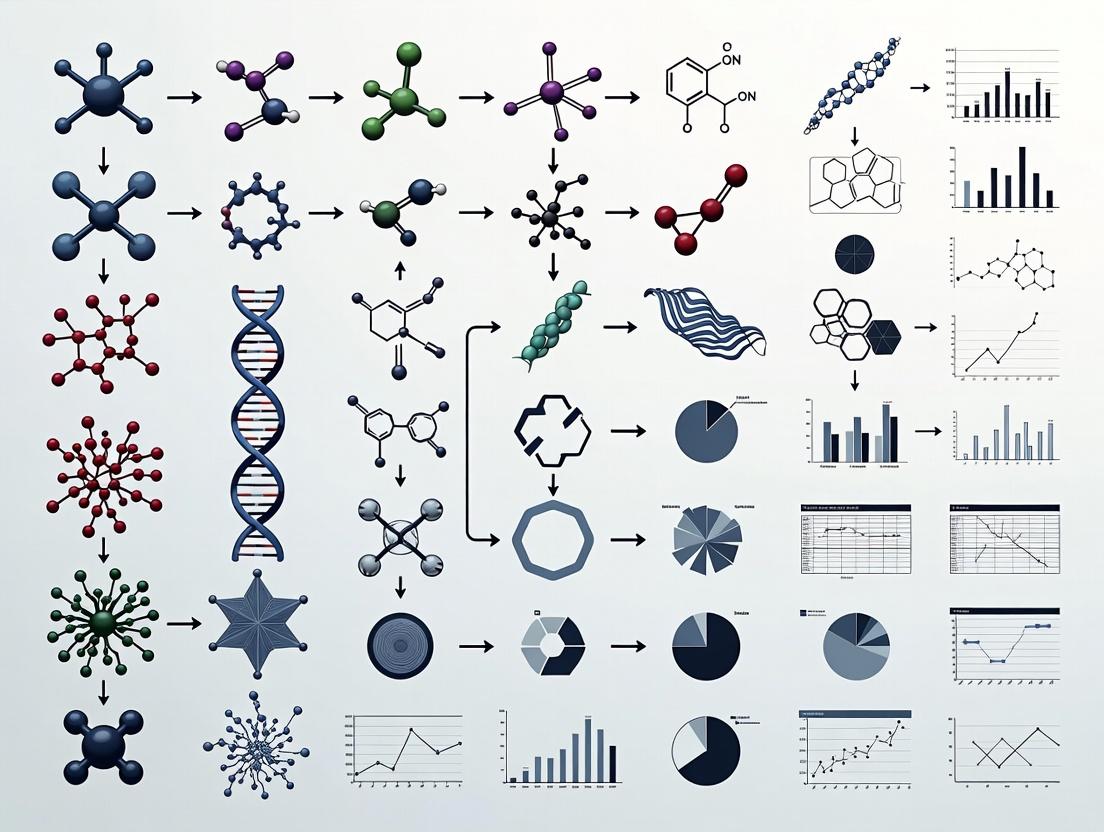
This article explores the paradigm shift from traditional, siloed risk assessment to a resilience-focused framework in biomedical research and drug development.
Beyond Risk Management: Building Resilience in Drug Development Through Ecological Principles
Abstract
This article explores the paradigm shift from traditional, siloed risk assessment to a resilience-focused framework in biomedical research and drug development. Drawing direct parallels from ecological science, it examines how principles like diversity, redundancy, and adaptive management can be applied to de-risk the R&D pipeline. We outline methodological approaches for assessing systemic vulnerabilities, present strategies for troubleshooting common failures in collaborative models, and review frameworks for validating a resilience-based approach. Aimed at researchers and drug development professionals, this synthesis provides a roadmap for building a more robust, efficient, and innovative biomedical ecosystem capable of withstanding shocks and accelerating the delivery of new therapies[citation:1][citation:2][citation:9].
From Ecosystems to Pipelines: Defining Resilience for Biomedical R&D
The Crisis of Eroom's Law and the Need for a New Model in Drug Discovery
Understanding the Crisis: Core Concepts and Quantitative Impact
Eroom's Law describes the counterintuitive trend where the cost of developing a new, FDA-approved drug increases steadily over time—roughly doubling every nine years—despite exponential advances in supporting technologies like computing power (Moore's Law) [1] [2]. This crisis threatens the economic sustainability of the pharmaceutical industry and the development of new therapies.
A primary driver of this inefficiency is the high rate of failure in preclinical and clinical stages. An analysis of projects from four major pharmaceutical companies revealed that only 14% of declared preclinical development candidates successfully passed the required animal toxicity testing [1]. Furthermore, problems related to a compound's absorption, distribution, metabolism, excretion, and toxicity (ADMET) account for over 50% of failures in Phase 1 clinical trials [1].
Table 1: The Cost of Attrition in Traditional Drug Discovery
| Development Stage | Key Failure Cause | Approximate Attrition Rate | Financial Impact |
|---|---|---|---|
| Preclinical Development | Poor ADMET/Toxicity Profile | ~86% of candidates fail [1] | ~$5,000 per synthesized compound [1] |
| Phase 1 Clinical Trials | ADMET & Safety Problems | >50% failure rate [1] | Contributes to an average total cost of ~$1B per approved drug [1] |
| Clinical Trial Enrollment | Patient Recruitment & Retention | 48% of trial sites under-enroll or fail [3] | Average trial cost: ~$35,000 per day [3] |
The Ecosystem Resilience Thesis: The traditional, linear drug discovery pipeline is a fragile system. It lacks the capacity to absorb the "shocks" of compound failure and adapt dynamically. Incorporating principles from Ecosystem Resilience Assessment—which evaluates a system's capacity to absorb disturbance, reorganize, and retain function—provides a new model for risk assessment [4] [5]. This shifts the focus from avoiding single points of failure to building a robust, adaptive, and learning-enabled discovery ecosystem.
Technical Support Center: Frameworks & Troubleshooting
This section applies the resilience framework to diagnose common failures and provides actionable protocols inspired by next-generation technologies.
Resilience-Informed Risk Assessment Framework
Ecosystem risk assessment moves beyond single pressure-response models to evaluate cumulative impacts on multiple system components [4]. Translated to drug discovery, this means assessing risk not just for a single compound's potency, but holistically across the entire project ecosystem: target biology, chemical design, translational models, and clinical planning.
Troubleshooting Guide: Common Experimental Failures & Resilience-Based Solutions
Issue 1: Preclinical Attrition Due to Toxicity or Poor ADMET Properties
- Symptoms: Promising in vitro potency fails to translate in animal models due to unforeseen toxicity, poor pharmacokinetics, or lack of efficacy.
- Root Cause (Ecosystem View): The model organism (e.g., mouse) is a non-resilient component in the translation ecosystem. Its limited capacity to predict human-specific biology creates a system vulnerability [6].
- Solution Protocol: Integrate Human-Relevant, Automated Biology
- Implement Automated 3D Cell Culture: Utilize platforms like the MO:BOT to standardize the production of human-derived organoids or spheroids [6]. This enhances reproducibility and provides more physiologically relevant toxicity and efficacy data.
- Adopt a Phenotypic Screening Strategy: Where appropriate, use high-content imaging in human disease-relevant cell models to identify compounds based on a desired phenotypic change, rather than solely on target binding [6] [7].
- Employ Physics-Based In Silico Prediction: Before synthesis, screen millions of virtual compounds using computational assays (e.g., Schrödinger's FEP+). Prioritize only those with a high predicted probability of success for synthesis, reducing physical experimentation on likely failures [1].
Issue 2: The "Slow-Motion" Design-Make-Test-Analyze (DMTA) Cycle
- Symptoms: Long wait times for compound synthesis and biological data create sequential, sluggish iterations. The system cannot adapt quickly to new information.
- Root Cause (Ecosystem View): The workflow lacks adaptive capacity. It is a linear, waterfall process instead of a dynamic, learning-enabled loop [3].
- Solution Protocol: Establish a Closed-Loop, Automated DMTA Ecosystem
- Integrate Generative AI with Automated Chemistry: Use AI platforms (e.g., Exscientia's Centaur Chemist) to generate novel compound designs satisfying a multi-parameter target profile [7].
- Link to Robotic Synthesis & Testing: Connect the AI design engine to an automated laboratory (e.g., "AutomationStudio") where robots synthesize and purify compounds, followed by automated high-throughput screening [6] [7].
- Automated Data Capture & Model Retraining: Ensure every experimental condition and result is captured as structured metadata. Use this data to automatically retrain and improve the AI models, closing the loop for the next design cycle [6].
Issue 3: Clinical Trial Delays and Low Patient Enrollment
- Symptoms: Trials take years to complete, with high costs and frequent protocol amendments. Patient dropout rates are significant.
- Root Cause (Ecosystem View): The trial design is rigid and lacks modularity, unable to adapt to real-world recruitment challenges or emerging data [3].
- Solution Protocol: Deploy Digitized and Adaptive Clinical Trials
- Utilize Decentralized Trial (DCT) Elements: Incorporate telehealth visits, wearable biomarkers, and direct-to-patient drug delivery to reduce patient burden and geographic barriers to enrollment [2] [8].
- Implement an Adaptive Trial Design: Pre-plan interim analysis points. Use real-time data capture and analysis to make prospectively defined adjustments, such as re-allocating patients to the most promising dose or halting recruitment for an ineffective arm [3].
- Leverage Real-World Evidence (RWE): Build regulatory-grade evidence packages that combine clinical trial data with RWE from electronic health records or registries to support more efficient trial designs and label expansions [8].
FAQ: Resilience and New Discovery Models
Q1: How does "ecosystem resilience" differ from traditional risk management in R&D? Traditional risk management seeks to identify and mitigate specific, known risks (e.g., a compound's hERG liability). Ecosystem resilience focuses on the overall system's capacity to withstand unexpected shocks, adapt, and continue functioning. It emphasizes building in redundancy (e.g., pursuing multiple backup chemical series), modularity (e.g., using interchangeable assay formats), and continuous learning (e.g., integrated data-AI loops) to create a more robust R&D process [4] [5].
Q2: Are AI-designed drugs more successful, or just faster to fail? As of late 2025, while no AI-discovered drug has received full market approval, multiple candidates have reached Phase II and III trials in record time (e.g., 18 months from target to Phase I for an Insilico Medicine candidate) [7]. The evidence suggests AI is dramatically increasing the speed and reducing the cost of the discovery phase. The critical test of improved success rates will be determined by late-stage clinical outcomes. The primary value now is the exploration of a vastly larger chemical and biological space with higher efficiency [1] [7].
Q3: What is "permissionless R&D," and how could it apply to pharma? Permissionless innovation allows broad participation without prior central approval, fueling rapid progress in tech and software [2]. A direct application in pharma is challenging due to safety risks. However, hybrid models are emerging: opening access to "abandoned" compound libraries for external researchers to repurpose, using open APIs for collaborative tool development, and adopting open-source standards for data sharing in pre-competitive spaces. These approaches can tap into a wider ecosystem of ideas and accelerate discovery for difficult targets [2].
Q4: How are regulators responding to these new, data-intensive models? Regulatory agencies are modernizing but cautiously. Key trends include:
- AI Validation: The FDA has issued draft guidance on a risk-based credibility framework for AI/ML models used in regulatory decisions [8].
- Acceptance of New Evidence: Regulators are developing frameworks to integrate Real-World Evidence (RWE) and data from novel in vitro models (like complex organoids) into submissions [6] [8].
- Trial Modernization: Guidelines support the use of decentralized trial elements and adaptive designs, emphasizing the need for pre-specified plans and robust data integrity [8] [3]. Early and proactive engagement with regulators on these innovative approaches is strongly recommended [8].
The Scientist's Toolkit: Essential Research Reagent Solutions
Table 2: Key Reagents & Platforms for a Resilient Discovery Ecosystem
| Tool Category | Example Product/Platform | Primary Function in Enhancing Resilience |
|---|---|---|
| Automated Human-Relevant Models | mo:re MO:BOT Platform [6] | Automates 3D cell culture (organoids) to provide standardized, human-relevant efficacy/toxicity data, reducing reliance on less predictive animal models. |
| Integrated Protein Production | Nuclera eProtein Discovery System [6] | Automates protein expression & purification from DNA to active protein in <48 hours, removing a key bottleneck for structural biology and assay development. |
| Ergonomic Liquid Handling | Eppendorf Research 3 neo Pipette [6] | Reduces operator strain and variability in manual steps, improving data consistency and freeing scientist time for analysis. |
| Walk-Up Automation | Tecan Veya Liquid Handler [6] | Provides easy-access, benchtop automation for common protocols (e.g., PCR setup, plate reformatting), making automation accessible without major workflow overhaul. |
| Data Unification & AI | Cenevo (Labguru/Mosaic) Platform [6] | Connects data from instruments, samples, and experiments into a unified digital R&D platform, providing the structured data foundation required for effective AI/ML. |
| Physics-Based Simulation | Schrödinger's FEP+ & Desmond [1] [7] | Provides high-accuracy computational assays for binding affinity and other properties, enabling the virtual screening of millions of compounds at minimal cost. |
Experimental Protocol: Implementing an Integrated AI-Driven Workflow
Protocol Title: Integrated In Silico Design, Automated Synthesis, and Phenotypic Validation for Lead Optimization.
Objective: To rapidly and iteratively optimize a lead compound series for potency and selectivity using a closed-loop, AI-driven ecosystem.
Resilience Rationale: This protocol replaces fragile, sequential steps with a parallel, adaptive, and learning-enabled system. It builds in redundancy (multiple simultaneous compound designs) and rapid learning (automated data feedback), increasing the ecosystem's capacity to recover from individual compound failures.
Workflow Diagram:
Step-by-Step Methodology:
Initiation & Data Preparation:
- Input the 3D structure of the protein target (experimental or high-quality homology model) into the integrated platform.
- Define the Target Product Profile (TPP), specifying desired ranges for potency (IC50/ Ki), selectivity against related targets, and key predicted ADMET properties.
- Load all available historical data on the chemical series (synthesis, assay results) into the unified data lake.
Generative In Silico Design Cycle:
- Use a generative AI engine (e.g., a conditioned graph neural network) to propose novel molecular structures that are synthetically accessible and fit the TPP.
- Simultaneously, run physics-based free energy perturbation (FEP) calculations on the top proposed compounds to produce a high-accuracy rank-ordered prediction of binding affinity [1].
- Apply further in silico filters for solubility, metabolic stability, and other ADMET endpoints.
- Output a final, ranked list of 10-100 compounds for synthesis.
Automated Make & Test Phase:
- Transfer the chemical synthesis instructions for the selected compounds to a robotic synthesis platform (e.g., automated flow chemistry modules).
- Upon synthesis and purification, the compound management system (e.g., Titian Mosaic) automatically plates the compounds for testing [6].
- Run the compounds through a battery of automated assays: a primary biochemical potency assay, a counter-screen for selectivity, and a high-content phenotypic assay in a disease-relevant human cell model (e.g., an imaging-based readout in patient-derived organoids) [6] [7].
Analysis, Learning, & Iteration:
- All experimental results, including full metadata on conditions, are automatically captured and linked to the compound structures in the data platform [6].
- The AI/ML models are automatically retrained on the new experimental data, updating their understanding of the structure-activity and structure-property relationships for this target.
- The updated model immediately informs the next generative design cycle, prioritizing regions of chemical space likely to yield improved compounds. This loop can iterate in a matter of weeks.
Table 3: Comparative Analysis: Traditional vs. Resilience-Informed AI/Workflow
| Metric | Traditional Workflow | Integrated AI-Driven Workflow | Resilience Gain |
|---|---|---|---|
| Design Cycle Time | 6-12 months | 4-8 weeks [7] | Adaptive Capacity: System learns and adapts orders of magnitude faster. |
| Compounds Synthesized per Cycle | 10s-100s | 10s (highly targeted) [1] | Efficiency: Drastically reduces physical resource use on poor candidates. |
| Chemical Space Explored | Limited by synthesis capacity | Vast virtual space (millions screened in silico) [1] | Diversity & Redundancy: Explores broader solution space, identifying backup series. |
| Primary Risk | Late-stage failure due to unpredicted toxicity | Earlier de-risking via human-relevant models & predictive ADMET [6] | Robustness: Distributes risk across earlier, cheaper, more informative experiments. |
Core Definitions and Foundational Principles
Q1: What is the core definition of ecological resilience? Ecological resilience is the capacity of a system of interacting organisms and physical processes to withstand disturbances, adapt, and recover while retaining its core identity, structure, and essential functions [9]. It is not about avoiding change but about a system's ability to absorb a disturbance and reorganize [10]. This contrasts with "engineering resilience," which focuses on returning to a single, pre-defined stable state. Ecological resilience acknowledges that systems can exist in multiple stable states and can transition between them when critical thresholds are crossed [11] [12].
Q2: What are the key principles that underpin ecological resilience? Research identifies seven interconnected principles for building and maintaining resilience [9]:
- Maintain Diversity and Redundancy: High biodiversity ensures functional redundancy, where multiple species can perform similar roles, acting as an ecological insurance policy.
- Manage Connectivity: Well-connected landscapes allow for the movement of organisms and genes, enabling recolonization and adaptation.
- Manage Slow Variables and Feedbacks: Key slow-changing factors (e.g., soil organic matter) and their feedback loops fundamentally control long-term system dynamics.
- Foster Learning and Experimentation: Adaptive management, which treats interventions as experiments, is crucial for navigating complex, unpredictable systems.
- Broaden Participation: Incorporating diverse stakeholders, knowledge systems, and values leads to more robust and equitable management.
- Promote Polycentric Governance: Distributed, multi-scale governance networks are more flexible and responsive than top-down systems.
- Identify and Support External Triggers: Strategic interventions (e.g., species reintroduction) can catalyze a shift from a degraded state to a more resilient one.
Q3: How is ecological resilience measured and quantified? Scientists use a suite of complementary metrics to create a multidimensional dashboard of resilience [9]:
Table 1: Key Metrics for Measuring Ecological Resilience
| Metric | Description | What It Indicates | Typical Tools/Methods |
|---|---|---|---|
| Return Time/Recovery Lag | Time for key variables (e.g., biomass) to return to pre-disturbance levels. | Speed of "bouncing back." Faster return indicates higher resilience. | Field plot monitoring, satellite indices (e.g., NDVI). |
| Rising Variance & Autocorrelation | Increased fluctuations and memory in system data prior to a tipping point. | Early warning signal of "critical slowing down" and decreased resilience. | Statistical analysis of long-term time-series data. |
| Food-Web/Network Robustness | Analysis of the structure and dynamics of ecological interaction networks. | System's vulnerability to species loss or perturbation. | Network modeling and simulation of node/link removal. |
| Functional Trait Diversity | Variety of ecological roles and strategies (e.g., root depth, dispersal method) in a community. | Capacity to maintain functions despite species turnover. Higher diversity = higher resilience. | Field surveys and trait database analysis. |
The Biomedical Analogy: From Ecosystems to Healthcare Teams
Q4: What is the core analogy between ecological and biomedical system resilience? The analogy posits that healthcare teams can learn from the resilience principles of social insect colonies (e.g., ants, bees). Both are complex adaptive systems that must maintain core functions (patient care/colony survival) under unpredictable, disruptive pressures [11]. This shifts the focus from the rigid, protocol-driven "aviation analogy" common in healthcare safety culture toward a model that embraces adaptability and multiple stable states—core tenets of ecological resilience [11].
Q5: What specific resilience principles translate from sociobiology to healthcare? Three key principles underpin this analogy [11]:
- Communication: Multi-modal communication (verbal, non-verbal, trace signals like instruments left out) is critical, akin to pheromone trails in ants.
- Decentralization: Distributed leadership and decision-making allow for rapid, local responses without central command bottlenecks.
- Plasticity: The ability of individuals to flexibly swap tasks or roles in response to crisis, moving beyond rigid scopes of practice.
Table 2: Analogy Between Ecological/Biomedical Resilience Concepts
| Ecological Resilience Concept | Biomedical System Analog | Application for Researchers |
|---|---|---|
| Diversity & Redundancy | Cross-training of team members; having multiple specialists for key roles. | Building collaborative, interdisciplinary teams where skills overlap. |
| Connectivity | Effective information sharing and patient handoff protocols across units. | Ensuring open communication channels between lab groups, cores, and departments. |
| Plasticity (Role/Task Switching) | A nurse assisting with a task outside their strict remit during an emergency. | Encouraging flexible problem-solving and peer support when experiments fail. |
| Adaptive Cycles (Growth, Release, Reorganization) | The cycle of normal operations, crisis response, debriefing, and protocol improvement. | Viewing project setbacks not as pure failures, but as necessary phases for learning and system reorganization. |
Technical Support Center: Troubleshooting Guides & FAQs
This section applies resilience thinking to common research problems, framing them as "disturbances" to the experimental system.
Q6: My experimental model (e.g., cell line, animal model) is yielding highly variable results. How do I diagnose and restore stability? Issue: High variance is a potential early warning signal of system instability [9]. Troubleshooting Protocol:
- Check for Contamination: This is the most common "mundane" disturbance [13]. Re-authenticate cell lines, test for mycoplasma, or check animal health status.
- Audit Slow Variables: Review slowly changing conditions that underpin your system's stability [9] [10]. This includes:
- Cell Culture: Passage number, consistency of media/serum batches, incubator conditions (CO₂, humidity).
- Animal Models: Diet lot, bedding, circadian light cycle consistency, microbiome status.
- Increase Redundancy in Controls: Implement more rigorous positive and negative controls. Run a "gold standard" assay in parallel to confirm your system's baseline function [14].
- Document Everything: Meticulous logging of all variables (reagent lot numbers, ambient temperature, technician) is essential for identifying correlation patterns [14].
Q7: My complex assay or multi-step protocol has failed. How do I systematically identify the point of failure? Issue: A breakdown in the "functional connectivity" of your experimental workflow. Troubleshooting Protocol [13] [14]:
- Repeat the Experiment: Rule out simple human error, the most frequent disturbance.
- Isolate System Modules: Break the protocol into discrete, functional modules (e.g., sample preparation, amplification, detection). Test each module's output independently with known control samples.
- Change One Variable at a Time: From your list of potential failure points (e.g., reagent concentration, incubation time, equipment settings), alter only the most likely candidate and re-run a critical module [14].
- Consult the "Collective Intelligence": Leverage the "broaden participation" principle [9]. Discuss with colleagues; online forums are modern-day "trace signals" where shared experiences (e.g., noted antibody batch issues) provide rapid intelligence.
Q8: My research is stuck in a persistent, unproductive state (e.g., a hypothesis that cannot be proven or disproven). How can I force a productive shift? Issue: The project is in a "conservation phase" locked in rigidity, requiring a "release" to enable "reorganization" [10]. Troubleshooting Protocol:
- Introduce a Deliberate External Trigger: Apply the principle of strategic disturbance [9]. Examples:
- Employ a radically different technique (e.g., switch from imaging to omics analysis).
- Collaborate with a researcher from an unrelated field to gain a new perspective.
- Test your system under an extreme (but justified) condition to reveal hidden dynamics.
- Foster Experimentation: Dedicate a small portion of resources to high-risk, high-reward "side experiments" without the pressure of a predetermined outcome [9].
- Practice Decentralized Problem-Solving: Have different team members lead brainstorming sessions with the mandate to challenge core assumptions, distributing the leadership of innovation [11].
Detailed Experimental Protocols for Resilience Assessment
Protocol 1: Quantifying Return Time in a Laboratory Microcosm Objective: Measure the recovery rate of a simple microbial or cell culture community after a controlled disturbance (e.g., antibiotic pulse, temperature spike). Methodology:
- Establish a replicate set of microcosms under stable conditions. Monitor a key variable (e.g., optical density, ATP levels, specific metabolite) until a steady state is reached.
- Apply a standardized, acute disturbance to all treatment replicates. Maintain undisturbed controls.
- Immediately after disturbance, begin high-frequency monitoring of the key variable.
- Data Analysis: Calculate the time point at which the treatment time-series data statistically reconverges with the control time-series. This is the return time. Shorter times indicate greater resilience of the community to that specific disturbance.
Protocol 2: Detecting Early Warning Signals (Rising Autocorrelation) in Time-Series Data Objective: Use statistical indicators to warn of decreasing resilience and an approaching critical transition in a biological system. Methodology [9]:
- Acquire a high-resolution, long-term time-series of a key system variable (e.g., population size, gene expression level, metabolic output).
- Using a rolling window approach, calculate the lag-1 autocorrelation within each window.
- Data Analysis: Plot autocorrelation over time. A statistically significant rising trend in autocorrelation suggests the system is "slowing down" and losing its ability to recover from small perturbations, signaling declining resilience and proximity to a tipping point. This method can be applied to data from Protocol 1 to predict recovery dynamics.
The Scientist's Toolkit: Essential Research Reagents & Solutions
Table 3: Key Research Reagent Solutions for Resilience Experiments
| Item/Tool | Function in Resilience Research | Application Example |
|---|---|---|
| NDVI & Other Satellite Indices | Leading indicators of primary productivity and ecosystem recovery at large scales [9]. | Measuring greening recovery in a field site post-wildfire or drought. |
| Functional Trait Databases | Quantifying functional diversity and redundancy within a community [9]. | Assessing if a degraded plant community has lost key drought-resistant root traits. |
| Ecological Network Modeling Software | Simulating food-web robustness and cascading failure [9]. | Modeling the impact of a keystone species loss on overall ecosystem stability. |
| High-Throughput Sequencers | Assessing genetic and microbial diversity, key components of biodiversity. | Tracking microbiome composition shifts as an early warning of host system stress. |
| Controlled Environment Chambers | Applying precise, repeatable disturbances (temp, humidity, CO₂) to experimental mesocosms. | Running Protocol 1 (Return Time) on plant or insect communities. |
| Long-Term Environmental Sensor Arrays | Collecting the continuous time-series data required for early warning signal analysis [9]. | Deploying sensors in a lake to monitor variables for signs of eutrophication. |
Visualizations: Conceptual Pathways and Workflows
Diagram 1: Framework linking resilience principles to measurable outcomes.
Diagram 2: Conceptual analogy between biomedical and ecological resilience systems.
Technical Support Center: Troubleshooting Ecosystem Resilience in Risk Assessment Research
This technical support center provides researchers, scientists, and drug development professionals with a framework for integrating ecosystem resilience concepts into risk assessment. Inspired by the maritime insurance principle of spreading risk to enable exploration, this guide offers practical solutions for common experimental and methodological challenges.
Frequently Asked Questions (FAQs) & Troubleshooting
Q1: My ecological risk assessment feels disconnected from real-world societal benefits. How can I make it more relevant? A: Implement an Ecosystem Services (ES) framework. This approach directly links ecological changes to human well-being, enhancing the societal relevance of your assessment [15]. Structure your assessment using established ES classifications (e.g., MEA categories: Provisioning, Regulating, Cultural, Supporting) [15]. First, define the key ES in your study system (e.g., coastal protection, water purification). Then, identify the Service-Providing Units (SPUs)—the species, habitats, and processes that deliver these services. Quantify how your stressor of interest (e.g., a chemical, land-use change) impacts these SPUs and, consequently, the flow of benefits to people. This creates a transparent chain of evidence from data to decision-making [15].
Q2: I need to design an early-warning system for ecosystem collapse. What key indicators should I monitor? A: Focus on the three fundamental components of ecosystem resilience: biological diversity, functional redundancy, and connectivity [16]. Your monitoring protocol should track:
- Structural Indicators: Species diversity across trophic levels, population age structures, and habitat complexity (e.g., coral cover, seagrass density) [16].
- Functional Indicators: Rates of key processes (e.g., recruitment, nutrient cycling) and recovery rates following minor disturbances.
- Connectivity Indicators: Measures of gene flow, larval dispersal, or organism movement between habitat patches. A decline in these indicators, especially a loss of functional redundancy where one species can no longer compensate for the loss of another, is a critical warning sign [16].
Q3: My funding model requires proving "value for money" for conservation or restoration work. How can I quantitatively justify the investment? A: Adopt a natural infrastructure insurance model. Frame the ecosystem as a protective asset and calculate its avoided costs. For example:
- Quantify the Service: Model the economic value of the service provided. A healthy coral reef can reduce up to 97% of a wave's energy, preventing storm damage [17]. Wetlands saved an estimated $625 million in flood damages during Hurricane Sandy [17].
- Assess the Risk: Evaluate the hazard frequency (e.g., storm return intervals) and the vulnerability of the ecosystem (e.g., coral bleaching risk).
- Design a "Parametric Insurance" Experiment: Set a measurable trigger (e.g., wind speed >70 knots) [18]. If triggered, funds are automatically released for rapid response, like deploying "Reef Brigades" to stabilize corals [17]. This demonstrates cost-effectiveness by linking investment directly to risk mitigation and rapid recovery.
Q4: How can I operationally integrate "resilience" into a spatial conservation plan? A: Use a dual-core Ecological Importance-Risk Zoning framework [19].
- Map Ecological Importance: Assess and grid-map the spatial distribution of key ecosystem services (e.g., carbon storage, water provision, habitat quality).
- Map Ecological Risk: Assess and grid-map the spatial distribution of stressors (e.g., pollution, fragmentation, climate exposure).
- Overlay and Zone: Cross-classify the grids to create targeted management zones [19]:
- High Importance, Low Risk: Priority Protection Zones. Shield these critical, intact areas.
- High Importance, High Risk: Priority Restoration Zones. Invest in interventions to reduce risk and maintain service provision.
- Low Importance, High Risk: Mitigation Zones. Focus on containing risk and preventing spread.
- Low Importance, Low Risk: Observation Zones. Monitor for changes.
Q5: My controlled experimental results don't scale up to the landscape level. What am I missing? A: You are likely missing cross-scale interactions and connectivity. An ecosystem is not simply the sum of its parts. To bridge this gap:
- Incorporate Metapopulation/Metacommunity Dynamics: Design experiments that consider source-sink dynamics and dispersal between habitat patches.
- Use Hierarchical Modeling: Build models that explicitly link process data from your microcosms or mesocosms to landscape-scale patterns using remote sensing data or broad-scale surveys [20].
- Validate with Case Studies: Ground-truth your predictions in real-world managed landscapes, such as Marine Protected Areas (MPAs) of different protection levels, to understand how governance interacts with ecology [21].
Table 1: Comparative Analysis of Parametric Insurance Models for Ecosystem Resilience
| Insurance Model / Project | Protected Asset | Trigger Parameter | Payout Mechanism | Documented Outcome / Intervention |
|---|---|---|---|---|
| Hawai'i Coral Reef Insurance [17] | Coral reefs across main Hawaiian Islands | Hurricane wind speed & intensity | Minimum $200,000 for post-storm reef restoration | Funds rapid damage assessment and repair to maintain coastal protection services. |
| Mesoamerican Reef (MAR) Programme [18] | 11 reef sites across Mexico, Belize, Guatemala, Honduras | Wind speed (e.g., 70 knots for Hurricane Lisa) | Payout within two weeks to regional fund | Triggered in 2022; funds deployed within 15 days to assess damage and stabilize ~200 coral fragments. |
| Quintana Roo, Mexico Reef Insurance [17] | Coral reefs and beaches | Hurricane parameters (e.g., Delta, 2020) | ~$850,000 payout to Coastal Zone Management Trust | "Reef Brigades" collected and replanted >8,000 coral fragments within 11 days post-storm. |
Table 2: Experimental Validation of Resilience Interventions in Marine Ecosystems
| Intervention Strategy | Location / Study | Key Measured Outcome | Reported Increase / Improvement | Core Resilience Principle Demonstrated |
|---|---|---|---|---|
| Network of Priority Reef Protection | Great Barrier Reef Resilience Project [16] | Coral cover within protected zones | 23% increase in coral cover | Protecting Critical Sources (genetic repositories, larval sources) |
| Marine Protected Area (MPA) Establishment | Port-Cros National Park, France [16] | Fish population biomass | 30% increase in fish populations | Reducing Anthropogenic Stress (fishing pressure) |
| Ecological Importance-Risk Zoning [19] | Shiyang River Basin (Theoretical) | Ecosystem service importance score | Increase from 12.66 to 15.50 (over study period) | Spatial Targeting of protection and restoration |
Table 3: Quantified Ecosystem Service Values for Risk-Benefit Analysis
| Ecosystem Service | Ecosystem Type | Quantified Benefit | Method of Valuation / Context | Source |
|---|---|---|---|---|
| Coastal Flood Protection | Coral Reefs | Reduces up to 97% of wave energy | Biophysical model; storm surge reduction | [17] |
| Coastal Flood Protection | Coastal Wetlands | $625 million in avoided damages | Economic valuation; Hurricane Sandy, 12 US states | [17] |
| Annual Environmental Services | Mesoamerican Reef (MAR) | >US $4.5 billion annually | Economic valuation of multiple services | [18] |
| Carbon Storage | Blue Carbon Systems (e.g., mangroves) | Significant carbon sequestration | Topic modeling shows rising research priority | [22] |
Detailed Experimental Protocols
Protocol 1: Post-Disturbance Rapid Response and Restoration Assessment (Inspired by Reef Insurance Payouts) Objective: To quantitatively assess the efficacy of immediate intervention in stabilizing an ecosystem after a physical disturbance (e.g., storm, fire). Methodology:
- Pre-Disturbance Baseline: Establish permanent transects or plots in vulnerable areas. Record baseline data: structural complexity, key species abundance and size classes, and substrate composition.
- Trigger & Response: Upon a pre-defined disturbance trigger (e.g., Category 1+ hurricane making landfall), activate response protocol within 72 hours [17].
- Damage Assessment: Survey baseline plots. Categorize damage: % substrate dislodged, count of fragmented colonies (e.g., corals, plants), size distribution of fragments.
- Stabilization Intervention: In randomly selected treatment plots, implement first-aid: reattach large, viable fragments using non-toxic adhesives or structures. Collect smaller fragments for nursery rearing. Leave control plots untreated [17] [18].
- Monitoring: Track survival rates of stabilized fragments, natural recruitment, and overall community recovery in treatment vs. control plots at 1, 6, 12, and 24 months.
Protocol 2: Grid-Based Ecological Importance and Risk Zoning for Spatial Planning Objective: To create a spatially explicit map to guide targeted protection and restoration investments [19]. Methodology:
- Define Study Area & Grid: Overlay a 1km x 1km grid on the study region [19].
- Calculate Ecological Importance (EI) per Grid Cell:
- Use InVEST models or equivalent to quantify key ecosystem service yields (e.g., carbon storage, sediment retention, habitat quality).
- Normalize scores and combine using a weighted sum (based on management priorities) to create a composite EI score for each cell.
- Calculate Ecological Risk (ER) per Grid Cell:
- Compose a risk index from hazard, exposure, and vulnerability. Use land-use change data, pollution maps, climate projections (e.g., drought, heat), and habitat fragmentation metrics.
- Normalize to create a composite ER score for each cell [19].
- Zoning: Classify each grid cell into a management zone based on its EI and ER quintiles (e.g., high/low). For example: High EI / Low ER = Core Protection Zone; High EI / High ER = Priority Restoration Zone [19].
- Calculate Resource Needs: For each zone, estimate the resources required for management (e.g., for restoration zones, calculate ecological water demand based on vegetation type and area) [19].
Diagrams of Key Frameworks and Workflows
Diagram 1: Parametric Insurance for Ecosystem Restoration Workflow
Diagram 2: Ecosystem Resilience Assessment Protocol
Diagram 3: Ecosystem Services Cascade for Risk Assessment
The Scientist's Toolkit: Research Reagent Solutions
Table 4: Essential Materials for Resilience & Risk Assessment Research
| Item / Reagent Solution | Primary Function in Research | Application Example / Notes |
|---|---|---|
| Environmental DNA (eDNA) Sampling Kits | Non-invasive biodiversity monitoring. Detects species presence via genetic material in water/soil. | Tracking rare or elusive species post-restoration; assessing community changes without destructive sampling [16]. |
| Coral / Fragment Adhesives (e.g., epoxy, cement) | Stabilizing and reattaching biological fragments after physical disturbance. | Critical reagent in post-storm "Reef Brigade" rapid response protocols to save viable coral colonies [17]. |
| Satellite & UAV Remote Sensing Data | Large-scale, wall-to-wall mapping of land cover, biomass, and change detection. | Used in projects like California's WERK to map tree mortality, fire severity, and management impacts over time [20]. |
| InVEST (Integrated Valuation) Software Suite | Models and maps the supply and value of ecosystem services under different scenarios. | Quantifying services like coastal protection or carbon storage for Ecological Importance mapping in zoning protocols [19]. |
| Stable Isotope Tracers (e.g., ¹³C, ¹⁵N) | Tracing energy flow and trophic interactions within food webs. | Assessing functional redundancy and how species roles shift following a disturbance or management intervention. |
| Hydrological Sensors & Data Loggers | Monitoring water quality (temp, pH, O₂, nutrients) and flow rates. | Essential for calculating ecological water requirements and assessing the impact of water allocation on ecosystem health [19]. |
The Seven Pillars of Ecological Resilience and Their Biomedical Correlates
Core Concepts and Troubleshooting
Frequently Asked Questions
Q1: What are the "Seven Pillars of Ecological Resilience" and why are they relevant to biomedical research? The seven pillars are conceptual frameworks derived from ecosystem stability that can inform the study of robustness in biological systems, from cellular pathways to whole organisms. These include: Engineering Resilience (speed of recovery), Ecological Resilience (magnitude of disturbance before system shift), Resistance, Adaptive Capacity, Cross-scale Resilience, Response Diversity, and Functional Redundancy [23]. In biomedicine, these pillars provide a lens to understand why some patients recover from illness (engineering resilience) while others progress to chronic disease (a regime shift in ecological terms), and how genetic diversity within a population (response diversity) buffers against pathogen spread [23] [24].
Q2: My experimental model shows high short-term recovery after a stressor, but long-term function is degraded. Which resilience concept explains this? This scenario highlights the critical distinction between Engineering Resilience (recovery speed) and Ecological Resilience (avoiding a fundamental regime shift) [23]. Your model may exhibit good engineering resilience but poor ecological resilience, indicating it has been pushed into a new, less functional stable state. Investigate biomarkers for alternative stable states and measure the breadth of the system's "basin of attraction" [23].
Q3: How can I quantify "Resilience" in a preclinical study? Quantification depends on the pillar. Engineering Resilience is measured as the time to return to a baseline state post-disturbance [23]. Ecological Resilience is harder to quantify but can be proxied by measuring the amount of stress required to induce a persistent, non-recoverable change in a key output (e.g., a 30% drop in net primary productivity in ecosystems) [25]. Cross-scale Resilience can be assessed by analyzing functional redundancy across different organizational scales (e.g., molecular, cellular, organ) [23].
Q4: What are common pitfalls when applying ecological resilience theory to drug development?
- Confusing Recovery for Health: Assuming rapid symptom resolution (engineering resilience) equates to complete systemic recovery, while the underlying system may remain fragile and prone to relapse [23].
- Ignoring Alternative Stable States: Not designing experiments to detect if a treatment pushes a disease system (e.g., tumor microenvironment, gut microbiome) into a new, potentially undesirable persistent state [23].
- Overlooking Cross-scale Interactions: Focusing on a single biological scale (e.g., a genetic marker) without understanding its redundancy or function across tissue, organ, and organismal scales [23] [24].
Troubleshooting Guide: Diagnosing Resilience Failures in Experimental Models
| Symptom | Potential Failed Pillar | Diagnostic Experiment | Biomedical Correlation Example |
|---|---|---|---|
| System recovers but to a lower functionality baseline. | Ecological Resilience (regime shift) | Apply a secondary, minor stressor; a fragile new state will show exaggerated response. Test if system can be returned to original state with a different intervention. | Heart tissue post-infarction showing restored contraction but reduced ejection fraction and heightened susceptibility to arrhythmia. |
| System fails unpredictably to similar stressors. | Response Diversity (lack of varied response strategies) | Characterize population heterogeneity (genetic, phenotypic) pre-stress. Correlate diversity metrics with outcome variance. | Varied patient immunological responses to the same chemotherapeutic agent. |
| System collapses after loss of a single component. | Functional Redundancy | Knock out or inhibit putative redundant components individually and in combination. Map the network of components performing key functions. | Antibiotic resistance mechanisms in bacterial populations; backup metabolic pathways in cancer cells. |
| Recovery time increases as stress amplitude increases. | Adaptive Capacity / Engineering Resilience | Titrate stress levels and precisely measure recovery kinetics. Model the "stress-recovery time" relationship. | Lengthening recovery of cognitive function following repeated concussive injuries. |
Experimental Protocols & Methodologies
Protocol 1: Quantifying Thresholds for Ecological Resilience Shifts
- Objective: To determine the stress level at which a biological system undergoes an irreversible shift to an alternative state.
- Background: Based on ecosystem studies where Net Primary Productivity (NPP) is measured against climatic stressors [25]. The core principle is identifying a non-linear tipping point.
- Methodology:
- Define System State Variable: Choose a key, quantifiable functional readout (e.g., organ function score, cytokine concentration, microbial diversity index).
- Apply Graded Stress: Systematically apply a stressor (e.g., toxin dose, inflammatory signal, metabolic challenge) across a wide range of intensities.
- Monitor Recovery: After each stress application, allow for a defined recovery period and measure the final state variable.
- Identify the Threshold: Plot final state against stress intensity. The threshold is the point where the system no longer recovers to its original baseline, instead stabilizing at a new, persistent value [23] [25].
- Probabilistic Modeling (Advanced): Use a copula-based probabilistic model to analyze the joint likelihood of extreme stress and drastic reduction in your state variable, as demonstrated for NPP and climate extremes [25].
Protocol 2: Assessing Cross-scale Resilience Using Dimensionality Reduction and Network Analysis
- Objective: To evaluate functional redundancy and diversity across multiple biological scales (e.g., molecular, cellular, tissue).
- Background: Adapted from the ecological cross-scale resilience model which assesses the distribution of functional traits within and across spatial scales [23].
- Methodology:
- Define Scales & Components: Define relevant biological scales for your system. Catalog key components (e.g., genes, cell types, signaling modules) at each scale and their assigned functions.
- Perturb and Measure: Apply a targeted perturbation (e.g., knock-down, inhibition). Measure functional output at the highest scale (e.g., organismal phenotype).
- Analyze Redundancy: For each critical function, identify the number of components within a scale that contribute to it (within-scale redundancy) and the number of components across different scales that can compensate for its loss (cross-scale redundancy) [23].
- Compute Resilience Metric: Systems with a broad distribution of functional support across multiple scales are considered more resilient [23]. This can be quantified using indices derived from network robustness analysis.
Protocol 3: Panel Threshold Regression for Analyzing Biodiversity-Resilience Dynamics
- Objective: To empirically identify nonlinear relationships and critical thresholds between a diversity metric (e.g., microbiome species richness, T-cell receptor diversity) and a resilience outcome.
- Background: This statistical method was used to identify critical biodiversity thresholds for ecological resilience in urban ecosystems [24].
- Methodology:
- Data Collection: Gather panel data (observations over time) for your diversity index (independent variable) and your resilience metric (e.g., recovery speed, stability metric) as the dependent variable.
- Model Specification: Employ a panel threshold regression model. This model tests whether the relationship between diversity and resilience changes significantly once diversity crosses an estimated threshold value (q*) [24].
- Threshold Estimation & Testing: Use a grid search to estimate the threshold value that maximizes the model's fit. Perform bootstrap simulations to test the statistical significance of the threshold effect [24].
- Interpretation: The results will provide an estimated threshold level of diversity. Below this threshold, the relationship with resilience may be weak or negative; above it, the positive effect of diversity on resilience is significantly stronger [24].
Data Synthesis
Table 1: Quantitative Thresholds in Resilience Studies Data synthesized from empirical research on ecological and nascent biomedical systems.
| Study System | Resilience Metric | Key Stressor/Driver | Identified Threshold | Method Used | Reference |
|---|---|---|---|---|---|
| Prefecture-level cities, Guangdong, China | Composite Ecological Resilience Index | Biodiversity (species occurrence data) | ~99.73 (2015), ~232.01 (2020) | Panel Threshold Regression Model | [24] |
| Terrestrial Ecosystems, India | Net Primary Productivity (NPP) | Soil Moisture Content | NPP ≤ 30th percentile under soil moisture ≤ 20th percentile defines "high risk" | Copula-based Probabilistic Model | [25] |
| Hospital Resilience Planning | Presence of a formal Climate Resilience Plan | Policy & Operational Focus | 61% of leading hospitals had a plan in 2024 (up from 38% in 2023) | Survey & Benchmarking Analysis | [26] |
Visualizations
Diagram 1: Conceptual Framework Linking Ecological Pillars to Biomedical Concepts
Diagram 2: Generalized Experimental Workflow for Assessing System Resilience
Diagram 3: Signaling Pathway Analogies for Resilience Concepts
The Scientist's Toolkit
Table 2: Essential Research Reagent Solutions & Resources
| Item / Resource | Function / Purpose | Example in Resilience Research | Key Considerations |
|---|---|---|---|
| Copula-based Probabilistic Models [25] | To model the joint probability distribution of a system state (e.g., organ function) and multiple stressors, estimating the risk of state collapse under extreme conditions. | Assessing the likelihood of a >30% drop in Net Primary Productivity (NPP) given extreme low soil moisture [25]. | Allows analysis of non-linear, non-Gaussian dependencies between variables. Requires expertise in statistical computing (R, Python). |
| Panel Threshold Regression Models [24] | To empirically detect critical thresholds in a driving variable (e.g., biodiversity) beyond which its relationship with an outcome (e.g., resilience) changes significantly. | Identifying the specific biodiversity level (~232 species occurrences) that triggers a significant positive effect on urban ecological resilience [24]. | Effective for analyzing longitudinal data. The estimated threshold is data-sensitive and must be validated. |
| Interpretable Machine Learning (XGBoost + SHAP) [24] | To identify the dominant drivers of a complex outcome (like a resilience index) and quantify their non-linear, interactive contributions. | Identifying forest coverage ratio as the dominant driver of ecological resilience, over biodiversity or economic factors [24]. | Moves beyond correlation to reveal feature importance and interactions. Requires careful feature engineering and validation. |
| Global Biodiversity Information Facility (GBIF) Data [24] | Provides open-access species occurrence data to quantify biodiversity, a key driver of ecological resilience. | Used as a primary metric for biodiversity in urban resilience studies [24]. | Contains observational biases; requires data cleaning and spatial standardization. |
| Cross-scale Resilience Analysis Framework [23] | A conceptual and analytical model to quantify functional redundancy and diversity within and across organizational scales. | Assessing how backup mechanisms for a critical cellular function exist at genetic, protein, and pathway levels. | Requires clear definition of system scales, components, and their assigned functions. Qualitative initially, can be quantified via network analysis. |
| Net Primary Productivity (NPP) Models / Proxies [25] | A key ecosystem state variable representing productivity and energy flow. In biomedicine, parallels include metabolic flux or ATP production rates. | Serving as the primary indicator of ecosystem state in risk and resilience assessments under climate stress [25]. | In biomedicine, choose a state variable fundamental to the system's core function (e.g., ejection fraction for heart, albumin for liver). |
| Qualitative & Semi-Quantitative Risk Assessment Matrices (e.g., from NOAA IEA) [4] | Structured frameworks to categorize and prioritize risks to system components based on exposure, sensitivity, and resilience. | Prioritizing which organ systems or patient populations are at highest risk from a specific therapeutic stressor. | Useful when quantitative data is scarce. Facilitates systematic, transparent discussion of risk hypotheses. |
Identifying 'Tipping Points' and 'Alternative Stable States' in Drug Development Projects
Troubleshooting Guides & FAQs
This technical support center provides guidance for researchers integrating concepts of ecosystem resilience—such as tipping points and alternative stable states—into pharmaceutical risk assessment. These phenomena describe sudden, difficult-to-reverse shifts in a system's behavior and are critical for understanding drug efficacy, toxicity, and development pipeline dynamics [27] [28].
Troubleshooting Guide 1: Detecting Molecular & Cellular Tipping Points
| Symptom | Potential Cause | Diagnostic Check | Corrective Action |
|---|---|---|---|
| No clear signal before a critical cellular transition (e.g., apoptosis, differentiation). | Assays measure only average population values, missing network-level early warnings. | Calculate pairwise correlations and standard deviations for a candidate gene/protein module over a time series. Look for the DNB signature [29]. | Shift from static biomarker analysis to Dynamic Network Biomarker (DNB) methods. Utilize time-series omics data [29]. |
| Inconsistent prediction of a tipping point across experimental replicates. | High sample-to-sample variability obscures the critical transition signal. | Apply single-sample DNB methods (e.g., single-sample hidden Markov model) [29]. | Use a stable reference group (N individuals) to build a network and map a new sample (N+1) to create an individual-specific differential network [29]. |
| Difficulty identifying the key driver module of an impending shift. | The tipping point is governed by distributed network properties, not a single molecule. | Screen for a module that simultaneously shows: 1) Rising internal correlations, 2) Declining external correlations, 3) Increasing member variance [29]. | Use computational tools like the landscape DNB (l-DNB) method to evaluate local criticality gene-by-gene and compile a global score [29]. |
Troubleshooting Guide 2: Managing Alternative Stable States in Drug Response
| Symptom | Potential Cause | Diagnostic Check | Corrective Action |
|---|---|---|---|
| Bimodal response in a cell population to a drug (some live, some die) at the same dose. | The system exhibits bistability. The drug pushes cells past a tipping point into one of two alternative stable states (viable or dead) [30]. | Model the dose-response. A bistable system is indicated by a sigmoidal (S-shaped) curve with hysteresis; the path for increasing dose differs from the path for decreasing dose [27] [28]. | Do not assume a simple monotonic response. Use nonlinear dynamical models that can capture bistability (e.g., models with positive feedback loops) [30]. |
| Irreversible toxicity persists after drug withdrawal. | The biological system (e.g., an organ's metabolic state) has been tipped into a new, stable diseased state with its own reinforcing feedbacks [27]. | Assess for hysteresis. If reversing the stimulus (drug removal) does not revert the system to its original state, an alternative stable state with hysteresis is likely [27] [28]. | Focus research on identifying and disrupting the reinforcing feedback loops that maintain the new, toxic stable state, rather than just the initial drug target. |
| Unexpected, abrupt loss of drug efficacy during treatment. | The disease network (e.g., tumor signaling) has crossed a tipping point into a resistant regime, driven by feedbacks like drug-induced selection pressure [31]. | Analyze longitudinal molecular data for critical slowing down indicators (e.g., slower recovery from perturbations, increased variance/autocorrelation) before the collapse of efficacy [29]. | Employ DNB-based early warning signals to detect the pre-resistant critical state, enabling proactive intervention or combination therapy before the irreversible shift [29]. |
Frequently Asked Questions (FAQs)
Q: What is the practical difference between a "tipping point," a "critical transition," and a "regime shift"?
- A: These terms are often used interchangeably, but key distinctions exist. A tipping point is the specific threshold at which a small change triggers a large, often abrupt, system response [27]. A critical transition describes the abrupt shift that occurs when that threshold is crossed [27]. A regime shift refers to the persistent change from one stable system state (a "regime") to another [27] [28]. In drug development, identifying the tipping point (e.g., a critical drug concentration) is key to preventing an undesirable regime shift (e.g., into systemic toxicity) [32].
Q: Can we predict tipping points in the complex, high-dimensional systems of biology?
- A: Yes, but it requires a shift from static to dynamic, network-based analysis. Traditional case-control biomarkers often fail because the pre-tip state can phenotypically resemble the normal state [29]. Methods like Dynamic Network Biomarkers (DNBs) are designed to detect the drastic changes in relationships (correlations, variances) within a molecular network that precede the tipping point, serving as early warning signals [29]. The core principle is that the system's dynamics become unstable near the critical point, which is reflected in its network properties [29] [31].
Q: How does the concept of "hysteresis" apply to drug safety?
- A: Hysteresis is a hallmark of alternative stable states and a key source of irreversibility [27]. It means the state of the system depends on its history. In toxicology, a drug might induce a pathological stable state (e.g., organ fibrosis) at a certain concentration. However, simply reducing the drug concentration below the initial toxic threshold may not reverse the damage—the system is "stuck" in the new state. Reversing the damage may require a much stronger intervention, like a different drug to break the reinforcing loops maintaining the fibrosis [28]. This has major implications for dose adjustment and withdrawal protocols.
Q: How can ecosystem "resilience" be measured in a drug development context?
- A: Resilience is the ability of a system to withstand perturbation without tipping into an alternative state [28]. In a cellular context, it can be measured as the magnitude of disturbance (e.g., dose of a stressor, strength of a gene knockdown) required to push the system from one stable attractor to another [30] [28]. Graphically, on a bifurcation diagram (S-curve), the distance between a stable state and the unstable threshold (separatrix) defines its resilience [28]. The smaller this "basin of attraction," the lower the resilience and the more vulnerable the system is to a sudden shift. Quantifying this for key cellular phenotypes can stratify patient risk for adverse drug reactions.
Experimental Protocols
Protocol 1: Identifying a Tipping Point Using Dynamic Network Biomarkers (DNBs) [29]
Objective: To identify the critical transition (tipping point) during a disease progression or treatment response time series using transcriptomic data.
Materials: Time-series bulk or single-cell RNA-seq data from multiple biological samples across distinct stages (e.g., normal -> pre-disease -> disease).
Method:
- Data Preprocessing: Normalize and quality-control the expression matrix. Define sliding windows across the time series.
- Candidate Module Selection: Use prior knowledge or correlation-based clustering to identify a group of genes (a module) suspected to be involved in the transition.
- Calculate DNB Indicators: For each time window, calculate three key statistics for the candidate module:
- Internal Correlation (
PCC_in): The average pairwise Pearson correlation coefficient among genes within the module. - External Correlation (
PCC_out): The average correlation between genes inside the module and key genes outside it. - Standard Deviation (
SD_in): The average expression standard deviation of the genes within the module.
- Internal Correlation (
- Tipping Point Identification: Plot
PCC_in,PCC_out, andSD_inacross the time series. The tipping point is identified as the time window immediately before a coordinated, drastic change where:PCC_insharply increases.PCC_outsharply decreases.SD_insharply increases [29].
- Validation: The genes in the module identified at the tipping point are the DNBs. Their predictive power should be validated on an independent sample set.
Protocol 2: Probing the Role of Protein Dynamics in Enzymatic Barrier Crossing (A Molecular Tipping Point) [33]
Objective: To experimentally test if fast (fsec-psec) protein vibrational dynamics influence the rate of crossing the chemical transition state (the enzymatic tipping point).
Materials:
- Purified natural abundance (light) enzyme.
- Purified heavy enzyme, uniformly labeled with
^2H,^13C,^15N[33]. - Radiolabeled or spectrophotometric substrates.
- Stopped-flow or quench-flow apparatus.
Method:
- Characterize Steady-State Kinetics: Measure and compare
K_mandk_catfor both light and heavy enzymes. Expected Result: No significant difference, as these parameters are governed by slower (µsec-msec) conformational changes [33]. - Measure Intrinsic Kinetic Isotope Effects (KIEs): Perform detailed KIE experiments using specifically labeled substrates with both enzyme forms. Expected Result: Identical intrinsic KIEs, indicating the chemical structure of the transition state is unchanged by the heavier protein mass [33].
- Measure Single-Turnover Rate (
k_chem): Under pre-steady-state conditions (enzyme in excess), measure the rate of the chemical step (barrier crossing) for both enzymes. Expected Result: Thek_chemfor the heavy enzyme is slower than for the light enzyme. This demonstrates that while the transition state's structure is the same, the probability of finding it is reduced due to altered fast dynamics, proving these dynamics are coupled to the barrier-crossing event [33].
Interpretation: This protocol directly tests a molecular tipping point model where the enzyme uses fast dynamics to search for the precise geometry to reach the transition state. Heavier mass slows this search, reducing the reaction rate without changing the stable endpoints (substrate or product).
Data & Conceptual Summaries
Table 1: Key Characteristics of System States and Transitions
| Concept | Definition | Relevance to Drug Development | Example |
|---|---|---|---|
| Alternative Stable States (ASS) | Two or more distinct, self-maintaining configurations possible under the same external conditions [27] [28]. | Explains bimodal patient responses, irreversible toxicity, and drug resistance. | A cell population existing in either proliferative or senescent states at the same growth factor level. |
| Tipping Point / Bifurcation Point | A critical threshold in a control parameter where a small change causes a sudden, qualitative shift to an alternative stable state [27]. | Determines the critical dose or exposure time that triggers an irreversible adverse effect or loss of efficacy. | The specific drug concentration that pushes a cellular network from survival to apoptotic commitment. |
| Hysteresis | The path-dependence of system state; the forward and reverse transitions occur at different thresholds [27] [28]. | Explains why toxic effects may not resolve when drug dose is lowered, requiring more aggressive intervention. | Organ fibrosis that persists even after the initiating drug insult is removed. |
| Resilience | The magnitude of disturbance a system can absorb before it reorganizes into a different state [28]. | A metric for patient or cellular susceptibility to adverse drug reactions; low resilience indicates high vulnerability. | The amount of pharmacological stress a cardiomyocyte can endure before tipping into a fatal arrhythmic state. |
Table 2: Comparison of Methods for Identifying Tipping Points
| Method | Primary Data Input | Core Principle | Key Advantage | Key Limitation |
|---|---|---|---|---|
| Dynamic Network Biomarkers (DNBs) [29] | Time-series omics data (e.g., RNA-seq). | Detects pre-tip criticality via increased variance and correlation within a key molecular module. | Provides early warning signals before the phenotypic shift occurs. | Requires high-resolution longitudinal data; can be computationally intensive. |
| Bifurcation Analysis of QSP Models [30] | Mechanistic mathematical models (e.g., ODEs of pathways). | Uses theory of nonlinear dynamics to mathematically locate parameter thresholds where stability changes. | Generates testable hypotheses about critical thresholds (e.g., target occupancy). | Dependent on model accuracy and parameterization; can be overly abstract. |
| Critical Slowing Down (CSD) Indicators | Time-series data of a system-level readout. | Systems near a tipping point recover more slowly from small perturbations (increased autocorrelation, variance). | Can be applied to clinical time-series data (e.g., vital signs, biomarker levels). | Signals can be weak and obscured by noise; may provide late warning. |
Pathway & Workflow Visualizations
Tipping Point Transition with DNB Early Warnings
Decision Workflow for Tipping Point Identification
Table 3: Essential Toolkit for Tipping Point Research
| Item / Resource | Function & Description | Relevance to Tipping Point Research |
|---|---|---|
| Heavy Isotope-Labeled Enzymes [33] | Proteins uniformly labeled with ^2H, ^13C, ^15N to increase mass without altering electrostatics. |
Critical for experiments decoupling fast (fsec) protein dynamics from chemistry to prove their role in enzymatic barrier crossing (a molecular tipping point) [33]. |
| Time-Series Omics Datasets | Longitudinal transcriptomic, proteomic, or metabolomic data from a transitioning system. | The foundational data required for applying Dynamic Network Biomarker (DNB) analysis and detecting early warning signals [29]. |
| Quantitative Systems Pharmacology (QSP) Modeling Software | Platforms for building mechanistic, multiscale mathematical models (e.g., MATLAB, SimBiology, COPASI). | Essential for bifurcation analysis to theoretically locate tipping points and model alternative stable states in drug response pathways [30]. |
| Open Science Challenge Platforms (e.g., CACHE) [34] | Community-wide competitions where computational predictions are tested experimentally, with data shared openly. | Fosters collaborative, resilient research models to de-risk early-stage discovery and validate approaches for complex problems, akin to spreading risk [34]. |
| Validated Chemical Probes for Reinforcing Loops | Inhibitors/activators for common feedback loop components (e.g., kinases in positive feedback circuits). | Tools to experimentally perturb or reinforce feedbacks and test their role in creating or maintaining alternative stable states in cellular systems. |
| FAIR Data Repositories | Databases adhering to Findable, Accessible, Interoperable, Reusable principles for models and data. | Supports the community-driven effort needed to improve model credibility, reproducibility, and the shared understanding of complex system behaviors [30]. |
Building a Resilient R&D Ecosystem: Practical Frameworks and Tools
A Systemic Risk Assessment Framework for the Polycrisis in Biomedicine
The contemporary landscape of biomedical research and drug development is characterized by interconnected systemic risks. These range from the emergence of treatment-resistant pathogens and pandemic threats to the cascading failures in global supply chains for critical reagents, the unintended ecological impacts of novel therapeutics, and the ethical-security crises posed by advanced technologies like gain-of-function research or unregulated AI in drug discovery [35] [36]. This complex, interacting set of challenges defines a polycrisis—a situation where concurrent shocks in multiple systems become causally entangled, producing harms greater than the sum of their individual parts [36].
Addressing this polycrisis requires a fundamental shift from traditional, siloed risk assessment to a framework informed by ecosystem resilience principles. Ecological systems withstand and adapt to shocks through diversity, redundancy, and modularity. Similarly, a resilient biomedical ecosystem must be structured to absorb disruptions, maintain core functions, and reorganize effectively [35]. This technical support center operationalizes that vision. It provides researchers, scientists, and drug development professionals with the diagnostic tools, troubleshooting protocols, and shared knowledge necessary to identify vulnerabilities, contain cascading failures, and build adaptive capacity across interconnected biomedical and socio-technical systems.
Theoretical Foundation: A Polycrisis Framework for Biomedicine
The following framework adapts generalized systemic risk assessment principles to the specific context of biomedicine [35] [36]. It provides the conceptual backbone for the troubleshooting guides and diagnostic procedures detailed in subsequent sections.
Table: Core Components of a Polycrisis Risk Assessment Framework for Biomedicine
| Framework Component | Description | Application to Biomedical Polycrisis |
|---|---|---|
| 1. System Architecture & Objectives Mapping | Defining the system's components, interconnections, key actors, and primary goals [35]. | Mapping the drug development pipeline from basic research to clinical delivery, including actors (labs, CROs, regulators, supply firms), and flows of materials, data, and capital. |
| 2. Political Economy & Power Analysis | Analyzing the distribution of power, resources, and incentives that govern system behavior [35]. | Assessing how funding flows, intellectual property regimes, and publication metrics drive research priorities, potentially creating blind spots to certain systemic risks. |
| 3. Stress Testing & Cascade Modeling | Identifying critical nodes and simulating how shocks (e.g., reagent shortage, cyber-attack) propagate through the network [37]. | Modeling the impact of a key animal model supply disruption or a critical data repository failure on multiple, dependent research programs. |
| 4. Transformational Response Planning | Developing strategies not just to mitigate risks, but to fundamentally transform the system towards greater resilience [35]. | Planning for a shift from globalized, just-in-time reagent supply chains to distributed, regional manufacturing hubs with standardized open-source protocols. |
| 5. Transdisciplinary Integration | Incorporating knowledge from ecology, social science, ethics, and complexity theory into risk assessment [35] [36]. | Integrating ecologists into antimicrobial drug development to forecast environmental resistance selection from the outset. |
| 6. Uncertainty Communication | Transparently communicating the limitations, assumptions, and uncertainties in data and models to all stakeholders [35]. | Clearly articulating confidence levels in pandemic origin models or the ecological long-term risks of a gene drive technology. |
The Polycrisis Technical Support Center: Troubleshooting Guides
This section provides structured methodologies for diagnosing and responding to systemic failures within the biomedical research ecosystem. The approach is based on a structured, five-step troubleshooting philosophy that moves from problem identification to verified solution, preventing reactive firefighting and promoting systemic learning [38].
Guide 1: Diagnosing a Cascading Experimental Failure
Issue Statement: Multiple, independent research groups simultaneously report the failure of a key assay (e.g., a protein-binding ELISA) leading to stalled projects. The failure appears to correlate temporally but the root cause is unknown [38] [39].
Symptoms: Unexpectedly low or absent signal in a previously validated assay protocol across different laboratories; increased variability in results; failed positive controls.
Diagnostic & Resolution Workflow:
Identify and Define the Problem: Gather data from affected labs: exact protocol versions, reagent lot numbers (especially shared components like antibodies, plates, or detection kits), equipment used, and environmental conditions (e.g., lab temperature) [38]. Success Indicator: A clear, data-rich definition of the failure's scope and commonalities.
Establish Probable Cause: Analyze the collected data. Use a fishbone diagram to categorize potential causes: Materials (shared reagent supplier), Methods (protocol drift), Machines (calibration of plate readers), Environment (power fluctuations), and People (training on a new technique). Prioritize the most likely common factor—often a shared critical reagent [38] [39].
Test the Solution: Procure a new lot of the suspected culprit reagent from an alternate vendor or validate a different supplier's product. A single affected lab should run a controlled experiment comparing the old and new reagents side-by-side using the same samples and protocol [38].
Implement the Solution: If the test confirms the reagent failure, disseminate an alert to the broader research community via pre-print servers, institutional channels, or consortium networks. Provide data and the validated alternative reagent/catalog number [39].
Verify System Functionality: Monitor for the resolution of the issue across initially affected labs. Update standard operating procedures (SOPs) to include dual-source procurement for that critical reagent where possible, enhancing systemic resilience [38].
Escalation Path: If the cause is not a simple reagent failure, escalate to a technical review committee. This committee should audit protocol fidelity, organize a ring trial with centrally supplied materials, and investigate potential upstream issues like cell line contamination or antigen degradation [39].
Guide 2: Responding to a Critical Supply Chain Disruption
Issue Statement: A geopolitical event or natural disaster disrupts the global supply of a vital research material (e.g., a specific transgenic mouse model, a proprietary cell medium, or a high-demand enzyme) [35] [36].
Symptoms: Orders are canceled or indefinitely delayed; lead times extend from weeks to months; prices spike dramatically; no alternative suppliers are readily available.
Diagnostic & Resolution Workflow:
Identify and Define the Problem: Map the full dependency network. Which research projects, therapeutic programs, and clinical trials depend on this material? What is the "time to exhaustion" of existing stockpiles? Quantify the potential scientific and financial impact [38] [37].
Establish Probable Cause: Analyze the supply chain architecture. Is it a single-source supplier? Are there bottlenecks in manufacturing or distribution? The root cause is excessive concentration and lack of redundancy in the supply network [35].
Test the Solution: Initiate a two-pronged test:
- Short-term: Develop and validate a "crisis protocol" for the material (e.g., a protocol for cryopreserving and expanding mouse colonies to maintain breeding stock, or a formulation for a lab-made version of a simple medium).
- Long-term: Pilot an alternative, such as procuring from a pre-competitive consortium's shared repository or validating a functionally equivalent alternative tool (e.g., a different cell line or knockout model) [37].
Implement the Solution: Share the validated crisis protocol immediately with all affected entities. Concurrently, initiate a collective action (e.g., through a research consortium) to fund the development or certification of a second-source supplier, investing in systemic diversification [35].
Verify System Functionality: Track the adoption of stopgap measures and the restoration of research continuity. Advocate for policy changes that incentivize or require dual-sourcing for critical research materials as a condition of major grant funding [38].
Escalation Path: If the disruption threatens public health (e.g., halts a pandemic vaccine project), escalate to national science foundations or public health agencies to coordinate a strategic, sector-wide response and potentially invoke emergency manufacturing acts [36].
Frequently Asked Questions (FAQs)
Q1: Our lab focuses on a single disease pathway. Why should we care about a "polycrisis" framework?
- A: Because your research does not exist in a vacuum. Your work depends on global supply chains for reagents, stable data infrastructure for analysis, public trust in science, and a functional funding ecosystem. A shock in any of these interconnected systems can cascade and halt your specific project. A polycrisis lens helps you identify these dependencies and build personal and lab-level resilience [35] [36].
Q2: What is the first, most practical step I can take to make my research more resilient?
- A: Conduct a "Single Point of Failure" (SPOF) audit for your key research projects. Identify any reagent, piece of equipment, data source, or collaboration that is absolutely critical and has no validated backup. For each SPOF, develop a contingency plan. This simple exercise is a direct application of ecosystem resilience thinking [38] [37].
Q3: How can we better share data on reagent failures or supply issues without damaging vendor relationships or risking our competitive advantage?
- A: Utilize neutral, trusted platforms designed for this purpose, such as pre-print servers (for technical alerts), consortium-based alert systems, or reagent validation databases. Frame communications around collective scientific integrity and reproducibility rather than vendor blame. For competitive concerns, share anonymized failure data through third-party auditors or professional societies [39] [40].
Q4: The framework mentions "transformational responses." What does that look like in practice?
- A: It means moving beyond finding a new vendor for a failed reagent, to re-engineering the system so that single-vendor failure is impossible. Examples include: championing the development of open-source, modular research tools (e.g., Open Enzyme); advocating for grant requirements that fund the creation of public reagent repositories for critical models; and designing experiments to use standardized, non-proprietary materials from the outset [35].
The Scientist's Toolkit: Research Reagent Solutions for Systemic Resilience
Building resilience requires not just conceptual frameworks but practical tools. The following table details key "reagent solutions"—broadly defined as materials, models, and data standards—that enhance systemic robustness [35] [37].
Table: Research Reagent Solutions for Enhancing Biomedical Ecosystem Resilience
| Tool/Solution | Function | Role in Mitigating Systemic Risk |
|---|---|---|
| Open-Source Biological Tools (e.g., Open Plasmids, MOBs) | Freely available, modular genetic parts with standardized assembly methods. | Reduces dependency on proprietary, single-source clones. Enables distributed manufacturing and troubleshooting by the community. |
| Cell Line & Organoid Repositories (e.g., ATCC, Coriell, Hubrecht Organoid Technology) | Centrally curated, quality-controlled, and distributed biological models. | Provides a validated backup source for key models. Ensures baseline reproducibility across labs and reduces the risk of widespread cell line contamination events. |
| Synthetic Biology Standards (e.g., SBOL, FAIR Data Principles) | Standardized languages and data formats for describing genetic constructs and experiments. | Prevents catastrophic data loss or misinterpretation. Ensures experimental continuity and reproducibility even if original lab personnel leave. |
| Crisis Protocol Libraries | Pre-vetted, emergency SOPs for maintaining critical research resources (e.g., "Mouse Colony Preservation in a Power Outage"). | Allows for rapid, effective response to acute disruptions, minimizing irreversible loss of unique research resources and time. |
| System Dynamics & Agent-Based Modeling Software (e.g., Stella, NetLogo) | Platforms for simulating complex system behavior and risk propagation. | Allows researchers and administrators to proactively model how a shock (e.g., funding cut, supply disruption) would cascade through a research network, identifying leverage points for intervention. |
Essential Visualizations for Polycrisis Assessment
Diagram: The Polycrisis Cascade in Biomedicine
Diagram Title: Polycrisis Cascade from Shock to Resilience Response
Diagram: Systemic Risk Assessment Experimental Workflow
Diagram Title: Six-Step Experimental Workflow for Systemic Risk Assessment
Theoretical Foundations: Resilience in Innovation Ecosystems
Research and Development (R&D) networks are collaboration structures where nodes represent entities like firms or research institutes, and links represent their R&D collaborations, which are usually explicitly announced [41]. These networks are dynamic, with firms entering or leaving, and collaborations having a finite lifetime during which knowledge is exchanged to increase participants' knowledge stock [41]. When analyzing these structures, a meta-network perspective is essential—this involves examining the multi-layered, multi-scale interactions that govern knowledge flow, alliance stability, and ultimately, the resilience of the entire innovation ecosystem.
The concept of ecosystem resilience, defined as the ability to respond to, withstand, and recover from adverse situations, is a critical lens for risk assessment in R&D [42]. In the context of drug development, an ecosystem's resilience determines its capacity to sustain innovation pipelines despite internal shocks (e.g., clinical trial failure, partner exit) or external stresses (e.g., shifting regulations, market collapse). The stability and efficiency of R&D networks result from a tension between individual optimization by firms and aggregated optimization for the network, influenced by the costs and benefits of forming and maintaining collaborations [41].
This article establishes a virtual technical support center to assist researchers in implementing multi-scale interaction analysis. This methodology maps and quantifies relationships across scales—from molecule-to-target interactions within a lab to firm-to-firm alliances across continents—to assess and bolster ecosystem resilience in pharmaceutical R&D.
The Multi-Scale Analysis Framework: Core Concepts and Workflow
The analysis of R&D networks opens challenging questions about their empirics and dynamical modeling, often addressed through agent-based approaches [41]. Multi-scale interaction analysis is a structured framework designed to answer these questions by linking micro-scale behaviors to macro-scale network outcomes.
- Scale Integration: The framework explicitly connects three levels:
- Micro-Scale (Agent): Individual researchers, laboratory protocols, and discrete research tools.
- Meso-Scale (Organization): Internal project teams, R&D departments within a single firm, or a biotech startup.
- Macro-Scale (Network): The broader alliance network of firms, academic institutions, and consortia.
- Resilience Indicators: By mapping interactions across these scales, researchers can quantify key resilience indicators such as redundancy (alternative pathways for knowledge flow), modularity (ability to contain failures within network compartments), and adaptive capacity (the network's speed in forming new, beneficial collaborations in response to stress).
- Dynamic Modeling: As our models predict, R&D networks follow a characteristic life cycle, often triggered by innovation booms in specific sectors like biotech [41]. Multi-scale analysis helps model these dynamics, distinguishing between stable, efficient network states and fragile ones prone to collapse.
The following diagram illustrates the logical workflow for applying this framework, from data collection to resilience-informed decision-making.
Diagram 1: Multi-Scale Network Analysis Workflow
Table 1: Key Resilience Metrics for R&D Network Assessment
| Metric | Definition | Measurement Method | Target Range (Therapeutic Area Context) |
|---|---|---|---|
| Knowledge Redundancy | Availability of multiple, independent knowledge pathways for a critical research capability. | Count of node-independent paths between key knowledge hubs. | 2-4 paths for core preclinical expertise; >1 for niche platform tech. |
| Collaborative Modularity | Degree to which the network is divided into distinct, tightly-knit subgroups. | Optimization of modularity score (Q) via community detection algorithms. | Q = 0.3-0.7. Too low implies fragility; too high inhibits cross-innovation. |
| Partner Substitutability Index | Ease of replacing a collaborator's functional role within a given timeframe. | Analysis of skill/asset overlap within the ego-network of a focal firm. | >0.6 for non-lead partners in early-stage projects. |
| Alliance Portfolio Concentration | Distribution of collaborative effort across multiple partners vs. a few key ones. | Herfindahl-Hirschman Index (HHI) applied to a firm's alliance investment. | HHI < 0.25 for diversified late-stage pipelines; can be higher for focused platforms. |
Technical Support Center: Troubleshooting Guides & FAQs
Effective troubleshooting in technical support requires a structured process: understanding the problem, isolating the issue, and finding a fix or workaround [43]. The following guides apply this methodology to common challenges in meta-network analysis.
Troubleshooting Guide: Incomplete or Fragmented Network Data
Problem Statement: The constructed network model is sparse, missing key collaborations, or skewed towards public entities, leading to inaccurate resilience metrics.
Diagnosis & Resolution Process:
- Understand & Reproduce: Document the data sources (e.g., patent databases, press releases, clinical trial registries). Attempt to reproduce the data collection script or manual search to confirm the gap [43].
- Isolate the Issue:
- Test Source Coverage: Validate if the issue is source-specific. Cross-check a known, major alliance using an alternative database (e.g., BIOGRID for academic collaborations vs. Cortellis for industry).
- Check Data Parsing: Isolate the data ingestion code module. Run a test on a small, verified dataset to check for parsing errors in organization name normalization or date fields [43].
- Assess Private Sector Bias: Determine if the gap is systemic. Calculate the percentage of private vs. public entities; a strong bias suggests undisclosed private alliances are the cause.
- Implement Fix:
- Primary Fix: Augment data using complementary sources. For example, pair scientific publication data (from PubMed) with business intelligence data (from Merck Manual or industry reports) to reveal research partnerships preceding formal licensing [44].
- Workaround: Employ a link prediction algorithm (e.g., using network embedding and supervised learning) to infer probable missing collaborations based on structural similarity and known partnership patterns, clearly annotating these as predicted ties in your analysis [41].
- Documentation: Log the specific sources added and the rationale for predicted links. This ensures transparency and reproducibility for the resilience assessment.
Troubleshooting Guide: Unstable or Non-Converging Network Metrics
Problem Statement: Calculated metrics (e.g., centrality, modularity) fluctuate dramatically with minor changes to the model's time-window or node inclusion threshold, making resilience conclusions unreliable.
Diagnosis & Resolution Process:
- Understand & Reproduce: Note the exact software, library versions (e.g., NetworkX, igraph), and parameters used. Reproduce the instability by slightly altering the time-window (e.g., 2005-2010 vs. 2005-2011) [43].
- Isolate the Issue:
- Check Temporal Sensitivity: Re-calculate metrics using rolling time windows. If volatility is high only at specific points (e.g., 2008), it may indicate a real period of network restructuring (an innovation boom/bust), not an artifact [41].
- Test Boundary Effects: Systematically add/remove nodes with the fewest connections. If metrics stabilize after removing very low-degree nodes ("leaf nodes"), the issue is boundary sensitivity.
- Verify Algorithmic Randomness: For stochastic algorithms (e.g., Louvain for community detection), check if you are using a fixed random seed. Run the algorithm multiple times to distinguish between inherent network ambiguity and implementation error.
- Implement Fix:
- Primary Fix: Apply temporal smoothing. Use multi-slice network models that explicitly link networks across consecutive time periods, stabilizing metrics by accounting for evolution [41].
- Workaround: Implement a core-periphery analysis first. Focus resilience metrics on the well-defined, stable core of the network, excluding the volatile periphery, and report results for both layers separately.
- Parameter Robustness Test: Report results as a range or with confidence intervals derived from multiple parameter settings (e.g., different density thresholds). This honestly communicates sensitivity in the final risk assessment.
Frequently Asked Questions (FAQs)
Q1: Our analysis shows a highly centralized, efficient network. Is this resilient or fragile? A: It depends on the stressor. A centralized network is efficient for knowledge diffusion under normal conditions but is fragile to targeted risk. The removal of a central hub (a key firm or institution) can fragment the network. Resilience requires a balance of efficiency and redundancy. Assess your network's centralization-to-redundancy ratio and model scenarios of hub failure. A resilient ecosystem for long-term drug development often exhibits a "decentralized but not fragmented" structure [41].
Q2: How do we quantitatively link a micro-scale lab protocol failure to macro-scale alliance network risk? A: Use agent-based modeling (ABM). Define agents (labs/firms) with rules based on your micro-scale data (e.g., probability of project delay due to reagent failure). Simulate the propagation of this delay through the meso-scale (project timelines) and macro-scale (alliance contracts). The ABM allows you to quantify how localized operational risks scale into partner dissatisfaction, alliance dissolution, and ultimately, reduced network connectivity—a direct metric of resilience loss. Research has used ABM to model the formation and stability of R&D networks from empirical data [41].
Q3: We need to communicate network-based resilience risks to non-technical project managers. What's the best approach? A: Move from graphs to strategic narratives. Instead of showing a complex network diagram, present a "Resilience Dashboard" with:
- A Single Risk Score: A composite index derived from your key metrics.
- Top Vulnerabilities: A shortlist, e.g., "Our oncology pipeline relies heavily on Partner A for ADC technology (Low Substitutability Index)."
- Scenario Impact: Simple statements like, "If Partner B exits, estimated recovery time for this capability is 18 months based on network connectivity."
- Recommended Actions: Clear, prioritized steps such as "Initiate exploratory research agreement with one of the three alternative partners identified." This aligns with best practices in customer support troubleshooting, which emphasize clear, structured communication tailored to the audience [45].
Detailed Experimental Protocol: Agent-Based Modeling of Alliance Formation
This protocol details the steps to create an agent-based model that simulates the formation of R&D alliances, grounded in empirical data, to test how different partnership strategies affect network-level resilience [41].
Objective: To simulate and analyze how firm-level decision rules regarding partnership formation, based on strategic fit and cost-benefit calculations, lead to the emergence of global R&D network structures with varying resilience properties.
Materials & Software:
- Primary Data: Historical records of R&D alliances (e.g., from Cortellis, BIOGRID, SEC filings) over a defined period (e.g., 1990-2020).
- Cleaning Tools: Python (Pandas, NumPy) or R for data normalization and firm-name disambiguation.
- Modeling Platform: NetLogo, Repast Simphony, or Python (Mesa library) for building the ABM.
- Analysis Tools: Network analysis libraries (igraph, NetworkX) and statistical software (R, Stata) for output validation.
Procedure:
- Agent Definition:
- Create a population of agents representing firms. Each agent has properties:
unique_id,knowledge_stock(a vector representing expertise areas, e.g., [mAbtech=0.8, smallmol=0.3]),financial_resources,current_partners(list), andstrategy_parameter(e.g., risk-aversion).
- Create a population of agents representing firms. Each agent has properties:
- Rule Formulation - Partnership Formation:
- Opportunity: Each time step, agents with fewer than a maximum number of partners survey potential partners. Probability of survey is proportional to
financial_resources. - Evaluation: The focal agent calculates a benefit score with a potential partner
j. A common formalization is:Benefit(i,j) = θ * Knowledge_Complementarity(i,j) + (1-θ) * Social_Proximity(i,j) - Collaboration_CostwhereKnowledge_Complementarityis the cosine similarity of inverted knowledge vectors,Social_Proximityis based on shared past partners (transitivity), andθis a tunable weight [41]. - Decision: If
Benefit(i,j) > Firm_i's_threshold, a collaboration offer is sent. Partnership is formed ifBenefit(j,i)also exceedsFirm_j's_threshold(mutual consent).
- Opportunity: Each time step, agents with fewer than a maximum number of partners survey potential partners. Probability of survey is proportional to
- Rule Formulation - Partnership Dissolution:
- At each time step, evaluate each existing alliance. Dissolve if the mutual benefit score falls below a maintenance threshold for
nconsecutive periods, simulating the finite lifetime of collaborations [41].
- At each time step, evaluate each existing alliance. Dissolve if the mutual benefit score falls below a maintenance threshold for
- Model Initialization & Calibration:
- Initialize agent properties from historical data at the start year (e.g., 1990). Calibrate key parameters (like
θand cost thresholds) so that the model's output (e.g., network density, degree distribution) statistically matches the real network data for a calibration period (e.g., 1990-2000).
- Initialize agent properties from historical data at the start year (e.g., 1990). Calibrate key parameters (like
- Simulation & Scenario Testing:
- Run the calibrated model forward from 2001 to 2020. This is the baseline run.
- Run Resilience Scenarios: Introduce shocks:
- Shock 1 (Node Failure): Remove the top 5% of agents by connectivity at step 100.
- Shock 2 (Cost Shock): Increase the global
Collaboration_Costby 50% at step 150.
- For each scenario, measure resilience as the time for the network to recover its pre-shock level of global knowledge diffusion efficiency.
- Validation:
- Compare the macro-scale structure (degree distribution, community structure) of the simulated network at 2020 to the real 2020 network using goodness-of-fit tests (e.g., Kolmogorov-Smirnov test for distributions). The role of endogenous and exogenous mechanisms in shaping these networks has been a focus of prior research [41].
Table 2: Key Parameters for ABM of R&D Network Formation
| Parameter | Symbol | Operationalization | Calibration Source |
|---|---|---|---|
| Knowledge Complementarity Weight | θ | Weight given to strategic knowledge fit vs. social proximity in benefit calculation. | Tuned via parameter sweep to match historical tie formation rates. |
| Collaboration Cost | C | Fixed and variable costs of initiating and maintaining an alliance. | Scaled from firm R&D budget data and typical alliance management overhead. |
| Benefit Threshold | T_i | Minimum benefit required for firm i to propose/maintain a link. | Heterogeneous across firms; can be drawn from a distribution (e.g., normal) with mean/variance set by firm size/strategy. |
| Maximum Partnerships | P_max | Cap on number of simultaneous alliances a firm can manage. | Inferred from empirical degree distribution of the real-world network. |
Successful meta-network analysis requires both conceptual tools and practical resources. The following table details key "reagent solutions" for this field.
Table 3: Key Research Reagent Solutions for Meta-Network Analysis
| Item / Resource | Function in Analysis | Example / Provider | Critical Considerations for Resilience Studies |
|---|---|---|---|
| Alliance & Patent Databases | Primary source for empirical network link data. Provides structured records of collaborations, co-development, and co-ownership. | Cortellis, BIOGRID, Lens.org, USPTO PatentsView. | Coverage Bias: Must cross-validate sources. Private deals are under-reported. Temporal consistency is key for dynamic analysis. |
| Firmographic & Financial Data | Provides node attributes (size, R&D spend, therapeutic focus) for agent-based modeling and rationalizing link formation. | SEC Filings (Edgar), Crunchbase, Merck Manual, IQVIA reports. | Data Integration: Requires robust firm-name disambiguation algorithms to link financial data to network nodes accurately. |
| Network Analysis & ABM Software | Libraries and platforms for constructing, visualizing, simulating, and analyzing multi-scale network models. | Python (NetworkX, igraph, Mesa), R (igraph, tidygraph, statnet), NetLogo. | Scalability: Must handle networks with 10,000+ nodes. Reproducibility: Requires strict version control and seed setting for stochastic algorithms. |
| Professional Society Resources | Provide domain context, standards, and communities of practice for interpreting findings in pharmacology and drug development. | American Society for Pharmacology and Experimental Therapeutics (ASPET), Academic Drug Discovery Consortium (ADDC) [44] [46]. | Expert Validation: Use society meetings or special interest groups to vet assumptions about agent behavior and partnership drivers in the life sciences. |
Visualization Standards for Accessible Network Diagrams
Creating clear, accessible diagrams is crucial for communicating complex network relationships and resilience pathways. All visualizations must adhere to the following standards derived from WCAG guidelines [47] [48].
Color Contrast Rules:
- Text-Node Contrast: For any shape containing text, the
fontcolormust have a contrast ratio of at least 4.5:1 against the shape'sfillcolor. Use a dark font on light fills or a light font on dark fills [47] [48]. - Element-Background Contrast: Lines (edges), arrows, and symbols must have a contrast ratio of at least 3:1 against the background color (typically white,
#FFFFFF) [48]. - Palette Compliance: Use only the specified colors:
#4285F4(blue),#EA4335(red),#FBBC05(yellow),#34A853(green),#FFFFFF(white),#F1F3F4(light gray),#202124(dark gray),#5F6368(mid gray).
Diagram Specification Implementation: The following Graphviz DOT code generates a standard diagram format that complies with all rules, demonstrating the application of the color palette to a simple resilience pathway concept.
Diagram 2: Resilience Pathway Under Network Stress
This technical support framework equips researchers and drug development professionals with the methodologies, troubleshooting guides, and tools necessary to map meta-networks. By applying rigorous multi-scale interaction analysis, teams can transition from simply describing collaboration structures to proactively diagnosing and enhancing the resilience of the innovation ecosystems upon which successful R&D depends.
This technical support center is designed for researchers, scientists, and drug development professionals integrating ecosystem resilience principles into their risk assessment frameworks. The core thesis posits that long-term project viability and environmental sustainability are enhanced by strategically diversifying therapeutic target portfolios and building redundancy into critical platform technologies. This approach mitigates risks associated with single-point failures—whether a promising drug candidate fails due to unforeseen toxicity or a core technological platform becomes obsolete [32] [49].
The following guides and FAQs provide practical, troubleshooting support for implementing these principles. They address common experimental, strategic, and operational challenges, offering solutions grounded in a One Health perspective that considers environmental and systemic risks from the earliest stages of development [32].
Troubleshooting Guide: Portfolio Diversity & Platform Redundancy
Section 1: Troubleshooting Portfolio Diversity Challenges
This section addresses issues related to building and maintaining a resilient portfolio of drug targets or candidate molecules.
Q1: Our lead candidate failed in late-stage toxicology. Our entire pipeline is now delayed by years. How could a diverse portfolio strategy have prevented this, and how do we rebuild?
- Problem: Over-reliance on a single "star" candidate creates catastrophic project risk.
- Diagnosis: This is a classic single-point failure resulting from a non-diversified portfolio. The portfolio lacked parallel, independent development tracks.
- Solution:
- Post-Mortem & Mechanistic Diversification: Analyze the failure mechanism (e.g., off-target binding to a conserved mammalian protein) [32]. Use this insight to diversify your next portfolio by including candidates with:
- Different Molecular Targets: For parasitic diseases, this could mean including candidates targeting parasite-specific enzymes alongside those targeting more conserved pathways, with full awareness of the ecological risk [32].
- Different Chemical Scaffolds: Avoid structural similarities that may lead to shared toxicological profiles.
- Implement a Tiered Portfolio Model: Structure your pipeline like a tiered investment. Allocate a portion of resources to higher-risk, novel targets and another to validated targets with novel chemistry or delivery mechanisms.
- Protocol - Environmental Risk Screening (Phase I): Early in development, conduct a preliminary Environmental Risk Assessment (ERA) for all candidates [32]. For a new antiparasitic candidate, this involves:
- Step 1: Calculate the Predicted Environmental Concentration (PEC) based on estimated use, excretion, and persistence.
- Step 2: If the PEC for soil is ≥ 100 μg/kg, proceed to Phase II Tier A testing [32].
- Step 3: Screen for activity against conserved eukaryotic targets (e.g., β-tubulin for benzimidazoles) which flags potential ecological risk [32].
- Outcome: Use this data to diversify your portfolio not just by therapeutic potential, but by environmental risk profile, selecting candidates with lower predicted ecological impact.
- Post-Mortem & Mechanistic Diversification: Analyze the failure mechanism (e.g., off-target binding to a conserved mammalian protein) [32]. Use this insight to diversify your next portfolio by including candidates with:
Q2: We are a small biotech with limited resources. How can we practically implement portfolio diversity?
- Problem: The perceived high cost of developing multiple candidates in parallel.
- Diagnosis: Diversity is mistaken for massive scale. Strategic, focused diversity is achievable.
- Solution:
- Diversify at the Target Identification Stage: Invest in in silico and in vitro screens to identify 2-3 lead series against different targets before committing to full development on one.
- Utilize Platform Technologies: Apply a single, redundant platform (e.g., a flexible mRNA or viral vector platform) to address multiple disease targets. This creates diversity in therapeutic effect while maintaining efficiency in development and manufacturing.
- Strategic Collaboration: Partner with an academic lab or another company to in-license a pre-clinical candidate that complements your in-house lead, sharing development costs and risk.
Q3: How do we quantitatively measure and justify the "health" of our research portfolio to stakeholders?
- Problem: Difficulty in communicating the strategic value of diversity beyond scientific rationale.
- Diagnosis: A lack of defined metrics for portfolio resilience.
- Solution: Implement a dashboard with key resilience indicators, as summarized in the table below.
Table 1: Key Performance Indicators for Portfolio Resilience
| Metric Category | Specific Metric | Resilience Benchmark | Data Source |
|---|---|---|---|
| Target Diversity | Number of distinct biological targets in pipeline | Minimum of 2-3 independent mechanisms | Project database |
| Stage Distribution | Percentage of assets in Discovery, Pre-clinical, Clinical | Balanced spread; avoid >60% in any single phase | Pipeline review |
| Risk Profile | Ratio of "novel target" vs. "validated target" projects | Tailored to org. risk appetite (e.g., 50:50) | Target assessment |
| Environmental Risk | Percentage of candidates screened via Phase I ERA [32] | 100% of new chemical entities | ERA reports |
| Team Performance | Inclusion index of research teams [50] | Aim for 20% increase linked to diverse teams [50] | Internal surveys |
Section 2: Troubleshooting Platform Redundancy Failures
This section addresses failures in the core technologies (e.g., assay platforms, manufacturing processes, data systems) that underpin research.
Q4: Our primary high-throughput screening platform crashed, losing a week of data and halting all projects. What redundancy should we have had?
- Problem: A critical, singular technological platform failed with no backup.
- Diagnosis: Lack of basic technological redundancy and failover protocols.
- Solution:
- Immediate Fix - Data Redundancy: Implement automated, real-time data mirroring to a separate storage system. This is non-negotiable.
- Medium-Term Fix - Technical Redundancy: For essential hardware, maintain a service contract with a guaranteed loaner system or identify a collaborator lab with a compatible system for emergency use.
- Strategic Fix - Methodological Redundancy: Develop a secondary, orthogonal assay for your most critical screens. While potentially lower throughput, it ensures continuity and validates findings from the primary platform.
Q5: A key reagent supplier discontinued a critical antibody, invalidating our flagship assay. How do we build supply chain redundancy?
- Problem: Supply chain fragility halts research.
- Diagnosis: Over-dependence on a single source for critical research reagents.
- Solution:
- Reagent Redundancy Protocol:
- Step 1: For all critical reagents (antibodies, enzymes, cell lines), identify at least two validated commercial suppliers.
- Step 2: For ultra-critical reagents, use the "Dual-Source Validation" method: Run parallel experiments with the same reagent from two different suppliers. If results are concordant, qualify both. Maintain small stocks of both.
- Step 3: For proprietary reagents, negotiate clauses with the supplier for last-time buys or seek to generate an in-house equivalent (e.g., produce a recombinant protein).
- Knowledge Redundancy: Ensure detailed, step-by-step protocols for reagent production and assay validation are documented and accessible to multiple team members.
- Reagent Redundancy Protocol:
Q6: Our cloud-based data analysis pipeline is slow and unreliable, causing bottlenecks. How do we design for redundancy and uptime?
- Problem: Computational infrastructure is a performance bottleneck and a point of failure.
- Diagnosis: Reliance on a single computational workflow or provider without fallback options.
- Solution: Apply Connectivity Diversification principles from IoT to computational workflows [49].
- Architect for Failover: Design workflows so that if one cloud provider or a specific analysis tool is down, the job can be automatically routed to an alternative (e.g., AWS batch job fails over to Google Cloud Vertex AI).
- Adopt Containerization: Use Docker or Singularity containers to package analysis software. This creates redundancy in deployment environments, allowing the same analysis to run identically on an in-house HPC cluster, Cloud A, or Cloud B.
- Implement "Smart Network Selection" for Data: Use scripts that monitor the performance and cost of different computational resources in real-time and automatically select the optimal one for the task [49].
Experimental Protocols for Resilience
Protocol 1: Tiered Environmental Risk Assessment (ERA) for New Chemical Entities
Purpose: To integrate ecological risk assessment early in drug development, aligning with the One Health principle and informing portfolio diversification decisions [32]. Workflow:
Methodology (Adapted from EU VICH Guidelines) [32]:
- Phase I - Exposure Assessment:
- Calculate the Predicted Environmental Concentration in soil (
PECsoil). Use standard formulas based on recommended dose, animal weight, excretion rate, and manure application practices. - Decision Point: If
PECsoilis below the trigger value of 100 μg/kg, the assessment stops. The candidate is considered low risk and proceeds.
- Calculate the Predicted Environmental Concentration in soil (
- Phase II Tier A - Hazard Assessment:
- If
PECsoil≥ 100 μg/kg, conduct standard ecotoxicity tests on a base set of organisms (e.g., algae, daphnia, earthworms). - From these tests, derive a Predicted No-Effect Concentration (
PNEC). - Calculate the risk quotient:
PEC/PNEC. - Decision Point: If the ratio is ≤ 1, risk is low. If > 1, proceed to Tier B.
- If
- Phase II Tier B/C - Refinement & Mitigation:
- Conduct more refined fate studies (degradation, sorption) and/or extended ecotoxicity tests.
- Develop risk mitigation strategies (e.g., targeted delivery, disposal protocols).
- The final risk is weighed against the therapeutic benefit for regulatory approval [32].
Protocol 2: Establishing a Redundant Critical Reagent Pipeline
Purpose: To ensure uninterrupted research progress by eliminating single points of failure in the supply chain for essential biological reagents. Workflow:
Methodology:
- Identification & Sourcing: List all reagents without which key experiments stop. For each, identify two commercial sources.
- Dual-Source Validation: Purchase small quantities from both sources. In a single, controlled experiment (e.g., Western blot, ELISA, cell-based assay), test both reagents in parallel using the same samples and controls.
- Qualification & Stocking: If performance is statistically concordant, both sources are qualified. Maintain a minimum stock level for the primary source and a safety stock of the backup.
- In-House Development (For Ultra-Critical Reagents): If a reagent is unique, proprietary, and high-risk, initiate a project to develop an in-house equivalent (e.g., expressing a recombinant protein, generating a hybridoma).
The Scientist's Toolkit: Essential Research Reagent Solutions
Table 2: Key Reagents & Materials for Resilient Research Operations
| Item | Function in Resilience Strategy | Redundancy Recommendation |
|---|---|---|
| Validated Antibody Pairs | Critical for primary assays (IHC, WB, flow). | Always source and validate from two distinct suppliers/clone numbers. |
| Reference Standard Compounds | Essential for assay calibration and pharmacology. | Secure from two certified suppliers (e.g., pharmacy grade & analytical standard). |
| Engineered Cell Lines | Used for target validation and screening. | Crucial: Maintain early-passage frozen stocks in two separate liquid nitrogen tanks in different physical locations. |
| Platform Assay Kits | Enable high-throughput screening. | Identify two different kit technologies that measure the same biological endpoint. |
| qPCR/PCR Master Mixes | Fundamental for genetic analysis. | Standardize on a formulation available from multiple vendors; keep a backup brand in stock. |
| CRISPR/Cas9 Components | Core for genetic manipulation platforms. | Utilize multiple gRNA design tools and have backup delivery vectors (lentivirus, electroporation). |
| Environmental Test Organisms (e.g., D. magna, algae) | Required for Phase II Tier A ERA [32]. | Maintain in-house cultures or have contracts with two specialized contract research organizations (CROs). |
This technical support center provides researchers, scientists, and drug development professionals with targeted guidance for managing "slow variables"—the underlying, long-term factors that determine ecosystem resilience [20]. In scientific research, analogous slow variables include foundational data integrity practices and a robust collaborative culture, both essential for the sustained success of long-term or high-stakes projects like drug development and ecological risk assessment.
Failures in these areas often manifest as subtle, accumulating issues rather than sudden crises. This resource offers troubleshooting workflows, FAQs, and detailed protocols to proactively identify and resolve these critical, slow-burning challenges, ensuring your research maintains its scientific validity, compliance, and impact over time.
Troubleshooting Guide: Diagnosis and Resolution Workflows
Use the following structured workflows to diagnose and address common issues related to data integrity and collaboration.
Data Integrity Issue Diagnosis
Protocol 1: Root Cause Analysis for Data Discrepancy Objective: To systematically identify the origin and nature of a data integrity issue (e.g., missing, altered, or inconsistent data points). Materials: Access to the primary database, audit trail logs, recent data backups, checksum/hash verification tools. Methodology:
- Isolate & Document: Quarantine the affected dataset. Document the exact nature of the discrepancy (e.g., field altered, record missing, value out of range).
- Trace via Audit Trail: Consult the automated audit trail [51]. Filter logs for the affected data ID and time window preceding the issue's discovery. Record all actions (create, read, update, delete), timestamps, and user IDs associated with the record.
- Validate Data State: Calculate and compare the cryptographic hash (e.g., SHA-256) of the current affected record against the hash logged at its last known valid state (from logs or backup). A mismatch indicates alteration [52].
- Cross-Reference Backups: Restore the most recent validated backup of the record in a sandbox environment. Compare it with the current record field-by-field to pinpoint the specific change or loss.
- Analyze System & Access Logs: Review system error logs for the relevant period for hardware failures or software errors during data transfer [51]. Simultaneously, review user access logs for unauthorized or anomalous access patterns to the dataset.
- Categorize the Root Cause: Based on evidence, classify the cause:
Collaborative Team Dysfunction Diagnosis
Protocol 2: Assessment of Collaborative Team Health Objective: To diagnose the underlying causes of collaborative breakdowns, such as missed deadlines, interpersonal conflict, or siloed work. Materials: Anonymous survey tool, project charter/collaboration agreement, access to meeting notes and communication channels. Methodology:
- Confidential Survey: Deploy an anonymous survey to all team members. Use Likert-scale and short-answer questions targeting:
- Shared Vision: Understanding of primary project goals.
- Role Clarity: Understanding of individual responsibilities and decision-making authority.
- Communication: Frequency, openness (including communication of failures [53]), and perceived effectiveness.
- Trust & Safety: Comfort in voicing divergent opinions or concerns [54].
- Document Analysis: Review the project's collaboration agreement (or lack thereof) for clarity on authorship, intellectual property, and roles [53]. Analyze recent meeting minutes for action item follow-through and decision patterns.
- Structured Interviews: Hold one-on-one conversations with key members, focusing on their perception of team dynamics, major obstacles, and suggestions for improvement.
- Map to Team Development Stage: Synthesize findings to categorize the team's primary challenge according to Tuckman's stages [54]:
- Forming: Lack of clear goals, roles, or processes.
- Storming: Conflict over direction, methods, or resource allocation.
- Norming: Ineffective or unenforced agreements on workflows and communication.
Frequently Asked Questions (FAQs) and Solutions
Q1: Our long-term study data is stored in a compliant system, but I'm concerned about gradual corruption or undetected errors over its decade-long retention period. What can we do beyond backups? A: Implement a proactive, multi-layered integrity strategy:
- Scheduled Integrity Checks: Quarterly, run automated scripts to calculate checksums (hash values) for your core datasets and compare them against baselines from your last validated backup [51]. Any mismatch triggers an alert.
- Validate During Transfer: Any time data is migrated or processed, use checksum verification before and after the operation to catch transfer errors [51].
- Leverage "Self-Healing" Features: If your archive or database system has automated integrity checking and repair functions, ensure they are enabled and monitored [51].
- Version with Timestamps: Use data versioning controls that automatically tag records with a timestamp and user ID upon any change, creating an immutable lineage [52].
Q2: We have a collaboration agreement, but team members still work in silos and duplicate efforts. How can we improve integration? A: Your agreement may lack operational detail. Reinforce it with:
- Regular "Bring and Need" Check-ins: In team meetings, have each member state what they bring to the table that week and what they need from others to succeed. This surfaces dependencies and fosters mutual support [55].
- Define Communication Protocols: Explicitly agree on tools and rhythms (e.g., Slack for quick questions, weekly syncs for progress, shared lab notebooks for results). Emphasize that communicating delays is more critical than hiding them [53].
- Revisit Outputs Broadly: Move the focus beyond just the final paper. Discuss creating shared datasets, code repositories, or project websites early on. This incentivizes integrated work and creates intermediate shared goals [53].
Q3: An audit trail is in place, but it's overwhelming. How can we use it effectively for troubleshooting? A: An audit trail is a forensic tool, not for daily monitoring. Use it strategically:
- Filter by Key Attributes: When investigating an issue, filter logs by the specific Data ID, a relevant time window, and the action type (e.g., "delete" or "update") [51].
- Track User Actions Sequentially: Follow the sequence of events for a single record to reconstruct its lifecycle and pinpoint where an anomaly was introduced.
- Set Alert Thresholds: Configure system alerts for high-risk actions (e.g., bulk deletions, after-hours access by privileged users) rather than reviewing all logs manually.
Q4: How do we build trust in a new, interdisciplinary team where members have different technical languages and work styles? A: Trust is the critical "slow variable" for collaboration [54]. Build it deliberately:
- Invest in "Forming" and "Storming": Dedicate initial meeting time for members to present their expertise and methodological assumptions. Frame disagreements on science ("storming") as necessary and healthy, but establish rules for respectful conflict [54].
- Create a Shared Glossary: Develop a simple living document defining key technical terms across disciplines to prevent miscommunication.
- Credit Transparently: Discuss and document authorship guidelines and credit-sharing principles for all outputs (papers, software, etc.) at the project's start [53] [54]. This preempts a major source of distrust.
The Scientist's Toolkit: Research Reagent Solutions
The following tools and practices are essential reagents for maintaining the "health" of your long-term research project.
Table 1: Essential Tools for Data Integrity and Collaboration
| Tool Category | Specific Tool/Technique | Primary Function | Key Benefit for 'Slow Variables' |
|---|---|---|---|
| Data Integrity Foundation | ALCOA+ Principles [51] | Framework ensuring data is Attributable, Legible, Contemporaneous, Original, Accurate, Complete, Consistent, Enduring, & Available. | Provides a regulatory and operational benchmark for long-term data quality. |
| Automated Integrity Checking | Cryptographic Hash (e.g., SHA-256) [51] [52] | Generates a unique digital fingerprint for a dataset. Any alteration changes the hash. | Enables detection of silent corruption or tampering that backups alone might miss. |
| Collaborative Infrastructure | Formal Collaboration Agreement [53] | Document outlining goals, roles, timelines, IP, and authorship policies. | Prevents conflicts by setting clear expectations, building transparency and trust [53]. |
| Team Health Diagnostic | "Bring and Need" Framework [55] | Simple protocol for individuals to state what they contribute and what they require from others. | Surfaces interdependencies, improves support, and strengthens partnership dynamics [55]. |
| System of Record | Automated Audit Trail [51] [52] | System-generated, immutable log of all user interactions with data (create, read, update, delete). | Provides traceability for troubleshooting and compliance, proving data history [51]. |
Implementing a Resilience Feedback Loop
The ultimate goal is to institutionalize learning from troubleshooting. The following workflow closes the loop between incident response and systemic improvement, mirroring how ecosystem resilience is built through adaptation [20].
Protocol 3: Post-Incident Resilience Review Objective: To translate the lessons from a resolved data or collaboration issue into systemic improvements that enhance the long-term resilience of the research project. Materials: Completed root cause analysis report, Standard Operating Procedure (SOP) documents, team training materials. Methodology:
- Conduct a Blameless Retrospective: Within two weeks of resolving a significant issue, convene a meeting with involved parties. Focus on processes and systems, not individuals.
- Analyze the Gap: Using your root cause report, ask: "Which existing safeguard or protocol failed, was absent, or was unknown to the team?"
- Iterate on Tools and Training:
- If a process failed: Revise the relevant SOP. For example, if a transfer error occurred, mandate checksum verification in the data migration SOP.
- If knowledge was lacking: Update onboarding or annual training materials with a case study based on this incident.
- If a tool was insufficient: Research and pilot a more robust technical solution (e.g., a system with better audit trail features [51]).
- Stress-Test the Fix: In a future team training session, simulate a similar failure scenario. Have the team use the new SOPs or tools to resolve it, reinforcing the learning and validating the improvement.
This technical support center is designed for researchers, scientists, and drug development professionals integrating adaptive experimentation and real-time feedback loops into their work. The methodologies described here are framed within the critical thesis of building ecosystem resilience into risk assessment research. In this context, "ecosystem" refers not only to environmental systems but also to the complex, interdependent systems of drug development, biomedical research, and public health infrastructure. Just as the annual global cost of disasters exceeds $2.3 trillion when indirect and ecosystem impacts are included [56], failures in research and development pipelines carry cascading costs in resources, time, and public health outcomes. Adaptive learning offers a paradigm to mitigate these risks.
Adaptive experimentation (AE) fundamentally replaces static, one-shot "big bet" research initiatives with a dynamic process of generating multiple options, testing them rapidly, and refining hypotheses based on continuous feedback [57]. When powered by artificial intelligence, this process enables real-time analytics, automated decision rules, and the capacity to run many simultaneous tests, thereby accelerating discovery and allocating resources more efficiently [57].
The following guide provides troubleshooting, best practices, and technical protocols to implement these resilient research systems effectively.
Troubleshooting Guide: Common Issues and Solutions
This section addresses frequent technical and methodological challenges encountered when establishing adaptive learning systems.
Foundational System Configuration & Integration
Q1: Our real-time analysis pipeline is experiencing significant lag, causing feedback to be delivered too slowly for the experimental context. What are the primary areas to investigate?
- A: Lag is often a data flow or computation bottleneck. Investigate the following:
- Architecture: Ensure your system uses a decentralized, actor-based model where independent processes (actors) handle acquisition, processing, and analysis, communicating via a shared memory store rather than passing large data files directly. This minimizes copying and communication overhead [58].
- Processing Location: Verify that preprocessing (e.g., image segmentation, signal filtering) occurs as close to the data acquisition hardware as possible (e.g., on an FPGA or dedicated acquisition computer) before streaming results to the central analysis model.
- Model Complexity: For real-time feedback, simplify the initial model. Use a fast, approximate model (e.g., a linear-nonlinear-Poisson model for neural data) for real-time decisions, and run more complex, refined analyses asynchronously [58].
- A: Lag is often a data flow or computation bottleneck. Investigate the following:
Q2: The assignment of experimental subjects or samples to different treatment variants appears non-random or inconsistent. How can we debug this?
- A: This is a critical issue that compromises experimental integrity. Follow this checklist [59]:
- Identifier Consistency: Confirm that the subject/sample ID used for variant assignment is identical and persistent across all sessions and measurement platforms.
- Assignment Logic: Check that the assignment event (which assigns the variant) and the exposure event (when the subject experiences the variant) are correctly defined and logged. They can be the same event but serve different conceptual purposes [59].
- Property Synchronization: Be aware that targeting based on user properties stored in a central database may have a delay (up to an hour). Targeting based on properties sent directly to the experimentation platform is immediate [59].
- Fallback Behavior: Understand the system's fallback mechanism. Subjects that cannot be assigned a variant should be defaulted to a pre-specified control condition, not excluded or given a null treatment [59].
- A: This is a critical issue that compromises experimental integrity. Follow this checklist [59]:
Data Acquisition & Feedback Delivery
Q3: The real-time feedback provided to the experimental system (e.g., a stimulus adjustment based on live neural readouts) seems inaccurate or mis-timed. What could be wrong?
- A: Inaccurate closed-loop control often stems from latency or synchronization failures.
- Synchronization: All data streams (e.g., behavioral video, neural activity, stimulus output) must be aligned to a single, high-precision master clock. Use hardware synchronization where possible and software timestamps with a common reference frame [58].
- Latency Measurement: Systematically measure the round-trip latency of your entire loop: from acquisition to processing to feedback delivery. This total delay must be less than the relevant timescale of your experimental process.
- Model Drift: In adaptive designs where the model updates during the experiment, ensure the online model parameters have sufficiently converged before using them for critical decisions. Compare them periodically to a model trained offline on a full dataset to check for drift [58].
- A: Inaccurate closed-loop control often stems from latency or synchronization failures.
Q4: When implementing a pose-recognition or movement-tracking system for behavioral feedback, the accuracy is poor under certain conditions (e.g., poor lighting, occlusions). How can we improve it?
- A: This is a common challenge in AI-based feedback systems [60].
- Algorithm Selection: Choose a framework balanced for speed and accuracy. For instance, MediaPipe's BlazePose offers a favorable combination of higher accuracy and faster processing speeds for real-time applications compared to some alternatives [60].
- Environmental Control: Standardize experimental conditions. Ensure consistent, adequate lighting and minimize objects that could occlude the subject from the camera's view.
- Domain Fine-tuning: If using a pre-trained model, fine-tune it on a smaller dataset collected from your specific experimental setup and subject type to improve domain-specific accuracy.
- A: This is a common challenge in AI-based feedback systems [60].
Experiment Logging & Management
Q5: Our experiment management platform (e.g., Comet.ml, Weights & Biases) is failing to log experiments, throwing errors like "ImportError: Please import comet before importing these modules." What is the solution?
- A: This specific error occurs due to import order conflicts. You have two primary fixes [61]:
- Recommended: Modify your main script to import the experiment management library (
comet_ml,wandb) before importing any machine learning frameworks (PyTorch, TensorFlow, Keras). - Alternative: Disable the platform's auto-logging feature by setting its environment variable (e.g.,
COMET_DISABLE_AUTO_LOGGING=1). You will then need to manually log parameters and metrics.
- Recommended: Modify your main script to import the experiment management library (
- A: This specific error occurs due to import order conflicts. You have two primary fixes [61]:
Q6: An experiment has produced unexpected or null results. What is a systematic, general approach to troubleshooting the experimental process itself?
- A: Follow a structured diagnostic methodology [62]:
- Identify the Problem: Clearly state the observed failure (e.g., "no PCR product," "no cell growth") without jumping to causes.
- List Possible Explanations: Brainstorm all potential root causes, from reagents and samples to equipment and procedure.
- Collect Data: Review controls. Check equipment status, reagent expiration dates, storage conditions, and your documented procedure against the protocol.
- Eliminate Explanations: Use the collected data to rule out improbable causes.
- Test with Experimentation: Design a small, focused experiment to test the remaining most likely causes (e.g., testing a new batch of a critical enzyme).
- Identify the Cause: Conclude the root cause and plan corrective action.
- A: Follow a structured diagnostic methodology [62]:
Quantitative Data on Risk, Resilience, and Adaptive System Performance
The following tables summarize key quantitative data that underscores the necessity of resilient, adaptive systems in research, mirroring the imperative for resilience in global ecosystems.
Table 1: The Escalating Economic Burden of Disasters (Global Context) [56]
| Time Period | Average Annual Direct Losses | Average Annual Total Costs (Including Cascading & Ecosystem Impacts) | Note |
|---|---|---|---|
| 1970-2000 | $70 - $80 billion | Not quantified | Direct costs alone have more than doubled. |
| 2001-2020 | $180 - $200 billion | Not quantified | |
| Present (2025) | ~$200+ billion | Exceeds $2.3 trillion | Total cost is over 10x the commonly cited direct losses. |
Table 2: Documented Performance Gains from Adaptive Learning Systems
| Field / Application | Intervention | Key Performance Improvement | Source Context |
|---|---|---|---|
| Technical Education | LLM-based adaptive feedback & personalized learning paths. | 22% increase in student motivation; over 40% fewer task retries. | Computer science course evaluation [63]. |
| Online Physical Education | AI pose-recognition feedback system vs. traditional MOOC. | Significant enhancement in movement quality, fluency, and learning interest. | University Baduanjin course RCT [60]. |
| Corporate R&D & Policy | AI-powered adaptive experimentation at scale. | Accelerated learning, efficient resource allocation, ability to run 1000s of parallel tests. | Industry practice (e.g., Google) [57]. |
| Disaster Risk Reduction | Investment in pre-emptive resilience measures. | $1 spent yields an average return of $15 in averted future costs. | Global economic analysis [56]. |
Detailed Experimental Protocols
Protocol: Implementing a Real-Time, Closed-Loop Neuroscience Experiment Using the Improv Platform
This protocol enables model-driven experimentation where neural data analysis informs immediate adjustments to stimuli or interventions [58].
Objective: To characterize and optogenetically perturb visually responsive neurons in zebrafish in real-time. Key Principles: Ecosystem resilience is mirrored here by creating a self-correcting, feedback-driven experimental loop that maximizes information gain per unit of experimental time (a scarce resource), reducing the risk of inconclusive results.
Materials: See "The Scientist's Toolkit" (Section 6).
Software: The improv platform [58].
Methodology:
- System Setup & Pipeline Definition:
- Install
improvand its dependencies (Apache Arrow/Plasma, PyQt). - Define your experimental pipeline as a directed graph of
Actorclasses in a configuration file. Example actors:CameraAcquisition,CaImAn_OnlineProcessor,LNPAnalyzer,VisualStimulusController,OptoLaserController.
- Install
Actor Development:
- Each
Actoris a Python class withrun()andsetup()methods. TheCameraAcquisitionactor captures and stores frames to shared memory. TheCaImAn_OnlineProcessoractor uses the CaImAn library's online algorithm to extract spatial footprints and deconvolved neural activity traces from calcium imaging data in real-time [58].
- Each
Real-Time Modeling:
- The
LNPAnalyzeractor fits a Linear-Nonlinear-Poisson (LNP) model to the streaming activity data. It uses a sliding window of the most recent 100-500 data frames and stochastic gradient descent to update model parameters (e.g., directional tuning curves) after each new frame.
- The
Closed-Loop Intervention:
- A
Decisionactor receives the latest model output. Based on a rule (e.g., "target neurons with tuning curve magnitude > threshold"), it sends a command to theOptoLaserControlleractor to deliver photostimulation to specific coordinates at the onset of the next visual stimulus trial.
- A
Monitoring & Validation:
- A
Visualizationactor provides a GUI displaying raw video, detected neurons, evolving tuning curves, and stimulation triggers. The experimenter can monitor system health and pause if necessary. - Post-experiment, validate the online model fits against a model trained offline on the complete dataset.
- A
Protocol: Establishing an AI-Powered Adaptive Feedback Loop for Behavioral Training
This protocol adapts methods from online physical education [60] for laboratory settings requiring precise behavioral shaping, such as rodent motor tasks or primate cognitive tasks.
Objective: To provide real-time corrective feedback to an animal subject during a motor learning task. Resilience Angle: This creates an adaptive training environment that personalizes the challenge to the subject's current performance level, preventing frustration (ceiling effect) or disengagement (floor effect), and leading to more robust learning outcomes.
Materials: High-speed camera, behavioral chamber, real-time processing computer, reward delivery system. Software: MediaPipe or similar pose estimation library, custom feedback logic.
Methodology:
- Calibration & Baseline:
- Record a high-quality video of an expert performance (e.g., perfect lever press trajectory) or define an ideal kinematic model.
- Use MediaPipe to extract a baseline set of keypoints (joint angles, limb positions) from this reference [60].
Real-Time Pose Acquisition:
- Stream video from the experimental chamber to the processing computer.
- Each frame is processed by the pose estimation model to extract the subject's current keypoints.
Error Calculation & Feedback Decision:
- In real-time, compute a discrepancy metric (e.g., Euclidean distance for a specific joint, angular difference) between the subject's current pose and the target pose.
- Implement a decision rule. For example:
- If discrepancy < ThresholdLow → Deliver reward and advance task difficulty.
- If ThresholdLow < discrepancy < ThresholdHigh → Continue trial.
- If discrepancy > ThresholdHigh → Provide a corrective auditory cue or pause trial for a "coaching" stimulus.
System Latency Optimization:
- Profile the pipeline: video capture delay, network transfer, inference time, and reward delivery. The total loop must be under the behaviorally relevant timescale (often < 200ms).
- Optimize by reducing video resolution, using a local GPU for inference, and ensuring immediate reward solenoid activation.
System Diagrams and Workflows
Diagram 1: Adaptive Experimentation Platform Architecture
This diagram illustrates the modular, actor-based architecture of a resilient adaptive learning platform like improv [58]. Data flows through a shared memory store, enabling independent, concurrent processing of acquisition, real-time analysis, decision-making, and intervention. This design minimizes latency and maximizes system stability, directly contributing to efficient resource use and accelerated discovery—key components of a resilient research ecosystem.
Diagram 2: Systematic Troubleshooting Workflow This flowchart formalizes a resilient response to experimental failure [62]. The process is analogous to adaptive risk assessment: it begins with a clear identification of the "disruption" (Step 1), explores a wide range of potential "vulnerabilities" (Step 2), gathers "resilience metrics" (Step 3), and iteratively narrows down to the root cause before implementing a corrective action. This systematic approach minimizes downtime and resource waste.
The Scientist's Toolkit: Essential Research Reagent Solutions
Table 3: Key Components for Building Adaptive Learning Systems
| Item | Function / Description | Relevance to Resilience |
|---|---|---|
improv Software Platform [58] |
A flexible, actor-based platform for orchestrating real-time modeling, data collection, and closed-loop experimental control. | Core infrastructure for building adaptable, fault-tolerant research pipelines that can respond to data in real-time. |
| Apache Arrow Plasma [58] | A shared-memory object store enabling zero-copy data sharing between independent processes (actors). | Eliminates a key bottleneck (data copying/serialization), reducing latency and increasing the robustness of real-time feedback loops. |
| CaImAn Online Library [58] | Provides real-time algorithms for extracting neural activity from calcium imaging video streams. | Enables immediate insight from complex data, allowing experiments to be adapted or stopped early based on live results, saving resources. |
| MediaPipe (BlazePose) [60] | An open-source, cross-platform framework for real-time pose and landmark estimation from video. | Provides a standardized, efficient tool for quantifying behavior, a common feedback signal in adaptive biological experiments. |
| Linear-Nonlinear-Poisson (LNP) Model [58] | A interpretable statistical model for neural spiking that can be fitted rapidly to streaming data. | Serves as a real-time "sensor" for neural function, allowing the experiment to target interventions based on live model parameters. |
| Premade Master Mixes (e.g., for PCR) [62] | Optimized, standardized reagent mixtures that reduce protocol steps and variability. | Reduces systemic error and operational fragility at the bench level, increasing the reliability of foundational assays. |
Diagnosing and Solving Failures in Collaborative, Resilience-Focused Models
Core Thesis Context: Integrating Resilience into Pharmaceutical R&D
In high-stakes pharmaceutical research, the traditional "patent-first" strategy—seeking intellectual property (IP) protection at the earliest conceptual stage—creates significant systemic fragility. This approach mirrors a non-resilient ecosystem: it prioritizes a single, early defensive action over building adaptable, diversified strength through collaboration. This mindset often leads to isolated development silos, redundant research efforts, and patents that are narrow in scope or become misaligned with the final, clinically viable product [64] [65].
A resilient system, whether ecological or innovative, withstands shocks and adapts to changing conditions through diversity, connectivity, and continuous learning [20] [66]. Translating this to drug development means fostering open, cross-disciplinary collaboration early in the discovery phase. The "Collaborate Now, Patent Later" model builds a robust foundation of shared knowledge. It allows research directions to pivot based on experimental data and collective insight, ultimately leading to stronger, more commercially relevant patents filed on a solidified invention. This guide provides the technical framework and tools to implement this resilient strategy, ensuring your research is both innovative and strategically protected.
Troubleshooting Guides and FAQs
This section addresses common technical and strategic problems encountered when shifting from a "patent-first" to a "collaborate-first" paradigm.
FAQ 1: How do I collaborate openly without losing patent rights?
- Problem: Researchers fear that discussing unpublished data with potential collaborators will constitute a public disclosure, forfeiting future patent rights in key jurisdictions [67].
- Solution: Implement a structured confidentiality framework before sharing any sensitive information.
- Actionable Steps:
- Execute a Mutual Confidential Disclosure Agreement (CDA): Prior to any substantive discussion, have all parties sign a CDA. This legally defines the shared information as confidential, preventing it from being considered a "public disclosure." [67]
- Maintain a Detailed Research Notebook: Use a bound, page-numbered notebook or a secure electronic lab notebook (ELN) system. Document all invention conceptions, experiments, and results with dates and witness signatures. This creates critical evidence of your invention date and diligence [68].
- File a Provisional Patent Application (PPA): For core, well-defined concepts, consider an inexpensive PPA. It establishes an official priority date with the USPTO, allowing you to mark the invention as "Patent Pending" and collaborate with significantly reduced risk for one year [67].
FAQ 2: Our collaboration is slowing down—should we rush to file a patent?
- Problem: The iterative, sometimes slower pace of cross-disciplinary work (e.g., between computational modelers and wet-lab biologists) causes anxiety, triggering a fallback to filing a premature patent for perceived security [69].
- Solution: Resist filing on a premature concept. A premature patent wastes resources and locks in narrow claims [67].
- Actionable Steps:
- Define Milestones, Not Just Deadlines: Align with collaborators on key technical milestones (e.g., "successful in vitro validation of target inhibition") rather than arbitrary filing dates. This keeps the focus on data quality [69].
- Conduct a Prior Art "Pulse Check": Use AI-powered search tools to periodically review newly published patents and literature in your field. This informs the collaboration of the competitive landscape without triggering a rush to file [64].
- File When the Invention is "Reduced to Practice": The strongest patent applications are filed when the invention is sufficiently developed that someone skilled in the art could replicate it. This often occurs later in the collaborative cycle, leading to broader, more defensible claims [68] [67].
FAQ 3: How do we handle joint invention and ownership with multiple institutions?
- Problem: Collaborative research leads to joint inventions, creating future complexities in patent ownership, prosecution costs, and revenue sharing.
- Solution: Establish a clear Collaborative Research Agreement (CRA) before the project begins.
- Actionable Steps:
- Negotiate IP Terms in the CRA: The agreement must define ownership percentages (e.g., based on institutional contribution), responsibility for filing and maintaining patents, and a framework for sharing future licensing revenue [65].
- Implement an Invention Disclosure Process: Create a joint form for all researchers to simultaneously disclose new inventions to all partner institutions' technology transfer offices.
- Designate a Lead for Patent Prosecution: Agree on one institution or a jointly selected law firm to lead the patent filing process, with costs shared according to the CRA.
FAQ 4: How can we manage the different timelines and publication pressures in a team?
- Problem:
- Academic Pressures: Biologists may need to publish to secure tenure, while the patent process requires temporary secrecy.
- Industry Timelines: Corporate partners have aggressive development timelines, while academics operate on longer grant cycles.
- Regulatory Clocks: The FDA review process is long, eroding the effective patent term [70] [71].
- Solution: Proactive, transparent communication and strategic planning.
- Actionable Steps:
- Hold an Alignment Kickoff Meeting: Explicitly discuss and document each party's goals, timelines, and pressures (publication, regulatory filing, investor reports) [69].
- Develop a Joint IP/Publication Roadmap: Sequence events: e.g., initial data generation → provisional patent filing → public conference presentation → manuscript submission. Secure agreement from all parties [65].
- Factor in Regulatory Exclusivity: Understand that for drugs, FDA-granted exclusivity (e.g., 5 years for a New Chemical Entity) often provides market protection concurrent with or beyond the patent term. Plan your patent strategy to complement this, not just precede it [71] [72].
Table 1: Summary of Key FDA Exclusivity Types and Durations [71] [72]
| Exclusivity Type | Abbreviation | Typical Duration | Key Triggering Event |
|---|---|---|---|
| New Chemical Entity | NCE | 5 years | Approval of a drug containing a new, previously unapproved active moiety. |
| Orphan Drug | ODE | 7 years | Approval of a drug for a rare disease or condition. |
| New Clinical Investigation | NCI | 3 years | Approval of a new application requiring new clinical studies (e.g., new formulation, new use). |
| Pediatric | PED | 6 months added | Completion of required pediatric studies. |
Detailed Experimental Protocols
Protocol 1: Establishing and Documenting Inventorship in a Collaborative Project
- Objective: To create a clear, auditable record of individual contributions leading to a joint invention, ensuring correct legal inventorship on subsequent patent applications.
- Background: Patent law recognizes only individuals who contributed to the "conceptive" steps of the invention as inventors. Misstating inventorship can invalidate a patent. Collaboration makes this determination complex [68].
- Materials: Secure Electronic Lab Notebook (ELN) system; Digital or physical invention disclosure forms; Digital timestamping service.
- Methodology:
- Real-Time ELN Entries: All researchers must record ideas, experimental designs, and results in the shared ELN. Entries should be specific (e.g., "Hypothesized that modifying compound X at the Y position would improve binding affinity based on modeling data from [Collaborator Z's] report.").
- Weekly Collaboration Log: Designate a team member to maintain a log summarizing key discussions, decisions, and conceptual breakthroughs during team meetings.
- Pre-Filing Inventorship Review: Upon identifying a patentable invention, the PI and project manager will:
- Review all relevant ELN entries and meeting logs.
- Interview each potential inventor to map their specific intellectual contribution to the final claimed invention.
- Draft a brief "Inventorship Contribution Statement" for each confirmed inventor to sign, describing their contribution.
- Expected Output: A bound dossier containing the contribution statements, key ELN entries, and meeting logs, providing defensible evidence for correct inventorship.
Protocol 2: Strategic Patent Filing Based on RobustIn VivoData
- Objective: To determine the optimal time to file a comprehensive non-provisional patent application for a novel therapeutic compound, maximizing claim strength and regulatory exclusivity.
- Background: Filing too early (on chemical structure alone) yields weak claims. Filing on robust in vivo efficacy and pharmacokinetic (PK) data supports claims to the compound, its pharmaceutical composition, and its specific medical use—creating a harder-to-design-around "patent fortress" [71] [67].
- Materials: Confirmed in vitro active lead compound; Preclinical animal model of the target disease; PK/ADME (Absorption, Distribution, Metabolism, Excretion) assay protocols.
- Methodology:
- Generate Foundational In Vivo Proof-of-Concept: Conduct a minimum of two independent, well-controlled animal studies demonstrating statistically significant efficacy at a defined dosage regimen. Document all results.
- Perform Definitive PK/ADME Studies: Establish the compound's key PK parameters (bioavailability, half-life, volume of distribution) and major metabolic pathways in a relevant species.
- Integrate Data for Patent Drafting: With this data set, draft patent claims covering:
- The compound per se (based on its novel structure).
- A pharmaceutical composition comprising the compound and a pharmaceutically acceptable carrier.
- A method of treating the specific disease by administering a therapeutically effective amount (supported by your in vivo dose).
- Critical Step: File a provisional application if public disclosure (e.g., a conference) is imminent before the full data set is complete [67].
- File Non-Provisional Application: Within 12 months of the provisional (or directly if no provisional was filed), submit the full non-provisional application incorporating all in vivo and PK data.
Strategic Visualizations
Diagram 1: Patent Timeline vs. Collaborative R&D Cycle
Diagram 2: Cross-Disciplinary Collaboration Workflow for Drug Discovery
The Scientist's Toolkit: Essential Research Reagent Solutions
Table 2: Key Tools for Implementing a "Collaborate Now, Patent Later" Strategy
| Tool Category | Specific Solution | Function & Relevance to Strategy |
|---|---|---|
| Priority & Documentation | Witnessed, Page-Numbered Lab Notebook (Physical or Digital ELN) | Creates legally admissible evidence of conception date and diligence, which is critical for establishing priority in collaborations and potential future disputes [68]. |
| Confidential Collaboration | Secure, Access-Controlled Data Repository (e.g., cloud platforms with audit trails) | Enables safe sharing of pre-publication data under CDAs. Audit trails prove what was shared, when, and with whom, protecting trade secrets [65] [69]. |
| Prior Art & Landscape Analysis | AI-Powered Patent Search & Analytics Platform (e.g., Patsnap, Anaqua) | Allows teams to conduct dynamic prior art searches and technology landscape analyses throughout the collaboration, informing R&D direction without a premature filing rush [64]. |
| IP Process Management | IP Management Software (e.g., IPfolio, CPA Global) | Provides a centralized platform for tracking invention disclosures from multiple collaborators, managing CDA and CRA agreements, and overseeing patent filing deadlines across a portfolio [65]. |
| Cross-Disciplinary Alignment | Project Management Tools with Integrated Communication (e.g., Asana, Monday.com with Slack/MS Teams) | Facilitates transparent communication, aligns timelines between disciplines with different paces, and documents decision-making processes, which is vital for managing joint projects and inventorship determinations [65] [69]. |
Avoiding Functional Homogenization in Research Consortia
Functional homogenization in research consortia occurs when diverse participating institutions, under the pressure to integrate and produce consistent results, gradually converge in their methodologies, intellectual approaches, and problem-solving frameworks. This process erodes the very diversity of thought and methodological pluralism that such collaborations are designed to harness. In the context of risk assessment research, particularly when incorporating principles of ecosystem resilience, this homogenization presents a critical paradox. It risks creating monolithic research approaches that are themselves fragile and incapable of adapting to complex, systemic risks—the very weaknesses that resilience thinking aims to overcome [73].
Drawing a direct analogy from ecology, a resilient ecosystem is characterized by functional redundancy (multiple species performing similar roles) and response diversity (species responding differently to disturbance) [73]. Similarly, a resilient research consortium must maintain a portfolio of diverse experimental, analytical, and interpretive approaches. This technical support center provides troubleshooting guides and FAQs to help consortium leads, project managers, and scientists actively identify, diagnose, and counteract pressures toward functional homogenization throughout the research lifecycle.
Technical Support Center: FAQs & Troubleshooting
Frequently Asked Questions (FAQs)
Q1: What are the earliest warning signs of functional homogenization in our consortium's workflow?
- A: Early signs often manifest in data and communication practices. Key indicators include:
- Protocol Rigidity: A push for a single, "gold-standard" experimental protocol across all labs, suppressing method innovation tailored to specific expertise or equipment.
- Data Uniformity: An over-emphasis on standardized data outputs that forces diverse biological systems or readouts into a simplified, common format, losing nuanced information [74].
- Vocabulary Narrowing: A reduction in the use of disciplinary-specific terminology in favor of a limited, consortium-wide glossary, which can mask important conceptual differences.
- Risk Aversion: A tendency to select low-risk, conventional research questions over innovative, high-potential ones to ensure consistent "success" across partners.
Q2: How can we balance the need for standardized data (for integration) with the need for methodological diversity (for resilience)?
- A: Implement a "Tiered Standardization" framework. Define non-negotiable core metadata standards for cross-consortium integration (Tier 1). Allow for flexible, module-based experimental protocols where key parameters can be adapted by partners (Tier 2). Finally, create a dedicated "innovation track" where alternative or novel methods are piloted and their results formally compared to standard outputs [74]. This mirrors ecosystem management strategies that apply core principles while allowing for local adaptation [73].
Q3: Our consortium is developing a common risk assessment model. How do we prevent model design from becoming homogenized?
- A: Actively architect for modularity and pluralism. Instead of building one unified model, develop a core module that handles common data inputs. Then, encourage different partners or subgroups to develop alternative modules for specific processes (e.g., different dose-response algorithms, different ecological community assembly rules). Run parallel assessments using these different modules and rigorously compare outcomes. This "ensemble modeling" approach directly embeds response diversity into your analytical core [75].
Q4: How can we structure consortium governance to actively monitor and counter homogenization?
- A: Establish a "Diversity Audit" function within the governance structure. This group, comprising members from different disciplines and sectors, is tasked with:
- Periodically reviewing project plans and outputs for diversity of approaches.
- Allocating a specific budget for high-risk, unconventional pilot studies.
- Running "pre-mortem" exercises on major decisions to identify how they might inadvertently suppress minority viewpoints or methods.
- Ensuring rotation of leadership roles in sub-teams to prevent dominance by a single institution's culture.
Troubleshooting Common Problems
Problem 1: Dominant Partner Effect
- Symptom: The methodologies, tools, and interpretations from the largest or best-funded partner become the de facto standard, sidelining contributions from others.
- Diagnosis: Power dynamics (funding, publication record, reputation) are overriding the consortium's principle of equitable collaboration.
- Solution:
- Blind Pilot Studies: For key experiments, have partners conduct pilot studies using both the proposed "standard" method and their own preferred method. Present results anonymously to the consortium for evaluation based on merit, not source.
- Designated Critic Role: Rotate the role of a "designated critic" in meetings, whose task is to challenge prevailing assumptions and advocate for alternative approaches from less-heard partners.
- Resource Rebalancing: Allocate specific funds for capacity-building or specialized equipment at smaller partners to level the technical playing field.
Problem 2: Integration Paralysis
- Symptom: Research is stalled because data from diverse sources are too heterogeneous to combine, leading to frustration and calls for extreme simplification.
- Diagnosis: The data integration plan was insufficiently sophisticated to handle legitimate methodological diversity.
- Solution:
- Adopt FAIR-Plus Principles: Apply FAIR (Findable, Accessible, Interoperable, Reusable) data principles, but with a "plus": require detailed "Methodology Provenance" tags that capture the why and how of each data point's generation, not just the what [74].
- Use Ontologies, Not Just Formats: Move beyond simple data templates. Use formalized ontologies to semantically link different types of data (e.g., linking a specific cellular assay to an ecological endpoint), allowing for intelligent integration that preserves meaning.
- Shift Goal from "One Dataset" to "Interoperable Insights": Focus analytical efforts on developing frameworks to compare and synthesize insights from diverse datasets, rather than forcing them into a single monolithic database.
Problem 3: Over-Optimization for a Single Outcome
- Symptom: The consortium's work becomes narrowly focused on delivering a single, pre-defined output (e.g., a specific computational model), making it vulnerable to failure if the underlying science shifts.
- Diagnosis: Project management is prioritizing predictable delivery over adaptive, resilient science.
- Solution:
- Define Success Plurally: From the outset, define multiple, divergent success metrics (e.g., model accuracy, range of novel hypotheses generated, number of adaptable protocols developed, capacity built).
- Build "Scenario Robustness" Tests: Regularly test your consortium's main outputs against a range of future scenarios (e.g., new regulatory guidelines, discovery of a novel pathway, climate change impacts) [75]. This identifies over-specialization early.
- Create a "Sandbox" Environment: Dedicate a portion of the consortium's resources to an open "sandbox" where researchers can combine data and tools in unexpected ways to explore emergent questions.
Key Experimental Protocols for Resilience
Protocol 1: Institutional Diversity Audit
Objective: To quantitatively and qualitatively assess the functional diversity of a research consortium at its formation or at regular checkpoints.
Methodology:
- Survey Development: Create a survey capturing multiple dimensions:
- Methodological: List all potential experimental, analytical, and computational methods relevant to the consortium's goals. Partners rate their expertise and preferred approach.
- Conceptual: Present key theoretical frameworks or risk assessment models. Partners indicate their alignment and use.
- Problem Framing: Pose the consortium's central challenge. Partners provide free-text answers on how they would define the problem and its key components.
- Data Collection: Administer survey to all key personnel across partner institutions.
- Analysis:
- Quantitative: Calculate diversity indices (e.g., Simpson's Index) for methodological and conceptual preferences. A lower index indicates higher homogenization.
- Qualitative: Perform thematic analysis on problem-framing responses. Code for unique perspectives and measure the spread of themes.
- Output: A "Diversity Dashboard" visualizing the distribution of expertise, methods, and perspectives. This baseline is used to monitor change over time.
Protocol 2: Cross-Consortium, Multi-Method Validation Experiment
Objective: To rigorously compare outputs from different methodologies to understand trade-offs between standardization and diversity, and to build an evidence base for methodological pluralism.
Methodology:
- Select a Common Biological Question: Choose a focused, answerable question central to the consortium's goals (e.g., "What is the effect of Compound X on resilience biomarker Y in cell model Z?").
- Design Method Modules: Instead of one protocol, define 3-4 distinct methodological modules for key steps (e.g., different cell culture conditions, different assay platforms for biomarker Y, different statistical normalization techniques).
- Distribute Experiment: Partners or lab groups are assigned to execute the experiment using different combinations of these modules (a "fractional factorial" design).
- Blind Analysis: Results are anonymized and analyzed by a central bioinformatics team to determine:
- Consistency of core findings across methods.
- Sensitivity and specificity of each method variant.
- Scenarios where different methods yield uniquely valuable information.
- Output: A published "method landscape" paper that maps the outcomes to the methodologies, providing a consortium-endorsed rationale for when and why different methods should be employed.
Table 1: Example Results from a Multi-Method Validation Experiment
| Method Module (Assay Type) | Sensitivity | Specificity | Key Advantage | Best Use Case |
|---|---|---|---|---|
| ELISA-based | High | Medium | High-throughput, cost-effective | Initial screening of large compound libraries |
| Mass Spectrometry | Very High | Very High | Identifies novel biomarker isoforms | Mechanistic studies and biomarker discovery |
| Transcriptomic Proxy | Medium | Low | Can be extracted from existing data | Retrospective analysis of historical datasets |
| Live-Cell Imaging | Low | High | Provides spatial/temporal dynamics | Understanding recovery trajectories post-insult |
Visualization of Consortia Dynamics
Diagram 1: Pathway from diversity to homogenization or resilience.
Diagram 2: Workflow for a pluralistic research process.
The Scientist's Toolkit: Research Reagent Solutions
Table 2: Essential Tools for Maintaining Functional Diversity
| Tool / Reagent | Category | Primary Function | Role in Preventing Homogenization |
|---|---|---|---|
| Diversity Indices Calculator | Analytical Software | Quantifies the distribution of methodologies, expertise, or data types across a consortium. | Provides an objective, quantitative baseline and monitor for drift toward uniformity. Helps measure what matters. |
| Methodology Provenance Tracker | Metadata Standard | A tagging system to document not just what data is, but how and why it was generated, including alternative choices considered. | Preserves the intellectual context of data, allowing for sophisticated integration that respects methodological differences [74]. |
| Scenario Planning Framework | Strategic Tool | A structured process to envision multiple future states (scientific, regulatory, environmental) and test consortium outputs against them [75]. | Prevents over-optimization for a single outcome by forcing consideration of alternative futures, revealing hidden fragility. |
| Blind Pilot Study Protocol | Governance Mechanism | A formal process for evaluating experimental designs or preliminary results with the source institution anonymized. | Mitigates the "dominant partner effect" by evaluating scientific merit independently of institutional prestige or power. |
| Modular Protocol Repository | Knowledge Base | A living library of experimental and analytical modules that can be combined in different ways, rather than monolithic protocols. | Encourages creative recombination of methods and legitimizes deviation from a single "standard" path. |
| Interoperability Ontology | Data Architecture | A structured, machine-readable framework of concepts and relationships that allows different data types to be semantically linked. | Enables meaningful integration of heterogeneous data without forcing it into a single, oversimplified format, preserving nuance. |
When creating consortium diagrams, data visualizations, and shared presentation templates, adhering to accessibility contrast standards is not only an ethical practice but also a metaphor for the clarity needed in collaborative science. The following table summarizes the key WCAG (Web Content Accessibility Guidelines) standards that ensure visual materials are legible to all consortium members, including those with low vision or color vision deficiencies [47] [76] [77].
Table 3: WCAG Color Contrast Ratio Requirements for Visual Legibility
| Content Type | Minimum Standard (AA) | Enhanced Standard (AAA) | Notes & Application in Consortia |
|---|---|---|---|
| Normal Body Text | 4.5:1 | 7:1 | Applies to all text in figures, posters, and shared slides. AAA should be targeted for key findings. |
| Large-Scale Text (≥18pt or 14pt bold) | 3:1 | 4.5:1 | Applies to graph axis labels, figure titles, and poster headings [77]. |
| User Interface Components (buttons, graphs, icons) | 3:1 | Not Defined | Critical for shared software tools, dashboards, and interactive data visualizations. |
| Incidental/Decorative Text | Exempt | Exempt | Text in logos or inactive UI elements does not require compliance [47]. |
Application to Consortium Work: Enforcing these standards in all collaborative outputs ensures broad accessibility and mirrors the consortium's commitment to inclusivity. It also forces deliberate, high-contrast color choices in data visualization, which reduces ambiguity and misinterpretation—a direct parallel to the need for clear, distinct methodological choices in experimental design. Tools like color contrast checkers (e.g., WebAIM's) should be included in data visualization guides [76] [77].
This technical support center provides actionable guidance for researchers navigating the complex landscape of open science. Framed within a thesis on ecosystem resilience in risk assessment, the resources below address concrete challenges in data integrity and regulatory compliance to build more robust and trustworthy research practices [78] [79].
Frequently Asked Questions (FAQs)
Q1: What are the most critical data integrity threats in modern scientific publishing, and how do they affect replication? The most critical threats include fabrication, falsification, image manipulation, and plagiarism [80]. Furthermore, the rise of "paper mills" that produce fraudulent manuscripts and the persistent citation of retracted studies significantly undermine the scholarly record [80]. These issues directly compromise replication efforts, as other researchers cannot build upon invalid foundational work, eroding trust and wasting resources.
Q2: How does regulatory fragmentation specifically impact collaborative, international drug development research? Fragmented data governance laws create significant barriers. For instance, a European business using a U.S.-based AI tool for data analysis may violate the EU's GDPR due to cross-border data transfer rules [81]. In the U.S., researchers must navigate a patchwork of conflicting state-level AI laws governing audits, transparency, and disclosures [82]. This fragmentation increases compliance costs, creates legal uncertainty, and can delay or derail collaborative projects.
Q3: What is the connection between predatory publishing, political interference, and ecosystem resilience in science? Predatory journals that prioritize profit over quality undermine the self-correcting mechanism of peer review [83]. Political interference, such as the cancellation of funded grants based on ideology rather than scientific merit, attacks the independence of research [83]. Both factors weaken the adaptive capacity of the scientific ecosystem, making it less resilient to misinformation and less capable of producing reliable knowledge for crisis response and long-term policy [83] [84].
Q4: From a resilience perspective, why is moving from reactive compliance to proactive data governance essential? Reactive compliance leaves organizations vulnerable to catastrophic failures. Proactive governance embeds resilience by design. It involves continuous monitoring, ethical review frameworks, and adaptable policies that allow systems to anticipate and absorb shocks—such as a data breach or the emergence of a novel ethical dilemma in AI-assisted research—rather than simply reacting after the fact [79] [85].
Q5: What are the key ethical dilemmas in crisis data management, and what frameworks can guide decisions? Crises create a tension between the utilitarian need for seamless, rapid data flow to maximize public benefit and the rights-based approach protecting individual privacy and autonomy [84]. The UNESCO Recommendation on Open Science provides a framework for balancing these, emphasizing good governance, transparency, and equity to maintain public trust, which is itself a critical component of societal resilience during emergencies [86] [84].
Troubleshooting Guides
Issue 1: Suspecting Data Falsification or Image Manipulation in a Research Paper
Context: You are conducting a literature review for a meta-analysis and suspect a key study contains manipulated images or fabricated data.
Diagnostic Steps:
- Initial Analysis: Use image forensics tools (e.g., ImageTwin, Forensically) to check for duplications, splicing, or inconsistencies in blot images.
- Data Scrutiny: Statistically analyze the reported data for anomalies, such as digit preference, impossible distributions, or inconsistencies between the data, figures, and described methods.
- Source Investigation: Check the journal's reputation via directories like DOAJ or Cabells. Investigate the authors' publication history for unusual patterns (e.g., high volume, multiple journals from the same publisher).
- Retraction Check: Search the Retraction Watch database to see if the paper or related work by the authors has been retracted.
Resolution Protocol:
- Internal (Lab/Institution): Document your concerns with specific evidence. Report through your institution's official research integrity office.
- External (Publisher): Submit a formal letter of concern to the journal editor, detailing your findings with visual evidence. Cite relevant journal policies on post-publication critique.
- Community: Consider publishing a formal comment or a "Letter to the Editor" to alert the broader scientific community, pending the journal's response.
Issue 2: Navigating Conflicting Data Sovereignty Laws in an International Collaboration
Context: Your EU-based consortium is beginning a drug discovery project with partners in the U.S. and Saudi Arabia, requiring shared analysis of patient-derived genomic data.
Diagnostic Steps:
- Regulatory Mapping: Create a table mapping all relevant regulations (e.g., EU GDPR & AI Act, U.S. state laws like CPRA, Saudi Arabia's Personal Data Protection Law).
- Data Flow Audit: Diagram the planned lifecycle of the data—collection, storage, processing, analysis, sharing—and identify every jurisdiction it touches.
- Gap Analysis: Identify direct conflicts (e.g., EU requires data stay in the EU; a U.S. cloud provider is essential for analysis) and high-risk transfer paths.
Resolution Protocol:
- Adopt a Tiered Governance Model: Classify data by sensitivity. Apply the strictest protection (e.g., data sovereignty) only to the most critical datasets.
- Implement Technical Safeguards: Use federated learning or secure multi-party computation to analyze data without transferring it centrally. Employ Privacy-Enhancing Technologies (PETs).
- Leverage Compliant Infrastructure: Use cloud services with sovereign controls (e.g., Microsoft Azure's EU Data Boundary for OpenAI Service) that guarantee data residency within required jurisdictions [81].
- Standardize Legal Agreements: Draft collaboration agreements that incorporate Standard Contractual Clauses (SCCs) and Binding Corporate Rules (BCRs) pre-approved for cross-border transfers.
Issue 3: Designing a Resilient Data Management Plan for High-Risk, High-Throughput Experiments
Context: Your lab is initiating a high-throughput screening project with significant commercial potential, requiring a data management plan that ensures integrity, protects IP, and meets future regulatory scrutiny.
Diagnostic Steps:
- Risk Assessment: Conduct a pre-mortem: identify potential failure points (e.g., metadata loss, version control errors, unauthorized access, audit failures).
- Tool Audit: Evaluate if current Electronic Lab Notebook (ELN) and LIMS systems support FAIR principles, detailed audit trails, and granular access controls.
- Process Review: Map existing data entry, backup, and sharing protocols against best practices for data provenance.
Resolution Protocol:
- Provenance by Design: Implement an ELN that automatically captures immutable timestamps, user IDs, and instrument raw data links for every entry. Treat metadata as primary data.
- Automated Integrity Checks: Use checksums (e.g., SHA-256) for all data files upon creation and transfer. Schedule regular automated audits to detect corruption or unauthorized alteration.
- IP & Access Framework: Define a role-based access control (RBAC) matrix before project start. Use digital object identifiers (DOIs) for key datasets. Employ blockchain or cryptographic ledgers for time-stamping intellectual property milestones if necessary.
- Agile Compliance Review: Schedule quarterly reviews of the data plan against evolving regulatory landscapes (e.g., OECD Agile Governance principles, new AI guidelines) [78].
Table 1: Notable Regulatory Enforcement Actions Related to Data Governance (2023-2024)
| Entity | Fine / Penalty | Regulation Violated | Core Issue | Source |
|---|---|---|---|---|
| Meta (Facebook) | €1.2 billion | GDPR | Transferring EU user data to the U.S. without adequate safeguards. | [87] [81] |
| €310 million | GDPR | Using personal data for targeted advertising without proper user consent. | [81] | |
| Uber | €290 million | GDPR | Improper transfer of European driver data to the U.S. | [87] [81] |
Table 2: Key Statistics on Organizational Risk & Resilience (2025 Survey Data)
| Survey Finding | Percentage | Implication for Research Ecosystems | |
|---|---|---|---|
| Organizations using AI/analytics for risk management | 68% | Digital tools are critical for managing complex research risks. | [79] |
| Organizations with centralized but not integrated risk structures | 48% (only 26% have strong collaboration) | Silos prevent a holistic view of intersecting risks. | [79] |
| C-suite confidence in managing risks from critical process failure | 41% (strongly confident) | Leadership engagement is a significant vulnerability. | [79] |
| Supply chain-related breaches (2020 vs. 2024) | 4% (2020) to 15% (2024) | Third-party vendor and collaborator risk is escalating sharply. | [85] |
Visual Guides
Diagram 1: Open Science Data Governance Workflow
Title: Resilient Data Lifecycle Governance in Open Science
Diagram 2: Regulatory Fragmentation & Research Impact Pathway
Title: How Regulatory Fragmentation Undermines Research Resilience
The Scientist's Toolkit: Essential Research Reagent Solutions
Table 3: Key Governance and Integrity "Reagents" for Resilient Open Science
| Tool / Resource | Primary Function | Application in Research |
|---|---|---|
| UNESCO Data Governance Toolkit [86] | Provides policymakers & institutions with actionable steps to build coherent, rights-based data governance frameworks. | Informing institutional data policy design; advocating for interoperable national policies to reduce fragmentation. |
| OECD Recommendation for Agile Regulatory Governance [78] | Guides regulators in creating adaptive, evidence-based policies that keep pace with innovation (e.g., in AI, biotech). | Benchmarking and shaping research institution and funder policies to be more anticipatory and responsive to technological change. |
| CSE Recommendations for Promoting Integrity [80] | A living document detailing best practices for scientific journal editors, reviewers, and publishers. | Used by researchers as a standard to hold journals accountable; guides the establishment of lab-level publication ethics protocols. |
| NIST AI Risk Management Framework (AI RMF) [82] | A voluntary framework to manage risks in the design, development, and use of AI systems. | Mapping risks in AI-assisted research (e.g., in drug discovery); designing internal audits for algorithmic bias and validity. |
| FAIR Data Principles | Ensures data is Findable, Accessible, Interoperable, and Reusable. | The operational benchmark for designing data management plans, metadata schemas, and repository choices. |
| Privacy-Enhancing Technologies (PETs) | A suite of technologies (e.g., federated learning, homomorphic encryption) that enable data analysis without direct access to raw, sensitive data. | Enabling secure analysis of clinical or genomic data across jurisdictions without violating data sovereignty laws [81]. |
Polycentric Governance Technical Support Center
This Technical Support Center provides guidance for researchers, scientists, and drug development professionals navigating the complexities of polycentric, multi-stakeholder alliances. In the context of incorporating ecosystem resilience into risk assessment research, effective governance is the critical infrastructure that determines whether a collaborative network thrives or fails. The following FAQs and troubleshooting guides address common operational and strategic issues, drawing parallels between ecological system resilience and the sustainability of research partnerships.
Frequently Asked Questions (FAQs) & Troubleshooting Guides
FAQ 1: How can I monitor the "health" and effectiveness of our multi-stakeholder partnership to prevent failure?
- Issue: Lack of clear metrics and perceived decline in partnership productivity or engagement.
- Diagnosis: The partnership may be suffering from ineffective institutional interactions, resource drain, or misaligned objectives, which can reduce its overall resilience and effectiveness [88].
- Solution: Implement a diagnostic framework based on principles of institutional interaction and ecosystem health monitoring.
- Define Key Performance Attributes (KPAs): Identify 5-7 critical, measurable attributes of partnership health. These are analogous to Key Ecological Attributes (KEAs) in ecosystem assessment, which are the essential structural and functional characteristics necessary for an ecosystem to produce a service [89].
- Establish Baseline & Monitor: For each KPA, establish a baseline measurement and a regular (e.g., quarterly) review cadence. Use surveys, output analyses, and stakeholder interviews.
- Assess Interaction Quality: Evaluate if interactions between partners are enhancing effectiveness through coordination and information sharing, or if they are harming autonomy and efficiency [88].
- Act on Findings: Develop corrective actions for any KPA showing decline, such as revising communication protocols or renegotiating resource commitments.
FAQ 2: How do we align diverse stakeholders from academia, biotech, and pharma around a single mission-driven goal?
- Issue: Divergent priorities, terminology, and success metrics among partners causing friction and slow progress.
- Diagnosis: A lack of a coherent "policy venue" structure and clear "deontics" (rules, norms, imperatives) to govern collective action [90].
- Solution: Construct a clear governance framework at the partnership's inception.
- Map the Polycentric Structure: Explicitly identify all decision-making centers (e.g., each institution's tech transfer office, joint steering committee). Acknowledge their autonomy while defining interdependencies [90].
- Co-create a Collaboration Agreement: Beyond legal terms, this should function as a shared "policy," specifying:
- Targeted Actors: Who is governed by the rules (all partners, specific teams) [90]?
- Ascribed Issues: The precise scientific and developmental challenges being addressed [90].
- Operational Deontics: Clear imperatives (e.g., "must share pre-clinical data quarterly," "shall co-author publications") [90].
- Reference successful models from strategic alliances, such as the framework between Oncode Institute and Cancer Research Horizons for leveraging patient-derived models [91].
FAQ 3: Our partnership generates complex, multi-source data. How can we manage and visualize this data for better risk-aware decision-making?
- Issue: Data silos, inconsistent formats, and an inability to derive clear insights from combined datasets hinder collaborative analysis and risk assessment.
- Diagnosis: Absence of a unified data governance and visualization strategy, preventing the translation of raw data into actionable business intelligence [92].
- Solution: Adopt integrated data management and visualization principles.
- Ensure Data is Connected: Aggregate and normalize data from all partners (e.g., genomic, phenotypic, screening data) into a single, secure source of truth. This mirrors the need for a comprehensive data basis in ecological risk assessment [92] [93].
- Employ Dynamic, Analytical Visualizations: Move beyond static charts. Use dashboards that allow users to:
- Perform Comparative Analysis (e.g., compare assay results across different partner labs).
- Explore Relationship Analysis (e.g., how biomarker expression correlates with treatment response).
- Conduct Trend Analysis on project milestones or resource use [92].
- Apply Visualization to Risk: Use these tools to visually identify and assess project risks—such as technical failure, timeline slippage, or budget overruns—enabling proactive management [92].
FAQ 4: How can the concept of "ecosystem resilience" be operationalized in our partnership's risk assessment model?
- Issue: Traditional project risk assessments fail to account for the systemic, interconnected vulnerabilities and adaptive capacities of a complex alliance.
- Diagnosis: Risk models are linear and compartmentalized, not reflecting the dynamic, network-based nature of polycentric partnerships.
- Solution: Integrate a two-dimensional ecological risk assessment (ERA) framework into partnership management [93].
- Reframe Risk in Two Dimensions:
- Probability (P): The likelihood of a disruptive event (e.g., key personnel loss, critical experiment failure). This can be assessed via factors like partner dependency (
High/Medium/Low) and protocol complexity. - Loss (L): The degradation of the partnership's "services" (e.g., reduction in innovation output, slowdown in development timelines, loss of trust) if the event occurs [93].
- Probability (P): The likelihood of a disruptive event (e.g., key personnel loss, critical experiment failure). This can be assessed via factors like partner dependency (
- Create a Risk Assessment Matrix: Plot specific risks on a P x L matrix to prioritize them. This moves beyond a simple likelihood-impact grid by explicitly defining "loss" as the degradation of the collaborative system's core outputs [93].
- Identify Resilience Factors: For high-priority risks, identify processes that can enhance the partnership's resilience (e.g.,
protocol standardization,cross-training,explicit trust-building activities), analogous to identifying processes likesediment supplyandplant growththat bolster tidal marshes [89].
- Reframe Risk in Two Dimensions:
Table 1: Troubleshooting Common Partnership Governance Issues
| Observed Symptom | Potential Root Cause | Corrective Action Protocol | Theoretical Analog |
|---|---|---|---|
| Declining stakeholder engagement & meeting attendance | Inefficient interactions draining resources without clear benefit [88]; Lack of perceived value. | Audit communication flows; Re-calibrate meetings to focus on high-value coordination & information sharing [88]. | Optimizing institutional interactions in renewable energy partnerships [88]. |
| Duplicative work or conflicting decisions between partners | Poorly defined decision-making authorities; Overlap in "policymaking venues" without clarity [90]. | Map decision rights using an institutional grammar tool; Clarify mandates in a revised collaboration charter [90]. | Interdependencies in polycentric oil & gas governance in Colorado [90]. |
| Inability to assess overall partnership ROI or health | Lack of defined Key Performance Attributes (KPAs) and monitoring. | Define 5-7 KPAs (e.g., data sharing compliance, co-publication rate); Implement a dashboard for tracking. | Monitoring Key Ecological Attributes (KEAs) for ecosystem services [89]. |
| Partnership is brittle and cannot adapt to a major setback (e.g., loss of funding, negative data) | Low systemic resilience; No processes to absorb shock and reorganize. | Conduct a resilience workshop to identify and strengthen adaptive capacities (e.g., scenario planning, diversify funding sources). | Assessing resilience-enhancing processes for tidal wetlands [89]. |
Experimental & Assessment Protocols
Protocol 1: Framework for Assessing Partnership Resilience
- Objective: To systematically evaluate the capacity of a multi-stakeholder alliance to absorb disturbance, adapt, and sustain its core mission.
- Methodology:
- Define Partnership "Ecosystem Services": Identify the primary and secondary outputs of the collaboration (e.g., novel target identification, pre-clinical candidate generation, shared knowledge).
- Identify Key Governance Attributes (KGAs): Determine the essential structural and functional attributes required to produce the above services. Examples include:
decision-making efficiency,conflict resolution latency,data interoperability, andtrust level among principal investigators[89]. - Stress Test KGAs: Using scenario analysis (e.g., "What if the lead PI leaves?" "What if Phase I trials fail?"), assess the vulnerability of each KGA. Categorize recovery timelines (e.g.,
<6 months,1-2 years,>3 years) [89]. - Identify Resilience-Enhancing Processes: For KGAs with high vulnerability and long recovery times, identify and implement processes to improve resilience. These could be
formalized succession planning,modular project design, orannual joint retreats for alignment[89].
- Data Source: Stakeholder workshops, partnership charter/document analysis, historical performance data.
Protocol 2: Two-Dimensional Risk Assessment for Collaborative Projects
- Objective: To prioritize risks within a collaborative project by evaluating both the probability of occurrence and the resulting degradation of collaborative output.
- Methodology:
- Risk Inventory: List all identified technical, operational, and relational risks.
- Probability Assessment: Score each risk's likelihood (
Low=1,Medium=2,High=3) based on historical data, expert judgment, and dependency analysis. - Loss Assessment: Score the potential degradation of project "services" (
Low=1,Medium=2,High=3) if the risk materializes. Loss is defined as the decline in output quality, pace, or partner synergy [93]. - Matrix Plotting & Priority Zone Identification: Calculate a
Risk Score = P * L. Plot risks on a 3x3 matrix. Risks in the High-P/High-L quadrant are top-priority for mitigation. Note spatial heterogeneity—a risk may be high-probability for one partner but high-loss for another, requiring tailored responses [93].
- Data Source: Project planning documents, risk registries, interviews with partner leads.
Table 2: Key Risk Factors & Resilience Indicators in Polycentric Research Alliances
| Risk Factor Category | Specific Risk Indicators | Potential Impact on Collaborative "Ecosystem Services" | Resilience-Enhancing Countermeasures |
|---|---|---|---|
| Governance & Alignment | Frequent unilateral decisions; Erosion of trust metrics; Misaligned publication strategies. | Degradation of shared purpose and synergistic output; Slower knowledge integration. | Regular governance review cycles; Co-creation of publication policies; Third-party facilitated alignment workshops. |
| Operational & Data | Incompatible data formats; Lack of shared experimental protocols; Uneven resource contributions. | Decreased data utility & reproducibility; "Tower of Babel" effect in analysis. | Invest in unified data platform (e.g., cloud-based S3 bucket with standardized schemas); Adopt common reagent sources (see Toolkit). |
| Financial & Strategic | Over-reliance on single funding source; Shift in parent organization priorities for one partner. | Project cancellation; Loss of key personnel; Morale collapse. | Actively pursue diversified funding; Establish an advisory board with external stakeholders; Define clear milestone-based off-ramps. |
| External Environment | Changes in regulatory landscape; Competitive pressure from a similar alliance; Global health/political crises. | Need for costly protocol redesign; Loss of first-mover advantage; Operational disruption. | Environmental scanning sub-committee; Building regulatory expertise into the team; Developing remote-collaboration contingencies. |
Visualizations: Governance & Risk Assessment Workflows
Diagram 1: Polycentric alliance governance model
Diagram 2: Ecological risk assessment workflow
The Scientist's Toolkit: Key Reagents & Materials for Collaborative Research
Table 3: Essential Research Reagent Solutions for Standardized Collaborative Experiments
| Reagent / Material | Primary Function in Collaborative Research | Example Use-Case / Benefit |
|---|---|---|
| Patient-Derived Organoids (PDOs) | Physiologically relevant 3D ex vivo models that recapitulate patient tumor heterogeneity and drug response. | Enables functional precision medicine and compound screening across alliance labs with high translational relevance [91]. |
| Standardized Cell Line Panels | Commercially available, well-characterized cell lines with known genomic backgrounds (e.g., NCI-60, Cancer Cell Line Encyclopedia). | Provides a common reference baseline for assay development and cross-laboratory data normalization, improving reproducibility. |
| Multiplex Immunoassay Panels | Kits to quantitatively measure multiple proteins (cytokines, phospho-proteins, biomarkers) from a single small sample. | Facilitates deep phenotyping of treatment responses and biomarker discovery in shared preclinical and clinical samples. |
| Next-Generation Sequencing (NGS) Library Prep Kits | Standardized kits for RNA-Seq, Whole Exome/Genome Sequencing, and targeted panels (e.g., Agilent SureSelect). | Ensures consistency in genomic data generation, a prerequisite for pooled multi-omic analysis across sites [91]. |
| Cloud-Based Data Analysis Platforms | Secure, centralized platforms for omics, imaging, and high-throughput screening (HTS) data storage, sharing, and analysis (e.g., DNAnexus, GeneData). | Solves the data interoperability challenge, allowing partners to collaboratively analyze datasets without transferring large files. |
| CRISPR Knockout/Knockin Libraries | Genome-wide or pathway-focused pooled libraries for functional genetic screens. | Enables partners to perform parallel loss/gain-of-function screens to identify novel targets and mechanisms of resistance. |
Technical Support: Troubleshooting Guides
This guide assists researchers in diagnosing and resolving common issues when implementing resilience strategies in drug development workflows. The goal is to translate resilience from a conceptual framework into measurable returns on investment (ROI), such as preventing costly experimental repeats and accelerating project timelines [94].
Guide 1: Diagnosing Low Perceived Value of Resilience Investments
- Problem Statement: Leadership or collaborators question the value of investing in resilience planning, viewing it as a cost center rather than a strategic asset that prevents failures and accelerates timelines [94].
- Diagnosis Steps:
- Identify the Value Gap: Assess if the resilience program's goals are communicated in terms of disaster recovery rather than operational health and opportunity capture [94].
- Check for Qualitative Justifications: Determine if proposals lack quantitative projections of averted costs (e.g., from averted batch failures) or accelerated revenue (e.g., from shortened clinical timelines) [95].
- Evaluate Alignment: Review if the resilience strategy is framed within the context of core organizational goals, such as securing first-mover advantage in a therapeutic area or de-risking a high-value pipeline asset [94].
- Resolution Protocol:
- Reframe the narrative using the Control-Based Resilience (CBR) approach. Transition from "surviving disasters" to "enhancing operational health and seizing opportunity impacts" [94].
- Build a quantitative ROI model. Calculate: ROI = (Net Benefit / Cost) × 100 [95].
- Net Benefit: Sum of averted costs (e.g., value of a saved preclinical study, estimated at ~$500k) and opportunity value (e.g., net present value of revenue accelerated by 6 months).
- Cost: Include direct (e.g., new analytics software) and indirect (e.g., personnel time for process redesign) investments [96].
- Present a holistic view. Use a scoring system to show the resilience "health" of different functions (e.g., process development, quality control), making risks comparable and actionable [94].
Guide 2: Troubleshooting Resilience in a Dynamic Threat Landscape
- Problem Statement: Established contingency plans become ineffective because the nature of operational threats evolves (e.g., new types of supply chain disruptions, novel regulatory expectations, or emerging scientific risks) [97].
- Diagnosis Steps:
- Assess Response Types: Categorize current strategies using the four resilience response types: Withstand, Recover, Adapt, and Transform [97]. Most organizations stall at the "Recover" stage.
- Analyze Threat History: Review past deviations, delays, or failures. Determine if they are recurring (suggesting a need for better "Withstand" or "Recover" plans) or novel (suggesting a need for "Adaptation") [97].
- Check Learning Mechanisms: Evaluate if post-mortem analyses from failures are systematically used to update standard operating procedures (SOPs) and risk assessments [98].
- Resolution Protocol:
- Institutionalize Adaptation: Move beyond static plans. Implement a quarterly review to analyze near-misses and failures, extracting lessons to "Adapt" positioning [97]. For example, if a critical reagent supply fails, the adaptation is to dual-source it.
- Embrace Adversity for Learning: Develop "fail-forward" protocols for non-GMP experiments. Design pilot studies to proactively stress-test systems (e.g., raw material alternatives) to gather resilience data before a crisis [97].
- Consider Transformation: For existential threats (e.g., a core platform technology becoming obsolete), evaluate "Transform" responses. This may involve radical change, such as partnering to access a new modality platform (e.g., iPSCs) to reposition the entire research portfolio [97] [99].
Guide 3: Addressing Integration Failures in Data and Workflow Systems
- Problem Statement: Data silos and manual workflows between research, development, and manufacturing cause delays, errors, and a lack of real-time visibility, undermining process resilience and extending timelines [100].
- Diagnosis Steps:
- Map Data Handoffs: Identify points where data is manually transcribed (e.g., from an electronic lab notebook (ELN) to a quality management system (QMS)) or where systems (e.g., inventory, project management) do not communicate [100].
- Quantify Manual Effort: Estimate the person-hours spent weekly on manual data consolidation and reconciliation.
- Track a Single Batch: Follow a single batch record or experimental dataset through its lifecycle to pinpoint delays and error-prone manual interventions [100].
- Resolution Protocol:
- Implement an Integrated Data Platform: Deploy cloud-based platforms (e.g., leveraging AWS services) to create event-driven architectures that connect systems like ELNs (e.g., Benchling) and enterprise resource planning tools [100].
- Automate for Traceability: Use the platform to automate material tracking. For example, a CDMO implemented this to track over 1,000 unique orders ($1+ million in spend) automatically, ensuring data integrity and accurate cost recovery [100].
- Enable Real-Time Monitoring: Use the unified data ecosystem to monitor critical quality attributes in real-time during a process run. Set automated alerts for deviations to allow immediate intervention, preventing batch failures and providing actionable feedback for process improvement [100].
Resilience Investment to ROI Signaling Pathway
Frequently Asked Questions (FAQs)
Q1: What is a practical first step for calculating the ROI of a resilience initiative in my lab or program? Start by calculating a baseline ROI for a recent, unanticipated failure. Use the formula: ROI = (Net Benefit / Cost) × 100 [95].
- Define the Cost: Sum all costs associated with the failure (lost materials, personnel time for investigation and repetition, delay penalties).
- Define the Benefit: This is the cost you would avert by implementing a resilience measure. For example, if a $20,000 resilience investment (e.g., redundant equipment, pre-qualified backup supplier) would have prevented a $100,000 failure, your net benefit is $80,000.
- Calculate: ROI = (($100,000 - $20,000) / $20,000) × 100 = 400% [95]. This simple "averted cost" model provides a compelling argument for initial investments.
Q2: How can resilience accelerate drug development timelines, and how is that value captured? Resilience accelerates timelines by preventing delays and streamlining high-risk transitions. A prime example is in cell therapy development.
- Mechanism: Strategic partnerships can create a seamless, de-risked path from research to manufacturing. For instance, a partnership between an iPSC specialist and a manufacturing network provides access to clinical-grade starting materials and pre-validated scale-up pathways, "dramatically decreasing time, complexity, and risk" [99].
- Value Capture: The ROI is captured by comparing the Net Present Value (NPV) of the accelerated program to the NPV of the standard timeline. If a therapy reaches market 12 months earlier, the value of that extra year of revenue (minus partnership costs) represents a massive ROI, far exceeding the simple cost of the partnership [99] [96].
Q3: The term "resilience" sometimes has a negative connotation, implying adaptation to harm. How do we address this in a research context? This critical perspective notes that resilience is often an expectation placed on those facing systemic challenges, acting more like "scar tissue" than a cure [101]. In research, this translates to a crucial distinction:
- Avoid Harm Normalization: Do not use resilience planning to accept recurring, preventable operational failures (e.g., constant supply delays for a key reagent) as "normal." This burdens teams and masks root causes [101].
- Focus on Structural Mitigation: True operational resilience should identify and eliminate the sources of harm. For example, instead of just creating a recovery plan for when a single-source reagent fails (building "scar tissue"), the resilience investment should be used to qualify a second source or develop an in-house alternative (addressing the structural vulnerability) [101]. The ROI is measured in averted future crises.
Q4: What are the key metrics (KPIs) for tracking resilience performance in a development team? Move beyond generic metrics. Implement a Control-Based Resilience (CBR) scoring system for specific, actionable KPIs [94]:
- Process Resilience Score: A rating (e.g., 1-10) for critical processes (e.g., cell banking, tech transfer) based on control questions about redundancy, documentation, and automation.
- Mean Time to Recover (MTTR): The average time to fully resume work after a common disruption (e.g., equipment failure).
- Threat Anticipation Rate: The percentage of significant deviations or delays that were identified as potential risks in prior assessments.
- Timeline Buffer Consumption: Track the use of built-in schedule buffers. Lower-than-planned consumption indicates higher process resilience.
Q5: How do we justify the upfront investment in integrated data systems for resilience? Justify it as a force multiplier that reduces cost and risk across multiple projects [100].
- Direct ROI: Calculate the labor hours saved by eliminating manual data entry and reconciliation. Factor in the cost of investigation hours saved by having immediate traceability for materials and data.
- Risk Mitigation ROI: Reference case studies where real-time data monitoring and alerts prevented batch failure. The value of one saved batch (often millions in drug development) can justify the entire platform investment [100].
- Opportunity ROI: An integrated system accelerates tech transfer and scale-up. The value of getting multiple therapies to patients faster and with higher reliability creates a competitive advantage and superior portfolio ROI.
ROI Assessment Protocol for Research Resilience
The Scientist's Toolkit: Research Reagent & Solution Catalog
The following tools and materials are essential for building experimental and operational resilience.
| Category | Item / Solution | Function in Building Resilience | Example / Specification |
|---|---|---|---|
| Cellular Starting Materials | Clinical-Grade Induced Pluripotent Stem Cells (iPSCs) | Provides a standardized, scalable, and regulatable foundation for cell therapy programs, reducing long-term risk and accelerating CMC development [99]. | Off-the-shelf or custom iPSC lines from providers like Pluristyx, often developed on platforms like panCELLa for enhanced safety [99]. |
| Data & Digital Infrastructure | Integrated Data Platform (Cloud-Based) | Unifies data from ELNs, LIMS, ERP, and QMS to provide real-time visibility, automate traceability, and enable proactive decision-making to prevent failures [100]. | Architecture using AWS Lambda/EventBridge to connect systems like Benchling and Coupa, enabling tracking of materials and spend [100]. |
| Process & Analytical Development | High-Throughput Process Development Platforms | Allows for rapid, parallel screening of process parameters (media, feeds, conditions) to build a robust, scalable, and resilient manufacturing process faster [99]. | Micro-bioreactor systems and automated analytical suites for accelerated Design of Experiments (DoE). |
| Supply Chain & Materials | Dual-Sourced Critical Reagents | Mitigates the risk of experimental stoppage due to supply chain disruption for antibodies, enzymes, growth factors, and cell culture media [102]. | Qualifying two vendors for every material flagged as "critical" in a risk assessment. |
| Strategic Resources | Specialized CDMO Partnerships | Provides access to pre-validated, scalable manufacturing capacity and expertise for complex modalities, de-risking the capital investment and timeline from clinic to market [99]. | Partners with end-to-end capabilities for modalities like cell therapies (e.g., National Resilience) [99]. |
Experimental Protocols & Data
Protocol: Quantitative ROI Assessment for a Proposed Resilience Investment
Objective: To empirically justify a resilience investment (e.g., purchasing backup equipment, implementing a new data system, or qualifying a second-source reagent) by projecting its financial return [95]. Materials: Historical cost data, project timelines, financial model (spreadsheet). Procedure:
- Define Initiative: Clearly describe the resilience action (e.g., "Implement an integrated data platform for Project X").
- Calculate Total Investment (Cost):
- Direct Costs: Software licenses, capital equipment.
- Indirect Costs: Personnel time for implementation (hrs × hourly rate).
- Total Cost (C) = Sum of all above [95].
- Model Averted Costs (Benefit Component A):
- Identify the most probable failure the initiative prevents (e.g., a batch failure due to a manual transcription error).
- Quantify the cost of that failure: Lost materials + investigation/rework labor + delay costs.
- Estimate the probability of that failure occurring annually without the initiative (e.g., 25%).
- Annual Averted Cost (A) = Cost of Failure × Annual Probability of Failure.
- Model Gained Value (Benefit Component B):
- Identify a key acceleration metric (e.g., reduction in tech transfer time).
- Quantify the value of that acceleration: (Days saved × daily cost of delay) OR (Revenue from earlier launch, using NPV calculations).
- Annual Gained Value (B) = Sum of accelerated values.
- Calculate Annual Net Benefit & ROI:
- Annual Net Benefit (NB) = (A + B)
- ROI = (NB / C) × 100% [95].
- Sensitivity Analysis: Recalculate ROI under different probability and value assumptions to show a range of outcomes.
Table 1: Comparative Efficiency Gains from Control-Based Resilience (CBR) Implementation [94]
| Activity | Traditional BCMS Approach | CBR Approach | Efficiency Gain |
|---|---|---|---|
| Departmental Resilience Assessment | >2 weeks, 40+ people-hours | <1 hour per SME | ~99% reduction in time |
| Regulatory Audit Completion | 8 months (complex case) | Several weeks | ~75% reduction in time |
| Framework Expansion (e.g., for DORA) | Complex modifications | Addition of ~7 control questions | Drastic simplification |
Table 2: Quantified Benefits of Integrated Data Systems in Biomanufacturing [100]
| Metric | Before Integration | After Integration | Impact |
|---|---|---|---|
| Consumable Spend Tracking | Manual, factored into overhead | Automated, precise tracking | $1M+ spend tracked in first 3 months |
| Data Reporting & Transfer | Manual, error-prone | Near real-time, automated | Reduced human error, accelerated cycle times |
| Batch Failure Intervention | Reactive, after-the-fact | Proactive, via real-time alerts | Prevented batch failure, provided process feedback |
Table 3: Strategic Partnership Impact on iPSC Therapy Timelines [99]
| Development Phase | Traditional Fragmented Path | Integrated Partnership Path | Resilience ROI Mechanism |
|---|---|---|---|
| Cell Line Sourcing & Development | Multiple vendors, lengthy tech transfers | Single source, pre-negotiated transfer | Decreased complexity & risk |
| Process & Analytical Development | Separate teams, potential misalignment | Coordinated development platforms | Faster, more robust process design |
| Clinical Manufacturing | Capacity sourcing challenges, scale-up risk | Guaranteed access, pre-validated scale-up | Accelerated, de-risked path to clinic |
Resilience Response Types in Drug Development
Measuring Success: Validating Resilience and Comparing Model Outcomes
This technical support center provides researchers, scientists, and drug development professionals with a framework for diagnosing and troubleshooting the health of Research and Development ecosystems. Persistent declines in R&D productivity have fundamentally reshaped the pharmaceutical industry, forcing the evolution of a complex, interdependent biopharmaceutical ecosystem [103]. Within this context, traditional, siloed metrics are insufficient. Just as environmental scientists assess ecosystem resilience by evaluating multiple, interacting components and their responses to stress [20] [4], R&D leaders must adopt a holistic, systems-based approach to risk assessment.
This guide operationalizes that approach by defining a suite of quantitative leading and lagging indicators. Leading indicators are predictive metrics that signal future outcomes, while lagging indicators are output metrics that confirm what has already happened [104] [105]. For an R&D ecosystem, lagging indicators like the annual number of new drug launches provide a final report card, but leading indicators like early-stage pipeline diversity offer the chance to correct course [106] [107]. By monitoring both, teams can move from reactive problem-solving to proactive ecosystem stewardship, building resilience against the inherent risks of drug development [108].
Foundational Concepts & Core Metrics
Defining Leading and Lagging Indicators in R&D
In the high-stakes environment of pharmaceutical R&D, understanding the difference between leading and lagging indicators is critical for effective management and strategic forecasting [108] [105].
- Leading Indicators (Predictive Inputs): These metrics measure activities and conditions that influence future performance. They are often process-oriented and can be directly acted upon. In R&D, they answer the question, "Are we doing the right things now to ensure future success?" Examples include the quality of new target nominations, the throughput of a screening platform, or the percentage of projects incorporating translational biomarkers early in development. They are predictive but not guaranteed [104] [106].
- Lagging Indicators (Output Results): These metrics measure the results of past activities. They are outcome-oriented and typically easier to quantify but hard to change retrospectively. They answer, "Did we succeed?" Classic R&D lagging indicators include the number of regulatory submissions approved, peak sales of a launched drug, or the overall internal rate of return (IRR) of a portfolio [104] [105].
A resilient ecosystem requires tracking both. Relying solely on lagging indicators is like driving while only looking in the rearview mirror; you know where you've been but are blind to upcoming curves [105]. The following table categorizes core metrics for the R&D ecosystem.
Table 1: Core Leading and Lagging Indicators for R&D Ecosystem Health
| Indicator Category | Specific Metric | Description & Relevance | Typical Data Source |
|---|---|---|---|
| Leading (Predictive) | Early Pipeline Diversity Index | Measures therapeutic area and modality spread in discovery/preclinical phases. Low diversity signals concentrated risk. [108] | Pipeline database analysis |
| Preclinical Candidate Nomination Rate | The number of compounds/programs meeting pre-defined criteria to advance to development. A leading indicator of future clinical pipeline volume. [108] | Internal R&D stage-gate reviews | |
| Experiment Cycle Time | Time from hypothesis to available data. Shorter cycles accelerate learning and adaptability. [103] | Project management/LIMS systems | |
| Lagging (Results) | Clinical Phase Transition Success Rate | The historical percentage of programs that succeed from one phase (e.g., Phase II to III) to the next. A key benchmark for efficiency. [108] [103] | Historical portfolio analysis |
| New Molecular Entity (NME) Launch Rate | The number of novel drugs launched per $1B R&D spend. A fundamental, albeit lagging, measure of productivity. [103] [107] | Regulatory announcements, financial reports | |
| Portfolio Net Present Value (NPV) | The current estimated value of the entire R&D portfolio. Summarizes the financial outcome of past decisions. [108] | Financial modeling and forecasting |
The Ecosystem Risk Assessment Framework for R&D
The NOAA Integrated Ecosystem Assessment (IEA) framework provides a powerful analogy for structuring R&D risk assessment [4]. It moves from defining ecosystem components to assessing risks from cumulative pressures. Adapted for R&D, this framework involves:
- Scoping the R&D Ecosystem: Identify key components (e.g., discovery platforms, clinical operations, external partnerships) and define their desired state (e.g., "highly predictive," "efficient," "reliable").
- Identifying Indicators: Select leading and lagging metrics (as in Table 1) for each component.
- Setting Thresholds: Define quantitative or qualitative values that signal a component is "at risk" (e.g., cycle time exceeding 20% of benchmark).
- Assessing Risk: Evaluate the probability that current pressures (e.g., talent shortages, technology disruption, regulatory changes) will push an indicator beyond its threshold, moving the component away from its desired state [4].
- Prioritizing Management Action: Use the risk assessment to decide where to allocate resources to build resilience, much like environmental managers prioritize interventions [20] [4].
The diagram below visualizes this adaptive cycle of monitoring and management, which is central to maintaining ecosystem health.
Diagram: The Adaptive R&D Ecosystem Health Management Cycle.
Technical Support & Troubleshooting Guides
This section addresses common operational failures in R&D ecosystems, diagnosed through the lens of indicator performance.
Troubleshooting Category 1: Declining Pipeline Productivity
- Issue: Lagging indicators show a declining number of programs advancing to development (low Preclinical Candidate Nomination Rate) and fewer late-stage assets.
- Diagnosis with Leading Indicators:
- Check the Experiment Cycle Time. Prolonged cycles in discovery slow the entire pipeline.
- Analyze the Early Pipeline Diversity Index. Over-concentration in a single, challenging therapeutic area may be causing high early-stage attrition.
- Corrective Action Protocol:
- Conduct a Stage-Gate Efficiency Review: Map the decision-making process from target identification to candidate nomination. Identify and eliminate bureaucratic or informational bottlenecks.
- Implement Parallelization and Automation: For areas with long cycle times, design experiments to run in parallel rather than series. Invest in laboratory automation to increase throughput and reproducibility.
- Diversify Sourcing: If internal diversity is low, actively scout for external partnerships or in-licensing opportunities in complementary areas to de-risk the portfolio [109].
Troubleshooting Category 2: High Late-Stage Clinical Attrition
- Issue: Lagging indicator Clinical Phase Transition Success Rate (particularly Phase II to III) is below industry benchmark.
- Diagnosis with Leading Indicators:
- Audit the depth and quality of translational biomarker data generated in Phase I/II. A lack of predictive pharmacodynamic or patient stratification biomarkers is a key leading indicator of Phase II failure.
- Review the robustness of preclinical disease models used for selection. Poor clinical translatability often originates here.
- Corrective Action Protocol:
- Mandate Translational Plans: Require every clinical program to have a detailed translational medicine plan at the IND stage, defining key biomarker hypotheses and assay development timelines.
- Benchmark Preclinical Models: Establish a cross-functional team to evaluate and validate the predictive value of critical in-vivo and in-vitro models against human clinical data. Phase out poorly predictive models.
Troubleshooting Category 3: Inefficient Resource Allocation
- Issue: Despite high R&D spend, the lagging indicator NME Launch Rate per $1B R&D Spend remains low [103] [107].
- Diagnosis with Leading Indicators:
- Analyze project resource utilization vs. strategic priority. Are high-priority projects resource-starved?
- Evaluate the percentage of budget spent on external partners vs. internal capabilities [109]. Is outsourcing aligned with strategic control points?
- Corrective Action Protocol:
- Implement Portfolio Resource Modeling: Use quantitative tools (e.g., portfolio optimization software) to dynamically simulate resource allocation across projects under different scenarios. This forces objective, data-driven decisions [108].
- Conduct Strategic Outsourcing Review: Categorize R&D activities as "core" (must control internally) or "context" (can efficiently outsource). Align partnership investments accordingly to optimize cost and capability access [109].
Frequently Asked Questions (FAQs)
Q1: Our leading indicators look positive, but our lagging results (like launch rate) are poor. What's wrong? This mismatch suggests a breakdown in the cause-and-effect chain you've assumed [105]. The leading indicators you are tracking may not be the true drivers of your desired lagging outcomes. Conduct a rigorous correlation analysis between historical leading indicator performance and subsequent lagging results. You may need to identify and monitor new, more predictive leading indicators.
Q2: How can we apply ecosystem resilience concepts to manage external partnerships and CROs? Treat your network of partners as an extended ecosystem component. Key leading indicators include partner performance scorecards (on-time delivery, data quality), knowledge transfer effectiveness, and integration cycle time for new partners. A lagging indicator could be the success rate of partnered programs versus wholly internal ones. Proactively managing these indicators builds resilience against the failure of any single partner [109].
Q3: The Global Innovation Index shows slowing R&D growth and declining drug launches [107]. How should this affect our internal metrics? Global trends provide essential coincident and lagging context [104]. They should inform your internal benchmarks. If industry-wide productivity is falling, simply maintaining your historical success rate may mean you are becoming relatively more resilient and competitive. Use these external benchmarks to pressure-test your internal goals and to justify investments in novel productivity-enhancing technologies (e.g., AI/ML) that could break the industry trend.
Q4: What is a practical first step to implementing this framework? Start with a focused Ecosystem Risk Assessment on one critical component, like your "Phase II Portfolio" [4].
- Define its desired state (e.g., "high probability of technical and regulatory success").
- Select 2-3 leading indicators (e.g., quality of Phase II proof-of-concept data, strength of differentiation plan).
- Gather data, assess current risk, and implement one targeted management action. The lessons learned will scale to the rest of the ecosystem.
Advanced Experimental Protocols for Indicator Validation
Protocol: Validating a New Leading Indicator
- Objective: To statistically confirm that a proposed leading indicator (e.g., "Predictive Score from an AI target identification platform") is correlated with and predictive of a key lagging outcome (e.g., "Successful achievement of Phase I biomarker endpoints").
- Materials: Historical project dataset including the proposed leading indicator values and associated lagging outcome records.
- Methodology:
- Retrospective Cohort Analysis: Divide historical projects into cohorts based on their trailing 36-month values of the proposed leading indicator (e.g., top quartile vs. bottom quartile).
- Outcome Comparison: Calculate and compare the rate of the lagging outcome (e.g., % achieving biomarker goal) between the high-indicator and low-indicator cohorts using a Chi-squared test.
- Predictive Power Test: Perform a time-lagged correlation analysis. Correlate the leading indicator values from time (t) with the lagging outcome status at a future point (t+24 months).
- Establish Thresholds: Use Receiver Operating Characteristic (ROC) curve analysis to determine the optimal threshold value for the leading indicator that best predicts the future positive outcome.
- Interpretation: A statistically significant difference between cohorts (p < 0.05) and a strong time-lagged correlation (e.g., r > 0.6) provide evidence for validating the leading indicator.
Protocol: Conducting a Quantitative Portfolio Risk Assessment
- Objective: To use quantitative models to assess the overall risk and resilience of the R&D portfolio, incorporating leading indicator data [108].
- Materials: Portfolio database with project-level forecasts (cost, timeline, probability of success), resource capacity data, correlation estimates between project risks, leading indicator dashboards.
- Methodology:
- Model Construction: Build a Monte Carlo simulation model of the portfolio. Inputs include ranges for costs, durations, and probabilities of success (PoS). Crucially, adjust PoS inputs based on current leading indicator status (e.g., downgrade PoS for projects with poor translational biomarker data).
- Scenario Definition: Define stress-test scenarios based on ecosystem pressures (e.g., "Key CRO fails," "Competitor announces breakthrough therapy," "Regulatory guideline changes").
- Simulation & Analysis: Run 10,000+ simulations for the baseline and each stress-test scenario. Analyze output distributions for key lagging indicators like portfolio NPV, annual launch count, and resource bottlenecks.
- Risk Quantification: Calculate Value at Risk (VaR) and Conditional Value at Risk (CVaR) for the portfolio under each scenario to understand the magnitude of potential downside.
- Interpretation: Identify which projects or ecosystem components contribute most to portfolio risk (risk drivers). Use this analysis to prioritize risk mitigation actions, such as re-allocating resources, initiating backup projects, or diversifying partners, thereby actively managing ecosystem resilience [108].
Table 2: Key Research Reagent Solutions for R&D Health Assessment
| Tool / Resource Category | Specific Example or Function | Role in Ecosystem Health Assessment |
|---|---|---|
| Portfolio Optimization & Analytics Software | Monte Carlo simulation tools, Portfolio resource management (PRM) platforms. | Enables quantitative risk assessment, scenario modeling, and efficient resource allocation based on project metrics and probabilities [108]. |
| Integrated Data Platforms | Unified data lakes aggregating research, clinical, and operational data; ELN/LIMS systems. | Provides the single source of truth necessary to calculate leading and lagging indicators accurately and track trends over time. |
| External Benchmarking Databases | Global Innovation Index data, industry pipeline databases, CRO performance benchmarks [107] [109]. | Provides essential coincident indicators and external benchmarks to contextualize internal performance and identify industry-wide headwinds or opportunities. |
| Partnership & Alliance Management Frameworks | Standardized partner scorecards, joint governance models, integrated team structures. | Formalizes the management of the extended external ecosystem, turning partnership health into a measurable and improvable leading indicator [109]. |
| Predictive Model & AI Platforms | Target identification AI, clinical trial outcome predictors, next-generation sequencing analytics. | Generates novel, data-driven leading indicators (e.g., computational target confidence score) that can enhance traditional decision-making and early risk detection. |
This technical support center is designed for researchers and professionals engaged in computational drug discovery and drug repurposing. Framed within a broader thesis on incorporating ecosystem resilience into risk assessment research, this resource views the scientific process as a dynamic ecosystem. Experimental failures and translational hurdles are not merely setbacks but critical data points that reveal systemic vulnerabilities. The following guides and protocols are structured to help you navigate technical challenges, optimize collaborative workflows, and contribute to building a more robust, resilient, and open drug discovery landscape [110] [111].
Frequently Asked Questions (FAQs)
Q1: What are the CACHE Challenges, and how do they fit into the open science ecosystem? The Critical Assessment of Computational Hit-finding Experiments (CACHE) Challenges are open competitions that benchmark computational methods for early-stage drug discovery [112]. They operate on a cyclical model: participants predict small molecules that might bind to a specified protein target; CACHE procures and tests these molecules experimentally; all resulting data is released publicly [112] [113]. This creates a resilient knowledge commons, reducing redundant "market failure" research in neglected areas and providing validated, negative data that is crucial for honest assessment of algorithmic performance and ecosystem-wide learning [112] [113].
Q2: What are the primary advantages of drug repurposing over traditional de novo drug development? Drug repurposing offers a significantly more efficient and lower-risk pathway. As shown in the comparative data below, it reduces the average cost to approval by approximately 85-90% and cuts development time by about 30-70% [114]. The probability of success from Phase I to approval is roughly three times higher than for new chemical entities, primarily because repurposed candidates have established safety and manufacturability profiles [115] [114].
Q3: What common challenges do drug repurposing projects face in translation? Despite its advantages, repurposing faces specific translational hurdles: intellectual property and commercial incentive complexities, especially for off-patent drugs; the need for a strong dose rationale for the new indication, which may differ from the original; and the challenge of building a robust regulatory package that effectively leverages existing data while proving efficacy for the new disease [110]. Successful initiatives like the UCL Repurposing Therapeutic Innovation Network address these by providing integrated expertise across disciplines, from business development to clinical pharmacology [110].
Q4: How can a resilience framework improve risk assessment in research projects? A resilience framework shifts focus from static risk avoidance to system capacity for adaptation and recovery [111]. In research, this means designing projects to withstand shocks like experimental failure or funding gaps. For example, the CACHE model incorporates resilience by using two cycles of prediction and testing, allowing teams to learn from initial results and adapt their computational strategies [112] [116]. Similarly, integrated risk assessment methods in ecology use a "Hazard-Exposure-Vulnerability-Damage-Final Risk" framework to understand dynamic pressures and optimize protection policies [111]. Applying such a framework to a research portfolio helps identify which projects have the highest potential for recovery and continued value generation despite setbacks.
Q5: What is the role of data access in building accountable and resilient research platforms? Regulated, transparent data access is foundational for accountability and independent risk assessment in collaborative platforms [117]. In open science competitions, making all prediction and experimental outcome data publicly available allows for external scrutiny, reproducibility checks, and meta-analyses. This transparency mitigates the risk of bias, builds trust in the ecosystem, and accelerates community-wide learning, which are key components of systemic resilience [112] [117] [116].
Troubleshooting Common Experimental & Translational Issues
Issue 1: Low Experimental Hit Rate in Virtual Screening (e.g., CACHE Challenge)
- Symptoms: Very few predicted compounds (e.g., <1%) show confirmed binding in follow-up biophysical assays like Surface Plasmon Resonance (SPR) [116].
- Potential Causes & Solutions:
- Cause: Over-reliance on a single protein conformation.
- Solution: Incorporate protein flexibility. Use molecular dynamics simulations to generate an ensemble of receptor conformations for docking, as done by successful teams in CACHE #2 [116].
- Cause: Inadequate chemical library filtering.
- Solution: Filter commercial libraries to remove pan-assay interference compounds (PAINS) and promiscuous binders using tools like
badapple[116]. Also, apply drug-likeness filters (e.g., Lipinski's Rule of Five).
- Solution: Filter commercial libraries to remove pan-assay interference compounds (PAINS) and promiscuous binders using tools like
- Cause: Scoring function limitations.
- Solution: Use consensus scoring from multiple functions or post-process docking hits with more rigorous free energy perturbation (FEP) or machine learning-based scoring methods [116].
- Cause: Over-reliance on a single protein conformation.
- Resilience Angle: Treat a low hit rate as a diagnostic for the computational ecosystem. Public benchmarking (like CACHE) exposes these systemic weaknesses, guiding future investment in better force fields, algorithms, and library design.
Issue 2: Translational Roadblock in Drug Repurposing
- Symptoms: A promising repurposing candidate identified pre-clinically fails to attract funding or advance into clinical trials for the new indication.
- Potential Causes & Solutions:
- Cause: Unclear development path and value proposition.
- Solution: Develop a comprehensive Target Product Profile and clinical development plan early. Engage with translational networks (e.g., UCL TIN) that offer business insight and strategic guidance to strengthen the proposal [110].
- Cause: Intellectual Property (IP) uncertainty discouraging investment.
- Cause: Lack of clinical-grade compound supply for the new indication.
- Solution: Engage contract manufacturing organizations (CMOs) early to assess sourcing, scale-up, and formulation needs for the proposed clinical trial.
- Cause: Unclear development path and value proposition.
Issue 3: Data Interpretation and Integration Challenges
- Symptoms: Conflicting results between different assay types (e.g., binding vs. functional assay) or difficulty integrating heterogeneous data from collaborators.
- Potential Causes & Solutions:
- Cause: Assay artifacts or off-target effects.
- Solution: Implement counter-screening assays. In CACHE #2, hits from an ATPase assay showed no correlation with direct binding in SPR, highlighting the need for orthogonal validation [116]. Test for aggregation or non-specific binding using dynamic light scattering (DLS) or screening against an unrelated protein.
- Cause: Incompatible data formats and metadata standards.
- Solution: Adopt FAIR (Findable, Accessible, Interoperable, Reusable) data principles from project inception. Use collaborative electronic lab notebooks and agreed-upon data schemas. Platforms integrating diverse data types (e.g., InSAR with GIS in environmental science) demonstrate the power of standardized integration for risk assessment [118].
- Cause: Assay artifacts or off-target effects.
Research Reagent Solutions & Essential Materials
The following toolkit is essential for running robust computational and experimental workflows in hit-finding and validation.
| Item Category | Specific Item / Resource | Function & Rationale |
|---|---|---|
| Commercial Compound Libraries | Enamine REAL, MCule, etc. [116] | Provide vast, diverse, and readily available chemical space for virtual screening and hit procurement. "Make-on-demand" access enables testing of novel designs. |
| Computational Software | Docking: Glide (Schrödinger), AutoDock Vina, GNINA [116] MD: GROMACS, OpenMM Free Energy: FEP+, WaterMap | Core tools for structure-based prediction. Consensus use of multiple tools mitigates the risk of bias from any single algorithm. |
| Machine Learning/AI Platforms | Deep learning scoring functions, generative models (e.g., from CACHE workflows) [116] | Enhance virtual screening by learning complex patterns from data. Can identify hits missed by traditional physics-based methods. |
| Biophysical Assay Kits | Surface Plasmon Resonance (SPR) kits (e.g., Cytiva), Thermal Shift Assay kits | Provide label-free, quantitative binding affinity (Kd) data for primary validation of computational hits. SPR is a gold standard in challenges like CACHE [116]. |
| Functional Assay Reagents | Target-specific activity kits (e.g., ATPase, kinase, protease) | Determine if binding translates to target modulation and desired biological function, a critical step for translation. |
| Data Analysis & Curation Tools | RDKit (cheminformatics), badapple (promiscuity filter) [116] |
Enable critical post-prediction analysis, filtering, and visualization to prioritize the most promising and drug-like candidates. |
Experimental Protocols & Methodologies
Protocol 1: Two-Round Computational Hit-Finding & Validation (CACHE Model)
This protocol outlines the community benchmarking process used in CACHE Challenges [112] [116].
- Target & Data Provision: A target protein is announced with available structural (e.g., PDB) and/or ligand data.
- Round 1 – Blind Prediction: Participating teams use their proprietary computational workflows to select up to 100 compounds from a specified commercial catalog.
- Experimental Testing (CACHE Core): The organizing entity procures all predicted compounds and tests them using two orthogonal binding/activity assays (e.g., SPR + a functional assay).
- Feedback Loop: Teams receive their own compound's experimental results.
- Round 2 – Informed Iteration: Teams analyze their results and predict up to 50 analogs of their best hits for a second round of experimental testing.
- Data Release & Analysis: All chemical structures and associated activity data are released publicly. Performance is analyzed to benchmark methodologies.
Protocol 2: Surface Plasmon Resonance (SPR) Binding Assay for Hit Validation
A key experimental protocol from CACHE #2 for confirming computational predictions [116].
- Protein Preparation: Immobilize biotinylated target protein on a streptavidin-coated (SA) sensor chip. For Nsp13 in CACHE #2, full-length protein was used [116].
- Primary Screen: Test each compound at a single concentration (e.g., 50-200 µM) in running buffer. Monitor association and dissociation in real-time.
- Sensorgram Evaluation: Identify compounds with acceptable binding profiles (shape, kinetics) and a response above a predefined threshold (e.g., >50% of expected signal).
- Dose-Response Analysis: For primary hits, perform a multi-concentration series (e.g., from 0.39 µM to 100 µM) to determine the equilibrium dissociation constant (Kd).
- Counter-Screening: Test confirmed hits against an unrelated protein (e.g., WDR5 in CACHE #2) to flag non-specific binders [116].
- Orthogonal Validation: Advance specific binders to functional assays (e.g., ATPase inhibition for Nsp13) to establish structure-activity relationships.
Protocol 3: Integrated Risk Assessment Framework for Research Projects
Adapted from ecological resilience studies, this protocol helps map project vulnerabilities [111].
- Factor Identification: Define project-specific Hazards (e.g., algorithm failure, reagent shortage), Exposure (which project components are affected), and Vulnerability (sensitivity to the hazard).
- Path Analysis: Model how hazards lead to Damage (e.g., lost time, wasted resources) and ultimately to Final Risk of project failure.
- Mitigation Planning: For high-risk paths, design buffers (e.g., backup assays, alternative suppliers) and adaptive loops (e.g., regular go/no-go decision points based on interim data).
- Monitoring: Establish key risk indicators (KRIs) to monitor throughout the project lifecycle.
Data Presentation & Analysis
Table 1: Comparative Analysis: De Novo Discovery vs. Drug Repurposing
Data sourced from market and literature analysis [114].
| Metric | De Novo Drug Discovery (New Chemical Entity) | Drug Repurposing (Existing/Approved Drug) |
|---|---|---|
| Average Cost to Approval | USD 1.5 – 4.5 billion (commonly ~USD 2-3 billion) | ~USD 300 million |
| Average Time to Market | 10 – 17 years (median ~12 years) | 3 – 12 years |
| Probability of Success (Phase I to Approval) | ~10-12% | ~30% (approx. 3x higher) |
| Primary Risk Focus | Toxicity, poor pharmacokinetics, lack of efficacy | Efficacy for new indication, dose rationale, IP/commercial model |
Summary data from the published results of CACHE #2 [116].
| Metric | Result | Note / Implication |
|---|---|---|
| Number of Participating Teams | 23 | Indicates strong community engagement. |
| Total Compounds Predicted (Round 1) | 1,957 | Evenly distributed across teams. |
| Experimental Hit Rate (SPR Binding) | 0.7% (14 confirmed binders) | Highlights the high bar for prospective prediction. |
| Chemical Series Identified | 13 | From 11 different teams, providing multiple starting points. |
| Best Binding Affinity (Kd) | < 10 µM | Achieved by the top scaffolds, demonstrating potential for lead development. |
| Common Traits of Successful Workflows | Fragment-based design, active learning, MD ensembles, consensus scoring [116]. | No single method dominated; a combination of established and modern techniques succeeded. |
Visualizations
Diagram 1: CACHE Challenge Workflow & Ecosystem
Diagram 2: Resilience Framework for Research Risk Assessment
This technical support center provides methodologies and tools for researchers investigating the resilience of different R&D models. Resilience, defined as a system's capacity to withstand shocks, preserve function, and adapt, is increasingly critical for sustaining innovation in volatile environments [119]. Modern risk assessment must integrate concepts from socio-ecological systems, recognizing that healthy, connected ecosystems are more resilient and provide greater protective services [120]. This principle translates to R&D: networked, open systems can access diverse knowledge and redistribute risk, potentially enhancing their resilience compared to traditional, closed models. This guide offers practical protocols for modeling, diagnosing, and troubleshooting resilience in your R&D innovation networks.
Troubleshooting Guide: Diagnosing and Mitigating R&D Network Vulnerabilities
This section addresses common resilience failures in R&D organizations, providing diagnostic questions and evidence-based solutions grounded in network and resilience theory.
Issue 1: Chronic Project Failures and Cascading Delays
- Symptoms: High failure rates (empirical studies show 15-60% for R&D alliances) [121]; delays in one project team consistently impacting others; inability to learn from past mistakes.
- Diagnostic Check:
- Is failure experience being systematically quantified and shared, or is it stigmatized and forgotten?
- Does your network structure (e.g., many interdependent teams, a single point of failure) amplify small shocks into large cascades?
- Recommended Solution: Implement an Organizational Learning Protocol. Develop a system to codify failure experiences, focusing on the magnitude of the failure and its root cause. Actively combat "organizational forgetting" – the loss of learned knowledge over time – through curated knowledge repositories and post-mortem reviews [121]. Structurally, reduce excessive, unmanaged interdependencies between project teams to limit risk propagation paths.
Issue 2: Diminishing Returns on R&D Investment
- Symptoms: High R&D spending with low market-impactful output; developed products lacking customer desirability or viable business models; long development cycles (e.g., 2+ years) [122].
- Diagnostic Check:
- Is the R&D model isolated from market feedback (traditional) or integrated with business strategy and customer discovery (open/business R&D)?
- Are success metrics based on internal technical milestones or external market validation?
- Recommended Solution: Adopt a Hybrid R&D Governance Model. Integrate traditional, deep-tech R&D with "Business R&D" principles [122] [123]. Maintain core research for breakthrough feasibility while creating parallel, agile teams focused on desirability and viability. Use stage-gate processes that require evidence of customer problem-solution fit before major funding is released.
Issue 3: Network Fragmentation and Loss of Collaboration
- Symptoms: "Siloed" sites or teams; duplication of efforts across locations; difficulty accessing internal expertise; low morale at sites performing only low-value tasks.
- Diagnostic Check:
- Was the network expanded without a clear strategy for knowledge integration and role clarity?
- Are there shared platforms, common incentives, and cross-cultural leadership development to foster collaboration?
- Recommended Solution: Configure for Cost, Manage for Value [124]. Audit your network: each node should exist either to access critical local knowledge or to perform work better/faster/cheaper. Implement "hard levers" (common digital platforms, global project management) and "soft levers" (career incentives for cross-site collaboration, developing global mindsets) to integrate the network and assign stimulating, high-value work to all sites.
Frequently Asked Questions (FAQs) on R&D Resilience
Q1: What is the most resilient structure for an R&D network? A1: There is no universally optimal structure; resilience is context-dependent [119]. However, research indicates that extremely large, dense "complete networks" where everyone is connected can become inefficient and reduce individual returns, making them difficult to sustain [125]. A modular structure with deliberate connective bridges often offers a better balance. It contains shocks within modules while allowing knowledge to flow across the network. The key is designing for adaptive capacity—ensuring the network can reconfigure itself in response to shocks.
Q2: How can we measure the resilience of our innovation network? A2: Move beyond single-metric assessments. Adopt a multi-dimensional Structure-Process-Performance framework [119]:
- Resilient Structure: Analyze network topology (e.g., density, centrality, clustering). Simulate node/link removals to identify critical vulnerabilities.
- Resilient Process: Evaluate the dynamics of knowledge creation, sharing, and absorption. Measure learning rates from failure and the speed of resource reallocation.
- Resilient Performance: Track the stability and adaptability of innovation outputs (e.g., patents, products) over time, especially during and after crises. A resilient network maintains or quickly recovers its output trajectory.
Q3: We want to be more open but are afraid of IP leakage. How do we manage this risk? A3: Open innovation is a spectrum, not a binary choice. You can adopt practices that enhance "controlled openness":
- Clearly Define Boundaries: Use formal agreements (e.g., joint development, licensing) to define IP ownership upfront. Create "sandbox" environments for shared pre-competitive research.
- Modularize Projects: Decompose projects so that external partners work on well-defined modules without needing access to the entire core technology.
- Build Trust Gradually: Start with smaller, lower-risk collaborations to build trust and effective governance protocols before engaging in major strategic partnerships.
Q4: Are traditional, in-house R&D labs completely non-resilient? A4: No. Traditional R&D excels in engineering resilience—the ability to return to a stable state after a known disturbance through deep, specialized expertise [119]. Its weakness is in adaptive resilience—responding to novel, systemic shocks that require diverse knowledge and rapid pivoting [126] [123]. The highest resilience often comes from a hybrid model: a strong internal core for deep exploration, intentionally coupled with a dynamic external network for sensing, adaptation, and resource flexibility.
Quantitative Data & Comparative Analysis
The following tables synthesize key quantitative findings from research on R&D network performance and resilience.
Table 1: Comparative Outcomes of R&D Models
| Metric | Traditional/Closed R&D | Open/Networked R&D | Notes & Source |
|---|---|---|---|
| Typical Development Cycle | Long-term (e.g., 2+ years) [122] | Iterative, rapid prototyping [122] | Open models emphasize speed and customer feedback loops. |
| Primary Risk Focus | Technical feasibility [122] | Desirability, viability, feasibility [122] | Open models integrate market and business model risks early. |
| Failure Rate (Alliances) | N/A | 15% - 60% [121] | Highlights the inherent high risk and need for resilience in collaboration. |
| Knowledge Sourcing | Internal, deep | Internal and external, diverse [126] | Networked models access a broader "knowledge commons." |
| Economic Return Trend | Diminishing with network size [125] | Context-dependent; requires management [124] | In very large networks, individual profit can decrease [125]. |
Table 2: Key Network Metrics & Resilience Implications
| Network Metric | Definition | High Resilience Implication | Low Resilience Implication |
|---|---|---|---|
| Density | Ratio of actual connections to possible connections. | Very high density may aid recovery but increases cost & complexity [125]. | Very low density can isolate nodes, preventing support during shocks. |
| Modularity | Degree to which network is divided into subgroups. | High modularity can contain cascading failures but may limit cross-group learning. | Low modularity allows shocks to propagate globally. |
| Average Path Length | Average number of steps between node pairs. | Shorter paths enable faster information/ resource flow for adaptation. | Longer paths slow down response and recovery processes. |
| Learning Rate (α) | Speed at which an organization learns from failure [121]. | High α enhances adaptive capacity and reduces repeat failures. | Low α leads to repeated mistakes and increased vulnerability. |
| Forgetting Rate (δ) | Speed at which failure-derived knowledge depreciates [121]. | Low δ preserves organizational memory and resilience. | High δ causes critical lessons to be lost, increasing systemic risk. |
Experimental Protocols for Resilience Assessment
Protocol 1: Agent-Based Simulation for Risk Propagation
- Objective: To model and visualize how failures (e.g., project delay, budget cut, partner dropout) propagate through your R&D collaboration network and test mitigation strategies.
- Methodology:
- Network Mapping: Model your R&D network as a graph
G=(V,E), whereVare entities (teams, firms, labs) andEare collaborative relationships [121]. - Agent Parameterization: Assign each agent (node) properties:
vulnerability,learning rate (α),forgetting rate (δ), andfailure magnitude experience. - Risk Propagation Rules: Define a stochastic model where a node's failure can trigger neighbor failure with probability
p, modulated by the neighbor's vulnerability and absorbed knowledge [121]. - Simulation & Intervention: Run iterative simulations introducing failures. Test interventions like increasing α for critical nodes, adding redundant links (increasing density), or segmenting the network (increasing modularity).
- Network Mapping: Model your R&D network as a graph
- Outputs: Network resilience curves (performance over time post-shock), identification of critical vulnerabilities, and efficacy scores for different intervention strategies.
Protocol 2: Assessing the Structure-Process-Performance (SPP) of an Innovation Network
- Objective: To holistically diagnose resilience across three dimensions [119].
- Methodology:
- Resilient Structure Analysis:
- Use bibliometric data (co-publications, co-patents) or survey data to map the intercity or inter-organizational innovation network.
- Calculate metrics: network density, centrality distribution, core-periphery structure, and clustering coefficient.
- Perform "knock-out" simulations (node/link removal) to assess robustness.
- Resilient Process Analysis:
- Conduct longitudinal case studies or interviews to trace knowledge dynamics during a past crisis.
- Measure variables: speed of information diffusion, rate of cross-domain collaboration formation, and efficiency of resource reallocation.
- Resilient Performance Analysis:
- Collect time-series data on innovation outputs (e.g., patents, product launches, revenue from new products).
- Analyze the trend before, during, and after a documented shock (e.g., financial crisis, pandemic). A resilient network shows a V- or U-shaped recovery rather than an L-shaped decline.
- Resilient Structure Analysis:
- Outputs: A tripartite diagnostic report scoring structural robustness, process agility, and performance stability, leading to targeted recommendations.
Visualizing Key Concepts and Workflows
Diagram 1: Risk Propagation & Organizational Learning Feedback Loop [121]
Diagram 2: Structure-Process-Performance Framework for Innovation Network Resilience [119]
The Scientist's Toolkit: Research Reagent Solutions
This table lists essential "reagents"—both conceptual and technical—for conducting resilience experiments on R&D systems.
Table 3: Research Reagent Solutions for R&D Resilience Experiments
| Reagent / Tool | Primary Function | Application in Resilience Research |
|---|---|---|
| Agent-Based Modeling (ABM) Platform (e.g., NetLogo, AnyLogic) | Simulates actions and interactions of autonomous agents to assess system-level outcomes. | Core tool for Protocol 1. Models risk propagation, tests interventions, and visualizes non-linear network dynamics [121]. |
| Network Analysis Software (e.g., Gephi, UCINET) | Calculates topological metrics (density, centrality, modularity) and visualizes network structures. | Essential for Resilient Structure Analysis in Protocol 2. Identifies critical nodes and structural vulnerabilities. |
| Organizational Learning Parameters (α, δ) | Quantifies the rate of learning from failure (α) and the rate of knowledge depreciation (δ) [121]. | Key quantitative variables for agent parameterization in ABM. Allows modeling of memory and adaptation in the system. |
| Intercity Innovation Network Resilience (IINR) Framework [119] | Provides the conceptual Structure-Process-Performance (SPP) model. | The foundational theoretical framework guiding Protocol 2. Ensures a holistic, multi-dimensional assessment. |
| Bibliometric/Patent Co-activity Data | Provides empirical evidence of collaborative relationships (links) between entities (nodes). | Primary data source for mapping real-world innovation networks in structural analysis. |
| Business Model Canvas & Validation Board | Frameworks for testing desirability, feasibility, and viability of innovations [122]. | Tools to integrate "Business R&D" principles, addressing market-risk resilience in hybrid R&D models. |
| Transdisciplinary Collaboration Protocol [127] | A framework for integrating natural sciences, social sciences/humanities, and societal stakeholders. | Critical for designing resilience research that accounts for complex socio-technical interactions, as required by leading funding calls. |
This technical support center is designed for researchers, scientists, and drug development professionals integrating ecosystem resilience principles into risk assessment. In a landscape of deep uncertainty—where system models, probability distributions, and outcome values are contested or unknown—traditional predictive planning fails [128]. This resource provides a framework for stress-testing research and development pipelines, moving from brittle, prediction-dependent strategies to robust, adaptive decision-making. The guidance, framed within a broader thesis on ecosystem resilience, offers troubleshooting, protocols, and tools to fortify your scientific pipeline against extreme but plausible disruptions [129].
Foundational Concepts & FAQs
Q1: What distinguishes "stress-testing" from standard "scenario planning" in a research context?
A1: Scenario planning explores a range of plausible futures to inform strategy under normal and expected peak conditions. Stress-testing is a specialized, more extreme form focused on the "tails of the distribution"—low-probability, high-impact events that could break the system. While methodologically similar, stress-testing requires a mindset shift to consider scenarios where "all bets are off," deliberately seeking failure points to understand recovery mechanisms and build resilience [129] [130]. In drug development, this could mean modeling the impact of a complete loss of a key biomarker's predictive validity or a catastrophic supply chain failure for a critical reagent.
Q2: What is "deep uncertainty," and when should Robust Decision Making (RDM) be used?
A2: Deep uncertainty exists when parties to a decision cannot agree on or know: (1) the correct system model linking actions to consequences, (2) the probability distributions for key model inputs, or (3) how to value different outcomes [128]. Traditional planning, which seeks an optimal strategy for a single predicted future, leads to gridlock and brittle solutions under these conditions. Robust Decision Making (RDM), developed by RAND Corporation, is designed for this challenge. It inverts the logic, asking "Under what future conditions does our strategy fail?" instead of "What will the future be?" [128]. It is appropriate for complex problems like prioritizing therapeutic targets under evolving disease understanding or planning clinical trials for novel modalities with unknown safety profiles.
Q3: How do key performance metrics differ between load testing and stress testing a research pipeline?
A3: Testing a pipeline—whether computational, experimental, or clinical—involves different metrics for normal versus extreme conditions. The table below summarizes the differences, adapted from software performance testing for the research context [130].
Table 1: Comparison of Load Testing vs. Stress Testing for Research Pipelines
| Aspect | Load Testing | Stress Testing |
|---|---|---|
| Primary Goal | Validate performance and reliability under expected (peak) conditions. | Find breaking points and observe failure/recovery behavior. |
| Condition Simulated | Normal to high-volume operation (e.g., standard sample throughput). | Beyond-capacity demands (e.g., 10x data influx, critical staff shortage). |
| Key Performance Indicators | Throughput rate, process latency, resource utilization, error rate within SLA. | Point of catastrophic failure, data integrity at failure, time to recovery, degradation pattern. |
| Outcome | Establishes a performance baseline for capacity planning. | Identifies hidden vulnerabilities and informs resilience measures. |
Troubleshooting Guide: Common Pipeline Failures Under Stress
This guide adapts engineering failure concepts to scientific and development pipelines [131] [132].
Problem 1: Data or Material Flow "Blockages" (Clogging)
- Symptoms: Drastically reduced throughput, backlog accumulation, upstream "pressure" (e.g., sample queues).
- Diagnosis:
- Map the Flow: Identify all nodes (e.g., sequencing core, data processor).
- Instrument Check: Verify automated handlers, liquid handlers, or data transfer scripts.
- Process Audit: Check for a single-point manual review causing a bottleneck.
- Resolution:
- Short-term: Implement a parallel temporary stream (e.g., manual processing) to clear backlog.
- Long-term: Redesign the process for parallelization, automate the manual step, or add capacity at the failing node.
Problem 2: Pipeline "Leaks" (Loss of Fidelity or Integrity)
- Symptoms: Increased error rates, loss of sample traceability, corrupted or missing data, reduced reproducibility.
- Diagnosis:
- Trace a Single Unit: Follow one sample or data packet end-to-end.
- Validate Transitions: Check hand-off protocols between teams or systems (e.g., sample ID formatting).
- Audit Metadata: Ensure metadata is consistently attached and migrated.
- Resolution:
- Implement robust unique identifiers (UIDs) that persist across stages.
- Automate data transfer and logging to eliminate manual transcription.
- Introduce "checkpoint" validations at pipeline stage gates.
Problem 3: "Corrosion" of Model or Assumption Validity
- Symptoms: Predictive models (e.g., QSAR, PK/PD) performance degrades over time. Experimental controls cease to behave as historically expected.
- Diagnosis:
- Monitor Drift: Track model accuracy metrics or control group data for statistical shift.
- Interrogate Change: Has the underlying system changed? (e.g., new cell line passage, updated diagnostic criteria).
- Resolution:
- Calibrate: Retrain models with recent data.
- Flag: Establish alert rules for control parameter deviations.
- Stress-Test: Proactively run models against extreme hypothetical data to assess robustness [133].
Problem 4: "Catastrophic Rupture" – Systemic Failure
- Symptoms: Complete pipeline halt. Examples: critical instrument failure, loss of key personnel, database corruption.
- Diagnosis: This is often the result of an unmitigated vulnerability found during stress-testing [129].
- Resolution (Preventive):
- Identify Single Points of Failure (SPOF): Use failure mode analysis.
- Build Redundancy: Cross-train staff, maintain backup instruments, implement robust data backup.
- Develop a Crisis Protocol: A pre-defined playbook for rapid response.
Core Methodologies & Experimental Protocols
Protocol 1: Constructing an XLRM Framework for Study Design
The XLRM framework (Uncertainties, Levers, Relationships, Metrics) is the cornerstone of Robust Decision Making (RDM) and structures stress-testing [128].
- Frame the Decision: Collaboratively define the strategic problem (e.g., "Prioritize lead compound A or B for Phase III").
- Populate the XLRM Matrix:
- (X) Uncertainties: List external factors you cannot control that affect outcomes. Examples: Future competitor drug efficacy, regulatory approval timeline variability, real-world patient adherence rates.
- (L) Levers/Strategies: List the policy or investment choices you can make. Examples: "Invest in Compound A," "Invest in Compound B," "Split investment 50/50."
- (R) Relationships: Specify the model(s) that connect Levers and Uncertainties to outcomes. This could be a clinical trial simulation, a cost-effectiveness model, or a system pharmacology model.
- (M) Metrics: Define how to evaluate performance. Examples: Net Present Value (NPV), probability of technical success, total patients treated by 2035.
Table 2: Example XLRM Matrix for a Lead Compound Prioritization Decision
| (X) Uncertainties | (L) Policy Levers / Strategies |
|---|---|
| • Final Phase III efficacy (Hazard Ratio range) • Time to regulatory review • Competitive drug launch date | 1. Commit fully to Compound A 2. Commit fully to Compound B 3. Develop both in parallel |
| (R) Models / Relationships | (M) Performance Metrics |
| • Clinical trial simulation model • Financial NPV model • Market share dynamics model | • 10-year Net Present Value (NPV) • Cumulative Probability of Success (PoS) • Peak Year Market Share |
Protocol 2: Executing a Computational Stress Test via Scenario Discovery
This protocol uses the RDM step of "Vulnerability Analysis" to find scenarios where strategies fail [128].
- Generate Futures: Use sampling (e.g., Latin Hypercube) across your (X) Uncertainties to create hundreds to thousands of plausible future states.
- Run Ensemble Simulations: For each strategy (L), run your relationship models (R) across all generated futures. Record the performance metrics (M) for each case. This creates a large database of strategy-by-future outcomes.
- Apply Scenario Discovery: Use data-mining algorithms like the Patient Rule Induction Method (PRIM) to analyze the database. PRIM identifies combinations of uncertain conditions (e.g., "HR > 1.2 AND review delay > 18 months") that lead to strategy failure (e.g., "NPV < $0").
- Identify Vulnerable Strategies: A strategy is vulnerable if its failure conditions are plausible. The result is not a single prediction, but a clear map of each strategy's weaknesses.
Scenario Discovery & Vulnerability Analysis Workflow
Protocol 3: Data-Driven Robust Optimization for Pipeline Scheduling
For managing physical or computational resource pipelines under uncertainty (e.g., lab equipment scheduling, cloud compute allocation).
- Develop Base Model: Create a deterministic optimization model (e.g., Mixed-Integer Linear Program) for your scheduling problem.
- Characterize Uncertainty: Use historical data on the uncertain parameter (e.g., instrument task completion time, data arrival rate). Apply Support Vector Clustering (SVC) to learn the geometric shape and boundaries of the uncertainty set from the data [133].
- Formulate Robust Model: Integrate the data-derived uncertainty set into your base model. The objective shifts from pure optimality to finding a schedule that remains feasible for all realizations of uncertainty within the learned set.
- Solve and Analyze: Solve the robust model. The solution will be less conservative than using standard geometric uncertainty sets (like box or ellipsoidal sets) because it is tailored to real data patterns [133].
The Scientist's Toolkit: Research Reagent Solutions
Table 3: Essential Tools for Stress-Testing and Robust Analysis in Drug Development
| Tool / Methodology | Primary Function | Application in Pipeline Stress-Testing |
|---|---|---|
| Quantitative Systems Pharmacology (QSP) Models | Mechanistic, mathematical models of disease biology, drug action, and patient physiology [134]. | Serve as the core Relationship (R) model to simulate drug effects under thousands of varied biological (X) assumptions (e.g., target expression, feedback strength). |
| Artificial Intelligence / Machine Learning (AI/ML) | Systems that analyze large-scale datasets to make predictions or recommendations [135]. | Powers Scenario Discovery (e.g., PRIM) to mine multi-dimensional simulation data. Predicts novel failure modes or clusters vulnerable futures. |
| Physiologically-Based Pharmacokinetic (PBPK) Models | Mechanistic models predicting drug absorption, distribution, metabolism, and excretion based on physiology [134]. | Stress-tested by varying populations (age, organ function), co-medications, or genetic polymorphisms (X) to assess pharmacokinetic robustness of a formulation (L). |
| Clinical Trial Simulation (CTS) & Virtual Populations | Uses QSP, PK/PD, and disease models to simulate trial outcomes in diverse virtual patient cohorts [134]. | The primary tool for stress-testing clinical development plans (L) against uncertainties in patient recruitment, adherence, biomarker status, and placebo response (X). |
| Model-Informed Drug Development (MIDD) | An overarching framework employing quantitative models to inform decisions across the lifecycle [134]. | Provides the governance structure to implement stress-testing formally. Ensures "fit-for-purpose" model use and integrates findings into regulatory strategy. |
| Robust Optimization Software (e.g., with SVC) | Solves optimization problems where parameters are uncertain but belong to a data-derived set [133]. | Optimizes resource allocation in labs or manufacturing under deep uncertainty in demand, yield, or failure rates. |
Integrated Application: Stress-Testing a Preclinical-to-Clinical Pipeline
Stress-Testing a Drug Development Pipeline with RDM
Workflow:
- Define the Decision: "Should we advance the asset from Phase II to Phase III?"
- Create Ensemble: Simulate the pipeline from Target ID through Phase II for thousands of combinations of stress factors (X), using QSP and CTS models (R).
- Metric Evaluation: For each simulated path, calculate key metrics (M) like "Probability of Phase III Success" and "Cumulative Cost."
- Discover Vulnerabilities: Use PRIM to find the specific conditions (e.g., "Target Relevance < 1.5x AND Toxicity Signal > Y") under which the advance-to-Phase-III strategy fails (e.g., "PoS < 20%").
- Build Resilience: If vulnerable conditions are plausible, develop contingency Levers (L): e.g., a companion diagnostic to de-risk biomarker failure, or a backup compound to de-risk toxicity.
Technical Support Center: Troubleshooting Guides and FAQs
This technical support center is designed for researchers, scientists, and drug development professionals integrating ecosystem resilience principles into risk assessment frameworks. The guidance below addresses common methodological challenges through a regenerative systems lens, which aims to create resilient, equitable systems that contribute positively to the environment and society [136].
Troubleshooting Guide: Common Experimental and Methodological Challenges
Issue 1: Quantifying Ecosystem Resilience for Risk Models
- Problem: Difficulty in selecting and calculating a high-resolution, multifunctional metric to represent ecosystem health under stress for quantitative risk assessment.
- Solution: Implement the daily-scale Ecosystem Service Supply (ESS) index protocol.
- Experimental Protocol:
- Define Study System: Clearly bound your ecosystem of study (e.g., forest, grassland, wetland) [137].
- Calculate Component Services: Use established models (e.g., InVEST, SWAT) to derive daily values for:
- Water Yield
- Carbon Storage
- Habitat Quality [137]
- Apply Equivalency Factors: Weight and aggregate the three service values into a unified daily ESS index using ecosystem service equivalency factors specific to your study area [137].
- Integrate Stressor Data: Calculate a concurrent stressor index (e.g., Standardized Ecological Water Deficit Index - SEWDI for drought) [137].
- Identify Disturbance Events: Jointly analyze ESS and stressor indices to pinpoint start and end dates of ecological disturbance events where service provision is altered [137].
Issue 2: Building Predictive Resilience Curves from Noisy Data
- Problem: Standard regression models fail to adequately capture the non-linear recovery trajectories of ecosystems post-disturbance, leading to poor predictive power.
- Solution: Employ Bayesian non-parametric quantile regression to construct resilience curves.
- Experimental Protocol:
- Prepare Data Pairs: For each identified disturbance event, pair the maximum intensity of the stressor with the subsequent ecosystem recovery time (time for ESS to return to baseline) [137].
- Model Fitting: Fit a quantile regression model (e.g., using
quantregin R orpymc3in Python) to these data pairs. This models the relationship between disturbance intensity and recovery time across different quantiles (e.g., 10th, 50th, 90th) [137]. - Generate Resilience Curves: The fitted model produces a family of curves showing the probable recovery trajectory for a given disturbance intensity. The median (50th quantile) curve is your central resilience benchmark [137].
- Interpret Divergence: Analyze the spread between quantile curves (e.g., 90th vs. 10th) to understand the uncertainty or potential variability in ecosystem resilience [137].
Issue 3: Translating Ecological Resilience to Operational Benchmarks
- Problem: Abstract resilience concepts are not actionable for project teams needing to set and track specific performance targets.
- Solution: Adopt a regenerative metrics framework organized around measurable categories.
- Experimental Protocol:
- Categorize Metrics: Organize Key Performance Indicators (KPIs) into seven regenerative categories: Air, Carbon, Water, Nutrients, Biodiversity, Human Health, and Community [138].
- Establish Baseline and Target: For each KPI (e.g., "Carbon: Embodied"), define:
- Standard Practice: The industry or regulatory baseline.
- Regenerative Range: The net-positive performance target (e.g., >100% reduction in embodied carbon) [138].
- Model and Track: Use project modeling to predict performance against the regenerative range and track actual outcomes during and post-implementation [138].
Issue 4: Identifying Vulnerable System Components for Targeted Action
- Problem: In complex systems, it is unclear which specific ecological attributes are most critical to monitor and protect to maintain a desired ecosystem service.
- Solution: Conduct a Key Ecological Attribute (KEA) vulnerability and resilience assessment.
- Experimental Protocol:
- Define the Ecosystem Service: Clearly state the service under assessment (e.g., property protection by tidal wetlands) [89].
- Identify KEAs: Through literature synthesis and expert input, list the ecological attributes essential for producing that service (e.g., vegetation stem density, wetland area, platform elevation) [89].
- Assess Vulnerability: For each KEA, mine published studies to determine its sensitivity to identified stressors (e.g., storm surge, sea-level rise) and its typical recovery time post-disturbance [89].
- Identify Resilience Processes: Determine which natural processes (e.g., sediment accretion, plant reproduction) enhance each KEA's recovery and note critical knowledge gaps [89].
Frequently Asked Questions (FAQs)
Q1: What is the core difference between sustainable and regenerative design in a research context? A1: Sustainability typically aims to minimize negative impacts ("do less harm"), while regenerative design seeks to create net-positive outcomes that restore and revitalize systems [136]. In research, this shifts the focus from merely mitigating risks to actively designing studies and interventions that enhance ecosystem resilience and contribute to intergenerational wellbeing.
Q2: How can I integrate social equity into a biophysical resilience assessment? A2: Social equity is a pillar of regenerative systems [136]. Integrate it by:
- Stakeholder Co-Design: Engage local and indigenous communities in defining research questions and metrics, ensuring the work addresses their needs and knowledge [136] [138].
- Equity-Focused Metrics: Include KPIs under the "Community" category, such as conducting burden/benefit analyses for projects or measuring improvements in community access to ecosystem services [138].
- Justice in Methodology: Apply frameworks like Corporate Social Justice to examine equity in your research supply chain and collaboration models [136].
Q3: My resilience curves are highly uncertain. Does this invalidate the model? A3: No. High uncertainty, represented by wide spreads between quantile regression curves, is a critical result [137]. It indicates that the ecosystem's response to disturbance is highly variable or context-dependent. This insight flags the system as unpredictable under certain stresses, which is vital information for risk-averse decision-making.
Q4: What are the first steps in applying a regenerative framework to an existing research project? A4:
- Shift to Whole-System Thinking: Analyze your project as part of an interconnected socio-ecological network, not an isolated experiment [136] [139].
- Adopt a Principle: Start with one regenerative principle, such as Reciprocity—designing research activities that give back to the study system, or Potential—focusing on enhancing the system's capacity to evolve [139].
- Benchmark a Single Metric: Select one KPI from the seven regenerative categories relevant to your work, establish its regenerative range target, and begin tracking it [138].
The Scientist's Toolkit: Essential Research Reagents & Solutions
The following table details key tools and conceptual "reagents" for conducting research within the regenerative resilience framework.
| Item Name | Function/Benefit | Application Example |
|---|---|---|
| Ecosystem Service Supply (ESS) Index | A daily-scale, multifunctional metric integrating water yield, carbon storage, and habitat quality. Provides a high-resolution picture of ecosystem functional health [137]. | Serving as the primary response variable for tracking degradation and recovery from ecological drought [137]. |
| Key Ecological Attribute (KEA) Framework | A methodology for identifying, prioritizing, and assessing the vulnerability of specific ecosystem components that underpin a service [89]. | Structuring a literature review to determine which wetland attributes (e.g., vegetation density) are most critical for coastal protection and their recovery timelines [89]. |
| Bayesian Non-Parametric Quantile Regression | A flexible statistical modeling technique that fits resilience curves without assuming a fixed data distribution, capturing uncertainty across percentiles [137]. | Modeling the non-linear relationship between drought intensity and forest recovery time to predict probable outcomes [137]. |
| Regenerative Metrics Categories (Air, Carbon, Water, Nutrients, Biodiversity, Health, Community) | A holistic framework for organizing quantitative performance indicators to ensure net-positive outcomes across environmental and social dimensions [138]. | Setting a project target for "Carbon: Embodied" to achieve a >100% reduction (net carbon storage) compared to a standard baseline [138]. |
| Remote Sensing & High-Performance Computing (HPC) Data Products | Freely accessible, updatable geospatial data (e.g., land cover change, individual tree detection) enable large-scale, long-term ecosystem monitoring [66]. | Using the NASA/California WERK project's wall-to-wall maps to validate and scale up field-based resilience assessments [66]. |
Visualizations: Frameworks and Workflows
The following diagrams illustrate the core logical relationships and methodological workflows described in this guide.
Regenerative Systems Framework Logic Flow
Ecosystem Resilience to Risk Assessment Workflow
Conclusion
Incorporating ecosystem resilience into risk assessment represents a fundamental transformation for biomedical research, moving from a defensive posture to one that proactively builds adaptive capacity and systemic strength. The key takeaways from a foundational understanding of ecological principles to their methodological application demonstrate that resilience is not a vague ideal but a tangible strategy characterized by diversity, connectivity, and learning. This approach directly addresses the core inefficiencies of Eroom's Law by de-risking early-stage exploration, as exemplified by open science models and strategic repurposing alliances[citation:1]. Future success hinges on the field's willingness to optimize collaborative frameworks, validate new metrics of ecosystem health, and embrace polycentric governance. The ultimate implication is the creation of a regenerative biomedical ecosystem that is not only more efficient and cost-effective but also more innovative and equitable, capable of delivering transformative therapies for future generations by design[citation:5][citation:8].
References
- 1. Reversing Eroom's Law: can computers dramtically impact the ... [https://www.schrodinger.com/life-science/learn/white-papers/reversing-erooms-law-can-computers-dramatically-impact-productivity-drug-discovery/]
- 2. Unleashing Innovation: The Case for Permissionless R&D ... [https://www.drugpatentwatch.com/blog/unleashing-innovation-the-case-for-permissionless-rd-in-pharma/?srsltid=AfmBOopbOffWFBHOogfsHGKe-52EtfFHPxm3leeL_vWRbry-c4P7p5Gf]
- 3. Can Digitizing Clinical Trials Help Reverse Eroom's Law [https://www.clinicalleader.com/doc/can-digitizing-clinical-trials-help-reverse-eroom-s-law-0001]
- 4. Assess Risk | Integrated Ecosystem Assessment - NOAA [https://www.integratedecosystemassessment.noaa.gov/about-iea/assess-risk]
- 5. Ecosystem Resilience Assessment → Term [https://pollution.sustainability-directory.com/term/ecosystem-resilience-assessment/]
- 6. Inside ELRIG's Drug Discovery 2025 [https://www.drugtargetreview.com/article/190237/inside-elrigs-drug-discovery-2025/]
- 7. Leading AI-Driven Drug Discovery Platforms [https://www.sciencedirect.com/science/article/abs/pii/S0031699725075118]
- 8. Regulatory strategy reimagined: Three trends accelerating ... [https://www.drugdiscoverytrends.com/regulatory-strategy-reimagined-three-trends-accelerating-drug-development/]
- 9. Ecological Resilience: What Does it Mean for an ... [https://www.realitystudies.co/p/ecological-resilience]
- 10. Ecological Resilience Theory → Term [https://energy.sustainability-directory.com/term/ecological-resilience-theory/]
- 11. Building Resilient Healthcare Teams: Insights from Analogy to ... [https://pmc.ncbi.nlm.nih.gov/articles/PMC10312249/]
- 12. Ecological Resilience | Research Starters [https://www.ebsco.com/research-starters/science/ecological-resilience]
- 13. Teaching troubleshooting skills to graduate students - PMC [https://pmc.ncbi.nlm.nih.gov/articles/PMC11407763/]
- 14. Troubleshooting Protocols - Biological Sciences: Summer ... [https://guides.library.cmu.edu/biologicalsciencesSRI/troubleshooting]
- 15. Applying ecosystem services for pre‐market environmental ... [https://pmc.ncbi.nlm.nih.gov/articles/PMC7015505/]
- 16. Building Stronger Ocean Ecosystems That Last [https://www.marinebiodiversity.ca/marine-resilience-management-building-stronger-ocean-ecosystems-that-last/]
- 17. Insuring Nature to Ensure a Resilient Future [https://www.nature.org/en-us/what-we-do/our-insights/perspectives/insuring-nature-to-ensure-a-resilient-future/]
- 18. Nature insurance: AXA Climate to design coverage for the ... [https://climate.axa/publications/nature-insurance-axa-climate-to-design-coverage-for-the-mesoamerican-reef/]
- 19. Integrating ecological importance and risk for restoration ... [https://www.nature.com/articles/s41598-025-14203-9]
- 20. Wildfire Ecosystem Resilience Risk Assessment [https://resources.ca.gov/Initiatives/Forest-Stewardship/Wildfire-Ecosystem-Resilience-Risk-Assessment]
- 21. Assessing the delivery of ecosystem services and benefits ... [https://ecologyandsociety.org/vol29/iss4/art19/]
- 22. Topics and trends in marine ecosystem services research ... [https://www.sciencedirect.com/science/article/pii/S266597272500306X]
- 23. Resilience in Environmental Risk and Impact Assessment [https://pmc.ncbi.nlm.nih.gov/articles/PMC6223862/]
- 24. Threshold Effects of Biodiversity on Ecological Resilience [https://www.mdpi.com/2073-445X/14/12/2327]
- 25. Assessment of Risk and Resilience of Terrestrial ... [https://www.nature.com/articles/s41598-019-55067-0]
- 26. 3 health care sustainability trends to follow in 2025 [https://us.noharm.org/news/3-health-care-sustainability-trends-follow-2025]
- 27. Key concepts [https://report-2023.global-tipping-points.org/introduction/key-concepts/]
- 28. Alternative Stable States | Learn Science at Scitable [https://www.nature.com/scitable/knowledge/library/alternative-stable-states-78274277/]
- 29. of a dynamic network biomarkers method and its... Development [https://pmc.ncbi.nlm.nih.gov/articles/PMC8907966/]
- 30. Practical Perspectives on Enhancing Predictive Modeling ... [https://link.springer.com/article/10.1007/s40495-025-00426-x]
- 31. Scaling up our understanding of tipping points - PMC [https://pmc.ncbi.nlm.nih.gov/articles/PMC9234815/]
- 32. Assessing Environmental Risks during the Drug Development ... [https://pmc.ncbi.nlm.nih.gov/articles/PMC11019539/]
- 33. Transition States, Analogues and Drug Development - PMC [https://pmc.ncbi.nlm.nih.gov/articles/PMC3560411/]
- 34. From risk to resilience - Drug Discovery World (DDW) [https://www.ddw-online.com/from-risk-to-resilience-37536-202510/]
- 35. A systemic risk assessment methodological framework for ... [https://www.nature.com/articles/s41467-025-62029-w]
- 36. Polycrisis and Systemic Risk: Assessment, Governance, ... [https://link.springer.com/article/10.1007/s13753-025-00636-3]
- 37. Systemic risk capability assessment methodology: A new ... [https://www.sciencedirect.com/science/article/pii/S2590061724000152]
- 38. Expert Technical Troubleshooting Guide: Quick Fixes [https://blog.screendesk.io/technical-troubleshooting-guide/]
- 39. How to Create Troubleshooting Guides with Free Template [https://knowmax.ai/blog/troubleshooting-guides-for-customer-service/]
- 40. A Guide To Building An Effective Customer Service ... [https://librestream.com/blog/a-guide-to-building-an-effective-customer-service-knowledge-base/]
- 41. & R - ETH - Chair of Systems Design - Welcome D networks [https://www2.sg.ethz.ch/research/research-and-development-rd-networks/]
- 42. Ecosystem and Community Resilience Research [https://www.epa.gov/water-research/ecosystem-and-community-resilience-research]
- 43. The Art of Troubleshooting for Customer Support ... [https://www.helpscout.com/helpu/art-of-troubleshooting-support/]
- 44. Academic Drug Discovery Consortium - Public Resources [https://addconsortium.org/Public-Resources]
- 45. The complete guide to customer service troubleshooting [https://devrev.ai/blog/customer-service-troubleshooting]
- 46. ASPET | Membership & Community [https://www.aspet.org/aspet/membership-community]
- 47. Text has enhanced contrast | ACT Rule | WAI [https://www.w3.org/WAI/standards-guidelines/act/rules/09o5cg/]
- 48. Understanding WCAG 2 Contrast and Color Requirements [https://webaim.org/articles/contrast/]
- 49. The IoT Playbook for Carrier & Connectivity Strategies [https://www.zipitwireless.com/the-iot-playbook-for-carrier-connectivity-strategies]
- 50. Diversity, equity and inclusion in times of redundancies [https://www.itnews.com.au/news/diversity-equity-and-inclusion-in-times-of-redundancies-gartner-606756]
- 51. Ensuring data integrity in the long term - Archiving [https://iternity.com/en/archiving/ensuring-data-integrity/]
- 52. Essential Data Integrity Best Practices for 2025 [https://atlan.com/data-integrity-best-practices/]
- 53. How to collaborate more effectively: 5 tips for researchers [https://www.nature.com/nature-index/news/how-to-collaborate-more-effectively-five-tips-for-researchers-science]
- 54. Collaboration and Team Science: From Theory to Practice [https://pmc.ncbi.nlm.nih.gov/articles/PMC3652225/]
- 55. How to Create a Collaborative Culture [https://www.gallup.com/cliftonstrengths/en/656318/how-to-create-a-collaborative-culture.aspx]
- 56. Global Assessment Report (GAR) 2025 [https://www.undrr.org/gar/gar2025]
- 57. Adaptive Experimentation in the Age of AI [https://knowledge.wharton.upenn.edu/article/adaptive-experimentation-in-the-age-of-ai/]
- 58. A software platform for real-time and adaptive ... [https://www.nature.com/articles/s41467-025-64856-3]
- 59. Troubleshoot your experiment [https://amplitude.com/docs/feature-experiment/workflow/experiment-troubleshoot]
- 60. A practical study of artificial intelligence-based real-time ... [https://slejournal.springeropen.com/articles/10.1186/s40561-025-00411-3]
- 61. Troubleshooting and FAQ - Comet Docs [https://www.comet.com/docs/v2/guides/experiment-management/troubleshooting-and-faq/]
- 62. How to be a Better Troubleshooter in Your Laboratory [https://www.goldbio.com/blogs/articles/how-to-be-a-better-troubleshooter?srsltid=AfmBOorTBf6xvHiEZmZdc8oDQTUnut0UqahVb4SuhIXLA8sL_QRV17GZ]
- 63. An LLM based learning framework for adaptive feedback ... [https://www.sciencedirect.com/science/article/pii/S2949678025000248]
- 64. The Strategic Impact of Patents on Economic Growth and ... [https://www.patsnap.com/resources/blog/articles/patent-impact-economic-growth-innovation-2025-guide/]
- 65. Building an IP Collaboration Framework for Product and ... [https://patentpc.com/blog/building-an-ip-collaboration-framework-for-product-and-legal-teams]
- 66. Wildfire, Ecosystem Resilience, and Risk Assessment ... [https://www.nasa.gov/werk/]
- 67. When Should You File a First Patent Application? [https://www.dwt.com/blogs/startup-law-blog/2020/08/when-to-file-startup-patent-application]
- 68. First-to-File vs. First-to-Invent [https://generalpatent.com/articles/first-file-vs-first-invent.html]
- 69. Ten Simple Rules for a Successful Cross-Disciplinary ... [https://pmc.ncbi.nlm.nih.gov/articles/PMC4415777/]
- 70. Drug patents and the FDA: Timelines, Exclusivity, and ... [https://www.aurorapatents.com/blog/drug-patents-and-the-fda-timelines-exclusivity-and-extensions]
- 71. How Long Does a Patent Last for Drugs ... [https://www.drugpatentwatch.com/blog/how-long-does-a-patent-last-for-drugs/?srsltid=AfmBOooi4Y4eMwKfIoB-0XcjRrRUNZmtaoxHBRQntnGIS3pzfhdTtSZ7]
- 72. Frequently Asked Questions on Patents and Exclusivity [https://www.fda.gov/drugs/development-approval-process-drugs/frequently-asked-questions-patents-and-exclusivity]
- 73. Biodiversity & Ecological [https://www.erm.com/solutions/capabilities/biodiversity-ecological/]
- 74. Site investigation & Risk Assessment [https://www.erm.com/solutions/capabilities/site-investigation-risk-assessment/]
- 75. Climate risk & scenario analysis [https://www.erm.com/solutions/capabilities/climate-risk-scenario-analysis/]
- 76. Elements must meet minimum color contrast ratio thresholds [https://dequeuniversity.com/rules/axe/4.8/color-contrast]
- 77. Color contrast - Accessibility - MDN Web Docs - Mozilla [https://developer.mozilla.org/en-US/docs/Web/Accessibility/Guides/Understanding_WCAG/Perceivable/Color_contrast]
- 78. Regulating for the future: OECD Regulatory Policy Outlook ... [https://www.oecd.org/en/publications/2025/04/oecd-regulatory-policy-outlook-2025_a754bf4c/full-report/regulating-for-the-future_e948d334.html]
- 79. KPMG Risk and Resilience Survey [https://kpmg.com/us/en/articles/2025/kpmg-risk-resilience-survey.html]
- 80. Ethical Challenges in Scientific Publishing - PubMed Central [https://pmc.ncbi.nlm.nih.gov/articles/PMC12606457/]
- 81. AI Regulations and Compliance [https://omniscien.com/blog/ai-predictions-2025-regulations-security-and-compliance-will-drive-ai-strategies-in-2025/]
- 82. The Growing Risks of Fragmented State AI Laws [https://datainnovation.org/2025/08/the-growing-risks-of-fragmented-state-ai-laws/]
- 83. Science Under Attack: Experts Warn of Rising Threats to ... [https://www.ajmc.com/view/science-under-attack-experts-warn-of-rising-threats-to-research-integrity]
- 84. Ethics Underpinning Data Policy in Crisis Situations [https://datascience.codata.org/articles/10.5334/dsj-2025-004]
- 85. GRC Trends for 2025: Building Resilient Programs for the ... [https://www.iansresearch.com/resources/all-blogs/post/security-blog/2025/08/21/grc-trends-for-2025--building-resilient-programs-for-the-future]
- 86. Data Governance in the Digital Age [https://www.unesco.org/en/data-governance-digital-age]
- 87. The Escalating Risks of Ignoring Data Governance in 2025 [https://medium.com/@douglasjolson/the-escalating-risks-of-ignoring-data-governance-in-2025-lessons-from-recent-failures-127410d3c31d]
- 88. The case of multi-stakeholder partnerships for renewable ... [https://www.sciencedirect.com/science/article/pii/S0301421520302007]
- 89. Assessing the resilience of ecosystem services (ES) to climate ... [https://assessments.epa.gov/risk/document/&deid%3D355663]
- 90. Portraying the Structure and Evolution of Polycentricity via ... [https://thecommonsjournal.org/articles/10.5334/ijc.1021]
- 91. Nine collaborations driving drug discovery forward in Q4 [https://www.ddw-online.com/nine-collaborations-advancing-drug-discovery-in-q4-32749-202412/]
- 92. Why Data Visualization Matters in Risk Management. ... [https://riskonnect.com/reporting-analytics/data-visualization-matters/]
- 93. A case study in the Tibetan Plateau [https://www.sciencedirect.com/science/article/pii/S1470160X22005490]
- 94. Control-Based Resilience : ROI & The Perception of Value | Medium [https://medium.com/@scott_67290/control-based-resilience-roi-the-perception-of-value-09e11a39d0f6]
- 95. ROI Template: The Tool You Need to Measure Payoff Fast [https://productschool.com/blog/analytics/roi-template]
- 96. : Learn How to Boost Your Business Profit ROI [https://www.numberanalytics.com/blog/roi-boost-business-profit]
- 97. The long way towards resilience - Part 8 - Uwe Friedrichsen [https://www.ufried.com/blog/road_to_resilience_8/]
- 98. Building Confidence After Failure: The Resilience Framework [https://thepowerark.com/articles/building-confidence-after-failure-resilience-framework]
- 99. Accelerating Clinical Timelines of Induced Pluripotent Stem ... [https://resilience.com/blog/pluristyx-ipsc]
- 100. How integrated data systems enhance clinical ... [https://resilience.com/blog/how-integrated-data-systems-enhance-clinical-development-and-manufacturing?hsLang=en]
- 101. Resilience is an Adverse Event: A Critical Discussion of ... [https://pmc.ncbi.nlm.nih.gov/articles/PMC10919062/]
- 102. Shifting from climate mitigation to adaptation & resilience [https://www.earthfinance.com/insights/shifting-from-climate-mitigation-to-adaptation-and-resilience]
- 103. The R&D productivity challenge: transforming ... [https://www.sciencedirect.com/science/article/pii/S1359644625002077]
- 104. Leading vs Lagging Indicators: What's The Difference? [https://www.bmc.com/blogs/leading-vs-lagging-indicators/]
- 105. Lead and Lag Indicators | Intrafocus [https://www.intrafocus.com/lead-and-lag-indicators/]
- 106. Leading vs. Lagging Indicators (With Real-World Examples) [https://amplitude.com/blog/leading-lagging-indicators]
- 107. Global Innovation Index 2025 - Global Innovation Tracker [https://www.wipo.int/web-publications/global-innovation-index-2025/en/global-innovation-tracker.html]
- 108. Quantitative Methods for Drug Portfolio Optimization [https://www.drugpatentwatch.com/blog/quantitative-methods-for-portfolio-optimization/?srsltid=AfmBOooach3VFjrlT9LUmtNfo4PvRirOz8EexzIbl8IVwi-_Eox92Ggv]
- 109. Pharma R&D Services Market Forecast to Grow at 5% p.a., ... [https://www.decibio.com/insights/pharma-r-d-services-market-forecast-to-grow-at-5-p-a-reaching-129b-by-2029---market-report-by-decibio-consulting-llc]
- 110. Therapeutic innovation in drug repurposing: Challenges ... [https://www.sciencedirect.com/science/article/pii/S1359644625001035]
- 111. Developing an Integrated Risk Assessment Method for ... [https://ui.adsabs.harvard.edu/abs/2025LDeDe..36.3874G/abstract]
- 112. WHAT IS CACHE | CACHE [https://cache-challenge.org/what-cache]
- 113. CACHE Challenge Symposium - Conscience [https://conscience.ca/cache-challenge-symposium/]
- 114. Drug Repurposing Market Share & Opportunities 2025-2032 [https://www.coherentmarketinsights.com/industry-reports/drug-repurposing-market]
- 115. Editorial: Opportunities and challenges in drug repurposing [https://pmc.ncbi.nlm.nih.gov/articles/PMC12540431/]
- 116. CACHE Challenge #2: Targeting the RNA Site of the SARS ... [https://pmc.ncbi.nlm.nih.gov/articles/PMC12323591/]
- 117. Augmented accountability: Data access in the metaverse [https://www.sciencedirect.com/science/article/pii/S2212473X25000689]
- 118. Integrating InSAR With GIS: Top Risk Assessment Trends ... [https://farmonaut.com/remote-sensing/integrating-insar-with-gis-top-risk-assessment-trends-2025]
- 119. Understanding the resilience of intercity innovation networks [https://www.nature.com/articles/s41599-025-05878-6]
- 120. Ecosystem and disaster risk: A review of ecological ... [https://www.sciencedirect.com/science/article/pii/S2772411525000497]
- 121. Exploring R&D network resilience under risk propagation [https://www.sciencedirect.com/science/article/abs/pii/S0925527324001233]
- 122. Why traditional R&D is holding you back—and how to ... [https://www.strategyzer.com/library/traditionalrd]
- 123. What Is R&D Innovation? An Introductory Guide [https://www.qmarkets.net/resources/article/rd-innovation/]
- 124. The Well-Designed Global R&D Network [https://www.strategy-business.com/article/06217]
- 125. Economic returns in forming stable R&D networks - PMC [https://pmc.ncbi.nlm.nih.gov/articles/PMC5023659/]
- 126. Open vs Traditional R&D: Embracing the Future of Innovation [https://www.jointhecollective.com/article/traditional-r-d-vs--open-innovation/]
- 127. Belmont Forum Launches Resilience Call for Proposals to ... [https://belmontforum.org/archives/news/belmont-forum-launches-resilience-call-for-proposals-to-advance-socio-environmental-risk-management/]
- 128. Robust Decision Making [https://www.rand.org/pubs/tools/TL320/tool/robust-decision-making.html]
- 129. From scenario planning to stress testing: The next step for ... [https://www.mckinsey.com/capabilities/risk-and-resilience/our-insights/from-scenario-planning-to-stress-testing-the-next-step-for-energy-companies]
- 130. Load Testing vs. Stress Testing 2025 | Key Differences & ... [https://www.loadview-testing.com/learn/load-testing-vs-stress-testing/]
- 131. How to Troubleshoot Your Pipes and Pipelines [https://www.maintwiz.com/learning-center/troubleshooting-pipes-and-pipelines-maintenance-repair-guide/]
- 132. Resilience of Natural Gas Pipeline System: A Review and ... [https://www.mdpi.com/1996-1073/16/17/6237]
- 133. Data-driven robust optimization for pipeline scheduling ... [https://www.sciencedirect.com/science/article/pii/S0098135424003429]
- 134. Advancing drug development with “Fit-for-Purpose” modeling ... [https://pmc.ncbi.nlm.nih.gov/articles/PMC12436579/]
- 135. Artificial Intelligence for Drug Development [https://www.fda.gov/about-fda/center-drug-evaluation-and-research-cder/artificial-intelligence-drug-development]
- 136. 3 Frameworks: Regenerative Design in Practice [https://www.thinkplaceglobal.com/articles/3-frameworks-regenerative-design-in-practice/]
- 137. Ecosystems resilience assessment of forest and grassland ... [https://www.sciencedirect.com/science/article/pii/S1470160X2500367X]
- 138. Regenerative Design Framework: How We Establish and ... [https://www.hdrinc.com/insights/regenerative-design-framework-how-we-establish-and-track-metrics]
- 139. Regenerative Design: A Framework for Emergent Knowledge ... [https://ernesto-87727.medium.com/regenerative-design-a-framework-for-emergent-knowledge-and-capacity-472e7366390e]