Advancing Conceptual Models for Ecological Risk Assessment: Integrating Frameworks, Methodologies, and Applications for Researchers
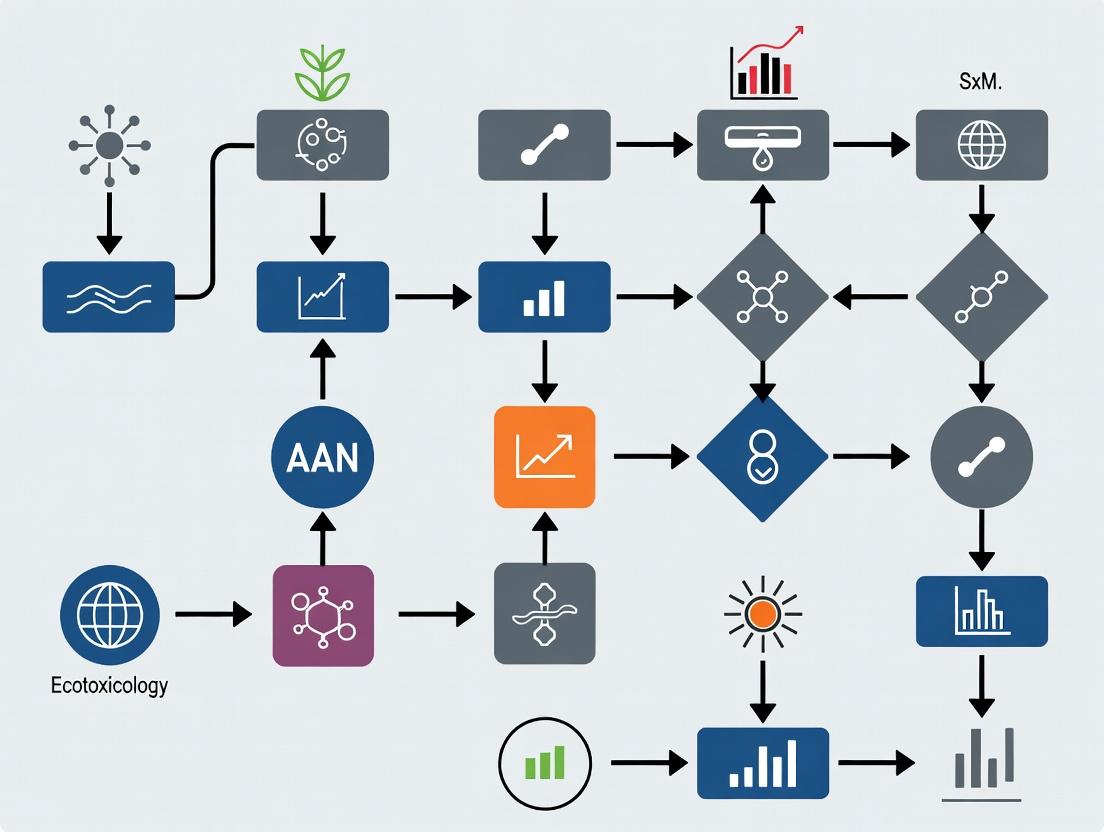
This article provides a comprehensive guide to conceptual model development for ecological risk assessment, tailored for researchers, scientists, and drug development professionals.
Advancing Conceptual Models for Ecological Risk Assessment: Integrating Frameworks, Methodologies, and Applications for Researchers
Abstract
This article provides a comprehensive guide to conceptual model development for ecological risk assessment, tailored for researchers, scientists, and drug development professionals. It explores the foundational role of problem formulation and stakeholder engagement, details methodological advances from exposure pathways to complex system models, addresses common challenges and optimization strategies, and examines validation through comparative case studies. The synthesis aims to enhance the accuracy, relevance, and predictive power of ecological risk assessments in supporting environmental safety and biomedical research decisions.
Laying the Groundwork: Core Principles and Problem Formulation in Ecological Risk Assessment
The Central Role of Problem Formulation as the Assessment Blueprint
Within the structured paradigm of ecological risk assessment (ERA), problem formulation is not merely a preliminary step but the foundational blueprint that dictates the entire scientific and regulatory endeavor [1] [2]. It represents a critical planning and scoping phase where risk assessors and managers collaboratively define the assessment's purpose, scope, and methodological pathway [1]. This phase transforms broad protection goals—often derived from legal statutes like the Clean Water Act—into a tractable, hypothesis-driven scientific investigation [1] [2]. For research concerning conceptual model development, problem formulation is the process through which abstract concerns about ecosystem health are translated into explicit models that diagram predicted relationships among stressors, exposures, and ecological receptors [1] [3]. A rigorously constructed problem formulation ensures the assessment is relevant, efficient, and ultimately capable of supporting informed environmental decision-making, while a deficient one can lead to misallocated resources, ambiguous results, and compromised decisions [2] [4].
Core Components of Problem Formulation
The problem formulation phase is an integrative process that synthesizes regulatory context, scientific knowledge, and management needs into a clear assessment plan. Its core components, developed iteratively between risk managers and assessors, include the following key agreements and products [1].
The Planning Dialogue: Establishing the Framework
Before technical assessment begins, a planning dialogue sets the strategic framework. Key agreements include [1]:
- Management Goals: The desired ecological conditions to be protected (e.g., "maintaining a sustainable aquatic community") [1].
- Regulatory Context: The specific action triggering the assessment (e.g., registration of a new pesticide) [1].
- Assessment Scope & Complexity: Determined by data availability, resources, and the tolerable level of uncertainty, often structured as a tiered evaluation progressing from simple screening to complex analyses [1].
Key Outputs of Problem Formulation
The technical work of problem formulation yields three critical outputs that guide the subsequent risk analysis and characterization phases [1] [2].
- Assessment Endpoints: These operationalize management goals by specifying the ecological entity (e.g., a fish species) and its valued attribute (e.g., reproductive success) to be protected [1].
- Conceptual Models: Diagrams and risk hypotheses that illustrate the predicted relationships between a stressor (e.g., a chemical), potential exposure pathways, and the assessment endpoints [1] [3]. They identify what is known and where critical knowledge gaps exist.
- Analysis Plan: A detailed protocol outlining how data will be evaluated, which risk hypotheses will be tested, and what measures (e.g., LC50, estimated environmental concentration) will be used to characterize risk [1].
Table 1: Quantitative Criteria for Refining Conceptual Model Exposure Pathways in Ecological Risk Assessment [3]
| Exposure Pathway | Trigger for Inclusion in Conceptual Model | Key Quantitative Thresholds |
|---|---|---|
| Sediment Exposure (Acute) | Pesticide half-life in sediment ≤ 10 days AND one of: | - Soil-water distribution coefficient (Kd) ≥ 50 L/kg- Log Kow ≥ 3- Koc ≥ 1,000 L/kg OC |
| Sediment Exposure (Acute & Chronic) | Estimated Environmental Concentration (EEC) in sediment > 0.1 of acute LC50/EC50 AND half-life ≥ 10 days AND one of the above partitioning thresholds. | (Same thresholds as above) |
| Ground Water Exposure | Meets any one of four criteria, including: | - Detections in prospective ground water studies- Kd < 5 (mobility) AND hydrolysis half-life > 30 days (persistence) |
| Bioaccumulation (for piscivorous birds/mammals) | Consider for hydrophobic organic pesticides when all characteristics are met: | - Non-ionic, organic compound- Log Kow between 4 and 8- Potential to reach aquatic habitats |
Developing the Conceptual Model: A Practical Framework
The conceptual model is the visual and narrative heart of problem formulation. It provides a shared understanding of the system and the risk hypotheses to be investigated [5]. For ecological risk research, its development follows a systematic process.
Construction Process
Development begins by integrating all available information on stressor characteristics, ecosystem attributes, and potential effects [1]. Using this information, assessors draft a diagram—typically a flow chart of boxes and arrows—that maps plausible routes from source to receptor [3]. This model is not static; it is refined to be site- or stressor-specific by adding, removing, or weighting pathways based on evidence (see Table 1) [3]. For instance, a model for a volatile pesticide would emphasize atmospheric transport pathways with solid lines, while a non-volatile compound would depict them as minor or dotted lines [3].
Experimental Protocols for Pathway Validation
The conceptual model generates specific, testable risk hypotheses. The following protocols are central to testing exposure pathway hypotheses in ERAs.
Protocol for Evaluating Sediment Exposure Pathway: This test determines if sediment dwelling organisms are at risk [3].
- Objective: Assess whether the sediment compartment is a significant exposure pathway for benthic organisms.
- Procedure: Determine the pesticide's half-life in sediment via aerobic soil or aquatic metabolism studies. Concurrently, analyze its partitioning behavior by measuring the soil-water distribution coefficient (Kd), the octanol-water coefficient (Kow), or the organic carbon normalized coefficient (Koc).
- Data Analysis: Apply the criteria in Table 1. If the chemical meets both the persistence and partitioning thresholds, the sediment pathway is included as a solid line in the conceptual model and a sediment toxicity evaluation is added to the analysis plan.
Protocol for Screening Inhalation Exposure for Terrestrial Organisms: This evaluates the risk from airborne pesticides [3].
- Objective: Determine if inhalation of volatile compounds or spray droplets is a viable exposure route for mammals and birds.
- Procedure: Use the Screening Tool for Inhalation Risk (STIR) for an initial screening-level assessment. Input chemical-specific properties (e.g., vapor pressure, Henry's Law constant) and application data.
- Data Analysis: Model outputs estimate inhalation exposure concentrations. If exposures approach or exceed levels of concern, the inhalation pathway is formally incorporated into the terrestrial conceptual model (as in Figure 3 of guidance documents) and targeted monitoring or higher-tier modeling may be prescribed [3].
Diagram 1: The Problem Formulation Workflow within the ERA Process (96 characters)
Visualization of Risk Pathways and Relationships
Effective visualization is paramount for communicating the complex relationships captured in conceptual models. Diagrams translate hypotheses into a universal format, clarifying exposure scenarios and fostering consensus among stakeholders [6] [7].
Standardizing Visual Communication
Authoritative guidance provides standardized templates for common scenarios. For example, the U.S. EPA supplies generic models for aquatic and terrestrial organisms, which risk assessors modify for specific stressors [3]. These diagrams use consistent notation: boxes represent entities (e.g., stressor sources, ecological receptors), and arrows depict the pathways and directions of interaction [1] [3]. Visual refinements, such as using solid versus dotted lines to indicate the relative importance of a pathway, convey qualitative judgments based on data [3].
Diagram 2: Generic Aquatic and Terrestrial Exposure Pathway Relationships (84 characters)
Advanced Visual Tools for Analysis
Beyond static diagrams, interactive data visualization tools play an increasing role in analyzing complex risk data. These tools allow researchers to [6] [8]:
- Perform Comparative Analysis: Use clustered bar charts to compare risks across multiple species or sites [7].
- Conduct Trend Analysis: Implement multi-axis line charts or control charts to track risk indicators over time and identify spikes [7].
- Prioritize Risks: Employ heatmaps or matrix charts to plot risks based on likelihood and impact, focusing resources on high-priority concerns [9] [7].
The Scientist's Toolkit: Essential Reagents & Materials
The execution of an ERA guided by a robust problem formulation requires specific research tools and materials. The following table details key solutions and their functions in generating data for the assessment.
Table 2: Key Research Reagent Solutions for Ecological Risk Assessment Experiments [1] [3] [2]
| Tool/Reagent Category | Specific Example/Name | Primary Function in ERA |
|---|---|---|
| Surrogate Test Organisms | Laboratory rat (Rattus norvegicus), fathead minnow (Pimephales promelas), earthworm (Eisenia fetida). | Serve as standardized test surrogates for broad taxonomic groups (mammals, fish, soil invertebrates) in toxicity studies to estimate effects endpoints [1]. |
| Toxicity Endpoint Standards | LC50 (Median Lethal Concentration), EC50 (Median Effect Concentration), NOAEC/NOAEL (No Observed Adverse Effect Concentration/Level). | Quantitative measures derived from toxicity tests used as benchmarks to compare with exposure estimates in the risk characterization phase [1]. |
| Environmental Fate Tracers | Radiolabeled (e.g., ¹⁴C) pesticide compounds, stable isotope labels. | Used in metabolism and degradation studies (e.g., aerobic soil metabolism) to trace the breakdown pathways of a stressor and accurately measure its half-life in different compartments [3]. |
| Partitioning Coefficient Standards | Reference solvents for Octanol-Water Partition Coefficient (Kow) tests, standardized soils for Soil-Water Distribution Coefficient (Kd) tests. | Used in laboratory assays to determine a chemical's affinity for different environmental media (water, soil, organic carbon), which predicts its mobility and potential exposure pathways [3]. |
| Exposure Estimation Models | KABAM (Kow-based Aquatic BioAccumulation Model), STIR (Screening Tool for Inhalation Risk), various runoff and drift models. | Simulation tools used to estimate exposure concentrations (EECs) for receptors when direct monitoring data are unavailable, based on chemical properties and use patterns [3]. |
Data Analysis and Interpretation Guided by the Blueprint
The analysis plan from problem formulation explicitly dictates how data will be processed and interpreted. This moves the assessment from qualitative diagrams to quantitative risk estimates.
From Measurement to Assessment Endpoints
Research data analysis in ERA typically follows a diagnostic and inferential approach [10]. Measurement endpoints (e.g., a fish LC50 from a lab test) are statistically analyzed and then logically linked to the assessment endpoints (e.g., population sustainability of a native fish species) defined in the problem formulation [1] [2]. This linkage is a critical inference that must be justified by the conceptual model.
Tiered Data Analysis Strategy
The scope and complexity agreed upon during planning manifest as a tiered analysis strategy [1].
- Tier 1: Uses simple, conservative models and screening-level toxicity data to identify substances posing negligible risk. A "fail" here triggers a higher-tier analysis.
- Tier 2 & Higher: Employs more sophisticated, realistic models (e.g., probabilistic models) and data (e.g., field studies) to refine risk estimates for chemicals of concern [1]. The problem formulation blueprint pre-defines the triggers and methods for moving between tiers.
Diagram 3: Linking Management Goals to Testable Risk Hypotheses (78 characters)
A meticulously crafted problem formulation is the indispensable blueprint for credible and actionable ecological risk research. It ensures scientific rigor by forcing the explicit statement of risk hypotheses, enhances efficiency by targeting resources at the most plausible pathways of concern, and provides regulatory clarity by creating an auditable trail from management goals to analysis plans [2] [4]. For drug development professionals, particularly those assessing environmental impacts of pharmaceuticals or agrochemicals, adopting this structured approach mitigates the risk of late-stage regulatory failures. It shifts the focus from merely generating data to answering specific, regulatory-relevant questions framed at the project's inception. Ultimately, embedding robust problem formulation and conceptual model development into the research lifecycle is a best practice that yields more defensible science, more predictable regulatory outcomes, and more effective protection of ecological systems.
Defining Management Goals and Ecological Assessment Endpoints
In the structured process of ecological risk assessment (ERA), the deliberate definition of management goals and ecological assessment endpoints constitutes the critical first phase. This phase is foundational to the development of a robust conceptual model, which is a schematic hypothesis describing the predicted relationships between a stressor (e.g., a pharmaceutical effluent, an agricultural chemical) and the ecological components of a system [11]. A well-articulated conceptual model ensures scientific rigor and decision-relevance by explicitly linking measurable scientific endpoints to the societal values they represent.
This guide provides a technical framework for researchers and drug development professionals to establish these foundational elements. By integrating principles from regulatory science and contemporary methodological approaches—specifically mixed methods research—this process moves beyond conventional ecotoxicological endpoints to incorporate a broader consideration of ecosystem services and stakeholder values [11] [12]. The outcome is a defensible, transparent, and actionable roadmap for ecological risk research.
Core Definitions and Regulatory Context
- Management Goals: Broad, value-based statements of desired environmental outcomes. They answer the question, "What do we want to protect or sustain?" Examples include "protect aquatic life in the receiving watershed," "maintain soil biodiversity and productivity," or "conserve avian populations."
- Ecological Assessment Endpoints: Explicit, operationally defined expressions of the ecological entity (e.g., a species, community, functional group, or habitat) and its key attribute (e.g., survival, reproduction, growth, community structure) that are tied to a management goal and can be quantitatively or qualitatively measured [11]. A clear assessment endpoint is essential for a focused conceptual model.
- Conceptual Model Role: The conceptual model visually and narratively formalizes the pathway from a stressor (source, release, exposure) to its effect on the chosen assessment endpoint(s). It identifies intervening variables, mitigating processes, and alternative causal pathways, ensuring the research design adequately tests the risk hypothesis.
Recent guidelines, such as the EPA's Generic Ecological Assessment Endpoints, emphasize expanding endpoint selection to include ecosystem services—the benefits humans derive from ecosystems [11]. This shift makes risk assessments more relevant to decision-makers by connecting ecological impacts to societal outcomes like water purification, carbon sequestration, or nutrient cycling. This connection is a key integrative step in modern conceptual model development.
Methodological Framework: A Mixed Methods Approach
Defining goals and endpoints requires synthesizing diverse data types: quantitative (e.g., toxicity thresholds, population census data) and qualitative (e.g., stakeholder interviews, regulatory policy analysis, landscape value assessments). A mixed methods research framework provides a systematic methodology for this integration, strengthening the validity and comprehensiveness of the resulting conceptual model [12] [13].
The table below summarizes the primary mixed methods designs applicable to this phase of ecological risk research.
Table 1: Mixed Methods Research Designs for Endpoint Definition and Conceptual Model Development [12] [13]
| Design Name | Sequence & Priority | Primary Purpose in ERA Context | Integration Point |
|---|---|---|---|
| Exploratory Sequential | QUAL → quan | To use qualitative data (e.g., stakeholder workshops) to identify, define, or prioritize key concerns and values, which then inform the selection of quantitative metrics for monitoring or testing. | Findings from initial qualitative phase determine the variables and endpoints for the subsequent quantitative phase. |
| Explanatory Sequential | QUAN → qual | To use quantitative data (e.g., screening-level risk calculations) to identify unexpected or priority areas of risk requiring deeper investigation via qualitative methods (e.g., site-specific exposure scenario development). | Quantitative results guide the sampling strategy and questioning for the follow-up qualitative phase. |
| Convergent (Concurrent) | QUAN + QUAL | To collect both data types independently but simultaneously on related aspects of the same problem, then merge results to develop a complete, validated picture. | Datasets are compared, contrasted, or transformed during analysis to generate meta-inferences. |
Detailed Experimental and Procedural Protocols
Protocol 1: Exploratory Sequential Design for Stakeholder-Driven Endpoint Selection This protocol is ideal for new or complex risk scenarios where societal values are not fully codified.
- Qualitative Phase (Exploration):
- Data Collection: Conduct structured focus groups or semi-structured interviews with key stakeholders (regulators, community representatives, industry experts) [12]. Use a moderator guide focused on perceived risks, valued ecological resources, and management priorities.
- Analysis: Perform thematic analysis (e.g., using NVivo or similar software) on interview transcripts to identify recurring themes, concerns, and valued ecosystem components [13].
- Integration & Design: Transform qualitative themes into a structured survey or a list of candidate assessment endpoints and associated metrics. This is the building approach to integration [12].
- Quantitative Phase (Expansion & Prioritization):
- Data Collection: Administer the developed survey to a larger, representative sample of stakeholders or subject matter experts.
- Analysis: Use statistical methods (e.g., frequency analysis, multi-criteria decision analysis) to rank and prioritize the candidate endpoints based on the survey data.
Protocol 2: Convergent Design for Comprehensive Site Assessment This protocol is suited for complex site-specific assessments where existing data is available but fragmented.
- Parallel Data Collection:
- Quantitative Strand: Compile existing monitoring data (e.g., chemical concentrations, standardized toxicity test results, species abundance surveys).
- Qualitative Strand: Collect data through ethnographic field observations, historical land-use analysis, and interviews with local experts or communities about observed ecological changes.
- Separate Analysis: Analyze each dataset using appropriate methods (statistical analysis for QUAN; thematic or content analysis for QUAL).
- Integration via Data Transformation and Joint Display:
- Procedure: Quantitize the qualitative data by coding interview themes and counting their frequency or intensity across respondents [13]. Alternatively, qualify quantitative data by creating narrative profiles for different statistical clusters (e.g., "high-impact" vs. "low-impact" zones).
- Merging: Create a joint display table. One column lists quantitative findings (e.g., "Amphipod density < 100 individuals/m² in Zone A"), an adjacent column lists related qualitative findings (e.g., "Local fishers report absence of bottom-feeding fish in Zone A for 3 years"), and a third column provides the meta-inference ("Consistent evidence of benthic community impairment in Zone A") [13] [14].
The Scientist's Toolkit: Essential Research Reagents and Materials
Table 2: Key Research Reagent Solutions for Mixed Methods Ecological Research
| Tool / Reagent Category | Specific Examples | Primary Function in Endpoint Definition |
|---|---|---|
| Stakeholder Engagement Platforms | Structured interview guides, focus group protocols, Delphi method questionnaires. | To systematically elicit and document qualitative data on values, perceptions, and management priorities from diverse groups [12]. |
| Qualitative Data Analysis Software | NVivo, ATLAS.ti, Dedoose, MAXQDA. | To code, organize, and perform thematic analysis on unstructured text data from interviews, open-ended surveys, or policy documents [13]. |
| Data Integration & Visualization Software | Dedicated mixed methods tools (e.g., features in ATLAS.ti), or general-purpose tools (Microsoft Excel, R with ggplot2, Python with Matplotlib). | To create joint displays (e.g., side-by-side comparison tables, integrated charts) that visually merge quantitative and qualitative findings for interpretation [13] [14]. |
| Ecosystem Services Classification Frameworks | The Common International Classification of Ecosystem Services (CICES), EPA's GEAE guidelines [11]. | To provide a standardized lexicon and structure for translating ecological functions (e.g., nutrient cycling) into societally relevant assessment endpoints. |
| Standardized Ecotoxicological Assays | OECD Test Guidelines (e.g., for algal growth, Daphnia reproduction, fish acute toxicity), ASTM standards. | To generate quantitative, reproducible dose-response data for specific biological attributes, forming the core of many conventional assessment endpoints. |
Integration, Reporting, and Advanced Applications
Effective integration is the defining feature of a mixed methods approach. The "fit" of the integrated data—the degree to which the qualitative and quantitative findings cohere—must be explicitly evaluated [12]. Conflicting results are not necessarily a failure; they can indicate a flawed assumption in the conceptual model, an unidentified variable, or a need for further research.
Joint displays are the premier tool for representing integration. Moving beyond simple tables, advanced displays can incorporate visuals such as graphs, charts, maps, or qualitative conceptual diagrams adjacent to statistical outputs [14]. For example, a map showing chemical concentration gradients (QUAN) can be juxtaposed with a thematic map derived from interview data about observed wildlife health (QUAL), with the overlapping areas highlighting priority zones for a refined assessment endpoint.
A key advanced application is the explicit linkage of assessment endpoints to ecosystem services [11]. This involves:
- Identifying the relevant ecosystem service(s) (e.g., water filtration).
- Specifying the ecological structures and functions that provide that service (e.g., healthy benthic invertebrate community processing sediments).
- Selecting measurable attributes of those structures/functions as the assessment endpoint (e.g., diversity and abundance of filter-feeding bivalves). This chain forms a transparent, defensible logic within the conceptual model, directly connecting scientific measurement to societal value.
Defining management goals and ecological assessment endpoints is a sophisticated, integrative process central to conceptual model development. By adopting a deliberate mixed methods research framework, scientists can ensure this process is systematic, transparent, and inclusive of both measurable ecological attributes and human values. The use of structured protocols, joint displays for integration, and ecosystem services frameworks produces a robust foundation for ecological risk research that is scientifically credible and decision-relevant, ultimately supporting more effective environmental management and sustainable drug development.
Integrating Stakeholder Engagement and Communicative Planning Models
Ecological Risk Assessment (ERA) is a critical, formal process for evaluating the likelihood that adverse ecological effects may occur due to exposure to one or more stressors, including chemicals, land-use change, or biological agents [15]. Traditionally, ERA has often relied on deterministic tools like risk quotients (RQs), which compare a single exposure estimate to a single effects threshold, and has focused on narrow assessment endpoints such as the survival of standard test species [16]. This approach contains extensive, unquantified uncertainty and creates a significant gap between the measured endpoints in controlled studies and the ultimate protection goals for ecosystems and the services they provide to society [15].
To develop more relevant and robust conceptual models for ecological risk research, a transformative integration of two paradigms is essential. First, stakeholder engagement and communicative planning models must be embedded throughout the research lifecycle. Second, the assessment framework itself must evolve to quantitatively evaluate risks and benefits to Ecosystem Services (ES)—the benefits people obtain from ecosystems [17]. This integration addresses a core challenge in transdisciplinary research: the "usability gap" between what scientists produce and what decision-makers need for actionable, evidence-based policy [18].
This whitepaper provides a technical guide for researchers and drug development professionals—who must increasingly consider environmental fate and ecotoxicology—on implementing this integrated approach. We detail a multi-model, tiered engagement framework and a quantitative Ecosystem Services Risk-Benefit Assessment (ERA-ES) methodology, providing the protocols and tools necessary to bridge scientific analysis and societal relevance [19] [17].
Conceptual Foundations: From Deterministic Endpoints to Co-Created Knowledge
The Limitations of Conventional Ecological Risk Assessment
Current ERA practices, particularly for chemicals, are frequently governed by tiered guidelines. Initial screening-level assessments often use deterministic RQs, which are dimensionless numbers calculated by dividing an estimated environmental concentration (EEC) by a toxicity benchmark (e.g., LC50) [15] [16]. This method simplifies complex, probabilistic realities into a binary outcome against an arbitrarily set Level of Concern (LOC).
Table 1: Limitations of Deterministic Risk Quotient (RQ) Approach in ERA
| Limitation Category | Specific Issue | Consequence for Risk Assessment |
|---|---|---|
| Exposure Oversimplification | Uses a single point estimate (e.g., 90th percentile EEC) instead of a full distribution [16]. | Fails to capture the frequency, magnitude, or timing of peak exposures, which may be critical for life-cycle impacts. |
| Effects Oversimplification | Relies on acute toxicity for limited surrogate species (e.g., Daphnia magna) [15]. | Poorly extrapolates to chronic, population-level, or ecosystem-service-level effects for diverse species. |
| Neglect of Ecological Context | Ignores species life history, recovery potential, and ecological interactions [16]. | Over- or under-protects species and functions, leading to inefficient resource allocation for risk management. |
| Opaque Uncertainty | Uses safety factors that are arbitrary and not quantitatively linked to uncertainty [16]. | Provides a false sense of precision; hampers transparent communication of risk confidence. |
The Imperative for Stakeholder Engagement
Stakeholders are "any person or group who has an interest in the research topic and/or who stands to gain or lose from a possible policy change" influenced by the findings [20]. Engaging them transforms ERA from a purely technical exercise into a legitimate and salient process for decision-making [18]. Engagement is not merely the dissemination of final results but an iterative process of actively soliciting knowledge, experience, judgment, and values to create shared understanding and inform decisions [20]. This co-creation of knowledge ensures that models address the right problems, incorporate local and indigenous knowledge, and that results are actionable [19] [20].
Core Framework: A Multi-Model Approach for Integration and Engagement
A single model is rarely sufficient to meet all project needs, from rapid stakeholder interaction to answering complex, system-level questions [19]. A suite of models of varying complexity, deployed adaptively throughout a project, is more effective.
Table 2: Multi-Model Toolkit for Stakeholder-Integrated Ecological Risk Research [19]
| Model Type | Primary Purpose | Complexity & Development Time | Key Role in Engagement & Research |
|---|---|---|---|
| Conceptual Models | Map main system drivers, components, and relationships. | Low; qualitative or simple diagrams. | Creates a shared mental model; foundational for problem formulation with stakeholders. |
| Toy / Simple Quantitative Models | Simplify system to a handful of key components for exploration. | Low to Medium; rapid deployment. | Trains stakeholders in system dynamics; tests initial hypotheses interactively in workshops. |
| Industry / Sector-Specific Models | Detailed analysis of a single sector or stressor (e.g., a specific fishery or chemical fate). | Medium; requires targeted data. | Addresses immediate, focused stakeholder questions; builds credibility and provides early results. |
| Shuttle Models | Incorporate the minimum core processes needed for a basic understanding of the overall problem. | Medium; focused on key linkages. | Facilitates fast, iterative feedback on core system logic before full model development. |
| Whole-of-System Models | Fully integrated representation of environmental, social, and economic processes. | High; long development time, resource-intensive. | Addresses complex, interconnected management questions; validates insights from simpler models. |
This adaptive approach de-couples the long development cycle of complex models from the need for continuous stakeholder interaction, maintaining engagement and allowing for mid-course corrections in research focus [19].
Quantitative Methodology: Integrating Ecosystem Services into Risk Assessment
The Ecosystem Services-based Ecological Risk Assessment (ERA-ES) method provides a quantitative framework to assess both risks and benefits to ES supply [17].
ERA-ES Protocol
Objective: To quantify the probability and magnitude of changes in ecosystem service supply exceeding defined risk or benefit thresholds following a human intervention.
Case Study Context: Applied to assess the regulating service of waste remediation (via sediment denitrification) in marine offshore developments [17].
Phase 1: Problem Formulation & ES Selection
- Define the Intervention: Clearly specify the human activity (e.g., installation of an offshore wind farm, OWF).
- Select Relevant Ecosystem Services: Identify and prioritize ES relevant to the ecosystem and stakeholders (e.g., waste remediation, food provision, carbon sequestration) [17].
- Identify Underlying Ecosystem Processes: Determine the key biophysical processes that deliver the selected ES (e.g., for waste remediation: sediment denitrification rate driven by total organic matter and fine sediment fraction) [17].
Phase 2: Quantitative Modeling & Threshold Definition
- Model ES Supply: Develop or apply a quantitative model linking environmental parameters to ES supply. Example: A multiple linear regression model predicting sediment denitrification rate based on sediment characteristics [17].
- Establish Risk & Benefit Thresholds (RBT, BBT):
- Risk Threshold (RBT): The level of ES supply below which ecosystem function is considered impaired and service delivery is compromised. This can be set based on historical baselines, reference conditions, or regulatory standards.
- Benefit Threshold (BBT): The level of ES supply above which a clear net benefit is realized. This can be set as an improvement over baseline or a management target [17].
- Simulate Intervention Impacts: Use the ES supply model to simulate conditions with and without the intervention, generating probability distributions of ES supply outcomes.
Phase 3: Risk-Benefit Calculation & Visualization
- Calculate Metrics: Using cumulative distribution functions (CDFs) of post-intervention ES supply:
- Risk Metric: Probability that ES supply < RBT, multiplied by the average magnitude of the deficit when it occurs.
- Benefit Metric: Probability that ES supply > BBT, multiplied by the average magnitude of the surplus when it occurs [17].
- Compare Scenarios: Calculate and compare these metrics across different management or development scenarios to evaluate trade-offs.
Diagram 1: ERA-ES Workflow: A 3-Phase Methodology
Stakeholder Engagement Protocol for Co-Creation
Objective: To iteratively engage stakeholders throughout the ERA-ES process to ensure relevance, incorporate diverse knowledge, and foster shared understanding [20].
Phase 1: Setting-Up
- Stakeholder Identification: Identify groups based on interest, influence, data access, and decision-making authority related to the problem [20].
- Initial Scoping Workshop: Convene stakeholders to jointly define management concerns, frame core questions, and outline initial conceptual models [19].
Phase 2: Development & Design
- Iterative Model Review: Use simple "toy" or conceptual models in workshops to train stakeholders, elicit feedback on model structure, and validate key relationships [19].
- Data Co-Design: Collaborate with stakeholders to identify and access relevant data sources, and define acceptable methods for data collection and gap-filling [20].
Phase 3: Implementation & Communication
- Feedback on Interim Outputs: Present preliminary risk maps or model outputs for stakeholder critique and interpretation [20].
- Joint Interpretation Sessions: Facilitate meetings where researchers present findings (objectives, methods, assumptions, results, limitations) and stakeholders discuss opportunities for use, challenges, and necessary refinements [20].
Phase 4: Output & Dissemination
- Co-Development of Products: Jointly design final outputs (e.g., interactive risk maps, dashboards, policy briefs) to ensure usability [20].
- Transparent Documentation: Share meeting minutes and summary reports with all participants to ensure clarity and build trust [20].
Diagram 2: Iterative Stakeholder Engagement Cycle
The Scientist's Toolkit: Essential Research Reagent Solutions
Table 3: Key Research Reagents and Tools for Integrated ERA-ES Research
| Category | Item / Solution | Primary Function in Research |
|---|---|---|
| Modeling & Analysis Software | R, Python (with NumPy, SciPy, Pandas) | Statistical analysis, implementation of ES supply models, and calculation of risk/benefit metrics from probability distributions. |
| Geospatial Analysis Tools | ArcGIS, QGIS, R (sf package) | Spatial data management, analysis, and visualization; critical for creating risk maps and analyzing spatially-explicit ES. |
| Participatory Modeling Platforms | Stella/iThink, NetLogo, Miro | Developing interactive "toy" and system dynamics models for use in stakeholder workshops to facilitate shared learning [19]. |
| Ecological & Ecotoxicological Data | Standardized bioassay kits (e.g., Daphnia, algal toxicity tests); Sediment core samplers. | Generating effects data for chemical stressors and collecting field samples to parameterize and validate ES process models (e.g., sediment characteristics for denitrification) [17] [15]. |
| Stakeholder Engagement Facilitation | Professional facilitator services; Secure data sharing portals; Interactive voting/polling tools. | Ensuring productive, inclusive meetings and secure, transparent exchange of pre-reads, data, and model outputs between researchers and stakeholders [20]. |
Moving beyond deterministic risk quotients requires a dual advancement in ecological risk research: the adoption of quantitative Ecosystem Services assessment and the deep integration of stakeholders through communicative planning models. The multi-model toolkit allows for adaptive, iterative engagement, maintaining stakeholder interest and ensuring research relevance [19]. The ERA-ES methodology provides a rigorous, quantitative framework to assess trade-offs, evaluating not just risks but also potential benefits of interventions [17]. For researchers, especially in fields like drug development where environmental implications are scrutinized, mastering this integrated approach is key to producing conceptual models and final assessments that are scientifically robust, socially legitimate, and actionable for sustainable decision-making.
The PRISM (Partial Risk Map) model represents a paradigmatic evolution in ecological risk assessment, transitioning from traditional, top-down knowledge-deficit approaches to integrative, participatory frameworks. Developed initially for high-reliability sectors like nuclear power, its application to ecological systems addresses the critical need for multi-stakeholder, transparent, and quantifiable risk prioritization in complex environmental management [21]. This technical guide details the AHP-PRISM integration, which synergizes the Analytic Hierarchy Process's structured decision-making with PRISM's granular, multi-dimensional risk mapping. By converting qualitative expert judgments into consistent quantitative rankings, the model facilitates the identification and management of partial risks within interconnected ecological processes, such as land-use change impacts on habitat provision and water purification services [22] [21]. The framework's core strength lies in its ability to decompose systemic risks into analyzable components, enabling targeted interventions and fostering a collaborative safety culture essential for sustainable ecosystem management.
Conceptual models in ecological risk research serve as abstract representations of the causal pathways linking stressors to ecosystem effects. Traditional models often operate on a knowledge-deficit premise, where scientists unidirectionally communicate risks to decision-makers and the public. This approach fails to capture the pluralistic values, localized knowledge, and perceptual diversity inherent in environmental management. The development of the PRISM model is contextualized within a broader thesis advocating for participatory conceptual modeling. This paradigm shift recognizes stakeholders not merely as recipients of information but as co-producers of knowledge, integrating scientific data with community insights, expert heuristics, and managerial priorities [21]. In ecological contexts, such as assessing the impacts of urbanization on watershed services, this is vital [22]. Participatory frameworks like PRISM provide a structured lexicon and a visual common ground—the Partial Risk Map—that enables diverse groups to collaboratively define risk scenarios, weight assessment criteria, and interpret multi-dimensional outcomes, thereby bridging the gap between ecological complexity and actionable risk governance.
The PRISM Model: Core Architecture and Theoretical Foundations
The PRISM model is a novel risk assessment methodology designed to address limitations in traditional techniques like Failure Mode and Effects Analysis (FMEA) and Risk Matrices (RM). Its theoretical foundation is built on the principle of partial risk disaggregation [21].
Fundamental Components
Unlike conventional methods that aggregate risk into a single metric (e.g., Risk Priority Number), PRISM evaluates and visualizes risk across three independent, cardinal dimensions:
- Occurrence (O): The probability or frequency of an initiating event or stressor.
- Severity (S): The magnitude of the adverse ecological consequence.
- Detection (D): The ease with which the onset of the effect or the failure of a control measure can be identified before consequential damage occurs.
Each dimension is assessed on a deterministic scale (typically 1-10). The core innovation is that these scores are not multiplied but are treated as coordinates, plotting each risk event as a distinct point or vector within a three-dimensional "Partial Risk Space." This prevents the information loss and ranking ambiguities common in multiplicative models and allows for the nuanced comparison of risks that may have similar aggregate scores but fundamentally different profiles (e.g., a high-severity, low-probability event vs. a low-severity, high-probability one) [21].
The AHP-PRISM Synthesis
The foundational PRISM method relies on direct expert scoring, which can introduce subjectivity and inconsistency. The AHP-PRISM synthesis integrates the Analytic Hierarchy Process to robustly weight criteria and calibrate judgments [21].
- AHP Function: AHP provides a systematic pairwise comparison framework for weighting the relative importance of different risk events, assessment criteria, or even the O, S, and D dimensions themselves within a specific ecological context. It generates a priority vector of weights and a Consistency Ratio (CR) to validate the coherence of expert judgments [21].
- Integration Mechanism: AHP-derived weights are used to adjust or synthesize the scores plotted in the PRISM space. This creates a weighted partial risk map, where the position of risks reflects not just raw scores but their prioritized importance as determined by structured stakeholder consensus. This synthesis is crucial for participatory frameworks, as it makes the valuation process transparent, debatable, and mathematically consistent.
Diagram 1: AHP-PRISM Integration Workflow. This flowchart details the synthesis of the Analytic Hierarchy Process (AHP) with the PRISM model, showing the feedback loop for ensuring judgment consistency before generating the final risk map [21].
Quantitative Framework and Data Presentation
The AHP-PRISM model's quantitative rigor stems from the mathematical formalisms of AHP and the spatial logic of PRISM. The following tables summarize the core quantitative scales and a hypothetical data output from an ecological risk assessment.
Table 1: Fundamental Scale for AHP Pairwise Comparisons [21]
| Intensity of Importance | Definition | Explanation |
|---|---|---|
| 1 | Equal Importance | Two activities contribute equally to the objective. |
| 3 | Moderate Importance | Experience and judgment slightly favor one activity over another. |
| 5 | Strong Importance | Experience and judgment strongly favor one activity over another. |
| 7 | Very Strong Importance | An activity is favored very strongly over another; its dominance demonstrated in practice. |
| 9 | Extreme Importance | The evidence favoring one activity over another is of the highest possible order of affirmation. |
| 2, 4, 6, 8 | Intermediate Values | Used to compromise between the above judgments. |
Table 2: Exemplary PRISM Risk Assessment Output for Watershed Ecological Risks [22] [21]
| Risk Event ID | Ecological Stressor | Occurrence (O) | Severity (S) | Detection (D) | AHP-Derived Weight | Risk Vector (O, S, D) |
|---|---|---|---|---|---|---|
| RE-01 | Expansion of Construction Land | 8 | 9 | 3 | 0.32 | (8, 9, 3) |
| RE-02 | Non-Point Source Pollution Diffusion | 7 | 8 | 5 | 0.28 | (7, 8, 5) |
| RE-03 | Fragmentation of Forest Habitat | 6 | 7 | 4 | 0.18 | (6, 7, 4) |
| RE-04 | Decline in Water Purification Service | 5 | 9 | 6 | 0.15 | (5, 9, 6) |
| RE-05 | Soil Erosion from Cultivated Land | 4 | 6 | 7 | 0.07 | (4, 6, 7) |
Note: O, S, D scores are on a 1-10 scale. The AHP weight (summing to 1.0) represents the relative overall importance of each risk event based on stakeholder-derived criteria. The Risk Vector is the core input for the 3D Partial Risk Map.
Diagram 2: PRISM 3D Partial Risk Map Conceptual Axes. This diagram illustrates the three independent dimensions defining the PRISM assessment space, each representing a core component of risk profile [21].
Experimental Protocols for Ecological Application
Implementing the AHP-PRISM model for ecological risk research requires a structured, replicable protocol. The following methodology is adapted from its application in safety-critical industries and tailored for ecological systems, such as assessing watershed risks [22] [21].
Phase 1: Problem Structuring & Expert Panel Assembly
- Objective: Define the system boundaries and constitute the participatory panel.
- Protocol:
- System Definition: Clearly bound the ecological system (e.g., Houxi Basin watershed [22]). Draft a conceptual model linking anthropogenic drivers (e.g., urbanization) to pressures (e.g., land-use change), states (e.g., habitat quality), and impacts (e.g., loss of provisioning services).
- Risk Event Identification: Using workshops or Delphi techniques with stakeholders (scientists, land-use planners, community representatives), generate a comprehensive list
Nof potential risk events (e.g., "Conversion of forest to construction land leading to habitat fragmentation"). - Panel Formation: Assemble a multidisciplinary panel of
Kexperts (typically 5-10). Ensure representation from ecological modeling, toxicology, local ecology, resource management, and community stakeholders.
Phase 2: AHP Weighting of Risk Events or Criteria
- Objective: Derive consistent, consensus-based weights for risk events or assessment criteria.
- Protocol:
- Hierarchy Construction: Structure a hierarchy. The top goal is "Prioritize Ecological Risks." Level 2 can be assessment criteria (e.g., "Impact on Biodiversity," "Impact on Water Security," "Economic Cost of Mitigation"), or the risk events themselves can be at Level 2 for direct pairwise comparison.
- Pairwise Comparison Surveys: Each expert
kindependently completes pairwise comparison matrices using the scale in Table 1. Fornelements,(n*(n-1))/2comparisons are made. - Consistency Validation:
- For each expert's matrix, compute the Consistency Index (CI) [21]:
CI = (λ_max - n) / (n - 1)whereλ_maxis the principal eigenvalue of the comparison matrix. - Compute the Consistency Ratio (CR) [21]:
CR = CI / RIwhereRIis the Random Index (a known value based onn). - A CR ≤ 0.10 is considered acceptable. Matrices with CR > 0.10 must be revised by the expert [21].
- For each expert's matrix, compute the Consistency Index (CI) [21]:
- Aggregation of Judgments: Use the geometric mean method to aggregate the valid individual judgment matrices from all
Kexperts into a single group comparison matrix. - Priority Vector Calculation: Compute the normalized principal eigenvector of the aggregated matrix. This yields the priority weight vector
W = [w_1, w_2, ..., w_n], whereΣw_i = 1.
Phase 3: PRISM Dimensional Scoring
- Objective: Score each risk event on the O, S, and D dimensions.
- Protocol:
- Calibration Workshop: Conduct a facilitated workshop with the expert panel. Provide background data (e.g., GIS land-use maps, pollution export coefficients [22], species vulnerability indices).
- Dimensional Scoring: For each risk event
i, the panel discusses and assigns consensus scoresO_i,S_i,D_ion a defined scale (e.g., 1-10). Definitions must be anchored (e.g., Severity: 1=Negligible impact on service, 10=Collarpsse of service/local extinction). - Vector Formation: Each risk event
iis now defined by its risk vectorV_i = (O_i, S_i, D_i)and its aggregated AHP weightw_i.
Phase 4: Mapping, Analysis & Scenario Testing
- Objective: Visualize and analyze risks to inform management.
- Protocol:
- 3D Mapping: Plot all risk vectors
V_iin a 3D scatter plot (PRISM Map). Point size can be scaled byw_i. - Cluster Analysis: Identify clusters of risks with similar profiles (e.g., high-severity, hard-to-detect cluster).
- Scenario Testing (What-If Analysis): Model the effect of proposed management interventions. For example, if a policy reduces the
Occurrencescore of "Non-Point Source Pollution" from 7 to 4, replot its new position on the map to visualize the risk reduction. - Sensitivity Analysis: Test the robustness of the prioritization by varying the AHP weights or dimensional scores within plausible bounds.
- 3D Mapping: Plot all risk vectors
The Scientist's Toolkit: Research Reagent Solutions
Implementing the AHP-PRISM framework requires both conceptual and analytical tools. The following toolkit is essential for researchers.
Table 3: Essential Research Toolkit for AHP-PRISM Implementation
| Tool Category | Specific Item/Technique | Function & Rationale |
|---|---|---|
| Stakeholder Engagement | Facilitated Workshop Protocol | Structured process to elicit knowledge, define system boundaries, and build consensus among diverse participants. |
| Judgment Elicitation & Analysis | AHP Pairwise Comparison Software (e.g., ExpertChoice, SuperDecisions, R ahp package) |
Supports the creation of comparison matrices, calculates eigenvectors, and, crucially, validates the Consistency Ratio (CR) to ensure logical coherence of judgments [21]. |
| Spatial & Ecological Data | GIS Software (e.g., ArcGIS, QGIS), Ecosystem Service Models (e.g., InVEST, ARIES) | Provides quantitative input for scoring the O, S, D dimensions. For example, InVEST habitat quality or nutrient retention models can inform severity scores for land-use change [22]. |
| Statistical & Visualization | 3D Graphing Software (e.g., Python Matplotlib, R rgl), Statistical Packages (e.g., R, SPSS) | Generates the Partial Risk Map and performs cluster analysis or sensitivity testing on the results. |
| Documentation & Transparency | Decision Audit Trail Document | Records all assumptions, participant inputs, weight justifications, and scoring rationales. Critical for reproducibility and building trust in the participatory process. |
Case Integration: Watershed Ecological Risk Assessment
The AHP-PRISM model is directly applicable to complex ecological challenges, such as the risk assessment of the Houxi Basin under urbanization pressure [22].
- Problem: Urbanization drives changes in land use/land cover (LUCC), which simultaneously degrade terrestrial habitat provision and aquatic water purification services through non-point source (NPS) pollution [22].
- AHP-PRISM Application:
- Risk Events: Defined from LUCC transitions (e.g., "Forest -> Construction Land," "Cultivated Land -> Orchard").
- AHP Weighting: Criteria could include "Impact on Habitat Connectivity," "Contribution to NPS Pollution Load," and "Irreversibility." Local and scientific experts weight these criteria.
- PRISM Scoring:
- Occurrence: Modeled from projected land-use change scenarios.
- Severity: Quantified using ecosystem service models (e.g., InVEST for habitat quality, export coefficient models for NPS pollution [22]).
- Detection: Based on the monitorability of the service degradation (e.g., water quality is more readily monitored than genetic diversity loss).
- Outcome: The resulting Partial Risk Map visually identifies which land-use transitions pose the most severe, likely, and insidious risks. The study by [22] concluded that optimizing spatial layout is more effective than merely increasing green area, a policy insight readily communicable from a PRISM map showing clustered risks related to spatial configuration. The AHP-PRISM synthesis would add a layer of democratic validation to such findings, ensuring management priorities reflect shared values.
Limitations and Future Directions
While powerful, the AHP-PRISM model has inherent limitations. The quality of output remains dependent on expert competency and the honesty of the participatory process. The framework can be computationally intensive for very large sets of risk events. Future development trajectories include:
- Integration with Probabilistic Modeling: Combining the deterministic PRISM scores with Bayesian networks or Monte Carlo simulations to explicitly account for uncertainty in O, S, and D estimates.
- Dynamic PRISM: Developing temporal versions of the risk map to visualize how risk vectors migrate over time under different climate or policy scenarios.
- Automated Elicitation Platforms: Creating online, real-time collaboration tools for distributed expert panels to conduct AHP comparisons and PRISM scoring synchronously or asynchronously.
- Cross-Scale Integration: Linking PRISM assessments across spatial scales (e.g., from a local watershed to a regional biome) to understand risk cascades.
The PRISM model, particularly when synthesized with AHP, embodies the necessary shift from knowledge-deficit to participatory frameworks in ecological risk research. It moves beyond simply calculating risk to structuring democratic deliberation about risk. By making the dimensions of risk explicit, separable, and debatable, it provides a common visual and analytical language for scientists, policymakers, and communities. The resulting Partial Risk Map is more than an analytical output; it is a boundary object that facilitates co-learning and transparent decision-making. In confronting the interconnected, evolving risks facing ecosystems, such frameworks are not merely advantageous—they are essential for developing resilient and legitimate management strategies. The PRISM model offers a robust, flexible, and transparent pathway to this goal, turning the assessment of ecological risk into a participatory process of building shared understanding and commitment to action.
This whitepaper establishes the theoretical and methodological foundations of the Hierarchical Patch Dynamics (HPD) paradigm integrated with systems thinking, framing it as a critical framework for developing conceptual models in ecological risk research [23] [5]. It details how the HPD paradigm addresses complexity through a spatially explicit, multi-scale perspective, which is essential for structuring causal hypotheses and predictive scenarios in complex ecological and biomedical systems [23]. The guide provides actionable methodologies for model construction, data integration, and analysis, accompanied by standardized visualization and data presentation protocols tailored for researchers and scientists engaged in conceptual model development.
Ecological and biomedical systems for risk research are characterized by inherent complexity: a large number of diverse components, nonlinear interactions, spatial heterogeneity, and processes operating across multiple scales [23]. Traditional reductionist models often fail to capture the emergent properties and unexpected dynamics that arise from these interactions. The development of conceptual models for ecological risk assessment and management, therefore, requires a theoretical framework that can render this complexity comprehensible and analyzable [5].
The Hierarchical Patch Dynamics (HPD) paradigm, emerging from the integration of hierarchy theory and patch dynamics, provides this framework [23]. When coupled with systems thinking, it offers a powerful approach for constructing conceptual models that link societal or clinical actions to environmental or physiological stressors and their ultimate effects on valued endpoints [5]. This integrated perspective is not merely an ecological tool; it is a generalizable methodology for understanding any complex system where modularity, scale, and feedback are critical, including applications in toxicology and drug development.
Theoretical Core: Principles of Hierarchical Patch Dynamics
The HPD paradigm is built upon several core principles that directly inform conceptual model structure [23].
- Ecological Systems as Hierarchical Patchworks: Systems are composed of nested, interacting patches. A "patch" is a spatially explicit, heterogeneous landscape unit differing from its surroundings in nature or appearance. These patches form hierarchical levels (e.g., leaf, tree, forest stand, watershed), where each level operates at a distinct scale in space and time.
- Dynamics as the Cross-Scale Interaction of Pattern and Process: Pattern refers to the spatial arrangement of patches, while process denotes the flows of energy, material, and information. The two are inseparable: patterns influence processes, and processes create and modify patterns. This interaction is mediated across hierarchical scales.
- The Scaling Ladder Strategy: This is a methodological principle for modeling. Instead of seeking a single "correct" scale, investigators use a sequence of scales (a ladder) to traverse from fine to broad scales. Models are developed at each rung, with explicit rules for translating information (e.g., aggregation, disaggregation) between adjacent levels. This acknowledges that different mechanisms may dominate at different scales.
This hierarchical organization is not merely an observer's construct but is often intrinsic to the system, evolving for greater stability and efficiency [23]. It stands in contrast to theories like self-organized criticality (SOC), which may describe some systems but de-emphasize the critical role of top-down constraints and multi-scale organization prevalent in biological systems [23].
Methodological Integration: From Theory to Conceptual Model Workflow
The transition from HPD theory to a formal conceptual model for risk research involves a structured workflow. This process transforms theoretical understanding into a testable framework for hypothesis generation and scenario analysis [5].
Table 1: Core Phases in HPD-Informed Conceptual Model Development
| Phase | Objective | Key Actions | Output for Risk Assessment |
|---|---|---|---|
| 1. System Delineation & Hierarchical Decomposition | Define system boundaries and identify nested hierarchical levels. | Identify focal level for assessment. Define finer (mechanistic) and broader (contextual) levels. | A multi-scale system description linking cellular/organ to population/ecosystem effects. |
| 2. Patch Classification & Pattern Analysis | Characterize the spatial-temporal structure of the system at each relevant level. | Classify patch types based on structure/function. Quantify patch metrics (size, shape, arrangement). | Identification of heterogeneous exposure units and critical habitats or tissue types. |
| 3. Process Mapping & Interaction Modeling | Link ecological/biological processes to the patch structure across scales. | Diagram drivers, stressors, and effects. Specify process rates and feedback loops within and between patches. | A causal diagram hypothesizing pathways from management actions or drug exposure to ecological/health endpoints [5]. |
| 4. Scaling and Integration | Formally integrate understanding across hierarchical levels. | Apply scaling rules (e.g., aggregation, parameterization) to translate information. Use the "scaling ladder" to connect models. | A predictive, multi-scale model capable of projecting risk under different future scenarios [5]. |
Diagram 1: HPD Conceptual Model Development Workflow (89 characters)
Practical Application: Protocols for Model Construction and Analysis
Implementing the HPD approach requires specific protocols for constructing and analyzing models. The following methodologies are adapted from established spatially explicit hierarchical modeling efforts [23].
Protocol for Constructing a Hierarchical Patch Dynamics Model (HPDM)
This protocol outlines the steps for building a model akin to the HPDM-PHX (Phoenix urban landscape model) [23].
- Problem Framing & Scale Selection: Define the primary ecological risk question. Select the focal hierarchical level (e.g., a specific organ, a population). Establish the immediate finer (component) and broader (context) levels.
- Spatial Data Structuring: Organize input data into a tabular format where each row represents a unique spatial unit (a patch) at a given hierarchical level, and columns represent attributes [24]. Essential columns include a Unique Identifier (UID), patch type, spatial coordinates, and relevant measures (e.g., nutrient load, receptor density, stressor concentration) [24].
- Patch Dynamics Algorithm Development: For each patch type at the focal level, formalize the rules of change. These are often conditional statements based on the state of the patch itself, states of neighboring patches (within-level interaction), and constraints from the broader level (top-down control). This can be implemented via cellular automata, agent-based models, or differential equations.
- Cross-Level Coupling: Develop explicit functions or rules for information transfer between hierarchical levels. This often involves:
- Aggregation (Bottom-Up): Summarizing fine-scale patch states (e.g., mean stressor level) to provide input to the broader level.
- Disaggregation (Top-Down): Using broad-scale constraints (e.g., total allowable load) to allocate resources or limits to finer-scale patches.
- Model Calibration & Scenario Analysis: Calibrate the model using retrospective data. Then, employ the integrated conceptual model to project the outcomes of different management or exposure scenarios, analyzing the spatial and temporal patterns of risk [5].
Protocol for Quantitative Data Comparison Across Scales or Groups
A critical step in HPD analysis is comparing system metrics (e.g., recovery rate, biomarker expression) across different patch types, hierarchical levels, or experimental groups. Data must be structured for clear comparison [25].
Table 2: Structure for Comparing a Quantitative Variable Between Groups
| Group (Patch Type / Level) | Sample Size (n) | Mean | Standard Deviation | Median | Interquartile Range (IQR) |
|---|---|---|---|---|---|
| Group A (e.g., Forest Patches) | 14 | 2.22 | 1.270 | 1.70 | 1.50 |
| Group B (e.g., Urban Patches) | 11 | 0.91 | 1.131 | 0.80 | 1.05 |
| Difference (A - B) | — | 1.31 | — | 0.90 | — |
Note: This table format, adapted from quantitative comparison guidelines [25], provides a complete numerical summary for each group. The difference between group means/medians is a key comparative statistic [25].
Visualization Protocol: To complement the table, use side-by-side boxplots to visually compare the distributions. Boxplots effectively show the median, quartiles, range, and potential outliers for each group, facilitating direct visual comparison of central tendency and variability [25]. For small datasets, a 2-D dot chart with jittered points may be preferable to show individual observations [25].
Diagram 2: Hierarchical Levels and Scale Interactions (61 characters)
The Scientist's Toolkit: Essential Reagents for HPD Research
Implementing the HPD approach requires a suite of conceptual and technical "reagents."
Table 3: Research Reagent Solutions for HPD Modeling
| Item | Function in HPD Research | Example / Note |
|---|---|---|
| Hierarchical Patch Dynamics Modeling Platform (HPD-MP) [23] | Software environment designed to facilitate the construction, linkage, and execution of multi-scale spatial models. | Provides libraries for common scaling functions and patch interaction algorithms [23]. |
| Geographic Information System (GIS) | The primary tool for defining, classifying, and analyzing spatial patches and their patterns. Used for structuring spatial data into rows (patches) and columns (attributes) [24]. | Essential for Protocols 4.1 (steps 2 & 3). |
| Spatially Explicit Data | The fundamental input for characterizing pattern. Includes remote sensing imagery, land cover maps, or spatially registered biomarker/sensor data. | Data must be structured with clear granularity (what one row represents) [24]. |
| Scaling Functions | Mathematical or statistical rules for aggregating and disaggregating information between hierarchical levels. | Includes averaging, summation, or more complex nonlinear functions [23]. |
| Conceptual Diagramming Tool | Software for creating clear diagrams of causal pathways and system structure, as required in conceptual model development [5]. | Outputs must adhere to visual accessibility standards, including sufficient color contrast [26] [27]. |
Future Directions and Integration with Risk Assessment
The HPD framework's future lies in tighter integration with formal ecological risk assessment (ERA) and analogous frameworks in biomedical research. Conceptual models developed using HPD are not just descriptive; they are the foundational structure for effects-directed assessment and predictive scenario analysis [5]. They explicitly link management or therapeutic actions to stressors and ecological or health endpoints, allowing for the testing of causal hypotheses and the projection of recovery under different intervention scenarios [5].
Key advancements will involve automating the scaling processes within modeling platforms, improving the integration of qualitative and quantitative data, and developing standardized HPD-based conceptual model templates for common risk assessment problems. By providing a systematic way to decompose, analyze, and reconstitute complex systems, the integration of Hierarchical Patch Dynamics and systems thinking offers a robust and necessary foundation for the next generation of conceptual models in ecological and biomedical risk research.
From Theory to Practice: Methodologies for Building and Applying Conceptual Models
Step-by-Step Guidance for Developing Generic and Chemical-Specific Conceptual Models
Within the systematic framework of ecological risk assessment (ERA), the development of a conceptual model is the critical bridge between planning and scientific analysis [28]. This guide provides step-by-step instructions for constructing both generic and chemical-specific conceptual models, which are foundational to the Problem Formulation phase as defined by the U.S. Environmental Protection Agency (EPA) [28]. A well-constructed model visually and descriptively hypothesizes the relationships between stressors, ecological receptors, and exposure pathways, thereby guiding the entire scope of the risk investigation and ensuring it remains focused on management goals [28].
This process is not performed in isolation. It is an integrative component of a larger, iterative thesis on ecological risk, where the model is both an output of initial planning and a blueprint for the subsequent analysis and risk characterization phases [28].
Foundational Framework: The Ecological Risk Assessment Process
The development of a conceptual model is embedded within the formal, three-phase structure of an ecological risk assessment: Problem Formulation, Analysis, and Risk Characterization [28]. The following workflow diagram illustrates this overarching process and the central role of conceptual model development.
Diagram 1: Iterative Ecological Risk Assessment Workflow
Phase I: Problem Formulation and Conceptual Model Development
Problem Formulation transforms the broad goals from the Planning phase into a precise, actionable scientific investigation [28]. Its primary objectives are to refine assessment objectives, identify ecological entities at risk, and define the characteristics to protect (assessment endpoints) [28].
Core Components of a Conceptual Model
A conceptual model is a schematic representation consisting of the following key elements [28]:
- Sources & Stressors: The origin (e.g., manufacturing effluent, pesticide application) and the physical, chemical, or biological agent causing change.
- Exposure Pathways: The physical routes a stressor takes from the source to the receptor (e.g., runoff, leaching, atmospheric deposition, dietary uptake).
- Receptors & Assessment Endpoints: The ecological entities (e.g., fathead minnow, honey bee colony, wetland ecosystem) and their specific attributes chosen for protection (e.g., survival, reproductive success, community diversity).
- Ecological Effects / Risk Hypotheses: Predicted biological responses of the assessment endpoints to the stressor (e.g., reduced growth, mortality, population decline).
Step-by-Step Development Protocol
Step 1: Define Assessment Endpoints Select endpoints using three principal criteria: ecological relevance, susceptibility to known stressors, and relevance to management and societal goals [28]. This involves professional judgment to prioritize entities such as endangered species, commercially important species, or critical ecosystem functions [28].
Step 2: Identify Stressors and Sources Based on the management question, characterize the stressor's properties. For a chemical-specific model, this includes its chemical identity, formulation, release patterns, and environmental fate properties.
Step 3: Diagram Exposure Pathways Map the plausible environmental routes connecting the source to each receptor. Consider transport media (water, air, soil), transformation processes (degradation, metabolism), and exposure matrices (water column, sediment, prey items) [28].
Step 4: Articulate Risk Hypotheses For each "source → pathway → receptor → effect" chain, state a clear, testable hypothesis about the expected adverse effect. This formalizes the model's predictive power.
Step 5: Create the Visual Schematic and Narrative Translate the compiled information into a diagram (see Diagram 2 below) accompanied by a detailed written description that justifies each component and linkage.
Diagram 2: Generic Chemical-Specific Conceptual Model Example
From Generic to Chemical-Specific Models
A generic model outlines general pathways (e.g., for a broad class like "insecticides"). The chemical-specific model refines this by incorporating compound-specific data, which is critical for accurate exposure and effects analysis [28].
Table 1: Key Distinctions Between Generic and Chemical-Specific Model Components
| Component | Generic Conceptual Model | Chemical-Specific Conceptual Model |
|---|---|---|
| Stressor Identity | Broad class (e.g., organophosphate insecticide) | Specific compound (e.g., chlorpyrifos; CAS No. 2921-88-2) |
| Exposure Pathways | All plausible pathways for the chemical class | Pathways prioritized based on chemical properties (e.g., high Koc favors soil adsorption; low volatility minimizes drift) |
| Fate Processes | General processes (hydrolysis, photolysis, biodegradation) | Quantified rates and dominant degradation pathways (e.g., aqueous hydrolysis t1/2 = 35 d at pH 7) |
| Bioaccumulation Potential | Qualitative statement (e.g., "may bioaccumulate") | Quantitative assessment using Log Kow or BCF data (e.g., Log Kow = 4.7, indicating high potential) |
| Ecological Effects | General modes of action (e.g., acetylcholinesterase inhibition) | Species- and endpoint-specific toxicity data (e.g., 96-h LC50 for Daphnia magna = 0.1 µg/L) |
Phase II: Analysis Plan Informed by the Conceptual Model
The conceptual model directly informs the Analysis Plan, which specifies the data and methods needed to evaluate the risk hypotheses [28]. The plan has two core components: the Exposure Assessment and the Ecological Effects Assessment.
Exposure Assessment Protocol
The exposure profile describes the "course a stressor takes from the source to the receptor" [28]. For chemicals, bioavailability—whether the chemical is in a form an organism can absorb—is a critical determinant [28].
Key Experimental & Assessment Methodologies:
- Environmental Fate Studies: Determine chemical distribution using standardized OECD or EPA guidelines for hydrolysis, photodegradation, soil adsorption/desorption (Kd), and leaching potential.
- Monitoring Studies: Measure chemical concentrations in relevant environmental compartments (water, sediment, soil, biota) at the site of concern. Use validated analytical methods (e.g., LC-MS/MS, GC-ECD).
- Bioaccumulation/Biomagnification Studies: Conduct laboratory dietary or waterborne exposure tests to derive a Bioconcentration Factor (BCF). Assess biomagnification potential by analyzing chemical concentrations across a field-sampled food web.
- Modeling: Use fugacity-based or process-based models (e.g., EQC, EXAMS) to predict environmental distribution and concentration (Predicted Environmental Concentration - PEC).
Ecological Effects Assessment Protocol
The stressor-response profile evaluates "evidence that exposure...causes effects of concern" [28]. Data from both guideline studies and the open literature are integrated [29].
Guideline for Evaluating Open Literature Toxicity Data [29]: The EPA Office of Pesticide Programs uses a rigorous two-phase screen to determine the utility of open literature studies for quantitative risk assessment.
Table 2: EPA Acceptance Criteria for Open Literature Ecological Toxicity Studies [29]
| Phase | Criterion | Description |
|---|---|---|
| Phase I: Acceptability Screen | 1. Single Chemical | Effects must be attributable to a single chemical exposure. |
| 2. Whole Organism | Effects must be on live, whole aquatic or terrestrial plants/animals. | |
| 3. Reported Concentration | A concurrent environmental concentration, dose, or application rate is reported. | |
| 4. Explicit Duration | The exposure duration is explicitly stated. | |
| Phase II: Usability Evaluation | 5. Calculated Endpoint | A quantifiable endpoint (e.g., LC50, NOEC) is reported or can be derived. |
| 6. Acceptable Control | Treatments are compared to an appropriate control group. | |
| 7. Verified Species | The test species is reported and can be verified taxonomically. | |
| 8. Study Type & Source | The paper is a full, primary-source article published in English. |
Key Experimental Methodologies for Effects Data:
- Acute Toxicity Tests: Short-term tests (24-96 hour) to determine mortality endpoints (e.g., LC50, EC50) for fish, invertebrates, and algae (OECD 203, 202, 201).
- Chronic Toxicity Tests: Longer-term tests (e.g., 21-day Daphnia reproduction, early life-stage fish tests) to determine endpoints like growth, reproduction, and survival (OECD 211, 210).
- Mesocosm/Field Studies: Semi-field studies (ponds, streams) to assess community- and ecosystem-level effects under more realistic conditions.
- Dose-Response Modeling: Fit toxicity data to statistical models (e.g., probit, logistic) to derive point estimates and confidence intervals.
Phase III: Risk Characterization and Model Iteration
In Risk Characterization, results from the exposure and effects analyses are integrated to estimate risk [28]. The conceptual model is revisited to evaluate which risk hypotheses were supported and to identify dominant exposure pathways or particularly sensitive receptors.
Key Outputs:
- Risk Quotients (RQs): Calculated as PEC / PNEC (Predicted No-Effect Concentration).
- Probabilistic Risk Estimates: Using joint probability distributions of exposure and effects.
- Uncertainty Analysis: Qualitative or quantitative description of uncertainties inherent in the data and model structure.
- Risk Description: A narrative synthesis interpreting the adversity, spatial/temporal scale, and potential for recovery of ecological effects [28].
This characterization provides the scientific basis for risk management decisions, potentially triggering a refined, iterative cycle of assessment beginning with an updated conceptual model [28].
The Scientist's Toolkit: Essential Research Reagent Solutions
Developing and testing conceptual models requires specialized materials and databases. The following toolkit is essential for professionals in this field.
Table 3: Key Research Reagent Solutions for Conceptual Model Development and Testing
| Tool / Material | Function in Conceptual Model Context | Key Features / Examples |
|---|---|---|
| EPA ECOTOX Database [29] | The primary search engine for obtaining curated ecotoxicological effects data from the open literature for use in stressor-response profiles. | Contains single-chemical toxicity data for aquatic and terrestrial species. Used to fulfill data requirements for Registration Review and endangered species assessments [29]. |
| Analytical Reference Standards | Essential for quantifying chemical stressors in environmental and tissue samples during exposure monitoring and bioaccumulation studies. | High-purity certified reference materials (CRMs) for target analytes. Used to calibrate instruments and ensure data quality. |
| Test Organisms | Standardized, sensitive species used in guideline toxicity tests to generate effects data for the stressor-response profile. | Examples: Fathead minnow (Pimephales promelas), cladoceran (Daphnia magna), earthworm (Eisenia fetida). Often obtained from certified culture laboratories. |
| Formulated Sediment/Soil | Provides a standardized, reproducible matrix for testing fate and effects of chemicals in soil and sediment exposure pathways. | Defined composition (e.g., OECD artificial soil) to control variables like organic matter and particle size. |
| Environmental Fate Models | Software tools used to predict the distribution, transformation, and concentration of a chemical in the environment, informing exposure pathways. | Examples: EPI Suite (estimation), EXAMS (aquatic fate), PRZM (groundwater). |
| Statistical Analysis Software | Used for dose-response modeling, derivation of toxicity endpoints, probabilistic exposure analysis, and uncertainty quantification. | Examples: R (with packages like drc, fitdistrplus), SAS, ToxRat. |
Mapping Critical Exposure Pathways for Aquatic and Terrestrial Receptors
This technical guide details the systematic mapping of critical exposure pathways within the foundational phase of conceptual model development for ecological risk assessment (ERA). Framed as a component of a broader thesis on predictive ecological modeling, it provides researchers and risk assessors with a structured methodology to identify, evaluate, and quantify the routes by which chemical stressors reach and affect biological receptors [30] [31]. The core thesis posits that a mechanistically detailed, quantitative conceptual model of exposure is a prerequisite for accurate risk characterization and informed risk management. This document integrates the U.S. Environmental Protection Agency's (EPA) ERA framework [30] [31] with advanced pathway concepts like the Aggregate Exposure Pathway (AEP) to illustrate a modern, source-to-outcome approach for evaluating risks to both aquatic and terrestrial ecosystems [32].
Foundational Framework: Exposure Pathways in Ecological Risk Assessment
An exposure pathway is the physical course a chemical stressor takes from its source to an ecological receptor [31]. According to the EPA's guidelines, for an exposure pathway to be "complete," five elements must be present: a source of the stressor, an environmental medium (e.g., water, soil, air), a point of exposure, an exposure route (e.g., ingestion, inhalation, dermal absorption), and a receptor [31]. Establishing a complete pathway is critical, as no exposure equates to no risk [30].
The process is embedded within the three-phase ERA structure:
- Planning and Problem Formulation: Potential receptors and pathways of concern are identified [30] [31].
- Analysis (Exposure and Effects Assessment): Exposure pathways are characterized, and exposure levels are measured or estimated [30] [31].
- Risk Characterization: The data are integrated to quantify the likelihood and severity of adverse ecological effects [30].
This guide focuses on the exposure assessment component, which is visualized in the following conceptual model integrating the AEP and Adverse Outcome Pathway (AOP) frameworks [32].
Critical Pathways for Aquatic Receptors
Aquatic systems present interconnected exposure pathways through the water column, sediments, and food webs. Contaminants enter via direct discharge, runoff, or atmospheric deposition [33]. Exposure for aquatic organisms occurs primarily via direct uptake from water (e.g., across gills), ingestion of contaminated water or particles, dermal contact, and trophic transfer [33].
Table 1: Primary Exposure Pathways for Key Aquatic Receptors
| Receptor Trophic Level | Primary Exposure Pathways | Key Exposure Routes | Influencing Physicochemical Factors [33] |
|---|---|---|---|
| Pelagic Fish | Water column, prey ingestion. | Gill uptake, dietary ingestion. | Water solubility, octanol-water partition coefficient (Kow), dissolved organic carbon. |
| Benthic Invertebrates | Sediment pore water, sediment particles. | Dermal contact, ingestion of sediment. | Sediment organic carbon content, acid-volatile sulfide. |
| Aquatic Plants & Algae | Water column, sediment (roots). | Adsorption, direct uptake. | Bioavailability in water/sediment, nutrient competition. |
| Piscivorous Birds/Mammals | Consumption of contaminated fish/biota. | Dietary ingestion. | Trophic magnification factor, lipid content of prey. |
The complexity of these interlinked pathways is illustrated below.
Critical Pathways for Terrestrial Receptors
Exposure for terrestrial vertebrates is governed by a mixture of biotic (species-specific traits) and abiotic (chemical fate) factors [34]. Key pathways include direct contact with contaminated soil, ingestion of contaminated soil, water, or food items (plants, invertebrates), and inhalation [34]. Species-specific natural history—such as home range, foraging behavior, dietary preferences, and soil contact rates—is critical in determining the completeness and significance of an exposure pathway [34].
Table 2: Primary Exposure Pathways for Key Terrestrial Receptors
| Receptor Group | Primary Exposure Pathways | Key Exposure Routes & Behaviors | Critical Receptor Traits [34] |
|---|---|---|---|
| Small Herbivorous Mammals | Ingestion of contaminated plants, seeds, soil; dermal contact. | Dietary ingestion, grooming. | Home range size, foraging height, soil ingestion rate. |
| Soil Invertebrates | Direct contact with soil pore water and particles. | Dermal contact, ingestion. | Burrowing depth, life stage in soil. |
| Insectivorous Birds | Ingestion of contaminated invertebrates. | Dietary ingestion. | Foraging territory, preferred insect taxa. |
| Apex Predators | Ingestion of contaminated prey. | Dietary ingestion. | Trophic level, prey selection, bioaccumulation. |
The following diagram maps the primary terrestrial exposure network.
Quantitative Mapping & Case Study: AEP Modeling
Modern pathway mapping employs quantitative models to move from qualitative descriptions to numerical risk estimates. The Aggregate Exposure Pathway (AEP) framework is a key tool, organizing data on a stressor's journey from source to a target site within an organism [32].
Experimental Protocol: Quantitative AEP-AOP Case Study [32] A seminal study demonstrated the integration of a quantitative AEP with an Adverse Outcome Pathway (AOP) for perchlorate contamination.
- Hypothetical Site & Model Construction: A multi-compartment (air, soil, surface water, sediment, groundwater, vegetation) mass-balance transport and transformation model was constructed for perchlorate, a stable, mobile contaminant.
- Exposure Quantification: External exposure (dose) was calculated for three receptor groups: humans (drinking water), fish (water), and small herbivorous mammals (dietary plants and water). A Monte Carlo approach was used to propagate parameter variability (e.g., ingestion rates, concentrations).
- Source Apportionment: The model quantified the contribution of each source (atmospheric, surface water runoff, groundwater) to the total external exposure for each receptor.
- Linking to Toxicity: Published physiologically based pharmacokinetic (PBPK) models were used to translate external exposure into Target Site Exposure (TSE)—the internal concentration at the Molecular Initiating Event (MIE) of the linked AOP (thyroid hormone disruption).
- Risk Interpretation: The TSE was compared to published dose-response data from the AOP network to interpret the likelihood of adverse outcomes across species.
Table 3: Key Quantitative Outputs from a Hypothetical AEP Model for Perchlorate [32]
| Receptor | Primary Exposure Pathway | Median Estimated Daily Dose (μg/kg-day) | Dominant Source Apportionment | Key Model Parameter(s) |
|---|---|---|---|---|
| Human | Ingestion of drinking water. | 0.15 | Groundwater input (>70%) | Water ingestion rate, groundwater concentration. |
| Fish (Pelagic) | Direct uptake from water column. | 1.8 | Surface water runoff (~60%) | Bioconcentration factor, water residency time. |
| Small Herbivorous Mammal | Ingestion of contaminated vegetation and soil. | 4.2 | Atmospheric deposition (to plants) (~50%) | Plant uptake factor, daily ingestion rate of vegetation. |
The Scientist's Toolkit: Essential Research Reagents & Materials
Table 4: Key Research Reagent Solutions and Materials for Pathway Mapping
| Item / Reagent | Function in Exposure Pathway Research | Typical Application |
|---|---|---|
| Passive Sampling Devices (e.g., SPMDs, POCIS) | Measure time-weighted average concentrations of bioavailable contaminants in water or air. | Characterizing the "Exposure" state in field studies; validating transport model outputs. |
| Stable Isotope-Labeled Analogs | Act as internal standards and tracers to study chemical fate, transformation, and bioaccumulation in complex matrices. | Quantifying transformation rates in environmental media; tracing trophic transfer in food web studies. |
| Enzymatic Digestion Solutions | Simulate gastrointestinal fluid to estimate bioaccessible fractions of contaminants from ingested soil or food. | Refining exposure estimates by measuring the fraction of a contaminant that is soluble and potentially absorbable upon ingestion. |
| Standard Reference Materials (SRMs) | Certified matrices (e.g., sediment, fish tissue) with known contaminant concentrations for quality assurance/control. | Calibrating analytical instruments; validating quantitative methods for environmental and tissue samples. |
| GIS Software & Spatial Datasets | Analyze and visualize the spatial coincidence of contamination sources, habitat, and receptor activity. | Mapping spatial exposure gradients; identifying populations at highest risk based on landscape-scale pathway completeness. |
| Physiologically Based Pharmacokinetic (PBPK) Model Code | Computational framework to simulate Absorption, Distribution, Metabolism, and Excretion (ADME) of chemicals in specific organisms. | Translating external exposure estimates (dose) into internal Target Site Exposure (TSE) for linkage with AOPs. |
Constructing 'Impact Webs' for Characterizing Complex, Cascading Risks
The field of ecological risk assessment has evolved from a focus on single stressors and linear cause-effect relationships to a recognition of systemic complexity. Contemporary challenges, such as climate change, pandemics, and biodiversity loss, involve dynamic interactions between multiple hazards, exposed systems, and vulnerabilities, leading to compounding and cascading effects [35]. Traditional risk assessment approaches often hit limits when tackling this complexity, necessitating novel conceptual and methodological tools [35].
Conceptual models have long served as a foundational framework in ecological risk research, used to illustrate linkages among societal actions, environmental stressors, and ecological effects [5]. They provide the basis for developing and testing causal hypotheses within an ecosystem and adaptive management framework [5]. The "Impact Web" methodology emerges within this context as a next-generation conceptual modelling approach. It is specifically designed to characterize and assess complex risks by mapping interconnections between root causes, drivers, hazards, responses, and their direct and cascading impacts across multiple systems and scales [35] [36]. This technical guide details the construction, application, and utility of Impact Webs as a critical tool for researchers and scientists engaged in ecological and systemic risk analysis.
Foundational Framework and Core Elements of an Impact Web
An Impact Web is a participatory, graphical conceptual model that deconstructs and maps the architecture of complex risk scenarios. It synthesizes concepts from Climate Impact Chains, Causal Loop Diagrams, and Fuzzy Cognitive Mapping to create a cohesive analytical structure [35]. The model is built from a set of standardized, defined elements that allow for the systematic characterization of risk pathways.
The following table details the core conceptual elements used to populate an Impact Web, defining their role in modelling risk cascades.
Table 1: Core Conceptual Elements of an Impact Web [35] [36]
| Element Category | Definition and Function | Example (from a Coastal Ecosystem Context) |
|---|---|---|
| Root Causes | Deep-seated, often systemic conditions that create pre-conditions for risk. These are typically political, economic, or social structures. | Weak environmental governance; entrenched socioeconomic inequalities. |
| Risk Drivers | Dynamic processes and trends that intensify or shape hazards and vulnerability. They amplify risk over time. | Unplanned urbanization; land-use change; climate change. |
| Hazards | Potentially damaging physical events, phenomena, or human activities. Can be acute or chronic, and often interact. | Intense rainfall (hydrological); sea-level rise (climatological); industrial chemical spill (technological). |
| (System) Vulnerabilities | Inherent characteristics or processes of a community, system, or asset that make it susceptible to the damaging effects of a hazard. | High population density in floodplains; degraded mangrove ecosystems; inadequate drainage infrastructure. |
| Responses & Interventions | Actions taken before, during, or after a risk event to prevent, mitigate, or adapt to impacts. Can have positive or negative secondary effects. | Construction of sea walls; early warning systems; post-disaster cash transfers; policy reforms. |
| Direct Impacts | First-order, immediate consequences of a hazard interacting with an exposed, vulnerable element. | Flooding of residential areas; crop failure; immediate human morbidity/mortality. |
| Cascading & Systemic Impacts | Higher-order consequences that propagate through interconnected social, economic, and ecological systems. They occur indirectly or through feedback loops. | Disruption of food supply chains leading to price spikes; displacement causing social tension in host communities; saltwater intrusion affecting freshwater aquifers. |
The logical and hierarchical relationships between these elements form the structure of the web. The following diagram visualizes this core framework.
Diagram 1: Structural Framework of an Impact Web (Core Elements & Relationships)
Methodological Protocol: A Stepwise Guide to Co-Creating Impact Webs
The construction of an Impact Web is inherently participatory, designed to integrate diverse stakeholder and expert knowledge. This co-creative process is critical for uncovering nuanced cause-effect relationships, critical elements at risk, and trade-offs in decision-making [35]. The following protocol, synthesized from established guidance [35] [36], outlines a structured, replicable workflow.
Table 2: Stepwise Protocol for Impact Web Co-Creation [35] [36]
| Phase | Step | Detailed Actions & Objectives | Key Outputs |
|---|---|---|---|
| 1. Preparation & Scoping | 1.1 Define System & Risk Scope | Collaboratively define the geographic, temporal, and thematic boundaries of the analysis. Identify focal risks (e.g., "compound flood-pandemic risk"). | Scoping document with clear system boundaries and risk focus. |
| 1.2 Stakeholder Identification & Recruitment | Identify and invite key experts and stakeholders from relevant sectors (e.g., ecology, public health, urban planning, community reps). Ensure diverse perspectives. | List of confirmed participants for workshops. | |
| 1.3 Baseline Data Compilation | Gather existing data, maps, reports, and models related to hazards, vulnerability, and exposure in the target system. | Background dossier for participants. | |
| 2. Participatory Workshop(s) | 2.1 Element Brainstorming | Facilitate a session to identify all relevant components for each core element (Table 1) within the scoped system. Use prompts and baseline data. | Comprehensive lists of root causes, drivers, hazards, etc. |
| 2.2 Dynamic Mapping & Linking | Using physical cards/digital tools, participants collaboratively arrange elements and draw connections representing influence, causation, or amplification. Discuss and debate links. | A preliminary, linked network or "web" of relationships. | |
| 2.3 Characterizing Links & Feedback | For key relationships, qualify the nature (e.g., strong/weak influence, positive/negative feedback) and note evidence or uncertainty. Identify critical cascading pathways. | An annotated web with documented link characteristics. | |
| 3. Analysis & Refinement | 3.1 Digitalization & Formalization | Transfer the physical map into a digital modelling environment (e.g., mental modeler software, network graphics tool). Standardize syntax. | Digital version of the Impact Web. |
| 3.2 Network Analysis & Validation | Apply basic network metrics (e.g., centrality, density) to identify key leverage points and critical nodes. Validate logic with external experts/literature. | Analytical report identifying key risk nodes and pathways. | |
| 3.3 Scenario & Intervention Testing | Use the web to explore "what-if" scenarios (e.g., increased hazard intensity, implementation of a response) and trace potential cascading effects. | Qualitative assessment of intervention co-benefits/trade-offs. | |
| 4. Communication & Application | 4.1 Visualization for Different Audiences | Tailor visualizations of the web for scientists, policymakers, and the public. Simplify without losing critical complexity. | A set of targeted diagrams and narratives. |
| 4.2 Informing Decision Pathways | Translate findings into specific, prioritized risk management options. Highlight windows of opportunity for intervention on key drivers. | Policy brief or management recommendation report. |
The workflow from scoping to application is visualized in the following diagram.
Diagram 2: Impact Web Construction Workflow: A Participatory Protocol
Case Study Application: Proof of Concept in Guayaquil, Ecuador
A proof-of-concept application of the Impact Web methodology was conducted for the city of Guayaquil, Ecuador, focusing on complex risks during the COVID-19 pandemic [35]. This case demonstrates its utility for ecological and public health risk research in an urban setting.
Context: The study investigated how COVID-19 interacted with concurrent climatic hazards (e.g., heavy rainfall, heat stress) and policy responses, leading to cascading impacts across health, food, water, and economic systems.
Process: Researchers and local stakeholders co-developed the web through participatory workshops. The process mapped pathways from root causes (e.g., socioeconomic inequality) and drivers (e.g., dense informal settlements) to the primary hazard (COVID-19), and then traced a cascade of impacts. A critical pathway identified was: COVID-19 lockdowns -> loss of informal sector income -> reduced food purchasing power -> increased malnutrition -> heightened susceptibility to disease (creating a vicious cycle). Concurrent heavy rainfall events compounded these impacts by flooding homes in vulnerable neighborhoods, disrupting mobility for health responses, and contaminating water sources.
Findings: The Impact Web illuminated key systemic vulnerabilities and non-linear feedback loops that would be overlooked in sectoral analyses. It highlighted how public health responses could inadvertently exacerbate other risks (e.g., economic insecurity), and identified potential leverage points for interventions that could deliver co-benefits across multiple sectors [35].
The Scientist's Toolkit: Essential Reagents for Impact Web Construction
Table 3: Research Reagent Solutions for Impact Web Development
| Tool Category | Specific Item / Solution | Function in Impact Web Construction |
|---|---|---|
| Participatory Facilitation | Stakeholder mapping templates; pre-workshop surveys; semi-structured interview guides. | Identifies and recruits diverse expert knowledge; gathers preliminary data on risk perceptions. |
| Physical Co-Creation | Large-format paper/whiteboards; multi-colored sticky notes; colored linking pens/pins. | Enables collaborative, hands-on brainstorming and dynamic mapping during workshops. |
| Digital Modelling & Analysis | Mental modeler software (e.g., MentalModeler); network analysis tools (e.g., Gephi, UCINET); diagramming software (e.g., yEd, Miro). | Digitizes the web for permanence; enables quantitative network analysis (centrality, clustering); supports clean visualization and scenario editing. |
| Data Integration | Geographic Information Systems (GIS); spatial layers (land use, hazard zones, infrastructure); statistical databases (health, socioeconomic). | Provides empirical basemaps and data to ground-truth and inform the placement and weighting of elements and links within the web. |
| Validation & Scoring | Expert elicitation protocols (e.g., Delphi method); pairwise comparison matrices; fuzzy logic scoring sheets. | Qualifies and quantifies the strength, directionality, and certainty of relationships between elements in the web. |
Discussion: Integration within Ecological Risk Research and Future Directions
The Impact Web methodology provides a robust framework for advancing ecological risk research. It directly addresses the call for tools that integrate dynamic interactions between hazards, exposure, and vulnerability within complex socio-ecological systems [35] [5]. By providing a structured yet flexible approach to mapping cascades and feedback loops, it enables researchers to formulate and test hypotheses about systemic risk that are critical for sustainability science and ecosystem-based management [5].
Future methodological development should focus on:
- Quantitative Enrichment: Integrating numerical data and probabilistic models to move from qualitative linkage maps to semi-quantitative risk networks, enabling more robust scenario forecasting.
- Dynamic Modelling: Coupling Impact Webs with system dynamics or agent-based models to simulate the temporal evolution of risk cascades under different intervention scenarios.
- Standardized Metrics: Developing a common set of metrics for describing and comparing the structural properties of Impact Webs (e.g., resilience indices, cascade potential) across different case studies.
For researchers and drug development professionals, this methodology offers a powerful lens for understanding complex risks in contexts such as assessing the ecological and health system impacts of pharmaceutical pollutants, or modeling the cascading consequences of pandemic disruptions on healthcare ecosystems and conservation programs. Its participatory nature ensures the model is grounded in practical, on-the-ground expertise, making it a vital tool for translating complex risk science into informed, resilient decision-making [35].
Integrating Ecosystem Service Supply-Demand Dynamics into Risk Identification
The paradigm of ecological risk assessment is evolving from a traditional focus on landscape patterns and single stressors towards a more integrative framework that places human well-being at its core [37]. This shift recognizes that ecosystems are not merely collections of biophysical components but are intrinsically linked to societal needs through the provision of ecosystem services (ES). The concept of ES, defined as the benefits humans obtain from ecosystems, serves as a critical bridge connecting ecological processes to human welfare [38]. However, rapid urbanization, climate change, and intensive land-use alterations have disrupted the delicate balance between the supply of ES from ecosystems and the demand for ES from human societies [39]. This imbalance is particularly acute in arid, semi-arid, and rapidly urbanizing regions, where it manifests as heightened ecological vulnerability and risk [40] [39].
Traditional landscape ecological risk (LER) assessments have primarily relied on analyzing landscape patterns, utilizing indices of disturbance and vulnerability, or following "source-sink" pathways [39] [41]. While useful, these approaches often neglect the fundamental question of whether an ecosystem can sustainably deliver the services upon which communities depend. Consequently, a significant research gap exists in dynamically integrating ES supply-demand relationships into risk identification frameworks [37] [41]. This integration is essential for moving from understanding potential ecological degradation to assessing actual threats to human well-being.
This technical guide, situated within a broader thesis on conceptual model development for ecological risk research, provides an in-depth exploration of methodologies for integrating ES supply-demand dynamics into risk identification. It is designed for researchers, scientists, and environmental management professionals seeking to implement advanced, human-centric ecological risk assessments.
Core Conceptual Framework
Integrating ES supply-demand into risk identification requires a synthesized conceptual framework that couples human and natural systems. The core premise is that ecological risk is not solely a function of ecosystem integrity but is equally defined by the shortfall or surplus of critical services relative to societal demand [41].
The framework progresses through several logical stages:
- Dual-System Quantification: Separately quantifying the spatial-explicit supply of key ES (e.g., water yield, carbon sequestration, soil retention) and the localized demand driven by population, economic activity, and land use [40] [38].
- Balance Assessment: Evaluating the match or mismatch between supply and demand through indices such as the supply-demand ratio (ESDR) or balance index [39]. A deficit indicates a region where demand outstrips supply, representing a direct risk to socio-ecological sustainability.
- Risk Integration: Combining the ES supply-demand balance (ESDR) with a modified LER assessment. Traditional LER, often based on landscape pattern indices (e.g., fragmentation, loss, vulnerability), is recalibrated using ES concepts to reflect the actual loss of service potential [41]. The integration can be additive, multiplicative, or spatially clustered to identify areas where poor landscape health coincides with severe service deficits [40].
- Driving Mechanism Analysis: Employing statistical and spatial models to diagnose the natural and anthropogenic drivers (e.g., land-use change, vegetation cover, distance to settlements) behind the identified high-risk patterns [40] [41].
The following conceptual diagram illustrates this integrated framework and the flow of analysis from foundational data to risk identification and management insight.
Methodological Protocols for Key Experiments
This section details specific experimental protocols for implementing the core components of the integrated risk assessment framework.
Protocol 1: Quantifying Ecosystem Service Supply and Demand
Objective: To spatially quantify the provision (supply) and human need (demand) for selected key ecosystem services.
Selected ES: Common choices include Water Yield (WY), Carbon Sequestration (CS), Soil Retention (SR), and Food Production (FP), tailored to regional ecological contexts [39] [41].
Materials & Models: Primary tools include the InVEST (Integrated Valuation of Ecosystem Services and Tradeoffs) model suite, ArcGIS or QGIS for spatial analysis, and raster/vector data for land use, climate (precipitation, evapotranspiration), soil, topography (DEM), and socio-economics (population, GDP).
Procedure:
- Data Preparation: Standardize all input data to a consistent spatial resolution and coordinate system. Create raster layers for land use/cover (LULC), annual precipitation, potential evapotranspiration, soil depth, plant-available water content, and watershed boundaries.
- ES Supply Modeling (using InVEST):
- Water Yield: Run the InVEST Seasonal Water Yield model. Input LULC, biophysical table (defining parameters per LULC class), precipitation, evapotranspiration, soil and topographic data. The model outputs an annual water yield raster (mm/year) [39].
- Carbon Sequestration: Run the InVEST Carbon Storage and Sequestration model. Input LULC and a biophysical table with four carbon pool values (aboveground, belowground, soil, dead organic matter) for each LULC class. The model outputs total carbon storage (Mg/ha) [40].
- Soil Retention: Run the InVEST Sediment Delivery Ratio model. Input LULC, DEM, rainfall erosivity, soil erodibility, and a biophysical table. The model outputs estimated soil loss and sediment retention capacity [39].
- ES Demand Quantification:
- Demand is often proxied using spatially explicit socio-economic data or land use requirements [40] [38].
- Water Demand: Can be estimated based on per capita water consumption statistics allocated to residential, industrial, and agricultural land use grids.
- Carbon Sequestration Demand: Often represented by regional carbon emissions, distributed via emission inventories or using nighttime light data and population density as proxies.
- Food Demand: Estimated based on per capita grain demand multiplied by population density within agricultural or residential zones.
- Supply-Demand Balance Calculation: Calculate the Ecosystem Service Supply-Demand Ratio (ESDR) for each grid cell:
ESDR = Supply / Demand. An ESDR > 1 indicates a surplus, < 1 indicates a deficit [39].
Protocol 2: Integrated Landscape Ecological Risk Assessment with ESDR
Objective: To construct a composite ecological risk index that incorporates both landscape structural risk and ES supply-demand imbalance risk.
Materials: ESDR rasters from Protocol 1, LULC raster, GIS software with spatial analysis and raster calculator functions.
Procedure:
- Traditional LER Index Calculation:
- Based on the "landscape loss index" method [41]. First, divide the study area into risk assessment units (e.g., watersheds, regular grids).
- Calculate landscape indices for each unit: Disturbance Index (Ei) based on the area and sensitivity of each landscape type, and Vulnerability Index (Si) often assigned by expert scoring or derived from ES supply potential.
- Compute LER for each unit:
LER_i = Ei * Si. Normalize the LER values to a 0-1 scale.
- Integrated Risk Index Construction: Integrate ESDR and LER using an overlay-weighted method or a coupling coordination degree model [41]. A simplified additive model is:
Integrated_Risk = w1 * (1 - Normalized_ESDR) + w2 * Normalized_LERWhere weights w1 and w2 sum to 1 and reflect the relative importance of service deficit versus landscape structural risk. (1 - Normalized_ESDR) inverses the ratio so that higher values indicate higher risk from deficit. - Risk Level Classification: Use natural breaks (Jenks), quantiles, or standard deviation methods to classify the Integrated_Risk raster into 3-5 levels (e.g., Low, Medium-Low, Medium, Medium-High, High Risk).
Protocol 3: Risk Bundle Identification using Self-Organizing Feature Map (SOFM)
Objective: To identify spatially coherent regions (bundles) that share similar multivariate risk profiles across multiple ES and landscape risks, moving beyond single-service analysis [39].
Materials: Normalized raster datasets for individual ESDRs (WY, CS, SR, FP) and the integrated LER index. SOFM analysis tool (e.g., MATLAB Neural Network Toolbox, Python minisom library).
Procedure:
- Data Sampling: Perform a stratified random sampling across the study area to extract values for all input variables (e.g., WYESDR, CSESDR, SRESDR, FPESDR, LER) at sample points. This creates a feature matrix.
- SOFM Network Training:
- Initialize a 2D grid of neurons (e.g., 5x5). Each neuron has a weight vector with the same dimensionality as the input features.
- Train the network iteratively. For each sample input vector, find the Best Matching Unit (BMU)—the neuron with the closest weight vector (using Euclidean distance).
- Update the weights of the BMU and its neighboring neurons to move closer to the input vector. The learning rate and neighborhood radius decrease over time.
- Clustering and Mapping: After training, label each neuron based on the dominant characteristics of its assigned samples. Assign each grid cell in the study area to its BMU neuron. Spatial regions classified into the same neuron constitute a risk bundle.
- Bundle Characterization: Analyze the average feature values for each bundle. For example, a bundle might be characterized as "High Water Deficit & High Landscape Risk," allowing for targeted management [39].
The following workflow diagram synthesizes these key experimental protocols into a coherent analytical process.
Data Synthesis and Risk Identification Patterns
Synthesizing quantitative results from case studies reveals distinct patterns in ES supply-demand dynamics and their correlation with ecological risk.
Table 1: Temporal Changes in Ecosystem Service Supply and Demand (Xinjiang Case, 2000-2020) [39]
| Ecosystem Service | 2000 Supply | 2000 Demand | 2020 Supply | 2020 Demand | Key Trend |
|---|---|---|---|---|---|
| Water Yield (WY) | 6.02 × 10¹⁰ m³ | 8.6 × 10¹⁰ m³ | 6.17 × 10¹⁰ m³ | 9.17 × 10¹⁰ m³ | Supply increased slightly (+2.5%), but demand grew faster (+6.6%), widening deficit. |
| Soil Retention (SR) | 3.64 × 10⁹ t | 1.15 × 10⁹ t | 3.38 × 10⁹ t | 1.05 × 10⁹ t | Both supply and demand decreased, but supply remained higher than demand (surplus). |
| Carbon Sequestration (CS) | 0.44 × 10⁸ t | 0.56 × 10⁸ t | 0.71 × 10⁸ t | 4.38 × 10⁸ t | Supply increased (+61%), but demand skyrocketed (+682%), creating a severe new deficit. |
| Food Production (FP) | 9.32 × 10⁷ t | 0.69 × 10⁷ t | 19.8 × 10⁷ t | 0.97 × 10⁷ t | Supply more than doubled (+112%), outpacing modest demand growth (+41%), surplus expanded. |
Table 2: Spatial Correlation and Management Zoning (Beijing Case) [40]
| Category | Description | Proportion of Total Study Area | Implication for Management |
|---|---|---|---|
| Significant Correlation Area | Areas where ES supply-demand ratio and LER show significant spatial aggregation (negative correlation). | 31.9% | Core zones for integrated landscape and ecosystem service management. |
| Priority Protection Area | Areas with high ES supply-demand ratio (surplus) and low LER. | 10.39% | Key zones for conserving existing ecological assets and functions. |
| Priority Restoration Area | Areas with low ES supply-demand ratio (deficit) and high LER. | 19.94% | Urgent targets for ecological restoration projects to reduce risk and enhance services. |
Risk Identification Workflow:
- Spatial Differentiation: High-supply areas are typically associated with natural and semi-natural landscapes (forests, grasslands, water bodies), while high-demand areas concentrate in urban cores and agricultural oases [39].
- Risk Classification via Bundling: Applying SOFM analysis, as in Xinjiang, can classify areas into distinct risk bundles [39]:
- B1 (WY-SR-CS High-Risk): Integrated high deficit across water, soil, and carbon services.
- B2 (WY-SR High-Risk): Dominated by water and soil service deficits.
- B3 (Integrated High-Risk): High overall landscape risk combined with service deficits.
- B4 (Integrated Low-Risk): Relative balance and low landscape risk.
- Validation: The improved LER method integrating ES supply-demand shows superior rationality and reliability compared to traditional LER methods, better capturing areas of actual socio-ecological conflict [41].
Risk Driving Mechanisms and Management Implications
Understanding the drivers behind the identified risk patterns is crucial for developing effective management strategies. Advanced spatial statistical models are employed for this detection.
Primary Driving Factors: Research consistently identifies a combination of natural and anthropogenic factors [40] [41]:
- Land Use/Land Cover (LULC) Change: The most direct and dominant driver. Urban expansion and agricultural encroachment into natural areas simultaneously increase demand for ES and degrade landscape structure, elevating risk.
- Distance to Settlements: Proximity to human settlements is a strong predictor of higher LER and ES demand pressure.
- Vegetation Cover (NDVI): Positively correlated with ES supply and negatively correlated with LER. Higher vegetation cover enhances service capacity and landscape stability.
- Topographic Factors: Elevation and slope influence both the natural potential for ES supply and the intensity of human activity.
- Socio-economic Factors: Population density and GDP indirectly drive risk by shaping land use patterns and consumption demand.
Analysis Protocol - Geodetector and GTWR:
- GeoDetector (q-statistic): Used to measure the spatial stratified heterogeneity of the integrated risk index and to quantify the explanatory power (q-value) of each driving factor. It can also detect interactive effects between factors (e.g., LULC ∩ Population) [40].
- Geographically and Temporally Weighted Regression (GTWR): This model reveals the spatially non-stationary and temporally evolving influence of drivers [41]. For instance, the negative impact of landscape fragmentation (e.g., Shannon's Diversity Index) on ecosystem stability may intensify over time, while the positive effect of vegetation cover might weaken in rapidly urbanizing fringes.
The following diagram visualizes the complex interactions between drivers and risk components within the coupled human-environment system.
Management Implications: The integrated risk framework leads to spatially explicit and differentiated management strategies [40] [39]:
- For Priority Protection Areas (High Supply-Low LER): Implement strict conservation policies, control urban sprawl, and maintain natural vegetation.
- For Priority Restoration Areas (High Deficit-High LER): Launch targeted ecological restoration projects (afforestation, soil erosion control, wetland restoration), promote biodiversity-friendly agriculture, and optimize land use intensity.
- For Areas with Significant Supply-Demand Imbalance: Enhance green infrastructure within urban areas to locally boost service supply (e.g., urban forests for carbon sequestration, permeable surfaces for water regulation), and promote resource-efficient consumption patterns.
The Scientist's Toolkit: Research Reagent Solutions
Implementing the integrated risk assessment framework requires a suite of specialized models, software, and data sources.
Table 3: Essential Tools and Resources for ES Supply-Demand Risk Research
| Tool/Resource Name | Type | Primary Function/Description | Key Application in Protocol |
|---|---|---|---|
| InVEST Model | Software Suite | Developed by Stanford's Natural Capital Project. A family of models for mapping and valuing terrestrial, freshwater, and marine ES. | Core engine for quantifying the biophysical supply of ES like water yield, carbon storage, and soil retention (Protocol 1) [39] [38]. |
| SAORES Model | Software Model | Spatial Assessment and Optimization Tool for Regional Ecosystem Services. A Chinese-developed model for integrated ES assessment and optimization. | Alternative to InVEST for regional ES assessment, with strengths in scenario optimization for the Chinese context [38]. |
| ArcGIS / QGIS | GIS Platform | Geographic Information System software for spatial data management, analysis, and visualization. | Essential for all spatial data processing, overlay analysis, map algebra (ESDR calculation), and final cartographic output [40]. |
| GeoDetector | Statistical Software | A set of methods for detecting spatial stratified heterogeneity and revealing underlying driving factors. | Used to quantify the explanatory power of natural and socio-economic factors on the spatial pattern of integrated risk (Driver Analysis) [40]. |
| GTWR Model | Statistical Model | Geographically and Temporally Weighted Regression. Extends GWR by incorporating temporal non-stationarity. | Analyzes how the influence of drivers on ecological risk changes over both space and time (Protocol 3 extension) [41]. |
| SOFM Toolbox | Algorithm Package | Tools for implementing Self-Organizing Feature Maps (e.g., in MATLAB, Python's minisom, R kohonen package). |
Identifies multivariate "risk bundles" by clustering regions with similar ES deficit and LER profiles (Protocol 3) [39]. |
| LULC & Climate Datasets | Data | Remote sensing-derived land use/cover maps, climate reanalysis data (precipitation, temperature), soil maps, DEM. | Foundational input data for all ES modeling and landscape index calculation. Sources include USGS, ESA, and national geospatial centers. |
| Socio-economic Data | Data | Gridded population data (GPW, WorldPop), nighttime light data (for economic activity), statistical yearbooks. | Critical for spatially explicit modeling of ES demand and linking risks to human populations [40]. |
Future Research Directions
The field is rapidly advancing, with several frontier areas demanding attention:
- Dynamic Flow Analysis: Moving beyond static "snapshot" supply-demand balances to model the dynamic flows of ES (e.g., water, sediment, species movement) from source areas (supply) to sink areas (demand) across landscapes [42] [38]. Tools like the ARIES model are pioneering this approach.
- Multi-Scale and Cross-Scale Interactions: Deepening the understanding of how ES supply-demand relationships and associated risks manifest and interact across different spatial (local to global) and temporal scales (short-term shocks vs. long-term trends) [37] [43].
- Enhanced Integration with Policy and Planning: Strengthening the link between risk identification and the "Identification-Construction-Management and Control" planning pathway [42]. This involves translating risk maps into actionable zoning plans (ecological redlines, restoration priorities) and developing a systematic policy tool体系 rather than single instruments.
- Big Data and AI Integration: Leveraging novel data sources (high-resolution remote sensing, IoT sensor networks, social media) and machine learning/AI techniques to improve the accuracy, granularity, and predictive power of risk assessments [38].
Implementing Landscape-Based Frameworks for Realistic Pesticide Risk Assessment
Current regulatory paradigms for pesticide Environmental Risk Assessment (ERA) are predominantly founded on evaluations conducted at local, reductionist scales. These assessments typically focus on single active ingredients, specific crop uses, and individual non-target organism groups in isolation [44]. While this approach offers regulatory standardization, it suffers from a critical lack of ecological realism. It fails to account for the combined effects of multiple pesticides applied across different crops within an agricultural landscape, the influence of spatial habitat heterogeneity, and the interplay between pesticide exposure and other environmental stressors [44] [45]. This discrepancy between assessment scope and real-world ecological complexity is a significant factor underlying ongoing concerns about pesticide impacts on biodiversity despite stringent regulatory oversight [46].
This whitepaper frames the implementation of landscape-based frameworks within the broader thesis of conceptual model development for ecological risk research. A conceptual model serves as the essential blueprint for any risk assessment, defining the sources, stressors, exposure pathways, receptors, and effects [47]. Advancing from a local, single-stressor model to a landscape ecological conceptual model represents a paradigm shift. This shift incorporates spatial explicitness, multiple interacting stressors, and population- or community-level ecological endpoints that operate over relevant spatial and temporal scales [44] [48]. The core thesis posits that by explicitly integrating landscape structure (composition and configuration of crop and non-crop habitats), agricultural management practices, and the co-occurrence of chemicals, we can develop more predictive and protective risk assessment frameworks. These frameworks move beyond characterizing mere hazard at a point location towards forecasting probable ecological outcomes across heterogeneous agricultural mosaics, thereby directly informing sustainable land management and conservation strategies [44] [49].
Core Components of a Landscape-Based ERA Conceptual Framework
The proposed landscape-based framework is constructed from interconnected building blocks designed to address the limitations of current practice. Its primary function is to spatially integrate exposure and effects to predict risk to ecological entities across a defined geographical area.
- Spatially-Explicit Exposure Assessment: This replaces generic assumptions with georeferenced analysis. It involves mapping pesticide use patterns (types, amounts, timing) onto a digital landscape layer comprising crop fields, semi-natural habitats, water bodies, and soil types [44] [49]. The fate and transport of pesticides (e.g., runoff, spray drift, leaching) are modeled across this landscape, accounting for spatial variables like slope, distance to water, and soil hydrology to estimate contaminant loads and concentrations in various environmental compartments [47].
- Ecological Receptor Characterization: Receptors are defined not just taxonomically but also by their functional traits (e.g., mobility, habitat specificity, dietary breadth) and spatial ecology (e.g., home range size, dispersal capacity). Population models, rather than only individual organisms, are identified as key assessment endpoints to align with higher-tier protection goals related to biodiversity conservation and ecosystem service maintenance [48].
- Integrated Risk Characterization: This component combines the spatial exposure profiles with species- or population-specific vulnerability models. Risk is quantified probabilistically, acknowledging landscape-driven variability in both exposure and effects. It emphasizes the identification of risk drivers, such as specific landscape configurations (e.g., high pesticide use adjacent to scarce habitat patches) or chemical mixtures, that disproportionately contribute to adverse outcomes [48] [50].
Table 1: Comparison of Conventional vs. Landscape-Based ERA Paradigms
| Feature | Conventional (Tiered) ERA | Landscape-Based ERA |
|---|---|---|
| Spatial Scale | Local, single field or water body [47]. | Regional, mosaic of fields and natural habitats [44] [49]. |
| Temporal Scale | Single or few application events; acute & chronic lab study durations. | Multiple seasons/years; considers population dynamics and recovery times [48]. |
| Exposure Focus | Single active ingredient; standard, conservative scenarios. | Multiple pesticides & degradates; spatially explicit, realistic scenarios based on land use [44] [50]. |
| Ecological Receptor | Standard test species (lab rats, daphnia, algae). | Species assemblages or populations with defined landscape ecology traits [48]. |
| Risk Metric | Deterministic Risk Quotient (RQ = Exposure/Toxicity) [51]. | Probabilistic, spatially mapped risk indices; population abundance projections [48]. |
| Validation Basis | Laboratory to field study extrapolation. | Comparison of model predictions with landscape-scale monitoring data (e.g., biodiversity surveys) [44] [49]. |
Quantitative Modeling Parameters and Data Requirements
Implementing a landscape-based framework requires specific quantitative inputs that differ significantly from standard ERA. The following tables summarize core data requirements and key parameters for ecological effect modeling.
Table 2: Essential Data Inputs for Landscape Exposure Modeling
| Data Category | Specific Parameters | Source / Method | Purpose in Framework |
|---|---|---|---|
| Landscape Structure | Land use/cover maps (crop types, non-crop habitats); Soil type maps; Digital Elevation Model (DEM); Hydrological network. | Remote sensing (e.g., satellite, aerial); National/regional geographic databases. | Defines the spatial template for chemical transport and receptor habitat [49]. |
| Pesticide Usage | Application rates (kg/ha), timing, frequency per crop; Formulation type; Method of application. | Farm surveys, pesticide sales data, prescribed Good Agricultural Practices (GAP). | Provides the source term for contaminant loading to the landscape [47] [48]. |
| Chemical Properties | Soil adsorption coefficient (Koc), hydrolysis half-life, photolysis rate, aerobic/anaerobic degradation rates, water solubility. | Laboratory environmental fate studies (required for registration) [47]. | Drives fate and transport modeling (persistence, mobility). |
| Environmental Fate | Field dissipation half-lives; Metabolite/degradate formation rates; Volatilization potential; Runoff and leaching coefficients. | Terrestrial and aquatic field dissipation studies [47]; Environmental modeling (e.g., PRZM, EXAMS). | Calibrates transport models to real-field conditions. |
| Monitoring Data (Validation) | Concentrations in soil, water, biota; Biodiversity indicators (species richness, abundance). | Field monitoring programs (e.g., USGS NAWQA) [49]; Ecological surveys. | Used to validate and refine exposure and effect model predictions [44]. |
Table 3: Key Parameters for Population-Level Ecological Effect Modeling [48]
| Parameter Class | Description | Relevance to Landscape Risk |
|---|---|---|
| Life-History Traits | Background mortality rates (per age class); Reproductive rate and seasonality; Age to maturity; Sex ratio. | Determines intrinsic population growth rate and recovery potential from pesticide-induced effects. |
| Spatial Ecology | Home range size/feeding radius; Habitat preferences; Dispersal ability and distance. | Determines the scale of landscape encountered and the integration of heterogeneous exposure. |
| Toxicological Sensitivity | Dose- or concentration-response relationships for mortality, reproduction, and sub-lethal effects. | Links landscape-derived exposure estimates to individual-level impacts. |
| Behavioral Factors | Dietary composition (% of diet from different crops/habitats); Foraging behavior. | Determines the actual uptake of pesticides from contaminated food items within the home range. |
| Agro-Ecological Context | Availability of alternative, uncontaminated food sources; Presence of refuge habitats. | Modifies the consequences of exposure, influencing population resilience [52]. |
Experimental and Modeling Protocols for Framework Implementation
Protocol for Developing a Landscape Conceptual Model
- Problem Formulation: Define specific protection goals (e.g., maintain viable population of species X in region Y). Identify the geographic landscape extent and the relevant ecological entities (populations, communities, ecosystem functions) [47].
- System Description: Compile geospatial data (Table 2) to characterize the landscape. Document all relevant pesticide use patterns and agricultural practices within the domain.
- Pathway Analysis: Develop a diagrammatic conceptual model (e.g., using sources→pathways→receptors logic) illustrating how pesticides move from application areas to contact ecological receptors. This should include primary routes (drift, runoff) and secondary routes (dietary uptake) [47].
- Assessment Endpoint Selection: Choose measurable endpoints that reflect the protection goals, such as long-term population growth rate or probability of local extinction, moving beyond individual survival [48].
- Objective: To assess the impact of a herbicide application regime on a herbivorous mammal population (e.g., European brown hare) in a heterogeneous agricultural landscape.
- Model Structure:
- Module A - Population Dynamics: An individual-based model structured by age classes. Daily survival and seasonal reproduction are simulated for "nests" or family groups.
- Module B - Landscape Exposure: A feeding area is defined around each nest. The model calculates daily dietary exposure by integrating pesticide residue levels on each crop/weed within the feeding area (based on application dates, crop-specific residue functions, and dissipation kinetics) and the proportion of each item in the diet.
- Key Simulation Steps:
- Landscape Mapping: Input a real or simulated landscape map with crop types and nest locations.
- Exposure Estimation: For each nest, daily calculate Time-Weighted Average (TWA) pesticide concentration in diet using standard regulatory exposure equations [48].
- Effect Application: Feed the TWA exposure into a dose-response curve to derive a daily multiplier for mortality and reproduction rates.
- Population Simulation: Run the population model over multiple years, with and without pesticide exposure scenarios.
- Output Analysis: Compare population trajectories, final abundances, and risk drivers (e.g., proximity of nests to treated fields, timing of application relative to breeding).
- Data Requirements: Species life-history data, dietary preferences, crop-specific pesticide residue decline functions, and toxicity endpoints (LC50, NOAEL for reproduction) [48].
Protocol for Validating Framework Predictions Using Monitoring Data
- Landscape-Indicator Model Development: As demonstrated in USGS/USEPA research, collect synoptic data on pesticide concentrations in streams and benthic macroinvertebrate community indices across a gradient of landscapes [49].
- Statistical Modeling: Use multiple regression or machine learning to relate landscape metrics (e.g., % agricultural land, distance to source, soil permeability) to observed pesticide concentrations and ecological conditions [49].
- Comparison: Contrast predictions from the mechanistic landscape ERA framework (e.g., predicted pesticide loads and population risks) with the empirical relationships derived from the landscape-indicator models and monitoring data. Discrepancies guide model refinement [44].
Landscape ERA Conceptual Framework and Workflow
Landscape Pesticide Fate, Exposure Pathways, and Population Impact
Table 4: Research Toolkit for Implementing Landscape-Based ERA
| Tool Category | Specific Tool / Resource | Function in Landscape ERA | Example / Source |
|---|---|---|---|
| Geospatial Data & Analysis | Geographic Information System (GIS) Software | Platform for integrating, analyzing, and visualizing landscape layers, exposure maps, and risk outputs. | ArcGIS, QGIS (open source). |
| Land Use/Land Cover Datasets | Provides the foundational spatial template for modeling. | CORINE Land Cover (EU), NLCD (USA), Sentinel-2 satellite imagery. | |
| Exposure & Fate Modeling | Environmental Fate Models | Simulates pesticide transport and transformation at field to watershed scales. | PWC (Pesticide in Water Calculator), PRZM, EXAMS [53]. |
| Spray Drift Models | Estimates off-target deposition from applications. | AgDRIFT, AGDISP [53]. | |
| Ecological Effect Modeling | Population Viability Analysis (PVA) Software | Models population dynamics under stressor scenarios. | VORTEX, RAMAS. |
| Agent-Based/Individual-Based Models (ABM/IBM) | Simulates interactions of individuals with landscape and stressors. | NetLogo, ALMaSS [48], custom models [48]. | |
| Statistical & Programming | Statistical Software (R, Python) | Data analysis, statistical modeling of monitoring data, and custom script development. | R packages (sf, raster, popbio), Python (pandas, scikit-learn). |
| Toxicity Data | Ecotoxicological Databases | Provides standardized toxicity endpoints for effects modeling. | EPA ECOTOX, PPDB (Pesticide Properties Database). |
| Monitoring & Validation | Standardized Ecological Sampling Protocols | For collecting field data to validate model predictions (e.g., benthic invertebrates, bird counts). | USGS National Water-Quality Assessment (NAWQA) protocols [49]. |
| Chemical Residue Analysis | Quantifying pesticide concentrations in environmental matrices for exposure model calibration. | LC-MS/MS, GC-MS methods following EPA guidelines [47]. |
Population-Level Risk Assessment Workflow for Herbivorous Mammals [48]
Overcoming Challenges: Strategies to Refine and Optimize Risk Models
Within the domain of ecological risk research for environmental and pharmaceutical applications, the development of robust conceptual models serves as the critical foundation for hypothesis generation, study design, and the interpretation of complex systems. These models are formalized, graphical, and textual summaries of the components, functions, and linkages within an ecological system, defining state variables, key processes, and external drivers [54]. Their primary purpose is to structure inquiry and facilitate communication across diverse stakeholders, including researchers, regulators, and drug development professionals.
However, the path from conceptual abstraction to reliable insight is fraught with systematic pitfalls that can compromise the validity and utility of research outcomes. This whitepaper examines three pervasive challenges in the context of conceptual model development: data gaps, over-simplification, and stakeholder bias. Data gaps refer to missing, incomplete, or unrepresentative information that undermines model parameterization and validation [55]. Over-simplification denotes the reduction of complex ecological interactions to an extent that models lose predictive power and real-world relevance [56]. Stakeholder bias encompasses the conscious or unconscious influences exerted by researchers’ prior expectations, organizational incentives, or polarized external audiences on the model development process and the interpretation of its outputs [57] [58].
The convergence of advanced computational tools and increasing regulatory reliance on models, such as mechanistic population models for higher-tier ecological risk assessment [54], makes addressing these pitfalls not merely an academic exercise but a practical imperative. Failure to do so risks generating misleading evidence, which can result in poorly designed environmental interventions, inefficient resource allocation in drug development, and ultimately, a loss of credibility in the scientific process [59].
Pitfall 1: Data Gaps – Incomplete Foundations for Modeling
The Nature and Impact of Data Gaps
Data gaps represent a fundamental constraint in ecological modeling, manifesting as data scarcity, non-representative sampling, or incomplete temporal or spatial coverage [55]. In risk assessment, models are often required to extrapolate from limited toxicological data to population-level effects across diverse landscapes. For instance, a model predicting pesticide risk to pollinators may lack species-specific sensitivity data, forcing reliance on surrogate species and increasing uncertainty [54].
The consequences are significant. Gaps can lead to model over-fitting, where a model performs well on limited available data but fails to generalize. They can also obscure critical threshold effects or non-linear dynamics within ecosystems, such as sudden population collapses or regime shifts, which are only detectable with high-resolution, long-term data [39]. Ultimately, decisions based on gappy data may either overestimate risk (leading to overly conservative, costly regulations) or underestimate it (failing to prevent ecological damage).
Methodological Frameworks to Mitigate Data Gaps
Innovative methodological frameworks are being developed to simulate and infer missing information, thereby building more resilient models.
- The Mixed-cell Cellular Automata (MCCA) Model for Land Use Simulation: This approach addresses spatial data gaps in land-use change projections, a key driver of ecological risk. Traditional models struggle with heterogeneous landscapes. The MCCA model improves simulation accuracy by allowing each cell to contain multiple land-use types and incorporating spatial constraints and stochastic transition rules. A study in the Yangtze River Delta used MCCA to simulate land use for 2025 and 2035, providing a data-driven basis for projecting future ecological risk patterns despite incomplete historical land conversion data [60].
- Ecosystem Service Supply-Demand (ESSD) Assessment Framework: This framework directly quantifies the mismatch between ecosystem service provision and human demand, filling a critical gap in traditional landscape-based risk indices. By using models like InVEST to quantify services (e.g., water yield, carbon sequestration) and statistical data to quantify demand, it identifies areas of deficit (high risk) and surplus (low risk). A 2025 study of Xinjiang, China, from 2000 to 2020 used this framework to reveal expanding water yield deficits, a risk invisible to pattern-based assessments alone [39].
Table 1: Key Quantitative Findings from Data-Gap Mitigation Studies
| Study & Model | Region | Key Period | Key Quantitative Finding (Risk Indicator) | Implication for Data Gaps |
|---|---|---|---|---|
| MCCA Land Use Simulation [60] | Yangtze River Delta, China | 2020-2035 (projected) | Shanghai maintains highest built-up land & risk; Jiangsu's risk increases; Anhui's risk lowest. | Projections fill future data gaps, allowing proactive risk zoning (High/Medium/Low clusters). |
| ESSD Assessment (InVEST) [39] | Xinjiang, China | 2000-2020 | Water Yield demand rose from 8.6×10¹⁰ m³ to 9.17×10¹⁰ m³, with deficit areas expanding. | Quantifies "invisible" resource stress risk, moving beyond purely landscape data. |
| ESSD Risk Bundling (SOFM) [39] | Xinjiang, China | 2000-2020 | Identification of dominant risk bundle: B2 (Water Yield & Soil Retention High-Risk). | Clusters multiple data layers to identify coherent, multi-service risk regions for targeted management. |
Experimental Protocol: Implementing an ESSD Assessment
- Define Ecosystem Services (ES): Select ES relevant to the research and region (e.g., Water Yield (WY), Soil Retention (SR), Carbon Sequestration (CS), Food Production (FP)) [39].
- Quantify Supply: Utilize biophysical models (e.g., InVEST) with input data on land use/cover, soil, topography, and climate to map the spatial supply of each ES.
- Quantify Demand: Use socio-economic data (population, GDP, land use type) to spatially map the demand for each ES. Demand can be defined as consumption or as the level required to maintain well-being.
- Calculate Supply-Demand Ratio (ESDR): For each spatial unit (e.g., grid cell), compute ESDR = Supply / Demand. An ESDR < 1 indicates a deficit (high risk).
- Trend Analysis: Calculate Supply Trend Index (STI) and Demand Trend Index (DTI) over time to understand whether gaps are widening or narrowing.
- Risk Classification & Bundling: Integrate ESDR, STI, and DTI to classify risk levels. Use a clustering algorithm like Self-Organizing Feature Map (SOFM) to identify ES risk bundles—areas sharing similar multi-service risk profiles [39].
Diagram 1: Ecosystem Service Supply-Demand (ESSD) Risk Assessment Workflow
The Scientist's Toolkit: Research Reagent Solutions for Data-Rich Modeling
Table 2: Key Tools and Platforms for Addressing Data Gaps
| Item/Category | Function in Ecological Risk Research | Example/Note |
|---|---|---|
| InVEST Suite | A suite of open-source models for mapping and valuing ecosystem services. Quantifies ES supply (e.g., water yield, sediment retention) to fill biophysical data gaps. | Used in ESSD assessments [39]. Requires GIS inputs (land use, soil, DEM). |
| Spatial Analysis & GIS | Enables integration, interpolation, and analysis of heterogeneous spatial data (ecological, social, climatic) to create continuous surfaces from point data. | Essential for MCCA land-use simulation and ESSD mapping [60] [39]. |
| Self-Organizing Feature Map (SOFM) | An unsupervised neural network for clustering and pattern recognition. Identifies coherent "risk bundles" from high-dimensional data, revealing structure in complex datasets. | Used to classify areas with similar multi-ES risk profiles [39]. |
| Pop-GUIDE Framework | A structured questionnaire for developing population models in ERA. Systematically identifies and documents data needs and knowledge gaps for specific assessment questions [54]. | Promotes transparency about which gaps are accepted and why. |
| Synthetic Data Generation | Creates simulated datasets that mimic the statistical properties of original, restricted data (e.g., for sensitive species). Allows method testing and limited sharing without breaching confidentiality [58]. | A potential solution for sharing and validating models when primary data is restricted. |
Pitfall 2: Over-Simplification – Losing Essential Complexity
The Spectrum from Necessary Simplification to Harmful Oversimplification
All models are simplifications; the critical task is to distinguish necessary abstraction from harmful oversimplification. Necessary simplification makes complex systems tractable by focusing on key drivers and relationships deemed most relevant to the assessment endpoint [54]. Oversimplification, however, occurs when this process excludes components or interactions that are critical to the system's behavior, leading to models that are elegant but inaccurate or misleading [56].
In ecological risk, common oversimplifications include: using a single indicator to represent a complex goal (e.g., GDP for societal well-being within Planetary Boundaries) [56]; ignoring trade-offs and synergies between ecosystem services [39]; assuming linear, dose-response relationships in non-linear ecological systems; and applying global-scale narratives (e.g., "spillover risk is exponentially increasing") to local contexts without regard for heterogeneous drivers and detection capacities [59]. The consequence is "ecological simplification," where the loss of modeled diversity, structure, and interactions reduces the real system's resilience and the model's predictive power [61].
Case Studies in Oversimplification and Balanced Approaches
- The "Doughnut" and #SDGinPB Frameworks: These integrated assessments of social welfare (Sustainable Development Goals) within ecological limits (Planetary Boundaries) are powerful communication tools. However, a 2021 critique found that their reliance on a very limited set of indicators, particularly GDP-based metrics for social achievement, led to a significant overestimation of the Global North's progress. When compared to a multi-indicator approach, the simplified frameworks failed to capture critical social inequities and complexities [56]. This demonstrates how indicator choice in a conceptual model can dictate conclusions.
- Narrative of Increasing Zoonotic Spillover: A 2025 analysis critically examined the definitive claims by major international health agencies that zoonotic spillover events—and hence pandemic risk—are increasing exponentially due to anthropogenic environmental change. The authors argue this narrative oversimplifies a highly complex ecological reality. It often relies on citation chains that treat assumptions as fact, while neglecting confounding factors like vastly improved pathogen detection and surveillance capabilities over recent decades. Policy built on this oversimplified premise risks misallocating massive resources within public health [59].
- Mechanistic Population Models as an Antidote: These models represent a move away from oversimplification by explicitly simulating underlying ecological processes (e.g., individual growth, reproduction, mortality, dispersal) in response to stressors. Their strength lies in their ability to capture non-linear dynamics, density-dependence, and energy flow. The key is to match model complexity to the assessment question, guided by frameworks like Pop-GUIDE, which helps modelers justify what is included and, crucially, what is excluded [54].
Diagram 2: The Spectrum from Oversimplification to Balanced Model Design
Pitfall 3: Stakeholder Bias – The Human Dimension in Model Development
Bias in ecological risk research extends beyond statistical error to encompass the subjective influences of the humans involved. Researcher bias arises from cognitive tendencies like confirmation bias (favoring evidence that supports pre-existing beliefs) and hindsight bias (reinterpreting results as predictable after the fact) [58]. In secondary data analysis, which is common in ecological modeling, this can lead to questionable research practices (QRPs) such as p-hacking, selective reporting, and HARK-ing (hypothesizing after results are known) [58].
Stakeholder bias originates from the diverse audiences for risk assessments. Previous strategies often assumed a "one-size-fits-all" approach to communicating about leaders or projects [57]. In today's polarized environment, however, providing more information can backfire, as disengaged or antagonistic stakeholders may use it to reinforce pre-existing negative stereotypes or biases [57]. For a new drug or chemical, stakeholders range from deeply invested regulatory scientists to skeptical public advocates; a model presented without considering these perspectives may be dismissed regardless of its technical merit.
Strategies for Mitigating Bias
- Pre-registration and Open Science for Researcher Bias: Pre-registering study plans (hypotheses, methods, analysis) before data analysis is a powerful guard against QRPs [58]. For secondary data analysis, where researchers often have prior knowledge of datasets, solutions include: (1) Two-stage analysis, where a first stage on a data subset informs a pre-registered plan for the full analysis; (2) Blinded analysis, using code to obscure key variables until the model structure is finalized; and (3) Pre-registering the research question rather than a specific hypothesis when exploration is needed [58].
- Stakeholder-First Communication Strategies: Instead of focusing on changing the subject (e.g., a woman leader, a new technology), organizations should map their stakeholders based on their investment in the organization's success and their level of engagement. Customized communication strategies can then be developed [57]:
- For Invested & Engaged Allies: Provide detailed information and involve them as advocates.
- For the Disengaged & Distrustful: Avoid information dumps. Use trusted third-party validators and focus on building relational bridges.
- For the "In-Between" Group: Provide first-hand capability information through other senior, credible figures [57].
- Standardized Conceptual Model Diagrams (CMDs): A lack of standard visualization for complex population models makes it hard for stakeholders to understand and compare them, breeding mistrust. Standardized CMDs that consistently depict state variables, processes, external drivers, and outputs can demystify models, build familiarity, and focus discussion on the science rather than the presentation [54].
Table 3: Protocols for Mitigating Researcher and Stakeholder Bias
| Bias Type | Protocol/Solution | Key Steps | Rationale & Outcome |
|---|---|---|---|
| Researcher Bias (Secondary Data) | Two-Stage Analysis with Pre-registration [58] | 1. Randomly split dataset into Exploration (30%) and Confirmatory (70%) subsets.2. Conduct exploratory analysis on first subset.3. Pre-register full analysis plan based on exploration.4. Execute pre-registered plan on Confirmatory subset. | Isolates hypothesis generation from testing, even with prior data knowledge. Increases robustness. |
| Researcher Bias (General) | Blinded Analysis Automation | 1. Write analysis code using generic placeholder names for key variables (e.g., "EXPOSURE", "OUTCOME").2. Use a separate, secured "key file" to map placeholders to real data.3. Run final model code only after model structure is locked. | Prevents conscious or subconscious tuning of models to produce desired results on the target variables. |
| Stakeholder Bias | Stakeholder Mapping & Typology [57] | 1. Identify all stakeholder groups.2. Map each group on axes: Investment in Success (Low to High) and Level of Engagement (Disengaged to Engaged).3. Categorize into: Allies, Neutrals, Skeptics.4. Develop tailored communication (depth, channel, messenger) for each type. | Moves beyond "one-size-fits-all." Prevents backlash and builds support from key groups. |
| Communication Bias | Standardized Conceptual Model Diagram (CMD) [54] | 1. Use a standard legend (e.g., rectangles for state variables, ovals for processes, diamonds for drivers).2. Clearly depict model boundaries and what was considered but excluded.3. Use a consistent layout (e.g., drivers→processes→state variables→outputs). | Builds transparency and trust with non-expert stakeholders (regulators, public). Enables easier model comparison. |
Diagram 3: Multi-Layer Strategy for Mitigating Bias in Model Development
Synthesis and Integrated Best Practices
Addressing data gaps, over-simplification, and stakeholder bias is not a sequential process but an integrated one. A robust conceptual model for ecological risk research is developed within a culture of disciplined transparency, where assumptions are explicit, limitations are documented, and decisions are justifiable to both scientific peers and external stakeholders.
An effective practice is to bookend the modeling process with bias-mitigation strategies. Begin with a Pre-Modeling Protocol: Use Pop-GUIDE [54] to structure the model's purpose and bounds; pre-register or document the analysis plan for secondary data [58]; and conduct a stakeholder mapping exercise to anticipate concerns [57]. Conclude with a Transparency and Communication Protocol: Create a standardized CMD [54]; document all deviations from the initial plan; and report results using the stakeholder-typology to tailor communications, ensuring that nuanced findings are not lost to oversimplified narratives [56] [59].
Ultimately, the goal is to produce conceptual models and associated risk assessments that are not only scientifically rigorous but also legitimate and actionable. By systematically confronting these common pitfalls, researchers and drug development professionals can enhance the credibility of their work, foster more constructive engagement with all stakeholders, and contribute to more effective and sustainable environmental and health outcomes.
Elevating Assessments from Organism-Level to Population and Ecosystem Endpoints
Ecological risk assessment (ERA) has traditionally relied on organism-level toxicity data to extrapolate potential impacts on the environment. While this approach provides a foundational understanding of hazard, it often fails to capture the complex, emergent properties of populations, communities, and ecosystems that are critical for true ecological protection. Regulatory frameworks are increasingly recognizing this limitation. For instance, Oregon's hazardous waste site cleanup law mandates that protection be demonstrated at the population level for all non-listed species, defining an acceptable risk as a ≤10% chance that ≥20% of a local population experiences exposure above a toxicity reference value [62]. Simultaneously, the ecosystem services (ES) concept has reframed environmental protection around the instrumental value of functioning ecosystems to human well-being, demanding new endpoints that move beyond traditional biodiversity metrics [63].
This whitepaper provides an in-depth technical guide for researchers and risk assessors aiming to elevate assessments from organism-level to population and ecosystem endpoints. Framed within the broader thesis of conceptual model development for ecological risk research, it outlines the theoretical frameworks, detailed methodologies, and practical tools required for this transition. The integration of mechanistic population models and ecosystem service quantification represents a paradigm shift towards more predictive, holistic, and decision-relevant ecological risk assessments [54].
Conceptual Foundations and Regulatory Context
From Organism to Population: The Mechanistic Modeling Approach
The transition to population-level assessment requires tools that can translate individual-level effects (e.g., reduced survival, impaired reproduction) into consequences for population dynamics (e.g., abundance, growth rate, probability of extinction). Mechanistic population models serve this purpose by explicitly simulating the processes that govern population structure and trajectory [54]. Recent guidance from the European Food Safety Authority (EFSA) now explicitly recommends such models as higher-tier tools for pesticide risk assessment for pollinators, birds, and mammals [54]. These models are instrumental in assessing risks for threatened and endangered species, where population viability is the direct concern [54].
From Ecosystem Quality to Ecosystem Services: Reframing the Endpoint
Conventional ERA often uses "ecosystem quality" as a protection goal. The ecosystem services (ES) framework argues for a more direct assessment of the benefits people derive from nature, such as clean water, climate regulation, and food production [63]. A review of existing Life Cycle Assessment (LCA) frameworks found they often incorporate ES only as midpoint indicators (e.g., soil erosion) aggregated under traditional categories, overlooking how product systems consume services to mitigate their own impacts or how interventions could improve ES supply [63]. A more robust approach positions ES as distinct endpoint indicators representing damage to the instrumental value of ecosystems, assessed within a new "Area of Protection" [63].
The Role of Conceptual Model Diagrams (CMDs)
A critical first step in any higher-tier assessment is developing a conceptual model. For population models, a Conceptual Model Diagram (CMD) is a "high-level, graphical and textual summary of the components and functions within a model and their linkages" [54]. Standardizing CMDs is a key component of good modeling practice, as they communicate model structure, boundaries, and key processes (state variables, external drivers, outputs) to diverse stakeholders, fostering transparency and confidence [54]. Guidance tools like Pop-GUIDE (Population modeling Guidance, Use, Interpretation, and Development for Ecological risk assessment) provide a structured series of questions to determine which model features and processes to include based on the assessment's purpose [54].
Table 1: Core Elements of a Conceptual Model Diagram (CMD) for Population-Level Assessment [54].
| Element | Definition | Example in a Bird Population Model |
|---|---|---|
| State Variables | Variables describing the state of the system. | Number of juveniles/adults, breeding pairs, nest locations. |
| Processes | Life-history events and behaviors governing state transitions. | Birth/hatching, death, reproduction, dispersal, feeding. |
| External Drivers | Factors external to the system that influence processes. | Chemical exposure, habitat quality, temperature, food availability. |
| Stochasticity | Random variability in processes, drivers, or initial states. | Random variation in clutch size or annual survival. |
| Outputs | System characteristics generated by the model for risk assessment. | Population size over time, probability of decline >20%, quasi-extinction risk. |
Methodology I: Population-Level Assessment Protocols
A Generalized Procedure for Population-Level Ecological Risk Assessment
A foundational procedure outlines a probabilistic approach for translating individual-based toxicity data to population-level risk [62]. This method is directly aligned with regulatory criteria like Oregon's and involves the following steps [62]:
- Establish Exposure and Toxicity Distributions: Develop a distribution of exposures (e.g., mg chemical/kg body weight/day) for individuals in the population. Define a contaminant-specific Toxicity Reference Value (TRV), which can be a point estimate (e.g., NOAEL, LOAEL) or a distribution.
- Estimate Local Population Abundance: Determine or estimate the total number of individual receptors (N) in the local population of concern.
- Calculate Individual-Level Risk: Estimate the probability (P_i) that a randomly selected individual in the population experiences an exposure exceeding the TRV. This is derived from the overlap of the exposure and toxicity distributions.
- Extrapolate to Population-Level Impact: Estimate the number of individuals (N_exceed) in the local population likely to be affected: N_exceed = N * P_i.
- Risk Characterization: Determine if N_exceed exceeds the regulatory threshold. For example, is there a >10% chance that N_exceed is greater than 20% of N? [62].
Implementing Mechanistic Population Models: Key Workflow
For more complex, dynamic assessments, mechanistic models are employed. The workflow below integrates guidance from Pop-GUIDE and modeling best practices [54].
- Problem Formulation & CMD Development: Define the assessment question, the focal population(s), and the stressor(s). Develop a CMD to identify essential state variables (e.g., age/size classes, spatial structure), key processes (e.g., density-dependent reproduction), and external drivers (e.g., time-varying chemical exposure).
- Model Parameterization: Gather data to inform model parameters. This includes:
- Life History Traits: Age-specific survival and fecundity rates, maturation time, carrying capacity.
- Stress-Response Relationships: Quantitative links between stressor magnitude (e.g., dose, concentration) and changes in individual-level vital rates (e.g., EC50 for reproduction).
- Environmental Data: Habitat maps, landscape connectivity, climate variables.
- Model Implementation & Simulation: Build the model using appropriate software (e.g., R, NetLogo, specialized platforms). Run simulations under both baseline (no stressor) and exposure scenarios. Incorporate stochasticity to capture demographic and environmental uncertainty.
- Model Evaluation & Output Analysis: Evaluate model performance (e.g., via sensitivity/uncertainty analysis). Compare population-level outputs (e.g., stochastic population growth rate λ_s, final abundance, time to extinction) between scenarios. Risk is quantified as the difference or ratio in these endpoint metrics.
Diagram Title: Workflow for Mechanistic Population Model Development in ERA
Methodology II: Ecosystem Service Endpoint Assessment Protocols
Framework for Integrating ES as Endpoint Impacts
A proposed framework for integrating ES into Life Cycle Assessment (LCA) provides a parallel structure for ERA [63]. The core innovation is the creation of characterization factors that model the endpoint damage to ecosystem service flows caused by a product system or stressor. This involves [63]:
- Identifying Pertinent ES: Selecting a limited number of key, relevant ES for the assessment context (e.g., water provision, carbon sequestration, pollination).
- Quantifying ES Supply & Demand: Modeling the biophysical capacity of the landscape to supply the service (supply) and the human need or use for that service (demand).
- Modeling Impact Pathways: Linking a stressor (e.g., land use change, chemical emission) to changes in ecosystem structure/function, and subsequently to changes in ES supply and demand.
- Valuing Endpoint Damage: Characterizing the impact as a change in the instrumental value of the ES, which could be biophysical (e.g., cubic meters of water unavailable) or socio-economic (e.g., cost of replacing the service).
Case Study Protocol: ESSD Risk Assessment in Arid Regions
A 2025 study in Xinjiang, China, provides a detailed protocol for assessing ecological risk based on Ecosystem Service Supply-Demand (ESSD) dynamics [39]. This is directly applicable to regional ERA.
- Selection of Key Ecosystem Services: Choose ES critical to the region. The study selected Water Yield (WY), Soil Retention (SR), Carbon Sequestration (CS), and Food Production (FP) [39].
- Spatio-Temporal Quantification of Supply and Demand:
- Supply: Use biophysical models (e.g., the InVEST model suite) within a Geographic Information System (GIS) to map the supply of each ES for historical and current time periods [39].
- Demand: Use statistical data (e.g., water consumption, population density, crop consumption) and spatial analysis to map societal demand for each ES.
- Calculation of Risk Indices:
- Supply-Demand Ratio (ESDR): Calculated as Supply / Demand. An ESDR < 1 indicates a deficit (risk) [39].
- Trend Indices: Calculate a Supply Trend Index (STI) and Demand Trend Index (DTI) to analyze changes over time [39].
- Composite Risk Classification: Combine ESDR with trend indices (e.g., declining supply with rising demand indicates high risk) to classify areas into risk levels.
- Spatial Clustering of Risks: Use clustering methods like Self-Organizing Feature Maps (SOFM) to identify "risk bundles"—spatial areas with similar patterns of multiple ES risks. This reveals if risks for WY, SR, and CS co-occur (synergistic risk) [39].
Table 2: Quantitative ES Supply-Demand Dynamics in Xinjiang (2000-2020) [39].
| Ecosystem Service | Year | Supply | Demand | Supply-Demand Ratio (ESDR) | Key Trend |
|---|---|---|---|---|---|
| Water Yield (WY) | 2000 | 6.02 × 10¹⁰ m³ | 8.60 × 10¹⁰ m³ | 0.70 (Deficit) | Supply & demand both increased; deficit persistent. |
| 2020 | 6.17 × 10¹⁰ m³ | 9.17 × 10¹⁰ m³ | 0.67 (Deficit) | ||
| Soil Retention (SR) | 2000 | 3.64 × 10⁹ t | 1.15 × 10⁹ t | 3.17 (Surplus) | Supply & demand decreased; surplus remains. |
| 2020 | 3.38 × 10⁹ t | 1.05 × 10⁹ t | 3.22 (Surplus) | ||
| Carbon Sequestration (CS) | 2000 | 0.44 × 10⁸ t | 0.56 × 10⁸ t | 0.79 (Deficit) | Demand grew sharply; deficit areas shrinking. |
| 2020 | 0.71 × 10⁸ t | 4.38 × 10⁸ t | 0.16 (Deficit) | ||
| Food Production (FP) | 2000 | 9.32 × 10⁷ t | 0.69 × 10⁷ t | 13.51 (Surplus) | Supply increased faster than demand. |
| 2020 | 19.80 × 10⁷ t | 0.97 × 10⁷ t | 20.41 (Surplus) |
Diagram Title: Ecosystem Service Supply-Demand (ESSD) Risk Assessment Framework
The Scientist's Toolkit: Key Reagents, Models, and Platforms
Table 3: Research Toolkit for Population and Ecosystem Endpoint Assessment.
| Category | Tool/Reagent | Function in Assessment | Key Features/Considerations |
|---|---|---|---|
| Population Modeling | Pop-GUIDE Framework [54] | Provides structured questions to guide the development and documentation of purpose-driven population models for ERA. | Ensures model relevance and transparency; standardizes conceptual model development. |
| ODD/TRACE Protocols [54] | Standard protocols (Overview, Design concepts, Details / TRAnsparent and Comprehensive documentation) for describing individual- and agent-based models. | Critical for model reproducibility, peer review, and regulatory acceptance. | |
| R/NetLogo/AnyLogic | Programming languages and platforms for implementing, simulating, and analyzing mechanistic population models. | Flexibility in model design; requires significant technical expertise. | |
| Ecosystem Service Assessment | InVEST Model Suite (Integrated Valuation of Ecosystem Services and Tradeoffs) [39] | A suite of GIS-based, open-source models for mapping and valuing the supply of ecosystem services. | Core tool for quantifying ES supply (e.g., water yield, sediment retention, carbon storage). |
| ARIES (Artificial Intelligence for Ecosystem Services) | A modeling platform that uses artificial intelligence to map ES supply, demand, and flows. | Can model complex ES flows from sources to beneficiaries. | |
| SOLVES (Social Values for Ecosystem Services) | A tool for mapping the perceived social values of landscapes (a proxy for some demand aspects). | Integrates social survey data with spatial modeling. | |
| Field Monitoring & Data | Telemetry/GPS Trackers | For collecting individual movement and survival data to parameterize spatially explicit population models. | Provides critical data on habitat use, dispersal, and mortality causes. |
| Environmental DNA (eDNA) | For non-invasive species detection and biodiversity monitoring to assess community-level impacts. | Useful for assessing presence/absence of rare or elusive species post-stressor. | |
| Remote Sensing Data (Satellite/Aerial) | Provides land cover, vegetation health (NDVI), and topographic data for habitat and ES modeling. | Enables large-scale, spatially explicit assessments over time. | |
| Data Integration & Visualization | Geographic Information System (GIS) (e.g., QGIS, ArcGIS) [39] | The foundational platform for spatial data management, analysis, and mapping for both population and ES assessments. | Essential for linking stressors, habitats, and service provision across landscapes. |
| Self-Organizing Feature Maps (SOFM) [39] | A type of artificial neural network used for clustering and visualizing high-dimensional data (e.g., multiple ES risks). | Identifies spatial "bundles" of co-occurring risks for targeted management. |
Synthesis and Implementation Roadmap
Elevating ecological risk assessments requires a shift in both thinking and practice. The following integrated roadmap synthesizes the methodologies above:
- Start with a Dual-Endpoint Conceptual Model: In the problem formulation phase, develop a CMD that explicitly includes both population state variables for key species and ecosystem service flows relevant to the assessment context. This model should visualize links from stressors to individual organisms, to population dynamics, and to ecosystem functions and services [54].
- Apply Tiered Assessment Strategies:
- Screening Tier: Use simple models or indices (e.g., the probabilistic procedure [62] or a generic ESDR screening [39]) to identify which populations or services are at potential risk and require higher-tier analysis.
- Refinement Tier: For prioritized risks, implement full mechanistic population models and spatially explicit ES assessment using tools like InVEST within a GIS [39] [54]. Use the Pop-GUIDE framework to ensure model appropriateness [54].
- Embrace Spatial-Explicit, Probabilistic Analysis: Move from generic "potency x exposure" calculations to analyses that account for the spatial configuration of stressors, habitats, and human beneficiaries, as well as the uncertainty and variability in exposure, effects, and ecological processes.
- Communicate with Standardized Visualizations: Employ standardized CMDs and clear data visualizations to communicate complex model structures and results. Adhere to accessibility guidelines, ensuring a minimum contrast ratio of 4.5:1 for text and 3:1 for graphical objects to make findings comprehensible to all stakeholders [64] [65].
In conclusion, the transition from organism-level to population and ecosystem endpoints is not merely a technical upgrade but a fundamental evolution towards ecologically realistic and socially relevant risk assessment. By integrating mechanistic population models and ecosystem service frameworks within a rigorous conceptual model development process, researchers and risk assessors can provide decision-makers with robust, predictive, and holistic evidence for environmental protection.
Incorporating New Approach Methodologies (NAMs) and Mechanistic Data
The development of robust conceptual models for ecological risk research is undergoing a fundamental transformation, driven by the integration of New Approach Methodologies (NAMs) and high-resolution mechanistic data. Traditional ecological risk assessment (ERA) has often relied on whole-animal toxicity testing and observational studies at the population or community level, which can be resource-intensive, time-consuming, and ethically challenging while sometimes providing limited insight into causal mechanisms [66] [67]. A conceptual model in this context is a hypothesis-driven representation of the key relationships between a stressor (e.g., a pharmaceutical ingredient) and the ecological components at risk [67].
NAMs, defined as any in vitro, in chemico, or in silico method that enables improved chemical safety assessment, offer tools to populate and refine these models with human- and ecologically-relevant mechanistic data [66]. This shift aligns with the "Next Generation Risk Assessment" (NGRA) paradigm—an exposure-led, hypothesis-driven approach that integrates various NAMs to make safety decisions [66]. For ecological risk, this means moving from a primarily descriptive model to a predictive and mechanistic model that can elucidate pathways of toxicity, identify sensitive life stages or species, and reduce uncertainty. This guide details the technical integration of NAMs and mechanistic data into the core framework of conceptual model development for ecological risk research.
Conceptual Foundations: AOPs and Mechanistic Models
The effective use of NAMs in ecological risk requires organizing frameworks that translate molecular and cellular data into predictions of adverse outcomes relevant to ecosystems. Two complementary frameworks are central to this process.
The Adverse Outcome Pathway (AOP) Framework
The Adverse Outcome Pathway (AOP) framework is a conceptual construct that systematically links a molecular initiating event (MIE), such as a chemical binding to a specific enzyme, through a series of measurable key events at different biological scales (cellular, tissue, organ), to an adverse outcome (AO) relevant to risk assessment, such as reduced population growth [68]. An AOP provides a structured, modular knowledge map that is ideal for conceptual model development.
- Role in Conceptual Models: An AOP formalizes the chain of causation within a conceptual model. It identifies measurable key events that can be targeted by specific NAMs (e.g., an in vitro assay for the MIE, a transcriptomic assay for a cellular key event). This allows researchers to test specific hypotheses about a chemical's mode of action and predict higher-level effects without necessarily conducting a full-lifecycle animal study [68].
- Utility: AOPs help focus toxicity testing, enhance extrapolation across chemicals with similar mechanisms, and support the prediction of mixture effects [68]. They make conceptual models dynamic and testable.
Mechanistic Effect Models (MEMs)
While AOPs describe qualitative pathways of toxicity, Mechanistic Effect Models (MEMs) are quantitative computational models that simulate the dynamics of effects on individuals, populations, or communities based on underlying biological processes [69]. MEMs often incorporate toxicokinetic-toxicodynamic (TKTD) processes to describe how an organism takes up a chemical and how that internal concentration leads to damage and ultimately an effect on survival, growth, or reproduction.
- Role in Conceptual Models: MEMs provide the mathematical engine for a conceptual model. They formalize the relationships depicted in an AOP or a broader conceptual diagram into equations. For example, a MEM can simulate how inhibition of a specific enzyme (MIE) reduces energy allocation in an individual, leading to decreased reproductive output over time, thereby affecting population trajectory [69].
- Utility: MEMs support higher-tier risk assessments by addressing ecological complexities like recovery, intermittent exposure, and species interactions, which are impossible to fully address with standard empirical tests alone [69].
The following diagram illustrates how these frameworks integrate with NAM data to form a comprehensive ecological risk assessment strategy.
NAM-AOP-MEM Integration in Ecological Risk Assessment
Strategies for Integrating NAMs and Mechanistic Data into Conceptual Models
Integrating NAM-derived data requires moving from a checklist of assays to a strategic, hypothesis-testing workflow. The following workflow provides a generalized structure for this integration.
Workflow for NAM Integration into Conceptual Models
Problem Formulation and Hypothesis Generation
The foundation is a clear problem formulation, which defines the assessment goal, identifies the stressor(s) (e.g., a new antiparasitic veterinary drug), and develops an initial conceptual model of potential exposure and effects [67]. Key questions include: What are the plausible exposure pathways and environmental compartments? Which ecological entities (species, functions) are of concern? From this, mechanistic hypotheses are generated. For a novel chemical, this may involve:
- Computational Profiling: Using in silico tools (QSAR, read-across) to predict physicochemical properties, environmental fate, and potential biological targets based on structural alerts [70].
- AOP Network Interrogation: Reviewing existing AOP knowledge bases to identify potential MIEs and pathways relevant to the chemical's class and the endpoints of concern (e.g., reproduction, growth) [68] [71].
Designing a Fit-for-Purpose NAM Testing Strategy
NAMs should be selected not to replicate an animal test, but to inform specific parts of the evolving conceptual model [66]. A tiered, integrated testing strategy (ITS) is recommended.
- Tier 1: Bioactivity and Potency Screening: High-throughput in vitro assays (e.g., ToxCast panel) or targeted assays for hypothesized MIEs are used to screen for bioactivity and estimate potency (e.g., AC50 values). This data helps prioritize chemicals for further assessment and refine exposure estimates by identifying biologically relevant concentrations.
- Tier 2: Pathway-Based Characterization: For chemicals of concern, a battery of mechanistically anchored NAMs is employed. This may include:
- Cell-based assays representing specific key events (e.g., steroidogenesis assay for endocrine disruption).
- Multi-omics analyses (transcriptomics, metabolomics) on relevant in vitro or small in vivo models (e.g., zebrafish embryos) to uncover novel pathways and biomarkers [71].
- Simple in vivo NAMs using embryonic or larval stages of small fish or invertebrates to assess integrated effects on development in a whole organism with high ecological relevance.
- Tier 3: Extrapolation Modeling: Data from Tiers 1 and 2 are used to parameterize physiologically based kinetic (PBK) models for extrapolating in vitro concentrations to in vivo doses, and MEMs/TKTD models for extrapolating to population-level effects over time [69].
Experimental Protocols for Key NAM-Based Assessments
Protocol: High-Content Screening for Developmental Toxicity Pathways
This protocol uses zebrafish embryos, a recognized model organism, to simultaneously assess multiple morphological and functional endpoints relevant to AOPs for developmental toxicity [70] [71].
- Objective: To identify and characterize potential developmental toxicants by measuring sublethal effects on key processes (e.g., neurodevelopment, cardiotoxicity, general morphology).
- Materials:
- Wild-type or transgenic zebrafish (Danio rerio) embryos.
- Chemical test compounds in appropriate solvent (e.g., DMSO).
- Multi-well plates (24- or 96-well).
- Automated imaging microscope with environmental control.
- Image analysis software (e.g., CellProfiler, KNIME).
- Procedure:
- Exposure: At 4-6 hours post-fertilization (hpf), dechorionate embryos and array into multi-well plates. Expose to a logarithmic concentration series of the test chemical (n=20-30 embryos per concentration). Include solvent and negative controls.
- Incubation: Maintain plates at 28°C with a standard light-dark cycle.
- Imaging: At defined developmental stages (e.g., 24, 48, 72 hpf), perform automated brightfield and fluorescence (if using transgenic lines) imaging of each well. Capture z-stacks for morphological analysis.
- Endpoint Analysis: Use automated image analysis to quantify endpoints: mortality, spontaneous movement (24 hpf), heartbeat rate (48 hpf), body length, eye size, pericardial edema, malformations, and specific fluorescent signals (e.g., neuronal expression).
- Data Interpretation: Concentration-response curves are generated for each endpoint. Benchmark concentrations (BMCs) are calculated. Patterns of co-occurring effects can point to specific mechanistic pathways (e.g., pericardial edema and reduced blood flow may indicate cardiovascular toxicity).
Protocol: Transcriptomic Profiling for Mode-of-Action Discovery in Algae
This protocol uses the green alga Chlamydomonas reinhardtii to discover molecular initiating events and early key events of chemical stress [70].
- Objective: To identify gene expression changes following chemical exposure, revealing activated stress pathways and informing AOP development.
- Materials:
- Chlamydomonas reinhardtii culture in log growth phase.
- Test chemical.
- Culture flasks and centrifuge.
- RNA extraction kit (e.g., TRIzol-based).
- RNA sequencing library prep kit and sequencer, or microarray platform.
- Bioinformatics software (R/Bioconductor packages).
- Procedure:
- Exposure: Inoculate cultures at a standard cell density. Expose to at least three concentrations of the test chemical (including a sub-lethal EC10 for growth) and a solvent control in biological triplicate. Incubate under standard light and temperature for 4-24 hours.
- Harvesting: Collect cells by centrifugation. Flash-freeze cell pellets in liquid nitrogen.
- RNA Extraction & Sequencing: Extract total RNA, assess quality (RIN > 8), and prepare sequencing libraries. Perform paired-end sequencing on an appropriate platform (e.g., Illumina).
- Bioinformatic Analysis:
- Map reads to the C. reinhardtii reference genome.
- Perform differential gene expression analysis (e.g., using DESeq2).
- Conduct pathway enrichment analysis (KEGG, GO) to identify over-represented biological processes (e.g., oxidative stress response, photosynthesis, DNA repair).
- Data Interpretation: The enriched pathways represent potential key event networks. The lowest concentration causing a significant transcriptomic response can be considered a point of departure for molecular perturbation. This data can be linked to apical endpoints (e.g., growth inhibition) through a postulated AOP.
Protocol: IntegratingIn VitroBioactivity with PBK Modeling for Interspecies Extrapolation
This protocol outlines how to bridge in vitro bioactivity data to predicted effects in a focal species.
- Objective: To estimate an equivalent external dose in a target organism (e.g., Daphnia magna) that would produce a bioactive internal concentration observed in vitro.
- Materials:
- In vitro bioactivity data (e.g., AC50 from a cytotoxicity or enzyme inhibition assay).
- Chemical-specific physicochemical data (Log Kow, pKa).
- Physiology data for the target species (e.g., body weight, lipid content, metabolic rates).
- PBK modeling software (e.g., GNU MCSim, R packages like
mrgsolve).
- Procedure:
- Develop a Simple PBK Model: Construct a one-compartment or multi-compartment PBK model for the target species. The model should include uptake (e.g., from water via gills), distribution, metabolism (if data exists), and elimination.
- Parameterize the Model: Use chemical-specific parameters (partition coefficients estimated from Log Kow) and species-specific physiological parameters from the literature.
- Reverse Dosimetry: Run the model inversely. Set the target internal tissue concentration equal to the in vitro bioactivity concentration (e.g., AC50). Run the simulation to solve for the required constant external water concentration that would result in that steady-state internal concentration.
- Estimate Predictions: The calculated external water concentration is the predicted in vivo effect concentration based on the in vitro mechanism. This can be compared to environmental exposure estimates or used as a point of departure in a MEM.
- Data Interpretation: This approach provides a mechanistically based, quantitative link between a high-throughput in vitro assay and an ecologically relevant exposure scenario, directly informing the exposure-effect components of the conceptual model.
Data Analysis, Integration, and Model Parameterization
The power of NAMs is realized only through systematic data integration. This involves several key steps:
- Quantitative Benchmarking: NAM-derived points of departure (PODs), such as AC50 values or BMCs, should be compiled and compared. Table 1 illustrates how different NAMs can inform various tiers of a risk assessment.
Table 1: Performance Comparison of NAMs for Key Ecological Risk Assessment Components
| Assessment Tier | Typical NAMs Employed | Primary Output | Role in Conceptual/Mech. Model | Key Strengths | Key Uncertainties |
|---|---|---|---|---|---|
| Tier 1: Screening & Prioritization | In silico QSAR [70], High-Throughput In Vitro (HTS) assays [66] | Predicted toxicity, Bioactivity profiles (e.g., ToxCast AC50) | Identifies potential hazards & generates initial mechanistic hypotheses. | Rapid, cost-effective for large chemical libraries. | Limited biological domain; may miss integrated toxicity. |
| Tier 2: Mechanistic Characterization | Pathway-specific in vitro assays, Omics profiling, Simple in vivo models (zebrafish, daphnia) [70] [71] | Pathway perturbation data, Biomarkers, No-observed-effect concentrations (NOECs) | Populates Key Events in AOPs; provides data for PBK & TKTD models. | Human/ecologically relevant mechanisms; reduces animal use. | Extrapolation to chronic/organism-level effects. |
| Tier 3: Extrapolation & Prediction | PBK models, Mechanistic Effect Models (MEMs) [69] | Predicted in vivo dose, Population-level risk metrics (e.g., extinction probability) | Provides the quantitative engine for risk prediction under realistic scenarios. | Addresses ecological complexity & time-variable exposure. | Requires high-quality input data; model complexity. |
- Weight of Evidence (WoE) Integration: Data from multiple NAMs must be synthesized using a structured WoE approach (e.g., the Bradford-Hill criteria). Consistency across different assays targeting the same pathway strengthens the mechanistic hypothesis. Inconsistencies highlight knowledge gaps or context-specific bioactivity.
- Parameterizing MEMs: NAM data are critical inputs for MEMs. For example:
- An in vitro AC50 for inhibition of photosynthesis in algae can inform a TKTD model parameter describing "hazard threshold" in an algal growth model.
- Transcriptomic data identifying oxidative stress can be linked to an increased energy cost for repair in a Dynamic Energy Budget (DEB) model, affecting growth and reproduction [69].
- Uncertainty Quantification: Each step introduces uncertainty: assay variability, in vitro to in vivo extrapolation (IVIVE), species-to-species extrapolation, and model uncertainty. These must be propagated through the analysis, for example, using probabilistic modeling or sensitivity analysis within the MEMs.
Case Studies and Application in Specific Risk Contexts
Antiparasitic Veterinary Pharmaceuticals
Antiparasitic drugs like ivermectin or benzimidazoles are designed to target conserved pathways in parasites, posing significant risks to non-target invertebrates in the environment [72]. A NAM-informed conceptual model for a new benzimidazole would involve:
- AOP Development: The known MIE is binding to β-tubulin, disrupting microtubule polymerization [72]. An AOP linking this to reduced growth and reproduction in soil-dwelling nematodes or dung beetles can be drafted.
- NAM Testing: In vitro tubulin polymerization assays using invertebrate tubulin could determine potency. A simple reproduction test with the nematode Caenorhabditis elegans provides an integrated in vivo endpoint.
- Modeling: A TKTD model for a representative soil arthropod, parameterized with the in vitro potency data and life-history traits, could predict population recovery times after a manure application event, directly informing the Phase II Tier C risk assessment [72] [69].
Prioritizing Legacy Pharmaceutical Mixtures in Waterways
For the many pharmaceuticals lacking ecotoxicity data (legacy APIs), NAMs offer a prioritization tool [72] [70].
- Problem Formulation: The conceptual model focuses on aquatic chronic toxicity from low-concentration mixtures.
- NAM Strategy: Use high-throughput in vitro assays targeting conserved human therapeutic targets (e.g., serotonin reuptake for SSRIs, cyclooxygenase for NSAIDs) to screen dozens of APIs detected in water [70]. In silico QSTR models can fill data gaps for related structures [70].
- Integration: Bioactivity concentrations are compared to measured environmental concentrations to calculate bioactivity exposure ratios (BERs). APIs with low BERs (bioactivity near environmental levels) are prioritized for higher-tier testing with aquatic invertebrates or fish early life stages, refining the conceptual model for mixture risks.
The Scientist's Toolkit: Essential Research Reagent Solutions
The successful implementation of NAMs requires specific tools and materials. The following table details key research reagent solutions for setting up a core NAM-based ecotoxicology laboratory.
Table 2: Essential Research Reagent Solutions for NAM-Based Ecotoxicology
| Reagent/Material Category | Specific Examples | Primary Function in NAM Integration | Key Considerations for Use |
|---|---|---|---|
| Model Organisms & Cell Lines | Zebrafish (Danio rerio) embryos [70]; Water flea (Daphnia magna) [70]; Green algae (Chlamydomonas reinhardtii) [70]; Human primary or iPSC-derived cell lines (hepatocytes, neurons). | Provide whole-organism or human-relevant systems for testing integrated toxicity and specific key events. | Ensure culture conditions are standardized (OECD guidelines). Use appropriate life stages. For cell lines, confirm relevance of expressed pathways. |
| Omics Profiling Kits | RNA extraction kits (e.g., TRIzol); RNA-Seq library preparation kits (e.g., Illumina TruSeq); Targeted metabolomics panels. | Enable deep mechanistic profiling for mode-of-action discovery and biomarker identification [71]. | Prioritize kits with proven performance for your chosen model organism. Strict QC (RIN for RNA) is essential for data quality. |
| Pathway-Reporter Assays | Luciferase-based reporter assays for stress pathways (e.g., Nrf2/ARE, p53); Fluorescent protein reporters in transgenic organisms. | Allow high-throughput, quantitative measurement of specific key event perturbations in AOPs. | Validate specificity of the reporter response. Correct for cytotoxicity interference. |
| In Silico Software & Databases | QSAR development software (e.g., PaDEL, DRAGON); AOP knowledgebases (AOP-Wiki); Chemical databases (PubChem, CompTox). | Support hypothesis generation, chemical prioritization, and data gap filling through prediction and read-across [68] [70]. | Understand the applicability domain of any predictive model. Use databases to gather existing animal data for context and benchmarking. |
| PBK/MEM Modeling Platforms | Open-source software (e.g., GNU MCSim, R packages mkin, BayesCTD); Commercial platforms (e.g., Simcyp, GastroPlus). |
Provide the computational framework for quantitative extrapolation from in vitro data to in vivo and population-level effects [69]. | Choose a platform with appropriate complexity. Strong programming/statistical skills are often required for model development and calibration. |
The incorporation of NAMs and mechanistic data is not merely a technical upgrade but a paradigm shift in ecological risk research. It enables the evolution of conceptual models from static, descriptive diagrams into dynamic, predictive, and hypothesis-driven frameworks. By anchoring these models in AOPs and quantifying relationships through MEMs parameterized with NAM data, researchers can achieve a more causal understanding of risk, improve the efficiency of testing strategies, and significantly reduce reliance on sentinel animal studies. The future of ecological risk assessment lies in the continued development, standardization, and confident regulatory adoption of these integrated approaches, ultimately leading to more robust protection of ecosystems within a One Health framework [66] [72].
Managing Uncertainty in Risk Hypotheses and Exposure Scenarios
Uncertainty constitutes a fundamental and pervasive element in ecological risk assessment, representing a critical gap between scientific knowledge and the precise prediction of environmental outcomes. As recognized by the National Research Council, the "dominant analytic difficulty" in decision-making based on risk assessments is this pervasive uncertainty [73]. In ecological risk research, this uncertainty manifests in estimates of effect types, probabilities, magnitudes, and the extent of exposures. Rather than seeking unattainable certainty, the modern scientific approach involves the systematic analysis of the sources, nature, and implications of these uncertainties to combat a false sense of security provided by single-point "magic number" estimates [73].
This guide situates the management of uncertainty within the broader thesis of conceptual model development for ecological risk research. A conceptual model serves as the critical schematic that maps hypothesized relationships between stressors, exposure pathways, and ecological receptors [28]. It is within the construction and iterative refinement of this model that uncertainties in risk hypotheses and exposure scenarios are first identified, characterized, and ultimately managed. For researchers and drug development professionals, this process is not merely an academic exercise but a practical framework for prioritizing research, designing definitive studies, and communicating the confidence and limitations of risk predictions to decision-makers and the public.
A Taxonomy of Uncertainty in Risk Assessment
Effectively managing uncertainty begins with its clear classification. A practical taxonomy, adopted from EPA guidelines and scholarly literature, categorizes uncertainty into two primary types [73].
Table 1: Taxonomy of Uncertainty in Ecological Risk Assessment
| Uncertainty Type | Definition | Common Sources in Ecological Context |
|---|---|---|
| Parameter Uncertainty | Uncertainty in the estimated value of a measurable input factor or variable. | Measurement error, use of surrogate data, random sampling error, non-representative samples (e.g., extrapolating from lab species to field populations). |
| Model Uncertainty | Uncertainty arising from gaps in scientific theory used to make causal inferences and predictions. | Incorrect model structure (e.g., linear vs. threshold dose-response), oversimplified representations of reality, exclusion of relevant variables or pathways. |
Parameter uncertainty is often quantifiable, stemming from statistical limitations of data. For example, the use of a standard chemical emission factor for an industrial process, rather than site-specific measurement, introduces parameter uncertainty [73]. Model uncertainty is typically more profound and challenging to quantify, relating to the validity of the underlying causal assumptions. The longstanding debate over the applicability of a linear, no-threshold model for carcinogen risk is a classic example of model uncertainty, where different biologically plausible models can generate risk estimates varying by a factor of 1,000 or more from the same dataset [73]. A third category, variability, which refers to true heterogeneity in characteristics (e.g., differences in sensitivity among individuals in a population), is an inherent property of the system rather than uncertainty about knowledge, but must be distinguished and accounted for in the assessment [73].
Conceptual Models: The Framework for Structuring Uncertainty Analysis
The U.S. Environmental Protection Agency's (EPA) framework for ecological risk assessment provides a structured, phased process that inherently integrates uncertainty management [28]. The development of a conceptual model during the Problem Formulation phase is the primary tool for organizing hypotheses about risk and, consequently, for identifying associated uncertainties.
Table 2: Phases of Ecological Risk Assessment and Associated Uncertainty Management [28]
| Assessment Phase | Primary Objective | Key Activities for Uncertainty Management |
|---|---|---|
| Planning & Problem Formulation | Define scope, assessment endpoints, and conceptual model. | Identify preliminary risk hypotheses and exposure pathways; outline anticipated uncertainties in the analysis plan. |
| Analysis | Evaluate exposure and stressor-response relationships. | Characterize parameter uncertainty (e.g., confidence intervals); evaluate model uncertainty (e.g., alternative dose-response models). |
| Risk Characterization | Integrate analyses to estimate and describe risk. | Synthesize and communicate uncertainties; evaluate their influence on risk conclusions and decision-making. |
The output of Problem Formulation is a conceptual model diagram and an accompanying analysis plan. The model visually represents the predicted relationships between sources, stressors, exposure pathways, and ecological receptors (assessment endpoints) [3]. For instance, a generic conceptual model for pesticide effects on aquatic organisms outlines pathways such as spray drift, runoff, and groundwater transport, leading to potential exposures for fish, invertebrates, and plants [3]. The act of constructing this model forces explicit documentation of each hypothesized link, which is, in essence, a risk hypothesis. Each link is a node of potential uncertainty—whether the pathway is complete, whether the receptor is exposed, and whether the effect will occur.
Diagram 1: The Ecological Risk Assessment Workflow with Integrated Uncertainty Management
Quantitative Techniques for Modeling and Analyzing Uncertainty
Once key uncertainties are identified through the conceptual model, quantitative techniques are employed to analyze their magnitude and impact on risk estimates. These methods move beyond qualitative listings to provide a probabilistic understanding of risk.
Table 3: Quantitative Techniques for Uncertainty and Risk Modeling
| Technique | Primary Approach | Application in Ecological Risk | Key Strengths |
|---|---|---|---|
| Monte Carlo Simulation (MCS) | Uses repeated random sampling of input parameter distributions to generate a probability distribution of outcomes. | Propagating parameter uncertainty through exposure or dose-response models (e.g., variability in chemical concentration, ingestion rates). | Handles complex, non-linear models; provides full distribution of risk estimates. |
| Bayesian Networks (BN) | Probabilistic graphical models representing variables and their conditional dependencies via a directed acyclic graph. | Updating risk estimates as new data arrives; integrating different data types (e.g., lab ecotox, field monitoring). | Explicitly models causal relationships; incorporates prior knowledge and new evidence. |
| Sensitivity Analysis | Systematically varies model inputs to determine their influence on output variance. | Identifying which parameters (e.g., chemical degradation rate, food ingestion rate) contribute most to uncertainty in risk. | Prioritizes research by highlighting data gaps with largest impact. |
| Robust Optimization (RO) | Optimizes decisions to be feasible for all realizations of uncertain data within a defined uncertainty set. | Designing remediation strategies or monitoring networks that perform adequately across a range of plausible scenarios. | Focuses on worst-case or bounded uncertainty; supports conservative decision-making. |
Monte Carlo Simulation is a cornerstone technique. A 2024 review of uncertainty modeling in power systems found that MCS combined with clustering methods (like K-Means) provided accurate models that closely aligned with real-case scenarios [74]. In an ecological context, this involves running an exposure model thousands of times, each time selecting input values (e.g., soil partition coefficient, organism body weight) from their respective probability distributions. The output is not a single risk quotient but a distribution, showing the probability of exceeding a regulatory threshold.
Bayesian Networks are particularly powerful for dynamic risk assessment. The network structure mirrors a conceptual model, with nodes representing variables (e.g., "pesticide application rate," "stream concentration," "fish mortality") and edges representing conditional dependencies. Prior probability distributions are assigned based on existing knowledge. As new site-specific data is collected (e.g., measured concentration in water), the network updates the posterior probabilities of effects, quantitatively refining the risk estimate and reducing uncertainty [74].
Detailed Methodological Protocols for Key Analyses
Protocol for Probabilistic Exposure Assessment Using Monte Carlo Simulation
This protocol outlines the steps to quantify parameter uncertainty in an exposure estimate for a terrestrial bird exposed to a pesticide via diet.
- Define the Deterministic Exposure Equation: Start with the standard formula: Estimated Daily Intake (EDI) = (C_food * IR) / BW, where C_food is chemical concentration in food (mg/kg), IR is food ingestion rate (kg/day), and BW is body weight (kg).
- Characterize Input Distributions: Replace point estimates with probability distributions for each parameter.
- C_food: Fit a lognormal distribution to field residue data. Use the geometric mean and geometric standard deviation.
- IR: Use a normal or lognormal distribution derived from measured species-specific ingestion rates. If species-specific data is lacking, use a distribution from a similar species scaled by allometry, acknowledging the introduced model uncertainty.
- BW: Use a normal distribution based on field observations of the receptor population.
- Perform Simulation: Use statistical software (e.g., R, @RISK, Crystal Ball) to execute the model for a minimum of 10,000 iterations. In each iteration, the software randomly selects a value from each input distribution and calculates the EDI.
- Analyze Output: The result is a distribution of 10,000 EDI values. Analyze the percentiles (e.g., 50th/median, 95th). The probability of exceeding a toxicological reference value (e.g., LD50) can be directly estimated from the cumulative distribution function.
- Conduct Sensitivity Analysis: Perform a rank-order correlation analysis (e.g., Spearman's) between each input distribution and the output EDI distribution. This identifies which parameter (e.g., C_food vs. IR) is the dominant driver of overall uncertainty, guiding future data collection efforts.
Protocol for Developing and Testing an Exposure Pathway Conceptual Model
This protocol, based on EPA guidance for pesticide assessment, details the steps to construct and evaluate a hypothesis regarding aquatic exposure [3].
- Select the Generic Conceptual Model Template: Begin with the relevant generic model (e.g., "Conceptual Model for Pesticide Effects on Aquatic Organisms") [3].
- Customize Stressors and Pathways: Replace the generic term "pesticide" with the specific parent compound and major degradates of concern. Evaluate and modify exposure pathways (represented as lines/arrows) based on chemical properties and use patterns.
- Sediment Pathway: Include as a solid line if the chemical's half-life in sediment is ≥10 days AND its log Kow ≥ 3 or Koc ≥ 1000 L/kg [3].
- Groundwater Pathway: Include if monitoring data show detections, field studies show leaching potential, or the chemical has high mobility (low Kd) and persistence [3].
- Spray Drift and Runoff: Typically included as default pathways for agricultural pesticides.
- Identify Receptors and Assessment Endpoints: Define specific ecological entities (e.g., the endangered freshwater mussel X) and their attributes (e.g., juvenile survival) to protect. Link these endpoints to the relevant exposure pathways in the model.
- Formulate Risk Hypotheses: For each key pathway-receptor link, state a testable hypothesis. Example: "Surface runoff from treated fields contributes sufficient chemical X to the adjacent stream to cause reduced growth in juvenile mussels."
- Design the Analysis Plan: Specify the data and models needed to test each hypothesis (e.g., runoff modeling using PRZM, fate modeling in water, toxicity testing with mussels). Explicitly state the measure of exposure (e.g., 96-hour time-weighted average concentration) and the measure of effect (e.g., EC20 for growth).
- Iterate and Refine: As data is collected, refine the model. Remove pathways shown to be negligible (change solid line to dotted), or add new pathways if discovered. This iterative process systematically reduces model uncertainty.
Diagram 2: Generic Conceptual Model for Aquatic Organism Exposure Pathways
The Scientist's Toolkit: Research Reagent Solutions
Managing uncertainty requires both conceptual frameworks and practical tools. The following table details essential reagents, models, and resources used to characterize and reduce uncertainty in ecological and pharmaceutical risk research.
Table 4: Key Research Reagent Solutions for Managing Uncertainty
| Tool/Reagent Category | Specific Example/Name | Primary Function in Managing Uncertainty |
|---|---|---|
| Fate & Transport Models | PRZM (Pesticide Root Zone Model); VFSMOD (Vegetative Filter Strip Model) | Quantify exposure pathway strength (e.g., runoff load) by simulating chemical movement, reducing model uncertainty in the exposure scenario. |
| Bioaccumulation Models | KABAM (Kow-based Aquatic Bioaccumulation Model) | Estimate tissue concentrations in aquatic food webs for pesticides with specific properties (log Kow 4-8), addressing parameter uncertainty in dietary exposure for higher trophic levels [3]. |
| Standardized Toxicity Test Organisms | Hyalella azteca (amphipod); Daphnia magna (water flea); Fathead minnow (Pimephales promelas) | Provide consistent, reproducible effects data under controlled laboratory conditions, reducing parameter uncertainty in the stressor-response relationship for baseline toxicity. |
| Sensitive Analytical Chemistry Standards | Isotope-labeled internal standards (e.g., ¹³C- or ²H-labeled analogs of the analyte) | Improve accuracy and precision of environmental residue measurements (e.g., in water, soil, tissue), directly reducing parameter uncertainty in exposure estimates. |
| Probabilistic Risk Software | R with packages (mc2d, rjags); @RISK; Crystal Ball |
Implement Monte Carlo simulation, sensitivity analysis, and Bayesian methods to quantitatively characterize and propagate uncertainty. |
| Ecological Screening Tools | EPA Eco-SSLs (Ecological Soil Screening Levels); FWS Risk Screening Summaries | Provide benchmark values or rapid risk categorizations based on standardized methods, helping to prioritize assessments and frame initial problem formulation [75] [76]. |
The management of uncertainty is not the final step but an integrated, iterative process throughout ecological risk assessment. Beginning with the explicit articulation of risk hypotheses in the conceptual model, proceeding through the quantitative analysis of parameter and model uncertainties, and culminating in the transparent characterization and communication of these uncertainties, this process transforms ignorance into qualified knowledge.
For the broader thesis on conceptual model development, this guide underscores that a model is not a static truth but a dynamic hypothesis-generating engine. Its greatest value lies in its capacity to make our assumptions visible and our uncertainties explicit. By employing the taxonomies, quantitative techniques, and practical tools outlined herein, researchers and risk assessors can provide decision-makers not with a single, misleadingly precise number, but with a robust depiction of what is known, what is unknown, and the implications of that uncertainty for environmental protection and public health. This shift from a "culture of magic numbers" to a culture of informed probabilistic reasoning is the cornerstone of credible and defensible ecological risk research [73].
Optimizing Models for Multiple Stressors and Cumulative Effects
Within the context of conceptual model development for ecological risk research, the challenge of multiple stressors represents a paradigm shift from single-agent evaluation to a more realistic, systems-based approach. Ecological systems are perpetually subjected to a combination of anthropogenic and natural pressures—from chemical pollution and habitat degradation to climate change and biological invasions [77] [78]. The cumulative effect of these stressors is not merely additive; interactions can lead to synergistic amplification or antagonistic dampening of impacts, creating outcomes that are difficult to predict from studying individual factors in isolation [78]. This complexity is reflected in environmental legislation globally, where assessments of cumulative effects are mandated for major projects under frameworks like Environmental Impact Assessments (EIAs) and for the recovery plans of threatened species [78].
The core thesis of modern ecological risk assessment is that effective protection and management require models that can accurately account for and predict these combined effects. A cumulative risk assessment (CRA) is formally defined as the evaluation of combined risks from aggregate exposures to multiple agents or stressors [79] [78]. The U.S. Environmental Protection Agency (EPA) emphasizes that this includes both chemical and non-chemical stressors, such as psychological or socioeconomic factors, acknowledging the holistic nature of environmental health [80]. The ultimate goal is to move beyond observational correlations to mechanistic understanding, enabling managers to identify critical stressor thresholds and prioritize mitigation actions that will most effectively reduce risk to ecological populations and processes [77] [78].
Conceptual Framework and Definitions
A consistent conceptual framework is essential for credible and comparable research. Key terms must be precisely defined, as regulatory and scientific communities often use them differently [78].
- Stressor: Any physical, chemical, or biological entity that can induce an adverse response or move a biological system out of its normal operating range. This includes pollutants, noise, physical disturbance, and even prey limitation [78].
- Cumulative Effect: The impact on the environment resulting from the incremental impact of an action when added to other past, present, and reasonably foreseeable future actions [78]. This is often an action-oriented, regulatory definition.
- Cumulative Risk: The combined risk from aggregate exposures to multiple stressors. This is a more health-focused definition that centers on the probability of harmful effects to individuals or populations [80] [78].
- Aggregate Exposure: The combined exposure of an individual or population to a specific stressor via all relevant routes, pathways, and sources [78].
- Interaction: A critical concept where the effect of one stressor is altered (enhanced or diminished) by the presence of another stressor [78].
A robust conceptual model links human actions to the creation of stressors, which lead to exposure and a dose in an organism, resulting in a physiological or behavioral response. Accumulated responses affect individual health, which in turn influences population-level vital rates (survival, reproduction) and ultimately ecosystem status [78]. This pathway from source to ecosystem consequence forms the logical backbone for quantitative modeling.
Diagram 1: Cumulative Risk Assessment Conceptual Workflow
Methodologies for Modeling Cumulative Effects
Modeling approaches fall into several broad categories, each with strengths suited to different data types and research questions [80].
Quantitative Assessment Frameworks
- Cumulative Effects Assessment (CEA): A spatial mapping approach that aggregates and weights multiple stressor layers (e.g., pollution sources, boat traffic, shoreline modification) to create a composite "cumulative effect" score for a landscape or seascape. Validation involves correlating these scores with measured ecological conditions [77].
- Cumulative Risk Assessment (CRA): A more formal process that estimates the probability of adverse ecological outcomes. The EPA's guidelines outline a structured path from planning and problem formulation through to risk characterization [79].
Statistical and Computational Modeling Techniques
A review of methods used to evaluate combined environmental and social stressors found a strong predominance of supervised regression models [80].
Table 1: Summary of Modeling Techniques for Multiple Stressors
| Model Category | Specific Techniques | Primary Use Case | Key Considerations |
|---|---|---|---|
| Supervised Regression | Multivariable Linear/Logistic Regression, Generalized Linear Models (GLM), Cox Regression, Multilevel Models, Spatial Regression [80] | Testing hypotheses about the relationship between a known set of stressors and a defined ecological response variable. | Requires predefined input and output variables. Assumptions (linearity, independence) must be checked. Can incorporate interaction terms. |
| Dose-Addition Methods | Hazard Index (HI), Relative Potency Factors (RPF), Toxic Equivalency Factors (TEF) [80] | Assessing cumulative risk from mixtures of chemicals that act via a common mechanism of action. | Relies on the assumption of dose additivity. Requires toxicity data to scale potencies of different chemicals. |
| Unsupervised & Data Mining | Cluster Analysis, Association Rule Mining [80] | Exploring large, complex datasets to identify hidden patterns, associations, or groupings of stressors and effects without a pre-specified hypothesis. | Useful for generating hypotheses from observational data. Results can be sensitive to parameter choices and require ecological interpretation. |
| Mechanistic/Population Models | Individual-Based Models (IBMs), Population Viability Analysis (PVA) | Modeling how stressor-induced changes in individual health (e.g., growth, reproduction) scale up to affect population dynamics and extinction risk [78]. | Links sub-organismal responses to population outcomes. Can be computationally intensive and parameter-rich. |
Diagram 2: Statistical Modeling Framework for Cumulative Stressors
Core Experimental Protocols and Data Requirements
Implementing the models above requires rigorous, standardized data collection protocols.
Protocol 1: Spatial Cumulative Effects Assessment (CEA)
This protocol, as applied to seagrass ecosystems [77], provides a template for landscape-scale studies.
- Stressor Identification & Data Collection: Identify all relevant anthropogenic stressors (e.g., for coastal systems: foreshore development, water quality parameters, vessel traffic intensity, fishing pressure). Gather spatial GIS layers for each stressor, ensuring consistent resolution and temporal alignment with ecological data.
- Stressors: Foreshore modification, turbidity, nutrient loading, propeller scarring, fishing gear deployment.
- Metric Standardization & Weighting: Normalize stressor metrics to a common scale (e.g., 0-1). Apply expert-derived or data-driven weights to reflect the presumed relative impact of each stressor.
- Cumulative Score Calculation: Use a spatial overlay function (e.g., weighted sum) to calculate a cumulative effects score for every location in the study area.
- Ecological Response Measurement: Collect high-resolution spatial data on the ecological endpoint of concern. For seagrass [77], this involved digitizing cover from aerial imagery from two time periods (2005 & 2019) to measure change.
- Validation & Threshold Analysis: Statistically correlate cumulative effects scores with ecological change (e.g., percent cover loss). Use regression or breakpoint analysis to identify critical thresholds above which ecosystem degradation becomes significantly more likely [77].
Protocol 2: Assessing Trophic Cascades via Biological Surveys
To measure the cascading consequences of habitat degradation, follow-on biological surveys are essential.
- Site Stratification: Stratify sampling sites based on habitat type (e.g., seagrass vs. bare sediment) and levels of cumulative impact (low, medium, high) [77].
- Biological Monitoring Technique: Employ standardized, non-destructive survey methods.
- Baited Remote Underwater Video (BRUV): Deploy baited camera units for a standardized time period to survey fish assemblage composition, abundance, and behavior [77].
- Other methods: Transepts, trawls, or environmental DNA (eDNA) sampling, as appropriate.
- Data Analysis: Compare fish community metrics (species richness, abundance, biomass, functional groups) across stressor levels and habitat types. Use multivariate statistics (PERMANOVA) to test for assemblage differences and regression to relate target species abundance to proximity to healthy habitat [77].
Protocol 3: Biomonitoring for Chemical Mixture Assessment
For toxicological cumulative risk, internal dose measurement is key.
- Matrix and Analyte Selection: Select appropriate biological matrices (e.g., serum for persistent organics like PCBs and PFAS; urine for non-persistent chemicals like phthalates) [80]. Target analytes based on known co-exposures and shared adverse outcome pathways.
- Sample Collection: Follow strict chain-of-custody protocols for human or wildlife biomonitoring. Pooling samples may be necessary for rare species.
- Laboratory Analysis: Use tandem mass spectrometry (LC/MS/MS, GC/MS/MS) for sensitive, congener-specific quantification of multiple chemical classes in a single run.
- Cumulative Risk Calculation: Apply dose-addition models. For example, calculate a Hazard Index (HI) = Σ (Exposure Dose / Reference Dose) for chemicals affecting the same organ system. An HI > 1 indicates potential risk [80].
Table 2: Key Quantitative Findings from Cumulative Effects Studies
| Study Focus | Key Stressors | Ecological Endpoint | Quantitative Relationship | Identified Threshold |
|---|---|---|---|---|
| Seagrass Decline [77] | Foreshore development, water quality, vessel traffic, fishing | Change in Posidonia australis cover (2005-2019) | Negative correlation: Cumulative Effects Score explained 22% (R²) of seagrass cover loss. | CEA score > 4 associated with increased likelihood of seagrass loss. |
| Fish Assemblage Change [77] | Seagrass loss (primary stressor) | Fish abundance & biodiversity (via BRUV) | Sparid abundance on bare sediment increased with proximity to remaining seagrass patches. | Loss of seagrass cover leads to quantifiable decline in fishery-relevant species. |
| Human Chemical Mixtures [80] | Multiple chemical classes (PCBs, PBDEs, PFAS, etc.) | Various health endpoints | Studies use Hazard Index (HI) and Relative Potency Factors (RPF) to calculate cumulative risk. | HI > 1 indicates potential for cumulative risk from the mixture. |
The Scientist's Toolkit: Essential Research Reagent Solutions
Table 3: Key Research Reagents and Materials for Cumulative Effects Studies
| Item Category | Specific Item/Technique | Function in Research |
|---|---|---|
| Spatial Analysis | Geographic Information System (GIS) Software, High-Resolution Aerial/Satellite Imagery | To map, overlay, and analyze spatial distributions of multiple stressors and habitat features [77]. |
| Field Survey - Ecological | Baited Remote Underwater Video (BRUV) Systems, Underwater Drones (ROVs), SONAR | For standardized, non-destructive monitoring of fish and macrofauna assemblages in response to habitat change [77]. |
| Field Survey - Habitat | Side-Scan SONAR, Aerial Drone Photogrammetry, Quadrat/Transect Gear | To accurately map and quantify benthic habitat extent, structure, and health over time [77]. |
| Chemical Exposure | LC-MS/MS & GC-MS/MS Systems, Certified Reference Standards for Chemical Mixtures | To detect and quantify trace levels of multiple chemical contaminants in environmental or biological samples for biomonitoring [80]. |
| Biological Endpoints | ELISA Kits (e.g., for vitellogenin, heat shock proteins), RNA/DNA Extraction Kits for Transcriptomics | To measure sub-lethal molecular and physiological responses in indicator species, linking exposure to early biological effect. |
| Statistical Modeling | R/Python with packages (e.g., mgcv for GAMs, lme4 for mixed models, scikit-learn for machine learning) |
To apply advanced statistical models that can handle non-linearities, interactions, and hierarchical data structures common in stressor studies [80]. |
Optimizing models for multiple stressors requires a disciplined integration of conceptual framing, methodological rigor, and ecological realism. The future of this field lies in developing mechanistically informed models that move from correlative patterns to predictive understanding of stressor interactions. This involves integrating data across biological scales—from molecular biomarkers of exposure and effect to individual health and population dynamics [78]. The validation of model predictions against independent data, such as the correlation between CEA scores and observed seagrass loss, remains the critical test of utility [77].
For researchers and assessors, the priority is to adopt iterative conceptual models that are refined as new data emerges, as advocated by the latest EPA guidelines [79]. The goal is to produce outputs that are directly actionable for management: clear identifications of dominant stressors, quantitative thresholds for ecosystem protection (e.g., maintaining CEA scores <4) [77], and evaluations of the expected population benefits of alternative mitigation strategies. By bridging advanced statistical techniques with robust ecological theory and monitoring, models for cumulative effects can fulfill their essential role in safeguarding ecological systems in an increasingly complex anthropogenic world.
Ensuring Robustness: Validating Models and Comparing Methodological Advances
Principles for Validating Conceptual Models with Monitoring and Empirical Data
Within the broader thesis on conceptual model development for ecological risk research, validation stands as the critical bridge between theoretical constructs and reliable decision-support tools. Conceptual models in ecology are high-level, graphical and textual summaries of a system's components, functions, and linkages [54]. Their development is fundamental to ecological risk assessment (ERA), a process designed to evaluate the safety of chemicals and other stressors to the environment [15]. As the use of mechanistic population models and other complex simulations grows in ERA, facilitated by technological advances and standardized development frameworks, the challenge of effectively validating these abstractions against real-world data becomes paramount [54].
Validation is not a singular event but a principled process that determines whether a conceptual model adequately represents key ecological processes and can produce predictions that are sufficiently accurate for their intended purpose. This process is complicated by the inherent complexity of ecological systems and the frequent mismatch between what is easily measured in controlled studies (measurement endpoints) and the broader ecosystem attributes society aims to protect (assessment endpoints) [15]. This guide details the core principles, methodologies, and practical tools for grounding conceptual models in monitoring and empirical data, thereby ensuring their scientific rigor and utility for researchers, scientists, and drug development professionals engaged in environmental safety assessment.
Core Principles for Conceptual Model Validation
Effective validation is governed by several foundational principles that ensure the process is structured, transparent, and scientifically defensible.
Standardization and Transparency: Consistent documentation is the bedrock of validation. Frameworks like the Overview, Design concepts, and Details (ODD) protocol and the TRAnsparent and Comprehensive Ecological modeling (TRACE) documentation provide standardized templates for describing models, which is essential for independent evaluation and reproducibility [54]. This extends to Conceptual Model Diagrams (CMDs), where standardization of visual elements (state variables, processes, external drivers) aids comprehension and comparison across models [54].
Iterative Alignment with Assessment Endpoints: Validation must be driven by the model's purpose. The process begins with a clear definition of assessment endpoints—the explicit environmental values to be protected (e.g., population viability, ecosystem service provision) [15]. Validation activities are then designed to test the model's performance specifically against metrics relevant to these endpoints, ensuring the conceptual model remains focused on the research or management question [17].
Hierarchical and Multi-Scale Validation: Ecological processes operate across levels of biological organization, from sub-organismal to landscape scales. A robust validation strategy employs data across these scales. Lower-level data (e.g., individual toxicity) can validate model components, while higher-level monitoring data (e.g., field population surveys, ecosystem function measurements) test integrated model predictions [15]. This "bottom-up" and "top-down" approach compensates for weaknesses at any single level [15].
Quantification of Uncertainty and Risk: Validation must characterize, not ignore, uncertainty. Probabilistic approaches that use cumulative distribution functions to express the likelihood and magnitude of effects are superior to deterministic hazard quotients, as they explicitly quantify risk and support more nuanced decision-making [17] [15]. The validation process should identify key sources of uncertainty in model structure, parameters, and input data.
Empirical and Heuristic Quality Assurance: Beyond statistical fit, model quality should be evaluated through empirical checks and expert judgment. This includes ensuring conceptual validity (does the model structure represent key ecological mechanisms?), data validity (is the input data appropriate and high-quality?), and logical consistency [81]. External peer review by domain experts is a critical component of this principle.
Methodological Framework for Validation
The validation of ecological conceptual models employs a suite of interconnected methodologies, selected based on the model's tier, complexity, and data availability.
Table 1: Core Validation Methodologies for Conceptual Models
| Methodology | Core Principle | Typical Application in ERA | Key Advantages | Key Limitations |
|---|---|---|---|---|
| Historical Data Validation | Comparing model outputs to a historical dataset not used for model calibration or training. | Testing population model predictions against long-term monitoring data from a protected site [54]. | Provides a strong, independent test of predictive accuracy under known conditions. | Requires extensive, high-quality historical datasets which are often unavailable. |
| Cross-Validation | Systematically partitioning available data into training and testing sets to evaluate predictive performance [82]. | Optimizing and validating statistical sub-models within a larger mechanistic framework (e.g., habitat suitability models). | Maximizes the use of limited data; helps detect overfitting. | Computationally intensive; results can vary based on partition method. |
| Prospective Validation | Making a priori predictions for a future state or a different location, then testing against new empirical data collected afterward. | Predicting the impact of a new chemical or land-use change before it occurs, then monitoring the outcome [17]. | The strongest form of validation; directly tests predictive power in novel situations. | Time-consuming and costly; requires forward-looking study design. |
| Multi-Model Inference | Developing several competing conceptual models and using empirical data to evaluate their relative support. | Comparing different hypotheses about key drivers of population decline (e.g., food limitation vs. contaminant exposure). | Quantitatively acknowledges structural uncertainty; avoids confirmation bias. | Can be resource-intensive to develop multiple full models. |
| Sensitivity & Uncertainty Analysis | Systematically varying model inputs and parameters to assess their influence on outputs (sensitivity) and to quantify output variance (uncertainty). | Identifying which life-history parameters most influence a population's recovery time after a stress event [54]. | Identifies critical knowledge gaps; prioritizes data collection; informs risk characterization. | Does not, by itself, validate model accuracy against data. |
The tiered nature of ERA naturally structures the validation approach [15]. Lower-tier assessments (Tier I) often rely on internal validation of simple models against standardized laboratory toxicity data. Higher-tier assessments (Tiers II-IV) necessitate external validation using more complex models and data from semi-field (mesocosm) or field studies, moving toward more realistic environmental scenarios [15].
Experimental Protocols for Empirical Validation
The following protocol provides a detailed template for a prospective validation study, exemplified by the integration of ecosystem services (ES) into ERA as described by Lorré et al. [17].
Protocol: Prospective Field Validation of an Ecosystem Service Risk Model
1. Objective: To empirically validate a conceptual model that quantifies risks and benefits to the supply of a regulating ecosystem service (e.g., waste remediation via nutrient processing) following a human intervention (e.g., offshore wind farm installation).
2. Pre-Intervention Baseline Assessment:
- Site Selection: Define the intervention area and select appropriate control/reference sites with similar ecological characteristics (e.g., sediment type, depth, salinity).
- Endpoint Quantification: Based on the conceptual model, identify and measure key state variables and process rates. For waste remediation, this includes:
- Sediment Characteristics: Core samples to analyze total organic matter (TOM) and fine sediment fraction (FSF) [17].
- Process Rate Measurements: In situ or lab measurements of sediment denitrification rates using core incubation techniques with stable isotope tracers (¹⁵N-NO₃⁻).
- Biotic Community: Characterize the benthic macroinvertebrate and microbial community composition.
- Model Initialization: Use baseline data to parameterize the conceptual model and establish probability distributions for key variables.
3. Model Prediction & Threshold Definition:
- Run the initialized model to generate pre-intervention estimates of ES supply (e.g., baseline denitrification rate distribution).
- Define risk and benefit thresholds in consultation with stakeholders and managers. For example, a risk threshold could be a >20% reduction in median denitrification rate; a benefit threshold could be a >15% increase [17].
4. Post-Intervention Monitoring:
- Temporal Design: Implement a staggered sampling schedule (e.g., 1, 3, and 5 years post-intervention) to capture short-term and longer-term dynamics.
- Spatial Design: Sample along transects radiating from the intervention point (e.g., wind turbine foundations) and within control sites.
- Data Collection: Precisely repeat the baseline assessment measurements (sediment cores, process rates, community analysis) using identical methodologies.
5. Validation Analysis:
- Statistical Comparison: Use non-parametric tests (e.g., Mann-Whitney U) to compare post-intervention state variables and process rates at impact sites versus control sites.
- Threshold Evaluation: Calculate the post-intervention probability distribution of the ES supply metric (e.g., denitrification rate). Compute the probability of exceeding the pre-defined risk and benefit thresholds [17].
- Predictive Accuracy: Compare the model's predicted probability distribution of post-intervention change to the empirically observed distribution. Metrics like the Brier Score can assess the accuracy of probabilistic predictions.
- Model Diagnostics: If predictions deviate from observations, conduct a forensic analysis to determine if the error stems from incorrect model structure (e.g., missing a key feedback loop), erroneous parameter values, or unaccounted-for external drivers.
The Scientist's Toolkit: Essential Research Reagents and Solutions
Table 2: Key Reagent Solutions and Materials for Validation Studies
| Category | Item | Function in Validation | Example Application |
|---|---|---|---|
| Field Sampling | Sediment corers (box, multi-corer) | Collects undisturbed sediment samples for physicochemical and biological analysis. | Obtaining TOM and FSF data for ES models [17]. |
| Tracer Analysis | Stable Isotopes (e.g., ¹⁵N-NO₃⁻, ¹³C-acetate) | Tracks the fate of specific elements through ecosystem processes, quantifying rates. | Directly measuring denitrification and mineralization rates in situ [17]. |
| Molecular Ecology | DNA/RNA Extraction Kits, PCR Primers, Next-Gen Sequencing Reagents | Characterizes microbial and macrobial community structure, diversity, and functional gene abundance. | Linking changes in ecosystem function to shifts in community composition. |
| Water Chemistry | Nutrient Auto-Analyzers, Colorimetric Test Kits (for NH₄⁺, NO₃⁻/NO₂⁻, PO₄³⁻) | Quantifies concentrations of dissolved nutrients, key drivers and products of ecosystem processes. | Calibrating and validating nutrient cycling sub-models. |
| Statistical Software | R (with brms, ncdf4 packages), Python (SciPy, PyMC), Bayesian Inference Tools (Stan) |
Performs probabilistic analysis, fits complex models to data, and quantifies uncertainty. | Calculating risk/benefit probabilities from cumulative distribution functions [17]. |
| Modeling Platforms | Individual-Based Modeling Platforms (NetLogo), Population Modeling (R/poppr), System Dynamics (Vensim) |
Provides environments to implement, simulate, and test mechanistic conceptual models. | Building the simulation model derived from the conceptual diagram for hypothesis testing. |
Visualizing Validation Workflows and Model Structure
Effective communication of model structure and the validation workflow is essential. Below are Graphviz diagrams adhering to specified color and contrast rules. Text within nodes has explicit fontcolor set to #202124 (dark gray) for high contrast against light backgrounds, and arrows use contrasting colors from the specified palette [26] [83].
Diagram 1: Conceptual Model Validation Workflow
Diagram 2: Structure of a Population-Level Conceptual Model
Comparative Analysis of Traditional, Landscape-Based, and Novel Modeling Approaches
Ecological Risk Assessment (ERA) is the formal process of evaluating the likelihood and severity of adverse effects from stressors on the structure and function of ecosystems [15]. The development of conceptual models within this field has evolved from narrow, reductionist evaluations toward holistic, spatially explicit frameworks that integrate complex human-environment interactions. This evolution is driven by the need to bridge the fundamental mismatch between what is easily measured (e.g., toxicity in a single species) and the ultimate assessment endpoints society aims to protect, such as biodiversity, ecosystem services, and landscape sustainability [15] [84].
This guide situates itself within a broader thesis on conceptual model development, positing that the choice of modeling approach is not merely technical but epistemological. It defines three paradigm classes: Traditional (Toxicological) Models, rooted in cause-effect relationships at suborganismal to population levels; Landscape-Based (Pattern-Process) Models, which assess risk through spatial heterogeneity and land-use change; and Novel (Ecosystem Service Supply-Demand) Models, which frame risk through the lens of human well-being and the mismatch between ecological supply and societal demand [39] [15] [85]. The progression from traditional to novel approaches represents a shift from stressor-focused analysis to receptor- and system-focused integration, a critical advancement for informing sustainable development and ecological risk management.
Traditional Modeling Approaches: Toxicological and Tiered Frameworks
Traditional ecological risk assessment, formalized by the U.S. Environmental Protection Agency in the 1990s, focuses primarily on the impact of chemical contaminants on specific biological receptors [15]. Its core paradigm is a tiered, quotient-based approach that progresses from simple, conservative screens to complex, site-specific assessments.
Table 1: Core Characteristics of Traditional Ecological Risk Assessment Models
| Feature | Description | Typical Application |
|---|---|---|
| Primary Focus | Chemical stressors and their toxicological effects [15]. | Pesticide registration, contaminant site remediation. |
| Key Receptors | Individual organisms, populations, or standardized test species (e.g., Daphnia magna) [15]. | Assessing acute and chronic toxicity. |
| Spatial Scale | Localized, often point-source or small geographic areas [84]. | A single field, water body, or contaminated site. |
| Core Methodology | Tiered framework: from deterministic hazard quotients (Tier I) to probabilistic models and field studies (Tiers II-IV) [15]. | Estimating a "safe" concentration of a chemical. |
| Strengths | Standardized, reproducible, strong mechanistic cause-effect linkages at lower biological levels [15]. | Regulatory compliance, clear decision thresholds. |
| Limitations | Weak linkage to ecosystem-level endpoints, ignores landscape context and multiple stressors, high uncertainty in extrapolation [15]. | Poor prediction of community- or landscape-level consequences. |
The fundamental challenge of traditional ERA is the extrapolation gap: using data from highly controlled laboratory studies on few species to predict effects on complex, real-world ecosystems [15]. While mechanistic and mathematically robust for its defined scope, this approach is increasingly seen as insufficient for assessing regional, multi-stressor risks driven by land-use change and climate variability, necessitating the development of landscape-based methods.
Landscape-Based Modeling Approaches: Integrating Pattern, Process, and Projection
Landscape Ecological Risk Assessment (LERA) shifts the focus from single stressors to the spatial patterns and processes arising from composite human and natural disturbances [84] [85]. It is predicated on the theory that landscape structure (composition and configuration) influences ecological functions and vulnerabilities, thereby serving as an integrated indicator of systemic risk [86].
Core Methodological Components
Landscape-based models typically involve a standardized workflow: (1) processing land-use/land-cover (LULC) data, (2) calculating landscape pattern indices, (3) constructing a composite Landscape Ecological Risk Index (LERI), and (4) conducting spatiotemporal analysis [85]. The LERI often combines a landscape disturbance index (e.g., based on fragmentation, isolation) with a landscape vulnerability index (an a priori weighting of LULC types based on their perceived ecological stability) [85]. Advanced implementations couple this assessment with predictive land-use change models.
Table 2: Comparison of Key Landscape Pattern Indices Used in Risk Assessment
| Index Name | Acronym | Ecological Interpretation | Role in Risk Assessment |
|---|---|---|---|
| Landscape Fragmentation Index | Cᵢ |
Measures division of a landscape into smaller, isolated patches. | Higher fragmentation indicates higher disturbance and risk [85]. |
| Landscape Isolation Index | Nᵢ |
Quantifies the degree of isolation of a patch type. | Greater isolation reduces connectivity and increases vulnerability [85]. |
| Landscape Dominance Index | Dᵢ |
Reflects the extent to which the landscape is dominated by one or a few types. | Low dominance (high diversity) often correlates with lower system risk [85]. |
| Landscape Loss Index | Rᵢ |
A composite metric: Rᵢ = Eᵢ * Vᵢ, where Eᵢ is disturbance and Vᵢ is vulnerability [87]. |
The direct input for calculating the ecological risk index (ERI) for a grid cell. |
| Location-Weighted Landscape Index | LWLI |
Revises traditional indices by incorporating spatial location and context (e.g., distance to watershed outlet) [88]. | Improves indication of process-based risks like flooding [88]. |
The Integration of Predictive Simulation: The PLUS Model
A significant advancement in LERA is the integration of scenario-based simulation. The Patch-generating Land Use Simulation (PLUS) model has become a premier tool for this purpose. It outperforms earlier models (e.g., CLUE-S, CA-Markov) by using a Land Expansion Analysis Strategy (LEAS) and a Cellular Automata (CA) model based on multi-type random patch seeds (CARS), which better replicates the patch-level dynamics of real-world landscape change [89] [87].
Studies demonstrate its application under various shared socioeconomic pathways (SSPs) or sustainable development goal (SDG) scenarios [89] [87]. For instance, research in the Fujian Delta region projected minimal landscape ecological risk under a localized sustainable development scenario (SSP1) and the largest risk under an unequal development scenario (SSP4) [89]. The coupling of PLUS with LERI models allows for the predictive mapping of future ecological risk patterns, providing a powerful tool for proactive land-use planning and risk mitigation [90].
Workflow for Predictive Landscape Ecological Risk Assessment
Novel Modeling Approaches: Ecosystem Service Supply-Demand and Risk Bundles
The most recent evolution in conceptual models frames ecological risk not through patterns or toxins, but through the degradation of benefits that humans derive from ecosystems. This Ecosystem Service Supply-Demand (ESSD) approach identifies risk as a mismatch between the biophysical supply of services and the societal demand for them [39].
From Static Supply to Dynamic Supply-Demand Risk
Traditional ES assessments often map supply alone. The novel risk-based approach quantifies both supply (S) and demand (D) spatially, identifying areas of deficit (D > S), surplus (S > D), and balance [39]. Risk is further refined by analyzing trends over time. For example, in Xinjiang, China (2000-2020), while carbon sequestration supply increased, demand grew over six times faster, creating a critical and escalating risk [39].
Table 3: Ecosystem Service Supply-Demand Dynamics and Risk Indicators (Xinjiang, 2000-2020)
| Ecosystem Service | Supply 2000 / 2020 | Demand 2000 / 2020 | Key Supply-Demand Trend & Implied Risk |
|---|---|---|---|
| Water Yield (WY) | 6.02 / 6.17 (×10¹⁰ m³) | 8.6 / 9.17 (×10¹⁰ m³) | Persistent, expanding deficit. High, increasing risk [39]. |
| Soil Retention (SR) | 3.64 / 3.38 (×10⁹ t) | 1.15 / 1.05 (×10⁹ t) | Supply declined; deficit shrank but remains. Moderate, stable risk [39]. |
| Carbon Sequestration (CS) | 0.44 / 0.71 (×10⁸ t) | 0.56 / 4.38 (×10⁸ t) | Supply rose; demand exploded. Critical, sharply increasing risk [39]. |
| Food Production (FP) | 9.32 / 19.8 (×10⁷ t) | 0.69 / 0.97 (×10⁷ t) | Large surplus growing. Low risk [39]. |
Risk Identification via ESSD Bundles
A sophisticated advancement is the use of clustering algorithms like the Self-Organizing Feature Map (SOFM) to identify ESSD risk bundles. These are spatial regions where multiple ES exhibit characteristic supply-demand patterns, moving beyond single-service assessment [39]. In Xinjiang, four primary bundles were identified: integrated low-risk (B4), water-soil high-risk (B2), water-soil-carbon high-risk (B1), and integrated high-risk (B3) areas [39]. This bundling allows for spatially targeted, multi-service management strategies, representing a significant leap in operationalizing complex ecological risk information for planners.
Comparative Synthesis and Guidance for Model Selection
The three modeling paradigms offer distinct lenses, each with optimal applications and inherent limitations. Their comparative synthesis is crucial for informed conceptual model development.
Table 4: Comparative Summary of Ecological Risk Modeling Paradigms
| Aspect | Traditional (Toxicological) Models | Landscape-Based (Pattern) Models | Novel (ESSD) Models |
|---|---|---|---|
| Central Concept | Stressor exposure & dose-response. | Landscape structure determines function and vulnerability. | Mismatch between ecosystem service supply and societal demand. |
| Primary Data | Chemical concentrations, laboratory toxicity data. | Remote sensing-derived LULC maps, spatial drivers. | Biophysical models (e.g., InVEST), socio-economic demand data. |
| Key Output | Hazard quotient, predicted no-effect concentration. | Landscape Ecological Risk Index (LERI), spatial risk maps. | Supply-demand ratios, deficit/surplus maps, risk bundles. |
| Spatial Explicitness | Low (can be incorporated in higher tiers). | High. Core feature. | High. Essential for mapping supply-demand mismatches. |
| Strengths | Regulatory clarity, mechanistic understanding, tiered certainty. | Integrates multiple stressors, excellent spatiotemporal analysis, predictive scenario capability. | Directly links to human well-being, informs resource allocation and sustainable development policies. |
| Weaknesses | Ignores landscape context, poor ecosystem-level extrapolation. | Relies on proxy indices (pattern for process), vulnerability weights can be subjective. | Data-intensive, complex to quantify demand for regulating services, requires interdisciplinary integration. |
| Best Application | Regulating chemical pollutants, site-specific contamination. | Regional planning, assessing impact of land-use change, climate adaptation strategies. | Strategic resource management, identifying synergies/trade-offs for SDGs, transboundary ecological governance. |
Guidance for Selection: The choice of model should be driven by the assessment endpoint and the scale of the risk question. For chemical safety, traditional tiers are mandated. For understanding how urban expansion or forest loss alters regional ecological stability, landscape-based models are powerful. For addressing questions of sustainable resource use, environmental justice, or resilience planning, the novel ESSD framework provides the most direct and policy-relevant insights. A truly robust conceptual model for complex systems may strategically integrate components from multiple paradigms.
Detailed Experimental Protocols
- Data Preparation: Acquire multi-temporal LULC data (e.g., from RESDC) for the study area. Reclassify into standard categories (e.g., forest, cropland, urban, water).
- Grid Sampling: Overlay a regular grid (e.g., 3km x 3km) over the study area. Each grid cell serves as an assessment unit.
- Landscape Index Calculation: Use Fragstats software to calculate indices for each LULC type within each grid:
- Fragmentation (
Cᵢ):Cᵢ = nᵢ / Aᵢ(wherenᵢis patch number,Aᵢis total area). - Isolation (
Nᵢ): Based on distance to nearest neighboring patch. - Dominance (
Dᵢ): Deviation from a theoretically even distribution.
- Fragmentation (
- Construct Landscape Loss Index (
Rᵢ): For each LULC typei, computeRᵢ = Eᵢ * Vᵢ.- Disturbance
Eᵢ = aCᵢ + bNᵢ + cDᵢ(a, b, c are weights, often determined via PCA or expert judgment). - Vulnerability
Vᵢis a predetermined weight (e.g., Forest=1, Cropland=3, Urban=7) based on ecological stability.
- Disturbance
- Calculate Ecological Risk Index (ERI): For each grid cell
k, computeERIₖ = Σ (Aᵢₖ / Aₖ) * Rᵢ, whereAᵢₖis area of land useiin cellk, andAₖis cell area. - Spatial Analysis: Interpolate ERI values to create a continuous risk surface. Perform spatial autocorrelation (e.g., Moran's I) and cluster analysis to identify risk hotspots.
- Quantify Ecosystem Service Supply: Use biophysical models (e.g., InVEST) to map the supply of key services (Water Yield, Soil Retention, Carbon Sequestration, Food Production) for multiple time points.
- Quantify Ecosystem Service Demand: Map demand using spatially explicit socio-economic proxies (e.g., population density, irrigation area, fertilizer use, fossil fuel emissions).
- Calculate Supply-Demand Ratio (ESDR): For each service and time point, compute
ESDR = (S - D) / SorS / Dfor each spatial unit. - Calculate Trend Indices: Compute the Supply Trend Index (STI) and Demand Trend Index (DTI) across time periods to capture dynamics.
- Construct Feature Vector: For each spatial unit, create a feature vector containing the ESDR values and trend indices for all services.
- Cluster Analysis with SOFM: Train a Self-Organizing Feature Map neural network using the feature vectors. The SOFM clusters spatial units into distinct "bundles" based on similarities in their multi-dimensional ESSD profile.
- Bundle Characterization & Mapping: Label the resulting clusters (e.g., "Water-Soil High-Risk Bundle") and map their spatial distribution to guide targeted management.
ESSD Risk Identification and Bundling Workflow
The Scientist's Toolkit: Key Reagents and Materials
Table 5: Essential Research Reagents and Solutions for Ecological Risk Modeling
| Tool/Reagent | Type | Primary Function in Research |
|---|---|---|
| Landsat TM/ETM/OLI Imagery | Data Source | Provides multi-spectral, multi-temporal land-use/cover data at 30m resolution for landscape pattern analysis [85]. |
| RESDC Land Use Datasets | Processed Data | Standardized, historically consistent LULC maps for China, essential for change detection and model calibration [87] [85]. |
| Fragstats 4.2 Software | Analysis Tool | Computes a wide array of landscape pattern metrics (e.g., fragmentation, connectivity) from raster LULC data [87]. |
| InVEST Model Suite | Biophysical Model | Quantifies and maps the supply of ecosystem services (water yield, carbon storage, sediment retention, etc.) [39]. |
| PLUS Model Software | Simulation Tool | Projects future land-use change under different scenarios by analyzing drivers and simulating patch-level transitions [89] [90]. |
| GIS Software (e.g., ArcGIS, QGIS) | Platform | Core platform for spatial data management, overlay analysis, map algebra, and visualization of all model inputs and outputs. |
| Self-Organizing Feature Map (SOFM) Algorithm | Clustering Tool | An unsupervised neural network for identifying complex, multi-dimensional patterns, used to delineate ESSD risk bundles [39]. |
| Shared Socioeconomic Pathways (SSPs) | Scenario Framework | A set of narrative and quantitative scenarios for future global development, used to define plausible futures for risk projection [89]. |
The conceptual development of ecological risk models has progressed from toxicological endpoints through landscape patterns to human-centric ecosystem service flows. Each paradigm addresses critical questions, and their collective use provides a more complete understanding of ecological risk in the Anthropocene. The integration of these approaches represents the next frontier. Future research should focus on: 1) Dynamic Coupling, linking PLUS-style projections directly to InVEST models to forecast future ESSD risks; 2) Cross-Scale Bridging, connecting mechanistic traditional models with broader landscape and service-based assessments; and 3) AI-Enhanced Analytics, leveraging machine learning for more robust pattern detection, driver analysis, and the automated calibration of complex hybrid models [91]. By consciously selecting and integrating from this toolkit, researchers can develop conceptual models that are not only scientifically robust but also decision-relevant, ultimately bridging the gap between ecological risk assessment and sustainable governance.
The conceptualization of risk in ecological and disaster research has undergone a fundamental shift, moving from a hazard-centric perspective to a framework that integrates the dynamic interactions between hazards, exposure, system vulnerabilities, and responses [92]. This evolution recognizes that risks are rarely isolated; they manifest as compounding, cascading, and systemic phenomena, particularly in interconnected urban systems like Guayaquil, Ecuador [92]. This complexity renders traditional, linear risk assessment models insufficient for comprehensive disaster risk management and informed decision-making [92].
This whitepaper details the application of a novel conceptual modeling methodology—Impact Webs—within the context of a broader thesis on developing advanced tools for ecological risk research. Impact Webs are designed to characterize and map interconnections between risks, their underlying drivers, root causes, responses, and both direct and cascading impacts across multiple systems and scales [92]. Developed through a participatory process with stakeholders, this methodology provides a system-wide lens essential for understanding complex risks [92]. As a proof of concept, we present its application to unravel the complex risk dynamics in Guayaquil during the COVID-19 pandemic, demonstrating its utility for researchers and scientists engaged in modeling intricate socio-ecological systems.
Methodological Framework: The Impact Web Architecture
The Impact Web methodology synthesizes elements from several established conceptual risk modeling approaches, including Climate Impact Chains, Causal Loop Diagrams, and Fuzzy Cognitive Mapping [92]. Its development was informed by a scoping review of conceptual models aimed at capturing system interactions [92].
Core Constitutive Elements: An Impact Web is populated with specific, defined elements that represent the components of complex risk [92]:
- Hazard: A process, phenomenon, or human activity that may cause loss of life, injury, or other health impacts.
- Risk Driver: A process or condition that influences the level of risk, often by altering hazard, exposure, or vulnerability.
- Root Cause: The fundamental, underlying reason for the presence of risk drivers or vulnerabilities.
- System Vulnerability: The conditions determined by physical, social, economic, and environmental factors which increase the susceptibility of a system to the impacts of hazards.
- Impact: The direct and cascading consequences of realized risks on ecological, social, and economic systems.
- Response: An action taken by authorities, organizations, communities, or individuals to address a hazard, risk, or impact.
- Response Risk: Potential negative consequences or new risks arising from a response action.
Logical Construction Process: The construction of an Impact Web follows a structured, participatory sequence [92] [36]:
- System and Scope Definition: Delineate the geographical, temporal, and thematic boundaries of the assessment.
- Participatory Element Identification: Engage stakeholders in workshops to identify relevant hazards, vulnerabilities, drivers, and potential responses specific to the context.
- Relationship Mapping: Collaboratively draw causal connections between all identified elements, capturing both direct and indirect pathways.
- Narrative Development: Create a descriptive "storyline" that explains the logic of the web, detailing how risks propagate and amplify through the system.
- Validation and Refinement: Review the web with stakeholders and domain experts to ensure accuracy and completeness, refining connections as needed.
Diagram: Structural Logic of an Impact Web Model
Case Study Application: Complex Risk Dynamics in Guayaquil, Ecuador
Guayaquil, Ecuador's largest city, presented a critical case for testing the Impact Web methodology due to its high exposure to concurrent hazards (COVID-19, seasonal flooding) and pre-existing socio-economic vulnerabilities [92]. The assessment focused on the period of the COVID-19 pandemic to understand compounding and cascading effects.
Contextual Risk Landscape: Guayaquil's risk profile is characterized by several interconnected factors [92]. Key quantitative indicators of exposure and vulnerability are summarized below:
Table 1: Key Vulnerability and Exposure Indicators for Guayaquil (Pre-Pandemic Context)
| Indicator Category | Specific Metric | Notes / Implication |
|---|---|---|
| Socio-Economic Pressure | High reliance on informal employment | Limited social safety nets; severe livelihood disruption from lockdowns [92]. |
| Healthcare System | Limited hospital capacity and medical supplies | System prone to being overwhelmed by a surge in cases [92]. |
| Urban Infrastructure | Extensive informal settlements with poor sanitation | Increased exposure to flooding and difficulty implementing health protocols [92]. |
| Concurrent Hazard | Exposure to seasonal rainfall and flooding | Compound disaster potential, disrupting responses and spreading disease [92]. |
The Developed Guayaquil Impact Web: The participatory process produced an Impact Web centered on the COVID-19 pandemic as the primary hazard. Key cascading pathways identified include [92]:
- The pandemic directly impacted public health, overwhelming medical facilities (Impact).
- Lockdown measures (Response) were implemented to control viral spread.
- These lockdowns led to a loss of livelihoods (Response Risk), particularly in the large informal sector.
- Loss of livelihoods, coupled with disrupted supply chains, led to increased poverty and food insecurity (Cascading Impact).
- This socio-economic impact exacerbated pre-existing vulnerabilities, reducing community capacity to cope with both the ongoing pandemic and other hazards like seasonal flooding.
- Flooding (Concurrent Hazard) further damaged infrastructure, hampered emergency response, and potentially increased the transmission of water-borne diseases, creating a secondary health crisis (Cascading Impact).
Diagram: Cascading Impact Pathways Identified in Guayaquil Case Study
Detailed Experimental Protocols for Impact Web Co-Creation
The construction of an Impact Web is an iterative, collaborative exercise. The following protocol, derived from the official guidance, ensures systematic and replicable development [36].
Phase 1: Preparatory Scoping & Stakeholder Assembly
- Objective: Define assessment boundaries and convene a diverse, cross-sectoral stakeholder group.
- Procedure:
- Desktop Study: Conduct a preliminary review of historical hazards, socio-economic data, institutional reports, and existing risk assessments for the target area (e.g., Guayaquil).
- Boundary Definition: Collaboratively set the spatial (city, region), temporal (e.g., pandemic period), and thematic (e.g., focus on health, livelihoods, infrastructure) scope.
- Stakeholder Mapping & Invitation: Identify and invite 15-25 participants representing key sectors (e.g., government agencies, academia, community leaders, NGOs, healthcare). Ensure representation of marginalized groups.
Phase 2: Participatory Workshop – Element Identification
- Objective: Brainstorm and agree upon the core elements (Hazards, Vulnerabilities, Drivers, etc.) to populate the web.
- Procedure:
- Hazard Storming: Using prompts, list all relevant historical and potential hazards (e.g., COVID-19, floods, landslides, economic shocks).
- Vulnerability & Driver Analysis: For each major hazard, discuss and list exposed systems, their vulnerabilities, and the root causes/drivers behind them. Use guided questions: "Why is the health system fragile?".
- Response Inventory: List past, current, and potential future responses to the identified risks.
- Card Sorting: Write each agreed-upon element on a separate colored card or digital sticky note (using a consistent color code for each element type).
Phase 3: Participatory Workshop – Relationship Mapping
- Objective: Visually construct the web by drawing causal connections between elements.
- Procedure:
- Physical/Digital Canvas: Arrange the element cards on a large wall or virtual whiteboard.
- Connection Exercise: Starting from a primary hazard (e.g., "COVID-19"), ask: "What does this directly affect?". Use arrows to draw links. Continue iteratively: "What does this impact lead to?" and "What factors made this impact worse?".
- Challenge & Validate: For each connection, facilitators should encourage participants to justify the link, debating its strength and direction. This surfaces assumptions and builds consensus.
- Identify Feedback Loops: Look for cycles where an impact exacerbates a vulnerability or creates a new risk driver, reinforcing the cycle (e.g., poverty → increased informal settlement → higher exposure to flooding → deeper poverty).
Phase 4: Synthesis, Narrative Development, and Validation
- Objective: Translate the visual web into an actionable analysis.
- Procedure:
- Digitalization: Transcribe the final agreed-upon web into a digital diagramming tool (e.g., Lucidchart, yEd).
- Storyline Drafting: Write a concise narrative (1-2 pages) that "walks through" the web, explaining the primary risk pathways, key amplification points, and critical intervention nodes.
- Feedback Loop: Share the digital web and narrative with participants for final written comments and corrections.
- Expert Review: Subject the final model to review by additional domain experts not involved in the workshops to challenge completeness and logic.
Diagram: Impact Web Co-Creation Experimental Workflow
Data Synthesis and Model Outputs
The primary output of the Impact Web methodology is a qualitative, systems-based conceptual model. However, the process yields structured insights that can guide quantitative assessments and be summarized for analysis.
Table 2: Synthesis of Key Cascading Pathways from the Guayaquil Impact Web
| Trigger Element | Primary Impact | Key Cascading Sequence | Ultimate Systemic Effect |
|---|---|---|---|
| COVID-19 Pandemic | Public Health System Overwhelmed | Lockdown → Loss of Informal Income → Increased Poverty → Reduced Capacity to Cope with Other Hazards. | Compound Crisis: Health emergency amplified into a full socio-economic livelihood crisis. |
| Lockdown (Response) | Controlled Virus Spread | Collapse of Informal Sector Livelihoods (Response Risk) → Food Insecurity → Social Unrest Potential. | Risk Trade-off: Public health measure generated a major socio-economic risk. |
| Seasonal Flooding | Infrastructure Damage | Disrupted Supply Chains & Mobility → Hindered Pandemic Response → Potential for Water-borne Disease Outbreaks. | Systemic Overload: Concurrent hazard cripples response to primary hazard, compounding impacts. |
The Scientist's Toolkit: Essential Research Materials for Impact Web Development
For researchers aiming to apply the Impact Web methodology, the following "toolkit" outlines essential materials and their functions.
Table 3: Research Reagent Solutions for Impact Web Development
| Tool / Material Category | Specific Item or Platform | Function in the Experimental Protocol |
|---|---|---|
| Participatory Facilitation | Moderator's Guide & Question Protocol | Provides a structured script for workshops to ensure consistent elicitation of elements and relationships across different groups [36]. |
| Element Coding System | Color-coded Cards or Digital Sticky Notes | Enables visual sorting and categorization of hazards (e.g., red), vulnerabilities (e.g., blue), impacts (e.g., green) during workshops [92]. |
| Relationship Mapping Canvas | Large-format Physical Whiteboard or Virtual Miro/Mural Board | Serves as the collaborative workspace for arranging elements and drawing connecting lines to visualize causal chains [36]. |
| Narrative Development Template | Standardized Report Template | Guides the synthesis of the visual web into a written storyline, ensuring coverage of key pathways, feedback loops, and intervention points [36]. |
| Validation Instrument | Structured Feedback Form | Used during the expert review phase to systematically collect critiques on the model's completeness, logic, and potential biases [36]. |
Conceptual Model Development for Ecological Risk Research
Ecological conceptual models are foundational, graphical tools in risk assessment that illustrate hypothesized relationships between environmental stressors, exposure pathways, and ecological receptors [3]. Their primary function within problem formulation is to structure and communicate the logical connections between human activities, resulting changes to the ecosystem, and the potential risks to valued ecological services or endpoints [5]. In the context of land use change, this model framework shifts the research focus from merely documenting spatial patterns to proactively analyzing the cause-effect pathways through which land conversion drives ecological risk [5].
A robust conceptual model for land use-driven risk, as applied to the Yangtze River Delta (YRD), integrates several core components. Stressors originate from specific land use/cover changes (LUCC), such as the expansion of built-up land at the expense of cropland or forest [60] [93]. These changes act through defined exposure pathways, altering the landscape's structure and function, which manifest as intermediate exposure media. Key media include habitat fragmentation, soil and water contamination from industrial sites, and the degradation of ecosystem services like carbon sequestration [94] [95]. The ultimate assessment endpoints—the specific ecological values deemed worth protecting—are impacted through these altered media. For the YRD, critical endpoints include regional carbon storage, biodiversity, and the sustained provision of hydrological regulation and soil conservation services [93] [94]. Finally, societal management actions, such as implementing cropland protection policies or ecological redlines, feed back into the system by attempting to modify the primary stressors [60] [93]. This structured framework ensures that simulation and assessment are targeted, hypothesis-driven, and directly relevant to policy and management decisions.
Conceptual Model Linking Land Use Change to Ecological Risk
Core Methodologies for Land Use Simulation and Risk Integration
Land use simulation modeling is the predictive engine within the conceptual framework. In YRD research, the Mixed-cell Cellular Automata (MCCA) and the Patch-generating Land Use Simulation (PLUS) model are prominently used. The MCCA model improves simulation accuracy by integrating macro socio-economic driving factors with micro-scale cellular conversion rules, effectively capturing the complexity of land use competition in urban agglomerations [60]. The PLUS model excels in simulating the genesis of fine-scale land use patches and modeling multiple development scenarios by leveraging an adaptive inertia competition mechanism and random forest algorithms to analyze the contributions of various driving factors [93].
Ecological risk is quantified through integrated assessment frameworks that combine negative risk indicators with positive value metrics. The Landscape Ecological Risk (LER) index is a widely used negative metric, calculated from landscape pattern indices (e.g., fragmentation, dominance, loss) to reflect ecosystem vulnerability to disturbance [94]. Conversely, Ecosystem Service Value (ESV) is a positive metric that quantifies the human well-being benefits derived from nature, such as climate regulation, water purification, and soil formation [94]. The most advanced approach integrates ESV and LER through spatial correlation analysis (e.g., local bivariate spatial autocorrelation) to delineate ecological risk zones. This combined ESV-LER framework provides a more holistic view, balancing the "benefit" and "risk" dimensions of the landscape [94]. Furthermore, scenario simulation is critical. Models are run under distinct policy-guided scenarios—such as Natural Development (ND), Urban Development (UD), Ecological Protection (EP), and Cropland Protection (CP)—to evaluate how different policy choices might divert future risk trajectories [93].
Methodological Framework for ESV-LER Integrated Ecological Zoning
Case Study Application: The Yangtze River Delta Region
The Yangtze River Delta (YRD), one of China's most dynamic and economically critical urban agglomerations, serves as a prime case study for applying these integrated models [60] [93]. The region faces intense pressure from rapid urbanization, leading to significant and continuous land use transformation.
3.1 Land Use Change Trends (1990-2035) Historical analysis reveals a dominant pattern of cropland loss and built-up land expansion. From 1990 to 2020, cropland decreased by approximately 17,900 km², while built-up area increased substantially [94]. Simulation results for 2025 and 2035 indicate a continuation of this trend but with distinct provincial variations. Shanghai continues to intensify built-up land use, Jiangsu Province shows a significant shift away from agricultural land, Zhejiang remains dominated by stable forest cover, and Anhui experiences more gradual changes in its mix of forest and agricultural land [60].
3.2 Ecological Risk Assessment Outcomes The transformation of land has created clear spatial and temporal gradients of ecological risk. At the provincial level, Shanghai consistently exhibits the highest risk level, followed by Zhejiang (though decreasing), Jiangsu (relatively low but increasing), and Anhui (the lowest) [60]. A finer-scale analysis using K-means clustering identifies three primary ecological risk zones within the YRD: a high-risk central-eastern zone, a medium-risk southern zone, and a low-risk northern zone [60]. The spatial agglomeration pattern of these risks is intensifying, transforming from Low-Low (L-L) to High-High (H-H) clustering [60].
3.3 Multi-Scenario Carbon Storage Implications Integrating the PLUS model with the InVEST model's Carbon Storage module allows for the evaluation of policy impacts on a key ecosystem service. Simulations for 2030 under five scenarios show that carbon storage decreases under Natural Development (ND), Urban Development (UD), Ecological Protection (EP), and Cropland Protection (CP) scenarios compared to 2020 levels. However, the Cropland Protection (CP) scenario results in the smallest loss, highlighting the critical role of farmland in maintaining regional carbon sinks. This underscores the trade-offs and potential synergies between food security and climate mitigation policies [93].
3.4 Coastal Zone and Industrial Site Specific Risks Focused studies on the coastal zone, using long-term Landsat data via the Google Earth Engine (GEE) platform, show an artificial surface increase of 229% alongside a 19% decrease in cropland from 2000-2020 [96]. Spatiotemporal clustering reveals that the most dramatic changes occurred from 2010-2013, with expansion progressing from central urban areas along transportation axes [96]. For industrial site risk, a regional-scale assessment for 2000-2020 found that medium- and high-risk potential grids ranged from 2.53% to 5.61% of the study area [95]. Future projections indicate that the number of high-risk grids will increase under a Natural Development scenario but can be reduced through stringent control policies [95].
Table 1: Key Quantitative Findings from YRD Land Use and Risk Studies
| Metric / Analysis | Temporal Scope | Key Finding | Source |
|---|---|---|---|
| Land Use Change | 1990-2020 | Cropland decreased by ~17,900 km²; Built-up land significantly increased. | [94] |
| Land Use Simulation | 2020-2035 | Shanghai: built-up land increase; Jiangsu: agricultural land shift; Zhejiang/Anhui: more stable. | [60] |
| Provincial Ecological Risk | 2020-2035 | Ranking: Shanghai (highest) > Zhejiang > Jiangsu > Anhui (lowest). | [60] |
| Carbon Storage Change | 2020-2030 (Sim.) | Decreases under ND, UD, EP, CP scenarios; CP scenario shows smallest loss. | [93] |
| Coastal Zone Change | 2000-2020 | Artificial surface increased by 229%; Cropland decreased by 19%. | [96] |
| Industrial Site Risk | 2000-2020 | Medium/High-risk potential grids ranged from 2.53% to 5.61%. | [95] |
| ESV Change | 1990-2020 | Cumulative value increased by 3.60 billion yuan, showing an initial rise then fall. | [94] |
Detailed Experimental Protocols
4.1 Protocol for Land Use Simulation using the PLUS Model This protocol outlines the steps to simulate future land use under multiple scenarios [93].
- Data Preparation and Processing: Collect land use/cover maps for at least two historical points (e.g., 2000, 2010, 2020). Process a suite of natural (elevation, slope, soil type) and socio-economic (GDP, population density, distance to roads/railways/water) driving factor raster layers. Normalize all spatial data to a consistent resolution and coordinate system.
- Land Expansion Analysis Strategy (LEAS): Use the historical land use changes and driver data within the PLUS model's LEAS module. A random forest algorithm is applied to mine the contributions of each driving factor to the expansion of different land use types, generating a development probability map for each type.
- Multi-Scenario Rule Configuration: Define transition rules for each scenario.
- Natural Development (ND): Allow changes based on historical trend probabilities without restrictions.
- Cropland Protection (CP): Set a high conversion cost for cropland to other types, and potentially introduce incentive factors for its retention.
- Ecological Protection (EP): Set high conversion costs for ecological lands (forest, grassland, water) and prohibit their conversion to built-up land.
- Simulation with CARS Module: Configure the Cellular Automata with the Adaptive Inertia and Competition Mechanism (CARS) within PLUS. Set parameters like neighborhood weight, iteration count, and adaptive inertia coefficient. Input the development probability maps, scenario rules, and a base year map to simulate future land use patterns.
4.2 Protocol for Integrated ESV-LER Ecological Zoning This protocol describes the integration of two assessments to create ecological management zones [94].
- Ecosystem Service Value (ESV) Calculation:
- Assign monetary value coefficients per unit area to different land use types (e.g., forest, wetland, cropland, built-up land) based on a standardized equivalent value table.
- Calculate total ESV for each time period:
ESV = ∑(Ak * VCk), where Ak is the area of land use type k and VCk is its value coefficient. - Spatially distribute the ESV using the land use map and coefficients to create an ESV distribution raster.
- Landscape Ecological Risk (LER) Index Construction:
- Using a moving window or grid analysis (e.g., 1km x 1km), calculate landscape indices within each window: Landscape Loss Index (Li) and Landscape Fragmentation Index (Fi).
- Compute the LER index for each evaluation unit:
LERi = Li * Fi. The Landscape Loss Index is derived from the ecosystem loss degree of each patch type and its area weight. - Classify the LER index values into risk levels (e.g., Low, Medium-Low, Medium, Medium-High, High).
- Spatial Correlation Analysis and Zoning:
- Perform bivariate local spatial autocorrelation analysis (e.g., Bivariate Local Moran's I) between the ESV and LER rasters.
- Identify and map significant spatial clustering types:
- High-High (H-H): High LER, High ESV (Critical Control Zone).
- Low-Low (L-L): Low LER, Low ESV (Potential Enhancement Zone).
- High-Low (H-L): High LER, Low ESV (Ecological Restoration Zone).
- Low-High (L-H): Low LER, High ESV (Priority Conservation Zone).
- These correlation clusters form the basis for differentiated ecological zoning and policy application.
General Experimental Workflow for Land Use Simulation and Risk Assessment
The Scientist's Toolkit: Essential Research Reagent Solutions
Table 2: Key Research Models, Platforms, and Frameworks
| Tool / Solution | Category | Primary Function in Research | Application in YRD Case |
|---|---|---|---|
| Mixed-cell Cellular Automata (MCCA) | Simulation Model | Enhances land use simulation accuracy by integrating macro socio-economic drivers with micro-scale cellular transition rules. | Simulating land use structures for 2025/2035 and evaluating city-scale risk changes [60]. |
| PLUS Model | Simulation Model | Simulates fine-scale land use patch generation under multiple scenarios using an adaptive inertia competition mechanism. | Projecting 2030 land use and carbon storage under ND, UD, EP, CP, BD scenarios [93]. |
| InVEST Model | Ecosystem Service Model | Quantifies and maps ecosystem services, such as carbon storage, water purification, and habitat quality. | Estimating past and future carbon storage based on land use inputs from the PLUS model [93]. |
| Ecosystem Service Value (ESV) | Assessment Framework | Assigns monetary values to ecosystem benefits (provisioning, regulating, supporting, cultural) based on land use. | Evaluating ecological well-being contributions and integrating with risk for zoning [94]. |
| Landscape Ecological Risk (LER) | Assessment Framework | Assesses potential threats to ecosystem structure/function using landscape pattern indices (fragmentation, loss). | Evaluating ecosystem vulnerability and integrating with ESV for zoning [94]. |
| Google Earth Engine (GEE) | Cloud Computing Platform | Provides a massive catalog of satellite imagery and geospatial datasets with high-performance processing capabilities. | Enabling long-term (20+ year) land cover classification and change detection for coastal zones [96]. |
| Bivariate Local Spatial Autocorrelation | Spatial Analysis Method | Identifies statistically significant spatial clustering patterns between two variables (e.g., ESV and LER). | Defining ecological zones like "High-High" (critical control) and "Low-High" (priority conservation) [94]. |
| K-means Clustering | Statistical Analysis Method | Partitions spatial units into distinct groups based on feature similarity (e.g., risk index values). | Identifying regional ecological risk zones (e.g., central-eastern high-risk zone) [60]. |
This technical guide presents a conceptual model for analyzing ecosystem service (ES) bundles and ecological risks within arid regions, using Xinjiang, China as a primary case study. Framed within broader thesis research on ecological risk assessment frameworks, the document integrates quantitative findings from recent studies on habitat quality, vegetation restoration, and forest stress in Xinjiang [97]. We provide detailed methodological protocols for key analyses, including InVEST modeling and time-series vegetation assessment, summarize critical data in structured tables, and visualize core conceptual relationships and workflows. The intended audience is researchers and scientists engaged in developing robust, transferable models for environmental risk assessment and management.
The development of conceptual models in ecological risk research provides a structured framework for understanding complex interactions between environmental stressors, ecosystem functions, and service delivery. For arid regions like Xinjiang, these models must account for unique drivers such as water scarcity, climate extremes, and anthropogenic pressures from activities like mining and grazing. A robust model connects the degradation of natural capital to the erosion of ecosystem service bundles—suites of services that repeatedly appear together across a landscape—and ultimately to socio-ecological risk. This guide details the components, data requirements, and analytical pathways for such a model, grounded in empirical research from Xinjiang.
Xinjiang Case Study: Ecosystem Services, Bundles, and Risk Drivers
Xinjiang's arid ecosystems provide critical but vulnerable services. Recent research highlights the dynamics of these services and the primary risks they face [97].
Key Ecosystem Service Bundles in Xinjiang
Ecosystem services in Xinjiang form distinct spatial bundles driven by geography and land use. The northern Altay region, for instance, demonstrates a bundle characterized by high habitat quality and biodiversity provision, linked to its mountain forest and grassland ecosystems [97]. In contrast, the southern Taklimakan Desert periphery forms a bundle defined by sand fixation and cultural value. Oases and reclaimed mining areas present a third bundle centered on carbon sequestration and provisioning services from managed vegetation. The coexistence and spatial arrangement of these bundles determine regional ecological resilience.
Major Ecological Stressors and Risk Factors
Ecological risks in Xinjiang arise from interconnected stressors:
- Climate Change: Amplified warming and altered precipitation patterns exacerbate water stress.
- Anthropogenic Disturbance: Mining operations, infrastructure development, and agricultural expansion lead to habitat fragmentation and soil degradation. Studies on forest protection effectiveness directly analyze the impact of such human disturbances [97].
- Biological Stressors: Research on Pinus sibirica populations reveals significant intra- and interspecific survival pressures, indicating broader biodiversity risks [97]. These compounded pressures degrade ecosystem integrity, leading to a decoupling of service bundles and increased risk of systemic collapse in sensitive arid zones.
Table 1: Key Ecosystem Service Bundle Indicators and Trends in Xinjiang
| Service Bundle Type | Representative Ecosystem | Key Service Indicators | Measured Trend (Recent Studies) |
|---|---|---|---|
| Habitat & Biodiversity Bundle | Northern Altay Mountain Forest [97] | Habitat Quality Index, Species Richness | Spatiotemporal evolution analyzed via InVEST model; driven by climate & land use change [97] |
| Desert Stabilization Bundle | Southern Desert Margins | Vegetation Cover (NDVI), Wind Erosion Moderation | Comparative studies on vegetation restoration methods for stabilization [97] |
| Oasis Agro-Cultural Bundle | Riverine Oases & Reclaimed Lands | Crop Yield, Carbon Sequestration, Recreation Value | Assessed via socio-ecological models; vulnerable to water scarcity |
Integrative Conceptual Model: From Stressors to Risk
The proposed conceptual model integrates the components above into a causal pathway for risk assessment. It posits that external drivers (e.g., climate change, policy, economic activity) act on proximate stressors (e.g., mining, water diversion), which directly alter ecosystem structure and process (e.g., vegetation cover, soil health). These alterations shift the capacity for service supply, disrupting inherent ES bundles. The final ecological risk is the probability and severity of losing critical service bundles, evaluated through indicators like habitat quality decline or vegetation restoration failure [97]. This model provides a scaffold for organizing quantitative analysis and spatial assessment.
Data and Methodological Protocols
Research relies on multi-source spatial and field data. Key sources include Landsat/Sentinel time-series for vegetation indices (NDVI), climate data (WorldClim, local stations), soil maps, land use/cover (LUCC) maps derived from remote sensing, and field survey data on species and soil properties. Studies in Xinjiang utilize these to quantify changes and model relationships [97].
Table 2: Core Data for Ecosystem Service and Risk Assessment in Arid Regions
| Data Category | Specific Datasets/Measures | Spatial Resolution | Temporal Resolution | Primary Use in Model |
|---|---|---|---|---|
| Remote Sensing | Landsat 8-9 OLI, Sentinel-2 MSI NDVI | 10-30 m | Seasonal/Annual | Vegetation dynamics, land cover classification |
| Climate | CRU TS, WorldClim, PRISM temperature/precipitation | 1 km | Monthly/Annual | Driver analysis, habitat suitability modeling |
| Topography & Soil | SRTM DEM, SoilGrids pH/organic carbon | 30 m / 250 m | Static | Underlying constraining factors |
| Land Use/Land Cover | FROM-GLC, ESA CCI, or custom classification | 10-30 m | Annual (2000-present) | Pressure mapping, InVEST model input [97] |
| Biological | Species occurrence (GBIF), field survey biomass | Point / Plot | Intermittent | Model validation, biodiversity metric calculation |
Detailed Experimental and Analytical Protocols
Protocol 1: InVEST Habitat Quality Model for Risk Assessment This protocol assesses habitat degradation and quality as a proxy for biodiversity-related service risk [97].
- Data Preparation: Compile LUCC maps for at least two time points. Create raster maps of threat sources (e.g., mining sites, urban areas, roads), assigning a maximum impact distance and weight based on literature. Prepare a raster of habitat types with sensitivity scores (0-1) to each threat.
- Model Run: Utilize the InVEST Habitat Quality module. Input the threat rasters, their weights, and the habitat sensitivity table. The model calculates a degradation index (relative exposure to threats) and a habitat quality index (ranging from 0 to 1, where 1 is high quality).
- Spatio-Temporal Analysis: Run the model for each time period. Calculate the change in habitat quality and degradation. Statistically correlate changes with distances to threat sources or changes in climate variables to identify key drivers [97].
- Validation: Ground-truth results via field surveys of species richness or vegetation condition in selected high-change and stable grid cells.
Protocol 2: Comparative Assessment of Vegetation Restoration Methods This field-based protocol evaluates the efficacy of restoration techniques for stabilizing ecosystem service bundles [97].
- Site Selection & Experimental Design: Select degraded sites (e.g., former mining areas). Establish replicated plots for different restoration methods: natural regeneration, direct seeding of native species, planting of nursery-grown seedlings, and potential soil amendments.
- Monitoring Metrics: Annually measure: a) Survival/Growth Rate of planted/seeded species, b) Vegetation Cover (via point-intercept method), c) Soil Parameters (organic matter, aggregate stability), and d) Erosion Indicators (sediment traps).
- Ecosystem Service Proxy Measurement: Calculate carbon stock from allometric equations and biomass sampling. Assess perceived sand fixation by measuring leeward sediment accumulation.
- Statistical Comparison: After 3-5 years, perform ANOVA or non-parametric tests to compare the performance of restoration methods across all metrics. A cost-benefit analysis can integrate survival rates and service gains with implementation costs.
Model Visualization and Workflows
The following diagrams, generated with Graphviz DOT language, illustrate the core conceptual model and a primary analytical workflow.
Diagram 1: Conceptual model for arid region ecological risk.
Diagram 2: Analytical workflow for ES bundle risk assessment.
The Scientist's Toolkit: Essential Research Reagents and Materials
Table 3: Key Research Reagent Solutions and Essential Materials
| Category | Item / Solution | Specification / Purpose | Application in Xinjiang Context |
|---|---|---|---|
| Remote Sensing & GIS | Landsat Level-2 Surface Reflectance | Atmospherically corrected for time-series analysis of vegetation (NDVI). | Monitoring vegetation recovery post-mining [97]. |
| InVEST Software Suite | Open-source models for mapping & valuing ES (Habitat Quality, Carbon). | Spatiotemporal analysis of habitat quality [97]. | |
| Field Survey & Biology | Soil Testing Kit | Measures pH, NO3-, NH4+, P, K, and organic matter. | Assessing soil degradation and recovery in restoration plots [97]. |
| Portable Photosynthesis System | Measures leaf-level gas exchange (photosynthesis, transpiration). | Quantifying plant stress and water-use efficiency in arid conditions. | |
| GPS/GNSS Receiver | High-precision (<1m) location data for plot establishment. | Georeferencing field samples for integration with remote sensing data. | |
| Climate & Environment | Microclimate Data Logger | Records temperature, humidity, soil moisture at field sites. | Validating climate models and linking microhabitat to restoration success. |
| Portable Wind Erosion Sampler | Quantifies horizontal sediment flux. | Directly measuring sand fixation service in desert margins. |
This case study demonstrates the application of a generalizable conceptual model to a specific arid region, Xinjiang. The integration of spatially explicit ES bundle analysis with stressor mapping provides a powerful approach to quantifying and localizing ecological risk. The protocols for InVEST modeling and comparative restoration analysis offer replicable methodologies. For thesis research, this framework can be adapted to other arid regions by calibrating driver weights, stressor impacts, and bundle definitions to local conditions. The ultimate output is a decision-support tool that identifies areas of high risk and tests the potential effectiveness of alternative management interventions in mitigating the loss of critical ecosystem service bundles.
Conclusion
Effective conceptual model development is the cornerstone of a credible ecological risk assessment, bridging management goals with scientific analysis. This review underscores the necessity of robust problem formulation, the adoption of advanced methodologies like Impact Webs and landscape-based frameworks, and the proactive management of uncertainties. For biomedical and clinical research, these evolving models offer a pathway to integrate mechanistic insights from New Approach Methodologies, account for complex environmental interactions, and make more predictive, safety-informed decisions. Future progress hinges on leveraging big data, AI, and sustained stakeholder collaboration to create dynamic, validated models that keep pace with emerging ecological and public health challenges.
References
- 1. Technical Overview of Ecological Risk Assessment [https://www.epa.gov/pesticide-science-and-assessing-pesticide-risks/technical-overview-ecological-risk-assessment]
- 2. Problem formulation in the environmental risk assessment ... [https://pmc.ncbi.nlm.nih.gov/articles/PMC2865628/]
- 3. Guidance for the Development of Conceptual Models ... [https://www.epa.gov/pesticide-science-and-assessing-pesticide-risks/guidance-development-conceptual-models-problem]
- 4. The importance of problem formulations in risk assessment [https://www.sciencedirect.com/science/article/pii/S0273230013000482]
- 5. Ecological conceptual models: a framework and case study ... [https://pubmed.ncbi.nlm.nih.gov/11453300/]
- 6. Why Data Visualization Matters in Risk Management. ... [https://riskonnect.com/reporting-analytics/data-visualization-matters/]
- 7. Risk Analysis: Are Your Visuals Making Risks Clearer? [https://chartexpo.com/blog/risk-analysis]
- 8. Interactive data visuals [https://www.healthdata.org/data-tools-practices/interactive-data-visuals]
- 9. The visualisation tools and graphics risk leaders are using ... [https://www.riskleadershipnetwork.com/insights/the-visualisation-tools-graphics-risk-leaders-are-using-for-risk-reporting]
- 10. Data Analysis and Visualization - Research ... [https://guides.library.txstate.edu/research-data/analysis-visualization]
- 11. Ecosystem Services Ecological Risk Assessment ... [https://www.epa.gov/risk/ecosystem-services-ecological-risk-assessment-endpoints-guidelines]
- 12. Achieving Integration in Mixed Methods Designs—Principles ... [https://pmc.ncbi.nlm.nih.gov/articles/PMC4097839/]
- 13. How to Integrate Quantitative & Qualitative Data? [https://atlasti.com/guides/the-guide-to-mixed-methods-research/how-to-integrate-quantitative-qualitative-data]
- 14. Visuals in joint displays to represent integration in mixed ... [https://www.sciencedirect.com/science/article/pii/S2590260121000370]
- 15. The pros and cons of ecological risk assessment based on ... [https://pmc.ncbi.nlm.nih.gov/articles/PMC5141515/]
- 16. Moving beyond Risk Quotients: Advancing Ecological Risk ... [https://www.mdpi.com/2673-4133/3/2/12]
- 17. Quantitative approach for assessing risks and benefits to ... [https://www.sciencedirect.com/science/article/abs/pii/S0048969725011416]
- 18. Diverse Perceptions of Stakeholder Engagement within an ... [https://link.springer.com/article/10.1007/s13412-013-0136-x]
- 19. A multi-model approach to engaging stakeholder and ... [https://www.sciencedirect.com/science/article/abs/pii/S1462901114002342]
- 20. Lessons Learned From the Stakeholder Engagement in ... - PMC [https://pmc.ncbi.nlm.nih.gov/articles/PMC7237577/]
- 21. A Novel AHP-PRISM Risk Assessment Method—An ... [https://www.mdpi.com/2071-1050/14/17/11023]
- 22. Ecological risk assessment models for simulating impacts ... [https://www.sciencedirect.com/science/article/abs/pii/S0048969722023117]
- 23. A spatially explicit hierarchical approach to modeling ... [https://www.sciencedirect.com/science/article/abs/pii/S0304380001004999]
- 24. Structure Data for Analysis [https://help.tableau.com/current/pro/desktop/en-us/data_structure_for_analysis.htm]
- 25. 14 Comparing quantitative data between individuals [https://bookdown.org/pkaldunn/SRM-Textbook/BetweenQuantData.html]
- 26. Text has enhanced contrast | ACT Rule | WAI [https://www.w3.org/WAI/standards-guidelines/act/rules/09o5cg/]
- 27. All text elements must have sufficient contrast between ... [https://dequeuniversity.com/rules/axe/4.0/color-contrast-enhanced]
- 28. Conducting an Ecological Risk Assessment [https://www.epa.gov/risk/conducting-ecological-risk-assessment]
- 29. Evaluation Guidelines for Ecological Toxicity Data in the ... [https://www.epa.gov/pesticide-science-and-assessing-pesticide-risks/evaluation-guidelines-ecological-toxicity-data-open]
- 30. EPA EcoBox Tools by Receptors - Receptors in ERA [https://www.epa.gov/ecobox/epa-ecobox-tools-receptors-receptors-era]
- 31. EPA EcoBox - Exposure Pathways In ERA [https://www.epa.gov/ecobox/epa-ecobox-tools-exposure-pathways-exposure-pathways-era]
- 32. A quantitative source-to-outcome case study ... [https://pmc.ncbi.nlm.nih.gov/articles/PMC12128091/]
- 33. EPA EcoBox Tools by Exposure Pathways - Water and ... [https://www.epa.gov/ecobox/epa-ecobox-tools-exposure-pathways-water-and-sediment]
- 34. Contaminant exposure in terrestrial vertebrates [https://pubmed.ncbi.nlm.nih.gov/17706848/]
- 35. Impact Webs: A novel conceptual modelling approach for ... [https://egusphere.copernicus.org/preprints/2024/egusphere-2024-2844/]
- 36. Understanding and characterizing complex risks with ... [https://www.preventionweb.net/publication/understanding-and-characterizing-complex-risks-impact-webs-guidance-document]
- 37. 生态系统服务与景观生态风险相关效应研究进展 [http://nldxb.njfu.edu.cn/CN/10.12302/j.issn.1000-2006.202308017]
- 38. 人地系统耦合框架下的生态系统服务 [https://www.progressingeography.com/article/2018/1007-6301/1007-6301-37-1-139.shtml]
- 39. A study on ecological risk identification based ... [https://www.nature.com/articles/s41598-025-13026-y]
- 40. Integrating ecosystem service supply–demand and ... [https://www.sciencedirect.com/science/article/pii/S1470160X24004072]
- 41. Integrating ecosystem services supply-demand balance ... [https://www.sciencedirect.com/science/article/abs/pii/S0959652624031202]
- 42. “识别—构建—管控”规划路径下生态系统服务供需应用研究进展 [http://www.lalavision.com/article/doi/10.3724/j.fjyl.202306220282]
- 43. 生态系统服务权衡:方法、模型与研究框架 [https://www.dlyj.ac.cn/article/2016/1000-0585/1000-0585-35-6-1005.shtml]
- 44. A conceptual framework for landscape-based ... [https://www.sciencedirect.com/science/article/pii/S0160412024005853]
- 45. A conceptual framework for landscape-based ... [https://pubmed.ncbi.nlm.nih.gov/39276592/]
- 46. A conceptual framework for landscape-based ... [https://pure.au.dk/portal/en/publications/a8bcd7db-4eb8-41a6-b661-eefe33aa39a4]
- 47. Technical Overview of Ecological Risk Assessment [https://www.epa.gov/pesticide-science-and-assessing-pesticide-risks/technical-overview-ecological-risk-assessment-1]
- 48. A Simplified Population-Level Landscape Model Identifying ... [https://pmc.ncbi.nlm.nih.gov/articles/PMC8345457/]
- 49. Developing Landscape-Indicator Models for Pesticides and ... [https://pubs.usgs.gov/fs/2000/fs157-00/]
- 50. Review and recommendations on criteria to evaluate the ... [https://www.sciencedirect.com/science/article/pii/S0045653518311561]
- 51. Comparing ecological risks of pesticides: the utility of a ... [https://pubmed.ncbi.nlm.nih.gov/16217731/]
- 52. Best organic farming expansion scenarios for pest control [https://peercommunityjournal.org/articles/10.24072/pcjournal.251/]
- 53. Models for Pesticide Risk Assessment [https://www.epa.gov/pesticide-science-and-assessing-pesticide-risks/models-pesticide-risk-assessment]
- 54. Mechanistic Population Models for Ecological Risk ... [https://pmc.ncbi.nlm.nih.gov/articles/PMC12203779/]
- 55. Overcoming Quantitative Methods Challenges- Common ... [https://spires.co/online-quantitative-methods-tutors/undergraduate/overcoming-quantitative-methods-challenges-common-problems-and-solutions]
- 56. Necessary or oversimplification? On the strengths and ... [https://www.sciencedirect.com/science/article/pii/S1470160X21006749]
- 57. Navigating Stakeholder Biases – New Strategies for ... [https://michiganross.umich.edu/news/navigating-stakeholder-biases-new-strategies-supporting-women-leadership]
- 58. Protecting against researcher bias in secondary data analysis [https://pmc.ncbi.nlm.nih.gov/articles/PMC8791887/]
- 59. Natural Spillover Risk and Disease Outbreaks - PubMed Central [https://pmc.ncbi.nlm.nih.gov/articles/PMC12021773/]
- 60. A case study in Yangtze River Delta Region, China [https://www.sciencedirect.com/science/article/pii/S1470160X23010737]
- 61. Ecological Simplification Risks → Term [https://climate.sustainability-directory.com/term/ecological-simplification-risks/]
- 62. A Procedure for Performing Population-Level Ecological ... [https://pubmed.ncbi.nlm.nih.gov/10629310/]
- 63. A framework for integrating ecosystem services as ... [https://www.sciencedirect.com/science/article/pii/S0959652622030323]
- 64. Understanding Success Criterion 1.4.3: Contrast (Minimum) [https://www.w3.org/WAI/WCAG21/Understanding/contrast-minimum.html]
- 65. Color contrast - Accessibility - MDN Web Docs - Mozilla [https://developer.mozilla.org/en-US/docs/Web/Accessibility/Guides/Understanding_WCAG/Perceivable/Color_contrast]
- 66. New approach methodologies (NAMs): identifying and ... [https://pmc.ncbi.nlm.nih.gov/articles/PMC10964841/]
- 67. sciencedirect.com/topics/earth-and-planetary-sciences/ ecological - risk ... [https://www.sciencedirect.com/topics/earth-and-planetary-sciences/ecological-risk-assessment]
- 68. Adverse outcome pathways: a conceptual framework to support... [https://pubmed.ncbi.nlm.nih.gov/20821501/]
- 69. effect models for Mechanistic ... | Semantic Scholar ecological risk [https://www.semanticscholar.org/paper/Mechanistic-effect-models-for-ecological-risk-of-Preuss-Hommen/01585565e2778bb5b373f1a79a4776016b7c9ea9]
- 70. Ecotoxicological risk assessment of active pharmaceutical ... [https://www.sciencedirect.com/science/article/abs/pii/S030438942402689X]
- 71. Beyond AOPs: A Mechanistic Evaluation of NAMs in DART ... [https://www.frontiersin.org/journals/toxicology/articles/10.3389/ftox.2022.838466/full]
- 72. Assessing Environmental Risks during the Drug Development ... [https://pmc.ncbi.nlm.nih.gov/articles/PMC11019539/]
- 73. Uncertainty - Science and Judgment in Risk Assessment - NCBI [https://www.ncbi.nlm.nih.gov/books/NBK208276/]
- 74. A Comprehensive Review on Uncertainty and Risk ... [https://www.mdpi.com/2076-3417/14/24/12042]
- 75. Ecological Risk Screening Summaries [https://www.fws.gov/story/ecological-risk-screening-summaries]
- 76. EPA Ecological Risk Assessment Guidance [https://rais.ornl.gov/guidance/epa_eco.html]
- 77. Cumulative effects of multiple stressors impact an ... [https://www.sciencedirect.com/science/article/pii/S0048969723053317]
- 78. Managing the effects of multiple stressors on wildlife ... [https://pmc.ncbi.nlm.nih.gov/articles/PMC9709579/]
- 79. Guidelines for Cumulative Risk Assessment Planning and ... [https://www.epa.gov/risk/guidelines-cumulative-risk-assessment-planning-and-problem-formulation]
- 80. Cumulative Risk and Impact Modeling on Environmental ... [https://pmc.ncbi.nlm.nih.gov/articles/PMC5876145/]
- 81. Improving the quality of data models: empirical validation ... [https://www.sciencedirect.com/science/article/abs/pii/S0306437902000431]
- 82. Model Validation Techniques, Explained: A Visual Guide ... [https://towardsdatascience.com/model-validation-techniques-explained-a-visual-guide-with-code-examples-eb13bbdc8f88/]
- 83. HTML Color Codes [https://htmlcolorcodes.com/]
- 84. Landscape ecological risk assessment and influencing ... [https://www.frontiersin.org/journals/ecology-and-evolution/articles/10.3389/fevo.2023.1184273/full]
- 85. Landscape Pattern and Ecological Risk Assessment in Guilin ... [https://pmc.ncbi.nlm.nih.gov/articles/PMC9916009/]
- 86. Assessing the Landscape Ecological Risks of Land-Use ... [https://www.mdpi.com/1660-4601/19/21/13945]
- 87. Multi-Scenario Landscape Ecological Risk Simulation for ... [https://www.mdpi.com/1660-4601/19/7/4030]
- 88. A case study of Changsha, China [https://www.sciencedirect.com/science/article/pii/S1470160X2500038X]
- 89. Landscape ecological risk projection based on the PLUS ... [https://www.sciencedirect.com/science/article/pii/S1470160X22001133]
- 90. An integrated modeling approach for ecological risks ... [https://www.sciencedirect.com/science/article/pii/S1470160X22007427]
- 91. Workshops [https://neurips.cc/virtual/2025/loc/san-diego/events/workshop]
- 92. Impact Webs: a novel conceptual modelling approach ... - HESS [https://hess.copernicus.org/articles/29/3297/2025/]
- 93. Multi-scenario land use change simulation and spatial ... [https://journals.plos.org/plosone/article?id=10.1371/journal.pone.0316255]
- 94. Identification and simulation of ecological zoning in the ... [https://www.sciencedirect.com/science/article/abs/pii/S095965262501128X]
- 95. Spatiotemporal assessment and scenario simulation of the ... [https://pubmed.ncbi.nlm.nih.gov/37793450/]
- 96. Spatiotemporal Evolution and Risk Analysis of Land Use in ... [https://www.mdpi.com/2072-4292/15/9/2261]
- 97. 自然保护地2025年5卷3期 [https://www.aeeisp.com/zrbhd/cn/article/2025/3]