A Practical Guide to Calculating LD50 with Probit Analysis: From Theory to Statistical Implementation
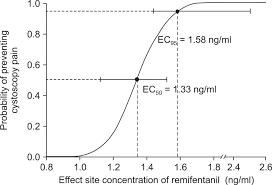
This article provides a comprehensive guide for researchers and toxicology professionals on determining the median lethal dose (LD50) using probit analysis.
A Practical Guide to Calculating LD50 with Probit Analysis: From Theory to Statistical Implementation
Abstract
This article provides a comprehensive guide for researchers and toxicology professionals on determining the median lethal dose (LD50) using probit analysis. It progresses from foundational concepts—including the definition of LD50, the history of the probit method, and its underlying statistical theory—to a detailed, practical methodology for conducting the analysis, covering experimental design, data transformation, and regression[citation:2][citation:5]. The guide further addresses common troubleshooting scenarios, validation techniques, and a comparative evaluation with alternative methods like logit regression and modern computational models[citation:6]. It concludes by synthesizing the role of classical probit analysis within the contemporary landscape of computational toxicology and predictive safety science[citation:1].
Understanding LD50 and Probit Analysis: Core Concepts for Toxicology Research
Core Definition and Historical Context
The median lethal dose (LD₅₀) is defined as the amount of a material, administered in a single dose, that causes the death of 50% of a group of test animals within a specified observation period [1]. It is a quantal measurement of acute toxicity, meaning it records an effect (death) that either occurs or does not occur [1]. This value is typically expressed as the mass of substance per unit body weight of the test animal (e.g., milligrams per kilogram, mg/kg) [1] [2].
The concept was developed in 1927 by J.W. Trevan to provide a standardized method for comparing the relative poisoning potency of drugs and chemicals that harm the body in diverse ways [1] [2]. By using death as a clear, unambiguous endpoint, LD₅₀ allows for the comparison of toxicity across different chemical classes [1].
A related term, LC₅₀ (Lethal Concentration 50), refers to the concentration of a chemical in air (or water) that kills 50% of test animals over a set exposure period, commonly 4 hours [1].
Regulatory Framework and Significance
LD₅₀ testing is governed by internationally recognized guidelines to ensure consistency, reliability, and ethical compliance. Key regulatory bodies include:
- OECD (Organisation for Economic Co-operation and Development): Its Test Guidelines are the global standard for chemical safety testing, promoting the Mutual Acceptance of Data (MAD) across member countries [3]. The guidelines are continuously updated to incorporate scientific advancements and the 3Rs principles (Replacement, Reduction, and Refinement of animal testing) [3].
- U.S. Environmental Protection Agency (EPA): Maintains the Health Effects Test Guidelines (Series 870), which include specific protocols for acute oral (870.1100), dermal (870.1200), and inhalation (870.1300) toxicity studies [4].
- U.S. Food and Drug Administration (FDA): Provides guidance through its Redbook 2000, outlining general principles for designing and conducting toxicity studies for food ingredients and additives, emphasizing Good Laboratory Practice (GLP) [5].
The primary significance of the LD₅₀ value lies in hazard classification and labeling. It is used to place substances into toxicity categories, which dictate handling precautions, personal protective equipment (PPE) requirements, and transportation regulations [1] [6]. In drug development, it helps establish the therapeutic index (the ratio between toxic and effective doses) [2] [7].
Table 1: Common Toxicity Classification Systems Based on LD₅₀ Values (Oral, Rat)
| Toxicity Rating | Common Term | Oral LD₅₀ (mg/kg) | Probable Lethal Dose for 70 kg Human |
|---|---|---|---|
| 1 (Hodge & Sterner) [1] | Extremely Toxic | ≤ 1 | A taste, a drop (~1 grain) |
| 2 [1] | Highly Toxic | 1 – 50 | 1 teaspoon (~4 ml) |
| 3 [1] | Moderately Toxic | 50 – 500 | 1 ounce (~30 ml) |
| 4 [1] | Slightly Toxic | 500 – 5000 | 1 pint (~600 ml) |
| 5 [1] | Practically Non-toxic | 5000 – 15000 | > 1 quart (~1 L) |
| 6 (Gosselin et al.) [1] | Super Toxic | < 5 | < 7 drops |
The Mathematical Foundation: Probit Analysis
Probit analysis is a classical statistical method for analyzing binomial response data (like death/survival) in relation to a quantitative stimulus (like dose) [8] [9]. It transforms the sigmoidal dose-response curve into a straight line, enabling precise calculation of the LD₅₀ and its confidence intervals.
The core transformation uses the probit (probability unit), which is derived from the inverse of the cumulative standard normal distribution. The percentage mortality is converted to a probit value [9]. A linear model is then fitted: Probit(Y) = k + (m * log₁₀(Dose)) [8] Where 'k' and 'm' are constants. The LD₅₀ is calculated as the dose at which the probit equals 5 (corresponding to 50% mortality).
Probit Analysis Workflow for LD50 Calculation
Evolving Paradigms: Alternative and In Silico Methods
Traditional LD₅₀ testing requires significant numbers of animals. Modern toxicology emphasizes New Approach Methodologies (NAMs) to reduce, refine, and replace animal use [6].
- Alternative Tests: The OECD Up-and-Down Procedure (UDP) and Fixed Dose Procedure (FDP) use sequential dosing in fewer animals to estimate an LD₅₀ range without requiring death as an endpoint [4].
- In Silico (Computational) Models: Quantitative Structure-Activity Relationship (QSAR) and machine learning models predict LD₅₀ based on chemical structure.
- Collaborative Acute Toxicity Modeling Suite (CATMoS): A consensus platform that leverages multiple machine learning models (e.g., random forest, support vector machines, deep learning) and has demonstrated high accuracy in predicting rat oral LD₅₀ [6].
- Model Requirements: Regulatory-use models must have a defined endpoint, unambiguous algorithm, applicability domain, and measures of goodness-of-fit and predictivity [6].
Table 2: Examples of Acute Oral LD₅₀ Values in Rats [2]
| Substance | Approx. LD₅₀ (mg/kg) | Relative Toxicity Category |
|---|---|---|
| Botulinum toxin | 0.000001 | Extremely Toxic |
| Sodium cyanide | 6-8 | Highly Toxic |
| Arsenic | 763 | Moderately Toxic |
| Paracetamol (Acetaminophen) | 2000 | Slightly Toxic |
| Ethanol | 7060 | Practically Non-toxic |
| Sucrose (Table Sugar) | 29700 | Relatively Harmless |
Detailed Experimental Protocol for Acute Oral Toxicity (OECD/EPA Guideline-Based)
This protocol outlines the key steps for determining an acute oral LD₅₀ in rodents using a multi-dose design suitable for probit analysis.
5.1 Pre-Study Preparations
- Test Article: Use a well-characterized, pure substance. Prepare dosing solutions/suspensions daily in a suitable vehicle (e.g., water, methylcellulose) [5].
- Animals: Use healthy, young adult rats (e.g., 6-8 weeks old). Common strains include Sprague-Dawley or Wistar. Both sexes should be tested, using separate groups [5].
- Housing: House animals individually under standard conditions (controlled temp/humidity, 12h light/dark cycle) with ad libitum access to certified rodent diet and water [5].
- Acclimation: Acclimate animals for at least 5 days prior to dosing [5].
- Randomization: Assign animals to control and dose groups using a stratified random method based on body weight to ensure comparable group means [5].
5.2 Study Design
- Dose Selection: Based on a range-finding study, select at least 3-5 logarithmically spaced doses expected to produce mortality between 0% and 100%.
- Group Size: A minimum of 5-10 animals per sex per dose group is typical. Control groups receive the vehicle only.
- Dosing: Administer the test article in a single dose by oral gavage. Use a constant dosing volume (e.g., 10 mL/kg body weight). Record exact dose for each animal (mg/kg).
5.3 In-Life Observations and Data Collection
- Clinical Observations: Observe animals frequently on day 0, and at least daily for 14 days. Record signs of toxicity, morbidity, and time of death [1].
- Body Weight: Record individual animal weights at dosing, and periodically during the observation period.
- Necropsy: Perform gross necropsy on all animals found dead or sacrificed moribund, and on all survivors at terminal sacrifice.
5.4 Data Analysis via Probit Method
- Tabulate dose (converted to log₁₀) against the number dead/total per group.
- Calculate percentage mortality and convert percentages to probit values using a standard probit table [9].
- Perform weighted linear regression of probits on log₁₀(dose). Software like SPSS, R, or specialized toxicology packages is used.
- From the regression line, calculate the LD₅₀ (log₁₀ dose where probit=5) and its 95% confidence limits [8] [9].
- Report the LD₅₀ value with species, strain, sex, route, and confidence intervals (e.g., LD₅₀ (oral, rat, female) = 250 mg/kg (95% C.I. 200-310 mg/kg)).
The Scientist's Toolkit: Essential Reagents and Materials
Table 3: Key Research Reagent Solutions for LD₅₀ Studies
| Item / Reagent | Function / Purpose | Key Considerations |
|---|---|---|
| Test Substance | The chemical entity whose acute toxicity is being assessed. | Purity and stability must be characterized. Requires safe handling per MSDS [5]. |
| Vehicle (e.g., Water, 0.5% Methylcellulose, Corn Oil) | To dissolve or suspend the test substance for accurate dosing. | Must be non-toxic, not react with test article, and ensure homogenous dosing solution [5]. |
| Clinical Pathology Kits (Serum Biochemistry, Hematology) | To evaluate organ dysfunction and systemic effects in survivors. | Used in satellite groups or main study survivors to provide mechanistic toxicity data. |
| Fixative (10% Neutral Buffered Formalin) | For tissue preservation during necropsy for potential histopathology. | Essential for identifying target organs of toxicity [5]. |
| Reference Control Compound | A substance with a known, stable LD₅₀. | Used occasionally to validate assay sensitivity and laboratory performance. |
| Software for Probit Analysis | To perform statistical calculation of LD₅₀, confidence limits, and regression parameters. | Examples include EPA's BMDS, commercial stats packages, or validated in-house scripts [8]. |
LD50 as a Convergence Point in Toxicology
The concept of the Median Lethal Dose (LD₅₀), introduced by J.W. Trevan in 1927, was born from a need to standardize the assessment of drug and chemical potency [1] [10]. Trevan's innovation was to use death as a universal, measurable endpoint, allowing for the comparison of substances with vastly different mechanisms of action [1]. This foundational work established dose-response as a core principle in toxicology. The LD₅₀ is defined as the statistically derived single dose of a substance expected to cause death in 50% of a defined animal population under specific test conditions [1].
Subsequent statistical refinements, most notably Finney's probit analysis, transformed Trevan's concept into a robust quantitative tool [11] [10] [12]. Probit analysis linearizes the sigmoidal dose-response relationship, allowing for precise calculation of the LD₅₀ and its confidence intervals [11] [12]. While modern toxicology increasingly emphasizes mechanistic understanding and alternative testing strategies, the LD₅₀ derived from probit analysis remains a critical benchmark in regulatory science for classifying chemical hazards, setting safety thresholds, and prioritizing risk assessments [1] [10]. This article details the experimental and computational protocols that underpin this enduring metric, framing them within a thesis on probit analysis as the statistical bridge between empirical observation and regulatory decision-making.
Foundational Concepts and Toxicity Classification
The core purpose of LD₅₀ determination is to quantify and compare acute toxicity. It is crucial to understand that the LD₅₀ value is inversely related to toxicity: a lower LD₅₀ indicates a more toxic substance [1] [13]. The value is typically expressed as the mass of substance per unit body weight of the test animal (e.g., mg/kg) [1]. For inhalation studies, the analogous metric is the Lethal Concentration 50 (LC₅₀), expressed as concentration in air (e.g., ppm) over a specified duration, usually 4 hours [1].
To standardize communication of hazard, LD₅₀ values are classified using established toxicity scales. Two prominent systems are shown below, highlighting how the same numerical value can be described by different terms. It is imperative to reference which scale is being used [1].
Table 1: Toxicity Classification by the Hodge and Sterner Scale [1]
| Toxicity Rating | Commonly Used Term | Oral LD₅₀ in Rats (mg/kg) | Probable Lethal Dose for an Adult Human |
|---|---|---|---|
| 1 | Extremely Toxic | ≤ 1 | A taste (< 7 drops) |
| 2 | Highly Toxic | 1 – 50 | 1 teaspoon (4 ml) |
| 3 | Moderately Toxic | 50 – 500 | 1 ounce (30 ml) |
| 4 | Slightly Toxic | 500 – 5000 | 1 pint (600 ml) |
| 5 | Practically Non-toxic | 5000 – 15,000 | 1 quart (1 liter) |
| 6 | Relatively Harmless | ≥ 15,000 | > 1 quart |
Table 2: Toxicity Classification by the Gosselin, Smith and Hodge Scale [1]
| Toxicity Class | Probable Oral Lethal Dose (Human) | For a 70-kg Person |
|---|---|---|
| 6, Super Toxic | < 5 mg/kg | < 7 drops |
| 5, Extremely Toxic | 5 – 50 mg/kg | 7 drops – 1 tsp |
| 4, Very Toxic | 50 – 500 mg/kg | 1 tsp – 1 oz |
| 3, Moderately Toxic | 0.5 – 5 g/kg | 1 oz – 1 pint |
| 2, Slightly Toxic | 5 – 15 g/kg | 1 pint – 1 quart |
| 1, Practically Non-Toxic | > 15 g/kg | > 1 quart |
The LD₅₀ for a substance is not a fixed property; it can vary significantly based on the route of exposure (e.g., oral, dermal, inhalation) and the test species. For example, the insecticide dichlorvos shows differing toxicities: Oral LD₅₀ (rat): 56 mg/kg; Dermal LD₅₀ (rat): 75 mg/kg; Inhalation LC₅₀ (rat): 1.7 ppm (4-hour exposure) [1]. This underscores the importance of specifying test conditions when reporting or using LD₅₀ data.
Core Statistical Methodology: Probit Analysis
Probit analysis is the statistical engine for deriving the LD₅₀ from quantal dose-response data (where the outcome is binary, e.g., dead/alive) [11] [12]. It linearizes the sigmoidal cumulative normal distribution of responses to dose.
3.1 The Probit Transformation The proportion of subjects responding (p) at a given dose is converted to a "probit" (probability unit). The transformation is: Y = 5 + Φ⁻¹(p), where Φ⁻¹(p) is the inverse of the cumulative standard normal distribution [11] [12]. The addition of 5 is a historical convention to avoid negative values. A probit of 5 corresponds to the median response (p=0.5, i.e., LD₅₀), a probit of 6.64 corresponds to ~95% response, and 3.36 to ~5% response [11].
3.2 Model Fitting and LD₅₀ Calculation Transformed probits (Y) are regressed against the logarithm of the dose (log₁₀(dose)) using maximum likelihood estimation, fitting a linear model: Y = a + b * log₁₀(dose) [12]. The slope (b) represents the steepness of the dose-response curve. The LD₅₀ is calculated by setting Y=5 and solving for dose: log₁₀(LD₅₀) = (5 - a) / b. Software packages provide the LD₅₀ and its confidence intervals, which are essential for understanding the estimate's precision [12].
3.3 Goodness-of-Fit Assessment A critical step is evaluating the model's fit using a chi-square (χ²) heterogeneity test [12]. A non-significant p-value (typically >0.05) indicates the data do not deviate significantly from the fitted probit model. A significant result suggests the model is a poor fit, possibly due to underlying non-normal tolerance distribution or experimental issues, and inferences like the LD₅₀ may be unreliable [12].
Detailed Experimental Protocols
Protocol A: Classical In Vivo LD₅₀ Determination (OECD Guideline-Informed)
Objective: To determine the acute oral LD₅₀ of a test substance in rodents using a fixed-dose procedure and probit analysis.
Materials & Subjects:
- Test Substance: Pure compound of known concentration/ potency [1].
- Animals: Healthy young adult rats (e.g., Sprague-Dawley or Wistar), typically 8-12 weeks old. A common design uses 5-6 dose groups, with 5-10 animals per sex per group [1] [10].
- Housing: Standard laboratory conditions with ad libitum access to food and water (fasting period of 4-6 hours prior to dosing may be standard).
- Dosing Vehicle: An appropriate solvent/suspending agent (e.g., water, corn oil, methylcellulose).
Procedure:
- Dose Selection: Based on a pilot range-finding study, select at least four doses that are expected to produce mortality between 0% and 100%, ideally spanning the 10%-90% range.
- Randomization & Group Assignment: Randomly assign animals to dose groups and control group(s). Control groups receive the dosing vehicle only.
- Dosing: Administer the test substance in a single bolus via oral gavage. The dose is calculated based on the most recent body weight (mg/kg). Record the exact volume administered.
- Post-Dosing Observation: Observe animals frequently (e.g., at 30 min, 1, 2, 4, 6, and 24 hours) on the first day, and at least daily for a total of 14 days [1]. Record detailed clinical observations: signs of toxicity, onset/duration, morbidity, and mortality.
- Necropsy: Perform gross necropsy on all animals found dead and those euthanized at the end of the study.
Data Analysis:
- Tabulate the number of animals dosed (N) and the number deceased (R) at each dose level at the end of the 14-day observation period.
- Calculate the proportion responding (mortality) at each dose: p = R/N.
- Input data (Dose, N, R) into statistical software capable of probit analysis (e.g., StatsDirect, specific R packages, or the USDA Probit programs) [14] [12].
- Perform probit regression (log₁₀ dose transformation) and obtain the LD₅₀ estimate with 95% confidence limits.
- Report the slope of the probit line, the χ² goodness-of-fit statistic, and the final LD₅₀ (mg/kg) with confidence limits. The result should be reported as, for example, "Oral LD₅₀ (rat) = 250 mg/kg (95% C.I. 195 – 320 mg/kg)" [1].
Protocol B: Modern Application - Determining Limit of Detection (LoD) for a Diagnostic Assay via Probit Analysis
Objective: To determine the 95% detection limit (LoD or C95) of a qualitative diagnostic assay (e.g., SARS-CoV-2 RT-PCR) using probit regression, as per CLSI EP17-A2 guidelines [11].
Materials:
- Target Analyte: SARS-CoV-2 virus stock of known concentration (e.g., in plaque-forming units per mL, PFU/mL).
- Clinical Matrix: Negative nasopharyngeal swab (NPS) transport medium.
- Assay: Xpert Xpress SARS-CoV-2 test kit or equivalent.
- Instrumentation: Appropriate PCR detection system.
Procedure [11]:
- Sample Preparation: Serially dilute the virus stock in the negative NPS matrix to create 5-7 concentration levels near the expected LoD (e.g., spanning from 0.0001 to 0.02 PFU/mL).
- Replicate Testing: For each concentration level, test a minimum of 20 independent replicates. Include at least 20 replicates of the negative matrix as a control.
- Run Assay: Perform the test according to the manufacturer's instructions. Record results as positive or negative for each replicate.
Data Analysis:
- For each concentration level, calculate the proportion of positive replicates (hit rate).
- Convert hit rates to probits using the formula: Y = 5 + NORMSINV(P), where P is the hit rate [11].
- Perform linear regression of probits (Y) against log₁₀(concentration).
- Calculate the C95 concentration (LoD) by solving the regression equation for Y = 6.64 (the probit for 95% response). LoD = 10^[(6.64 - a) / b], where 'a' is the intercept and 'b' is the slope.
- Verification: Prepare samples at the calculated LoD concentration and test at least 20 replicates. A hit rate of ≥95% verifies the LoD [11].
Advanced Models: From Descriptive to Mechanistic
While probit analysis descriptively models the dose-response relationship, Toxicokinetic-Toxicodynamic (TK-TD) models represent a paradigm shift toward mechanistic prediction [15].
5.1 The GUTS Framework The General Unified Threshold Model of Survival (GUTS) integrates two processes [15]:
- Toxicokinetics (TK): Describes the time-course of substance uptake, distribution, and elimination within the organism (internal dose).
- Toxicodynamics (TD): Describes the processes of damage accumulation and repair leading to the observed effect (death).
5.2 Core Mechanistic Hypotheses GUTS operates under two alternative survival models [15]:
- Stochastic Death (SD): All individuals are assumed identical. At any moment, the probability of death is the same for all living individuals and increases with increasing internal damage.
- Individual Tolerance (IT): Individuals differ in their sensitivity (threshold). An individual dies instantly when its internal damage exceeds its personal threshold. The distribution of thresholds in the population is modeled.
These advanced models allow for extrapolation to time-variable exposures and can provide insights into the mode of toxic action, moving beyond the single-point estimate of the LD₅₀.
Visual Synthesis of Concepts and Workflows
Diagram 1: From Historical Concept to Modern Protocols and Models
The Scientist's Toolkit: Essential Research Reagents & Solutions
Table 3: Key Reagents, Software, and Resources for LD₅₀ and Probit Analysis Research
| Item | Function & Application | Specific Examples / Notes |
|---|---|---|
| Standard Laboratory Animals | In vivo bioassay subjects for classical acute toxicity testing. | Rat (Rattus norvegicus), mouse (Mus musculus). Specific strains (Sprague-Dawley, Wistar) are standard [1]. |
| Dosing Vehicles | To solubilize or suspend test compounds for accurate oral or parenteral administration. | Corn oil, carboxymethylcellulose (CMC), saline, dimethyl sulfoxide (DMSO, with caution) [1]. |
| Statistical Software with Probit | To perform probit regression, calculate LD₅₀/LC₅₀, and generate confidence intervals. | StatsDirect [12], R packages (e.g., ecotoxicology, drc), USDA Probit Programs (require Mathematica) [14]. |
| Online Calculators | For preliminary analysis and educational purposes. | AAT Bioquest LD₅₀ Calculator [13]. Note: Peer-reviewed analysis requires full statistical software. |
| Reference Toxins | Positive controls to validate experimental and analytical protocols. | Standardized chemicals with known, published LD₅₀ values (e.g., potassium cyanide, sodium dichromate). |
| CLSI & OECD Guidelines | Authoritative protocols for experimental design and data analysis to ensure regulatory acceptance. | OECD Test Guideline 425 (Up-and-Down Procedure), CLSI EP17-A2 (for LoD determination via probit) [11]. |
| Alternative Testing Matrices | For modern, reductionist approaches to toxicity screening. | In vitro cell lines, 3D tissue models, computational QSAR platforms [10]. |
The dose-response relationship, a cornerstone of toxicology and pharmacology, is fundamental for quantifying the biological effect of a chemical agent. When plotting the proportion of a population exhibiting a binary response (e.g., death/survival) against the logarithm of the dose, the data typically form an S-shaped sigmoid curve [12]. This shape reflects the cumulative distribution of individual tolerances within the population [16]. The primary challenge for researchers is to accurately determine key summary statistics, such as the median lethal dose (LD50)—the dose required to kill 50% of a test population—from this non-linear relationship [1].
Probit analysis is the established statistical method designed to solve this challenge. Developed primarily for biological assay work, it linearizes the sigmoid curve by transforming the observed proportions into "probability units" or probits [12] [11]. A probit is derived from the inverse of the cumulative standard normal distribution; essentially, it converts a proportion (p) into the equivalent number of standard deviations from the mean of a normal distribution, with 5 added for historical convenience to avoid negative numbers [12] [17]. The resulting linear model, Probit(p) = a + b * Log(Dose), can be analyzed using maximum likelihood estimation, providing robust estimates for the LD50 and its confidence intervals [12] [18]. This method is preferred for quantal (binary) data with a binomial error structure, distinguishing it from techniques suited for continuous response data [12].
Core Protocol: Designing and Executing an LD50 Probit Analysis Experiment
This protocol outlines the standardized procedure for determining the LD50 of a substance using probit analysis, in accordance with established toxicological principles [1] [17].
Pre-Experimental Design and Reagent Toolkit
A successful experiment requires careful planning and the following essential materials.
Table 1: Research Reagent Solutions & Essential Materials for LD50 Probit Analysis
| Item Category | Specific Items & Examples | Primary Function in Protocol |
|---|---|---|
| Test Substance | Pure chemical compound, purified toxin (e.g., snake venom) [19]. | The agent whose toxicity is being quantified. Must be of known and stable composition [1]. |
| Vehicle/Solvent | Phosphate-buffered saline (PBS), sterile water, corn oil, dimethyl sulfoxide (DMSO). | To dissolve or suspend the test substance for accurate dosing. Must be non-toxic at administered volumes. |
| Biological System | Inbred strain of laboratory animals (e.g., mice, rats). Defined cell culture for in vitro assays. | Provides the standardized, responsive population for the dose-response experiment [1]. |
| Dosing Apparatus | Oral gavage needles, calibrated syringes, inhalation chambers, topical application devices. | Ensures precise and consistent delivery of the test substance via the chosen route (oral, dermal, intravenous, etc.) [1]. |
| Data Collection Tools | Animal monitoring sheets, clinical scoring systems, laboratory information management system (LIMS). | Records binomial outcomes (dead/alive, affected/unaffected) and all associated metadata for statistical analysis. |
Experimental Procedure
Step 1: Animal Assignment and Dose Preparation. Healthy, acclimatized animals of a single species, strain, sex, and age range are randomly assigned to treatment groups (typically 5-8 animals per group) [1]. A control group receives the vehicle only. Prepare a logarithmic series of 5-7 test doses. The range should be estimated from preliminary studies to span from a dose expected to cause ~0% response to one causing ~100% response [17].
Step 2: Substance Administration and Observation. Administer the single, prepared dose to each animal in the corresponding group via the specified route (e.g., oral gavage, intravenous injection) [1]. Observe all animals, including controls, meticulously for a predefined period (often 24, 48, or 72 hours, depending on the substance's toxicokinetics). Record the binomial endpoint (e.g., dead or alive at 48 hours) for each subject. Clinical observations of morbidity should also be noted.
Step 3: Data Compilation. Compile the raw data into a grouped format suitable for analysis. For each dose level, record: the dose (D), the total number of animals tested (N), and the number of animals responding (R, e.g., died) [18]. The proportional response is calculated as p = R/N.
Data Analysis Protocol: From Raw Counts to LD50 Estimate
Following data collection, statistical transformation and analysis are performed.
Step 1: Data Transformation.
First, apply a logarithmic transformation to the dose values (X = Log(D)). This step is critical as the relationship between probit and dose is typically linear on a logarithmic scale [12] [20]. Next, transform the observed proportion (p) for each dose group to a probit value (Y). This can be done using statistical software, published probit tables, or the Excel function: Y = 5 + NORMSINV(p), where NORMSINV is the inverse standard normal function [11] [18]. Proportions of 0% or 100% require correction (e.g., using Abbott's formula or replacing 0 with 0.25/N and 1 with (N-0.25)/N) before transformation [17].
Step 2: Model Fitting via Maximum Likelihood Estimation (MLE).
Fit the linear model Y = a + bX using MLE, not ordinary least squares. MLE is the standard method for probit analysis as it correctly accounts for the binomial nature of the data and provides the best estimates for the intercept (a) and slope (b) [12] [18]. This process is iterative and is performed automatically by specialized software (e.g., StatsDirect, MedCalc, SAS, R).
Step 3: Calculating LD50 and Confidence Intervals.
The fitted model is used to calculate the LD50. Since the LD50 corresponds to a probit value of 5 (representing the 50% point on the standard normal distribution), the formula is derived from the regression equation: Log(LD50) = (5 - a) / b. The anti-log of this value gives the LD50 in the original dose units [18] [17]. Software will also calculate 95% confidence intervals for the LD50 using Fieller's theorem or similar methods, which are essential for stating the precision of the estimate [12].
Step 4: Goodness-of-Fit and Model Validation. Assess the model's fit using a chi-square heterogeneity test. A non-significant p-value (e.g., p > 0.05) indicates the observed data do not deviate significantly from the fitted probit model, validating the analysis [12]. Significant heterogeneity suggests the model is a poor fit, possibly due to an incorrect dose spacing, outliers, or non-binomial variance, and results should be interpreted with extreme caution [12].
Figure 1: Probit Analysis Workflow: From Raw Data to LD50.
Applications, Interpretation, and Advanced Context
Interpreting Results and Toxicity Classification
The calculated LD50 is a primary metric for acute toxicity. Lower LD50 values indicate higher toxicity [1]. To standardize communication, results are often classified using established toxicity scales.
Table 2: Toxicity Classification Based on Oral LD50 in Rats (Hodge and Sterner Scale) [1]
| Toxicity Rating | Common Term | Oral LD50 (mg/kg) | Probable Lethal Dose for Humans |
|---|---|---|---|
| 1 | Extremely Toxic | ≤ 1 | A taste, a drop (~1 grain) |
| 2 | Highly Toxic | 1 – 50 | 4 mL (~1 teaspoon) |
| 3 | Moderately Toxic | 50 – 500 | 30 mL (~1 fluid ounce) |
| 4 | Slightly Toxic | 500 – 5000 | 600 mL (~1 pint) |
| 5 | Practically Non-toxic | 5000 – 15000 | >1 Litre |
It is crucial to report the species, route of exposure, and observation time alongside the LD50 value (e.g., LD50 (oral, rat, 48h) = 250 mg/kg), as these factors dramatically influence the result [1]. Furthermore, while probit analysis is the gold standard for quantal data, alternative methods like logistic regression (based on the logistic distribution) or the non-parametric trimmed Spearman-Karber method are used when data does not fit a probit model or when responses do not span the 0-100% range [16].
Critical Cautions and Modern Applications
Researchers must heed key cautions. Probit analysis is not a universal solution; some dose-response relationships are not adequately described by a Gaussian sigmoid [12]. It is designed for binomial data only; continuous response data (e.g., enzyme activity, percent body weight change) require different regression methods [12]. For complex analyses like comparing relative potencies of multiple compounds, expert statistical guidance is recommended [12].
Beyond traditional toxicology, probit analysis has found a vital modern application in clinical diagnostics, particularly for determining the Limit of Detection (LoD) of qualitative tests (e.g., for viruses like SARS-CoV-2) [11]. Here, the "dose" is the analyte concentration, and the "response" is a positive test result. The concentration at which 95% of replicates test positive (C95) is estimated via probit regression and reported as the LoD, following guidelines such as CLSI EP17-A2 [11] [18].
Figure 2: The Logic of Probit Transformation: From Sigmoid to Straight Line.
Probit analysis remains an indispensable statistical tool for transforming the sigmoid dose-response curve into a tractable linear model, enabling the precise calculation of the LD50 and other critical quantiles. Its proper application requires stringent experimental design, appropriate binomial data, and rigorous validation of model fit. While its roots are in toxicology, the core mathematical principle of linearizing a cumulative distribution function ensures its continued relevance in modern scientific fields, from eco-toxicology to the validation of cutting-edge diagnostic tests. Mastery of this technique equips researchers with a powerful method for quantifying biological potency and risk.
Mathematical Foundation and Conceptual Framework
The probit model is a specialized type of regression analysis designed for binary outcome variables (e.g., alive/dead, success/failure) [21]. Its core purpose is to estimate the probability that an observation with given characteristics falls into one of the two possible categories [21]. The model is specified as:
( P(Y = 1 | X) = \Phi(\alpha + \beta X) )
where Φ represents the cumulative distribution function (CDF) of the standard normal distribution [21] [22]. The term (α + βX) is a linear predictor, but the response probability is a non-linear function of this predictor.
A powerful way to motivate this model is through the latent variable framework. Suppose an unobserved, continuous latent variable Y* determines the binary outcome Y [21]. This latent variable is modeled as:
( Y^* = \alpha + \beta X + \epsilon )
where ε ~ N(0, 1). The observed binary outcome Y is then defined as:
( Y = \begin{cases}
1 & \text{if } Y^* > 0 \
0 & \text{otherwise}
\end{cases} ) [21]
Consequently, the probability that Y=1 is:
( P(Y=1|X) = P(\alpha + \beta X + \epsilon > 0) = P(\epsilon > -\alpha - \beta X) = \Phi(\alpha + \beta X) ) [21]
This formulation directly links the linear model for the latent variable to the probit function for the observed binary outcome.
The probit transformation itself is the inverse of this process. It converts an observed probability p into a "probit" or a z-score from the standard normal distribution [23] [24]:
( \text{probit}(p) = \Phi^{-1}(p) )
In historical toxicological work, a value of 5 was often added to the probit (probit = 5 + z) to avoid working with negative numbers [24]. This transformation is key to linearizing a sigmoidal dose-response relationship: by converting mortality proportions to probits and doses to logarithms, the relationship becomes approximately linear (Y = α + βX), enabling analysis by linear regression [16] [25].
Application in LD50 Calculation: Protocols and Procedures
Probit analysis is the standard parametric method for calculating the median lethal dose (LD50) or concentration (LC50) from dose-response bioassay data [16]. The following protocol details the steps from experimental design to final calculation.
Experimental Design and Data Collection Protocol
A valid probit analysis for LD50 determination requires careful experimental design.
- Test Organisms & Grouping: Use healthy, genetically similar organisms of a defined life stage. Randomly assign individuals to dose groups and a control group [16].
- Dose Selection: Administer at least 5-6 geometrically spaced doses (e.g., doubling concentrations) expected to produce mortality rates between 10% and 90%. Include a negative control (vehicle only) [25].
- Replication: Each dose group must contain an adequate number of organisms (typically 20-100, depending on the organism) to reliably estimate the proportion affected [16].
- Exposure & Observation: Under standardized conditions (temperature, humidity), expose groups for a specified duration. Record the number of organisms showing the defined adverse effect (e.g., death) in each group after the observation period [16].
Data Preparation and Transformation Protocol
Raw mortality counts must be transformed for linear regression.
- Calculate Observed Proportion (p): For each dose group, ( p = \frac{\text{Number Dead}}{\text{Total in Group}} ).
- Apply Control Mortality Correction: If control group mortality (
c) exceeds a threshold (e.g., 10%), correct proportions using Abbott's or Schneider-Orelli's formula [25]: ( p_{\text{corrected}} = \frac{p - c}{1 - c} ) - Transform Dose: Convert administered doses to
log10(dose)(X-axis variable) [25]. - Transform Proportion to Empirical Probit (Y): Convert each corrected proportion
pto an empirical probit valueY. This can be done using statistical tables or software functions:Y = Φ⁻¹(p)[23] [24]. For manual calculation,Y = 5 + normsinv(p)in spreadsheet software provides the traditional probit value [11].
Computational Analysis Protocol for LD50
The core analysis involves iterative weighted least-squares regression.
- Initial Regression: Perform a simple linear regression of Empirical Probits (Y) on log10(dose) (X) to obtain an initial intercept (α) and slope (β).
- Calculate Expected Probits (Ŷ): For each dose, compute ( Ŷ = \alpha + \beta \times \log10(\text{dose}) ).
- Calculate Weighting Coefficients (w): The weight for each data point is critical for handling the non-constant variance of binomial data. It is calculated as [25]:
( w = \frac{Z^2}{P \times Q} )
where:
Zis the ordinate (height) of the standard normal distribution at the expected probit Ŷ.Pis the expected probability corresponding to Ŷ (P = Φ(Ŷ - 5)).Q = 1 - P.
- Iterative Weighted Regression: Perform a weighted least squares regression using the weights
w. This yields new, more precise estimates for α and β [21] [25]. - Iterate to Convergence: Recalculate expected probits and weights using the new coefficients. Repeat the weighted regression until the parameter estimates stabilize (converge).
- Calculate LD50 and Confidence Intervals:
- LD50: The log10(dose) at which the expected probit
Ŷ = 5(corresponding to 50% mortality). Solve the final regression equation: ( \log10(\text{LD50}) = (5 - \alpha) / \beta ). The antilog gives the LD50 [25]. - Standard Error and CI: The standard error of the log10(LD50) is calculated from the weighted regression variance-covariance matrix. The 95% fiducial confidence limits are [25]: ( \text{Antilog} [ \log10(\text{LD50}) \pm 1.96 \times \text{SE}(\log10(\text{LD50})) ] )
- LD50: The log10(dose) at which the expected probit
- Goodness-of-Fit Test: Assess model fit using a Chi-square test comparing observed versus expected numbers of affected organisms across doses. A non-significant p-value indicates an adequate fit [25].
Table 1: Key Steps in Computational Probit Analysis for LD50 [16] [25]
| Step | Action | Purpose | Output |
|---|---|---|---|
| 1. Transformation | Convert dose to log10, proportion to probit. | Linearize sigmoidal dose-response curve. | Linear coordinates (X, Y). |
| 2. Initial Fit | Simple linear regression. | Obtain starting estimates for parameters. | Initial α, β. |
| 3. Weight Calculation | Compute weighting coefficient w for each point. |
Account for binomial variance, giving more weight to precise points. | Weights (w). |
| 4. Weighted Regression | Perform weighted least squares regression. | Obtain efficient, minimum-variance parameter estimates. | Refined α, β. |
| 5. Iteration | Repeat steps 3-4 until convergence. | Achieve final stable parameter estimates. | Final α, β. |
| 6. LD50 Estimation | Solve 5 = α + β*log10(Dose). |
Calculate median lethal dose. | LD50 point estimate. |
| 7. Uncertainty Quantification | Calculate standard error from final model. | Establish confidence in the LD50 estimate. | 95% Fiducial Limits. |
Comparative Analysis with Alternative Models
While probit is standard, other models are applicable to binary dose-response data. The choice depends on the underlying distribution of tolerance within the test population [16].
Table 2: Comparison of Binary Dose-Response Models [16] [22]
| Feature | Probit Model | Logit Model | Trimmed Spearman-Karber |
|---|---|---|---|
| Mathematical Foundation | Based on cumulative standard normal distribution. | Based on cumulative logistic distribution. | Non-parametric method; does not assume a specific distribution. |
| Link Function | ( \Phi^{-1}(p) = \alpha + \beta X ) | ( \ln(p/(1-p)) = \alpha + \beta X ) | Not applicable. |
| Assumption | Population tolerance follows a log-normal distribution. | Population tolerance follows a log-logistic distribution. | Minimal; only requires monotonic dose-response. |
| Primary Use Case | Standard toxicology, especially when tolerances are normally distributed. | Widely used in epidemiology and general statistics; tails are slightly heavier than normal. | When data does not fit parametric models or responses are not normally distributed. |
| Output | LD50 with confidence intervals. | LD50 with confidence intervals. | LD50 with confidence intervals. |
| Software/Implementation | Available in most statistical packages (SAS, R, SPSS, specialized tools) [25]. | Available in all standard statistical packages. | Available in ecotoxicology and specific statistical software. |
Advanced Applications and Validation in Research
Beyond classic toxicology, probit analysis is vital in method validation for clinical and analytical laboratories, particularly for determining the Limit of Detection (LoD) for qualitative assays like PCR [11].
Protocol for LoD Determination using Probit Analysis [11]:
- Sample Preparation: Create a series of 5-7 samples with analyte concentrations near the expected LoD, serially diluted in a negative matrix.
- Replicate Testing: Analyze each concentration level a minimum of 20 times (recommended), including negative controls.
- Calculate Hit Rate: For each concentration, compute the proportion of positive results (Detection Probability,
Dᵢ). - Probit Regression: Regress the probit-transformed hit rates against
log10(concentration). - Estimate LoD: The LoD is defined as the concentration corresponding to a detection probability of 0.95. From the fitted model, calculate the concentration where the predicted probit equals
Φ⁻¹(0.95) ≈ 6.64(using the +5 convention) or 1.645 (without it) [11].
Validation of Disinfestation Treatments: In phytosanitary treatment research, a Probit 9 efficacy standard is often required (99.9968% mortality). To demonstrate this with 95% confidence requires testing approximately 93,600 insects with zero survivors [16]. This extreme level of validation underscores the role of probit analysis in confirming the safety and efficacy of treatments for international trade.
Visualizing the Probit Workflow and Transformation
Workflow for LD50 Calculation via Probit Analysis
Probit Transformation Linearizes the Dose-Response Curve
The Researcher's Toolkit: Essential Materials and Reagents
Table 3: Essential Research Toolkit for Probit Analysis [16] [11] [25]
| Category | Item / Solution | Specification / Function |
|---|---|---|
| Statistical Software | R, SAS, SPSS, Stata | Core platforms for performing probit regression, maximum likelihood estimation, and calculating confidence intervals. glm() function in R is commonly used [22]. |
| Specialized Tools | POLO, LeOra Software, EPA BMDS | Specialized suites for dose-response analysis, often including probit, logit, and other models with advanced benchmarking features [25]. |
| Spreadsheet Implementation | Custom Excel Spreadsheet | User-friendly templates implementing Finney's method of iterative weighted regression for calculating LD50/LC50, accessible without advanced software [25]. |
| Laboratory & Data Collection | Test Organisms | Standardized, healthy populations (e.g., Daphnia magna, Oncorhynchus mykiss, specific insect strains) of defined age/size [16]. |
| Test Compound/Vehicle | High-purity analytical standard of the toxicant. Appropriate solvent/vehicle for serial dilution (e.g., acetone, DMSO, water) [16]. | |
| Controlled Environment Chambers | For maintaining constant temperature, humidity, and light cycles during exposure to minimize stress-related variability [16]. | |
| Reference Materials | Probit Transformation Tables | Historical tables for converting proportions to probits (e.g., Finney's tables), useful for manual calculation or verification [11] [24]. |
| Standard Operating Procedures (SOPs) | Protocols for acute toxicity testing (e.g., OECD, EPA, ASTM guidelines) ensuring regulatory compliance and reproducibility [16]. |
Within the framework of calculating the median lethal dose (LD₅₀), the selection of an appropriate statistical model is foundational to valid and interpretable results. Probit analysis emerges as the specialized statistical tool for this purpose when the core assumptions of the experimental data and research question align with its mathematical underpinnings [26] [16]. Originally developed by Bliss in 1934 and formalized by Finney, probit analysis was designed to solve the fundamental challenge in toxicology and bioassay: transforming the sigmoidal (S-shaped) relationship between the logarithm of a dose and the probability of a quantal response (e.g., death or survival) into a linear form suitable for regression [27] [26].
The broader thesis of LD₅₀ determination posits that an agent's toxicity can be summarized by the dose required to kill half of a test population. Probit analysis directly serves this thesis by providing a robust method to estimate this dose and its confidence limits, but its appropriateness is conditional [28]. It is specifically indicated when the tolerance distribution of the test subjects to the toxicant is normally distributed—that is, when the individual doses required to elicit the response are distributed symmetrically around a mean [16]. When this core assumption holds, the cumulative distribution of responses follows the cumulative normal distribution, which probit analysis leverages through its transformation of proportions to "probability units" or probits [11]. Consequently, the tool is most powerful and accurate in fields like entomology, pharmacology, and toxicology for acute lethality testing, where the binary outcome aligns with the model's structure and the underlying biological variability often approximates normality on a logarithmic dose scale [27] [16].
Table 1: Core Assumptions of Probit Analysis and Diagnostic Checks
| Assumption | Theoretical Basis | How to Validate | Consequence of Violation |
|---|---|---|---|
| Normally Distributed Tolerance | Individual effective doses are normally distributed, leading to a cumulative normal dose-response curve [16]. | Goodness-of-fit test (e.g., Chi-square); inspect standardized residuals for systematic patterns [28]. | Biased estimates of LD₅₀ and inaccurate confidence limits. |
| Linear Relationship (Log Dose vs. Probit) | The probit transformation linearizes the sigmoidal cumulative normal curve [27] [26]. | Visual inspection of the probit plot; significance test of the regression slope [28]. | Regression model is misspecified; predictions are unreliable. |
| Independent Responses | The outcome for one subject does not influence the outcome for another [28]. | Controlled experimental design; assessing over-dispersion in the goodness-of-fit statistic. | Inflated variance, leading to underestimation of standard errors. |
| Stimulus is Quantifiable | The independent variable (dose/concentration) is known and measured on a continuous scale [26]. | Experimental protocol verification. | Fundamental regression requirement cannot be met. |
Quantitative Comparison: Probit Analysis vs. Alternative Methods
Selecting the correct analytical tool requires a clear understanding of the methodological landscape. While probit analysis is a standard for LD₅₀ calculation, other methods are applicable under different data conditions or assumptions [16]. The choice among probit, logit, and non-parametric methods fundamentally hinges on the distribution of the underlying tolerance and the nature of the data collected.
Logistic regression, or logit analysis, is the most direct alternative, designed for binary outcome data but based on the cumulative logistic distribution [16]. The Spearman-Karber method, particularly the trimmed version, provides a non-parametric alternative that does not assume a specific distribution shape but has stricter data coverage requirements [16]. The relative potency test is a specific application used for comparing two agents under the stringent assumption of parallel dose-response curves [28].
Table 2: Comparison of Statistical Methods for Quantal Bioassay Data
| Method | Key Principle | Data Requirements | Primary Output | Best Used When |
|---|---|---|---|---|
| Probit Analysis | Transforms proportions using the inverse cumulative normal distribution to linearize the relationship [11] [26]. | Multiple dose groups with partial responses (e.g., % kill between 5% and 95%) [11]. | LD₅₀, LD₉₅, slope, and confidence intervals [26]. | The tolerance distribution is assumed or verified to be normal (e.g., standard toxicology assays). |
| Logit Analysis | Transforms proportions using the inverse cumulative logistic distribution [16]. | Same as probit analysis. | LD₅₀, ED₅₀, and odds ratios. | The tolerance distribution has heavier tails than the normal distribution; results are often similar to probit. |
| Trimmed Spearman-Karber | Non-parametric method estimating the mean of the tolerance distribution [16]. | At least one response proportion ≤50% and one ≥50% [16]. | LD₅₀ with confidence interval. | Data do not fit a normal distribution; a distribution-free estimate is preferred. |
| Relative Potency (Parallel Lines) | Compares two probit/logit lines constrained to have the same slope [28]. | Two full dose-response datasets. | Relative potency ratio (e.g., Drug B is X times more potent than Drug A). | The primary question is comparative potency and the dose-response curves are parallel. |
Detailed Experimental Protocols for LD₅₀ Determination
Protocol 1: Foundational Bioassay for Probit Analysis
This protocol outlines the standard procedure for generating the quantal response data required for probit-based LD₅₀ calculation [27].
Experimental Design & Dose Selection:
- Define a minimum of five dose concentrations, logarithmically spaced where possible. The range should bracket the expected LD₅₀, with the lowest dose yielding a response near 0% (e.g., <10%) and the highest dose yielding a response near 100% (e.g., >90%) [11] [27].
- Include a control group (dose = 0) to account for natural mortality or background response.
- Assign a sufficient number of test subjects (n) to each dose group. A minimum of 20-30 subjects per dose is common for initial assays, though precise methods like the EPA require more [11]. Replication is critical for robust proportion estimates.
Data Collection:
- Administer the treatment and record the number of subjects exhibiting the defined quantal response (r_i) at each dose level (i) after a specified observation period.
- Record the total number of subjects treated (n_i) at each dose.
Data Preparation for Analysis:
- Calculate the observed proportion responding: ( p^*i = ri / n_i ) [28].
- Abbott's Correction: If a response occurs in the control group (natural mortality, c), correct the proportions using Abbott's formula: ( pi = (p^*i - c) / (1 - c) ) [27] [28]. This step is crucial for obtaining an unbiased estimate of the treatment effect.
- Prepare a data table with columns for: Dose, log10(Dose), n, r, and corrected p [27].
Protocol 2: Computational LD₅₀ Calculation via Maximum Likelihood Probit Regression
This protocol details the steps to perform the probit analysis, progressing from manual estimation to software implementation [27] [28].
Initial (Empirical) Probit Transformation:
Preliminary Linear Regression:
- Perform a least-squares linear regression of the empirical probits (y) against the log10(dose) (x), excluding any points where p_i was 0 or 1. This yields an initial slope (β₀) and intercept (α₀) [28].
Iterative Maximum Likelihood Fitting (Finney's Method):
- This iterative process refines the estimates [28].
- Step A: Using α₀ and β₀, calculate the expected probit (Yi) for *all* dose levels: ( Yi = α₀ + β₀ x_i ).
- Step B: Calculate the expected proportion (Pi): ( Pi = \Phi(Y_i - 5) * (1 - c) + c ), where c is natural mortality.
- Step C: Calculate the working probit (y'i): ( y'i = Yi + (pi - Pi) / Zi ), where Zi is the ordinate (height) of the standard normal distribution at Yi [28].
- Step D: Calculate a weighting coefficient (wi) for each dose: ( wi = Zi^2 / [ (Pi + c/(1-c)) * (1 - P_i) ] ) [28].
- Step E: Perform a weighted least-squares regression of the working probits (y') on log10(dose) (x), using weights ( ni wi ). This yields new parameters α₁ and β₁.
- Step F: Use α₁ and β₁ as new starting values and repeat steps A through E. The process iterates until the estimates converge (i.e., the change in the Chi-square statistic between iterations is minimal).
Model Diagnostics & LD₅₀ Calculation:
- Assess the model's goodness-of-fit using a Chi-square test: ( \chi^2 = \sum [ ni (pi - Pi)^2 / (Pi (1-P_i)) ] ) with (k-2) degrees of freedom (k = number of doses) [28]. A non-significant p-value (e.g., >0.05) indicates the model fits the data adequately.
- Calculate the log(LD₅₀) (denoted as m): ( m = (5 - \alpha) / \beta ), where 5 is the probit for a 50% response [27].
- Calculate the variance of m: ( V(m) = [1/\beta^2] * [ (1 / \sum ni wi) + ( (m - \bar{x})^2 / \sum ni wi (x_i - \bar{x})^2 ) ] ), where (\bar{x}) is the mean log(dose) [27].
- Calculate the 95% confidence interval for LD₅₀: ( \text{Antilog}[ m \pm t_{0.05, df} * \sqrt{V(m)} ] ), where t is the critical value from the t-distribution [27].
Visual Workflow: From Experiment to LD₅₀ Estimate
Workflow for Probit Analysis in LD₅₀ Determination
The Researcher's Toolkit: Essential Reagents & Software
Table 3: Essential Research Toolkit for Probit Bioassay & Analysis
| Category | Item / Solution | Specification / Example | Primary Function in Protocol |
|---|---|---|---|
| Biological Materials | Test Organisms | Species/strain with defined age, weight, and health status (e.g., Drosophila, lab mice, mosquito larvae). | Standardized biological unit for dose-response. |
| Negative Control Matrix | Vehicle solution (e.g., saline, acetone, water) without toxicant. | Administers control dose; assesses natural mortality. | |
| Positive Control Substance | A reference toxicant with known LD₅₀ (e.g., potassium dichromate). | Validates assay system performance and organism sensitivity. | |
| Test Substances & Prep | Serial Dilution Series | Log-spaced concentrations of the analyte in appropriate solvent [11]. | Creates the range of doses needed to define the sigmoidal curve. |
| Analytical Grade Solvents | DMSO, ethanol, distilled water, etc. | Dissolves and dilutes test substance without inducing toxicity. | |
| Software for Analysis | Statistical Packages | SPSS, SAS, R (glm with probit link), Polo-Plus [26] [16] [28]. |
Performs iterative maximum likelihood probit regression efficiently. |
| General Analysis Tools | Microsoft Excel (with NORM.S.INV, etc., for manual method) [11] [28]. | Useful for data organization, initial calculations, and implementing custom scripts. | |
| Reference Materials | Statistical Tables | Finney's tables of probits, weighting coefficients, and empirical probits [11] [27]. | Legacy resource for manual transformation and calculation. |
| Standard Protocols | CLSI EP17-A2, OECD Test Guidelines for chemical toxicity [11]. | Guides experimental design, dose selection, and replicate numbers. |
Step-by-Step Guide: Conducting Probit Analysis for LD50 Determination
The accurate determination of the median lethal dose (LD50)—the dose required to kill half of a test population—is a cornerstone of toxicological research and drug development. This parameter is critical for understanding the safety profile of chemical compounds, pharmaceuticals, and agrochemicals. The reliability of an LD50 estimate is not merely a function of statistical calculation but is fundamentally dependent on the initial experimental design. This includes the strategic selection of dose levels, the appropriate number and type of subjects, and the proper implementation of controls [12].
Probit analysis is the preferred statistical method for analyzing quantal (all-or-nothing) dose-response data, such as death or a specific toxic effect, to derive the LD50 and its confidence intervals [12] [16]. It operates on the principle that individual tolerances to a substance follow a log-normal distribution. A well-designed experiment provides the high-quality, binomial response data (e.g., number dead vs. number tested at each dose) that probit analysis requires for a robust and reliable fit [29] [18]. Poor design choices can lead to heterogeneous data, inadequate model fitting, and ultimately, unreliable or misleading potency estimates that compromise scientific validity and safety assessments.
This protocol details the fundamental components of experimental design for classical dose-response studies aimed at calculating LD50 via probit analysis. It integrates statistical theory with practical laboratory application, providing a structured framework for researchers.
Theoretical Foundation of Probit Analysis for Dose-Response
Probit analysis is a specialized form of regression analysis designed for binomial response variables. It linearizes the sigmoidal (S-shaped) relationship typically observed when the proportion of responding subjects is plotted against the logarithm of the dose [12] [16].
The core transformation converts observed proportions (p) into "probability units" or probits, which correspond to the inverse of the cumulative standard normal distribution (the z-score). The standard transformation is: Probit(p) = Φ⁻¹(p) + 5, where the addition of 5 is a historical convention to avoid negative values [12]. The analysis then fits a linear model: Probit(p) = a + b × Log(Dose) where a is the intercept and b is the slope, which represents the steepness of the dose-response curve [18].
The method relies on maximum likelihood estimation (MLE) rather than ordinary least squares, as MLE is more appropriate for binomial-distributed data [29]. The output provides an estimate of the LD50 (the dose corresponding to a probit of 5, or a 50% response rate) along with its confidence intervals, and a statistical test for goodness-of-fit (often a chi-square test) to assess whether the data adequately conform to the probit model [12] [18].
Experimental Protocol for LD50 Determination
Dose Selection and Preparation
The selection of dose levels is the most critical step in defining the experimental scope and ensuring an accurate probit fit.
Table 1: Dose Selection Criteria and Recommendations
| Criterion | Objective | Practical Recommendation |
|---|---|---|
| Number of Doses | To adequately define the sigmoid curve. | A minimum of 5 dose levels, plus a negative control. 6-8 levels are preferred for robust regression [12]. |
| Range | To encompass the full range from 0% to 100% response. | Preliminary range-finding studies are essential. The final experiment should include doses expected to cause ≈10% and ≈90% mortality. |
| Spacing | To ensure even distribution of information across the curve. | Use a geometric progression (e.g., doubling doses: 10, 20, 40, 80 mg/kg). Logarithmic spacing creates evenly spaced points on the log-dose axis. |
| Vehicle & Formulation | To ensure accurate and consistent delivery of the test agent. | The test substance must be soluble or homogenously suspendable in a vehicle (e.g., saline, corn oil, 0.5% carboxymethylcellulose). The formulation must be stable for the duration of the study. |
Subject Selection and Group Allocation
The test subjects must be appropriate for the research question and handled consistently to minimize variability.
Table 2: Subject Selection and Group Allocation Protocol
| Factor | Consideration | Standardization Protocol |
|---|---|---|
| Species & Strain | Relevance to research question and genetic uniformity. | Use a defined, healthy strain (e.g., Sprague-Dawley rats, CD-1 mice, Drosophila melanogaster). Justify choice based on metabolic or physiological relevance. |
| Age, Weight, & Sex | To reduce within-group variability in response. | Use subjects from a narrow age/weight range. Conduct separate assays for males and females, or stratify by sex if pooling is justified. |
| Health Status | To ensure responses are due to the test agent, not underlying illness. | Acquire subjects from reputable suppliers. Allow for a minimum 5-7 day acclimatization period in the test facility under standard conditions. |
| Randomization | To avoid systematic bias in group assignment. | Randomly assign each subject to a dose group or control group after acclimatization, using a computer-generated random number sequence. |
| Group Size (n) | To achieve sufficient statistical power and precision for the LD50 estimate. | A common starting point is n=8-12 subjects per dose group. Larger groups (n=20+) narrow confidence intervals but increase animal use [11]. |
Control Groups and Blinding
Controls are non-negotiable for validating the experimental results.
- Negative (Vehicle) Control: Subjects receive only the vehicle in the same volume and via the same route as dosed groups. This controls for effects of the administration procedure and the vehicle itself.
- Positive Control (Optional but Recommended): For some established testing frameworks (e.g., insecticide testing), a group may receive a reference compound with a known LD50 to verify the sensitivity and performance of the assay system.
- Handling & Sham Controls: If the administration route is invasive (e.g., injection, gavage), a sham group that undergoes the handling and procedure without any substance may be necessary.
- Blinding: The personnel responsible for observing endpoints (e.g., mortality, clinical signs) and recording data should be blinded to the group allocation of each subject to prevent observational bias.
The Scientist's Toolkit: Essential Reagent Solutions
Table 3: Key Research Reagent Solutions for Dose-Response Studies
| Item | Function | Key Considerations |
|---|---|---|
| Test Article | The active substance whose toxicity is being quantified. | Characterize purity, stability, and solubility. Store under appropriate conditions (e.g., -20°C, desiccated, protected from light). |
| Vehicle/Solvent | Medium for dissolving or suspending the test article for administration. | Must be non-toxic at the administered volumes. Common examples:生理盐水, 0.5-1% Carboxymethylcellulose (CMC)钠, corn oil, dimethyl sulfoxide (DMSO) with caution. |
| Formulation Matrix | Simulates the final product form (e.g., for agrochemicals or pharmaceuticals). | May include emulsifiers, stabilizers, or excipients. These components must be accounted for in control formulations. |
| Analytical Standard | A certified reference material of the test article. | Used to verify the concentration and purity of dosing solutions via HPLC, GC-MS, or other analytical methods. |
| Clinical Chemistry Assays | For supplemental toxicological data (e.g., liver/kidney injury panels). | Kits for measuring biomarkers like ALT, AST, BUN, and creatinine in serum/plasma can provide mechanistic insight. |
Experimental Workflow for an LD50 Study
Statistical Analysis Protocol: From Data to LD50
Following the in-life phase, data is compiled for probit analysis. The grouped data format requires three variables per dose level: the dose, the total number of subjects tested (n), and the number responding (r) [12] [18].
Step 1: Data Preparation and Transformation
- Tabulate data: Dose, N (tested), R (responders).
- Calculate the observed proportion responding: p = R / N.
- Most software (e.g., MedCalc, SAS, R, specialized scripts) will automatically perform the probit transformation and, if selected, the log transformation of the dose [18] [30].
Step 2: Model Fitting and Validation
- Fit the probit model using Maximum Likelihood Estimation (MLE). The model is: Probit(p) = a + b × Log(Dose) [18].
- Assess goodness-of-fit using the Chi-square heterogeneity test. A non-significant p-value (e.g., p > 0.05) indicates the data do not deviate significantly from the fitted probit model, supporting its use [12].
- If heterogeneity is significant (p < 0.05), investigate outliers or consider using a heterogeneity factor to adjust confidence intervals, or explore alternative models (e.g., logit, complementary log-log) [16] [30].
Step 3: LD50 Calculation and Reporting
- The LD50 is calculated as the dose corresponding to a probit value of 5. For the model Probit = a + b × Log(Dose), LD50 = 10^[(5 - a) / b] [18].
- Report the LD50 with its 95% confidence intervals (CI). The CI, not just the point estimate, is critical for communicating the precision of the estimate.
- The slope (b) of the probit line should also be reported, as it indicates the steepness of the dose-response relationship. A steeper slope suggests less variability in individual tolerance.
Probit Regression Analysis Workflow
Advanced Considerations and Troubleshooting
- Natural Mortality and Immunity: In some bioassays, control subjects may die naturally or a subset may be immune. Advanced probit procedures allow for the estimation of natural mortality and natural immunity parameters to correct the dose-response curve accordingly [30].
- Parallelism Testing: When comparing the potency of two compounds (e.g., a test article vs. a standard), probit analysis can test if their dose-response curves are parallel (have equal slopes). A significant difference in slopes invalidates a simple potency ratio comparison and requires more complex analysis [16] [30].
- Beyond LD50: Probit analysis can estimate any effective dose level (e.g., LD10, LD90). In diagnostic testing, it is used to determine the Limit of Detection (LoD), defined as the concentration corresponding to a 95% detection probability (often called C95) [11] [18].
- Cautions and Limitations: Probit analysis assumes tolerance is log-normally distributed. If the data systematically deviate from this model, the estimates may be biased. It is designed for quantal (binomial) data and should not be used for continuous data without expert statistical consultation [12] [16]. The method is a tool for well-designed experiments, not a remedy for poor design.
Data Preparation: Formatting Mortality Data for Analysis constitutes the foundational step for reliably determining the median lethal dose (LD₅₀), a critical metric in toxicology and drug development. The LD₅₀ is defined as the amount of a substance that, administered in a single dose, causes the death of 50% of a test animal population [1]. This protocol details the systematic process for collecting, structuring, and validating mortality data for subsequent analysis by probit analysis, a specialized statistical method designed for quantal (all-or-nothing) response data [29].
Probit analysis is a nonlinear estimation procedure that fits a cumulative normal distribution to dose-response data, overcoming the limitations of linear regression models when the dependent variable is dichotomous (e.g., dead/alive) [29]. Its use is mandated in standardized guidelines for determining limits of detection in diagnostic tests and remains the gold standard for calculating precise LD₅₀ values with confidence intervals [11]. The core of the analysis involves transforming observed mortality proportions into "probability units" or probits, which are linearly related to the logarithm of the dose, enabling the calculation of the dose corresponding to 50% mortality [11].
Core Data Structure and Collection Protocol
The integrity of the LD₅₀ calculation is entirely dependent on the quality of the raw experimental data. The following protocol ensures data is collected in a structured, consistent manner suitable for probit analysis.
Experimental Design and Data Collection Table
All mortality data must be recorded at the level of the individual test subject but aggregated for analysis. The following table defines the minimal data structure.
Table 1: Essential Data Structure for LD₅₀ Mortality Trials
| Data Field | Description | Format & Example | Critical Notes |
|---|---|---|---|
| Test Group ID | Unique identifier for each dose/concentration group. | Alphanumeric (e.g., G1, G2, LowDose) | Links individual subjects to a specific dose. |
| Dose/Concentration | The absolute amount or concentration of test substance administered. | Numerical value with unit (e.g., 5.0 mg/kg, 100 ppm) | Must be logged precisely. Log10 transformation is typically used in analysis [11]. |
| Log10(Dose) | Base-10 logarithm of the dose. | Numerical value (e.g., 0.699 for 5.0 mg/kg) | Calculated field; essential for linearizing the probit model. |
| Subject ID | Unique identifier for each animal or test unit. | Alphanumeric (e.g., A01, Mouse_12) | Ensures traceability and prevents duplicate records. |
| Observation Period | Time from administration to final observation. | Fixed duration (e.g., 14 days, 4 hours) [1] | Must be consistent across all subjects for valid comparison. |
| Mortality Status | Primary dichotomous (quantal) outcome. | Binary: 0 = Alive / 1 = Dead [29] | Must be clearly defined (e.g., confirmed cessation of vital signs). |
| Route of Administration | Method of substance delivery. | Categorical: Oral, Dermal, Intravenous, Inhalation [1] | LD₅₀ values are route-specific and cannot be compared directly across routes [1]. |
| Species/Strain | Biological model used. | Categorical: e.g., Sprague-Dawley rat, CD-1 mouse | Toxicity can vary significantly by species and strain [1]. |
| Sex & Age | Demographics of test subjects. | Categorical & Numerical (e.g., Male, 8 weeks) | Critical for interpreting and comparing results, as sensitivity can vary. |
Step-by-Step Experimental Protocol
- Dose Selection: Prepare a minimum of 4-5 test doses, spaced logarithmically (e.g., half-log intervals), expected to produce mortality between 5% and 95%. Include a vehicle-only control group (0 dose) [11].
- Subject Randomization: Randomly assign a sufficient number of healthy, acclimatized animals to each dose group. OECD guidelines typically recommend a minimum of 5 subjects per sex per dose for initial range-finding, and 8-10 for definitive testing.
- Administration & Monitoring: Administer the test substance uniformly according to the chosen route. Observe all subjects meticulously and consistently throughout the predetermined observation period (commonly 14 days for oral studies) [1]. Record the day of death for time-to-event analysis, if applicable.
- Data Recording: For each subject, record all fields specified in Table 1. Record data directly into a structured electronic system (e.g., spreadsheet or database) to prevent transcription errors.
Data Cleaning, Validation, and Transformation Protocol
Raw data must be rigorously checked and formatted before analysis.
Data Cleaning and Validation Checklist
- Completeness Check: Verify no missing values for Dose, Subject ID, or Mortality Status.
- Outlier Investigation: Confirm any extreme responses (e.g., death in the lowest dose group, survival in the highest). Review experimental notes for technical errors (e.g., dosing mishap). Do not discard data without justification.
- Dose-Response Consistency: Visually inspect for a monotonic increase in mortality proportion with increasing dose. Inversions can occur due to biological variability but should be noted.
- Control Group Validation: Confirm the mortality rate in the vehicle control group is zero (or within expected background levels).
Data Aggregation and Probit Transformation
For probit analysis, individual subject data is aggregated by dose group.
Table 2: Aggregated Data Format for Probit Analysis
| Dose (mg/kg) | Log10(Dose) | N (Total Subjects) | r (Number Dead) | Mortality Proportion (p = r/N) | Empirical Probit (Yₚ) |
|---|---|---|---|---|---|
| 10 | 1.000 | 10 | 1 | 0.10 | 3.72 |
| 32 | 1.505 | 10 | 3 | 0.30 | 4.48 |
| 100 | 2.000 | 10 | 5 | 0.50 | 5.00 |
| 320 | 2.505 | 10 | 8 | 0.80 | 5.84 |
| 1000 | 3.000 | 10 | 9 | 0.90 | 6.28 |
Calculating Empirical Probits: The mortality proportion (p) is transformed to an empirical probit (Yₚ).
- Formula:
Yₚ = 5 + NORMSINV(p)whereNORMSINVis the inverse of the standard normal cumulative distribution function [11]. - Adjustment for 0% or 100% Mortality: These values have undefined probits. Apply a correction (e.g., replace p = 0 with p = 0.5/N, and p = 1 with p = (N-0.5)/N) or use statistical software that handles censored data.
Analysis Workflow and Visualization
The analysis follows a logical progression from raw data to a calculated LD₅₀ value with confidence intervals. The following diagram illustrates the complete experimental and analytical workflow.
Workflow for LD50 Determination via Probit Analysis
Statistical Analysis via Probit Model Fitting
The core analysis involves fitting a linear model between the transformed variables.
Probit Model Equation
The fundamental relationship is: Probit (Y) = Intercept + Slope × Log₁₀(Dose) [11]. The LD₅₀ is the dose at which Y = 5 (the probit corresponding to 50%). The formula is derived from the linear model: Log₁₀(LD₅₀) = (5 - Intercept) / Slope
Protocol for Model Fitting and Calculation
- Perform Weighted Regression: Using statistical software (R, SAS, or specialized toxicology packages), fit a linear regression of Empirical Probits (Y) on Log₁₀(Dose). The regression should be weighted to account for the unequal variance of proportions; weights are typically inversely proportional to the variance of the probit.
- Calculate LD₅₀ and Confidence Intervals: From the fitted model parameters, calculate the Log₁₀(LD₅₀) using the formula above, then back-transform to the original dose units. Use Fieller's theorem or the delta method to calculate the 95% confidence interval for the LD₅₀, which is essential for stating the precision of the estimate.
- Assess Model Goodness-of-Fit: Evaluate the model using:
- Chi-square test for heterogeneity: A non-significant result (p > 0.05) indicates the model adequately fits the data.
- Visual inspection of residuals: Plot residuals versus fitted values to check for patterns.
The relationship between data transformation, model fitting, and final output is shown in the following diagram.
Probit Analysis Data Flow to LD50
The Scientist's Toolkit: Essential Research Reagent Solutions
Table 3: Key Reagents and Materials for LD₅₀ Mortality Studies
| Item | Function/Description | Critical Application Notes |
|---|---|---|
| Test Substance (API) | The active pharmaceutical ingredient or chemical of known, high purity (>95-98%) [1]. | The foundation of the study; purity must be documented. Impurities can significantly alter toxicity. |
| Vehicle/Solvent | Agent to dissolve or suspend the test substance (e.g., methylcellulose, saline, corn oil). | Must be non-toxic at administration volumes and compatible with both the test substance and the route of administration. A vehicle control group is mandatory. |
| Reference Toxicant | A standard chemical with a known, stable LD₅₀ (e.g., potassium dichromate for oral studies). | Used for periodic validation of experimental animal strain sensitivity and overall laboratory procedure. |
| Clinical Chemistry & Hematology Assays | Kits for analyzing blood parameters (e.g., liver enzymes, creatinine, CBC). | Not for LD₅₀ calculation itself, but for identifying target organ toxicity and providing mechanistic context to mortality. |
| Statistical Analysis Software | Software capable of probit analysis (e.g., R with ecotoxicology package, SAS PROC PROBIT, EPA BMDS). |
Essential for performing the weighted regression, calculating the LD₅₀, and deriving reliable confidence intervals. |
| Animal Diet & Bedding | Standardized, certified feed and housing materials. | Ensures animal health and prevents confounding toxicity from environmental contaminants. |
Data Presentation and Toxicity Classification
The final results should be presented clearly. The calculated LD₅₀ value should always be reported with its 95% confidence interval, route of administration, species, and sex [1]. To contextualize the finding, it can be classified using established toxicity scales.
Table 4: Toxicity Classification Based on Oral LD₅₀ in Rats [1]
| Toxicity Rating | Commonly Used Term | Oral LD₅₀ (mg/kg) | Probable Lethal Dose for 70 kg Human |
|---|---|---|---|
| 1 | Extremely Toxic | ≤ 1 | A taste (< 7 drops) |
| 2 | Highly Toxic | 1 – 50 | 1 teaspoon (4 ml) |
| 3 | Moderately Toxic | 50 – 500 | 1 ounce (30 ml) |
| 4 | Slightly Toxic | 500 – 5000 | 1 pint (600 ml) |
| 5 | Practically Non-toxic | 5000 – 15000 | > 1 quart (1 L) |
| 6 | Relatively Harmless | ≥ 15000 | > 1 quart (1 L) |
Note: This table is based on the Hodge and Sterner Scale. Always specify which scale is being used [1].
The determination of the median lethal dose (LD₅₀)—the dose required to kill half the members of a tested population—is a foundational concept in toxicology and pharmacology for assessing the acute toxicity of substances [1]. This parameter is crucial for calculating therapeutic indices and classifying substances under regulatory frameworks [31]. Within the broader thesis on calculating LD₅₀ using probit analysis, a classical binary response model, the choice of parameter estimation method is critical. This article details the application, protocols, and comparative analysis of the two classical estimation methods employed in probit analysis: the Graphical Method and Maximum Likelihood Estimation (MLE). These methods transform quantal response data (i.e., affected/not affected) into a dose-response curve from which the LD₅₀ and its confidence intervals are derived [31] [32]. The increasing emphasis on the 3Rs (Replacement, Reduction, and Refinement) in animal research further underscores the need for robust, efficient statistical methods that can maximize information gain while minimizing animal use [31] [33].
Theoretical Foundations of the Methods
The Probit Model Framework
The probit model assumes that an individual's tolerance to a substance follows a log-normal distribution. The probability of response (P) at a given log-dose (x) is: [ P = \Phi(\alpha + \beta x) ] where (\Phi) is the cumulative distribution function (CDF) of the standard normal distribution, (\alpha) is the intercept, and (\beta) is the slope [31]. The LD₅₀ is calculated as (10^{\mu}), where (\mu = -\alpha/\beta) [31]. The core task is to estimate the parameters (\alpha) and (\beta) from observed data.
Graphical Estimation
Graphical estimation is a visual, model-fitting technique. The observed proportions of responders at each dose are transformed into empirical probits (inverse standard normal of the proportion) and plotted against the log-dose [34]. A best-fit line is drawn through these points, often by eye or using simple linear regression. The parameters are derived directly from this line: the slope is (\beta), and the LD₅₀ is the log-dose corresponding to a probit value of 5 (the 50th percentile) [34]. While straightforward, this method is subjective, provides no direct measure of uncertainty for parameter estimates, and its statistical properties are suboptimal (biased and not minimum variance) [34].
Maximum Likelihood Estimation (MLE)
MLE is a comprehensive probabilistic approach. It finds the parameter values ((\alpha), (\beta)) that maximize the likelihood function—the probability of observing the actual experimental data given the parameters [35] [36]. For probit analysis with binary outcomes, the likelihood (L) for (n) animals is: [ L(\alpha, \beta) = \prod{i=1}^{n} [\Phi(\alpha + \beta xi)]^{yi} [1 - \Phi(\alpha + \beta xi)]^{1-yi} ] where (yi) is 1 for response and 0 for no response [35]. In practice, the log-likelihood is maximized using iterative computational algorithms (e.g., Newton-Raphson). MLE provides efficient, consistent, and asymptotically normal estimates, along with valid standard errors from which confidence intervals for the LD₅₀ are constructed [36].
Diagram: Workflow for LD₅₀ Calculation via Probit Analysis
Comparative Analysis of Methods
The choice between graphical and MLE methods involves trade-offs between simplicity and statistical rigor, heavily influenced by the research context and available resources.
Table 1: Comparative Analysis of Graphical and Maximum Likelihood Estimation Methods in Probit Analysis
| Aspect | Graphical Estimation | Maximum Likelihood Estimation |
|---|---|---|
| Computational Approach | Visual fit or simple linear regression on transformed data [34]. | Iterative numerical optimization of the likelihood function [35] [36]. |
| Statistical Efficiency | Biased; not minimum variance; less precise, especially with small samples or censored data [34]. | Asymptotically efficient, consistent, and unbiased; provides minimum variance estimates in large samples [35] [36]. |
| Uncertainty Quantification | No direct method for calculating valid confidence intervals for parameters [34]. | Provides standard errors from the Hessian matrix, enabling the calculation of reliable confidence intervals (e.g., via delta method) [31] [36]. |
| Model Assessment | Visual goodness-of-fit; subjective [34]. | Enables formal tests (e.g., likelihood ratio test), model comparison via AIC [37]. |
| Ease of Use | Quick, intuitive, requires no specialized software [34]. | Requires statistical software (e.g., R, SAS) and understanding of optimization; can be computationally intensive [31] [35]. |
| Data Requirements | Can be sensitive to outliers; handling censored data is challenging. | Robust to various data structures; can formally accommodate censored observations. |
| Primary Application | Preliminary analysis, educational purposes, rapid visualization. | Regulatory submissions, definitive research, any analysis requiring precise inference [31] [32]. |
Application Notes and Protocols
Protocol 1: Determining TD₅₀ and LD₅₀ Using MLE-Based Probit Analysis
This protocol, based on a contemporary study using intraperitoneal lidocaine in mice, details the MLE approach [31].
A. Experimental Design & Data Collection
- Animals & Substance: Use four-week-old male ddy mice. The test substance is lidocaine dissolved in saline [31].
- Dose Selection: For independent TD₅₀ and LD₅₀ calculation, use geometrically spaced doses. Example: TD₅₀ doses at 34.7, 41.7, 50.0, 60.0, and 72.0 mg/kg (common ratio 1.2); LD₅₀ doses at 102.4, 128.0, 160.0, 200.0, and 250.0 mg/kg (common ratio 1.25) [31].
- Sample Size: Use 50 animals per dose group (total n=250 per endpoint) to balance animal use with acceptable standard error [31].
- Administration & Observation: Administer doses intraperitoneally. Record the exact time to onset of convulsion (for toxicity) and time to death (for lethality) for each animal. Censor observations at a predetermined endpoint (e.g., 10 minutes if no event occurs) [31].
- Data Preparation: For a chosen judgment time (e.g., 5 minutes), dichotomize the data: for each animal, record 1 if the event occurred within the time, else 0. Calculate the proportion affected at each dose.
B. Statistical Analysis via MLE in R
- Model Fitting: Use the
glm()function with a binomial family and theprobitlink.
- Parameter & LD₅₀ Estimation: Extract coefficients ((\hat{\alpha}), (\hat{\beta})). Calculate LD₅₀ = (10^{(-\hat{\alpha}/\hat{\beta})}).
Confidence Interval Calculation: Use the
dose.p()function from the MASS package to estimate the LD₅₀ and its standard error, deriving the 95% CI [31].Model Validation: Perform a non-parametric bootstrap (e.g., 5,000 replicates) to validate the distribution of estimates [31]. Use cross-validation (e.g., 5-fold) to assess generalization performance [31].
Protocol 2: Log-Probit Analysis for Drug Interaction (Isobolographic Analysis)
This protocol applies the graphical/log-probit method to analyze synergistic drug interactions, a common application in pharmacology [32].
A. Experimental Design
- Drugs & Model: Study two antiseizure drugs (e.g., clonazepam and lamotrigine) in a mouse maximal electroshock seizure model [32].
- Dose-Response for Single Agents: Administer each drug alone at 4-5 geometrically spaced doses. Record the proportion of animals protected from seizures at each dose.
- Fixed-Ratio Mixture: Administer the drug mixture at a fixed ratio (e.g., 1:1 based on potency) at several doses [32].
B. Graphical Log-Probit Analysis
- Data Transformation: For each dose group (single drugs and mixture), convert the percentage protection to empirical probits. Plot empirical probits against the logarithm of the dose.
- Line Fitting: Fit separate straight lines for Drug A, Drug B, and the mixture using least-squares regression. Visually assess parallelism of the lines for the single agents—a key assumption for subsequent additive calculations [32].
- Estimate Effective Doses: From each regression line, calculate the log-doses corresponding to probits for ED₁₆, ED₅₀, and ED₈₄. Convert back to linear doses.
- Isobologram Construction & Analysis:
- Plot the ED₅₀ of Drug A on the x-axis and Drug B on the y-axis to create an isobologram.
- The "additive" point is the theoretical ED₅₀ of an additive mixture (e.g., (ED₅₀,A/2, ED₅₀,B/2) for a 1:1 ratio).
- Plot the experimentally derived ED₅₀ of the mixture.
- Interpretation: If the experimental point lies significantly below the additive line (closer to the origin), the interaction is synergistic [32]. Statistical comparison between experimental and additive doses is typically done with a Student's t-test [32].
Table 2: Key Research Reagent Solutions and Materials
| Item | Function/Description | Example/Reference |
|---|---|---|
| Test Substances | Used to generate dose-response data for LD₅₀/ED₅₀ calculation. | Lidocaine (anesthetic) [31]; Nicotine, Sinomenine HCl, Berberine HCl (alkaloids for toxicity) [33]. |
| Vehicle/Solvent | To dissolve or suspend the test substance for administration. | Saline (0.9% NaCl) [31]. |
| Statistical Software | Essential for performing MLE, advanced regression, and simulations. | R (with glm, MASS packages) [31]; CompuSyn (for Chou-Talalay method) [32]. |
| Probabilistic Models | Mathematical distributions used to fit tolerance models. | Log-normal (probit), Log-logistic, Weibull distributions [37]. |
| Plotting Software | For creating probability plots and isobolograms in graphical methods. | GraphPad Prism, MS Excel [32]. |
| Optimization Algorithms | Computational core for solving MLE parameters. | Newton-Raphson, Fisher Scoring (built into statistical software) [36]. |
Advanced Integration and Modern Context
Diagram: Integration of Methods in a Modern Research Framework
The modern application of probit analysis for LD₅₀ calculation often involves a hybrid, sequential approach that leverages the strengths of both classical methods [31] [37].
- Graphical Method as a Diagnostic Tool: The probit plot serves as an essential first step. It provides a visual check for model appropriateness (linearity), identifies potential outliers, and offers initial parameter estimates. These initial estimates are crucial as starting values for the iterative MLE algorithms, enhancing convergence stability [34].
- MLE as the Definitive Estimator: MLE is used for final, reportable parameter estimation. It is the method required by many regulatory guidelines due to its statistical efficiency and ability to produce valid confidence intervals [31]. The LD₅₀ and its confidence interval are derived from the MLE fit.
- Validation and Refinement: The final MLE model is validated using resampling techniques like the non-parametric bootstrap to assess the robustness and sampling distribution of the LD₅₀ estimate [31]. For model selection—for instance, choosing between a probit (log-normal) or logit (log-logistic) model—information criteria like the Akaike Information Criterion (AIC) are used, which are rooted in likelihood theory [37].
- Integration with the 3Rs: Advanced study designs like the Improved Up-and-Down Procedure (iUDP) use sequential dosing rules that inherently rely on probabilistic models related to probit analysis [33]. While iUDP uses fewer animals, the final calculation of LD₅₀ and its confidence interval from the sequenced data is typically performed using MLE-based methods, demonstrating how modern protocols integrate efficient design with robust estimation [33]. Furthermore, simulation-based teaching tools built using parameters from MLE-based probit models serve as effective replacements for some educational animal experiments [31].
Within a thesis on probit analysis for LD₅₀ calculation, the graphical estimation method provides an intuitive, accessible entry point for data visualization and preliminary analysis. However, the maximum likelihood estimation method is the statistically rigorous foundation for definitive inference, offering efficiency, consistency, and reliable uncertainty quantification. Contemporary research practice does not view them as mutually exclusive but as complementary components of a cohesive analytical workflow. The graphical method informs and supports the application of MLE, which in turn is validated through modern computational techniques. This integrated approach ensures both the scientific validity of the LD₅₀ estimate and alignment with the ethical imperative to refine and reduce animal use in toxicological research.
The calculation of the median lethal dose (LD₅₀) and median toxic dose (TD₅₀) via probit analysis constitutes a foundational bioassay in toxicology and pharmacology. These values are critical for determining the therapeutic index (often as LD₅₀/ED₅₀ or TD₅₀/ED₅₀) and for the regulatory classification of substances [31]. Traditionally reliant on animal experiments, modern analytical approaches emphasize the 3Rs framework (Replacement, Reduction, and Refinement) by integrating advanced statistical modeling and simulation to minimize animal use [31]. This protocol provides a detailed walkthrough for performing probit analysis using statistical software, primarily R, within the context of a research thesis. It covers experimental design, data processing, model fitting, validation, and the extension of these principles to advanced applications like isobolographic analysis for drug interactions [32].
Comparative Analysis of Methodologies and Tools
Selecting the appropriate software and analytical method is contingent upon the experimental design, desired output, and the necessity for specialized functions like control mortality correction or dose-response curve comparison.
Table 1: Comparison of Software and Packages for Probit Analysis
| Software/Package | Primary Function | Key Features | Best Suited For |
|---|---|---|---|
Base R Stats (glm) |
Generalized Linear Model fitting. | Core function for probit regression; highly flexible; requires manual calculation of LD₅₀ and CIs [31]. | Foundational learning, custom model development. |
R Package: MASS |
Support for glm models. |
Provides dose.p function for calculating LDₓ and their standard errors via the delta method [31]. |
Calculating point estimates and confidence intervals after glm. |
R Package: BioRssay |
Comprehensive bioassay analysis. | Automated workflow: Abbott's correction, probit GLM, LD/CI calculation, resistance ratios, statistical comparison of multiple populations, visualization [38]. | High-throughput analysis of multiple strains/populations; studies requiring control mortality adjustment. |
| SAS (PROC PROBIT) | Probit and logit analysis. | Procedure specifically designed for dose-response modeling; provides parameter estimates and LD values directly [39]. | Environments standardized on SAS; large-scale, institutional data analysis. |
| CompuSyn Software | Isobolographic analysis. | Implements the Chou-Talalay-Martin method for drug combination analysis; automated calculation of combination indices (CI) and visualization [32]. | Studying synergistic or antagonistic effects of drug combinations. |
Detailed Experimental and Computational Protocols
Experimental Protocol:In VivoLD₅₀/TD₅₀ Bioassay
The following protocol, adapted from a study using lidocaine in mice, outlines the key steps for generating data suitable for probit analysis [31].
Objective: To determine the TD₅₀ (convulsion) and LD₅₀ (death) of a test compound via intraperitoneal injection in a murine model. Materials: Test compound (e.g., Lidocaine), saline vehicle, adult male ddy mice, injection apparatus, timer, observation chamber. Procedure:
- Dose Selection: Conduct a preliminary range-finding experiment. For the main assay, select 5-6 doses spaced logarithmically (e.g., common ratio of 1.2-1.25) to adequately bracket the expected LD₅₀/TD₅₀ [31].
- Animal Allocation: Assign a minimum of 6-10 animals per dose group. A sample size of 50 per group was used in cited research to balance animal use with statistical precision [31]. Randomize assignments.
- Compound Administration & Observation: Administer the compound via a defined route (e.g., intraperitoneal injection). Begin immediate, continuous observation.
- Endpoint Recording: Record the exact time (in seconds) to the predefined toxic (e.g., onset of convulsion) and lethal (cessation of breathing and movement) endpoints for each animal [31].
- Censoring Data: Set a maximum observation period (e.g., 10 minutes). Animals not exhibiting the endpoint within this period are censored for that endpoint analysis [31].
Computational Protocol 1: Basic Probit Analysis in R
This protocol details the core analysis of dose-mortality data for a single population.
Objective: To fit a probit model and calculate the LD₅₀ with 95% confidence interval (CI).
Input Data Format: A data frame with columns: dose (numeric), n (number of subjects exposed), response (number of subjects showing the effect).
Step-by-Step Code:
Computational Protocol 2: Advanced Analysis withBioRssayPackage
For robust analysis involving control mortality correction and comparison of multiple populations, the BioRssay package offers an integrated workflow [38].
Objective: To analyze bioassay data for multiple strains, adjusting for control mortality, and compare their LD₅₀ values. Procedure:
- Install and load the package:
install.packages("BioRssay")(if not on CRAN, install from source);library(BioRssay). - Format Data: Create a data frame where each row is an observation for a specific
population(strain),dose, withnandresponsecounts. Include separate rows for control groups (dose=0). - Run Analysis Pipeline: The package's main functions automate the workflow: Abbott’s correction (if control mortality >5%), probit GLM fitting, calculation of LDs (25, 50, 95) with heterogeneity-adjusted CIs, and statistical comparison of slopes and intercepts between populations via likelihood ratio tests [38].
- Visualization: Use the package's plotting functions to generate publication-ready probit graphs with regression lines and confidence bands for all compared populations.
Computational Protocol 3: Isobolographic Analysis for Drug Combinations
This protocol outlines the statistical assessment of drug interactions using the log-probit method associated with Tallarida's statistics [32].
Objective: To determine if a two-drug combination exhibits synergy, additivity, or antagonism. Procedure:
- Generate Individual Dose-Response Data: Determine the ED₅₀ (effective dose for 50% response) for Drug A and Drug B alone using probit analysis [32].
- Test Dose-Response Parallelism: Verify that the log-probit dose-response lines for both drugs are parallel. This is a prerequisite for the standard isobolographic analysis [32].
- Conduct Combination Experiment: Administer the drugs in a fixed-ratio mixture (e.g., based on their ED₅₀ proportions, such as 1:1) at several total doses and measure the response [32].
- Calculate Interaction:
- Determine the experimentally-derived EDₓₘᵢₓ (e.g., ED₅₀ₘᵢₓ) for the combination via probit analysis.
- Calculate the theoretically additive EDₓₐdd for the same effect level. For a 1:1 ratio, ED₅₀ₐdd = (ED₅₀ₐ/2) + (ED₅₀в/2) [32].
- Compare EDₓₘᵢₓ and EDₓₐdd using a Student's t-test. A statistically significant lower EDₓₘᵢₓ indicates synergy [32].
- Compute Combination Index (CI): CI = EDₓₘᵢₓ / EDₓₐdd. CI < 1 indicates synergy, CI = 1 additivity, and CI > 1 antagonism [32].
Table 2: Example Isobolographic Analysis Results (Clonazepam + Lamotrigine) [32]
| Effect Level | EDₓₘᵢₓ (mg/kg) | EDₓₐdd (mg/kg) | Combination Index (CI) | Interaction Type |
|---|---|---|---|---|
| ED₁₆ | 5.65 ± 3.86 | 12.69 ± 7.14 | 0.44 | Synergy (p<0.001) |
| ED₅₀ | 9.17 ± 6.27 | 17.04 ± 9.59 | 0.53 | Synergy (p<0.01) |
| ED₈₄ | 14.88 ± 10.17 | 22.86 ± 12.87 | 0.65 | Synergy (p<0.05) |
Protocol for Confidence Interval and Sample Size Calculation
Accurate confidence intervals for the Dose Reduction Factor (DRF), where DRF = LD₅₀(treated) / LD₅₀(control), are essential for inference but often underreported [39].
Objective: To calculate a Wald CI for the DRF and plan an efficient staggered-dose experiment.
Statistical Model: Use a probit model that includes a treatment group indicator and log-dose: Y ~ treatment + log10(dose). A significant interaction term would indicate different slopes. The DRF is derived from the model parameters [39].
Staggered-Dose Design: Instead of giving the same dose range to both control and treatment groups, stagger the doses. If a DRF > 1 is expected, use higher dose levels for the treated group. This design provides greater statistical power for detecting a DRF difference than a same-dose design [39].
Sample Size Planning: Use published formulas or spreadsheets [39] to estimate the required number of animals per group based on the expected DRF, slope of the dose-response curve, desired power (e.g., 0.80-0.90), and significance level (α=0.05). This can significantly reduce total animal use compared to traditional designs [39].
Table 3: Sample Size Requirements for Staggered-Dose LD₅₀ Comparison (Example) [39]
| Expected DRF | Assumed Slope (b) | Power (1-β) | Animals per Group (approx.) | Total Animals |
|---|---|---|---|---|
| 1.2 | 20 | 0.80 | 30 | 60 |
| 1.3 | 20 | 0.90 | 20 | 40 |
| 1.5 | 15 | 0.90 | 15 | 30 |
Workflow Visualization
Workflow for LD50 Analysis from Experiment to Thesis
Statistical Modeling Workflow in Software
The Scientist's Toolkit: Essential Research Reagents and Materials
Table 4: Key Research Reagents and Computational Tools for Probit Analysis
| Item | Specification / Example | Function in Probit Analysis Research |
|---|---|---|
| Reference Compound | Lidocaine Hydrochloride [31] | A standard agent with known toxicological profile for validating experimental and computational protocols in vivo. |
| Vehicle | Sterile Saline (0.9% NaCl) [31] | To dissolve or suspend the test compound for administration without inducing biological effects. |
| Experimental Subjects | 4-5 week old male ddy mice [31] | A standardized animal model for acute toxicity studies; age/sex uniformity reduces biological variability. |
| Statistical Software | R (v4.5.1 or later) [31], SAS [39] | Core platform for data manipulation, probit regression modeling, and advanced statistical inference. |
| Specialized R Packages | MASS [31], BioRssay [38], drc |
Extend R's capabilities for dose estimation (dose.p), comprehensive bioassay analysis, and alternative dose-response models. |
| Isobolography Software | CompuSyn [32], Custom Excel Spreadsheets [32] | Facilitate the analysis and visualization of drug interaction data according to established methods (Chou-Talalay, Tallarida). |
| Sample Size Calculator | Custom Excel Spreadsheet [39] | An a priori power analysis tool to determine the minimum animal number required for a robust staggered-dose DRF experiment. |
Core Concepts and Quantitative Foundations
The median lethal dose (LD₅₀) is the dose of a substance required to kill 50% of a test population under standardized conditions and is a fundamental measure of acute toxicity [1]. It is typically expressed as the mass of substance per unit mass of test subject (e.g., mg/kg) [2]. Probit analysis is the established statistical method for calculating the LD₅₀ from quantal dose-response data (where the outcome is binary: death or survival) [11]. The method linearizes the sigmoidal dose-response relationship by transforming the percent response into "probability units" or probits, which are based on the inverse of the standard normal cumulative distribution [12].
The slope (β) of the resulting probit regression line is a critical parameter, indicating the steepness of the dose-response relationship. A steeper slope (higher β value) suggests a narrow dose range between minimal and maximal effect, implying low variability in population susceptibility [11]. Confidence intervals (CIs), particularly fiducial confidence intervals, provide a range of plausible values for the LD₅₀, quantifying the statistical uncertainty of the estimate based on the experimental data [40].
Table 1: Toxicity Classification Based on LD₅₀ Values (Oral, Rat) [1]
| Commonly Used Term | Oral LD₅₀ (mg/kg) | Probable Lethal Dose for a 70 kg Human |
|---|---|---|
| Extremely Toxic | ≤ 1 | A taste, a drop (≈1 grain) |
| Highly Toxic | 1 – 50 | 1 teaspoon (≈4 mL) |
| Moderately Toxic | 50 – 500 | 1 ounce (≈30 mL) |
| Slightly Toxic | 500 – 5000 | 1 pint (≈600 mL) |
| Practically Non-toxic | 5000 – 15000 | > 1 quart (≈1 L) |
Table 2: Example LD₅₀ Values for Various Substances [41] [2]
| Substance | Test Subject, Route | LD₅₀ | Relative Toxicity |
|---|---|---|---|
| Botulinum toxin | Human, various | ~1 ng/kg | Extremely High |
| Ricin | Rat, oral | 20-30 mg/kg | Very High |
| Nicotine | Rat, oral | 50 mg/kg | High |
| Sodium cyanide | Rat, oral | 6.4 mg/kg | High |
| Aspirin (Acetylsalicylic acid) | Rat, oral | 200-1600 mg/kg | Moderate |
| Table Salt (Sodium chloride) | Rat, oral | 3,000 mg/kg | Low |
| Ethanol | Rat, oral | 7,060 mg/kg | Low |
| Water | Rat, oral | >90,000 mg/kg | Very Low |
Detailed Experimental Protocol for Acute Oral LD₅₀ Determination
This protocol outlines the standardized steps for generating data suitable for probit analysis to determine an acute oral LD₅₀, consistent with established toxicological principles [1].
1. Pre-Test Design and Animal Husbandry
- Selection of Animal Model: Healthy young adult rodents (typically rats or mice) of a defined strain and sex are standard [1]. A minimum of five dose groups, plus a vehicle control group, is required.
- Housing and Acclimatization: Animals are housed under controlled conditions (temperature, humidity, 12-hour light/dark cycle) with ad libitum access to standard feed and water. A minimum 5-day acclimatization period is required before dosing.
- Randomization: Animals are randomly assigned to treatment and control groups to minimize bias.
2. Dose Preparation and Administration
- Dose Selection: Based on a preliminary range-finding study, select at least five logarithmically spaced doses expected to produce mortality between 0% and 100%.
- Test Article Formulation: The test substance is dissolved or suspended in a suitable vehicle (e.g., water, corn oil, 0.5% carboxymethylcellulose). The vehicle control group receives an equivalent volume of the vehicle alone.
- Administration: Using a calibrated gavage needle, administer the test article to animals following a fasting period (e.g., 12-16 hours for rodents). The dose volume is typically constant (e.g., 10 mL/kg body weight) across groups, with concentration varied to achieve the target dose (mg/kg) [1].
3. Post-Dosing Observation and Data Collection
- Clinical Observations: Animals are observed intensively for the first 4-8 hours post-dosing, then at least twice daily for a minimum of 14 days [1]. Signs of toxicity (e.g., lethargy, ataxia, convulsions), time of onset, and duration are recorded.
- Mortality Recording: The date and time of death for each animal are recorded precisely. Animals showing severe, enduring distress are euthanized humanely and counted as mortalities on that day.
- Necropsy: A gross necropsy is performed on all animals found dead or euthanized to identify potential target organs.
4. Data Preparation for Probit Analysis The primary data for analysis is summarized in a table format:
- Column A: Dose (mg/kg).
- Column B: Number of animals tested per dose group (n).
- Column C: Number of animals deceased per dose group (r).
- Column D: Observed mortality proportion (p = r/n).
Probit Analysis Procedure and Output Interpretation
1. Data Transformation and Linear Regression The goal is to fit a linear model: Probit = β₀ + β × log₁₀(Dose) [12].
- Step 1: Convert Dose: Calculate the base-10 logarithm of each administered dose.
- Step 2: Convert Proportion to Probit: Transform each observed mortality proportion (p) to a probit value (Y). This can be done using statistical tables or the Excel function:
Y = NORM.S.INV(p) + 5[11] [42]. The addition of 5 is a historical convention to avoid negative values. - Step 3: Perform Linear Regression: Perform a weighted linear regression of the probits (Y) against the log₁₀(Dose). The weighting accounts for the binomial variance in the mortality data [12].
2. Extracting Key Parameters from Output
- LD₅₀ (Median Lethal Dose): The primary output. It is calculated by solving the regression equation for the dose when Probit = 5.0. Mathematically: log₁₀(LD₅₀) = (5 - β₀) / β. The antilog of this value yields the LD₅₀ in original units (mg/kg) [12].
- Slope (β): The regression coefficient for log₁₀(Dose). A steeper slope indicates a small increase in dose causes a large increase in mortality, suggesting homogeneous population response. A shallower slope indicates high variability in individual susceptibility [11].
- Intercept (β₀): The regression constant. While less frequently interpreted directly, it influences the position of the line on the graph.
3. Calculating and Interpreting Confidence Intervals
- Fiducial Confidence Intervals (CIs): These are the standard and most appropriate intervals for parameters like LD₅₀ from probit analysis [40]. They represent a range of plausible values for the true LD₅₀ in the population.
- Interpretation: A 95% fiducial CI for the LD₅₀ means that we can be 95% confident that the interval contains the true median lethal dose [40]. For example, an output of LD₅₀ = 250 mg/kg with a 95% CI of 200 to 310 mg/kg indicates greater precision than an interval of 150 to 400 mg/kg.
Table 3: Example Probit Analysis Output and Interpretation
| Parameter | Symbol | Example Value | Interpretation |
|---|---|---|---|
| Intercept | β₀ | -3.12 | Defines the regression line's starting point on the probit axis. |
| Slope | β | 2.85 | Steep dose-response. Mortality increases rapidly with small dose changes. |
| LD₅₀ | - | 125 mg/kg | The estimated dose lethal to 50% of the test population. |
| 95% Fiducial CI for LD₅₀ | - | 110 – 142 mg/kg | We are 95% confident the true LD₅₀ lies between 110 and 142 mg/kg. |
| LD₁₀ (calculated) | - | 85 mg/kg | Dose lethal to 10% of the population (derived from the model). |
| LD₉₀ (calculated) | - | 184 mg/kg | Dose lethal to 90% of the population (derived from the model). |
The Scientist's Toolkit: Essential Reagents and Materials
Table 4: Essential Research Reagents and Materials for LD₅₀ Studies
| Item | Function / Specification | Critical Notes |
|---|---|---|
| Test Compound | High-purity (>95%) substance of known chemical identity and stability. | The foundation of the study; impurities can confound results [1]. |
| Vehicle/Solvent | Biologically inert substance to dissolve/suspend test compound (e.g., distilled water, corn oil, methylcellulose). | Must not cause toxicity or interact with the test compound [1]. |
| Laboratory Animals | Defined rodent strain (e.g., Sprague-Dawley rat, CD-1 mouse), specific age and weight range. | Health status and genetics must be documented and controlled [1]. |
| Gavage Needles | Stainless steel, ball-tipped, with appropriate diameter and length for the animal species. | Correct size prevents esophageal injury and ensures accurate oral delivery [1]. |
| Analytical Balance | High-precision balance (0.1 mg sensitivity) for weighing compound and preparing doses. | Accurate dose calculation is paramount for reliable LD₅₀. |
| Statistical Software | Software capable of probit regression (e.g., R, SAS, SPSS, Minitab, GraphPad Prism). | Required for correct transformation, regression, and fiducial CI calculation [40] [43] [12]. |
| LD₅₀ Calculator (Online) | Web-based tool (e.g., AAT Bioquest, Agri Care Hub) for preliminary or educational analysis. | Useful for quick checks but lacks the rigor and full diagnostic capability of professional software [13] [44]. |
Critical Considerations and Limitations
While probit analysis of LD₅₀ is a standardized tool, its limitations must be acknowledged [1] [2]:
- Species and Route Extrapolation: An LD₅₀ derived from oral administration in rats cannot be directly translated to an inhalation LC₅₀ in humans [1]. Different routes of administration (oral, dermal, intravenous) yield different values for the same compound [1].
- Measure of Acute Toxicity Only: LD₅₀ reflects single-dose lethality, providing no information on chronic toxicity, carcinogenicity, or organ-specific damage from repeated low-dose exposure [1].
- Ethical and Regulatory Evolution: The traditional LD₅₀ test has faced ethical scrutiny due to animal use. Regulatory bodies like OECD encourage alternative methods (e.g., Fixed Dose Procedure, Acute Toxic Class Method) that use fewer animals and cause less suffering [2].
- Interpreting the Slope: A shallow slope (low β) suggests high variability in response. This could be due to genetic heterogeneity, differences in metabolism, or partial detoxification of the compound, and it implies greater uncertainty in predicting effects at the population level.
Probit analysis is a specialized form of regression analysis applied to binomial response variables, transforming a sigmoidal concentration-response relationship into a linear form for statistical analysis [16]. This method is fundamental in toxicology for calculating median lethal doses (LD50/LC50), which quantify the potency of a substance by identifying the dose required to kill 50% of a test population. The accuracy of this estimate is paramount for comparing compound toxicities and assessing risk [25] [45].
A core challenge in dose-response bioassays is distinguishing mortality caused by the experimental treatment from background mortality occurring naturally in the control group. This natural response can arise from handling stress, underlying health conditions of test subjects, or environmental factors. If unaccounted for, natural mortality inflates the apparent treatment effect, leading to an underestimation of the LD50 and erroneous conclusions about a substance's toxicity [16].
This article details the application of Abbott's Correction, a standard method for adjusting observed mortality data to isolate the effect attributable solely to the treatment. Framed within a thesis on probit analysis for LD50 determination, these application notes provide researchers, scientists, and drug development professionals with the protocols and statistical rationale necessary for implementing this critical correction accurately [46] [47].
Abbott's Correction: Formula and Mechanistic Rationale
In 1925, entomologist Walter Sidney Abbott proposed a formula to calculate the efficacy of an insecticide by accounting for natural insect death in control plots [46]. The formula's logic is broadly applicable to any bioassay with a control group experiencing a natural response rate.
The standard Abbott's formula is expressed in terms of survival proportions [46]:
E = 1 - (T / C)
Where:
E= Corrected efficacy (or mortality proportion attributable to the treatment).T= Observed proportion of surviving subjects in the treatment group.C= Observed proportion of surviving subjects in the control group.
In toxicological terms, it is more common to work with mortality proportions. If M_t is the observed mortality in the treatment group and M_c is the observed mortality in the control group, the corrected mortality (p) is calculated as [25] [47]:
p = (M_t - M_c) / (1 - M_c)
This formula isolates the treatment effect by: 1) subtracting the background mortality (M_c) from the total observed effect (M_t), and 2) scaling this difference by the proportion of subjects that were susceptible to the treatment at the start (i.e., 1 - M_c).
Table 1: Key Mortality Correction Formulas and Their Applications [47]
| Formula | Expression | Primary Application Context |
|---|---|---|
| Abbott's Formula | Corrected % = (1 - (T_after / C_after)) * 100 |
Stable, uniform populations; data from after treatment only. |
| Schneider-Orelli Formula | Corrected % = ((M_t - M_c) / (100 - M_c)) * 100 |
Direct mortality data; equivalent to Abbott's using mortality. |
| Henderson-Tilton Formula | Corrected % = (1 - ((T_before * C_after)/(C_before * T_after))) * 100 |
Non-uniform or mobile populations; requires pre- and post-treatment counts. |
| Sun-Shepard Formula | Corrected % = ((M_t + ΔC) / (100 + ΔC)) * 100 where ΔC is % population change in control. |
Control populations that change significantly in size. |
Integrated Computational Workflow for Probit Analysis with Correction
The integration of Abbott's correction into the probit analysis workflow is a critical multi-step process. The following protocol outlines the sequence from raw data collection to the final estimation of the LD50 with confidence intervals.
Protocol 1: Probit Analysis Workflow with Abbott's Correction
Step 1: Data Collection & Preliminary Calculation
- Conduct a dose-response experiment with a minimum of 5-6 graded doses of the test substance and a concurrent, untreated control group [16] [11].
- Record the number of subjects tested (
n) and the number dead (r) at each dose and in the control. - Calculate observed mortality proportion for each group:
M_obs = r / n. - Apply Abbott's Correction to each treatment dose using the control mortality (
M_c):p_corrected = (M_obs - M_c) / (1 - M_c).- Note: If
M_cis less than 10%, correction may be optional, but it is statistically prudent to apply it. IfM_cexceeds 20%, the experimental validity may be compromised [25].
- Note: If
Step 2: Data Transformation for Linearization
- Convert all doses to log10(dose) (x-values) [25] [45].
- Transform each corrected mortality proportion (
p) to an Empirical Probit (y-value).- Probit = NORMSINV(p) + 5, where NORMSINV is the inverse of the standard normal cumulative distribution [11] [18].
- Probit values are "probability units"; a probit of 5.0 corresponds to 50% mortality, 6.0 to ~84.1%, and 7.0 to ~97.7% [11].
- Exclude empirical probits derived from corrected proportions of 0% or 100% (or probits <1 and >7), as they provide little information for fitting the central line [25].
Step 3: Model Fitting & Estimation
- Perform weighted linear regression of Empirical Probits (y) on log10(dose) (x). Weights (
w) are crucial due to the non-constant variance of binomial proportions [25] [45].w = (Z^2) / (P * Q)whereZis the ordinate of the normal distribution at the expected probit,Pis the expected response proportion, andQ = 1-P. - Iteratively refine the regression using "working probits" until the solution converges, maximizing the likelihood [25] [18].
- From the final regression line
y = a + b*x, calculate the log(LD50) as the x-value where y = 5.0:log(LD50) = (5 - a) / b. - Take the antilog to obtain the LD50 in the original dose units.
Step 4: Validation & Reporting
- Perform a goodness-of-fit test (e.g., Chi-square) to assess the adequacy of the probit model. A non-significant result indicates the model fits the data adequately [25] [45].
- Calculate the 95% fiducial confidence limits for the LD50:
Antilog[ log(LD50) ± 1.96 * SE(log(LD50)) ], whereSE(log(LD50)) = (1 / b) * sqrt( (1 / Σn_i*w_i) + ( (log(LD50) - x̄)^2 / Σn_i*w_i*(x_i - x̄)^2 ) )[25]. - Report the LD50 value, its confidence limits, the slope of the probit line (
b), and the results of the goodness-of-fit test.
Table 2: Key Statistical Outputs from Probit Analysis and Their Interpretation
| Output | Symbol | Interpretation in Toxicological Context |
|---|---|---|
| Slope (b) | b |
Steepness of dose-response. A steeper slope indicates a narrower range between ineffective and universally lethal doses. |
| Median Lethal Dose | LD50 | Primary potency index. The dose estimated to kill 50% of the population. |
| 95% Fiducial Limits | LD50 (LCL-UCL) | Range of plausible values for the true LD50, indicating precision. |
| Chi-square (Goodness-of-fit) | χ² | Assesses if deviations from the probit model are greater than chance. p > 0.05 suggests adequate fit. |
Practical Application Notes and Advanced Considerations
When and How to Apply the Correction
Abbott's correction is applied on a per-dose basis before pooling or averaging data. The decision to correct hinges on the mortality in the concurrent control. While a rule-of-thumb threshold of 10% is common, a 2024 tutorial strongly advocates for always incorporating control response via a generalized linear model (GLMM) framework, which directly estimates true control and treatment means (μ_c and μ_t) to calculate efficacy as ε = 1 - (μ_t / μ_c) [46]. This modern approach avoids the statistical bias and variance heterogeneity inherent in the traditional method of calculating T/C for each experimental unit [46].
Limitations and Statistical Caveats
The traditional application of Abbott's formula, followed by Analysis of Variance (ANOVA) on corrected values, is statistically problematic. The ratio T/C is a biased estimator of μ_t/μ_c, with bias increasing as control variance grows or its mean decreases [46]. Furthermore, the variance of the corrected values becomes heterogeneous, violating a key ANOVA assumption [46]. For robust inference, the recommended practice is to:
- Fit a GLMM (e.g., binomial distribution with logit or probit link) to the original, uncorrected count data.
- Include dose and group (control/treatment) as fixed effects, and experimental block as a random effect if applicable.
- Derive the corrected mortality estimate and its confidence interval via delta method or model contrasts on the linear predictor scale [46].
Worked Example from Literature
A study on the cytotoxicity of lead chloride to human lymphocytes provides a clear application [48]. Researchers used multiple assays (Trypan Blue, MTT, etc.), each generating dose-response data. For each assay:
- Mortality in the unexposed control group (
M_c) was determined. - Observed mortality at each lead concentration (
M_t) was corrected using the Schneider-Orelli formula (identical to Abbott's in principle). - Corrected data were analyzed to calculate LC25, LC50, and LC100 values. This process ensured that baseline cell death from culturing was not attributed to lead toxicity, yielding more accurate and comparable potency estimates across different assay methods [48].
The Researcher's Toolkit: Essential Reagents and Materials
Table 3: Key Research Reagent Solutions for Dose-Response Bioassays
| Item | Function/Description | Application Note |
|---|---|---|
| Test Substance | The chemical compound or drug for which toxicity is being evaluated. | Prepare a serial dilution in appropriate vehicle (e.g., saline, DMSO, corn oil) to cover a range from 0% to 100% expected mortality [16]. |
| Vehicle Control | The solvent or medium used to deliver the test substance without the active agent. | Essential for identifying toxicity or effects caused by the delivery vehicle itself [48]. |
| Negative Control | Untreated subjects or subjects treated with a pharmacologically inert substance (e.g., PBS). | Provides the baseline "natural response" rate (M_c) for Abbott's correction [46] [48]. |
| Positive Control | A substance with known, reproducible toxicity (e.g., a reference toxicant). | Validates the sensitivity and proper functioning of the experimental test system. |
| Viability Stain (e.g., Trypan Blue) | Dye excluded by live cells but taken up by dead cells, allowing mortality counts [48]. | Used for manual cell viability assessment in in vitro studies. |
| Metabolic Activity Indicator (e.g., MTT) | Tetrazolium salt reduced by metabolically active cells to a colored formazan [48]. | Provides an indirect, quantitative measure of cell viability and cytotoxicity in in vitro assays. |
| Statistical Software | Software capable of probit regression or GLMM (e.g., R, SAS, MedCalc, specialized scripts) [16] [18]. | Required for performing the weighted regression, maximum likelihood estimation, and calculation of confidence intervals. A validated Excel spreadsheet can also be used [25]. |
Optimizing Your Analysis: Addressing Common Issues in Probit Regression
The determination of the median lethal dose (LD50) via probit analysis represents a cornerstone of toxicological and pharmacological research, providing a quantifiable measure of a substance's toxicity [8]. This analysis fits a sigmoidal dose-response curve to binary mortality data, typically using a probit (or logit) model that linearizes the relationship between the dose logarithm and the probability of response via the inverse of the cumulative normal distribution function [11] [16].
The validity of the derived LD50 and its confidence intervals is entirely contingent upon the assumed statistical model providing an adequate description of the observed data. A significant model misfit can lead to biased, unreliable estimates, compromising the safety and efficacy conclusions drawn from the research. The Chi-Square (χ²) Goodness-of-Fit Test serves as a fundamental diagnostic tool for this purpose [49]. It statistically tests the null hypothesis (H₀) that the observed frequencies of responses (e.g., dead/alive organisms) across different dose groups are consistent with the frequencies expected under the fitted probit model. A significant χ² test result (p-value < α, commonly 0.05) provides strong evidence to reject H₀, indicating a poor model fit and necessitating model re-specification, investigation of outliers, or reconsideration of experimental design [49] [50].
Core Computational Protocol: Integrating χ² Testing into Probit Workflow
The following protocol details the steps for conducting probit analysis with integrated χ² goodness-of-fit validation. The workflow is summarized in Table 1.
Table 1: Integrated Protocol for Probit Analysis with χ² Goodness-of-Fit Validation
| Stage | Action | Formula/Command | Output & Purpose |
|---|---|---|---|
| 1. Experimental Data Collection | Expose groups of test subjects (Ni per group) to a range of doses (Di). Record counts of responders (Y_i, e.g., dead) and non-responders [11]. | Di, Ni, Y_i | Raw dose-response data. |
| 2. Probit Model Fitting | Fit a probit (or logit) model, regressing the probit-transformed proportion of responders against log(Dose). | probit_model <- glm(cbind(Y, N-Y) ~ log10(Dose), family = binomial(link="probit")) (R) |
Model parameters (intercept, slope). Fitted probabilities (p_i) for each dose. |
| 3. Calculate Expected Frequencies | For each dose group, calculate expected counts of responders and non-responders under the fitted model. | Eresponders,i = Ni * piEnon-responders,i = Ni * (1 - pi) | Expected frequencies for χ² test. |
| 4. Compute χ² Statistic | Sum standardized squared differences between observed (O) and expected (E) counts across all dose groups and response categories (k) [49]. | χ² = Σ [(Oij - Eij)² / E_ij] | A single test statistic quantifying total discrepancy. |
| 5. Determine Degrees of Freedom (df) | Adjust for parameters estimated from the data. For m dose groups and a model estimating 2 parameters (intercept, slope). | df = m - 2 - 1 = m - 3 | Corrects the reference distribution for estimation. |
| 6. Hypothesis Test & Interpretation | Compare χ² statistic to critical value from χ² distribution with df at α=0.05, or compute p-value. | p_value <- 1 - pchisq(chi_sq_stat, df) |
Decision: p ≥ 0.05 supports model fit; p < 0.05 indicates significant misfit [49]. |
Experimental Design and Validation for Robust Analysis
A reliable χ² test requires a sound experimental design. Key parameters include:
- Dose Selection: At least 5 dose levels, spaced evenly on a logarithmic scale, bracketing the expected LD50 and yielding observed response proportions between approximately 10% and 90% [16].
- Replication: A sufficient number of subjects (Ni) per dose group is critical. A common standard is 20 replicates per concentration to reliably estimate detection probabilities [11]. For animal studies, group sizes should be justified by power analysis. The expected frequency (Eij) in the χ² test for any category should ideally be greater than 5 to maintain test validity [49].
- Positive/Negative Controls: Inclusion of control groups (vehicle control for 0% response, high dose for 100% response) is essential for assay validation but may be excluded from the probit fit and χ² calculation as they provide no information on the slope.
Protocol for Model Validation via χ² Test:
- Conduct Experiment: Administer doses to subject groups (e.g., Drosophila, laboratory rodents) following approved ethical guidelines. Record mortality at a predefined timepoint.
- Fit Preliminary Model: Input data (Dose, N, Y) into statistical software (R, SAS) and perform probit regression.
- Execute χ² Test: Calculate expected counts and the χ² statistic as per Table 1. Most statistical software (e.g., R's
glm) can generate a goodness-of-fit test as part of the model summary. - Decision Point: If the χ² test is non-significant (e.g., p > 0.05), the model is deemed acceptable. Proceed to calculate the LD50 by solving the probit equation for a probability of 0.5 (Probit = 5) [8] [11].
- If Fit is Poor: A significant χ² result triggers investigation. Common remedies include:
Table 2: Research Reagent Solutions and Essential Materials for Probit/χ² Analysis
| Category | Item/Solution | Specification/Function |
|---|---|---|
| Statistical Software | R with glm, MASS, or drc packages; SAS PROC PROBIT; SPSS. |
Performs probit regression, calculates expected values, and computes the χ² goodness-of-fit statistic [49] [16]. |
| Test Organisms | Defined animal models (e.g., Mus musculus, Drosophila melanogaster), cell cultures, or insect populations. | Standardized biological substrate for dose-response testing. Must be healthy, age-synchronized, and genetically defined where possible. |
| Test Compound | Chemical or drug of interest. | Prepared in a serial dilution series using an appropriate vehicle (e.g., saline, DMSO, corn oil) to achieve the required dose range. Concentrations must be verified analytically. |
| Positive Control | Reference toxicant (e.g., potassium dichromate for aquatic tests). | Validates the responsiveness of the test system and allows for inter-assay comparison. |
| Vehicle Control | The solvent or medium without the test compound. | Accounts for mortality or effects attributable to the delivery method alone. |
| Data Management | Electronic Lab Notebook (ELN), spreadsheet software (Excel). | Records raw counts (N, Y), dose concentrations, and experimental conditions for traceability and analysis. |
Interpretation and Advanced Troubleshooting
Interpreting Output: A non-significant χ² test suggests no major systematic deviations between the model and data. Researchers should then report the LD50 estimate with its 95% confidence interval, which is derived from the variance-covariance matrix of the model parameters [16]. The goodness-of-fit is not a measure of model correctness—a well-fitting model can still be biologically implausible if parameter estimates have the wrong sign or unreasonable magnitude [50].
Troubleshooting Poor Fit:
- Low Expected Frequencies: If many E_ij < 5, the χ² test may be invalid. Collapse adjacent dose groups or use a likelihood ratio test (a generalized form of χ²) that may be more robust [49].
- Systematic Deviations: Plot residuals (observed - expected) versus dose. A pattern suggests fundamental model misspecification. Consider alternative models (e.g., Weibull, two-parameter logistic).
- Excessive Replication: With very large sample sizes (N > 400), the χ² test is overpowered and may detect trivial deviations as significant [50]. Rely more on absolute fit indices (like residual plots) and biological rationale.
- Overdispersion: If the residual deviance divided by its degrees of freedom is >> 1, variance exceeds the binomial assumption. Use a quasi-likelihood model or a beta-binomial distribution, and employ a scaled χ² test [50].
Within a broader thesis on calculating the median lethal dose (LD₅₀) using probit analysis, a fundamental statistical challenge arises when experimental data contain extreme responses of 0% and 100% mortality. Probit analysis is a specialized regression used to analyze binomial response variables, such as mortality, by transforming a sigmoidal dose-response curve into a linear form for analysis [16]. The model is grounded in the concept of a latent variable, where an unobserved tolerance is normally distributed, and death occurs when this tolerance is exceeded by the log dose [51].
The core problem is mathematical: the probit transformation, which is the inverse of the cumulative standard normal distribution (Φ⁻¹), is undefined for probabilities of 0 and 1, as these correspond to negative and positive infinity, respectively [52] [18]. In practical terms, doses with 0% or 100% mortality cannot be directly included in the probit regression, yet they contain critical information about the threshold and maximum effect of a toxin. Ignoring these groups wastes data and can bias the estimation of the dose-response curve, the LD₅₀, and its confidence limits. Therefore, specific correction protocols are essential for robust and accurate toxicological analysis.
Various statistical methods have been developed to incorporate or adjust extreme responses. The choice of method depends on experimental design, sample size, and the statistical philosophy of handling boundary data. The following table summarizes the key approaches.
Table 1: Comparison of Methods for Handling Extreme Responses in Probit Analysis
| Method | Core Principle | Applicability | Key Advantage | Primary Limitation |
|---|---|---|---|---|
| Empirical Correction | Replace 0% and 100% with small, arbitrary offsets (e.g., 0.1%/99.9% or 1/4n, 1-1/4n). | Routine screening assays, preliminary studies. | Extreme simplicity and computational ease. | Arbitrary, lacks statistical justification, can influence results based on chosen value [52]. |
| Maximum Likelihood (ML) with Censoring | Treat extremes as censored observations (e.g., survival time > dose for 0%). Data informs likelihood that true p is below/above observed extreme. |
Studies with adequate sample size per dose group. | Statistically rigorous, efficiently uses all information, provides valid confidence intervals. | Requires specialized software (SAS, R) and statistical expertise for implementation [16]. |
| Two-Limit Probit Regression | Explicit models for data truncated at upper and lower bounds. Directly estimates parameters for observations at boundaries [51]. | Studies where extremes are expected and are a key focus (e.g., estimating threshold doses). | Theoretically sound framework specifically for bounded data. | Complex estimation; not a standard feature in all statistical packages. |
| Alternative Models (e.g., Log-Log) | Use a complementary log-log (CLL) link function instead of probit. The CLL model can often fit data with extremes better [16]. | When the underlying tolerance distribution may be skewed, not normal. | Can provide a better fit for certain data types, bypassing the probit boundary issue. | Results (LD₅₀, slope) are not directly comparable to the classic probit benchmark. |
| Experimental Redesign | Adjust doses in a follow-up experiment to avoid extremes, guided by initial results. | After a preliminary range-finding test yields all-or-nothing responses. | Produces analyzable data without statistical corrections. | Requires additional time, resources, and animals. |
Detailed Experimental Protocols
Protocol 1: Preliminary Range-Finding for Optimal Dose Design
The optimal strategy is to design the main experiment to avoid 0% and 100% responses. This protocol outlines a systematic preliminary test.
Objective: To identify an approximate LD₅₀ and the dose range that will yield partial mortality (between 20% and 80%) for the definitive probit analysis [52].
Procedure:
- Select Test Organisms: Use a small cohort (e.g., 5-10 organisms per group) of the same species, strain, age, and weight as intended for the main study.
- Choose a Wide Dose Range: Select 3-5 doses spaced by a wide logarithmic interval (e.g., a factor of 10) [52].
- Administer Treatment: Treat each group with a single dose via the designated route (oral, injection, etc.).
- Record Mortality: Observe and record mortality at a pre-defined, standardized time point post-exposure.
- Analyze Results:
- If all groups show 0% or 100% mortality, repeat the test with a substantially higher or lower dose range.
- Identify the two doses that bracket the threshold: the highest dose with 0% mortality and the lowest dose with 100% mortality.
- Define Main Test Doses: For the definitive assay, set 5-7 doses at geometric intervals (multiplicative, e.g., 1.3x to 1.5x) between the two bracketing doses identified [52]. This typically yields a series where the middle doses produce partial mortality.
Protocol 2: Main Assay and Data Analysis with Empirical Correction
For a main assay where some dose groups still result in extreme responses, this protocol applies a common empirical correction prior to probit analysis.
Objective: To conduct a definitive LD₅₀ assay and analyze data containing extreme responses using a standard correction formula.
Procedure:
- Main Experiment:
- Use at least 5 dose groups with geometric spacing, derived from Protocol 1 [52].
- Use an adequate sample size per group (e.g., n=10-20) to improve response resolution.
- Administer treatments concurrently under controlled conditions.
- Record the number of dead (
r) and alive (n-r) organisms per dose at the fixed observation time.
- Data Preparation and Correction:
- Calculate the observed mortality proportion
p = r/nfor each dose. - Apply the correction formula to any dose group with
p=0orp=1:- Corrected p (0% group):
p_corrected = 1 / (4n) - Corrected p (100% group):
p_corrected = 1 - 1 / (4n)
- Corrected p (0% group):
- Example: For a 100% mortality group with n=10, corrected p = 1 - 1/(4*10) = 0.975.
- Calculate the observed mortality proportion
- Probit Analysis:
- Transform corrected proportions to probits using a statistical table or software function (e.g.,
NORMSINV(p)in Excel) [18]. - Perform weighted linear regression of probits against the logarithm of the dose.
- From the regression equation
probit = a + b * log(dose), calculate the LD₅₀ by setting the probit = 5.0:log(LD₅₀) = (5 - a) / b[52] [18]. - Use statistical software (e.g., MedCalc, R, SAS) to compute the LD₅₀ and its 95% confidence limits, which will account for the weighting and correction in the model fit [16] [18].
- Transform corrected proportions to probits using a statistical table or software function (e.g.,
Diagram 1: Experimental Workflow for LD₅₀ Determination
Advanced Computational & Statistical Workflow
For research requiring maximum statistical rigor, a workflow based on maximum likelihood estimation is recommended.
Diagram 2: Advanced Computational Workflow for Handling Extreme Data
Workflow Description:
- Model Specification: Input raw mortality counts. Choose a link function (Probit, Logit, Complementary Log-Log) for the generalized linear model [16].
- Maximum Likelihood Estimation (MLE): The software uses an iterative algorithm to find parameter values (intercept
a, slopeb) that maximize the likelihood of observing the actual data. For extreme groups, the likelihood calculation correctly accounts for the fact that a true probability of exactly 0 or 1 is infinitely unlikely, effectively treating them as censored observations. - Model Fit Assessment: Evaluate goodness-of-fit using chi-square tests or residual analysis [53] [16]. A poor fit may suggest the wrong link function or the need for dose transformation.
- Output Estimation: The fitted model directly provides estimates for the LD₅₀ (dose at probit=5), other lethal doses (e.g., LD₁₀, LD₉₀), their confidence intervals, and the slope.
- Validation: Use back-transformation programs to convert predicted probits back to mortality proportions and compare them with observed proportions to visually and statistically assess the fit [53].
The Scientist's Toolkit: Essential Reagents and Materials
Table 2: Key Research Reagent Solutions for LD₅₀ Probit Analysis Assays
| Item | Function in Experiment | Technical Specifications & Notes |
|---|---|---|
| Standardized Test Organisms | Provide the biological response system for toxicity testing. | Species/strains with defined genetics, age, weight, and health status (e.g., ICR mice, Sprague-Dawley rats, Drosophila melanogaster). Reduces response variability [52]. |
| Test Compound/Formulation | The active agent whose toxicity is being quantified. | High purity, known concentration and stability in vehicle (e.g., saline, corn oil, 0.5% CMC-Na). Accurate serial dilution is critical [52]. |
| Statistical Analysis Software | Performs probit regression, handles corrections, calculates LD₅₀ and confidence limits. | Essential Packages: R (glm, drc, ecotox), SAS (PROC PROBIT), MedCalc [18]. Specialized Tools: Backtransformation programs for goodness-of-fit assessment [53]. |
| Adjuvant & Vehicle Controls | Distinguish the compound's toxicity from effects caused by the delivery medium. | Includes solvents (DMSO, ethanol), emulsifiers, and saline. Must be non-toxic at administered volumes. |
| Dose Administration Equipment | Ensures precise and consistent delivery of the test compound. | Calibrated syringes (oral gavage, injection), nebulizers (inhalation), pipettes. Accuracy directly impacts dose-response reliability. |
| Data Management System | Records raw mortality data, dose groups, and experimental metadata. | Electronic lab notebook (ELN) or structured database. Critical for traceability and compliance with reproducible research principles. |
Within the broader thesis on calculating LD50 using probit analysis, a fundamental and frequently encountered challenge is the statistical comparison of dose-response relationships across different toxins, chemical populations, or biological strains. The core premise of reliable comparison—whether to determine relative potency, assess resistance levels, or group chemicals by mechanism—often hinges on the assumption that the probit regression lines for each group are parallel [16]. In practice, however, experimental data regularly yield non-parallel slopes, indicating divergent population responses to increasing dose. This non-parallelism invalidates standard comparison tests and complicates the interpretation of lethal dose (LD) values, such as the LD50 [38].
Non-parallel dose-response lines suggest that the tested populations or chemicals do not share a common mechanism of action or that the populations exhibit inherent biological differences in susceptibility dynamics [16] [54]. In regulatory toxicology and modern drug development, ignoring this divergence can lead to inaccurate safety assessments, misinformed risk calculations, and ineffective treatment strategies. Therefore, moving beyond simple LD50 comparison to develop robust strategies for analyzing and interpreting non-parallel lines is critical for advanced research and evidence-based decision-making [55].
This article details application notes and protocols for handling non-parallel lines, integrating advanced statistical techniques with emerging toxicogenomics frameworks. The goal is to equip researchers with methodologies to extract meaningful biological insights from complex dose-response data, even when fundamental assumptions of parallelism are not met.
Foundational Concepts in Probit Analysis and Comparison
Probit analysis is a parametric statistical procedure designed to analyze binomial (e.g., live/dead) response data from dose-response experiments. It linearizes the sigmoidal dose-response relationship by transforming the proportion of responders into probit units, which are based on the inverse of the cumulative standard normal distribution. A standard probit model is expressed as:
Probit(p) = Intercept + Slope * log10(Dose), where p is the probability of response [16].
The slope of this line is interpretable as the population's susceptibility gradient; a steeper slope indicates a more uniform response across individuals, while a shallower slope suggests greater variability in tolerance [38].
When comparing two or more dose-response relationships—for example, a novel toxin versus a standard, or a resistant insect strain versus a susceptible one—the primary questions are: 1) Do the populations differ in their absolute sensitivity (horizontal shift of the lines)? and 2) Do they differ in their response dynamics (difference in slopes)? [16].
The established statistical method for comparing two probit lines is covariance analysis (ANCOVA), which requires the slopes to be parallel as a preliminary assumption. A significant "group-by-dose" interaction term indicates non-parallelism, fundamentally altering the comparative approach [16]. In such cases, stating a single relative potency (e.g., the dose ratio at the LD50) is misleading, as the potency difference depends on the chosen response level [53].
Table 1: Implications of Parallel vs. Non-Parallel Dose-Response Lines
| Comparative Aspect | Parallel Lines | Non-Parallel Lines |
|---|---|---|
| Interpretation | Consistent mechanism of action or population response dynamic. | Divergent mechanisms or heterogeneous population tolerance. |
| Key Statistical Test | Covariance analysis (ANCOVA) to test for differences in intercepts (potency). | Test for significant "group-by-dose" interaction (slope difference). |
| Relative Potency | Constant across all response levels (e.g., LD10, LD50, LD90). A single ratio is valid. | Variable across response levels. Potency is level-dependent. |
| Standard Comparison | Valid and straightforward. | Invalid and requires alternative strategies. |
| Common Causes | Homogeneous populations, identical molecular target site. | Mixed populations, multiple modes of action, metabolic differences, co-existing resistance mechanisms [38]. |
Core Strategies and Protocols for Analyzing Non-Parallel Lines
When preliminary analysis confirms significant non-parallelism, researchers must adopt alternative strategies. The following protocols outline a tiered approach, from statistical characterization to biological investigation.
Statistical Characterization and Reporting Protocol
This protocol provides a step-by-step method for analyzing bioassay data where non-parallelism is suspected or confirmed, utilizing tools like the BioRssay R package [38].
Materials & Software: Bioassay mortality data (dose, number tested, number responded) for each population; R statistical environment with BioRssay package installed; optional: drc package for advanced modeling [38].
Procedure:
- Data Preparation & Adjustment: Organize data by population (strain, toxin, etc.). Apply Abbott's formula to correct for control mortality if mortality in unexposed controls exceeds 5% [38].
- Initial Model Fitting: For each population, fit a generalized linear model (GLM) with a probit link and a quasi-binomial family to account for potential overdispersion in the mortality data. The model is:
Probit(Mortality) ~ log10(Dose). - Linearity (Goodness-of-Fit) Test: For each population, perform a Chi-square test between the model predictions and the observed probit-transformed data. A significant deviation (p < 0.05) indicates the log-dose-probit relationship is not linear, which may signal a mixed population or threshold effect. Note: Populations failing this test should not be compared via slope or intercept [38].
- Test for Overall Difference (Likelihood Ratio Test - LRT): Fit two nested GLMs to the combined data from all populations that passed the linearity test:
- Null Model:
Probit(Mortality) ~ log10(Dose) - Full Model:
Probit(Mortality) ~ log10(Dose) * Population(This includes interaction terms). Perform an LRT. A significant result indicates that at least one population differs from the others in either slope or intercept.
- Null Model:
- Post-Hoc Pairwise Comparisons: If the overall test is significant, conduct pairwise LRTs between all population pairs to identify which specific pairs differ. Apply a Holm-Bonferroni correction to control the family-wise error rate [38].
- Reporting for Non-Parallel Lines: If slopes are significantly different:
- Do not calculate or report a single resistance ratio (RR) or relative potency.
- Do report and compare lethal doses at multiple levels (e.g., LD10, LD50, LD90) with their respective 95% confidence intervals for each population.
- Clearly state that potency is dose-level dependent. For example: "The resistance factor for Population B relative to A was 5.2 at the LD50 but increased to 15.6 at the LD90."
- Report the heterogeneity factor (h) and g-value; a g > 0.4 suggests unreliable confidence limits [38].
Mechanistic Investigation via Toxicogenomics Protocol
When statistical analysis reveals non-parallelism, the next step is to investigate the biological basis. Toxicogenomics provides a powerful tool to uncover differences in mechanism of action (MoA) or resistance pathways [56] [54].
Materials & Software: Tissue or cell samples from organisms exposed to sub-lethal doses of the toxins in question; RNA extraction and sequencing/microarray platforms; bioinformatics tools (e.g., Nextcast suite [57], BMDExpress [58]); access to the Comparative Toxicogenomics Database (CTD) [59].
Procedure:
- Experimental Design: Expose separate groups of each test population (e.g., resistant and susceptible strains) to a range of sub-lethal doses of the toxin, including a vehicle control. Use multiple biological replicates. Sample target tissue (e.g., liver for hepatotoxins) after a standardized exposure period.
- Transcriptomic Profiling: Extract total RNA and perform RNA-sequencing or microarray analysis to obtain global gene expression profiles for each dose-group and population.
- Dose-Response Modeling of Gene Expression: Use software like BMDExpress to fit Benchmark Dose (BMD) models to the expression of each individual gene or pre-defined pathway [58]. This calculates the dose (BMD) at which a gene shows a predetermined level of significant change (e.g., 1.5-fold).
- Identification of Divergent Pathways: Cluster genes based on their BMD values and expression patterns. Compare the BMD profiles and pathway enrichment results between the two populations.
- Parallel Response Expectation: Similar pathways (e.g., oxidative stress, apoptosis) are activated at similar BMDs in both populations.
- Non-Parallel Response Finding: Populations activate entirely different pathways. For example, the susceptible strain may show early apoptosis signaling, while the resistant strain shows strong upregulation of metabolic detoxification genes (e.g., cytochrome P450s) at all doses [54] [59].
- Integration and Hypothesis Building: Use the CTD to link the differentially activated genes and pathways in the resistant population to known chemical-gene interactions and phenotypic outcomes. This can help confirm a suspected resistance mechanism (e.g., metabolic degradation) or reveal a novel one [54] [59].
- Validation: Design targeted follow-up experiments (e.g., enzymatic activity assays, metabolite quantification, or inhibitor co-exposure studies) to functionally validate the hypothesized mechanism responsible for the divergent dose-response slope.
Diagram 1: Decision workflow for analyzing non-parallel lines (62 characters).
The following tables synthesize core quantitative outputs and software functions critical for implementing the described strategies.
Table 2: Outputs from BioRssay Protocol for Non-Parallel Line Analysis [38]
| Output Parameter | Description | Interpretation Guideline for Non-Parallelism |
|---|---|---|
| Slope (± SE) | Estimate of the probit regression slope for each population. | Direct indicator of response dynamics. A significant difference in slopes is the definition of non-parallelism. |
| Heterogeneity Factor (h) | Measures extra-binomial variation in the data. | h > 1 indicates overdispersion. Does not cause non-parallelism but must be accounted for in model (quasi-binomial). |
| g-value | Statistic used in Fieller's theorem for CI calculation. | If g < 0.4, confidence limits are reliable. If g > 0.4, LDs and CIs are unstable. |
| Lethal Doses (LDs) | LD values (e.g., LD50) with 95% CIs for each population. | When lines are non-parallel, compare the full suite of LDs (LD10, LD50, LD90) rather than a single value. |
| Likelihood Ratio Test p-value | p-value from test comparing null vs. full model. | p < 0.05 indicates significant difference in slopes/intercepts between ≥2 populations. |
Table 3: Toxicogenomics Approaches for Deriving Transcriptional Points of Departure [58]
| Approach Number | Gene Selection Method | Brief Rationale | Utility for Non-Parallelism Investigation |
|---|---|---|---|
| 1 | 20 pathways with the lowest BMDs. | Uses the most sensitive biological pathways. | Identifies if different populations have different "most sensitive" pathways. |
| 4 | 20 genes with the largest fold changes. | Targets the most responsive genes. | Highlights starkly divergent individual gene responses. |
| 5 | Genes with BMDs within the 25th-75th percentile. | Uses a central measure of transcriptional response. | Compares the overall distribution of sensitivity in the transcriptome. |
| 11 | Median BMD of all genes passing filter. | Provides a genome-wide median response dose. | Offers a single, summary transcriptional POD for each population to compare. |
Table 4: Research Reagent Solutions & Essential Tools
| Tool/Resource Name | Type | Primary Function in Context | Key Reference/Source |
|---|---|---|---|
| BioRssay R Package | Software / Statistical Tool | Performs complete probit analysis workflow: Abbott's correction, GLM fitting, LD/CI calculation, LRT for slope/intercept comparison. Essential for Protocol 3.1. | [38] |
| drc R Package | Software / Statistical Tool | Provides flexible dose-response curve fitting with many models (e.g., log-logistic). Useful for modeling populations that fail probit linearity tests. | [38] |
| USDA Probit Software (SLOPE/RELPOT) | Software / Statistical Tool | Dedicated programs for testing parallelism of two regression lines and calculating relative potency with confidence limits. | [53] |
| Comparative Toxicogenomics Database (CTD) | Public Database | Curates chemical-gene-phenotype-disease interactions. Critical for hypothesizing mechanisms behind divergent slopes (Protocol 3.2). | [54] [59] |
| Nextcast Software Suite | Software / Bioinformatics Tool | Provides modular pipelines for preprocessing, analyzing, and modeling toxicogenomics data. Supports the transcriptomic investigation in Protocol 3.2. | [57] |
| BMDExpress | Software / Bioinformatics Tool | The standard tool for applying Benchmark Dose (BMD) modeling to high-throughput transcriptomic data. Identifies sensitive pathways for POD comparison. | [58] |
Diagram 2: Toxicogenomics integration for mechanism discovery (78 characters).
In quantitative pharmacology and toxicology, determining the median lethal dose (LD50) is a fundamental bioassay. Probit analysis, developed by Bliss and later refined by Finney, is the standard statistical method for analyzing quantal (all-or-nothing) dose-response data and estimating this value [26]. The LD50 point estimate alone, however, is insufficient for robust scientific inference. The 95% confidence limits (CLs) quantify the precision and reliability of this estimate, defining the range within which the true LD50 is expected to lie with 95% certainty [26]. Reporting these limits is critical for evaluating the reproducibility of an assay, comparing the potency of different compounds, and fulfilling regulatory requirements in drug and chemical safety assessment. This protocol details the theoretical underpinnings, calculation methods, and reporting standards for 95% confidence limits within the framework of probit analysis for LD50 determination.
Theoretical Foundation: From Data to Confidence Interval
The probit model assumes that individual tolerance to a substance follows a log-normal distribution. The procedure transforms the observed sigmoidal dose-response curve into a linear relationship by converting mortality percentages to probits (inverse of the standard normal cumulative distribution) and dose to a logarithmic scale [26]. The regression line is fitted using maximum likelihood estimation (MLE), which is more appropriate for binary data than ordinary least squares [60].
The confidence interval for the LD50 is derived from the variance-covariance matrix of the regression parameters (intercept a and slope b). The width of the interval is influenced by:
- Sample Size (N): Larger sample sizes at each dose level reduce uncertainty.
- Slope (b): A steeper slope (indicating a more precise dose-response relationship) yields narrower confidence limits.
- Experimental Design: The placement and spacing of dose levels significantly affect the estimated variance of the LD50.
The following diagram illustrates the complete workflow from experimental data to the final reported confidence interval.
Probit Analysis & 95% CL Workflow
Core Calculation Methodologies
Two primary algorithms are commonly used for probit regression and confidence limit calculation:
- Finney's Method: The classical approach involving an iterative process of calculating and re-weighting "working probits." It assumes log-normally distributed tolerance and is considered robust for typical bioassays [26].
- Maximum Likelihood Estimation (MLE): The modern standard, implemented in statistical software (e.g., SAS PROC PROBIT [60]). MLE finds the parameter values (intercept and slope) that make the observed data most probable. It is computationally intensive but provides the most efficient estimates.
The variance of the log(LD50) is estimated from the model. The 95% confidence limits on the log scale are then calculated as: log(LD50) ± t * SE(log(LD50)) where t is the critical value from the t-distribution (approximately 1.96 for large samples). The antilogs of these values give the asymmetric confidence limits on the original dose scale [26].
Table 1: Key Outputs from Probit Analysis and Their Interpretation
| Output Parameter | Symbol | Interpretation | Role in Confidence Limits |
|---|---|---|---|
| Median Lethal Dose | LD50 | Dose with 50% expected mortality. Primary point estimate. | Center of the confidence interval. |
| Slope | b | Steepness of the dose-response curve. Measures population homogeneity. | A steeper slope reduces the standard error, narrowing the CLs. |
| Intercept | a | Probit value when log(dose)=0. | Determines position of the regression line with the slope. |
| Standard Error of log(LD50) | SE(log(LD50)) | Measure of uncertainty in the estimated log(LD50). | Directly determines the width of the CLs on the log scale. |
| Chi-square Goodness-of-fit | χ² | Tests if the probit model adequately fits the observed data. | A significant lack of fit (p<0.05) invalidates the model and its CLs. |
Step-by-Step Experimental & Computational Protocol
Phase 1: Experimental Design and Data Collection
- Define Dose Series: Select a minimum of 5 dose levels, spaced geometrically (e.g., doubling doses) to ensure an adequate range from 0% to 100% response.
- Randomize Subjects: Randomly assign a sufficient number of test subjects (e.g., 10-20 per dose group) to each dose level and a vehicle control group.
- Administer Treatment & Record Response: Administer the dose and record the number of subjects exhibiting the defined quantal response (e.g., death) within the specified observation period.
- Tabulate Raw Data: Create a table with columns: Dose, Number Responded (R), and Total Number in Group (N).
Phase 2: Data Preparation for Analysis
- Correct for Extreme Proportions: If any dose group shows 0% or 100% response, apply a correction formula (e.g., Berkson's or Finney's method) before analysis to allow probit transformation [26].
- Prepare Input Data File: Format the data for statistical software. A standard format includes three variables: stimulus (dose), response count, and total group size.
Phase 3: Statistical Analysis (Using Software: e.g., SAS, R, StatPlus)
- Run Probit Regression: Specify the model: Probit(p) = a + b * log10(Dose). Use Maximum Likelihood estimation [60].
- Extract Parameters: Record the estimated LD50, its standard error (or variance), the slope (b), intercept (a), and the goodness-of-fit chi-square statistic.
- Calculate Confidence Limits: The software will typically compute the 95% CLs automatically. Verify the method (e.g., Fieller's theorem is preferred when the slope's standard error is large).
- Assess Model Fit: Examine the chi-square goodness-of-fit test. A non-significant result (p > 0.05) indicates the model is adequate. Visually inspect the probit plot for systematic deviations.
Phase 4: Reporting
- Report Point Estimate and CLs: Always report the LD50 accompanied by its 95% confidence limits (e.g., "LD50 = 24.5 mg/kg [95% CL: 21.8 – 27.6 mg/kg]").
- Report Essential Model Statistics: Include the slope (b ± SE), the sample size per group (N), and the goodness-of-fit statistic.
- Graphical Presentation: Include a dose-response plot with the fitted probit line and annotations marking the LD50 and its confidence limits on the dose axis.
Table 2: Common Issues in Confidence Limit Estimation and Solutions
| Issue | Impact on Confidence Limits | Diagnostic Check | Corrective Action |
|---|---|---|---|
| Insufficient Dose Range | CLs may be extremely wide or inestimable. | Response does not span ~10% to ~90%. | Redesign assay with more extreme doses. |
| Poor Slope Precision (High SE of b) | CLs become excessively wide. | Examine SE(b) relative to b. | Increase sample size (N) per dose group. |
| Model Lack of Fit | CLs are not valid. | Significant chi-square test (p<0.05). | Check for outliers, consider a different link function (e.g., logit), or use a non-parametric method. |
| 0% or 100% Response Unc corrected | Biased parameter estimates, invalid CLs. | Extreme responses at ends of dose range. | Apply appropriate correction formula before analysis [26]. |
The Scientist's Toolkit: Essential Materials & Reagents
Table 3: Research Reagent Solutions for Probit Analysis LD50 Studies
| Item/Category | Function in LD50 Probit Analysis | Example/Notes |
|---|---|---|
| Test Substance | The agent whose toxicity is being quantified. | Must be of known, high purity. Prepare serial dilutions in appropriate vehicle. |
| Vehicle/Control Solution | Solvent or carrier for the test substance. Serves as negative control. | Saline, carboxymethyl cellulose, corn oil. Must be non-toxic at administration volumes. |
| Experimental Organisms | In vivo model for the bioassay. | Rodents (mice, rats), insects, or other standardized species. Must be healthy, age/weight-matched. |
| Statistical Software | Performs complex probit regression and CL calculations. | SAS (PROC PROBIT) [60], R (glm, drc packages), StatPlus [26], GraphPad Prism. |
| Laboratory Equipment | For precise substance preparation, administration, and observation. | Analytical balance, pipettes, syringes/gavage needles, controlled housing. |
Advanced Considerations: Interpretation and Application
The 95% confidence interval is not a prediction interval for future observations but a measure of the uncertainty in the estimated parameter. In regulatory contexts, the lower confidence limit may be used for risk assessment (e.g., setting safety thresholds). When comparing two LD50 values, non-overlapping 95% CLs generally indicate a statistically significant difference in potency. However, formal hypothesis testing (e.g., comparing the ratio of LD50s to 1) is more rigorous.
The following diagram summarizes the logical pathway for interpreting and applying the calculated confidence limits in research decision-making.
Interpreting 95% Confidence Limits
The determination of the median lethal dose (LD₅₀), a cornerstone metric in toxicology and drug development, quantifies the acute toxicity of a substance by identifying the dose expected to be fatal to 50% of a test population [1]. Historically, this has been derived through in vivo bioassays analyzed via statistical methods like probit analysis [31]. While robust, this traditional approach faces significant challenges, including ethical concerns regarding animal use, high resource demands, and limitations in extrapolating results [31]. Consequently, the field is undergoing a paradigm shift toward in silico predictive models that adhere to the "3Rs" principle (Replacement, Reduction, Refinement) [31].
Within this shift, consensus modeling has emerged as a powerful strategy to enhance prediction reliability and robustness. The core premise is that aggregating predictions from multiple independent models can mitigate individual model biases and variances, leading to more accurate and generalizable results [61]. A specialized and critical advancement of this concept is the Conservative Consensus Model (CCM), which intentionally selects the most protective prediction (e.g., the lowest predicted LD₅₀) from an ensemble to ensure health-protective risk assessment under conditions of uncertainty [61]. This article details the integration of these advanced predictive frameworks with the foundational probit method, providing application notes and protocols for researchers aiming to modernize LD₅₀ determination within a rigorous thesis context.
Foundational Method: The Probit Analysis Framework
Probit analysis is a specialized type of regression used to analyze binomial response data (e.g., dead/alive) as a function of dose [31]. It transforms the observed proportion of responders at each dose level into "probability units" (probits), which are linearly related to the logarithm of the dose.
- Core Principle and Calculation: The model is defined as
Φ⁻¹(p) = α + β log10(dose), whereΦ⁻¹is the inverse cumulative distribution function of the standard normal distribution,pis the observed response probability, andα(intercept) andβ(slope) are parameters estimated via maximum likelihood [31]. The LD₅₀ and its confidence intervals are then derived from these parameters. The mean log(LD₅₀) is calculated as-α/β, and its variance is derived using the delta method to establish confidence limits [31]. - Experimental Protocol for In Vivo Calibration: A detailed protocol, as used for lidocaine toxicity in mice, is summarized below [31]. This protocol provides the essential experimental data required to calibrate and validate subsequent in silico models.
Table 1: Experimental Protocol for Probit-Based LD₅₀ Determination [31]
| Protocol Component | Specification | Rationale/Purpose |
|---|---|---|
| Test System | 4-week-old male ddy mice | Standardized model for acute toxicity studies. |
| Test Article | Lidocaine hydrochloride dissolved in saline. | Model toxicant with well-characterized effects. |
| Dose Setting (LD₅₀) | Geometric series: 102.4, 128.0, 160.0, 200.0, 250.0 mg/kg (common ratio: 1.25). | Ensures a range of responses from 0% to 100% mortality for accurate curve fitting. |
| Sample Size | 50 animals per dose group (total n=250 for LD₅₀ arm). | Balances statistical power with the ethical principle of reduction [31]. |
| Administration | Single intraperitoneal (i.p.) injection. | Controlled systemic delivery. |
| Endpoint Measurement | Time to death recorded, censored at 10 minutes. Judged every 10 seconds. | Provides quantal (yes/no) data for probit analysis at specific judgment times. |
| Statistical Analysis | Probit regression using glm in R. Bootstrap resampling (n=2000) to estimate 95% confidence intervals for LD₅₀. |
Estimates model parameters and assesses the reliability of the LD₅₀ point estimate. |
| Model Validation | 5-fold cross-validation. Monte Carlo simulation using estimated parameters to compare simulated vs. experimental LD₅₀ distributions. | Evaluates model generalizability and simulates outcomes for educational or screening purposes [31]. |
Taxonomy of Consensus Models in Predictive Toxicology
Consensus modeling in toxicity prediction involves multiple strategies to combine outputs from individual Quantitative Structure-Activity Relationship (QSAR) models.
Table 2: Consensus Model Typology and Performance [61]
| Model Type | Description | Key Performance Metrics | Primary Utility |
|---|---|---|---|
| Averaging Consensus | Calculates the mean or median predicted LD₅₀ from multiple models. | Moderate accuracy; can reduce random error. | General prediction improvement when model errors are uncorrelated. |
| Weighted Consensus | Combines predictions with weights based on model confidence, applicability domain, or historical performance. | Potentially higher accuracy than simple averaging. | Leveraging stronger models for specific chemical classes. |
| Machine Learning Meta-Models | Uses predictions from base models as input features for a higher-level ML algorithm (e.g., random forest, neural network). | High accuracy but requires large training sets and risks overfitting. | Complex, data-rich environments for maximal predictive power. |
| Conservative Consensus Model (CCM) | Selects the lowest predicted LD₅₀ (most toxic prediction) from the ensemble [61]. | Highest health protection: Minimizes under-prediction of toxicity (lowest false-negative rate). | Priority-setting, regulatory screening, and risk assessment under uncertainty where protecting health is paramount [61]. |
The performance of individual and consensus models was evaluated on a dataset of 6,229 organic compounds, with key metrics summarized below [61].
Table 3: Performance Comparison of Individual QSAR Models and CCM [61]
| Model | Under-prediction Rate (False Negative) | Over-prediction Rate (False Positive) | Key Characteristics |
|---|---|---|---|
| TEST | 20% | 24% | Standalone QSAR tool from EPA. |
| CATMoS | 10% | 25% | Comprehensive automated toxicity model. |
| VEGA | 5% | 8% | Platform with multiple reliable estimators. |
| Conservative Consensus (CCM) | 2% | 37% | Most health-protective; selects the lowest predicted LD₅₀ from the ensemble. |
The Conservative Consensus Model (CCM): Protocol and Application
The CCM protocol is designed to prioritize safety, making it suitable for early-stage compound screening and regulatory hazard identification.
Application Notes:
- Objective: To generate a health-protective point estimate for acute oral toxicity that minimizes the risk of underestimating hazard [61].
- Input: Predicted LD₅₀ values from two or more validated QSAR models (e.g., TEST, CATMoS, VEGA) [61].
- Core Logic:
LD₅₀_CCM = min(LD₅₀_TEST, LD₅₀_CATMoS, LD₅₀_VEGA, ...) - Output: A single, conservative LD₅₀ estimate and its corresponding Globally Harmonized System (GHS) toxicity category.
- Interpretation: The model intentionally has a high over-prediction rate (classifying safe compounds as more toxic than they are) to achieve an extremely low under-prediction rate (rarely missing a truly toxic compound). This aligns with the precautionary principle in risk assessment [61].
Step-by-Step Protocol:
- Compound Standardization: Input the SMILES string or chemical structure of the target compound. Standardize according to the requirements of the selected base models.
- Model Execution: Run the compound through each selected base QSAR model (e.g., TEST, CATMoS, VEGA) to obtain individual LD₅₀ predictions.
- Consensus Application: Apply the CCM logic: compare all predicted LD₅₀ values and select the minimum value (indicating the highest predicted toxicity).
- Categorization & Reporting: Convert the conservative LD₅₀ value into a GHS hazard category (e.g., Category 1 if ≤ 5 mg/kg). Report both the numerical LD₅₀_CCM and the hazard category, explicitly stating the use of a conservative consensus approach.
Integrated Framework: From Probit Experiments toIn SilicoConsensus
A comprehensive research thesis can bridge traditional experimentation and modern prediction. The following workflow integrates probit analysis for foundational data generation with consensus modeling for predictive application.
Integrated Research Protocol:
- Experimental Phase (Calibration): Conduct a probit analysis study for a series of representative compounds using an established in vivo protocol (as in Table 1). This generates a gold-standard dataset of experimental LD₅₀ values.
- Computational Phase (Model Building & Validation): Use the structures and experimental LD₅₀ values of these compounds to:
- Train/Validate Base QSAR Models: If building new models, use this data for training and validation.
- Benchmark Existing Models: Input the structures into models like TEST, CATMoS, and VEGA. Compare their individual predictions to the experimental values to assess local accuracy.
- Form Consensus Predictions: Apply averaging, weighted, and conservative (CCM) consensus methods to the benchmarked predictions.
- Analysis Phase (Performance & Integration): Systematically compare the accuracy, bias, and protective capability of individual vs. consensus models against the experimental data. This validates the integrated framework and defines the context of use for each model type.
Table 4: Research Reagent Solutions for Integrated LD₅₀ Studies
| Item/Category | Function & Specification | Example/Notes |
|---|---|---|
| In Vivo Bioassay | ||
| Test Compound | High-purity substance for administration. | Lidocaine HCl (≥98% purity) [31]. Vehicle compatibility must be confirmed. |
| Vehicle | Solvent for compound dissolution. | Physiological saline (0.9% NaCl), sterile [31]. |
| Animal Model | Biological system for toxicity response. | Specific strain, sex, and age (e.g., 4-week-old male ddy mice) [31]. IACUC approval mandatory. |
| Probit Analysis | ||
| Statistical Software | Performs probit regression and calculates LD₅₀ with CIs. | R (glm function), GraphPad Prism, SAS PROC PROBIT [31]. |
| Validation Package | Implements cross-validation and bootstrap resampling. | Custom R/Python scripts or specialized packages [31]. |
| In Silico Prediction | ||
| QSAR Software | Predicts LD₅₀ from chemical structure. | TEST, CATMoS, VEGA platforms [61]. |
| Consensus Scripting | Aggregates multiple model predictions. | Custom Python/R script to implement averaging, weighting, or CCM logic [61]. |
| Chemical Standardizer | Prepares consistent structural input for models. | RDKit (Open-Source), OpenBabel. |
The integration of probit analysis with consensus and conservative models represents a robust, multi-faceted approach to acute toxicity assessment. The traditional probit method provides validated, quantitative data crucial for calibrating predictive systems and defining the limits of their applicability domain [31]. In parallel, consensus modeling, particularly the Conservative Consensus Model (CCM), enhances the reliability and health-protective utility of in silico predictions [61].
For researchers framing a thesis on LD₅₀ calculation, this integrated approach offers a rich investigative pathway:
- Methodological Comparison: Theoretically and empirically compare the probit method with alternative approaches like the Chou-Talalay method used in isobolographic analysis for drug interactions [62].
- Consensus Algorithm Development: Explore novel consensus-weighting schemes based on a model's performance within specific chemical spaces or its distance-to-domain metrics.
- Hybrid Prediction Systems: Develop frameworks that use CCM for high-throughput screening of compound libraries, followed by targeted probit analysis in vivo or in vitro for compounds near critical toxicity thresholds, thereby practicing the "Reduction" principle [31].
This synthesis of classic bioassay and advanced computational prediction equips modern scientists with a more ethical, efficient, and protective toolkit for toxicological evaluation and drug safety assessment.
Beyond Probit: Validation, Comparison, and Modern Alternatives
The determination of the median lethal dose (LD50) is a fundamental objective in toxicology, pharmacology, and entomology for quantifying the potency of chemical agents [63]. Within this framework, probit analysis stands as a foundational parametric technique for analyzing binary dose-response data (e.g., dead/alive, affected/not affected) [16]. Originally developed by Bliss in 1934 to compare pesticide effectiveness, the method transforms the sigmoidal dose-response curve into a linear relationship by converting observed proportions to "probability units" (probits) based on the inverse of the cumulative standard normal distribution [64]. This transformation allows for the estimation of the LD50 and its confidence intervals via linear regression, traditionally assessed using goodness-of-fit tests like the chi-square [16]. This article details the application of probit analysis for LD50 calculation and provides a structured comparison with its primary statistical counterparts: logit analysis and the non-parametric trimmed Spearman-Karber method.
Methodological Comparison of LD50 Estimation Techniques
The selection of an appropriate analytical method is critical for accurate and reliable LD50 estimation. The following table provides a high-level comparison of the three core techniques.
Table 1: Core Methodological Comparison for Dose-Response Analysis
| Feature | Probit Analysis | Logit Analysis | Trimmed Spearman-Karber (TSK) |
|---|---|---|---|
| Statistical Foundation | Parametric; assumes a cumulative normal distribution of tolerances. | Parametric; assumes a cumulative logistic distribution of tolerances. | Non-parametric; makes no assumptions about the underlying distribution. |
| Primary Transformation | Probit: Inverse of the standard normal CDF. | Logit: Natural log of the odds (log(p/(1-p))). | No transformation; operates directly on observed proportions. |
| Key Outputs | LD50, slope of the line, confidence intervals (Fieller's theorem or Delta method), goodness-of-fit statistics [63] [16]. | LD50, slope (log-odds ratio), confidence intervals, model diagnostics. | LD50 with confidence intervals; does not provide a slope estimate. |
| Data Requirements & Assumptions | Requires data to fit a sigmoidal curve. Sensitive to model misspecification. Assumes binomial variance [16]. | Similar to probit. The logistic distribution has heavier tails. | Minimal assumptions. Only requires at least one response proportion ≤50% and one ≥50% [16]. |
| Primary Advantages | Well-established, interpretable slope related to population variance. Standard in many regulatory contexts. | Computationally straightforward. Coefficients as log-odds are highly interpretable. Robust in some broader ML contexts [65]. | Robust to outliers and model violations. Simpler calculation. Ideal when data does not fit parametric models. |
| Common Software/Tools | PoloPlus, OriginLab [66], SAS, R (glm with family=binomial(link="probit")) [63]. |
R (glm, drc packages) [63], SPSS, Stata, most general statistical software. |
Dedicated standalone programs (e.g., US EPA TSK program), R (SpearmanKarber package). |
The practical differences between probit and logit are often minor for LD50 estimation in the middle of the distribution, as their curves are very similar, though they differ in the tails [16]. The choice between them can be based on tradition within a specific field or which model provides a better fit. The TSK method is distinctly different, serving as a robust alternative when parametric assumptions are unmet [16].
Table 2: Illustrative LD50 Estimation Results from a Sample Bioassay Dataset
| Method | Estimated LD50 (mg/kg) | 95% Confidence Interval (mg/kg) | Model Slope (± SE) | Goodness-of-Fit (p-value) |
|---|---|---|---|---|
| Probit | 24.8 | 22.1 – 27.9 | 2.1 (± 0.3) | 0.15 |
| Logit | 25.1 | 22.3 – 28.3 | 3.6 (± 0.5) | 0.12 |
| Trimmed Spearman-Karber | 25.5 | 23.0 – 28.3 | N/A | N/A |
Experimental Protocols for LD50 Determination
General Experimental Workflow for Dose-Response Bioassay
A standardized experimental procedure is essential for generating reliable data for any analytical method.
- Experimental Design:
- Select a minimum of five test concentrations, plus a negative control, expected to elicit responses between 0% and 100% [16].
- Use a logarithmic spacing of doses to better characterize the sigmoidal curve.
- Assign subjects (animals, insects, cell cultures) randomly to dose groups. A minimum of 10-20 subjects per dose group is recommended for initial studies.
- Administer the test agent under controlled conditions (route, volume, environment).
- Data Collection:
- Record a binary response (e.g., mortality, defined effect) for each subject after a predetermined observation period.
- For grouped data, compile the total number tested (
Number of Cases) and the number responding (Number of Responses) at each dose [66].
- Data Preparation:
- Calculate the observed proportion responding for each dose.
- Apply Abbott's formula to correct for observed effects in the control group if necessary [63].
- Format data for software input (Dose, N, Response).
Workflow for LD50 Bioassay and Analysis
Protocol A: Probit Analysis Using Statistical Software
Objective: To fit a dose-response model using the probit link function and estimate the LD50 with confidence intervals.
- Software Setup: Open statistical software (e.g., R, OriginLab [66]).
- Data Input: Import data with columns for Dose, Number Tested (N), and Number Responded (Resp).
- Model Fitting:
- Output & Interpretation:
- Extract the model coefficients (intercept and slope).
- Calculate the LD50 as
10^(-intercept/slope). - Generate 95% confidence limits for the LD50 using Fieller's theorem (preferred for bioassay) or the delta method [63].
- Perform a chi-square goodness-of-fit test. A non-significant p-value (>0.05) indicates an adequate model fit [16].
Protocol B: Logit Analysis for Comparative LD50
Objective: To fit a model using the logit link and compare results with probit, particularly useful for non-parallel line assays [63].
- Model Fitting:
- Fit the logit model:
model_logit <- glm(cbind(Resp, N-Resp) ~ log10(Dose), family = binomial(link = "logit")). - Alternatively, use the
drcpackage in R for comprehensive dose-response analysis [63].
- Fit the logit model:
- Comparison and Validation:
- Compare the AIC values of probit and logit models; the lower AIC suggests a better fit.
- Visually inspect residuals for both models.
- To compare LD50s between two populations (e.g., two insect strains) without assuming equal slopes (arbitrary slopes), use a generalized linear model (GLM) framework with an interaction term and apply a z-test or potency ratio method to the estimated LD50s [63].
Protocol C: Trimmed Spearman-Karber Analysis
Objective: To estimate the LD50 non-parametrically when data violate parametric assumptions [16].
- Data Requirement Check: Ensure at least one observed mortality proportion is ≤50% and one is ≥50% [16].
- Software Execution: Use dedicated TSK software or the appropriate package in R.
- Input the doses and corresponding observed proportions responding.
- Specify the trimming percentage (commonly 0%-10% at each tail to reduce endpoint variance).
- Interpretation: The software outputs the trimmed LD50 estimate and its confidence interval. Note that no measure of slope or model fit is produced.
Decision Logic for Selecting an LD50 Analysis Method
The Scientist's Toolkit: Essential Materials and Reagents
Table 3: Key Research Reagent Solutions and Materials for Dose-Response Studies
| Item | Function in LD50 Research |
|---|---|
| Standardized Test Organisms | In vivo models (e.g., specific rodent strains, insect populations) or in vitro cell lines with consistent genetic and physiological characteristics to ensure reproducible response to the test agent. |
| Vehicle/Solvent Controls | Appropriate solvents (e.g., saline, DMSO, corn oil) for safely delivering the test compound and serving as the zero-dose control group. |
| Reference Toxicant | A chemical with a known and stable LD50 (e.g., potassium dichromate in aquatic toxicology) used to validate the health and responsiveness of the test population. |
| Statistical Software with GLM/DRC | Software platforms like R (with glm, drc, SpearmanKarber packages), SAS, or PoloPlus for performing probit, logit, and TSK analyses and calculating confidence intervals [63]. |
| Automated Data Logger | System for accurately and consistently recording time of exposure, environmental conditions (temp, humidity), and binary response outcomes to minimize human error. |
The determination of the median lethal dose (LD50) through probit analysis represents a cornerstone in toxicology and pharmacology for quantifying compound toxicity [67]. This value, which indicates the dose expected to be lethal to 50% of a test population, provides a critical benchmark for safety evaluation. However, within the broader context of drug development and biological standardization, the absolute measure of LD50 or its effective counterpart (EC50) is often insufficient [68]. Researchers frequently need to compare the biological activity of a test sample against a reference standard—a process central to batch release, biosimilar development, and potency assurance [69]. This comparison is quantified through relative potency (RP), defined as the ratio of the dose of a reference standard to the dose of a test sample required to produce the same biological response [70].
The fundamental principle is that for two preparations containing the same biologically active component, the log-dose-response curves will be parallel. One can be considered a simple dilution of the other [69]. The horizontal distance between these parallel curves, at any given response level, is the log of the potency ratio. The Potency Ratio Method formalizes this comparison, while Z-tests provide a robust statistical framework for testing the significance of observed differences in potency, thereby supporting claims of equivalence or superiority [71]. This application note details the integrated methodology for calculating LD50 via probit analysis and extending the analysis to statistically sound relative potency comparisons.
Core Principles: Probit Analysis, Potency Ratios, and Statistical Testing
Probit Analysis for LD50 Estimation
Probit analysis is a type of regression used to analyze binomial response variables (e.g., death/survival) against a logarithmic dose [67]. It transforms the observed proportion of responders at each dose into "probability units" (probits), which are linearly related to the log-dose. The model is expressed as: Probit(P) = a + b * log10(dose) [67] [72] Where P is the mortality probability, a is the intercept, and b is the slope. The LD50 is calculated as the dose corresponding to a probit value of 5 (representing 50% probability). Model fit is assessed via goodness-of-fit tests (e.g., Chi-square), and the quality of the LD50 estimate is indicated by its confidence interval [67].
The Potency Ratio Method (Parallel Line Analysis)
Relative potency (RP) is estimated by comparing the dose-response curves of a Test (T) and a Reference Standard (S). The key assumption is parallelism, meaning the curves have identical slopes and maximum/minimum responses, differing only in their horizontal position [68]. Under this condition, the potency ratio (ρ) is constant across all response levels and is calculated as: ρ = DoseS / DoseT for equivalent responses [69]. In practice, after fitting parallel curves to log-transformed dose data, the log potency ratio (log ρ) is estimated as the horizontal distance between the curves. The antilog of this value gives ρ [68]. A potency ratio of 2.0 indicates the test sample is twice as potent as the standard; a dose of the test produces the same effect as twice that dose of the standard.
Z-Tests for Statistical Comparison of Potency
A Z-test is applied to determine if the calculated potency ratio is statistically significantly different from a hypothesized value (often 1.0, indicating equal potency) [71]. The test statistic is calculated as: Z = (Observed log(ρ) - Hypothesized log(ρ)) / SE(log(ρ)) Where SE(log(ρ)) is the standard error of the log potency ratio, derived from the bioassay variance [71]. The calculated Z-value is compared against critical values from the standard normal distribution. A significant result (e.g., |Z| > 1.96 for α=0.05) leads to rejecting the null hypothesis of equal potency. Furthermore, this framework allows for the calculation of confidence intervals for the potency ratio [73] [71].
Table 1: Comparison of Key Dose-Response Analysis Methods
| Aspect | Probit Analysis (for LD50) | Parallel Line Analysis (for Potency Ratio) | Z-Test Application |
|---|---|---|---|
| Primary Goal | Estimate dose causing 50% response (e.g., death). | Compare biological activity of two preparations. | Test statistical significance of a difference. |
| Core Assumption | Log-dose is linearly related to probit of response. | Dose-response curves of test and standard are parallel. | Data are normally distributed; variance is known/estimable. |
| Key Output | LD50 value with confidence intervals [67]. | Potency Ratio (ρ) and its confidence interval [68]. | Z-statistic and p-value for hypothesis test [71]. |
| Typical Data | Number of responders vs. total subjects at each dose. | Continuous or quantal response across a dose range for two samples. | An estimated statistic (e.g., log ρ) and its standard error. |
| Interpretation | Absolute measure of toxicity/potency. | Relative measure: ρ > 1 means test is more potent. | p < 0.05 suggests potency difference is not due to chance. |
Integrated Experimental Protocol
This protocol outlines the steps from animal dosing to a statistical comparison of potency for two compounds, A (Standard) and B (Test).
Phase 1: LD50 Determination via Probit Analysis
Experimental Design:
- Select a defined animal model (e.g., mice) and acclimate them.
- Prepare 5-7 serial dilutions of Compound A, covering a range expected to cause 0-100% mortality.
- Randomly assign animals (typically 8-10 per dose group) to each dose level, including a vehicle control group.
Dosing and Observation:
- Administer the compound via the chosen route (e.g., oral gavage, intravenous).
- Observe and record mortality at specified time intervals (e.g., 24, 48, 72 hours). The final count is used for analysis.
Data Analysis:
- Input data into statistical software (e.g., SPSS): columns for Dose, Total Animals (
total), and Deaths (dead) [67]. - Run Probit Analysis: Set
deadas Response Frequency,totalas Total Observed, andDoseas Covariate. Use the Probit model [67] [72]. - Output Interpretation:
- Check model significance (p-value for dose coefficient should be <0.05).
- Assess goodness-of-fit (p-value > 0.05 indicates adequate fit).
- Record the LD50 estimate and its 95% confidence interval from the "Fiducial Limits" table [67].
- Input data into statistical software (e.g., SPSS): columns for Dose, Total Animals (
Phase 2: Relative Potency Assay (Parallel Line Analysis)
Assay Design:
- For both Standard (A) and Test (B), prepare an identical series of 4-5 dilutions in duplicate or triplicate.
- The assay should yield a continuous response (e.g., enzyme activity, cell viability) or a quantal response (e.g., mortality).
- Include system controls (positive, negative, blank).
Data Collection & Curve Fitting:
- Perform the bioassay and record the response for each well/dose.
- Fit a sigmoidal dose-response curve (4- or 5-parameter logistic model) to the data for both Standard and Test separately [68].
- Ensure curves reach upper and lower asymptotes.
Parallelism Test:
- This is a critical validation step. Using software (e.g., BMG LABTECH's MARS), fit the data under two models: one where curves are forced to be parallel and one where they are independent [68].
- Perform an ANOVA to compare the models. A non-significant result (p > 0.05) indicates the curves are parallel and the potency ratio is valid [68].
- Note: Regulatory guidelines like USP recommend equivalence testing for parallelism [68].
Potency Ratio Calculation:
- Once parallelism is confirmed, the software calculates the log relative potency and its confidence interval based on the horizontal shift between the parallel curves [69].
- The final Potency Ratio (ρ) and its CI are obtained by taking the antilog.
Phase 3: Statistical Comparison of Potency via Z-Test
Hypothesis Formulation:
- H₀: log(ρ) = 0 (i.e., ρ = 1). The potencies are equal.
- H₁: log(ρ) ≠ 0 (i.e., ρ ≠ 1). The potencies are not equal.
Z-Statistic Calculation:
- Use the output from Parallel Line Analysis: Let M = log(ρ) and SE(M) be its standard error.
- Calculate: Z = (M - 0) / SE(M) [71].
Inference:
- Compare the absolute |Z| value to 1.96 (for a two-tailed test at α=0.05).
- If |Z| > 1.96, reject H₀ and conclude the potency difference is statistically significant.
- The 95% CI for ρ is calculated as: antilog( M ± 1.96 * SE(M) ). If this CI does not contain 1.0, it confirms significance [71].
Workflow for Integrated Potency Assessment
Principle of Parallel Line Analysis for Potency
The Scientist's Toolkit: Essential Research Reagents & Materials
Table 2: Key Reagents and Materials for Potency Bioassays
| Item | Function/Description | Critical Notes |
|---|---|---|
| Reference Standard | A well-characterized preparation with assigned potency used as the benchmark for all comparisons [70]. | Stability, traceability, and proper storage are paramount. |
| Test Sample | The investigational compound (e.g., new drug batch, biosimilar) with assumed potency [70]. | Must be formulated in a compatible vehicle. |
| Cell Line/Animal Model | The biological system that provides the quantal or continuous response. | Model must be validated for sensitivity and reproducibility. |
| Assay Reagents | Substrates, buffers, detection antibodies, stains, or media specific to the endpoint (e.g., cytotoxicity, ELISA). | Lot-to-lot consistency is crucial for assay robustness. |
| Microplate Reader | Instrument for high-throughput measurement of optical density, fluorescence, or luminescence in cell-based or biochemical assays [68]. | Enables efficient data collection for multiple dose points in replicates. |
| Statistical Software | Software capable of probit regression, nonlinear curve fitting, and parallel line analysis (e.g., SPSS, R, BMG MARS, QuBAS) [68] [67] [69]. | Essential for accurate LD50, RP, and CI calculation, and for performing parallelism tests. |
Application in Drug Development: A Contemporary Context
The principles outlined here are directly applicable to modern drug development challenges. For instance, in the development of biosimilars—which are not identical to but should have no clinically meaningful differences from their reference biologic—demonstrating comparable potency through parallel line analysis is a regulatory requirement [69]. The recent approval of new biologic entities, such as the IL-36R monoclonal antibody for psoriasis, underscores the need for rigorous potency assays throughout clinical development and quality control [74].
Furthermore, the global harmonization of bioassay guidelines (e.g., European Pharmacopoeia and United States Pharmacopeia) emphasizes statistically sound methods like parallel line analysis and equivalence testing for potency comparisons [68]. Integrating the classical LD50 determination with robust relative potency and statistical testing frameworks provides a comprehensive, regulatory-compliant strategy for evaluating the safety and activity of novel therapeutic agents across all stages of discovery and development.
The median lethal dose (LD50) is a fundamental metric in toxicology, defined as the dose required to kill half the members of a tested population [75]. It is a standard measure of a substance's acute toxicity and is a critical parameter in drug development for evaluating safety margins and calculating the therapeutic index (TI = ED50/LD50) [76] [77]. The probit analysis method is a classical statistical technique used to derive this value, particularly when dealing with quantal (binary) response data, such as dead/alive [11]. Developed initially for toxicology and biological assays, probit analysis linearizes the sigmoidal dose-response relationship by transforming observed proportions into "probability units" based on the inverse of the cumulative standard normal distribution [11].
Comparative Software Landscape
The calculation of LD50 via probit or related dose-response models can be performed using various software packages, each with distinct capabilities.
Table: Comparative Overview of LD50 Calculation Software
| Software/Tool | Primary Use Case & Model Focus | Key Advantages | Key Limitations | Typical Output |
|---|---|---|---|---|
| PoloPlus | Traditional probit analysis (log-probit model) for quantal data. | Industry-standard in regulatory ecotoxicology; validated procedures. | Commercial license required; less flexible for non-standard models. | LD50/LC50 with confidence limits, goodness-of-fit statistics. |
R (glm) |
Generalized probit/logit regression for binary data. | Extreme flexibility; fully customizable; integrates with full R ecosystem. | Requires programming knowledge; no built-in dose-response functions. | Model parameters, predictions, and custom-calculated LD50. |
R (drc package) |
Comprehensive dose-response analysis for continuous & quantal data [78]. | Unified framework for many nonlinear models (e.g., log-logistic, Weibull) [78]; user-friendly interface. | Requires basic R knowledge. | LD50/ED50 with confidence intervals, model fits, plots, and comparisons [78]. |
| GraphPad Prism | User-friendly nonlinear curve fitting for dose-response. | Intuitive point-and-click interface; excellent graphing. | Commercial license; can be less flexible for advanced statistical inference. | LD50, curve parameters, and publication-ready graphs. |
Detailed Experimental Protocols for LD50 Determination
This protocol details the standard methodology for empirically determining a substance's LD50 using a rodent model.
Objective: To determine the median lethal dose (LD50) and its 95% confidence interval for a test compound after a single administration.
Materials: See "The Scientist's Toolkit" section below.
Pre-Experimental Phase
- Animal Assignment: Use healthy adult mice or rats (e.g., 8-12 weeks old). Separate by sex. Weigh each animal and assign them to groups using a stratified random method based on weight to ensure equal distribution [76].
- Dose Range-Finding (Pilot Study):
- Randomly assign 3-4 animals per dose to 4-5 dose groups [76].
- Administer doses in a geometric progression (e.g., a constant multiplier like 0.7 or 0.8) [76].
- Observe for 24-48 hours for mortality.
- Objective: Identify the approximate dose range that causes 0% mortality (minimal dose) and 100% mortality (maximal dose) [76].
Formal Experimental Phase
- Experimental Design:
- Compound Administration:
- Prepare fresh dosing solutions in an appropriate vehicle (e.g., saline, 0.5% methylcellulose).
- Administer a single dose via the chosen route (e.g., oral gavage, intraperitoneal injection) at a constant volume per body weight (e.g., 10 mL/kg).
- Observation and Data Collection:
- Observe animals closely for the first 4-6 hours, then at least twice daily for a period of 7-14 days [77].
- Record the time and number of deaths in each group. Also note signs of toxicity (e.g., lethargy, convulsions).
- Perform necropsy on all animals that die during the study.
Data Analysis Phase
- Data Preparation: Tabulate dose (preferably log10-transformed), number of animals per group (n), and number of deaths per group.
- Model Fitting & LD50 Calculation: Use specialized software.
- Using R
drcpackage: Fit a log-logistic or Weibull model (for quantal binomial data) to the mortality proportions.
- Using R
Probit analysis is also standard for determining the LoD for diagnostic assays (e.g., qPCR), analogous to an LC50.
Objective: To determine the lowest concentration of an analyte (e.g., viral RNA) that can be detected with ≥95% probability.
Materials: Target analyte, negative matrix, dilution series, qPCR instrument/reagents.
Procedure [11]:
- Prepare a dilution series of the target analyte in a negative background matrix, with concentrations spanning the expected LoD (e.g., from clearly detectable to rarely detectable).
- For each concentration level, perform a minimum of 20 independent replicate tests [11]. Include negative control replicates.
- Record the binary result (positive/negative) for each replicate based on the assay's cutoff.
Data Analysis:
- For each concentration, calculate the proportion of positive replicates (P).
- Convert each proportion to a probit value (Y): Y = 5 + Φ⁻¹(P), where Φ⁻¹ is the inverse standard normal CDF [11].
- Perform a linear regression: Probit (Y) = Intercept + Slope × log10(Concentration).
- The concentration corresponding to a probit of 6.64 (equivalent to 95% probability) is the estimated LoD [11]. Calculate its 95% confidence interval from the regression.
The Scientist's Toolkit: Essential Reagents & Materials
Table: Key Research Reagents and Materials for LD50 Studies
| Item | Function / Purpose |
|---|---|
| Laboratory Rodents (e.g., mice, rats) | In vivo model system for assessing systemic acute toxicity. Rodents are the standard species for preliminary LD50 studies [76]. |
| Test Compound & Vehicle | The substance whose toxicity is being evaluated, dissolved or suspended in an appropriate, non-toxic vehicle (e.g., saline, corn oil, methylcellulose) for administration. |
| Analytical Balance | Precisely weighing animals for dose calculation (mg/kg) and weighing the test compound for solution preparation. |
| Calibrated Syringes & Gavage Needles | For accurate and humane administration of the test compound via routes like oral gavage or intraperitoneal injection [76]. |
| Clinical Observation Sheets | Standardized forms for recording time of death, clinical signs of toxicity (e.g., piloerection, ataxia), and other observations during the study period [77]. |
| Statistical Software (R, PoloPlus, etc.) | For fitting dose-response models (probit, log-logistic), calculating LD50/LC50, and determining confidence intervals [78]. |
| Reference Toxicant (e.g., Sodium Pentobarbital) | A compound with a known and reproducible LD50, used to validate the experimental and analytical methodology [76]. |
Workflow and Software Decision Diagrams
Title: Dose-Response Analysis Workflow for LD/LC50 Determination
Title: Decision Logic for Selecting Dose-Response Software
The estimation of the median lethal dose (LD₅₀) has long been a cornerstone of toxicological evaluation, providing a standardized measure for comparing the acute toxicity of chemicals [1]. Historically, this has been determined through in vivo experiments analyzed via statistical methods like probit analysis, a parametric procedure designed for binomial response variables such as death or survival [16]. While foundational, this traditional approach is resource-intensive, time-consuming, and raises significant ethical concerns regarding animal use [79].
The evolution of computational toxicology marks a paradigm shift, offering a bridge from these classical methods to innovative in silico predictions. This field leverages advances in machine learning (ML) and artificial intelligence (AI) to construct mathematical models that predict toxicity based on a chemical's structure and properties [79]. Among these, Quantitative Structure-Activity Relationship (QSAR) models are pivotal, establishing correlations between molecular descriptors and biological activity [80]. This article details the application and protocols for integrating QSAR and modern computational suites like the Collaborative Acute Toxicity Modeling Suite (CATMoS) and VEGA into a research framework anchored by probit analysis. The objective is to provide a validated, non-animal pathway for rapid and reliable LD₅₀ prediction, essential for chemical safety assessment and early-stage drug development [81].
Foundational Concepts: LD₅₀ and Probit Analysis
The LD₅₀ (Lethal Dose, 50%) is defined as the single dose of a substance required to kill 50% of a test animal population [1]. It is a primary metric for acute toxicity and is crucial for hazard classification, labeling (e.g., under the Globally Harmonized System - GHS), and risk management [81]. Toxicity is inversely related to the LD₅₀ value; a smaller LD₅₀ indicates greater toxicity. Values are typically expressed as milligram of substance per kilogram of animal body weight (mg/kg) [1].
Probit Analysis is a specialized regression method used to calculate the LD₅₀ and its confidence intervals from dose-response data [16]. It operates by transforming the sigmoidal dose-response curve into a linear relationship. The percentage mortality at each dose is converted into a "probability unit" (probit), which is then plotted against the logarithm of the dose. A linear regression fitted to this plot allows for the precise estimation of the dose corresponding to 50% mortality (the LD₅₀) [16] [82]. This method is considered robust and is preferred over simpler graphical or arithmetic techniques, especially when implemented via maximum likelihood estimation in statistical software [82].
Table 1: Common Toxicity Classification Systems Based on LD₅₀ Values (Rat, Oral)
| Toxicity Category | Hodge and Sterner Scale (mg/kg) | GHS Classification (mg/kg) | U.S. EPA Categories (mg/kg) |
|---|---|---|---|
| Extremely/Super Toxic | ≤ 1 | ≤ 5 | Category I: ≤ 50 |
| Highly Toxic | 1 - 50 | >5 - 50 | Category II: >50 - 500 |
| Moderately Toxic | 50 - 500 | >50 - 300 | Category III: >500 - 5000 |
| Slightly Toxic | 500 - 5000 | >300 - 2000 | Category IV: >5000 |
| Practically Non-Toxic | 5000 - 15000 | >2000 | Not Applicable |
QSAR and Computational Toxicology: A Primer
Quantitative Structure-Activity Relationship (QSAR) modeling is the computational engine of modern predictive toxicology. A QSAR model is a mathematical equation that relates quantitative descriptors of a chemical's structure (e.g., molecular weight, lipophilicity, electronic properties) to a specific biological outcome, such as LD₅₀ [79] [80]. The underlying principle is that similar structures lead to similar activities or properties.
The predictive performance and regulatory acceptance of a QSAR model depend on several key principles, often encapsulated by the OECD (Organisation for Economic Co-operation and Development) Validation Principles:
- A defined endpoint.
- An unambiguous algorithm.
- A defined domain of applicability.
- Appropriate measures of goodness-of-fit, robustness, and predictivity.
- A mechanistic interpretation, if possible [80].
Computational toxicology is a broader discipline that encompasses QSAR, machine learning, and other modeling approaches to predict and understand adverse health effects. It integrates diverse data streams, from high-throughput screening to in vivo studies, to build predictive models that can screen vast chemical libraries in silico before any physical testing is done [79] [83].
Table 2: Selected Software and Tools for QSAR Modeling and Toxicity Prediction
| Software/Tool | Type | Main Features / Purpose |
|---|---|---|
| CATMoS | Consensus Model Suite | Integrates multiple models for predicting rat oral LD₅₀ and hazard categories [81]. |
| VEGA | QSAR Platform | A free platform hosting multiple validated QSAR models for various toxicity endpoints [61]. |
| TEST | QSAR Tool | EPA's Toxicity Estimation Software Tool for predicting toxicity from molecular structure [61]. |
| McQSAR | Modeling Software | Free program to generate QSAR equations using genetic function approximation [79]. |
| PADEL | Descriptor Generator | Free software to calculate molecular descriptors and fingerprints [79]. |
| KNIME / RDKit | Cheminformatics | Open-source platforms for building virtual chemical libraries and workflow-based analyses [79]. |
Featured In Silico Tools: CATMoS and VEGA
4.1 The Collaborative Acute Toxicity Modeling Suite (CATMoS) CATMoS represents a state-of-the-art consensus modeling approach. It was developed through an international collaboration organized by the U.S. Interagency Coordinating Committee on the Validation of Alternative Methods (ICCVAM) [81]. The suite was built using a curated data inventory of over 11,000 chemicals. Participating research groups submitted 139 individual predictive models, which were evaluated and combined into a consensus model [81]. CATMoS provides predictions for multiple relevant endpoints: a point estimate for the LD₅₀ value, classification into U.S. EPA or GHS hazard categories, and binary predictions for "very toxic" (LD₅₀ ≤ 50 mg/kg) and "nontoxic" (LD₅₀ > 2000 mg/kg) substances [81]. Its predictions are accessible via the National Toxicology Program's Integrated Chemical Environment (ICE) and the open-source OPERA tool [81].
4.2 The VEGA Platform VEGA (Virtual models for property Evaluation of chemicals within a Global Architecture) is a freely available QSAR platform that provides a collection of transparent and validated models. Unlike the single consensus output of CATMoS, VEGA typically offers predictions from multiple independent models for a given endpoint (e.g., mutagenicity, acute toxicity), allowing the user to evaluate concordance and reliability [61]. Each model in VEGA comes with an associated applicability domain assessment and an estimate of reliability, which are critical for interpreting predictions with appropriate caution [80].
4.3 Comparative Performance and Consensus Approaches A conservative consensus approach that combines predictions from CATMoS, VEGA, and TEST has been shown to enhance predictive reliability for regulatory purposes. This method selects the lowest predicted LD₅₀ value (i.e., the most toxic prediction) from the three tools as the final output. While this Conservative Consensus Model (CCM) has a higher over-prediction rate (predicting a chemical as more toxic than it is), it minimizes under-prediction (failing to identify a toxic chemical), making it health-protective [61].
Table 3: Performance Comparison of Individual and Consensus Models for GHS Classification Prediction [61]
| Model | Accuracy (%) | Over-prediction Rate (%) | Under-prediction Rate (%) | Key Characteristic |
|---|---|---|---|---|
| TEST | Data not provided | 24 | 20 | Individual QSAR tool. |
| CATMoS | Data not provided | 25 | 10 | Consensus of 139 models. |
| VEGA | Data not provided | 8 | 5 | Platform with multiple models. |
| Conservative Consensus (CCM) | Data not provided | 37 | 2 | Most health-protective. |
Integrated Application Notes and Protocols
This section provides detailed, actionable protocols for conducting probit analysis and integrating in silico predictions, forming a cohesive workflow for LD₅₀ assessment.
Protocol 1: Determining LD₅₀ via Probit Analysis
- Objective: To calculate the median lethal dose (LD₅₀) and its 95% confidence interval from experimental dose-mortality data.
- Materials:
- Standardized test animals (e.g., rats, mice).
- Test substance in pure form.
- Equipment for precise dosing (oral gavage, syringes, etc.).
- Statistical software (R, SAS, SPSS, or specialized tools like EPA's Probit Analysis Program).
- Procedure:
- Experimental Design: Administer at least 3-5 logarithmically spaced doses of the test substance to groups of animals (typically 5-10 per dose). Include a vehicle control group [1].
- Data Collection: Record the number of deaths in each dose group after a defined observation period (e.g., 14 days) [1].
- Data Preparation: Calculate the mortality proportion (p) for each dose. Convert the dose to its base-10 logarithm (log10(dose)).
- Probit Transformation: Use a probit table or statistical software function to convert each mortality proportion (p) to its corresponding probit value (Y). For example, p=0.5 corresponds to Y=5.0.
- Model Fitting: Perform a linear regression of the probit values (Y) against the log10(dose) (X): Y = a + bX.
- LD₅₀ Calculation: The LD₅₀ is the dose where Y = 5. Solve the regression equation: log10(LD₅₀) = (5 - a) / b. The antilog gives the LD₅₀ in mg/kg.
- Confidence Intervals: Calculate the standard error of the log10(LD₅₀) from the regression statistics. The 95% CI is log10(LD₅₀) ± 1.96 * SE. Report the antilog values [16] [82].
- Goodness-of-fit: Perform a Chi-square test to assess if the probit model adequately fits the observed data. A non-significant result (p > 0.05) indicates an acceptable fit [16].
Protocol 2: In Silico Prediction of Acute Oral Toxicity Using CATMoS/VEGA
- Objective: To obtain a computational prediction of a chemical's acute oral LD₅₀ and hazard classification without animal testing.
- Materials:
- Chemical structure of the compound (as a SMILES string, Mol file, or other standard chemical identifier).
- Access to computational tools:
- CATMoS/OPERA: Available via the NTP ICE website or as a standalone download.
- VEGA Platform: Available as a free download from the VEGA website.
- Procedure:
- Structure Input: Prepare the correct, unambiguous chemical structure representation.
- Tool Execution:
- For CATMoS/OPERA: Input the structure. The tool will automatically run the underlying consensus models and provide predictions for the LD₅₀ (mean and range), EPA category, GHS category, and binary toxicity calls [81].
- For VEGA: Select the "Rat Acute Oral Toxicity" model(s). Submit the structure. The platform will provide predictions, each accompanied by an Applicability Domain (AD) index and a Reliability index.
- Result Interpretation:
- CATMoS: Rely on the consensus prediction. The provided confidence interval or prediction range indicates uncertainty.
- VEGA: Check the AD and Reliability indices. A result within the AD and with high reliability is more trustworthy. Compare results if multiple models are available on the platform.
- Consensus Strategy: For a health-protective assessment, run the structure through CATMoS, VEGA, and TEST (if available). Adopt the most toxic prediction (lowest LD₅₀) as the conservative estimate for screening purposes [61].
- Reporting: Clearly state the tool(s) used, the predicted values and categories, and any reliability/AD warnings. Differentiate in silico predictions from experimental results.
Workflow for Integrating In Silico and Probit Analysis for LD50
The Scientist's Toolkit: Essential Research Reagents & Materials
Table 4: Essential Resources for Integrated LD₅₀ Research
| Item / Resource | Function / Purpose | Example / Source |
|---|---|---|
| Standardized Test Animals | In vivo subjects for generating experimental dose-response data. | Specific pathogen-free Sprague-Dawley rats [1]. |
| Chemical Structure Database | Source of accurate molecular structures for in silico input. | PubChem, ChEMBL. |
| Statistical Analysis Software | Performing probit regression, calculating LD₅₀ and confidence intervals. | R (with 'ecotox' package), SAS, SPSS [16]. |
| QSAR/Computational Tools | Generating in silico toxicity predictions. | CATMoS/OPERA [81], VEGA [61], TEST. |
| Curated Toxicity Data Inventory | Training and validating QSAR models; benchmarking predictions. | NTP ICE data sets [81]. |
| Applicability Domain Assessment Tool | Determining if a chemical is within the scope of a QSAR model. | Built-in function in VEGA; descriptor-range analysis [80]. |
The integration of probit analysis with in silico methods like QSAR, CATMoS, and VEGA represents a robust, tiered strategy for acute toxicity assessment. While probit analysis remains the definitive method for analyzing experimental data, computational tools offer an indispensable screening and prioritization layer that aligns with the "3Rs" principle (Replacement, Reduction, and Refinement of animal use) [79] [81].
Future directions will focus on expanding the chemical space and mechanistic fidelity of models. This will be driven by larger, higher-quality datasets and the adoption of more complex deep learning algorithms and hybrid models that integrate in vitro bioactivity data with chemical structure information [79]. Furthermore, the development of adverse outcome pathway (AOP)-informed models will enhance interpretability and regulatory confidence [79]. As these models evolve, they are poised to move beyond screening to become standalone, regulatory-accepted tools for definitive safety assessment, fully bridging the gap from traditional toxicology to a computational future.
Evolution of Predictive Models in Computational Toxicology
The determination of the median lethal dose (LD50) has been a cornerstone of toxicological risk assessment for decades, providing a standardized metric for comparing the acute toxicity of chemical substances [84]. Historically reliant on animal-based bioassays analyzed through statistical methods like probit analysis, the role of LD50 data is undergoing a significant transformation [16]. This evolution is driven by the “3Rs” framework (Replacement, Reduction, and Refinement of animal use) and accelerated by advancements in computational toxicology. Regulatory bodies worldwide now operate within a dual paradigm: utilizing legacy animal-derived data for classification under systems like the Globally Harmonized System (GHS) while actively promoting and validating non-animal alternatives [85]. This document details the application of probit analysis within this evolving context, providing protocols for both traditional and modern approaches to generating and applying acute toxicity data for regulatory decision-making.
Quantitative Foundations: Reliability and Regulatory Translation of Animal LD50 Data
Animal-derived LD50 values remain a primary data source for hazard classification, but their application requires an understanding of inherent variability and regulatory mapping. Statistical analysis of large datasets informs the reliability of these values and their translation into safety classifications.
Table 1: Analysis of Rodent LD50 Variability and GHS Category Predictability [86]
| Analysis Parameter | Finding | Implication for Risk Assessment |
|---|---|---|
| Interspecies Correlation (Rat vs. Mouse) | High correlation (R²: 0.8-0.9) for most substances [86]. | Supports the use of data from one rodent species to predict hazard for the other, potentially reducing testing. |
| LD50 Variability Distribution | For most substances, variability follows a log-normal distribution [86]. | Justifies the use of logarithmic transformation of dose in probit analysis [18]. |
| Predictability of GHS Category | Based on inherent variability, ~54% of substances fall into one GHS category with 90% probability; ~44% span two adjacent categories [86]. | Highlights a fundamental limit in precision; a single LD50 may confidently place a chemical only within a one- or two-category range. |
| Impact of Presumed Study Quality | No correlation found between LD50 variability and Klimisch reliability scores [86]. | Suggests reported variability is intrinsic to the biological endpoint rather than a simple function of study design quality. |
Table 2: Globally Harmonized System (GHS) for Classification and Labelling (2025 Overview) [85]
| GHS Hazard Category | Acute Oral Toxicity LD50 Range (mg/kg) | Signal Word | Hazard Pictogram |
|---|---|---|---|
| Category 1 | ≤ 5 | Danger | Skull and Crossbones |
| Category 2 | >5 ≤ 50 | Danger | Skull and Crossbones |
| Category 3 | >50 ≤ 300 | Danger | Skull and Crossbones |
| Category 4 | >300 ≤ 2000 | Warning | Exclamation Mark |
| Category 5 | >2000 ≤ 5000 | Warning | (May be exempt from label) |
Application Notes & Experimental Protocols
Protocol A: ClassicalIn VivoLD50 Determination Using Probit Analysis
This protocol describes the standardized method for determining an acute oral LD50 in rodents using probit analysis, following historical and OECD guideline principles [84] [87].
1. Experimental Design
- Test System: Healthy young adult rats (e.g., Sprague-Dawley) or mice. Sex should be specified and justified; historical data suggests testing one sex with confirmation in the other may be sufficient for screening, offering a 50-75% reduction in animals [87].
- Dose Selection: Based on a range-finding study, select 4-5 geometrically spaced doses expected to produce mortality between 0% and 100% [87]. A minimum of 5 animals per dose group is typical.
- Administration: Administer test substance in a single oral gavage using a suitable vehicle. Dose is expressed as mg of substance per kg of animal body weight (mg/kg).
2. Data Collection
- Observe animals for a minimum of 14 days, with focused observation in the first 24-48 hours. Record time of death and any clinical signs of toxicity.
- Final dataset for analysis: For each dose group, record the total number of animals (n) and the number of mortalities (r) at the end of the observation period.
3. Probit Analysis Procedure
- Data Transformation: Transform mortality proportions (r/n) to probits (inverse of the standard normal cumulative distribution) [18]. Modern software automates this.
- Model Fitting: Fit a regression line using maximum likelihood estimation [18]. The model is:
Probit(p) = a + b * Log10(Dose), wherepis the probability of mortality. - Estimate LD50: The LD50 is the dose corresponding to a probit value of 5 (i.e., 50% mortality). Calculate the 95% confidence interval for the LD50.
- Goodness-of-Fit: Assess using a Chi-square test. A significant p-value may indicate the probit model is unsuitable, and alternative models (e.g., logit) should be considered [16].
Workflow: Classical In Vivo LD50 Determination
Protocol B:In SilicoLD50 Prediction Using a Consensus QSAR Strategy
This protocol outlines the use of publicly available Quantitative Structure-Activity Relationship (QSAR) models to predict an LD50 and GHS category without animal testing, based on a conservative, health-protective consensus approach [61] [88].
1. Chemical Structure Preparation
- Obtain or draw a clean, unambiguous chemical structure of the test substance in a standard format (e.g., SMILES, SDF).
- Remove counterions and salts to generate the "QSAR-ready" structure of the main moiety [88].
2. Model Execution & Data Collection
- Submit the prepared structure to at least two of the following validated, freely available platforms:
- CATMoS (Collaborative Acute Toxicity Modeling Suite): Provides comprehensive predictions [61].
- VEGA:
- TEST (Toxicity Estimation Software Tool):
- For each model, record the predicted point estimate for rat oral LD50 (mg/kg) and the predicted GHS hazard category.
3. Conservative Consensus Application
- For a Health-Protective Estimate: Apply the Conservative Consensus Model (CCM) principle. From all model predictions, select the lowest predicted LD50 value (indicating highest toxicity). Use this value for a worst-case hazard classification [61].
- For a Best-Estimate: Calculate the mean or median of the predicted LD50 values from all models. This may be used for screening and prioritization.
4. Reporting and Contextualization
- Clearly report all individual model predictions and the rationale for the final consensus value (e.g., "CCM applied for health-protective classification").
- Flag any disagreements between models, as this indicates higher uncertainty.
- Note that while CCM minimizes under-prediction of toxicity (false negatives), it has a higher rate of over-prediction (false positives, ~37%) [61].
Workflow: Integrated LD50 Assessment Strategy
Table 3: Research Reagent Solutions for LD50 Studies
| Category | Item / Resource | Function & Description | Example / Source |
|---|---|---|---|
| Animal Study | Vehicle (e.g., Methylcellulose, Corn Oil) | Administer insoluble test substances uniformly; must be non-toxic at administered volumes. | 0.5% w/v Aqueous Methylcellulose |
| Analytical Standard | High-purity substance for accurate dose preparation and concentration verification. | Certified Reference Material (CRM) | |
| Probit Analysis | Statistical Software | Perform maximum likelihood probit regression, calculate LD50 and confidence intervals. | SAS, R (ecotox package), MedCalc [18] |
| Specialized Utilities | Back-transform probits, compare regression slopes, calculate relative potency [53]. | USDA Probit Software (BACKTRAN, SLOPE) [53] | |
| QSAR Prediction | Computational Platforms | Generate in silico LD50 predictions and hazard categories based on chemical structure. | CATMoS [61], VEGA Platform, EPA TEST [88] |
| Curated Toxicity Database | Source of experimental data for read-across or model training/validation. | NICEATM/EPA LD50 Database [88], Acutoxbase | |
| Regulatory | GHS Classification Tool | Automate GHS category assignment based on LD50 value and regulatory rules. | Commercial compliance software or OECD QSAR Toolbox |
| SDS Authoring Software | Generate compliant Safety Data Sheets incorporating classified hazard data. | Multiple commercial solutions available |
Conclusion
Probit analysis remains a robust and statistically rigorous cornerstone for estimating LD50, providing critical parameters for acute toxicity assessment with quantifiable confidence. While its mathematical framework for linearizing sigmoidal dose-response data is enduring, its modern application is increasingly integrated with advanced computational software and in silico models like conservative consensus QSARs, which offer health-protective predictions under data uncertainty[citation:1]. The future of toxicity evaluation lies in a hybrid approach, where classical bioassay data analyzed via proven methods like probit informs and validates next-generation computational tools. For biomedical and clinical researchers, mastering probit analysis is not just about calculating a single number, but about understanding a fundamental model of biological response that underpins safety science, enabling more reliable extrapolation from laboratory data to human health risk assessment and rational drug development.
References
- 1. What is a LD₅₀ and LC₅₀? [https://www.ccohs.ca/oshanswers/chemicals/ld50.html]
- 2. Median lethal dose [https://en.wikipedia.org/wiki/Median_lethal_dose]
- 3. Guidelines for the Testing of Chemicals [https://www.oecd.org/en/topics/sub-issues/testing-of-chemicals/test-guidelines.html]
- 4. Series 870 - Health Effects Test Guidelines [https://www.epa.gov/test-guidelines-pesticides-and-toxic-substances/series-870-health-effects-test-guidelines]
- 5. Redbook 2000: IV.B.1. General Guidelines for Toxicity ... [https://www.fda.gov/regulatory-information/search-fda-guidance-documents/redbook-2000-ivb1-general-guidelines-designing-and-conducting-toxicity-studies]
- 6. Comparing LD50/LC50 Machine Learning Models for Multiple ... [https://pmc.ncbi.nlm.nih.gov/articles/PMC10348353/]
- 7. What is LD50? [https://synapse.patsnap.com/blog/what-is-ld50]
- 8. FAQ: How can I compute LD50 from logit or probit? - OARC Stats [https://stats.oarc.ucla.edu/other/mult-pkg/faq/general/faq-how-can-i-compute-ld50-from-logit-or-probit/]
- 9. Tables for Convenient Calculation of Median-Effective ... [https://www.semanticscholar.org/paper/Tables-for-Convenient-Calculation-of-Dose-(LD50-or-Weil/32751dc418f668bc45e5ddfbcd137056a5eb99ff]
- 10. John William Trevan's concept of Median Lethal Dose ... [https://www.jpccr.eu/John-William-Trevan-s-concept-of-Median-Lethal-Dose-LD50-LC50-more-misused-than-used,139588,0,2.html]
- 11. Probit Analysis, Part One - Basic Method Validation [https://www.westgard.com/lessons/basic-method-validation/probit-part-one.html]
- 12. Probit Analysis (Dose Response Curves, ED50 etc.) [https://www.statsdirect.com/help/regression_and_correlation/probit_analysis.htm]
- 13. LD50 Calculator [https://www.aatbio.com/tools/ld50-calculator]
- 14. Probit Download [https://www.ars.usda.gov/pacific-west-area/parlier/sjvasc/cpq/docs/probit-download/]
- 15. 毒效动力学模型及其在金属水生态风险评估中的应用研究进展 [http://hjgc.ic-mag.com/html/%E7%8E%AF%E5%A2%83%E5%B7%A5%E7%A8%8B201911/%E7%8E%AF%E5%A2%83%E5%B7%A5%E7%A8%8B201911002.html]
- 16. Probit Analysis - an overview [https://www.sciencedirect.com/topics/agricultural-and-biological-sciences/probit-analysis]
- 17. Probit Analysis Help - OPSTAT [http://opstat.somee.com/Probit/probithelp.html]
- 18. Probit regression (Dose-Response analysis) [https://www.medcalc.org/en/manual/probitregression.php]
- 19. The new algorithm for calculation of median lethal dose ... [https://www.sciencedirect.com/science/article/pii/S2314459916300370]
- 20. Tutorial: Plotting dose-response curves. - FAQ 1726 [https://www.graphpad.com/support/faqid/1726/]
- 21. Probit model [https://en.wikipedia.org/wiki/Probit_model]
- 22. 11.2 Probit and Logit Regression [https://www.econometrics-with-r.org/11.2-palr.html]
- 23. Probit Function [https://www.statisticshowto.com/probit-function/]
- 24. Probit [https://en.wikipedia.org/wiki/Probit]
- 25. Calculating LD50/LC50 using Probit Analysis in EXCEL [https://probitanalysis.wordpress.com/]
- 26. StatPlus Help - Probit Analysis [https://www.analystsoft.com/en/products/statplus/content/help/analysis_survival-analysis_probit_regression_finney_ld50_ed50.html]
- 27. | PPTX Probit analysis [https://www.slideshare.net/slideshow/probit-analysis/45273138]
- 28. Comparing lethal dose ratios using probit regression with arbitrary... [https://bmcpharmacoltoxicol.biomedcentral.com/articles/10.1186/s40360-018-0250-1]
- 29. Sage Research Methods - Probit Analysis [https://methods.sagepub.com/ency/edvol/the-sage-encyclopedia-of-social-science-research-methods/chpt/probit-analysis]
- 30. PROBITANALYSIS procedure - Genstat Knowledge Base 2024 • [https://genstat.kb.vsni.co.uk/knowledge-base/probitan/]
- 31. Construction and Evaluation of a Statistical Model for ... [https://www.mdpi.com/2813-0464/4/4/50]
- 32. Log-probit accompanied with Tallarida and Chou-Talalay ... [https://pmc.ncbi.nlm.nih.gov/articles/PMC12647196/]
- 33. Improved up-and-down procedure for acute toxicity ... [https://pmc.ncbi.nlm.nih.gov/articles/PMC8725450/]
- 34. 8.4.1.1. Graphical estimation [https://www.itl.nist.gov/div898/handbook/apr/section4/apr411.htm]
- 35. Beginner's Guide To Maximum Likelihood Estimation [https://www.aptech.com/blog/beginners-guide-to-maximum-likelihood-estimation-in-gauss/]
- 36. Chapter 3 Maximum Likelihood Estimation [https://discdown.org/microeconometrics/maximum-likelihood-estimation-1.html]
- 37. Method for Deriving Species Sensitivity Distributions [https://www.epa.gov/pesticide-science-and-assessing-pesticide-risks/tim-version-30-beta-technical-description-and-user]
- 38. BioRssay: an R package for analyses of bioassays and probit ... [https://parasitesandvectors.biomedcentral.com/articles/10.1186/s13071-021-05146-x]
- 39. Practical Advice on Calculating Confidence Intervals for ... [https://pmc.ncbi.nlm.nih.gov/articles/PMC3955841/]
- 40. 95.0% Fiducial confidence intervals for Probit Analysis - Minitab [https://support.minitab.com/en-us/minitab/help-and-how-to/statistical-modeling/reliability/how-to/probit-analysis/interpret-the-results/table-of-percentiles/]
- 41. 22.4: The Lethal Dose [https://chem.libretexts.org/Bookshelves/Introductory_Chemistry/Chemistry_for_Changing_Times_(Hill_and_McCreary)/22%3A_Poisons/22.04%3A_The_Lethal_Dose]
- 42. Probit Regression [https://real-statistics.com/logistic-regression/probit-regression/]
- 43. Probit Regression in SPSS - Explained, Performing, Reported [https://spssanalysis.com/probit-regression-in-spss/]
- 44. LD50 Calculator: Accurate Toxicity Tool [https://agricarehub.com/ld50-calculator/]
- 45. Probit Analysis for LD50/LC50 Calculation [https://ru.scribd.com/document/386938310/Copia-de-LD50-LC50-Probit-Analysis]
- 46. a tutorial on the use of Abbott's formula [https://link.springer.com/article/10.1007/s41348-024-00968-0]
- 47. Abbot and Henderson-Tilton calculations [https://www.ehabsoft.com/ldpline/onlinecontrol.htm]
- 48. Probit analysis of comparative assays on toxicities of lead ... [https://pmc.ncbi.nlm.nih.gov/articles/PMC4961924/]
- 49. Chi-Square Goodness of Fit Test [http://www.stat.yale.edu/Courses/1997-98/101/chigf.htm]
- 50. SEM: Measuring Model Fit (David A. Kenny) [https://davidakenny.net/cm/fit.htm]
- 51. 概率单位回归(Probit Regression)详解原创 [https://blog.csdn.net/daqianai/article/details/155364263]
- 52. 半数致死量-公卫百科 [https://www.phsciencedata.cn/Share/wiki/wikiView?id=8f77d27c-bcf3-4af5-9079-cd1e076839f6]
- 53. Probit Software [https://www.ars.usda.gov/pacific-west-area/parlier/sjvasc/cpq/docs/probit-software/]
- 54. From toxicogenomics data to cumulative assessment groups [https://link.springer.com/article/10.1007/s00204-025-04133-w]
- 55. Pharmacometrics meets statistics—A synergy for modern drug ... [https://pmc.ncbi.nlm.nih.gov/articles/PMC8520751/]
- 56. Narrowing the Gap Between In Vitro and In Vivo Genetic ... [https://pmc.ncbi.nlm.nih.gov/articles/PMC6964707/]
- 57. Nextcast: A software suite to analyse and model ... [https://www.sciencedirect.com/science/article/pii/S2001037022000897]
- 58. PMC - PubMed Central [https://pmc.ncbi.nlm.nih.gov/articles/PMC5399047/]
- 59. The Comparative Toxicogenomics Database facilitates ... [https://bmcmedgenomics.biomedcentral.com/articles/10.1186/1755-8794-1-48]
- 60. Overview [https://www.sfu.ca/sasdoc/sashtml/stat/chap54/sect1.htm]
- 61. Conservative consensus QSAR approach for the prediction of rat acute oral toxicity - ScienceDirect [https://www.sciencedirect.com/science/article/pii/S2468111325000349]
- 62. Log-probit accompanied with Tallarida and Chou-Talalay ... [https://link.springer.com/article/10.1007/s43440-025-00784-9]
- 63. Comparison of Lethal Doses Calculated Using Logit/Probit- ... [https://pubmed.ncbi.nlm.nih.gov/33909080/]
- 64. Probit Analysis [https://link.springer.com/rwe/10.1007/978-3-662-69359-9_489]
- 65. Logistic Regression in Machine Vision Systems for 2025 [https://www.unitxlabs.com/logistic-regression-machine-vision-system-2025/]
- 66. Probit Analysis - File Exchange [https://www.originlab.com/fileExchange/details.aspx?fid=606]
- 67. 基于汇总数据的Probit回归计算半数致死量(LD50)——SPSS ... [https://mengte.online/archives/10090]
- 68. Relative Potency [https://www.bmglabtech.com/en/blog/relative-potency/]
- 69. What is Relative Potency? [https://www.quantics.co.uk/blog/what-is-relative-potency/]
- 70. Software for Biostatistical Analysis: The term 'Potency' [https://www.bioassay.de/company/lookup/the-term-potency]
- 71. 24.1.1 當方差已知,且數據服從正態分佈Z-test [https://bookdown.org/ccwang/medical_statistics6/-comparisons.html]
- 72. 剂量反应分析具体示例与软件操作步骤_spss怎么做 ... [https://blog.csdn.net/SPSSAU/article/details/148867016]
- 73. 假设检验(z-test) 原创 [https://blog.csdn.net/normol/article/details/77165602]
- 74. 2025年10月全球新药研发进展分析报告(附完整清单) [https://news.yaozh.com/archive/46295.html]
- 75. 半數致死量- 維基百科,自由的百科全書 [https://zh.wikipedia.org/wiki/%E5%8D%8A%E6%95%B8%E8%87%B4%E6%AD%BB%E9%87%8F]
- 76. 药物半数致死量LD50的测定实验 [https://www.novopro.cn/articles/201412121421.html]
- 77. 药物半数致死量LD50的测定实验 - 每日生物评论 [https://www.bio-review.com/yaowubanshuzhisiliangld50decedingshiyan/]
- 78. Dose-Response Analysis Using R | PLOS One [https://journals.plos.org/plosone/article?id=10.1371/journal.pone.0146021]
- 79. Overview of Computational Toxicology Methods Applied in ... [https://pmc.ncbi.nlm.nih.gov/articles/PMC11677645/]
- 80. The predictivity of QSARs for toxicity [https://www.sciencedirect.com/science/article/pii/S2468111324000409]
- 81. CATMoS: Collaborative Acute Toxicity Modeling Suite - PMC [https://pmc.ncbi.nlm.nih.gov/articles/PMC8086800/]
- 82. The median lethal dose and its estimation [https://pubmed.ncbi.nlm.nih.gov/3994505/]
- 83. Computational methods for early predictive safety ... [https://pubmed.ncbi.nlm.nih.gov/22050465/]
- 84. Lethal Dose 50% (LD50) - AP® Environmental Science [https://www.albert.io/blog/lethal-dose-50-ld50-ap-environmental-science-review/]
- 85. Ultimate Guide to GHS Labeling and Packaging ... [https://www.complianceandrisks.com/blog/ultimate-guide-to-ghs-labeling-and-packaging-requirements-ensuring-global-compliance-in-2025/]
- 86. Acute oral toxicity: variability, reliability, relevance and ... [https://pubmed.ncbi.nlm.nih.gov/20709128/]
- 87. Retrospective study on the reliability of an “approximate LD ... [https://link.springer.com/article/10.1007/BF00348852]
- 88. SAR and QSAR modeling of a large collection of LD50 rat ... [https://jcheminf.biomedcentral.com/articles/10.1186/s13321-019-0383-2]