A Comprehensive Guide to the EPA's Ecological Risk Assessment Framework: Foundational Principles and Modern Applications for Biomedical Research
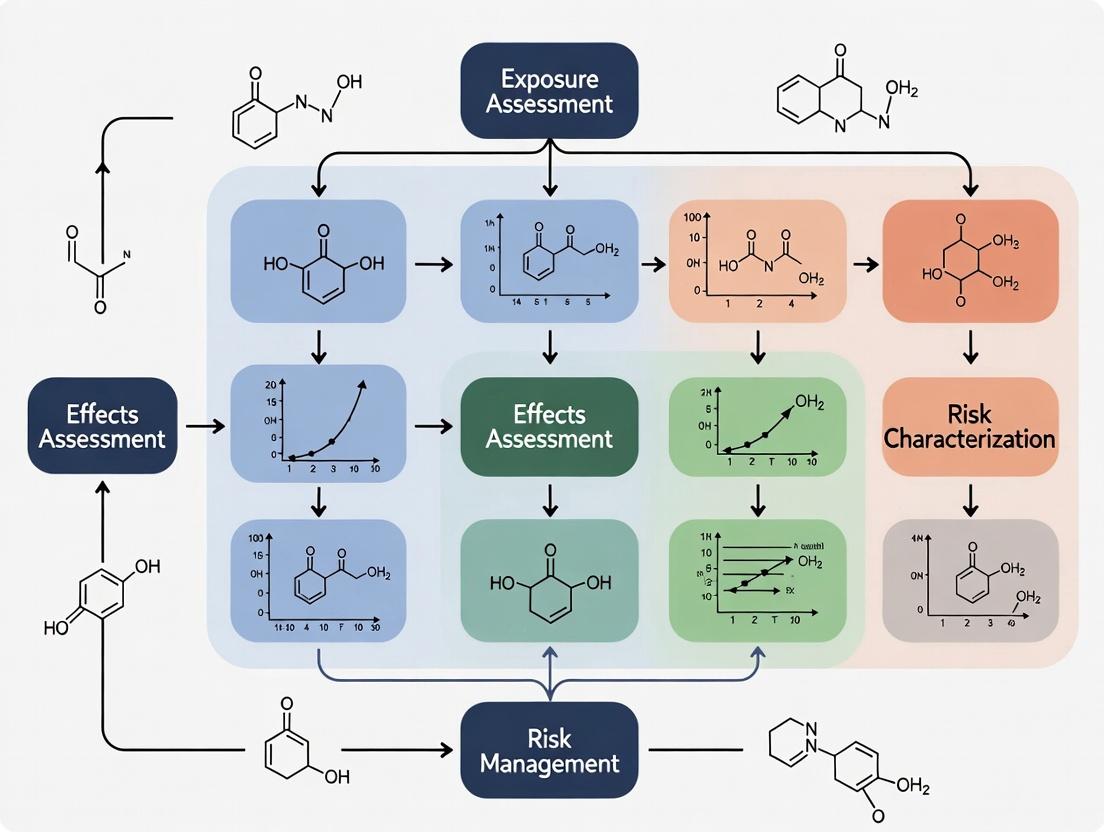
This article provides researchers, scientists, and drug development professionals with a detailed exploration of the U.S.
A Comprehensive Guide to the EPA's Ecological Risk Assessment Framework: Foundational Principles and Modern Applications for Biomedical Research
Abstract
This article provides researchers, scientists, and drug development professionals with a detailed exploration of the U.S. Environmental Protection Agency's (EPA) ecological risk assessment framework. It examines the foundational 1992 Framework and its evolution into the 1998 Guidelines, detailing the core three-phase process of problem formulation, analysis, and risk characterization. The content bridges environmental science and biomedical applications, covering methodological best practices, common challenges in data integration and model selection, and contemporary validation topics including weight of scientific evidence standards and cumulative risk approaches. Special emphasis is placed on recent regulatory developments under the Toxic Substances Control Act (TSCA) and the framework's implications for assessing the ecological impact of pharmaceutical compounds and other emerging chemical stressors.
Understanding the EPA's Ecological Risk Assessment Blueprint: From the 1992 Framework to Modern Guidelines
The formalization of ecological risk assessment (ERA) within the U.S. Environmental Protection Agency (EPA) represents a pivotal advancement in environmental science, shifting regulatory focus from human health-centric models to integrated evaluations of ecosystem viability. The development of the Framework for Ecological Risk Assessment (1992) and its successor, the Guidelines for Ecological Risk Assessment (1998), established a standardized scientific process for evaluating the likelihood of adverse ecological effects from environmental stressors [1] [2]. This evolution was driven by diverse statutory mandates—including the Clean Water Act and the Endangered Species Act—which required the Agency to protect public health and the environment from "unreasonable risk" [3]. The 1998 Guidelines, which expanded upon and replaced the 1992 Framework, provided a consistent, flexible structure for organizing data, information, and uncertainties to support environmental decision-making [1] [4]. This whitepaper details the technical genesis, core methodological innovations, and practical applications of this foundational ERA framework, providing researchers and risk assessors with an in-depth analysis of its components and implementation.
Historical Development and Regulatory Context
The genesis of EPA's ecological risk assessment paradigm is rooted in the 1983 National Research Council "Red Book", which established fundamental risk assessment principles but focused predominantly on human health and chemical carcinogens [5] [3]. By the late 1980s, growing recognition of complex ecological impacts prompted the EPA to initiate work on ecologically-focused guidance. The 1992 Framework was the first agency-wide document to offer a simple, flexible structure for conducting and evaluating ERAs [4]. Its primary purpose was to initiate a long-term effort towards comprehensive guidelines, serving as a foundational precursor [4].
The 1998 Guidelines marked the culmination of this developmental phase, informed by years of application, peer-reviewed issue papers, and case studies [1]. A significant driver for this evolution was the need to address limitations identified through practice, such as assessments being overly focused on single stressors at small spatial scales, often overlooking cumulative effects and interactions with non-chemical stressors [5]. The Guidelines were designed to improve the quality and consistency of EPA's ecological risk assessments and better integrate scientific analysis with risk management decisions [1] [6].
Table 1: Comparative Overview of the 1992 Framework and 1998 Guidelines
| Feature | 1992 Framework for Ecological Risk Assessment | 1998 Guidelines for Ecological Risk Assessment |
|---|---|---|
| Primary Purpose | To offer a simple, flexible structure; first step in guideline development [4]. | To improve quality and consistency; supersedes and expands the 1992 Framework [1] [4]. |
| Status | Superseded [4]. | Active, agency-wide guidelines [1]. |
| Core Emphasis | Establishing a basic three-phase process (Problem Formulation, Analysis, Risk Characterization). | Enhancing scientific rigor and emphasizing the critical interface between risk assessors and risk managers [1]. |
| Key Innovation | Introducing a standardized framework for ecological risk. | Formalizing problem formulation and risk characterization, emphasizing planning and stakeholder dialogue [1] [5]. |
Core Technical Innovations and the ERA Process
The 1998 Guidelines formalized a rigorous, three-phase process for ecological risk assessment: Problem Formulation, Analysis, and Risk Characterization [2]. This process is defined as evaluating the likelihood that adverse ecological effects may occur or are occurring due to exposure to one or more stressors [2].
Problem Formulation: This initial planning phase establishes the assessment's goals, scope, and direction. It is characterized by a critical interaction between risk assessors, risk managers, and interested parties to determine the assessment's scope, select assessment endpoints (e.g., species, communities, or ecosystem functions to protect), and develop a conceptual model [1]. A well-developed conceptual model identifies potential stressors, ecological receptors, and the pathways linking them, ensuring the assessment is focused and decision-relevant [6].
Analysis Phase: This phase involves two parallel lines of evaluation: exposure characterization and ecological effects characterization. Exposure characterization evaluates the contact or co-occurrence of stressors with ecological receptors, including magnitude, timing, and duration. Effects characterization evaluates the relationship between stressor levels and the type and severity of ecological responses [6]. The 1998 Guidelines encouraged more sophisticated analyses, moving beyond simple quotient methods to probabilistic and weight-of-evidence approaches.
Risk Characterization: This final phase integrates the exposure and effects analyses to estimate and describe risk. It involves interpreting the evidence, discussing uncertainties, and formulating conclusions about the existence and magnitude of ecological risk in a manner that is clear, transparent, and useful for risk managers [1]. The guidelines emphasize that this phase is not merely a computational endpoint but a narrative synthesis designed to support a management decision [1].
Diagram: The Iterative Three-Phase Ecological Risk Assessment Process
Key Methodological Advances and Experimental Protocols
The progression from the 1992 Framework to the 1998 Guidelines catalyzed several critical methodological advances, enabling more predictive and realistic assessments of ecological risk.
1. The Toxicity Equivalence Methodology (TEQ) for Dioxins and Related Compounds A specialized framework was developed to apply the Toxicity Equivalence Methodology (TEQ) to complex mixtures of polychlorinated dioxins, furans, and biphenyls in ecological risk assessments [7]. This protocol allows scientists to express the combined toxicity of a mixture as a single equivalent concentration of the most toxic compound (2,3,7,8-TCDD).
- Experimental Protocol: Congener-specific analytical chemistry data (e.g., from HRGC/HRMS) for dioxin-like compounds in environmental media (soil, sediment, tissue) are obtained. Each congener's concentration is multiplied by its assigned Toxicity Equivalence Factor (TEF). The products are summed to calculate the total Toxic Equivalency (TEQ). This TEQ value is then used in the effects characterization phase of the ERA, typically by comparing it to toxicity reference values (TRVs) derived from laboratory studies on benchmark species [7].
2. The Relative Risk Model (RRM) for Cumulative Risk Assessment To address multiple stressors, the guidelines evolved to incorporate models like the Relative Risk Model (RRM) [5]. This method uses a ranking system to combine interactions between multiple sources, stressors, habitats, and effects to estimate impacts on ecological structures.
- Experimental Protocol: The assessment region is divided into sub-areas or habitats. For each sub-area, ranks (e.g., 1-4) are assigned to different risk components: source of stressor, exposure level, habitat quality, and potential effect. A relative risk score is calculated, often using a multiplicative or additive model. Monte Carlo simulation is applied to the ranking distributions to quantitatively describe uncertainty and identify the variables with the greatest influence on the overall risk estimate [5].
3. Application to Non-Traditional Stressors: Invasive Species The guidelines' flexible framework allowed for adaptation to non-chemical stressors. A modified conceptual model for invasive species risk assessment was developed, following a source-exposure-habitat-effects-impact structure [5].
- Experimental Protocol: The model quantifies risk through a pathway-based calculation. For a potential invader, factors such as propagule pressure (exposure), habitat suitability, and inherent demographic traits (effects) are scored. These scores are combined, often using a Bayesian network or Monte Carlo approach, to generate a probabilistic estimate of establishment success and subsequent ecological or economic impact [5].
Table 2: Summary of Key Scientific and Methodological Advances
| Advancement Area | Pre-1998 Typical Practice | Post-1998 Enhanced Practice | Key Benefit |
|---|---|---|---|
| Problem Formulation | Often limited, with predefined endpoints. | Formalized, interactive scoping with managers and stakeholders [1] [5]. | Ensures assessment is relevant and useful for decision-making. |
| Cumulative Assessment | Primarily single-stressor focused. | Stressor-based and relative risk models (RRM) for multiple stressors [5]. | More realistic evaluation of combined environmental pressures. |
| Uncertainty Analysis | Qualitative description. | Quantitative probabilistic methods (e.g., Monte Carlo) [5]. | Improved transparency and identification of key knowledge gaps. |
| Stressor Scope | Primarily chemical contaminants. | Framework adapted for biological (invasive species), physical, and multiple stressors [5]. | Broader applicability to modern environmental challenges. |
| Risk Characterization | Presentation of point estimates. | Narrative synthesis integrating lines of evidence, weight-of-evidence, and clear expression of uncertainty [1]. | More informative for risk managers and the public. |
Diagram: Workflow for the Toxicity Equivalence Methodology (TEQ)
The Scientist's Toolkit: Essential Research Reagents and Materials
Implementing the ERA framework requires specialized tools and reference materials. The following table details key resources for conducting assessments aligned with the 1998 Guidelines.
Table 3: Essential Research Reagent Solutions and Materials for ERA
| Item Name / Category | Function in Ecological Risk Assessment | Example / Protocol Reference |
|---|---|---|
| Ecological Soil Screening Levels (Eco-SSLs) | Risk-based soil screening values for contaminants of concern (e.g., metals, PAHs, pesticides) to identify sites requiring a full ERA [8]. | EPA OSWER Directive 9285.7-55 and chemical-specific guides (e.g., Eco-SSL for Copper, OSWER 9285.7-68) [8]. |
| Wildlife Exposure Factors Handbook | Provides data on physiological and behavioral parameters (e.g., ingestion rates, home range, diet composition) for estimating wildlife exposure to stressors [8]. | EPA/600/R-93/187. Used to parameterize exposure models for avian and mammalian species [8]. |
| Toxicity Reference Values (TRVs) | Benchmarks (dose or concentration-response values) derived from laboratory or field studies for quantifying ecological effects [7]. | Used in the analysis phase. Can be derived from literature or databases like ECOTOX. TEQ values are compared to dioxin-specific TRVs [7]. |
| Standard Toxicity Test Organisms & Protocols | Provides consistent, reproducible biological endpoints for effects characterization in laboratory studies. | Example protocols include: Chronic sediment toxicity tests with Hyalella azteca; Early life stage tests with fish (e.g., Pimephales promelas). |
| Geographic Information System (GIS) Data & Software | Enables spatial analysis for exposure characterization, habitat assessment, and visualizing risk across landscapes, critical for cumulative assessments [5]. | Used to map sources, stressors, and sensitive habitats in the Relative Risk Model (RRM) and for invasive species assessments [5]. |
| Probabilistic Risk Assessment Software | Facilitates quantitative uncertainty analysis through Monte Carlo simulation and sensitivity analysis [5]. | Software tools (e.g., @RISK, Crystal Ball) are used to implement the Guiding Principles for Monte Carlo Analysis (EPA 1997) within the risk characterization phase [5]. |
| Conceptual Model Diagramming Tools | Aids in developing and communicating the cause-effect pathways and assessment structure during problem formulation. | A critical step for outlining relationships between stressors, receptors, and effects as recommended in the Guidelines [1] [6]. |
The 1998 Guidelines for Ecological Risk Assessment, building upon the pioneering 1992 Framework, established a robust, scientifically credible, and flexible process that remains the cornerstone of ecological risk evaluation in the United States. Their greatest contribution is the formalization of problem formulation and risk characterization as critical, interactive phases that bridge science and management [1] [5]. By promoting methods for cumulative risk, probabilistic uncertainty analysis, and application to diverse stressors, the guidelines addressed significant limitations of earlier practices [5].
The framework's legacy is evident in its ongoing application and adaptation, from evaluating contaminated Superfund sites using Eco-SSLs [8] to assessing novel stressors like invasive species [5]. Future evolution, as identified in subsequent scientific workshops, points toward more fully integrated assessments that account for multiple interacting stressors across large spatial and temporal scales, and that are explicitly linked to adaptive management strategies [5]. For researchers and assessors, mastery of this foundational framework and its associated toolkit is essential for producing rigorous, decision-relevant science that effectively protects ecological systems.
The Framework for Ecological Risk Assessment, developed by the United States Environmental Protection Agency (EPA), provides a standardized, science-based process for evaluating the likelihood of adverse ecological effects resulting from exposure to environmental stressors [4]. This foundational structure, later expanded and refined in the Guidelines for Ecological Risk Assessment, establishes a systematic approach for organizing complex environmental data to inform regulatory decisions and risk management [1]. The core process is designed to be iterative and flexible, applicable to both prospective assessments (predicting future effects) and retrospective assessments (evaluating the cause of observed effects) [9].
The process is fundamentally built upon a three-phase structure: Problem Formulation, Analysis, and Risk Characterization, which is preceded by an essential Planning stage [9]. This structure is not linear but emphasizes interaction among risk assessors, risk managers, and stakeholders at the beginning (planning and problem formulation) and the end (risk characterization) of the process [1]. The framework's primary utility lies in its ability to integrate available information on sources, stressors, effects, and ecosystem characteristics to support environmental decision-making, from regulating pesticides and hazardous waste to managing watersheds [9] [10].
The Foundational Planning Phase
The Planning phase initiates the ecological risk assessment (ERA) before the formal three-phase structure begins. It is a critical dialogue-driven stage that sets the assessment's trajectory [9] [10].
- Objective: To define the goals, scope, timing, and resources for the assessment through collaboration between risk managers and risk assessors [10]. The team determines if a risk assessment is the most appropriate tool for supporting the impending environmental decision [10].
- Key Activities:
- Team Assembly: Identifying and engaging risk managers, risk assessors, and other interested parties or stakeholders [9] [10]. Team expertise may span ecology, toxicology, chemistry, and statistics [10].
- Goal Definition: Articulating the risk management goals and options, and identifying the natural resources of concern [9].
- Scoping: Reaching agreement on the assessment's scope, complexity, spatial and temporal boundaries, and the roles of team members [9] [10].
- Outcome: A clear plan that establishes management goals, defines the decision context, and ensures the subsequent scientific work will be relevant and useful for decision-makers [10].
Table: Core Components of the Planning Phase
| Component | Description | Key Participants |
|---|---|---|
| Dialogue Initiation | Formal start of interaction between risk managers and assessors. | Risk Managers, Risk Assessors [10]. |
| Goal & Scope Agreement | Defining what needs to be decided and the boundaries of the assessment. | Project Team [9] [10]. |
| Resource Identification | Determining the expertise, time, and budget required. | Project Leads [10]. |
| Assessment Utility Check | Evaluating whether an ERA can effectively inform the decision. | Risk Managers, Risk Assessors [10]. |
Phase 1: Problem Formulation
Problem Formulation is the critical first scientific phase where the assessment is designed. It translates the broad concerns from planning into a concrete, actionable analysis plan [9] [10]. This phase is often iterative, revisited as new information emerges in later phases [10].
- Objective: To generate and evaluate preliminary hypotheses about why ecological effects have occurred or may occur from human activities. The phase articulates the assessment's purpose, defines the problem, and determines the plan for analysis [10].
- Key Activities & Outputs:
- Information Integration: Gathering and reviewing available data on stressors, potential exposure pathways, ecosystems potentially at risk, and receptor characteristics [10]. Key considerations are summarized in the table below.
- Development of Assessment Endpoints: These are explicit expressions of the environmental values to be protected, defined by an ecological entity (e.g., a fish species, a bird community) and its attributes (e.g., reproduction, population sustainability) [9] [10].
- Development of Conceptual Models: A conceptual model is a written description and visual representation of predicted relationships between ecological entities and the stressors to which they may be exposed [10]. It consists of risk hypotheses and a diagram illustrating linkages among sources, stressors, exposure pathways, receptors, and effects [10].
- Creation of the Analysis Plan: This final product specifies the data, models, and measures to be used in the Analysis phase. It identifies data gaps, uncertainties, and details the assessment design to ensure it meets the risk manager's needs [9] [10].
Table: Key Factors Considered During Problem Formulation [10]
| Factor | Considerations | Example Questions |
|---|---|---|
| Stressors | Type (chemical, physical, biological), intensity, duration, frequency, distribution, mode of action. | Is the stressor persistent? Does it bioaccumulate? |
| Sources | Status (active/inactive), spatial scale, background levels. | Is the source local or widespread? |
| Exposure | Media (air, water, soil), timing, pathways. | When does exposure occur relative to critical life cycles? |
| Receptors | Type (species, community), life history, sensitivity, trophic level, routes of exposure (ingestion, inhalation). | Are there endangered or keystone species present? |
Diagram: General Conceptual Model for an Ecological Risk Assessment [10]
Phase 2: Analysis
The Analysis phase is the technical evaluation component, divided into two parallel and interactive lines of inquiry: exposure assessment and ecological effects assessment [9].
- Objective: To evaluate and obtain data describing exposure to stressors and the relationship between stressor exposure and ecological effects [9].
- Components & Methodologies:
- Exposure Assessment: Characterizes the contact or co-occurrence of stressors with ecological receptors. It determines which plants and animals are exposed, the pathways of exposure, and the magnitude, frequency, and duration of exposure [9].
- Protocol Example - Environmental Sampling for Exposure Characterization:
- Design: Based on the conceptual model, a sampling plan is developed to measure stressor concentrations in relevant environmental media (soil, water, sediment, tissue) [11]. Data Quality Objectives are established to ensure data suitability [11].
- Field Verification: The field sampling design may be verified before full implementation [11].
- Execution: Site investigation involves collecting media samples. For bioaccumulative stressors, tissues from key receptor species may be sampled [10] [11].
- Analysis: Laboratory analysis quantifies stressor concentration. Spatial and temporal analysis creates an exposure profile, estimating dose for specific receptors [11].
- Protocol Example - Environmental Sampling for Exposure Characterization:
- Ecological Effects Assessment: Evaluates the inherent toxicity of a stressor. It reviews available research on the dose-response relationship between exposure level and adverse effects on the entities identified in the assessment endpoints [9]. It may also examine evidence of existing ecological harm at the site [9].
- Protocol Example - Toxicity Testing for Effects Characterization:
- Test Selection: Tests are selected based on the assessment endpoints. Common tests include single-species laboratory toxicity tests (acute or chronic) on standard test species (e.g., fathead minnow, Daphnia, algae) [11].
- Exposure Regime: Organisms are exposed to a range of concentrations of the stressor(s) of concern, often including site media (e.g., sediment or water samples).
- Endpoint Measurement: Responses are measured (e.g., mortality, growth inhibition, reproduction impairment). The data are analyzed to calculate effect levels (e.g., LC50, EC10).
- Advanced Methods: For complex mixtures, Toxicity Identification Evaluation (TIE) protocols or mesocosm studies may be employed to characterize causative agents or community-level effects [12].
- Protocol Example - Toxicity Testing for Effects Characterization:
- Exposure Assessment: Characterizes the contact or co-occurrence of stressors with ecological receptors. It determines which plants and animals are exposed, the pathways of exposure, and the magnitude, frequency, and duration of exposure [9].
Table: Comparison of Analysis Phase Components
| Aspect | Exposure Assessment | Ecological Effects Assessment |
|---|---|---|
| Primary Question | What is the magnitude, duration, and frequency of contact? | What is the nature and severity of the effect at a given exposure? |
| Key Inputs | Source characteristics, chemical properties, environmental fate & transport data, receptor behavior. | Toxicology studies, laboratory bioassays, field ecological surveys. |
| Common Metrics | Estimated Exposure Concentration (EEC), exposure dose, bioaccumulation factor. | No Observed Adverse Effect Level (NOAEL), Lowest Observed Adverse Effect Level (LOAEL), LC50, EC50. |
| Output | An exposure profile for key receptors. | A stressor-response profile or toxicity benchmark. |
Phase 3: Risk Characterization
Risk Characterization is the culminating phase where the results of the analysis are integrated and interpreted to estimate risk [9]. It consists of two major components: risk estimation and risk description [9].
- Objective: To estimate and describe the risk by combining the exposure and effects assessments, discuss the associated uncertainties, and prepare findings in a form that supports risk management decisions [9].
- Key Activities:
- Risk Estimation: A quantitative or qualitative comparison of the exposure and effects assessments [9]. This often involves calculating a risk quotient (RQ = Estimated Exposure Concentration / Toxicity Benchmark). An RQ > 1 indicates potential risk. For multiple stressors or receptors, risks are estimated for each relevant combination.
- Risk Description: Provides context for interpreting risk results [9]. It explicitly states whether adverse effects on the assessment endpoints are expected [9]. It includes:
- Interpretation of Evidence: Summarizing the lines of evidence and their consistency.
- Uncertainty Analysis: Describing the nature and implications of uncertainties (e.g., data gaps, model assumptions, natural variability) [9].
- Conclusions: Articulating the overall risk conclusions in clear, transparent language, highlighting key limitations and the weight of the evidence.
- Output: A risk characterization report that is reasonable, transparent, and useful for risk managers. This report does not prescribe action but provides the scientific foundation for it [1].
Conducting a robust ERA relies on standardized methodologies and curated data resources, many developed and maintained by the EPA's scientific research arm, particularly the Office of Research and Development (ORD) [12].
Table: Key Research Reagent Solutions & Resources for ERA
| Tool / Resource | Function in ERA | Key Features / Application |
|---|---|---|
| Adverse Outcome Pathway (AOP) Framework [12] | A conceptual framework that links a molecular initiating event to an adverse outcome at an organism or population level. | Supports mechanistic understanding in problem formulation and effects assessment. Enables use of New Approach Methodologies (NAMs) [12]. |
| ECOTOX Knowledgebase [12] | A comprehensive, publicly available database of chemical toxicity data for aquatic and terrestrial life. | Provides curated peer-reviewed toxicity data (e.g., LC50, NOEC) for effects assessment and benchmark derivation [12]. |
| EPA CompTox Chemicals Dashboard [12] | A web-based application providing access to data for ~1.2 million chemicals, including properties, hazard, exposure, and risk information. | Used in problem formulation for data on chemical properties, fate, and high-throughput screening (HTS) bioactivity to prioritize stressors and inform hypotheses [12]. |
| New Approach Methodologies (NAMs) [12] | A suite of non-animal testing approaches including in vitro assays, computational models, and high-throughput screening. | Used in analysis phase to characterize biological activity and potential toxicity, reducing reliance on traditional animal testing [12]. |
| Integrated Risk Information System (IRIS) [12] | An EPA database containing human health toxicity assessments for chronic exposure to chemicals. | While focused on human health, IRIS assessments often provide critical toxicity data relevant to mammalian and other wildlife receptors in an ERA [12]. |
| Regional Screening Levels (RSLs) [13] | Chemical concentration guidelines for soil, air, and water used for initial site screening. | Used in planning and problem formulation for preliminary exposure comparisons to identify chemicals of potential concern requiring full ERA [13]. |
The EPA's three-phase framework provides a durable, logical structure for organizing complex ecological risk information. Its strength lies in the iterative dialogue between risk assessors and managers and the clear linkage from initial planning through to risk characterization [1] [10]. The framework is not static; it evolves through updated guidelines and the integration of new scientific paradigms. Recent advances, such as the adoption of the Adverse Outcome Pathway concept and New Approach Methodologies, are being woven into the analysis phase to improve mechanistic understanding and predictive capability [12].
Furthermore, the application of the framework is subject to ongoing policy refinement, as seen in recent proposed changes to the TSCA Risk Evaluation Framework, which debate the granularity of risk determinations (e.g., by individual condition of use) [14]. This underscores that the scientific core process exists within a dynamic regulatory context. Ultimately, the continued utility of ecological risk assessment depends on the sustained scientific capacity, exemplified by offices like the EPA ORD, to develop the underlying data, tools, and innovative concepts that make the framework's rigorous application possible [12].
Within the framework of U.S. Environmental Protection Agency (EPA) research, an Ecological Risk Assessment (ERA) is defined as a formal process to estimate the effects of human actions on natural resources and interpret the significance of those effects in light of identified uncertainties [9]. This process is fundamentally a collaborative scientific endeavor, structured to integrate diverse expertise and perspectives. The integrity and utility of an ERA hinge on the clear definition and effective interaction of three core stakeholder groups: risk assessors, risk managers, and interested parties (stakeholders) [1]. Recent guidance, including the updated Guidelines for Ecological Risk Assessment (2025) and the Guidelines for Cumulative Risk Assessment Planning and Problem Formulation (2025), reaffirms that the interaction among these groups at the planning, problem formulation, and risk characterization stages is critical for ensuring scientific credibility and that the assessment supports actionable environmental decisions [15] [1].
This technical guide delineates the distinct roles, responsibilities, and interrelationships of these key stakeholders within the established EPA ERA paradigm, providing researchers and scientific professionals with a detailed roadmap for effective participation in this structured process.
The Stakeholder Triad: Definitions and Core Responsibilities
The ERA process is initiated and sustained through the dialogue and collaboration of three distinct entities, each bringing essential perspectives to ensure the assessment is scientifically robust, policy-relevant, and socially accountable [9] [10].
- Risk Assessors are the scientific and technical experts responsible for conducting the assessment. They are typically scientists (e.g., ecologists, toxicologists, chemists, statisticians) who design the study, gather and evaluate data, perform analyses, and characterize the risks [16] [10]. Their role is to provide an objective, science-based evaluation of the likelihood and magnitude of adverse ecological effects.
- Risk Managers are the decision-makers with regulatory or statutory authority. They are often staff from EPA, other federal agencies, or state environmental offices who have the responsibility to act upon the assessment findings [16]. Their role is to define the risk management goals, articulate the decisions that need to be made, and use the assessors' findings to inform regulatory actions, remediation plans, or other protective measures [16] [10].
- Interested Parties (Stakeholders) encompass a broad group with a vested interest in the assessment process or outcomes. This group can include federal, state, tribal, and municipal governments, industry representatives, environmental non-governmental organizations, landowners, academia, and community groups [16] [10]. Their role is to contribute local knowledge, values, and concerns, ensuring the assessment addresses relevant ecological and societal issues.
The specific responsibilities of each group across the phases of an ERA are systematically outlined in Table 1.
Table 1: Core Responsibilities of Stakeholders Across the ERA Phases [9] [16] [10]
| ERA Phase | Risk Assessors | Risk Managers | Interested Parties (Stakeholders) |
|---|---|---|---|
| Planning | Advise on scientific feasibility; identify data and expertise needs. | Define management goals, scope, timeline, and resources; determine the need for an ERA. | Provide initial input on local concerns and valued ecological resources. |
| Problem Formulation | Lead the development of assessment endpoints, conceptual models, and the analysis plan based on management goals. | Collaborate with assessors to refine objectives and ensure endpoints align with management needs. | Contribute local ecological knowledge; help identify receptors and exposure pathways of community concern. |
| Analysis | Execute the analysis plan: conduct exposure and ecological effects assessments; analyze stressor-response relationships. | Ensure the analysis remains focused on informing the management decision; provide policy context. | May provide access to site-specific data or monitoring information. |
| Risk Characterization | Integrate analyses to estimate risk; describe uncertainties and confidence; report findings in a clear, transparent manner. | Interpret risk findings within legal and policy frameworks; formulate risk management options. | Review risk findings for relevance and clarity; the characterized risk informs broader stakeholder engagement on management options. |
The ERA Framework: A Stage for Stakeholder Interaction
The EPA's ecological risk assessment is conducted in three primary technical phases, bookended and supported by iterative planning and communication. The involvement of the stakeholder triad is most intensive at the beginning and end of this process [1].
Planning and Problem Formulation
This initial stage sets the foundation for the entire assessment. Planning involves dialogue between risk managers and risk assessors to agree on goals, scope, complexity, timing, and resources [10]. A key decision is whether to pursue a conventional risk assessment for a single stressor or a Cumulative Risk Assessment (CRA), which evaluates the combined risks from multiple chemicals, stressors, and exposure pathways [15]. The growing emphasis on CRA, as evidenced by new 2025 guidelines, reflects an advanced understanding of real-world ecological exposures [17] [15].
Problem Formulation transforms the management goals into a concrete scientific strategy. In this phase, risk assessors, in collaboration with managers and stakeholders:
- Select Assessment Endpoints: These are explicit expressions of the environmental values to protect, defined by an ecological entity (e.g., a fish population, a benthic community) and a key attribute of that entity (e.g., reproduction, community diversity) [10].
- Develop a Conceptual Model: A diagram and narrative describing the predicted relationships between stressors, exposure pathways, and the assessment endpoints [10].
- Generate an Analysis Plan: A blueprint detailing the data requirements, analytical methods, and metrics to be used to test the risk hypotheses outlined in the conceptual model [9] [16].
The following protocol details the critical steps in Problem Formulation.
Protocol 1: Problem Formulation and Conceptual Model Development
- Objective: To translate risk management goals into a testable scientific framework for the ERA.
- Inputs: Management goals; available data on sources, stressors, and the ecosystem; stakeholder input.
- Procedure:
- Integrate Available Information: Compile data on stressor characteristics (e.g., toxicity, persistence), potential sources, ecosystem characteristics, and known or suspected effects [10]. A source-stressor-exposure-receptor analysis is foundational [16].
- Select Assessment Endpoints: Choose endpoints using criteria of ecological relevance, susceptibility to the stressor, and relevance to management goals and societal values [16]. For CRAs, identify endpoints that may be vulnerable to interactions from multiple stressors [15].
- Develop Risk Hypotheses: Articulate clear, causal hypotheses about how stressors are expected to affect the assessment endpoints (e.g., "Bioaccumulation of Chemical X in sediment leads to reduced reproduction in bottom-feeding fish Species Y") [10].
- Diagram the Conceptual Model: Create a visual model (see Section 5.1) linking sources, stressors, exposure pathways, and receptors. This model should illustrate the risk hypotheses.
- Formulate the Analysis Plan: Specify the measures (e.g., chemical concentration in tissue, fish population abundance), models, and data quality objectives needed to evaluate each component of the conceptual model and test the risk hypotheses [9].
- Outputs: Documented assessment endpoints; conceptual model diagram; detailed analysis plan.
Analysis Phase
In this phase, risk assessors lead the technical work with minimal direct involvement from other stakeholders, executing the analysis plan [16].
- Exposure Assessment: Characterizes the contact or co-occurrence of the stressor with ecological receptors. This involves evaluating stressor distribution, fate, and transport in the environment, and the frequency, duration, and intensity of receptor exposure [16]. For chemicals, key considerations include bioavailability, bioaccumulation, and biomagnification potential [16].
- Ecological Effects Assessment: Evaluates the cause-and-effect relationship between the stressor and the assessment endpoint. This involves reviewing and analyzing data from laboratory toxicity tests, field studies, or mechanistic studies to develop stressor-response profiles [16].
Risk Characterization
This final phase synthesizes the analysis and directly re-engages risk managers and stakeholders. Risk assessors estimate risk by comparing exposure and effects profiles, and describe risk by interpreting its ecological significance, discussing uncertainties, and summarizing lines of evidence [9]. The product must be clear, transparent, and reasonable to directly inform the risk manager's decision [1]. This phase concludes the scientific assessment, after which the risk manager takes the lead in evaluating management options, which may involve a separate, broader stakeholder engagement process [9].
Advanced Context: Cumulative Risk and Regulatory Evolution
The stakeholder roles are further defined and tested in advanced assessment contexts. The EPA's 2025 Guidelines for CRA Planning and Problem Formulation emphasize that planning for a CRA requires even earlier and more deliberate engagement to scope the complex problem of combined exposures and potential interacting effects [15]. Key activities include identifying the "universe" of stressors and exposure pathways to consider and determining appropriate methods for grouping chemicals or stressors based on common mechanisms of toxicity or health outcomes [15].
Concurrently, the regulatory landscape is dynamic. In September 2025, the EPA proposed amendments to the TSCA risk evaluation framework, highlighting ongoing evolution in risk assessment policy [18]. A key proposal is to return to making separate risk determinations for specific Conditions of Use (COUs) rather than a single "whole chemical" determination [18]. This shift has direct implications for stakeholders:
- For Risk Assessors, it demands more granular exposure modeling for distinct use scenarios (e.g., industrial handling vs. consumer product use).
- For Risk Managers, it allows for more targeted and potentially efficient risk management actions.
- For Industry Stakeholders, it provides clarity on which specific uses of a chemical may require risk mitigation.
These developments underscore that stakeholder roles are not static but must adapt to advancements in both science and policy.
Visualizing Stakeholder Roles and Workflows
Stakeholder Interaction in the ERA Process
The following diagram maps the primary interactions and decision points between the three key stakeholder groups across the phases of an Ecological Risk Assessment. It highlights the iterative nature of planning and problem formulation, the central technical role of the risk assessor during analysis, and the critical convergence at risk characterization.
Diagram 1: Stakeholder Interactions in ERA Workflow
Conceptual Model for a Cumulative Risk Scenario
This diagram illustrates a generalized conceptual model developed during problem formulation for a cumulative risk assessment involving multiple chemical stressors from different sources affecting an aquatic ecosystem. It visualizes the complex pathways that must be analyzed.
Diagram 2: Conceptual Model for Aquatic Cumulative Risk
The Scientist's Toolkit: Essential Reagents and Models for ERA
Conducting a modern ERA requires a suite of specialized models, databases, and methodological frameworks. The following toolkit details key resources referenced in EPA guidance and contemporary practice.
Table 2: Key Research Reagent Solutions for Ecological Risk Assessment
| Item Name | Type/Function | Brief Description of Use in ERA |
|---|---|---|
| All Ages Lead Model (AALM) v3.0 | Physiologically Based Pharmacokinetic (PBPK) Model | Rapidly estimates lead concentrations in tissues of children and adults from exposures; used to assess both acute and chronic exposures for specific individuals or groups [13]. |
| Regional Screening Levels (RSLs) | Risk-Based Comparison Values | Updated tables providing benchmark concentrations for chemicals in soil, air, and tapwater; used in initial screening to identify contaminants of potential concern for further assessment [13]. |
| CRA Analysis Plan Framework | Methodological Guidance | Outlined in 2025 Guidelines, provides a structured approach for planning assessments of combined risks from multiple stressors and exposure pathways [15]. |
| Exposure Factors Handbook | Reference Database | Provides data on human and ecological exposure factors (e.g., ingestion rates, respiration rates, body weights, life stage behaviors) critical for quantifying exposure [19]. |
| SHEDS (Stochastic Human Exposure and Dose Simulation) | Probabilistic Exposure Model | Used to predict aggregate and cumulative exposures to chemicals from multiple sources and pathways across a lifetime, incorporating population variability [17]. |
| Benchmark Dose (BMD) Modeling | Toxicological Data Analysis | A statistical method used to analyze dose-response data from toxicity studies to identify a point of departure (the BMD) for risk assessment, preferred over traditional no-observed-adverse-effect-level (NOAEL) approaches [19]. |
| Generic Ecological Assessment Endpoints (GEAE) | Guidance Document | Provides a standardized set of ecologically relevant assessment endpoints (entities and attributes) to promote consistency across different ERA projects [19]. |
| SEEM (System for Empirical Exposure Modeling) & CARES NG | Cumulative Exposure Models | Integrate data from sources like NHANES and CPDat to estimate combined exposures to multiple chemicals for population-based assessments [17]. |
The Framework for Ecological Risk Assessment, established by the U.S. Environmental Protection Agency (EPA), provides the foundational structure for evaluating the likelihood and magnitude of adverse ecological effects resulting from human activities or environmental stressors [4]. This framework, initially published in 1992, has been expanded and refined into the EPA's 1998 Ecological Risk Assessment Guidelines, which continue to guide agency practice [4] [1]. A central, governing theme of this approach is the critical interaction between risk assessors, risk managers, and interested parties during two pivotal phases: the initial planning and problem formulation and the concluding risk characterization [1].
This guide posits that problem formulation and risk characterization collectively form the indispensable bridge connecting scientific analysis to informed environmental decision-making. Problem formulation translates a broadly defined environmental concern into a concrete, actionable assessment plan. Conversely, risk characterization translates complex technical findings into a clear, transparent summary of risk estimates and their uncertainties for decision-makers [20]. When executed effectively, this bridge ensures that the assessment is focused on management-relevant questions and that its results are interpretable and useful for supporting environmental decisions [1]. The process is inherently iterative, requiring clear communication and alignment among all parties to define the assessment's scope, select the ecological entities to be protected, and establish the lines of evidence needed [1].
Core Principles and Quantitative Foundations
The ecological risk assessment process is governed by principles of clarity, transparency, and scientific rigor. Effective risk characterization must "fully and clearly characterize risks and disclose the scientific analysis, uncertainties, assumptions, and science policy that underlie decisions" [20]. The quantitative foundation of this process involves establishing measurable assessment endpoints and benchmarks.
Table 1: Key Parameters in Problem Formulation for Ecological Risk Assessment
| Parameter Category | Definition and Purpose | Example Metrics/Inputs |
|---|---|---|
| Assessment Endpoints | Explicit expressions of the actual ecological values to be protected, defined by a valued entity and its attribute [1]. | Survival, growth, reproduction of a fish species; community structure of benthic invertebrates. |
| Conceptual Model | A diagrammatic and narrative description of hypothesized relationships between stressors, ecosystems, and assessment endpoints. | Sources → Exposure pathways → Ecological effects. |
| Analysis Plan | The detailed specification of data needs, methodologies, and models to apply to the lines of evidence in the conceptual model [1]. | Field sampling design, laboratory toxicity testing protocols, statistical analysis methods. |
| Measurement Endpoints | The measurable responses (e.g., laboratory or field data) that provide evidence for the status of assessment endpoints. | LC50 from a toxicity test, field-measured population density, biomarker response level. |
Table 2: Quantitative Risk Characterization and Decision Criteria
| Characterization Element | Description | Common Metrics & Presentation |
|---|---|---|
| Risk Estimation | The quantitative and/or qualitative description of the likelihood and magnitude of adverse effects. | Risk quotients (Exposure concentration / Toxicity benchmark), probability distributions, dose-response curves. |
| Uncertainty Analysis | The evaluation and communication of variability and lack of knowledge affecting the risk estimate. | Confidence intervals, sensitivity analysis results, qualitative descriptions of key assumptions. |
| Lines of Evidence | The integrated body of data from multiple sources supporting the risk conclusion. | Weight-of-evidence tables, summary of consistent findings across field, laboratory, and modeling studies. |
| Risk Description | A synthesis integrating the estimates, uncertainties, and evidence into an overall conclusion. | Narrative summary, risk categorization (e.g., high, medium, low), clear delineation of science and policy judgments. |
Experimental Protocols and Methodologies
Protocol for Problem Formulation: The Scoping and Planning Workshop
Objective: To collaboratively define the scope, goals, and boundaries of the ecological risk assessment among risk assessors, risk managers, and stakeholders [1].
- Pre-Workshop Preparation: Compile available data on the site or stressor of concern, including historical contamination, preliminary sampling results, and ecological resource maps. Distribute to participants.
- Stakeholder Engagement Session: Facilitate structured discussions to identify primary management goals, valued ecological resources, and specific environmental concerns. Document all inputs.
- Development of Assessment Endpoints: Based on management goals and ecological relevance, select 3-5 specific assessment endpoints. Criteria include ecological relevance, susceptibility to the stressor, and relevance to policy goals [1].
- Conceptual Model Development: Draft diagrams and narratives linking potential stressors to receptors and assessment endpoints. Identify known or hypothesized exposure pathways and ecological effects.
- Analysis Plan Scoping: Define the required data and analyses to test the conceptual model. Determine if existing data are sufficient or if new field sampling and toxicity testing are required.
- Documentation: Produce a formal Problem Formulation document, including a summary of agreements, the conceptual model diagrams, selected assessment endpoints, and the proposed analysis plan for review and sign-off by all parties.
Protocol for Integrated Risk Characterization
Objective: To synthesize technical data from multiple lines of evidence into a clear, transparent, and reasonable estimate of ecological risk to inform decision-making [1] [20].
- Data Compilation and Quality Assessment: Assemble all relevant data from field surveys, toxicity tests, and modeled exposures. Evaluate the quality, relevance, and reliability of each dataset using established criteria.
- Risk Estimation: Calculate risk metrics appropriate to each line of evidence. For chemical stressors, this typically involves calculating risk quotients (RQ = Measured Environmental Concentration / Toxicity Reference Value). For multiple stressors or populations, employ probabilistic models or population models to estimate effects.
- Uncertainty and Variability Analysis: Quantify and describe key uncertainties. Perform sensitivity analysis on models to identify which parameters most influence the outcome. Distinguish between variability (natural differences) and uncertainty (lack of knowledge).
- Weight-of-Evidence Integration: Systematically evaluate the consistency, concordance, and biological plausibility of findings across all lines of evidence. Use a structured table to weigh supporting, inconsistent, and contradictory evidence.
- Draft Risk Characterization: Prepare a narrative that:
- Clearly states the estimated risk to each assessment endpoint.
- Describes the major supporting evidence and its limitations.
- Explicitly lists key assumptions and policy choices (e.g., safety factors, species selection).
- Communicates uncertainties and their implications.
- Presents conclusions on the presence, magnitude, and spatial/temporal extent of risk.
- Peer and Managerial Review: Circulate the draft characterization for internal peer review and review by the risk manager to ensure clarity, utility, and transparency before finalization [1].
Visualizing the Process: Pathways and Workflows
EPA Ecological Risk Assessment Framework & Bridge Concept [1]
Risk Characterization as a Decision-Support Bridge [1] [20]
The Scientist's Toolkit: Research Reagent Solutions
Table 3: Essential Research Toolkit for Ecological Risk Assessment
| Tool/Reagent Category | Specific Item Examples | Primary Function in Risk Assessment |
|---|---|---|
| Toxicity Testing Bioassays | Ceriodaphnia dubia (water flea), Pimephales promelas (fathead minnow) larvae, Lemna minor (duckweed). Standardized EPA test kits (e.g., Microtox). | Generate concentration-response data to quantify chemical toxicity. Provides critical effects data for risk quotient calculation and species sensitivity distributions. |
| Environmental Sampling & Stabilization | Niskin water samplers, Ekman/Ponar benthic grabs, Soil corers. Preservatives (e.g., HNO₃ for metals, amber glass with Teflon liner for organics). | Collect representative environmental media (water, sediment, soil, tissue) for exposure concentration analysis. Proper preservation prevents analyte degradation. |
| Analytical Reference Standards | Certified reference materials (CRMs) for target analytes (e.g., PCBs, PAHs, pesticides). Stable isotope-labeled internal standards. | Ensure accuracy and precision in chemical quantification during laboratory analysis. Used for calibration, quality control, and recovery calculations. |
| Biomarker Assay Kits | ELISA kits for vitellogenin (endocrine disruption), Acetylcholinesterase (AChE) activity kits (neurotoxicity), Lipid peroxidation (MDA) assay kits (oxidative stress). | Measure sub-lethal, mechanistic biological responses in field-collected organisms. Provides a line of evidence linking exposure to early biological effect. |
| Nucleic Acid-Based Tools | Primers for qPCR of stress-response genes (e.g., heat shock protein, metallothionein). eDNA sampling and sequencing kits. | Assess molecular-level responses in organisms (biomarkers) or characterize ecological community composition and changes for biotic integrity assessment. |
| Data Analysis & Modeling Software | Statistical packages (e.g., R, PRISM). Toxicity distribution modeling software (e.g., ETX, SSD Generator). Probabilistic exposure models (e.g., MCNC, Carlo). | Perform statistical analysis on experimental data, model species sensitivity, and estimate probabilistic exposure and risk. Essential for uncertainty quantification. |
A Step-by-Step Walkthrough of the EPA Ecological Risk Assessment Process
Problem Formulation constitutes the critical first phase of the Ecological Risk Assessment (ERA) process as defined by the U.S. Environmental Protection Agency (EPA). It serves as the strategic planning stage where the purpose, scope, and technical direction of the entire assessment are established [9]. This phase translates a broadly defined environmental concern into a structured, actionable analysis plan that guides subsequent scientific investigation. The primary objective is to ensure that the assessment is focused, relevant, and ultimately useful for supporting environmental decision-making [1].
The process is inherently collaborative, requiring active dialogue between risk assessors, risk managers, and other interested parties or stakeholders [9] [1]. This interaction is crucial for aligning scientific inquiry with management goals, ensuring the assessment addresses the correct questions with appropriate resources. The formal output of Problem Formulation is an Analysis Plan, a documented blueprint that details what will be analyzed, how it will be done, and what metrics will define success [9]. Within the broader EPA framework, effective Problem Formulation is recognized as the cornerstone for a credible, efficient, and transparent risk assessment that can effectively inform regulations, site remediation, and ecosystem protection [13] [1].
Core Components of Problem Formulation
The Problem Formulation phase systematically integrates management goals with scientific principles to define the assessment's architecture. This involves four interdependent components.
Defining the Assessment Endpoints
Assessment endpoints are explicit expressions of the ecological values deemed worthy of protection. They combine a valued ecological entity (e.g., a species, community, or ecosystem function) with a specific attribute of that entity (e.g., survival, reproduction, structural integrity) that may be adversely affected by a stressor [9]. Selection is guided by ecological relevance, susceptibility to known stressors, and relevance to management and societal goals.
Table 1: Criteria for Selecting and Defining Assessment Endpoints
| Selection Criterion | Description | Example for a Forest Ecosystem |
|---|---|---|
| Ecological Relevance | The entity/attribute represents a key component of ecosystem structure, function, or biodiversity. | Reproductive success of a cavity-nesting bird species that regulates insect populations. |
| Susceptibility | The entity is known or likely to be exposed and sensitive to the identified stressor(s). | Lichen community diversity, which is highly sensitive to air quality (e.g., sulfur dioxide). |
| Policy & Management Relevance | The endpoint is tied to legal protection (e.g., Endangered Species Act) or specific management goals. | Sustainability of a trout fishery in a designated recreational water body. |
| Operational Measurability | The attribute can be qualitatively or quantitatively measured or estimated. | Density of native tree seedlings (measurable attribute) in a riparian zone (entity). |
Developing the Conceptual Model
A conceptual model is a graphic and narrative tool that describes key relationships between stressors, ecosystems, and assessment endpoints. It tells the "story" of how exposure might lead to ecological effects [1]. The model identifies potential exposure pathways (how the stressor reaches the endpoint) and ecological effects pathways (the biological responses to exposure). It highlights data gaps and informs the selection of measurement endpoints—the measurable responses (e.g., chemical concentration, enzyme activity) used to evaluate the assessment endpoints.
Selecting Measurement Endpoints and Analysis Methods
Measurement endpoints are the quantitative or qualitative measures used to gauge the status of assessment endpoints. They must be scientifically defensible and practical to measure. The choice of measurement endpoint directly informs the selection of analysis methods, which can include field surveys, laboratory toxicity tests, biomarker analyses, or modeling simulations [9].
Formulating the Analysis Plan
The culmination of Problem Formulation is a written Analysis Plan. This document prescribes the technical approach for the subsequent Analysis Phase [9]. It must clearly articulate:
- The specific hypotheses to be tested (e.g., "Concentration X of contaminant Y reduces the growth of species Z by more than 20%").
- The data requirements and sources (existing data, new field data, literature).
- The statistical and analytical methods for evaluating exposure and effects.
- The criteria for interpreting results and reaching a conclusion about risk.
Table 2: Key Elements of an Ecological Risk Assessment Analysis Plan
| Plan Section | Key Content | Purpose |
|---|---|---|
| Problem Statement & Scope | Summary of management goals, stressors, geographic boundaries, and temporal scale. | Aligns the technical team and stakeholders on the assessment's purpose and limits. |
| Assessment & Measurement Endpoints | List of endpoints with justification for selection. | Defines what is being protected and what will be measured. |
| Conceptual Model | Diagram and description of exposure and effects pathways. | Provides a shared hypothesis of risk to guide analysis. |
| Data Quality Objectives (DQOs) | Quantitative and qualitative statements on data needs, acceptable error, decision thresholds. | Ensures collected data are of sufficient type, quality, and quantity to support decisions. |
| Analytical Methods & Models | Protocols for field sampling, lab testing, exposure estimation, and dose-response modeling. | Standardizes how data are generated and analyzed to ensure consistency and reproducibility. |
| Risk Characterization Strategy | Pre-defined approach for integrating exposure and effects data to describe risk. | Ensures the analysis phase leads to a clear, consistent, and interpretable risk conclusion. |
Problem Formulation is the first of three iterative phases in the EPA's ERA framework. It is preceded by Planning, a scoping dialogue between risk managers and assessors, and followed by Phase 2: Analysis and Phase 3: Risk Characterization [9].
The Analysis Plan produced in Phase 1 directly governs the work in Phase 2, where exposure conditions and ecological effects are quantified. The results of Phase 2 then feed into Phase 3, where risk is estimated and described in a form useful for risk managers [9]. Findings in later phases may reveal new information that requires revisiting and refining the initial problem formulation, making the process iterative [1].
Technical Protocols for Key Analyses in Problem Formulation
Protocol for Developing a Stressor-Based Conceptual Model
- Identify Stressors: Compile a complete list of chemical, physical, or biological stressors of concern from the Planning phase (e.g., specific pesticide, sedimentation, invasive species).
- Characterize Sources & Release: Describe the origin, magnitude, timing, and duration of stressor release into the environment.
- Delineate Exposure Pathways: For each stressor, diagram the routes through the environment (e.g., atmospheric deposition, surface water runoff, groundwater seepage) to potential ecological receptors.
- Identify Receptors and Ecosystems at Risk: Based on exposure pathways, list the populations, communities, or ecosystems likely to be exposed.
- Define Effects Pathways: For each exposed receptor, describe the sequence of biological responses from initial exposure (e.g., uptake) through sub-organism (e.g., biochemical), individual (e.g., growth), population, and community-level effects.
- Link to Assessment Endpoints: Explicitly connect the ultimate ecological effects in the pathways to the pre-defined assessment endpoints.
- Document Uncertainties: Annotate the model to identify assumptions, incomplete pathways, and key data gaps.
Protocol for Establishing Data Quality Objectives (DQOs)
The DQO process is a systematic planning tool adapted from EPA guidance to define the criteria for data collection [9].
- State the Problem: Restate the primary questions from the problem formulation.
- Identify the Decision: Define the specific decision the data will inform (e.g., "Is the concentration in tissue above a level of concern?").
- Identify Inputs to the Decision: List the specific measurements or data required to make the decision.
- Define the Study Boundaries: Specify spatial (where to sample) and temporal (when to sample) limits.
- Develop a Decision Rule: Create an "if...then..." statement that defines how the data will be used to answer the decision (e.g., "If the 90th percentile of measured sediment concentration exceeds threshold T, then the site requires further investigation.").
- Specify Tolerable Limits on Decision Errors: Define the acceptable probabilities of making false positive (Type I) or false negative (Type II) errors, which influence sampling intensity.
- Optimize the Design: Determine the most resource-effective sampling and analysis plan that meets the above criteria.
Protocol for Screening-Level Exposure Estimation
For preliminary assessments, a screening analysis compares estimated or measured exposure to a benchmark.
- Select Screening Benchmarks: Gather relevant ecological screening values (e.g., EPA Aquatic Life Criteria, Regional Screening Levels (RSLs) [13]) or toxicity reference values from literature.
- Estimate Exposure Concentration (EC):
- For existing data: Calculate central tendency (e.g., mean, median) and upper percentile (e.g., 95th UCL) values.
- For modeled data: Use standard fate and transport models (e.g., EPA's All-Ages Lead Model (AALM) for metals [13]) to predict environmental concentrations.
- Calculate Hazard Quotient (HQ): HQ = EC / Benchmark.
- Interpret: HQ < 1.0 suggests low risk, warranting no further action. HQ ≥ 1.0 indicates potential risk, necessitating refinement of the exposure estimate or progression to a more detailed assessment.
The Scientist's Toolkit: Essential Research Reagents & Materials
Table 3: Key Reagents and Materials for Problem Formulation and Assessment
| Tool / Reagent Category | Specific Examples | Primary Function in ERA |
|---|---|---|
| Ecological Benchmark Databases | EPA ECOTOX Knowledgebase, EPA Regional Screening Levels (RSLs) [13], NOAA Screening Quick Reference Tables (SQuiRTs). | Provide peer-reviewed toxicity reference values for chemicals to screen potential risks to ecological receptors. |
| Fate & Transport Models | EPA's All-Ages Lead Model (AALM) [13], EPI Suite, PRZM (Pesticide Root Zone Model). | Predict environmental concentrations of stressors by simulating their release, distribution, transformation, and degradation. |
| Standardized Toxicity Test Protocols | ASTM, US EPA OPPTS, OECD Guidelines for single-species acute/chronic tests (e.g., with algae, daphnids, fish). | Generate consistent, reproducible effects data (measurement endpoints) for developing dose-response relationships. |
| Geospatial Analysis Tools | GIS Software, EPA's BASINS (Better Assessment Science Integrating point & Non-point Sources). | Map stressor sources, exposure pathways, and sensitive habitats; delineate assessment boundaries. |
| Field Sampling Equipment | Van Dorn or Niskin water samplers, Ekman or Ponar sediment grabs, GPS units, field meters (for DO, pH, conductivity). | Collect environmental media samples for chemical analysis and characterize habitat conditions for exposure assessment. |
| Bioassessment Kits | D-net kits for benthic macroinvertebrates, Rapid Bioassessment Protocols (RBPs), Field microscopy equipment. | Measure biological integrity and community structure as direct measurement endpoints of ecological condition. |
Conceptual Framework and Objectives of the Analysis Phase
The Analysis Phase constitutes the second and central component of the ecological risk assessment process as defined by the U.S. Environmental Protection Agency (EPA) [21] [9]. This phase is dedicated to the scientific and technical evaluation of two core components: the exposure of ecological entities to stressors and the effects those stressors can induce [9]. The ultimate objective is to generate separate characterizations for exposure and effects that are sufficiently robust to be integrated in the subsequent Risk Characterization phase [21].
Within the broader thesis on the EPA's ecological risk assessment framework, this phase represents the critical data generation and evaluation stage. It transforms the conceptual models and assessment endpoints defined in Problem Formulation (Phase 1) into quantitative or qualitative estimates of exposure and ecological response [21]. For researchers and regulators, the rigor and transparency of this phase directly determine the validity of the final risk assessment. The process is inherently iterative, requiring continuous dialogue between risk assessors and risk managers to ensure the analysis remains focused on the management goals established at the outset [21].
The following workflow diagram illustrates the logical structure and key outputs of the Analysis Phase within the overarching ecological risk assessment framework.
Figure 1: Analysis Phase Workflow in Ecological Risk Assessment [21] [9]
Exposure Assessment: Methodologies and Data Integration
The exposure assessment aims to estimate the co-occurrence of a stressor with ecological receptors in space and time [9]. For chemical stressors like pesticides, this involves characterizing their fate and transport in the environment to model or measure Predicted Environmental Concentrations (PECs) [21].
Core Methodologies: Exposure characterization is built upon multiple lines of evidence. The primary methodologies include:
- Environmental Fate and Transport Studies: Laboratory and field studies conducted by registrants (e.g., pesticide manufacturers) to determine a chemical's persistence, degradation pathways, and movement through soil, water, and air [21].
- Environmental Modeling: The application of validated simulation models (e.g., groundwater leaching models, surface water runoff models) to predict chemical concentrations in various environmental compartments based on usage patterns, chemical properties, and landscape characteristics [21].
- Environmental Monitoring: The direct measurement of chemical concentrations in field samples (water, soil, sediment, biota) to validate models or provide empirical exposure estimates [21].
Data Analysis and Profile Development: The assessor analyzes the assembled data to determine which plants and animals are likely to be exposed and to what degree [9]. This involves estimating the frequency, magnitude, and duration of exposure [21]. The final product is an exposure profile, which summarizes the estimated concentrations at which receptors are exposed, along with a critical evaluation of the associated uncertainties and data strengths and weaknesses [21].
Table 1: Key Data Requirements and Sources for Exposure Assessment of Chemical Stressors [21]
| Data Category | Specific Parameters | Typical Sources | Primary Use in Assessment |
|---|---|---|---|
| Chemical Properties | Water solubility, Vapor pressure, Octanol-water partition coefficient (Kow), Soil adsorption coefficient (Koc) | Laboratory studies (OECD/Guideline studies) | Model input for predicting distribution and bioavailability. |
| Environmental Fate | Rate of degradation in soil/water (half-life), Photodegradation rate, Hydrolysis rate, Metabolism in plants/animals | Laboratory & field dissipation studies | Estimating persistence and formation of potentially toxic degradation products. |
| Transport Potential | Volatilization rate, Leaching potential, Runoff potential, Bioaccumulation factor | Combined modeling using chemical properties & environmental conditions | Predicting movement to non-target areas and potential for food-chain exposure. |
| Use & Release Patterns | Application rate, Method, Frequency, Crop/use site, Geographic extent | Product label; Market use surveys | Defining the initial loading and spatial/temporal pattern of the stressor in the environment. |
Ecological Effects Assessment: Protocols and Stressor-Response Analysis
The ecological effects assessment, or stressor-response assessment, evaluates the relationship between the magnitude of exposure and the type and severity of ecological effects [21]. Its goal is to establish a dose-response relationship that can be used to identify levels associated with harmful effects.
Experimental Protocols and Tiered Testing: Effects data are derived from a tiered testing strategy, progressing from controlled laboratory studies to more complex field studies.
- Tier I: Single-Species Laboratory Toxicity Tests: Standardized acute and chronic toxicity tests on representative aquatic and terrestrial species (e.g., algae, daphnia, fish, earthworms, birds, bees). These tests yield quantitative toxicity values such as LC50 (median lethal concentration), EC50 (median effect concentration), and NOEC (no observed effect concentration).
- Example Protocol - Acute Aquatic Toxicity Test (Fish): Groups of fish (e.g., Pimephales promelas, fathead minnow) are exposed to a range of concentrations of the test substance in a flow-through or renewal system for 96 hours. Mortality is recorded at regular intervals. The LC50 is calculated using statistical methods (e.g., probit analysis) [21].
- Tier II: Multi-Species Microcosm/Mesocosm Studies: Semi-field studies that examine effects on species interactions, community structure, and ecosystem functions (e.g., nutrient cycling) under more realistic environmental conditions.
- Tier III: Field Studies and Incident Monitoring: Direct observation of effects in natural ecosystems following a known exposure or investigation of reported ecological incidents (e.g., fish kills, bee colony collapse) [21].
Data Analysis and Profile Development: The assessor reviews all available toxicity data to construct an ecological effects profile. This profile summarizes the sensitivity of various taxonomic groups, identifies the most sensitive endpoints (e.g., reproduction, growth), and derives toxicity reference values critical for risk estimation [21]. The evaluation must also consider the relevance, reliability, and ecological significance of each study [21].
Table 2: Standardized Ecological Effects Tests for Pesticide Risk Assessment [21]
| Test Type | Test Organisms | Duration | Key Endpoints Measured | Derived Toxicity Value |
|---|---|---|---|---|
| Acute Aquatic | Freshwater fish (e.g., Rainbow trout) | 96-hr | Mortality | LC50 (mg/L) |
| Acute Aquatic | Freshwater invertebrate (e.g., Daphnia magna) | 48-hr | Immobilization | EC50 (mg/L) |
| Acute Aquatic | Freshwater algae (e.g., Pseudokirchneriella) | 72-96 hr | Growth inhibition | ErC50 (mg/L) |
| Chronic Aquatic | Freshwater fish (e.g., Fathead minnow) | 7-28 day (Early-life stage) | Survival, Growth | NOEC/LOEC (mg/L) |
| Acute Terrestrial | Honey bee (Apis mellifera) | 48-hr (oral & contact) | Mortality | LD50 (µg/bee) |
| Acute Terrestrial | Non-target arthropod (e.g., Aphidius rhopalosiphi) | 48-96 hr | Mortality, Parasitism rate | LR50 (g/ha) |
| Avian Acute Oral | Bobwhite quail or Mallard duck | 14-day | Mortality | LD50 (mg/kg bw) |
| Avian Dietary | Bobwhite quail or Mallard duck | 5-day | Mortality | LC50 (ppm in diet) |
| Soil Invertebrate | Earthworm (e.g., Eisenia fetida) | 14-day | Mortality | LC50 (mg/kg soil) |
| Plant Toxicity | Non-target terrestrial plants (6+ species) | 21-28 day | Seedling emergence, Growth | EC25 (g/ha) |
The Scientist's Toolkit: Essential Reagents and Materials
Conducting the core experiments for ecological risk assessment requires standardized reagents, test systems, and analytical tools. The following table details key solutions and materials essential for generating reliable exposure and effects data.
Table 3: Key Research Reagent Solutions and Essential Materials [21]
| Item Name | Function in Analysis | Specific Application Example |
|---|---|---|
| Analytical Reference Standards | Provides a pure quantified sample of the active ingredient and major metabolites for calibrating analytical equipment. | Used in chemical fate studies (e.g., HPLC, GC-MS analysis) to quantify concentrations in soil, water, and biota samples for exposure assessment. |
| Reconstituted Standardized Water | Provides a consistent, defined medium for aquatic toxicity tests to ensure reproducibility across labs. | Used in acute and chronic tests with daphnia, fish, and algae to eliminate water quality variability as a confounding factor. |
| Formulated Test Substance | Represents the actual pesticide product as sold, including inert ingredients, which may affect toxicity or exposure. | Used in effects testing to assess the risk of the end-use product, not just the pure active ingredient. |
| Artificial Soil Substrate | A standardized mixture of peat, kaolin clay, and sand for terrestrial invertebrate tests. | Provides a consistent medium for earthworm reproduction tests or plant phytotoxicity studies. |
| Synthetic Pollen/Nectar Diet | A standardized nutritional source for testing chronic and sublethal effects on pollinator species. | Used in honey bee larval rearing studies or in semi-field cage studies to assess impacts on colony health. |
| High-Performance Liquid Chromatography (HPLC) System | Separates, identifies, and quantifies chemical compounds in a liquid sample. | Critical for analyzing degradation products in environmental fate studies and measuring low concentrations in exposure media. |
| Species-Specific Culture Media | Supports the maintenance of healthy, genetically consistent cultures of test organisms. | Essential for culturing algae (Pseudokirchneriella), daphnia, and other test species to ensure test organisms are in optimal condition. |
Integration for Risk Characterization: From Analysis to Synthesis
The final step within the Analysis Phase is the preparation for risk characterization. While full integration occurs in Phase 3, the analysis phase must structure its outputs to enable this final synthesis [21] [9]. This involves a side-by-side comparison of the exposure and effects profiles to identify potential risks and highlight the nature and degree of uncertainty in each component [21].
Key Integration Activities:
- Matching Scales and Scenarios: Ensuring that the spatial and temporal scales of the exposure estimates (e.g., peak concentration in a stream) align with the relevant ecological effects data (e.g., acute toxicity to fish) [9].
- Quantifying Margins of Safety: Calculating simple risk quotients (RQ = PEC / Toxicity Value) as an initial screening tool. An RQ > 1 indicates a potential risk that requires further refinement or assessment [21].
- Uncertainty Analysis: Explicitly documenting and, where possible, quantifying uncertainties in both the exposure and effects analyses. This includes identifying data gaps, measurement variability, and the relevance of laboratory tests to field conditions [21] [9].
The product of this integrative preparation is a clear documentation of the levels of exposure expected to occur in the field and the levels known to cause adverse effects in tested organisms, forming the direct input for risk estimation [21]. This process is captured in the following risk integration logic diagram.
Figure 2: Logic of Integrating Exposure and Effects for Risk Estimation [21] [9]
Future Directions and Advanced Considerations
The EPA's framework is dynamic, evolving to incorporate new scientific challenges. A critical contemporary direction is the integration of the exposome concept and the assessment of chemical mixtures [22]. The exposome, defined as the totality of environmental exposures from conception onward, presents a paradigm shift from single-stressor assessment toward a more holistic understanding of cumulative and combined risks [22].
For ecological risk assessment, this translates to the "eco-exposome," which considers multiple simultaneous stressors (chemical, physical, biological) and their interactions over time and space [22]. Key themes for advancing the analysis phase include:
- Aggregation of Multiple Sources and Exposure Routes: Moving beyond assessing exposure from a single pesticide application to aggregating all relevant sources (e.g., agricultural, residential, background) and routes (dietary, contact, respiratory) for a receptor [22].
- Risk Assessment of Chemical Mixtures: Developing methodologies to evaluate additive, synergistic, or antagonistic effects of pesticides and other chemicals that co-occur in the environment [21] [22].
- Incorporating Temporal and Spatial Dynamics: Utilizing advanced monitoring and modeling to account for variable exposure patterns and sensitive life stages of organisms [22].
Operationalizing these concepts requires developing new data analysis tools, experimental designs for mixture toxicity, and strategic frameworks for prioritizing assessments [22]. This progression will make ecological risk assessments more reflective of real-world complexity, ultimately offering stronger protection for ecosystems.
Risk characterization is the culminating, integrative phase of ecological risk assessment. It synthesizes information from exposure and ecological effects analyses to produce a complete and informative conclusion about risk to inform decision-makers [9] [23]. Framed within the U.S. Environmental Protection Agency's (EPA) broader research framework, this phase serves as the critical bridge between scientific assessment and risk management, translating complex data into actionable knowledge for researchers, regulators, and drug development professionals [24].
The primary objective of risk characterization is to provide an understanding of the type and magnitude of potential adverse effects an environmental stressor, such as a chemical or biological entity, could cause under specific circumstances [25]. This process integrates two major components: risk estimation, which quantitatively or qualitatively compares exposure and effects, and risk description, which interprets these estimates, discusses ecological relevance, and characterizes uncertainty [9] [23]. The utility of this phase hinges on adherence to the TCCR principles: being Transparent, Clear, Consistent, and Reasonable in presenting findings [23].
Pillar I: Core Methodologies for Quantitative Risk Estimation
Risk estimation involves the systematic comparison of exposure data with effects data to evaluate the potential for adverse ecological outcomes. The EPA employs several established methodologies, ranging from simple screening tools to complex probabilistic models.
The Deterministic Approach: Risk Quotient (RQ) Method
The most common screening-level method is the deterministic Risk Quotient (RQ) approach. It calculates a simple ratio of an exposure point estimate to a toxicity point estimate [23].
Formula: RQ = Exposure Estimate (EEC) / Toxicity Estimate (e.g., LC₅₀, NOAEC)
An RQ > 1 suggests potential risk, triggering further investigation. The specific calculation varies significantly by ecological receptor and exposure scenario, as detailed in the following protocols.
Experimental Protocol: Avian Risk Assessment for Spray Applications
This protocol outlines the standard method for assessing acute and chronic risk to birds from pesticide spray applications using the EPA's T-REX model [23].
- Exposure Estimation (EEC):
- Determine the Estimated Environmental Concentration (EEC) in food items (ppm) based on pesticide application rate, crop type, and fate/transport modeling.
- Toxicity Endpoint Selection:
- Acute Assessment: Obtain the lowest LD₅₀ (median lethal dose, mg/kg-bw) from acceptable single oral dose toxicity tests for birds.
- Chronic Assessment: Obtain the lowest NOAEC (No-Observed-Adverse-Effect Concentration, mg/kg-diet) from acceptable 21-week avian reproduction studies.
- Risk Quotient Calculation:
- Dietary RQ: Directly compare EEC (ppm in diet) to toxicity values.
- Acute Dietary RQ = EEC (ppm) / (LD₅₀ converted to ppm in diet).
- Chronic Dietary RQ = EEC (ppm) / NOAEC (ppm).
- Dose-Based RQ (More Refined): Adjust exposure and toxicity for animal body weight and feeding rates.
- Convert EEC to a dose (mg/kg-bw/day).
- Scale the LD₅₀ or NOAEL based on the body weight difference between tested and assessed species.
- Acute Dose-Based RQ = (Ingestion Rate-Adjusted EEC) / (Weight Class-Scaled LD₅₀).
- Dietary RQ: Directly compare EEC (ppm in diet) to toxicity values.
Experimental Protocol: Aquatic Risk Assessment
This protocol assesses risk to freshwater fish and invertebrates from chemicals in water bodies [23].
- Exposure Estimation:
- For acute risk, use modeled or measured peak water concentration.
- For chronic risk, use the 21-day (invertebrates) or 56/60-day (fish) average water concentration.
- Toxicity Endpoint Selection:
- Acute Assessment: Use the lowest tested LC₅₀ or EC₅₀ (effect concentration for 50% of organisms) from standard 48-96 hour acute toxicity tests.
- Chronic Assessment: Use the lowest NOAEC from early life-stage or full life-cycle tests.
- Risk Quotient Calculation:
- Acute RQ = Peak Water Concentration / Most Sensitive LC₅₀ or EC₅₀.
- Chronic RQ (Invertebrates) = 21-day Avg. Concentration / Chronic NOAEC.
- Chronic RQ (Fish) = 56/60-day Avg. Concentration / Chronic NOAEC.
Probabilistic Risk Assessment (PRA)
When deterministic methods indicate potential risk or a more refined analysis is needed, a Probabilistic Risk Assessment (PRA) is employed. PRA uses probability distributions for key input variables (e.g., exposure concentrations, toxicity thresholds) rather than single point estimates [24].
Core Protocol: Monte Carlo Simulation
- Define Distributions: For each input parameter (e.g., chemical concentration in soil, daily intake rate), define a probability distribution (e.g., lognormal, uniform) based on empirical data or professional judgment.
- Run Iterative Simulations: Use software to run thousands of iterations, each randomly selecting a value from each input distribution and calculating the resulting risk.
- Analyze Output: The output is a distribution of risk estimates, allowing characterization of the probability of exceeding a given risk level (e.g., the likelihood that the RQ > 1 is 30%). This method quantitatively characterizes variability and uncertainty [24].
Table 1: Summary of Core Risk Estimation Metrics and Calculations by Receptor [25] [23]
| Ecological Receptor | Assessment Type | Key Toxicity Endpoint | Exposure Metric | Risk Metric & Calculation |
|---|---|---|---|---|
| Terrestrial Birds & Mammals | Acute (Spray) | LD₅₀ (mg/kg-bw) | EEC in Diet (ppm) | Acute Dietary RQ = EEC / (LD₅₀ as ppm) |
| Chronic (Spray) | NOAEC (mg/kg-diet) | EEC in Diet (ppm) | Chronic Dietary RQ = EEC / NOAEC | |
| Acute (Granular) | LD₅₀ (mg/kg-bw) | Application Rate (mg a.i./ft²) | Acute RQ = (mg a.i./ft²) / LD₅₀ | |
| Aquatic Fish & Invertebrates | Acute | LC₅₀/EC₅₀ (mg/L) | Peak Water Conc. (mg/L) | Acute RQ = Peak Conc. / LC₅₀ |
| Chronic | NOAEC (mg/L) | 21- or 60-day Avg. Conc. (mg/L) | Chronic RQ = Avg. Conc. / NOAEC | |
| Terrestrial Plants | Acute (Non-listed) | EC₂₅ (mg/L or kg/ha) | Deposition from Drift/Runoff | RQ = EEC / EC₂₅ |
| Aquatic Plants & Algae | Acute (Non-listed) | EC₅₀ (mg/L) | EEC in Water (mg/L) | RQ = EEC / EC₅₀ |
Table 2: Comparison of Deterministic vs. Probabilistic Risk Assessment Approaches [24]
| Characteristic | Deterministic (RQ) Method | Probabilistic (PRA) Method |
|---|---|---|
| Input Data | Single point estimates (e.g., high-end exposure, median toxicity). | Probability distributions for inputs. |
| Output | Single risk quotient (RQ). | Distribution of risk estimates (e.g., CDF). |
| Strengths | Simple, transparent, conservative, efficient for screening. | Quantifies variability/uncertainty, identifies sensitive parameters, more realistic. |
| Limitations | Does not characterize variability; may be overly conservative. | Data-intensive, computationally complex, requires greater expertise. |
| Primary Use | Initial screening and prioritization. | Refined assessment for decision-making when risks are borderline or high-stakes. |
Pillar II: Systematic Description of Uncertainty and Variability
A balanced discussion of conclusions and related uncertainties enhances the credibility of an assessment [26]. Uncertainty analysis is an integral part of risk characterization, acknowledging that scientific uncertainty is a fact of life in ecological assessments [25].
Categorizing and Describing Uncertainty
Uncertainty arises from multiple sources throughout the risk assessment process. The EPA's guidance for Superfund site assessments categorizes them for systematic evaluation [25]:
- Parameter Uncertainty: Lack of precise knowledge about model inputs (e.g., toxicity values, exposure factors).
- Model Uncertainty: Simplifications in conceptual or mathematical models of exposure and effects.
- Scenario Uncertainty: Choices about which events, pathways, or populations to assess.
Methodologies for Uncertainty Analysis
- Qualitative Description: A narrative evaluation of the strengths and limitations of data and models, the plausibility of assumptions, and the direction and potential magnitude of bias (e.g., likely overestimate or underestimate) [23] [24].
- Quantitative Analysis: Employing statistical or modeling techniques.
- Confidence Intervals: Presenting point estimates with statistical confidence bounds.
- Sensitivity Analysis: Systematically varying input parameters to determine which ones most influence the risk estimate. This helps prioritize data collection efforts.
- Probabilistic Modeling (Monte Carlo): As described in Section 2.2, this is the primary tool for quantitatively propagating parameter uncertainty through the risk model to produce a distribution of possible outcomes [25].
The Role of Default Assumptions and Bias
To address uncertainty, risk assessors often use health-protective default assumptions (e.g., Reasonable Maximum Exposure scenarios) to ensure risks are not underestimated. This introduces a deliberate protective bias [24]. The risk characterization must transparently distinguish between:
- Overestimation Bias: Intentional use of conservative assumptions to be protective.
- Potential Underestimation: Typically resulting from data gaps, unassessed pathways, or model limitations [24].
Key Reporting Requirement: The characterization must clearly explain how uncertainties and biases affect the interpretation of the risk results, allowing risk managers to understand the degree of confidence in the assessment's conclusions [24].
Pillar III: Principles and Practices for Transparent Communication
Transparent communication is the mechanism that makes risk characterization usable. It requires presenting complex technical information in a form that is accessible, meaningful, and useful for decision-makers and stakeholders [26] [24].
The TCCR Framework
Effective communication is guided by the TCCR principles [23]:
- Transparent: The process, assumptions, data, and uncertainties are fully disclosed and traceable.
- Clear: The presentation is understandable to the intended audience, avoiding unnecessary jargon.
- Consistent: The terminology and methods are applied uniformly throughout the assessment.
- Reasonable: The conclusions are based on sound science and professional judgment.
Structuring the Risk Characterization Report
A well-organized report ensures key findings are not lost. It should directly address the problems formulated at the assessment's start and include [24]:
- Executive Summary: Clear statement of overall risk conclusions.
- Risk Estimates: Tabular and graphical presentation of quantitative results (e.g., RQs, risk distributions).
- Major Contributors: Identification of key chemicals, exposure pathways, and scenarios driving risk.
- Uncertainty Analysis: Separate section detailing key uncertainties, their sources, and their implications.
- Data Gaps: Explicit listing of significant information needs.
Ethical Foundations: Transparency, Precaution, and Harm Reduction
Transparent communication operates within an ethical framework, especially under conditions of uncertainty and resource constraints, as highlighted during the COVID-19 pandemic [27].
- The Precautionary Principle: Advocates for protective action in the face of serious potential harm, even with scientific uncertainty [27].
- The Harm Reduction Principle: When the safest option is not feasible, supports actions that reduce, though not eliminate, risk [27]. The Ethical Challenge: Risk communicators must balance full transparency about uncertainty with the need to provide clear, actionable guidance. Withholding information about scarcity or uncertainty to manage public behavior can erode trust, as seen in early pandemic mask guidance [27].
Visualization of Risk Characterization Workflows and Data
Effective visualization transforms complex risk data into comprehensible insights, significantly speeding decision-making [28] [29].
Diagram 1: Ecological Risk Assessment and Risk Characterization Workflow
Diagram 2: The Three Pillars of Risk Characterization
Diagram 3: Experimental Protocol for Calculating a Risk Quotient (RQ)
The Scientist's Toolkit: Essential Research Reagents and Materials
Table 3: Key Research Reagent Solutions for Ecological Risk Characterization [23]
| Item/Category | Function in Risk Characterization | Example/Specification |
|---|---|---|
| Standardized Toxicity Test Organisms | Provide reproducible effects data for deriving LC₅₀, NOAEC, etc. | Daphnia magna (water flea), Pimephales promelas (fathead minnow), Lemna spp. (duckweed), Northern Bobwhite (Colinus virginianus). |
| Reference Toxicants | Quality assurance for bioassays; verify organism health and response sensitivity. | Sodium chloride (NaCl), potassium dichromate (K₂Cr₂O₇), reagent-grade chemicals. |
| Fate & Transport Model Inputs | Parameterize models to estimate environmental exposure (EEC). | Soil adsorption coefficients (Kd), hydrolysis rate constants, plant uptake factors, Henry's Law constants. |
| Analytical Standard Reference Materials | Calibrate instruments and ensure accuracy in measuring chemical concentrations in environmental media. | Certified reference materials (CRMs) for target analytes in soil, water, and tissue matrices. |
| Probabilistic Simulation Software | Execute Monte Carlo simulations for quantitative uncertainty analysis. | @RISK, Crystal Ball, or open-source R/Python libraries (e.g., mc2d). |
| T-REX (Terrestrial Residue Exposure) Model | EPA's standard model for calculating exposure and risk quotients for birds and mammals from pesticides. | Requires input on pesticide application, crop, and organism weight class. |
| TerrPlant Model | EPA's standard model for calculating risk quotients for terrestrial plants from pesticide spray drift and runoff. | Requires input on pesticide application, slope, and distance to non-target plants. |
| AQUATOX Model | EPA's ecosystem simulation model for predicting fate and effects of chemicals in aquatic ecosystems. | Used for more complex, system-level assessments. |
The U.S. Environmental Protection Agency (EPA) Framework for Ecological Risk Assessment provides the foundational structure for evaluating the likelihood of adverse ecological effects resulting from exposure to environmental stressors [4]. This framework, later expanded and superseded by the 1998 Guidelines for Ecological Risk Assessment, establishes a three-phase process of Problem Formulation, Analysis, and Risk Characterization [9] [1]. Within this structured scientific and managerial process, consistent and reliable tools are paramount. EPA Guidance Documents and Ecological Soil Screening Levels (Eco-SSLs) serve as critical, standardized resources that operationalize the framework's principles. They provide scientists and risk assessors with the methodologies, protocols, and benchmark values necessary to conduct transparent, defensible, and efficient assessments, ensuring that environmental decisions are based on robust and peer-reviewed science [30] [1].
EPA Guidance Documents: A Portal to Standardized Methodology
The EPA maintains a centralized Guidance Portal, a one-stop repository for active guidance documents across all program areas, including air quality, water protection, and hazardous waste management [31] [32]. These documents—which include handbooks, manuals, policy statements, and memoranda—articulate the agency's interpretation of statutes and regulations and describe recommended technical approaches for implementing them [32]. It is crucial to note that while these documents lack the force of law, they represent the EPA's authoritative position on scientific and technical practices and are essential for ensuring consistency and quality in agency work [33] [1].
For ecological risk assessment (ERA), a core collection of guidance documents exists. The seminal Guidelines for Ecological Risk Assessment (1998) provides the overarching agency-wide direction, emphasizing the iterative interaction between risk assessors, risk managers, and interested parties [1]. More specific guidance, such as the Ecological Soil Screening Level (Eco-SSL) Guidance, details standardized processes for deriving and using soil screening benchmarks [8]. Other key documents include the Wildlife Exposure Factors Handbook and regional supplemental guides, which offer detailed exposure models and site-specific considerations [8]. Researchers must use the official portal to ensure they are accessing the most current, non-superseded versions of these critical resources [31].
Ecological Soil Screening Levels (Eco-SSLs): Derivation and Application
Definition and Purpose
Ecological Soil Screening Levels (Eco-SSLs) are conservative, risk-based concentrations for contaminants in soil. They are designed specifically for use in the screening phase (Tier 1) of an ecological risk assessment at Superfund and other contaminated sites [30] [34]. Their primary function is to efficiently identify Chemicals of Potential Ecological Concern (COPECs)—those substances requiring further, site-specific investigation in a Tier 2 Baseline ERA. It is a critical point of clarification that Eco-SSLs are not cleanup levels; using them as such would be overly conservative and not technically defensible [34]. The derivation process is designed to avoid underestimating risk during initial screening.
Availability of Eco-SSL Values
The EPA has derived Eco-SSLs for twenty-one contaminants (seventeen inorganic and four organic) through a collaborative, multi-stakeholder effort [30]. The availability of a numerical Eco-SSL depends on the existence of sufficient, high-quality toxicity data for each ecological receptor group. The following table summarizes the availability of Eco-SSLs as of the latest update [30].
Table 1: Availability of Eco-SSL Values by Contaminant and Receptor Group (Source: U.S. EPA, 2025) [30]
| Contaminant | Plants | Soil Invertebrates | Mammals | Birds |
|---|---|---|---|---|
| Antimony | No | Yes | Yes | No |
| Arsenic | Yes | No | Yes | Yes |
| Cadmium | Yes | Yes | Yes | Yes |
| Copper | Yes | Yes | Yes | Yes |
| Lead | Yes | Yes | Yes | Yes |
| DDT & Metabolites | No | No | Yes | Yes |
| Low MW PAHs | No | Yes | Yes | No |
| High MW PAHs | No | Yes | Yes | No |
| Pentachlorophenol | Yes | Yes | Yes | Yes |
| Selenium | Yes | Yes | Yes | Yes |
| Zinc | Yes | Yes | Yes | Yes |
| Iron | Narrative Statement | Narrative Statement | Narrative Statement | Narrative Statement |
Note: "Yes" indicates an Eco-SSL was derived; "No" indicates minimum data requirements were not met. For some metals like iron, only a narrative statement is provided due to high natural background concentrations [30].
Experimental Protocol: The Eco-SSL Derivation Process
The derivation of an Eco-SSL is a rigorous, multi-step process designed to ensure scientific credibility and transparency. The following protocol is codified in the Eco-SSL Guidance and its supporting Standard Operating Procedures (SOPs) [34].
Step 1: Literature Identification and Assembly A comprehensive search of the open literature is conducted using standardized search strings for each receptor group (plants, soil invertebrates, birds, mammals). All potentially relevant publications are compiled into a master database [34].
Step 2: Screening for Applicability and Acceptability Each study undergoes a multi-tiered review:
- Acceptance Criteria: Studies must meet minimum criteria (e.g., relevant species and endpoint, controlled exposure, measured soil concentration).
- Data Evaluation: Acceptable studies are scored based on quality (e.g., test design, reporting completeness, statistical analysis). A study must achieve a sufficient score to be considered "Accepted" [34].
- Rejection Categorization: Studies that fail criteria or score poorly are categorized as "Not Acceptable" with specific rejection codes (e.g., "inappropriate test substance," "poorly reported data") [34].
Step 3: Data Selection and Toxicity Value Extraction From the "Accepted" literature, the most appropriate toxicity data are selected. For plants and invertebrates, the EC20 (effective concentration for 20% effect) or NOEC (no observed effect concentration) for growth or reproduction is typically used. For birds and mammals, the study yielding the Lowest Relevant LOAEL/NOAEL (lowest observed adverse effect level/no observed adverse effect level) is selected, which is then converted to a daily oral dose [34].
Step 4: Species Sensitivity Distribution (SSD) or Assessment Factor Approach
- Plants & Soil Invertebrates: When sufficient data exist (typically ≥5 species), an SSD is constructed. The Eco-SSL is set at the 5th percentile of the SSD (HC₅), protecting 95% of species.
- Birds & Mammals: An assessment factor is applied to the selected LOAEL/NOAEL to derive a Toxicity Reference Value (TRV), accounting for interspecies and laboratory-to-field uncertainty.
Step 5: Exposure Modeling and Final Eco-SSL Calculation The final Eco-SSL is calculated by back-calculating from the TRV (for wildlife) or HC₅ (for plants/invertebrates) using standardized exposure models. These models account for bioaccumulation factors, soil ingestion rates, dietary composition, and other exposure pathway parameters defined in the EPA's Wildlife Exposure Factors Handbook [34] [8]. The entire process is documented in chemical-specific interim documents, which link toxicity values to the original studies in the ECOTOX database [34].
Eco-SSL Derivation and Application Workflow
Integration into the Ecological Risk Assessment Workflow
Eco-SSLs and associated guidance are applied within the tiered EPA ecological risk assessment paradigm. This multi-stage process efficiently allocates resources by starting with conservative screens and progressing to more site-specific, complex analyses only where needed [35].
Three-Tiered Ecological Risk Assessment Framework
Tier 1: Screening-Level Assessment This initial tier uses existing data and conservative assumptions to identify COPECs [35]. The process involves:
- Problem Formulation: Developing a Conceptual Site Model (CSM) that outlines potential exposure pathways (e.g., soil ingestion by mammals, root uptake by plants) for representative ecological receptors [35].
- Screening Analysis: The maximum measured soil concentration for a contaminant is compared directly to its corresponding Eco-SSL for each relevant receptor group. A Hazard Quotient (HQ) is calculated [35]:
HQ = (Measured Soil Concentration) / (Eco-SSL)
- HQ ≤ 1: The contaminant is excluded as a COPEC for that receptor. If all HQs for a contaminant are ≤1, it requires no further ecological evaluation.
- HQ > 1: The contaminant is identified as a COPEC and advances to Tier 2 for a more refined assessment.
Tier 2: Baseline Ecological Risk Assessment For COPECs, a detailed, site-specific assessment is conducted. This phase moves beyond generic Eco-SSLs to use site-specific exposure models (e.g., using measured local dietary items, soil properties, and receptor populations) and may involve site-specific toxicity testing. The goal is to produce a more accurate and less conservative estimate of risk [35].
Tier 3: Risk Evaluation of Remedial Alternatives If unacceptable risks are confirmed, this tier evaluates proposed cleanup options. It assesses the effectiveness of each alternative in reducing ecological risk, the potential adverse ecological impacts of the remediation activities themselves, and the nature of any residual risks that will remain [35].
Successfully navigating an ERA requires leveraging a suite of official tools and databases. The following table details key resources for researchers and assessors.
Table 2: Essential Research Reagent Solutions for Ecological Risk Assessment
| Resource Name | Type | Function & Utility | Key Features |
|---|---|---|---|
| EPA Guidance Portal [31] | Online Database | Centralized access to all active EPA guidance documents. | Ensures use of current, non-superseded guidance. Searchable by keyword, title, or office. |
| Eco-SSL Guidance & Documents [30] [34] | Technical Guidance & Benchmarks | Provides the derivation methodology, SOPs, and final screening values for soil contaminants. | Includes chemical-specific documents with links to underlying ECOTOX data. Clarifies proper screening use. |
| ECOTOX Database (via Eco-SSL docs) [34] | Relational Database | Archive of peer-reviewed toxicity data for aquatic and terrestrial life. | Source for single-chemical toxicity results used in Eco-SSL derivation; allows for data verification. |
| RAIS Ecological Benchmark Tool [35] | Screening Tool | Aggregates ecological benchmarks (including Eco-SSLs) from multiple agencies for all environmental media. | Allows simultaneous screening of chemicals across air, water, soil, sediment, and biota. Exportable results. |
| Wildlife Exposure Factors Handbook [8] | Reference Handbook | Provides best available data on physiological and behavioral parameters for wildlife exposure models. | Critical for moving from Tier 1 (Eco-SSLs) to Tier 2 site-specific exposure assessments. |
Navigating Challenges in Ecological Risk Assessment: Data Gaps, Uncertainty, and Regulatory Shifts
Ecological Risk Assessment (ERA) is the formal process used by the U.S. Environmental Protection Agency (EPA) and other regulatory bodies worldwide to estimate the effects of human actions—such as the introduction of chemicals, land-use changes, or invasive species—on natural resources and to interpret the significance of those effects in light of identified uncertainties [9]. The foundational Framework for Ecological Risk Assessment, published by the EPA in 1992, established a simple, flexible structure for this purpose, which has since been superseded and expanded by more detailed Guidelines [4] [1]. The core process is designed to be iterative and collaborative, involving continuous dialogue between risk assessors, risk managers, and stakeholders to ensure assessments support actionable environmental decisions [1] [36].
The central challenge of ERA lies in bridging the gap between the data we can practically collect and the complex ecological systems we aim to protect. Assessments often rely on standardized laboratory toxicity data from a few surrogate species (e.g., Daphnia magna for freshwater invertebrates) to infer risks to entire ecosystems, such as biodiversity and ecosystem function [37]. This fundamental mismatch between measurement endpoints (what is quantified) and assessment endpoints (what is to be protected) is a primary source of uncertainty and potential error, leading to risks of either environmental degradation or unnecessary remediation costs [37]. This guide examines the core pitfalls of data limitations, model uncertainty, and endpoint definition within the EPA's evolving framework, providing technical guidance for researchers and drug development professionals conducting robust ecological evaluations.
Navigating Data Limitations Across Levels of Biological Organization
A critical decision in ERA is selecting the appropriate level of biological organization on which to focus data collection and analysis. Each level—from suborganismal (biomarkers) to individuals, populations, communities, ecosystems, and landscapes—presents distinct advantages and disadvantages for assessment [37]. The choice profoundly influences the ease of establishing cause-effect relationships, the feasibility of high-throughput screening, and the extrapolation uncertainty to protection goals.
Data characteristics and their utility shift dramatically across this biological hierarchy. The table below summarizes the key trade-offs based on an analysis of ERA pros and cons [37].
Table 1: Data Characteristics and Trade-offs Across Levels of Biological Organization in ERA
| Level of Biological Organization | Key Advantages for ERA | Primary Limitations & Data Gaps |
|---|---|---|
| Suborganismal (e.g., Biomarkers) | High-throughput screening potential; mechanistic insights; strong cause-effect relationships; reduced vertebrate testing. | Large extrapolation distance to population/ecosystem effects; poor capture of recovery and ecological feedbacks. |
| Individual (Standard Test Species) | Standardized, reproducible tests; high-quality dose-response data; regulatory acceptance. | Often limited to few surrogate species; misses ecological interactions and population-level consequences. |
| Population | Closer link to assessment endpoints like species persistence; can model recovery dynamics. | Data-intensive; requires life-history parameters; difficult to obtain for many species. |
| Community & Ecosystem (e.g., Mesocosms) | Captures species interactions, indirect effects, and ecological feedbacks; high environmental realism. | Highly complex, variable, and costly; low replication; difficult to establish causality for specific stressors. |
| Landscape | Captures large-scale processes (dispersal, meta-population dynamics); informs spatial management. | Extreme data and modeling complexity; difficult to parameterize; high inherent variability. |
To compensate for weaknesses at any single level, a tiered assessment approach is employed [37]. This begins with conservative, screening-level analyses (Tier I) that use simple quotient-based metrics (e.g., hazard quotients) to identify situations with a reasonable certainty of no risk. If potential risk is indicated, assessments proceed to higher tiers (II-IV), incorporating more refined data, probabilistic models, and eventually site-specific field studies to reduce uncertainty and improve realism [37].
Table 2: Tiered Framework for Ecological Risk Assessment
| Tier | Description | Risk Metric | Example |
|---|---|---|---|
| I | Conservative screening analysis to "screen out" negligible risks. | Deterministic quotient (e.g., Exposure/Effect) compared to a Level of Concern. | Comparison of estimated environmental concentration to an LC50. |
| II | Refined analysis incorporating variability and uncertainty in exposure and effects. | Probabilistic estimate of the probability and magnitude of adverse effects. | Species Sensitivity Distributions (SSDs). |
| III | Advanced probabilistic analysis with spatially explicit scenarios and biological complexity. | Probabilistic risk estimates with uncertainty bounds. | Mechanistic effect models linked to population models. |
| IV | Site-specific, environmentally relevant data under real-world conditions. | Multiple lines of evidence from field studies and monitoring. | In-situ community studies or watershed monitoring. |
Experimental Protocols for Key Data Generation
Standard Laboratory Toxicity Testing (Individual Level):
- Objective: Generate reproducible, concentration-response data for surrogate species to derive endpoints like LC50 (Lethal Concentration for 50% of subjects) or NOAEC (No Observed Adverse Effect Concentration).
- Protocol: Tests follow standardized guidelines (e.g., EPA, OECD). For example, a 21-day chronic reproduction test with Daphnia magna is conducted in a controlled climate chamber. Neonates (<24h old) are exposed to a geometric series of contaminant concentrations in a suitable medium. Daily observations are made for mortality. At test termination, the number of living offspring per surviving adult is counted. Endpoints are calculated using statistical models (e.g., probit analysis for LC50, ANOVA with Dunnett's test for NOAEC) [37] [36].
Experimental Mesocosm Studies (Community/Ecosystem Level):
- Objective: Assess effects on species interactions, community structure, and ecosystem function under semi-natural conditions.
- Protocol: Outdoor ponds or large tanks are established with natural sediments, water, and a defined community of organisms (algae, invertebrates, sometimes plants or fish). The system is allowed to stabilize before applying a gradient of the stressor. Monitoring occurs over weeks to months and includes structural endpoints (species abundance, diversity indices) and functional endpoints (primary production, leaf litter decomposition, nutrient cycling). Statistical analysis involves multivariate techniques (e.g., PERMANOVA) to detect community-level shifts and regression to model functional responses [37].
Quantifying and Managing Model Uncertainty
Models are indispensable for extrapolating data across biological levels, spatial scales, and future scenarios. However, they are accompanied by numerous, often interacting, sources of uncertainty that must be identified, quantified, and communicated [38] [39]. In the context of EPA's framework, a transparent treatment of uncertainty is critical for a credible risk characterization [9].
A major category of models in ERA is Species Distribution Models (SDMs) or ecological niche models, used to forecast impacts of climate change or habitat alteration. The workflow for developing an SDM exemplifies where uncertainties enter the modeling process [38].
Key Sources of Model Uncertainty:
- Data Uncertainty: Occurrence data is plagued by spatial sampling bias (e.g., easily accessible areas are over-sampled), taxonomic misidentification, and the challenge of distinguishing suitable "source" habitat from unsuitable "sink" habitat where organisms may be present but cannot persist [38]. Positional inaccuracies in historical records add further noise.
- Parameter/Structural Uncertainty: The selection of environmental predictor variables is critical. Multicollinearity among predictors (e.g., temperature-related variables) can make model coefficients uninterpretable and harm transferability [38]. The choice of model algorithm (e.g., MaxEnt, GLM, Random Forest) and its internal parameters also introduces variability.
- Scenario Uncertainty: For predictive forecasts, outcomes depend heavily on the chosen future climate or land-use scenario (e.g., IPCC SSP pathways), which themselves represent deeply uncertain socio-economic futures [38] [39].
Strategies for Managing Uncertainty:
- Ensemble Modeling: Running multiple models (different algorithms, variable sets, or parameterizations) and using the ensemble output provides a measure of variance and often more robust predictions than any single model.
- Sensitivity Analysis: Systematically varying model inputs within plausible ranges to observe effects on outputs identifies which parameters drive most uncertainty.
- Uncertainty Propagation: Using techniques like Monte Carlo simulation to propagate uncertainty from input data through the model to quantify uncertainty in final risk estimates [38].
- Explicit Communication: Uncertainty should be visualized and described transparently in risk characterizations (e.g., confidence intervals, predictive intervals, qualitative descriptions of key unknowns) to inform decision-makers [9] [39].
Defining Ecological Endpoints: From Measurement to Protection
Clear endpoint definition is the cornerstone of problem formulation, the critical first phase of the EPA's ERA process [36]. Two interrelated concepts must be distinguished:
- Assessment Endpoint: An explicit expression of the actual environmental value to be protected (e.g., "sustainable sport fish population," "viable wetland bird community"). It is defined by an entity (e.g., rainbow trout) and an important attribute of that entity (e.g., reproductive success) [37] [36].
- Measurement Endpoint: A quantifiable response to a stressor that is related to the assessment endpoint. In laboratory studies, this is often a toxicity metric like LC50. In the field, it could be a change in species richness or biomass [37].
A persistent pitfall is selecting measurement endpoints that are biologically or ecologically distant from the assessment endpoint, increasing extrapolation uncertainty [37]. The diagram below illustrates the conceptual relationship and the critical linkage that must be justified.
The Advancement of Ecosystem Service Endpoints
A significant evolution in endpoint definition is the formal incorporation of Ecosystem Service (ES) endpoints. While conventional endpoints focus on ecologically important entities, ES endpoints extend this by linking ecological changes to human well-being [40].
The EPA's Risk Assessment Forum has added Generic Ecosystem Service Assessment Endpoints (ES-GEAEs) to complement conventional ones. For example [40]:
- Entity: Pollinator community.
- Attribute: Pollination service for crops.
- This endpoint explicitly connects the health of an ecological entity (pollinators) to a valued human benefit (crop yield), improving communication of risks and relevance to decision-making.
The Scientist's Toolkit: Essential Research Reagent Solutions
Table 3: Key Research Reagents and Materials for ERA
| Item | Function in ERA | Example Application |
|---|---|---|
| Standardized Test Organisms | Provide reproducible, high-quality biological response data for toxicity estimation under controlled conditions. | Daphnia magna (water flea) for acute aquatic toxicity; Eisenia fetida (earthworm) for soil toxicity. |
| Environmental DNA (eDNA) Kits | Enable sensitive, non-invasive detection of species presence from water or soil samples, crucial for biodiversity assessment and monitoring. | Conducting baseline community surveys or confirming the presence of endangered species in a habitat. |
| Mesocosm Systems | Outdoor or indoor experimental units (ponds, tanks, stream channels) that replicate natural ecosystems to study community and ecosystem-level effects. | Assessing the impact of a pesticide on aquatic food web structure and function. |
| Species Distribution Modeling Software | Software platforms (e.g., MaxEnt, R packages dismo, biomod2) used to correlate species occurrence data with environmental variables to predict habitat suitability. |
Forecasting shifts in a species' geographic range under different climate change scenarios. |
| Passive Sampling Devices | In-situ tools that accumulate contaminants from water, air, or soil over time, providing a time-integrated measure of bioavailable exposure concentrations. | Monitoring fluctuating concentrations of a pharmaceutical effluent in a river. |
Addressing the core pitfalls of data limitations, model uncertainty, and endpoint definition requires embracing an integrated, iterative approach to ERA. No single level of biological organization or type of data is sufficient; strengths at one level must be leveraged to compensate for weaknesses at another [37]. This involves pairing bottom-up approaches (e.g., molecular initiating events in Adverse Outcome Pathways) with top-down approaches (e.g., ecosystem monitoring) and bridging them with robust mathematical models [37].
Furthermore, ERA is not a linear, one-time exercise but an iterative process deeply embedded in risk management and stakeholder dialogue [1] [36]. Problem formulation and risk characterization are particularly dependent on clear communication among risk assessors, managers, and interested parties to ensure assessments are focused, relevant, and actionable [9] [36]. As regulatory frameworks evolve—evidenced by ongoing revisions to rules like the TSCA Risk Evaluation Framework—the scientific practice of ERA must continue to advance by transparently acknowledging uncertainties, adopting new endpoint frameworks like ecosystem services, and rigorously validating extrapolation models to protect both ecological and human well-being [40] [14].
The procedural framework for conducting risk evaluations under the Toxic Substances Control Act (TSCA) represents a foundational element of the United States' chemical regulatory infrastructure. In September 2025, the U.S. Environmental Protection Agency (EPA) proposed significant amendments to this framework, marking the third major revision since the law's modernization in 2016 [41] [42]. These proposed changes directly target core methodological questions that sit at the heart of ecological and human health risk assessment: the appropriate unit of analysis and the scope of required evaluation.
This whitepaper examines the technical and scientific implications of the EPA's 2025 proposal, particularly its shift away from a "whole chemical" risk determination back to a "condition of use" (COU)-specific approach [43] [14]. This evolution is analyzed within the broader context of developing a robust, efficient, and legally defensible framework for ecological risk assessment. For researchers and chemical development professionals, these procedural rules dictate the type and extent of data required, shape hazard and exposure assessment models, and ultimately influence risk management decisions for hundreds of chemicals in commerce [44] [45].
Historical and Regulatory Context: From 2017 to 2025
The TSCA risk evaluation process has undergone notable shifts with successive administrations, creating a landscape of changing requirements. The 2025 proposed rule is a direct response to the Biden administration's 2024 final rule, which itself revised the initial framework established in 2017 [41] [46].
- The 2017 Framework Rule: Established under the Trump administration, this initial rule required EPA to make separate risk determinations for each condition of use of a chemical and granted the Agency discretion to exclude certain conditions of use from the scope of an evaluation [14].
- The 2024 Framework Rule: Reversed the 2017 approach by mandating a single, holistic risk determination for the whole chemical substance based on all its conditions of use. It also required EPA to evaluate every condition of use and exposure pathway and introduced specific assumptions regarding worker exposure and personal protective equipment (PPE) [41] [46].
- The 2025 Proposed Rule: Seeks to rescind key pillars of the 2024 rule, reverting to a condition-of-use-specific determination process and restoring EPA's discretion over the scope of each evaluation [43] [45]. The proposal is driven by EPA's stated goal to "increase efficiency" and ensure evaluations can be completed within statutory deadlines while protecting health and the environment [45].
The timeline below illustrates this iterative regulatory process and the pending judicial review that underscores the legal uncertainty surrounding these core interpretive questions [42].
Timeline of TSCA Risk Evaluation Framework Evolution
Table 1: Comparative Analysis of TSCA Risk Evaluation Framework Rules
| Procedural Element | 2017 Framework Rule | 2024 Framework Rule | 2025 Proposed Rule |
|---|---|---|---|
| Unit of Risk Determination | Separate determination for each condition of use [14]. | Single determination for the whole chemical substance [41] [14]. | Separate determination for each condition of use (reversion to 2017 approach) [43] [45]. |
| Scope of Evaluation | EPA has discretion to exclude certain conditions of use [14]. | Must evaluate all conditions of use and exposure pathways [41]. | EPA has discretion to determine which conditions of use to include [43] [41]. |
| Consideration of PPE/Controls | Allowed consideration of engineering controls and PPE in the risk evaluation [47]. | Risk evaluation assumes absence or ineffective use of PPE; controls not considered [41] [14]. | Will account for reasonably available information on occupational exposure controls [43] [41]. |
| Definition of 'Potentially Exposed or Susceptible Subpopulation' | Included statutory examples (infants, workers, elderly) [14]. | Added "overburdened communities" to regulatory definition [41] [14]. | Removes "overburdened communities," reverting to statutory definition [41] [14]. |
| Basis for Change | Initial implementation of amended TSCA. | Response to court rulings, experience, and executive order [46]. | To ensure timely, efficient evaluations and "best reading" of statute [43] [45]. |
Core Methodological Shift: Condition-of-Use vs. Whole Chemical Analysis
The central scientific implication of the 2025 proposal is the methodological pivot from an aggregated "whole chemical" assessment to a disaggregated "condition of use" analysis. This shift fundamentally alters the data collection, analysis, and synthesis protocols for risk evaluators.
- The "Whole Chemical" Approach (2024 Rule): This method required integrating hazard and exposure data across all identified uses of a chemical to produce a single, unified risk metric. Its proponents argued it provided a holistic view, preventing the overlooking of risks from lower-exposure but high-vulnerability scenarios. For researchers, it demanded comprehensive data for every use to avoid the final determination being skewed by data-poor conditions.
- The "Condition of Use" Approach (2025 Proposal): This method isolates individual circumstances—such as manufacturing, industrial processing, consumer use, or disposal—and assesses risk separately for each [44]. This allows for targeted data gathering and analysis on high-priority uses and enables more tailored risk management. The EPA argues this is the "best reading of the statute," which states evaluations are conducted "under the conditions of use" [43] [14].
The decision logic for selecting and evaluating conditions of use under the proposed framework is outlined below.
Decision Logic for Scoping Conditions of Use in 2025 Proposal
Table 2: Methodological Implications for Risk Assessment Protocols
| Assessment Phase | Implications of 2025 'Condition of Use' Proposal |
|---|---|
| Problem Formulation & Scoping | Researchers must support EPA's discretionary scoping with data to justify excluding low-priority COUs (e.g., byproduct formation, de minimis levels) [43] [14]. |
| Hazard Assessment | Focus can be directed to toxicological endpoints relevant to specific exposure scenarios (e.g., inhalation studies for occupational uses, developmental toxicity for consumer products). |
| Exposure Assessment | Requires developing distinct exposure models for each included COU, considering specific exposed populations, durations, frequencies, and pathways [44]. |
| Risk Characterization | Generates separate risk estimates for each COU, not a blended aggregate. This clarifies which specific activities drive regulatory action. |
| Data Requirements | Reduces burden to find data on every conceivable use, but increases need for high-quality, use-specific data on included COUs. |
| Systematic Review | The application of systematic review protocols may be tailored to the specific health questions pertinent to the scoped COUs [44]. |
Detailed Experimental and Assessment Protocols
The TSCA risk evaluation process follows a regimented sequence. Under the proposed 2025 rule, each stage is designed to be iterative and focused on the scoped conditions of use.
Protocol 1: The TSCA Risk Evaluation Workflow
- Initiation: A risk evaluation begins either by EPA designation of a high-priority substance or upon acceptance of a manufacturer's request [44].
- Scoping (Months 0-6): The EPA publishes a draft scope, including the conditions of use it expects to consider, a conceptual model, and an analysis plan [44]. Under the 2025 proposal, this step explicitly involves exercising discretion to exclude certain COUs [43]. A 45-day public comment period is required.
- Hazard Assessment: Scientists systematically identify and evaluate the nature and potency of adverse effects. This involves in vivo, in vitro, and in silico data, assessed using weight-of-scientific-evidence principles [44]. The proposed rule adds a regulatory definition for this term to ensure transparency [14].
- Exposure Assessment: For each included COU, assessors model the magnitude, duration, and frequency of exposure for both general and susceptible populations [44]. The 2025 rule allows the use of reasonably available information on engineering controls and PPE in these assessments, a significant change from the 2024 rule [43] [41].
- Risk Characterization: Hazard and exposure information are integrated to generate a quantitative or qualitative estimate of risk for each COU.
- Risk Determination: The final, legal step is to make a determination of whether each evaluated condition of use presents an unreasonable risk [43]. This determination cannot consider cost or other non-risk factors [44].
- Peer Review & Public Comment: A draft risk evaluation undergoes peer review and a 60-day public comment period before being finalized [44]. The proposed rule eases the process for revising final evaluations if new science or errors are identified [14].
Protocol 2: Assessing Occupational Exposure with Engineering Controls (Per 2025 Proposal) This protocol reflects the proposed shift in how workplace exposures are evaluated.
- Define the Occupational Scenario: Specify the condition of use (e.g., industrial processing, formulation), activities, duration, and workforce.
- Gather Data on Existing Controls: Collect reasonably available information on implemented engineering controls (e.g., closed-loop systems, local exhaust ventilation), administrative controls (e.g., shift rotations), and the prevalence and type of PPE used [43] [47].
- Model Exposure with Controls: Adjust the baseline exposure estimate to reflect the exposure-reducing effectiveness of documented controls. Use specific adjustment factors based on measured performance data or established industrial hygiene models.
- Characterize Risk: Compare the controlled exposure level to the hazard benchmark (e.g., reference concentration, occupational exposure limit) derived in the hazard assessment.
- Address Uncertainty: Clearly document the quality and certainty of the data on control implementation and effectiveness. If data is lacking, a default assumption may be necessary.
The Scientist's Toolkit: Essential Research Reagent Solutions
Conducting risk evaluations under the TSCA framework requires a suite of methodological tools and data resources. The following toolkit is essential for generating the evidence base needed for robust assessments.
Table 3: Key Research Reagent Solutions for TSCA Risk Evaluation
| Tool/Reagent Category | Specific Example/Function | Role in Risk Evaluation Protocol |
|---|---|---|
| Analytical Standards & Certified Reference Materials | High-purity chemical substances for instrument calibration; stable isotope-labeled analogs for biomonitoring. | Ensures accurate quantification of chemical concentrations in environmental media, products, and biological samples during exposure assessment. |
| In Vitro Bioassay Kits | High-throughput transcriptional activation assays (e.g., for nuclear receptor binding); cytotoxicity assays; genotoxicity tests (Ames, micronucleus). | Provides mechanistic toxicity data for hazard identification, supports New Approach Methodologies (NAMs) to reduce animal testing, and screens for potential endocrine activity. |
| Environmental Fate and Transport Models | EPI Suite; EPA's ChemSTEER (Chemical Screening Tool for Exposures and Environmental Releases). | Predicts partitioning, persistence, and degradation in the environment to inform the conceptual site model and exposure pathways. |
| Physiologically Based Pharmacokinetic (PBPK) Models | Open-source platforms (e.g., R, MATLAB-based) or commercial software (GastroPlus, Simcyp). | Extrapolates internal dose from external exposure across species, routes, and life stages, refining the hazard assessment. |
| Systematic Review Software | DistillerSR, Rayyan, EPA's Health and Environmental Research Online (HERO) database. | Manages the identification, screening, and critical appraisal of scientific literature to ensure the use of best available science and weight of evidence [44]. |
| Exposure Modeling Databases | EPA's ExpoCast DB; Chemical and Product Categories (CPCat) database; Consumer Product Ingredient and Use Data. | Provides real-world use and concentration data to parameterize exposure models for specific conditions of use. |
| Statistical Analysis Suites | R, Python (with Pandas/NumPy/SciPy), SAS, JMP. | Performs dose-response modeling, meta-analysis, uncertainty quantification, and visualization of risk characterization results. |
Implications for a Broader Framework for Ecological Risk Assessment
The oscillations in the TSCA framework provide critical case studies for the broader field of ecological risk assessment. The 2025 proposal underscores several enduring principles and tensions.
- The Efficiency vs. Comprehensiveness Trade-off: The proposal explicitly prioritizes efficiency and timeliness, arguing that discretionary scoping and COU-specific determinations allow EPA to meet statutory deadlines [43] [45]. This presents a model where iterative, targeted assessment is valued over an exhaustive but potentially unmanageable analysis of all possible scenarios.
- Tailored Assessments and Data Gaps: The COU approach enables fit-for-purpose science but requires clear justification for bounding the problem. This highlights the need for systematic, transparent scoping protocols to prevent the systematic omission of potentially vulnerable exposure scenarios.
- The Role of Real-World Context in Exposure Science: The proposed consideration of existing engineering controls and PPE moves exposure assessment closer to real-world conditions [47]. This contrasts with a more precautionary, default-assumptions approach and places a premium on high-quality, facility-specific exposure data.
- Legal Uncertainty and Scientific Stability: The ongoing litigation and lack of judicial deference to agency interpretation post-Loper Bright mean that the core methodological questions may ultimately be decided by courts [47] [14]. This legal uncertainty challenges researchers who must design studies for a regulatory process whose fundamental ground rules may change.
The EPA's 2025 proposed rule on TSCA risk evaluations represents a significant reorientation back towards a condition-of-use-specific assessment paradigm. For the research community, this shift necessitates a focus on generating high-quality, use-specific data on hazards and exposures, particularly for high-priority industrial and consumer activities. It also demands sophisticated scoping analyses to justify the boundaries of each assessment.
Within the broader thesis of developing an optimal framework for ecological risk assessment, this evolution highlights that no single model is permanently settled. The framework is shaped by a dynamic interplay of statutory interpretation, regulatory capacity, evolving scientific tools, and policy judgments about risk tolerance and management feasibility. As the final rule is developed in 2026, researchers and chemical developers must remain agile, preparing evidence that is robust, transparent, and adaptable to the unit of analysis—whether a whole chemical or its individual uses—that the law ultimately requires.
Ecological Risk Assessment (ERA) is a formal, scientifically grounded process used to evaluate the likelihood that one or more environmental stressors may cause adverse ecological effects [9]. Within the U.S. Environmental Protection Agency (EPA), this process provides critical information to risk managers for decisions ranging from pesticide registration and chemical regulation to the remediation of Superfund sites [9] [16]. The foundational Framework for Ecological Risk Assessment, established in 1992 and later expanded by the 1998 Guidelines, outlines a structured yet flexible three-phase approach: Problem Formulation, Analysis, and Risk Characterization [4] [9] [8].
The reliability and utility of an ERA are fundamentally dependent on two pillars addressed in its initial phases: the development of reasonable exposure assumptions and the execution of fit-for-purpose scoping. Exposure assumptions bridge the gap between limited data and real-world scenarios, ensuring estimates of contact between stressors and receptors are protective yet plausible [48]. Concurrently, fit-for-purpose scoping, initiated during Planning and Problem Formulation, ensures the assessment's design is explicitly tailored to answer the specific risk management questions at hand, efficiently allocating resources and defining appropriate pathways, endpoints, and methods [49] [16]. This guide details the technical application of these principles within the EPA's ERA framework, providing researchers and assessors with methodologies to enhance the scientific rigor, regulatory relevance, and efficiency of their assessments.
Defining and Applying Reasonable Exposure Assumptions
Exposure assessment quantifies the contact between a stressor (e.g., a chemical) and an ecological receptor. Given the inherent variability in environmental conditions and biological traits, assessors must make assumptions to estimate exposure. "Reasonable" assumptions are those that are scientifically defensible, transparent, and strike a balance between being protective of the environment and avoiding unrealistic overestimation.
The Principle of Reasonable Maximum Exposure (RME)
For screening-level and deterministic assessments, EPA often employs the concept of the Reasonable Maximum Exposure (RME). The RME is defined as "the highest exposure that is reasonably expected to occur at a site" and typically falls within the 90th to 98th percentile of the plausible exposure distribution [48]. It is crucial to note that the RME is a composite estimate; using a high-end percentile value for every exposure factor (e.g., ingestion rate, exposure duration, and exposure frequency simultaneously) can produce an implausible, overly conservative scenario. A reasonable approach selects a combination of factors that together yield an exposure estimate at the upper end of what is realistically possible [48].
When chemical or site-specific data are unavailable, assessors rely on established default values and models.
- EPA Default Values and Models: EPA publishes and utilizes a suite of standardized assumptions. In November 2025, the agency released a key set of default values for new chemical risk assessments under TSCA, drawing from models like the Chemical Screening Tool for Exposures and Environmental Releases (ChemSTEER), EPA Generic Scenarios, and OECD Emission Scenario Documents [50]. These defaults cover parameters such as container residues, cleaning efficiencies, and environmental release rates, aiming to improve the consistency and efficiency of assessments [50].
- Exposure Factor Handbooks: The Wildlife Exposure Factors Handbook and the Exposure Factors Handbook (for humans) compile data on physiological and behavioral parameters (e.g., ingestion rates of soil, water, and food; body weights; home range sizes) that are critical for dose estimation [48] [8].
- Validated Exposure Models: Models standardize exposure estimation for specific scenarios. For pesticide risk assessment, T-REX is used to estimate exposure for terrestrial animals, while TerrPlant is used for terrestrial plants [23].
Methodologies for Developing Site-Specific Exposure Factors
When default factors are inappropriate or unavailable, site-specific factors can be developed. Justification requires collecting representative data [48].
- Field Surveys: Activity patterns of ecological receptors can be inferred or directly studied through field observations and telemetry data.
- Site-Specific Measurement: Chemical concentration data from site media (soil, water, sediment, biota) directly inform the exposure concentration term.
- Professional Judgment and Literature Synthesis: Data from similar sites or published studies on receptor ecology can support justified assumptions.
The following table summarizes key exposure factor sources and their applications.
Table 1: Key Resources for Developing Reasonable Exposure Assumptions
| Resource Name | Primary Application | Description & Key Outputs |
|---|---|---|
| ChemSTEER & TSCA Defaults [50] | New Industrial Chemicals | EPA’s published default values for environmental release and worker exposure factors during chemical lifecycle stages (e.g., processing, container handling). |
| Wildlife Exposure Factors Handbook [8] | Wildlife Risk Assessment | Compiles species-specific data on body weight, dietary composition, intake rates, and home range to estimate dose. |
| T-REX Model [23] | Pesticide Risk to Birds & Mammals | Calculates dietary and dose-based Risk Quotients (RQs) for spray, granular, and seed treatment applications, incorporating body-weight scaling. |
| TerrPlant Model [23] | Pesticide Risk to Terrestrial Plants | Calculates RQs for non-target monocots and dicots from spray drift and runoff, using EC25 or NOAEC toxicity endpoints. |
| Site-Specific Conceptual Model | All Site Assessments | A diagram and narrative identifying complete exposure pathways (source → release → transport → receptor contact) [16]. |
Diagram 1: Generalized Conceptual Model for Exposure Pathway Analysis (Max Width: 760px)
The Tiered Approach to Fit-for-Purpose Scoping and Problem Formulation
Scoping and Problem Formulation transform a broad management goal into a technically sound, actionable assessment plan. A fit-for-purpose approach means the assessment's complexity and cost are commensurate with the decision needs, often implemented through a tiered framework.
Planning and Scoping: Aligning Science with Management Goals
The Planning phase establishes the assessment's foundation through collaboration between risk managers, assessors, and stakeholders [16]. Key decisions include defining management goals (e.g., "protect aquatic life in the watershed"), determining spatial and temporal boundaries, and selecting an iterative, tiered approach to efficiently identify levels of concern [49] [16].
Core Elements of Problem Formulation
Problem Formulation refines the planning output into a technical blueprint [16].
- Assessment Endpoints: These are explicit expressions of the ecological values to be protected, defined by both a valued entity (e.g., fathead minnow population, soil microbial community function) and a relevant attribute (e.g., survival, reproduction, metabolic activity) [16]. Selection criteria include ecological relevance, susceptibility to the stressor, and relevance to management goals.
- Conceptual Model: A diagram and narrative that hypothesizes the relationships between stressors, exposure pathways, and assessment endpoints. It identifies potential receptors and key exposure routes (e.g., ingestion of contaminated sediment, inhalation of volatiles) [16].
- Analysis Plan: This specifies the data needs, measures (e.g., chemical concentration in prey, lethality test endpoints), and methods to be used in the Analysis phase. It directly flows from the conceptual model [16].
The Tiered Assessment Strategy
A tiered strategy begins with simple, conservative screening (Tier 1) and proceeds to more complex, refined assessments only if needed.
- Tier 1 (Screening): Uses conservative default assumptions and standardized models (e.g., T-REX, generic soil screening levels). If risks are not indicated, the assessment may stop. If potential risks are identified, it proceeds to the next tier [49].
- Tier 2 (Refined): Incorporates more site-specific data (e.g., measured chemical concentrations, site-specific exposure factors) and may use probabilistic methods instead of deterministic point estimates [48].
- Tier 3 (Complex): Involves sophisticated tools like population modeling, detailed field studies, or mesocosm experiments to characterize risk with higher certainty [16].
Diagram 2: Iterative, Tiered Assessment Workflow (Max Width: 760px)
Analysis: Integrating Exposure and Ecological Effects
The Analysis phase consists of two parallel lines of evidence: the Exposure Assessment and the Ecological Effects Assessment, which are later integrated during Risk Characterization [9] [16].
Exposure Assessment Methodology
The exposure profile describes the magnitude, frequency, and duration of contact. For chemicals, key considerations include:
- Bioavailability: The fraction of the chemical that is in a form accessible for uptake by an organism (e.g., dissolved in pore water) [16].
- Bioaccumulation and Biomagnification: Assessing potential for increased tissue concentrations over time (bioaccumulation) and up the food chain (biomagnification) [16].
- Spatial/Temporal Co-occurrence: Evaluating whether the receptor's habitat and sensitive life stages overlap with the stressor's presence [16].
Ecological Effects Assessment and the Risk Quotient (RQ) Method
The stressor-response profile summarizes the relationship between the stressor level and the severity of ecological effects. For deterministic pesticide assessments, EPA primarily uses the Risk Quotient (RQ) method [23]. The fundamental equation is: RQ = Exposure / Toxicity An RQ exceeding a Level of Concern (LOC) indicates a potential risk. Toxicity endpoints vary by organism and assessment type, as shown in the table below.
Table 2: Standard Toxicity Endpoints for Deterministic Risk Quotient Calculations [23]
| Assessment Type | Terrestrial Animals (Birds/Mammals) | Aquatic Animals | Terrestrial Plants |
|---|---|---|---|
| Acute | Lowest avian mammalian LD₅₀ (oral); avian LC₅₀ (dietary) | Lowest LC₅₀ or EC₅₀ for fish/invertebrates | EC₂₅ (seedling emergence/vegetative vigor) |
| Chronic | Lowest NOAEC from avian reproduction test; mammalian reproduction test NOAEL | Lowest NOAEC for fish/invertebrates life-cycle tests | NOAEC or EC₀₅ (for endangered species) |
Refinements can be applied to the basic RQ. For example, the T-REX model calculates dose-based RQs for birds and mammals, which adjust exposure and toxicity values based on allometric scaling of body weight and species-specific ingestion rates, providing a more realistic estimate than dietary-based RQs [23].
Diagram 3: Deterministic Risk Quotient Calculation Process (Max Width: 760px)
Risk Characterization: Synthesizing Evidence and Describing Uncertainty
Risk Characterization is the final, integrative phase where the results of the exposure and effects analyses are combined to estimate risk. A useful characterization must be Transparent, Clear, Consistent, and Reasonable (TCCR) [23].
Components of Risk Characterization
- Risk Estimation: This involves the quantitative or qualitative integration of exposure and effects information. In deterministic assessments, this is the comparison of calculated RQs to LOCs [23]. In more refined assessments, it may involve probabilistic distributions of exposure and effects.
- Risk Description: This interprets the risk estimates in the context of the assessment endpoints. It must discuss [23] [16]:
- The nature and severity of predicted effects.
- The lines of evidence supporting the estimate.
- Uncertainty and variability in the analysis (e.g., data gaps, model assumptions, natural heterogeneity).
- Ecological significance, considering factors like recovery potential, scale of effect, and importance of the affected entity to ecosystem structure and function [16].
Table 3: Research Reagent Solutions & Key Resources for Ecological Risk Assessment
| Item / Resource | Function / Purpose | Key Application |
|---|---|---|
| EPA Guidelines for Ecological Risk Assessment (1998) [8] | The primary agency-wide guideline document detailing the ERA framework, superseding the 1992 Framework. | Foundational reference for designing and conducting any ERA for EPA. |
| Ecological Soil Screening Levels (Eco-SSLs) [49] [8] | Risk-based soil concentration benchmarks for protecting terrestrial plants, soil invertebrates, and wildlife. | Screening tool to identify contaminants of potential concern at hazardous waste sites. |
| New Approach Methodologies (NAMs) [51] [52] | Non-animal testing approaches (in vitro, in silico, omics) that provide mechanistic data on toxicity. | Refining effects assessment, identifying modes of action, and supporting species extrapolation. |
| Probabilistic Analysis Tools (e.g., Monte Carlo) [48] | Statistical methods that use distributions of input variables to produce a distribution of possible outcomes. | Refining exposure and risk estimates to characterize variability and uncertainty quantitatively. |
| Biological Technical Assistance Group (BTAG) [49] | A team of scientific experts (e.g., ecologists, toxicologists) convened to advise on site-specific ERA. | Providing expert input during Problem Formulation and technical review during Analysis for complex sites. |
Frontiers in Assessment Optimization: NAMs and Conceptual Models
The field of ERA is evolving to incorporate modern scientific tools and more holistic conceptual approaches.
- Integration of New Approach Methodologies (NAMs): There is a growing push to integrate NAMs—including in vitro assays, genomics, and computational models—into regulatory ERA. These tools can provide mechanistic insight into toxicity, help extrapolate effects across species, and reduce reliance on standard animal testing [51] [52]. A proposed framework involves using mechanistic data from NAMs alongside traditional in vivo data in a weight-of-evidence approach to strengthen safety decisions [52].
- Initiatives like the Transforming the Evaluation of Agrochemicals (TEA): Projects such as the HESI TEA Committee are developing modernized, fit-for-purpose conceptual models for agrochemical safety evaluation. These models aim to better integrate problem formulation, exposure science, and emerging biological data to make assessments more efficient and predictive [51]. The related TEA Global Challenge encourages the development of case studies applying these innovative principles [51].
The consistent application of reasonable exposure assumptions and fit-for-purpose scoping, as outlined in the EPA framework and enhanced by these modern tools, remains the cornerstone of producing ecologically relevant, scientifically defensible, and decision-ready risk assessments.
Stakeholder Engagement Strategies for Effective Planning and Problem Formulation
Within the U.S. Environmental Protection Agency’s (EPA) framework for ecological risk assessment (ERA), the planning and problem formulation phases are critically dependent on systematic stakeholder engagement. These initial phases establish the assessment's purpose, scope, and methodological roadmap, determining its ultimate scientific relevance and regulatory utility [9]. This guide details evidence-based strategies for integrating stakeholders into these foundational stages, ensuring the assessment addresses pertinent ecological concerns and management goals.
Ecological risk assessment is formally defined as "the process for evaluating how likely it is that the environment might be impacted as a result of exposure to one or more environmental stressors" [9]. The EPA’s process is structured in three primary phases: Planning, Problem Formulation, and Analysis leading to Risk Characterization [9]. Planning and Problem Formulation are deeply interconnected; planning involves dialogue between risk managers, assessors, and stakeholders to define goals and scope, while problem formulation refines objectives, selects assessment endpoints, and develops a conceptual model and analysis plan [9] [16].
The integration of diverse stakeholder perspectives during these early stages is not merely procedural but a scientific imperative. It enhances the identification of valued ecological resources, clarifies management goals, and ensures the assessment endpoints are both ecologically relevant and meaningful to decision-makers and the public [16]. This guide synthesizes current EPA guidance, systematic reviews of engagement methodologies, and case examples to provide researchers and risk assessment professionals with a robust toolkit for effective stakeholder integration.
Stakeholder Identification and Role Definition in ERA Planning
The initial planning stage must systematically identify who needs to be engaged and what their roles will be. According to EPA guidance, planning involves collaboration among a core team: decision-makers/risk managers, risk assessors/scientific experts, and other interested parties or stakeholders [16].
- Risk Managers and Decision-Makers: These are individuals with the authority to act on assessment findings, often from EPA, other federal agencies, or state environmental offices. In planning, they define the risk management goals, spatial and temporal scope, policy constraints, acceptable uncertainty levels, and timeline [16].
- Risk Assessors and Scientific Experts: This group provides the technical expertise in fields like ecology, toxicology, and statistics. They collaborate with managers to translate goals into scientifically sound assessment parameters [16].
- Other Stakeholders: This broad category includes entities concerned with or affected by the environmental issue and its management. Key groups include [16]:
- Federal, state, tribal, and municipal governments.
- Regulated industries, small businesses, and landowners.
- Environmental non-governmental organizations (NGOs) and community groups.
- The general public and local communities.
The product of the planning phase is a clear agreement on management goals, options, and the scope and complexity of the assessment, often documented to ensure clear communication [16]. This sets the stage for the detailed scientific work of problem formulation.
Diagram Title: Stakeholder-Driven Link Between Planning and Problem Formulation
Quantitative and Qualitative Methods for Effective Engagement
Selecting appropriate engagement methods is crucial for gathering actionable input. Approaches are broadly categorized as quantitative (measurable, statistical) and qualitative (exploratory, contextual), each with distinct strengths [53].
Qualitative Methods are optimal for exploring complex issues, understanding underlying motivations, and generating hypotheses. They are particularly valuable early in planning to define problems and during problem formulation to explore ecological values.
- Techniques: In-depth interviews, focus groups, open-ended surveys, and participatory workshops [53] [54].
- Strengths: Provide rich, detailed insights and uncover unanticipated issues or solutions [53].
- Challenges: Time-consuming, difficult to scale, and analysis can be subject to researcher bias [53].
Quantitative Methods are ideal for measuring attitudes, establishing baselines, prioritizing concerns across large groups, and tracking changes over time.
- Techniques: Structured surveys (e.g., Likert scales), discrete choice experiments, and analysis of engagement metrics (e.g., attendance, comment volume) [53].
- Strengths: Scalable, statistically reliable, and allow for comparison across groups or time [53].
- Challenges: May lack depth and context, requiring careful design to avoid misleading results [53].
A mixed-methods approach is often most powerful. Qualitative techniques can define the key issues and vocabulary for a subsequent quantitative survey, while quantitative results can identify areas needing deeper qualitative exploration [53].
Table 1: Comparison of Stakeholder Engagement Methodologies
| Method | Primary Data Type | Best Use Case in ERA | Key Strength | Primary Limitation |
|---|---|---|---|---|
| Focus Groups | Qualitative | Exploring community values, perceptions of risk, and ecological concerns during problem formulation [54]. | Uncovers group dynamics and shared perspectives. | Small sample size; findings not generalizable. |
| Structured Surveys | Quantitative | Prioritizing a list of potential assessment endpoints or management options with a large stakeholder pool. | Efficiently collects comparable data from many participants. | Pre-defined questions may miss nuanced concerns. |
| In-Depth Interviews | Qualitative | Gaining detailed input from key experts (e.g., local biologists, tribal resource managers) on ecosystem function [54]. | Provides deep, nuanced understanding of individual viewpoints. | Very resource-intensive per participant. |
| Advisory Boards | Mixed (ongoing) | Providing sustained input throughout planning, problem formulation, and later phases [54]. | Builds long-term relationships and ensures consistent involvement. | Can be challenging to manage diverse perspectives and power dynamics [54]. |
Protocol for Integrating Engagement into Problem Formulation
Problem formulation translates the broad goals from planning into concrete, measurable scientific questions. Stakeholder input is vital for three core outputs: selecting assessment endpoints, developing a conceptual model, and drafting the analysis plan.
Step 1: Defining Ecologically Relevant Assessment Endpoints An assessment endpoint includes both an ecological entity (e.g., a species, community, habitat) and a specific attribute of that entity to be protected (e.g., reproduction, population sustainability) [16]. Stakeholders help prioritize endpoints using criteria of:
- Ecological Relevance: The entity's role in ecosystem function (e.g., a keystone species, critical habitat) [16].
- Susceptibility: The entity's vulnerability to known stressors [16].
- Societal Relevance: The entity's value to humans, including for endangered species, commercial/recreational use, ecosystem services (flood control, water purification), or cultural/aesthetic reasons [16].
Step 2: Co-Developing a Conceptual Model A conceptual model is a visual diagram (flow chart, map) that hypothesizes relationships between stressors, exposure pathways, and the assessment endpoints [16]. Engagement protocols include:
- Participatory Modeling Workshops: Bringing scientists and stakeholders together to draft and revise models. Local knowledge (e.g., from farmers, fishers) is critical for accurately mapping exposure pathways like runoff or chemical drift [55].
- Iterative Review: Sharing draft conceptual models with stakeholder advisory boards for critique and validation [54].
Step 3: Formulating the Analysis Plan The analysis plan specifies the data needs, metrics, and methods for the Analysis phase [9]. Stakeholder input here can identify:
- Available Data Sources: Local monitoring data held by tribes, industries, or citizen science groups.
- Logistical Constraints: Practical considerations for field studies that may affect feasibility.
- Management Relevance: Ensuring the planned analysis will produce outputs usable for decision-making.
Diagram Title: Process for Forming a Representative Stakeholder Advisory Board
The Researcher's Toolkit: Materials and Measures for Engagement
Effective engagement requires deliberate tools and validated measures to move beyond anecdotal reporting. A systematic review identified 104 quantitative measures of stakeholder engagement, though noted a lack of standardized, psychometrically validated tools [56]. This toolkit recommends key resources and approaches.
Table 2: Research Reagent Solutions for Stakeholder Engagement
| Item / Concept | Function in ERA Planning & Formulation | Application Notes & Examples |
|---|---|---|
| Engagement Rubric (e.g., PCORI Model) | Provides a structured framework to plan and evaluate the degree and quality of stakeholder involvement across all project phases [54]. | Adapt health research rubrics to ERA. Defines levels of engagement (e.g., consult, collaborate, co-lead) for tasks like endpoint selection or model review. |
| Stakeholder Interview Protocol | A semi-structured interview guide to elicit open-ended input on ecological values, concerns, and perceived risks. | Questions might explore: "What ecological components of this site are most important to you/your community?" or "How do you use or interact with this resource?" |
| Participatory Mapping Materials | Enables stakeholders to visually contribute local knowledge to conceptual models. | Use GIS maps, aerial photos, or simple diagrams in workshops for stakeholders to mark areas of concern, species habitats, or pollution sources. |
| Structured Prioritization Survey | Quantifies the relative importance of different potential assessment endpoints or management objectives. | Uses techniques like pairwise ranking or Likert-scale ratings. Data can be analyzed to reveal consensus and divergence among stakeholder groups. |
| Self-Reported Engagement Measures | Quantifies stakeholders' perception of their own involvement and influence [56]. | Example items: "I had a genuine opportunity to influence the assessment design." Scales from such studies, though not standardized, can be adapted and pilot-tested [56]. |
| Observational Engagement Metrics | Provides objective, countable data on engagement activities [56]. | Metrics include: number of stakeholder meetings held, diversity of participants, volume of comments submitted on draft documents, and incorporation rate of stakeholder suggestions into final plans [57]. |
Case Applications and Analysis of Engagement Outcomes
Real-world cases from EPA practice demonstrate the tangible impact of stakeholder engagement on the scientific and regulatory aspects of risk assessment.
Case 1: Insecticide Strategy Development In 2025, EPA released its final Insecticide Strategy to protect endangered species. The strategy was modified significantly from its draft version based on public comments and stakeholder meetings. Key changes included reducing buffer distances, expanding mitigation menu options for farmers, and adding flexibility in how conservation practices earn credit [55]. This direct integration of agricultural community feedback aimed to create a more feasible and implementable scientific framework, showing how engagement refines exposure and mitigation assessments in problem formulation [55].
Case 2: PFAS in Biosolids Risk Assessment In 2025, EPA's draft risk assessment on PFOA/PFOS in biosolids received over 25,000 comments from a diverse array of stakeholders including municipalities, trade associations, and biosolids management companies [57]. Commenters provided detailed technical critiques, for instance arguing that the 1 ppb level of concern was "exceptionally low" compared to background levels [57]. This massive engagement injects critical data, alternative interpretations, and real-world context into the agency's analysis, directly challenging and informing the stressor-response profile and risk estimation.
Case 3: Comparative Effectiveness Trials (Adapted from Health Research) A 2022 analysis of eight asthma studies requiring stakeholder engagement found that stakeholder input led to specific protocol changes that increased enrollment and trust in underrepresented communities [54]. In an ERA context, analogous engagement with local communities and resource users can similarly improve study design—for example, by shifting monitoring locations, modifying sampling schedules to avoid conflicts, or using more culturally appropriate communication materials, thereby enhancing data quality and relevance [54].
Table 3: Impact of Stakeholder Input on Assessment Elements
| Assessment Phase | Type of Stakeholder Input | Potential Impact on Scientific Assessment |
|---|---|---|
| Planning (Scoping) | Local community reports of fish kills or algal blooms. | Identifies previously unconsidered stressors or exposure pathways, leading to a broader assessment scope. |
| Problem Formulation (Endpoint Selection) | Tribal representatives emphasize cultural importance of a specific shellfish species. | Elevates an ecologically relevant entity to an assessment endpoint, ensuring the assessment protects culturally valued resources. |
| Problem Formulation (Conceptual Model) | Farmers detail seasonal pesticide application and irrigation practices. | Refines the exposure assessment by accurately modeling runoff and drift pathways based on real-world practices [55]. |
| Analysis Plan Development | Industry scientists share unpublished fate-and-transport data for a novel chemical. | Improves the exposure model's accuracy and can reduce uncertainty in the risk characterization. |
Stakeholder engagement in the planning and problem formulation of ecological risk assessment is a rigorous scientific component that enhances the technical quality, relevance, and legitimacy of the process. Moving beyond a checkbox exercise, effective engagement employs a strategic mix of qualitative and quantitative methods tailored to identify key ecological concerns, define meaningful assessment endpoints, and construct accurate conceptual models. As evidenced by recent EPA assessments, integrating stakeholder feedback leads to more robust, feasible, and actionable scientific outcomes. For researchers and assessors, mastering these engagement strategies is essential for producing risk assessments that are not only scientifically sound but also directly supportive of effective environmental management and protection.
Validating and Comparing Risk Approaches: Scientific Standards, Cumulative Risk, and Cross-Disciplinary Applications
Within the United States Environmental Protection Agency’s (EPA) framework for ecological and human health risk assessment, two foundational principles govern the use of science in regulatory decision-making: the Weight of Scientific Evidence (WoE) and the Best Available Science (BAS). These are not mere guidelines but are often mandated by law, such as in the Clean Air Act, the Safe Drinking Water Act, and the Toxic Substances Control Act (TSCA), which require the EPA to base decisions on rigorous science [58].
- Best Available Science (BAS) refers to the most reliable, valid, objective, and up-to-date empirical knowledge derived from the scientific process [58] [59]. It is dynamic, evolving with new research, and relies on peer review and multidisciplinary expertise [59].
- Weight of Scientific Evidence (WoE) is the integrative analytical process used to synthesize the BAS. It involves a critical, qualitative evaluation of the entire body of evidence—its strengths, limitations, consistency, and biological plausibility—to reach a coherent conclusion about hazard or risk [60].
This guide details these core concepts, their operationalization within the EPA's ecological risk assessment paradigm, and the experimental methodologies that underpin them, providing researchers and drug development professionals with a technical roadmap for rigorous scientific evaluation.
Defining the Core Principles
2.1 Best Available Science (BAS): Criteria and Sourcing BAS is characterized by its reliability, objectivity, and credibility. It results from hypothesis-driven scientific processes and is grounded in current knowledge from relevant technical expertise [58]. Key criteria include:
- Peer Review: Submission to scrutiny by independent scientific experts.
- Transparency: Clear documentation of methods, data, and assumptions.
- Relevance: Direct applicability to the specific risk question at hand. The EPA's Office of Research and Development (ORD) is a primary source for developing BAS, and external bodies like the Science Advisory Board (SAB) and Clean Air Scientific Advisory Committee (CASAC) play critical roles in ensuring the science used is robust and of the highest quality [58].
2.2 Weight of Scientific Evidence (WoE): An Integrative Framework WoE is a synthetic judgment, not a simple tally of positive versus negative studies [60]. It requires expert evaluation to weave disparate data into a "cohesive, biologically plausible toxicity picture" [60]. Factors that enhance the WoE for a hypothesized effect include:
- A clear dose-response relationship.
- Consistency of effects across sex, species, or study designs.
- Biological plausibility supported by mechanistic data.
- Concordance between experimental animal and human epidemiological data [60].
Table 1: Comparative Analysis of Key Principles
| Principle | Primary Definition | Key Characteristics | Role in Risk Assessment |
|---|---|---|---|
| Best Available Science (BAS) | The most reliable, valid, and current scientific information [58] [59]. | Dynamic, peer-reviewed, objective, and transparent. | Provides the raw material—the individual studies and data—for the assessment. |
| Weight of Evidence (WoE) | The integrative judgment of the collective strength and coherence of the BAS [60]. | Qualitative, synthetic, considers consistency and plausibility, expert-driven. | Provides the analytical framework to interpret, synthesize, and draw conclusions from the BAS. |
| Scientific Uncertainty | A quantification of how well something is known, expressed through confidence intervals or ranges [59]. | Inherent to science; its transparent communication is a hallmark of rigor. | Informs the confidence and limitations of the final risk characterization. |
The EPA's Ecological Risk Assessment Framework: A Context for Application
The EPA's ecological risk assessment process, as outlined in its 1998 Guidelines (which superseded the 1992 Framework), provides the operational structure for applying BAS and WoE [4] [1]. The process is highly iterative and emphasizes interaction between risk assessors, risk managers, and stakeholders [1].
The core phases are:
- Problem Formulation: This planning phase determines the assessment's scope, focusing on relevant ecological entities (e.g., keystone species, critical habitats) and ensuring the results will support decision-making [1].
- Analysis: This phase involves two parallel lines of evidence:
- Characterization of Exposure: Evaluating the distribution and levels of stressor (e.g., chemical) contact with ecological receptors.
- Characterization of Ecological Effects: Evaluating the inherent toxicity of the stressor, based on BAS from laboratory and field studies.
- Risk Characterization: This final phase integrates the exposure and effects analyses to describe the likelihood and severity of adverse ecological effects. It explicitly discusses uncertainties and summarizes the WoE supporting the conclusions, making the assessment transparent and useful for risk managers [1].
Experimental Protocols: Generating the Evidence
The following protocols exemplify standardized methodologies that contribute high-quality data to the BAS for WoE evaluation, particularly in human health risk assessment which informs ecological frameworks.
4.1 Protocol for In Vitro Bacterial Reverse Mutation Assay (Ames Test) Purpose: To assess the mutagenic potential of a chemical by detecting gene reversions in specific strains of Salmonella typhimurium and Escherichia coli. Key Reagents: Bacterial tester strains (e.g., TA98, TA100, TA1535), S9 fraction (rat liver homogenate for metabolic activation), positive control mutagens (e.g., sodium azide, 2-aminoanthracene), minimal glucose agar plates [60]. Procedure:
- Prepare the test chemical in appropriate solvents at multiple dose levels, including a vehicle control.
- Mix the test chemical with the bacterial culture and, for relevant conditions, with S9 metabolic activation mix.
- Incubate the mixture, then plate it onto minimal glucose agar plates which only allow revertant bacteria to grow.
- Incubate plates for 48-72 hours.
- Count the number of revertant colonies per plate. A dose-related, statistically significant increase in revertants compared to the vehicle control indicates a positive mutagenic response. WoE Integration: Positive results provide evidence of intrinsic genotoxicity, a key endpoint in hazard identification [60].
4.2 Protocol for In Vivo Mammalian Erythrocyte Micronucleus Test Purpose: To detect chromosomal damage (clastogenicity) and/or disruption of the mitotic apparatus (aneugenicity) in animals by measuring the frequency of micronuclei in immature erythrocytes. Key Reagents: Appropriate rodent species (typically rats or mice), positive control clastogen (e.g., cyclophosphamide), nucleic acid stain (e.g., acridine orange, Giemsa) [60]. Procedure:
- Administer the test chemical to animals via a relevant route (oral, inhalation, etc.) at multiple doses over one or more treatment schedules.
- At appropriate sampling times (e.g., 24-48 hours after final dose), collect bone marrow or peripheral blood.
- Prepare smears and stain to differentiate polychromatic erythrocytes (PCE, immature) from normochromatic erythrocytes (NCE, mature).
- Using microscopy, score a sufficient number of PCEs (e.g., 2000 per animal) for the presence of micronuclei.
- A statistically significant, dose-related increase in micronucleated PCEs indicates a positive result. The ratio of PCEs to total erythrocytes is also monitored as a measure of bone marrow toxicity. WoE Integration: A positive in vivo result provides strong evidence of systemic genotoxic activity and is weighted heavily in hazard classification [60].
4.3 Weight-of-Evidence Classification for Human Germ Cell Mutagenicity The EPA uses a tiered WoE classification system to judge a chemical's potential hazard as a human germ cell mutagen [60]. This protocol is an analytical, not laboratory, method.
Table 2: Weight-of-Evidence Classification for Germ Cell Mutagenicity (Summarized) [60]
| Category | Description of Evidence | Relative Strength |
|---|---|---|
| 1 | Positive data from human germ-cell mutagenicity studies. | Strongest |
| 2 | Valid positive results for heritable mutational events in mammalian germ cells. | Very Strong |
| 3 | Valid positive results from mammalian germ-cell chromosome aberration studies. | Strong |
| 4 | Sufficient evidence of chemical interaction with germ cells plus positive results in two mutagenicity assays (one mammalian). | Moderate to Strong |
| 5 | Suggestive evidence of interaction with germ cells plus positive mutagenicity evidence (as in Category 4). | Moderate |
| 7 | Valid negative results across all relevant endpoints. | Evidence of No Effect |
Procedure for WoE Judgment:
- Assemble the BAS: Collect all relevant data from epidemiological, in vivo, and in vitro studies.
- Evaluate Study Quality: Critically appraise each study for design, conduct, statistical power, and reporting.
- Assess Consistency and Biological Plausibility: Determine if effects are consistent across studies and species, and if they are supported by mechanistic data (e.g., DNA adduct formation).
- Resolve Discrepancies: Analyze reasons for conflicting data (e.g., differences in metabolism, exposure regimen) [60].
- Integrate into a Classification: Based on the pre-defined criteria (Table 2), assign a WoE category, documenting the rationale for the conclusion.
Visualizing Processes and Workflows
EPA Ecological Risk Assessment Workflow
Weight of Evidence Integration Process
The Scientist's Toolkit: Essential Research Reagents and Materials
Table 3: Key Research Reagents for Genotoxicity and Ecotoxicity Testing
| Item | Function in Research | Typical Application |
|---|---|---|
| S9 Liver Homogenate | Provides mammalian metabolic activation enzymes (cytochrome P450). | Used in in vitro assays (Ames, mammalian cell tests) to metabolize pro-mutagens into active forms [60]. |
| Bacterial Tester Strains | Engineered strains with specific mutations in genes involved in histidine or tryptophan synthesis. | The foundation of the Ames test; each strain detects different types of DNA damage [60]. |
| Positive Control Mutagens/Clastogens | Chemicals with known, potent genotoxic activity (e.g., sodium azide, cyclophosphamide). | Validates assay sensitivity and proper experimental conduct in each test run [60]. |
| Acridine Orange/Giemsa Stain | Fluorescent or chromogenic dyes that bind to DNA/RNA. | Used to visualize micronuclei in erythrocytes or chromosomes in cytogenetic assays [60]. |
| Standardized Soil or Aquatic Test Media | Controlled substrates with defined physical and chemical properties. | Used in ecological toxicity tests (e.g., with earthworms, daphnids, algae) to ensure reproducibility of exposure conditions. |
| Reference Toxicants | Standardized chemicals with well-characterized toxicity (e.g., potassium dichromate for Daphnia). | Used to confirm the health and sensitivity of laboratory test populations in ecotoxicology. |
The rigorous application of Best Available Science through a structured Weight of Evidence process is paramount for credible risk assessment. This approach transforms raw data into defensible scientific conclusions, explicitly characterizing uncertainty and ensuring transparency [60] [59]. For the EPA and related scientific endeavors, adhering to these principles is not just best practice—it is a legal and ethical imperative to protect human health and the environment with integrity [58]. As noted in recent judicial reviews, courts grant an "extreme degree of deference" to agency actions that demonstrably follow a rigorous, peer-reviewed, and transparent scientific process [58].
Traditional ecological and human health risk assessments have historically focused on evaluating the risks posed by single chemical stressors from isolated sources. While this approach has yielded significant environmental protections, it fails to capture the reality of real-world exposures, where organisms and communities face complex mixtures of chemical and non-chemical stressors simultaneously [61]. This limitation is particularly acute in overburdened communities where disproportionate exposures to pollution are compounded by social and economic factors, leading to exacerbated health and ecological outcomes [62].
Cumulative Risk Assessment (CRA) is an advanced analytical paradigm developed to address this critical gap. The U.S. Environmental Protection Agency (EPA) formally defines cumulative risk as "the combination of risks posed by aggregate exposure to multiple agents or stressors," where aggregate exposure includes all routes, pathways, and sources [61]. Consequently, CRA is the "analysis, characterization, and possible quantification of the combined risks to health or the environment posed by multiple agents or stressors" [63]. This framework represents a fundamental shift from single-source, single-stressor evaluations toward a more holistic, population-based assessment that acknowledges the interplay of multiple environmental, social, and economic factors [61].
This whitepaper provides an in-depth technical guide to the core principles, components, and methodologies of the CRA framework, contextualized within the EPA's broader research mission to strengthen the scientific foundation for protecting human health and the environment in an interconnected world [62].
Historical Development and Regulatory Context
The conceptual foundation for CRA has evolved over decades, driven by scientific recognition, legislative mandates, and advocacy for environmental justice.
- Early Foundations (1980s-1990s): Initial steps were taken within programs like Superfund, which required evaluating risks from multiple contaminants at hazardous waste sites. Early guidance focused on chemical mixtures, establishing default approaches like dose addition for compounds with similar modes of action [61].
- Legislative Catalysts: Key laws explicitly mandated more holistic assessments. The Food Quality Protection Act (FQPA) of 1996 directed the EPA to consider aggregate exposure and the cumulative effects of pesticides with common mechanisms of toxicity [63] [61]. Similarly, the 1996 amendments to the Safe Drinking Water Act required studies on complex mixtures [61].
- Formalization of the Framework: In response, the EPA's Office of Research and Development published the seminal Framework for Cumulative Risk Assessment in 2003 [63]. This document established core definitions and a flexible structure for conducting CRA, marking its formal adoption into the agency's risk analysis paradigm.
- Modern Evolution and Environmental Justice: The 2016 reforms to the Toxic Substances Control Act (TSCA) reinforced the need for holistic risk evaluation, considering all exposure pathways and vulnerable subpopulations [64]. Concurrently, the growing environmental justice movement has underscored CRA's necessity for identifying and rectifying disproportionate burdens borne by frontline communities [62]. This has led to the development of tiered frameworks that scale from single-chemical to full cumulative impact assessments [64] and the recent release of updated planning guidelines [15].
Core Components of the CRA Framework
The EPA's CRA framework is distinguished from traditional risk assessment by four key elements: it is not necessarily quantitative; it evaluates combined effects of multiple stressors; it focuses on populations rather than single sources; and it includes psychosocial and physical factors beyond chemicals [61]. The process is structured around several core components.
Planning, Scoping, and Problem Formulation
This initial, critical phase determines the assessment's entire direction. It involves collaborative dialogue between risk assessors, managers, and stakeholders to define the problem, geographic scope, stressors of concern, and health or ecological outcomes of interest [15] [61]. The output is a conceptual model that diagrams the relationships between sources, stressors, exposures, receptors, and effects, and an analysis plan outlining data needs and methods [15].
Stressor Identification
CRA explicitly expands the universe of relevant stressors to include:
- Chemical Stressors: Multiple contaminants (e.g., pesticides, air pollutants, metals).
- Non-Chemical Stressors: Biological agents, radiation, noise, and psychosocial factors such as social determinants of health (e.g., poverty, discrimination, access to healthcare) [62] [64].
- Modulating Factors (ModFs): Conditions like nutritional status or pre-existing disease that can alter a population's susceptibility to the stressors [65].
Exposure Assessment
This involves characterizing the magnitude, frequency, duration, and route of exposure for all identified stressors within the assessment's scope. It moves beyond aggregate exposure (all exposures to a single chemical) to cumulative exposure (exposures to all relevant chemical and non-chemical stressors) [64]. Advanced tools include biomonitoring, personal exposure sensors, and geospatial (GIS) modeling to map multiple exposure layers.
Hazard and Dose-Response Assessment
This component evaluates the toxicity of stressors individually and, critically, in combination. Key methodological challenges include:
- Mixture Toxicology: Determining whether chemical mixtures exhibit additivity (dose or response), antagonism, or synergy [61].
- Common Adverse Outcomes: Assessing stressors with different mechanisms of action that nonetheless contribute to a common health outcome (e.g., asthma exacerbated by PM2.5, allergens, and stress) [65] [64].
Risk Characterization
This final step synthesizes exposure and hazard information to describe the nature and magnitude of cumulative risk. It must transparently communicate uncertainties, variability in population susceptibility, and the relative contribution of different stressors. The outcome is a narrative that informs risk management decisions aimed at reducing the total burden of risk, particularly for vulnerable subpopulations [62] [61].
The following diagram illustrates the logical workflow and iterative relationships between these core components of the CRA process.
Quantitative Data and Tiered Methodological Approaches
CRA employs tiered strategies to manage complexity, where simpler, screening-level assessments are used first to identify situations requiring more sophisticated, resource-intensive analysis [65].
Table 1: Tiered Approach to Cumulative Risk Assessment [65] [64]
| Tier | Assessment Scope | Typical Methodology | Purpose & Output |
|---|---|---|---|
| Tier 1 (Screening) | Single chemical, limited exposure scenarios. | Point estimates, deterministic models, safety margins. | Identify obvious risks; screen out negligible concerns. |
| Tier 2 (Aggregate Risk) | Single chemical across all relevant exposure pathways and sources. | Probabilistic models (e.g., Monte Carlo) to characterize exposure variability. | Refine risk estimate for a chemical, accounting for real-world aggregate exposure. |
| Tier 3 (Cumulative - Chemical Mixtures) | Multiple chemicals contributing to a common health outcome. | Dose/Response addition models; Relative Potency Factors (RPFs); Interaction Potency Factors (IPFs). | Quantify combined risk from chemical mixtures (e.g., organophosphate pesticides). |
| Tier 4 (Cumulative Impacts) | Multiple chemical AND non-chemical stressors. | Integrated models (e.g., PBPK/PD with stress axes), Bayesian networks, multivariate regression. | Characterize total risk burden in context of social, economic, and environmental modifiers. |
Table 2: Key Quantitative Metrics and Data Sources in CRA
| Metric Category | Specific Metrics | Data Sources & Tools |
|---|---|---|
| Exposure Metrics | Cumulative Exposure Index (CEI), Aggregate Exposure Pathway (AEP) models, Time-activity patterns. | NHANES biomonitoring, EPA AirToxScreen, Consumer product databases, GIS mapping [62]. |
| Toxicity Metrics | Hazard Index (HI), Relative Potency Factors (RPFs), Toxicity Equivalency Factors (TEFs). | EPA IRIS, WHO IARC monographs, high-throughput screening (Tox21) data. |
| Risk Metrics | Cumulative Risk Index (CRI), Population Adjusted Risk, Attributable Fractions. | Probabilistic risk software (@RISK, Crystal Ball), custom statistical models in R/Python. |
| Vulnerability/Susceptibility Metrics | Social Vulnerability Index (SVI), Area Deprivation Index (ADI), Genetic polymorphism data. | CDC/ATSDR SVI, US Census data, epidemiological cohort studies [62]. |
Detailed Experimental and Modeling Protocols
Protocol for a Tiered Cumulative Risk Assessment of Chemical Mixtures
This protocol follows the RISK21 evidence-based, tiered approach where exposure drives data acquisition [65].
- Problem Formulation: Define the assessment population (e.g., a frontline community, a sensitive life stage) and the common adverse outcome (e.g., neurodevelopmental delay, endocrine disruption).
- Stressor Grouping: Identify candidate chemicals suspected of contributing to the outcome using structure-activity relationships (SAR), toxicogenomics data, and epidemiological evidence.
- Tier 1 Screening – Hazard Index (HI) Approach:
- Calculate the Hazard Quotient (HQ) for each chemical: HQ = Exposure Estimate / Reference Dose (RfD).
- Sum the HQs for all chemicals in the group: HI = Σ HQᵢ.
- Decision Point: If HI < 1, risk is considered low; proceed to monitoring. If HI ≥ 1, proceed to Tier 2.
- Tier 2 Assessment – Dose Addition with Relative Potency Factors (RPFs):
- Select an index chemical (best-studied) for the group.
- Derive RPFs for each other chemical based on comparative toxicity (e.g., EC₅₀ ratios).
- Calculate the Index Chemical-Equivalent Dose: Equivalent Dose = Σ (Exposureᵢ × RPFᵢ).
- Compare the total equivalent dose to the index chemical's dose-response curve to estimate combined risk.
- Tier 3 Assessment – Interaction and Probabilistic Modeling:
- If evidence of synergistic/antagonistic interaction exists, apply Interaction Potency Factors (IPFs) or use physiologically based pharmacokinetic/pharmacodynamic (PBPK/PD) models that simulate co-exposure.
- Replace point estimates with probability distributions for exposure and toxicity parameters.
- Run a probabilistic assessment (e.g., 10,000-iteration Monte Carlo simulation) to characterize population variability and uncertainty in the cumulative risk estimate.
Protocol for Integrating Non-Chemical Stressors (Modulating Factors)
Integrating psychosocial or physical stressors requires a translational modeling approach [61].
- Identify and Quantify the Modulating Factor (ModF): Define a measurable metric for the non-chemical stressor (e.g., cortisol level for stress, BMI for nutrition, crime index for neighborhood safety).
- Establish the Toxicological Pathway Link: Through literature review, identify how the ModF biologically influences the hazard pathway of the chemical stressor. For example, chronic stress may alter immune function, glucocorticoid signaling, or vascular permeability.
- Develop an Integrated Conceptual Model: Diagram the pathway linking the ModF to the chemical's pharmacokinetics (absorption, distribution, metabolism, excretion) or pharmacodynamics (target organ sensitivity).
- Model Integration:
- Statistical Adjustment: In epidemiological analyses, include the ModF as a covariate in multivariate regression models of the health outcome.
- PBPK/PD Modification: Incorporate the ModF's effect as a modifying parameter in a computational PBPK/PD model. For instance, stress-induced cortisol may be modeled as altering the metabolic rate constant for a specific chemical.
- Binary Risk Lens: Apply a simple multiplier (e.g., a 1.5x increased susceptibility factor) to the chemical risk estimate for subpopulations experiencing the ModF, acknowledging this as a screening-level approximation with high uncertainty.
- Validate with Integrated Data: Where possible, calibrate and validate the integrated model using datasets that co-measure chemical biomarkers, ModF metrics, and early biological effects (e.g., epigenetics, inflammation markers).
The diagram below illustrates a generalized pathway through which non-chemical stressors, such as psychosocial stress, can modulate the biological response to chemical toxicants, creating an integrated cumulative impact.
Table 3: Key Research Reagent Solutions for Cumulative Risk Assessment
| Category | Item/Tool | Function & Application in CRA |
|---|---|---|
| In Vitro & Omics Tools | High-throughput screening (HTS) assays (Tox21 portfolio). | Rapidly profile toxicity pathways and identify chemicals with common modes of action for grouping [65]. |
| Transcriptomic arrays (e.g., TempO-Seq) & metabolomics platforms. | Discover biomarkers of combined exposure/effect and uncover novel interaction pathways between stressors. | |
| In Vivo Models | Sensitive life-stage animal models (e.g., perinatal exposure). | Assess developmental effects of chemical mixtures and identify critical windows of susceptibility. |
| "Double-hit" or co-exposure rodent models. | Experimentally test hypotheses about interactions between chemical and non-chemical stressors (e.g., stress + pollutant). | |
| Computational & Data Resources | PBPK/PD modeling software (GastroPlus, Simcyp, Berkeley Madonna). | Simulate pharmacokinetics of chemical mixtures and integrate modulating factors biologically [61]. |
| EPA's Cumulative Impacts Research database and web tools. | Access curated data, case studies, and methodologies from EPA's research portfolio [62]. | |
| Geospatial Information System (GIS) software (ArcGIS, QGIS). | Map and overlay multiple layers of exposure, vulnerability, and health outcome data for community-scale CRA. | |
| Analytical Standards | Certified reference materials (CRMs) for chemical mixtures. | Ensure accuracy and comparability in quantifying multiple analytes in environmental or biological samples. |
| Biomarker assay kits (e.g., for cortisol, cytokines, oxidative stress). | Quantify physiological markers of non-chemical stressor impact and early biological effect in epidemiological studies. |
Current Research Frontiers and Future Directions
The EPA's Office of Research and Development has identified cumulative impacts research as a top priority for its 2023-2026 Strategic Research Action Plans (StRAPs), focusing on strengthening the scientific foundation for community-based decision-making [62]. Key frontiers include:
- Advancing Mixture Toxicology: Moving beyond dose addition to reliably predict and quantify synergistic and antagonistic interactions for high-priority chemical combinations.
- Quantifying Modulating Factors: Developing validated, quantitative metrics for psychosocial and socioeconomic stressors that can be integrated into causal models of risk [64].
- Data Integration and Informatics: Creating interoperable platforms that fuse environmental monitoring, health surveillance, and community-sourced data to support real-time CRA.
- Community-Engaged Assessment: Developing participatory protocols that incorporate local knowledge and priorities into the problem formulation and assessment process, ensuring relevance and equity [62] [15].
- Precision Risk Assessment: Leveraging advances in exposomics, epigenetics, and systems biology to understand individual susceptibility within the context of cumulative community-level exposures.
The ultimate goal is to transition from theoretical frameworks to standardized, practicable tools that empower regulators, scientists, and communities to effectively diagnose, communicate, and mitigate the multifaceted risks that define real-world environments.
Risk assessment is a foundational scientific process that informs environmental protection and public health decisions. The United States Environmental Protection Agency (EPA) has developed distinct yet complementary paradigms for evaluating risks to ecological systems and human health. This analysis provides a technical comparison of these two frameworks, contextualized within the broader evolution of the EPA's ecological risk assessment guidance [66]. While both paradigms share a common logical structure designed to estimate the likelihood and severity of adverse effects from environmental stressors, they diverge significantly in their assessment endpoints, methodological complexities, and conceptual models of the receptor [4] [67] [9].
This guide is intended for researchers, scientists, and drug development professionals who require a detailed understanding of these frameworks to design studies, interpret regulatory guidelines, or develop new chemicals with consideration for both environmental and health impacts. The subsequent sections will dissect the core phases of each paradigm, supported by comparative data, experimental protocols, and visualization of key workflows.
Foundational Paradigms: Core Definitions and Objectives
The fundamental purposes and scopes of ecological and human health risk assessments define their application within regulatory science.
Ecological Risk Assessment (ERA) is defined as "the application of a formal process to estimate the effects of human action(s) on a natural resource and interpret the significance of those effects in light of the uncertainties identified" [9]. Its primary objective is to evaluate the likelihood of adverse impacts on populations, communities, or ecosystems from exposure to one or more environmental stressors, which can be chemical, physical (e.g., land-use change), or biological (e.g., invasive species) [16] [9]. The assessment endpoints are inherently complex, often focusing on the sustainability of populations, biodiversity, or critical ecosystem functions and services [16].
Human Health Risk Assessment (HHRA) is "the process to estimate the nature and probability of adverse health effects in humans who may be exposed to chemicals in contaminated environmental media, now or in the future" [67]. Its objective is explicitly anthropocentric: to protect individual and population human health. Assessment endpoints are typically health outcomes such as cancer incidence, developmental toxicity, or other physiological dysfunctions [67].
The table below summarizes the core distinctions between these two paradigms.
Table 1: Fundamental Distinctions Between Assessment Paradigms
| Aspect | Ecological Risk Assessment (ERA) | Human Health Risk Assessment (HHRA) |
|---|---|---|
| Primary Objective | Protect the structure, function, and services of ecosystems [16] [9]. | Protect individual and public human health [67]. |
| Receptor of Concern | Populations, communities, ecosystems, or valued habitats (e.g., endangered species, wetlands) [16]. | The human individual, with consideration for sensitive sub-populations (e.g., children, elderly) [67]. |
| Assessment Endpoints | Sustainability of fisheries, biodiversity, habitat quality, ecosystem productivity [16] [9]. | Incidence of cancer, neurological damage, reproductive toxicity, mortality [67]. |
| Nature of Stressors | Chemical, physical (habitat loss), biological (invasive species, pathogens) [9]. | Predominantly chemical, also radiological and physical [67]. |
| Valued Attributes | Ecological relevance, susceptibility, relevance to management goals [16]. | Health, safety, and quality of life; special protection for life stages (e.g., childhood) [67]. |
| Key Legislation/Driver | Endangered Species Act, Clean Water Act; ecosystem management [16]. | Clean Air Act, Safe Drinking Water Act; public health mandates [67]. |
Comparative Process Architecture
Both ERA and HHRA follow phased, iterative processes that begin with planning and scoping. The EPA's frameworks, however, articulate these phases differently, reflecting their distinct challenges [67] [16] [9].
Phase-by-Phase Analysis
Phase 1: Problem Formulation vs. Hazard Identification In ERA, Problem Formulation is a pivotal integrative phase where assessors, in collaboration with managers and stakeholders, define the scope, select assessment endpoints (e.g., survival of a fish population), and develop a conceptual model [16]. This model diagrams hypothesized relationships between stressors, exposure pathways, and ecological receptors, concluding with an analysis plan [16]. In HHRA, the initial scientific step is Hazard Identification, which examines whether a stressor has the potential to cause harm to humans and under what circumstances [67]. While planning precedes this step, the focus is squarely on identifying adverse health outcomes rather than modeling system-wide exposure pathways.
Phase 2: Analysis This phase is parallel in both paradigms but differs in emphasis. Both involve Exposure Assessment (estimating the intensity, frequency, and duration of contact) and Effects Assessment (evaluating the relationship between stressor magnitude and response) [67] [16].
- ERA Focus: Exposure assessment must consider unique ecological factors like bioaccumulation and biomagnification of chemicals through food webs, habitat range, and sensitive life stages [16]. Effects assessment often integrates data from multiple species and levels of biological organization.
- HHRA Focus: Exposure assessment centers on human activity patterns, intake rates, and demographic variables. The effects assessment is anchored by the Dose-Response Assessment, a quantitative step that establishes the relationship between exposure level and the probability or severity of a health effect [67].
Phase 3: Risk Characterization Both paradigms synthesize analysis results to estimate and describe risk. Risk estimation compares exposure levels to effects data, while risk description interprets the findings, discussing adversity, uncertainty, and lines of evidence [67] [16] [9].
- ERA Output: Characterizes risk to the selected assessment endpoints (e.g., "moderate risk to benthic invertebrate community diversity"), often describing ecological adversity and potential for recovery [16].
- HHRA Output: Often produces a quantitative estimate, such as a cancer risk probability (e.g., 1 in 1 million) or a hazard quotient for non-cancer effects, frequently identifying a "safe" or reference dose [67].
Visualizing the Comparative Workflow
The following diagram illustrates the parallel yet distinct phases of the Ecological and Human Health Risk Assessment processes as defined by the EPA.
Diagram 1: Comparative Workflow of EPA Risk Assessment Paradigms (Max Width: 760px)
Methodological Deep Dive: Protocols and Quantitative Tools
Key Experimental Protocols
The data feeding into both assessment types derive from rigorous, standardized studies.
Ecological Effects Testing (Toxicity to Aquatic Organisms):
- Objective: To determine the concentration of a chemical that is lethal or causes sublethal effects (e.g., impaired reproduction, growth) to aquatic species over a defined period.
- Standard Protocol: The 96-hour acute toxicity test with the fathead minnow (Pimephales promelas) or the water flea (Daphnia magna) is a benchmark. Organisms are exposed to a logarithmic series of contaminant concentrations in a controlled, static or flow-through system. The primary endpoint is the LC₅₀ (Lethal Concentration for 50% of the population). Chronic tests (e.g., 7-day Daphnia reproduction test) determine effect levels like the NOEC (No Observed Effect Concentration) or EC₂₀ (Effect Concentration for 20% of the population) [68].
- Data Integration: EPA's ECOTOX database is the authoritative source for such curated open literature studies, which must meet 14 acceptance criteria (e.g., single-chemical exposure, reported concentration/dose, explicit duration, use of controls) to be used in formal assessments [68].
Human Health Dose-Response Modeling:
- Objective: To extrapolate from observed effects in animal toxicology studies to predict a "safe" exposure level for humans.
- Standard Protocol: A rodent carcinogenicity bioassay is foundational. Groups of animals are administered daily doses of the chemical via a relevant route (oral, inhalation) over most of their lifespan. Tumor incidence and other pathologies are recorded. Data are modeled using quantitative approaches like the linear low-dose extrapolation for genotoxic carcinogens or the benchmark dose (BMD) modeling for non-cancer effects [67].
- Extrapolation Methodology: A critical step is applying Interspecies and Intraspecies Extrapolation Factors. The EPA's data-derived approach subdivides the traditional 10-fold uncertainty factors into toxicokinetic (how the body absorbs, distributes, metabolizes, and excretes a chemical) and toxicodynamic (how the chemical interacts with biological targets) components. Chemical-specific data on metabolism or receptor affinity can replace default assumptions, refining the risk estimate [69].
Quantitative Data and Extrapolation
The following table contrasts the quantitative aspects central to each paradigm's analysis phase.
Table 2: Comparison of Quantitative Analytical Components
| Component | Ecological Risk Assessment | Human Health Risk Assessment |
|---|---|---|
| Key Exposure Metrics | Environmental Concentration (e.g., ppm in water, mg/kg in soil); Bioaccumulation Factor (BAF); Biomagnification Factor (BMF) [16]. | Intake/Absorbed Dose (mg/kg-body weight/day); Exposure Concentration (ppm in air, μg/L in water) [67]. |
| Key Effects Metrics | LC₅₀/EC₅₀ (acute); NOEC/LOEC (chronic); Species Sensitivity Distributions (SSDs) [16] [68]. | Reference Dose (RfD) / Reference Concentration (RfC); Cancer Slope Factor (CSF); Benchmark Dose (BMD) [67] [69]. |
| Primary Extrapolation | From laboratory species to field populations; from individuals to populations/communities; spatial scaling [16]. | From animal models to humans (interspecies); from average to sensitive humans (intraspecies) [67] [69]. |
| Uncertainty Factors | Often implicit in assessment factors applied to toxicity data or modeled via probabilistic methods (SSDs) [16]. | Explicit 10-fold default factors (10 each for inter- and intraspecies), subdivided into TK/TD components when data exist [69]. |
| Risk Expression | Risk Quotient (RQ = Exposure/Effects level); Probabilistic statements (e.g., % of species affected) [16]. | Hazard Quotient (HQ = Exposure/RfD); Cancer Risk (Risk = Exposure × CSF) [67]. |
Visualizing the Interspecies Extrapolation Protocol
A core methodological challenge in HHRA is extrapolating findings from animal studies to humans. The following diagram details the EPA's data-derived approach for refining this process [69].
Diagram 2: Protocol for Data-Derived Interspecies Extrapolation (Max Width: 760px)
The Scientist's Toolkit: Research Reagent Solutions
Conducting research to support risk assessments requires specialized materials and databases. The following table details essential tools for professionals in this field.
Table 3: Key Research Reagents and Resources for Risk Assessment
| Item/Tool | Primary Function | Application Context |
|---|---|---|
| EPA ECOTOX Database | A curated database summarizing peer-reviewed ecotoxicity effects data for aquatic and terrestrial species [68]. | The primary source for open literature toxicity data in ERA. Used to fill data gaps, support species sensitivity distributions, and assess effects on non-target organisms [68]. |
| Standard Test Organisms | Fathead minnow (Pimephales promelas), Water flea (Daphnia magna), Earthworm (Eisenia fetida). Serve as surrogate species for toxicity testing [68]. | Used in guideline-compliant laboratory studies to generate LC₅₀, EC₅₀, and NOEC values for chemicals under assessment for regulatory approval [68]. |
| Physiologically Based Pharmacokinetic (PBPK) Models | Computational models that simulate the absorption, distribution, metabolism, and excretion (ADME) of chemicals in biological systems. | Used in HHRA to replace default uncertainty factors with chemical-specific, data-derived extrapolation factors for interspecies (animal to human) and intraspecies (average to sensitive human) scaling [69]. |
| Defined Reference Toxicants | Sodium chloride, Potassium dichromate, Copper sulfate. Chemicals with well-characterized and reproducible toxicity profiles. | Used in toxicity testing laboratories for quality assurance/quality control (QA/QC). Regular testing with reference toxicants ensures the health and consistent sensitivity of test organism cultures over time. |
| Analytical Grade Chemical Standards | High-purity (>98%) chemical compounds with certified concentration, essential for dosing in toxicology studies. | Used to prepare accurate dosing solutions in both ecological effects tests and mammalian toxicology studies. Purity is critical to avoid confounding effects from impurities. |
| EPA Wildlife Exposure Factors Handbook | Compiles data on wildlife physiological and behavioral parameters (e.g., inhalation rates, home range, diet composition) [8]. | Used in ERA exposure models to estimate daily chemical intake for birds, mammals, and other wildlife receptors at contaminated sites. |
Integration and Application in a Broader Context
The paradigms are not applied in isolation. The EPA emphasizes that planning for ERA and HHRA can and should be coordinated, as some data (e.g., contaminant fate and transport) and assessment methods are relevant to both [16]. This integrated approach is critical for comprehensive chemical management, as exemplified in pesticide registration or Superfund site remediation, where decisions must protect both ecological receptors (like pollinators or aquatic life) and human populations [16] [9].
Furthermore, specialized frameworks have evolved within each paradigm to address unique challenges. For HHRA, the "Framework for Assessing Health Risk of Environmental Exposures to Children" acknowledges the greater susceptibility of early life stages, mandating consideration of differential exposure (e.g., hand-to-mouth behavior) and vulnerability (developing organs) [67]. In ERA, guidance like the Ecological Soil Screening Levels (Eco-SSLs) provides risk-based, chemical-specific screening values to expedite the evaluation of ecological threats at contaminated sites [8].
In conclusion, while the ecological and human health risk assessment paradigms are rooted in the same fundamental logic of risk science, their differences in scope, complexity, and endpoints are profound. Understanding these distinctions—and their points of integration—is essential for developing chemicals, remediating environments, and crafting policies that sustainably safeguard both planetary and human health.
The development and mass consumption of pharmaceuticals present a dual challenge: delivering human health benefits while managing their unintended release into and persistence within ecosystems. This whitepaper establishes a technical guide for integrating ecological risk assessment into the core of biomedical research and drug development, framed explicitly within the U.S. Environmental Protection Agency's (EPA) Framework for Ecological Risk Assessment [9]. This framework provides a structured, iterative process for evaluating the likelihood of adverse ecological effects resulting from exposure to stressors, which in this context are Active Pharmaceutical Ingredients (APIs) and their metabolites [70].
The traditional drug development lifecycle, focused on efficacy and human safety, has historically externalized environmental considerations to the post-approval phase. This approach is no longer tenable. Evidence confirms that pharmaceuticals are pervasive environmental contaminants, entering soil and water through manufacturing waste, patient excretion, and improper disposal [70] [71]. These compounds, including antibiotics, antidepressants, analgesics, and anticancer drugs, can alter microbial communities, disrupt endocrine functions in wildlife, and contribute to antimicrobial resistance [70]. Concurrently, the environmental footprint of the research process itself—particularly energy- and material-intensive clinical trials—is gaining scrutiny [72].
Therefore, this guide argues for a paradigm shift. Pharmaceutical Ecotoxicology and Drug Development Lifecycle Assessment (LCA) must converge within the EPA's rigorous risk assessment structure. This integration enables a proactive, quantitative evaluation of ecological risk, moving from retrospective problem-cleaning to prospective risk prevention. It provides researchers and drug development professionals with the methodologies and tools to design greener drugs and more sustainable clinical programs, aligning therapeutic innovation with environmental stewardship.
Foundational EPA Ecological Risk Assessment Framework
The EPA's ecological risk assessment is a phased process that serves as the critical backbone for the integration proposed in this document [9]. Its formal structure ensures scientific rigor and clarity in problem-solving.
Planning and Problem Formulation (Phase 1): This initial stage involves collaboration between risk assessors and managers to define the assessment's scope. For a pharmaceutical, this begins in early research. It entails identifying the API as a potential environmental stressor, defining the relevant receptors (e.g., aquatic organisms, soil microbes, terrestrial plants), and selecting assessment endpoints (e.g., reproduction impairment in fish, diversity loss in soil microbiota). A central output is the conceptual model, a diagram (see Section 7.1) that hypothesizes the pathways from drug manufacture/use to ecological exposure and effect, informed by data on the compound's physicochemical properties (e.g., log Kow, persistence) [9].
Analysis Phase (Phase 2): This phase comprises two parallel lines of inquiry:
- Exposure Assessment: Quantifies or estimates the concentration, duration, and frequency of the API's contact with ecological receptors. This requires modeling or measuring its environmental fate: release points (e.g., wastewater effluent), transport, transformation (degradation), and distribution across compartments (water, soil, sediment) [70] [73].
- Effects Assessment: Evaluates the inherent potency of the API by establishing dose-response relationships. Data is gathered from standardized ecotoxicological tests (e.g., algal growth inhibition, Daphnia immobility, fish lethality) to derive predictive benchmarks like Predicted No-Effect Concentrations (PNECs) [9].
Risk Characterization (Phase 3): The final phase integrates exposure and effects analyses to estimate risk. A simple Risk Quotient (RQ) is calculated by dividing the Predicted Environmental Concentration (PEC) by the PNEC. An RQ > 1 indicates potential risk requiring further scrutiny or risk management. The characterization must also describe uncertainties and the ecological relevance of the findings [9].
This framework, though traditionally applied to chemicals in the environment, is perfectly adaptable to the pharmaceutical pipeline, providing a consistent methodology from early molecule screening through post-market environmental monitoring.
Pharmaceutical Ecotoxicology: Mechanisms and Impacts
Pharmaceuticals are designed to be biologically active at low concentrations, making their entry into ecosystems uniquely problematic. Their ecotoxicology is governed by their mode of action, environmental persistence, and potential for bioaccumulation.
Primary Pathways and Environmental Fate: APIs enter the environment predominantly via wastewater treatment plants (WWTPs), which are often inefficient at removing these complex synthetic compounds [71]. Key pathways include:
- Patient Excretion: APIs are metabolized and excreted as parent compounds or active metabolites.
- Manufacturing Discharge: Effluent from production facilities can be a significant point-source contributor.
- Agricultural Application: The use of manure from medicated livestock or biosolids from WWTPs as fertilizer introduces APIs into soil systems [70].
Once in the environment, APIs undergo processes of sorption to organic matter, photolytic or microbial degradation, and leaching into groundwater [70]. Their hydrophilicity/hydrophobicity (measured by log D) strongly influences their distribution and bioavailability.
Mechanistic Ecotoxicological Impacts: The effects are diverse and extend beyond acute toxicity to chronic, population-level disruptions [70] [73].
- Antibiotics: Drive the selection for antibiotic-resistant bacteria (ARB) and the spread of antibiotic resistance genes (ARGs) in environmental matrices, a critical public health threat [70] [71].
- Endocrine-Disrupting Compounds (EDCs): Synthetic hormones (e.g., 17α-ethynylestradiol) and other drugs can induce vitellogenin production in male fish, cause intersex conditions, and impair reproduction at ng/L levels.
- Neuroactive Pharmaceuticals: Antidepressants (e.g., fluoxetine, sertraline) have been shown to alter fish behavior, affecting predator avoidance, feeding, and social interactions [70].
- Cytostatic Drugs: Anticancer agents, designed to be genotoxic, pose mutagenic risks to non-target organisms.
- Non-Steroidal Anti-Inflammatory Drugs (NSAIDs): Common drugs like diclofenac have caused catastrophic population declines in vultures in Asia due to renal failure and are known to cause gill and kidney damage in fish [70].
Table 1: Quantified Environmental Concentrations and Impacts of Select Pharmaceuticals (Data sourced from recent studies) [73].
| Pharmaceutical Class | Example Compound | Max. Reported Concentration (Untreated Wastewater) | Key Ecological Endpoint Impact (Modeled or Observed) |
|---|---|---|---|
| Analgesic | Acetaminophen | 7.7 µg/L | Oxidative stress, liver damage in aquatic organisms |
| Antidepressant (SSRI) | Citalopram | 0.4 µg/L (treated effluent) | Altered foraging and predator avoidance behavior in fish |
| Antidepressant (SSRI) | Sertraline | Detected (Frequency 33-100%) | High human health impact burden (DALY metric) |
| Antipsychotic | Thioridazine | Detected | Highest ecosystem damage potential (PDF metric) |
| Various | Pharmaceutical Mixture | N/A | Additive or synergistic toxicity to aquatic communities |
Integrating Lifecycle Assessment into Drug Development
Lifecycle Assessment (LCA) is a complementary, holistic tool that quantifies the aggregate environmental burdens associated with all stages of a product's life. For pharmaceuticals, this extends from raw material extraction and synthesis (cradle) through manufacturing, distribution, use, to final disposal (grave) [72]. Integrating LCA with the EPA's ecological risk assessment provides a comprehensive view of both toxicological and broader sustainability impacts (e.g., carbon footprint, resource use).
Critical LCA Phases in Drug Development:
- Preclinical & Clinical Research: This phase's footprint is significant but often overlooked. A 2025 LCA of seven clinical trials found a mean emission of 3,260 kg CO₂e per patient, with the drug product manufacture (50%) and patient travel (10%) as major contributors [72].
- Active Pharmaceutical Ingredient (API) Manufacturing: This is typically the most resource-intensive stage, involving complex organic synthesis with high Environmental Factor (E-Factor)—the ratio of waste mass to product mass. Solvent use and energy consumption are key drivers of carbon emissions and pollution.
- Formulation, Packaging, and Distribution: Involves excipient production, packaging materials (often plastic and aluminum), and cold-chain logistics for temperature-sensitive biologics.
- Use Phase: Includes impacts from patient travel to clinics, energy use of medical devices (e.g., inhalers, injectors), and the direct environmental release of the API via excretion.
- End-of-Life: Covers disposal of unused medication and packaging, and wastewater treatment of excreted compounds.
Quantifying the Clinical Trial Carbon Footprint: Recent data underscores the necessity of "green" clinical trial design [72]. Table 2: Greenhouse Gas (GHG) Emissions Drivers in Clinical Trials (Data from Johnson & Johnson LCA Study) [72].
| Emission Source | Average Contribution to Total GHG Footprint | Description & Mitigation Opportunities |
|---|---|---|
| Drug Product Manufacture/Packaging/Distribution | 50% | Synthesis, formulation, primary & secondary packaging, global shipping to sites. Mitigation: sustainable chemistry, lightweighting, local sourcing. |
| Patient Travel | 10% | Travel by trial participants to and from clinical sites. A consistent hotspot. Mitigation: decentralized trial models, local site selection, telemedicine visits. |
| On-Site Monitoring Travel | 10% | Sponsor staff travel to conduct site audits and monitoring. Mitigation: enhanced remote monitoring technologies. |
| Laboratory Sample Processing | 9% | Collection, shipment (often air freight), and analysis of clinical samples. Mitigation: point-of-care testing, batch shipping, local labs. |
| Sponsor Staff Commuting | 6% | Daily commute of sponsor's clinical operations team. Mitigation: remote work policies. |
| Cumulative Top 5 Contributors | ≥85% | Targeting these areas can dramatically reduce a trial's carbon footprint. |
Convergence with Ecological Risk: The Use Phase LCA data, specifically the predicted excretion mass of the intact API, feeds directly into the Exposure Assessment of the EPA framework. Conversely, ecotoxicology data from the Effects Assessment can inform LCA's toxicity impact categories (e.g., using models like USEtox to calculate comparative toxicity potentials) [73].
Experimental Protocols for Key Assessments
Protocol 1: Tiered Ecotoxicological Screening for API Candidates. Objective: To generate early-stage effects data for prioritization of drug candidates based on ecological hazard. Workflow:
- In silico Prediction: Use QSAR (Quantitative Structure-Activity Relationship) models to predict acute toxicity (e.g., to fish, Daphnia, algae) and biodegradability.
- Tier 1 In Vitro Assay: Employ high-throughput cell-based assays (e.g., fish gill cell line RTgill-W1 for cytotoxicity) to assess baseline toxicity.
- Tier 2 Standardized Acute Toxicity Tests: For shortlisted candidates, conduct OECD Test Guidelines:
- Algal Growth Inhibition Test (OECD 201): Expose Pseudokirchneriella subcapitata to API for 72-96 hrs. Endpoint: Inhibition of growth rate (ErC50).
- Daphnia sp. Acute Immobilization Test (OECD 202): Expose Daphnia magna to API for 48 hrs. Endpoint: Immobilization (EC50).
- Tier 3 Chronic and Endocrine Disruption Tests: For candidates with specific MoAs (e.g., hormonal), conduct:
- Fish Sexual Development Test (OECD 234): Expose zebrafish early life stages for 60 days. Endpoints: vitellogenin induction, sex ratio, gonadal histopathology. Data Application: Results feed the Problem Formulation (hazard identification) and Effects Assessment (dose-response) of the EPA framework.
Protocol 2: Wastewater-Based Epidemiology for Post-Market Environmental Surveillance. Objective: To quantitatively measure community-wide API usage and environmental loading via wastewater analysis [71] [73]. Workflow:
- Sample Collection: Obtain 24-hour composite samples of influent wastewater from representative WWTPs.
- Sample Preparation: Solid-phase extraction (SPE) using hydrophilic-lipophilic balanced cartridges to concentrate APIs.
- Chemical Analysis: Quantification via Liquid Chromatography coupled with tandem Mass Spectrometry (LC-MS/MS). Use isotopically labeled internal standards for each target API to correct for matrix effects and recovery losses.
- Back-Calculation: Use the measured concentration, wastewater flow rate, and population served to estimate the mass load of API per day per capita. This can be compared to prescription sales data to identify discrepancies. Data Application: Provides real-world Exposure Assessment data for marketed drugs, enabling retrospective risk assessment and validation of earlier predictive models.
The Scientist's Toolkit: Essential Research Reagent Solutions
Table 3: Key Reagents and Materials for Pharmaceutical Ecotoxicology and LCA Studies.
| Tool/Reagent | Function & Application | Example/Citation |
|---|---|---|
| USEtox Model | An internationally agreed model for characterizing human and ecotoxicological impacts in LCA. Translates emission data into comparative toxicity potentials. | Used to calculate DALY and PDF impacts for pharmaceuticals in wastewater [73]. |
| OECD Test Guidelines | Standardized protocols for ecotoxicity testing (e.g., OECD 201, 202, 211, 234). Ensure reproducibility and regulatory acceptance of effects data. | Foundation for generating PNECs in ecological risk assessment [9]. |
| Solid-Phase Extraction (SPE) Cartridges | For isolating and concentrating trace-level APIs from complex environmental matrices (water, soil extracts) prior to analysis. | Essential for protocol 2 (environmental surveillance) [73]. |
| Stable Isotope-Labeled Internal Standards | Added to samples prior to extraction in LC-MS/MS analysis to quantify analyte recovery and correct for matrix suppression/enhancement. | Critical for achieving accurate environmental concentration data [73]. |
| Life Cycle Inventory (LCI) Databases | Comprehensive databases (e.g., Ecoinvent, GaBi) containing environmental flow data for materials, energy, and processes used in LCA modeling. | Needed to model the carbon footprint of API synthesis and clinical trial activities [72]. |
| High-Throughput Screening Assays | Cell-based or enzymatic assays (e.g., ToxCast portfolio) allowing rapid screening of many compounds for specific biological activities relevant to ecotoxicity. | Useful for tiered screening in early drug development (Protocol 1). |
Visualizing the Integrated Framework and Pathways
Diagram 1: Integrated Pharmaceutical Ecological Risk Assessment & Lifecycle Framework.
Diagram 2: Environmental Pathways and Ecotoxicological Impacts of Pharmaceuticals.
Conclusion
The EPA's ecological risk assessment framework provides a robust, adaptable structure for evaluating environmental impacts, grounded in a iterative process of planning, analysis, and transparent characterization. Its core principles of stakeholder engagement, problem formulation, and clear risk communication are universally applicable. For biomedical researchers, this framework offers a validated model for proactively assessing the potential ecological consequences of pharmaceutical residues and chemical byproducts. Future directions should focus on integrating more sophisticated cumulative risk models, embracing new approach methodologies (NAMs) to address data gaps, and fostering closer collaboration between environmental scientists and drug developers to safeguard ecosystem health as part of comprehensive product safety. The ongoing refinement of guidelines, as seen in the recent TSCA proposals, underscores the framework's dynamic nature and its critical role in science-based environmental protection.
References
- 1. Guidelines for Ecological Risk Assessment [https://www.epa.gov/risk/guidelines-ecological-risk-assessment]
- 2. EPA EcoBox Phases of ERA | US EPA [https://www.epa.gov/ecobox/epa-ecobox-phases-era]
- 3. Evolution and Use of Risk Assessment in the Environmental ... [https://www.ncbi.nlm.nih.gov/books/NBK214619/]
- 4. Framework for Ecological Risk Assessment [https://www.epa.gov/risk/framework-ecological-risk-assessment]
- 5. A Brief History of Ecological Risk Assessment - NCBI - NIH [https://www.ncbi.nlm.nih.gov/books/NBK379280/]
- 6. Proposed Guidelines for Ecological Risk Assessment - EPA [https://assessments.epa.gov/risk/document/&deid%3D15200]
- 7. Framework for Application of the Toxicity Equivalence ... [https://www.epa.gov/risk/framework-application-toxicity-equivalence-methodology-polychlorinated-dioxins-furans-and]
- 8. EPA Ecological Risk Assessment Guidance [https://rais.ornl.gov/guidance/epa_eco.html]
- 9. Ecological Risk Assessment | US EPA [https://www.epa.gov/risk/ecological-risk-assessment]
- 10. Phases of ERA - Planning and Problem Formulation [https://www.epa.gov/ecobox/phases-era-planning-and-problem-formulation]
- 11. Ecological Risk Assessments (ERAs) [https://www.enviroscienceinc.com/services/emergency-response/ecological-risk-assessment/]
- 12. Dismantling EPA's research office jeopardizes environmental ... [https://pmc.ncbi.nlm.nih.gov/articles/PMC12184642/]
- 13. Risk Assessment | US EPA [https://www.epa.gov/risk]
- 14. EPA Proposes Changes to TSCA Risk Evaluation ... [https://www.bdlaw.com/publications/epa-proposes-changes-to-tsca-risk-evaluation-framework-rule-again/]
- 15. Guidelines for Cumulative Risk Assessment Planning and ... [https://www.epa.gov/risk/guidelines-cumulative-risk-assessment-planning-and-problem-formulation]
- 16. Conducting an Ecological Risk Assessment [https://www.epa.gov/risk/conducting-ecological-risk-assessment]
- 17. Growing Need for Cumulative Exposure and ... [https://toxstrategies.com/2025/08/growing-need-for-cumulative-exposure-and-cumulative-risk-assessment/]
- 18. EPA Proposes to Amend TSCA Risk Evaluation Framework [https://www.actagroup.com/epa-proposes-to-amend-tsca-risk-evaluation-framework/]
- 19. Risk Assessment Guidance | US EPA [https://www.epa.gov/risk/risk-assessment-guidance]
- 20. Risk characterization: A bridge to informed decision making [https://pubmed.ncbi.nlm.nih.gov/9344620/]
- 21. Ecological Risk Assessment for Pesticides: Technical ... [https://www.epa.gov/pesticide-science-and-assessing-pesticide-risks/ecological-risk-assessment-pesticides-technical]
- 22. Integration of the exposome concept into health risk ... [https://www.sciencedirect.com/science/article/pii/S0013935125022893]
- 23. Technical Overview of Ecological Risk Assessment [https://www.epa.gov/pesticide-science-and-assessing-pesticide-risks/technical-overview-ecological-risk-assessment-risk]
- 24. 7. Risk Characterization [https://projects.itrcweb.org/risk-3/Content/7.%20Risk%20Characterization.htm]
- 25. Risk Characterization - Science and Judgment in ... - NCBI - NIH [https://www.ncbi.nlm.nih.gov/books/NBK208261/]
- 26. Risk Characterization Handbook [https://www.epa.gov/risk/risk-characterization-handbook]
- 27. Uncertainty, scarcity and transparency: Public health ethics ... [https://pmc.ncbi.nlm.nih.gov/articles/PMC9904104/]
- 28. How to Visualize Risk Data in Reports Effectively [https://www.linkedin.com/advice/0/what-most-effective-ways-visualize-risk-data-mrxdf]
- 29. Data Visualization Techniques for Effective Risk Analysis [https://vorecol.com/blogs/blog-data-visualization-techniques-for-effective-risk-analysis-170203]
- 30. Ecological Soil Screening Level (Eco-SSL) Guidance and ... [https://www.epa.gov/risk/ecological-soil-screening-level-eco-ssl-guidance-and-documents]
- 31. EPA Guidance Documents | US EPA [https://www.epa.gov/guidance]
- 32. EPA Announces Relaunch of Comprehensive Guidance ... [https://www.epa.gov/newsreleases/epa-announces-relaunch-comprehensive-guidance-document-website-advances-total]
- 33. Guidance Documents Managed by the Office of Air and ... [https://www.epa.gov/guidance/guidance-documents-managed-office-air-and-radiation-oar]
- 34. Ecological Soil Screening Level [https://www.epa.gov/chemical-research/ecological-soil-screening-level]
- 35. RAIS Ecological Benchmark User's Guide [https://rais.ornl.gov/tools/eco_guide.html]
- 36. Technical Overview of Ecological Risk Assessment [https://www.epa.gov/pesticide-science-and-assessing-pesticide-risks/technical-overview-ecological-risk-assessment]
- 37. The pros and cons of ecological risk assessment based on ... [https://pmc.ncbi.nlm.nih.gov/articles/PMC5141515/]
- 38. Uncertainty in Ecological Models [https://link.springer.com/chapter/10.1007/978-3-031-85542-9_8]
- 39. Identifying uncertainties in scenarios and models of socio- ... [https://www.sciencedirect.com/science/article/pii/S2590332221003456]
- 40. Ecosystem services as assessment endpoints for ... [https://pubmed.ncbi.nlm.nih.gov/26331725/]
- 41. EPA Initiates "Take 3" on the Toxic Substances Control Act ... [https://www.hklaw.com/en/insights/publications/2025/09/epa-initiates-take-3-on-the-toxic-substances-control-act]
- 42. Chemical Risk Evaluations [https://eelp.law.harvard.edu/tracker/chemical-risk-evaluations/]
- 43. Procedures for Chemical Risk Evaluation Under the Toxic ... [https://www.federalregister.gov/documents/2025/09/23/2025-18431/procedures-for-chemical-risk-evaluation-under-the-toxic-substances-control-act-tsca]
- 44. Risk Evaluations for Existing Chemicals under TSCA [https://www.epa.gov/assessing-and-managing-chemicals-under-tsca/risk-evaluations-existing-chemicals-under-tsca]
- 45. EPA Releases Proposal to Increase Efficiency, Better ... [https://www.epa.gov/newsreleases/epa-releases-proposal-increase-efficiency-better-protect-health-and-environment]
- 46. Procedures for Chemical Risk Evaluation Under the Toxic ... [https://www.federalregister.gov/documents/2024/05/03/2024-09417/procedures-for-chemical-risk-evaluation-under-the-toxic-substances-control-act-tsca]
- 47. EPA Proposes Major Changes to Chemical Risk ... [https://www.klgates.com/EPA-Proposes-Major-Changes-to-Chemical-Risk-Evaluation-Process-under-TSCA-10-9-2025]
- 48. 6. Exposure Assessment [https://projects.itrcweb.org/risk-3/Content/6.%20Exposure%20Assessment.htm]
- 49. Superfund Risk Assessment: Ecological Risk Topics [https://www.epa.gov/risk/superfund-risk-assessment-ecological-risk-topics]
- 50. EPA Releases Key TSCA Risk Assessment Default Values [https://natlawreview.com/article/epa-publishes-default-values-used-new-chemical-risk-assessments-under-tsca]
- 51. Transforming the Evaluation of Agrochemicals (TEA) - HESI [https://hesiglobal.org/transforming-the-evaluation-of-agrochemicals-tea/]
- 52. Unlocking the future of environmental safety: a framework ... [https://www.sciencedirect.com/science/article/pii/S3050620425000235]
- 53. Stakeholder Feedback Methods: Qualitative vs Quantitative [https://www.allconsultingfirms.com/blog/stakeholder-feedback-methods-qualitative-vs-quantitative/]
- 54. Stakeholder engagement in eight comparative effectiveness ... [https://researchinvolvement.biomedcentral.com/articles/10.1186/s40900-022-00399-x]
- 55. EPA Announces Release of Final Insecticide Strategy [https://www.lawbc.com/epa-announces-release-of-final-insecticide-strategy/]
- 56. Systematic Review of Quantitative Measures ... [https://pmc.ncbi.nlm.nih.gov/articles/PMC5593160/]
- 57. Over 25000 Commenters Weigh in on EPA Draft Risk ... [https://www.bdlaw.com/publications/over-25000-commenters-weigh-in-on-epa-draft-risk-assessment-on-pfoa-and-pfos-in-biosolids-a-recap/]
- 58. EPA must use the best available science − by law [https://theconversation.com/epa-must-use-the-best-available-science-by-law-but-what-does-that-mean-253209]
- 59. What Does “Best Available Science” Mean? - UCS blog [https://blog.ucs.org/carly-phillips/what-does-best-available-science-mean/]
- 60. Weight-of-Evidence Descriptions from U.S. Environmental ... [https://www.ncbi.nlm.nih.gov/books/NBK208232/]
- 61. Implementing Cumulative Risk Assessment - NCBI - NIH [https://www.ncbi.nlm.nih.gov/books/NBK214617/]
- 62. Cumulative Impacts Research | US EPA [https://www.epa.gov/healthresearch/cumulative-impacts-research]
- 63. Framework for Cumulative Risk Assessment [https://www.epa.gov/risk/framework-cumulative-risk-assessment]
- 64. | Environmental Defense... Cumulative Risk Assessment framework [https://www.edf.org/tsca-cra-framework]
- 65. A framework for cumulative in the 21st century risk assessment [https://pubmed.ncbi.nlm.nih.gov/27685779/]
- 66. framework for ecological risk assessment at the EPA [https://academic.oup.com/etc/article/11/12/1663/7861315]
- 67. Human Health Risk Assessment [https://www.epa.gov/risk/human-health-risk-assessment]
- 68. Evaluation Guidelines for Ecological Toxicity Data in the ... [https://www.epa.gov/pesticide-science-and-assessing-pesticide-risks/evaluation-guidelines-ecological-toxicity-data-open]
- 69. Guidance for Applying Quantitative Data to Develop ... [https://www.epa.gov/risk/guidance-applying-quantitative-data-develop-data-derived-extrapolation-factors-interspecies]
- 70. A critical review of pharmaceutical pollutants in soil and air [https://www.sciencedirect.com/science/article/pii/S2950305125000312]
- 71. Environmental Pollution from Pharmaceuticals [https://pubmed.ncbi.nlm.nih.gov/41010283/]
- 72. Climate footprint of industry-sponsored in-human clinical trials [https://pmc.ncbi.nlm.nih.gov/articles/PMC11842993/]
- 73. Human health and ecological impacts of pharmaceuticals and ... [https://academic.oup.com/etc/advance-article/doi/10.1093/etojnl/vgaf138/8153704]