Research Articles
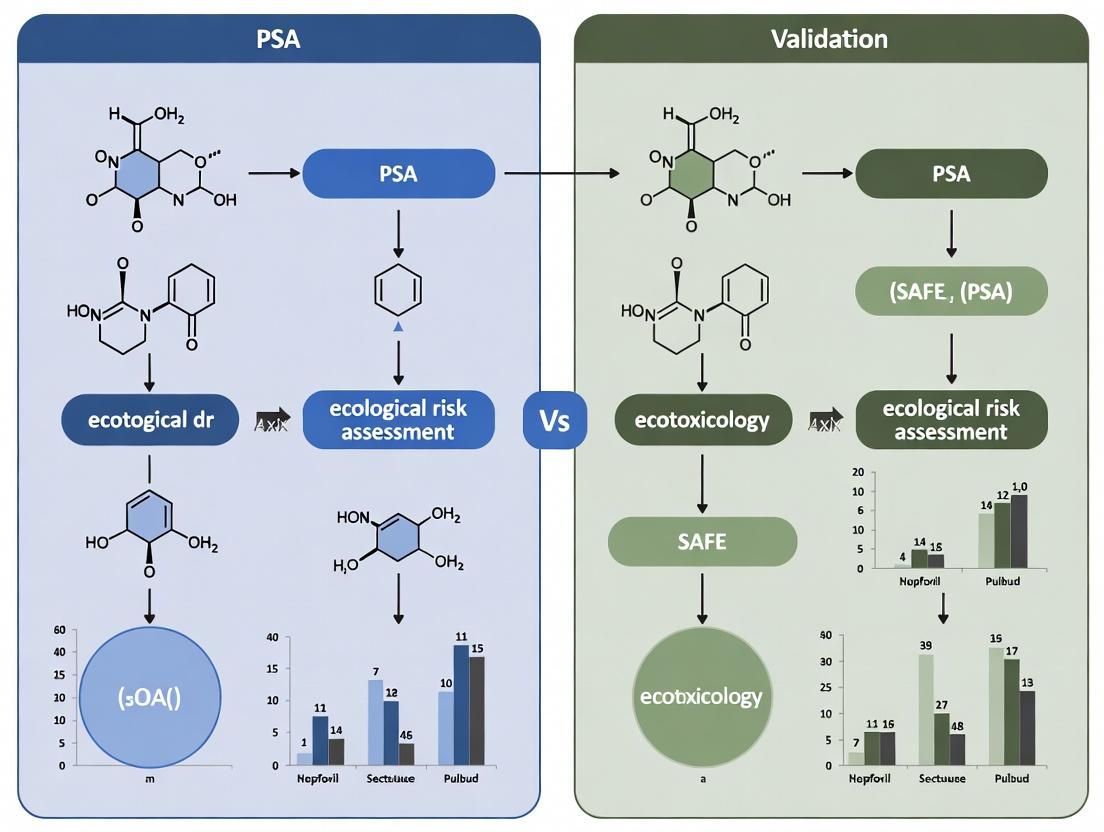
PSA vs. SAFE: A Comprehensive Validation and Comparative Analysis of Ecological Risk Assessment Methods for Fisheries
This article provides a detailed examination and validation of two key ecological risk assessment (ERA) methods used in fisheries management: Productivity and Susceptibility Analysis (PSA) and the Sustainability Assessment for...
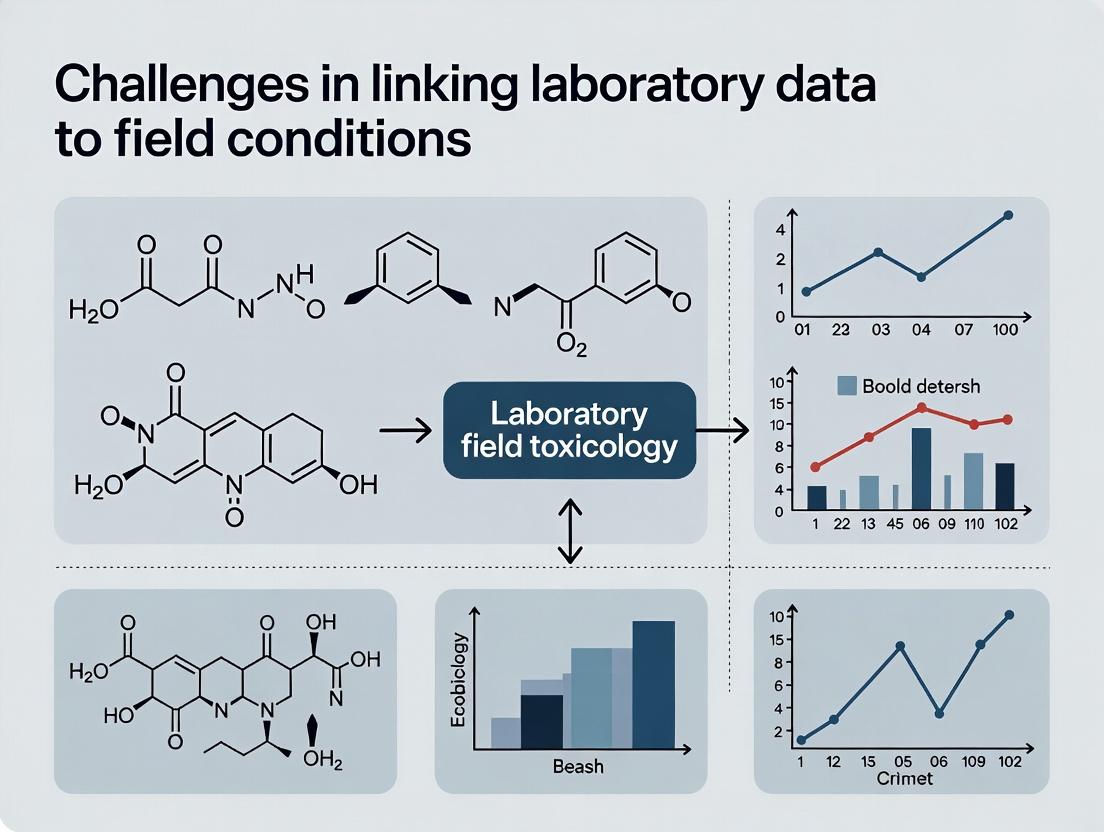
Bridging the Gap: Key Challenges and Solutions in Linking Laboratory Data to Field Conditions
This article provides a comprehensive analysis of the challenges in linking controlled laboratory data to complex real-world field conditions, tailored for researchers, scientists, and drug development professionals.
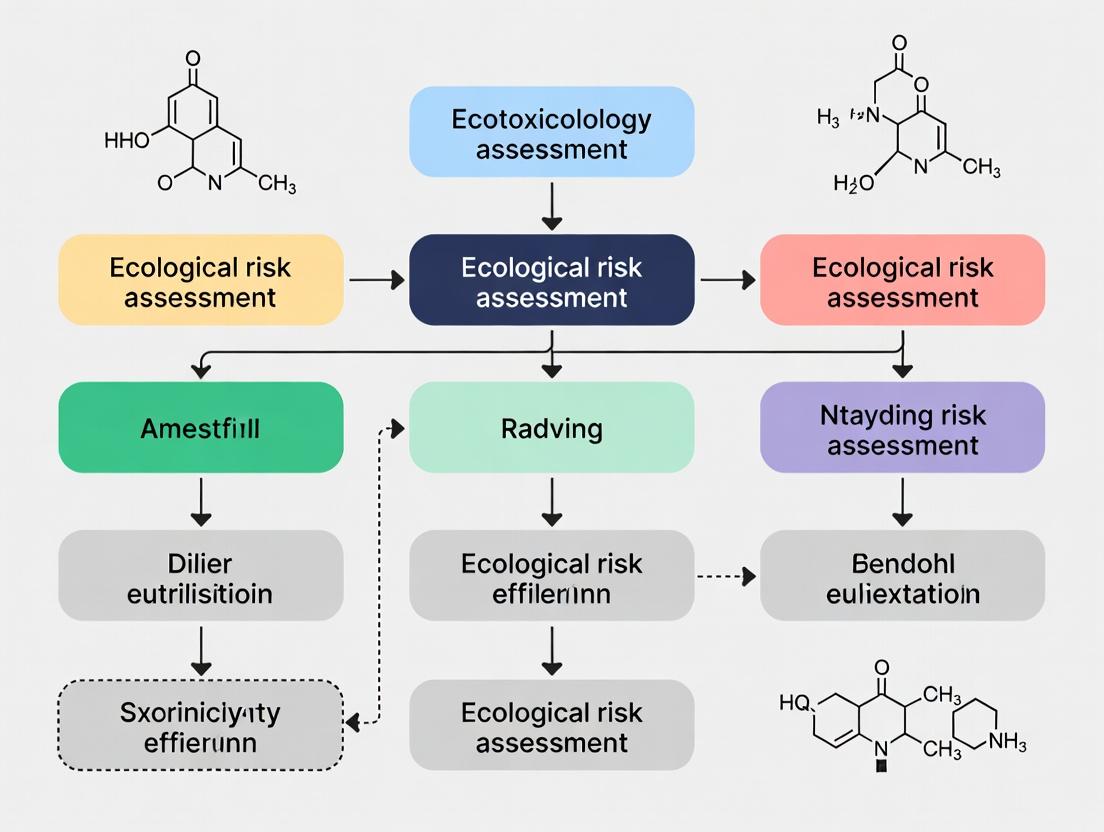
Optimizing the Tiered Approach to Ecological Risk Assessment: Strategies for Refining Methods and Enhancing Regulatory Decision-Making
This article provides a comprehensive examination of strategies to refine and optimize the tiered framework for ecological risk assessment (ERA), tailored for researchers, scientists, and drug development professionals.
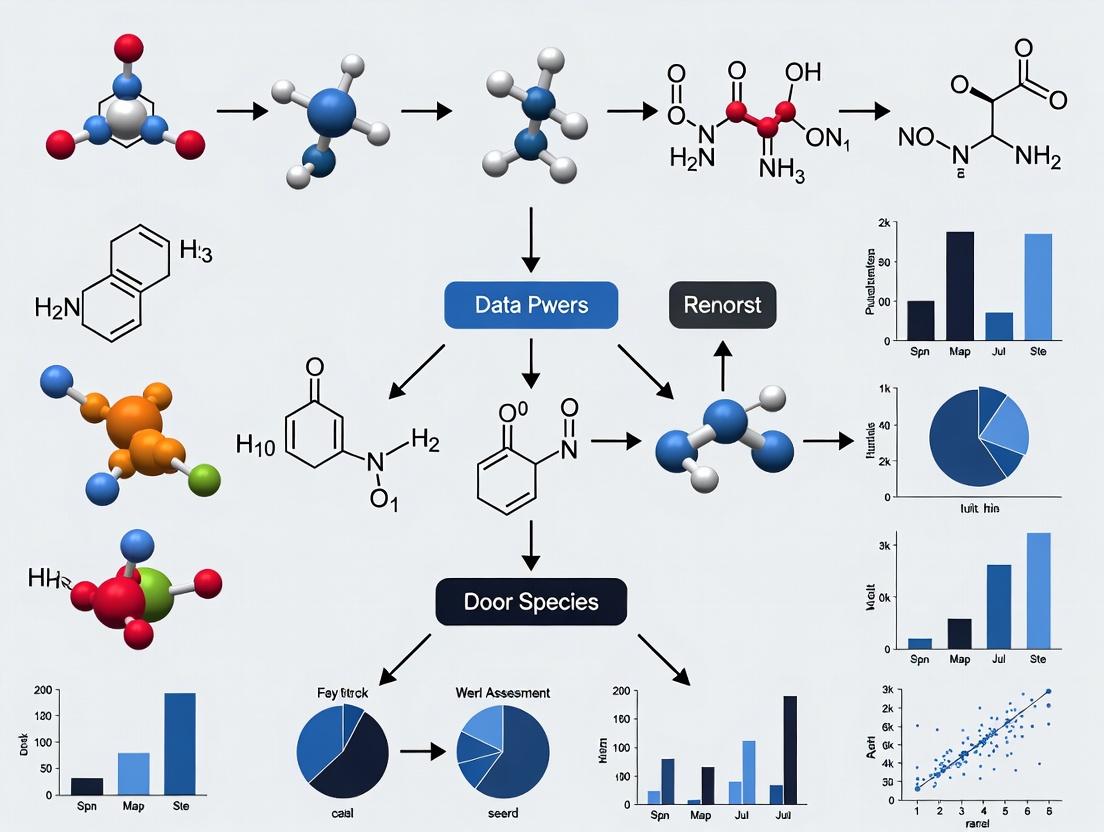
Beyond the Data Gap: Innovative Strategies for Ecological Risk Assessment of Data-Poor Species in Biomedical and Environmental Research
Conducting robust ecological risk assessments for species with limited empirical data is a critical challenge in environmental science, conservation, and biomedical research, where model organism data must often be extrapolated.
Beyond Risk Management: Building Resilience in Drug Development Through Ecological Principles
This article explores the paradigm shift from traditional, siloed risk assessment to a resilience-focused framework in biomedical research and drug development.
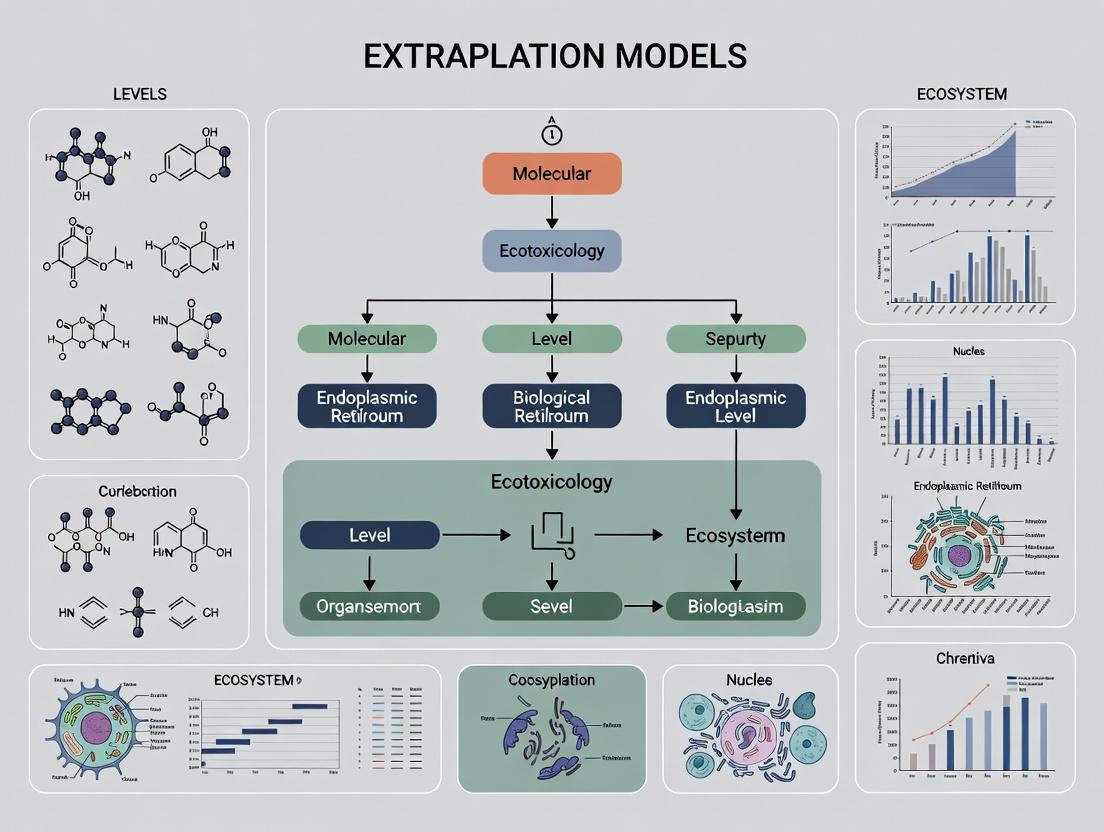
The Science of Extrapolation: Bridging Biological Scales to Accelerate Discovery and Development
This article provides a comprehensive examination of extrapolation models as essential tools for translating biological knowledge across different levels of organization—from molecules and cells to whole organisms and populations.
Bridging the Gap: Understanding and Mitigating Mismatches Between Measurement and Assessment Endpoints in Biomedical Research
This article provides a comprehensive examination of the critical challenge of endpoint mismatch in biomedical and clinical research, where differences in how and when outcomes are measured introduce bias and...
Beyond Traditional Models: Integrating Ecosystem Services, Resilience, and NAMs for Next-Generation Ecological Risk Assessment
This article provides a comprehensive overview of the paradigm shifts and methodological innovations modernizing traditional ecological risk assessment (ERA).
Mastering Bivariate Moran's Index: A Spatial Analytics Guide for Ecological Management Zoning in Research
This article provides a comprehensive guide to the bivariate Moran's I index, a pivotal spatial statistics tool for analyzing the correlation between two geographically weighted variables.
Beyond Expert Judgment: Quantifying Subjectivity in Landscape Vulnerability Index Assignment for Robust Risk Assessment
This article provides a comprehensive analysis of the inherent subjectivity in assigning landscape vulnerability indices, a critical methodological challenge affecting the reliability of ecological and climate risk assessments.