Bioinformatics in Ecotoxicology: Computational Approaches for Predicting Chemical Hazards and Enhancing Drug Safety
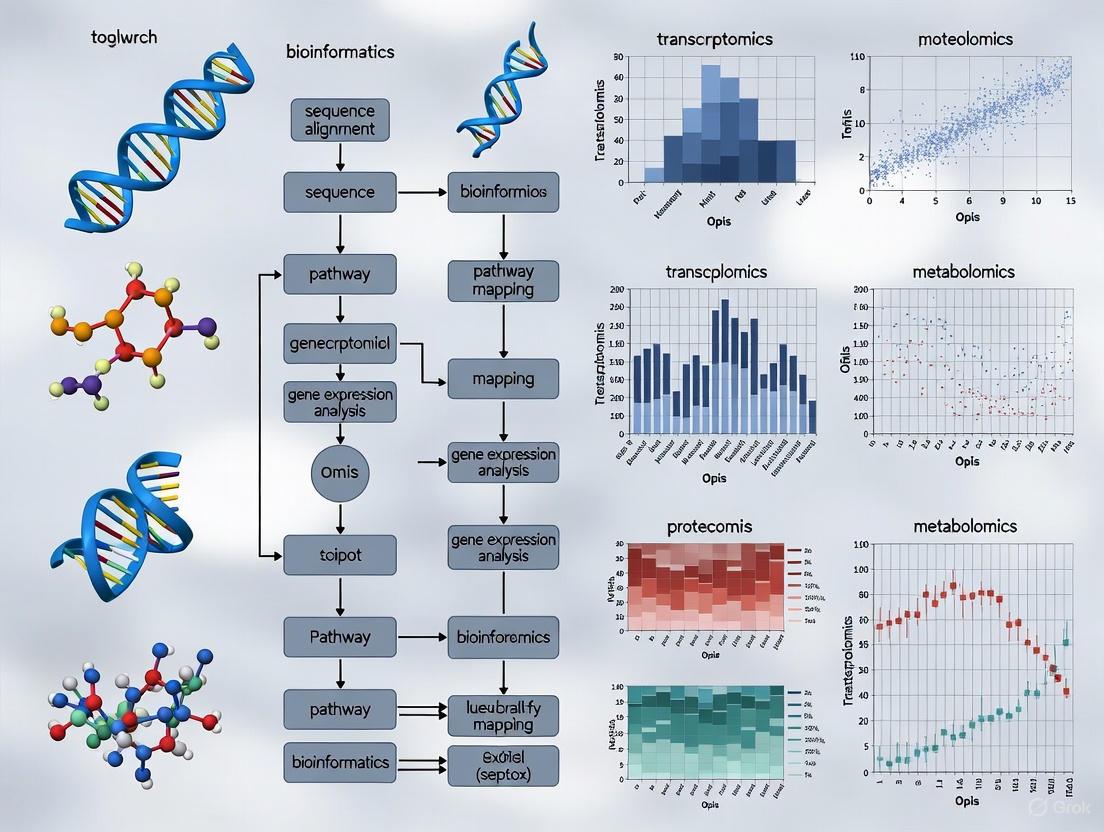
This article explores the transformative role of bioinformatics and computational methods in modern ecotoxicology.
Bioinformatics in Ecotoxicology: Computational Approaches for Predicting Chemical Hazards and Enhancing Drug Safety
Abstract
This article explores the transformative role of bioinformatics and computational methods in modern ecotoxicology. Aimed at researchers, scientists, and drug development professionals, it details how these approaches are revolutionizing the prediction of chemical effects on populations, communities, and ecosystems. The scope spans from foundational databases and exploratory data analysis to advanced machine learning applications, troubleshooting of computational models, and validation against empirical data. By synthesizing key methodologies and resources, this review provides a comprehensive guide for leveraging in silico tools to support environmental risk assessment, reduce animal testing, and accelerate the development of safer chemicals and pharmaceuticals.
Foundations and Data Landscapes: Core Bioinformatics Resources for Ecotoxicology
The field of ecotoxicology is increasingly reliant on bioinformatics and computational approaches to understand the effects of chemical stressors on ecological systems. The ECOTOX Knowledgebase, maintained by the U.S. Environmental Protection Agency (EPA), serves as a critical repository for curated toxicity data, supporting this data-driven evolution [1]. It provides a comprehensive, publicly accessible resource that integrates high-quality experimental data from the scientific literature, enabling researchers to move from exploratory analyses to predictive modeling and regulatory application.
Compiled from over 53,000 scientific references, ECOTOX contains more than one million test records covering 13,000 aquatic and terrestrial species and 12,000 chemicals [1]. This massive compilation supports the development of adverse outcome pathways (AOPs), quantitative structure-activity relationship (QSAR) models, and cross-species extrapolations that are fundamental to modern ecological risk assessment [1] [2]. The Knowledgebase is particularly valuable in an era where omics technologies (transcriptomics, proteomics, metabolomics) are generating unprecedented amounts of molecular-level data that require contextualization with higher-level ecological effects [2] [3].
Table 1: Key Statistics of the ECOTOX Knowledgebase (as of 2025)
| Metric | Value | Significance |
|---|---|---|
| Total References | 53,000+ | Comprehensive coverage of peer-reviewed literature |
| Test Records | 1,000,000+ | Extensive data for meta-analysis and modeling |
| Species Covered | 13,000+ | Ecologically relevant aquatic and terrestrial organisms |
| Chemicals | 12,000+ | Diverse single chemical stressors |
| Update Frequency | Quarterly | Regular incorporation of new data and features |
ECOTOX Knowledgebase Functionality and Access
Core Features and User Interface
The ECOTOX Knowledgebase provides several interconnected features designed to accommodate different user needs and levels of specificity. Its web interface offers multiple pathways for data retrieval, from targeted searches to exploratory data analysis [1].
- Search Feature: This function allows targeted queries for data on specific chemicals, species, effects, or endpoints. Users can refine searches using 19 different parameters and customize output selections from over 100 data fields. Each chemical record links to the EPA CompTox Chemicals Dashboard for additional physicochemical properties and related data [1].
- Explore Feature: When users lack precise search parameters, the Explore feature enables broader investigation by chemical, species, or effects. This flexible approach supports hypothesis generation and data mining activities fundamental to research planning and gap analysis [1].
- Data Visualization: Interactive plotting tools allow users to visualize results dynamically. Features include hover-over data points for detailed information and zoom capabilities for examining specific data sections, facilitating rapid pattern recognition and outlier identification [1].
Applications in Ecotoxicology Research and Regulation
The ECOTOX Knowledgebase supports diverse applications across research, risk assessment, and regulatory decision-making, bridging the gap between raw experimental data and actionable scientific insights [1].
- Chemical Assessment and Criteria Development: For over 20 years, ECOTOX has served as a primary source for developing chemical benchmarks for water and sediment quality assessments. It directly supports the derivation of Aquatic Life Criteria protecting freshwater and saltwater organisms from both short-term and long-term chemical exposures [1].
- Ecological Risk Assessment: The database informs chemical registration and re-registration processes under various regulatory frameworks. It also aids in chemical prioritization and assessment under the Toxic Substances Control Act (TSCA) by providing consolidated toxicity evidence across taxonomic groups [1].
- Cross-Species Extrapolation and Modeling: ECOTOX data enables the development and validation of models that extrapolate from in vitro to in vivo effects and across species. The Knowledgebase is particularly valuable for building QSAR models that predict toxicity based on chemical structure, and for conducting meta-analyses to guide future research directions [1] [2].
ECOTOX Query Workflow: A flowchart depicting the systematic process for retrieving data from the ECOTOX Knowledgebase, from defining data needs to exporting final results.
Application Note: Transcriptomic Point of Departure (tPOD) Derivation Using ECOTOX Data
Experimental Background and Rationale
The integration of omics technologies into ecotoxicology has created new opportunities for developing more sensitive and mechanistic chemical safety assessments. Transcriptomic Point of Departure (tPOD) derivation represents a promising approach that uses whole-transcriptome responses to chemical exposure to determine quantitative threshold values for toxicity [3]. This method aligns with the growing emphasis on New Approach Methodologies (NAMs) that reduce reliance on traditional animal testing while providing mechanistic insights [1] [3].
A recent case study demonstrated the application of ECOTOX data in validating tPOD values for tamoxifen using zebrafish embryos [3]. The derived tPOD was in the same order of magnitude but slightly more sensitive than the No Observed Effect Concentration (NOEC) from a conventional two-generation fish study. Similarly, research with rainbow trout alevins found that tPOD values were equally or more conservative than chronic toxicity values from traditional tests [3]. These findings support the use of embryo-derived tPODs as conservative estimations of chronic toxicity, advancing the 3R principles (Replace, Reduce, Refine) in ecotoxicological testing [3].
Protocol: tPOD Derivation Using Zebrafish Embryos
Table 2: Research Reagent Solutions for tPOD Derivation
| Reagent/Resource | Function/Application | Specifications |
|---|---|---|
| Zebrafish Embryos | In vivo model system | 0-6 hours post-fertilization (hpf); wild-type or specific strains |
| Test Chemical | Stressor of interest | High purity (>95%); prepare stock solutions in appropriate vehicle |
| Vehicle Control | Control for solvent effects | DMSO (≤0.1%), ethanol, or water as appropriate |
| Embryo Medium | Maintenance of embryos during exposure | Standard reconstituted water with specified ionic composition |
| RNA Extraction Kit | Isolation of high-quality RNA | Column-based methods with DNase treatment |
| RNA-Seq Library Prep Kit | Preparation of sequencing libraries | Poly-A selection or rRNA depletion protocols |
| Sequencing Platform | Transcriptome profiling | Illumina-based platforms for high-throughput sequencing |
| Bioinformatics Software | Data analysis and tPOD calculation | R packages (e.g., DRomics), specialized pipelines |
Procedure:
Experimental Design
- Exposure Concentrations: Select a geometrically spaced concentration series based on range-finding tests (typically 5-8 concentrations).
- Replication: Include a minimum of 3 biological replicates per treatment group, with each replicate containing a pool of 15-30 embryos.
- Controls: Include both vehicle controls (for solvent effects) and negative controls (untreated embryos).
Chemical Exposure
- Exposure Initiation: Transfer 6 hpf embryos to 24-well plates containing 2 mL of exposure solution per well.
- Exposure Conditions: Maintain at 28°C with a 14:10 light:dark photoperiod for 96 hours without feeding.
- Solution Renewal: Renew exposure solutions every 24 hours to maintain chemical concentration and water quality.
RNA Isolation and Sequencing
- Sample Collection: At 96 hpf, collect pools of embryos (n=15-30) from each replicate, rinse in clean embryo medium, and preserve in RNA stabilization reagent at -80°C.
- RNA Extraction: Isolve total RNA using column-based methods with DNase treatment; verify RNA integrity (RIN > 8.0) and quantity using appropriate instrumentation.
- Library Preparation and Sequencing: Prepare mRNA sequencing libraries using standardized kits and sequence on an Illumina platform to a minimum depth of 25 million reads per sample.
Bioinformatic Analysis and tPOD Calculation
- Transcript Quantification: Map reads to the reference genome (GRCz11) and generate count matrices using alignment-free (e.g., Salmon) or alignment-based (e.g., STAR) methods.
- Differential Expression: Identify significantly differentially expressed genes (DEGs) using appropriate statistical packages (e.g., DESeq2, edgeR) with a false discovery rate (FDR) of < 0.05.
- Benchmark Dose (BMD) Modeling: Input normalized counts for significantly altered genes into the DRomics package in R to fit dose-response models and calculate BMD values.
- tPOD Determination: Derive the overall tPOD as the lower 95% confidence bound of the median BMD (BMDL) for the sensitive gene set (typically the 10th-20th percentile of all BMD values).
tPOD Derivation Protocol: A workflow diagram illustrating the key steps in deriving a transcriptomic Point of Departure (tPOD) using zebrafish embryos and integrating data with ECOTOX Knowledgebase.
Data Integration and Analysis Protocols
Protocol: Cross-Species Extrapolation Using ECOTOX Data
Objective: Utilize ECOTOX data to extrapolate toxicity information across taxonomic groups, addressing data gaps for untested species.
Procedure:
Data Extraction from ECOTOX
- Identify a chemical of interest and retrieve all available toxicity data using the Search feature.
- Apply filters for relevant toxicity endpoints (e.g., LC50, EC50, NOEC) and exposure durations.
- Export data in a structured format (CSV or Excel) for analysis.
Taxonomic Analysis
- Classify species by phylum, class, and family to identify phylogenetic patterns in sensitivity.
- Calculate mean toxicity values and coefficients of variation for each taxonomic group.
- Identify indicator species with consistently high sensitivity across multiple chemicals.
Species Sensitivity Distribution (SSD) Modeling
- Fit cumulative distribution functions to toxicity data across species for specific chemical-endpoint combinations.
- Derive hazard concentrations (e.g., HC5 - hazardous to 5% of species) for protective risk assessment.
- Compare SSDs across chemical classes to identify trends in taxonomic selectivity.
Table 3: Cross-Species Toxicity Comparison for Model Chemicals (Representative Data)
| Chemical | Taxonomic Group | Species | Endpoint | Value (μg/L) | Exposure |
|---|---|---|---|---|---|
| Cadmium | Chordata (Fish) | Oncorhynchus mykiss | LC50 | 4.5 | 96-hour |
| Arthropoda (Crustacean) | Daphnia magna | EC50 | 1.2 | 48-hour | |
| Mollusca (Bivalve) | Mytilus edulis | EC50 | 15.8 | 96-hour | |
| Copper | Chordata (Fish) | Pimephales promelas | LC50 | 32.1 | 96-hour |
| Arthropoda (Crustacean) | Daphnia pulex | EC50 | 8.5 | 48-hour | |
| Chlorophyta (Algae) | Chlamydomonas reinhardtii | EC50 | 15.3 | 72-hour | |
| 17α-Ethinyl Estradiol | Chordata (Fish) | Danio rerio | NOEC | 0.5 | Chronic |
| Arthropoda (Crustacean) | Daphnia magna | NOEC | 100 | Chronic | |
| Mollusca (Gastropod) | Lymnaea stagnalis | NOEC | 10 | Chronic |
Protocol: Meta-Analysis of Omics Data in Ecotoxicology
Objective: Synthesize findings from transcriptomic, proteomic, and metabolomic studies to identify conserved stress responses across species.
Procedure:
Literature Curation and Data Integration
- Conduct systematic literature search using defined keywords (e.g., "ecotox" AND "transcriptom", "proteom", "metabolom") across databases (Google Scholar, Web of Science) [2].
- Extract relevant studies (following the PRISMA guidelines) and categorize by omics layer, species, stressor, and molecular pathways.
- Integrate ECOTOX data with omics studies to link molecular responses to adverse outcomes at higher biological levels.
Cross-Species Pathway Analysis
- Map differentially expressed molecules to conserved pathways using KEGG, GO, and Reactome databases.
- Identify orthologous genes across species to enable direct comparison of molecular responses.
- Use clustering algorithms to detect conserved stress response modules across taxonomic groups.
Adverse Outcome Pathway (AOP) Development
- Organize molecular initiating events, key events, and adverse outcomes into AOP frameworks.
- Weight evidence from multiple studies and species using the OECD AOP development guidelines.
- Identify critical data gaps for experimental validation across multiple species.
The application of these protocols demonstrates how ECOTOX serves as both a standalone resource and a complementary database that adds ecological context to omics-based discoveries. This integration is essential for advancing predictive ecotoxicology and developing more efficient strategies for chemical safety assessment in the era of bioinformatics [1] [2] [3].
The application of bioinformatics in ecotoxicology represents a paradigm shift from traditional, observation-based toxicology to a mechanistically-driven science. This transition is powered by toxicogenomics—the integration of genomic technologies with toxicology to understand how chemicals perturb biological systems. By analyzing genome-wide responses to environmental contaminants, researchers can decipher Mode of Action (MoA), identify early biomarkers of effect, and prioritize chemicals for regulatory attention. The CompTox Chemicals Dashboard serves as the central computational platform enabling these analyses by providing curated data for over one million chemicals, bridging chemistry, toxicity, and exposure information essential for modern ecological risk assessment [4] [5] [6].
CompTox Chemicals Dashboard: Capabilities and Data Structure
The CompTox Chemicals Dashboard, developed by the U.S. Environmental Protection Agency, is a publicly accessible hub that consolidates chemical data to support computational toxicology research. Its core function is to provide structure-curated, open data that integrates physicochemical properties, environmental fate, exposure, in vivo toxicity, and in vitro bioassay data through a robust cheminformatics layer [6]. The underlying DSSTox database enforces strict quality controls to ensure accurate substance-structure-identifier mappings, addressing a well-recognized challenge in public chemical databases [5] [6].
Key Data Streams and Quantitative Content
Table: Major Data Streams Accessible via the CompTox Chemicals Dashboard
| Data Category | Specific Data Types | Source/Model | Record Count |
|---|---|---|---|
| Chemical Substance Records | Structure, identifiers, lists | DSSTox | ~1,000,000+ [4] [7] [5] |
| Physicochemical Properties | LogP, water solubility, pKa | OPERA, TEST, ACD/Percepta | Measured & predicted [5] |
| Environmental Fate & Transport | Biodegradation, bioaccumulation | EPI Suite, OPERA | Predicted values [5] |
| Toxicity Values | In vivo animal study data | ToxValDB | Versioned releases (e.g., v9.6.2) [5] [8] |
| In Vitro Bioactivity | HTS assay data (AC50, AUC) | ToxCast/Tox21 (invitroDB) | ~1,000+ assays [5] [8] |
| Exposure Data | Use categories, biomonitoring | CPDat, ExpoCast | Functional use, product types [5] |
| Toxicokinetics | IVIVE parameters, half-life | HTTK | High-throughput predictions [5] |
The Dashboard supports advanced search capabilities including mass and formula-based searching for non-targeted analysis, batch searching for thousands of chemicals, and structure/substructure searching [4] [8]. Recent updates (as of 2025) have enhanced ToxCast data integration, added cheminformatics modules, and expanded DSSTox content with over 36,000 new chemicals [8].
Toxicogenomics databases provide molecular response profiles that illuminate biological pathways perturbed by chemical exposure. The DILImap resource represents a purpose-built transcriptomic library for drug-induced liver injury research, comprising 300 compounds profiled at multiple concentrations in primary human hepatocytes using RNA-seq [9]. This design captures dose-responsive transcriptional changes across pharmacologically relevant ranges, enabling development of predictive models like ToxPredictor which achieved 88% sensitivity at 100% specificity in blind validation [9].
The Comparative Toxicogenomics Database (CTD) offers another foundational resource by curating chemical-gene-disease relationships from scientific literature. CTD enables the construction of CGPD tetramers (Chemical-Gene-Phenotype-Disease blocks) that computationally link chemical exposures to molecular events and adverse outcomes [10]. This framework supports chemical grouping based on shared mechanisms rather than just structural similarity.
Multi-Omics Approaches in Ecotoxicology
Ecotoxicogenomics extends these approaches to ecologically relevant species, though challenges remain due to less complete genome annotations compared to mammalian models [11] [12]. The integration of transcriptomics, proteomics, and metabolomics provides complementary insights at different biological organization levels:
- Transcriptomics: Measures mRNA expression changes using microarrays or RNA-seq; reveals initial stress responses but may not reflect functional protein levels [11]
- Proteomics: Analyzes protein expression and post-translational modifications via 2D gels and mass spectrometry; captures functional molecular effectors [11]
- Metabolomics: Profiles low-molecular-weight metabolites through NMR or MS; represents integrated physiological status and functional outcomes [11]
Experimental Protocols: Toxicogenomics Workflow
Protocol: Transcriptomic Profiling Using DILImap Framework
Objective: Generate dose-responsive transcriptomic data for chemical MoA characterization and DILI prediction [9].
Materials:
- Primary Human Hepatocytes (PHHs): Sandwich-cultured to maintain hepatic functionality (e.g., metabolic activity, bile canaliculi formation)
- Chemical Library: 300+ compounds with clinical DILI annotations (positive/negative controls)
- Cell Viability Assays: ATP content and LDH release measurements for cytotoxicity assessment
- RNA Isolation Kit: High-quality total RNA extraction with DNAse treatment
- RNA-seq Library Prep: Strand-specific protocols with ribosomal RNA depletion
- Sequencing Platform: Illumina-based sequencing (minimum 30M reads/sample)
- Bioinformatics Tools: DESeq2 for differential expression, WikiPathways for enrichment analysis [9]
Procedure:
- Hepatocyte Culture: Plate PHHs in collagen-sandwich configuration and maintain for 4-7 days to stabilize hepatic functions [9]
- Dose Selection:
- Conduct preliminary dose-range finding using ATP and LDH assays (6 concentrations)
- Calculate ICâ‚â‚€ values from dose-response curves
- Select 4 test concentrations: therapeutic Cmax to just below ICâ‚â‚€ (highest non-cytotoxic dose) [9]
- Chemical Exposure:
- Treat triplicate cultures with test compounds or vehicle control (DMSO) for 24 hours
- Use 24-hour exposure as optimal balance between transcriptional response strength and hepatocyte dedifferentiation concerns [9]
- RNA Quality Control:
- Extract total RNA using column-based methods
- Assess RNA integrity (RIN >8.0) and quantify
- Exclude samples with high mitochondrial RNA content indicating poor viability [9]
- Library Preparation and Sequencing:
- Deplete ribosomal RNA to enhance mRNA representation
- Prepare stranded RNA-seq libraries with unique dual indexing
- Sequence on Illumina platform (2×150 bp reads)
- Data Analysis:
- Align reads to reference genome (STAR aligner)
- Count gene-level reads (featureCounts)
- Identify differentially expressed genes (DESeq2, FDR <0.05) [9]
- Perform pathway enrichment analysis (WikiPathways)
Protocol: Chemical Grouping Using CGPD Tetramers
Objective: Identify and cluster chemicals with similar molecular mechanisms using public toxicogenomics data [10].
Materials:
- Comparative Toxicogenomics Database (CTD): Source of curated chemical-gene-phenotype-disease interactions
- PubChem Database: Provides chemical identifiers and structural information
- Orthology Database: NCBI gene orthologs for cross-species mapping
- SQLite Database: Local storage for integrated data
- Clustering Algorithms: Hierarchical clustering or community detection methods
Procedure:
- Data Acquisition:
- Download CTD interaction tables (chemical-gene, chemical-phenotype, chemical-disease)
- Extract PubChem compound data using Identifier Exchange Service [10]
- Identifier Mapping:
- Map CTD MeSH chemical IDs to PubChem CIDs (~85% success rate)
- Apply orthology mapping to standardize gene identifiers across species (human, mouse, rat) [10]
- CGPD Tetramer Construction:
- Link chemicals to interacting genes (direct or expression changes)
- Connect genes to phenotype outcomes (GO terms)
- Associate phenotypes with relevant diseases [10]
- Chemical Similarity Scoring:
- Calculate Jaccard similarity indices based on shared gene targets
- Incorporate phenotypic similarity metrics
- Cluster Analysis:
- Apply hierarchical clustering with optimal leaf ordering
- Validate clusters against established cumulative assessment groups (CAGs) [10]
- Mechanistic Annotation:
- Interpret clusters using pathway enrichment (KEGG, Reactome)
- Identify key molecular initiators and adverse outcome pathways
Table: Key Research Reagents and Computational Tools for Toxicogenomics
| Resource Category | Specific Tools/Databases | Function/Application | Access Point |
|---|---|---|---|
| Chemical Databases | CompTox Dashboard, DSSTox, PubChem | Chemical structure, property, and identifier curation | https://comptox.epa.gov/dashboard [4] |
| Toxicogenomics Data | DILImap, CTD, TG-GATES | Transcriptomic response data for chemical exposures | https://doi.org/10.1038/s41467-025-65690-3 [9] |
| Pathway Resources | WikiPathways, KEGG, GO | Biological pathway annotation and enrichment analysis | https://wikipathways.org [9] |
| Analysis Tools | DESeq2, ToxPredictor, OECD QSAR Toolbox | Differential expression, machine learning prediction, read-across | Bioconductor, GitHub [9] |
| Cell Models | Primary Human Hepatocytes, HepaRG, HepG2 | Physiologically relevant in vitro toxicity testing | Commercial vendors [9] [13] |
| Quality Control | RNA integrity assessment, orthology mapping | Data reliability and cross-species comparability | Laboratory protocols [9] [10] |
Workflow Visualizations
Toxicogenomics Data Generation and Application
Workflow for Toxicogenomics: This diagram illustrates the integrated workflow from chemical exposure through molecular profiling to risk assessment.
CompTox Dashboard Data Integration
CompTox Dashboard Structure: This diagram shows how the DSSTox database serves as the core integration point for multiple data streams within the CompTox Chemicals Dashboard, enabling various research applications.
Chemical Grouping Using CGPD Tetramers
Chemical Grouping Framework: This diagram outlines the process of creating chemical-gene-phenotype-disease (CGPD) tetramers from the Comparative Toxicogenomics Database to identify chemicals with similar mechanisms for cumulative assessment.
Systematic Review and FAIR Data Principles in Ecotoxicology
Application Note: Integrating Systematic Review with FAIR Data Principles
Systematic reviews represent the highest form of evidence within the hierarchy of research designs, providing comprehensive summaries of existing studies to answer specific research questions through minimized bias and robust conclusions [14]. In ecotoxicology, the need for assembled toxicity data has accelerated as the number of chemicals introduced into commerce continues to grow and regulatory mandates require safety assessments for a greater number of chemicals [15]. The integration of FAIR data principles (Findable, Accessible, Interoperable, and Reusable) with systematic review methodologies addresses critical challenges in ecological risk assessment by enhancing data transparency, objectivity, and consistency [15].
This application note outlines established protocols for conducting high-quality systematic reviews in ecotoxicology while implementing FAIR data principles throughout the research workflow. These methodologies are particularly valuable for researchers developing bioinformatics approaches in ecotoxicology, where computational models require high-quality, standardized data for training and validation [16] [17]. The ECOTOXicology Knowledgebase (ECOTOX) exemplifies this integration, serving as the world's largest compilation of curated ecotoxicity data while employing systematic review procedures for literature evaluation and data curation [15].
Experimental Design and Workflow Integration
The systematic review process in ecotoxicology follows a structured workflow that aligns with both Cochrane Handbook standards and domain-specific requirements for ecological assessments [14]. Protocol registration at the initial stage enhances transparency and reduces reporting bias, while comprehensive search strategies across multiple databases ensure all relevant evidence is captured [14]. For ecotoxicological reviews, specialized databases like ECOTOX provide curated data from over 1.1 million test results across more than 12,000 chemicals and 14,000 species [15].
Recent advancements have incorporated artificial intelligence and machine learning approaches into the systematic review workflow, particularly during the study selection and data extraction phases [16]. Natural language processing algorithms can assist in screening large volumes of literature, while machine learning models can extract key methodological details and results using established controlled vocabularies [16] [15]. These computational approaches enhance both the efficiency of systematic reviews and the interoperability of resulting data, directly supporting FAIR principles.
Table 1: Quantitative Overview of Ecotoxicology Data Resources
| Resource Name | Data Volume | Chemical Coverage | Species Coverage | FAIR Implementation |
|---|---|---|---|---|
| ECOTOX Knowledgebase | >1 million test results | >12,000 chemicals | >14,000 species | Full FAIR alignment [15] |
| ADORE Benchmark Dataset | Acute toxicity for 3 taxonomic groups | Extensive chemical diversity | Fish, crustaceans, algae | ML-ready formatting [17] |
| CompTox Chemicals Dashboard | Integrated with ECOTOX | ~900,000 chemicals | Variable | DTXSID identifiers [17] |
Protocol: Conducting Systematic Reviews in Ecotoxicology
Research Question Formulation and Protocol Development
The initial phase of a systematic review requires precise research question formulation using structured frameworks. The PICOS framework (Population, Intervention, Comparator, Outcomes, Study Design) provides a robust structure for defining review scope and inclusion criteria [14]. For ecotoxicological applications, an extended PICOTS framework incorporating Timeframe and Study Design is particularly valuable for accounting for ecological lag effects and appropriate experimental models [14].
Table 2: PICOTS Framework Application in Ecotoxicology
| PICOTS Element | Definition | Ecotoxicology Example |
|---|---|---|
| Population | Subject or ecosystem of interest | Daphnia magna cultures under standardized laboratory conditions |
| Intervention | Exposure or treatment | Sublethal concentrations of pharmaceutical contaminants (e.g., 1-10 μg/L) |
| Comparator | Control or alternative condition | Untreated control populations in identical media |
| Outcomes | Measured endpoints | Mortality, immobilization, reproductive inhibition (EC50 values) |
| Timeframe | Exposure and assessment duration | 48-hour acute toxicity tests following OECD guideline 202 |
| Study Design | Experimental methodology | Controlled laboratory experiments following standardized protocols |
Protocol development must specify:
- Inclusion/exclusion criteria with clear rationale
- Search strategy with complete syntax for all databases
- Data extraction fields aligned with analysis needs
- Quality assessment tools appropriate for ecotoxicology studies [14]
For bioinformatics applications, the protocol should explicitly define data formatting requirements and metadata standards to ensure computational reusability [17].
Literature Search and Study Selection
Comprehensive literature searching requires multiple database queries and supplementary searching techniques:
Primary Database Strategies:
- ECOTOX Knowledgebase using chemical identifiers (CAS RN, DTXSID) and taxonomic classifications [15]
- Scopus, Web of Science, and PubMed using structured search syntax
- Specialized repositories for gray literature and regulatory studies
Search Syntax Example:
Study Selection Process:
- Duplicate removal using reference management software
- Title/abstract screening against predefined eligibility criteria
- Full-text assessment for final inclusion
- Data integrity verification for computational readiness [17]
The screening process should involve multiple independent reviewers with a predefined process for resolving conflicts through consensus or third-party adjudication [14]. For machine learning applications, study selection should prioritize data completeness and standardization to ensure model reliability [17].
Data Extraction and Quality Assessment
Standardized data extraction forms should capture both methodological details and quantitative results essential for evidence synthesis:
Essential Data Fields:
- Chemical identifiers (CAS RN, DTXSID, SMILES, InChIKey) [17]
- Test organism taxonomy (species, strain, life stage)
- Experimental conditions (media, temperature, pH, exposure duration)
- Endpoint type (LC50, EC50, NOEC) with values, units, and variance measures
- Quality and reliability indicators [15]
Risk of Bias Assessment: Ecological studies require domain-specific assessment tools evaluating:
- Internal validity: Experimental design, control appropriateness, confounding management
- External validity: Environmental relevance, test system complexity
- Reporting quality: Methodological completeness, data transparency [14]
The Klimisch score or similar reliability assessment frameworks provide structured approaches for evaluating study robustness in ecotoxicological contexts [15].
Systematic Review Workflow with FAIR Integration
Protocol: Implementing FAIR Data Principles
Findable and Accessible Data Management
Unique Identifiers Implementation:
- Chemical Identification: Utilize persistent identifiers including CAS RN, DSSTox Substance ID (DTXSID), and InChIKey to ensure precise chemical tracking across databases [15] [17].
- Taxonomic Standardization: Apply integrated taxonomic information system (ITIS) codes for consistent species identification and phylogenetic contextualization [17].
- Dataset Citation: Obtain digital object identifiers (DOIs) for curated datasets to facilitate formal citation and tracking.
Metadata Requirements: Rich metadata should comprehensively describe:
- Experimental methodologies and testing conditions
- Organism sourcing and acclimation procedures
- Analytical chemistry verification data
- Statistical analysis approaches
- Data provenance and curation history [15]
Accessibility Protocols:
- Deposit data in community-recognized repositories (ECOTOX, EnviroTox)
- Implement clear data licensing (Creative Commons, Open Data Commons)
- Provide multiple access modalities (web interface, API, bulk download) [15]
Interoperable and Reusable Data Structures
Data Standardization:
- Endpoint Harmonization: Apply consistent terminology for effects (mortality, immobilization, growth inhibition) and endpoints (LC50, EC50, NOEC) following OECD guideline definitions [17].
- Unit Conversion: Implement standardized concentration units (molar and mass-based) with explicit documentation of conversion factors and assumptions.
- Structural Data: Incorporate chemical structure representations (SMILES, InChI) to enable cheminformatics applications and read-across approaches [17].
Contextual Documentation: Comprehensive methodological descriptions should include:
- Test Guidelines: Specific protocol implementations (OECD, EPA, ISO)
- Temporal Factors: Exposure duration and measurement timepoints
- Environmental Parameters: Temperature, pH, water hardness, light conditions
- Statistical Methods: Effect calculation procedures and confidence estimation [15]
Machine-Actionable Formats:
- Structure data in standardized formats (JSON-LD, RDF) for computational access
- Implement application programming interfaces (APIs) for programmatic data retrieval
- Provide data dictionaries and schema documentation for reuse clarity [15]
FAIR Data Principles Implementation Framework
The Scientist's Toolkit: Research Reagent Solutions
Table 3: Essential Resources for Ecotoxicology Systematic Reviews
| Resource Category | Specific Tools/Databases | Primary Function | Application in Systematic Reviews |
|---|---|---|---|
| Ecotoxicology Databases | ECOTOX Knowledgebase [15] | Curated ecotoxicity data repository | Primary data source for effect concentrations and test conditions |
| ADORE Benchmark Dataset [17] | Machine learning-ready toxicity data | Training and validation of predictive models | |
| Chemical Registration | CompTox Chemicals Dashboard [17] | Chemical identifier integration | Cross-referencing and structure standardization |
| PubChem [17] | Chemical property database | SMILES notation and molecular descriptor generation | |
| Taxonomic Standardization | Integrated Taxonomic Information System | Species classification authority | Taxonomic harmonization across studies |
| Quality Assessment | Klimisch Scoring System [15] | Study reliability evaluation | Risk of bias assessment for included studies |
| PRISMA Guidelines [14] | Reporting standards framework | Transparent methodology and results documentation | |
| Data Analysis | R packages (metafor, meta) | Statistical meta-analysis | Quantitative evidence synthesis |
| Python scikit-learn [17] | Machine learning algorithms | Predictive model development from extracted data | |
| Punicic Acid | Punicic Acid, CAS:544-72-9, MF:C18H30O2, MW:278.4 g/mol | Chemical Reagent | Bench Chemicals |
| Procyanidin A1 | Procyanidin A1 (Proanthocyanidin A1) | Procyanidin A1 is a natural polyphenol for aging, cancer, and inflammation research. High purity, for research use only. Not for human consumption. | Bench Chemicals |
Advanced Applications in Bioinformatics
Machine Learning Integration
The ADORE (Aquatic Toxicity Benchmark Dataset) exemplifies the intersection of systematic review methodology and bioinformatics applications [17]. This comprehensive dataset incorporates:
- Core ecotoxicological data on acute aquatic toxicity for fish, crustaceans, and algae
- Chemical descriptors including molecular representations and physicochemical properties
- Species-specific characteristics incorporating phylogenetic relationships
- Experimental conditions with standardized metadata for computational modeling [17]
For machine learning implementation, the dataset supports:
- Regression models predicting continuous toxicity values (LC50, EC50)
- Classification approaches categorizing chemicals into toxicity brackets
- Read-across methodologies leveraging chemical and biological similarity
- Uncertainty quantification through standardized data splitting strategies [17]
Multi-Omics Data Integration
Systematic reviews in modern ecotoxicology increasingly incorporate multi-omics technologies to elucidate mechanistic toxicity pathways:
Genomic Applications:
- Gene expression profiling through transcriptomics (RNA-seq) to identify differentially expressed genes under chemical stress [18]
- Epigenetic modifications detected via whole-genome sequencing approaches
- Population genomics assessing adaptive responses in exposed populations
Proteomic and Metabolomic Integration:
- Protein expression changes quantified through mass spectrometry (LC-MS, MALDI-TOF) [18]
- Metabolic pathway perturbations characterized via metabolomic profiling
- Multi-omics correlation networks integrating molecular responses across biological hierarchies [18]
The systematic review framework ensures rigorous evaluation of omics study quality and appropriate synthesis of mechanistic evidence across multiple experimental systems.
The integration of systematic review methodology with FAIR data principles establishes a robust foundation for evidence-based ecotoxicology and computational risk assessment. The structured approaches outlined in these application notes and protocols enhance methodological transparency, data quality, and research reproducibility while supporting the development of predictive bioinformatics models [15] [17].
Future advancements will likely focus on:
- Automated literature screening using natural language processing and machine learning classifiers
- Real-time evidence mapping dynamically updating systematic reviews as new studies emerge
- Knowledge graph integration linking chemical, biological, and toxicological entities in computable networks
- Domain-specific language models trained on ecotoxicology literature to enhance information extraction [16]
These developments will further accelerate the translation of ecotoxicological evidence into predictive models that support chemical safety assessment and environmental protection, ultimately reducing reliance on animal testing through robust in silico approaches [15] [17].
Identifying Data Gaps and Research Opportunities through Data Mining
Modern ecotoxicology is undergoing a paradigm shift, driven by the generation of complex, high-dimensional data from high-throughput omics technologies. Data mining, the computational process of discovering patterns, extracting knowledge, and predicting outcomes from large datasets, is essential to transform this data into actionable insights for environmental and human health protection [19]. The integration of data mining with bioinformatics approaches allows researchers to move beyond traditional, often isolated endpoints, towards a systems-level understanding of how pollutants impact biological systems across multiple levels of organization—from the genome to the ecosystem [18] [20]. This Application Note details protocols for leveraging data mining to identify critical data gaps and prioritize research in ecotoxicology, framed within the DIKW (Data, Information, Knowledge, Wisdom) framework for extracting wisdom from big data [20].
Data Mining Paradigms and Ecotoxicological Applications
Data mining algorithms can be broadly categorized into prediction and knowledge discovery paradigms, each containing sub-categories suited to different types of ecotoxicological questions [19]. The table below summarizes the primary data mining categories and their applications in ecotoxicology.
Table 1: Data Mining Paradigms and Their Ecotoxicological Applications
| Data Mining Category | Primary Objective | Example Algorithms | Application in Ecotoxicology |
|---|---|---|---|
| Classification & Regression | Predict categorical or continuous outcomes from input features [19]. | Decision Trees, Support Vector Machines, Artificial Neural Networks [19]. | Forecasting air quality indices; classifying chemical toxicity based on structural features [19]. |
| Clustering | Identify hidden groups or patterns in data without pre-defined labels [19]. | k-Means Clustering, Hierarchical Clustering [21] [19]. | Discovering novel modes of action by grouping chemicals with similar transcriptomic profiles [19]. |
| Association Rule Mining | Find frequent co-occurring relationships or patterns among variables in a dataset [19]. | APRIORI Algorithm [19]. | Identifying combinations of pollutant exposures frequently linked to specific adverse outcomes in epidemiological data [19]. |
| Anomaly Detection | Identify rare items, events, or observations that deviate from the majority of the data [19]. | Isolation Forests, Local Outlier Factor [19]. | Detecting abnormal biological responses in sentinel species exposed to emerging contaminants. |
Protocol: Selecting a Data Mining Method for an Ecotoxicological Problem
Selecting the appropriate data mining technique is a critical step. The following workflow, adapted from the Data Mining Methods Conceptual Map (DMMCM), provides a guided process for method selection [21].
Procedure:
- Define the Problem Objective: Clearly articulate the environmental question. For example, "I want to predict the toxicity of a new chemical" versus "I want to understand the common molecular pathways affected by a class of pesticides" [21].
- Navigate the Decision Tree: Use the workflow above to select a major group of methods.
- If the goal is prediction, use classification (for categories like toxic/non-toxic) or regression (for continuous values like LC50) [19].
- If the goal is knowledge discovery, use clustering to find groups of chemicals with similar effects, or association mining to find frequently co-occurring exposure combinations [19].
- Refine the Method Selection: Consult resources like Data Mining Methods Templates (DMMTs) for detailed guidance on specific algorithms within the chosen branch, considering dataset structure and technical requirements of the methods [21].
Protocol: Data Mining Multi-Omics Data to Derive Transcriptomic Points of Departure
A powerful application of data mining in regulatory ecotoxicology is the derivation of Transcriptomic Points of Departure (tPODs). A tPOD identifies the dose level below which a concerted change in gene expression is not expected in response to a chemical [22]. tPODs provide a pragmatic, mechanistically informed, and health-protective reference dose that can augment or inform traditional apical endpoints from longer-term studies [22].
Experimental Workflow
The following protocol outlines the bioinformatic workflow for tPOD derivation from transcriptomic data.
Step-by-Step Instructions
Study Design and Data Generation:
- Input: Expose model organisms (e.g., fish, rodents) to a range of chemical concentrations, including controls, with a minimum of n=3-5 replicates per group [20].
- Reagent Solution: Extract total RNA from target tissues using commercial kits (e.g., Qiagen RNeasy). Prepare sequencing libraries with kits like Illumina TruSeq Stranded mRNA. Perform high-throughput sequencing on platforms like Illumina NovaSeq to generate raw sequencing reads (FASTQ files) [20].
Bioinformatic Processing (Data to Information):
- Quality Control: Use FastQC to assess read quality.
- Read Alignment and Quantification:
- For model species with a reference genome (e.g., zebrafish, rat), align reads using a splice-aware aligner like STAR and generate gene-level counts using featureCounts [20].
- For non-model species, consider a de novo transcriptome assembly using Trinity, or use a species-agnostic tool like Seq2Fun which aligns reads directly to functional ortholog groups, bypassing the need for a reference genome [20].
- Differential Expression Analysis: Input the count matrix into statistical software (e.g., R/Bioconductor) and use packages like
LimmaorEdgeRto identify Differentially Expressed Genes (DEGs) for each dose group compared to control. Be aware that different statistical approaches can yield slightly different DEG lists; focus on robust, large-scale patterns [20].
tPOD Derivation (Information to Knowledge):
- Dose-Response Modeling: For the list of DEGs, model the dose-response relationship for each gene individually using specialized software (e.g., BMD Software from the US EPA). Calculate a benchmark dose (BMD) or point of departure for each gene [22].
- Aggregation: Aggregate the gene-level BMDs into a single tPOD. Common practices include taking the median or the 10th percentile of the distribution of gene-level BMDs, which is considered health-protective [22].
- Validation and Interpretation: Compare the derived tPOD with Points of Departure from traditional apical endpoints (e.g., organ weight changes, histopathology). Research strongly supports that tPODs are generally protective of apical outcomes and can be used to anchor a safety assessment [22].
Protocol: Mining the ECOTOX Knowledgebase for Data Gaps
The ECOTOX Knowledgebase is a comprehensive, publicly available resource from the U.S. EPA containing over one million test records on chemical effects for more than 13,000 species [1]. It is a prime resource for data gap analysis via data mining.
Experimental Workflow
Table 2: Key Research Reagent Solutions: Databases and Tools for Ecotoxicology Data Mining
| Resource Name | Type | Function and Application | Access |
|---|---|---|---|
| ECOTOX Knowledgebase [1] | Curated Database | Core source for single-chemical toxicity data for aquatic and terrestrial species. Used for data gap analysis, QSAR model development, and ecological risk assessment. | https://www.epa.gov/comptox-tools/ecotox |
| Seq2Fun [20] | Bioinformatics Algorithm | Species-agnostic tool for analyzing RNA-Seq data from non-model organisms by mapping reads to functional ortholog groups, bypassing the need for a reference genome. | Via ExpressAnalyst |
| BMD Software (US EPA) [22] | Statistical Software Suite | Fits mathematical models to dose-response data to calculate Benchmark Doses (BMDs) for transcriptomic or apical endpoints. | EPA Website |
| Nanoinformatics Approaches [23] | Computational Models & ML | A growing field using QSAR, machine learning, and molecular dynamics to predict nanomaterial behavior and toxicity, addressing a major data gap for engineered nanomaterials. | Various (e.g., Enalos Cloud [23]) |
Step-by-Step Instructions
Define the Scope: Identify the chemical class or family of interest (e.g., "neonicotinoid pesticides") and the relevant taxonomic groups (e.g., "aquatic invertebrates," "pollinators").
Data Acquisition and Mining:
- Access the ECOTOX Knowledgebase [1].
- Use the "SEARCH" feature to query by chemical name or group. Use the "EXPLORE" feature if the exact parameters are not known.
- Apply filters for "Species" (e.g., select "Insecta" class), "Effect" (e.g., "mortality," "reproduction"), and "Exposure Duration."
- Use the "DATA VISUALIZATION" feature to create interactive plots of the results (e.g., species sensitivity distributions).
Data Gap Identification Analysis:
- Quantify Data Richness: For your chemical group of interest, tally the number of test records per species and per endpoint. A high concentration of data on a few standard test species (e.g., Daphnia magna) and a lack of data on threatened or keystone species constitutes a clear data gap.
- Identify Endpoint Gaps: Determine if data is predominantly for acute mortality (LC50) and lacks chronic, sublethal data (e.g., growth, reproduction, immunotoxicity). The latter is often a critical data gap.
- Cross-Reference with New Approach Methodologies (NAMs): Compare the traditional toxicity data with the availability of high-throughput transcriptomic data (e.g., tPODs) for the same chemicals. A lack of mechanistic data represents an opportunity for targeted research using the protocols in Section 3.
Output and Opportunity Prioritization:
- Generate a summary table listing the identified data gaps, ranked by perceived ecological risk and feasibility of testing.
- This analysis directly informs the prioritization of future testing, guiding resource allocation towards filling the most critical knowledge gaps, potentially using faster, more mechanistic NAMs.
The integration of data mining with bioinformatics is fundamentally enhancing how we identify and address research gaps in ecotoxicology. By applying the protocols outlined—from deriving tPODs for mechanistic risk assessment to systematically mining large-scale toxicity databases like ECOTOX—researchers can transition from being data-rich but information-poor to having actionable knowledge and wisdom. These approaches allow for a more proactive, predictive, and efficient research strategy, ultimately accelerating the development of a safer and more sustainable relationship with our chemical environment.
Methodologies in Action: From QSAR to Machine Learning and Omics Integration
Quantitative Structure-Activity Relationship (QSAR) Modeling for Toxicity Prediction
Within the domain of bioinformatics-driven ecotoxicology research, Quantitative Structure-Activity Relationship (QSAR) modeling serves as a pivotal computational methodology for predicting the toxicity of chemicals. QSAR models establish a mathematical relationship between the chemical structure of a compound (represented by molecular descriptors) and its biological activity, such as toxicity [24]. This approach is fundamentally rooted in the principle that the physicochemical properties and biological activities of molecules are determined by their chemical structures [24]. The application of QSAR models enables the rapid, cost-effective hazard assessment of environmental pollutants, which is critical for protecting aquatic biodiversity and human health, aligning with the goals of modern ecotoxicology [25] [18]. The adoption of these non-test methods (NAMs) is further encouraged by international regulations and a global push to reduce reliance on animal testing [26] [16].
Key Concepts and Data Requirements
The foundational equation of a QSAR model can be generalized as: Biological Activity = f(Dâ‚, Dâ‚‚, D₃…) where Dâ‚, Dâ‚‚, D₃, etc., are molecular descriptors that quantitatively encode specific aspects of a compound's structure [24].
The development of a robust and predictive QSAR model is contingent upon a high-quality dataset. The key components of such a dataset are summarized in the table below.
Table 1: Essential Components for QSAR Model Development
| Component | Description | Examples & Best Practices |
|---|---|---|
| Chemical Structures | The set of compounds under investigation, typically represented in SMILES or SDF format. | Should encompass sufficient structural diversity to ensure model applicability. |
| Biological Activity Data | Experimentally measured toxicity endpoint for each compound. | ICâ‚…â‚€, LDâ‚…â‚€, NOAEL, LOAEL [24] [26]. Values should be obtained via standardized experimental protocols. |
| Molecular Descriptors | Numerical representations of chemical structures. | Physicochemical properties (e.g., log P, molecular weight), topological indices, quantum chemical properties, and 3D-descriptors [24]. |
| Dataset Curation | The process of preparing and verifying the quality of the input data. | Requires removal of duplicates and erroneous structures, and verification of activity data consistency. A typical dataset should contain more than 20 compounds [24]. |
Protocols for QSAR Model Development and Application
This section provides a detailed, step-by-step protocol for constructing, validating, and applying a QSAR model for toxicity prediction.
Protocol: Workflow for Robust QSAR Modeling
The process of building a reliable QSAR model follows a structured workflow, from data collection to final deployment. The following diagram illustrates this multi-stage process and the critical steps involved at each stage.
Step 1: Data Collection and Curation
- Action: Compile a dataset of chemical structures and their corresponding experimental toxicity values from public databases (e.g., ToxValDB, ChEMBL, PubChem) [26] [16].
- Protocol Details:
- Standardization: Curate chemical structures by standardizing tautomeric forms, removing counterions, and neutralizing charges.
- Activity Data: Use consistent, comparable activity values (e.g., pICâ‚…â‚€ = -logâ‚â‚€(ICâ‚…â‚€)) obtained from a standardized experimental protocol [24].
- Critical Check: Visually inspect a subset of structures to ensure the correctness of the automated curation.
Step 2: Chemical Structure Representation and Descriptor Calculation
- Action: Convert chemical structures into a numerical format using molecular descriptors.
- Protocol Details:
- Software: Use open-source tools like RDKit or PaDEL-Descriptor to calculate a wide array of descriptors [16].
- Descriptor Types: Calculate 1D descriptors (e.g., molecular weight, log P), 2D descriptors (e.g., topological indices), and 3D descriptors (if optimized 3D structures are available) [24].
- Output: Generate a data matrix where rows are compounds and columns are descriptor values.
Step 3: Dataset Splitting
- Action: Divide the dataset into training and test sets.
- Protocol Details:
- Method: Use a rational splitting method (e.g., Kennard-Stone) or random selection to ensure the test set is representative of the chemical space covered by the training set.
- Ratio: A common practice is to allocate 70-80% of compounds for training and the remaining 20-30% for external testing [24].
Step 4: Feature Selection
- Action: Reduce the number of molecular descriptors to avoid overfitting.
- Protocol Details:
- Methods: Employ techniques like Stepwise Regression, Genetic Algorithms, or the Successive Projections Algorithm [24].
- Goal: Select a small set of 4-6 descriptors that are statistically significant and have low inter-correlation to build a parsimonious model.
Step 5: Model Training
- Action: Establish the mathematical relationship between the selected descriptors and the toxicity endpoint.
- Protocol Details:
- Algorithm Selection:
- Process: Use only the training set to build the model.
Step 6: Model Validation
- Action: Rigorously assess the model's predictive power and robustness. This is a critical step for establishing model credibility.
- Protocol Details:
- Internal Validation: Perform 5-fold or 10-fold cross-validation on the training set. Calculate the cross-validated R² (Q²) and Root Mean Square Error (RMSE).
- External Validation: Use the held-out test set to evaluate the model's performance on unseen data. Report R², RMSE, and other relevant metrics.
- Metric Interpretation: For classification models used in virtual screening, prioritize Positive Predictive Value (PPV) to minimize false positives in the top predictions [27].
Step 7: Prediction and Applicability Domain (AD)
- Action: Use the validated model to predict new compounds while defining its limitations.
- Protocol Details:
- Prediction: Input the descriptor values of the new compound into the model equation to obtain a predicted toxicity value.
- Applicability Domain: Define the chemical space where the model's predictions are reliable. Methods include the leverage approach, which identifies whether a new compound is structurally extreme compared to the training set [24]. Predictions for compounds outside the AD should be treated with caution.
Protocol: Virtual Screening for Hit Identification
When using a QSAR model to screen large chemical libraries, a specific protocol should be followed to maximize the identification of true toxicants or active compounds.
- Step 1: Load a large, commercially available chemical library (e.g., Enamine REAL).
- Step 2: Process all compounds through the previously developed and validated QSAR model.
- Step 3: Rank all compounds based on their predicted activity/toxicity score.
- Step 4: For experimental testing, select the top N compounds (e.g., 128 for a standard well plate) from the ranked list. This strategy prioritizes the Positive Predictive Value (PPV) of the model for the top-ranked compounds, ensuring a higher hit rate and minimizing false positives [27].
- Step 5: Acquire and test the selected compounds experimentally to confirm the model's predictions.
The Scientist's Toolkit
The successful application of QSAR in ecotoxicology relies on a suite of software, databases, and computational resources.
Table 2: Essential Research Reagent Solutions for QSAR Modeling
| Tool/Resource | Type | Function in QSAR Workflow |
|---|---|---|
| OECD QSAR Toolbox [28] | Software Platform | Streamlines chemical hazard assessment by profiling chemicals, simulating metabolism, finding analogues, and filling data gaps via read-across. |
| RDKit [16] | Cheminformatics Library | Open-source toolkit for calculating molecular descriptors, fingerprinting, and handling chemical data. |
| PaDEL-Descriptor | Software | Calculates molecular descriptors and fingerprints for batch processing of chemical structures. |
| ToxValDB [26] | Database | A comprehensive database of experimental in vivo toxicity values used for model training and validation. |
| ChEMBL [27] | Database | A large-scale bioactivity database for drug-like molecules, useful for building models related to specific targets. |
| Random Forest [25] [26] | Algorithm | A powerful machine learning algorithm frequently used for building high-performance classification and regression QSAR models. |
| 6-phospho-2-dehydro-D-gluconate(1-) | 6-phospho-2-dehydro-D-gluconate(1-) Research Chemical | High-purity 6-phospho-2-dehydro-D-gluconate(1-) for research. Key intermediate in the pentose phosphate pathway. For Research Use Only. Not for human or veterinary use. |
| Garcinone B | Garcinone B, CAS:76996-28-6, MF:C23H22O6, MW:394.4 g/mol | Chemical Reagent |
Case Study: Predicting NF-κB Inhibitor Toxicity
To illustrate the protocol, consider a case study developing a QSAR model for 121 compounds reported as Nuclear Factor-κB (NF-κB) inhibitors [24].
- Data Preparation: ICâ‚…â‚€ values were converted to pICâ‚…â‚€. The dataset was randomly split into a training set (~80 compounds) and a test set (~41 compounds).
- Descriptor Calculation & Selection: A pool of molecular descriptors was calculated. An analysis of variance (ANOVA) was used to identify descriptors with high statistical significance for predicting NF-κB inhibitory concentration [24].
- Model Training & Validation: Two models were developed and compared:
- A Multiple Linear Regression (MLR) model.
- An Artificial Neural Network (ANN) model.
- Both models underwent rigorous internal and external validation. The leverage method was applied to define the Applicability Domain [24].
Table 3: Performance Metrics for the NF-κB Inhibitor QSAR Models
| Model Type | Training Set R² | Internal Validation Q² | Test Set R² | RMSE (Test Set) |
|---|---|---|---|---|
| Multiple Linear Regression (MLR) | Reported in study | Reported in study | Reported in study | Reported in study |
| Artificial Neural Network (ANN) | Reported in study | Reported in study | Reported in study | Reported in study |
Note: Specific metric values from the original study should be inserted into the table above [24].
{# The Application of Machine Learning and the ADORE Benchmark Dataset for Predicting Aquatic Toxicity}
{#brief_paragraph}
The increasing production and release of chemicals into the environment necessitates robust methods for assessing their potential hazards to aquatic ecosystems. While traditional ecotoxicology relies on animal testing, in silico methods, particularly machine learning (ML), offer promising alternatives for predicting chemical toxicity. The development of the ADORE (A benchmark dataset for machine learning in ecotoxicology) dataset addresses a critical bottleneck by providing a standardized, well-curated resource for training, benchmarking, and comparing ML models. This application note details the implementation of ML workflows with ADORE, providing protocols and resources to advance computational ecotoxicology within a bioinformatics framework.
{#dataset_overview}
ADORE Dataset: Composition and Scope
The ADORE dataset is a comprehensive resource designed to foster machine learning applications in ecotoxicology. It integrates ecotoxicological experimental data with extensive chemical and species-specific information, enabling the development of models that can predict acute aquatic toxicity.
Table 1: Core Components of the ADORE Dataset
| Component | Description | Data Sources |
|---|---|---|
| Ecotoxicology Data | Core data on acute mortality and related endpoints (LC50/EC50) for fish, crustaceans, and algae, including experimental conditions [17]. | US EPA ECOTOX database (September 2022 release) [17]. |
| Chemical Information | Nearly 2,000 chemicals represented by identifiers (CAS, DTXSID, InChIKey), canonical SMILES, and six molecular representations (e.g., MACCS, PubChem, Morgan fingerprints, Mordred descriptors) [17] [29]. | PubChem, US EPA CompTox Chemicals Dashboard [17]. |
| Species Information | 140 fish, crustacean, and algae species, with data on ecology, life history, and phylogenetic relationships [17] [30]. | ECOTOX database and curated phylogenetic trees [17]. |
Table 2: Dataset Statistics and Proposed Modeling Challenges
| Taxonomic Group | Key Endpoints | Standard Test Duration | Modeling Challenge Level |
|---|---|---|---|
| Fish | Mortality (MOR), LC50 [17] | 96 hours [17] | High (All groups), Intermediate (Single group), Low (Single species) [29] |
| Crustaceans | Mortality (MOR), Immobilization/Intoxication (ITX), EC50 [17] | 48 hours [17] | High (All groups), Intermediate (Single group), Low (Single species) [29] |
| Algae | Mortality (MOR), Growth (GRO), Population (POP), Physiology (PHY), EC50 [17] | 72 hours [17] | High (All groups), Intermediate (Single group) [29] |
The dataset is structured around specific modeling challenges of varying complexity, from predicting toxicity for single, well-represented species like Oncorhynchus mykiss (rainbow trout) and Daphnia magna (water flea), to extrapolating across all three taxonomic groups [29].
{#protocol1}
Protocol 1: Implementing a QSAR Workflow for Acute Toxicity Prediction
This protocol outlines the use of the OECD QSAR Toolbox, a widely used software for predicting chemical toxicity, to assess the acute aquatic toxicity of endocrine-disrupting chemicals (EDCs) [31]. The workflow can be adapted for other chemical classes.
Materials and Software
- OECD QSAR Toolbox Software: Freely available application for chemical hazard assessment [31].
- Chemical List: Target substances identified by their Chemical Abstract Service (CAS) numbers or SMILES codes [31].
Step-by-Step Procedure
- Input Target Substances: Launch the QSAR Toolbox. In the "Input" module, enter the CAS numbers or SMILES codes of the target substances. For batch processing, create and upload a text file listing one CAS number per row [31].
- Profiling: Navigate to the "Profiling" module. Select relevant profilers, particularly those under "Endpoint Specific" related to aquatic toxicity (e.g., ecotoxicological hazard). Apply the profilers to categorize the chemicals [31].
- Data Collection: Go to the "Data" module. Use the "Gather" function to collect experimental data for the endpoints of interest, such as "Fish, lethal concentration 50% at 96 hours." The data can be exported as a matrix for external analysis [31].
- Data Gap Filling (Prediction): In the "Data Gap Filling" module, select the "Automated" workflow. Choose the desired endpoint (e.g., "Fish, LC50 at 96h") and execute the prediction. The Toolbox will use its internal databases and models to fill data gaps for the target chemicals [31].
- Report Generation: Finally, use the "Report" module to generate a customized report. Save the prediction results, including the calculated LC50 values and any confidence intervals, as PDF and spreadsheet files [31].
Data Interpretation
The predicted LC50 values should be compared to experimental data, if available, to validate the model. A positive correlation between predicted and experimental values on a log-log scale indicates a reliable model [31]. For a conservative safety assessment, the lower limit of the 95% confidence interval of the predicted LC50 can be used as a protective threshold [31].
{#protocol2}
Protocol 2: Building an ML Model with the ADORE Dataset
This protocol describes the process of developing a machine learning model using the ADORE dataset, focusing on the critical step of data splitting to avoid over-optimistic performance estimates.
Research Reagent Solutions
Table 3: Essential Computational Tools for ADORE-based ML Research
| Tool Category | Example(s) | Function in Workflow |
|---|---|---|
| Molecular Representations | MACCS, PubChem, Morgan fingerprints, Mordred descriptors, mol2vec [29] | Translate chemical structures into a numerical format interpretable by ML algorithms. |
| Phylogenetic Information | Phylogenetic distance matrices [17] [29] | Encodes evolutionary relationships between species, potentially informing cross-species sensitivity. |
| Machine Learning Libraries | Scikit-learn, TensorFlow, PyTorch | Provide algorithms (e.g., Random Forest, Neural Networks) for building regression or classification models. |
| Bioinformatics Packages | DRomics R package [3] | Assists in dose-response modeling of omics data, which can be integrated with apical endpoint data. |
Step-by-Step Procedure
- Data Preprocessing: Access the ADORE dataset. Handle missing values appropriately (e.g., imputation or removal). For regression tasks, the target variable is typically the log-transformed LC50/EC50 value.
- Feature Selection and Engineering: Select from the available chemical (e.g., molecular fingerprints) and biological features (e.g., species phylogenetic group, life history traits). Feature scaling may be applied.
- Critical Step: Data Splitting: Implement a splitting strategy that prevents data leakage. A random split is insufficient due to repeated experiments for the same chemical-species pair.
- Scaffold Split: Ensure that chemicals in the test set are structurally distinct (based on molecular scaffolds) from those in the training set [17] [29].
- Stratified Split: Maintain the distribution of taxonomic groups or specific endpoints across training and test sets.
- ADORE provides predefined splits to ensure comparability across studies [17] [30].
- Model Training and Validation: Train the chosen ML model (e.g., Random Forest, Gradient Boosting) on the training set. Use cross-validation on the training set to tune hyperparameters.
- Model Evaluation: Finally, evaluate the final model's performance on the held-out test set using metrics such as Mean Absolute Error (MAE), Root Mean Squared Error (RMSE), and R² for regression tasks.
{#advanced_applications}
Advanced Applications and Integration with Omics Data
Beyond QSAR and basic ML, the field of ecotoxicology is leveraging more complex bioinformatics approaches. The ADORE framework provides a foundation for integrating diverse data types, including high-throughput omics data.
Transcriptomic Points of Departure (tPOD): tPODs are derived from dose-response transcriptomics data and identify the dose level below which no concerted change in gene expression is expected [22]. They offer a sensitive, mechanism-based, and animal-sparing alternative to traditional toxicity thresholds. Bioinformatic workflows for tPOD derivation, often implemented in R packages like
DRomics[3], are being standardized for regulatory application [22]. Studies have shown that tPODs from zebrafish embryos are often more sensitive or align well with chronic toxicity values from longer-term fish tests [3].Multi-Omics Integration: Combining multiple omics layers (e.g., transcriptomics, proteomics, metabolomics) provides a systems-level view of toxicity mechanisms. For instance, a study on zebrafish exposed to Aroclor 1254 linked transcriptomic changes in visual function genes with metabolomic shifts in neurotransmitter-related metabolites, offering a comprehensive biomarker profile [3]. Machine learning is crucial for integrating these complex, high-dimensional datasets.
{#conclusion}
The ADORE dataset establishes a critical benchmark for developing and validating machine learning models in ecotoxicology. By providing standardized data on chemical properties, species sensitivity, and ecotoxicological outcomes, it enables reproducible and comparable research. The protocols outlined for QSAR analysis and ML model building, with an emphasis on proper data splitting, provide a clear roadmap for researchers. The integration of these computational approaches with emerging omics technologies, such as tPOD derivation, represents the future of bioinformatics in ecotoxicology, promising more efficient, mechanism-based, and predictive chemical safety assessment.
Toxicogenomics represents a powerful bioinformatics-driven approach that integrates gene expression profiling with traditional toxicology to elucidate the mechanisms by which chemicals induce adverse effects. This methodology is particularly valuable in ecotoxicology research, where understanding the molecular initiating events of toxicity can lead to more accurate hazard assessments for environmental contaminants. By analyzing genome-wide transcriptional changes, researchers can identify * conserved pathway alterations* and chemical-specific signatures that precede morphological damage, providing early indicators of toxicity and revealing novel insights into modes of action [32]. The application of toxicogenomics within a bioinformatics framework enables a systems-level understanding of chemical-biological interactions, moving beyond traditional endpoint observations to capture the complex network of molecular events that underlie toxic responses in environmentally relevant species.
Application in Ecotoxicology: A Case Study on Agrichemicals
Experimental Design and Workflow
To illustrate the practical application of toxicogenomics in ecotoxicology, we examine a recent study that investigated the effects of diverse agrichemicals on developing zebrafish. This research employed a phenotypically anchored transcriptomics approach, systematically linking morphological outcomes to gene expression changes [32]. The experimental workflow encompassed several critical stages from chemical selection to data integration, providing a comprehensive framework for mechanism elucidation.
Table 1: Key Experimental Parameters for Zebrafish Toxicogenomics Study
| Experimental Component | Specifications | Purpose |
|---|---|---|
| Organism | Tropical 5D wild-type zebrafish (Danio rerio) | Model vertebrate with high genetic homology to humans |
| Exposure Window | 6 hours post-fertilization (hpf) to 120 hpf | Captures key developmental processes |
| Transcriptomic Sampling | 48 hpf | Identifies early molecular events prior to morphological manifestations |
| Chemical Diversity | 45 agrichemicals from EPA ToxCast library | Represents real-world environmental exposures |
| Concentration Range | 0.25 to 100 µM | Establishes concentration-response relationships |
| Morphological Endpoints | Yolk sac edema, craniofacial malformations, axis abnormalities | Provides phenotypic anchoring for transcriptomic data |
The experimental design prioritized temporal sequencing of molecular and phenotypic events, with transcriptomic profiling conducted at 48 hpf—before the appearance of overt morphological effects at 120 hpf. This approach enables distinction between primary transcriptional responses and secondary compensatory mechanisms, offering clearer insight into molecular initiating events [32].
Computational and Bioinformatics Analysis
The bioinformatics workflow for toxicogenomics data analysis involves multiple processing steps and analytical techniques to extract biologically meaningful information from raw sequencing data.
Table 2: Transcriptomic Data Analysis Methods
| Analytical Method | Application | Software/Tools |
|---|---|---|
| Differential Expression Analysis | Identification of significantly altered genes | DESeq2, EdgeR, Limma-Voom |
| Gene Ontology (GO) Enrichment | Functional interpretation of gene lists | ClusterProfiler, TopGO |
| Co-expression Network Analysis | Identification of coordinately regulated gene modules | Weighted Gene Co-expression Network Analysis (WGCNA) |
| Semantic Similarity Analysis | Comparison of GO term enrichment across treatments | GOSemSim |
| Pathway Analysis | Mapping gene expression changes to biological pathways | KEGG, Reactome, MetaCore |
The study identified between 0 and 4,538 differentially expressed genes (DEGs) per chemical, with no clear correlation between the number of DEGs and the severity of morphological outcomes. This finding underscores that transcriptomic sensitivity often exceeds morphological assessments and that different chemicals can elicit distinct molecular responses even at similar phenotypic severity levels [32]. Both DEG and co-expression network analyses revealed chemical-specific expression patterns that converged on shared biological pathways, including neurodevelopment and cytoskeletal organization, highlighting how structurally diverse compounds can disrupt common physiological processes.
Detailed Experimental Protocols
Zebrafish Husbandry and Exposure Protocol
Purpose: To maintain consistent zebrafish breeding populations and perform controlled chemical exposures for developmental toxicogenomics studies.
Materials:
- Tropical 5D wild-type zebrafish breeding colonies
- Embryo medium (EM): 15 mM NaCl, 0.5 mM KCL, 1 mM MgSO₄, 0.15 mM KH₂PO₄, 0.05 mM Na₂HPO₄, 0.7 mM NaHCO₃
- 96-well U-bottom plates (Falcon, Product no. 353227)
- Pronase solution for dechorionation
- HP D300 digital dispenser for precise chemical dosing
- Dimethyl sulfoxide (DMSO) as vehicle solvent
Procedure:
- Maintain zebrafish at 28°C under 14:10 h light/dark cycle in recirculating system water supplemented with Instant Ocean salts.
- Collect embryos between 8:00-9:00 a.m. using spawning funnels placed in tanks the night before.
- Select only fertilized embryos of high quality and matched developmental stage at 4 hours post-fertilization (hpf).
- Enzymatically dechorionate embryos using pronase solution to ensure consistent chemical exposure.
- Singulate dechorionated embryos into 96-well plates containing 100 µL embryo medium using robotic placement systems.
- At 6 hpf, dispense test chemicals using digital dispenser to achieve target nominal concentrations while maintaining 0.5% DMSO concentration across all exposures.
- Conduct static exposures from 6 to 120 hpf, with solution renewal at 48 hpf for extended exposures.
- For transcriptomic analysis, sample larvae at 48 hpf by rapid freezing in liquid nitrogen.
- For morphological assessment, evaluate specimens at 120 hpf across multiple endpoints including yolk sac edema, craniofacial malformations, and axis abnormalities [32].
Quality Control:
- Include vehicle controls (0.5% DMSO) and negative controls in all experiments
- Perform range-finding assays to determine appropriate concentration ranges
- Use randomized plate designs to control for positional effects
- Conduct blind scoring of morphological endpoints to minimize bias
RNA Sequencing and Transcriptomic Profiling Protocol
Purpose: To generate high-quality transcriptomic data from zebrafish embryos for differential gene expression analysis.
Materials:
- TRIzol reagent or equivalent for RNA isolation
- DNase I treatment kit
- RNA integrity measurement system (e.g., Bioanalyzer)
- Library preparation kit for Illumina sequencing
- Sequencing platforms (Illumina NovaSeq, HiSeq, or NextSeq)
- Bioinformatics computational infrastructure
Procedure:
- Homogenize pooled zebrafish samples (n=15-30 embryos per condition) in TRIzol reagent.
- Extract total RNA following manufacturer's protocol with additional DNase I treatment.
- Assess RNA quality using Bioanalyzer; require RIN (RNA Integrity Number) >8.0 for sequencing.
- Prepare sequencing libraries using poly-A selection for mRNA enrichment.
- Perform quality control on libraries using fragment analyzer and quantitative PCR.
- Sequence libraries on appropriate Illumina platform to achieve minimum depth of 25 million reads per sample.
- Convert raw sequencing data to FASTQ format and assess quality metrics with FastQC.
- Align reads to reference genome (GRCz11) using splice-aware aligner (STAR or HISAT2).
- Generate count matrices for genes using featureCounts or HTSeq.
- Perform differential expression analysis using appropriate statistical methods (DESeq2 recommended) [32].
Bioinformatics Analysis:
- Conduct quality control on alignment metrics and count distributions.
- Perform principal component analysis to assess overall sample relationships and identify outliers.
- Implement differential expression analysis with false discovery rate (FDR) correction (FDR < 0.05 considered significant).
- Execute gene set enrichment analysis to identify affected biological pathways.
- Construct co-expression networks using WGCNA to identify modules of coordinately expressed genes.
- Correlate module eigengenes with chemical classes and morphological outcomes.
Visualization of Experimental Workflow
The following diagram illustrates the complete experimental and computational workflow for phenotypically anchored transcriptomics in zebrafish:
Figure 1: Workflow for phenotypically anchored transcriptomics in zebrafish, integrating experimental, analytical, and interpretation phases to elucidate mechanisms of chemical toxicity.
Table 3: Key Research Reagent Solutions for Toxicogenomics Studies
| Reagent/Resource | Function | Application Notes |
|---|---|---|
| RTgill-W1 Cell Line | In vitro model for fish gill epithelium | Used in high-throughput screening; expresses relevant transporters and metabolic enzymes [33] |
| Zebrafish Embryo Model | Whole organism vertebrate model | Maintains intact organ systems and tissue-tissue interactions; ideal for developmental toxicogenomics [32] |
| Cell Painting Assay | Multiparametric morphological profiling | Detects subtle phenotypic changes; more sensitive than viability assays [33] |
| Tanimoto Similarity Coefficient | Chemical and biological similarity quantification | Enables Chemical-Biological Read-Across (CBRA) approaches [34] |
| In Vitro Disposition (IVD) Model | Predicts freely dissolved concentrations | Accounts for sorption to plastic and cells; improves in vitro-in vivo concordance [33] |
| Chemical-Biological Read-Across (CBRA) | Integrates structural and bioactivity data | Improves prediction accuracy over traditional read-across; enables transparent visualization [34] |
| Four-Parameter Regression (4PR) | Models concentration-response relationships | Critical for calculating ECx values; requires decision on absolute vs. relative ECx [35] |
| Text Mining Classifiers | Automated literature categorization | Facilitates rapid retrieval of exposure information; uses NLP techniques [36] |
Toxicogenomics provides a powerful framework for elucidating mechanisms of chemical toxicity in ecotoxicological research by linking gene expression changes to adverse outcomes. The integration of phenotypic anchoring with transcriptomic profiling enables researchers to distinguish adaptive responses from those truly driving adverse effects, strengthening mechanistic inferences [32]. As the field advances, the combination of high-throughput in vitro screening with in silico toxicogenomics promises to transform chemical hazard assessment, potentially reducing reliance on whole animal testing while providing deeper insights into molecular initiating events [33] [37]. The bioinformatics approaches outlined in this application note—from experimental design to computational analysis—provide a robust methodology for researchers seeking to implement toxicogenomics in their ecotoxicology investigations.
Pathway and Network Analysis for Understanding System-Level Effects
Modern ecotoxicology has evolved from investigating isolated physiological endpoints to deciphering complex system-wide molecular responses to environmental stressors. Pathway and network analysis provides the computational framework to interpret these high-dimensional "omics" data—genomics, transcriptomics, proteomics, and metabolomics—within their biological context [18]. This approach moves beyond single biomarker discovery to map entire perturbed cellular networks, offering a mechanistic understanding of how contaminants disrupt biological functions across different species and levels of biological organization [2] [38].
The integration of these analyses with the Adverse Outcome Pathway (AOP) framework has become particularly valuable for environmental risk assessment. AOPs organize existing knowledge into sequential chains of causally linked events, from a Molecular Initiating Event (MIE) triggered by a chemical stressor to an Adverse Outcome (AO) at the individual or population level [39] [38]. This structured approach facilitates the identification of key biomarkers, supports cross-species extrapolation of toxic effects, and helps predict ecosystem-level impacts from molecular-level data [39].
Analytical Frameworks and Computational Tools
The Adverse Outcome Pathway Framework
The AOP framework is a conceptual construct that describes a sequential chain of causally linked events at different levels of biological organization, beginning with a Molecular Initiating Event (MIE) and culminating in an Adverse Outcome (AO) of regulatory relevance [38]. Each AOP consists of several Key Events (KEs)—measurable changes in biological state—connected by Key Event Relationships (KERs) that document the causal flow between events [39]. AOP networks (AOPNs) are formed when multiple AOPs share common KEs, providing a more comprehensive representation of toxicological pathways that may lead to multiple adverse outcomes or be initiated by multiple stressors [39].
A major strength of the AOP framework is that it is stressor-agnostic; while often developed using specific prototypical stressors to establish proof-of-concept, the AOP itself describes the biological pathway independently of any specific chemical [38]. This makes AOPs particularly valuable for predicting effects of untested chemicals and for cross-species extrapolation, as the conservation of molecular pathways can be assessed independently of specific toxicant exposures [39].
Table 1: Key Components of the Adverse Outcome Pathway Framework
| Component | Description | Example |
|---|---|---|
| Molecular Initiating Event (MIE) | Initial interaction between stressor and biomolecule | Inhibition of acetylcholinesterase enzyme |
| Key Event (KE) | Measurable change in biological state | Increased acetylcholine in synapse |
| Key Event Relationship (KER) | Causal link between two key events | Acetylcholine accumulation leads to neuronal overstimulation |
| Adverse Outcome (AO) | Effect at individual/population level | Mortality, reduced population growth |
Computational Tools for Pathway Analysis and Cross-Species Extrapolation
Several specialized computational tools have been developed to support pathway identification and cross-species extrapolation in ecotoxicology. SeqAPASS (Sequence Alignment to Predict Across Species Susceptibility) is a web-based tool that compares protein sequence and structural similarities across species using NCBI database information to predict potential chemical susceptibility [39]. The G2P-SCAN R package provides a pipeline to investigate the conservation of human biological processes and pathways across diverse species, including mammals, fish, invertebrates, and yeast [39]. For automated AOP development, AOP-helpFinder uses text mining and artificial intelligence to analyze scientific literature and identify potential links between stressors and adverse outcomes, facilitating the construction of putative AOPs [38].
For standard pathway analysis of omics data, GO (Gene Ontology) functional analysis and KEGG (Kyoto Encyclopedia of Genes and Genomes) pathway enrichment are widely employed. GO classifies gene functions into three ontologies: Molecular Function (MF), Cellular Component (CC), and Biological Process (BP). KEGG maps differentially expressed genes onto known signaling and metabolic pathways, helping researchers identify upstream and downstream genes in affected pathways [18].
Key Methodologies and Experimental Protocols
Transcriptomics Profiling Using RNA Sequencing
RNA sequencing (RNA-seq) has become the predominant method for transcriptome-wide analysis of gene expression responses to environmental stressors [18]. The standard workflow begins with RNA extraction from control and exposed organisms using validated kits (e.g., TRIzol method), followed by library preparation that includes mRNA enrichment, fragmentation, cDNA synthesis, and adapter ligation. Libraries are then sequenced using high-throughput platforms (e.g., Illumina NovaSeq) to generate 20-50 million reads per sample, with sequencing depth adjusted based on organismal complexity and expected dynamic range of expression [18].
For data analysis, raw sequencing reads undergo quality control (FastQC), adapter trimming (Trimmomatic), and alignment to a reference genome (STAR or HISAT2). When reference genomes are unavailable for non-model species, de novo transcriptome assembly is performed using tools like Trinity. Differential expression analysis is conducted with statistical packages such as DESeq2 or edgeR, applying appropriate multiple testing corrections (Benjamini-Hochberg FDR < 0.05) [18]. The resulting differentially expressed genes (DEGs) are then subjected to functional enrichment analysis using GO and KEGG databases to identify significantly perturbed biological pathways [18].
Proteomics Analysis via Mass Spectrometry
Proteomics investigates alterations in protein expression, modifications, and interactions in response to toxicant exposure [18]. Sample preparation involves protein extraction from tissues (e.g., fish liver, invertebrate whole body) using lysis buffers with protease inhibitors, followed by protein digestion with trypsin. For quantitative analysis, both label-based (TMT, iTRAQ) and label-free approaches are employed, with selection depending on experimental design and resource availability [18].
For instrumental analysis, liquid chromatography-tandem mass spectrometry (LC-MS/MS) is the mainstream method, with Orbitrap instruments providing high resolution (>100,000 FWHM) and sensitivity (sub-femtomolar detection limits) [18]. Data-independent acquisition (DIA) methods like SWATH-MS are particularly valuable for ecotoxicological applications as they provide comprehensive recording of fragment ion spectra for all detectable analytes, enabling retrospective data analysis [18]. Protein identification is performed by searching MS/MS spectra against species-specific protein databases when available, or related species databases for non-model organisms, using search engines such as MaxQuant or Spectronaut.
Cross-Species AOP Development Using Integrated Approaches
The development of cross-species AOPs follows a systematic workflow that integrates data from multiple sources [39]. The process begins with data collection from ecotoxicology studies, human toxicology data (including in vitro models), and existing AOPs from the AOP-Wiki. These diverse data sources are then structured into a network where key events are identified and linked based on biological plausibility and empirical evidence [39].
The confidence in Key Event Relationships (KERs) is then assessed using Bayesian network (BN) modeling, which accommodates the inherent uncertainty and variability in biological systems [39]. Finally, the taxonomic Domain of Applicability (tDOA) is expanded using in silico tools including SeqAPASS for protein sequence conservation analysis and G2P-SCAN for pathway-level conservation assessment across taxonomic groups [39]. This approach has been successfully applied to extend AOPs for silver nanoparticle reproductive toxicity across over 100 taxonomic groups [39].
Application Notes and Implementation Guidelines
Case Study: Multi-Omics Assessment of Aquatic Contaminant Effects
Integrated multi-omics approaches have been successfully applied to decipher the toxic mechanisms of various aquatic contaminants, including metals, organic pollutants, and nanomaterials [18]. In a representative study investigating silver nanoparticle (AgNP) toxicity, researchers combined transcriptomic and proteomic analyses in the nematode Caenorhabditis elegans to identify a conserved oxidative stress pathway leading to reproductive impairment [39]. The Molecular Initiating Event was identified as NADPH oxidase activation, triggering increased reactive oxygen species (ROS) production, which subsequently activated the p38 MAPK signaling pathway, ultimately resulting in reproductive failure [39].
This case study demonstrates how pathway-centric integration of multi-omics data can delineate causal networks linking molecular responses to apical adverse outcomes. The resulting AOP (AOPwiki ID 207) provided a framework for cross-species extrapolation using computational tools including SeqAPASS and G2P-SCAN, extending the taxonomic domain of applicability to over 100 species including fish, amphibians, and invertebrates [39]. This approach exemplifies how mechanism-based toxicity assessment can support predictive ecotoxicology and reduce reliance on whole-animal testing.
The Scientist's Toolkit: Essential Research Reagents and Platforms
Table 2: Essential Research Reagents and Platforms for Pathway Analysis
| Category | Specific Tools/Reagents | Function/Application |
|---|---|---|
| Sequencing Platforms | Illumina NovaSeq, PacBio SMRT, Oxford Nanopore | High-throughput DNA/RNA sequencing for genomic and transcriptomic analysis |
| Mass Spectrometry | Orbitrap LC-MS/MS, MALDI-TOF | Protein identification and quantification in proteomic studies |
| Bioinformatics Tools | SeqAPASS, G2P-SCAN, AOP-helpFinder | Cross-species extrapolation, pathway conservation analysis, AOP development |
| Pathway Databases | KEGG, GO, Reactome | Reference pathways for functional enrichment analysis |
| Statistical Environment | R/Bioconductor (DESeq2, edgeR) | Differential expression analysis, statistical computing and visualization |
| Specialized Kits | TRIzol RNA extraction, Trypsin digestion kits | Sample preparation for transcriptomic and proteomic analyses |
| Curromycin A | Curromycin A, CAS:97412-76-5, MF:C38H55N3O10, MW:713.9 g/mol | Chemical Reagent |
| Nalanthalide | Nalanthalide, CAS:145603-76-5, MF:C30H44O5, MW:484.7 g/mol | Chemical Reagent |
Implementation Considerations for Ecotoxicology Studies
When implementing pathway and network analysis in ecotoxicology research, several practical considerations are essential for generating robust, interpretable data. Experimental design should include appropriate replication (minimum n=5 for omics studies), randomized exposure conditions, and careful consideration of exposure duration to capture relevant molecular responses [2]. For non-model species, investment in genomic resource development (e.g., reference transcriptomes) significantly enhances the resolution of subsequent pathway analyses [2].
The integration of multiple omics layers (transcriptomics, proteomics, metabolomics) provides a more comprehensive understanding of toxicological mechanisms, as these complementary data streams capture different levels of biological organization [18]. Studies should prioritize temporal sampling to establish causality in key event relationships, and dose-response designs to support quantitative AOP development [39]. Finally, all omics data should be deposited in public repositories (e.g., Gene Expression Omnibus, PRIDE) with comprehensive metadata to facilitate cross-study comparisons and meta-analyses [2].
Table 3: Distribution of Omics Studies in Ecotoxicology (2000-2020) [2]
| Omics Layer | Percentage of Studies | Dominant Technologies | Most Studied Phyla |
|---|---|---|---|
| Transcriptomics | 43% | RNA-seq, Microarrays | Chordata (44%), Arthropoda (19%) |
| Proteomics | 30% | LC-MS/MS, 2D-PAGE | Mollusca (particularly Mytilus species) |
| Metabolomics | 13% | NMR, LC-MS | Chordata, Arthropoda |
| Multi-omics | 13% | Various integrated approaches | Chordata, Arthropoda |
Pathway and network analysis represents a paradigm shift in ecotoxicology, enabling researchers to move from descriptive observations of toxic effects to mechanistic, predictive understanding of how contaminants disrupt biological systems across levels of organization and taxonomic groups. The integration of high-throughput omics technologies with the AOP framework provides a powerful approach for identifying conserved toxicity pathways, supporting cross-species extrapolation, and ultimately enhancing ecological risk assessment through mechanism-based prediction. As these methodologies continue to evolve—particularly through advances in computational toxicology and artificial intelligence—their application will increasingly enable proactive assessment of chemical hazards while reducing reliance on whole-animal testing.
Application in Metabolic Engineering and Synthetic Biology for Bioremediation
The escalating problem of environmental pollution, driven by industrial activities, has necessitated the development of advanced remediation technologies. Metabolic engineering and synthetic biology have emerged as powerful disciplines to address this challenge by designing and constructing novel biological systems for environmental restoration [40]. These approaches leverage the natural metabolic diversity of microorganisms and enhance their capabilities through genetic modification, enabling targeted detection, degradation, and conversion of pollutants into less harmful or even valuable substances [40] [41]. This application note details key protocols and experimental workflows developed within the broader context of a bioinformatics-driven ecotoxicology research thesis, providing researchers with practical tools for implementing synthetic biology solutions in bioremediation.
Current Applications and Quantitative Data
Synthetic biology approaches have been successfully applied to remediate a diverse array of environmental contaminants. The table below summarizes the primary application areas, target pollutants, and key quantitative data related to their performance.
Table 1: Applications of Metabolic Engineering and Synthetic Biology in Bioremediation
| Application Area | Target Pollutants | Engineered Host/System | Key Performance Metrics | References |
|---|---|---|---|---|
| Heavy Metal Remediation & Biosensing | Cadmium (Cd), Lead (Pb), Mercury (Hg), Zinc (Zn) | E. coli expressing AtPCS (phytochelatin synthase) and PseMT (metallothionein) | • Metal tolerance in co-expression strain: 1.5 mM Cu, 2.5 mM Zn, 3 mM Ni, 1.5 mM Co.• Biosensor detection range for Zn²âº: 20–100 μM. | [40] [42] |
| Persistent Organic Pollutant (POP) Degradation | Per- and polyfluoroalkyl substances (PFAS) | Genetically Engineered Microorganisms (GEMs) with dehalogenases/oxygenases | • Operates under ambient temperature and pressure.• Eliminates risks of high-temperature (800–1200°C) conventional treatments. | [43] |
| Pharmaceutical and Antibiotic Remediation | Tetracycline, other antibiotic residues | Modular enzyme assembly in living-organism-inspired systems | • Framework for targeted antibiotic biodegradation in aquatic environments. | [44] |
| Biosensor Development for Monitoring | Heavy metals, Aromatic carcinogens, Pathogens | Whole-cell microbial biosensors with transcription factors (e.g., MopR, ZntR) | • Detection of aromatic carcinogens (ethylbenzene, m-xylene) with lower LOD than commercial LC-MS.• Rapid response time: <3 min for 4-HT detection. | [40] |
| Biofuel Production from Waste | Lignocellulosic biomass, CO₂ | Engineered Clostridium spp., S. cerevisiae, cyanobacteria | • ~85% xylose-to-ethanol conversion in engineered S. cerevisiae.• 3-fold increase in butanol yield in Clostridium spp. | [45] |
Experimental Protocols
Protocol: Engineering a Heavy Metal Chelation System inE. coli
This protocol details the cloning, expression, and functional validation of metal-chelating proteins in a bacterial host, based on an iGEM project [42].
1. Gene Design and Vector Construction
- Codon Optimization and Synthesis: Perform codon optimization for your target genes (e.g., AtPCS from Arabidopsis thaliana and PseMT from Pseudomonas) to match the preferred codon usage of E. coli. Obtain the optimized gene sequences from a commercial synthesizer.
- Cloning: Clone the synthesized genes into a suitable expression vector (e.g., pET28a) using restriction enzyme-based cloning or Gibson assembly. The vector should provide an inducible promoter (e.g., T7/lac), a selectable marker (e.g., kanamycin resistance), and a His-tag for purification.
- Sequence Verification: Transform the constructed plasmid into a cloning strain (e.g., E. coli Top10). Isolate the plasmid and verify the sequence integrity using Sanger sequencing or whole-plasmid nanopore sequencing.
2. Protein Expression and Solubility Optimization
- Transformation and Cultivation: Transform the verified plasmid into an expression host, E. coli BL21(DE3). Pick a single colony and grow overnight in LB medium with the appropriate antibiotic.
- Induction Optimization: Dilute the overnight culture and grow to mid-log phase (OD₆₀₀ ≈ 0.6). Induce protein expression by adding IPTG across a concentration gradient (e.g., 0 - 1.0 mM). Incubate the culture at a reduced temperature (e.g., 30°C) for 12 hours to enhance protein solubility.
- Solubility Analysis: Harvest cells by centrifugation. Lyse cells using a neutral lysis buffer (e.g., via sonication or lysozyme treatment). Separate soluble and insoluble fractions by centrifugation at high speed (e.g., 12,000 × g for 20 min). Analyze the fractions by SDS-PAGE to determine the optimal IPTG concentration and condition for maximum soluble protein yield.
3. Functional Characterization via Metal Tolerance Assay
- Strain Preparation: Prepare cultures of experimental strains (e.g., expressing AtPCS, PseMT, or both) and a control strain (empty vector) under optimized expression conditions.
- Metal Challenge: Inoculate these cultures into fresh LB media supplemented with a mixture of heavy metal ions. Example final concentrations: 1.5 mM Cu²âº, 2.5 mM Zn²âº, 3 mM Ni²âº, 1.5 mM Co²âº.
- Growth and Visual Monitoring: Incubate the cultures at 30°C with shaking for 24 hours. Monitor cell growth (OD₆₀₀) periodically and observe any visual changes in the culture medium, such as precipitation or color change, which may indicate metal sequestration.
Protocol: Developing a Whole-Cell Biosensor for Pollutant Detection
This protocol outlines the creation of a microbial biosensor for detecting specific environmental contaminants [40].
1. Biosensor Design and Assembly
- Component Selection:
- Sensing Element: Identify and clone a contaminant-responsive genetic element (e.g., a promoter regulated by a transcription factor like ZntR for Zn²⺠or MopR for phenols).
- Reporter Element: Select a reporter gene (e.g., gfp for fluorescence, lux for bioluminescence, or pigment-producing genes like vioABCDE for violacein) and clone it downstream of the sensing element.
- Chassis Selection: Choose a microbial chassis (e.g., E. coli, Bacillus subtilis, or robust environmental isolates like Pseudomonas) based on the required tolerance to environmental conditions and the target pollutant.
2. Sensitivity and Specificity Tuning
- Promoter/Protein Engineering: To alter detection specificity or sensitivity, employ directed evolution or structure-based protein engineering on the sensing transcription factor. For example, mutate the ligand-binding domain of MopR to sense chlorophenols or xylenols [40].
- High-Throughput Screening: Use flow cytometry (for fluorescent reporters) or microplate readers to screen mutant libraries for desired sensitivity and specificity profiles.
3. Validation and Calibration
- Dose-Response Curve: Expose the biosensor strain to a range of known concentrations of the target pollutant under controlled conditions. Measure the output (e.g., fluorescence intensity, luminescence, or pigment intensity).
- Data Analysis: Plot the pollutant concentration against the reporter signal output to generate a calibration curve. Determine the linear range and the limit of detection (LOD).
Pathway and Workflow Visualization
The following diagrams, generated using DOT language, illustrate key signaling pathways and experimental workflows in synthetic biology-based bioremediation.
Heavy Metal Sequestration Pathway in a Genetically Engineered Bacterium
Biosensor Assembly and Detection Workflow
The Scientist's Toolkit: Essential Research Reagents and Materials
Successful implementation of the aforementioned protocols requires a suite of specialized reagents and tools. The following table lists key solutions and their applications.
Table 2: Essential Research Reagent Solutions for Synthetic Biology in Bioremediation
| Reagent / Material | Function / Application | Specific Examples / Notes |
|---|---|---|
| Codon-Optimized Genes | Ensures high expression of heterologous proteins in the chosen host (e.g., E. coli, cyanobacteria). | Commercial synthesis services; optimization based on host's codon usage bias. |
| Inducible Expression Vectors | Provides controlled overexpression of target genes. | pET vectors (T7/lac system), pBAD (arabinose-inducible). |
| Engineered Microbial Chassis | Host organism for genetic constructs; chosen for stress tolerance and growth characteristics. | E. coli BL21(DE3) for protein expression; B. subtilis or Pseudomonas for environmental robustness. |
| Reporter Systems | Provides a measurable output for biosensors and functional assays. | Fluorescent proteins (GFP, RFP), bioluminescence (lux operon), color pigments (violacein, lycopene). |
| Metal Salts for Assays | Used to create controlled contamination for tolerance and functional studies. | CdCl₂, HgCl₂, Pb(NO₃)₂, ZnSO₄, CuSO₄. Prepare stock solutions in purified water. |
| Chromatography Resins | For purification of engineered proteins (e.g., enzymes for in vitro studies). | Immobilized Metal Affinity Chromatography (IMAC) resins for His-tagged proteins. |
| Bioinformatics Tools | For design (codon optimization), DNA sequence analysis, and omics data interpretation. | Genome sequencing data, AlphaFold for protein structure prediction, AI-driven genome mining. |
| Mpro inhibitor N3 | Mpro inhibitor N3, MF:C35H48N6O8, MW:680.8 g/mol | Chemical Reagent |
Integration with Bioinformatics and Omics in Ecotoxicology
The field is increasingly reliant on bioinformatics and multi-omics data to drive engineering decisions and assess outcomes. Transcriptomic Points of Departure (tPODs) are emerging as a powerful, mechanism-based tool for deriving health-protective chemical risk assessments, which can guide the prioritization of contaminants for bioremediation [22]. Integrating multi-omics techniques—genomics, transcriptomics, proteomics, and metabolomics—provides a systems-level view of the molecular toxicity mechanisms of pollutants and the response of engineered systems to them [18]. For instance, proteomic analysis of tree frogs from the Chernobyl Exclusion Zone successfully identified disrupted pathways and determined a benchmark dose for radioactivity [3]. Furthermore, the integration of synthetic biology with Artificial Intelligence (AI) enables the prediction of organism behavior in complex environments and the optimization of their functions for tasks like biodegradation and carbon capture [41]. AI-driven analysis of omics data can also aid in the identification of novel biosensor components and the fine-tuning of metabolic pathways for enhanced bioremediation efficiency [40] [45].
Overcoming Computational Hurdles: Data Quality, Model Optimization, and Global Solutions
Addressing Data Quality and Curation Challenges in Large-Scale Datasets
In ecotoxicology, the shift towards data-driven research using large-scale bioinformatic datasets presents a significant challenge: transforming raw, often messy data into a reliable, curated resource. High-quality data serves as the foundational layer for predictive modeling, directly influencing the accuracy of toxicity predictions for chemicals. Research indicates that poor data quality can cause model precision to drop dramatically, from 89% to 72%, which is critically important when assessing environmental risks [46]. The field faces a data scarcity paradox; while the volume of data is growing, the availability of high-quality, publicly available, and well-curated datasets for pesticide property prediction remains limited, hindering the development of robust machine learning models [47]. This document outlines application notes and detailed protocols to overcome these hurdles, specifically within the context of bioinformatics approaches in ecotoxicology research.
Application Notes: Key Challenges and Strategic Solutions
Data Quality and Consistency
Maintaining consistent data quality is a primary obstacle. Ecotoxicology datasets are prone to noise, including incorrect labels, missing values, and inconsistent formatting [46]. The problem is compounded by measurement errors inherent in toxicological studies, a challenge acknowledged even by regulatory bodies like the U.S. EPA [47]. Automated data validation tools and rigorous quality control pipelines are essential to identify and rectify these inconsistencies before they compromise model integrity [48].
Dataset Scalability and Resource Management
The computational resources required for processing and storing large-scale ecotoxicology datasets can be prohibitive. As datasets grow, costs for storage, data refining, and annotation infrastructure scale linearly, while computational demands for processing can increase exponentially [46]. Leveraging cloud computing platforms and building modular, scalable data pipelines are effective strategies to manage these resource constraints without sacrificing performance [49].
The Production-Evaluation Gap and Representativeness
A critical challenge is the gap between curated evaluation datasets and real-world production data. Models performing well on static benchmarks may fail when faced with production data that has different statistical distributions or contains unforeseen edge cases [46]. This is particularly relevant in ecotoxicology, where chemical space is vast and diverse. Continuously curating and evolving datasets from production data and real-world logs is necessary to ensure models remain relevant and accurate [46].
Domain-Specific Curation Complexities
Data curation in agrochemistry and ecotoxicology requires domain-specific knowledge. Standard practices in medicinal chemistry, such as excluding salts, inorganics, and organometallics, are not always applicable, as these compounds can carry crucial toxicological information for pesticides [47]. Furthermore, integrating multi-modal data—such as chemical structures, -omics data (genomics, proteomics), and environmental monitoring data—introduces additional complexity in format standardization and annotation [46] [49].
Experimental Protocols
Protocol 1: Constructing a Curated Ecotoxicology Dataset
This protocol details the creation of a high-quality dataset, such as the ApisTox dataset for honey bee toxicity, from public sources [47].
- Objective: To build a reproducible pipeline for generating a curated ecotoxicology dataset suitable for training and evaluating predictive ML models.
- Data Sources: ECOTOX, PPDB, BPDB, and PubChem [47].
Materials:
RDKitfor molecular standardization.PythonwithPandasfor data manipulation.- A computational environment with sufficient memory to handle large datasets.
Procedure:
- Data Aggregation: Gather raw experimental data from relevant databases (e.g., ECOTOX, PPDB).
- Unit Standardization: Convert all toxicity measurements (e.g., LD50) to a standard unit (e.g., μg/organism) [47].
- Value Consolidation:
- For each pesticide, group measurements by toxicity type (oral, contact).
- Calculate the median value for each group.
- Use the lowest of these medians (strongest toxicity) as the overall LD50 value for the pesticide [47].
- Structure Annotation: Use CAS numbers to query the PubChem database and add canonical SMILES strings, representing the molecular structure [47].
- Molecular Standardization: Process all SMILES strings with RDKit to generate standardized molecular graphs and remove structural duplicates [47].
- Data Enrichment: Add relevant metadata, such as pesticide type (herbicide, insecticide) and first publication date [47].
- Binary Classification: Apply official regulatory toxicity thresholds (e.g., LD50 < 11 μg/organism for honey bees as "highly toxic") to frame the problem as a binary classification task [47].
The following workflow diagram illustrates this multi-stage curation pipeline:
Protocol 2: Evaluating Predictive Machine Learning Models
This protocol describes the benchmarking of various molecular graph classification algorithms on a curated ecotoxicology dataset.
- Objective: To fairly evaluate and compare the performance of different machine learning approaches for toxicity prediction.
- Input: A curated dataset from Protocol 1, split into training, validation, and test sets.
Materials:
- Software: Python, Scikit-learn, TensorFlow or PyTorch, Deep Graph Library (DGL) or PyTorch Geometric.
- Computing: A machine with a GPU is recommended for training Graph Neural Networks (GNNs) and transformers.
Procedure:
- Data Splitting: Partition the dataset into training (e.g., 70%), validation (e.g., 15%), and test (e.g., 15%) sets. Use stratified splitting to maintain class distribution.
- Feature Extraction & Model Implementation:
- Baselines: Implement simple models based on atom counts or topological descriptors [47].
- Molecular Fingerprints: Generate a wide range of molecular fingerprints (e.g., ECFP, MACCS) and use them with a Random Forest classifier [47].
- Graph Kernels: Implement graph kernels (e.g., Weisfeiler-Lehman kernel) coupled with an SVM classifier [47].
- Graph Neural Networks (GNNs): Train models like GCN, GraphSAGE, GIN, GAT, and AttentiveFP from scratch [47].
- Pretrained Models: Utilize pretrained graph transformers (e.g., MAT, R-MAT) or SMILES-based models (e.g., ChemBERTa) as feature extractors or fine-tune them [47].
- Hyperparameter Tuning: Use the validation set to perform extensive hyperparameter optimization for each model.
- Model Validation: Evaluate the final model, trained on the combined training and validation sets, on the held-out test set.
- Performance Comparison: Compare models using a suite of metrics, including accuracy, precision, recall, F1-score, and AUC-ROC.
The logical flow of the model evaluation process is as follows:
Data Presentation and Visualization
Quantitative Performance of ML Models on Ecotoxicology Data
The table below summarizes the typical performance characteristics of various machine learning approaches when applied to a curated ecotoxicology dataset like ApisTox. These values are illustrative, based on trends observed in research [47].
Table 1: Comparison of Machine Learning Model Performance on a Binary Ecotoxicity Classification Task
| Model Category | Example Models | Accuracy (%) | Precision (%) | F1-Score (%) | Key Characteristics |
|---|---|---|---|---|---|
| Simple Baselines | Atom Counts, LTP, MOLTOP | 60 - 72 | 58 - 70 | 61 - 71 | Fast, interpretable, lower performance [47]. |
| Fingerprints + RF | ECFP, MACCS + Random Forest | 75 - 82 | 74 - 81 | 75 - 81 | Robust, less prone to overfitting, requires expert feature design [47]. |
| Graph Kernels | WL, WL-OA + SVM | 78 - 85 | 77 - 84 | 78 - 84 | Strong performance, but high computational cost for large datasets [47]. |
| Graph Neural Networks | GCN, GIN, AttentiveFP | 82 - 88 | 81 - 87 | 82 - 87 | Learns task-specific features; can outperform others but may overfit on small data [47]. |
| Pretrained Transformers | MAT, R-MAT, ChemBERTa | 84 - 90 | 83 - 89 | 84 - 89 | High expressiveness; benefits from transfer learning [47]. |
Essential Data Quality Metrics for Curation Pipelines
Tracking the right metrics is vital for maintaining a high-quality data curation process. The following table outlines key metrics to monitor [46] [48].
Table 2: Key Metrics for Monitoring Data Curation Quality in Ecotoxicology
| Metric Category | Specific Metric | Target Value | Purpose |
|---|---|---|---|
| Completeness | Percentage of missing values for critical fields (e.g., LD50, SMILES) | < 2% | Ensures dataset comprehensiveness and reduces bias [48]. |
| Consistency | Rate of structural duplicates | 0% | Prevents skewed model training and evaluation [46] [47]. |
| Accuracy | Agreement with manually verified gold-standard subsets | > 98% | Validates the correctness of automated curation steps [48]. |
| Validity | Percentage of records with invalid SMILES strings | 0% | Guarantees all molecular data is machine-readable [47]. |
The Scientist's Toolkit: Research Reagent Solutions
Table 3: Essential Tools and Databases for Ecotoxicology Bioinformatics
| Item Name | Function / Application | Relevance to Ecotoxicology |
|---|---|---|
| RDKit | An open-source cheminformatics toolkit for manipulating molecular structures and calculating descriptors. | Used for standardizing SMILES, removing duplicates, and generating molecular features for ML models [47]. |
| PubChem | A public database of chemical molecules and their activities against biological assays. | Primary source for annotating chemical structures (via CAS numbers) and gathering bioactivity data [47]. |
| ECOTOX | A comprehensive database providing single-chemical toxicity data for aquatic and terrestrial life. | A core data source for building curated ecotoxicology datasets [47]. |
| Scikit-learn | A Python library for machine learning, featuring classification, regression, and clustering algorithms. | Used for implementing fingerprint-based models, graph kernels (with vectorized input), and general model evaluation [47] [49]. |
| Deep Graph Library (DGL) / PyTorch Geometric | Python libraries for implementing Graph Neural Networks on graph-structured data. | Essential for building and training GNN models (e.g., GCN, GAT) on molecular graph data [47]. |
| Nextflow / Snakemake | Workflow management systems for scalable and reproducible computational pipelines. | Orchestrates the entire data curation and model training pipeline, ensuring reproducibility [49]. |
Mitigating Data Leakage and Ensuring Robust Train-Test Splits
In machine learning for ecotoxicology, data leakage occurs when information from outside the training dataset is used to create the model, leading to overly optimistic performance estimates that fail to generalize to real-world applications. This problem is particularly pervasive in bioinformatics approaches to ecotoxicology research, where models intended for predicting chemical toxicity, species sensitivity, and ecological impacts can appear highly accurate during testing but perform poorly when deployed for out-of-distribution (OOD) scenarios. Information leakage risks memorizing training data instead of learning generalizable properties, ultimately compromising the reliability of ecotoxicological hazard assessments [50].
The consequences of data leakage are especially pronounced in ecotoxicological applications where models predict chemical toxicities across diverse species and compounds. For instance, when evaluating the sensitivity of species to chemical pollutants, models that leverage similarity-based shortcuts rather than learning underlying toxicological principles will systematically misclassify poorly characterized chemicals or species, undermining their utility for Safe and Sustainable by Design (SSbD) assessments and environmental protection policies [50] [51].
Quantitative Comparison of Data Splitting Strategies
Table 1: Characteristics of Data Splitting Methods for Ecotoxicological Data
| Splitting Method | Description | Dimensionality | Similarity Consideration | Best Use Cases in Ecotoxicology |
|---|---|---|---|---|
| Identity-Based 1D (I1) | Splits individual samples randomly without considering similarity [50] | 1D (e.g., single entities) | No | Preliminary screening of single-type data (e.g., chemical properties alone) |
| Similarity-Based 1D (S1) | Splits samples to minimize similarity between training and test sets [50] | 1D (e.g., single entities) | Yes (molecular similarity) | Predicting toxicity for novel chemical structures |
| Identity-Based 2D (I2) | Splits two-dimensional pairs randomly (e.g., chemical-species pairs) [50] | 2D (e.g., chemical-species pairs) | No | Initial exploration of interaction datasets |
| Similarity-Based 2D (S2) | Splits pairs while minimizing similarity along both dimensions [50] | 2D (e.g., chemical-species pairs) | Yes (both dimensions) | Predicting interactions for new chemicals and species (OOD scenario) |
| Random Interaction-Based (R) | Splits interaction pairs randomly without considering entity similarity [50] | 2D (e.g., chemical-species pairs) | No | Baseline for comparing advanced methods |
Table 2: Impact of Data Splitting on Model Performance in Ecotoxicology
| Preprocessing & Validation Scenario | Best Performing Model | Reported Accuracy | Key Leakage Mitigation Strategy | Suitability for OOD Prediction |
|---|---|---|---|---|
| Original Features | Optimized Ensembled Model (OEKRF) [52] | 77% | Basic random splitting | Low - High risk of inflated performance |
| Feature Selection + Resampling + Percentage Split | Optimized Ensembled Model (OEKRF) [52] | 89% | Percentage split after feature selection | Medium - Improved but not optimal |
| Feature Selection + Resampling + 10-Fold Cross-Validation | Optimized Ensembled Model (OEKRF) [52] | 93% | K-fold cross-validation within preprocessing pipeline | High - Robust performance estimation |
Protocols for Robust Data Splitting in Ecotoxicological Machine Learning
Protocol 1: Similarity-Based Data Splitting with DataSAIL for Chemical Toxicity Prediction
Purpose: To split ecotoxicological datasets in a leakage-reduced manner, ensuring realistic performance estimation for models predicting chemical toxicity on novel compounds or species.
Principles: DataSAIL formulates data splitting as a combinatorial optimization problem to minimize similarity between training and test sets while maintaining class distribution. This approach prevents models from relying on similarity-based shortcuts that don't generalize to out-of-distribution scenarios [50].
Materials:
- Chemical structures (SMILES or molecular fingerprints)
- Protein sequences (if applicable)
- Toxicity endpoints (e.g., LC50 values)
- Similarity measures (Tanimoto coefficient for chemicals, sequence identity for proteins)
Procedure:
- Data Preparation: Compile chemical compounds, target species, and corresponding toxicity measurements (e.g., LC50 values) into a structured dataset.
- Similarity Computation: Calculate pairwise similarity matrices for all compounds using appropriate metrics (e.g., Tanimoto coefficient for molecular fingerprints).
- Clustering Phase: Apply clustering algorithms to group similar compounds, reducing problem complexity.
- Optimization Phase: Use integer linear programming (ILP) to assign clusters to splits while maximizing dissimilarity between training and test sets.
- Stratification Check: Ensure that the distribution of toxicity classes remains consistent across all data splits.
- Split Validation: Verify that no highly similar compounds appear in both training and test sets.
Technical Notes: DataSAIL supports both one-dimensional (single entity type) and two-dimensional (e.g., chemical-species pairs) splitting tasks. For ecotoxicological applications involving chemical-species interactions, the S2 splitting strategy is recommended as it minimizes similarity along both chemical and biological dimensions [50].
Protocol 2: Pairwise Learning and Matrix Factorization for Ecotoxicological Data Gap Filling
Purpose: To predict missing ecotoxicity data for non-tested chemical-species pairs while avoiding leakage through proper data splitting and matrix completion techniques.
Principles: This protocol treats ecotoxicity prediction as a matrix completion problem, where only a fraction of the chemical × species matrix has experimental data. By employing pairwise learning, the approach captures cross terms ( "lock-key" interactions) between chemicals and species that are not considered in per-chemical modeling approaches [51].
Materials:
- Sparse matrix of observed LC50 values (chemicals × species)
- Chemical identifiers (CAS numbers)
- Species taxonomic information
- Exposure duration data
Procedure:
- Data Encoding: Represent chemical identities, species identities, and exposure durations as categorical variables using one-hot encoding.
- Matrix Formulation: Structure the data as a sparse matrix where rows represent chemicals, columns represent species, and values represent toxicity measurements.
- Factorization Machine Setup: Implement a second-order factorization model with the equation:
y(x) = w₀ + Σwᵢxᵢ + ΣΣxᵢxⱼΣvᵢvⱼwhere y(x) is the predicted log-LC50 value [51]. - Bias and Interaction Learning:
- Learn global bias (wâ‚€), species bias, chemical bias, and duration bias terms
- Capture pairwise "lock-key" interactions between species and chemicals through factorized parameters
- Cross-Validation: Implement k-fold cross-validation (typically 10-fold) to evaluate model performance and prevent overfitting.
- Prediction Generation: Apply the trained model to fill missing values in the chemical-species matrix.
Technical Notes: This approach was successfully applied to a dataset of 3295 chemicals and 1267 species, generating over four million predicted LC50 values from only 0.5% observed data coverage. The method enables creation of novel hazard assessment tools including Hazard Heatmaps, Species Sensitivity Distributions (SSDs), and Chemical Hazard Distributions (CHDs) [51].
Figure 1: DataSAIL Workflow for Ecotoxicology Data - This diagram illustrates the step-by-step process for implementing similarity-based data splitting to prevent information leakage in ecotoxicological machine learning.
Table 3: Essential Computational Tools for Ecotoxicological Bioinformatics
| Tool/Resource | Type | Primary Function | Application in Ecotoxicology |
|---|---|---|---|
| DataSAIL [50] | Python Package | Leakage-reduced data splitting | Prevents inflated performance in toxicity prediction models |
| Factorization Machines (libfm) [51] | Machine Learning Library | Pairwise learning for sparse data | Predicts missing LC50 values for chemical-species pairs |
| Principal Component Analysis (PCA) [52] | Feature Selection Method | Dimensionality reduction | Identifies most relevant molecular descriptors for toxicity |
| K-Fold Cross-Validation [52] | Validation Technique | Performance estimation on limited data | Robust evaluation of model generalizability |
| W-saw and L-saw Scores [52] | Model Evaluation Metrics | Composite performance assessment | Strengthens optimized model validation beyond accuracy |
Advanced Implementation: Integrated Workflow for Ecotoxicological Hazard Assessment
Figure 2: Pairwise Learning for Ecotoxicity - Workflow for implementing pairwise learning approaches to fill data gaps in ecotoxicological datasets while maintaining proper data separation.
The integration of robust data splitting protocols with advanced machine learning approaches enables reliable prediction of chemical toxicities across diverse biological systems. By implementing these methodologies, ecotoxicology researchers can develop models that genuinely generalize to novel chemicals and species, supporting accurate hazard assessment for chemical pollutants and contributing to biodiversity protection goals. The combination of DataSAIL for leakage-reduced splitting and pairwise learning for data gap filling represents a powerful framework for next-generation ecotoxicological bioinformatics [50] [51].
Optimization Techniques for Parameter Estimation in Complex Biochemical Models
Parameter estimation remains a critical bottleneck in developing predictive biochemical models for ecotoxicology and drug development. This process involves determining the numerical values of model parameters, such as reaction rate constants and feedback gains, from experimental data to ensure the model accurately reflects biological reality. In ecotoxicology, where researchers aim to understand the molecular toxicity mechanisms of environmental pollutants, accurate parameter estimation is essential for translating high-throughput omics data into reliable, predictive models of adverse outcomes [18]. The field faces unique challenges, including dealing with sparse or noisy data from complex exposure scenarios, integrating multi-omics measurements across biological scales, and managing computational complexity when scaling from molecular interactions to population-level effects.
This article provides application notes and protocols for cutting-edge optimization techniques designed to overcome these challenges. We focus particularly on methods suitable for the data-limited environments common in ecotoxicological research, where extensive time-course experimental data may be unavailable or cost-prohibitive to collect.
Current Optimization Techniques: A Comparative Analysis
Table 1: Comparison of Parameter Estimation Techniques for Biochemical Models
| Method | Key Principle | Data Requirements | Advantages | Limitations | Ecotoxicology Applications |
|---|---|---|---|---|---|
| Constrained Regularized Fuzzy Inferred EKF (CRFIEKF) [53] | Combines fuzzy inference for measurement approximation with Tikhonov regularization | Does not require experimental time-course data; uses known imprecise molecular relationships | Overcomes data limitation problem; ensures biological relevance via constraints | Requires known qualitative relationships; regularization parameter tuning | Ideal for modeling novel pollutant pathways with limited experimental data |
| Alternating Regression (AR) with Decoupling [54] | Iterative linear regression cycles between production/degradation terms after decoupling ODEs | Time-series concentration data with estimated slopes | Extremely fast (3-5 orders magnitude faster); handles power-law models naturally | Sensitive to slope estimation errors; complex convergence patterns | Rapid screening of multiple toxicity pathways; high-dimensional transcriptomic data |
| Simulation-Decoupled Neural Posterior Estimation (SD-NPE) [55] | Approximate Bayesian inference using machine learning on image-embedded features | Steady-state pattern images (no time-series needed) | Requires no initial conditions; quantifies prediction uncertainty | Primarily demonstrated on spatial patterns; requires image data | Analysis of morphological changes in organisms from microscopic images |
| Extended Kalman Filter (EKF) Variants [53] | Recursive Bayesian estimation for nonlinear systems by linearization | Time-course experimental measurements | Real-time capability; handles system noise | Accuracy decreases under strong nonlinearity; requires good initial estimates | Real-time monitoring of rapid toxic responses; dynamic exposure scenarios |
| Evolution Strategies (PSO, DE) [53] | Population-based stochastic optimization inspired by biological evolution | Time-course measurement signals | Global search capability; less prone to local minima | Computationally intensive; requires careful parameter tuning | Optimization of complex multi-scale toxicity models |
Selection Guidelines for Ecotoxicology Applications
Choosing the appropriate parameter estimation technique depends on data availability and research objectives. For scenarios with complete time-series data, Alternating Regression offers exceptional speed, while Evolution Strategies provide robust global optimization at higher computational cost [53] [54]. When facing data limitations, the CRFIEKF method is revolutionary as it operates without experimental time-course data by leveraging fuzzy-inferred relationships, making it particularly valuable for novel pollutants where historical data is scarce [53]. For spatial pattern analysis (e.g., morphological changes in organisms), SD-NPE provides unique advantages by working directly from image data without requiring time-series information or initial conditions [55].
Application Notes and Protocols
Protocol 1: Implementing CRFIEKF for Data-Limited Scenarios
The Constrained Regularized Fuzzy Inferred Extended Kalman Filter (CRFIEKF) addresses a critical challenge in ecotoxicology: estimating parameters when experimental time-course data is unavailable.
Experimental Workflow:
Materials and Reagents:
- Software Requirements: MATLAB (Fuzzy Logic Toolbox) or Python (scikit-fuzzy, CVXOPT)
- Membership Functions: Gaussian, Generalized Bell, Triangular, Trapezoidal
- Regularization Method: Tikhonov regularization with L2 norm
- Optimization Solver: Convex quadratic programming solver with non-negativity constraints
Step-by-Step Procedure:
Define Qualitative Relationships: Compile known imprecise relationships between pathway molecules from literature and prior knowledge. For ecotoxicology applications, this may include known inhibitory or activating effects of pollutants on specific pathways.
Design Fuzzy Inference System (FIS):
- Select input and output variables representing molecular concentrations
- Define fuzzy sets (e.g., "low," "medium," "high") for each variable
- Create fuzzy rules based on qualitative relationships (IF-THEN statements)
Select Membership Function: Test multiple membership functions (Gaussian, Generalized Bell, Triangular, Trapezoidal) and select based on lowest Mean Squared Error in parameter estimation.
Generate Dummy Measurement Signals: Use the designed FIS to approximate measurement signals purely from qualitative relationships, replacing traditional experimental time-course data.
Apply Tikhonov Regularization:
- Formulate the ill-posed inverse problem as a regularized optimization
- Add penalty term λ||x||² to the objective function, where λ is the regularization parameter
- This stabilizes solutions and reduces sensitivity to noise in dummy measurements
Solve with Convex Programming: Implement biological constraints (e.g., non-negative concentrations) using convex quadratic programming to ensure physiologically meaningful parameter values.
Validation: Perform parameter identifiability analysis and statistical verification using paired t-tests against control distributions to ensure reliability.
Troubleshooting Tips:
- If parameters show high sensitivity to small perturbations, increase regularization parameter λ
- If fuzzy inference produces biologically implausible values, revisit membership function selection and fuzzy rules
- For convergence issues, verify constraint implementation in quadratic programming setup
Protocol 2: Alternating Regression for High-Throughput Omics Data
Alternating Regression (AR) with decoupling provides exceptional computational efficiency for parameter estimation from high-throughput omics data in ecotoxicology studies.
Theoretical Foundation and Workflow:
Mathematical Formulation: For an S-system model within Biochemical Systems Theory, the dynamics of metabolite ( X_i ) are represented as:
[ \frac{dXi}{dt} = \alphai \prod{j=1}^n Xj^{g{ij}} - \betai \prod{j=1}^n Xj^{h_{ij}} ]
The decoupling approach transforms this into algebraic equations using estimated slopes ( Si(tk) ):
[ Si(tk) = \alphai \prod{j=1}^n Xj^{g{ij}}(tk) - \betai \prod{j=1}^n Xj^{h{ij}}(tk) ]
Procedure:
Data Preprocessing:
- Obtain time-series concentration data from transcriptomic, proteomic, or metabolomic analyses
- Estimate slopes using appropriate methods (linear interpolation, splines, or B-splines for noise-free data; smoothing filters for noisy data)
Initialization:
- Initialize degradation term parameters (( \betai ) and ( h{ij} )) based on prior knowledge
- Apply structural constraints by setting parameters to zero for known non-interactions
Regression Phase 1 (Production Term):
- Compute transformed observations: ( yd = \log(\betai \prod{j=1}^n Xj^{h{ij}} + Si) )
- Estimate production term parameters via multiple linear regression: ( bp = (Lp^T Lp)^{-1} Lp^T y_d )
Regression Phase 2 (Degradation Term):
- Compute transformed observations: ( yp = \log(\alphai \prod{j=1}^n Xj^{g_{ij}}) )
- Estimate degradation term parameters: ( bd = (Ld^T Ld)^{-1} Ld^T y_p )
Iteration: Alternate between phases until convergence criteria are met (stable parameter values or minimal change in sum of squared errors)
Application in Ecotoxicology: This method is particularly effective for analyzing transcriptomic time-series data from organisms exposed to environmental pollutants, enabling rapid reconstruction of metabolic pathway perturbations.
Table 2: Research Reagent Solutions for Parameter Estimation in Ecotoxicology
| Category | Specific Tool/Reagent | Function in Parameter Estimation | Example Applications |
|---|---|---|---|
| Omics Technologies | RNA sequencing (RNA-seq) [18] | Provides time-series gene expression data for parameter estimation | Identifying differential gene expression in pollutant-exposed organisms |
| Targeted metabolomics [18] | Quantifies metabolite concentrations for metabolic pathway modeling | Tracking metabolic reprogramming in mercury-exposed phytoplankton | |
| Lipidomics [3] | Measures lipid profile changes for system-level modeling | Identifying tipping points in zooplankton under ocean acidification | |
| Computational Tools | CRFIEKF framework [53] | Estimates parameters without time-course experimental data | Modeling novel pollutant pathways with limited experimental data |
| Alternating Regression algorithm [54] | Enables fast parameter estimation via iterative linear regression | High-throughput screening of toxicity pathways from transcriptomic data | |
| SD-NPE with CLIP embedding [55] | Estimates parameters from spatial pattern images | Analyzing morphological changes in organisms from microscopic images | |
| Software Platforms | DRomics R package [3] | Implements dose-response modeling for omics data | Deriving transcriptomic Points of Departure (tPOD) for risk assessment |
| Cluefish tool [3] | Supports exploration and interpretation of transcriptomic data | Identifying disruption pathways in dibutyl phthalate exposure | |
| Bioinformatics Databases | GO (Gene Ontology) [18] | Provides functional annotation for model interpretation | Categorizing molecular functions of differentially expressed genes |
| KEGG PATHWAY [18] | Offers reference pathways for model structure identification | Mapping pollutant-affected pathways in aquatic organisms |
Integration in Ecotoxicology Research
The parameter estimation techniques described herein directly support the application of molecular ecotoxicology in environmental risk assessment. By enabling more accurate model parameterization from limited data, these methods facilitate the derivation of quantitative thresholds such as transcriptomic Points of Departure (tPOD), which can serve as more sensitive alternatives to traditional toxicity measures [3]. Furthermore, the ability to estimate parameters for novel pollutants with limited experimental data accelerates the risk assessment process for emerging contaminants.
Multi-omics approaches—combining genomics, transcriptomics, proteomics, and metabolomics—generate complex datasets that require sophisticated parameter estimation techniques [18] [3]. The methods outlined in this article, particularly CRFIEKF and Alternating Regression, provide computationally efficient approaches to integrate these data layers into unified mathematical models that can predict adverse outcomes across biological scales.
As ecotoxicology continues its transition from descriptive to predictive science, robust parameter estimation methods will play an increasingly critical role in translating molecular measurements into reliable predictions of ecosystem-level effects, ultimately supporting evidence-based environmental governance and protection.
Navigating Multimodal and Nonconvex Problems with Global Optimization
Modern ecotoxicology research increasingly relies on high-throughput omics technologies—including genomics, transcriptomics, proteomics, and metabolomics—to decipher the mechanistic actions of environmental contaminants on biological systems [18]. These approaches generate complex, high-dimensional datasets that present significant computational challenges for analysis and interpretation. The underlying biological responses to toxicant exposure often involve navigating multimodal and nonconvex optimization landscapes when identifying biomarker signatures, reconstructing molecular pathways, and deriving toxicity thresholds.
Global optimization methodologies provide essential frameworks for addressing these challenges, enabling researchers to move beyond local optima that may represent incomplete or misleading biological interpretations. In ecotoxicogenomics, these optimization problems frequently arise in dose-response modeling, multi-omics data integration, adverse outcome pathway development, and network analysis [20] [56]. The parameter spaces in these applications are typically characterized by multiple local minima, nonlinear relationships, and high-dimensionality, necessitating sophisticated optimization approaches that can reliably converge to biologically meaningful global solutions.
This application note outlines structured protocols and analytical frameworks for applying global optimization techniques to characteristic multimodal and nonconvex problems in ecotoxicogenomics, with particular emphasis on transcriptomic dose-response modeling and cross-species biomarker identification.
Protocol 1: Transcriptomic Dose-Response Analysis (TDRA) Using Global Optimization
Background and Principles
Transcriptomic dose-response analysis has emerged as a powerful approach for deriving quantitative threshold values from RNA-seq data, enabling the calculation of transcriptomic Points of Departure (tPOD) that can support chemical risk assessment [3]. The DRomics methodology provides a robust statistical workflow for modeling transcriptomic data obtained from designs with increasing doses of a chemical stressor, addressing the characteristic nonconvex optimization challenges inherent in fitting multiple dose-response curves to high-dimensional gene expression data [3].
The fundamental optimization problem in TDRA involves selecting the best-fitting model from a family of nonlinear functions (typically linear, hyperbolic, exponential, sigmoidal) for each of thousands of differentially expressed genes, while simultaneously estimating parameters that minimize residual error across the entire response surface. This constitutes a classical multimodal optimization landscape where local minima may correspond to biologically implausible model fits.
Experimental Workflow and Reagents
Table 1: Essential Research Reagents and Computational Tools for TDRA
| Category | Specific Item | Function/Application |
|---|---|---|
| Biological Model | Zebrafish (Danio rerio) embryos | Vertebrate model for DNT testing; >70% genetic homology to humans [57] |
| Biological Model | Rainbow trout (Oncorhynchus mykiss) alevins | Alternative fish model for tPOD derivation [3] |
| Sequencing Technology | RNA-seq with Illumina platforms (HiSeq, NovaSeq) | Genome-wide transcriptome profiling; species-agnostic approach [20] |
| Bioinformatics Tool | DRomics R package | Statistical workflow for dose-response analysis of omics data [3] |
| Bioinformatics Tool | Seq2Fun (via ExpressAnalyst) | Alignment of raw sequencing data to functional gene orthologs for non-model species [20] |
| Quality Control | Guidance on Good In Vitro Method Practices (GD-GIVMP) | Standardized practices for reliable toxicogenomics data generation [58] |
Step-by-Step Optimization Protocol
Experimental Design and RNA Sequencing
- Expose biological models (e.g., zebrafish embryos) to a minimum of five increasing concentrations of the target stressor, plus controls, with 3-5 replicates per condition [20].
- Extract total RNA using standardized kits, assess quality (RIN > 8), and prepare sequencing libraries.
- Perform RNA sequencing on Illumina platforms to generate 50-100 million paired-end reads per sample.
Differential Expression Analysis
- Process raw sequencing reads: quality trimming, adapter removal, and alignment to reference genome.
- For non-model organisms without reference genomes, utilize Seq2Fun to align reads to functional ortholog groups across species [20].
- Perform differential expression analysis using established tools (EdgeR, Limma) with false discovery rate (FDR) correction.
Dose-Response Modeling with DRomics
- Import normalized count data for significantly differentially expressed genes (FDR < 0.05) into the DRomics workflow.
- Execute continuous selection of the best-fitting model from nested family of functions (linear, hyperbolic, exponential, sigmoidal) for each gene.
- Apply a global optimization approach combining:
- Parameter space transformation to reduce curvature
- Maximum likelihood estimation with carefully selected starting values
- Information criteria (AIC, BIC) for model selection
- Visually inspect fits for genes of interest to verify biological plausibility.
Transcriptomic Point of Departure (tPOD) Calculation
- Calculate benchmark doses (BMD) for each gene using the optimized model parameters.
- Define tPOD as the lowest BMD across all significantly responsive genes.
- Compare tPOD values with traditional toxicity endpoints (e.g., NOEC, LC50) for validation.
Application Example: tPOD Derivation for Tamoxifen in Zebrafish
In a recent case study, researchers applied this optimization protocol to derive a tPOD for tamoxifen effects in zebrafish embryos [3]. The resulting tPOD was in the same order of magnitude but slightly more sensitive than the NOEC derived from a two-generation study. This demonstrates how embryo-derived tPOD can provide a conservative estimation of chronic toxicity, supporting the use of this optimized approach as an alternative method that aligns with the 3R principles (Replacement, Reduction, Refinement) in toxicology.
Protocol 2: Cross-Species Biomarker Identification Through Multi-Omics Integration
Background and Optimization Challenges
The integration of multi-omics data (genomics, transcriptomics, proteomics, metabolomics) presents a characteristically multimodal optimization problem in ecotoxicology [18] [56]. Each omics layer provides a partial view of the biological response to toxicant exposure, and identifying robust biomarkers requires finding coherent signals across these complementary data modalities. The optimization landscape contains multiple local minima corresponding to spurious correlations or modality-specific artifacts that do not generalize across biological contexts.
Global optimization approaches are essential for identifying biomarker signatures that remain consistent across species and organizational levels, enabling more reliable extrapolation of toxicological findings from model organisms to environmentally relevant species [56].
Experimental Workflow
Table 2: Multi-Omics Platforms and Their Applications in Ecotoxicology
| Omics Layer | Analytical Platform | Key Metrics | Ecotoxicological Application |
|---|---|---|---|
| Genomics | Oxford Nanopore (MinION, PromethION) | Read length (up to 10 kb), accuracy | Population genomics, genetic variation assessment [56] |
| Transcriptomics | Illumina (RNA-seq) | 50-100 million reads/sample, species-agnostic | Differential gene expression, pathway analysis [18] [20] |
| Proteomics | LC-MS/MS (Orbitrap) | Resolution >100,000 FWHM, sub-femtomolar detection | Protein expression changes, post-translational modifications [18] |
| Metabolomics | HPLC-MS, NMR | 100s-1000s metabolites simultaneously | Metabolic pathway disruption, biochemical status assessment [18] |
| Epigenomics | Whole-genome bisulfite sequencing (WGBS) | Single-base resolution methylation patterns | Transgenerational effects, phenotypic plasticity [56] |
Multi-Omics Integration Optimization Protocol
Experimental Design and Sample Preparation
- Expose multiple model organisms (e.g., zebrafish, Daphnia, algae) to sublethal concentrations of environmental stressor.
- Collect samples for multi-omics analysis at multiple time points to capture dynamic responses.
- Process samples according to platform-specific requirements while maintaining chain of custody.
Data Generation and Preprocessing
- Generate omics datasets following platform-specific best practices:
- RNA-seq: 50-100 million paired-end reads per sample
- Proteomics: LC-MS/MS with TMT or label-free quantification
- Metabolomics: HPLC-MS with quality control standards
- Apply appropriate normalization and batch effect correction for each data modality.
- Generate omics datasets following platform-specific best practices:
Cross-Species Ortholog Mapping
- Utilize Seq2Fun or similar approaches to map genes to functional ortholog groups across species [20].
- This reduces dimensionality and facilitates cross-species comparison by focusing on evolutionarily conserved genes.
Multi-Objective Optimization for Biomarker Identification
- Formulate biomarker identification as a multi-objective optimization problem with the following goals:
- Maximize differential expression/abundance across omics layers
- Maximize conservation across model organisms
- Maximize association with adverse outcome pathways
- Implement optimization using Pareto front approaches to identify solutions that balance these competing objectives.
- Apply regularization techniques (L1/L2 normalization) to prevent overfitting.
- Formulate biomarker identification as a multi-objective optimization problem with the following goals:
Validation and Application
- Validate candidate biomarkers using orthogonal methods (e.g., qPCR for transcriptomic biomarkers).
- Test biomarker performance in independent datasets and field-collected samples.
- Incorporate validated biomarkers into adverse outcome pathway frameworks.
Application Example: Mercury Effects on Phytoplankton
A recent multi-omics study integrated physiology, metabolite analysis, sub-cellular distribution, and intracellular speciation data to reveal species-specific responses and metabolic reprogramming in mercury-exposed phytoplankton [3]. The global optimization approach enabled identification of conserved biomarker signatures across species, providing new insights into mercury toxicity mechanisms in aquatic primary producers.
Troubleshooting and Technical Considerations
Addressing Common Optimization Challenges
High Biological Variability: Ecotoxicological studies often face substantial biological variability that creates noisy optimization landscapes. Mitigation strategies include increasing replication (minimum n=5), implementing careful blocking designs, and utilizing statistical methods that explicitly model variance-mean relationships [20].
Missing Functional Annotations: For non-model organisms, limited functional annotation can impede biological interpretation of optimization results. Approaches like Seq2Fun that map to functional ortholog groups provide a practical solution [20].
Cross-Platform Integration Challenges: Technical variability between omics platforms can create local optima in integration workflows. Implement strict quality control measures and cross-platform normalization techniques to create a smoother optimization landscape [18].
Validation and Regulatory Acceptance
For optimization results to gain regulatory acceptance, rigorous validation is essential:
- Establish correlation between transcriptomic Points of Departure (tPOD) and traditional chronic toxicity values [3]
- Demonstrate conservation of biomarker signatures across multiple species and experimental systems
- Verify that optimized models provide protective thresholds for population-relevant adverse outcomes
Global optimization methodologies provide essential tools for navigating the complex, high-dimensional data spaces generated by modern ecotoxicogenomics approaches. The protocols outlined here for transcriptomic dose-response analysis and multi-omics biomarker identification offer structured frameworks for addressing characteristic multimodal and nonconvex problems in environmental toxicology. As the field continues to evolve, further development of optimization algorithms specifically tailored to ecotoxicological applications will enhance our ability to derive meaningful biological insights from complex omics datasets, ultimately supporting more robust chemical risk assessment and environmental protection.
Strategies for Reducing Computational Costs and Improving Model Efficiency
In the field of bioinformatics, particularly in ecotoxicology research, the demand for complex machine learning (ML) and deep learning models has surged. These models are crucial for tasks such as predicting chemical toxicity, analyzing high-throughput screening data, and integrating multi-omics datasets [16] [59]. However, this increased complexity often comes with significant computational costs, which can manifest as prolonged training times, high financial expenses, and a substantial environmental footprint [60] [61]. Efficient computational strategies are therefore not merely a technical concern but an essential component of sustainable, scalable, and accessible bioinformatics research. This document outlines practical strategies and detailed protocols to help researchers in ecotoxicology and drug development balance model performance with computational efficiency.
Core Strategies for Computational Efficiency
Several well-established techniques can be employed to reduce the computational burden of models without drastically sacrificing their predictive power. The following table summarizes the key strategies, their core principles, and primary benefits.
Table 1: Core Strategies for Improving Computational Model Efficiency
| Strategy | Underlying Principle | Primary Benefit | Ideal Use Case in Ecotoxicology |
|---|---|---|---|
| Pruning [61] | Removes redundant or less important neurons/weights from a neural network. | Reduces model size and inference time. | Streamlining large QSAR or deep learning models for high-throughput toxicity prediction [16] [62]. |
| Quantization [61] | Lowers the numerical precision of model weights (e.g., from 32-bit to 16-bit floating points). | Decreases memory footprint and increases computation speed. | Deploying trained models for rapid, in-silico screening of chemical libraries on standard hardware. |
| Knowledge Distillation [61] | Transfers knowledge from a large, complex "teacher" model to a smaller, faster "student" model. | Maintains performance with a fraction of the computational cost. | Creating lightweight models for real-time prediction of ecotoxicity endpoints from chemical structures [63]. |
| Randomized Neural Networks [64] | Employs randomized, untrained layers in an actor-critic framework, reducing the number of trainable parameters. | Drastically reduces wall-clock training time for convergence. | Solving complex control problems or adaptive learning tasks in dynamic environmental simulations. |
| Green Software Practices [60] | Selecting efficient algorithms and avoiding unnecessary hyperparameter tuning and computations. | Lowers the carbon footprint and energy consumption of research. | All computational workflows, especially large-scale genome-wide association studies (GWAS) and omics analyses. |
The workflow for implementing these strategies can be visualized as a decision-making process, guiding researchers toward the most appropriate efficiency techniques for their specific context.
Application Notes & Experimental Protocols
Protocol: Model Pruning for a Toxicity Prediction Classifier
This protocol details the steps for applying unstructured pruning to a neural network trained to predict a specific ecotoxicity endpoint, such as aquatic toxicity.
3.1.1. Background & Application Pruning simplifies a model by removing weights with the smallest magnitudes, under the assumption they contribute least to the output. This is highly applicable in ecotoxicology for refining large quantitative structure-activity relationship (QSAR) models, making them faster to run for virtual screening of thousands of environmental chemicals [62] [61].
3.1.2. Materials & Reagents
- Software: Python 3.8+, PyTorch or TensorFlow with built-in pruning libraries (e.g.,
torch.nn.utils.prune). - Hardware: A standard workstation with a GPU is recommended for faster (re)training.
- Data: A pre-trained neural network model and the original training/validation dataset (e.g., chemical structures and corresponding toxicity labels from a database like ToxCast [62]).
3.1.3. Step-by-Step Procedure
- Load the Pre-trained Model: Load your fully trained and validated toxicity prediction model.
- Identify Weights for Pruning: Use a magnitude-based pruning method. Select weights with the lowest absolute values for removal.
- Prune the Model: Iteratively prune a small percentage (e.g., 10-20%) of the identified weights across the network's layers. Avoid removing too many weights at once.
- Evaluate the Pruned Model: Test the pruned model's performance on a held-out validation set. Monitor key metrics like AUC or accuracy.
- Fine-tune the Model: If performance has dropped significantly, perform a limited number of training epochs on the pruned model to allow it to recover accuracy. This step is often optional but beneficial.
- Repeat (Optional): For iterative pruning, repeat steps 2-5 until a target sparsity or performance threshold is met.
3.1.4. Anticipated Results After pruning and fine-tuning, a model can typically achieve 20-50% reduction in size with a negligible loss (e.g., <1-2%) in predictive accuracy on the test set [61]. The inference speed will also show measurable improvement.
Protocol: Knowledge Distillation for a Random Forest Ecotoxicity Model
This protocol describes how to use knowledge distillation to create a compact student model that mimics a high-performing but computationally expensive teacher model.
3.2.1. Background & Application While random forests are often interpretable, large ensembles can be slow for real-time prediction. Distillation trains a smaller, faster model (e.g., a single decision tree or a small neural network) to replicate the predictions of the complex "teacher" ensemble. This is ideal for deploying models that predict characterization factors for chemicals, as demonstrated in ecotoxicity studies [63] [61].
3.2.2. Materials & Reagents
- Software: Python with Scikit-learn, PyTorch/TensorFlow, and a distillation library (e.g.,
tf.kerascustom training loop). - Hardware: Standard CPU-based workstation is sufficient.
- Data: The dataset used to train the teacher model. The teacher model itself (e.g., a Random Forest model predicting HC50 values [63]).
3.2.3. Step-by-Step Procedure
- Train/Obtain the Teacher Model: Ensure you have a high-performing, complex teacher model (e.g., a Random Forest with 500 trees).
- Generate Soft Predictions: Use the teacher model to generate predictions (probabilities for classification, values for regression) on the training data. These are "soft labels" that capture the teacher's uncertainty.
- Define the Student Model: Choose a simpler, more efficient model architecture (e.g., a shallow neural network or a single decision tree).
- Train the Student Model: Train the student model using a loss function that combines:
- The standard loss (e.g., cross-entropy) between the student's predictions and the true hard labels.
- A distillation loss (e.g., KL divergence) between the student's predictions and the teacher's soft predictions.
- Temperature Scaling (Optional): To soften the probability distributions further, use a temperature parameter (T > 1) in the softmax function during training, which can help the student learn more nuanced relationships [61].
- Validate the Student Model: Evaluate the final student model's performance on an independent test set and compare its speed and size to the teacher.
3.2.4. Anticipated Results The distilled student model will be significantly smaller and faster at inference than the teacher model. Performance can be very close to the teacher, often within 1-3% on key metrics, while achieving a 10-100x reduction in model size and inference time [61].
Table 2: Quantitative Impact of Efficiency Strategies
| Strategy | Reported Reduction in Model Size | Reported Speed-up (Inference/Training) | Typical Impact on Accuracy |
|---|---|---|---|
| Pruning [61] | 20-50% | 1.5-2.5x | Negligible to slight decrease (<2%) |
| Quantization [61] | 50-75% (FP32 to INT8) | 2-4x | Slight decrease, manageable with QAT |
| Knowledge Distillation [61] | 10-100x | 10-100x | Mild decrease (1-3%) |
| Randomized Policy Learning [64] | Not Reported | Faster wall-clock convergence vs. PPO | Comparable final performance |
The Scientist's Toolkit: Key Research Reagents & Materials
The following table lists essential software tools and data resources critical for implementing efficient computational toxicology models.
Table 3: Essential Research Reagents & Computational Tools
| Tool/Resource Name | Type | Primary Function in Ecotoxicology | Reference/Link |
|---|---|---|---|
| RDKit | Cheminformatics Software | Calculates molecular descriptors and fingerprints from chemical structures for QSAR modeling [16] [62]. | https://www.rdkit.org/ |
| USEtox | Impact Assessment Model | Provides a scientific consensus model for characterizing human and ecotoxicological impacts in Life Cycle Assessment [63]. | https://usetox.org/ |
| EPA CompTox Dashboard | Chemical Database | Provides access to physicochemical property and toxicity data for thousands of chemicals, used for model training [63] [62]. | https://comptox.epa.gov/dashboard/ |
| ToxCast/Tox21 | In Vitro HTS Database | Contains high-throughput screening data for environmental chemicals, used as a source for bioactivity labels [62]. | https://www.epa.gov/chemical-research/toxicity-forecaster-toxcasttm-data |
| CodeCarbon | Tracking Tool | Estimates the carbon emissions produced by computational code, promoting greener research practices [60]. | https://codecarbon.io/ |
| PyTorch / TensorFlow | ML Framework | Provides built-in libraries for model optimization techniques like pruning, quantization, and distillation [61]. | https://pytorch.org/, https://www.tensorflow.org/ |
Integrated Workflow for Efficient Ecotoxicology Modeling
A holistic approach to model development in ecotoxicology should integrate efficiency considerations from the outset. The following diagram outlines a complete workflow, from data preparation to model deployment, incorporating the cost-saving strategies discussed.
Validation and Benchmarking: Ensuring Predictive Power and Regulatory Acceptance
Benchmarking Model Performance with Standardized Datasets
In the field of ecotoxicology, the ability to accurately predict the harmful effects of chemicals on aquatic organisms is crucial for environmental protection and regulatory compliance. Traditional methods rely heavily on extensive animal testing, which raises significant ethical concerns and financial burdens. A recent estimate suggests global annual usage of fish and birds for testing ranges between 440,000 and 2.2 million individuals at costs exceeding $39 million annually [17]. With over 350,000 chemicals and mixtures currently registered on the global market, comprehensive hazard assessment presents a monumental challenge [17].
Machine learning (ML) offers promising alternatives to animal testing through computational (in silico) methods. However, comparing model performance across different studies has been hindered by the lack of standardized datasets and evaluation frameworks. The performance of models trained on ecotoxicological data is only truly comparable when they are obtained from well-understood datasets with comparable chemical space and species scope [29]. Benchmark datasets have successfully accelerated progress in other fields such as computer vision (CIFAR, ImageNet) and hydrology (CAMELS), providing common ground for training, benchmarking, and comparing models [17] [29]. The adoption of similar best practices in environmental sciences is now evolving, with benchmark datasets enabling meaningful comparison of model performance and fostering scientific advancement [17].
The ADORE Dataset: A Benchmark for Aquatic Toxicity Prediction
Dataset Composition and Core Features
The ADORE (A benchmark dataset for machine learning in ecotoxicology) dataset represents a comprehensive resource specifically designed to facilitate machine learning applications in ecotoxicology [17]. This extensive, well-described dataset focuses on acute aquatic toxicity across three ecologically relevant taxonomic groups: fish, crustaceans, and algae [17] [29]. The core dataset describes ecotoxicological experiments expanded with phylogenetic and species-specific data, chemical properties, and multiple molecular representations [17].
Table 1: Core Components of the ADORE Dataset
| Component Category | Specific Elements | Data Sources |
|---|---|---|
| Ecotoxicology Data | Acute mortality endpoints (LC50/EC50), experimental conditions, exposure durations | US EPA ECOTOX Knowledgebase (September 2022 release) [17] |
| Taxonomic Groups | Fish, crustaceans, algae | Filtered from ECOTOX database [17] |
| Chemical Information | CAS numbers, DTXSID, InChIKey, SMILES codes, functional uses, ClassyFire categories | PubChem, CompTox Chemicals Dashboard [17] |
| Species Information | Phylogenetic data, ecological traits, life history parameters, pseudo-data for Dynamic Energy Budget modeling | Curated from multiple biological databases [29] |
| Molecular Representations | MACCS, PubChem, Morgan, ToxPrints fingerprints; mol2vec embeddings; Mordred descriptors | Calculated and compiled from chemical structures [29] |
The dataset focuses on short-term lethal (acute) mortality, with specific endpoint inclusions varying by taxonomic group to reflect standardized test guidelines. For fish, mortality (MOR) is the primary endpoint according to OECD Test Guideline 203. For crustaceans, both mortality and immobilization (categorized as intoxication, ITX) are included per OECD Test Guideline 202. For algae, effects on population health including mortality, growth (GRO), population (POP), and physiology (PHY) are incorporated according to OECD Test Guideline 201 [17]. Standard observational periods were maintained at 96 hours for fish, 48 hours for crustaceans, and 72 hours for algae [17].
Dataset Curation and Processing Pipeline
The creation of ADORE involved meticulous data curation and processing to ensure quality and usability. The core ecotoxicological data was extracted from the US EPA ECOTOX database, with additional chemical and species-specific features curated with ML modeling in mind [17]. The processing pipeline involved several crucial steps:
- Initial Harmonization and Pre-filtering: Raw data from ECOTOX files (species, tests, results, media) were separately harmonized and pre-filtered [17].
- Species Filtering: Entries with missing taxonomic classification were removed, retaining only the three taxonomic groups of interest (fish, crustaceans, algae) [17].
- Chemical Identifier Matching: Chemicals were matched using InChIKey, DSSTox Substance ID (DTXSID), and CAS numbers, with canonical SMILES codes added from PubChem [17].
- Endpoint Standardization: Effect and endpoint terminology was standardized across taxonomic groups based on OECD guidelines [17].
- Data Expansion: Phylogenetic information, species ecological traits, and multiple molecular representations were added to enhance modeling capabilities [29].
This rigorous curation process addresses the critical trade-off between data volume and quality, resulting in a dataset that balances chemical and organismal diversity with reliability for benchmarking purposes [17].
Experimental Design and Benchmarking Framework
Proposed Research Challenges
The ADORE dataset is structured around challenges of varying complexity to assist in answering research questions appropriate for different development stages [29]. These challenges are designed to systematically evaluate model performance across increasingly difficult prediction scenarios:
Table 2: Research Challenges in the ADORE Dataset
| Challenge Level | Scope | Example Research Questions | Key Species (if applicable) |
|---|---|---|---|
| Least Complex | Single, well-represented test species | Can we accurately predict toxicity for standardized test species? | Rainbow trout (O. mykiss), Fathead minnow (P. promelas), Water flea (D. magna) [29] |
| Intermediate Complexity | Entire taxonomic group (fish, crustaceans, or algae) | Can models generalize across related species within a taxonomic group? | All species within the selected taxonomic group [29] |
| Most Complex | All three taxonomic groups | Can we use algae and invertebrates as surrogates for predicting fish toxicity? | All species in the dataset [29] |
This tiered challenge structure enables researchers to progressively assess their models, beginning with simpler tasks before advancing to more complex extrapolations across taxonomic groups [29]. The single-species challenges are particularly relevant for regulatory applications, as they focus on species already used in standardized testing [29].
Critical Considerations for Data Splitting
Appropriate data splitting is crucial for realistic assessment of model generalization ability. The ADORE dataset contains repeated experiments (data points overlapping in chemical, species, and experimental conditions) that exhibit inherent biological variability [29]. Simply randomly distributing data points between training and test sets can lead to data leakage, where the model performance reflects memorization of patterns in the training data rather than true generalization to unseen examples [29].
The ADORE authors provide fixed dataset splittings to prevent data leakage and ensure fair model comparisons. These include:
- Chemical Splits: Ensuring that chemicals either appear entirely in the training set or entirely in the test set
- Scaffold Splits: Grouping chemicals by molecular scaffolds to test generalization to novel chemical structures
- Taxonomic Splits: Testing extrapolation capabilities across taxonomic groups
These carefully designed splittings address a common problem in applied ML research and ensure that performance metrics realistically reflect model utility in practical applications [29].
Dataset Curation and Benchmarking Workflow
Methodological Protocols for Model Benchmarking
Data Preprocessing and Feature Engineering
Successful model benchmarking requires systematic data preprocessing and thoughtful feature selection. The following protocols outline recommended approaches for preparing the ADORE dataset for machine learning applications:
Chemical Representation Selection: Researchers can select from six different molecular representations provided in the dataset: four fingerprints (MACCS, PubChem, Morgan, ToxPrints), the molecular embedding mol2vec, and the molecular descriptor Mordred [29]. Each representation offers different advantages for capturing chemical properties relevant to toxicity. Comparative studies using multiple representations are encouraged to determine the most effective approach for specific prediction tasks.
Species Representation: Two primary approaches are available for representing species in models:
- Ecological and Biological Traits: Include information on habitat, feeding behavior, migratory patterns, anatomy, and life history parameters [29]
- Phylogenetic Distance: Utilize phylogenetic information describing evolutionary relationships between species, based on the assumption that more closely related species share similar sensitivity profiles [29]
Endpoint Standardization: Toxicity values (LC50/EC50) should be consistently converted to molar units (mol/L) to enable biologically meaningful comparisons across chemicals of different molecular weights [17]. Researchers should apply appropriate transformations (e.g., logarithmic) to normalize the distribution of toxicity values before model training.
Model Training and Evaluation Protocol
A standardized protocol for model training and evaluation ensures comparable results across different research efforts:
- Data Partitioning: Use the predefined dataset splittings provided with ADORE to ensure comparable results across studies [29]
- Baseline Establishment: Implement traditional QSAR models as baseline comparisons, using tools such as ECOSAR, VEGA, or T.E.S.T. [65]
- Performance Metrics: Calculate multiple performance metrics including:
- Mean Absolute Error (MAE)
- Root Mean Square Error (RMSE)
- Coefficient of Determination (R²)
- Mean Absolute Percentage Error (MAPE)
- Validation Procedure: Implement appropriate cross-validation strategies aligned with the data splitting approach (e.g., chemical-group cross-validation)
- Uncertainty Quantification: Where possible, incorporate uncertainty estimates in predictions to support risk assessment applications
This protocol ensures comprehensive evaluation of model performance while facilitating direct comparison with existing approaches and between research groups.
Essential Research Reagents and Computational Tools
Successful implementation of benchmarking studies requires both data resources and analytical tools. The following table details key resources for ecotoxicological ML research:
Table 3: Essential Research Reagents and Computational Tools
| Resource Category | Specific Resource | Function and Application |
|---|---|---|
| Benchmark Datasets | ADORE dataset [17] [29] | Standardized dataset for benchmarking ML models on aquatic toxicity |
| Dataset of 2697 organic chemicals [65] | Curated dataset with empirical and QSAR prediction data for model validation | |
| QSAR Platforms | ECOSAR (Ecological Structure Activity Relationships) [65] | Predicts ecotoxicity based on chemical structure using categorized QSARs |
| VEGA (Virtual models for property Evaluation of chemicals within a Global Architecture) [65] | Platform with multiple QSAR models and built-in reliability assessment | |
| T.E.S.T. (Toxicity Estimation Software Tool) [65] | Estimates toxicity using various approaches including consensus modeling | |
| Chemical Databases | US EPA ECOTOX Knowledgebase [17] [65] | Primary source of empirical ecotoxicity data for multiple species |
| PubChem [17] [65] | Comprehensive database of chemical structures and properties | |
| CompTox Chemicals Dashboard [17] | EPA-curated chemical data with identifiers and properties | |
| Molecular Representations | Morgan Fingerprints [29] | Circular fingerprints capturing molecular neighborhoods |
| Mordred Descriptors [29] | Comprehensive set of 2D and 3D molecular descriptors | |
| mol2vec [29] | Molecular embedding representing structural similarities |
Data Splitting Strategies and Applications
The adoption of benchmark datasets like ADORE represents a critical step toward establishing standardized evaluation frameworks in ecotoxicological QSAR and machine learning research. By providing carefully curated data with predefined challenges and splittings, these resources enable meaningful comparison of model performance and accelerate progress toward more reliable toxicity prediction. The integration of diverse chemical representations with comprehensive species information facilitates the development of models that can generalize across both chemical and biological domains. As the field progresses, these benchmarking approaches will be essential for building confidence in computational methods and ultimately reducing reliance on animal testing in chemical safety assessment. Researchers are encouraged to utilize these resources, contribute to their refinement, and participate in community-wide efforts to establish best practices for model development and validation in ecotoxicology.
Comparing Machine Learning Algorithms for Ecotoxicity Endpoints
In the evolving field of ecotoxicology, the ethical concerns, high costs, and prolonged durations associated with traditional in vivo toxicity assays have accelerated the adoption of computational methods [66]. Machine learning (ML) now offers a powerful in silico alternative for predicting chemical toxicity, enabling rapid and economical assessment of the ever-growing number of environmental chemicals and mixtures [66] [16]. For researchers applying bioinformatics to environmental health, selecting the appropriate algorithm is paramount. This application note provides a structured comparison of prevalent ML algorithms for predicting ecotoxicity endpoints, detailing their performance and providing protocols for their implementation to guide effective model selection and application.
Performance Comparison of Machine Learning Algorithms
Evaluation of ML algorithms across various toxicity endpoints reveals that no single model universally outperforms all others; the optimal choice often depends on the specific endpoint, dataset size, and molecular descriptors used. The tables below summarize quantitative performance metrics from recent studies to guide algorithm selection.
Table 1: Balanced Accuracy of ML Algorithms for Key Toxicity Endpoints (CV: Cross-Validation)
| Toxicity Endpoint | Dataset Size | Algorithm | CV Balanced Accuracy | Holdout/External Validation Accuracy | Source |
|---|---|---|---|---|---|
| Carcinogenicity (Rat) | 829 | k-Nearest Neighbors (kNN) | 0.806 | 0.700 | [66] |
| 829 | Support Vector Machine (SVM) | 0.802 | 0.692 | [66] | |
| 829 | Random Forest (RF) | 0.734 | 0.724 | [66] | |
| 844 | Multi-Layer Perceptron (MLP) | 0.824 | - | [66] | |
| 844 | Support Vector Machine (SVM) | 0.834 | - | [66] | |
| Cardiotoxicity (hERG) | 620 | Bayesian | 0.828 | - | [66] |
| 368 | Support Vector Machine (SVM) | 0.77 | - | [66] | |
| 368 | Random Forest (RF) | 0.745 | - | [66] | |
| Mixture Ecotoxicity | Experimental Data | Neural Network (NN) | - | 11.9% (Avg. abs. difference in EC) | [67] |
| Experimental Data | Concentration Addition (CA) | - | 34.3% (Avg. abs. difference in EC) | [67] | |
| Experimental Data | Independent Action (IA) | - | 30.1% (Avg. abs. difference in EC) | [67] |
Table 2: Performance of Advanced Learning Models on Tox21 Data
| Model Type | Algorithm/Architecture | Toxicological Endpoints | Average ROC-AUC | Key Finding | Source |
|---|---|---|---|---|---|
| Semi-Supervised | SSL-Graph ConvNet (Optimal) | 12 Tox21 endpoints | 0.757 | 6% improvement over supervised GCN | [68] |
| Supervised | Graph Convolutional Network (GCN) | 12 Tox21 endpoints | ~0.714 | Baseline supervised performance | [68] |
| Ensemble | Gradient Boosting Classifier (GBC) | Benthic sediment toxicity | High (by AUC) | Top performer for sediment toxicity prediction | [69] |
| Ensemble | Extreme Gradient Boosting (XGBoost) | Human & Ecotoxicity CFs for LCA | R² up to 0.65 | Best overall for predicting characterization factors | [70] |
Detailed Experimental Protocols
Protocol 1: Building a Baseline Ecotoxicity Classification Model
This protocol outlines the steps for developing a supervised classification model to predict a binary ecotoxicity endpoint (e.g., toxic/non-toxic) using a dataset like the ADORE benchmark [17].
Data Acquisition and Curation
- Dataset: Obtain the ADORE dataset or a similar curated ecotoxicity database. ADORE provides acute aquatic toxicity data for fish, crustaceans, and algae, merged with chemical and species-specific features [17].
- Data Cleaning: Handle missing values. For features with a missing rate below a set threshold (e.g., 40%), use imputation methods like K-Nearest Neighbors (KNN, k=5). Remove samples or variables exceeding the threshold [71].
- Endpoint Selection: Define a clear binary classification endpoint from the data, such as LC50 (median lethal concentration) above or below a regulatory threshold.
Feature Engineering and Selection
- Molecular Descriptors: Generate molecular descriptors (e.g., MOE, MACCS fingerprints) or use pre-computed features from the dataset. PaDEL is a common software for descriptor calculation [66].
- Feature Selection: Apply feature selection techniques like Principal Component Analysis (PCA) or F-score analysis to reduce dimensionality and mitigate overfitting [66].
Model Training and Validation
- Data Splitting: Perform a stratified split of the data into training (70%) and testing (30%) sets to maintain class proportion [71].
- Algorithm Training: Train multiple baseline algorithms on the training set. Common choices include Random Forest (RF), Support Vector Machine (SVM), and k-Nearest Neighbors (kNN).
- Hyperparameter Tuning: Use a search strategy like
RandomizedSearchCVwith 3-fold cross-validation on the training set to optimize hyperparameters. Use ROC-AUC as the evaluation metric [71]. - Model Evaluation: Evaluate the final models on the held-out test set using a comprehensive set of metrics: Accuracy, Sensitivity, Specificity, Precision, F1 Score, and ROC-AUC [71].
Protocol 2: Advanced Protocol for Multi-Endpoint Toxicity Prediction
This protocol is designed for predicting multiple toxicity endpoints (e.g., cell death, inflammation, oxidative stress) simultaneously, which is common in nanotoxicology [71].
Multi-Endpoint Data Compilation
- Data Collection: Systematically gather data from published literature. Extract physicochemical properties (e.g., size, zeta potential) and multiple toxicity endpoint indicators.
- Data Imputation: Handle missing feature values using KNN imputation. For missing binary toxicity outcomes, a trained Random Forest classifier can be used for prediction [71].
Multi-Model Training and Evaluation
- Algorithm Benchmarking: Train a diverse set of algorithms. A recommended suite includes: Random Forest (RF), XGBoost, kNN, SVM, Naive Bayes (NB), Logistic Regression (LR), and Multi-Layer Perceptron (MLP) [71].
- Stratified Splitting: Use a stratified 70/30 split to create training and test sets for each toxicity endpoint.
- Hyperparameter Tuning: Individually tune each model using
RandomizedSearchCVwith 3-fold cross-validation, focusing on the ROC-AUC score. Search spaces should include key parameters like the number of trees and maximum depth for RF, or the regularization parameterCand kernel coefficientgammafor SVM [71]. - Comparative Evaluation: Evaluate all tuned models on the test set for each endpoint using the metrics listed in Protocol 1.
Model Interpretation and Validation
- Feature Importance Analysis: Apply SHapley Additive exPlanations (SHAP) analysis to all top-performing models to identify key drivers of toxicity predictions (e.g., exposure dose, particle size) [71].
- Experimental Validation: Where possible, validate model predictions with in vitro or ex vivo experiments, such as organoid models, to confirm biological relevance [71].
Workflow Visualization
The following diagram illustrates the core workflow for developing and validating machine learning models in ecotoxicology, integrating the key steps from the experimental protocols.
Figure 1. A generalized workflow for building ecotoxicity prediction models, highlighting key stages and core algorithms.
Table 3: Key Computational Tools and Data Resources for Ecotoxicity Prediction
| Resource Name | Type | Primary Function | Relevance to Ecotoxicity ML |
|---|---|---|---|
| ADORE Dataset [17] | Data | Benchmark dataset for acute aquatic toxicity | Provides curated, high-quality data for fish, crustacea, and algae, essential for model training and benchmarking. |
| ECOTOX Database [17] | Data | EPA database of chemical toxicity | Foundational data source for curating ecotoxicity data; requires significant processing. |
| RDKit [16] | Software | Cheminformatics toolkit | Calculates molecular descriptors and fingerprints from chemical structures for use as model features. |
| PaDEL [66] | Software | Molecular descriptor calculator | Generates a comprehensive set of molecular descriptors for QSAR and ML modeling. |
| SHAP [71] | Library | Model interpretation framework | Explains the output of any ML model, identifying which features drive a specific toxicity prediction. |
| CompTox Chemicals Dashboard [17] | Database | EPA database with chemical properties | Provides access to DSSTox substance IDs (DTXSID) and other chemical identifiers for data integration. |
Cross-Species and Cross-Chemical Extrapolation Challenges
In the field of ecotoxicology, researchers and regulatory professionals face the formidable challenge of predicting chemical toxicity across diverse species and compound classes without exhaustive testing on every possible combination. This challenge is particularly pressing given the overwhelming number of commercial chemicals—approximately 350,000 in existence—with toxicity data available for less than 0.5% of them [72] [73]. The limitations of traditional animal testing, including ethical concerns, high costs, and prolonged timelines, further exacerbate this data gap. Bioinformatics approaches offer promising solutions to these challenges through computational models, high-throughput screening, and multi-omics integration. The PrecisionTox consortium exemplifies this paradigm shift, establishing a chemical library of 200 compounds selected from 1,500 candidates to discover evolutionary conserved biomarkers of toxicity [73]. Similarly, computational toxicology employs mathematical and computer models to reveal qualitative and quantitative relationships between chemical properties and toxicological hazards, providing high-throughput decision support tools for screening persistent toxic chemicals [72].
The fundamental scientific challenge lies in the evolutionary conservation of toxicity pathways across species. The "systems toxicology" hypothesis proposes that toxicity response mechanisms are conserved throughout evolution and can be identified in distantly related species [73]. However, extrapolation requires careful consideration of species-specific differences in absorption, distribution, metabolism, and excretion (ADME) of chemicals, as well as variations in molecular targets and cellular repair mechanisms. Additionally, cross-chemical extrapolation must account for differing modes of action, chemical reactivity, and metabolic activation across diverse compounds. The integration of toxicokinetic-toxicodynamic (TK-TD) modeling has emerged as a powerful framework for addressing these challenges by mathematically describing the time-course of external concentrations, internal body burdens, and subsequent toxic effects [74].
Table 1: Key Data Gaps Driving Extrapolation Challenges in Ecotoxicology
| Aspect | Current Status | Challenge |
|---|---|---|
| Chemical Coverage | 350,000 commercial chemicals [73] | <0.5% have adequate toxicity data [72] |
| Testing Capacity | Traditional animal testing | Ethical concerns, cost, and time limitations [73] |
| Species Coverage | Limited model organisms | Thousands of ecologically relevant species unprotected |
| Mechanistic Data | Available for pharmaceuticals and pesticides | Limited for industrial chemicals and mixtures [73] |
| Temporal Resolution | Static endpoint measurements | Dynamic, time-varying exposures in real environments [74] |
Computational Frameworks for Extrapolation
Toxicokinetic-Toxicodynamic (TK-TD) Modeling
The TK-TD modeling framework provides a mechanistic basis for cross-species and cross-chemical extrapolation by mathematically describing the processes that determine toxicity over time. Toxicokinetics characterizes the movement of chemicals through organisms, encompassing absorption, distribution, metabolism, and excretion (ADME processes), while toxicodynamics quantifies the interaction between chemicals and their biological targets leading to adverse effects [74]. The General Unified Threshold Model of Survival (GUTS) integrates these components into a comprehensive framework that can predict survival under time-variable exposure scenarios [74]. GUTS implements two primary death mechanisms: Stochastic Death (SD), which assumes each individual has an equal probability of dying when thresholds are exceeded, and Individual Tolerance (IT), which assumes individuals differ in their sensitivity to toxicants [74].
For cross-species extrapolation, TK-TD models facilitate the translation of toxicity data from laboratory model organisms to ecologically relevant species. Research has demonstrated that baseline toxicity QSAR models show significant linear correlations between lethal concentration (LC50) and liposome-water partition constants (log Dlip/w) across species including zebrafish (Danio rerio) and water fleas (Daphnia magna) [73]. For species lacking established models, such as African clawed frog (Xenopus laevis) and fruit fly (Drosophila melanogaster), researchers have developed preliminary prediction equations using baseline toxicity compounds (r² = 0.690-0.724) [73]. These relationships enable more reliable extrapolation by focusing on fundamental physicochemical principles that govern chemical bioavailability and baseline toxicity across taxonomic groups.
Table 2: TK-TD Model Types and Their Applications in Extrapolation
| Model Type | Key Features | Extrapolation Applications |
|---|---|---|
| One-Compartment TK | Single homogeneous compartment [74] | Simple organisms; initial screening |
| Multi-Compartment TK | Multiple tissue compartments [74] | Complex organisms; tissue-specific distribution |
| PBTK Models | Physiology-based structure [74] | Interspecies extrapolation; tissue-specific effects |
| GUTS Framework | Unified SD and IT approaches [74] | Time-variable exposure scenarios across chemicals |
| DEBtox Models | Energy budget integration [74] | Effects on growth and reproduction across species |
Quantitative Structure-Activity Relationships (QSARs)
QSAR models represent a cornerstone of computational toxicology, enabling prediction of chemical toxicity based on molecular structure and properties. These models establish mathematical relationships between molecular descriptors (e.g., log P, molecular weight, polar surface area) and toxicological endpoints, allowing for prediction of toxicity without animal testing [72]. Advanced QSAR approaches incorporate quantum chemical descriptors and linear solvent energy relationships (LSER) to predict environmental transformation rates and reaction products of emerging contaminants [72]. For instance, research on organophosphorus flame retardants revealed that environmental factors such as atmospheric water molecules can form hydrogen bonds with compounds like tris(2-chloropropyl) phosphate, changing reaction transition states and significantly increasing atmospheric persistence [72].
The development of robust QSAR models for cross-chemical extrapolation requires careful attention to chemical domain applicability—defining the structural space where models provide reliable predictions. The PrecisionTox chemical library was explicitly designed to cover broad chemical space, with compounds spanning 12 orders of magnitude in octanol-water partition coefficients (Kow from -4.63 to 8.50) [73]. This diversity ensures that models trained on this library can extrapolate to a wide range of industrial chemicals, pharmaceuticals, and pesticides. Furthermore, the incorporation of mechanistic domains based on adverse outcome pathways (AOPs) allows for grouping chemicals by mode of action, improving extrapolation accuracy between structurally dissimilar compounds that share common toxicity pathways [73].
Diagram 1: TK-TD Modeling Framework for Extrapolation
Experimental Protocols for Extrapolation Research
Protocol 1: Construction of a Cross-Species Chemical Library
Purpose: To create a standardized chemical collection for identifying evolutionarily conserved toxicity biomarkers across distant species.
Materials:
- Chemical Repository: 1,500+ candidate compounds with associated toxicity data [73]
- Analytical Standards: For quality control and concentration verification [73]
- Solvent Systems: Dimethyl sulfoxide (DMSO), water, and other vehicles appropriate for biological testing [73]
- Quality Control Instruments: HPLC-MS systems for compound purity assessment [73]
Procedure:
- Chemical Selection: Apply multi-stage screening to select 200 representative compounds from 1,500+ candidates based on:
Physicochemical Filtering: Exclude compounds with:
Bioavailability Assessment:
Library Characterization:
Validation: Test library compounds across multiple model organisms (zebrafish, fruit flies, water fleas, African clawed frogs) to identify conserved transcriptional and metabolic biomarkers of toxicity [73].
Protocol 2: Implementation of GUTS Modeling for Cross-Species Extrapolation
Purpose: To apply the General Unified Threshold Model of Survival for predicting chemical effects across species under time-variable exposure conditions.
Materials:
- Toxicity Data: Time-series survival data for reference chemicals [74]
- Software Platforms: R packages (e.g., 'morse' or 'GUTS') for model implementation [74]
- Chemical Analysis: HPLC-MS systems for internal concentration measurement [74]
Procedure:
- Toxicokinetic Model Parameterization:
- For simplified approach (GUTS-RED): Estimate dominant rate constant kd directly from survival data [74]
- For full TK-TD approach: Determine uptake (kin) and elimination (kout) rates from time-course bioaccumulation data [74]
- Calculate scaled damage (Dw) using differential equation: dDw/dt = kd × Cw(t) - kR × Dw [74]
Toxicodynamic Model Implementation:
Model Selection and Validation:
Cross-Species Extrapolation:
Application: Use calibrated GUTS models to predict survival in untested species under realistic exposure scenarios including pulsed and time-variable concentrations [74].
Diagram 2: GUTS Framework for Survival Modeling
The Scientist's Toolkit: Essential Research Reagents and Platforms
Table 3: Key Research Reagents and Platforms for Extrapolation Studies
| Tool/Platform | Function | Application in Extrapolation |
|---|---|---|
| PrecisionTox Chemical Library [73] | Standardized compound collection | Cross-species toxicity biomarker discovery |
| Adverse Outcome Pathway (AOP) Framework [73] | Organizes toxicity knowledge | Identifies conserved toxicity pathways across species |
| High-Resolution Mass Spectrometry [75] | Chemical analysis with high accuracy | Identifies unknown compounds and biomarkers in exposomics |
| GUTS Modeling Platform [74] | TK-TD modeling framework | Predicts time-dependent effects across exposure scenarios |
| Computational Toxicology Platforms [72] | QSAR and prediction models | High-throughput toxicity screening for data-poor chemicals |
| Multi-omics Integration Platforms [75] | Integrates genomics, transcriptomics, proteomics, metabolomics | Identifies conserved molecular responses to chemical stress |
| Physiologically-Based Toxicokinetic Models [74] | Multi-compartment TK modeling | Interspecies extrapolation of tissue-specific chemical distribution |
Integrated Approaches and Case Studies
Exposomics and Cross-Species Biomarker Discovery
The exposome concept, defined as the comprehensive measurement of all environmental exposures from conception onward, provides a powerful framework for addressing cross-chemical extrapolation challenges [75]. Exposomics employs two complementary strategies: "top-down" approaches that measure all exogenous and endogenous chemicals in biological samples, and "bottom-up" approaches that characterize environmental media to identify exposure sources [75]. The integration of these strategies enables researchers to link external exposures to internal doses and early biological effects, facilitating the identification of conserved toxicity pathways across species.
Advanced analytical techniques are critical for implementing exposomic approaches. High-resolution mass spectrometry (HRMS) has emerged as a cornerstone technology for characterizing exposure levels and discovering exposure-related biological pathway alterations [75]. Techniques such as ultra-performance liquid chromatography-tandem mass spectrometry (UPLC-MS/MS) and liquid chromatography-quadrupole time-of-flight mass spectrometry (LC-QTOF-MS) enable targeted, suspect, and non-targeted screening of environmental chemicals in complex matrices [75]. For example, researchers have applied these methods to identify 50 per- and polyfluoroalkyl substances (PFASs) in drinking water, including 15 compounds discovered through non-targeted analysis, with 3 high-confidence PFASs detected for the first time [75]. Similarly, atmospheric pressure photoionization Fourier transform ion cyclotron resonance mass spectrometry (APPI FT-ICR MS) coupled with comprehensive two-dimensional gas chromatography-time-of-flight mass spectrometry (GC×GC-TOF MS) has enabled the identification of 386 polycyclic aromatic compounds in atmospheric particulate matter [75].
Network Toxicology and Machine Learning Integration
The integration of network toxicology with machine learning represents a cutting-edge approach for addressing cross-chemical extrapolation challenges, particularly for complex endpoints such as neurodevelopmental toxicity. A recent study demonstrated this approach by investigating the relationship between pesticide exposure and autism spectrum disorder (ASD) risk [76]. The methodology combined differential gene expression analysis of brain and blood transcriptomes from ASD patients with machine learning optimization to identify key molecular targets linking pesticide exposure to neurodevelopmental toxicity [76].
The experimental workflow included:
- Data Integration: Acquisition of ASD transcriptome data from GEO databases (GSE113834 for brain tissue, GSE18123 for blood) [76]
- Target Screening: Identification of 1,274 differentially expressed genes in brain tissue and 2,925 in blood, with 156 common genes identified [76]
- Machine Learning Optimization: Application of LASSO regression to screen 23 candidate targets from the 156 DEGs, followed by evaluation of 8 algorithms to identify optimal predictive models [76]
- Network Toxicology Analysis: Screening of the Comparative Toxicogenomics Database (CTD) to identify pesticides associated with the 20 hub targets, followed by ADME filtering based on blood-brain barrier penetration and neurotoxicity predictions [76]
- Molecular Validation: Molecular docking to evaluate binding interactions between prioritized pesticides (epoxiconazole, flusilazole, DEET) and hub targets, revealing strong binding affinities particularly with CHPT1 (-8.4 kcal/mol for epoxiconazole) [76]
This integrated approach identified mucin-type O-glycan biosynthesis as a central pathway linking pesticide exposure to ASD risk, demonstrating how machine learning and network toxicology can elucidate novel mechanisms for chemical prioritization and risk assessment [76]. The methodology provides a template for extrapolating across chemicals by identifying shared molecular targets and pathways, rather than relying solely on structural similarity.
Bridging In Silico Predictions with In Vivo and In Vitro Data
Integrating in silico, in vitro, and in vivo data represents a paradigm shift in modern ecotoxicology and drug development. This application note details standardized protocols for employing machine learning prediction models, high-throughput in vitro screening, and in silico to in vivo extrapolation to create a comprehensive chemical hazard assessment framework. We provide implementation workflows, validation metrics, and reagent solutions that enable researchers to reduce animal testing while maintaining robust predictive accuracy for ecological and human health risk assessment.
The increasing volume of industrial chemicals, pharmaceuticals, and environmental contaminants necessitates more efficient toxicity assessment methods. Traditional animal testing approaches are resource-intensive, time-consuming, and raise ethical concerns. Bioinformatics approaches now enable the integration of computational predictions with targeted experimental data, creating more efficient toxicity assessment pipelines. This integration aligns with the 3Rs principles (Replacement, Reduction, and Refinement) and regulatory initiatives promoting New Approach Methodologies (NAMs) [77] [16]. By bridging these data sources, researchers can develop mechanistically informed hazard assessments with greater predictive capacity and reduced reliance on whole-animal testing.
Computational Prediction Protocols
Machine Learning Model Development for Toxicity Prediction
Machine learning (ML) models have demonstrated significant potential for predicting toxicity endpoints, with optimized ensemble models achieving accuracy rates up to 93% under robust validation frameworks [52].
Table 1: Performance Metrics of Machine Learning Models for Toxicity Prediction
| Model Type | Scenario | Accuracy | Key Strengths | Implementation Considerations |
|---|---|---|---|---|
| Optimized Ensemble (OEKRF) | Feature Selection + 10-fold CV | 93% | High robustness, reduced overfitting | Requires substantial computational resources |
| KStar | Original Features | 85% | Handles noisy data | Lower accuracy with imbalanced datasets |
| Random Forest | Feature Selection + Resampling | 87% | Handles non-linear relationships | Potential overfitting without careful tuning |
| Deep Learning (AIPs-DeepEnC-GA) | Original Features | 72% | Automatic feature extraction | High data requirements, computational intensity |
Protocol: Development of an Optimized Ensemble Model
- Data Preprocessing: Apply Principal Component Analysis (PCA) for feature selection to reduce dimensionality while retaining critical information [52].
- Resampling: Address class imbalance using synthetic minority over-sampling techniques (SMOTE) or undersampling methods.
- Model Training: Implement eager random forest and sluggish Kstar algorithms with 10-fold cross-validation to prevent overfitting and ensure generalizability.
- Ensemble Construction: Combine base models using stacking or voting mechanisms to create the optimized ensemble model (OEKRF).
- Validation: Calculate W-saw and L-saw composite scores incorporating multiple performance parameters to validate model robustness before deployment [52].
Network Visualization and Analysis for Mechanistic Insight
Biological network analysis tools enable the visualization and interpretation of complex interactions between chemicals and biological systems, providing mechanistic context for toxicity predictions [78] [79].
Protocol: Construction and Analysis of Toxicity Networks
- Data Integration: Import molecular interaction data from standardized databases (BIND, KEGG, GO) using PSI-MI, BioPAX, or SBML formats [78].
- Network Construction: Utilize Cytoscape to build networks where nodes represent genes, proteins, or small molecules, and edges represent specific interactions (protein-DNA, protein-protein, genetic interactions) [78] [80].
- Visualization: Apply force-directed layout algorithms (Fruchterman-Reingold, ForceAtlas2) to minimize edge crossings and optimize network layout [81].
- Analysis: Implement clustering algorithms (Louvain method, hierarchical clustering) to identify densely connected modules and functional communities within the network [81].
- Integration with Experimental Data: Map high-throughput expression data onto regulatory, metabolic, and cellular networks to explore relationships between chemical exposure and molecular responses [78].
Experimental Validation Protocols
High-Throughput In Vitro Screening
The following protocol adapts traditional toxicity testing for high-throughput screening using fish gill cells (RTgill-W1), demonstrating how in vitro data can predict in vivo fish acute toxicity [33].
Protocol: Miniaturized In Vitro Cytotoxicity Screening
- Cell Culture: Maintain RTgill-W1 cells (ATCC PTA-12333) in Leibovitz's L-15 medium supplemented with 10% fetal bovine serum at 19°C without CO₂ [33].
- Assay Setup:
- Seed cells in 384-well plates at 5,000 cells/well in 50µL complete medium and incubate for 24 hours.
- Prepare chemical stocks in DMSO and dilute in exposure medium to final concentrations (typically 0.1-100µM).
- Include vehicle controls (0.1% DMSO) and positive controls (1% Triton X-100) in each plate.
- Cell Viability Assessment:
- Plate Reader Method: Following OECD TG 249, add alamarBlue reagent (10% v/v) and measure fluorescence after 4 hours (excitation 530-560nm, emission 590nm) [33].
- Imaging Method: For Cell Painting assay, stain cells with Hoechst 33342 (nuclei), MitoTracker (mitochondria), ConA (ER), Phalloidin (actin), and Wheat Germ Agglutinin (Golgi/membrane); acquire images on high-content imaging system [33].
- Data Analysis: Calculate potencies (ECâ‚…â‚€ values) from concentration-response curves using four-parameter logistic regression. For Cell Painting, determine Phenotype Altering Concentrations (PACs) through multivariate analysis of morphological features [33].
Table 2: Key Reagents for High-Throughput In Vitro Ecotoxicology
| Reagent/Assay | Function | Application in Protocol |
|---|---|---|
| RTgill-W1 Cell Line | Fish gill epithelial cells | Primary in vitro model for fish acute toxicity |
| Leibovitz's L-15 Medium | Cell culture maintenance | Optimal growth without COâ‚‚ requirement |
| alamarBlue | Cell viability indicator | Fluorescent measurement of metabolic activity |
| Hoechst 33342 | Nuclear stain | Cell Painting assay - nuclei visualization |
| MitoTracker Red CMXRos | Mitochondrial stain | Cell Painting assay - mitochondria visualization |
| Concanavalin A (ConA) | Endoplasmic reticulum stain | Cell Painting assay - ER visualization |
| Phalloidin-Alexa Fluor 488 | F-actin stain | Cell Painting assay - cytoskeleton visualization |
In Vitro to In Vivo Extrapolation (IVIVE)
Protocol: Incorporating Toxicokinetics through In Vitro Disposition Modeling
- Freely Dissolved Concentration Adjustment: Apply an in vitro disposition (IVD) model to account for chemical sorption to plastic and cells over time, predicting freely dissolved PACs [33].
- Bioactivity Comparison: Compare adjusted in vitro PACs with in vivo fish acute toxicity data (LCâ‚…â‚€ values).
- Protectiveness Assessment: Evaluate whether in vitro PACs are protective of in vivo outcomes (target: >70% protectiveness rate) [33].
- Concordance Analysis: Determine the percentage of chemicals where adjusted in vitro PACs fall within one order of magnitude of in vivo lethal concentrations (achieving approximately 59% concordance in validation studies) [33].
Integrated Data Analysis Framework
Multi-dimensional Data Integration
Protocol: Combining In Silico, In Vitro, and In Vivo Data
- Data Normalization: Standardize data from all sources to common scales and metrics to enable cross-comparison.
- Concordance Analysis: Establish correlation matrices between in silico predictions, in vitro bioactivity, and in vivo toxicity endpoints.
- Weight-of-Evidence Assessment: Apply decision-tree algorithms to integrate multiple data streams, prioritizing consistent findings across platforms.
- Uncertainty Quantification: Calculate confidence intervals for predictions using bootstrap methods or Bayesian approaches to communicate reliability.
Table 3: Cross-Method Validation Performance for Fish Acute Toxicity
| Validation Metric | In Vitro Only | With IVD Adjustment | Target Performance |
|---|---|---|---|
| Concordance with in vivo LCâ‚…â‚€ | ~40% | 59% | >70% |
| Protectiveness Rate | ~60% | 73% | >90% |
| False Negative Rate | ~40% | 27% | <10% |
| Applications in Regulatory Context | Limited | Screening priority setting | Definitive classification |
Table 4: Key Research Reagent Solutions for Integrated Ecotoxicology
| Resource Category | Specific Tools | Function and Application |
|---|---|---|
| Bioinformatics Platforms | Cytoscape [81] [80], BiologicalNetworks [78], NetworkX [81] | Network visualization, analysis, and integration of heterogeneous biological data |
| Machine Learning Libraries | Scikit-learn, TensorFlow, RDKit [16] | Development of predictive models for toxicity endpoints using chemical structure data |
| Toxicology Databases | BIND [78], KEGG [78], Comparative Toxicogenomics Database | Curated chemical-gene interactions, pathways, and toxicity reference data |
| Cell-based Assay Systems | RTgill-W1 cell line [33], alamarBlue [33], Cell Painting assay kits [33] | High-throughput screening for bioactivity and mechanistic toxicology |
| Analytical Tools | In Vitro Disposition (IVD) models [33], Principal Component Analysis [52] | Data refinement, feature selection, and extrapolation modeling |
The integrated framework presented in this application note demonstrates how in silico predictions can be robustly bridged with in vitro and in vivo data to advance ecotoxicology research. By implementing these standardized protocols, researchers can establish more efficient toxicity testing pipelines that reduce animal use while maintaining scientific rigor. The continuing evolution of bioinformatics approaches, machine learning models, and high-throughput screening technologies promises further enhancements in predictive accuracy and regulatory acceptance of these integrated testing strategies.
Regulatory Frameworks and the Acceptance of New Approach Methodologies (NAMs)
New Approach Methodologies (NAMs) represent a transformative shift in toxicological testing, encompassing a broad suite of in silico, in chemico, and in vitro methods designed to provide more human-relevant safety data while reducing reliance on traditional animal testing [82]. The term NAMs was formally coined in 2016 and refers to any technology, methodology, approach, or combination thereof that can replace, reduce, or refine animal toxicity testing while allowing more rapid and effective chemical prioritization and assessment [83]. For bioinformatics researchers in ecotoxicology, NAMs offer powerful computational frameworks and high-throughput data generation capabilities that are increasingly being integrated into regulatory decision-making processes worldwide [84] [85].
The driver for NAM adoption stems from multiple factors: ethical concerns regarding animal testing, scientific limitations of cross-species extrapolation, and the practical impossibility of testing thousands of environmental chemicals using traditional approaches [86] [85]. Regulatory agencies including the US Environmental Protection Agency (USEPA), European Chemicals Agency (ECHA), and Organisation for Economic Co-operation and Development (OECD) are actively developing frameworks to implement NAMs for regulatory applications [82] [85]. The FDA Modernization Act 2.0 (2022) removed the statutory mandate for animal testing in new drug approvals, allowing sponsors to submit NAM-based data instead [86].
Current Regulatory Landscape and Adoption Frameworks
International Regulatory Progress and Initiatives
Substantial progress has been made in establishing international frameworks for NAM validation and adoption. The OECD has developed the Omics Reporting Framework (OORF), which includes Toxicological Experiment reporting modules, Data Acquisition and Processing Report Modules, and Data Analysis Reporting Modules to ensure data quality and reproducibility [87]. This framework provides critical guidance for researchers generating transcriptomics and metabolomics data for regulatory submission.
Concurrently, agencies are implementing Scientific Confidence Frameworks (SCFs) as modern alternatives to traditional validation processes. SCFs evaluate NAMs based on biological relevance, technical characterization, data integrity, and independent peer review, providing a more flexible and fit-for-purpose validation approach [88]. The U.S. Interagency Coordinating Committee on the Validation of Alternative Methods has adopted SCFs to accelerate NAM validation while maintaining scientific rigor [88].
Table 1: Key International Regulatory Initiatives Supporting NAM Adoption
| Initiative/Organization | Key Contribution | Status/Impact |
|---|---|---|
| OECD Omics Reporting Framework (OORF) | Standardized reporting for omics data in regulatory submissions | Harmonized framework accepted by EAGMST [87] |
| FDA Modernization Act 2.0 (US, 2022) | Removed mandatory animal testing requirement for drug approvals | Allows NAM-based data submissions [86] |
| ICCVAM 2035 Goals | Reduce mammalian testing by 2025; eliminate all mammalian testing by 2035 | Driving transition to NAMs [86] |
| ECETOC Omics Activities | Development of quality assurance frameworks for omics data | Projects incorporated into OECD workplan [87] |
| EPA's Advancing Novel Technologies | Initiatives to improve predictivity of non-clinical studies | Encouraging NAM development and adoption [86] |
Quantitative Trends in Ecotoxicological NAM Application
Bibliometric analysis of omics applications in ecotoxicology reveals significant methodological shifts and taxonomic focus areas. A review of 648 studies (2000-2020) shows that transcriptomics was the most frequently applied method (43%), followed by proteomics (30%), metabolomics (13%), and multiomics approaches (13%) [2]. However, a notable trend toward multiomics integration has emerged, with these approaches constituting 44% of the literature in 2020 [2].
Taxonomic analysis reveals that Chordata (44%) and Arthropoda (19%) represent the most frequently studied phyla, with model organisms including Danio rerio (11%), Daphnia magna (7%), and Mytilus edulis (4%) dominating the research landscape [2]. This taxonomic bias highlights both the availability of well-annotated genomic resources for these species and significant knowledge gaps for non-model organisms.
Table 2: Distribution of Omics Technologies Across Taxonomic Groups in Ecotoxicology (2000-2020)
| Taxonomic Group | Transcriptomics | Proteomics | Metabolomics | Multiomics | Most Studied Species |
|---|---|---|---|---|---|
| Chordata (44%) | 45% | 29% | 13% | 13% | Danio rerio, Oryzias latipes |
| Arthropoda (19%) | 42% | 31% | 14% | 13% | Daphnia magna, D. pulex |
| Mollusca (11%) | 35% | 41% | 12% | 12% | Mytilus edulis, M. galloprovincialis |
| Cnidaria (4%) | 68% | 12% | 8% | 12% | Orbicella faveolata |
| Chlorophyta (3%) | 47% | 26% | 16% | 11% | Chlamydomonas reinhardtii |
Experimental Protocols for NAMs in Ecotoxicology
Protocol 1: Multiomics Workflow for Mechanistic Ecotoxicology
Purpose: To identify molecular initiating events and key pathway perturbations in non-model aquatic species following chemical exposure.
Materials and Reagents:
- Experimental organisms: Appropriate life stages of target species (e.g., Daphnia neonates, zebrafish embryos)
- Exposure system: Controlled environment chambers with precise temperature, light, and chemical dosing control
- RNA/DNA extraction kit: Suitable for the target organism (e.g., Zymo Research Quick-RNA Miniprep Kit)
- Proteomics reagents: Lysis buffer, protease inhibitors, trypsin for digestion, TMT or iTRAQ labeling kits
- Metabolomics reagents: Methanol, acetonitrile, water (LC-MS grade), derivatization reagents
- Sequencing/platform: Illumina for RNA-seq, Q-Exactive or similar mass spectrometer for proteomics/metabolomics
Procedure:
- Experimental Design: Implement a dose-response study with at least 3 concentrations and time points, plus controls (n=5-10 biological replicates per group).
- Sample Collection: Snap-freeze tissues in liquid nitrogen and store at -80°C until extraction.
- RNA Extraction & Transcriptomics:
- Homogenize tissue in TRIzol reagent using bead beater or similar method.
- Isolate total RNA following manufacturer's protocol with DNase treatment.
- Assess RNA quality (RIN >8.0) using Bioanalyzer or TapeStation.
- Prepare libraries using Illumina Stranded mRNA Prep kit and sequence on NovaSeq (PE150).
- Proteomics Processing:
- Lyse tissue in RIPA buffer with protease inhibitors.
- Digest proteins using trypsin (1:20 ratio) overnight at 37°C.
- Label peptides with TMT 16-plex reagents following manufacturer's protocol.
- Analyze by LC-MS/MS using 2-hour gradient on Q-Exactive HF.
- Metabolomics Processing:
- Extract metabolites using 80% methanol with internal standards.
- Derivatize for GC-MS analysis or analyze directly by LC-MS.
- Run in both positive and negative ionization modes.
- Bioinformatics Analysis:
- Process RNA-seq data: quality control (FastQC), alignment (STAR), differential expression (DESeq2).
- Analyze proteomics: database search (MaxQuant), differential abundance (Limma).
- Process metabolomics: peak picking (XCMS), annotation (CAMERA), statistical analysis (MetaboAnalyst).
- Integrate multiomics data: pathway enrichment (g:Profiler), network analysis (Cytoscape).
Troubleshooting: Low RNA yield from small organisms may require sample pooling. For proteomics, optimization of lysis conditions may be needed for organisms with complex exoskeletons. Batch effects can be minimized by randomizing sample processing.
Protocol 2: Cross-Species Extrapolation Using Transcriptomic Point of Departure (POD)
Purpose: To derive transcriptomic points of departure for chemical hazard assessment and extrapolate across taxonomic groups.
Materials and Reagents:
- Cross-species transcriptomic data: Orthologous gene sets across multiple species
- Computational resources: High-performance computing cluster with R/Bioconductor
- Software tools: Orthology databases (OrthoDB, OMA), BMD Express, cross-species alignment tools
- Chemical exposure data: In vivo toxicity data for reference compounds
Procedure:
- Orthology Mapping:
- Identify 1:1 orthologs across target species using OrthoDB or OMA databases.
- Confirm orthology relationships using reciprocal BLAST and phylogenetic analysis.
- Dose-Response Modeling:
- Process RNA-seq data through standardized pipeline (ODAF framework) [87].
- Perform differential expression analysis for each dose group versus control.
- Calculate benchmark doses (BMD) for significantly altered pathways using BMD Express.
- Cross-Species Concordance Assessment:
- Identify conserved transcriptional networks using weighted gene co-expression network analysis (WGCNA).
- Compare pathway-level BMDs across species for the same chemical.
- Develop extrapolation factors based on phylogenetic distance.
- Adverse Outcome Pathway Alignment:
- Map conserved transcriptional responses to known AOPs in AOP-Wiki.
- Identify molecular initiating events with high cross-species conservation.
- Establish quantitative relationships between early transcriptional changes and adverse outcomes.
Validation: Compare transcriptomic PODs with traditional apical endpoint PODs from in vivo studies. Assess predictive performance using leave-one-compound-out cross-validation.
Visualization Framework for NAMs Integration
NAMs Regulatory Adoption Pathway
Figure 1: NAMs Regulatory Adoption Pathway
Multiomics Experimental Workflow
Figure 2: Multiomics Experimental Workflow
Research Reagent Solutions for Ecotoxicogenomics
Table 3: Essential Research Reagents and Platforms for Ecotoxicogenomics
| Reagent/Platform | Function | Example Applications |
|---|---|---|
| RNA Preservation Kits (RNA later) | Stabilizes RNA for field sampling | Preserve transcriptional profiles in environmental samples |
| Cross-Species Panels (NanoString) | Targeted gene expression without reference genome | Pathway analysis in non-model organisms |
| Orthology Databases (OrthoDB, OMA) | Identify conserved genes across species | Cross-species extrapolation of molecular responses |
| Mass Spectrometry Kits (TMT, iTRAQ) | Multiplexed protein quantification | High-throughput proteomics in exposed organisms |
| Metabolomics Kits (Biocrates, Cayman) | Standardized metabolite profiling | Metabolomic signature identification for chemical classes |
| Cell-Free Systems | Protein synthesis without live animals | Receptor binding assays for endocrine disruption |
| Organ-on-Chip Platforms (Emulate) | Human-relevant tissue models | Bridge cross-species extrapolation gaps |
| Bioinformatics Suites (BMD Express, Cytoscape) | Dose-response modeling and network visualization | POD derivation and pathway analysis |
Challenges and Future Perspectives
Despite significant progress, challenges remain for widespread NAM adoption in regulatory ecotoxicology. Key barriers include limited high-quality human and ecological relevant cells, high resource demands for specialized expertise, insufficient validation studies, and persistent regulatory uncertainty [86] [88]. Bioinformatics approaches are critical for addressing these challenges through improved data standardization, integration frameworks, and computational models that enhance cross-species extrapolation.
The future of NAMs in regulatory ecotoxicology will likely involve greater emphasis on quantitative AOP development, machine learning approaches for pattern recognition in large omics datasets, and international harmonization of validation frameworks [85]. The establishment of organized biobanks for ecologically relevant species, development of cell lines from sensitive species, and creation of open data repositories will further accelerate adoption [86].
For bioinformatics researchers, opportunities exist to contribute to Scientific Confidence Frameworks by developing standardized processing pipelines, creating robust benchmarks for computational model performance, and establishing orthogonal validation approaches that build regulatory trust in NAM-derived data [87] [88]. As these methodologies mature, they promise to transform chemical safety assessment toward more mechanistic, human-relevant, and efficient approaches that better protect both human health and ecological systems.
Conclusion
The integration of bioinformatics into ecotoxicology marks a paradigm shift, enabling more predictive, efficient, and mechanistic-based chemical safety assessments. Foundational databases and systematic review practices provide the essential data backbone, while advanced machine learning and omics technologies offer powerful tools for uncovering complex toxicity pathways. Overcoming computational challenges through robust optimization and validation is crucial for building reliable models. Looking ahead, the future lies in enhancing model interpretability, improving cross-species extrapolation, and fully embracing FAIR data principles. These advancements will not only accelerate environmental risk assessment and reduce animal testing but also profoundly impact biomedical research by providing deeper insights into the ecological dimensions of drug safety and enabling the design of inherently safer molecules.
References
- 1. Ecotoxicology (ECOTOX) Knowledgebase Resource Hub [https://www.epa.gov/comptox-tools/ecotoxicology-ecotox-knowledgebase-resource-hub]
- 2. Trends in the Application of “Omics†to Ecotoxicology and ... [https://pmc.ncbi.nlm.nih.gov/articles/PMC8535992/]
- 3. Molecular Ecotoxicology and Omics Perspectives: Session ... [https://www.setac.org/resource/molecular-ecotoxicology-and-omics-perspectives-session-highlights-from-setac-europe-2025.html]
- 4. CompTox Chemicals Dashboard [https://www.epa.gov/comptox-tools/comptox-chemicals-dashboard]
- 5. CompTox Chemicals Dashboard: About [https://www.epa.gov/comptox-tools/comptox-chemicals-dashboard-about]
- 6. The CompTox Chemistry Dashboard: a community data ... [https://jcheminf.biomedcentral.com/articles/10.1186/s13321-017-0247-6]
- 7. CompTox Chemicals Dashboard Resource Hub [https://www.epa.gov/comptox-tools/comptox-chemicals-dashboard-resource-hub]
- 8. CompTox Chemicals Dashboard: Latest News [https://www.epa.gov/comptox-tools/comptox-chemicals-dashboard-latest-news]
- 9. A large-scale human toxicogenomics resource for drug- ... [https://www.nature.com/articles/s41467-025-65690-3]
- 10. From toxicogenomics data to cumulative assessment groups [https://link.springer.com/article/10.1007/s00204-025-04133-w]
- 11. TOXICOGENOMICS in Regulatory Ecotoxicology - PMC [https://pmc.ncbi.nlm.nih.gov/articles/PMC1892581/]
- 12. Ecotoxicogenomics: the challenge of integrating genomics ... [https://www.sciencedirect.com/science/article/abs/pii/S0166445X03002510]
- 13. Biological system considerations for application of ... [https://www.sciencedirect.com/science/article/pii/S088723332200008X]
- 14. Methodological Standards for Conducting High-Quality ... [https://pmc.ncbi.nlm.nih.gov/articles/PMC12383630/]
- 15. A Curated Database of Ecologically Relevant Toxicity Tests to ... [https://academic.oup.com/etc/article/41/6/1520/7730623]
- 16. Computational toxicology in drug discovery: applications of ... [https://pmc.ncbi.nlm.nih.gov/articles/PMC12499773/]
- 17. A benchmark dataset for machine learning in ecotoxicology [https://www.nature.com/articles/s41597-023-02612-2]
- 18. Application of Multi-Omics Techniques in Aquatic ... [https://www.mdpi.com/2305-6304/13/8/653]
- 19. A systematic review of data mining and machine learning for ... [https://pmc.ncbi.nlm.nih.gov/articles/PMC5704396/]
- 20. DIKW of transcriptomics in ecotoxicology: extracting ... [https://academic.oup.com/etc/article/44/9/2400/7943008]
- 21. Which method to use? An assessment of data mining ... [https://www.sciencedirect.com/science/article/pii/S1364815218308715]
- 22. Bioinformatic workflows for deriving transcriptomic points of ... [https://pubmed.ncbi.nlm.nih.gov/39499193/]
- 23. Nanoinformatics: Emerging technology for prediction and ... [https://www.sciencedirect.com/science/article/abs/pii/S2468111325000386]
- 24. Advancing QSAR models in drug discovery for best ... [https://www.sciencedirect.com/science/article/abs/pii/S0169743925002291]
- 25. The predictivity of QSARs for toxicity [https://www.sciencedirect.com/science/article/pii/S2468111324000409]
- 26. Structure-based QSAR Models to Predict Repeat Dose ... [https://pmc.ncbi.nlm.nih.gov/articles/PMC8128699/]
- 27. One size does not fit all: revising traditional paradigms for ... [https://jcheminf.biomedcentral.com/articles/10.1186/s13321-025-00948-y]
- 28. QSAR Toolbox [https://qsartoolbox.org/]
- 29. ADORE | A benchmark dataset in ecotoxicology to foster ... [https://www.datascience.ch/articles/adore-benchmark-dataset-ecotoxicology-adoption-machine-learning]
- 30. Predicting the toxicity of chemicals with AI [https://www.eawag.ch/en/info/portal/news/news-detail/predicting-the-toxicity-of-chemicals-with-ai/]
- 31. A Software-Based Approach Using QSAR Toolbox [https://www.jove.com/v/60054/in-silico-modeling-method-for-computational-aquatic-toxicology]
- 32. Phenotypically anchored transcriptomics across diverse ... [https://www.frontiersin.org/journals/toxicology/articles/10.3389/ftox.2025.1675060/full]
- 33. A combination of high-throughput in vitro and in silico new ... [https://academic.oup.com/etc/article/44/9/2599/7942992]
- 34. Integrative Chemical-Biological Read-Across Approach for ... [https://pmc.ncbi.nlm.nih.gov/articles/PMC3818153/]
- 35. Four-parameter nonlinear regression and maximum ... [https://pubmed.ncbi.nlm.nih.gov/40613680/]
- 36. Text mining for improved exposure assessment | PLOS One [https://journals.plos.org/plosone/article?id=10.1371/journal.pone.0173132]
- 37. Revisiting the approaches to DNA damage detection in ... [https://pmc.ncbi.nlm.nih.gov/articles/PMC12054138/]
- 38. Editorial trend: adverse outcome pathway (AOP) and ... [https://link.springer.com/article/10.1007/s11356-023-30647-w]
- 39. Environmental Toxicology and Chemistry | Oxford Academic [https://academic.oup.com/etc/article/44/9/2511/7943011]
- 40. Metabolic engineering and synthetic biology for the environment [https://biotechforenvironment.biomedcentral.com/articles/10.1186/s44314-025-00029-2]
- 41. Engineering biology applications for environmental solutions [https://www.nature.com/articles/s41467-025-58492-0]
- 42. | SZ-SHD - iGEM 2025 [https://2025.igem.wiki/sz-shd/engineering]
- 43. A promising frontier for PFAS bioremediation [https://www.sciencedirect.com/science/article/pii/S0957582025009668]
- 44. Modular Engineering of a Synthetic Biology-Based ... [https://www.sciencedirect.com/science/article/pii/S2095809925001973]
- 45. Synthetic biology and metabolic engineering paving the way ... [https://pubs.rsc.org/en/content/articlehtml/2025/ya/d5ya00118h]
- 46. Challenges in Managing High-Quality Datasets for LLM ... [https://www.getmaxim.ai/articles/challenges-in-managing-high-quality-datasets-for-llm-evaluation/]
- 47. Towards Rational Pesticide Design with Graph Machine Learning... [https://arxiv.org/html/2509.18703v1]
- 48. Data Curation: Benefits, Challenges, and Best Practices [https://www.acceldata.io/blog/data-curation-explained-key-benefits-challenges-and-insights]
- 49. Pipeline For Toxicology Studies Bioinformatics [https://www.meegle.com/en_us/topics/bioinformatics-pipeline/bioinformatics-pipeline-for-toxicology-studies]
- 50. Data splitting to avoid information leakage with DataSAIL [https://www.nature.com/articles/s41467-025-58606-8]
- 51. Improving the Ecotoxicological Hazard Assessment of ... [https://pmc.ncbi.nlm.nih.gov/articles/PMC12355940/]
- 52. A robust and statistical analyzed predictive model for drug ... [https://www.nature.com/articles/s41598-025-02333-z]
- 53. Efficient parameter estimation in biochemical pathways [https://www.sciencedirect.com/science/article/abs/pii/S0957417424022061]
- 54. Parameter estimation in biochemical systems models with ... [https://pmc.ncbi.nlm.nih.gov/articles/PMC1586003/]
- 55. Data-driven discovery and parameter estimation of ... [https://journals.plos.org/ploscompbiol/article?id=10.1371/journal.pcbi.1012689]
- 56. Integration of “Omicsâ€-Based Approaches in Environmental ... [https://pmc.ncbi.nlm.nih.gov/articles/PMC12473558/]
- 57. Developing a feasible fast-track testing method for ... [https://www.frontiersin.org/journals/toxicology/articles/10.3389/ftox.2025.1567225/full]
- 58. New approach methodologies in human regulatory ... [https://www.sciencedirect.com/science/article/pii/S0160412023003550]
- 59. Artificial intelligence in bioinformatics: a survey - PMC [https://pmc.ncbi.nlm.nih.gov/articles/PMC12596291/]
- 60. Will Labs Wake Up to the Environmental Cost of Data ... [https://www.technologynetworks.com/informatics/articles/will-labs-wake-up-to-the-environmental-cost-of-data-crunching-406669]
- 61. Deep Learning Model Optimization Methods [https://neptune.ai/blog/deep-learning-model-optimization-methods]
- 62. Advancing Computational Toxicology by Interpretable ... [https://pmc.ncbi.nlm.nih.gov/articles/PMC10666545/]
- 63. Estimate ecotoxicity characterization factors for chemicals ... [https://www.sciencedirect.com/science/article/pii/S0160412019314412]
- 64. Reduce Computational Cost In Deep Reinforcement ... [https://arxiv.org/abs/2505.19054]
- 65. Dataset on aquatic ecotoxicity predictions of 2697 ... [https://pmc.ncbi.nlm.nih.gov/articles/PMC10641136/]
- 66. Review of machine learning and deep learning models for ... [https://pmc.ncbi.nlm.nih.gov/articles/PMC10798180/]
- 67. An individual response-based machine learning ... [https://pubmed.ncbi.nlm.nih.gov/41218486/]
- 68. Chemical toxicity prediction based on semi-supervised ... [https://jcheminf.biomedcentral.com/articles/10.1186/s13321-021-00570-8]
- 69. Application of supervised learning classification modeling ... [https://www.sciencedirect.com/science/article/abs/pii/S0048969723045710]
- 70. Characterizing Chemical Toxicity for Life Cycle ... [https://chemrxiv.org/engage/chemrxiv/article-details/6821b3d850018ac7c5a221be]
- 71. Machine Learning Framework for Multi-Endpoint Quantum ... [https://www.mdpi.com/2305-6304/13/11/967]
- 72. æˆ‘æ ¡æ•™å¸ˆå›¢é˜Ÿåœ¨è®¡ç®—æ¯’ç†å¦æ–¹å‘å–å¾—ç³»åˆ—ç ”ç©¶æˆæžœ [https://www.nenu.edu.cn/info/2721/265321.htm]
- 73. 构建PrecisionTox化å¦æ–‡åº“:å‘现进化ä¿å®ˆæ¯’æ€§ç”Ÿç‰©æ ‡å¿—ç‰©çš„ ... [https://www.ebiotrade.com/newsf/2025-11/20251105085855197.htm]
- 74. 毒效动力å¦æ¨¡åž‹åŠå…¶åœ¨é‡‘属水生æ€é£Žé™©è¯„ä¼°ä¸çš„åº”ç”¨ç ”ç©¶è¿›å±• [http://hjgc.ic-mag.com/html/%E7%8E%AF%E5%A2%83%E5%B7%A5%E7%A8%8B201911/%E7%8E%AF%E5%A2%83%E5%B7%A5%E7%A8%8B201911002.html]
- 75. 暴露组å¦åœ¨è¯†åˆ«çŽ¯å¢ƒæ±¡æŸ“物åŠå…¶å¥åº·å±å®³ä¸çš„应用进展 [https://pmc.ncbi.nlm.nih.gov/articles/PMC10877475/]
- 76. ã€çº¯ç”Ÿä¿¡æ€è·¯ã€‘最新æ€è·¯å®ƒæ¥äº†ï¼â€œç½‘络毒ç†å¦ï¼‹æœºå™¨å¦ä¹ â€çº¯ ... [https://blog.csdn.net/weixin_49878699/article/details/148491291]
- 77. Current Ecotoxicity Testing Needs Among Selected U.S. ... [https://pmc.ncbi.nlm.nih.gov/articles/PMC9623878/]
- 78. BiologicalNetworks: visualization and analysis tool for ... [https://pmc.ncbi.nlm.nih.gov/articles/PMC1538788/]
- 79. An introduction to and survey of biological network ... [https://www.sciencedirect.com/science/article/pii/S0097849324002504]
- 80. Cytoscape: An Open Source Platform for Complex Network ... [https://cytoscape.org/]
- 81. Network visualization and analysis tools - Systems Biology [https://fiveable.me/systems-biology/unit-5/network-visualization-analysis-tools/study-guide/KwKwIgEvBlPogtCg]
- 82. New Approach Methodologies (NAMs): The Future of ... [https://emulatebio.com/new-approach-methodologies-nams-the-future-of-toxicology-and-safety-testing/]
- 83. Progress on new approach methods (NAMs) in ecotoxicology [https://academic.oup.com/etc/article-abstract/44/9/2389/8111641]
- 84. Unlocking the future of environmental safety: a framework ... [https://www.sciencedirect.com/science/article/pii/S3050620425000235]
- 85. Advancing human health risk assessment: the role of new ... [https://www.frontiersin.org/journals/toxicology/articles/10.3389/ftox.2025.1632941/full]
- 86. GAO Report Signals Shift Towards NAM Regulatory Adoption [https://natlawreview.com/article/new-drug-approvals-human-organ-chip-gao-report-supports-innovation-and-regulatory]
- 87. Applying genomics in regulatory toxicology: a report of the ... [https://pmc.ncbi.nlm.nih.gov/articles/PMC10322787/]
- 88. Challenges and Opportunities in the Development ... [https://pmc.ncbi.nlm.nih.gov/articles/PMC11969651/]