Adverse Outcome Pathway (AOP) Development: A Strategic Framework for 21st Century Toxicology and Drug Development
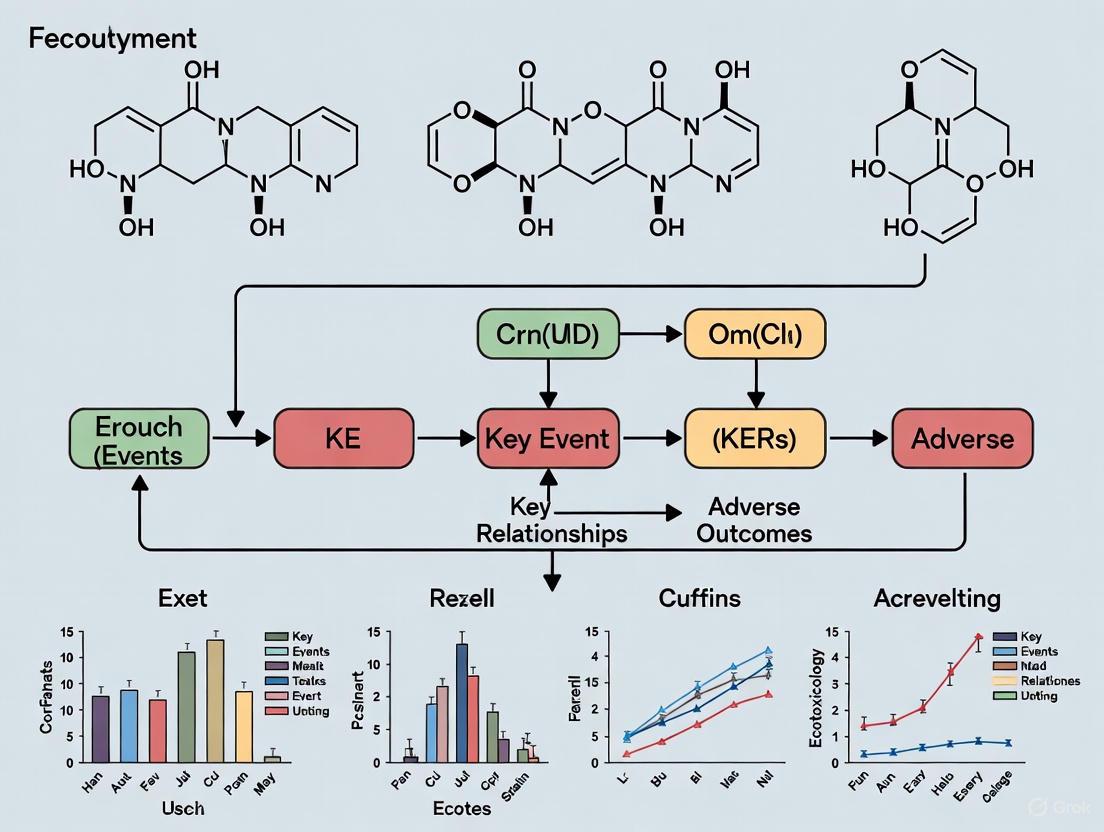
This article provides a comprehensive guide to Adverse Outcome Pathway (AOP) development, a conceptual framework that organizes existing knowledge concerning biologically plausible links between molecular-level perturbation and adverse outcomes of...
Adverse Outcome Pathway (AOP) Development: A Strategic Framework for 21st Century Toxicology and Drug Development
Abstract
This article provides a comprehensive guide to Adverse Outcome Pathway (AOP) development, a conceptual framework that organizes existing knowledge concerning biologically plausible links between molecular-level perturbation and adverse outcomes of regulatory relevance. Tailored for researchers, scientists, and drug development professionals, it explores the foundational principles, methodological strategies, and practical applications of AOPs in modern toxicology. The content covers the transition from traditional testing to pathway-based approaches, details systematic development processes using international guidelines and collaborative platforms like the AOP-Wiki, and addresses common challenges in constructing robust AOPs. Furthermore, it examines advanced validation techniques, including quantitative AOPs (qAOPs) and computational integration, highlighting their crucial role in supporting chemical risk assessment, reducing animal testing, and informing regulatory decision-making for human health and ecological safety.
Understanding AOPs: The Foundational Principles and Framework Transforming Predictive Toxicology
The Adverse Outcome Pathway (AOP) framework is a conceptual construct that maps a sequential chain of measurable biological events from an initial molecular interaction to an adverse outcome of regulatory significance [1]. This framework provides a structured methodology for organizing biological knowledge concerning the mechanisms by which chemical stressors can induce adverse effects in individuals or populations. An AOP description commences with a Molecular Initiating Event (MIE), which represents the initial point of chemical interaction within an organism that starts the pathway. This MIE progresses through a dependent series of intermediate Key Events (KEs), which are measurable biological changes essential to the pathway's progression. The sequence culminates in an Adverse Outcome (AO), which is an effect considered relevant to risk assessment or regulatory decision-making [1]. The causal relationships between adjacent Key Events are explicitly described as Key Event Relationships (KERs), which facilitate the prediction of downstream events based on measurements of upstream events [1].
The fundamental purpose of the AOP framework is to support alternative toxicological approaches in chemical risk assessment, moving away from traditional reliance on apical endpoint animal testing and toward mechanistically based predictive toxicology. By systematically organizing existing knowledge, AOPs facilitate the evaluation of potential risks associated with exposure to various stressors, including chemicals and environmental contaminants [2]. The framework contributes significantly to understanding how specific and measurable biological perturbations cause adverse effects on human and environmental health, thereby supporting regulatory decisions worldwide [3]. The structured and consistent application of AOP principles helps build confidence in the applicability of the knowledge for decision-making in regulatory contexts, ultimately aiming to reduce animal testing, increase efficiency in chemical safety assessment, and provide deeper mechanistic insights into toxicity pathways.
Core Components of an AOP
Molecular Initiating Event (MIE)
A Molecular Initiating Event (MIE) is a specialized type of key event that represents the initial point of chemical or stressor interaction at the molecular level within an organism, resulting in a perturbation that initiates the AOP [1]. The MIE is the foundational event upon which the entire pathway is built, characterized by a specific molecular interaction between a stressor and a biological target. This interaction can take various forms, including covalent binding to proteins, interaction with specific receptors, inhibition of enzymatic activity, or damage to DNA. The essential requirement for an MIE is that it must be a definable, measurable molecular event that can be reproducibly identified and linked to the subsequent key events in the pathway.
Examples of well-characterized MIEs include the inhibition of acetylcholinesterase by organophosphate pesticides [4], activation of the aryl hydrocarbon receptor by dioxin-like compounds [1], and inhibition of thyroperoxidase leading to altered thyroid hormone synthesis [1]. A critical aspect of MIE definition is that it should be described as a discrete modular unit without reference to a specific adverse outcome or other key events, allowing it to be potentially incorporated into multiple AOPs where the same molecular interaction might lead to different adverse outcomes depending on the biological context [1].
Key Events (KEs) and Key Event Relationships (KERs)
Key Events (KEs) are defined as changes in biological or physiological state that are both measurable and essential to the progression of a defined biological perturbation leading to a specific adverse outcome [1]. Essentiality indicates that KEs play a causal role in the pathway, such that if a given KE is prevented or fails to occur, progression to subsequent KEs will not happen. While KEs are essential to progression along the AOP, they are not necessarily sufficient on their own to drive the pathway forward; the extent of pathway triggering is influenced by the intensity and duration of exposure to a stressor [1]. KEs typically exist at different levels of biological organization, spanning from molecular and cellular levels to tissue, organ, organ system, and whole organism levels.
Key Event Relationships (KERs) are scientifically based connections that link one key event to another, defining a causal and predictive relationship between an upstream and downstream event [1]. KERs facilitate the inference or extrapolation of the state of a downstream key event from the known, measured, or predicted state of an upstream key event. Each KER description should include information about biological plausibility, empirical support, and quantitative understanding of the relationship. The development of robust KERs is crucial for the predictive application of AOPs in risk assessment, as they provide the scientific basis for connecting measurable early key events to later occurring adverse outcomes that may be more difficult or time-consuming to measure directly.
Adverse Outcome (AO)
An Adverse Outcome (AO) is a specialized type of key event that is generally accepted as being of regulatory significance based on its correspondence to an established protection goal or equivalence to an apical endpoint in an accepted regulatory guideline toxicity test [1]. The AO represents the final event in the AOP sequence that is of direct relevance to risk assessment and regulatory decision-making. For human health AOPs, AOs are typically at the individual level (e.g., organ toxicity, cancer, developmental abnormalities), while for ecological AOPs, AOs may extend to population-level effects (e.g., reduced population sustainability, biodiversity loss) [4]. The AO must be clearly defined and measurable, with established relevance to protection goals to ensure the practical utility of the AOP for regulatory applications.
Quantitative Understanding of AOPs (qAOPs)
The transition from qualitative AOP descriptions to quantitative AOPs (qAOPs) represents a significant advancement in the framework's utility for risk assessment. A qAOP integrates quantitative data and mathematical modeling to provide a more precise comprehension of relationships between molecular initiating events, key events, and adverse outcomes [5]. The development of qAOPs is considered one of the main challenges remaining within the AOP framework, yet it is necessary to improve risk and hazard prediction [4]. When sufficient quantitative understanding of the relationships between key events exists, mathematical models can be developed to connect key events in a qAOP, ideally reducing the time and resources spent on chemical toxicity testing and enabling extrapolation of data collected at the molecular level to predict whether an adverse outcome may occur [4].
Table 1: Primary Methodologies for Quantitative AOP Development
| Methodology | Description | Strengths | Limitations |
|---|---|---|---|
| Systems Toxicology | Uses ordinary differential equations to represent biological mechanisms | High biological fidelity; can simulate dynamics | High data requirements; complex model development |
| Regression Modeling | Fitting functions to key event data (response-response method) | Simpler implementation; lower data requirements | Limited extrapolation capability; empirical rather than mechanistic |
| Bayesian Network Modeling | Probabilistic graphical models representing causal relationships | Handles uncertainty; useful for complex AOPs with multiple pathways | Cannot model feedback loops without extensions; requires probability distributions |
The development of qAOPs faces several significant challenges, including the availability and collection of quantitative data amenable to model development, the lack of studies that measure multiple key events simultaneously, and issues with model accessibility or transferability across platforms [4]. A review of AOPs with OECD status revealed that while confidence in qualitative relationships may be high, the conversion to qAOPs requires more specific, quantitative datasets that are often not readily available in the existing literature [4]. Furthermore, when quantitative data are available for a KER, challenges remain in extracting and standardizing it for quantitative model development, as data are presented in various formats ranging from text with cited references to tabulated forms and figures [4].
Experimental Protocols for AOP Development
Protocol 1: Comprehensive Literature Review and Evidence Gathering
Objective: To systematically identify, evaluate, and organize existing scientific evidence relevant to the proposed AOP.
Procedure:
- Define Search Strategy: Develop specific search terms related to the proposed MIE, intermediate KEs, and AO. Utilize structured search queries combining these terms.
- Database Searching: Execute searches across multiple scientific databases (e.g., PubMed, Web of Science, Scopus) to identify relevant literature.
- Evidence Collection: Screen abstracts and full texts for relevance to the AOP framework. Extract data on concentration-response, time-response, and incidence of biological effects.
- Evidence Mapping: Organize evidence according to the proposed KE and KER structure. Specifically identify studies that measure multiple key events, as these are particularly valuable for establishing quantitative relationships [4].
- Evidence Evaluation: Assess the quality and relevance of each study using predefined criteria. Categorize studies based on their utility for qualitative versus quantitative AOP development.
Applications: This protocol forms the foundation for AOP development, supporting both qualitative AOP description and subsequent quantitative modeling efforts. The process can be enhanced using computational tools such as AOP-helpFinder, which uses natural language processing and graph theory to systematically and rapidly explore available knowledge in scientific abstracts [2].
Protocol 2: Weight of Evidence Assessment for KERs
Objective: To systematically evaluate the strength and confidence in each Key Event Relationship using established Weight of Evidence (WoE) approaches.
Procedure:
- Biological Plausibility Assessment: Evaluate the strength of evidence supporting a causal relationship between KEup and KEdown based on current understanding of biological mechanisms.
- Empirical Support Evaluation: Assess the extent and consistency of observed co-occurrence or response-response relationships between KEup and KEdown across test systems, species, and stressors.
- Essentiality Determination: Evaluate evidence that modulation of KEup leads to corresponding changes in KEdown, and that inhibition of KEup prevents KEdown.
- Quantitative Understanding Analysis: Assess the availability and quality of quantitative data describing the relationship between KEup and KEdown, including concentration-response, time-course, and incidence data.
- Uncertainty and Inconsistency Documentation: Identify and document any inconsistencies in the evidence and significant data gaps that reduce confidence in the KER.
Applications: This protocol provides a standardized approach for evaluating confidence in individual KERs, which collectively informs the overall confidence in the AOP. This assessment is based on modified Bradford-Hill criteria involving biological plausibility, empirical support, and quantitative understanding [4].
Protocol 3: In Vitro to In Vivo Extrapolation for AOP Qualification
Objective: To establish quantitative relationships between in vitro assays measuring early KEs and in vivo outcomes for AOP application in chemical risk assessment.
Procedure:
- In Vitro System Characterization: Select and characterize appropriate in vitro systems that reliably measure early KEs (including MIE).
- Concentration-Response Modeling: Expose in vitro systems to a range of chemical concentrations and model concentration-response relationships for early KEs.
- Parallel In Vivo Studies: Conduct parallel in vivo studies measuring the same early KEs and downstream KEs across relevant tissues and biological levels.
- Pharmacokinetic Modeling: Develop pharmacokinetic models to relate in vitro concentrations to in vivo doses.
- Response-Response Modeling: Establish quantitative relationships between in vitro responses and in vivo outcomes using appropriate statistical models.
- Model Validation: Test the predictive performance of the quantitative relationships using additional test chemicals not included in model development.
Applications: This protocol enables the development of predictive models that can use in vitro data to forecast in vivo outcomes, supporting the use of AOPs in next-generation risk assessment where in vitro data may be used to prioritize chemicals for further testing or to identify potential hazards.
Visualization of AOP Components and Relationships
AOP Conceptual Framework and Development Workflow
Diagram 1: AOP Conceptual Framework. This diagram illustrates the linear progression of an Adverse Outcome Pathway from stressor interaction to adverse outcome through measurable key events.
Quantitative AOP Development Methodology
Diagram 2: qAOP Development Workflow. This diagram outlines the process for transitioning from qualitative AOP descriptions to quantitative AOP models using three primary methodologies.
Table 2: Key Research Resources for AOP Development and Validation
| Resource Category | Specific Tools/Reagents | Function in AOP Research |
|---|---|---|
| Computational Tools | AOP-helpFinder [2] | AI-powered literature mining to identify associations between stressors, molecular events, and adverse outcomes |
| Knowledge Bases | AOP-Wiki (aopwiki.org) [1] | Central repository for AOP descriptions, key events, and key event relationships |
| Modeling Platforms | Bayesian Network Software [5] | Probabilistic modeling of key event relationships under uncertainty |
| Experimental Models | In vitro bioassays [4] | High-throughput screening for molecular initiating events and early key events |
| Analytical Techniques | Transcriptomics, Proteomics [2] | Comprehensive measurement of biological changes at molecular levels |
The AOP framework provides a powerful structured approach for organizing mechanistic knowledge about toxicological processes, from molecular initiating events to adverse outcomes of regulatory concern. The core components of MIEs, KEs, and AOs, connected by scientifically supported KERs, create a modular knowledge framework that enhances our ability to predict chemical toxicity and support risk assessment decisions. The transition from qualitative AOP descriptions to quantitative AOP models represents the next frontier in the evolution of this framework, with promising methodologies including systems toxicology, regression modeling, and Bayesian network approaches [5]. However, significant challenges remain, particularly regarding the availability of quantitative data measuring multiple key events and the development of standardized approaches for qAOP construction.
International efforts, such as the OECD AOP Development Programme and the associated AOP Coaching Program, are contributing to more harmonized approaches to AOP development and the construction of AOP networks with enhanced regulatory utility [3]. As these efforts mature and computational tools for AOP development advance, the framework is poised to transform chemical risk assessment by incorporating deeper mechanistic insights, helping pinpoint knowledge gaps, and guiding future research directions [2]. The continued development and quantification of AOPs will ultimately strengthen the scientific basis for regulatory decisions aimed at protecting both human health and the environment.
The Adverse Outcome Pathway (AOP) framework is a conceptual construct that organizes existing knowledge concerning biologically plausible and empirically supported links between a molecular-level perturbation and an adverse outcome of regulatory relevance [6]. An AOP describes a sequential chain of causally linked events at different levels of biological organisation that lead to an adverse health or ecotoxicological effect [7]. This framework represents a transformative approach in toxicology, enabling greater integration of mechanistic data into chemical risk assessment and regulatory decision-making [8].
AOP development has emerged as a critical tool for addressing key challenges in regulatory toxicology, including the need to assess thousands of data-poor chemicals while reducing animal use, costs, and time required for chemical testing [6]. By providing a structured knowledge framework, AOPs support the use of different types of biological data to complement or potentially replace traditional in vivo animal studies [8]. The framework serves as a translational tool that enhances communication between scientists who generate toxicity data and the end users of this information, such as risk assessors and decision makers [8].
The Foundational Principles of AOP Development
The Five Core Principles
The development and application of AOPs are guided by five fundamental principles established through scientific discourse among AOP practitioners and formally recognized by international organizations including the OECD [6]:
- AOPs are not chemical specific
- AOPs are modular and composed of reusable components
- An individual AOP is a pragmatic unit of development and evaluation
- Networks of AOPs are the functional unit of prediction
- AOPs are living documents
These principles provide the foundation for consistent AOP development and address conceptual misunderstandings regarding the AOP framework and its application [6].
Visualizing the AOP Framework and Principles
The following diagram illustrates the core AOP structure and the relationships between its key components:
Figure 1: AOP Framework Structure. This diagram illustrates the sequential chain of events in an AOP, from stressor to Adverse Outcome (AO), and how core principles apply to different components. MIE: Molecular Initiating Event; KE: Key Event; KER: Key Event Relationship.
Detailed Examination of Core Principles
Principle 1: Chemical Agnosticism
Conceptual Foundation
The principle of chemical agnosticism states that AOPs are not stressor-specific [8] [6]. AOPs depict a generalized sequence of biological effects that can be expected for any stressor that directly changes a particular biological target defined by the Molecular Initiating Event (MIE) [8]. This means that several different chemicals could all trigger the same MIE for a given AOP [8]. The MIE represents the point where a chemical or non-chemical stressor directly interacts with a biomolecule to create a perturbation, and by definition occurs at the molecular level [6].
This principle emphasizes that AOPs describe biological pathways rather than chemical-specific pathways. The framework focuses on the biological trajectory from initial perturbation to adverse outcome, independent of the specific chemical that may initiate the sequence. This abstraction allows for greater generalization and application across multiple stressors sharing common mechanisms of action.
Practical Applications and Implications
The chemical-agnostic nature of AOPs enables several critical applications in chemical risk assessment:
- Chemical Categorization and Prioritization: AOPs facilitate the grouping of chemicals based on their potential to initiate specific MIEs, allowing for more efficient testing strategies and prioritization of chemicals with similar hazard characteristics [6].
- Assessment of Data-Poor Chemicals: For chemicals lacking extensive toxicity testing data, AOPs enable prediction of potential hazard based on knowledge of the MIE and the subsequent pathway [8].
- Evaluation of Chemical Mixtures: AOP networks provide insights into mixture effects by identifying points of convergence (shared KEs) among different chemicals [8].
Table 1: Key Characteristics of Chemical Agnosticism in AOP Development
| Aspect | Traditional Approach | AOP Approach |
|---|---|---|
| Focus | Chemical-specific toxicity | Pathway-based biological response |
| Application | Limited to tested chemicals | Generalizable across chemical classes |
| Extrapolation | Based on structural similarity | Based on shared molecular targets |
| Regulatory Use | Chemical-specific risk assessment | Screening and prioritization of chemical categories |
Principle 2: Modularity and Reusable Components
Conceptual Foundation
The modularity principle states that AOPs are modular and composed of reusable components, notably Key Events (KEs) and Key Event Relationships (KERs) [6]. Any AOP can be represented as a sequence of "nodes" (KEs) and "edges" (KERs) linking those KEs together [8]. This modular structure allows for efficient knowledge assembly and reuse of established building blocks across multiple AOPs.
A Key Event represents a measurable change in biological state that is essential, but not necessarily sufficient, for the progression from a defined biological perturbation toward a specific adverse outcome [6]. Key Event Relationships define a directed relationship between a pair of KEs, identifying one as upstream and the other as downstream, and are supported by biological plausibility and empirical evidence [6].
AOP Networks as Functional Units
While individual AOPs represent practical units for development, the modular nature of AOP components enables the formation of AOP networks that represent the functional unit of prediction for most real-world scenarios [6]. Multiple AOPs sharing common KEs and/or KERs can be assembled into networks that capture the complexity of real biological systems [8]. These networks become more complete as more AOPs are defined [8].
The following diagram illustrates how modular AOP components form interconnected networks:
Figure 2: AOP Network from Modular Components. This diagram shows how multiple individual AOPs form networks through shared Key Events (KEs), creating the functional unit for prediction in real-world scenarios.
Practical Applications of Modularity
The modular design of AOPs enables several important applications:
- Efficient Knowledge Assembly: Once a KE or KER is defined and supported by evidence, it can be reused in multiple AOP contexts, reducing redundant effort in AOP development [6].
- Hypothesis-Driven Testing: Knowledge of modular components helps focus testing on critical gaps in understanding of specific KERs [8].
- Quantitative AOP Development: Modular components facilitate the development of quantitative understanding of how alterations in one KE impact downstream KEs [8].
- Cross-Species Extrapolation: Modular KEs and KERs enable evaluation of pathway conservation across species, addressing uncertainties in both human health and ecological risk assessment [8].
Principle 3: AOPs as Living Documents
Conceptual Foundation
The principle of AOPs as living documents recognizes that AOPs will evolve over time as new knowledge is generated [6]. AOPs are primarily a way of organizing information, and as new evidence and understanding supporting KERs and/or new methods for measuring KEs emerge, AOPs can be continually expanded or refined [8]. This dynamic nature ensures that AOPs remain current with scientific advances.
This principle acknowledges that our understanding of toxicological pathways is incomplete and continually evolving. The living document concept transforms AOPs from static descriptions into dynamic knowledge representations that improve in accuracy and utility as scientific knowledge advances.
Mechanisms for Evolution and Refinement
Several mechanisms support the ongoing evolution of AOPs:
- Structured Knowledge Management: The AOP-Wiki provides a globally accessible platform for developing and disseminating AOP descriptions in accordance with international guidance and templates [9]. This collaborative environment enables continuous refinement of AOP knowledge.
- Scientific Review Processes: The OECD has established formal processes for the scientific review of AOPs, including cooperation with scientific journals for peer review and publication [7].
- Evidence Integration: As new empirical data become available, particularly quantitative information on KERs, AOPs can be updated to reflect this enhanced understanding [6].
Table 2: Evolution of AOP Knowledge and Supporting Infrastructure
| Evolution Stage | Knowledge Status | Supporting Tools | Regulatory Applicability |
|---|---|---|---|
| Initial Development | Limited evidence for some KERs | AOP-Wiki for collaborative development | Hypothesis generation |
| Intermediate | Moderate evidence, some quantitative understanding | Effectopedia for quantitative data | Screening and prioritization |
| Mature | Strong empirical support for most KERs | AOP-KB with integrated data | Risk assessment support |
| Networked | Multiple interconnected AOPs with shared KEs | AOP-XPlorer for network analysis | Predictive toxicology |
Practical Application Notes and Protocols
Protocol for AOP Development Using Wiki Platform
Initial Setup and Planning
- Project Proposal: Submit an AOP project proposal for review by the Advisory Group on Emerging Science in Chemicals Assessment (ESCA) using the official form [7].
- Stakeholder Engagement: Identify and engage relevant scientific experts and potential end-users to form a development team.
- Scope Definition: Clearly define the Adverse Outcome based on regulatory relevance and the Molecular Initiating Event based on known molecular interactions.
AOP Wiki Development Process
- Account Creation: Register for an account on the AOP-Wiki (www.aopwiki.org) to access the primary development platform [7].
- Structured Entry: Follow the structured fields in the AOP-Wiki to ensure consistent organization of information:
- Complete the AOP title and summary information
- Define the Molecular Initiating Event (MIE) with detailed description
- Identify and describe sequential Key Events (KEs)
- Define Key Event Relationships (KERs) with supporting evidence
- Specify the Adverse Outcome (AO) and its regulatory relevance
- Evidence Documentation: For each KER, document three types of evidence:
- Biological plausibility
- Empirical support
- Quantitative understanding (if available)
Review and Endorsement Process
- Internal Review: Conduct iterative review within the development team to ensure consistency and completeness.
- Community Review: Utilize the collaborative features of the AOP-Wiki to solicit feedback from the broader scientific community.
- Formal Review: Submit the AOP for formal review through OECD processes or partner scientific journals [7].
- OECD Endorsement: Upon successful review, pursue official OECD endorsement for regulatory application.
Protocol for Quantitative AOP Development
Key Event Relationship Quantification
- Data Collection: Gather existing dose-response and temporal response data for each KE from literature and experimental studies.
- Response-Response Modeling: Develop mathematical relationships between upstream and downstream KEs using appropriate statistical models.
- Uncertainty Characterization: Quantify uncertainty in each KER using confidence intervals or Bayesian methods.
- Threshold Identification: Establish response thresholds for each KE that predict progression to the next event in the sequence.
Computational Implementation
- Platform Selection: Utilize appropriate platforms for quantitative AOP implementation:
- Model Integration: Incorporate computational models that represent quantitative understanding of KERs.
- Validation Testing: Compare quantitative AOP predictions with experimental data to assess predictive accuracy.
Application Notes for Specific Use Cases
Use Case 1: Chemical Prioritization and Screening
Application Protocol:
- Identify Relevant AOPs: Determine which AOPs are relevant to the regulatory endpoint of concern.
- Develop Testing Strategy: Design in vitro assays targeting MIEs and early KEs in relevant AOPs.
- Interpret Results: Use AOP knowledge to translate positive assay results into potential hazard identification.
- Risk-Based Prioritization: Combine AOP-based hazard information with exposure estimates for risk-based prioritization.
Considerations:
- AOPs inform hazard characterization but do not replace risk assessment [8]
- Consider the level of confidence in the AOP when making prioritization decisions [8]
- Account for species relevance when extrapolating from in vitro systems [8]
Use Case 2: Cross-Species Extrapolation
Application Protocol:
- Assess KE Conservation: Evaluate conservation of KEs across species using tools like EPA's SeqAPASS [8].
- Identify Sensitive Species: Determine which species may be most sensitive based on KE conservation and biological context.
- Quantitative Adjustment: Apply appropriate assessment factors based on quantitative differences in toxicological response across species.
- Confidence Assessment: Evaluate confidence in cross-species extrapolation based on strength of evidence for KE conservation.
Considerations:
- Molecular-level KEs (MIEs) generally show higher conservation across species than organ-level or individual-level outcomes [8]
- Consider differences in life stage, metabolism, and repair mechanisms when extrapolating across species [8]
Table 3: Essential Research Reagents and Resources for AOP Development
| Resource Category | Specific Tools/Platforms | Function and Application |
|---|---|---|
| Knowledge Assembly Platforms | AOP-Wiki (www.aopwiki.org) | Primary platform for collaborative AOP development and qualitative knowledge organization [8] [7] |
| AOP Knowledge Base (AOP-KB) | Suite of web-based tools that brings together knowledge on how chemicals induce adverse effects [7] | |
| Quantitative AOP Tools | Effectopedia (www.effectopedia.org) | Open-source platform for assembling quantitative data on KE relationships and building quantitative AOPs [6] |
| AOP-XPlorer (www.aopxplorer.org) | Tool for visualization and analysis of AOP networks [6] | |
| Cross-Species Extrapolation | SeqAPASS | EPA tool for evaluating conservation of molecular targets and pathways across species [8] |
| Data Integration | OECD Harmonized Template 201 | Standardized format for capturing intermediate effects data from toxicity studies [6] |
| Training Resources | OECD Webinar Series | Training on testing and assessment methodologies [7] |
| AOP Training Videos | Recorded presentations maintained by the Animal-Free Safety Assessment Collaboration [8] |
The core principles of AOP development - chemical agnosticism, modularity, and evolution as living documents - provide a robust foundation for constructing scientifically credible and regulatory-relevant knowledge frameworks. These principles ensure that AOPs remain grounded in biological plausibility while supporting practical applications in chemical risk assessment and regulatory decision-making.
The chemical agnosticism principle enables application of AOP knowledge across multiple stressors, enhancing efficiency in chemical assessment. The modular design facilitates knowledge reuse and assembly into networks that better represent biological complexity. The living document concept ensures AOPs evolve with advancing scientific knowledge, maintaining their utility as translational tools between toxicological research and regulatory practice.
As the AOP knowledge base continues to expand through international collaborative efforts, these core principles will remain essential for maintaining scientific rigor and consistency in AOP development. The ongoing refinement of AOPs and their integration with new approach methodologies represents a paradigm shift in toxicology, moving toward more mechanistically informed and predictive chemical safety assessment.
Application Note: Advancing Predictive Safety Assessment Using AOPs
The landscape of toxicology is undergoing a fundamental shift from a descriptive science to a predictive, mechanism-based discipline. Central to this transformation is the Adverse Outcome Pathway (AOP) framework, which provides a structured representation of causal relationships across multiple biological levels, from molecular initiating events to adverse organism-level outcomes [10]. This application note details how AOPs are being operationalized to address pressing regulatory challenges in drug development, particularly through the implementation of New Approach Methodologies (NAMs) that offer human-relevant safety data while reducing animal testing [11].
The essential premise of modern toxicology is being recontextualized as "the dose disrupts the pathway" rather than the traditional "the dose makes the poison" [10]. This paradigm shift emphasizes understanding the biological pathways disturbed by toxicants, which aligns perfectly with the AOP framework. In regulatory contexts, AOPs provide the scientific foundation for using mechanistic data from NAMs in chemical safety decisions, thereby addressing the critical need for more predictive and human-relevant toxicity testing strategies.
Quantitative Analysis of AOP-Based Model Performance
Recent validation studies have demonstrated the predictive capacity of AOP-informed models. The following table summarizes key performance metrics from cardiac liability assessment studies utilizing AOP-driven NAMs:
Table 1: Performance Metrics of AOP-Informed Cardiac NAMs from Recent Studies
| Biological Pathway (Failure Mode) | Technology Platform | Key Endpoint Measured | Predictive Accuracy | Regulatory Context of Use |
|---|---|---|---|---|
| Vascular Injury | Microfluidic BioFlux system with human aortic endothelial cells & THP-1 monocytes | Monocyte adhesion & cytokine release | Correlated well with literature expectations for pro-/anti-inflammatory responses [11] | Pharmaceutical and chemical screening; target identification |
| Vascular Toxicity | iPSC-derived endothelial cells with transcriptome analysis | Gene expression profiles for vascular toxicity detection | Reliable surrogate for primary vasculature; improved toxicity detection [11] | Drug testing; disease modeling; cell therapy |
| Rhythmicity (Arrhythmia) | Graphene-enabled optical stimulation of cardiomyocytes | Light-induced activation patterns & pharmacological responses | Validated reliability and reproducibility across tests [11] | Drug discovery for anti-arrhythmic therapies |
| Contractility Dysfunction | 3D engineered heart tissues (EHTs) | Reversible contractile dysfunction & hypoxia markers | Identified NAD homeostasis as crucial recovery factor [11] | Modeling tachycardia-induced cardiomyopathy |
Regulatory Implementation Framework
The integration of AOPs into regulatory decision-making requires careful consideration of the Context of Use (COU). For new drug applications, defining a clear COU for in vitro models is essential, with models needing to be "simple yet sufficiently complex to address the targeted questions" [11]. Standardization of cell culture conditions and incorporation of appropriate quality controls are critical to ensure model performance, enhance reproducibility, and improve predictability in regulatory assessments.
The AOP framework facilitates this process by establishing scientifically credible links between mechanistic data and regulatory endpoints. This is particularly valuable for addressing the seven recognized cardiac failure modes: vasoactivity, contractility, rhythmicity, myocardial injury, endothelial injury, vascular injury, and valvulopathy [11]. By mapping specific AOPs to these failure modes, researchers can develop targeted testing strategies that provide mechanistically rich data to support safety assessments.
Protocol: Validating AOP-Based Assays for Regulatory Submission
Protocol Title
Comprehensive Validation of AOP-Informed In Vitro Models for Cardiac Liability Assessment
Experimental Workflow and Signaling Pathways
Diagram 1: AOP validation workflow for regulatory submission
Detailed Methodologies
Protocol 1: Microfluidic Model for Vascular Injury Assessment
Objective: To assess drug-induced vascular injury using a human-relevant microfluidic system that addresses the vascular injury failure mode and its associated AOPs [11].
Materials:
- Research Reagent Solutions:
- BioFlux microphysiological system or equivalent
- Human aortic endothelial cells (HAECs)
- THP-1 monocyte cell line
- Cell culture media (serum-free, chemically defined to minimize variability)
- Test compounds: reference vasoactive drugs (e.g., pro-inflammatory and anti-inflammatory compounds)
- Immunostaining reagents: fluorescently labeled antibodies for adhesion molecules (VCAM-1, ICAM-1)
- Cytokine detection kit (e.g., ELISA or multiplex bead array for IL-6, IL-8, MCP-1)
Procedure:
- System Setup: Prime microfluidic channels with appropriate extracellular matrix proteins (e.g., fibronectin or collagen) to mimic the vascular basement membrane.
- Cell Culture: Seed HAECs into microfluidic channels at 90-100% confluence and culture for 3-5 days under physiological shear stress (typically 10-20 dyn/cm²) to form a mature endothelial monolayer.
- Compound Exposure: Introduce test compounds across a concentration range (minimum of 5 concentrations) for 4-24 hours while maintaining flow conditions. Include positive controls (e.g., TNF-α) and negative controls (vehicle only).
- Monocyte Adhesion Assay: Introduce THP-1 monocytes into the system at a defined concentration (e.g., 1×10ⶠcells/mL) and allow to perfuse for 30-60 minutes. Quantify adhered monocytes using time-lapse imaging and automated cell counting.
- Cytokine Analysis: Collect effluent from the system and measure cytokine release using standardized immunoassays.
- Endpoint Analysis: Fix cells and perform immunostaining for endothelial adhesion markers for additional mechanistic insight.
Validation Parameters:
- Accuracy: Correlation with known literature data for reference compounds
- Precision: Intra-assay and inter-assay coefficient of variation <20%
- Sensitivity: Ability to detect statistically significant changes at biologically relevant concentrations
- Specificity: Differentiation between pro-inflammatory and anti-inflammatory responses
Protocol 2: iPSC-Derived Endothelial Cell Model for Vascular Toxicity
Objective: To predict vascular liability using human induced pluripotent stem cell-derived endothelial cells (iPSC-ECs) and transcriptome analysis, addressing the vascular toxicity failure mode [11].
Materials:
- Research Reagent Solutions:
- Commercially available or in-house differentiated iPSC-ECs
- Defined endothelial cell culture media (avoiding fetal bovine serum to ensure human-relevance)
- RNA extraction and sequencing reagents
- Reference compounds with known vascular toxicity profiles
- High-content imaging system for morphological assessment
- Tubule formation assay reagents (e.g., Matrigel)
Procedure:
- Cell Culture: Maintain iPSC-ECs in validated culture conditions ensuring preservation of endothelial markers (CD31, VE-cadherin, vWF).
- Compound Exposure: Expose cells to test compounds for 24-72 hours across a concentration range. Include appropriate controls.
- Transcriptomic Analysis: Extract RNA and perform RNA sequencing. Focus on established vascular toxicity signatures and pathway analysis.
- Functional Validation: Perform complementary functional assays:
- Tubule Formation Assay: Assess angiogenic capability on Matrigel
- Permeability Assay: Measure endothelial barrier function using dextran flux or TEER
- Surface Marker Expression: Quantify endothelial adhesion molecules by flow cytometry
- Data Integration: Correlate transcriptomic changes with functional outcomes to establish key event relationships.
Analytical Methods:
- Bioinformatics: Pathway enrichment analysis (GO, KEGG, Reactome)
- Benchmarking: Compare gene expression profiles to known vascular toxicants
- Dose-Response Modeling: Calculate benchmark concentrations for transcriptional changes
Table 2: Key Research Reagent Solutions for AOP-Informed Toxicity Testing
| Reagent Category | Specific Examples | Function in AOP Testing | Considerations for Regulatory Acceptance |
|---|---|---|---|
| Cell Sources | iPSC-derived cardiomyocytes/endothelial cells; Primary human cells | Provide human-relevant biological context for key events | Standardized differentiation protocols; Quality control for batch-to-batch variation [11] |
| Microphysiological Systems | BioFlux; Organ-on-chip platforms | Mimic tissue-level complexity and mechanical forces | Demonstration of physiological relevance; Reproducibility across laboratories [10] |
| Detection Reagents | RNA sequencing kits; High-content imaging probes; ELISA kits | Quantify molecular and cellular key events | Analytical validation; Minimum performance standards [11] |
| Chemically Defined Media | Serum-free cell culture media formulations | Reduce variability and improve reproducibility | Elimination of animal-derived components; Composition transparency [10] |
Data Analysis and Regulatory Documentation
Statistical Analysis Plan
- Dose-Response Modeling: Fit data using appropriate models (e.g., Hill slope, PROAST) to derive point of departure estimates
- Benchmark Concentration (BMC) Analysis: Calculate BMC for each key event using standardized approaches
- Uncertainty Assessment: Quantify biological and technical variability through replicate experiments (minimum n=3 independent experiments)
AOP Network Integration
The relationship between molecular initiating events, key events, and adverse outcomes can be visualized through the following AOP framework:
Diagram 2: AOP framework linking molecular events to adverse outcomes
Regulatory Submission Package
For successful regulatory acceptance, include the following elements in the validation dossier:
- Context of Use Statement: Explicit description of the intended purpose and limitations of the AOP-informed assay
- Standard Operating Procedures: Detailed protocols with quality control criteria
- Reference Compound Data: Results from compounds with known human effects
- Cross-laboratory Validation Data: When available, data demonstrating reproducibility
- Uncertainty Characterization: Assessment of false positive/negative rates and variability sources
The integration of AOPs into 21st century toxicology represents a fundamental advancement in how we approach chemical safety assessment. By providing a structured framework that links mechanistic data to adverse outcomes, AOPs enable more predictive, human-relevant safety testing while addressing the regulatory need for reduced animal testing. The protocols and application notes detailed herein provide a roadmap for researchers to develop robust, AOP-informed testing strategies that can generate regulatory-grade data, ultimately supporting safer drug development and more efficient regulatory decision-making.
The Adverse Outcome Pathway (AOP) framework serves as a knowledge assembly and translation tool designed to support the interpretation of pathway-specific mechanistic data for regulatory risk assessment [12]. An AOP describes a sequential chain of causally linked events at different levels of biological organization, beginning with a Molecular Initiating Event (MIE) where a chemical stressor directly interacts with a biological target, and progressing through measurable Key Events (KEs) at cellular, tissue, and organ levels, ultimately culminating in an Adverse Outcome (AO) relevant to regulatory decision-making [8] [9]. This conceptual framework directly addresses the critical challenge in modern toxicology of translating data from non-animal New Approach Methodologies (NAMs)—including in silico models and in vitro assays—into predictions of apical adverse effects traditionally obtained from whole animal studies [13] [12].
The AOP framework is chemically agnostic, meaning it captures response-response relationships resulting from a specific perturbation that could be caused by numerous chemical or non-chemical stressors [12]. This property makes AOPs particularly valuable for addressing regulatory mandates requiring assessment of vast numbers of chemicals, as seen in programs such as the European Union's REACH and the revised Toxic Substances Control Act (TSCA) in the United States [12]. By providing a structured approach to organize mechanistic information, AOPs facilitate the use of data streams often not employed in traditional risk assessment, thereby increasing the capacity and efficiency of safety assessments for both single chemicals and chemical mixtures [12].
AOP Conceptual Foundation and Key Principles
The "Biological Dominos" Concept
The AOP framework can be visualized as a series of "biological dominos" [8] [9]. In this analogy, a stressor triggers a molecular interaction (the MIE), which represents the first biological domino. If this initial interaction is sufficiently substantial, it causes additional biological dominos to fall, with each domino representing a Key Event at increasing levels of biological organization (from cells to tissues to organs) [8]. The final domino in the sequence represents the Adverse Outcome, which is a health effect such as tumor formation or reproductive impairment that is considered relevant for risk assessment or regulatory decision making [8].
Each KE in the sequence is considered "essential," meaning that if it does not occur (the domino does not fall), then none of the downstream KEs in the pathway will occur [8]. The relationships between these dominos are described through Key Event Relationships (KERs), which articulate how a particular biological change triggers the next event in the sequence [8]. These KERs are defined based on three types of evidence: biological plausibility (existing biological knowledge supports the relationship), empirical support (experimental evidence that KE1 causes KE2), and quantitative understanding (the conditions under which a change in KE1 will cause a change in KE2) [8].
Essential AOP Terminology and Definitions
- Molecular Initiating Event (MIE): The initial point of chemical interaction with a biomolecule within an organism, such as a chemical binding to a specific receptor or inhibiting an enzyme [8] [9].
- Key Event (KE): A measurable change in biological state at various levels of organization (cellular, tissue, organ) that is essential for progression to the Adverse Outcome [8] [9].
- Key Event Relationship (KER): A documented causal relationship between two Key Events that describes the evidence supporting how one event leads to another [8].
- Adverse Outcome (AO): An adverse effect at the individual level (e.g., reduced survival, impaired reproduction) or population level that is relevant for regulatory decision-making [8] [9].
- Stressor: A chemical, biological, or physical agent that can interact with a biological system to initiate an AOP (e.g., chemical, nanomaterial, radiation, virus) [8].
- AOP Network: Multiple AOPs linked through shared KEs that more accurately represent biological complexity and multi-stressor impacts [8] [9].
AOP Development Workflow and Data Integration
The development of a scientifically credible AOP follows a systematic workflow that integrates evidence from multiple sources and employs standardized evaluation methods. The diagram below illustrates this iterative process from problem formulation through to regulatory application.
Problem Formulation and Evidence Collection
The AOP development process begins with problem formulation to define the regulatory or biological context, the scope of the AOP, and the specific Adverse Outcome of interest [14]. This is followed by comprehensive evidence collection through systematic literature reviews, data mining of existing toxicological databases, and generation of new experimental data using appropriate NAMs [14]. For example, in developing an AOP for decreased ALDH1A activity leading to decreased fertility, an initial scoping search of open literature was performed using pre-set search terms, yielding 97 relevant publications that were systematically evaluated [14]. Evidence can be gathered from multiple streams, including in vivo studies, in vitro assays, in silico models, and high-throughput screening data.
AOP Assembly and Weight-of-Evidence Evaluation
Once evidence is collected, the AOP is assembled by identifying candidate Key Events and establishing plausible causal linkages between them [14]. Each proposed KER then undergoes rigorous Weight-of-Evidence (WoE) evaluation using modified Bradford Hill considerations to assess biological plausibility, essentiality, empirical support, and consistency [12]. This evaluation determines the confidence in the overall AOP and identifies critical knowledge gaps. The AOP is formally documented in structured formats, primarily the AOP-Wiki [13] [9], which serves as an interactive knowledge base for describing, displaying, and archiving AOPs in accordance with international guidance and templates [12].
Quantitative AOP Development and Application
While qualitative AOPs provide valuable conceptual frameworks, Quantitative AOPs (qAOPs) incorporate mathematical relationships that describe the dynamics and dependencies between KEs, enabling prediction of the conditions under which the AO will occur [12]. For example, Conolly et al. described a qAOP that utilizes a feedback-controlled hypothalamic-pituitary-gonadal axis model to enable predictions of reproductive capacity in fish exposed to chemicals that inhibit sex steroid synthesis [12]. These quantitative models facilitate the definition of perturbation thresholds and response magnitudes necessary for pathway progression, thereby strengthening the utility of AOPs for predictive toxicology and risk assessment [12].
Experimental Protocols for AOP Development and Application
Protocol 1:In VitroReceptor Binding Assays for MIE Identification
Purpose: To identify Molecular Initiating Events by screening chemical interactions with key biological receptors.
Background: This protocol was utilized in a case study investigating OTNE-induced thyroid effects, where receptor ligand-binding assays identified CAR, FXR, and PXR activation as MIEs, with thyroid perturbation occurring as secondary effects [15].
Materials:
- Human, mouse, and/or rat nuclear receptor constructs
- Test chemical (e.g., OTNE for fragrance ingredient assessment)
- Positive control ligands for each receptor
- Cell culture materials (appropriate cell lines, culture media, etc.)
- Reporter gene assay components (luciferase, β-galactosidase)
- Detection instrumentation (luminescence/fluorescence plate reader)
Procedure:
- Transient Transfection: Transfect appropriate host cells with nuclear receptor plasmids (CAR, FXR, LXRα, PPARα/δ/γ, PXR, AhR) and reporter constructs.
- Chemical Exposure: Treat transfected cells with test chemical across a range of concentrations (typically 0.1 nM - 100 μM) for 24-48 hours.
- Control Setup: Include vehicle controls and receptor-specific positive controls for each experiment.
- Response Measurement: Quantify receptor activation using reporter gene assays (e.g., luciferase activity).
- Data Analysis: Calculate fold activation relative to vehicle control and determine EC50 values for receptor activation.
- Result Interpretation: Classify chemicals as activators based on statistically significant response thresholds (typically >2-fold activation at non-cytotoxic concentrations).
Troubleshooting Notes:
- Include cytotoxicity assessments to ensure responses are not due to general toxicity
- Verify receptor specificity through antagonist studies when novel activators are identified
- Consider species differences in receptor activation profiles
Protocol 2: High-Content Imaging for Key Event Assessment
Purpose: To quantitatively measure intermediate Key Events using automated image analysis.
Background: This approach enables collection of multiparameter data from in vitro systems that can be mapped to specific KEs within an AOP, such as changes in cell morphology, proliferation, or specific pathway activation.
Materials:
- High-content imaging system (e.g., ImageXpress, Operetta, or CellInsight)
- Cell lines relevant to the AOP (primary cells or appropriate cell models)
- Multiplexed fluorescent dyes or antibodies (nuclear stains, cytotoxicity markers, specific protein markers)
- Multi-well plates (96-well or 384-well format)
- Automated liquid handling systems for consistent compound dosing
Procedure:
- Experimental Setup: Plate cells in multi-well plates at optimized densities and allow attachment for 24 hours.
- Chemical Treatment: Expose cells to test compounds across concentration ranges using automated liquid handling.
- Staining and Fixation: At appropriate timepoints, fix cells and stain with multiplexed marker panels relevant to KEs.
- Image Acquisition: Acquire images across multiple fields and channels using automated high-content imaging systems.
- Image Analysis: Use automated algorithms to quantify relevant parameters (cell count, morphology, fluorescence intensity, spatial relationships).
- Data Integration: Correlate multiparameter responses across concentration ranges to establish KE response patterns.
Troubleshooting Notes:
- Optimize cell density and imaging parameters for each cell type
- Include quality control checks for focus, staining consistency, and cell health
- Validate automated analysis algorithms with manual scoring for initial setup
Application Case Studies in Regulatory Contexts
Case Study 1: AOP-Based Assessment of Thyroid Perturbation
A comprehensive case study demonstrates the application of the AOP framework to investigate thyroid effects induced by the synthetic fragrance ingredient Octahydro-tetramethyl-naphthalenyl-ethanone (OTNE) [15]. Traditional toxicological studies had identified OTNE target organs as the liver and skin via oral and dermal routes, with observed effects on thyroid and thyroid hormones suggesting perturbation of the hypothalamic-pituitary-thyroid axis [15].
Investigation Approach: Researchers employed NAMs to identify MIEs using in vitro receptor ligand-binding assays for multiple nuclear receptors including CAR, FXR, LXRα, PPARs, PXR, and AhR [15]. The data generated informed an AOP network where CAR, FXR, and PXR activation served as MIEs, with thyroid perturbation occurring as secondary effects [15].
Regulatory Impact: This AOP-informed analysis demonstrated that the observed thyroid effects were secondary to liver effects, leading to the important regulatory conclusion that "thyroid effects should not be the basis for assessing potential OTNE-induced human health hazards" [15]. This case exemplifies how AOP networks can clarify primary versus secondary toxicity mechanisms, preventing potentially misleading regulatory decisions based on downstream effects that may not represent the primary hazard.
Case Study 2: Skin Sensitization AOP for Animal-Free Testing
The skin sensitization AOP represents one of the most developed and regulatory accepted applications of the AOP framework [12]. This AOP includes description of several intermediate KEs related to covalent binding to skin proteins (MIE), induction of inflammatory cytokines, and proliferation of T-cells [12].
Regulatory Context: Legislation in the European Union dictated moving away from whole animal tests for evaluating sensitization, creating an urgent need for alternative assessment approaches [12].
AOP Solution: The well-defined AOP for skin sensitization provided the basis for identifying and validating a suite of in vitro assays reflecting these intermediate KEs [12]. Data from this assay suite for test chemicals can be assessed using modeling approaches such as Bayesian network analysis to combine/weight data from different biological levels of organization to produce categorical predictions of skin sensitization potential [12].
Impact: This AOP-based approach demonstrates how pathway understanding can facilitate the use of alternative data streams as a complete replacement for conventional test methods, supporting both animal welfare and more mechanistically informed safety decisions [12].
Quantitative Data Integration in AOPs
Table 1: Experimentally-Derated ECâ‚…â‚€ Values for Nuclear Receptor Activation
| Nuclear Receptor | Test System | Positive Control (ECâ‚…â‚€) | OTNE (ECâ‚…â‚€) | Key Event in AOP |
|---|---|---|---|---|
| Constitutive Androstane Receptor (CAR) | Reporter assay (HEK293T) | CITCO (0.6 ± 0.2 μM) | 3.2 ± 0.8 μM | Molecular Initiating Event |
| Pregnane X Receptor (PXR) | Reporter assay (HepG2) | Rifampicin (0.8 ± 0.3 μM) | 5.1 ± 1.2 μM | Molecular Initiating Event |
| Farnesoid X Receptor (FXR) | Reporter assay (HEK293T) | GW4064 (0.015 ± 0.005 μM) | 12.4 ± 2.5 μM | Molecular Initiating Event |
| Peroxisome Proliferator-Activated Receptor γ (PPARγ) | Reporter assay (3T3-L1) | Rosiglitazone (0.04 ± 0.01 μM) | >25 μM | Not Activated |
Table 2: Key Event Relationships in the ALDH1A Inhibition AOP
| Key Event Relationship | Biological Plausibility | Empirical Support | Quantitative Understanding | Evidence Reference |
|---|---|---|---|---|
| Decreased ALDH1A activity → Decreased atRA concentration | Strong (direct biochemical relationship) | Strong (genetic and chemical inhibition studies) | Strong (kinetic models available) | [14] |
| Decreased atRA concentration → Disrupted meiotic initiation | Strong (atRA is meiosis-inducing signal) | Strong (mouse genetic models and RA pathway inhibition) | Moderate (concentration thresholds established) | [14] |
| Disrupted meiotic initiation → Decreased ovarian reserve | Strong (all oocytes formed during development) | Strong (mouse and human observational studies) | Moderate (dose-response relationship) | [14] |
| Decreased ovarian reserve → Decreased fertility | Strong (established reproductive biology) | Strong (human fertility studies) | Strong (quantitative relationship established) | [14] |
The Scientist's Toolkit: Essential Research Reagents and Platforms
Table 3: Essential Research Reagents and Platforms for AOP Development
| Tool Category | Specific Examples | Application in AOP Development | Regulatory Relevance |
|---|---|---|---|
| Nuclear Receptor Assay Systems | CAR, FXR, LXRα, PPARs, PXR, AhR reporter assays [15] | Identification of Molecular Initiating Events | Endocrine Disruptor Screening Program [9] |
| High-Content Screening Platforms | Automated image analysis, multiparameter cytotoxicity assessment | Quantitative Key Event measurement | Prioritization of chemicals for targeted testing [8] |
| Transcriptomic Technologies | RNA-seq, targeted gene expression panels | Pathway perturbation assessment | Building confidence in NAMs for neurotoxicity [9] |
| AOP Knowledge Management | AOP-Wiki [13], AOP-KB | Collaborative AOP development and dissemination | International harmonization (OECD) [13] |
| Cross-Species Extrapolation Tools | SeqAPASS [8] | Evaluating conservation of KEs across species | Ecological risk assessment [8] |
| Broussochalcone A | Broussochalcone A, CAS:99217-68-2, MF:C20H20O5, MW:340.4 g/mol | Chemical Reagent | Bench Chemicals |
| Nanaomycin D | Nanaomycin D|Antibiotic Quinone|Research Grade | Nanaomycin D is a quinone antibiotic that induces superoxide radical production in bacterial research. This product is for Research Use Only (RUO). Not for human use. | Bench Chemicals |
AOP Networks and Complex Biology
Individual AOPs represent deliberate simplifications of biological complexity to enhance utility for specific applications. However, biological systems involve extensive crosstalk between pathways, which can be captured through AOP networks [12] [8]. These networks consist of multiple AOPs linked by shared KEs and KERs, providing a more realistic representation of biological complexity [8]. The diagram below illustrates how multiple stressors can converge on shared Key Events, leading to various Adverse Outcomes through interconnected pathways.
The functional unit of prediction for real-world application is the AOP network rather than individual AOPs [8]. For example, in the OTNE case study, an AOP network revealed how activation of multiple receptors (CAR, FXR, PXR) converged on thyroid perturbation as a shared intermediate event [15]. This network perspective is particularly valuable for understanding mixture effects, as chemicals with different MIEs may share common intermediate KEs, leading to potential additive or synergistic effects [8]. The US EPA emphasizes that "AOP networks are the functional unit of prediction" as they better capture the complexity of real biological systems [8].
Regulatory Implementation and Future Directions
Building Confidence in New Approach Methodologies
AOPs play a critical role in building scientific confidence for the use of NAMs in regulatory decision-making [9]. By establishing mechanistic connections between in vitro perturbations and in vivo outcomes, AOPs provide the biological context needed to interpret NAMs data for risk assessment purposes [8]. For instance, EPA researchers are developing AOPs to build confidence in using in vitro NAMs data to predict adverse outcomes on brain development and function (developmental neurotoxicity) [9]. Similarly, AOPs are being used to develop in vitro methods for more rapid identification of chemicals that cause tumors in rats, building confidence in using these alternative methods to identify carcinogenic chemicals with less reliance on animal testing [9].
FAIR Data Principles and AOP Standardization
Current international efforts focus on making AOP data align with FAIR (Findable, Accessible, Interoperable, and Reusable) metadata standards [13]. This relies on technical tools that implement and process AOP data and related metadata, along with establishing coordinated computational bioinformatic methods [13]. The "FAIR AOP roadmap for 2025" addresses the FAIRification of AOP mechanistic data and metadata, as well as international collaborative efforts to document and improve the (re)-use and reliability of AOP information [13]. These coordinated efforts contribute to establishing a directive for processing and storing standardized AOP mechanistic data in the AOP-Wiki repository and applying these data to next generation risk assessment [13].
Quantitative AOPs and Cross-Species Extrapolation
Future directions in AOP development include expanding the development of quantitative AOPs (qAOPs) that incorporate computational models to describe quantitative relationships between KEs [12]. These models enable prediction of the conditions under which perturbation of an upstream KE will lead to progression through the pathway to the AO [12]. Additionally, AOPs are increasingly being used to address uncertainties in cross-species extrapolation for both human health and ecological risk assessment [8]. By evaluating the conservation of KEs and KERs across species, AOPs can support extrapolation of toxicity data from tested to untested species, addressing a significant uncertainty in chemical risk assessment [8]. Tools such as the EPA's SeqAPASS can support these assessments by evaluating the structural conservation of molecular targets across species [8].
Core Terminology and Definitions
In Adverse Outcome Pathway (AOP) development, four terms form the conceptual backbone: Molecular Initiating Event (MIE), Key Event (KE), Key Event Relationship (KER), and Adverse Outcome (AO). The table below defines these essential components.
Table 1: Essential AOP Terminology and Definitions
| Term | Acronym | Definition | Role in the AOP |
|---|---|---|---|
| Molecular Initiating Event | MIE | The initial point of chemical interaction with a biomolecule within an organism, creating a perturbation that starts the AOP [8] [16]. | Anchors the upstream end of the AOP; the first biological "domino" [8]. |
| Key Event | KE | A measurable change in biological state that is essential for the progression from the MIE toward the Adverse Outcome [8] [6] [16]. | Represents measurable "dominos" at different biological levels (cell, tissue, organ) [8]. |
| Key Event Relationship | KER | A scientifically-based, directional relationship describing the causal linkage between an upstream and a downstream Key Event [8] [6] [16]. | Defines how one KE triggers the next; the arrow connecting the dominos [8]. |
| Adverse Outcome | AO | An adverse effect at the organism or population level that is relevant to regulatory decision-making and risk assessment [8] [16]. | Anchors the downstream end of the AOP; the final domino with regulatory significance [8] [6]. |
An AOP is a conceptual framework that organizes existing knowledge about biologically plausible and empirically supported links between a Molecular Initiating Event (MIE) and an Adverse Outcome (AO) via a sequence of Key Events (KEs) connected by Key Event Relationships (KERs) [6] [16] [17]. This framework is not chemical-specific but rather depicts a generalized sequence of biological effects that can be triggered by any stressor that interacts with a particular biological target defined by the MIE [8].
AOP Conceptual Framework and Visualization
The AOP framework is often likened to a series of "biological dominos" [8]. The chain reaction begins with the MIE, proceeds through essential KEs at increasing levels of biological organization, and culminates in the AO. The relationships between these events are explicitly described by KERs.
Diagram 1: The core AOP structure showing the sequence from MIE to AO.
Practical Application: AChE Inhibition Case Study
AOP 281: From MIE to AO
A practical illustration of these concepts is AOP 281, "AChE Inhibition Leading to Neurodegeneration" [4]. This AOP describes how certain chemicals can initiate a cascade of events leading to neurological damage.
Diagram 2: AOP 281 pathway showing KERs and a feedback loop.
Experimental Protocol for AOP 281
This protocol outlines the methodology for investigating Key Event Relationships in AOP 281, focusing on the link between acetylcholinesterase inhibition and subsequent neuronal effects.
Objective: To empirically test KERs within AOP 281, specifically the relationship between AChE inhibition, muscarinic receptor overactivation, and the onset of focal seizures.
Methodology:
Step 1: Literature Review & Data Extraction
- Perform a comprehensive literature search using databases (e.g., PubMed, Web of Science) with keywords: "acetylcholinesterase inhibition," "acetylcholine," "muscarinic receptor," "seizures," "excitotoxicity," "neurodegeneration."
- Screen over 200 research papers for relevance [4].
- Extract and categorize quantitative data suitable for model development, prioritizing studies that measure multiple adjacent Key Events (e.g., AChE activity and acetylcholine levels, or receptor activation and seizure activity) [4].
Step 2: In Vitro & In Vivo Experimental Validation
- In Vitro Model: Apply an AChE inhibitor (e.g., chlorpyrifos oxon) to neuronal cell cultures or brain slice preparations.
- In Vivo Model: Administer AChE inhibitors (e.g., organophosphate pesticides) to laboratory rodents at varying doses.
- Measurements:
- MIE/KE1: Quantify AChE activity (Ellman assay) and synaptic acetylcholine levels (microdialysis/HPLC) [4].
- KE2: Assess muscarinic acetylcholine receptor (mAChR) activation (calcium imaging, electrophysiology).
- KE3/KE7: Monitor and quantify seizure activity (electroencephalography - EEG).
- Downstream KEs: Measure intracellular calcium (Ca²âº) flux (fluorometric assays), NMDA receptor activation, and markers of cell death (e.g., TUNEL staining, LDH release).
Step 3: Data Integration & Model Building
- Use statistical analysis to establish dose-response and temporal concordance between upstream and downstream KEs.
- Develop a quantitative AOP (qAOP) using computational approaches (e.g., systems biology modeling with ordinary differential equations or a Bayesian Network) to mathematically define the KERs [4].
The Scientist's Toolkit
Table 2: Key Research Reagents and Materials for AOP 281 Investigation
| Item | Function/Application |
|---|---|
| AChE Inhibitors (e.g., organophosphates) | Chemical stressors used to trigger the Molecular Initiating Event (MIE) in experimental models. |
| Ellman Assay Kit | A standard biochemical method for quantifying acetylcholinesterase (AChE) activity to confirm the MIE. |
| Microdialysis System | For sampling and measuring dynamic changes in synaptic acetylcholine (ACh) levels in vivo (KE1). |
| Primary Neuronal Cultures | In vitro system for mechanistic studies of receptor activation and early cellular Key Events. |
| Electroencephalography (EEG) | Critical equipment for monitoring and quantifying focal seizures and status epilepticus in vivo (KE3, KE7). |
| Calcium-Sensitive Fluorescent Dyes (e.g., Fura-2) | Used in fluorometric assays and live-cell imaging to measure elevated intracellular calcium (KE6). |
| Bayesian Network Software (e.g., Bayesian tools in R/Python) | Computational tool for building quantitative, probabilistic models of the AOP network. |
| 1-Propene, 1-(methylthio)-, (Z)- | 1-Propene, 1-(methylthio)-, (Z)-, CAS:52195-40-1, MF:C4H8S, MW:88.17 g/mol |
| Isobellidifolin | Isobellidifolin|High-Purity|For Research Use Only |
Quantitative AOPs (qAOPs) and Data Analysis
The transition from a qualitative AOP to a Quantitative AOP (qAOP) is a critical step for predictive toxicology. A qAOP is a mathematical representation of the KERs within an AOP, which allows for the prediction of whether, and under what conditions, a perturbation will lead to the Adverse Outcome [4] [18].
Table 3: Common Approaches for Quantitative AOP (qAOP) Development
| Modeling Approach | Description | Application Example |
|---|---|---|
| Response-Response Relationships | Fitting mathematical functions (e.g., regression) to experimental data linking two adjacent Key Events [4]. | Modeling the quantitative relationship between the level of AChE inhibition and the magnitude of synaptic ACh increase. |
| Biologically-Based Mathematical Modeling | Using systems of ordinary differential equations to represent the underlying biology and dynamics of the pathway [4]. | Modeling the kinetics of receptor activation, neurotransmitter release, and calcium signaling in AOP 281. |
| Bayesian Networks (BN) | A probabilistic graphical model where nodes represent KEs and edges represent conditional dependencies. Useful for complex AOPs with uncertainty [4]. | Modeling the entire AOP 281 network to predict the probability of neurodegeneration given a certain degree of AChE inhibition, accounting for data gaps. |
Key challenges in qAOP development highlighted by case studies like AOP 281 include the scarcity of studies that measure multiple KEs simultaneously, difficulties in data extraction from literature, and ensuring model transferability across different platforms and species [4].
AOP Development in Action: Methodologies, Tools, and Real-World Applications
The Adverse Outcome Pathway (AOP) framework is a conceptual construct that organizes existing knowledge concerning biologically plausible and empirically supported links between a molecular-level perturbation and an adverse outcome of regulatory relevance [6] [19]. An AOP describes a sequential chain of causally linked events at different levels of biological organisation, leading to an adverse health or ecotoxicological effect [7]. Systematic development of AOPs is critical for improving regulatory decision-making through greater integration and more meaningful use of mechanistic data [6].
AOPs are built upon two fundamental modular components: Key Events (KEs), which are measurable changes in biological state that are essential for progression toward an adverse outcome, and Key Event Relationships (KERs), which define the causal linkages between pairs of KEs [6] [19]. The AOP begins with a Molecular Initiating Event (MIE), representing the initial interaction between a stressor and a biological target, and culminates in an Adverse Outcome (AO) relevant to risk assessment [9] [19].
The development of AOPs is guided by five core principles: (1) AOPs are not chemical-specific; (2) AOPs are modular and composed of reusable components; (3) an individual AOP is a pragmatic unit of development; (4) networks of multiple AOPs are the functional unit of prediction for real-world scenarios; and (5) AOPs are living documents that evolve as new knowledge emerges [6] [19] [8].
AOP Development Strategic Approaches
AOP development can be initiated through different strategic approaches depending on the available knowledge and research objectives. The three primary strategies include top-down, bottom-up, and middle-out approaches, each with distinct starting points and applications [19] [20].
Table 1: Comparison of AOP Development Strategic Approaches
| Development Strategy | Starting Point | Application Context | Key Advantages |
|---|---|---|---|
| Top-Down | Adverse Outcome (AO) | Well-characterized adverse outcomes with unknown initiating mechanisms | Anchors development to regulatory relevance; identifies knowledge gaps in upstream events |
| Bottom-Up | Molecular Initiating Event (MIE) | Mechanistic understanding of molecular interactions with unknown higher-order effects | Leverages novel molecular screening data; identifies potential hazards from early perturbations |
| Middle-Out | Intermediate Key Event (KE) | Partially characterized toxicity pathways with gaps in both upstream and downstream events | Efficient when mechanistic data exists for cellular/tissue responses but not endpoints |
| Case Study-Based | Model Chemical(s) | Data-rich chemicals used as prototypes for generalizing to other stressors | Provides concrete examples; facilitates read-across and categorization of similar chemicals |
| Data-Mining | High-Throughput/High-Content Data | Large datasets (e.g., omics) available for identifying KEs and inferring linkages | Data-driven discovery; enables identification of novel pathways and connections |
Top-Down Development Strategy
The top-down approach begins with a well-characterized adverse outcome at the organism or population level and works backward to identify preceding key events and molecular initiating events [19]. This strategy is particularly valuable when the adverse effect is well-established in traditional toxicology but the underlying mechanisms are poorly understood.
Protocol 1: Top-Down AOP Development Workflow
- Define the Adverse Outcome: Clearly specify the AO at the organism or population level that has regulatory relevance. Example: growth impairment in fish [21].
- Identify Immediate Precursor Events: Determine the tissue or organ-level responses that directly lead to the AO.
- Trace Biological Cascades Backward: Systematically identify cellular and molecular events preceding the tissue/organ responses.
- Establish Causal Relationships: For each pair of adjacent KEs, collect evidence supporting a causal relationship (biological plausibility, empirical evidence).
- Define Molecular Initiating Event: Identify the initial molecular interaction that triggers the cascade.
- Assess Essentiality of Each KE: Evaluate whether each KE is necessary for the progression to the AO.
- Document Weight of Evidence: Systematically record the evidence supporting each KE and KER.
Bottom-Up Development Strategy
The bottom-up approach starts with a molecular initiating event and works upward through biological organization levels to predict potential adverse outcomes [19] [20]. This strategy aligns with the increasing availability of high-throughput screening data and computational toxicology methods.
Protocol 2: Bottom-Up AOP Development Workflow
- Characterize Molecular Initiating Event: Identify and describe the initial chemical-biological interaction (e.g., receptor binding, protein oxidation).
- Identify Early Cellular Responses: Determine the immediate cellular consequences of the MIE.
- Map Pathway Perturbations: Trace the progression of effects through intracellular signaling pathways.
- Determine Tissue/Organ Responses: Identify how cellular perturbations lead to tissue and organ-level effects.
- Establish Links to Adverse Outcomes: Connect organ-level effects to organism or population-level outcomes relevant to risk assessment.
- Validate Predictions: Where possible, use experimental data to confirm predicted connections between MIE and AO.
- Quantitative Modeling: Develop quantitative relationships between KEs where data permit.
Middle-Out Development Strategy
The middle-out approach begins with an intermediate key event at the cellular or tissue level and expands both upward toward adverse outcomes and downward toward molecular initiating events [19] [20]. This approach is particularly useful when mechanistic data exists for cellular or tissue responses, but connections to either initiating events or adverse outcomes are incomplete.
Protocol 3: Middle-Out AOP Development Workflow
- Identify Anchor Key Event: Select a well-characterized intermediate KE with strong empirical support.
- Expand Upstream: Trace causality backward from the anchor KE to identify preceding molecular and cellular events.
- Expand Downstream: Trace causality forward from the anchor KE to subsequent tissue, organ, and organism-level effects.
- Establish MIE: Identify the molecular initiating event that begins the cascade.
- Define AO: Determine the adverse outcome of regulatory relevance at the organism or population level.
- Verify Causal Continuity: Ensure biological plausibility and empirical support for the complete sequence from MIE to AO.
- Identify Modular Components: Recognize KEs and KERs that may be shared with other AOPs.
Experimental Protocols for AOP Development
Protocol for Key Event Identification and Characterization
Accurate identification and characterization of key events is fundamental to robust AOP development. This protocol provides a standardized approach for KE documentation.
Materials and Reagents
- Literature Databases (e.g., PubMed, Web of Science): For systematic evidence gathering
- AOP Wiki (aopwiki.org): Primary platform for AOP development and dissemination [6] [7]
- Biological Assays: Relevant in vitro, in vivo, or in silico systems for KE verification
- Data Extraction Tools: Standardized forms for evidence quality assessment
Procedure
- Define KE Description: Provide a clear, concise description of the measurable biological change.
- Specify Level of Biological Organization: Classify as molecular, cellular, tissue, organ, organism, or population level.
- Identify Essentiality: Evaluate whether the KE is necessary for progression to the AO.
- Document Measurability: Specify how the KE can be measured experimentally.
- Assess Domain of Applicability: Determine the taxonomic, life stage, and sex specificity of the KE.
- Evaluate Evidence Supporting Essentiality: Collect and weight experimental evidence demonstrating necessity.
Table 2: Key Event Characterization Template
| Characteristic | Description | Evidence Type | Documentation Requirements |
|---|---|---|---|
| Essentiality | Whether the KE is required for AO manifestation | Genetic knockdown, chemical inhibition, etc. | Experimental designs and outcomes demonstrating necessity |
| Measurability | Methods for quantifying KE | Biochemical assays, imaging, omics technologies | Detailed protocols, detection limits, dynamic range |
| Taxonomic Applicability | Species relevance | Comparative biology, sequence conservation | Evidence of pathway conservation across species |
| Temporal Pattern | Timing of KE occurrence relative to other events | Time-course studies | Kinetic data supporting causal relationships |
| Dose-Response | Relationship between stressor level and KE magnitude | Concentration-effect studies | Quantitative models describing response relationships |
Protocol for Key Event Relationship Assessment
Establishing scientifically valid key event relationships is crucial for credible AOP development. This protocol outlines a systematic approach for KER evaluation.
Materials
- Weight of Evidence Framework: Structured approach for evidence evaluation [6]
- Biological Plausibility Data: Information on known biological pathways and processes
- Empirical Evidence: Experimental data supporting causal relationships
- Quantitative Understanding: Dose-response, temporal, and incidence data
Procedure
- Define Upstream and Downstream KEs: Clearly identify the linked pair of key events.
- Assess Biological Plausibility: Evaluate understanding of causal relationships based on existing biological knowledge.
- Gather Empirical Evidence: Collect experimental data supporting the relationship.
- Evaluate Essentiality of Upstream KE: Determine if upstream KE is necessary for downstream KE.
- Analyze Quantitative Understanding: Examine dose-response, temporal, and incidence concordances.
- Assess Uncertainties and Inconsistencies: Identify limitations and contradictory evidence.
- Document Overall Weight of Evidence: Summarize confidence in the KER.
Protocol for AOP Network Development
Individual AOPs are building blocks that can be interconnected to form AOP networks, which better represent the complexity of biological systems and are more relevant for real-world applications [6] [20].
Materials
- Multiple Individual AOPs: Developed using top-down, bottom-up, or middle-out approaches
- AOP Visualization Tools: Software for network representation and analysis
- Shared KE Inventory: Catalog of key events common to multiple AOPs
Procedure
- Identify Shared Key Events: Locate KEs that appear in multiple individual AOPs.
- Map Convergent Pathways: Identify AOPs with different MIEs that share common intermediate KEs or AOs.
- Map Divergent Pathways: Identify AOPs with common MIEs that lead to different AOs.
- Establish Network Connectivity: Define how individual AOPs interconnect through shared KEs.
- Identify Critical Nodes: Locate KEs that serve as hubs within the network.
- Validate Network Predictions: Test whether network connectivity improves predictive capability.
- Document Network Applications: Specify how the network supports integrated testing strategies.
The Scientist's Toolkit: Essential Research Reagents and Platforms
Successful AOP development requires specific resources and platforms that support the systematic organization and evaluation of mechanistic toxicological knowledge.
Table 3: Essential Research Reagents and Platforms for AOP Development
| Tool/Resource | Function | Application in AOP Development |
|---|---|---|
| AOP Wiki (aopwiki.org) | Primary collaborative platform for AOP development | Central repository for qualitative AOP information; structured format for KE/KER documentation [6] [7] |
| Effectopedia | Open knowledge platform for quantitative AOP modeling | Assembles data on quantitative relationships between KEs; supports quantitative AOP development [19] |
| Intermediate Effects Database | Captures intermediate effects data from toxicity studies | Provides empirical evidence from toxicity studies using OECD Harmonized Templates [6] |
| AOP Xplorer | Computational tool for AOP network visualization and analysis | Enables automated graphical representation of AOPs and their networks; supports network analysis [19] |
| SeqAPASS | Protein sequence similarity tool | Evaluates conservation of molecular targets across species; informs cross-species extrapolation [8] |
| High-Throughput Screening Assays | In vitro assays for molecular and cellular KE measurement | Generates data for MIEs and early KEs; supports bottom-up AOP development [12] |
| OECD Harmonised Templates | Standardized formats for reporting chemical test data | Ensures consistent data reporting; facilitates evidence integration across studies [6] |
Applications and Implementation of AOP Development Strategies
The strategic approaches to AOP development enable specific applications in research and regulatory contexts. Each development strategy supports distinct implementation pathways for enhancing chemical safety assessment.
Case Study: Middle-Out Development for Chronic Toxicity
A practical example of the middle-out approach is demonstrated in the development of AOPs for growth impairment in fish [21]. In this case study, reduction in food intake was identified as a suitable anchor key event for initiating AOP development.
Implementation Workflow:
- Anchor KE Identification: Reduced food intake was selected as the anchor based on its central role in growth impairment.
- Upstream Expansion: For pyrethroids, locomotion impairment was identified as upstream KE leading to reduced food intake.
- Downstream Expansion: Reduced food intake was linked to growth impairment (AO) through energy allocation pathways.
- Chemical-Specific Variants: For cadmium, the pathway bypassed reduced food intake, instead linking directly from MIE to growth impairment via increased metabolic demands.
- Alternative Test Identification: The AOP informed selection of locomotion and metabolic assays as alternative tests for growth impairment prediction.
This case study demonstrates how the middle-out approach efficiently organizes existing knowledge, identifies critical testing points, and accommodates chemical-specific variants within a generalized AOP framework.
Regulatory Applications and Decision Support
Different AOP development strategies support various regulatory applications through their ability to organize mechanistic information and facilitate extrapolation.
Top-Down Applications:
- Hypothesis-driven testing for known adverse outcomes
- Identification of molecular initiating events for established toxicities
- Biomarker development for monitoring adverse outcomes
Bottom-Up Applications:
- Chemical prioritization based on mechanistic screening data
- Hazard identification for data-poor chemicals
- Prediction of potential adverse effects from molecular interactions
Middle-Out Applications:
- Integrated Testing Strategies using intermediate KEs as points of departure
- Alternative test method development focused on critical intermediate events
- Chemical categorization based on common mode of action
The modular nature of AOPs developed through these strategies enables their use in various regulatory contexts, including chemical assessment, product safety evaluation, and environmental risk assessment [12] [8]. As AOP knowledge continues to expand, the integration of these strategic approaches will further enhance their utility in supporting evidence-based decision making for chemical safety.
Leveraging the AOP Knowledge Base (AOP-KB) and AOP-Wiki for Collaborative Development
The Adverse Outcome Pathway Knowledge Base (AOP-KB) is an international, collaborative effort orchestrated by the OECD to centralize and standardize knowledge about Adverse Outcome Pathways [22]. It serves as the primary repository for AOPs developed both within the OECD AOP Development Programme and by the broader scientific community [23]. An Adverse Outcome Pathway is a conceptual framework that organizes existing knowledge concerning biologically plausible and empirically supported links between a Molecular Initiating Event (MIE), where a chemical/stressor directly interacts with a biomolecule, and an Adverse Outcome (AO) of regulatory relevance, connected by a sequence of intermediate Key Events (KEs) [6] [1]. The core value of the AOP framework lies in its modularity; KEs and the Key Event Relationships (KERs) that link them are reusable components that can be assembled into multiple AOPs, forming functional networks for real-world prediction [6].
The AOP-KB is not a single tool but a combination of synchronized platforms, each with a specific emphasis [22]. The table below summarizes the core components of the AOP-KB.
Table 1: Core Components of the AOP Knowledge Base
| Platform Name | Primary Function | Current Status |
|---|---|---|
| AOP-Wiki [24] [22] | Primary authoring tool and wiki interface for organizing verbal descriptions of individual AOPs. | Ready and actively used (Version 2.7 released March 2024) [24]. |
| Effectopedia [22] | Collaborative platform for developing AOPs using visual, modular structures and integrating quantitative algorithms. | Beta release available for testing. |
| Intermediate Effects DB [22] | Hosts chemical-related data from non-apical endpoint methods, linking empirical observations to MIEs and KEs. | Under development. |
| AOP Xplorer [22] | Computational tool for automated graphical representation of AOPs and the networks they form. | Under development. |
AOP Development Workflow and Protocol
The collaborative development of an AOP is a structured process guided by the OECD Handbook and implemented via the AOP-Wiki [1]. The following protocol outlines the key stages.
Protocol: Systematic AOP Development via the AOP-Wiki
Principle: AOPs are not chemical-specific; they describe a biological sequence of events that can be triggered by any stressor (chemical, nanomaterial, radiation, etc.) capable of initiating the defined MIE [6].
Workflow Overview:
Procedure Steps:
Initiation and Scoping:
- Action: Clearly define the initial Molecular Initiating Event (MIE) and the final Adverse Outcome (AO) of regulatory significance [1].
- AOP-Wiki Implementation: Use the "Start a new AOP" function. The MIE and AO are specialized types of Key Events and should be created as discrete, reusable modules [6].
Key Event Identification:
- Action: Identify the sequence of measurable, essential biological changes (Key Events) that connect the MIE to the AO [1].
- AOP-Wiki Implementation: Create a new page for each KE using the standardized template. Ensure each KE is described independently without presupposing a specific AOP to maintain modularity [1] [6].
Key Event Relationship Development:
- Action: For each pair of upstream and downstream KEs, define and describe the causal (KER) and empirical support that facilitates inference from one event to the next [1].
- AOP-Wiki Implementation: Use the KER template to document biological plausibility, empirical evidence, and quantitative understanding for each relationship.
Weight of Evidence Assessment:
- Action: Systematically evaluate the confidence in the overall AOP using the Bradford Hill considerations (e.g., dose-response, temporality, consistency) [1].
- AOP-Wiki Implementation: The "Weight of Evidence" section of the AOP page guides the developer through this assessment, prompting for a transparent discussion of supporting evidence and uncertainties.
Peer Review and Endorsement:
Quantitative and Computational Integration
The AOP framework is advancing towards greater computational utility through the FAIR (Findable, Accessible, Interoperable, and Reusable) principles and quantitative modeling [13].
Application Note: Implementing FAIR Principles for AOPs
A 2025 roadmap outlines the strategic direction for enhancing the findability and reusability of AOP data [13]. Key objectives include:
- Standardized Metadata: Implementing consensus computational bioinformatic methods to annotate AOP mechanistic data.
- Data Integration: Leveraging artificial intelligence (AI) and natural language processing to integrate multi-omics data and other New Approach Methodologies (NAMs) into the AOP framework [13].
- Repository Standardization: Establishing a directive for processing and storing standardized AOP data within the AOP-KB to support next-generation risk assessment [13].
Table 2: Key "Research Reagent Solutions" in the AOP-KB
| Resource / Tool | Type | Function in AOP Development |
|---|---|---|
| AOP-Wiki Template [1] | Structured Form | Guides the systematic entry of AOP knowledge, ensuring all critical information (MIE, KEs, KERs, WoE) is captured. |
| Controlled Vocabularies [22] | Ontology | Drop-down lists for Methods, Biological Objects, Species, etc., standardizing annotations and improving interoperability. |
| Effectopedia Algorithms [22] | Quantitative Module | Enables the incorporation of quantitative response-response relationships for KERs, moving from qualitative to quantitative AOPs. |
| Intermediate Effects DB [22] | Chemical Database | Provides empirical data on how specific chemicals trigger MIEs and KEs, strengthening the evidence base for AOPs. |
Technical Implementation and Visualization Standards
For AOP diagrams and network representations, adherence to technical and accessibility standards is critical for clarity and universal comprehension.
Protocol: Accessible Scientific Diagram Creation with Graphviz
Principle: All graphical objects and user interface components must have a minimum contrast ratio of 3:1 against adjacent colors to ensure perceivability by users with low vision [25].
Color Palette Specification: The following palette, defined by hex codes, must be used:
#4285F4(Blue)#EA4335(Red)#FBBC05(Yellow)#34A853(Green)#FFFFFF(White)#F1F3F4(Light Grey)#202124(Dark Grey/Near Black)#5F6368(Medium Grey)
Procedure Steps:
Node and Text Contrast:
- For any node (e.g., rectangle, ellipse), explicitly set the
fontcolorattribute to ensure high contrast against the node'sfillcolor. - Example Rule: A node with a light background (
fillcolor="#F1F3F4"orfillcolor="#FBBC05") must have a dark text color (fontcolor="#202124"). A node with a dark background (fillcolor="#4285F4") must have a light text color (fontcolor="#FFFFFF").
- For any node (e.g., rectangle, ellipse), explicitly set the
Foreground Element Contrast:
- Ensure arrows, lines, and symbols use colors that stand out clearly against the background color of the area they are drawn upon. Avoid using
#FFFFFFfor arrows on a white background, or#F1F3F4on a light grey background.
- Ensure arrows, lines, and symbols use colors that stand out clearly against the background color of the area they are drawn upon. Avoid using
AOP Network Visualization:
- The modular nature of AOPs means that shared KEs will naturally form networks. The future AOP Xplorer tool is being developed specifically for this automated, network-based visualization [22].
- The modular nature of AOPs means that shared KEs will naturally form networks. The future AOP Xplorer tool is being developed specifically for this automated, network-based visualization [22].
Diagram Specification:
- Max Width: 760px
- Color Contrast Rule: All foreground elements (arrows, symbols) must have sufficient contrast against their background. The text color (
fontcolor) within any node must be explicitly set to contrast highly with the node's fill color (fillcolor).
OECD Guidelines and International Harmonization for AOP Development
The Adverse Outcome Pathway (AOP) framework is an analytical construct that describes a sequential chain of causally linked events at different levels of biological organisation that lead to an adverse health or ecotoxicological effect [7]. The Organisation for Economic Co-operation and Development (OECD) launched the AOP Programme in 2012 to promote and guide AOP development for regulatory safety assessment applications [3]. This framework provides a toxicological knowledge structure that supports chemical risk assessment based on mechanistic reasoning, moving beyond traditional toxicological approaches to better utilize modern scientific understanding of how chemicals induce adverse effects in humans and wildlife [7].
The AOP framework maps the sequence of events from an initial Molecular Initiating Event (MIE) through intermediate Key Events (KEs) to an Adverse Outcome (AO) at the organism or population level [4]. This structured approach facilitates the collection of mechanistic toxicological information to establish causal relationships between molecular perturbations and adverse effects while identifying critical data gaps in our understanding of these pathways [26]. The framework contributes significantly to understanding how specific and measurable biological perturbations cause adverse effects on human and environmental health, supporting regulatory decisions worldwide [3].
OECD Governance and Development Process
AOP Development Programme Structure
The OECD's AOP development programme operates under the oversight of the Advisory Group on Emerging Science in Chemicals Assessment (ESCA), which collaborates closely with the AOP-KB Coordination Group and the Society for the Advancement of AOPs (SAAOP) [7]. This multi-stakeholder structure serves as the primary interface between the OECD ESCA and the broader AOP community of practice, ensuring scientific rigor and practical relevance in AOP development. The programme has established formal cooperation with scientific journals through Memoranda of Understanding (MOU) to enhance scientific review and publication of AOPs, with the common objectives of increasing review rates, providing journal submissions, and enabling dual recognition through scientific literature and OECD endorsement [7].
AOP Coaching Program
In 2019, the OECD introduced an AOP Coaching Program to pair novices with experienced AOP developers, ensuring harmonized development according to OECD guidance [3]. This international partnership program contributes to consistent application of AOP development principles, helping identify and initiate "gardening" efforts that remove redundant or synonymous Key Events in the AOP-Wiki. These efforts improve AOP network creation, promote reuse of extensively reviewed KEs, and ensure development of high-quality AOPs with enhanced utility for supporting public health decisions globally [3].
Table 1: Key OECD Guidance Documents for AOP Development
| Document Name | Purpose | Access Platform |
|---|---|---|
| Guidance Document on Developing and Assessing Adverse Outcome Pathways | General guidance on AOP development and assessment | OECD Website [7] |
| Developers' Handbook | Practical guidance for developing AOPs in the AOP-Wiki platform | AOP Wiki (online version) [7] |
| Guidance Document for the Scientific Review of Adverse Outcome Pathways | OECD standards for scientific review of AOPs | OECD Publications [26] |
| Guidance Document for the Use of Adverse Outcome Pathways in Developing Integrated Approaches to Testing and Assessment (IATA) | Framework for using AOPs in IATA | OECD Publications [27] |
AOP Development Workflow and Protocol
AOP Development Workflow
The following diagram illustrates the complete AOP development workflow from initial concept through to OECD endorsement and application in chemical risk assessment:
Protocol for Qualitative AOP Development
Objective: To construct a qualitative AOP describing the sequence of causally linked events from molecular initiation to adverse outcome.
Materials and Reagents:
- Access to AOP-Wiki platform (https://aopwiki.org/)
- Scientific literature databases (e.g., PubMed, Scopus)
- Reference management software
Procedure:
- AOP Project Proposal: Complete the AOP project proposal form for submission to ESCA (OECD Advisory Group) [7].
- Molecular Initiating Event (MIE) Identification:
- Identify the initial chemical-biological interaction
- Characterize the molecular target (receptor, enzyme, etc.)
- Document supporting evidence from scientific literature
Key Event (KE) Sequencing:
- Identify intermediate key events at different biological organization levels (cellular, tissue, organ, organism)
- Establish causal relationships between key events
- Document biological plausibility for each key event relationship (KER)
Adverse Outcome (AO) Specification:
- Define the adverse outcome relevant to risk assessment
- Specify the level of biological organization (individual or population)
Weight of Evidence Assessment:
- Apply modified Bradford-Hill criteria for each KER [4]
- Evaluate biological plausibility, empirical support, and essentiality
- Document evidence supporting causal relationships
AOP-Wiki Entry:
- Input AOP components into the AOP-Wiki platform following the Developer's Handbook
- Ensure consistent use of terminology and ontology
- Link to supporting scientific evidence
Quality Control:
- Adhere to OECD Guidance Document on Developing and Assessing AOPs [7]
- Engage with AOP Coaching Program for expert guidance [3]
- Prepare for scientific review according to OECD standards [26]
Quantitative AOP (qAOP) Development Methodologies
Quantitative Modeling Approaches
The transition from qualitative to quantitative AOPs (qAOPs) represents a significant advancement in the framework's utility for risk assessment. Three primary methodologies have emerged for qAOP development, each with distinct applications and data requirements [28]:
Table 2: Quantitative AOP Modeling Approaches
| Methodology | Description | Data Requirements | Applications |
|---|---|---|---|
| Systems Toxicology | Biologically based mathematical modeling using ordinary differential equations | Detailed mechanistic understanding; kinetic parameters | Well-characterized pathways with known biological mechanisms [4] |
| Regression Modeling | Fitting functions to key event data (response-response method) | Paired measurements of adjacent key events; dose-response data | Pathways with empirical data linking key events [4] |
| Bayesian Network Modeling | Probabilistic graphical models representing causal relationships | Conditional probability distributions between key events | Complex pathways with uncertainty; predictive toxicology [29] [28] |
Protocol for Quantitative AOP Development
Objective: To develop a mathematical representation of Key Event Relationships (KERs) enabling prediction of adverse outcomes from upstream events.
Materials and Reagents:
- Quantitative data from in vitro or in vivo studies
- Statistical analysis software (R, Python, etc.)
- Bayesian network modeling tools (if applicable)
Procedure:
- Data Collection and Curation:
- Gather quantitative data for at least two adjacent key events
- Ensure data covers appropriate concentration/dose ranges
- Include temporal data for dynamic modeling [29]
Key Event Relationship (KER) Quantification:
- Select appropriate modeling approach based on data availability and pathway complexity
- For response-response modeling: Fit mathematical functions to empirical data linking KEs
- For Bayesian networks: Establish conditional probability tables between KEs
- For systems toxicology: Develop ordinary differential equations based on biological mechanisms
Model Validation:
- Compare model predictions with experimental data not used in model development
- Evaluate predictive capacity for adverse outcome
- Assess uncertainty in predictions
AOP-Wiki Enhancement:
- Supplement qualitative KER descriptions with quantitative parameters
- Upload relevant mathematical functions or model parameters
- Document applicability domains and limitations
Case Study Application: A proof-of-concept study demonstrated qAOP development for repeated exposure scenarios using a Dynamic Bayesian Network (DBN) approach [29]. This methodology enabled calculation of adverse outcome probabilities based on upstream key events observed earlier and revealed that causal structures within AOPs can evolve with repeated chemical insults.
AOP Knowledge Base and Research Tools
OECD AOP Knowledge Base (AOP-KB)
The OECD's AOP Knowledge Base is a continuously developed suite of web-based tools that brings together knowledge and evidence pertaining to how chemicals induce adverse effects [7]. The primary components include:
- eAOP Portal: The main entry point of the AOP Knowledge Base, enabling keyword searches in AOP titles and key events in the AOP Wiki [7].
- AOP Wiki: The primary user interface for all AOPs developed as part of the OECD AOP Development Programme, organizing available knowledge and published research into pathway descriptions using a crowd-sourced Wiki interface [7].
- AOP-Wiki Status Tracking: Provides the OECD status of each AOP, including those in development, under review, and endorsed.
Research Reagent Solutions for AOP Development
Table 3: Essential Research Tools and Reagents for AOP Development
| Item/Resource | Function in AOP Development | Example Applications |
|---|---|---|
| AOP-Wiki Platform | Primary repository for AOP information; collaborative development environment | Qualitative AOP construction; knowledge organization [7] |
| Bayesian Network Software (e.g., R packages, specialized tools) | Quantitative modeling of key event relationships with uncertainty | Probabilistic prediction of adverse outcomes [29] |
| In Vitro Test Systems | Generating mechanistic data for key events | Measuring molecular initiating events and cellular key events [29] |
| High-Content Screening Platforms | Multiparameter assessment of cellular responses | Simultaneous measurement of multiple key events [29] |
| Literature Mining Tools | Systematic gathering of published evidence | Weight of evidence assessment; biological plausibility evaluation [4] |
International Harmonization and Regulatory Application
Integration into Regulatory Frameworks
The AOP framework supports international harmonization efforts in chemical risk assessment through several mechanisms:
Integrated Approaches to Testing and Assessment (IATA): The OECD has developed guidance for using AOPs in IATA, providing a systematic framework to characterize the biological and toxicological relevance of alternative methods in assessing chemicals [27].
Chemical Mixtures Risk Assessment: Projects like EuroMix have contributed to internationally harmonized approaches for risk assessment of chemical mixtures using AOP-informed strategies [30].
Regulatory Adoption: Regulatory agencies worldwide, including the U.S. EPA, FDA, and European Chemical Agency (ECHA), are adopting the use of New Approach Methodologies (NAMs) informed by AOPs to reduce animal testing through the 3Rs (refinement, reduction, and replacement) agenda [29].
AOP Networks and Quantitative Implementation
The evolution from individual AOPs to AOP networks represents the next frontier in AOP development. The AOP Coaching Program has contributed to this advancement by identifying and removing redundant Key Events, enabling improved AOP network creation [3]. Quantitative implementation of these networks through approaches like Dynamic Bayesian Networks (DBN) allows modeling of chronic toxicity from repeated exposures, addressing a significant challenge in chemical risk assessment [29].
The following diagram illustrates the relationship between AOP development, quantitative modeling, and regulatory application:
The OECD guidelines for AOP development provide a robust framework for organizing mechanistic toxicological knowledge to support chemical risk assessment. International harmonization efforts through the AOP Programme, Coaching Program, and collaborative partnerships with scientific journals ensure consistent, high-quality AOP development. The transition from qualitative to quantitative AOPs through mathematical modeling approaches represents a critical advancement for regulatory applications, enabling prediction of adverse outcomes from upstream biological perturbations. As the AOP knowledge base continues to expand through community contributions, the framework promises to transform chemical safety assessment through enhanced mechanistic understanding and reduced reliance on traditional animal testing.
The global regulatory landscape is increasingly mandating the replacement of animal testing, particularly for cosmetics and chemical safety assessment. The European Union's Cosmetics Regulation (EC No. 1223/2009) has established a complete ban on animal testing for cosmetic ingredients, creating an urgent need for human-relevant, non-animal testing alternatives [31] [32]. Skin sensitization, a chemical-induced allergic response following dermal contact, represents one of the most thoroughly investigated endpoints within the Adverse Outcome Pathway (AOP) framework. This case study details the development and application of an AOP for skin sensitization as a cornerstone for New Approach Methodologies (NAMs) that align with the Replacement, Reduction, and Refinement (3Rs) principles of animal testing [33] [32].
The AOP framework provides a structured mechanistic representation of critical biological events leading from a molecular initiating event to an adverse outcome. For skin sensitization, a well-defined AOP facilitates the development and regulatory acceptance of integrated testing strategies that combine multiple non-animal methods [34]. This paradigm shift from traditional animal-based tests like the Guinea Pig Maximization Test (GPMT) and Murine Local Lymph Node Assay (LLNA) to NAMs represents a significant advancement in predictive toxicology and ethical science [31] [33].
The Skin Sensitization AOP Framework
The skin sensitization AOP is a canonical example of a well-developed and OECD-endorsed pathway that describes the sequence of events leading to allergic contact dermatitis [32]. This AOP organizes the complex biological process into a series of measurable key events (KEs) within the induction phase of skin sensitization.
Key Events in the Skin Sensitization AOP
The established AOP for skin sensitization consists of four definitive key events that form a causal chain from chemical exposure to the adverse outcome:
Molecular Initiating Event (KE1): Covalent binding of electrophilic chemicals to nucleophilic residues (cysteine and lysine) in skin proteins, forming a hapten-protein complex [31] [32]. This event is critical as it triggers the immunogenic response.
Cellular Response in Keratinocytes (KE2): Keratinocyte activation following hapten-protein interaction, resulting in inflammatory responses, activation of antioxidant/electrophile response element-dependent pathways, and release of specific cytokines and inflammatory mediators, particularly IL-18 and IL-1α [31] [32].
Dendritic Cell Activation (KE3): Activation and maturation of dendritic cells (Langerhans cells in the epidermis), which involves increased expression of specific cell surface markers (e.g., CD54, CD86) and cytokines, enabling migration to draining lymph nodes [31].
T-cell Proliferation (KE4): Antigen presentation to naïve T-cells in the draining lymph nodes, leading to clonal expansion and proliferation of antigen-specific T-lymphocytes, establishing immunological memory [31].
This structured AOP framework enables the development and validation of specific testing methods targeting each key event, facilitating a mechanistic-based assessment strategy without animal use.
Quantitative AOP (qAOP) and Mathematical Modeling
The transition from qualitative AOP to quantitative AOP (qAOP) represents the next frontier in predictive toxicology. A qAOP incorporates mathematical relationships between key events, enabling dose-response extrapolation and quantitative risk assessment [4].
qAOP Development Methodologies
Several computational approaches have been employed to develop qAOPs for skin sensitization:
Response-Response Relationships: Mathematical functions determined by regression analysis to quantify relationships between adjacent key events, allowing prediction of downstream events based on upstream measurements [4].
Biologically-Based Mathematical Modeling: Implementation of ordinary differential equations to represent the dynamic biological processes underlying the AOP, incorporating mechanistic understanding into the quantitative framework [4].
Bayesian Network Modeling: Probabilistic graphical models that represent the key events as nodes in a network, capable of handling uncertainty and complex relationships between multiple pathways, particularly useful for integrating data from different test methods [4].
Data Requirements for qAOP Development
The development of robust qAOPs requires extensive quantitative data spanning multiple key events. Key challenges include the availability of quantitative data amenable to model development and the lack of studies that measure multiple key events simultaneously [4]. Experimental data must cover at least two adjacent key events to establish quantitative key event relationships (KERs), with ideal datasets encompassing the entire pathway for comprehensive model validation.
Experimental Protocols for Key Event Assessment
This section provides detailed methodologies for assessing each key event in the skin sensitization AOP using OECD-validated non-animal methods.
Protocol for KE1 Assessment: Direct Peptide Reactivity Assay (DPRA)
Principle: This in chemico method (OECD TG 442C) quantifies the reactivity of test chemicals toward model peptides containing either cysteine or lysine, simulating the molecular initiating event of skin sensitization [31] [33].
Materials:
- Synthetic peptides: N-acetyl-cysteine (NAC) and N-acetyl-lysine (NAL)
- Test chemical solutions in appropriate solvent
- Phosphate buffer (0.1 M, pH 7.5) and acetic acid solution (0.1% v/v)
- HPLC system with UV detector (220 nm) and analytical column
Procedure:
- Prepare 0.667 mM solutions of NAC and NAL peptides in phosphate buffer.
- Dissolve test chemical in appropriate solvent to achieve 100 mM stock solution.
- Mix 25 μL of peptide solution with 25 μL of test chemical solution (final molar ratio chemical:peptide = 15:1).
- Incubate mixture at 25°C for 24 hours.
- Terminate reaction by adding 450 μL of 0.1% acetic acid solution.
- Analyze samples by HPLC to quantify remaining peptide.
- Calculate percent depletion for each peptide: % Depletion = (1 - (peak area chemical-treated/peak area control)) × 100.
- Classify sensitization potential based on mean peptide depletion: <6.38% = non-sensitizer; 6.38-22.62% = weak; 22.62-42.47% = moderate; >42.47% = strong [31].
Protocol for KE2 Assessment: KeratinoSens Assay
Principle: This in vitro method (OECD TG 442D) uses a recombinant keratinocyte cell line containing an antioxidant response element (ARE)-linked luciferase reporter gene to detect induction of the Keap1-Nrf2-ARE pathway, a key cellular response in skin sensitization [31].
Materials:
- KeratinoSens cell line (CVCL:ZQ49)
- Cell culture medium (DMEM, 10% FBS, 2 mM L-glutamine, 1% penicillin/streptomycin)
- Luciferase assay reagent and cell viability reagents (MTT or similar)
- 96-well cell culture plates
- Luminometer and plate reader
Procedure:
- Culture KeratinoSens cells in complete medium at 37°C, 5% CO₂.
- Seed cells in 96-well plates at appropriate density (e.g., 10,000 cells/well) and incubate for 24 hours.
- Prepare serial dilutions of test chemical in culture medium.
- Expose cells to test chemicals and controls for 48 hours.
- Measure luciferase activity using commercial luciferase assay reagent.
- Assess cell viability using MTT assay or similar method.
- Calculate fold-induction of luciferase activity relative to solvent control.
- A chemical is considered positive if it causes statistically significant luciferase induction ≥1.5-fold at any concentration where viability ≥70% [31].
Protocol for KE3 Assessment: h-CLAT (Human Cell Line Activation Test)
Principle: This in vitro method (OECD TG 442E) measures the expression of CD54 and CD86 surface markers on THP-1 cells (human monocytic leukemia cell line) following exposure to sensitzers, simulating dendritic cell activation [31].
Materials:
- THP-1 cell line
- RPMI 1640 medium with 10% FBS, 0.05 mM 2-mercaptoethanol
- Fluorescent-labeled antibodies: anti-CD54 and anti-CD86
- Flow cytometer with appropriate lasers and detectors
- 24-well cell culture plates
Procedure:
- Maintain THP-1 cells in complete RPMI 1640 medium.
- Seed cells in 24-well plates at 5 × 10ⵠcells/mL.
- Expose cells to non-cytotoxic concentrations of test chemical for 24 hours.
- Collect cells and wash with flow cytometry buffer.
- Stain cells with fluorescent-labeled anti-CD54 and anti-CD86 antibodies.
- Analyze stained cells by flow cytometry, acquiring at least 10,000 events per sample.
- Calculate relative fluorescence intensity (RFI) for each marker: RFI = (Mean fluorescence of treated cells/Mean fluorescence of vehicle control) × 100.
- Classify as sensitizer if RFI of CD86 ≥ 150% and/or CD54 ≥ 200% at any concentration where viability ≥50% [31].
Integrated Approaches to Testing and Assessment (IATA)
The OECD Test Guideline 497: Defined Approaches on Skin Sensitization provides a framework for integrating data from multiple NAMs to predict skin sensitization hazard and potency without animal testing [35]. These defined approaches (DAs) combine results from specific in chemico and in vitro methods using fixed interpretation rules to generate consistent classifications.
Defined Approaches for Skin Sensitization
Recent updates to OECD TG 467 have expanded the applicability domain of defined approaches to include surfactants, enhancing the utility of these integrated testing strategies for challenging chemical classes [35]. The standard DA incorporates data from DPRA (KE1), KeratinoSens (KE2), and h-CLAT (KE3) within a decision tree to classify chemicals as non-sensitizers, weak, or strong sensitizers.
Research Reagent Solutions
Table 1: Essential Research Reagents for Skin Sensitization Assessment
| Reagent/Method | Type | Target KE | Function and Application |
|---|---|---|---|
| DPRA (OECD 442C) | In chemico | KE1 (Protein binding) | Measures peptide reactivity; predicts hapten potential [31] |
| kDPRA | In chemico | KE1 (Protein binding) | Kinetic version of DPRA; improves potency assessment [31] |
| KeratinoSens (OECD 442D) | In vitro cell-based | KE2 (Keratinocyte activation) | Detects ARE pathway activation via luciferase reporter [31] |
| LuSens | In vitro cell-based | KE2 (Keratinocyte activation) | Alternative ARE-Nrf2 luciferase reporter gene assay [31] |
| h-CLAT (OECD 442E) | In vitro cell-based | KE3 (Dendritic cell activation) | Measures CD54/CD86 expression on THP-1 cells [31] |
| U-SENS | In vitro cell-based | KE3 (Dendritic cell activation) | Measures CD86 expression in U937 cell line [31] |
| GARDskin | In vitro genomic | KE3 (Dendritic cell activation) | Measures genomic biomarker signature (196 genes) [31] |
| EpiSensA | Reconstructed tissue | Multiple KEs | Uses reconstructed human epidermis; recently adopted OECD 442D [32] |
Current Challenges and Limitations
Despite significant advancements, several challenges remain in the widespread adoption of AOP-based testing strategies for skin sensitization:
Technical Limitations
Difficult-to-Test Substances: Certain chemical categories present challenges for current NAMs, including pre- and pro-haptens that require activation, poorly water-soluble substances (<60 mg/L), and complex mixtures such as botanical extracts, essential oils, and UVCBs (Unknown or Variable Composition, Complex Reaction Products or Biological Materials) [31] [33].
Potency Assessment: While most NAMs effectively identify sensitization hazard, accurately determining sensitizing potency remains challenging, particularly for quantitative risk assessment where safe exposure levels must be established [31] [32].
Medical Device and Solid Material Testing: Standard cell-based assays struggle to evaluate solid materials and medical devices, requiring tailored methods to assess leachable substances [31].
Regulatory and Validation Challenges
The transition from validated individual methods to regulatory acceptance of integrated testing strategies requires extensive demonstration of reliability and predictive capacity. Ongoing efforts within organizations such as OECD and ISO aim to address these challenges, with recent progress including the incorporation of GARDskin into Annex C of ISO 10993-10 for medical device testing [31].
Visualizing the AOP Framework and Testing Strategy
Skin Sensitization AOP Pathway
Integrated Testing Strategy Workflow
The development of an AOP for skin sensitization represents a paradigm shift in toxicological testing, providing a mechanistic foundation for animal-free safety assessment. The well-defined key events and established OECD test guidelines enable robust integrated testing strategies that align with international regulatory requirements. While challenges remain for certain chemical classes and potency assessment, ongoing research and method development continue to enhance the applicability and predictive capacity of these approaches.
The successful implementation of the skin sensitization AOP demonstrates the utility of the AOP framework as a cornerstone for next-generation risk assessment, providing a template for developing similar approaches for other toxicological endpoints. As regulatory frameworks evolve and scientific understanding advances, AOP-based testing strategies will play an increasingly vital role in ensuring chemical safety while upholding ethical principles of animal welfare.
The Adverse Outcome Pathway (AOP) framework has emerged as a powerful tool for structuring mechanistic toxicological knowledge, offering a systematic approach to chemical safety assessment. This framework is particularly transformative for evaluating Endocrine Disrupting Chemicals (EDCs), which interfere with the hormonal systems of organisms and can lead to severe adverse health outcomes [36]. An AOP describes a sequential chain of causally linked events at different levels of biological organization, beginning with a Molecular Initiating Event (MIE), where a chemical stressor first interacts with a biological target, and progressing through intermediate Key Events (KEs), ultimately culminating in an Adverse Outcome (AO) relevant to risk assessment [9]. For regulatory bodies like the U.S. Environmental Protection Agency (EPA), AOPs are critical components in developing and applying New Approach Methodologies (NAMs). These methods help characterize risks for thousands of data-poor chemicals, such as per- and polyfluoroalkyl substances (PFAS), and reduce reliance on traditional animal testing [9]. This case study explores the practical application of the AOP framework for the screening and prioritization of endocrine disruptors, with a specific focus on the thyroid hormone system.
AOP Applications in Regulatory and Research Contexts
Regulatory Adoption and Strategic Frameworks
The application of AOPs in regulatory science is gaining global momentum. The EPA's Endocrine Disruptor Screening Program (EDSP) leverages AOPs to meet its obligations under the Federal Food, Drug, and Cosmetic Act, focusing on potential human estrogen, androgen, and thyroid effects for conventional pesticide active ingredients [37]. A key strategy involves using existing data, routinely obtained through the Federal Insecticide, Fungicide, and Rodenticide Act (FIFRA) registration and registration review, to determine the need for additional endocrine-specific data [37]. Internationally, the Organisation for Economic Co-operation and Development (OECD) plays a pivotal role. Its AOP Programme, launched in 2012, promotes harmonized AOP development to ensure suitability for regulatory safety assessments [3]. To support this, the OECD introduced an AOP Coaching Program in 2019, which pairs novice developers with experienced AOP scientists to ensure consistent, high-quality AOPs are constructed according to OECD guidance, thereby enhancing their utility in public health decisions [3].
AOPs in Thyroid System Disruption Assessment
The thyroid hormone (TH) system is a major target for EDCs, with THs being essential for regulating metabolism, growth, and brain development [36]. The AOP network for TH system disruption developed by Noyes et al. (referenced in [36]) serves as a foundational framework for identifying and assessing Thyroid System Disrupting Chemicals (THSDCs). This network outlines multiple MIEs, including:
- Inhibition of thyroperoxidase (TPO), a critical enzyme for TH synthesis [36].
- Binding to serum TH distributor proteins like transthyretin (TTR), which can disrupt the balance of free hormones in the bloodstream [36].
- Binding to thyroid receptors (TRs), which can directly alter gene expression and subsequent biological functions [36].
This structured knowledge enables the development of targeted New Approach Methodologies (NAMs), such as in vitro assays and in silico models, to rapidly identify chemicals that can disrupt these specific points within the TH axis [9] [36]. The European Union Reference Laboratory for alternatives to animal testing (EURL ECVAM) has used this AOP network to validate a suite of mechanistic in vitro assays for identifying THSDCs, demonstrating the direct regulatory application of the framework [36].
Quantitative AOPs for Inhalation Toxicology
The AOP framework also extends to assessing the toxicity of inhaled chemicals. EPA researchers are using quantitative AOPs to investigate the effects of inhaled reactive gases on respiratory tract cells, which can lead to inflammation, abnormal cell growth, and asthma [9]. A specific research example involves developing a quantitative AOP for cigarette-smoke-induced airway mucus hypersecretion, a characteristic of Chronic Obstructive Pulmonary Disease (COPD). This AOP-based in vitro method uses repeated exposure of three-dimensionally cultured human bronchial epithelial cells (3D-HBECs) to whole cigarette smoke to recapitulate the sequence of events from oxidative stress (MIE) to mucus hypersecretion (AO) [38]. This approach allows for the observation of both acute phase responses (e.g., oxidative stress, EGFR activation) and chronic phase responses (e.g., intracellular mucus production, goblet cell metaplasia/hyperplasia), providing a robust model for disease risk assessment [38].
Table 1: Key Molecular Initiating Events in Thyroid Hormone System Disruption AOPs
| Molecular Initiating Event (MIE) | Biological Target | Consequence of Disruption | Example Chemical Classes |
|---|---|---|---|
| Inhibition of Thyroperoxidase (TPO) | Enzyme in thyroid follicle cells | Disrupted synthesis of thyroxine (T4) and triiodothyronine (T3) | Polychlorinated biphenyls (PCBs), pesticides [36] |
| Binding to Serum Distributor Proteins (TTR, TBG) | Transthyretin (TTR), Thyroid Binding Globulin (TBG) | Altered free hormone concentration in bloodstream | Polybrominated diphenyl ethers (PBDEs), PFAS [36] |
| Binding to Thyroid Receptors (TRα, TRβ) | Nuclear thyroid receptors | Dysregulation of gene transcription and subsequent biological effects | Bisphenol A, phthalates [36] |
Experimental Protocols and Methodologies
In Vitro Assessment Protocol for Airway Mucus Hypersecretion
The following detailed protocol is adapted from a study employing an AOP-based in vitro assessment for cigarette-smoke-induced airway mucus hypersecretion [38].
1. Primary Cell 3D Culture and Differentiation:
- Cell Source: Primary normal human bronchial epithelial cells (HBECs) from multiple donors.
- Culture Method: Seed HBECs on 6.5-mm Transwell membrane inserts (0.4-µm pore size) coated with collagen type IV.
- Medium: Use PneumaCult Ex-Plus medium for initial growth. After 5 days, transition to an Air-Liquid Interface (ALI) culture by replacing the basolateral medium with PneumaCult-ALI medium and removing the apical medium.
- Duration: Maintain ALI culture for 30 days to allow for full differentiation into a pseudostratified epithelium containing ciliated and goblet cells. Change the medium every 2-3 days. On day 30, wash the apical surface with Dulbecco’s Phosphate-Buffered Saline (D-PBS) containing calcium and magnesium to remove secreted mucin prior to exposure.
2. Coculture with Immune Cells:
- Immune Cell Line: Use the monocyte cell line U937.
- Differentiation: Differentiate U937 cells into M2-like macrophages using specific cytokine cocktails to mimic the immune environment found in COPD.
- Coculture Setup: After the 30-day ALI differentiation of HBECs, introduce the differentiated M2-like macrophages to the system to enable key interactions that facilitate goblet cell metaplasia/hyperplasia upon smoke exposure.
3. Whole Cigarette Smoke (WCS) Exposure:
- Exposure Regimen: Repeatedly expose the coculture system (3D-HBECs + M2-like macrophages) to whole cigarette smoke. In the cited study, six exposures were conducted over a two-week period.
- Exposure Technique: Use a smoking machine to generate and directly apply WCS to the apical surface of the ALI cultures.
4. Endpoint Analysis (Aligning with AOP KEs):
- Molecular-Level KEs (Acute Phase): Measure markers of oxidative stress (e.g., Reactive Oxygen Species, ROS), activation of the Epidermal Growth Factor Receptor (EGFR), and SP1 activation.
- Cellular/Tissue-Level KEs (Chronic Phase): Quantify intracellular mucus production (e.g., via mucin staining), assess goblet cell metaplasia/hyperplasia (through histology and cell counting), and measure secreted mucus.
Table 2: Research Reagent Solutions for AOP-Based In Vitro Assessment
| Reagent / Material | Function in Protocol | Specific Example / Catalog Number |
|---|---|---|
| Primary Human Bronchial Epithelial Cells (HBECs) | Forms the differentiated, physiologically relevant airway tissue model | Lonza, CC-2540 [38] |
| PneumaCult-ALI Medium | Specialized medium that supports the differentiation and maintenance of epithelial cells at the air-liquid interface | Stemcell Technologies, ST-05001 [38] |
| Collagen Type IV Coated Transwell Inserts | Provides a porous, biologically relevant substrate for 3D cell growth and polarization | Corning, 3470 (6.5-mm, 0.4-µm pore) [38] |
| U937 Monocyte Cell Line | Source for generating M2-like macrophages for coculture | American Type Culture Collection, CRL-1593.2 [38] |
| Dulbecco’s Phosphate-Buffered Saline (D-PBS) | Used for washing the apical surface of cultures to remove secreted mucus | Thermo Fisher Scientific, 14040133 (with calcium & magnesium) [38] |
Workflow for an AOP-Based Screening Strategy
The following diagram illustrates the integrated workflow for screening and prioritizing endocrine disruptors using the AOP framework, combining both in silico and in vitro NAMs.
Data Presentation and Quantitative Models
Landscape of QSAR Models for Thyroid System Disruption
The integration of AOPs with Quantitative Structure-Activity Relationship (QSAR) models represents a state-of-the-art approach for the in silico prioritization of potential endocrine disruptors. A recent review of the literature from 2010 to 2024 identified a total of 86 different QSAR models developed specifically for predicting TH system disruption by focusing on MIEs within the AOP framework [36]. These models allow for the rapid, cost-effective screening of large chemical libraries without the use of animal testing.
Table 3: Summary of QSAR Models for Thyroid-Related MIEs (2010-2024)
| Modelling Endpoint (MIE) | Number of Models Identified | Common Chemical Classes Studied | Typical Modeling Algorithms |
|---|---|---|---|
| Transthyretin (TTR) Binding | 34 | Hydroxylated PCBs, PBDEs, PFAS, pesticides | Comparative Molecular Similarity Index Analysis (CoMSIA), Multiple Linear Regression (MLR) |
| Thyroid Peroxidase (TPO) Inhibition | 27 | Phenols, industrial chemicals, drugs | Partial Least Squares (PLS), Bayesian Classification |
| Thyroid Receptor (TR) Binding | 19 | Phthalates, bisphenol analogues, halogenated compounds | Support Vector Machine (SVM), Random Forest (RF) |
| Thyroid Binding Globulin (TBG) Binding | 6 | Industrial chemicals, environmental pollutants | Molecular docking-derived descriptors with QSAR |
The analysis reveals that TTR binding is the most frequently modeled MIE, accounting for over a third of the identified models [36]. The models employ a variety of descriptors, ranging from simple two-dimensional molecular properties to complex three-dimensional fields derived from molecular interactions. A critical aspect for the reliable application of these models is the definition of their Applicability Domain (AD), which specifies the chemical space where the model's predictions are considered reliable. The majority of recent models explicitly report their AD, increasing their utility for regulatory purposes [36].
AOP-Wiki and Knowledge Management
The AOP Knowledge Base (AOP-KB), particularly the AOP Wiki, serves as the central repository for AOP development and dissemination. Hosted by the Society for the Advancement of Adverse Outcome Pathways (SAAOP) and managed under the OECD AOP Programme, it provides a globally accessible and standardized platform for storing AOP information in accordance with international guidance [9] [39]. This resource is indispensable for researchers developing and applying AOPs for endocrine disruptor screening.
The Adverse Outcome Pathway framework provides a robust and mechanistic foundation for modernizing the screening and prioritization of endocrine-disrupting chemicals. By linking molecular initiating events, such as the inhibition of thyroperoxidase or binding to thyroid receptors, to adverse outcomes like developmental neurotoxicity, the AOP framework enables the rational design and use of New Approach Methodologies. As demonstrated by regulatory programs at the EPA and international efforts coordinated by the OECD, the integration of AOPs with in silico QSAR models and sophisticated in vitro protocols is paving the way for more efficient, mechanistic-based, and animal-free safety assessments. This structured, knowledge-based approach is essential for addressing the vast number of chemicals in commerce and protecting human health from the potential risks posed by endocrine disruptors.
The Adverse Outcome Pathway (AOP) framework represents a paradigm shift in modern toxicology, providing a structured approach to describe the sequence of measurable biological events leading from a Molecular Initiating Event (MIE) to an Adverse Outcome (AO) at the organism or population level [9]. An AOP is conceptually similar to a series of dominoes, where a chemical exposure triggers a molecular interaction that subsequently cascades through a chain of Key Events (KEs), ultimately resulting in an adverse health effect [9]. This framework systematically organizes mechanistic toxicological knowledge using a standardized vocabulary and structure, facilitating the sharing and assessment of pathway-related information across the scientific community.
The Integrated Approaches to Testing and Assessment (IATA) provide a practical framework for applying AOPs in chemical risk assessment and regulatory decision-making [40] [27]. IATA represents "a structured approach that integrates and weights all relevant existing data and guides the targeted generation of new data, where required, to inform regulatory decision-making" regarding chemical hazard and risk assessment [27]. The powerful synergy between AOPs and IATA lies in their complementary functions: AOPs provide the mechanistic biological context that explains why certain tests are predictive of adverse outcomes, while IATA offers the practical implementation framework for selecting and interpreting tests for specific regulatory purposes [40]. This integration is particularly valuable for supporting the adoption of New Approach Methodologies (NAMs) that can reduce reliance on traditional animal testing while enhancing the human relevance of safety assessments [40] [9].
Theoretical Framework for AOP-IATA Integration
Foundational Concepts and Definitions
The integration of AOPs into IATA relies on a clear understanding of several core concepts. The Molecular Initiating Event (MIE) represents the initial interaction between a chemical stressor and a biological target, such as receptor binding, enzyme inhibition, or DNA damage [9]. Key Events (KEs) are measurable, essential biological changes at cellular, tissue, or organ levels that occur between the MIE and AO [41]. These events are causally linked through Key Event Relationships (KERs), which describe the biological plausibility, empirical support, and quantitative understanding of how one event leads to the next [41]. The Adverse Outcome (AO) constitutes a biological change of regulatory significance that impacts individual health or population sustainability [9].
The AOP framework is intentionally chemical-agnostic, meaning it describes biological pathways without specifying particular chemicals that might activate them [41]. This separation of pathway from stressor creates a versatile knowledge framework that can be applied to multiple chemicals sharing similar modes of action. When integrated into IATA, chemical-specific data are layered onto the AOP framework, creating a powerful combination of mechanistic understanding and substance-specific information that supports predictive toxicology and risk assessment [27].
The AOP-IATA Integration Workflow
The integration of AOPs into IATA follows a systematic workflow that transforms mechanistic understanding into practical testing strategies. The process begins with AOP Development, where relevant pathways are identified from sources like the AOP-Wiki and tailored to specific assessment needs [7]. This is followed by IATA Framework Assembly, which maps available testing methods to key events within the AOP and identifies critical data gaps [40]. The Application Phase involves generating and interpreting data using the assembled IATA, while the final Decision-Making Phase supports regulatory conclusions based on the weight of evidence collected through the integrated approach [27].
The following diagram illustrates the logical workflow and decision points for integrating AOPs into IATA:
Quantitative Approaches in AOP-IATA Integration
From Qualitative to Quantitative AOPs
The transition from qualitative AOPs to quantitative AOPs (qAOPs) represents a critical advancement for enhancing the predictive power of IATA. While qualitative AOPs describe the sequence of biological events, qAOPs incorporate mathematical relationships that define the dose-response and temporal aspects of key event relationships [41]. This quantification enables more precise prediction of the points at which chemical exposures trigger progression along the pathway toward adverse outcomes [41]. The development of qAOPs follows a continuum from qualitative descriptions to fully quantitative models, with intermediate stages including quantitative KERs (modeling single relationships) and partial qAOPs (modeling multiple but not all relationships) [41].
Multiple mathematical approaches can be employed for qAOP development, each with distinct strengths and applications. Statistical models and regression analyses provide straightforward relationships between key events but may lack biological mechanistic depth [29]. Bayesian Networks (BN) and Dynamic Bayesian Networks (DBN) offer powerful frameworks for handling uncertainty and integrating diverse data types, particularly useful for complex pathways without feedback loops [29] [42]. Ordinary Differential Equation (ODE) models capture detailed biological mechanisms and dynamics but require substantial computational resources and parameterization data [41] [42]. The choice of modeling approach depends on the assessment context, data availability, and the required level of biological fidelity [41].
Quantitative Modeling Techniques for AOPs
Table 1: Comparison of Quantitative Modeling Approaches for AOP Development
| Modeling Approach | Key Features | Data Requirements | Best-Suited Applications | Limitations |
|---|---|---|---|---|
| Statistical/Regression Models | Simple dose-response or response-response relationships; Easily interpretable | Paired measurements of adjacent Key Events | Screening-level assessments; Priority setting | Limited mechanistic insight; Extrapolation beyond data range uncertain |
| Bayesian Networks (BN) | Handles uncertainty and probabilistic reasoning; Integrates diverse data types | Conditional probability tables for Key Event relationships | Complex pathways without feedback loops; Data-poor environments | Computational intensity; Challenge with feedback loops |
| Dynamic Bayesian Networks (DBN) | Incorporates temporal dependencies; Models repeated exposure scenarios | Time-series data across multiple Key Events | Chronic/repeated exposure assessments; Cumulative risk assessment | Increased data requirements; Model complexity |
| Ordinary Differential Equations (ODE) | Mechanistically rich; Captures biological feedback and regulation | Kinetic parameters; Time-course data for model calibration | High-stakes decisions requiring biological fidelity; Extrapolation across doses/species | High parameterization demands; Computational resources |
The application of quantitative approaches in AOP development enables several critical advancements for IATA implementation. Dose-response extrapolation allows prediction of adverse outcomes across exposure concentrations that may not have been directly tested [41]. Temporal modeling captures the dynamics of key event progression, which is particularly important for chronic toxicity assessments where adverse outcomes manifest only after repeated exposures [29]. Species extrapolation facilitates the translation of findings from model systems to human health assessments, addressing a fundamental challenge in toxicological risk assessment [41]. The incorporation of toxicokinetic models further strengthens qAOPs by linking external exposures to internal doses at the site of the molecular initiating event [41].
Experimental Protocols and Application Notes
Protocol 1: Building a Quantitative AOP Using Bayesian Networks
Purpose: This protocol provides a step-by-step methodology for developing a quantitative AOP using Bayesian Network modeling, particularly suited for complex pathways with probabilistic relationships between key events.
Materials and Reagents:
- AOP-Wiki account for accessing pathway information
- Statistical software with BN capabilities (R with bnlearn package, GeNIe, Netica)
- Quantitative experimental data for key events (dose-response and temporal)
- Computational resources for model training and validation
Procedure:
- AOP Definition and Scoping: Identify the AOP of interest from the AOP-Wiki repository [7]. Define the specific molecular initiating event, key events, and adverse outcome. Document the weight of evidence supporting each key event relationship.
- Data Collection and Curation: Gather existing quantitative data for each key event relationship from scientific literature and experimental studies. Prioritize datasets that measure multiple key events concurrently to support relationship quantification [42].
- Network Structure Definition: Map the causal structure of the AOP, ensuring no feedback loops are present (a BN requirement). Define nodes representing each key event and directed edges representing key event relationships.
- Parameter Estimation: Develop conditional probability tables for each node based on the quantitative data collected. Use statistical learning algorithms when experimental data is insufficient to fully parameterize relationships.
- Model Validation: Evaluate model performance using holdout datasets not used in model development. Assess predictive accuracy for downstream key events and the adverse outcome based on upstream key event measurements.
- Sensitivity Analysis: Identify the most influential key events through sensitivity analysis, which helps prioritize testing strategies within IATA.
Troubleshooting Tips:
- If model predictions lack accuracy, revisit the quantitative understanding of key event relationships and collect additional data for poorly constrained relationships.
- For pathways with feedback loops, consider Dynamic Bayesian Networks or alternative modeling approaches that can accommodate cyclic relationships [29].
Protocol 2: Integrating AOPs into IATA for Chemical Risk Assessment
Purpose: This protocol outlines the process for incorporating AOP knowledge into an Integrated Approach to Testing and Assessment for chemical risk evaluation, with emphasis on using New Approach Methodologies.
Materials and Reagents:
- OECD Guidance Document on IATA development [27]
- AOP Knowledge Base access [7]
- Relevant in vitro and in silico testing methods (e.g., ToxTracker, MultiFlow, GENOMARK) [40]
- Chemical-specific data (exposure, use patterns, physicochemical properties)
Procedure:
- Problem Formulation: Clearly define the risk assessment context, including the chemical(s) of concern, exposed populations, and regulatory decision framework.
- AOP Selection and Evaluation: Identify AOPs relevant to the potential health effects of concern. Evaluate the scientific confidence in each AOP using modified Bradford-Hill criteria (biological plausibility, essentiality, empirical support) [42].
- Testing Strategy Development: Map available testing methods to key events within the selected AOP(s). Prioritize methods that measure early, predictive key events to enable proactive identification of hazards.
- Data Generation and Integration: Conduct testing using the selected methods, focusing on generating quantitative data that can inform key event relationships. Integrate results across tests using the AOP as an organizing framework.
- Weight of Evidence Assessment: Evaluate the collective evidence using the AOP context to determine the likelihood that exposure to the chemical will lead to the adverse outcome. Consider both consistent and conflicting evidence across the pathway.
- Risk Characterization: Combine the hazard assessment with exposure information to characterize risk. Use quantitative AOPs where available to establish points of departure and margin of exposure estimates.
Application Notes:
- The AOP-IATA integration is particularly valuable for addressing data-poor situations, as it allows strategic generation of key event data rather than requiring comprehensive testing [40].
- When multiple AOPs share key events, consider developing AOP networks that more comprehensively capture potential adverse outcomes and support efficient testing strategies [40].
Table 2: Essential Research Resources for AOP-IATA Integration
| Resource Category | Specific Tools/Platforms | Function in AOP-IATA Research | Access Information |
|---|---|---|---|
| AOP Knowledge Repositories | AOP-Wiki [7]; AOP Knowledge Base [9] | Central repository for AOP development and sharing; Provides structured AOP information | https://aopwiki.org/; https://aopkb.org/ |
| Chemical-Biological Data Resources | Comparative Toxicogenomics Database (CTD) [43]; PubChem | Provides curated chemical-gene-disease relationships; Chemical property and bioactivity data | https://ctdbase.org/; https://pubchem.ncbi.nlm.nih.gov/ |
| Computational Modeling Platforms | R Statistical Environment; Bayesian Network Software (GeNIe, Netica); MATLAB | Statistical analysis and model development; BN construction and inference; ODE modeling | https://www.r-project.org/; https://www.bayesfusion.com/ |
| New Approach Methodologies (NAMs) | ToxTracker [40]; MultiFlow [40]; Transcriptomic biomarkers (GENOMARK, TGx-DDI) [40] | Stem cell-based genotoxicity assay; Microfluidic flow cytometry for genotoxicity; Gene expression biomarkers | Commercial providers; Academic implementations |
| Guidance Documents | OECD IATA Guidance [27]; OECD AOP Handbook [7]; EPA AOP Resources [9] | Regulatory frameworks for implementation; Practical AOP development guidance; Agency-specific applications | OECD website; EPA website |
Case Study: AOP-IATA Integration for Neurotoxicity Assessment
AOP 281: Acetylcholinesterase Inhibition Leading to Neurodegeneration
The integration of AOPs into IATA is exemplified by AOP 281, which describes acetylcholinesterase (AChE) inhibition leading to neurodegeneration [42]. This AOP begins with the Molecular Initiating Event of AChE inhibition, which results in accumulation of acetylcholine in the synaptic cleft. This triggers a cascade of Key Events including overactivation of muscarinic receptors, initiation of focal seizures, glutamate release, NMDA receptor activation, elevated intracellular calcium, status epilepticus, and ultimately cell death and neurodegeneration [42]. The pathway includes a feedback loop where status epilepticus induces further glutamate release, creating a cycle that amplifies the neurotoxic effects.
The quantitative development of this AOP faced several challenges common to qAOP construction. The literature review revealed that while substantial data exists for individual key event relationships, few studies measured multiple key events concurrently, complicating the development of integrated quantitative models [42]. Additionally, the presence of feedback loops in the AOP structure limited the application of standard Bayesian Networks, necessitating consideration of more complex modeling approaches such as Dynamic Bayesian Networks or systems biology models using ordinary differential equations [42].
IATA Implementation for Neurotoxicity Assessment
The implementation of an IATA for AChE inhibitor neurotoxicity demonstrates the practical application of AOP knowledge. The testing strategy includes:
- In vitro AChE inhibition assays to measure the molecular initiating event
- Microelectrode array measurements of neuronal network activity to detect seizure-like activity
- Calcium imaging assays to quantify intracellular calcium elevation
- High-content imaging approaches to measure neuronal cell death
The AOP framework provides the mechanistic context that links these individual measurements into a cohesive assessment pathway. The quantitative relationships between key events enable prediction of the doses at which AChE inhibition progresses to significant neurodegeneration, supporting margin of safety calculations for chemical risk assessment [42]. This approach reduces reliance on traditional animal neurotoxicity testing while providing mechanistic insight into the progression of neurotoxic effects.
The following diagram illustrates the key events and relationships in AOP 281 for acetylcholinesterase inhibition leading to neurodegeneration:
Future Directions and Implementation Challenges
Advancing AOP-IATA Integration Through FAIR Data Principles
The implementation of FAIR Data Principles (Findable, Accessible, Interoperable, and Reusable) represents a critical frontier for enhancing the utility of AOPs in IATA [13]. The 2025 FAIR AOP roadmap addresses current limitations in data findability and interoperability through technical implementations that process AOP data and metadata using standardized computational bioinformatic methods [13]. This includes the development of coordinated approaches for documenting and improving the reliability and reusability of AOP information, which directly supports more robust IATA development and application.
Specific FAIRification efforts include standardized annotation of AOP components using controlled vocabularies, implementation of application programming interfaces (APIs) for programmatic access to AOP data, and development of structured data formats that enable computational reasoning across AOP networks [13]. These advancements facilitate the integration of AOP knowledge with complementary data resources such as the Comparative Toxicogenomics Database (CTD), creating more comprehensive chemical-biological-pathway networks that enhance predictive toxicology [43]. The interoperability between CTD and AOP-Wiki enables identification of chemical stressors that modulate specific key events in AOPs, strengthening the chemical-specific application of AOP knowledge in IATA [43].
Addressing Implementation Challenges
Despite significant progress, several challenges remain in the widespread implementation of AOP-informed IATA. Quantification hurdles include the limited availability of quantitative data for key event relationships and the technical complexity of developing predictive mathematical models [41] [42]. Regulatory acceptance requires demonstration of reliability and relevance comparable to traditional approaches, necessishing rigorous validation of AOP-based testing strategies [40]. Technical infrastructure needs include user-friendly tools for AOP development and application, particularly for quantitative modeling and uncertainty characterization [41].
Future development priorities should focus on expanding the coverage of quantitative AOPs, particularly for chronic and repeated exposure scenarios [29]. The application of artificial intelligence and machine learning approaches shows promise for extracting quantitative relationships from literature and experimental data, potentially accelerating qAOP development [13]. Enhanced collaboration between experimental and computational toxicologists will be essential for generating the multimodal data needed to parameterize sophisticated quantitative models [41]. As these advancements mature, AOP-informed IATA will increasingly support next-generation risk assessment that is more mechanistic, human-relevant, and efficient than current approaches.
Overcoming Challenges in AOP Development: Strategies for Robust and Actionable Pathways
The Adverse Outcome Pathway (AOP) framework is a conceptual tool designed to organize biological and toxicological knowledge into a structured sequence of events, linking a molecular initiating event (MIE) to an adverse outcome (AO) relevant to risk assessment [8]. While individual AOPs provide a pragmatic unit for development, they represent a deliberate simplification of biological systems [8] [12]. The "one perturbation-one adverse outcome" model of a single AOP is often insufficient to capture the true complexity of biological responses to stressors, which may involve multiple mechanisms, targets, and outcomes [44]. Consequently, AOP networks—assemblies of two or more AOPs that share one or more key events (KEs)—are recognized as the functional unit for prediction, offering a more realistic and comprehensive framework for chemical safety assessment [44] [8].
The transition from linear AOPs to AOP networks represents a critical evolution in the framework's application. This shift addresses fundamental challenges in toxicology, including the need to understand mixture toxicity, multivariate mechanisms, and cross-species extrapolation [44] [12]. By capturing interactions among pathways, AOP networks provide a systems-level perspective that enhances the utility of mechanistic data for regulatory decision-making and risk assessment [9].
Theoretical Foundations: From Linear Pathways to Interconnected Networks
Core Definitions and Concepts
Table 1: Core Components of the AOP Framework.
| Component | Acronym | Definition | Role in AOP Network |
|---|---|---|---|
| Molecular Initiating Event | MIE | The initial interaction between a stressor and a biomolecule that starts the pathway [8]. | Shared MIEs can serve as network hubs, connecting multiple AOPs to a common stressor initiation point. |
| Key Event | KE | A measurable, essential change in biological state that is critical to progression along the pathway [45]. | Shared KEs form the connective nodes that integrate individual AOPs into a network structure. |
| Key Event Relationship | KER | A scientifically supported description of the causal relationship between two KEs [8]. | KERs define the directional flow and quantitative relationships within the network. |
| Adverse Outcome | AO | An adverse effect of regulatory significance at the individual or population level [8]. | Shared AOs represent points of convergence where multiple pathways lead to the same adverse effect. |
An AOP network is formally defined as "an assembly of two or more AOPs that share one or more KEs" [44]. This connectivity arises naturally from the modular structure of the AOP framework, where KEs and KERs are designed as self-contained units that can be linked to multiple pathways [45]. Networks can form through various topological patterns, including divergent networks (where a single MIE leads to multiple AOs), convergent networks (where multiple MIEs lead to a single AO), and more complex interconnected structures with shared intermediate KEs [44].
Development Approaches for AOP Networks
Two primary strategies exist for AOP network development:
Network-Guided AOP Development: This intentional approach involves developing individual AOPs with shared KEs as part of a strategic design process. Developers consciously create or select KEs that are known to be common across multiple biological pathways [44].
AOP Network Derivation: This approach involves programmatically or manually extracting relevant AOPs from the AOP Knowledge Base (AOP-KB) and linking them through their shared components [44]. This method leverages the growing repository of existing AOPs to construct networks that may not have been initially envisioned by individual developers.
Protocols for AOP Network Development
Protocol 1: Network Derivation from the AOP Knowledge Base
Purpose: To systematically extract and assemble an AOP network from the AOP-Wiki based on a specific research question or regulatory need.
Materials and Reagents:
- Computer with internet access
- AOP-Wiki access (aopwiki.org)
- Graph visualization software (e.g., Cytoscape)
Procedure:
- Define Network Scope: Clearly articulate the biological question, regulatory context, or stressor of interest that will guide network assembly.
- Identify Relevant AOPs: Using the AOP-Wiki search functionality, identify AOPs relevant to the defined scope. Search criteria may include specific MIEs, AOs, KEs, or stressors.
- Extract Modular Components: For each relevant AOP, extract the component KEs and KERs, noting their definitions and identifiers.
- Map Shared Elements: Identify KEs that are common to two or more AOPs. These shared KEs form the network nodes.
- Establish Connections: Define the KERs that link the shared KEs, maintaining the directional causality from MIEs to AOs.
- Apply Filters and Layers: Refine the network by applying relevant filters (e.g., taxonomic applicability, life stage specificity, sex relevance) to tailor the network to the specific context [44].
- Visualize and Validate: Use network visualization tools to create a graphical representation of the derived network. Subject the network to expert review to validate biological plausibility and connectivity.
Protocol 2: Experimental Validation of AOP Network Connectivity
Purpose: To empirically test and validate predicted interactions within an AOP network using in vitro and in vivo models.
Materials and Reagents:
- Relevant biological model system (e.g., cell lines, zebrafish, rodents)
- Stressors of known mechanism
- Assay reagents for measuring key events (e.g., ELISA kits, qPCR reagents, immunohistochemistry materials)
- Data analysis software (e.g., R, Python with network analysis libraries)
Procedure:
- Select Stressor Cocktails: Choose chemical mixtures or single stressors with known mechanisms that target different MIEs within the network.
- Design Exposure Regimens: Establish appropriate exposure concentrations, durations, and routes based on preliminary range-finding experiments.
- Measure Network Nodes: At predetermined time points, measure multiple KEs across different biological organization levels that correspond to nodes in the AOP network.
- Assess Essentiality: For critical shared KEs, apply inhibitory or antagonistic approaches to determine if preventing one KE disrupts multiple downstream pathways.
- Analyze Interaction Effects: Compare observed effects from mixture exposures to predictions based on single stressors to identify synergistic, additive, or antagonistic interactions.
- Refine Network Structure: Use empirical data to validate, reject, or refine the hypothesized connections within the AOP network, updating KERs with quantitative understanding.
Table 2: Analytical Approaches for AOP Network Characterization.
| Analytical Method | Application in AOP Networks | Output Metrics |
|---|---|---|
| Topological Analysis | Identifying critical nodes and paths [44] | Degree centrality, betweenness centrality, network density |
| Modularity Detection | Discovering functional subunits within complex networks [44] | Community structure, modularity index |
| Path Analysis | Determining the most probable pathways from MIE to AO [44] | Critical paths, path redundancy |
| Sensitivity Analysis | Assessing how perturbations propagate through the network [44] | Impact scores, vulnerability metrics |
Visualization of AOP Network Concepts
AOP Network Topology and Workflow
AOP Network Structure - This diagram illustrates how multiple AOPs connect through shared Key Events (green nodes), forming a predictive network where different Molecular Initiating Events can lead to multiple Adverse Outcomes through interconnected pathways.
AOP Network Development Workflow
AOP Network Development Process - This workflow outlines the systematic approach for deriving, refining, and applying AOP networks, from initial scoping through experimental validation to final application in risk assessment.
Application Notes: Case Studies in AOP Network Implementation
Case Study 1: Prioritizing Endocrine Disrupting Chemicals
The U.S. Environmental Protection Agency (EPA) faces the challenge of screening thousands of chemicals for potential endocrine disruption [12]. By developing AOP networks centered on endocrine MIEs (e.g., estrogen receptor activation, androgen receptor antagonism), researchers can link diverse in vitro assay data to adverse outcomes relevant to human and ecological health [9] [12]. The network approach allows for:
- Identification of assay batteries that capture multiple MIEs and KEs within the network
- Prediction of mixture effects when chemicals target different MIEs converging on shared AOs
- Cross-species extrapolation by comparing network conservation across taxa
Case Study 2: Evaluating Radiation-Induced Neurodevelopmental Toxicity
In the EU Horizon 2020 RadoNorm project, researchers applied AOP-helpFinder (an AI-based tool) to systematically mine PubMed for associations between "ionizing radiation" and "small head size" (microcephaly) [46]. This approach facilitated:
- Rapid identification of relevant key events from extensive scientific literature
- Development of AOP 441 for radiation-induced microcephaly
- Network expansion by integrating data from complementary databases to identify new relevant KEs [46]
Case Study 3: Assessing Mixture Toxicity in Aquatic Environments
AOP networks provide a powerful framework for understanding and predicting the effects of chemical mixtures in aquatic ecosystems [44] [8]. By mapping how different contaminants interact through shared KEs, researchers can:
- Identify potential synergistic interactions where chemicals affecting different MIEs amplify progression toward AOs
- Develop targeted testing strategies that focus on critical network nodes
- Support weight-of-evidence assessments for complex environmental mixtures
Table 3: Essential Research Reagents and Resources for AOP Network Development.
| Tool/Resource | Type | Function in AOP Network Research |
|---|---|---|
| AOP-Wiki | Knowledge Base | Primary repository for AOP information, enabling collaborative development and sharing of modular AOP components [9] [45] |
| AOP-helpFinder | AI-Based Tool | Uses natural language processing and graph theory to rapidly identify potential AOP components and connections from scientific literature [46] |
| SeqAPASS | Bioinformatics Tool | Supports cross-species extrapolation by comparing sequence similarity and structural conservation of molecular targets across taxa [8] |
| Cytoscape | Network Analysis Software | Enables visualization and topological analysis of AOP networks, including identification of critical nodes and pathways [44] |
| High-Throughput Screening Assays | Experimental Platform | Generates data on molecular initiating events and early key events for multiple pathways simultaneously [12] |
| OECD AOP Handbook | Guidance Document | Provides standardized practices and principles for AOP development, evaluation, and review [45] |
The transition from linear AOPs to AOP networks represents a necessary evolution in toxicological science, enabling researchers to address the inherent complexity of biological systems and chemical mixtures. By providing structured approaches for network development, analysis, and application, the AOP framework supports more predictive and mechanistic-based chemical safety assessment. The protocols and applications outlined in this article provide researchers with practical methodologies for constructing and utilizing AOP networks, ultimately enhancing the translation of pathway-based data into decisions that protect human health and the environment. As the AOP knowledgebase continues to grow and analytical tools become more sophisticated, AOP networks are poised to become increasingly central to next-generation risk assessment paradigms.
Within the Adverse Outcome Pathway (AOP) framework, establishing robust causal inference between a Molecular Initiating Event (MIE) and an Adverse Outcome (AO) is paramount for regulatory acceptance and scientific credibility [47]. An AOP describes a sequence of events commencing with a stressor's initial interaction with a biomolecule within an organism (the MIE), progressing through a dependent series of intermediate Key Events (KEs), and culminating in an AO considered relevant for risk assessment [45]. The Weight-of-Evidence (WoE) assessment provides a systematic, transparent, and logical methodology to evaluate the confidence in the hypothesized causal relationships linking these KEs, known as Key Event Relationships (KERs) [48]. This structured approach moves beyond qualitative narrative to a more quantitative evaluation, aiding decision-makers in understanding the strength and uncertainty within an AOP, thereby informing its fit-for-purpose application in various regulatory contexts [47] [45].
Theoretical Framework for WoE Assessment
The WoE assessment for KERs is fundamentally based on adapted Bradford Hill considerations [47]. These criteria provide a structured way to evaluate the evidence for a causal relationship rather than merely an association.
- Biological Plausibility: The relationship should be consistent with and supported by the established biological knowledge of the system. Does the current understanding of structural, functional, and chemical biology support the assertion that the upstream KE can lead to the downstream KE? [45]
- Essentiality: The upstream KE must be demonstrated as necessary for the downstream KE to occur. This is typically established through loss-of-function or inhibition experiments where blocking the upstream event prevents the manifestation of the downstream event [45] [8].
- Empirical Support: There must be measurable, experimental evidence demonstrating that a change in the upstream KE is consistently associated with a change in the downstream KE. This includes evidence from a range of chemicals, models, and experimental conditions that the relationship is reproducible [45] [48].
- Consistency: The observed relationship should be reproducible across multiple studies, preferably from different laboratories and using different methodological approaches.
- Specificity: While often difficult to achieve in complex biological systems, a strong causal argument is supported when the upstream KE is linked to a specific downstream KE, rather than a multitude of disparate outcomes.
- Temporality: There must be evidence that the upstream KE occurs prior in time to the downstream KE, a fundamental requirement for establishing causality.
- Dose-Response/Incidence Concordance: The magnitude, incidence, and/or frequency of the upstream KE should align in a predictable way with the magnitude, incidence, and/or frequency of the downstream KE. The development of a quantitative understanding of this relationship is a key goal for AOP development [45].
Structured WoE Assessment Protocol for KERs
This protocol provides a step-by-step methodology for conducting a transparent and defensible WoE assessment for a KER.
Phase 1: Evidence Assembly
Objective: To gather all relevant information supporting or refuting the KER.
- Literature Review: Conduct a systematic review of the scientific literature using predefined search strings related to the specific KER (e.g., "KE Upstream" AND "KE Downstream").
- Data Extraction: For each relevant study, extract the following into an evidence table:
- Reference details (Author, Year, Journal)
- Study type (In vitro, In vivo, In silico, epidemiological)
- Test system (e.g., specific cell line, animal species, human population)
- Stressor(s) used (chemical, physical, biological)
- Results and quantitative data related to both the upstream and downstream KE.
- Temporal and dose-response data.
- Study quality indicators (e.g., sample size, statistical power, controls, reporting clarity).
Phase 2: Evidence Weighting and Scoring
Objective: To evaluate the strength and quality of each line of evidence.
- Define Scoring Criteria: Establish a scoring scale (e.g., 0-3, with 0=No Data, 1=Weak, 2=Moderate, 3=Strong) for each Bradford Hill consideration.
- Score Individual Studies: For each study in the evidence table, score its contribution to each relevant Bradford Hill criterion. The following table provides a generalized scoring guide for a single study's support for a KER.
Table 1: Scoring Guide for Key Event Relationship Evidence
| Bradford Hill Consideration | Score = 1 (Weak) | Score = 2 (Moderate) | Score = 3 (Strong) |
|---|---|---|---|
| Biological Plausibility | Limited understanding; hypothetical link based on analogy. | Established knowledge supports a plausible mechanism. | Well-understood mechanism; direct experimental evidence of linkage. |
| Essentiality | No evidence of essentiality. | Inhibition/blockade of upstream KE partially attenuates downstream KE. | Direct evidence that preventing upstream KE completely abrogates downstream KE. |
| Empirical Support | Single, low-quality study with marginal statistical significance. | Multiple studies with some inconsistency, or a single high-quality study. | Multiple, independent, high-quality studies showing consistent, statistically significant association. |
| Dose-Response Concordance | Qualitative observation only (e.g., presence/absence). | Semi-quantitative relationship observed (e.g., low/medium/high). | Robust, quantitative, and predictable relationship demonstrated. |
| Temporality | Indirect or inferred temporal sequence. | Direct measurement shows upstream KE occurs first. | Detailed kinetic analysis confirms consistent and plausible temporal sequence. |
Phase 3: Evidence Weighing and Integration
Objective: To synthesize the scored evidence into an overall confidence level for the KER.
- Apply Weighting Factors: Assign relative weights to the different Bradford Hill criteria based on their perceived importance for the specific KER and its intended application. For example, Essentiality might be weighted more heavily than Consistency. This can be done through expert judgment.
- Calculate Composite Score: Use a multi-criteria decision analysis (MCDA) approach to integrate the scores and weights. A simplified method is to calculate a weighted average score for the KER [48].
- Assign Overall Confidence: Translate the composite score into a qualitative confidence level.
Table 2: Overall Confidence Assessment for a Key Event Relationship
| Composite Score Range | Confidence Level | Interpretation |
|---|---|---|
| 0 - 2.0 | Low | The relationship is speculative. Significant knowledge gaps exist. Not suitable for regulatory application. |
| 2.1 - 4.0 | Moderate | The relationship is plausible and supported by some evidence, but inconsistencies or gaps remain. May be suitable for screening or prioritization. |
| 4.1 - 5.0 | High | The relationship is well-established and strongly supported by empirical evidence. Suitable for use in hazard characterization and risk assessment. |
Experimental Protocols for KER Validation
Protocol: Establishing Essentiality of a Key Event
Objective: To demonstrate that an upstream KE is necessary for the occurrence of a downstream KE.
Principle: This is typically achieved through a "loss-of-function" experiment where the upstream KE is specifically inhibited, blocked, or reversed, and the effect on the downstream KE is measured.
Materials:
- Test System: A relevant in vitro (e.g., primary hepatocytes, cell line) or in vivo (e.g., rodent model, zebrafish) system.
- Stressor: A compound known to reliably induce the upstream KE.
- Inhibitor/Tool Compound: A highly specific antagonist, antibody, or genetic tool (e.g., siRNA, CRISPR-Cas9 knockout) that can selectively block the upstream KE without off-target effects.
- Analytical Methods: Validated assays to quantitatively measure both the upstream and downstream KEs (e.g., ELISA, qPCR, flow cytometry, histopathology).
Procedure:
- Pre-test: Validate the inhibitor/tool compound to confirm it effectively and selectively blocks the upstream KE without causing overt cytotoxicity or systemic toxicity at the doses/concentrations used.
- Experimental Design: Randomly assign test systems to four groups:
- Group 1 (Vehicle Control): Receives only the vehicle for the stressor and inhibitor.
- Group 2 (Inhibitor Control): Receives only the inhibitor to assess its effects alone.
- Group 3 (Stressor Only): Receives the stressor to induce the full sequence of KEs.
- Group 4 (Stressor + Inhibitor): Receives the inhibitor prior to or concurrent with the stressor.
- Dosing and Sampling: Administer treatments according to the established protocol. Collect samples at multiple time points to monitor the upstream KE (to confirm inhibition) and the downstream KE (to assess impact).
- Data Analysis:
- Confirm that the stressor successfully induces both the upstream and downstream KEs in Group 3.
- Confirm that the inhibitor successfully blocks the upstream KE in Group 4.
- Statistically compare the incidence and magnitude of the downstream KE in Group 4 versus Group 3. A significant reduction or abolition of the downstream KE in Group 4 provides strong evidence for essentiality.
Protocol: Quantifying Empirical Support and Dose-Response
Objective: To generate data demonstrating a consistent, concentration/dose-dependent relationship between the upstream and downstream KE.
Materials: (As in Protocol 4.1) Procedure:
- Dose-Ranging Study: Expose the test system to a minimum of five concentrations of the stressor, plus a vehicle control, that span the range from no effect to a maximal effect.
- Temporal Analysis: Measure the upstream and downstream KEs at several time points post-exposure to establish the sequence of events.
- Data Analysis:
- Plot the response of the upstream KE (y-axis) against the stressor concentration (x-axis) to generate a dose-response curve.
- Similarly, plot the response of the downstream KE against the stressor concentration.
- Analyze the concordance between the two curves. Strong empirical support is indicated if the curves are parallel, the downstream KE response occurs at equal or higher concentrations than the upstream KE, and the maximum response of the downstream KE does not exceed that of the upstream KE.
- Model the data to derive quantitative parameters such as EC50 or BMD (Benchmark Dose) for both KEs, facilitating the development of a quantitative KER.
Visualization of the WoE Assessment Workflow
The following diagram, generated using Graphviz, illustrates the logical flow and decision points in the WoE assessment process for a Key Event Relationship.
Table 3: Research Reagent Solutions for WoE Assessment
| Item/Tool | Function in WoE Assessment | Example Specifics |
|---|---|---|
| Specific Pharmacological Inhibitors | To establish essentiality of a KE by chemically blocking a specific target (e.g., receptor, enzyme). | Small molecule antagonists (e.g., for ionotropic GABA receptor antagonism AOP) [47]. |
| siRNA/shRNA & CRISPR-Cas9 Systems | To establish essentiality via genetic knockdown or knockout of a gene encoding the KE target. Validates specificity. | Validated constructs for genes of interest; control scramble/non-targeting sequences. |
| AOP-Wiki (aopwiki.org) | The primary knowledgebase for developing, sharing, and assessing AOPs. Used to structure KER information and access existing evidence [45]. | OECD-endorsed AOPs; KE and KER module descriptions; guidance documents [45]. |
| Biomarker Assay Kits | To quantitatively measure KEs at molecular, cellular, and tissue levels. Provides empirical support. | ELISA kits, qPCR assays, phospho-specific antibodies, activity-based probes. |
| Transcriptomic & Proteomic Platforms | To generate unbiased data for discovering intermediate KEs and providing systems-level empirical support for KERs. | RNA-Seq, microarray, mass spectrometry. |
| Physiologically Based Kinetic (PBK) Models | To integrate dose-response and temporal data, enabling quantitative extrapolation from in vitro concentrations to in vivo doses for KERs [47]. | In silico models parameterized for specific tissues and species. |
Identifying and Filling Critical Knowledge Gaps in AOP Construction
The Adverse Outcome Pathway (AOP) framework has emerged as a critical tool in modern toxicology and chemical risk assessment, providing a structured approach to organize mechanistic knowledge about how stressors cause adverse effects in human health and the environment [12]. An AOP describes a sequential chain of causally linked key events (KEs), beginning with a molecular initiating event (MIE) and culminating in an adverse outcome (AO) of regulatory relevance [1]. The construction of scientifically robust AOPs faces the significant challenge of identifying and addressing critical knowledge gaps that limit their application in regulatory decision-making. This document outlines structured methodologies and practical protocols for systematically identifying these gaps and provides experimental strategies for filling them, framed within the broader context of AOP development research.
Table 1: Core AOP Terminology and Definitions
| Term | Abbreviation | Definition |
|---|---|---|
| Molecular Initiating Event | MIE | The initial point of chemical/stressor interaction at the molecular level within an organism that starts the AOP [1]. |
| Key Event | KE | A measurable, essential change in biological state essential to the progression of the AOP [1]. |
| Key Event Relationship | KER | A scientifically based, causal relationship connecting an upstream key event to a downstream key event [1]. |
| Adverse Outcome | AO | A key event of regulatory significance, typically at the individual or population level [1]. |
| AOP Network | AOPN | A set of AOPs sharing common key events, capturing the complexity of biological interactions [12]. |
Knowledge Gap Identification Methodologies
A systematic approach to identifying knowledge gaps ensures efficient use of resources and enhances the regulatory applicability of the resulting AOP. The following protocols provide a framework for this process.
Comprehensive AOP-Wiki Mapping and Analysis
Objective: To perform a holistic analysis of the existing AOP knowledge base (AOP-Wiki) to identify over-represented and under-represented biological areas and adverse outcomes.
Experimental Protocol:
- Data Compilation: Extract all available AOP information from the AOP-Wiki database. As of May 2023, this included 403 unique AOPs at various development stages [49].
- Gene/Protein Mapping: For each AOP, compile the genes and proteins associated with MIEs and KEs. Use bioinformatics tools to perform an overrepresentation analysis against reference databases like Gene Ontology to identify enriched biological processes, molecular functions, and cellular components [49].
- Adverse Outcome Mapping: Categorize and map the documented Adverse Outcomes (AOs) using disease ontology systems such as DisGeNET. This allows for the quantification of AOP coverage for specific disease phenotypes [49].
- Gap Analysis: Identify gaps by comparing the mapped AOP coverage against regulatory priorities. For example, analysis has shown that AOPs related to diseases of the genitourinary system, neoplasms, and developmental anomalies are relatively well-investigated, while other areas remain under-represented [49].
Table 2: Illustrative Output from AOP-Wiki Mapping (Based on [49])
| Biological/Disease Category | Representation in AOP-Wiki | Priority for Gap Filling |
|---|---|---|
| Genitourinary System Diseases | High | Lower |
| Neoplasms (Cancers) | High | Medium (focus on non-genotoxic) |
| Developmental Anomalies | High | Lower |
| Immunotoxicity | Medium | High (e.g., PARC priority) |
| Developmental & Adult Neurotoxicity | Low | High (e.g., PARC priority) |
| Metabolic Disruption | Medium | High (e.g., PARC priority) |
| Non-Genotoxic Carcinogenesis | Low | High |
Weight-of-Evidence (WoE) Assessment for Key Event Relationships
Objective: To critically evaluate the empirical evidence supporting each hypothesized Key Event Relationship (KER) within an AOP, pinpointing where knowledge is weak or insufficient.
Experimental Protocol:
- Structured WoE Evaluation: For each KER, assess the evidence according to the Bradford-Hill considerations modified for AOP development: biological plausibility, empirical evidence, essentiality, and consistency [1].
- Evidence Categorization: Score the strength of evidence for each KER (e.g., Strong, Moderate, Weak). A "Weak" score directly identifies a critical knowledge gap for that specific causal link.
- Essentiality Testing: Design experiments to test whether the modulation of an upstream KE (e.g., via an inhibitor or genetic knockout) prevents the occurrence of downstream KEs. A lack of such data represents a major gap in establishing essentiality [1].
Quantitative AOP (qAOP) Modeling and Uncertainty Analysis
Objective: To identify gaps in quantitative understanding that prevent the use of AOPs for predictive risk assessment.
Experimental Protocol:
- Develop a Conceptual AOP: Start with a qualitative AOP describing the sequence of KEs.
- Attempt Quantitative Parameterization: For each KE and KER, gather existing data to define quantitative parameters (e.g., EC50 values, time-to-onset, incidence rates). The inability to parameterize a KE or KER highlights a quantitative data gap.
- Implement Probabilistic Modeling: Use modeling frameworks like Bayesian Networks (BN) or Dynamic Bayesian Networks (DBN) to quantify uncertainties and interactions between KEs [29]. A proof-of-concept study using a DBN for chronic toxicity from repeated exposure demonstrated the ability to calculate the probability of an AO based on upstream KEs and to identify how causal structures may change over time [29].
- Sensitivity Analysis: Perform analyses within the quantitative model to determine which parameters contribute most to uncertainty in predicting the AO. These high-sensitivity parameters are high-priority targets for further experimental investigation.
Protocols for Filling Critical Knowledge Gaps
Once gaps are identified, targeted research is required. The following protocols detail experimental strategies for generating critical data.
Protocol for Establishing Key Event Essentiality
Title: Functional Validation of Key Event Essentiality Using siRNA Knockdown.
Hypothesis: Inhibition of the upstream KE will prevent the manifestation of downstream KEs and the AO.
Materials:
- Cell Line: Relevant in vitro model (e.g., HepG2 for liver toxicity).
- Test Agent: Prototypical stressor known to trigger the AOP.
- Reagents: siRNA targeting the KE of interest, non-targeting siRNA (negative control), transfection reagent, cell culture media and supplements, assay kits for measuring KE endpoints (e.g., ELISA, qPCR, flow cytometry).
Procedure:
- Cell Seeding: Seed cells in multi-well plates at an appropriate density and allow to adhere for 24 hours.
- Gene Knockdown: Transfert cells with siRNA targeting the KE of interest. Include controls: non-targeting siRNA and transfection reagent-only.
- Verification of Knockdown: 48 hours post-transfection, harvest a subset of cells and verify knockdown efficiency at the mRNA and/or protein level.
- Stressor Exposure: Expose the remaining transfected cells to a range of concentrations of the test agent and a vehicle control.
- Endpoint Measurement: At relevant timepoints, measure the upstream KE (to confirm the stressor still acts), the targeted KE (to confirm functional knockdown), and all subsequent downstream KEs and the AO.
- Data Analysis: Compare the incidence and magnitude of downstream KEs and the AO between the targeted siRNA group and the negative control groups. Prevention or significant attenuation of downstream effects confirms the essentiality of the targeted KE.
Protocol for Quantifying Key Event Relationships
Title: Derivation of Quantitative Key Event Relationships Using In Vitro Concentration- and Time-Response Data.
Hypothesis: The relationship between an upstream and downstream KE can be described by a mathematical function, enabling predictive modeling.
Materials:
- Cell Line: Relevant in vitro model.
- Test Agent: Prototypical stressor.
- Reagents: Cell culture materials, HTS-compatible assay kits for simultaneous measurement of multiple KEs (e.g., multiplexed ELISA, high-content imaging).
- Equipment: High-throughput screening systems, plate readers, high-content imagers.
Procedure:
- Experimental Design: Plate cells and expose them to a wide range of concentrations of the test agent, including a vehicle control, for multiple time periods (e.g., 2h, 6h, 12h, 24h, 48h). Ensure sufficient replicates for statistical power.
- Parallel Measurement: At each timepoint, measure the levels of both the upstream and downstream KE(s) in the same biological sample or from parallel wells in the same plate.
- Data Normalization: Normalize all data to vehicle controls at the respective timepoints.
- Model Fitting: Fit appropriate mathematical models (e.g., sigmoidal dose-response, linear regression, power models) to the data to describe the relationship between the upstream and downstream KE. Statistical measures (e.g., R², p-value) will indicate the strength and uncertainty of the relationship.
- Integration into qAOP: The derived mathematical function can then be used to parameterize a KER in a quantitative AOP model, such as a Bayesian Network [29].
Protocol for Cross-Species Concordance Analysis
Objective: To evaluate the taxonomic applicability of an AOP, a critical requirement for ecological risk assessment.
Procedure:
- Selection of Models: Choose in vitro or in vivo models from relevant species (e.g., human, zebrafish, fathead minnow).
- Parallel Testing: Expose all models to the same prototypical stressor and measure the sequence of KEs.
- Comparison: Compare the sensitivity (EC50 values), temporal sequence, and dynamic response of KEs across species. A lack of concordance for a specific KE indicates a potential gap in biological understanding or a true species-specific difference.
Table 3: Key Research Reagent Solutions for AOP Development
| Tool / Resource | Function in AOP Development | Example/Source |
|---|---|---|
| AOP-Wiki | The primary crowdsourced knowledge base for developing and storing AOPs, facilitating collaboration and consistency [1] [17]. | https://aopwiki.org |
| AOP-Database (AOP-DB) | Integrates AOP information with chemical, gene, disease, and pathway data, enabling computational analyses and network visualization [17]. | U.S. EPA AOP-DB |
| AOP-helpFinder | An AI-powered literature mining tool that automatically screens PubMed to identify potential associations between stressors, KEs, and AOs [49]. | http://aop-helpfinder.u-paris-sciences.fr/ |
| siRNA/miRNA Libraries | Enable targeted gene knockdown for functional validation of Key Event essentiality in in vitro models. | Commercial Suppliers (e.g., Dharmacon, Ambion) |
| High-Throughput Screening (HTS) Assays | Allow for parallel, dose-dependent measurement of multiple Key Events, generating data for quantitative KERs [12] [29]. | ToxCast Program Assays |
| Bayesian Network Modeling Software | Provides a statistical framework for developing quantitative, probabilistic AOP models that can handle uncertainty and integrate diverse data types [29]. | R packages (e.g., 'bnlearn'), GeNIe |
The construction of scientifically robust and regulatory-relevant AOPs is an iterative process reliant on the systematic identification and targeted filling of knowledge gaps. By employing structured methodologies—such as comprehensive AOP-Wiki mapping, rigorous Weight-of-Evidence assessments, and quantitative modeling—researchers can efficiently prioritize their efforts. The experimental protocols outlined for establishing essentiality, quantifying KERs, and analyzing cross-species concordance provide a tangible path forward for generating critical data. As the AOP framework continues to evolve, embracing these disciplined approaches and leveraging collaborative tools and computational resources will be paramount to building a predictive, fit-for-purpose knowledge base that supports next-generation chemical safety assessment.
Best Practices for Ensuring AOP Modularity and Reusability of Components
Within the Adverse Outcome Pathway (AOP) framework, modularity and reusability are foundational principles that transform discrete pathways into a powerful, interconnected knowledge base for predictive toxicology. An AOP describes a sequence of measurable biological events, commencing with a Molecular Initiating Event (MIE) and progressing through intermediate Key Events (KEs) to an Adverse Outcome (AO) of regulatory significance [45] [9]. This article details application notes and experimental protocols for constructing AOPs as sets of reusable components, thereby enhancing the efficiency of AOP development, supporting the creation of AOP networks, and building confidence in the application of New Approach Methodologies (NAMs) for chemical risk assessment [13] [9].
Core Principles of Modular AOP Design
The conceptual power of the AOP framework stems from its modular, unit-based construction. Adhering to the following principles is critical for maximizing the reusability of AOP components.
- Principle of Self-Contained Key Events: Each Key Event (KE) must be constructed as a discrete, standalone unit of biological change. A KE description should be biologically unambiguous and measurable without referencing a specific Molecular Initiating Event (MIE), Adverse Outcome (AO), or other KEs within a single pathway. This independence allows a single KE, such as "Oxidative Stress," to be logically linked into multiple AOPs leading to different adverse outcomes like liver fibrosis or neuronal cell death [45].
- Principle of Independent Key Event Relationships: The description of a causal linkage between an upstream and downstream KE—a Key Event Relationship (KER)—must be scientifically defensible on its own merits. The evidence supporting a KER should be based on fundamental biological understanding and empirical data that is not dependent on the broader context of a specific AOP. This ensures that established KERs can be reliably reused when assembling new AOPs [45].
- Principle of FAIR Compliance: To be truly reusable, AOP components must adhere to the FAIR principles—Findable, Accessible, Interoperable, and Reusable. This involves using consistent terminology, providing structured metadata, and contributing AOPs to centralized repositories like the AOP-Wiki to enhance discoverability and integration across the research community [13].
The following workflow visualizes the systematic process for developing AOPs with modularity and reusability as core objectives.
Application Notes and Experimental Protocols
Protocol for Developing Modular Key Event (KE) Descriptions
A well-defined KE is the fundamental building block of a reusable AOP. This protocol provides a methodology for the robust description of KEs.
Objective: To construct a standardized, self-contained description of a Key Event that is unambiguous, measurable, and reusable across multiple AOPs.
Materials:
- AOP-Wiki Template: The standardized form for KE entry in the AOP knowledge base [45].
- Biomedical Literature Databases: e.g., PubMed, TOXLINE.
- Ontology Resources: e.g., Gene Ontology (GO), Cell Ontology (CL), Uberon anatomy ontology.
Methodology:
- Event Identification: From the scientific literature, identify a measurable change in biological state that is a critical step in a toxicity pathway.
- Essentiality Assessment: Design experiments, or review existing studies, to determine if the event is essential for pathway progression. This can involve modulating the KE (e.g., through a knockout model or inhibitor) and observing the effect on downstream KEs and the AO [45].
- Structured Description: Populate the AOP-Wiki KE template with the following core information [45]:
- KE Title: A clear, concise name (e.g., "Increase, Oxidative Stress").
- Biological Description: A detailed explanation of the nature of the change.
- How it is Measured: A comprehensive list of established and novel methods (e.g., specific assays, 'omics readouts, histological endpoints) used to quantify the KE.
- Domain of Applicability: Notes on the life stage, sex, taxon, and cell types for which this KE is relevant.
Protocol for Establishing Reusable Key Event Relationships (KERs)
A KER defines the causal and predictive linkage between two KEs. A well-supported KER is a reusable asset for predictive modeling.
Objective: To define and evidence the causal relationship between an upstream and downstream KE, enabling prediction of the downstream event based on observation of the upstream one.
Materials:
- AOP-Wiki KER Template: The standardized form for KER entry [45].
- Weight of Evidence (WoE) Assessment Framework: As detailed in the AOP Developers' Handbook [45].
- Empirical Datasets: Both in-house and publicly available data quantifying the response of both KEs under various conditions.
Methodology:
- Biological Plausibility: Assemble evidence from the literature supporting a causal relationship, including understanding of the biological linkage between the two events.
- Empirical Support: Gather data from studies that measured both the upstream and downstream KEs concurrently. Dose-response, temporal, and incidence concordance between the events provides strong empirical support [45].
- Quantitative Understanding: Where possible, develop a quantitative relationship (e.g., a computational model) that predicts the magnitude/timing of the downstream KE from the upstream KE.
- Essentiality Confirmation: Incorporate evidence from studies where inhibition/activation of the upstream KE was shown to alter the downstream KE.
- WoE Assessment and Documentation: Synthesize the evidence from steps 1-4 within the KER template, providing a transparent assessment of the overall confidence in the relationship.
Quantitative Data and Evidence Assessment
The reusability of an AOP component is directly linked to the strength and transparency of the evidence supporting it. The table below summarizes the types of evidence used to assess KERs.
Table 1: Summary of Evidence Types for Key Event Relationship (KER) Assessment
| Evidence Type | Description | Experimental Protocols & Readouts |
|---|---|---|
| Biological Plausibility | Evidence from established biological knowledge that supports a causal link. | Systematic literature reviews; analysis of curated pathway databases (e.g., KEGG, Reactome). |
| Empirical Concordance | Data showing that the upstream and downstream events change in a consistent manner. | Dose-response: Measure both KEs across a range of stressor doses. Temporal: Measure both KEs at multiple time points. Incidence: Correlate the occurrence of the upstream and downstream KEs in a population [45]. |
| Essentiality | Evidence that the upstream KE is required for the downstream KE to occur. | Genetic knockout/knockdown models; use of specific pharmacological inhibitors; modulation studies to prevent the upstream KE and observe the effect on the downstream KE [45]. |
The following diagram illustrates the logical flow for evaluating the evidence that supports a single KER, which in turn contributes to the overall confidence in an AOP.
The Scientist's Toolkit: Research Reagent Solutions
The development and application of modular AOPs rely on a suite of computational and experimental resources.
Table 2: Essential Research Reagents and Resources for AOP Development
| Tool/Resource | Function in AOP Development |
|---|---|
| AOP-Wiki (aopwiki.org) | The central repository for developing, sharing, and accessing AOPs, KEs, and KERs in a structured format according to OECD guidance [45] [9]. |
| OECD AOP Developers' Handbook | Provides the definitive "instructions for authors," detailing best practices for structuring and documenting AOP components to ensure consistency and reusability [45]. |
| AOP Coaching Program | Pairs novice AOP developers with experienced coaches to harmonize AOP development approaches according to OECD principles and promote high-quality, reusable AOPs [3]. |
| In Vitro New Approach Methods (NAMs) | High-throughput screening assays and computational models used to measure Key Events (especially MIEs and early KEs), generating data to build and quantify AOPs with reduced animal testing [13] [9]. |
| Ontologies (GO, CL, Uberon) | Standardized vocabularies that ensure consistent annotation of AOP components (e.g., specifying the biological process, cell type, or anatomy of a KE), which is critical for findability and interoperability [13]. |
The strategic implementation of modularity and reusability principles is paramount for evolving the AOP framework from a collection of linear pathways into a dynamic, predictive knowledge network. By constructing self-contained Key Events and independently supported Key Event Relationships, the scientific community can efficiently assemble new AOPs from existing, validated components. This approach, supported by the detailed application notes and protocols provided, accelerates the development of a comprehensive AOP knowledge base. Such a resource is critical for leveraging NAMs to advance next-generation risk assessment, ultimately leading to more efficient and mechanistically informed evaluations of chemical safety for both human health and the environment.
Adverse Outcome Pathways (AOPs) represent a paradigm shift in toxicological science, describing mechanistic sequences of causally linked events at different biological organization levels that lead to an adverse health effect following exposure to a stressor [9] [50]. Unlike static toxicological models, AOPs function as dynamic knowledge frameworks that continuously evolve with scientific advancement. This living document nature necessitates specialized approaches for development, curation, and application that traditional toxicological methods cannot support. The fundamental structure of an AOP comprises a sequential chain beginning with a Molecular Initiating Event (MIE), progressing through measurable Key Events (KEs), and culminating in an Adverse Outcome (AO) relevant for risk assessment [9].
The AOP-Wiki repository serves as the primary platform for this dynamic knowledge representation, operating as an interactive encyclopedia that enables ongoing collaborative development and refinement of AOPs by the international scientific community [13] [50]. This continuous knowledge evolution demands robust technical and methodological frameworks to ensure AOPs remain current, reliable, and applicable for next-generation risk assessment and New Approach Methodologies (NAMs) that potentially reduce animal testing [13] [51].
Table 1: Core Components of an Adverse Outcome Pathway
| AOP Component | Definition | Biological Level | Example |
|---|---|---|---|
| Molecular Initiating Event (MIE) | Initial interaction between stressor and biomolecule | Molecular | Chemical binding to receptor [9] |
| Key Event (KE) | Measurable biological change | Cellular/Tissue | Abnormal cell replication [9] |
| Key Event Relationship (KER) | Causal link between events | Conceptual | Biological plausibility [9] |
| Adverse Outcome (AO) | Adverse effect relevant to risk assessment | Organism/Population | Cancerous cell growth [9] |
Quantitative AOP Maintenance Metrics and Protocols
Effective management of AOPs as living documents requires systematic monitoring of specific quantitative indicators that signal the need for revision or expansion. The dynamic nature of toxicological science means that AOPs must be regularly evaluated against emerging evidence to maintain their scientific validity and regulatory utility.
Table 2: Quantitative Indicators for AOP Maintenance Triggers
| Indicator Category | Specific Metrics | Maintenance Threshold | Protocol Action |
|---|---|---|---|
| Evidence Quality | Number of supporting studies per KER; Weight of Evidence (WoE) scores | < 3 independent studies per KER; WoE < "Moderate" | Evidence gap analysis; Targeted research initiation |
| Temporal Evolution | Months since last update; Number of new relevant publications | > 24 months; > 10 significant new publications | Systematic literature review; AOP revision |
| Technological Advancements | New NAMs developed for KEs; OMICs data generation | > 2 new relevant NAMs; Significant new OMICs datasets | AOP expansion; Quantitative consideration incorporation |
| Regulatory Application | Number of risk assessments using AOP; Regulatory acceptance level | Use in > 3 assessments; Identification of application barriers | Stakeholder engagement; Case study development |
Protocol 1: AOP Version Control and Update Implementation
Objective: Establish a standardized procedure for tracking, evaluating, and implementing changes to AOPs in response to new scientific evidence.
Materials:
- AOP-Wiki access credentials
- Structured bibliographic database (e.g., Zotero, EndNote)
- Evidence tracking spreadsheet template
- WoE assessment framework [51]
Methodology:
- Automated Literature Monitoring: Implement weekly automated searches of major toxicological databases (PubMed, Scopus, Web of Science) using AOP-specific keywords (MIE, KE, and AO terms combined with "adverse outcome pathway").
- Quarterly Evidence Assessment:
- Compile newly identified relevant publications
- Map evidence to specific AOP components (MIEs, KEs, KERs)
- Evaluate study quality using modified Bradford Hill criteria [51]
- Semiannual AOP Review:
- Conduct WoE analysis for each KER
- Identify evidence gaps or inconsistencies
- Propose specific modifications (additions, deletions, modifications)
- Stakeholder Consultation: Circulate proposed changes to AOP development network for peer review and consensus building.
- AOP-Wiki Update: Implement approved changes with detailed change documentation in version history.
Experimental Validation: Apply the human relevance assessment workflow [51] to evaluate the modified AOP, specifically addressing whether individual AOP elements can qualitatively occur in humans and assessing the relevance of NAMs associated with these elements.
FAIRification Protocol for AOP Mechanistic Data
The implementation of Findable, Accessible, Interoperable, and Reusable (FAIR) principles is critical for maximizing the utility and longevity of AOPs as living documents. This protocol provides a detailed methodology for ensuring AOP data and metadata comply with FAIR standards.
Objective: Enhance the findability, accessibility, interoperability, and reusability of AOP mechanistic data through standardized curation practices.
Materials:
- Semantic web technologies [13]
- FAIR AOP roadmap guidelines [13]
- Biomedical ontology resources (Gene Ontology, ChEBI, etc.)
- AOP-Wiki metadata standards
Methodology:
- Findability Enhancement:
- Assign persistent identifiers (PIDs) to each AOP component
- Implement rich metadata generation for all AOP elements
- Register AOPs in domain-specific repositories
- Accessibility Optimization:
- Implement standardized API access for AOP data retrieval
- Ensure authentication and authorization protocols where necessary
- Maintain versioned access to previous AOP iterations
- Interoperability Implementation:
- Annotate AOP components using established biomedical ontologies
- Implement semantic web standards (RDF, OWL) for knowledge representation [13]
- Establish cross-references to relevant databases (e.g., PubChem, UniProt)
- Reusability Assurance:
- Provide clear usage licenses and attribution requirements
- Include detailed provenance information for all data
- Ensure comprehensive documentation of AOP assumptions and limitations
Experimental Validation: Apply the FAIRness assessment checklist to evaluate improved discoverability and utility of AOP data. Measure time-to-locate specific AOP components before and after FAIR implementation, and assess integration capability with computational toxicology platforms.
Workflow for Human Relevance Assessment
The human relevance assessment workflow provides a critical methodology for establishing the translational applicability of AOPs developed from animal models or in vitro systems. This structured approach ensures that AOPs used in human health risk assessment accurately reflect human biology and toxicological responses.
Diagram 1: Human relevance assessment workflow for AOPs and NAMs. This structured approach evaluates both biological plausibility and empirical support to determine human applicability [51].
Protocol 2: Human Relevance Assessment Implementation
Objective: Systematically evaluate the human relevance of AOPs and associated New Approach Methodologies (NAMs) for human health risk assessment applications.
Materials:
- Human relevance assessment template [51]
- Toolbox of information sources (Human Protein Atlas, Expression Atlas, ENCODE) [51]
- Weight of Evidence (WoE) evaluation framework
- Biological conservation databases
Methodology:
- Biological Evidence Collection:
- Identify orthologous genes/proteins in humans for all AOP elements
- Assess conservation of biological pathways between test species and humans
- Evaluate tissue-specific expression patterns of relevant biomolecules
- Empirical Evidence Compilation:
- Collect human epidemiological data supporting AOP elements
- Compile in vitro human model system data
- Gather human biomonitoring evidence where available
- Evolutionary Conservation Analysis:
- Assess phylogenetic conservation of MIE targets
- Evaluate sequence similarity for key proteins
- Analyze pathway preservation across species
- Weight of Evidence Integration:
- Systematically evaluate all collected evidence
- Assess consistency across data sources
- Identify data gaps and uncertainties
- NAM Relevance Assessment:
- Evaluate biological context of each NAM
- Determine metabolic competence requirements
- Assess functional capacity for specific KEs
Experimental Validation: Apply the complete workflow to case study AOPs such as "Inhibition of the mitochondrial complex I of nigro-striatal neurons leads to parkinsonian motor deficits" (AOP#3) and "Cytochrome P4502E1 activation leading to liver cancer" (AOP#220) to validate the assessment methodology [51].
Research Reagent Solutions for AOP Development
Table 3: Essential Research Tools for AOP Development and Validation
| Reagent Category | Specific Examples | Function in AOP Development | Application Context |
|---|---|---|---|
| Bioinformatic Tools | AOP-Wiki platform, WHO/IPCS MOA framework | AOP documentation, collaboration, and structured assessment | AOP development, peer review, and knowledge management [13] [51] |
| OMICs Technologies | RNA sequencing, Proteomic platforms, Metabolomic arrays | Comprehensive measurement of Key Events at molecular levels | Quantitative AOP development, pathway perturbation identification [13] |
| Computational Toxicology Resources | Molecular docking tools, QSAR models, Physiologically Based Kinetic (PBK) models | MIE prediction, cross-species extrapolation, quantitative AOP development | Prediction of chemical interactions with biological targets, dose-response modeling [13] |
| Human-Relevant Test Systems | Primary human cells, Induced Pluripotent Stem Cell (iPSC) derivatives, Organoid models | Human-specific KE measurement, species-relevant pathway assessment | Human relevance determination, NAM development for animal-free testing [51] |
| Data Integration Platforms | Structured datasets (ENCODE, Human Protein Atlas, Expression Atlas) | Conservation analysis, tissue-specific expression assessment | Human relevance assessment, biological plausibility evaluation [51] |
Integrated AOP Application Workflow for Next-Generation Risk Assessment
The ultimate value of maintaining AOPs as living documents is realized through their application in next-generation risk assessment. This integrated workflow demonstrates how dynamically maintained AOPs support chemical safety evaluation using New Approach Methodologies.
Diagram 2: Integrated AOP application in next-generation risk assessment. This workflow demonstrates how maintained AOPs support chemical safety evaluation [13] [51] [9].
Maintaining AOPs as living documents requires ongoing international collaboration, standardized technical protocols, and commitment to knowledge evolution in toxicological science. The frameworks and methodologies presented in this protocol provide researchers with structured approaches for AOP stewardship that ensure these vital scientific resources remain current, relevant, and applicable for protecting human health and the environment. Through implementation of these practices, the toxicological community can maximize the utility of AOPs in the transition toward next-generation, animal-free risk assessment paradigms.
Validating and Quantifying AOPs: From Qualitative Frameworks to Predictive Models
The Adverse Outcome Pathway (AOP) framework is a knowledge assembly and communication tool designed to support the translation of mechanistic data into responses relevant for assessing and managing chemical risks to human health and the environment [12]. An AOP describes a sequence of measurable Key Events (KEs), beginning with a Molecular Initiating Event (MIE)—the initial chemical-biological interaction—and progressing through a cascade of biological responses that lead to an Adverse Outcome (AO) at the individual or population level [12]. These key events are linked by Key Event Relationships (KERs), which are established through rigorous weight-of-evidence analyses [12]. The framework itself is chemically-agnostic; it captures the biological pathway that can be triggered by any number of chemical or non-chemical stressors, thereby providing a reusable structure for organizing toxicological knowledge [12].
The transition from a qualitative description of an AOP to a Quantitative AOP (qAOP) represents a critical evolution in the framework's application. A qualitative AOP establishes a plausible, causal chain of events, while a qAOP develops mathematical models to describe the relationships between key events quantitatively [4]. This quantification is essential for reducing the time and resources spent on chemical toxicity testing and for enabling the extrapolation of data from in vitro assays at the molecular level to predict the likelihood of an adverse outcome in vivo [4]. The development of qAOPs remains one of the main challenges within the AOP framework, yet it is necessary to improve hazard and risk prediction [4].
Differentiating Qualitative and Quantitative AOPs
The distinction between qualitative and quantitative AOPs mirrors the broader differences between qualitative and quantitative research approaches. Qualitative AOPs focus on exploring ideas, behaviors, and contexts to formulate theories and gain a deeper understanding of the underlying mechanisms and meanings behind a toxicological pathway [52] [53]. Their primary purpose is explanation and insight, generating hypotheses through the intensive collection of narrative data [53]. In contrast, Quantitative AOPs (qAOPs) are concerned with numbers and statistics to predict and control phenomena through the focused collection of numerical data [52] [53]. Their purpose is to test specific hypotheses stated prior to the study [53].
The following table summarizes the core differences in the application and characteristics of qualitative and quantitative AOPs.
Table 1: Core Differences Between Qualitative and Quantitative AOPs
| Aspect | Qualitative AOP | Quantitative AOP (qAOP) |
|---|---|---|
| Primary Focus | Understanding meanings, exploring ideas, and formulating theories [52] [53]. | Generating and analyzing numerical data to quantify variables and test hypotheses [52] [53]. |
| Nature of Data | Non-numeric, textual, and narrative; expressed using words [52]. | Numerical and statistical; expressed using numbers, graphs, and values [52]. |
| Approach to Inquiry | Subjective, holistic, and process-oriented [53]. | Objective, focused, and outcome-oriented [53]. |
| Hypotheses | Tentative, evolving, and based on the particular study [53]. | Specific, testable, and stated prior to the particular study [53]. |
| Data Collection | Literature review, assembly of existing evidence, weight-of-evidence analysis [4] [12]. | Collection of quantitative data amenable to model development, often measuring multiple key events [4]. |
| Data Analysis | Inductive, thematic, and narrative; involves assembling evidence for biological plausibility [52] [53]. | Deductive and statistical; uses mathematical models (e.g., response-response, ODEs, Bayesian networks) [4]. |
| Output | Descriptive and contextual knowledge of a pathway; a hypothesized sequence of events [4] [12]. | Quantifiable and generalizable mathematical models that enable prediction of the AO from early KEs [4]. |
| Generalizability | Limited; findings are context-dependent [52]. | High; results and models are intended to be applicable to a larger population or set of conditions [52]. |
The journey from a qualitative AOP to a qAOP is a logical progression. The qualitative AOP serves as the essential foundational scaffold, identifying the critical KEs and KERs [4]. The subsequent quantitative conversion requires the availability of quantitative data that are amenable to mathematical model development, which is often a significant barrier [4]. Different modeling approaches can be employed, including fitting functions to KE data (response-response method), biologically based mathematical modeling using ordinary differential equations, and causal modeling approaches like Bayesian Networks [4].
Quantitative Data in AOP Development
The assessment of quantitative understanding is a formal part of evaluating the scientific robustness of an AOP. When reviewing AOPs with OECD endorsement, the quantitative understanding for each Key Event Relationship (KER) is evaluated and assigned a confidence level (High, Moderate, or Low) based on the availability and quality of supporting data [4]. A review of these endorsed AOPs reveals that the presentation of quantitative data varies widely, ranging from text with cited references to tabulated data and relevant figures [4]. For instance, AOP 3: "Inhibition of the mitochondrial complex I of nigro-striatal neurons leads to parkinsonian motor deficits," provides text, relevant figures, and tables of quantitative data for all its KERs, whereas other AOPs may contain only textual descriptions [4]. The presence of detailed quantitative data facilitates the conversion of a qualitative AOP into a qAOP.
Table 2: Summary of Quantitative Understanding (QU) Weight of Evidence (WoE) for Selected OECD-Endorsed AOPs
| AOP # | AOP Title | Number of KERs with QU-WoE | Total KERs | ||
|---|---|---|---|---|---|
| Low | Moderate | High | |||
| 3 | Inhibition of the mitochondrial complex I of nigro-striatal neurons leads to parkinsonian motor deficits | 3 | 4 | 1 | 8 [4] |
| 25 | Aromatase inhibition leading to reproductive dysfunction | 1 | 7 | 0 | 8 [4] |
| 131 | Aryl hydrocarbon receptor activation leading to uroporphyria | 2 | 1 | 2 | 5 [4] |
| 54 | Inhibition of Na+/I- symporter (NIS) leads to learning and memory impairment | 10 | 3 | 2 | 15 [4] |
| 23 | Androgen receptor agonism leading to reproductive dysfunction (in repeat-spawning fish) | 8 | 5 | 0 | 13 [4] |
A primary challenge in qAOP development is the lack of studies that measure multiple key events in a single experimental system [4]. Data suitable for model development often must be extracted from different studies, which may have been conducted under varying conditions, with different species, or at different doses, complicating the integration of data into a unified quantitative model [4].
Application Notes and Case Studies
Case Study 1: AChE Inhibition Leading to Neurodegeneration (AOP 281)
This AOP describes how the inhibition of acetylcholinesterase (AChE) can lead to neurodegeneration. The molecular initiating event is AChE inhibition, resulting in an excess of acetylcholine in the synapse [4]. This build-up overactivates muscarinic receptors, initiating focal seizures [4]. The seizure activity spreads through glutamate release and subsequent activation of NMDA receptors, propagating excitotoxicity that leads to elevated intracellular calcium, status epilepticus, and ultimately, cell death and neurodegeneration [4]. A feedback loop wherein status epilepticus induces further glutamate release is also part of the pathway [4].
qAOP Development Workflow:
- Comprehensive Literature Review: The first step involved examining over 200 papers used in the construction of the qualitative AOP and gathering additional studies from publicly available databases [4].
- Data Categorization: The gathered data was grouped into two categories: a) data for model development (requiring information covering at least two adjacent key events), and b) data for model evaluation [4].
- Model Building: The case study encountered challenges common to qAOP development, including the patchwork availability of quantitative data across the KERs and the lack of studies measuring multiple KEs [4].
Case Study 2: Skin Sensitization (AOP 40)
The AOP for skin sensitization is a seminal example of how a qualitative AOP can be translated into a defined testing strategy for regulatory use. The MIE is covalent binding to skin proteins, leading to the adverse outcome of allergic contact dermatitis [12]. This AOP provided the basis for identifying and validating a suite of in vitro assays that reflect the intermediate key events, such as the induction of inflammatory cytokines and T-cell proliferation [12]. Data from these assays can be integrated using approaches like Bayesian network analysis to produce categorical predictions of skin sensitization potential, effectively replacing conventional in vivo tests [12].
Case Study 3: Prioritizing Endocrine Disrupting Chemicals
The US EPA faced a mandate to screen over 10,000 chemicals for potential endocrine disruption, a task infeasible with traditional toxicological methods [12]. The AOP framework provided the necessary linkages between in vitro measures of bioactivity (e.g., activation of the estrogen or androgen receptor) and potential adverse effects in vivo [12]. This allowed for the use of high-throughput screening (HTS) data to prioritize chemicals for those most likely to act via endocrine MIEs, directing limited resources towards the most significant candidates for further testing [12].
Experimental Protocols for qAOP Development
Protocol: Literature Review and Data Extraction for KER Quantification
Objective: To systematically gather and categorize existing quantitative data for the development of a qAOP.
- Define Scope: Clearly delineate the AOP, its KEs, and KERs of interest.
- Search Strategy: Utilize multiple scientific databases (e.g., PubMed, Scopus) with structured search strings combining terms for the MIE, intermediate KEs, and AO.
- Screening & Selection: Implement a two-stage screening process (title/abstract, then full-text) against predefined inclusion/exclusion criteria (e.g., studies reporting dose-response or time-course data for at least two KEs).
- Data Extraction: For included studies, extract into a standardized template:
- Study identifier and source.
- Chemical stressor(s) used.
- Biological model (in vitro, in vivo, species, cell line).
- Quantitative data for each KE (e.g., EC50, BMD, mean ± SD, sample size).
- Exposure parameters (dose, duration, route).
- Data Categorization: Classify extracted data as suitable for "Model Development" (covers multiple, adjacent KEs) or "Model Evaluation" [4].
Protocol: Developing a Response-Response Relationship for a KER
Objective: To create a mathematical function that quantitatively links two adjacent Key Events.
- Data Compilation: Assemble all extracted data points for the two KEs from the literature review.
- Data Normalization: Normalize response data (e.g., to percentage of control) to account for inter-study variability.
- Model Selection: Plot the data and evaluate the suitability of linear and non-linear functions (e.g., power law, exponential, sigmoidal) for describing the relationship.
- Parameter Estimation: Use regression analysis to fit the selected model and estimate parameters (e.g., slope, intercept, exponents).
- Uncertainty Analysis: Quantify uncertainty in the parameter estimates (e.g., confidence intervals).
- Documentation: Clearly document the final equation, parameter values, their uncertainties, and the domain of applicability (dose-range, species) [4].
Protocol: Implementing a Bayesian Network for a Complex AOP
Objective: To develop a probabilistic model for AOPs involving multiple pathways and uncertainties.
- Define Network Structure: Map the AOP's KEs as nodes in a directed acyclic graph, with arrows representing the KERs.
- Parameterize Conditional Probabilities: For each node, define a conditional probability table (CPT) that quantifies its relationship with its parent nodes. This can be informed by experimental data, expert elicitation, or a combination of both.
- Model Validation: Test the network's predictive performance using a subset of data withheld from model building.
- Inference: Use the built network to perform probabilistic inference. For example, input evidence of an early KE (e.g., MIE occurrence) to update the probability of the AO [4].
Table 3: Key Research Reagent Solutions for AOP Development
| Item / Resource | Function in AOP Research |
|---|---|
| AOP Wiki (aopwiki.org) | The primary interactive repository for AOP knowledge, used to document, share, and search for developed AOPs and their associated evidence [12]. |
| In Vitro Assay Kits | Commercially available kits (e.g., for measuring cytotoxicity, enzyme inhibition, receptor activation, cytokine release) used to generate quantitative data for specific Key Events. |
| Biomarker Panels | A set of validated biomarkers (e.g., protein, transcriptomic, or metabolomic markers) used to quantitatively measure the perturbation of Key Events in in vitro or in vivo systems. |
| High-Throughput Screening (HTS) Platforms | Automated systems that allow for the rapid testing of thousands of chemicals against molecular targets or cellular assays representing MIEs and early KEs [12]. |
| Bayesian Network Software | Software tools (e.g., Netica, GeNIe, R packages like bnlearn) used to construct and run probabilistic models for complex AOPs and AOP networks [4]. |
| Computational Modeling Software | Platforms for systems biology and ODE modeling (e.g., R, MATLAB, COPASI) used to develop biologically based mathematical models for qAOPs [4]. |
The Adverse Outcome Pathway (AOP) framework provides a structured approach to organizing toxicological knowledge by mapping the sequential chain of causally linked events from a Molecular Initiating Event (MIE) to an Adverse Outcome (AO) at the individual or population level [54]. While qualitative AOPs offer valuable mechanistic insights, their utility in regulatory risk assessment remains limited without quantitative rigor. Quantitative AOPs (qAOPs) address this gap by integrating mathematical models and dose-response data to establish predictive, quantifiable relationships between key events (KEs) [5]. This transformation enables a more precise understanding of how perturbations at molecular levels propagate through biological systems, ultimately allowing for the prediction of adverse effects under various exposure conditions.
The incorporation of dose-response relationships and temporal dynamics represents a critical advancement in qAOP development. Traditional AOPs often describe toxicity pathways following single exposures to high doses, which may not accurately reflect real-world scenarios involving repeated, low-level exposures [29]. Modern qAOP frameworks now aim to capture the biological dynamism of toxicity appearance from repeated insults, moving beyond static descriptions to models that can predict the probability of adverse outcomes based on the timing and magnitude of upstream key events [29]. This evolution aligns with the growing adoption of New Approach Methodologies (NAMs) in regulatory science, supporting the reduction of animal testing while enhancing the mechanistic basis for chemical safety assessments [29] [54].
Methodological Approaches for qAOP Development
Core Modeling Frameworks
The transition from qualitative AOPs to quantitative predictive tools relies on several computational modeling approaches, each with distinct strengths, data requirements, and applications. Systems toxicology approaches utilize differential equations to model the dynamic behavior of biological systems, offering high biological fidelity but requiring extensive parameterization [5]. Regression modeling provides a more straightforward statistical framework for establishing dose-response relationships between key events, though it may oversimplify complex biological interactions [5]. Bayesian network (BN) modeling has gained significant popularity for qAOP development due to its ability to harmonize diverse data types, incorporate existing knowledge, and handle uncertainty explicitly [5] [29].
Table 1: Comparison of Primary Methodologies for Quantitative AOP Development
| Methodology | Key Features | Strengths | Limitations | Data Requirements |
|---|---|---|---|---|
| Systems Toxicology | Based on systems biology; uses differential equations | High biological fidelity; captures non-linear dynamics | Computationally intensive; requires extensive parameterization | Comprehensive time-course data; mechanism understanding |
| Regression Modeling | Statistical approach fitting dose-response curves | Simple implementation; interpretable parameters | May oversimplify biological complexity; limited predictive power | Dose-response data for each KE |
| Bayesian Network (BN) | Probabilistic graphical models representing causal relationships | Handles uncertainty; integrates diverse data types; supports probabilistic prediction | Network structure must be defined; may require substantial data for parameter learning | Conditional probability data; expert knowledge for structure |
Advanced Modeling for Temporal Dynamics
The emergence of Dynamic Bayesian Networks (DBNs) represents a particular advancement for modeling repeated exposure scenarios and temporal relationships in qAOPs. Unlike static BN models that capture relationships at a single time point, DBNs can model how key event relationships evolve across multiple exposures, enabling prediction of chronic toxicity from cumulative biological reactions [29]. Proof-of-concept studies have demonstrated that DBN models can calculate the probability of an adverse outcome when upstream key events are observed earlier in the exposure timeline, facilitating the identification of early indicators of toxicity [29]. Furthermore, research has revealed that the causal structure of an AOP is itself dynamic, with key event relationships changing over time and repeated insults, necessitating computational approaches that can adapt to this biological reality [29].
Experimental Protocols for qAOP Development
Protocol 1: Establishing Dose-Response Relationships at Pathway Level
Objective: To quantify the relationship between chemical exposure concentration and molecular-level key events using transcriptomic data and pathway-level benchmark dose (BMD) analysis.
Materials and Reagents:
- Cell line relevant to toxicity pathway (e.g., MCF-7 for estrogen signaling)
- Test chemical in appropriate solvent
- RNA extraction kit (e.g., Qiagen RNeasy)
- RNA sequencing library preparation kit
- Cell culture media and supplements
Procedure:
- Exposure Design: Prepare a minimum of 8 concentrations of test chemical plus vehicle control, spanning expected effect range [55].
- Cell Exposure: Expose cells to each concentration in biological triplicate for specified duration.
- RNA Extraction: Harvest cells and extract total RNA following manufacturer protocol.
- Library Preparation and Sequencing: Prepare RNA-seq libraries and sequence on appropriate platform (e.g., Illumina).
- Data Preprocessing: Perform quality control, alignment, and normalization of sequencing data.
- Pathway-Level Dose-Response Modeling:
- Utilize DoseRider software or companion R package for analysis [55].
- Input normalized gene expression values and metadata specifying concentrations.
- Select relevant pathway gene sets from integrated databases (MSigDB, KEGG, etc.) [55].
- Apply generalized mixed effect models with cubic splines to fit dose-response curves [55].
- Calculate benchmark doses (BMD) and trend change doses (TCD) for each pathway [55].
- Validation: Compare pathway-level BMD values with apical endpoint data from complementary assays.
Data Analysis: The protocol generates two primary quantitative descriptors:
- Benchmark Dose (BMD): The dose that produces a predetermined change in pathway response (e.g., 10% deviation from control) [55].
- Trend Change Dose (TCD): A novel descriptor identifying doses where significant changes in the slope of the dose-response curve occur, potentially indicating transitions in toxicity mechanisms [55].
Protocol 2: Dynamic Bayesian Network Modeling for Repeated Exposure qAOPs
Objective: To develop a probabilistic qAOP model that captures the temporal progression of key events during repeated chemical exposures.
Materials:
- Virtual or experimental data for multiple key events across several exposure repetitions
- Statistical software with BN capabilities (e.g., R with bnlearn package)
Procedure:
- AOP Structure Definition: Define the network structure of the AOP, specifying MIEs, KEs, and AOs, ensuring no feedback loops violate BN assumptions [29].
- Data Generation/Collection:
- For virtual data generation: Create dataset with specified number of donors (N), exposures (E), and doses (D) [29].
- Define donor-specific timing for chronic-phase key events to reflect biological variability [29].
- Generate dose-dependent responses for acute-phase KEs for all exposures.
- Model chronic-phase responses to appear only after threshold number of exposures, with exposure-repetition dependence once elicited [29].
- Static BN Modeling: For each exposure repetition (e), develop separate static BN models to capture key event relationships at specific time points [29].
- Dynamic BN Modeling: Integrate data across all exposure repetitions to construct a DBN model that captures temporal evolution of key event relationships [29].
- Model Parameterization: Learn conditional probability distributions for each node given its parents in the network using maximum likelihood estimation or Bayesian methods.
- AOP Pruning: Apply data-driven pruning techniques (e.g., lasso-based subset selection) to identify the most robust key event relationships that evolve with repeated exposures [29].
- Model Validation: Use cross-validation techniques to assess predictive performance and sensitivity analysis to identify most influential key events.
Data Analysis: The DBN model outputs probabilistic forecasts of adverse outcome likelihood given observations of upstream key events at earlier exposure time points. This enables identification of critical early warning indicators within the AOP network [29].
Data Visualization and Interpretation
Quantitative Data Representation
Effective qAOP development requires appropriate visualization of quantitative data to identify patterns, trends, and relationships. Bar charts effectively compare quantitative values across different categories, such as BMD values across multiple pathways [56] [57]. Line charts optimally display trends over continuous time intervals or concentration gradients, making them ideal for depicting dose-response relationships [57]. Scatter plots facilitate correlation analysis between two quantitative variables, such as the relationship between molecular initiating event intensity and downstream key event severity [57]. Box plots visually summarize data distributions, including median, quartiles, and outliers, enabling comparison of key event responses across different experimental groups or exposure scenarios [57].
Table 2: Quantitative Descriptors in qAOP Development
| Descriptor | Definition | Application in qAOP | Interpretation |
|---|---|---|---|
| Benchmark Dose (BMD) | Dose that produces a predetermined change in response | Establishes point of departure for molecular initiating events and key events | Lower BMD indicates higher potency; allows comparison across KEs |
| Benchmark Dose Lower Confidence Limit (BMDL) | Statistical lower confidence limit of the BMD | Used for risk assessment to account for uncertainty | More conservative estimate than BMD; often used in regulatory decisions |
| Trend Change Dose (TCD) | Dose where significant change in slope of dose-response curve occurs | Identifies transitions in toxicity mechanisms | May indicate threshold for different biological processes |
| Effective Concentration (EC50) | Concentration that produces 50% of maximal response | Standard measure of potency in toxicology | Allows comparison with traditional toxicology parameters |
| Conditional Probability | Probability of downstream event given upstream event(s) | Quantifies key event relationships in Bayesian networks | Enables probabilistic prediction of AOs given MIEs |
Visualizing qAOP Structures and Relationships
Effective diagramming of qAOP structures is essential for communicating complex biological relationships. The following Graphviz (DOT language) diagrams adhere to specified color contrast rules and utilize the approved color palette to ensure clarity and accessibility.
Diagram 1: qAOP Network Structure
Diagram 2: Dynamic Bayesian Network for Repeated Exposure
Research Reagent Solutions
Table 3: Essential Research Reagents and Computational Tools for qAOP Development
| Category | Item | Function | Example Sources/Platforms |
|---|---|---|---|
| Bioinformatics Tools | DoseRider | Dose-response modeling at pathway level | Web application & R package [55] |
| BMDExpress | Benchmark dose analysis of transcriptomics data | U.S. EPA [55] | |
| DRomics | Dose-response analysis for various omics data | R package [55] | |
| ToxicR | Benchmark dose modeling software | R package [55] | |
| Data Resources | MSigDB | Molecular signatures database for pathway analysis | Broad Institute [55] |
| AOP-Wiki | Central repository for AOP knowledge | OECD [58] [54] | |
| TG-GATES | Toxicogenomics database with repeated dose data | Toxicogenomics Project [55] | |
| Modeling Frameworks | Bayesian Network Tools | Probabilistic modeling of key event relationships | R packages (bnlearn, gRbase) [5] [29] |
| Dynamic BN Tools | Temporal modeling of key events across exposures | Specialized R/Python libraries [29] | |
| Experimental Assays | RNA-seq Kits | Transcriptomic profiling for molecular key events | Various commercial suppliers [55] |
| High-Content Screening | Multiparametric cellular response quantification | Automated microscopy systems | |
| Multi-omics Platforms | Integrated molecular profiling | Proteomic, metabolomic technologies |
Leveraging High-Throughput Data and 'Omics for AOP Validation
The Adverse Outcome Pathway (AOP) framework offers a structured approach to organize biological information for toxicological risk assessment, describing chemically-agnostic, measurable mechanistic steps from a Molecular Initiating Event (MIE) to an Adverse Outcome (AO) [59]. The emergence of high-throughput screening (HTS) assays and high-content 'omics technologies has significantly accelerated AOP development and validation. These methods enable the simultaneous testing of many chemicals and provide comprehensive molecular-level data on biological perturbations [60] [61]. This protocol details the integration of these advanced methodologies to construct and quantitatively evaluate AOP networks, moving from qualitative descriptions to quantifiable, predictive models suitable for modern risk assessment. The application of these approaches is illustrated through a case study involving AHR activation leading to lung damage, demonstrating a practical workflow for researchers [62] [63].
Table 1: Essential Research Reagents and Platforms for AOP Validation
| Category | Specific Item/Technology | Function in AOP Validation |
|---|---|---|
| Cell Models | 16HBE-CYP1A1 cells (human bronchial epithelial) | In vitro system for studying AHR-activated lung damage pathways [62] |
| Chemical Activators | Benzo(a)pyrene (BaP) | Prototypical AHR activator used to perturb the pathway and model chemical stressor effects [62] [63] |
| Omics Technologies | Transcriptomics (RNA-seq) | Identifies differentially expressed genes (DEGs) and perturbed toxicity pathways [62] [61] |
| Metabolomics/Proteomics | Measures downstream metabolic and protein-level changes, informing on KEs [61] [64] | |
| Bioassays | ROS detection, DNA damage assays (e.g., Comet), IL-6 ELISA, Collagen quantification | Targeted measures of cellular and biochemical key events (KEs) [62] |
| Computational Tools | Machine Learning Models | Validates AOP network constructs using public HTS data [62] |
| Benchmark Dose (BMD) Analysis | Quantifies point of departure (PoD) for molecular initiating events and key events from transcriptomics data [62] | |
| Data Resources | AOP-Wiki (AOP-KB) | Central repository for collaborative AOP development and controlled vocabulary [59] |
| AOP-DB Database | Integrates AOP information with public annotation (chemicals, diseases, pathways) for exploration and hypothesis generation [59] |
Experimental Design and Workflow
The overall process of AOP validation is systematic and iterative, progressing from network assembly to quantitative evaluation.
Step-by-Step Methodological Protocols
Protocol 1: AOP Network Assembly Using Gene Expression Signatures
This protocol outlines the construction of an AOP network based on predefined toxicity pathways [62].
- Step 1: Identify Key Molecular Pathways: Begin by reviewing existing literature to propose the core molecular pathways that connect a specific MIE (e.g., Aryl Hydrogen Receptor (AHR) activation) to the Adverse Outcome (e.g., lung damage). In the case study, five key pathways were identified a priori [62].
- Step 2: Define Gene Expression Signatures: For each of the proposed toxicity pathways, curate a robust gene expression signature. This signature is a set of genes whose expression is characteristically altered when the pathway is activated. These signatures represent the molecular events within the AOP network.
- Step 3: Network Assembly: Assemble the AOP network by logically linking these pathway-based gene signatures, establishing the sequence of Key Events (KEs) from the MIE to the AO. This creates a structured, testable network model.
Protocol 2: High-Throughput In Vitro Perturbation and Omics Data Acquisition
This protocol describes the generation of high-content data for AOP validation using an in vitro model system [62].
- Step 1: Cell Culture and Exposure:
- Cell Line: Utilize 16HBE-CYP1A1 cells, a human bronchial epithelial cell line relevant to lung toxicity.
- Chemical Exposure: Expose cells to a range of concentrations of the stressor (e.g., Benzo(a)pyrene (BaP), a prototypical AHR activator). Include a vehicle control (e.g., DMSO).
- Duration: Incubate for a predetermined time (e.g., 24-72 hours) to capture both early and late key events.
- Step 2: RNA Extraction and Transcriptomics:
- RNA Isolation: Lyse cells and extract total RNA using a commercial kit, ensuring RNA Integrity Number (RIN) > 9.0 for high-quality sequencing.
- Library Prep and Sequencing: Prepare RNA-seq libraries and sequence on a high-throughput platform (e.g., Illumina). This will generate data on the entire transcriptome, identifying Differentially Expressed Genes (DEGs) across treatments.
- Step 3: Data Pre-processing: Perform quality control (e.g., FastQC), align reads to a reference genome (e.g., using STAR), and quantify gene expression levels.
Protocol 3: Computational Validation with Machine Learning and Public Data
This protocol leverages publicly available high-throughput data and machine learning to independently validate the assembled AOP network [62] [60].
- Step 1: Data Curation: Gather publicly available high-throughput screening (HTS) data relevant to the AOP from databases such as the EPA's ToxCast or the Comparative Toxicogenomics Database (CTD) [59].
- Step 2: Feature Engineering: Use the gene expression signatures defined in Protocol 1 as features for the machine learning models.
- Step 3: Model Training and Validation: Train supervised machine learning models (e.g., random forest, support vector machines) using the public HTS data to predict the adverse outcome based on the AOP's gene signatures. Use cross-validation to assess the model's predictive accuracy, thereby providing computational evidence for the AOP's reliability [62].
Protocol 4: Quantitative Evaluation via Benchmark Dose (BMD) Analysis
This protocol uses transcriptomics data to derive quantitative points of departure for the AOP, a critical step for risk assessment [62].
- Step 1: Data Input: Use the normalized transcriptomics data from Protocol 2.
- Step 2: BMD Modeling: Analyze each differentially expressed gene using BMD analysis software (e.g., BMDExpress). This fits mathematical models to the dose-response data for each gene to determine the Benchmark Dose (BMD) - the dose that causes a predefined, low-level change in gene expression.
- Step 3: Point of Departure (PoD) Determination: The BMD values for all genes in a pathway are aggregated. The pathway's PoD is defined as the lowest BMD among its member genes. Comparing PoDs across pathways in the network identifies the most sensitive, biologically relevant pathway.
Table 2: Example Benchmark Dose (BMD) Analysis of AHR-mediated Lung Damage AOP
| AOP Component | Quantitative Metric | Interpretation in AOP Context |
|---|---|---|
| AHR Gene | Lowest BMD value among individual genes | Identifies the MIE (AHR activation) as a highly sensitive molecular event [62] |
| AHR Pathway | Lowest Point of Departure (PoD) vs. other 4 pathways | Confirms the MIE pathway as the most sensitive in the network, defining the overall PoD for the AOP [62] |
| Pathway-specific BMDs | BMD values for oxidative stress, DNA damage, inflammation, and fibrosis pathways | Provides quantitative dose-response thresholds for sequential Key Events, enabling prediction of effect progression [62] |
Protocol 5: Targeted Bioassays for Key Event Verification
This protocol involves conducting specific biochemical and cellular assays to quantitatively confirm the key events predicted by the AOP network [62].
- Step 1: Assay Selection: Based on the AOP network, select targeted bioassays for crucial Key Events. For AHR-mediated lung damage, these include:
- Reactive Oxygen Species (ROS) Generation: Measure using a fluorescent probe (e.g., DCFH-DA).
- DNA Damage: Quantify using the Comet assay (Single Cell Gel Electrophoresis).
- Interleukin-6 (IL-6) Production: Measure using an Enzyme-Linked Immunosorbent Assay (ELISA).
- Extracellular Matrix (ECM) Increase: Quantify collagen expression via immunofluorescence or Western blot.
- Step 2: Parallel Dosing: Perform these bioassays on cells treated with the same concentration range of the chemical stressor (BaP) used for transcriptomics.
- Step 3: Data Integration and Model Fitting: Plot the dose-response data for each KE. Use nonlinear model fitting to establish quantitative response-response relationships between different KEs, solidifying the causal connections in the AOP [62].
Pathway and Conceptual Diagram
The following diagram illustrates the core AOP network for AHR activation leading to lung damage, showcasing the causal linkages between the Molecular Initiating Event, Key Events, and the Adverse Outcome, along with the associated assays.
Discussion and Concluding Remarks
The integration of high-throughput data and 'omics technologies represents a paradigm shift in AOP development, moving the framework from a qualitative knowledge-organizing tool to a quantitative, predictive instrument for risk assessment [62] [61]. The methodologies detailed herein—ranging from computational network validation with machine learning to quantitative BMD analysis and targeted bioassay integration—provide a robust, multi-faceted approach to establish scientific confidence in an AOP.
The resulting Quantitative AOP (qAOP) informs dose-response relationships at multiple biological levels, which is critical for predicting toxicity and supporting regulatory decisions [62]. Furthermore, the use of 'omics data can significantly enhance other modern toxicology approaches, such as chemical grouping and read-across, by providing a mechanistic basis for comparing chemicals and filling data gaps without animal testing [64]. As these technologies and data integration platforms like the AOP-DB continue to mature [59], their standardized application will be key to efficiently and reliably assessing the human health and ecological risks of the vast number of chemicals in our environment.
The Adverse Outcome Pathway (AOP) framework provides a structured approach to organizing mechanistic biological knowledge for chemical risk assessment, describing a sequential chain of causally linked events from a Molecular Initiating Event (MIE) to an Adverse Outcome (AO) [45]. Quantitative AOPs (qAOPs) represent an advancement of this framework, aiming to inform dose-response relationships at multiple biological levels for improved toxicity prediction and regulatory decision-making [62]. While the AOP concept is well-established, the development of qAOPs, particularly those relevant to human health, remains limited [62] [29]. This case study details the construction, validation, and quantitative evaluation of an AOP network model for Aryl Hydrocarbon Receptor (AHR)-initiated lung damage, providing a methodological blueprint for similar qAOP development efforts.
The AHR functions as a ligand-dependent transcription factor and environmental sensor, playing pivotal roles in both physiological processes and pathological conditions [65]. Although early AHR research focused predominantly on its role in toxic metabolism, recent decades have revealed its critical functions in integrating signals from the environment, diet, and microbiome to maintain immune homeostasis [65]. This case study exemplifies how the qAOP framework can capture this complexity, transforming qualitative biological understanding into quantitative, predictive models fit for modern risk assessment paradigms that incorporate New Approach Methodologies (NAMs) [66] [29].
Background
AHR Biology and Signaling Pathways
The AHR is a member of the basic helix-loop-helix (bHLH) Per-Arnt-Sim (PAS) family of transcription factors, characterized by three main structural domains: an N-terminal bHLH domain essential for DNA binding, a PAS domain responsible for ligand recognition, and a C-terminal transcriptional activation domain [65]. In its inactivated state, AHR resides in the cytoplasm as part of a multiprotein complex with chaperones including Hsp90, p23, and XAP2 [65].
AHR activation occurs through a diverse universe of ligands that exhibit markedly different biological effects:
Table: Classification of AHR Ligands
| Ligand Category | Examples | Characteristics | Biological Context |
|---|---|---|---|
| Exogenous Ligands | 2,3,7,8-Tetrachlorodibenzo-p-dioxin (TCDD), Benzo[a]pyrene (BaP), Polychlorinated Biphenyls | High affinity, often associated with toxicity | Environmental pollutants, industrial processes |
| Endogenous Ligands | Kynurenine, 6-Formylindolo[3,2-b]carbazole (FICZ) | Tryptophan metabolites | Immune regulation, oxidative stress response |
| Microbial Ligands | Indole-3-acetic acid (IAA), Indole-3-aldehyde (IAId) | Gut microbiome metabolites | Intestinal immune homeostasis |
| Dietary Ligands | 3,3'-Diindolylmethane (DIM), Quercetin, Curcumin | Diverse structures, generally safer | Nutritional interventions |
Upon ligand binding, AHR undergoes a conformational change, translocates to the nucleus, and dimerizes with the AHR nuclear translocator (ARNT). This heterodimer then binds to Dioxin Response Elements (DREs) in the promoter regions of target genes, initiating transcription of a battery of genes including cytochrome P450 enzymes (CYP1A1, CYP1A2, CYP1B1) and the AHR repressor (AHRR) [65]. This canonical genomic signaling pathway represents the primary mechanism through which AHR modulates biological responses, though non-canonical signaling pathways also contribute to its pleiotropic functions [65].
The AOP Framework and Quantitative AOP Networks
The AOP framework structures toxicological knowledge into modular components: the Molecular Initiating Event (MIE) represents the initial chemical-biological interaction; Key Events (KEs) are measurable, essential changes in biological state; Key Event Relationships (KERs) describe the causal connections between KEs; and the Adverse Outcome (AO) represents the regulatory-relevant endpoint [45]. AOP networks (AOPNs) emerge when multiple AOPs share common KEs, creating interconnected pathways that better represent biological complexity [66] [67].
Quantitative AOP development incorporates mathematical models to describe dose-response and time-course relationships between KEs, enabling prediction of the probability or severity of the AO based on early KEs [29]. This quantitative transformation is essential for applying AOPs in regulatory risk assessment, moving beyond qualitative description to actionable, predictive models [62] [29].
Methodological Approach
AOP Network Assembly
The AHR-initiated lung damage AOP network was constructed based on five previously identified key molecular pathways linking AHR activation to pulmonary toxicity [62]. Gene expression signatures representing these toxicity pathways served as proxies for molecular events within the network architecture. The assembly process followed OECD AOP development guidelines, ensuring proper identification and documentation of KEs and KERs [45].
Diagram 1: AOP Network for AHR-Initiated Lung Damage. This diagram illustrates the causal sequence from AHR activation (MIE) through intermediate key events to the adverse outcome of lung damage.
Cell Culture and Exposure Protocol
Cell Model: Human bronchial epithelial cell line 16HBE-CYP1A1 [62]
- Culture Conditions: Maintain in appropriate epithelial cell medium at 37°C with 5% CO₂
- Passaging: Subculture at 80-90% confluence using standard trypsinization protocol
- Experimental Seeding: Seed cells at optimal density for experimental endpoints 24 hours prior to exposure
Chemical Exposure:
- Prototypical AHR Activator: Benzo(a)pyrene (BaP) [62]
- Preparation: Prepare fresh BaP stock solutions in suitable solvent (e.g., DMSO)
- Dosing: Apply BaP across concentration range (typically 0.1-100 μM) and time courses
- Controls: Include vehicle controls (DMSO ≤0.1%) and untreated controls
- Replication: Minimum of three biological replicates per treatment group
High-Throughput Transcriptomics and BMD Analysis
RNA Sequencing:
- RNA Extraction: Isolate total RNA using column-based purification kits
- Quality Control: Verify RNA integrity number (RIN) >8.0
- Library Preparation: Prepare stranded mRNA sequencing libraries
- Sequencing: Perform high-throughput sequencing (Illumina platform recommended)
- Bioinformatic Analysis:
- Alignment to reference genome (GRCh38)
- Differential expression analysis using appropriate statistical packages
- Pathway enrichment analysis (Ingenuity Pathway Analysis recommended)
Benchmark Dose (BMD) Modeling:
- Software: BMDExpress (BMDE) or similar computational tools [62]
- Analysis: Fit transcriptomics data to mathematical models for BMD calculation
- Point of Departure (PoD) Determination: Identify lowest BMD values across pathways
Targeted Bioassays for Cellular Responses
Reactive Oxygen Species (ROS) Detection:
- Probe: DCFH-DA (2',7'-dichlorofluorescin diacetate)
- Protocol:
- Incubate cells with 10 μM DCFH-DA for 30 minutes
- Remove excess probe by gentle washing
- Measure fluorescence intensity (Excitation: 485 nm, Emission: 535 nm)
- Normalization: Express results relative to total protein content or cell number
DNA Damage Assessment:
- Method: Comet assay or γH2AX immunofluorescence
- Comet Assay Protocol:
- Embed cells in low-melting-point agarose on microscope slides
- Lyse cells in high-salt, detergent-based buffer (2.5M NaCl, 1% Triton X-100)
- Perform electrophoresis under alkaline conditions (pH >13)
- Stain with DNA-binding dye (SYBR Gold) and score tail moment
- Quantification: Analyze minimum of 50 cells per sample
Interleukin-6 (IL-6) Measurement:
- Technique: Enzyme-linked immunosorbent assay (ELISA)
- Procedure: Follow manufacturer protocol for human IL-6 ELISA kits
- Sample Preparation: Collect cell culture supernatant, centrifuge to remove debris
- Analysis: Measure absorbance and interpolate from standard curve
Extracellular Matrix (ECM) Assessment:
- Target: Collagen expression
- Methods:
- Quantitative PCR for collagen gene expression
- Sirius Red staining for collagen deposition
- Immunofluorescence for collagen protein detection
- qPCR Protocol:
- Extract total RNA and synthesize cDNA
- Perform quantitative PCR with collagen-specific primers
- Normalize to housekeeping genes (GAPDH, β-actin)
- Calculate fold-change using ΔΔCt method
Machine Learning Validation
Data Integration:
- Combine transcriptomics data with targeted bioassay results
- Normalize and scale datasets for comparative analysis
Model Development:
- Algorithms: Employ multiple machine learning approaches (random forest, support vector machines, neural networks)
- Training: Use subset of data for model training
- Validation: Apply cross-validation and holdout testing
- Evaluation Metrics: Assess accuracy, precision, recall, and area under ROC curve
Quantitative Response-Response Modeling
Relationship Characterization:
- Approach: Nonlinear model fitting
- Software: R or Python with appropriate statistical packages
- Model Types: Test multiple models (sigmoidal, power law, exponential)
- Parameter Estimation: Derive EC50 values and Hill coefficients for KERs
Key Research Reagents and Solutions
Table: Essential Research Reagents for AHR Lung Damage AOP Studies
| Reagent/Solution | Function/Application | Specifications/Alternatives |
|---|---|---|
| 16HBE-CYP1A1 Cells | Human bronchial epithelial model with CYP1A1 expression | Parental 16HBE cells also suitable |
| Benzo(a)pyrene (BaP) | Prototypical AHR activator; positive control | Alternative AHR ligands: TCDD, FICZ, ITE |
| DCFH-DA Probe | Fluorescent detection of reactive oxygen species | Alternative: DHE for superoxide detection |
| ELISA Kits (IL-6) | Quantitative measurement of inflammatory mediators | Multiplex cytokine arrays for broader profiling |
| RNA Sequencing Kits | Transcriptome profiling for pathway analysis | Alternative: Microarrays for targeted gene expression |
| BMDExpress Software | Benchmark dose modeling of transcriptomic data | Alternative: R packages (BMDExpress2) |
| CYP1A1 Antibodies | Immunodetection of key AHR target gene | Western blot, immunofluorescence applications |
| Collagen Detection Reagents | Sirius Red, antibodies for ECM assessment | Hydroxyproline assay for collagen quantification |
Results and Quantitative Analysis
Transcriptomic Profiling and Benchmark Dose Analysis
Transcriptomics analysis revealed distinct gene expression signatures associated with each toxicity pathway in the AHR lung damage network. BMD modeling demonstrated varying sensitivity across pathways, with the AHR pathway itself exhibiting the lowest point of departure (PoD), indicating its heightened sensitivity to BaP exposure [62].
Table: Benchmark Dose (BMD) Analysis of Key Pathways in AHR Lung Damage AOP
| Pathway/Event | BMD Value | Point of Departure | Sensitivity Ranking |
|---|---|---|---|
| AHR Activation | Lowest BMD | Lowest PoD | 1 (Most Sensitive) |
| Oxidative Stress | Intermediate BMD | Intermediate PoD | 3 |
| DNA Damage | Higher BMD | Higher PoD | 4 |
| Inflammation | Intermediate BMD | Intermediate PoD | 2 |
| Fibrosis | Highest BMD | Highest PoD | 5 |
Quantitative Key Event Relationships
Targeted bioassays provided quantitative measurements of cellular responses, enabling the development of response-response relationships through nonlinear model fitting [62]. These quantitative KERs facilitate prediction of downstream events based on upstream measurements.
Diagram 2: Experimental Workflow for qAOP Development. This diagram outlines the sequential methodology from initial cell culture through to final qAOP network construction.
AOP Network Validation
Machine learning models successfully validated the AOP network using high-throughput data, demonstrating robust predictive capability for identifying AHR-mediated lung damage [62]. The integration of multiple data types (transcriptomics, targeted bioassays) strengthened the weight of evidence supporting the network structure and quantitative relationships.
Discussion
Methodological Advances in qAOP Development
This case study demonstrates a comprehensive approach for developing and quantifying AOP networks, addressing a significant gap in human health-focused qAOPs [62]. The integration of high-throughput transcriptomics with targeted bioassays and computational modeling represents a powerful strategy for transforming qualitative AOP descriptions into quantitative, predictive frameworks. The use of BMD analysis for transcriptomic data provides a robust approach for establishing points of departure and quantifying pathway sensitivity [62].
The application of machine learning models for AOP validation showcases how computational approaches can strengthen confidence in proposed pathways and networks [62]. This data-driven validation complements traditional biological plausibility assessments, enhancing the overall weight of evidence for the AOP network [45].
Implications for Chemical Risk Assessment
The AHR lung damage qAOP network provides a template for mechanism-based risk assessment of environmental pollutants that activate AHR signaling [62]. By identifying the AHR pathway as the most sensitive component (lowest PoD), the model highlights the importance of monitoring early AHR activation as a predictor of potential lung damage. This approach supports the transition from traditional apical endpoint-focused toxicity testing to more predictive, mechanism-based assessment strategies [29].
The quantitative nature of this AOP network enables its potential application in defining points of departure for risk assessment based on early key events rather than waiting for adverse outcomes to manifest [62]. This is particularly valuable for assessing chemicals with limited toxicity data, where qAOPs can facilitate extrapolation from in vitro systems to in vivo predictions.
Alignment with AOP Development Frameworks
The methodology employed in this case study aligns with OECD AOP development guidelines [45] and contributes to addressing identified priorities in AOP research [67]. By providing a validated, quantitative network for a toxicologically relevant pathway, this work supports the broader implementation of AOPs in regulatory contexts, particularly for integrating data from NAMs [66] [29].
The successful construction of this qAOP network demonstrates the feasibility of developing similar frameworks for other toxicological pathways, contributing to the evolving AOP knowledgebase [67]. As emphasized in recent comprehensive mappings of the AOP-Wiki, such efforts are essential for identifying both well-defined biological areas and research gaps in current AOP coverage [67].
This case study presents a robust methodology for developing quantitative AOP networks, demonstrated through the specific example of AHR-activated lung damage. The integrated approach combining transcriptomics, targeted bioassays, BMD modeling, and machine learning validation provides a template for similar qAOP development efforts. The resulting network offers a scientifically grounded, quantitative framework for predicting pulmonary toxicity resulting from AHR activation, with direct applications in chemical risk assessment and regulatory decision-making.
The protocols and methodologies detailed herein are readily adaptable to other toxicological pathways, supporting the continued expansion and refinement of quantitative AOP networks. As the AOP framework evolves to incorporate more quantitative, dynamic elements [29], such approaches will become increasingly valuable for advancing next-generation risk assessment paradigms based on mechanistic understanding rather than observational toxicity alone.
Regulatory Acceptance and Confidence Building for AOP-Based Assessments
The Adverse Outcome Pathway (AOP) framework is a conceptual structure that organizes biological knowledge into a sequential chain of measurable events, from a Molecular Initiating Event (MIE) to an Adverse Outcome (AO) that is relevant for regulatory decision-making [8]. An AOP describes a series of linked events at different levels of biological organization that lead to an adverse health effect in an organism following exposure to a stressor [9]. This framework serves as a vital tool for translating mechanistic data into evidence usable for chemical safety assessment, particularly as the field moves toward New Approach Methodologies (NAMs) that reduce reliance on traditional animal testing [68] [69].
Building regulatory confidence in AOP-based assessments is paramount for their adoption in decision-making processes. Regulatory acceptance depends on demonstrating scientific validity, human relevance, and reliability of the AOPs and their associated NAMs [68] [69]. This involves rigorous weight-of-evidence assessments, transparent documentation, and practical workflows that establish qualitative and quantitative relationships between key events. The ultimate goal is to provide a solid scientific foundation that allows regulators to use AOPs for predicting adverse health outcomes based on mechanistic data [9] [8].
Foundational AOP Concepts and Framework
An AOP is structured as a sequence of dominos, where a stressor triggers a direct interaction with a biomolecule (the MIE), leading to a cascade of measurable Key Events (KEs) at cellular, tissue, and organ levels, ultimately culminating in an adverse outcome relevant to risk assessment [9] [8]. The connections between these key events are described as Key Event Relationships (KERs), which detail the biological plausibility and empirical evidence supporting the causal linkage [8]. Several core principles guide AOP development and application:
- AOPs are not stressor-specific: They depict generalized biological sequences that can be triggered by any stressor impacting the defined MIE [8].
- AOPs are modular: They consist of reusable "nodes" (KEs) and "edges" (KERs) that can be shared across different AOPs [69] [8].
- AOPs are living documents: They are continually refined and expanded as new scientific evidence emerges [8].
- AOP networks are the functional unit of prediction: Multiple interconnected AOPs provide a more comprehensive understanding of complex biological systems [9] [8].
The following diagram illustrates the core components and structure of an AOP, showing the progression from a molecular event to an adverse outcome:
Figure 1: Core AOP Structure. This diagram visualizes the fundamental AOP framework, from stressor exposure to an adverse outcome, connected by Key Event Relationships (KERs).
The Human Relevance Assessment Workflow
A critical component for building confidence in AOPs is the systematic assessment of their relevance to humans. Veltman et al. (2025) refined a workflow for this purpose, building upon the WHO/IPCS Mode of Action (MOA) framework [68]. This workflow structurally defines the required information for assessing the human relevance of an AOP and its associated NAMs through biological and empirical considerations [68]. The process begins with an established AOP—one with at least moderate weight of evidence supporting its KERs—and focuses on whether its individual elements (MIE, KEs, KERs) are qualitatively likely to occur in humans [68].
The refined workflow guides users through two primary types of data assessment: biological evidence, which examines the underlying biology of the chain of events, and empirical evidence, which evaluates experimental data supporting the conservation of these events in humans [68]. A key modification to the original workflow is the integration of evolutionary conservation considerations directly into the primary assessment question, rather than treating it as a separate branch for insufficient data scenarios [68]. The end result is a transparent conclusion on both the qualitative likelihood of the AOP in humans and the relevance of identified NAMs for human health risk assessment [68].
Figure 2: Human Relevance Assessment Workflow. This diagram outlines the systematic process for evaluating the human relevance of an AOP and its associated NAMs.
Application Protocol: Implementing the Human Relevance Workflow
Objective: To systematically assess the human relevance of an established AOP and its associated New Approach Methodologies (NAMs).
Procedure:
- Define the AOP Scope: Clearly identify the AOP to be assessed, ensuring it is sufficiently developed with documented Molecular Initiating Events (MIEs), Key Events (KEs), Key Event Relationships (KERs), and an Adverse Outcome (AO) [68].
- Gather Biological Evidence: For each element of the AOP (MIE, KEs, KERs), compile biological evidence supporting its potential existence in humans. Utilize structured templates and toolbox resources (e.g., Human Protein Atlas, Expression Atlas, ENCODE project) to systematically collect data on:
- Tissue-specific expression of targets in human systems.
- Functional conservation of biological pathways.
- Presence and functionality of homologous molecular targets [68].
- Gather Empirical Evidence: Collect existing empirical data from human-based studies, epidemiological data, ex vivo human tissue models, or relevant cross-species comparative studies that provide direct or indirect evidence for the AOP elements in humans [68].
- Conduct Weight of Evidence Assessment: Integrate the biological and empirical evidence using a structured weight-of-evidence approach. Evaluate the strength, consistency, and relevance of the combined data for each AOP element [68].
- Draw Conclusions and Document: Based on the integrated assessment, conclude the qualitative likelihood of the AOP operating in humans. Simultaneously, evaluate the relevance of NAMs associated with the AOP's elements for providing human-relevant data. Document the assessment transparently, including all evidence sources and reasoning [68].
Quantitative AOP Development and Confidence Building
While qualitative AOPs provide a valuable framework, building full regulatory confidence often requires quantitative understanding. Quantitative AOPs (qAOPs) define the mathematical relationships between KEs, enabling prediction of the magnitude of change in an upstream event required to trigger a downstream adverse outcome [9]. This quantitative understanding is crucial for supporting chemical-specific risk assessment and for the acceptance of data from NAMs in regulatory decision-making [69].
The OECD's Users' Handbook outlines criteria for evaluating the confidence in an AOP, which directly impacts its regulatory utility. The key considerations for building confidence include essentiality of KEs (demonstrated through experimental modulation), biological plausibility of KERs, empirical support for KERs (consistency and concordance of observed responses), and quantitative understanding of dose-response and temporal relationships [69] [8]. A pragmatic approach to AOP development emphasizes KERs as the core building blocks, recognizing that well-established (canonical) biological knowledge may not require exhaustive systematic review, while novel or less-established relationships do [69].
Table 1: Confidence Assessment Criteria for AOPs and Key Event Relationships
| Assessment Aspect | Key Questions | Evidence Types | Impact on Regulatory Confidence |
|---|---|---|---|
| Biological Plausibility | Is the KER consistent with established biological knowledge? [8] | Scientific literature, review articles, canonical knowledge [69] | Estracts foundational scientific credibility |
| Essentiality | Is a KE necessary for the progression of the AOP? [8] | Experimental modulation (e.g., inhibition, knockout) [8] | Confirms causality and strengthens predictive value |
| Empirical Support | Does empirical evidence consistently demonstrate the relationship? [8] | Dose-response, temporal concordance, incidence data [8] | Provides experimental verification for predictions |
| Quantitative Understanding | Under what conditions (timing, magnitude) does a change in KE1 cause a change in KE2? [8] | Mathematical models, computational simulations [9] | Enables quantitative risk assessment and extrapolation |
| Consistency & Concordance | Is the evidence consistent across multiple studies and independent laboratories? [8] | Multiple independent study results [8] | Increases reliability and reduces uncertainty |
| Uncertainties & Inconsistencies | What evidence is conflicting or missing? [8] | Identified data gaps, conflicting study results [8] | Informs applicability limits and research needs |
AOP Networks and Regulatory Application
Individual AOPs are simplifications of biological reality, whereas AOP networks—comprising multiple interrelated AOPs connected by shared KEs and KERs—provide a more comprehensive framework for predicting toxicological outcomes [8]. These networks capture the complexity of biological systems and become increasingly predictive as more AOPs are developed and linked [9]. From a regulatory perspective, AOP networks are particularly valuable for evaluating complex mixture effects, as they can identify chemicals that share KEs and may have additive effects, even if they trigger different MIEs [8].
The U.S. EPA highlights several critical applications of AOPs in regulatory science, including building confidence in using in vitro NAMs to predict neurotoxicity, developing methods for identifying carcinogenic chemicals with less animal testing, and supporting cross-species extrapolation in ecological risk assessment [9]. Furthermore, AOPs are being actively developed for high-priority areas such as the health effects of PFAS (e.g., reproductive impairment, developmental toxicity, kidney toxicity) and impacts on estrogen, androgen, and thyroid signaling for the Endocrine Disruptor Screening Program [9].
Figure 3: Example AOP Network. Shared Key Events allow different Molecular Initiating Events to lead to multiple Adverse Outcomes, reflecting biological complexity.
Application Protocol: Constructing and Applying an AOP Network
Objective: To develop and utilize an AOP network for identifying potential mixture effects and shared toxicity pathways across chemicals.
Procedure:
- Identify Individual AOPs: Select two or more established AOPs that are relevant to the regulatory question or chemical group under investigation (e.g., AOPs for liver cancer, thyroid disruption) [9] [8].
- Map Shared Components: Systematically compare the selected AOPs to identify shared KEs or KERs. A shared KE is a measurable biological change that is common to multiple AOPs [8].
- Construct the Network Diagram: Visually link the individual AOPs via their shared KEs to create a network diagram. This helps visualize how different initiating events can converge on common intermediate events or adverse outcomes [8].
- Identify Potential Mixture Interactions: Use the network to hypothesize about mixture effects. Chemicals that trigger different MIEs but share a common intermediate KE (e.g., reduction of thyroid hormone) may act in a dose-additive manner to cause an adverse outcome [8].
- Design Testing Strategies: Based on the network analysis, prioritize in vitro or in vivo experiments to test the hypothesis of additive mixture effects. Focus measurements on the shared KEs identified in the network [8].
Successfully developing and applying AOPs for regulatory acceptance requires a suite of specialized tools and resources. The following table details key research reagent solutions and informational databases essential for AOP-based assessment workflows.
Table 2: Essential Research Reagents and Resources for AOP Development
| Tool/Resource Name | Type | Primary Function | Relevance to AOP Development |
|---|---|---|---|
| AOP-Wiki [9] [8] | Knowledge Base | Central repository for AOP development and dissemination | Platform for collaborative AOP drafting, sharing, and finding established AOPs; uses OECD templates |
| AOP-KB (AOP Knowledge Base) [9] | Knowledge Base | Publicly accessible, searchable resource of AOP information | Provides integrated access to AOP information and supporting data for assessment |
| Toolbox for Human Relevance [68] | Database Collection | Curated list of information sources (e.g., Human Protein Atlas, ENCODE) | Supports assessment of biological conservation for AOP elements in humans |
| SeqAPASS [8] | Computational Tool | Compares protein sequence and structure across species | Aids cross-species extrapolation by evaluating conservation of molecular targets (e.g., receptors) |
| OECD AOP Portfolio [9] | Guidance & Templates | Internationally recognized guidelines for AOP development | Provides standardized formats and criteria for developing scientifically robust, reviewable AOPs |
| In Vitro Assays for KEs | Research Reagent | Cell-based or biochemical tests (e.g., receptor binding, cytotoxicity) | Measures specific Key Events identified in an AOP; forms the basis for NAMs used in testing |
| CRISPR/Cas9 Systems | Research Reagent | Gene editing technology | Experimental tool for establishing essentiality of a KE by modulating gene/protein function |
Regulatory acceptance of AOP-based assessments is fundamentally built on a foundation of scientific rigor, transparent documentation, and demonstrable utility for decision-making. The structured workflows for human relevance assessment, systematic evaluation of confidence using established criteria, and pragmatic development of quantitative relationships are critical steps in this process. As the AOP knowledge base expands through collaborative international efforts and integrates with emerging NAMs, its role in enabling more predictive, mechanistically informed, and animal-sparing chemical risk assessment will continue to grow. The ongoing refinement of these frameworks, supported by the tools and protocols outlined herein, provides a clear pathway for building the confidence necessary to transition AOPs from research tools to accepted components of the regulatory landscape.
Within modern toxicology and drug development, the Adverse Outcome Pathway (AOP) framework has emerged as a critical tool for organizing biological and toxicological information to understand how specific perturbations lead to adverse health effects [9]. An AOP describes a sequential chain of causally linked events, beginning with a Molecular Initiating Event (MIE)—the direct interaction of a stressor with a biological target—and progressing through measurable Key Events (KEs) at cellular, tissue, and organ levels, ultimately culminating in an Adverse Outcome (AO) relevant to risk assessment [8]. This framework is revolutionizing hazard assessment by supporting the use of animal-free New Approach Methodologies (NAMs) and enhancing the efficiency of chemical safety evaluation [9] [3].
The fundamental principles of AOPs are consistent regardless of the stressor; they are conceptual frameworks of biological knowledge, not stressor-specific pathways [8]. They are modular, composed of reusable KEs and Key Event Relationships (KERs), and are intended as living documents that evolve with new evidence [8]. However, the practical application of this framework—specifically, the identification of MIEs, the measurement of KEs, and the assessment of KERs—diverges significantly when the stressor is a nanomaterial compared to a traditional chemical. This application note provides a comparative analysis of these challenges and outlines specific protocols to support robust AOP development for nanomaterials.
Comparative Challenges in AOP Development
The unique physicochemical properties of nanomaterials, central to their application, introduce distinct complexities for AOP development that are less pronounced for traditional chemicals. The table below summarizes the core challenges.
Table 1: Key Challenges in AOP Development for Nanomaterials vs. Traditional Chemicals
| Aspect | Traditional Chemicals | Nanomaterials |
|---|---|---|
| Molecular Initiating Event (MIE) | Typically a specific molecular interaction (e.g., receptor binding, enzyme inhibition) [9]. | Often a complex, nano-specific interface event (e.g., surface catalysis of ROS, particle-bilayer disruption) [70] [71]. |
| Dosimetry | Conventionally based on concentration (e.g., molarity, mg/L). Equilibrium partitioning is often assumed [71]. | Kinetic-driven; mass concentration is insufficient. Surface area, particle number, and agglomeration state are critical metrics [71]. |
| Bio-Nano Interactions | Less influential on fundamental hazard identification. | Paramount; the formation of a biomolecular corona (proteins, lipids) alters identity, uptake, and biological activity [71]. |
| Systemic Transport & Translocation | Governed by solubility and partition coefficients (e.g., Kow) [71]. | Particles may translocate across biological barriers (e.g., air-brain, placental) via mechanisms not applicable to dissolved chemicals [71]. |
| Fate in Test Systems | Generally stable in solution; behavior is more predictable. | Dynamic; subject to dissolution, agglomeration, and oxidative changes, complicating dose delivery and interpretation [71]. |
| Read-Across & Grouping | Well-established for defined chemical structures and properties. | Challenging due to the multi-faceted nature of nanomaterials (size, shape, coating, etc.); still under validation [71]. |
A primary challenge is the chemical-particle duality of nanomaterials [71]. Their hazard is not solely defined by chemical composition but also by physical properties like size, shape, surface charge, and solubility. This means a single MIE is often insufficient; the initial interaction may be a physical disruption of a membrane or a catalytic generation of Reactive Oxygen Species (ROS) on the nanoparticle surface, which then triggers a more traditional molecular pathway [70]. Furthermore, established test methods and fate models require significant adaptation. For instance, the water-octanol partition coefficient (Kow) is meaningless for nanoparticles, and their environmental fate cannot be modeled using default equilibrium partitioning approaches [71].
Essential Research Reagents and Materials
Research into nano-AOPs requires specialized materials and reagents to properly characterize the nanomaterial and interrogate the key events. The following toolkit is essential.
Table 2: Essential Research Reagent Solutions for Nanomaterial AOP Studies
| Reagent / Material Category | Specific Examples | Critical Function in AOP Development |
|---|---|---|
| Well-Characterized Nanomaterials | Certified reference nanomaterials (e.g., from OECD), metal/metal oxide nanoparticles (ZnO, TiOâ‚‚, Ag), carbon-based nanomaterials (CNTs, graphene oxide) [71]. | Serve as standardized test materials for hazard identification, MIE investigation, and inter-laboratory comparison. |
| Surface Functionalization Agents | Polyethylene glycol (PEG), carboxylic acids, amines, thiols, various polymer coatings. | Used to modify nanomaterial surface properties to study the impact of surface chemistry on corona formation, cellular uptake, and MIEs. |
| ROS Detection & Scavenging Kits | Fluorescent probes (DCFH-DA, Amplex Red), chemical scavengers (e.g., N-acetylcysteine, catalase). | Quantify ROS generation (a common MIE/KE for nanomaterials) and establish causal roles in KERs through scavenger studies [70]. |
| Biomolecular Corona Analysis Kits | Fetal Bovine Serum (FBS), protein purification kits, mass spectrometry standards. | Used to form and characterize the hard and soft protein corona, a critical modifier of nanomaterial identity and biological interactions [71]. |
| In Vitro Barrier Models | Transwell inserts, co-culture cell lines (e.g., Caco-2, BBB models), endothelial cells. | Model and study the translocation of nanomaterials across biological barriers, a key event for systemic toxicity [71]. |
| Analytical Tools for Physicochemical Characterization | Dynamic Light Scattering (DLS), Nanoparticle Tracking Analysis (NTA), Inductively Coupled Plasma Mass Spectrometry (ICP-MS). | Essential for quantifying and monitoring dose, size, agglomeration, and dissolution in biological and test media [71]. |
Experimental Protocols for Nanomaterial-Specific AOP Development
The following protocols are tailored to address the unique challenges of nanomaterial AOPs, focusing on the investigation of common MIEs and KEs.
Protocol: Investigating ROS-Driven AOPs
Objective: To quantify and validate ROS generation as a Molecular Initiating Event for a given nanomaterial in a relevant biological context.
Materials:
- Test nanomaterial (e.g., metal oxide nanoparticle like ZnO).
- Fluorescent ROS probe, DCFH-DA (2',7'-Dichlorodihydrofluorescein diacetate).
- Positive control (e.g., Hâ‚‚Oâ‚‚).
- ROS scavengers (e.g., N-acetylcysteine, Catalase).
- Cell culture medium (serum-free for assay).
- Microplate reader or fluorescence microscope.
- 96-well black-walled plates.
Method:
- Suspension Preparation: Disperse the nanomaterial in serum-free culture medium at a stock concentration (e.g., 1-5 mg/mL). Sonicate using a bath or probe sonicator to minimize agglomeration.
- Cell Seeding and Probing: Seed relevant target cells (e.g., THP-1 macrophages, HepG2 hepatocytes) in the 96-well plate. Prior to treatment, incubate cells with 10-20 µM DCFH-DA in serum-free medium for 30-60 minutes. Wash cells gently to remove excess probe.
- Treatment:
- Test Group: Expose cells to a range of nanomaterial concentrations.
- Negative Control: Cells with medium only.
- Positive Control: Cells treated with a known ROS inducer (e.g., 100 µM H₂O₂).
- Specificity Control: Pre-treat cells with an ROS scavenger for 1 hour before adding the nanomaterial.
- Measurement: Measure fluorescence intensity (Ex/Em ~485/535 nm) at regular intervals (e.g., 0, 30, 60, 120 minutes) using a microplate reader.
- Data Analysis: Calculate fold-change in fluorescence relative to the negative control. A concentration- and time-dependent increase that is inhibitable by a scavenger provides strong evidence for ROS generation as a specific MIE.
Protocol: Assessing Nanomaterial Translocation Across Cellular Barriers
Objective: To measure the ability of nanomaterials to cross a cellular barrier as a Key Event in an AOP leading to systemic effects.
Materials:
- Test nanomaterial.
- Transwell inserts (e.g., 3.0 µm pore size, polyester membrane).
- Appropriate barrier-forming cells (e.g., Caco-2 for intestinal, BCEC for blood-brain barrier).
- Cell culture medium.
- ICP-MS or other sensitive elemental analysis instrument.
Method:
- Barrier Model Establishment: Seed cells on Transwell inserts and culture for a sufficient period (e.g., 21 days for Caco-2) to form a confluent, differentiated monolayer. Regularly monitor Transepithelial Electrical Resistance (TEER) to validate barrier integrity.
- Dosing: Apply the nanomaterial suspension to the apical compartment (donor). Use a medium that supports the barrier integrity, potentially containing low serum to allow for controlled corona formation.
- Incubation and Sampling: Incubate the system at 37°C. At predetermined time points (e.g., 1, 4, 24 hours), sample from the basolateral compartment (receiver).
- Quantitative Analysis: Digest the sampled media with strong acid (e.g., nitric acid). Use ICP-MS to quantify the concentration of the elemental component of the nanomaterial (e.g., Ag for silver nanoparticles, Ti for TiOâ‚‚) in the basolateral chamber.
- Post-Assay Integrity Check: Measure TEER again at the end of the experiment to confirm the barrier remained intact, ensuring translocation is not an artifact of toxicity.
- Data Analysis: Calculate the apparent permeability coefficient (Papp) and the percentage of the applied dose that translocated. This data provides quantitative support for a KE of "Increased Translocation Across Biological Barrier."
Visualization of AOP Networks and Testing Workflows
The following diagrams, generated using DOT language, illustrate the conceptual structure of an AOP network and a tailored testing workflow for nanomaterials.
AOP Network Featuring Shared Key Events
Diagram 1: AOP network with shared key events.
Nano-AOP Testing Workflow
Diagram 2: Nano-AOP testing workflow.
Developing AOPs for nanomaterials necessitates a paradigm shift from the approaches used for traditional chemicals. The core AOP framework remains powerfully applicable, but its successful implementation requires careful consideration of the unique physicochemical properties and dynamic interactions of nanomaterials within biological systems. By employing tailored experimental protocols, a specialized research toolkit, and a structured workflow that emphasizes thorough material characterization and appropriate dosimetry, researchers can build robust, scientifically credible AOPs for nanomaterials. These efforts are vital for advancing the use of NAMs, enabling more efficient and human-relevant safety assessments, and supporting the responsible development of innovative nanotechnologies in medicine and beyond.
Conclusion
The development of Adverse Outcome Pathways represents a paradigm shift in toxicology, enabling a more mechanistic, efficient, and predictive approach to chemical safety assessment. By systematically organizing knowledge from molecular initiating events to adverse outcomes, AOPs provide a powerful framework for translating high-throughput and in vitro data into regulatory-relevant insights. The core principles of chemical agnosticism, modularity, and network-based thinking ensure their broad applicability across diverse toxicological contexts. Future progress hinges on expanding quantitative AOP development, fostering international collaboration through platforms like the AOP-KB, and further integrating AOPs into regulatory decision-making processes. For biomedical research and drug development, AOPs offer a strategic pathway to reduce reliance on animal testing, prioritize compounds, and ultimately enhance the prediction of human health outcomes, marking a critical advancement toward more predictive and human-relevant toxicology.
References
- 1. Developers' Handbook 2.5 [https://aopwiki.org/handbooks/3]
- 2. S25-04 Developing and optimizing adverse outcome ... [https://www.sciencedirect.com/science/article/pii/S037842742501714X]
- 3. Adverse Outcome Pathway (AOP) Coaching Program-how ... [https://pubmed.ncbi.nlm.nih.gov/40627405/]
- 4. From Qualitative to Quantitative AOP: A Case Study of ... [https://pmc.ncbi.nlm.nih.gov/articles/PMC9006165/]
- 5. Advancing the quantitative understanding of adverse ... [https://pubmed.ncbi.nlm.nih.gov/39864436/]
- 6. Adverse Outcome Pathway (AOP) Development I [https://pmc.ncbi.nlm.nih.gov/articles/PMC4318923/]
- 7. Adverse Outcome Pathways [https://www.oecd.org/en/topics/sub-issues/testing-of-chemicals/adverse-outcome-pathways.html]
- 8. Adverse Outcome Pathway (AOP) Research Brief [https://www.epa.gov/chemical-research/adverse-outcome-pathway-aop-research-brief]
- 9. Adverse Outcome Pathways | US EPA [https://www.epa.gov/chemical-research/adverse-outcome-pathways]
- 10. Editorial: Five grand challenges in toxicology - PMC [https://pmc.ncbi.nlm.nih.gov/articles/PMC11790662/]
- 11. Validating and Using Cardiac NAMs for Toxicity Screening ... [https://pmc.ncbi.nlm.nih.gov/articles/PMC12435919/]
- 12. The Adverse Outcome Pathway: A Multifaceted Framework ... [https://pmc.ncbi.nlm.nih.gov/articles/PMC5906804/]
- 13. The FAIR AOP roadmap for 2025: Advancing findability, ... [https://pubmed.ncbi.nlm.nih.gov/40950714/]
- 14. 398: Decreased ALDH1A (RALDH) activity ... [https://aopwiki.org/aops/398]
- 15. Determination of OTNE-induced thyroid effects within an ... [https://pubmed.ncbi.nlm.nih.gov/38834167/]
- 16. Definitions [https://www.ecetoc.org/special-report-19/preface/definitions/]
- 17. Adverse Outcome Pathway Database (AOP-DB) [https://www.epa.gov/healthresearch/adverse-outcome-pathway-database-aop-db]
- 18. Towards a qAOP framework for predictive toxicology [https://www.sciencedirect.com/science/article/pii/S2468111321000414]
- 19. Adverse outcome pathways: a concise introduction for ... [https://pmc.ncbi.nlm.nih.gov/articles/PMC5805086/]
- 20. Adverse outcome pathways as a tool for the design of testing ... [https://particleandfibretoxicology.biomedcentral.com/articles/10.1186/s12989-020-00344-4]
- 21. Development and application of the adverse outcome ... [https://www.sciencedirect.com/science/article/pii/S0045653514011746]
- 22. Adverse Outcome Pathway Knowledge Base (AOP-KB) [https://aopkb.oecd.org/background.html]
- 23. AOP Knowledgebase and Tools [https://aopwiki.org/info_pages/10]
- 24. AOP-Wiki [https://aopwiki.org/]
- 25. Understanding Success Criterion 1.4.11: Non-text Contrast [https://www.w3.org/WAI/WCAG22/Understanding/non-text-contrast.html]
- 26. Guidance Document for the scientific review of Adverse ... [https://www.oecd.org/en/publications/guidance-document-for-the-scientific-review-of-adverse-outcome-pathways_a6bec14b-en.html]
- 27. Guidance Document for the Use of Adverse Outcome ... [https://www.oecd.org/en/publications/guidance-document-for-the-use-of-adverse-outcome-pathways-in-developing-integrated-approaches-to-testing-and-assessment-iata_44bb06c1-en.html]
- 28. Advancing the quantitative understanding of adverse outcome ... [https://academic.oup.com/etc/article-abstract/44/3/614/7942974]
- 29. Proof of concept for quantitative adverse outcome pathway ... [https://www.nature.com/articles/s41598-024-55220-4]
- 30. Recommendations for international harmonisation ... [https://www.sciencedirect.com/science/article/pii/S0278691520302763]
- 31. A Quick Guide to Skin Sensitization Testing [https://senzagen.com/2025/02/03/a-quick-guide-to-skin-sensitization-testing/]
- 32. In Vitro Skin Models for Skin Sensitisation: Challenges and ... [https://www.mdpi.com/2079-9284/12/4/173]
- 33. New Horizons in Skin Sensitization Assessment of ... [https://pmc.ncbi.nlm.nih.gov/articles/PMC12390330/]
- 34. Development of a data-driven approach to Adverse ... [https://www.frontiersin.org/journals/toxicology/articles/10.3389/ftox.2023.1183824/full]
- 35. OECD Releases 2025 Test Guideline Programme Updates [https://www.icapo.org/news/oecd-releases-2025-test-guideline-programme-updates]
- 36. A Review of Quantitative Structure–Activity Relationship ... [https://pmc.ncbi.nlm.nih.gov/articles/PMC12474327/]
- 37. Federal Register :: Endocrine Program... Disruptor Screening [https://www.federalregister.gov/documents/2023/10/27/2023-23721/endocrine-disruptor-screening-program-edsp-near-term-strategies-for-implementation-notice-of]
- 38. adverse-outcome-pathway-based in vitro assessment with ... [https://www.frontiersin.org/journals/toxicology/articles/10.3389/ftox.2025.1564857/full]
- 39. Adverse Outcome Pathways [https://www.setac.org/explore-science/methods-and-approaches.html]
- 40. Advancing Genotoxicity Assessment by Building a Global ... [https://pubmed.ncbi.nlm.nih.gov/40785417/]
- 41. Building and Applying Quantitative Adverse Outcome ... [https://pmc.ncbi.nlm.nih.gov/articles/PMC6771761/]
- 42. From Qualitative to Quantitative AOP: A Case Study of ... [https://www.frontiersin.org/journals/toxicology/articles/10.3389/ftox.2022.838729/full]
- 43. Linking chemical data from the Comparative... [https://f1000research.com/articles/14-1266]
- 44. Adverse Outcome Pathway Networks I: Development and ... [https://pmc.ncbi.nlm.nih.gov/articles/PMC6004608/]
- 45. Developers' Handbook 2.7 [https://aopwiki.org/handbooks/5]
- 46. S25-04 Developing and optimizing adverse outcome ... [https://www.sciencedirect.com/science/article/abs/pii/S037842742501714X]
- 47. A weight of evidence assessment approach for adverse ... [https://pubmed.ncbi.nlm.nih.gov/26724267/]
- 48. A weight of evidence assessment approach for adverse ... [https://www.sciencedirect.com/science/article/abs/pii/S0273230015301495]
- 49. Comprehensive mapping of the AOP-Wiki database [https://pmc.ncbi.nlm.nih.gov/articles/PMC10958381/]
- 50. OECD Series on Adverse | OECD Outcome Pathways [https://www.oecd.org/en/publications/oecd-series-on-adverse-outcome-pathways_2415170x.html]
- 51. Frontiers | Refinement of a workflow for human relevance assessment... [https://www.frontiersin.org/journals/toxicology/articles/10.3389/ftox.2025.1616817/full]
- 52. Research - Differences... | Researcher.Life Qualitative vs Quantitative [https://researcher.life/blog/article/qualitative-vs-quantitative-research/]
- 53. - Difference and Qualitative | Diffen vs Quantitative Comparison [https://www.diffen.com/difference/Qualitative_vs_Quantitative]
- 54. PRACTICAL APPROACHES TO ADVERSE OUTCOME ... [https://pmc.ncbi.nlm.nih.gov/articles/PMC6058314/]
- 55. Modeling omics dose-response at the pathway level with ... [https://pmc.ncbi.nlm.nih.gov/articles/PMC12001094/]
- 56. 5.6 Data Visualization [https://web.stevenson.edu/mbranson/m4tp/version1/greenhouse-gas-math-topic-data-visualization.html]
- 57. Visualizing Quantitative Data: Best Experience [https://powerdrill.ai/blog/visualizing-quantitative-data-best-experience]
- 58. Binding of antagonist, NMDA receptors leads to Inhibition ... [https://aopwiki.org/relationships/229]
- 59. AOP-DB: A database resource for the exploration of ... [https://www.sciencedirect.com/science/article/abs/pii/S0041008X18300516]
- 60. Perspectives on Validation of High-Throughput Assays ... - PMC [https://pmc.ncbi.nlm.nih.gov/articles/PMC3934015/]
- 61. The Role of Omics in the Application of Adverse Outcome ... [https://pmc.ncbi.nlm.nih.gov/articles/PMC5837273/]
- 62. High throughput data-based, toxicity pathway-oriented ... [https://www.sciencedirect.com/science/article/pii/S0304389421030107]
- 63. High throughput data-based, toxicity pathway-oriented ... [https://pubmed.ncbi.nlm.nih.gov/34906874/]
- 64. Utilizing Omics Data for Chemical Grouping - Oxford Academic [https://academic.oup.com/etc/article/43/10/2094/7829446]
- 65. Aryl Hydrocarbon Receptor in Health and Disease - PMC [https://pmc.ncbi.nlm.nih.gov/articles/PMC12531456/]
- 66. Development of a data-driven approach to Adverse Outcome ... [https://pmc.ncbi.nlm.nih.gov/articles/PMC10203404/]
- 67. Comprehensive mapping of the AOP-Wiki database [https://www.frontiersin.org/journals/toxicology/articles/10.3389/ftox.2024.1285768/full]
- 68. Refinement of a workflow for human relevance assessment ... [https://pmc.ncbi.nlm.nih.gov/articles/PMC12392633/]
- 69. A Pragmatic Approach to Adverse Outcome Pathway ... [https://pmc.ncbi.nlm.nih.gov/articles/PMC8633887/]
- 70. Nanomaterials ROS: a comprehensive review for ... [https://pubs.rsc.org/en/content/articlehtml/2025/en/d5en00049a]
- 71. 25 years of research and regulation: Is nanotechnology ... [https://www.frontiersin.org/journals/toxicology/articles/10.3389/ftox.2025.1629813/full]